
Narni Day Trip from Rome 2026: Underground City & Authentic Medieval Umbria
Narni represents authentic Italian hill town experience free from mass tourism transformation, offering unique underground archaeological complex, genuine local culture, significant Roman remains, and medieval character preserved through centuries. The combination of accessible rail connections from Rome (75-90 minutes), comprehensive day trip experiences within 6-7 hours, unique attractions like Narni Sotterranea’s 2,000-year archaeological layers, and authentic atmosphere where tourism supplements rather than dominates local economy creates rewarding alternative to tourist-saturated destinations. Budget €30-45 per person for complete exploration including trains, underground tour, meals, and additional attractions—exceptional value delivering genuine cultural immersion impossible in commercialized tourist zones.
Strategic planning around underground tour English schedules (11 AM, 3 PM optimal), seasonal timing (May-June, September-October ideal weather), and realistic expectations (authentic small town versus world-famous monuments) maximizes satisfaction. Whether approaching Narni as archaeology enthusiast exploring unique underground complex, architecture lover appreciating medieval preservation, C.S. Lewis reader making literary pilgrimage, or authentic experience seeker avoiding tourist crowds, this Umbrian gem rewards travelers willing to venture off standard circuits. Your 2026 Narni day trip from Rome promises transformation from superficial attraction-hopping to genuine Italian cultural engagement—underground mysteries, medieval atmosphere, Roman grandeur, local cuisine, and authentic community life creating memories transcending typical tourist experiences.
Key Takeaways
- Regional trains connect Rome Termini to Narni-Amelia station in 75-90 minutes with departures every 1-2 hours, making this accessible authentic Umbrian hill town day trip
- Narni Sotterranea underground tours (€7, 1 hour) reveal 2,000-year-old Roman cistern, medieval church, Inquisition tribunal room, and centuries of hidden history beneath town center
- The medieval center maintains authentic atmosphere with zero cruise ship crowds—locals outnumber tourists even during summer peak season
- Ponte di Augusto Roman bridge ruins (free access) stand dramatically in the valley below town, inspiring romantic painters for centuries and now accessible via walking trail
- Complete day trips from Rome cost €30-45 per person covering trains, underground tour, attractions, and lunch at family-run trattorias serving genuine Umbrian cuisine
- C.S. Lewis discovered the name “Narnia” (ancient Roman name for Narni) on an atlas, inspiring his famous Chronicles of Narnia fantasy series
Understanding Narni’s Appeal for 2026 Day Trips
Narni occupies a strategic hilltop position above the Nera River valley in southern Umbria, maintaining authentic medieval character without mass tourism transformation that affects more famous Italian hill towns. This ancient settlement dates to Umbrian tribes before Roman conquest in 299 BC when it became Narnia on the Via Flaminia (major Roman road connecting Rome to Adriatic coast). The medieval center preserves narrow stone streets, Gothic churches, Roman remains, and residential atmosphere where locals conduct daily life unchanged by tourism. The spectacular underground complex discovered 1979 reveals layers of Roman, medieval, and Renaissance history hidden beneath ordinary buildings, creating unique archaeological experience accessible through guided tours.
The 2026 season brings enhanced visitor experiences at Narni Sotterranea following additional excavation work revealing new underground chambers, improved lighting systems highlighting architectural details, and expanded English-language tour schedules accommodating international travelers. The medieval center maintains traditional character with family-run shops, neighborhood trattorias, artisan workshops, and festivals celebrating local saints rather than tourist entertainment. Train connections from Rome operate reliably throughout the day with regional services stopping at Narni-Amelia station 3 km below the hilltop town, requiring local bus connection or taxi transfer to complete the journey. The extra effort reaching Narni rewards travelers seeking authentic Italian experiences away from crowded tourist circuits.
Narni’s literary connection to C.S. Lewis’s Narnia adds cultural dimension beyond architectural and historical attractions. Lewis discovered the name on his Latin atlas during childhood, filing it away mentally before using the Italianized form “Narnia” for his magical kingdom. The town embraces this connection with subtle references throughout—no Disneyfied theme park transformation, just acknowledgment that Narni’s evocative name inspired one of literature’s greatest fantasy worlds. This combination of authentic medieval atmosphere, fascinating underground discoveries, Roman engineering remains, literary associations, and genuine local culture creates distinctive day trip experience for travelers willing to venture beyond standard tourist routes to Orvieto, Assisi, and Tivoli.
People Also Ask About Narni Day Trips 2026
How much does a Narni day trip from Rome cost in 2026?
Budget-conscious travelers complete Narni day trips for €30-45 per person covering all essential experiences. Round-trip regional train tickets cost €13-18 depending on specific services (check trenitalia.com for current official rates as pricing may vary), local bus connecting station to town center €2.50 round-trip, Narni Sotterranea underground tour €7, additional attractions €3-8 (churches, museums, fortress), lunch at local trattoria €12-18 for two courses. Optional taxi transfers between station and town run €12-15 one-way replacing bus connections, while extended itineraries adding Ponte di Augusto walking trail or countryside exploration require no additional fees beyond minimal transport costs.
The cost advantage versus popular destinations like Orvieto (€40-55 daily) or Assisi (€45-60) comes from lower meal prices at authentic trattorias serving locals rather than tourists, free access to Roman bridge ruins and town viewpoints, and reduced accommodation pressure keeping day trip components economical. Visitors seeking even tighter budgets manage €25-35 daily by packing picnic lunches from Rome groceries, taking earliest/cheapest trains, and focusing on free attractions (medieval center wandering, Roman bridge, town walls, public squares) while splurging only on mandatory underground tour admission. Mid-range comfort day trips spending €45-55 add better restaurant meals, taxi transfers for convenience, gelato and coffee breaks, plus optional attractions like fortress or museums.
Is Narni worth visiting compared to more famous Umbrian towns in 2026?
Narni delivers fundamentally different experience than tourist-saturated destinations through authentic atmosphere, unique underground archaeological site, and genuine local culture operating independently from tourism. Travelers prioritizing crowd-free exploration, interaction with residents, discovery of lesser-known treasures, and feeling of personal discovery versus checking famous sites off lists find Narni exceptionally rewarding. The underground tour quality matches or exceeds Orvieto’s underground experience with more dramatic Roman engineering, medieval church with original frescoes, and chilling Inquisition tribunal room absent from sanitized tourist sites. The medieval center preserves authentic character lost in towns like San Gimignano or Assisi where tourism dominates local economy.
However, Narni lacks the world-class artistic treasures of Assisi’s basilica frescoes, Orvieto’s cathedral mosaics, or Spoleto’s architectural monuments. Visitors seeking major art museums, UNESCO World Heritage recognition, comprehensive English-language services, or extensively developed tourist infrastructure should choose more famous destinations. Narni suits adventurous travelers comfortable with limited English, happy discovering small-scale attractions, and valuing authenticity over convenience. The ideal Italy itinerary includes both types: major destinations (Florence, Rome, Venice) for greatest hits combined with authentic places (Narni, Bevagna, Spello) for genuine cultural immersion showing how Italians actually live beyond tourist performance.
Can you visit Narni without speaking Italian in 2026?
Narni requires more Italian language capability than major tourist destinations as English remains limited outside underground tour guides and occasional hotel staff. Restaurants operate with Italian-only menus (no English translations or photographs), shop owners speak minimal English, bus drivers and station staff provide no English assistance, and getting directions or information necessitates basic Italian phrases or translation apps. However, guided underground tours conduct regular English departures (verify schedule when booking), the town’s small size makes navigation simple with printed maps, and Italians respond helpfully to polite tourists making genuine language efforts despite grammatical errors.
Download Google Translate app with offline Italian language pack before arrival enabling camera translation of menus and signs plus voice translation for basic conversations. Learn essential phrases: “Dov’è…?” (Where is…?), “Quanto costa?” (How much?), “Il conto, per favore” (The check, please), “Non parlo italiano” (I don’t speak Italian), numbers 1-20 for understanding prices. Tourist office staff in Piazza dei Priori provide functional English assistance with maps, directions, and current information. The language challenge adds authenticity—this remains real Italian town operating primarily for residents rather than international tourists, requiring visitors to adapt to local conditions rather than expecting local adaptation to visitor needs.
How does Narni connect to C.S. Lewis’s Narnia in 2026?
C.S. Lewis discovered “Narnia” (ancient Roman name for Narni) in his childhood Latin atlas, drawn to the name’s exotic sound and classical associations. He filed it away mentally for decades before using the Italianized form when creating his magical kingdom for “The Lion, the Witch and the Wardrobe” (1950). Lewis never visited Narni and didn’t model his fantasy world on the Italian town—the connection remains purely nomenclatural rather than geographical or inspirational. However, the town embraces this literary association with subtle references including information panels, occasional themed events, and recognition that their ancient name inspired one of literature’s most beloved fantasy worlds.
Visitors expecting Narnia theme park experience will find disappointment—Narni maintains authentic medieval character without commercializing the Lewis connection through tacky souvenirs, character statues, or fantasy-themed attractions. The literary association adds cultural dimension without overwhelming the town’s genuine historical and archaeological significance. Fans of Lewis’s work appreciate pilgrimage-like visit seeing the name that sparked his imagination while discovering the actual Italian town proves worthy independent of fantasy associations. The underground tours, Roman remains, medieval architecture, and authentic atmosphere create rewarding experiences regardless of Narnia knowledge—the Lewis connection simply adds interesting cultural footnote to substantial historical content.
Extended multi-day tours – 5+ days
Featured Umbria Multi-Day Tour Packages

3 days
Umbria 3-Day Discovery Tour
- ✓ Comprehensive Umbria experience
- ✓ Expert local guides included
- ✓ All accommodation included
- ✓ Transportation provided

5 days
Umbria 5-Day Highlights Experience
- ✓ Comprehensive Umbria experience
- ✓ Expert local guides included
- ✓ All accommodation included
- ✓ Transportation provided
7 days
Umbria 7-Day Cultural Journey
- ✓ Comprehensive Umbria experience
- ✓ Expert local guides included
- ✓ All accommodation included
- ✓ Transportation provided

10 days
Umbria 10-Day Complete Adventure
- ✓ Comprehensive Umbria experience
- ✓ Expert local guides included
- ✓ All accommodation included
- ✓ Transportation provided
Multi-day tour packages powered by TourRadar. Prices and availability subject to change.
Essential Planning Information for 2026
Train Schedules and Station Connections
Regional trains (Regionale Veloce) depart Rome Termini for Narni-Amelia station throughout the day with typical frequency every 1-2 hours. Journey time runs 75-90 minutes with stops at Orte (major junction where some connections occur), requiring attention to specific train routing. Direct trains complete the journey without changes, while some services require connection at Orte adding 15-30 minutes to total travel time. Tickets cost €6.50-9 one-way (€13-18 round-trip) with no advance purchase discounts—regional train base fares remain fixed regardless of booking timing. Purchase tickets at Rome Termini machines with English language option, via Trenitalia app, or tabacchi shops, validating paper tickets before boarding or risking €50 fines.
Narni-Amelia station sits in the valley 3 km below hilltop town requiring onward connection. Local buses (Busitalia F line) operate Monday-Saturday connecting station to Narni center (Piazza Garibaldi) with timing coordinated to train arrivals. The bus journey takes 10-15 minutes costing €1.25 one-way (€2.50 round-trip, tickets from tabacchi or on bus with small surcharge). Bus schedules reduce significantly Sundays and holidays—verify current timetables before travel and plan accordingly. Taxis wait at station (not always reliably) charging €12-15 for station-to-center transfer, accommodating up to 4 passengers with reasonable luggage. Pre-arrange return taxi pickup through restaurants or hotels as finding cabs in Narni center proves difficult without advance booking.
Recommended departure schedule from Rome: 7:30-8:30 AM trains arriving Narni 9-10 AM enable full-day exploration with 6-7 hours in town before 4-5 PM return departures. Verify exact schedules through Trenitalia app the day before travel as regional train times shift seasonally and occasional service cancellations occur without extensive notice. Sunday schedules particularly require verification as reduced service and bus coordination challenges complicate logistics. Alternative routing via Terni station (larger hub with more frequent Rome connections) adds 20-minute local train leg from Terni to Narni-Amelia—useful if direct Rome-Narni timing proves inconvenient.
Current Costs and Attraction Pricing for 2026
Narni Sotterranea underground tour costs €7 for adults, €5 for students and children under 12 (check narnisotterranea.it for current official rates as pricing may vary). Tours depart hourly with English-language departures scheduled 11 AM, 12:30 PM, 3 PM, and 5 PM during peak season (April-October), reducing to 11 AM and 3 PM November-March. The 1-hour guided tour explores Roman cistern, medieval church of Santa Maria della Rupe with 12th-century frescoes, Inquisition tribunal room with prisoner graffiti, and connected underground spaces spanning 2,000 years. Book tickets in advance through website during summer peak season (July-August) or purchase same-day at tourist office in Piazza dei Priori (opens 9:30 AM) during shoulder seasons when tour capacity exceeds demand.
Additional attraction pricing includes Palazzo Eroli Museum (€5, local art and archaeological collections), Rocca Albornoziana fortress (€3, panoramic views from tower and medieval fortifications), Santa Maria Impensole church (€2 donation requested, beautiful Romanesque architecture with ancient columns), and combined tickets covering multiple sites (€8-10 for 2-3 attractions). Many churches maintain free entry with donation boxes—suggested contributions €1-2 per person support maintenance of these historic buildings. The Ponte di Augusto Roman bridge ruins sit in valley below town accessible via free walking trail requiring 20-30 minutes descent and challenging uphill return (alternative car access possible with €2 parking).
Meal costs follow small-town pricing significantly below Rome or tourist-heavy destinations: breakfast coffee and cornetto €2.50-3.50, lunch at trattoria €12-18 for two courses with house wine and water, dinner €20-28 for complete meal. Gelato costs €2.50-3.50 for two scoops, pizza by slice €2.50-4, sandwiches at alimentari shops €4-6. This pricing advantage enables comfortable full-day experiences within €30-40 per person budgets including attractions, meals, and transport—exceptional value compared to €50-70 typical costs at more famous destinations offering similar exploration time and cultural depth.
Navigating Narni’s Medieval Center
Narni’s compact historic center measures roughly 600 meters long by 400 meters wide, enabling complete exploration on foot within 2-3 hours walking time. The town follows ridge-top layout with main street (Via Roma/Via Garibaldi) running east-west connecting major squares: Piazza Garibaldi (western entrance, bus stop, parking), Piazza dei Priori (center, town hall, tourist office), and Piazza Santa Maria (eastern end, cathedral area). All significant attractions cluster along or within 100 meters of this primary spine, making orientation straightforward despite typical medieval street complexity with unnamed alleys and unexpected dead ends.
The tourist office (Via del Campanile 4, off Piazza dei Priori) operates 9:30 AM-1 PM and 3:30-6:30 PM providing free maps, current event information, underground tour bookings, and advice in functional English. Staff assist with restaurant recommendations, transport connections, and answering questions about attractions and logistics. Public restrooms (€0.50) locate near Piazza dei Priori and in underground tour facility. The town maintains significant elevation changes between different street levels—wear comfortable walking shoes and expect occasional steep stone staircases connecting parallel streets at different heights. Medieval defensive walls surround much of the historic center with gates marking original entrance points and viewpoints providing dramatic valley vistas.
Parking areas concentrate at Piazza Garibaldi (western entrance, €1 per hour, €5-6 daily maximum) and near stadium below eastern walls (free but 10-minute uphill walk to center). The historic center maintains pedestrian-only zones during daytime hours with limited exceptions for resident vehicles—ignore GPS routing attempting to direct vehicles through ZTL (limited traffic zone) restricted areas. Walk everywhere within the historic center once parked or arrived by bus, as distances prove minimal and terrain challenges aside from stairs manage easily at leisurely tourist pace. Download offline maps (Maps.me) before arrival as cellular data proves intermittent in valleys and some medieval building-enclosed squares.
Narni Sotterranea 2026: Underground Archaeological Complex
Tour Experience and Historical Layers
Narni Sotterranea tours descend beneath ordinary buildings in the historic center accessing extraordinary archaeological complex hidden for centuries before accidental discovery 1979 by speleology enthusiasts exploring what residents described as “underground garden.” The guided tour (€7, 1 hour, maximum 25 persons per group) explores multiple interconnected spaces created across different historical periods demonstrating how Narni built layer upon layer throughout millennia. Tours depart from Via San Bernardo entrance with visitors descending modern staircase into Roman-era structures before proceeding through medieval and Renaissance additions revealing architectural and social history through physical spaces.
The Roman cistern forms the tour’s centerpiece—massive underground chamber (8 meters high, 20 meters long) built 1st century AD for water storage supporting the Roman city above. The engineering sophistication shows in waterproof concrete walls (opus signinum technique), vaulted ceiling distributing weight efficiently, and channel system collecting rainwater from public buildings and private homes. Standing in this space conveys Roman engineering mastery and the infrastructure investment sustaining ancient urban life. The cistern’s perfect preservation resulted from conversion to Christian worship space preventing abandonment and collapse—a silver lining to cultural displacement as pagan Roman structures transformed into early medieval churches.
The medieval church of Santa Maria della Rupe occupies the former cistern, with 12th-century frescoes covering walls and ceiling transforming functional Roman space into sacred Christian environment. These frescoes depict saints, biblical scenes, and symbolic imagery in Romanesque style preceding Gothic art developments. The painting technique and imagery provide windows into medieval religious life, artistic conventions, and how communities repurposed Roman infrastructure for Christian purposes. Some frescoes show remarkable preservation given age and underground location, while others demonstrate deterioration from humidity, structural shifts, and previous centuries of neglect before archaeological protection measures implemented following 1979 rediscovery.
Inquisition Tribunal Room and Prisoner Evidence
The most chilling underground space preserves the Inquisition tribunal room (15th-17th centuries) where church authorities interrogated, tried, and sentenced individuals accused of heresy. The room maintains original architectural features including stone benches where judges sat, elevated platform for accused persons, and small holding cell where prisoners awaited judgment. Dozens of graffiti marks carved by prisoners cover the holding cell walls—names, dates, religious symbols, desperate prayers—providing haunting testimony to individuals facing potential torture and execution for religious nonconformity. Guides translate key inscriptions revealing prisoners’ attempts to leave evidence of their existence during final terrified hours.
The graffiti includes identifying information (names, ages, places of origin), religious invocations asking divine mercy, symbols (crosses, hearts, dates), and cryptic messages whose meanings remain debated by historians. Some inscriptions show educated hands familiar with formal writing, while others demonstrate crude letter formation suggesting minimal literacy—evidence that Inquisition prosecutions affected all social classes. The room’s preservation results from sealing after Inquisition abolition, with spaces forgotten until archaeological rediscovery. This authentic historical site contrasts sharply with museum reconstructions, as visitors stand in actual spaces where historical events occurred, reading primary source evidence carved by terrified individuals facing religious persecution.
Guides provide historical context explaining Inquisition operations, trial procedures, types of accusations (heresy, witchcraft, Judaism, Protestantism), and how Narni served as regional tribunal center for surrounding territories. The presentation balances historical accuracy with sensitivity to difficult content involving torture, imprisonment, and execution—appropriate for adult audiences and mature teenagers but potentially disturbing for younger children. Photography allowed throughout underground complex though lighting challenges require cameras with low-light capability. The complete tour takes 60-75 minutes including question time at conclusion, with guides welcoming inquiries about historical details, archaeological methods, and ongoing research into the spaces’ multifaceted history.
Archaeological Significance and Ongoing Research
Narni Sotterranea represents exceptional urban archaeology demonstrating continuous settlement spanning Roman origins through contemporary times. The site preservation results from unusual circumstances—functional Roman infrastructure converted to medieval church remained in use for centuries before abandonment and sealing prevented destruction or modern development. Rediscovery by amateur enthusiasts rather than professional archaeologists initially created preservation challenges, though subsequent decades brought proper archaeological survey, stabilization work, installation of viewing platforms and lighting, and scholarly research publication documenting findings.
Ongoing archaeological work continues revealing additional underground spaces connected to the main complex. Recent excavations uncovered additional Roman-era structures, medieval defensive tunnels, Renaissance storage facilities, and evidence of various occupations across centuries. The site demonstrates typical Italian urban stratigraphy where contemporary buildings sit atop layer upon layer of previous occupation—what appears as single-period medieval town above ground reveals Roman foundations, early Christian modifications, medieval expansions, Renaissance adaptations, and modern infrastructure when examined through archaeological investigation. This layering provides rich evidence for understanding how Italian communities evolved continuously across millennia rather than experiencing discrete historical periods.
Medieval Town Center 2026: Architecture and Atmosphere
Major Monuments and Religious Architecture
Piazza dei Priori forms Narni’s medieval center with 13th-century Palazzo dei Priori (town hall) featuring Gothic windows, external staircase, and Romanesque tower dominating the square. The palazzo houses small civic museum and council chambers occasionally open for guided visits during festivals and special events. The adjacent Palazzo del Podestà (13th-century) shows similar architecture with arcade ground floor originally used for market activities. These palazzi represent typical central Italian civic architecture where competing political factions constructed impressive buildings asserting authority and wealth through architectural display. The square maintains community function with locals gathering evenings for socializing, children playing, and weekend markets selling produce and goods.
The Cathedral (Duomo di San Giovenale) occupies elevated position at town’s eastern end with Romanesque facade, Gothic interior modifications, and Renaissance artistic additions spanning 900 years of development. The structure incorporates Roman architectural elements—columns, capitals, marble fragments—recycled from earlier buildings demonstrating medieval practice of reusing quality ancient materials. Interior highlights include 15th-century wooden choir stalls with intricate carvings, polyptych by local Renaissance painter, and crypt preserving remains of Saint Juvenal (Narni’s patron saint martyred 376 AD). The cathedral opens 7:30 AM-12:30 PM and 3:30-7 PM daily with free entry though donations support maintenance of this 1,000-year-old structure requiring constant conservation work.
Santa Maria Impensole church (12th-century Romanesque) demonstrates architectural interest through reuse of Roman columns—the name “Impensole” derives from “sopra le mensole” (above the brackets) referring to columns standing on ancient stone supports. The church preserves simple Romanesque design with three naves divided by mismatched Roman columns creating visually eccentric interior reflecting pragmatic medieval building practices reusing available materials regardless of stylistic consistency. The crypt maintains atmospheric quality with low vaulted ceilings, minimal lighting, and sense of antiquity enhanced by knowledge that structural foundations likely incorporate even earlier buildings. Request entry (€2 donation) at adjacent Museo Eroli if church door locked during afternoon closure hours.
Roman Remains: Ponte di Augusto
The Ponte di Augusto (Bridge of Augustus) stands as Narni’s most dramatic archaeological monument—massive Roman bridge ruins rising 30 meters above the Nera River valley on a single remaining arch of the original four-arch structure. Emperor Augustus commissioned the bridge 27 BC as part of Via Flaminia improvements connecting Rome to Adriatic coast, demonstrating Roman engineering sophistication with 160-meter total span carrying road traffic across deep valley. The bridge collapsed partially during Middle Ages from flooding, earthquakes, and material quarrying for other construction projects, leaving the spectacular isolated arch that inspired Romantic painters (Turner, Corot) during 19th-century Grand Tour travels.
Accessing the bridge ruins requires descending from town center via walking trail (20-30 minutes downhill, 40-50 minutes uphill return, moderate-to-difficult fitness required) or driving to lower valley road with parking area 5-minute walk from ruins (€2 parking, difficult road access requiring careful driving). The trail begins near Piazza Garibaldi descending through olive groves and medieval fortification remains with viewpoints providing photography opportunities of both the bridge ruins and Narni’s hilltop position. The ruins maintain free access (no admission fees or restricted hours) enabling visitors to walk beneath the towering arch, photograph from multiple angles, and appreciate Roman engineering scale. Bring water, wear hiking shoes, allow 90 minutes total for trail descent/ascent, and avoid midday summer heat making the exposed trail uncomfortably hot.
Additional Roman remains scattered throughout town include defensive wall sections incorporated into medieval buildings, inscribed stones displayed in Palazzo Eroli museum, underground structures periodically visible during building renovations, and recycled architectural elements in churches and palazzi. Narni’s strategic Via Flaminia position ensured significant Roman investment in infrastructure and military installations, though medieval and later construction obscured or demolished most Roman structures. The underground cistern and bridge ruins represent best-preserved examples demonstrating Narni’s importance during Roman Empire while most evidence remains buried beneath continuously occupied town center awaiting archaeological investigation that may never occur given preservation requirements for functioning residential community.
Authentic Local Atmosphere and Daily Life
Narni maintains genuine small-town Italian character where tourism supplements rather than dominates local economy. Residents conduct daily life independently from visitor presence—elderly women chat on benches in piazzas, children attend local schools returning home for family lunches, shops close 1-3:30 PM for riposo (afternoon rest), locals socialize during evening passeggiata (7-9 PM stroll), and neighborhood festivals celebrate patron saints with processions and community meals rather than tourist entertainment. This authentic atmosphere attracts travelers seeking Italian experiences beyond tourist performance, willing to accept limited English, reduced service options, and need to adapt to local customs rather than expecting local adaptation to visitor expectations.
Weekly markets operate Saturdays in Piazza Garibaldi with vendors selling produce, cheese, salumi, textiles, household goods, and local specialties. The market serves residents conducting weekly shopping rather than tourists seeking souvenirs, though visitors appreciate purchasing picnic supplies, local olive oil, truffle products, and seasonal produce at authentic Italian market prices 40-60% below tourist shop rates. Artisan workshops maintain traditional trades including pottery, textile weaving, woodworking, and food production—small operations selling locally rather than international export businesses. These workshops welcome interested visitors observing techniques and purchasing items directly from makers at workshop prices.
Evening atmosphere centers on cafe socializing, aperitivo hour (6-8 PM with drinks accompanied by snack buffets), and restaurant dining where locals fill tables alongside tourists creating authentic rather than segregated tourist-zone feeling. Seasonal festivals including Corsa all’Anello (May jousting tournament recreating medieval competition), San Giovenale feast (August patron saint celebration), Christmas markets (December), and summer evening concerts bring community celebrations welcoming visitor participation. These events prioritize local tradition over tourist spectacle, providing cultural immersion opportunities for travelers interested in genuine Italian community life beyond museum visits and monument viewing.
Best Time to Visit Narni in 2026
Seasonal Weather and Crowd Patterns
Spring (April-June) delivers optimal Narni conditions with comfortable temperatures (15-25°C), flowering countryside, manageable visitor numbers, and full attraction schedules. April sees occasional rain (7-8 days monthly) but emerging spring weather enables pleasant walking tours, terrace dining, and countryside exploration without summer heat. May-June provides consistently excellent conditions—warm afternoons, extended daylight (sunset 8-8:30 PM by June), minimal rain (4-6 days monthly), and wildflower displays across surrounding valleys and hills. The Corsa all’Anello medieval jousting festival (second Sunday of May) brings crowds and festive atmosphere with period costumes, historical reenactments, and evening celebrations—book accommodation ahead if visiting during festival weekend or accept day trip logistics from Rome.
Summer (July-August) sees warmest weather (28-35°C peak temperatures) requiring morning and evening activity scheduling with afternoon museum visits or restaurant lunches during hottest hours 1-4 PM. However, Narni never experiences overwhelming tourist crowds even during peak season—the town’s relative obscurity and challenging access compared to mainline destinations means summer sees manageable visitor numbers with underground tours operating frequent English departures without advance booking pressure. Evening concerts, outdoor cinema, extended restaurant hours, and vibrant piazza atmosphere compensate for daytime heat. The valley location creates particularly hot microclimate—hilltop position catches breezes but valley floor near Ponte di Augusto becomes extremely hot requiring early morning or late afternoon visits during summer months.
Autumn (September-October) rivals spring for ideal conditions with stable weather (20-28°C September, 15-22°C October), harvest season atmosphere, and reduced visitor numbers. September maintains summer’s extended hours and warm evenings without peak heat or even moderate summer crowds. October brings olive harvest, wine production completing, truffle season beginning, autumn colors transforming surrounding forests, and comfortable walking weather perfect for Ponte di Augusto trail and countryside exploration. Winter (November-March) remains viable with underground tours, museums, and churches maintaining schedules though reduced daylight (sunset 4:30-5:30 PM), cooler temperatures (8-15°C), and increased rain (8-12 days monthly) limit outdoor activities. Winter advantages include empty streets, authentic local atmosphere, lower restaurant prices, and dramatic lighting for photography—suitable for hardy travelers accepting weather variability and reduced service options.
Daily Timing Strategies for 2026 Day Trips
Optimal day trip timing follows this schedule: depart Rome Termini 7:30-8 AM arriving Narni-Amelia station 9-9:30 AM, bus to town center (10 minutes), arrive historic center 9:45-10 AM. Morning activities (10 AM-1 PM) include walking tour of medieval center visiting major squares and churches (60-90 minutes), booking 11 AM underground tour (arrive tourist office when opening 9:30 AM), completing underground experience by 12 noon, photographing views from town walls. Lunch 1-2:30 PM at local trattoria experiencing authentic Umbrian cuisine. Afternoon options 2:30-5 PM include Palazzo Eroli museum, cathedral and churches, ceramic studio shopping, or descending to Ponte di Augusto bridge ruins (2 hours round-trip if hiking). Depart town center 5-5:30 PM by bus returning to station for 6-6:30 PM train arriving Rome 7:30-8 PM.
This schedule provides 6-7 hours in Narni enabling comprehensive exploration without rushing while maintaining comfortable pace for meals, coffee breaks, and spontaneous discoveries. Adjust timing for specific interests: history enthusiasts allocate more underground tour and museum time, architecture lovers focus on churches and medieval buildings, active travelers prioritize Ponte di Augusto hiking, food enthusiasts extend lunch duration and add market shopping. Sunday schedules require attention to reduced bus service and afternoon church closures 12:30-3:30 PM—plan morning church visits before closures, using afternoon for underground tour, museum, or Ponte di Augusto accessed by taxi if bus service proves problematic.
Alternative compressed schedules work for travelers combining Narni with other same-day destinations or having limited available hours. A minimal 4-hour visit covers underground tour (1 hour), quick medieval center walk (45 minutes), lunch (60 minutes), and brief additional exploration before departure. However, this rushed pace eliminates contemplative time, reduces photography opportunities, prevents Ponte di Augusto access, and misses the authentic small-town atmosphere that makes Narni rewarding. Better strategy allocates full day accepting that Narni’s relative obscurity means fewer “must-see” attractions than famous destinations but more authentic cultural immersion requiring time for proper appreciation and interaction with local community beyond superficial monument viewing.
Sample 2026 Narni Day Trip Itineraries
Comprehensive Cultural Exploration (Budget €32-38)
7:30 AM-9:45 AM: Rome to Narni: Depart Rome Termini 7:30 AM regional train (€6.50-9, purchase ticket via Trenitalia app or station machine, validate before boarding). Journey 75-90 minutes arriving Narni-Amelia station 8:45-9:15 AM. Exit station walking to bus stop (2 minutes, follow Autolinee signs), board Busitalia F line bus to Narni center (€1.25, pay on bus or at tabacchi, departures timed with train arrivals). Bus ride 10 minutes arriving Piazza Garibaldi 9:30-9:45 AM. Walk to tourist office in Via del Campanile (5 minutes off Piazza dei Priori) arriving at 9:30 AM opening for underground tour booking and map collection.
9:45 AM-11:00 AM: Medieval Center Walking Tour: Self-guided exploration of historic center starting Piazza Garibaldi walking along Via Garibaldi/Via Roma to Piazza dei Priori viewing Palazzo dei Priori exterior, Palazzo del Podestà, medieval tower, and town hall architecture (15 minutes). Continue to Cathedral viewing Romanesque facade and if open interior with Renaissance art and saint relics (20 minutes). Walk to Santa Maria Impensole church requesting entry if locked (10 minutes viewing recycled Roman columns and crypt). Return to Piazza dei Priori for 11 AM underground tour departure arriving 10 minutes early for group assembly. Free walking tour costs nothing enabling budget flexibility for paid attractions.
11:00 AM-12:15 PM: Narni Sotterranea Underground Tour: One-hour guided tour (€7, English language, maximum 25 persons) exploring Roman cistern, medieval church with 12th-century frescoes, Inquisition tribunal room with prisoner graffiti, and connected underground spaces. Photography allowed, wear comfortable shoes, bring light jacket for cool cave temperatures. Tour provides fascinating historical context about Roman engineering, medieval religious transformation, Inquisition operations, and archaeological discovery methods. Complete tour 12 noon with 15 minutes free time for questions and browsing underground tour gift shop (books, local products, Narnia-themed items) before returning to town center.
12:15 PM-2:00 PM: Traditional Umbrian Lunch: Lunch at Trattoria Il Gattamelata or Osteria Il Maniero (5-minute walk from Piazza dei Priori) serving authentic regional cuisine. Order primi (strangozzi pasta with black truffle sauce €10-12, or umbrichelli with wild boar ragu €9-11), secondi optional (grilled lamb €12-14, local sausages €10-12), house wine (€3-4 glass, €12-15 bottle), water, cover charge (€1.50-2). Budget €15-18 per person for satisfying two-course meal with wine. Alternatively, budget sandwich option at alimentari shop (porchetta, cheese, vegetables €4-6) plus fruit and water saves €8-10 for other attractions while providing authentic local sandwich experience.
2:00 PM-4:30 PM: Afternoon Museum and Church Visits: Post-lunch activities include Palazzo Eroli museum (€5, 45 minutes viewing local archaeology and Renaissance paintings), cathedral interior detailed visit if missed morning (free, 20 minutes), fortress tower climb for panoramic views (€3, 30 minutes), and medieval streets exploration discovering artisan workshops and viewpoints (60 minutes). Gelato break (€2.50-3) at piazza cafe. Select attractions based on energy level and interests—museum suits culture enthusiasts, fortress appeals to view-seekers, churches interest architecture lovers, wandering serves those wanting authentic atmosphere absorption.
4:30 PM-7:30 PM: Return to Rome: Walk from Piazza dei Priori to Piazza Garibaldi bus stop (10 minutes), board 5 PM bus to station (verify schedule as reduced evening service), arrive station 5:15 PM, board 5:30-6 PM regional train (€6.50-9) arriving Rome Termini 7-7:30 PM. Alternative 6 PM bus and 6:30 PM train arrives Rome 8 PM accommodating extended afternoon exploration. Train tickets €13-18 round-trip, bus €2.50 round-trip, underground tour €7, museum €5, lunch €16, gelato €3, fortress €3 optional. Total day cost: €33.50-46.50 per person (€30.50 without museum and fortress, €33.50 with one, €38.50 with both).
Active Hiking and Roman Ruins Focus (Budget €28-35)
Morning Schedule: Follow above Rome departure and arrival timing (7:30 AM train, 9:45 AM town center arrival). Book 11 AM underground tour immediately at tourist office (€7), spend intervening hour walking medieval center focusing on viewpoint photography and orientation (free). Complete underground tour by 12 noon. Pack lunch option: purchase sandwich supplies at alimentari shops near Piazza Garibaldi (bread €2, prosciutto/salami €3-4, cheese €2-3, fruit €2, water €1, total €10-12) for substantial picnic lunch eaten at scenic viewpoints or Ponte di Augusto ruins. Alternative quick lunch at pizzeria (€8-10 for pizza and drink) enables faster afternoon transition to hiking activity.
Afternoon Ponte di Augusto Hiking: After lunch 12:30-1 PM, walk to trail head near Piazza Garibaldi (5 minutes), begin descent to valley floor and Roman bridge ruins (25-35 minutes downhill depending on pace and photography stops). The trail passes through olive groves, medieval wall remains, and viewpoints providing dramatic perspectives on both bridge ruins and hilltop town. Arrive bridge ruins 1:30-2 PM, explore area walking beneath towering Roman arch, photographing from multiple angles, appreciating engineering scale, and enjoying valley setting (45-60 minutes exploration time). Return uphill hike takes 40-50 minutes with moderate difficulty—frequent rest stops, water breaks (bring 1 liter per person), and slower pace for photo opportunities.
Return Schedule: Complete bridge visit and uphill return by 3:30-4 PM, brief rest in town center with coffee or gelato (€2.50-3.50), final medieval streets exploration or church visits (30-45 minutes), depart on 5 PM bus and 5:30-6 PM train to Rome. Total hiking time 2.5-3 hours enables comprehensive bridge experience without rushing while maintaining comfortable return timing. Train €13-18, bus €2.50, underground tour €7, packed lunch €11, coffee €1.50. Total: €35-40 with packed lunch, or €28-35 if picnicking supplies from home. This active itinerary appeals to hikers, Roman history enthusiasts, photographers, and travelers prioritizing outdoor activities over indoor museums while maintaining core underground tour experience and authentic medieval atmosphere.
Relaxed Literary and Atmospheric Experience (Budget €38-45)
Later Morning Start: Depart Rome 8:30 AM train (€6.50-9) for more relaxed morning routine, arrive Narni 10-10:30 AM, bus to center. Brief orientation walk (20 minutes) followed by 11 AM underground tour (€7). This schedule prioritizes leisurely pace over maximum monument coverage—quality over quantity approach suiting travelers interested in atmosphere, contemplation, and authentic cultural immersion rather than rushing through attraction checklists.
Extended Lunch Experience: After underground tour completion 12 noon, walk to better restaurant (Trattoria del Gattamelata) for extended lunch (1:30-3 PM) featuring full three-course meal: antipasto (local salumi and cheese platter €8-10), primi (truffle pasta €12-14), secondi (grilled meats €12-15), dessert (tiramisu or local pastry €5-6), house wine by bottle for better value (€15-18), coffee (€1.50). Budget €35-40 per person for complete gastronomic experience showcasing Umbrian cuisine and wine while lingering over courses, observing local dining customs, practicing Italian conversation with wait staff, and treating meal as cultural experience rather than fuel stop. This transforms lunch into highlight activity equal to underground tour for food-focused travelers.
Contemplative Afternoon: Post-lunch activities emphasize atmospheric absorption—sitting in Piazza dei Priori cafe with book and coffee watching Italian community life (60 minutes), visiting churches for architectural appreciation and quiet contemplation (30 minutes), browsing artisan workshops discussing techniques with makers (30 minutes), photographing medieval streets and valley views during afternoon golden hour lighting (45 minutes). Return Rome 5-6 PM bus and train. Train €13-18, bus €2.50, underground €7, extended lunch €38. Total €60.50-65.50 with substantial portion allocated to memorable dining experience. This relaxed approach suits writers, photographers, contemplative travelers, and foodies prioritizing depth over breadth—fewer attractions but richer engagement with each experience and genuine sense of place absorption impossible when rushing between monuments.
Dining in Narni 2026: Authentic Umbrian Cuisine
Traditional Trattorias and Local Specialties
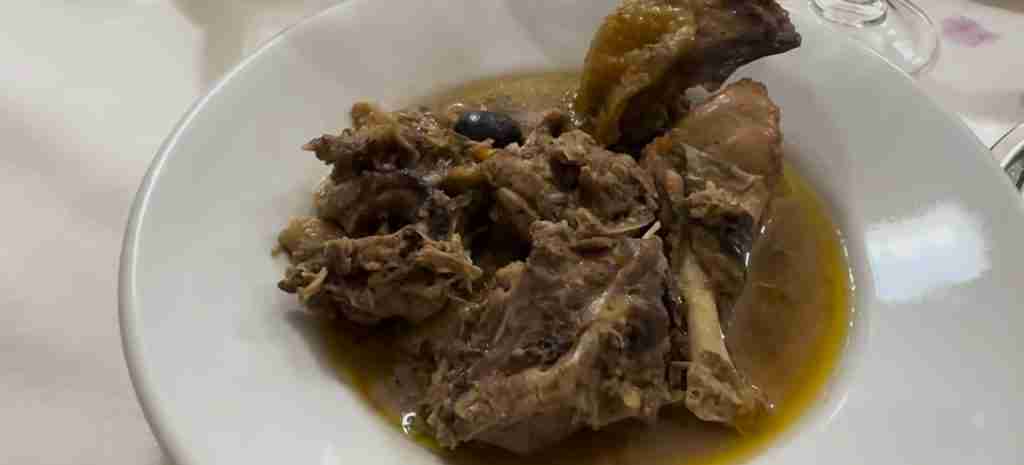
Trattoria Il Gattamelata operates in converted medieval building serving traditional Umbrian recipes using local ingredients sourced from surrounding farms and producers. Specialties include strangozzi pasta (thick hand-cut noodles) with black truffle sauce (€12-14 seasonal, €10-11 with mushrooms off-season), umbrichelli with wild boar ragu (€10-12), grilled lamb with herbs (€14-16), and porchetta (roast pork, €12-14). The lunch menu (12:30-2:30 PM Monday-Saturday) offers first course, second course, side, water, and coffee for €18-22 providing excellent value. Dinner service operates Friday-Sunday only during off-season, daily during April-October peak tourist months. Portions run generous—consider sharing dishes or ordering strategically to avoid excessive food.
Osteria Il Maniero occupies atmospheric stone-vaulted space with exposed medieval architecture creating genuine historical ambiance without theme park artificiality. The menu emphasizes seasonal ingredients with truffle dishes October-March, wild asparagus April-May, porcini mushrooms September-October, game meats autumn-winter. House-made pastas include traditional shapes rarely found outside Umbria, while meat courses feature local breeds and traditional preparations. Expect €25-32 per person for two-course meal with wine, higher if ordering premium ingredients like truffle or aged steaks. Reserve dinner tables April-October weekends as locals fill the space alongside tourist visitors—arrive by 7:30 PM for walk-in lunch seating.
Budget Options and Quick Meals
Pizzeria Da Franco bakes excellent thin-crust pizzas (€6-10 for personal pizza) with fresh toppings and reasonable prices appealing to budget travelers and families. The informal atmosphere, quick service, and takeaway options suit those prioritizing efficiency over traditional sit-down dining. Order margherita (€6), marinara (€5.50), or specialty pizzas with local sausage, mushrooms, vegetables (€8-11). Add salad (€4-6) and house wine (€3-4 glass, €12 bottle) for complete meal €12-18 per person. Open 12-2:30 PM and 7-10 PM Tuesday-Sunday, closed Mondays—plan accordingly if visiting Monday when many Narni restaurants also close for weekly riposo.
Alimentari shops and markets enable picnic assembly from local products at significant savings versus restaurant meals. Purchase fresh bread (€1.50-2 for substantial loaf), prosciutto or salami (€3-5 for 100 grams serving 1-2 people), pecorino cheese (€3-4 per portion), olives (€2-3), tomatoes (€1-2), fruit (€2-3), and wine (€5-8 for quality local bottle). Total picnic supplies €15-20 serve two people substantial lunch eaten at scenic viewpoints, public benches, or countryside spots during Ponte di Augusto hike. This strategy appeals to budget travelers, those wanting flexible meal timing independent of restaurant hours, and families with children who prefer casual outdoor eating to formal restaurant constraints.
Coffee Culture and Gelato
Italian coffee culture operates differently than American coffee shop models—bars serve espresso drinks consumed quickly standing at counter (€1-1.50) versus sitting at tables (€2.50-3.50 for same drink with significant markup for table service). Order cappuccino only before 11 AM following Italian customs (milk drinks consumed breakfast only), switching to espresso or macchiato for afternoon caffeine. Bars also serve pastries (cornetti €1.30-1.80), sandwiches (€3.50-5), and light snacks throughout day. Popular bars near Piazza dei Priori include Bar Fumante and Caffe dei Priori offering good coffee, local atmosphere, and restroom access for customers.
Gelateria Dolce Vita produces quality gelato (€2.50-3.50 for two scoops, €4-5 for three) using traditional methods and seasonal ingredients. Flavors include Italian classics (pistachio, stracciatella, nocciola hazelnut) plus creative seasonal options (fig, chestnut, local honey). Consume gelato immediately as melting proves rapid in summer heat—Italian gelato contains less stabilizers than industrial ice cream creating superior flavor but faster melting. Gelato represents affordable indulgence and cultural experience—watching Italians enjoy their gelato during evening passeggiata provides authentic glimpse into daily pleasure rituals central to Italian lifestyle philosophy prioritizing quality of life over rushed efficiency.
Booking and Practical Information for 2026
Underground Tour Reservations and Language Options
Narni Sotterranea tours operate daily year-round with departures hourly during peak season (April-October) and reduced schedule November-March. English-language tours depart 11 AM, 12:30 PM, 3 PM, and 5 PM during high season, reducing to 11 AM and 3 PM during low season. Italian tours fill remaining hourly slots. Book tours online through narnisotterranea.it guaranteeing English departure times and avoiding disappointment if walk-up availability limited during busy periods. However, walk-up same-day booking at tourist office succeeds during most shoulder season dates (April-June, September-October) except weekends and Italian holidays when domestic tourist crowds increase.
Tour group size limits at 25 persons ensuring adequate viewing access in confined underground spaces and enabling guide questions. Arrive 10 minutes before departure time for group assembly and safety briefing. Photography allowed throughout tour though lighting challenges require cameras with low-light capability—smartphone night modes work adequately for memory photos but professional quality requires dedicated cameras with high ISO performance. Tours involve descending stairs, uneven surfaces, and low ceilings in some areas—wear closed-toe shoes (sandals prohibited), bring light layers (caves maintain 14°C year-round), avoid large backpacks or bags interfering with movement in tight spaces. Tours prove generally accessible for moderate fitness levels but not wheelchair-accessible or suitable for those with significant mobility limitations.
Tourist Office Resources and Local Information
The tourist office (IAT Narni, Via del Campanile 4 off Piazza dei Priori) provides essential visitor services including free maps, current event calendars, underground tour bookings, restaurant recommendations, and transport information. Staff speak functional English assisting with basic questions though detailed inquiries may challenge communication limits—bring translation app or written questions for complex topics. Office hours operate 9:30 AM-1 PM and 3:30-6:30 PM Monday-Saturday, 10 AM-1 PM Sundays and holidays with occasional variations during low season November-March. Telephone service (+39 0744 715362) handles advance inquiries though email ([email protected]) proves more reliable for non-Italian speakers seeking pre-trip information.
Public facilities (restrooms) locate near tourist office (€0.50) and at underground tour site (free for tour participants). Carry small coins for restroom fees, coffee purchases enabling cafe restroom access (order €1.50 espresso rather than requesting restroom without purchase), and bus tickets from tabacchi shops. ATMs operate in Piazza dei Priori and near bus stop providing cash withdrawal in euros—credit cards work at restaurants, museums, and underground tour facility but many small shops remain cash-only requiring adequate euro supply. Free WiFi available at tourist office and some cafes though cellular data coverage proves reliable throughout historic center for Google Maps navigation and translation app use.
Accessibility and Family Considerations
Narni’s medieval layout creates accessibility challenges with cobblestone streets, steps between different levels, uneven surfaces, and limited elevator infrastructure. The historic center’s ridge-top position requires navigating slopes and stairs for complete exploration. Underground tours prove inaccessible for wheelchairs and difficult for mobility-impaired visitors given descending stairs, uneven cave floors, low ceilings, and confined passages. Travelers with mobility limitations should focus on accessible attractions—Piazza dei Priori and surrounding streets on relatively flat terrain, museums with ground-floor access, churches without extensive steps—while accepting that comprehensive Narni exploration remains challenging without full mobility.
Families with children find Narni manageable with age-appropriate activities: underground tour fascinates older children (8+) with adventure element and dramatic historical content, though younger children may find hour-long guided tour exceeding attention spans. The town’s compact size enables frequent breaks without missing attractions, while lack of vehicle traffic in pedestrian historic center provides safe wandering for children. Palazzo Eroli museum includes family-friendly displays, churches welcome quiet children, gelato shops provide universal child appeal, and open piazzas enable running and playing between structured activities. However, limited playground facilities, challenging uphill return from Ponte di Augusto, and authentic restaurant environments expecting proper behavior may challenge families with very young children—assess individual family dynamics and children’s temperament when planning Narni visits.
Frequently Asked Questions About Narni 2026
Is Narni better as day trip or overnight stay from Rome?
Day trips work perfectly for Narni given the town’s small size, concentrated attractions, and excellent train connections enabling 6-7 hours comfortable exploration before evening return. Overnight stays benefit travelers seeking deeper immersion, wanting to experience evening atmosphere after day-trippers depart, combining Narni with other southern Umbria destinations (Terni waterfalls, Amelia, Todi), or breaking Rome-Florence journey with overnight stopover. However, limited accommodation options, minimal evening entertainment beyond restaurant dining, and lack of major attractions justifying multi-day stays mean most travelers find day trips adequate for experiencing Narni’s highlights without accommodation investment.
The decision hinges on travel style and broader itinerary: efficient travelers maximizing Rome base with multiple day trips choose Narni for single day, slow travelers valuing authentic small-town evening atmosphere without crowds consider overnight, those combining multiple Umbrian destinations use Narni as base for regional exploration requiring 2-3 nights. Accommodation costs run €60-90 for mid-range hotels, €40-60 for basic rooms, €100-140 for agriturismo properties outside town—compare against Rome accommodation already paid plus day trip transport costs (€13-18 round-trip) when calculating overnight financial implications. Generally, day trips from Rome prove more cost-effective unless combining Narni with other area destinations requiring strategic accommodation positioning.
Can you combine Narni with other destinations in one day from Rome?
Theoretically yes, practically no—while Narni sits along Rome-Terni rail corridor enabling access to other destinations (Orvieto, Terni, Spoleto), combining locations creates rushed marathon lacking depth. A compressed schedule might visit Narni morning (8 AM Rome departure, 9:30 AM arrival, underground tour 11 AM-12 PM, quick lunch, 2 PM departure) then travel to Orvieto afternoon (arrive 3:30 PM via Terni connection, cathedral visit, 6 PM departure for Rome 7 PM arrival). However, this eliminates leisurely exploration, authentic atmosphere absorption, relaxed meals, and contemplative time making Italian travel rewarding. Each destination deserves dedicated full day enabling proper appreciation without constant watch-checking and running between transport connections.
Better strategy allocates separate day trips to different destinations across multiple days in Rome: Narni one day, Orvieto another, Tivoli third, each receiving adequate attention for satisfying experiences. Alternatively, travelers with 10-14 days in Italy consider multi-day Umbrian itinerary staying overnight in Perugia or Spoleto while day-tripping to Narni, Assisi, Orvieto, Todi, and other regional attractions from Umbrian base—this enables visiting multiple destinations without returning to Rome nightly and better represents regional exploration versus isolated day trips. The Rome-based day trip model works excellently for Narni but attempting to add additional destinations creates unsatisfying rushed schedule defeating the authentic immersion and cultural depth that makes Narni worthwhile versus more easily accessed tourist-heavy alternatives.
What makes Narni different from other Umbrian hill towns?
Narni distinguishes itself through exceptional underground archaeological complex discovered recently (1979) and still revealing new spaces through ongoing excavation—most Italian towns with Roman foundations obscure them beneath medieval and later construction without accessible archaeological sites. The underground tour quality and historical span (Roman through Renaissance) exceed typical tourist cave experiences, while Inquisition tribunal room provides chilling authentic historical site absent from sanitized attractions. Additionally, Narni maintains genuine small-town character with minimal tourist adaptation—restaurants serve locals, shops sell everyday goods rather than souvenirs, festivals celebrate community traditions, creating authentic cultural immersion impossible in tourist-saturated destinations.
The C.S. Lewis literary connection adds cultural dimension absent from towns without international cultural associations, while Ponte di Augusto Roman bridge ruins provide dramatic archaeological monument rivaling better-known sites. However, Narni lacks UNESCO designation, world-class art collections, comprehensive English services, and extensively developed tourist infrastructure characterizing more famous Umbrian destinations. This combination of authentic atmosphere, unique underground archaeology, significant Roman remains, literary associations, and genuine local culture creates distinctive experience appealing to travelers prioritizing discovery and authenticity over convenient tourist services and internationally famous attractions.
Is the underground tour suitable for children?
The underground tour works well for children aged 8+ who handle hour-long guided experiences, maintain attention during historical explanations, and navigate stairs and uneven surfaces safely. The adventure element—descending into mysterious underground spaces, exploring ancient cisterns, viewing prisoner graffiti—appeals to children’s imagination more than typical museum visits. However, the Inquisition tribunal room content involves discussion of torture, imprisonment, and religious persecution potentially disturbing for sensitive children or those under 8-10 years. Parents know their children’s temperament best when assessing suitability—mature curious children thrive on the historical content while easily frightened children may find some elements unsettling.
The tour’s physical requirements include descending approximately 50 stairs at the beginning, walking on uneven stone surfaces, negotiating low doorways requiring ducking, and managing cool 14°C temperatures with proper layers. Children comfortable with cave-like environments, interested in history or archaeology, and maintaining behavior standards for guided group tours find the experience memorable and educational. Tour guides adjust explanations for mixed-age groups though focus primarily on adult audience—parents should supplement with age-appropriate explanations answering children’s questions during tour or afterward. Alternative activities if underground tour proves unsuitable include medieval center exploration with fortress tower climb, gelato rewards, piazza playing, and casual restaurant meals appealing to all ages without historical content complexity.
How does Narni’s cost compare to other Rome day trip options?
Narni delivers exceptional value at €30-45 per person for complete day trip versus €40-55 for Orvieto, €50-70 for Pompeii, €45-60 for Florence day trips, €35-50 for Tivoli. The cost advantages come from lower transport expenses (€13-18 trains versus €25-35 for some destinations), reduced meal prices at authentic trattorias (€12-18 lunch versus €20-30 tourist restaurants), free or low-cost attractions (churches, medieval center, Roman bridge ruins free; underground tour €7 versus €15-25 at major sites), and absence of tourist price inflation affecting more famous destinations. Budget travelers and families particularly appreciate Narni’s authentic pricing enabling comfortable experiences at lower costs than internationally known alternatives.
However, cost comparison must account for experience type—Narni provides authentic small-town cultural immersion rather than world-famous artistic treasures or UNESCO sites. Travelers seeking Sistine Chapel, Pompeii ruins, or Assisi’s Giotto frescoes must accept higher costs as these attractions justify premium pricing through extraordinary cultural significance. Narni offers different value proposition: genuine local atmosphere, unique underground archaeology, significant but not world-famous Roman remains, and authentic Italian experiences at accessible prices. The question becomes whether travelers prioritize seeing internationally renowned attractions or experiencing authentic Italian culture—both prove worthwhile with different cost structures and reward types. Ideal Italy itineraries include both, balancing famous destinations with authentic places like Narni providing depth beyond tourist performance.