
Paris Walking Tours & Routes 2026: Self-Guided Neighborhood Walks
Key Takeaways
- Seven curated walking routes explore Paris’s most distinctive neighborhoods from Latin Quarter’s medieval streets to Montmartre’s hilltop village atmosphere, each route requiring 2-4 hours at moderate pace
- Self-guided walks cost nothing beyond optional café stops (€3-8) and provide flexibility unavailable with organized tours while delivering authentic neighborhood immersion and architectural discovery
- Strategic timing transforms experiences—Latin Quarter walks shine 8:00-10:00 AM before crowds, Montmartre requires sunset timing for golden hour photography, Marais thrives Sunday afternoons when other districts close
- Downloadable offline maps and Metro access points bracket each route enabling easy start/stop modifications based on energy levels, weather changes, or spontaneous discoveries deserving extended exploration
- Walking reveals Paris’s living urban fabric invisible from Metro stations and tour buses: hidden courtyards, artisan workshops, neighborhood markets, and residential streets where authentic Parisian life unfolds
Planning Your Paris Walking Adventures in 2026
Walking unlocks Paris in ways no other transportation mode achieves. The city’s compact arrondissements, pedestrian-friendly infrastructure, and human-scaled architecture reward foot exploration with discoveries impossible from Metro trains or tour buses. Each step through medieval lanes, across Seine bridges, past café terraces, and into hidden passages reveals layered histories, architectural details, and neighborhood rhythms creating comprehensive Paris understanding unavailable to rushed itineraries jumping between major attractions via underground transport.
Paris’s walkability stems from Baron Haussmann’s 19th-century redesign creating wide boulevards, regular blocks, and coherent sight lines while preserving medieval cores in districts like Latin Quarter and Marais. This dual structure enables both grand-scale urban appreciation along wide avenues and intimate neighborhood exploration through narrow streets revealing pre-Haussmann Paris. The combination creates exceptional walking city where 30-minute strolls transition between dramatically different atmospheres and centuries of architectural evolution.
Successful walking tours require comfortable footwear—Paris’s stone and cobblestone surfaces punish fashion choices after 90 minutes. Bring refillable water bottles (public fountains throughout city), small daypacks for purchases and layers, and charged phones for photography and offline maps. Download Google Maps offline areas before walks enabling navigation without data connectivity. Each route description includes start/end Metro stations, estimated duration, elevation changes, and optimal timing creating complete planning framework for independent neighborhood exploration.
People Also Ask About Paris Walking Tours 2026
Are self-guided walking tours good for exploring Paris in 2026?
Self-guided walks provide optimal Paris neighborhood exploration combining flexibility, cost savings, and authentic immersion unavailable with organized tours. Walking routes cost nothing beyond optional café stops while delivering direct engagement with street life, architecture, and local culture. You control pace, duration, and spontaneous detours for discoveries that capture your specific interests. Download offline maps and follow curated routes presented here for structured guidance maintaining independence. Organized walking tours (€25-45 per person) add expert historical commentary and guaranteed interesting facts but eliminate flexibility for extended café lingering, shop browsing, or photograph sessions. Choose self-guided for authentic exploration; select organized tours for comprehensive historical education.
How much walking is required to explore Paris in 2026?
Paris neighborhood walks range 3-7 kilometers (2-4.5 miles) requiring 2-4 hours at moderate pace including stops for photography, café breaks, and attraction viewing. Latin Quarter route covers 4 kilometers in 2.5 hours, Marais walk extends 5 kilometers over 3 hours, Montmartre climb tackles 6 kilometers in 3.5 hours with elevation gain. Combine 2-3 neighborhood walks daily totaling 8-12 kilometers without excessive fatigue for moderately fit travelers. Strategic Metro use between neighborhoods preserves energy for concentrated walking in specific districts. Comfortable, broken-in shoes prove essential—Parisian cobblestones and uneven sidewalks punish fashion footwear after first hour.
What’s the best time of day for Paris walking tours in 2026?
Early morning (8:00-10:00 AM) delivers optimal Latin Quarter and Saint-Germain-des-Prés walks capturing neighborhoods before tourist crowds, with markets active and cafés setting up. Late afternoon (4:00-7:00 PM) suits Montmartre for sunset golden hour photography and Marais for vibrant pre-dinner atmosphere. Sunday afternoons favor Marais when shops open while other districts close, plus Seine riverside strolls avoiding weekday commuter traffic. Avoid midday (11:00 AM-2:00 PM) in summer when heat intensifies and crowds peak at major attractions. Evening walks (7:00-10:00 PM) showcase illuminated monuments and Parisian dining culture but limit shop access and museum interiors—best for atmosphere versus comprehensive exploration.
Can you walk between major Paris attractions in 2026?
Most major Paris attractions cluster within walkable distances: Louvre to Notre-Dame requires 20 minutes, Notre-Dame to Latin Quarter 15 minutes, Musée d’Orsay to Eiffel Tower 25 minutes, Marais to Centre Pompidou 10 minutes. Seine riverside walks connect multiple landmarks through continuous pedestrian paths. Walking between attractions costs nothing, provides authentic neighborhood exposure, and reveals street life impossible to experience via Metro. However, distances like Eiffel Tower to Sacré-Cœur (5 kilometers) or Louvre to Montmartre (4 kilometers) warrant Metro segments preventing excessive fatigue. Optimal approach combines walking for proximate sites within same neighborhood with Metro for cross-district transitions.
Extended multi-day tours – 5+ days
Featured Paris Multi-Day Tour Packages

5 days
5 Days of Art, Gardens & Royal Splendor: Paris, Giverny & Versailles
- ✓ Comprehensive Paris tour
- ✓ Expert local guides included
- ✓ All accommodation arranged
- ✓ Transportation provided
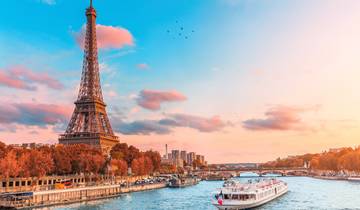
4 days
Independent Paris City Stay
- ✓ Comprehensive Paris tour
- ✓ Expert local guides included
- ✓ All accommodation arranged
- ✓ Transportation provided
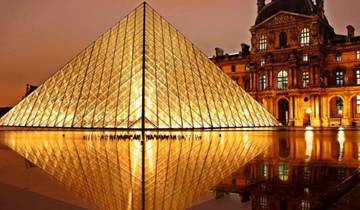
6 days
Enchanting 6-Day Journey Through Paris With Disneyland and Palace of Versailles
- ✓ Comprehensive Paris tour
- ✓ Expert local guides included
- ✓ All accommodation arranged
- ✓ Transportation provided

5 days
Paris in Color, Scent & Flavor
- ✓ Booking needs min. 2 travelers
Multi-day tour packages powered by TourRadar. Prices and availability subject to change.
Essential Walking Tour Preparation for 2026
Navigation and Technology Tools
Download Google Maps offline areas covering Paris arrondissements 1-11 (central districts) before beginning walks. The offline feature saves complete map tiles enabling full navigation, search, and route planning without cellular data or WiFi connectivity. This proves essential when underground Metro WiFi proves unreliable or international data roaming incurs unexpected charges. iOS users access offline maps through Google Maps app; Apple Maps provides similar functionality with different interface.
Download walking route GPX files (available from various Paris tourism websites) into offline mapping apps like Maps.me or OsmAnd for detailed turn-by-turn guidance along curated routes. These apps integrate with phone GPS providing real-time position tracking without internet requirements. However, the self-guided routes presented here work perfectly with standard offline Google Maps by following street-by-street directions.
Portable battery chargers extend phone usage through full-day walking tours requiring continuous GPS, photography, and web searches. Morning Metro rides provide last pre-walk charging opportunities; most Paris Metro stations lack public USB charging ports. Cafés welcome patrons charging phones over coffee—useful mid-walk when battery approaches 20%.
Optimal Walking Gear and Comfort Items 2026
Comfortable walking shoes constitute non-negotiable requirement. Paris streets combine cobblestones, uneven sidewalks, centuries-old stone pavement, and occasional mud in Luxembourg Gardens after rain. Athletic sneakers, broken-in leather walking shoes, or quality sandals (summer only) work well. Avoid new shoes, thin-soled fashion footwear, or high heels—blisters and foot pain ruin walking tours after 60-90 minutes.
Light daypack carries water bottles (refill at public fountains throughout Paris), snacks, light jacket or cardigan (Paris churches feel cool even summer days), sunscreen and hat (summer), compact umbrella (spring/fall), and purchased items from markets or boutiques. Cross-body bags worn forward prevent pickpocket opportunities on crowded streets near major attractions.
Dress in layers enabling temperature adaptation as walks transition between shaded narrow streets, sunny boulevards, cool church interiors, and warm café seating. Summer walks (June-August) require sun protection and light breathable clothing; spring/fall benefit from cardigans or light jackets; winter demands warm coats, scarves, and gloves for 3-10°C temperatures.
Complete Self-Guided Walking Routes for 2026
Latin Quarter Historical Walk: Medieval Paris to Panthéon
Start: Saint-Michel-Notre-Dame Metro | End: Cardinal Lemoine Metro
Distance: 4 kilometers | Duration: 2.5-3 hours | Difficulty: Easy with moderate hills
Best Timing: 8:00-10:30 AM weekdays for markets and pre-crowd atmosphere
Route Overview: This walk explores Paris’s oldest neighborhood combining Roman ruins, medieval streets, Renaissance university buildings, and intellectual café culture that defined Left Bank character across eight centuries.
Step-by-Step Route:
1. Place Saint-Michel and Seine Riverside (0-15 minutes): Begin at Saint-Michel fountain (1860 design depicting Archangel Michael slaying dragon) on busy plaza connecting Left Bank to Île de la Cité. Walk east along Quai de Montebello browsing bouquinistes (riverside book stalls) selling vintage posters, antique books, and Seine prints. Cross to Île de la Cité via Petit Pont (Paris’s shortest bridge) for Notre-Dame views—cathedral remains under restoration but impressive from exterior with flying buttresses and rose window visible.
2. Rue de la Huchette Medieval Streets (15-30 minutes): Return to Left Bank via Pont au Double. Enter Rue de la Huchette’s narrow passage preserving 13th-century scale with Greek restaurants, crêperies, and jazz clubs. The carnival atmosphere after 7:00 PM contrasts with morning quiet. Continue to Rue de la Harpe, another medieval survivor with restaurants and tourist shops. These streets represent pre-Haussmann Paris before 19th-century demolitions widened boulevards.
3. Saint-Séverin Church and Surroundings (30-45 minutes): Visit Église Saint-Séverin (free entry), 13th-15th century Flamboyant Gothic church with twisted columns, modern stained glass, and peaceful courtyard. The church serves local parish maintaining authentic religious function beyond tourist attraction status. Explore adjacent Rue Saint-Séverin and Rue de la Parcheminerie (Parchment Street) recalling medieval university activities when Latin Quarter produced Europe’s illuminated manuscripts.
4. Cluny Museum and Roman Baths (45-75 minutes): Walk Boulevard Saint-Michel to Musée de Cluny-Musée National du Moyen Âge (€12 entry) housing medieval art including Lady and the Unicorn tapestries in 15th-century mansion built atop Roman baths. The thermal bath ruins (1st-3rd century CE) represent Paris’s Gallo-Roman heritage visible through museum’s glass floor. Skip museum interior if time-limited but view Roman ruins from street through fence gaps.
5. Sorbonne University (75-90 minutes): Continue Boulevard Saint-Michel to Place de la Sorbonne. The Sorbonne’s 17th-century chapel (limited access) and university buildings represent educational institution founded 1257. Students fill café terraces during academic year creating intellectual atmosphere. Coffee at Café de la Sorbonne (€3.50-5) provides rest and people-watching opportunity.
6. Panthéon and Surrounding Streets (90-120 minutes): Climb Rue Soufflot to Panthéon (€11.50 entry) on hill crown. The neoclassical mausoleum houses Voltaire, Rousseau, Hugo, Curie, and other French luminaries in crypt beneath dramatic dome interior. Rooftop colonnade provides Left Bank panorama. Even without interior visit, exterior architectural appreciation and surrounding square merit 15-minute pause.
7. Rue Mouffetard Market Street (120-150 minutes): Descend via Rue Descartes to Rue Mouffetard, winding medieval market street where shops sell cheese, charcuterie, produce, and prepared foods. Wednesday, Friday, and Saturday mornings host open-air market stalls. Browse food shops, sample cheese at fromageries, or buy baguette sandwiches (€6-8) for lunch. Street’s authenticity contrasts with tourist-oriented areas—locals shop here daily.
Optional Extensions: Jardin des Plantes botanical gardens (10 minutes southeast) offer green space, greenhouse collections, and Natural History Museum. Arab World Institute (15 minutes northeast) features contemporary architecture and panoramic rooftop terrace.
Cafés and Rest Stops: Café de Flore (172 Boulevard Saint-Germain, coffee €7-9), Les Deux Magots (6 Place Saint-Germain-des-Prés, coffee €7-9), or budget-friendly options along Rue Mouffetard (coffee €3-4). Expect to spend €8-15 for mid-walk café break.
Marais Historical & Cultural Walk: Jewish Quarter to Place des Vosges
Start: Saint-Paul Metro | End: Rambuteau Metro
Distance: 5 kilometers | Duration: 3-3.5 hours | Difficulty: Easy, flat terrain
Best Timing: Sunday afternoon when Marais shops open while other districts close, or weekday late afternoon (4:00-7:00 PM)
Route Overview: Marais preserves medieval street plan with Renaissance mansions, Jewish Quarter heritage, LGBT hub vibrancy, contemporary boutiques, and Paris’s hippest dining creating multilayered neighborhood showcasing urban evolution.
Step-by-Step Route:
1. Rue des Rosiers Jewish Quarter (0-30 minutes): Exit Saint-Paul Metro onto Rue de Rivoli, turn north on Rue Pavée to Rue des Rosiers. This historic Jewish Quarter street features falafel stands (L’As du Fallafel draws lines, €8-12), kosher bakeries, Hebrew bookshops, and synagogues documenting centuries-long Jewish presence. Pletzl area (surrounding streets) combines Eastern European heritage with modern boutiques. Sunday brings full commercial activity when Jewish businesses remain open.
2. Hôtel de Sully and Place des Vosges (30-60 minutes): Walk east on Rue Saint-Antoine to Hôtel de Sully (62 Rue Saint-Antoine), 17th-century mansion with courtyard gardens (free access) and bookshop. Pass through mansion to Place des Vosges via rear exit—dramatic reveal of Paris’s oldest planned square. Place des Vosges (1612) features uniform red brick pavilions surrounding garden with fountain and covered arcades housing art galleries and antique shops. Free entry and seating allows extended contemplation of French Renaissance urban planning.
3. Victor Hugo’s House and Surrounding Galleries (60-90 minutes): Visit Maison de Victor Hugo (6 Place des Vosges, €8 entry or free for permanent collection) where author wrote Les Misérables. Explore arcade galleries under Place des Vosges housing contemporary art, photography, and design exhibitions—many galleries maintain free entry. Continue to Rue de Turenne’s antique dealers and design boutiques representing Marais’s artistic identity.
4. Picasso Museum Area (90-120 minutes): Walk Rue de Turenne to Musée Picasso (5 Rue de Thorigny, €14 entry in 2026, check museepicassoparis.fr for current rates). The museum occupies Hôtel Salé (1659), magnificent mansion housing world’s largest Picasso collection. Even without museum entry, surrounding streets—Rue Elzévir, Rue de Saintonge—showcase preserved 17th-century Marais with renovated mansions, hidden courtyards, and artisan workshops.
5. Village Saint-Paul Antique Quarter (120-150 minutes): Return toward Seine via Rue Saint-Paul to Village Saint-Paul (bounded by Rue Saint-Paul, Rue Charlemagne, Rue des Jardins Saint-Paul). This maze of interconnected courtyards houses antique shops, vintage dealers, and artisan studios (Thursday-Sunday opening). The medieval streets and preserved towers from Philippe Auguste’s wall (1190-1215) create time-capsule atmosphere perfect for browsing without purchase pressure.
6. Centre Pompidou Approach (150-180 minutes): Walk north on Rue Vieille du Temple through heart of Marais’s LGBT hub—bars, cafés, and boutiques create vibrant evening scene. Continue to Rue de Bretagne’s covered market (Marché des Enfants Rouges, Paris’s oldest, dating 1615) where food stalls serve international cuisines €8-15. Exit market toward Centre Pompidou (Place Georges Pompidou), high-tech architecture museum (€15 entry, free rooftop terrace access via escalators) and plaza with street performers.
Optional Extensions: Musée Carnavalet (Paris history museum, free entry) on Rue de Sévigné. Archives Nationales in Hôtel de Soubise (French historical documents, limited access). Jewish Art and History Museum (€10 entry).
Dining Options: Falafel at L’As du Fallafel (€8-12), bistro meals at Breizh Café (€15-25 crêpes), market lunch at Marché des Enfants Rouges (€10-18), dinner reservations at Miznon (€18-28) or Le Barav (€15-25 small plates). Budget €25-45 for lunch with beverage.
Montmartre Village Walk: Hilltop Artists’ Quarter
Start: Abbesses Metro | End: Lamarck-Caulaincourt Metro
Distance: 6 kilometers | Duration: 3.5-4 hours | Difficulty: Moderate with significant hill climbing
Best Timing: Late afternoon (4:00-7:30 PM) for sunset golden hour at Sacré-Cœur, or early morning (7:00-9:00 AM) for crowd-free streets
Route Overview: Montmartre retains village atmosphere on Paris’s highest hill where Picasso, Toulouse-Lautrec, and Renoir worked in studios and cabaret culture flourished around 1900. The walk balances tourist sites (Sacré-Cœur, Place du Tertre) with authentic residential streets and artistic heritage.
Step-by-Step Route:
1. Abbesses Square and Wall of Love (0-15 minutes): Begin at Abbesses Metro—Art Nouveau entrance represents one of two original Guimard-designed entrances remaining in Paris. Place des Abbesses features Wall of Love with “I love you” in 250 languages on blue-tiled wall—popular photo spot. Nearby cafés offer coffee (€3-4.50) before hill climbing begins.
2. Rue Lepic Market Street (15-45 minutes): Walk up Rue Lepic, Montmartre’s market street where locals shop at butchers, bakers, cheese shops, and produce vendors. Café des Deux Moulins (15 Rue Lepic) from film Amélie attracts fans—over-touristed but maintains authentic French café atmosphere with reasonable prices (€3.50 coffee, €8-15 meals). Continue climbing Rue Lepic past Moulin de la Galette windmill (inspiration for Renoir painting) to upper Montmartre.
3. Montmartre Vineyards and Quiet Streets (45-75 minutes): Turn onto Rue Girardon to Montmartre vineyards (Clos Montmartre)—1,556 vines producing wine annually for charity. The unexpected agricultural element in central Paris delights visitors. Explore adjacent quiet residential streets (Rue Cortot, Rue des Saules) where Montmartre village character persists: cobblestones, small houses with shuttered windows, ivy-covered walls, and neighborhood cats sleeping on doorsteps.
4. Musée de Montmartre (75-105 minutes): Visit Musée de Montmartre (12 Rue Cortot, €12 entry) occupying 17th-century house where Renoir maintained studio. The museum documents artistic quarter history with paintings, posters, and period rooms, plus gardens offering Montmartre viewpoints. Skip interior if budget-conscious but explore surrounding streets capturing authentic atmosphere.
5. Place du Tertre and Sacré-Cœur (105-150 minutes): Walk to Place du Tertre where artists paint portraits (€30-80) and caricatures (€20-40) recreating early 20th-century Montmartre artistic market. Quality varies; browse without obligation. Afternoon crowds peak 11:00 AM-3:00 PM; arrive early morning or late afternoon for easier navigation.
Continue to Sacré-Cœur Basilica (free entry) on hilltop. The white Romano-Byzantine basilica completed 1914 features mosaics interior and crypts (€3 entry). Dome access (€6) climbs 300 steps to 80-meter-high viewing platform—arguably Paris’s best panorama rivaling Eiffel Tower at fraction of cost. Arrive by 6:00 PM for sunset golden hour light illuminating Paris sprawl below. Front steps attract crowds watching sunset; find space on side terraces for equivalent views with fewer people.
6. Downhill via Quieter Route (150-180 minutes): Descend Montmartre via Rue du Cardinal Guibert and Rue Lamarck avoiding tourist-heavy Rue de Steinkerque. These residential streets showcase village life continuing beyond tourist circuits. Pass small squares, neighborhood bars, and local shops where Montmartre residents conduct daily business.
Optional Extensions: Espace Dalí (surrealist art museum, €12) or Moulin Rouge exterior (photos only; evening shows cost €90-200 with dinner). Cemetery of Montmartre houses Degas, Stendhal, and Truffaut graves.
Dining Recommendations: Le Bouclard (1 Rue Cavalotti, €22-32 entrées), La Mascotte (52 Rue des Abbesses, seafood €28-45), budget options Le Bon Bock (€15-23). Reserve ahead or arrive by 7:00 PM. Budget €30-50 for dinner with wine.
Saint-Germain-des-Prés Intellectual Walk: Left Bank Cafés and Culture
Start: Saint-Germain-des-Prés Metro | End: Odéon Metro
Distance: 3.5 kilometers | Duration: 2.5-3 hours | Difficulty: Easy, flat terrain
Best Timing: Mid-morning (9:00-11:30 AM) for café culture or early evening (5:00-7:30 PM) for shopping and gallery hours
Route Overview: Saint-Germain-des-Prés embodies Left Bank intellectual heritage where Sartre, de Beauvoir, Camus, and Hemingway debated philosophy over café tables creating post-war existentialist movement. Contemporary district balances literary history with luxury boutiques and art galleries.
Step-by-Step Route:
1. Saint-Germain-des-Prés Church and Square (0-20 minutes): Begin at Église Saint-Germain-des-Prés (free entry), Paris’s oldest church with 11th-century bell tower and Romanesque nave. The church predates Notre-Dame by century, offering architectural counterpoint to Gothic style. Surrounding square’s café terraces—Café de Flore (172 Boulevard Saint-Germain) and Les Deux Magots (6 Place Saint-Germain-des-Prés)—charge premium prices (€7-9 coffee) for existentialist heritage and people-watching prime location.
2. Rue de l’Abbaye and Hidden Courtyard (20-35 minutes): Turn onto Rue de l’Abbaye, narrow street with antique shops and art galleries. Enter Cour du Commerce Saint-André, covered passage (1735) with cobblestones, exposed beams, and shops including historic Le Procope (oldest Paris restaurant, 1686). The passage connects Boulevard Saint-Germain to Rue Saint-André des Arts revealing preserved 18th-century commercial architecture.
3. Odéon Theater District (35-60 minutes): Walk Rue de l’Ancienne Comédie to Carrefour de l’Odéon. This intersection anchors theater quarter with Théâtre de l’Odéon (1782) and surrounding streets lined with bookshops, cafés, and boutiques. Explore Rue de l’Odéon—Paris’s first street with sidewalks (1779)—where Sylvia Beach operated original Shakespeare and Company bookstore before World War II.
4. Luxembourg Gardens Perimeter (60-90 minutes): Continue to Luxembourg Gardens main entrance. Walk gardens’ perimeter along Rue de Vaugirard (Paris’s longest street) viewing Palais du Luxembourg housing French Senate. Gardens interior warrants 30-45 minute exploration: Medici Fountain, children’s playground, pond for toy boat rentals (€3), and chairs around fountains for Parisian relaxation ritual. Free entry and seating creates democratic public space used by students, families, and elderly locals.
5. Boulevard Saint-Germain Galleries (90-120 minutes): Return to Boulevard Saint-Germain exploring art galleries between Rue Bonaparte and Rue de Seine. This gallery quarter specializes in contemporary art, photography, and design with most galleries maintaining free entry for browsers. Notable stops include Galerie Karsten Greve, Galerie Lelong, and smaller spaces showcasing emerging artists. Thursday evenings sometimes feature openings with free wine—check gallery websites.
6. Shakespeare and Company Bookstore (120-150 minutes): Walk to Seine riverside reaching Shakespeare and Company (37 Rue de la Bûcherie). The legendary English-language bookstore recreates Sylvia Beach’s original spirit with floor-to-ceiling titles, resident cats, and writers-in-residence program. Free readings occur several evenings weekly. Browse without purchase pressure; narrow rooms and creaky stairs create literary pilgrimage atmosphere. Across Seine, Notre-Dame’s restoration scaffolding provides architectural interest from bookstore windows.
Optional Extensions: Musée Delacroix (artist’s apartment and studio, €7), Saint-Sulpice Church (Da Vinci Code featured location, free), Bon Marché department store (1852, Paris’s first, with exceptional food hall).
Café Strategy: Skip tourist-heavy Flore and Deux Magots for better-value alternatives: Café de la Mairie (8 Place Saint-Sulpice, coffee €3-4), Café Tournon (20 Rue de Tournon, coffee €3.50), or Luxembourg Gardens kiosk (coffee €3). Budget €5-10 for café stop.
Seine Riverside Walk: Bridges and Bookstalls
Start: Musée d’Orsay | End: Notre-Dame
Distance: 3 kilometers | Duration: 1.5-2 hours | Difficulty: Easy, flat riverside path
Best Timing: Late afternoon (4:00-6:00 PM) or evening (7:00-9:00 PM) for monument illumination
Route Overview: Seine riverside walk connects Left Bank museums and monuments via continuous pedestrian paths, with bouquinistes book stalls and iconic bridges creating quintessential Parisian atmosphere.
Step-by-Step Route:
1. Musée d’Orsay to Pont des Arts (0-20 minutes): Begin at Musée d’Orsay riverside exit. Walk east along Quai François Mitterrand (Left Bank riverside street) with Seine on your right. Pass under Pont Royal (1685) to Pont des Arts, pedestrian bridge connecting Louvre to Left Bank. The bridge attracts musicians, artists, and picnickers creating bohemian atmosphere. Former love locks removed but excellent Louvre photography angle from mid-bridge.
2. Institut de France and Bouquinistes (20-45 minutes): Continue along Quai de Conti passing Institut de France’s distinctive dome (1662-1691) housing Académie Française. Bouquinistes (riverside book stalls) line both Seine banks selling vintage posters, antique books, postcards, and prints from green wooden boxes chained to riverside walls. Operating since 16th century, bouquinistes represent UNESCO Intangible Cultural Heritage. Browse vintage Paris maps (€15-30), architectural engravings (€20-60), or rare books (€30-150) from dealers open most days 11:00 AM-7:00 PM.
3. Pont Neuf and Île de la Cité (45-70 minutes): Cross Pont Neuf (ironically Paris’s oldest bridge, 1607, name meaning “new bridge”) to Île de la Cité. Descend stairs to Square du Vert-Galant, peaceful park on island’s western tip offering Seine and bridge views. Return to Left Bank continuing along Quai des Grands Augustins, street appearing in numerous French films for archetypal Parisian atmosphere.
4. Saint-Michel to Notre-Dame (70-90 minutes): Reach Place Saint-Michel, major Left Bank hub connecting Latin Quarter to bridges. Continue along Quai de Montebello with more bouquinistes and direct Notre-Dame views across water. The cathedral’s flying buttresses and apse create architectural drama best appreciated from riverside distance. Restoration scaffolding currently limits close approach but riverside perspectives remain unobstructed.
Evening Extension: Continue walk after sunset when riverside monuments illuminate: Pont Alexandre III’s golden statues and Eiffel Tower’s hourly sparkle show (every hour after dark, five-minute duration). Evening walk from Musée d’Orsay to Trocadéro (5 kilometers, 60-75 minutes) captures illuminated Paris grandeur.
Refreshment Stops: Riverside kiosks sell beverages €3-5. Bars on Quai de Montebello (Left Bank) and Quai des Célestins (Right Bank) offer coffee €3-4, wine €6-10.
Organized Walking Tour Options for 2026
When to Consider Guided Tours
Organized walking tours add value through expert historical commentary, guaranteed interesting facts, and structured pacing preventing aimless wandering. Tours cost €25-45 per person for 2-3 hour group experiences (15-25 participants) or €80-150 per person for private guides (1-6 people). Popular companies include Context Travel, Paris Walks, Discover Walks, and Free Tours by Foot (tip-based, suggest €10-15 per person).
Historical focus tours—Medieval Paris, French Revolution sites, World War II Paris—provide depth impossible for general visitors to achieve independently. Specialized themes—Paris architecture, Art Nouveau design, food markets, chocolate shops—connect expertise with neighborhood exploration. These tours warrant consideration for serious interest in specific topics versus general neighborhood wandering.
Recommended Organized Tour Types
Food Tours (€90-150 per person, 3-4 hours): Marais food tours sample falafel, cheese, wine, pastries, and chocolate while exploring Jewish Quarter. Latin Quarter versions combine market visits with bistro tastings. Worth cost for culinary education, artisan introductions, and lunch equivalency (tastings constitute substantial food). Book through Paris by Mouth, Eating Europe, or Context Travel.
Evening Seine Walks with Illuminations (€35-55 per person, 2 hours): Sunset timing captures golden hour photography followed by monument illumination. Guides explain architectural history while positioning groups for optimal views. Consider for photography-focused visitors or couples seeking romantic atmosphere with educational element.
Street Art Tours (€30-45 per person, 2-3 hours): Belleville, Canal Saint-Martin, and 13th arrondissement street art tours decode graffiti, explain artists’ techniques, and reveal hidden murals invisible to casual observers. These tours access insider knowledge impossible to replicate independently. Book through Alternative Paris or Uncharted Paris.
Frequently Asked Questions: Paris Walking Tours 2026
Can you see Paris without taking Metro in 2026?
Concentrated Paris exploration proves entirely walkable for central arrondissements (1-8) where major attractions cluster within 2-4 kilometers of each other. Louvre to Eiffel Tower requires 40 minutes walking along Seine; Notre-Dame to Montmartre stretches to 45 minutes without elevation gain until final hill climb. However, returning to accommodations after full-day walking (8-12 kilometers) benefits from Metro efficiency preventing overexertion. Optimal approach combines walking for same-neighborhood exploration (Latin Quarter, Marais, Montmartre) with Metro for cross-district transitions, creating balance between immersive exploration and practical efficiency.
Is Paris safe for walking alone in 2026?
Paris proves safe for solo walking throughout central arrondissements during daylight and evening hours. Standard urban awareness applies: maintain attention in Metro stations and tourist attraction crowds where pickpockets operate, avoid deserted areas late night (post-midnight), and keep valuables in front pockets or cross-body bags worn forward. Women report comfortable solo walking in Latin Quarter, Marais, and Saint-Germain-des-Prés where pedestrian traffic and lighting continue through evening. Peripheral arrondissements (18th beyond Montmartre, 19th-20th) receive less tourist traffic but pose no specific safety concerns for daytime walking. Trust instincts and join populated areas if any location feels uncomfortable.
What should I bring on Paris walking tours in 2026?
Pack light daypack with refillable water bottle (Paris fountains provide free drinking water), snacks for energy, phone with charged battery and offline maps downloaded, portable charger, comfortable walking shoes already broken-in, light jacket or cardigan, small umbrella, sunscreen and hat (summer), and cash (some small cafés and markets don’t accept cards). Avoid luggage, large backpacks, or valuables beyond daily necessities. Cross-body bags worn forward prevent pickpocket access in crowded areas. Camera or quality phone suffices for photography; professional equipment proves cumbersome for casual neighborhood walks.
Can families with young children do Paris walking tours?
Family-appropriate walking tours exist with route modifications. Shorten distances to 2-3 kilometers maximum for children under 8, build in playground stops (Luxembourg Gardens, Square des Batignolles), plan around nap times, and accept slower pace with frequent breaks. Saint-Germain-des-Prés and Seine riverside walks suit families with flat terrain and parks providing rest opportunities. Montmartre’s hill climbing challenges young children; consider funicular (€1.90) for ascent then walking descent when kids tire less from downhill movement. Pack snacks preventing hunger meltdowns and locate bathrooms in advance (cafés require small purchase, department stores provide free facilities, museums have public restrooms).
How do Paris walking tours work in rain?
Moderate rain proves manageable with compact umbrella and light rain jacket—Parisians continue daily activities rather than canceling plans for weather. Churches, covered passages (Galerie Vivienne, Passage des Panoramas), museums, and department stores provide dry segments breaking up outdoor portions. Heavy rain warrants itinerary shifts toward covered attractions: Louvre, Musée d’Orsay, Centre Pompidou, or shopping galleries along Rue de Rivoli. Many cafés welcome extended sitting during downpours; order coffee or glass of wine (€3-8) and wait out worst weather. Cancel Montmartre and Seine riverside walks during rain; save for clear days when views and photography matter most.
What time do Paris shops open for walking tour shopping?
Paris shops open 10:00-11:00 AM with smaller boutiques often opening later. Plan morning walks (8:00-10:00 AM) for architecture, markets, and café culture, shifting to afternoon (2:00-7:00 PM) for shopping-focused exploration. Sunday presents special case: most Paris shops close except Marais which maintains Sunday afternoon commerce (2:00-7:00 PM). Markets operate specific days—verify before planning food market walks. Department stores (Galeries Lafayette, Le Bon Marché) open earlier (9:30-10:00 AM) with longer hours (close 8:00-9:00 PM). Small shops may close 12:30-2:00 PM for lunch, though this practice diminishes in tourist areas.
Should I book organized walking tours before arriving in Paris 2026?
Popular themed tours—food tours, specialized historical tours, private guides—warrant 2-4 week advance booking for summer 2026. Free walking tours (tip-based) accept walk-ups but may fill during peak season requiring earlier arrival for guaranteed spots. General neighborhood walking tours maintain availability; book 3-7 days ahead for convenience though same-day often works except busy summer weekends. Last-minute organized tours cost same price as advance bookings, so reserving ahead offers no financial disadvantage. Independent self-guided walks require zero advance planning—simply follow routes presented here with offline maps and flexible timing.
Can walking tours help learn about French culture in 2026?
Walking provides authentic cultural immersion observing Parisian daily life: café rituals, market shopping, neighborhood interactions, architectural appreciation, and urban rhythm understanding. Self-guided walks at slow pace encourage extended observation impossible from tour buses or Metro rides. Stop at bakeries learning French bakery etiquette, observe market vendors interacting with customers, watch locals selecting cheese at fromageries, and notice architectural details revealing building histories. Guided tours add historical context and expert explanations but can limit spontaneous cultural discoveries that arise from unstructured wandering. Combine both approaches: guided tours for historical education, self-guided walks for cultural absorption.
What’s the best weather for Paris walking tours?
Spring (April-May) and fall (September-October) deliver optimal walking weather with 15-22°C temperatures, occasional rain requiring light jacket or umbrella, and flowering gardens (spring) or autumn colors (fall) enhancing visual appeal. Summer (June-August) brings long days (sunset 9:30 PM) extending walking hours but creates heat challenges during 25-30°C periods or rare heat waves (35°C+). Winter (November-March) tests resolve with short days (sunset 5:00 PM), gray skies, and 3-10°C temperatures but rewards with empty streets, authentic local atmosphere, and dramatic lighting for photography. Each season offers distinct walking experience; choose based on weather tolerance and crowd preference.
How many days of walking tours can fit in Paris visit?
Three-day Paris visit accommodates 2-3 concentrated neighborhood walks plus walking connections between major attractions. Five-day visit permits 4-5 dedicated walking tours exploring Latin Quarter, Marais, Montmartre, Saint-Germain-des-Prés, plus Seine riverside and specialty routes. Week-long stays enable comprehensive neighborhood coverage (8-10 walks) including Canal Saint-Martin, Belleville, Père Lachaise Cemetery, and peripheral discoveries. Balance intensive walking days (3-4 hours) with museum days (limited walking) preventing cumulative fatigue. Build rest days after consecutive walking tours allowing foot recovery and laundry/admin tasks.