
Paris Travel Guide 2026: Ultimate Planning Resource
Key Takeaways
This complete guide provides comprehensive 2026 planning information covering all aspects of your Paris UNESCO heritage experience, from budget optimization and transportation logistics to accommodation strategies and daily itinerary planning. Whether you’re planning a focused 3-day heritage tour or an extended 7-10 day cultural immersion, this resource delivers the actionable information needed to maximize your time in the City of Light while managing costs effectively.
- Paris offers UNESCO World Heritage experiences across multiple sites including the Seine riverbanks, Palace of Versailles, and Latin Quarter for €12-30 entry fees in 2026
- Optimal visit timing spans April-June and September-October 2026 when weather averages 15-20°C and crowds moderate compared to peak summer months
- Budget €80-120 daily for mid-range experiences including accommodation €120-180 per night, meals €40-60, and Paris Museum Pass €62-81 for 2-6 consecutive days
- Metro system provides efficient transportation at €2.15 per journey or €16.90 for 10-ticket carnets, connecting all major UNESCO sites within 30-45 minutes
- Advance booking 3-4 months ahead secures optimal accommodation rates and guarantees entry to high-demand sites like Sainte-Chapelle and Versailles Palace
- Strategic neighborhood selection between Marais, Latin Quarter, and Saint-Germain positions visitors within walking distance of multiple UNESCO World Heritage locations
Planning Your Paris UNESCO Heritage Visit in 2026
Paris stands as one of Europe’s most concentrated UNESCO World Heritage destinations, with the Banks of the Seine, Palace of Versailles, and numerous protected zones offering visitors direct access to centuries of architectural, cultural, and artistic significance. The 2026 travel season presents exceptional opportunities for heritage-focused travelers, with expanded museum hours at major institutions, renovated sections of the Louvre reopening after conservation work, and enhanced digital booking systems streamlining visitor access across all major sites.
The French capital’s UNESCO designations encompass over 20 kilometers of Seine riverbanks from Pont de Sully to Pont d’Iéna, protecting iconic structures including Notre-Dame Cathedral (currently under final restoration phases), Sainte-Chapelle, the Conciergerie, and the Institut de France. The Palace of Versailles, located 20 kilometers southwest of central Paris, adds another complete UNESCO site accessible within 40 minutes by RER C train. Together, these protected zones contain more than 200 individual monuments and structures of international cultural significance.
People Also Ask About Paris 2026
How much does it cost to visit Paris in 2026?
Paris visits cost €80-300+ daily depending on accommodation and dining choices. Budget travelers spend €80-120 daily staying in hostels €35-50 per night or budget hotels €60-90, eating at boulangeries and bistros €25-40 for meals, and using Paris Museum Pass €62 for 2 days covering 60+ museums and monuments. Mid-range visitors budget €150-220 daily for hotels €120-180 per night, restaurant meals €50-80, and additional paid experiences like Seine cruises €15-18 or cabaret shows €95-180.
Entry fees for major UNESCO sites include Sainte-Chapelle €13, Conciergerie €11.50, Panthéon €13, Arc de Triomphe €13, and Palace of Versailles €21 (palace only) or €27 (estate access) in 2026. Check official monument websites for current rates as pricing may vary. The Paris Museum Pass offers significant savings for heritage-focused itineraries, providing skip-the-line access and unlimited re-entry to covered sites during the validity period.
When is the best time to visit Paris in 2026?
April-June and September-October 2026 provide optimal conditions for Paris visits, combining comfortable weather, moderate crowds, and full operational schedules at all major sites. Spring months deliver 12-22°C temperatures, blooming gardens in the Tuileries and Luxembourg, and extended daylight hours reaching 15+ hours by June. September-October maintains similar weather patterns while adding autumn colors to Parisian parks and reduced accommodation rates compared to summer peaks.
Summer 2026 (July-August) brings maximum daylight and vibrant street life but also peak crowds at UNESCO sites, hotel rates €30-60 higher than shoulder seasons, and temperatures reaching 25-30°C requiring indoor breaks. Winter 2026-2027 offers the most affordable rates with hotels €40-80 below summer pricing, festive holiday markets November-December, and minimal crowds at indoor attractions, though shortened museum hours and 8-9°C temperatures require appropriate planning.
Do you need advance bookings for Paris attractions in 2026?
Advance booking proves essential for high-demand UNESCO sites and experiences. Sainte-Chapelle requires timed-entry tickets purchased 1-3 months ahead for optimal time slots, as walk-up access faces 60-90 minute wait times during peak season. Palace of Versailles entrance tickets sell out regularly for weekend dates April-October, and skip-the-line options cost €27 versus standard €21 admission but save 45-75 minutes in security queues.
The Louvre Museum accepts bookings up to 90 days in advance, and securing 9:00-10:30 AM entry slots provides access before major tour groups arrive at 10:30 AM-12:00 PM. Eiffel Tower summit access requires booking 60 days in advance for the €29.40 top-level tickets, as same-day availability remains extremely limited. Arc de Triomphe and Panthéon accept bookings but also accommodate walk-up visitors with shorter 15-30 minute waits outside July-August.
What is the cheapest way to get around Paris in 2026?
Metro single tickets cost €2.15 per journey, but purchasing carnets (10-ticket books) reduces costs to €16.90 total or €1.69 per ride. The Navigo Easy pass provides contactless payment options and the same carnet pricing without physical tickets. For stays longer than 3 days, the weekly Navigo Découverte pass costs €30.75 (plus €5 one-time card fee) and covers unlimited metro, bus, and RER travel within zones 1-2 for Monday-Sunday periods.
Walking proves highly effective in central Paris, where major UNESCO sites cluster along 4-5 kilometer stretches of the Seine riverbanks. The Latin Quarter to Marais route covers 3.2 kilometers and passes Notre-Dame, Sainte-Chapelle, Conciergerie, and Hôtel de Ville in 35-45 minutes of pleasant riverside walking. For longer distances, Vélib’ bike-share offers annual subscriptions €37.20 or day passes €5 with first 30 minutes free per ride, ideal for reaching Versailles train station or exploring both Seine banks efficiently.
Extended multi-day tours – 5+ days
Featured Paris Multi-Day Tour Packages

5 days
5 Days of Art, Gardens & Royal Splendor: Paris, Giverny & Versailles
- ✓ Comprehensive Paris tour
- ✓ Expert local guides included
- ✓ All accommodation arranged
- ✓ Transportation provided
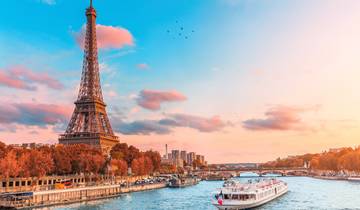
4 days
Independent Paris City Stay
- ✓ Comprehensive Paris tour
- ✓ Expert local guides included
- ✓ All accommodation arranged
- ✓ Transportation provided
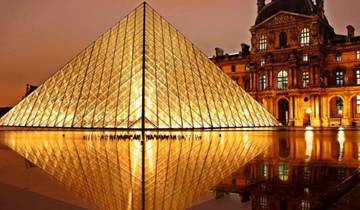
6 days
Enchanting 6-Day Journey Through Paris With Disneyland and Palace of Versailles
- ✓ Comprehensive Paris tour
- ✓ Expert local guides included
- ✓ All accommodation arranged
- ✓ Transportation provided

5 days
Paris in Color, Scent & Flavor
- ✓ Booking needs min. 2 travelers
Multi-day tour packages powered by TourRadar. Prices and availability subject to change.
Essential Planning Information 2026
Current Costs and Pricing Breakdown for 2026
Understanding Paris cost structures enables accurate budget planning and identifies opportunities for strategic savings. The city operates on a tiered pricing system where UNESCO heritage sites, major museums, and popular experiences command premium rates, while neighborhood dining, local transportation, and free cultural offerings provide value-oriented alternatives.
Accommodation represents the largest single expense for most visitors. Budget options include hostels €35-50 per bed in 4-8 person dormitories, typically located in the 11th, 18th, and 20th arrondissements with metro access to central sites within 20-30 minutes. Budget hotels range €60-90 per night for double rooms with private bathrooms, concentrated in the 9th, 10th, and 13th districts. Mid-range hotels cost €120-180 nightly for centrally located properties in the 4th (Marais), 5th (Latin Quarter), 6th (Saint-Germain), and 7th (Eiffel Tower) arrondissements, offering proximity to UNESCO sites and quality amenities.
Museum and monument admission forms the core of heritage-focused budgets. The Paris Museum Pass costs €62 for 2 consecutive days, €77 for 4 days, or €81 for 6 days in 2026, covering entry to 60+ locations including the Louvre, Musée d’Orsay, Sainte-Chapelle, Arc de Triomphe, Palace of Versailles, and Musée Rodin (check parismuseumpass.fr for current official rates). Individual site tickets cost €13-30 per location, meaning the pass achieves value after 3-4 major museum visits. Sites not covered by the pass include the Eiffel Tower (€20.40-29.40), Montparnasse Tower (€21), and special temporary exhibitions.
Meal costs vary dramatically by dining category. Boulangerie breakfast items run €3-6 for croissants, pain au chocolat, and coffee. Lunch at casual bistros and brasseries costs €15-25 for plat du jour (daily specials) including main course and coffee, while upscale lunch menus reach €35-50. Dinner at mid-range restaurants averages €25-40 per person for two courses plus wine, and fine dining establishments charge €60-150+ for multi-course experiences. Supermarket supplies for picnics in Parisian parks cost €8-15 per person for cheese, bread, charcuterie, and wine.
Transportation expenses remain modest within central Paris. Single metro tickets cost €2.15, and 10-ride carnets reduce per-trip costs to €1.69. The weekly Navigo Découverte pass at €30.75 covers unlimited travel Monday-Sunday in zones 1-2 and proves economical for 4+ day stays with multiple daily trips. RER trains to Versailles cost €3.65 each way using single tickets. Taxis average €15-25 for cross-city trips, while Uber pricing tracks similar ranges with potential surge periods during morning/evening rush hours.
Transportation Options and Schedules for 2026
Paris operates one of Europe’s most comprehensive public transportation networks, with 16 metro lines, 5 RER regional rail lines, and 60+ bus routes providing access to every major UNESCO site and neighborhood. The system runs 5:30 AM to 1:15 AM Sunday-Thursday and until 2:15 AM Friday-Saturday, with metro trains arriving every 2-4 minutes during peak periods and 5-8 minutes during off-peak hours.
Metro line 1 serves the primary Seine riverbank UNESCO corridor, with stations at Louvre-Rivoli, Hôtel de Ville, Saint-Paul (Marais), and Bastille providing direct access to the historic center. Line 4 connects major cultural zones from Montparnasse north through Saint-Germain-des-Prés, Cité (Notre-Dame/Sainte-Chapelle), Châtelet, and continuing to Montmartre. These two lines enable efficient navigation of 75% of major heritage sites without transfers.
RER C train reaches the Palace of Versailles from central Paris stations including Saint-Michel-Notre-Dame, Musée d’Orsay, Invalides, and Champ de Mars-Tour Eiffel. Trains depart every 15-30 minutes during daytime hours, with the journey taking 35-45 minutes to Versailles Château-Rive Gauche station located 600 meters from the palace entrance. Return trains run until 11:30 PM, accommodating evening fountain shows during summer months.
Bus routes offer scenic alternatives to underground metro travel, particularly useful for Seine riverbank exploration. Route 24 follows the Right Bank from Gare Saint-Lazare through Concorde, Louvre, Hôtel de Ville, and continuing to Bercy. Route 63 services the Left Bank from Porte de la Muette through Invalides, Musée d’Orsay, and Saint-Germain. Buses accept the same tickets as metro, with the advantage of above-ground views of Parisian architecture and street life.
Walking remains highly effective in compact central Paris, where the entire UNESCO Seine riverbank designation spans just 4 kilometers from Pont de Sully to Pont d’Iéna. The Left Bank route from Musée d’Orsay to Notre-Dame covers 2.1 kilometers in 25 minutes of pleasant riverside walking, passing Shakespeare and Company bookshop, the Panthéon turnoff, and medieval architecture of the Latin Quarter. The Right Bank from Louvre to Place des Vosges traverses 2.8 kilometers through the Marais in 35 minutes.
Best Time to Visit Paris in 2026
Seasonal Analysis for 2026 Planning
Spring 2026 (April-June) delivers Paris at its most photogenic, with chestnut trees blooming along boulevards, garden roses opening in the Tuileries and Luxembourg Gardens, and comfortable temperatures for extensive walking tours. April averages 8-16°C, May reaches 12-20°C, and June warms to 15-23°C. Daylight extends from 13.5 hours in April to 16 hours by June 21st, providing maximum sightseeing time and opportunities for evening strolls along the Seine after 8 PM sunsets.
Spring museum crowds remain moderate compared to summer peaks, with Louvre wait times averaging 20-30 minutes for timed-entry tickets versus 45-60 minutes in July-August. Sainte-Chapelle sees similar patterns, and advance booking 3-4 weeks ahead secures preferred morning time slots. Hotel rates sit 15-20% below summer highs during April-May, then rise closer to peak levels by June as summer tourism begins. Restaurant reservations for popular establishments require 1-2 weeks notice versus 3-4 weeks during peak season.
Summer 2026 (July-August) brings maximum energy to Paris, with outdoor festivals, extended museum hours (Louvre open until 9:45 PM on Wednesdays and Fridays), and vibrant street life in every arrondissement. Temperatures reach 20-30°C requiring indoor breaks during afternoon heat, but cafés expand terrace seating and evening activities flourish with 10 PM sunsets. Paris Plages converts Seine riverbanks into temporary beaches with sand, palm trees, and recreational activities July-August.
Summer represents peak tourist season with corresponding tradeoffs. Hotel rates reach annual maximums, especially during July 14th Bastille Day celebrations and the final week of Tour de France (July 27th finish in Paris 2026). Major sites experience longest wait times, with Eiffel Tower queues extending 90-120 minutes for walk-up access and Versailles palace entrance lines reaching 60-75 minutes even with timed tickets. Many Parisians vacation in August, leading to some restaurant closures but also reduced local commuter traffic on metro lines.
Autumn 2026 (September-October) mirrors spring conditions with the added benefit of harvest season bringing fresh produce to markets and new wine releases to restaurants. September maintains summer warmth at 15-23°C before October cools to 10-17°C. Fall colors peak in Luxembourg Gardens, Tuileries, and along Canal Saint-Martin late October. Cultural season resumes with opera, ballet, and theater opening nights, and museum exhibitions debut autumn programming.
September-October provides the ideal combination of moderate weather, manageable crowds, and cultural richness. Hotel rates drop 20-30% from summer peaks after Labor Day weekend, and advance booking requirements relax to 1-2 weeks for most sites. Restaurant reservations become easier to secure, and popular bistros accommodate walk-in diners more frequently. The grape harvest season (vendanges) brings wine-focused events and tasting opportunities in Montmartre’s remaining vineyard.
Winter 2026-2027 (November-February) transforms Paris into a more intimate destination, with holiday markets illuminating major squares November-December, festive window displays along Boulevard Haussmann, and seasonal menus featuring game, truffles, and holiday specialties. Temperatures range 3-9°C requiring warm layers, but museum comfort and café culture provide frequent warming breaks. Christmas markets at Notre-Dame esplanade (pending restoration completion), Champs-Élysées, and Saint-Germain-des-Prés create festive atmospheres.
Winter delivers maximum value for budget-conscious travelers, with hotel rates 30-40% below summer pricing and special packages combining accommodation with museum passes or dinner reservations. Major sites operate reduced hours (Louvre closes 6 PM Tuesdays-Thursdays versus 9:45 PM summer Fridays), but shorter days align with earlier sunset times anyway. Indoor attractions including the Louvre, Musée d’Orsay, Musée de l’Orangerie, and covered passages become primary activities, all accessible via heated metro system.
Weather Patterns and Crowd Predictions for 2026
Paris weather follows predictable Mediterranean-influenced patterns with four distinct seasons, though Atlantic weather systems create variable conditions requiring flexible daily planning. Average rainfall distributes evenly across months at 50-65mm monthly, falling in short showers rather than prolonged storms. May-June receives the most precipitation, while February-March tends driest. Carrying a compact umbrella proves essential year-round.
Temperature comfort zones determine optimal activities by season. Spring and fall 12-20°C temperatures suit extended walking tours, outdoor café seating, and full-day explorations of neighborhoods like the Marais or Latin Quarter without weather-related interruptions. Summer 25-30°C heat encourages morning heritage site visits 9 AM-12 PM, followed by indoor museum time during afternoon peaks, then evening walks and dining when temperatures moderate. Winter 3-9°C cold focuses activities on indoor attractions with strategic outdoor visits to Arc de Triomphe or Notre-Dame during midday warmth.
Crowd patterns correlate directly with school vacation schedules and holiday periods. European spring break weeks (mid-April) bring increased family visitors but remain manageable with advance planning. July-August represents absolute peak season when French locals vacation and international tourism maximizes. American Thanksgiving week (late November) shows increased North American visitors taking advantage of long weekends. Christmas-New Year’s (December 20-January 5) brings holiday crowds despite cold weather, particularly at illuminated landmarks and holiday markets.
Weekly patterns within any season show consistent trends: Tuesday-Thursday experiences lowest tourist volumes at major sites, with shortest wait times and easiest restaurant reservations. Friday-Sunday brings weekend visitors from regional France and neighboring countries, increasing crowds 30-40% at top attractions. Monday closures at many museums (Louvre, Musée d’Orsay, Musée Rodin, Musée de l’Orangerie) concentrate visitors at open sites like Centre Pompidou, Sainte-Chapelle, and Versailles.
Daily timing significantly impacts visitor experience regardless of season. Arrival at major museums 9-9:30 AM provides 60-90 minutes of reduced crowds before tour groups enter at 10:30-11 AM. Sainte-Chapelle visits work best before 10 AM or after 4 PM when day-tour groups depart. Eiffel Tower evening visits after 8 PM reduce daytime queues by 50% and offer sunset views, though final ascent times stop at 11 PM (midnight summer). Versailles operates most efficiently Tuesday-Thursday mornings, avoiding weekend crowds and Monday museum closure redirections.
Accommodation Strategies 2026
Budget Accommodation Options for 2026
Budget lodging in Paris concentrates in peripheral but well-connected arrondissements where metro access provides quick connections to UNESCO heritage sites. The 11th arrondissement (Bastille, République) offers hostels €35-50 per bed and budget hotels €60-85 nightly, with metro lines 1, 5, and 9 reaching the Louvre in 15-20 minutes. The neighborhood features authentic brasseries, neighborhood markets, and nightlife along Rue Oberkampf and Rue de la Roquette.
The 18th arrondissement (Montmartre, Barbès) provides similar budget options with the advantage of Sacré-Coeur proximity and local Parisian atmosphere. Hostels €35-45 per bed include Generator Paris (modern design hostel near Gare du Nord) and Le Montclair Hostel (traditional setting near Abbesses metro). Budget hotels €65-90 occupy converted buildings on quiet streets within 5-10 minute walks of metro stations. The area requires attention to specific locations, as safety and cleanliness vary significantly between streets.
Hostel facilities across Paris have modernized significantly, with private rooms €75-110 (for two people) competing with budget hotels while adding social spaces, communal kitchens, and organized activities. Top-rated options include St Christopher’s Inn (Canal Saint-Martin location with rooftop bar and seine views), Les Piaules (Belleville location with trendy design and coworking spaces), and Woodstock Hostel (Montparnasse area with 1970s theme and live music). All accept individual travelers and groups, with age limits varying by property (some 18-35, others all ages).
Apartment rentals provide budget value for groups and families willing to self-cater some meals. Studio apartments €80-120 nightly accommodate 2 people with kitchenettes enabling €15-25 daily savings on breakfast and occasional lunches. Two-bedroom apartments €140-200 nightly suit families or friend groups, reducing per-person accommodation costs below hotel rates while adding living space. Legal short-term rentals require registration numbers on listings, and staying in residential buildings provides authentic Parisian neighborhood experiences in areas like the 13th (Butte-aux-Cailles), 14th (Denfert-Rochereau), or 20th (Ménilmontant).
Mid-Range and Luxury Options for 2026
Mid-range hotels €120-180 nightly cluster in prime heritage districts, offering three-star comfort, private bathrooms, breakfast options, and locations within walking distance of major UNESCO sites. The 4th arrondissement (Marais) features boutique hotels in renovated historic buildings along Rue de Rivoli and Rue des Archives, placing visitors 5-10 minute walks from Notre-Dame, Sainte-Chapelle, and Place des Vosges. The 5th arrondissement (Latin Quarter) provides similar options near the Panthéon and Jardin du Luxembourg, with added benefits of student-friendly dining and bookshop culture.
The 6th arrondissement (Saint-Germain-des-Prés) offers upscale mid-range properties €160-220 in the heart of Left Bank intellectual and artistic heritage, with proximity to Musée d’Orsay, Musée de l’Orangerie, and the Seine. Hotels occupy buildings with 17th-18th century facades, combining historic character with modern renovations. The neighborhood features upscale boutiques, art galleries, historic cafés (Les Deux Magots, Café de Flore), and three-Michelin-starred restaurants within walking distance.
The 7th arrondissement (Eiffel Tower, Invalides) contains four-star hotels €180-280 with Eiffel Tower views, diplomatic quarter security, and museum proximity including Musée Rodin and Musée d’Orsay. Properties range from international chains to independent boutiques, with rooftop terraces, on-site restaurants, and concierge services. The area maintains quiet residential character despite tourist presence, with upscale markets, artisan bakeries, and refined dining options.
Luxury hotels €300-800+ occupy historic palaces, converted mansions, and landmark buildings throughout central Paris. The 1st arrondissement hosts properties like Le Meurice (Tuileries Garden views, three Michelin-starred restaurant) and Hôtel Regina Louvre (direct Louvre perspectives). The 8th arrondissement (Champs-Élysées) features grand dame hotels including Four Seasons George V, Le Bristol, and Plaza Athénée, offering palace-level service, Michelin-starred dining, and spa facilities.
Historic luxury properties emphasize Parisian architectural heritage, with properties occupying 17th-19th century buildings featuring period details, art collections, and design by renowned French architects. Many offer cultural programming including art exhibitions, wine tastings, and cooking classes. Amenities include 24-hour room service, turndown service, concierge advance bookings for sold-out restaurants and shows, and private car services to airports or Versailles.
Transportation Guide 2026
Public Transport Options and Costs for 2026
The Paris metro system forms the foundation of efficient heritage site exploration, with 16 lines covering 226 kilometers and 320 stations creating a dense network where no point in central Paris sits more than 500 meters from a metro entrance. Single tickets (t+ tickets) cost €2.15 and provide 90 minutes of travel including one metro-to-metro transfer or one metro-to-bus transfer. Carnets (10-ticket books) reduce costs to €16.90 total, saving €4.60 versus individual purchases.
The Navigo Easy card (€2 one-time purchase) stores t+ tickets electronically and accepts contactless payment options, eliminating paper ticket waste and speeding entry through turnstiles. The card works exactly like traditional tickets but never needs replacement, and carnets loaded onto Navigo Easy cost the same €16.90 as paper versions. The card also supports airport bus tickets and special passes, making it worthwhile for any visit longer than a day.
For multi-day stays, the weekly Navigo Découverte pass offers unlimited travel Monday-Sunday in selected zones. The zones 1-2 pass costs €30.75 weekly (plus €5 one-time card fee and passport photo) and covers all central Paris metro, bus, and RER travel including trips to Versailles (zone 4). The pass begins Monday regardless of purchase date, so buying on Monday maximizes value for €30.75, while purchasing Thursday-Sunday reduces effective cost per day. Calculate whether daily travel patterns justify the weekly pass: 4+ metro trips daily for 5+ days makes the weekly pass economical.
RER regional trains connect central Paris to Versailles, airports, and suburban destinations using the same ticketing system within zone 1 but requiring specific tickets for outer zones. RER C to Versailles requires point-to-point tickets €3.65 each way (€7.30 round-trip), purchased from ticket machines at any RER station. Insert destination “Versailles Château-Rive Gauche” to receive correct zone 4 pricing. Keep tickets until exiting the final station, as exit gates validate zone coverage.
Buses provide scenic alternatives to underground metro travel while using the same t+ ticket system. Route maps display at each stop, and digital boards show real-time arrival information. Night buses (Noctilien network) operate 12:30 AM-5:30 AM when metro service stops, covering major routes every 15-30 minutes. Night bus tickets cost the same €2.15 as daytime metro, though some long routes require two tickets. Routes N01 and N02 follow parallel paths covering most tourist areas and connecting major transportation hubs.
Private Transport and Alternatives for 2026
Taxis in Paris charge metered rates: €7.60 minimum fare, then €1.23-1.62 per kilometer depending on zone and time of day. Typical cross-city trips from the Latin Quarter to Montmartre cost €20-28 depending on traffic and route. Airport taxis operate on fixed rates: Charles de Gaulle to central Paris Right Bank €56, Left Bank €62. Orly Airport to Right Bank €41, Left Bank €37. Taxis accept passengers at designated stands near metro stations, hotels, and major landmarks, though hailing moving taxis proves difficult in Paris.
Uber and Bolt ride-sharing services operate throughout Paris with pricing competitive to traditional taxis during normal conditions but subject to surge pricing during peak demand periods (morning/evening commutes, Friday/Saturday nights, rainy weather). Base rates start around €7-8, with typical cross-city trips €18-30 under standard pricing. The services offer advantages including cashless payment, GPS tracking, and price estimation before booking, but surge multipliers can double or triple costs during high-demand times.
Vélib’ bike-share provides extensive coverage with 20,000 bicycles at 1,800 stations across Paris, including electric-assist e-bikes at major locations. Day passes cost €5 for 24-hour access with first 30 minutes of each individual ride free, then €1 for 30-60 minutes and €2 for each additional 30 minutes. The pricing structure encourages short point-to-point trips with bike returns between destinations. Annual subscriptions €37.20 suit longer stays or repeat visitors, offering unlimited 30-minute rides throughout the membership period.
Cycling in Paris works well for confident urban cyclists comfortable with traffic, though protected bike lanes continue expanding throughout the city. The Seine riverbank routes offer car-free cycling with dedicated paths connecting major heritage sites from Austerlitz to Eiffel Tower. Vélib’ e-bikes handle Montmartre hills efficiently, while traditional bikes suit flat terrain along the river. Always lock bikes carefully at official Vélib’ stations, as theft from informal parking proves common in tourist areas.
Walking forms the most immersive transportation method for central Paris, where the compact UNESCO Seine riverbank designation enables complete heritage district exploration on foot. The 4.5-kilometer riverside path from Musée d’Orsay past Notre-Dame to Bastille takes 55 minutes of easy walking, passing dozens of significant monuments, bridges, and architectural landmarks. Comfortable shoes and a downloaded map or navigation app enable efficient walking tours connecting multiple sites while experiencing Parisian street life, architectural details, and neighborhood character.
Money-Saving Strategies 2026
Advance Booking Benefits and Discounts for 2026
Early accommodation reservations 3-6 months ahead capture lowest available rates, with hotels typically releasing inventory at standard pricing before implementing demand-based increases as availability tightens. Booking directly through hotel websites sometimes provides better rates than third-party platforms, especially when properties offer “book direct” discounts of 10-15% plus perks like free breakfast or room upgrades. Cancellation policies vary significantly, so confirming free cancellation terms allows price monitoring and rebooking if lower rates appear.
The Paris Museum Pass delivers substantial savings for heritage-focused itineraries planning to visit multiple museums and monuments. The 2-day pass at €62 pays for itself with three major site visits (Louvre €17, Musée d’Orsay €16, Sainte-Chapelle €13 = €46, plus skip-the-line value). The 4-day pass €77 justifies itself with four visits, and the 6-day pass €81 requires five visits for value. The pass covers 60+ locations including Louvre, Musée d’Orsay, Musée de l’Orangerie, Musée Rodin, Arc de Triomphe, Sainte-Chapelle, Conciergerie, Panthéon, and Palace of Versailles (check parismuseumpass.fr for complete list and current official rates).
Museum pass benefits extend beyond entry fee savings to include skip-the-line access at covered sites, unlimited re-entry during validity period, and the psychological freedom to visit sites spontaneously without calculating individual entry costs. Purchase options include online advance buying (emailed pass activated upon first use) or on-site purchase at tourist offices and participating museums. The pass covers consecutive calendar days from first use, so activating Monday morning and visiting 2-3 sites daily through Thursday maximizes the 4-day pass value.
Advance restaurant reservations enable securing tables at popular establishments where walk-in availability remains limited, but they also provide opportunities for fixed-price menus offering better value than à la carte ordering. Many respected bistros and brasseries offer lunch formules €15-25 including starter/main or main/dessert plus coffee, compared to €35-50 for similar dinner portions. Making 12:00-12:30 PM lunch reservations rather than more popular 1:00-1:30 PM slots sometimes accesses even better prix-fixe deals at upscale restaurants.
Seasonal Optimization Tips for 2026
Traveling during shoulder seasons (April-May, September-October) reduces accommodation costs 20-30% compared to peak summer rates while maintaining excellent weather and manageable crowds. A mid-range hotel charging €180 nightly in July-August drops to €120-140 in spring and fall, saving €280-420 over a week-long stay. These savings often exceed €400-600 over extended visits, enough to fund round-trip flights from many European cities or upgrade dining experiences significantly.
Free museum days occur on the first Sunday of each month at most Paris museums including Louvre, Musée d’Orsay, Musée Rodin, and Musée de l’Orangerie. These dates attract significant crowds with 60-90 minute wait times at popular institutions, but visiting less-crowded locations like Musée de Cluny, Musée Carnavalet, or smaller museums proves efficient. The free access extends only to permanent collections, with temporary exhibitions requiring separate paid tickets even on free Sundays.
Market shopping for picnic components costs €8-15 per person for quality cheese, bread, charcuterie, fruit, and wine purchased from neighborhood markets like Marché d’Aligre, Marché Bastille, or Marché des Enfants Rouges. Assembling picnics and dining in Luxembourg Gardens, Tuileries, or along Seine riverbanks saves €20-35 per person versus restaurant meals while providing quintessential Parisian experiences. Markets operate 8 AM-1:30 PM on specific weekdays (schedules vary by market), with best selection arriving 9-11 AM.
Happy hour opportunities appear throughout Paris, with wine bars and bistros offering reduced prices 5-7 PM on wine by the glass (€4-6 versus €7-10 regular pricing) and simple appetizer plates €6-10. The Latin Quarter and Marais contain high concentrations of wine bars practicing happy hour traditions, and experiencing Parisian wine culture through these offerings costs significantly less than full dinner service while still providing authentic local atmosphere and quality beverages.
Free walking tour companies operate multiple daily departures covering major historic districts, though guides work for tips rather than fixed fees. Quality tours by Sandemans New Europe or Free Tour Paris provide 2-3 hour orientations to neighborhoods like the Latin Quarter, Marais, or Montmartre, with knowledgeable guides offering historical context and local recommendations. Tipping €10-15 per person reflects good service and costs less than equivalent paid tours charging €25-35, while providing comparable information and entertainment value.
Sample 2026 Itineraries
Three-Day UNESCO Heritage Focus for 2026
Day 1 focuses on the Right Bank UNESCO Seine corridor and Louvre quarter. Start 9 AM at Louvre Museum with advance timed-entry tickets, spending 2.5-3 hours exploring Venus de Milo, Winged Victory, Mona Lisa, and major galleries organized by your interests (Egyptian antiquities, Italian Renaissance, French paintings, Near Eastern art). Exit at Richelieu wing and walk through Palais Royal gardens to Comédie-Française, then continue east along Rue de Rivoli past 17th-century arcades to Hôtel de Ville.
Lunch 12:30 PM in the Marais at traditional bistros along Rue des Rosiers or Rue de Bretagne, with lunch menus €15-22 for plat du jour specials. After lunch, explore the Marais medieval streets including Place des Vosges (oldest planned square in Paris), Hôtel de Sully, and Hôtel de Sens. Walk south to Île de la Cité for 3 PM Sainte-Chapelle visit (advance tickets essential), spending 45 minutes admiring the 13th-century stained glass. Continue to Conciergerie (same ticket €11.50 covers both) for 45-minute Marie Antoinette prison visit.
Evening activities include sunset Seine cruise departing 7 PM from Pont Neuf (€15-18 for one-hour commentary cruise), followed by dinner in Saint-Germain-des-Prés at traditional brasseries €25-40 per person. Louvre entry €17, Sainte-Chapelle €13, lunch €18-25, dinner €30-40, cruise €15-18, metro €3.40 (2 trips). Total day cost: €96-136 per person (excluding accommodation).
Day 2 explores Left Bank heritage sites and museums. Begin 9:30 AM at Musée d’Orsay with advance tickets, dedicating 2-3 hours to Impressionist masterpieces including Monet, Renoir, Degas, Van Gogh, and Cézanne collections housed in the former railway station’s spectacular Beaux-Arts architecture. Walk west along Quai d’Orsay to Musée Rodin (1 kilometer, 12 minutes), arriving around 12:30 PM for sculpture garden and indoor galleries visit before lunch.
Lunch at neighborhood bistros near Invalides or returning toward Saint-Germain, with daily menus €16-24. After lunch, walk to Panthéon (20 minutes from Invalides) for 2:30 PM visit exploring France’s temple to great citizens including Voltaire, Rousseau, Victor Hugo, Marie Curie, and Josephine Baker. Climb to colonnade for Paris views, then descend to crypt. Walk through Luxembourg Gardens to Musée de l’Orangerie in Tuileries for late afternoon Monet Water Lilies viewing (4:30-5:30 PM).
Evening in Latin Quarter with dinner at traditional French restaurants along Rue Mouffetard or near Panthéon €28-42 per person. Consider after-dinner walk past illuminated Notre-Dame exterior (cathedral interior pending restoration completion) and across Pont Neuf to Right Bank. Musée d’Orsay €16, Musée Rodin €14, Panthéon €13, Musée de l’Orangerie €12.50, lunch €18-26, dinner €32-45, metro €3.40. Total day cost: €109-130 per person (excluding accommodation).
Day 3 dedicates to Palace of Versailles day trip. Depart Paris 8:30 AM via RER C from Saint-Michel-Notre-Dame, Musée d’Orsay, Invalides, or Champ de Mars stations to Versailles Château-Rive Gauche (35-45 minutes, €3.65). Arrive at palace 9:30 AM with advance timed-entry tickets for 9:30-10 AM slot, beating major tour group arrivals after 10:30 AM. Spend 2 hours in palace apartments (State Apartments, Hall of Mirrors, King’s Bedchamber), then transition to gardens.
Picnic lunch in Versailles gardens purchased from Paris morning markets or Versailles town shops €12-18 per person, eaten on garden lawns overlooking Grand Canal. After lunch, explore gardens, Grand Trianon, Petit Trianon, and Marie-Antoinette’s Estate requiring Estate ticket upgrade. Walk garden paths 2-3 hours (extensive grounds cover 800 hectares), then return to palace area for 4-5 PM departure back to Paris. Summer fountain show days (Saturday-Sunday, select Tuesdays) cost additional €10 for Musical Fountains or €27 for Musical Gardens.
Evening return to Paris 5:30-6 PM with dinner in Montmartre after metro transfer to Abbesses or Anvers stations. Climb steps or take funicular to Sacré-Coeur for sunset city views, then dinner at traditional bistros along Rue des Abbesses or Rue Lepic €25-38 per person. Versailles tickets €27 (estate access), RER round-trip €7.30, picnic lunch €12-18, dinner €28-42, metro €3.40. Total day cost: €78-98 per person (excluding accommodation). Three-day total excluding accommodation: €283-364 per person.
Extended Five-Day Cultural Immersion for 2026
Days 1-3 follow the UNESCO heritage focus itinerary above, establishing foundation knowledge of major sites and neighborhoods. Days 4-5 add cultural depth through specialized museums, neighborhood exploration, and contemporary cultural experiences complementing the historical immersion.
Day 4 explores Montmartre and northern Paris museums. Start 9:30 AM at Musée de Montmartre (€15) for neighborhood history and art, then walk vineyard paths to Sacré-Coeur basilica (free entry, dome €6 for views) arriving before tour crowds at 11 AM. Explore place du Tertre artist square with caution regarding tourist-focused portrait sellers, then walk down to Pigalle via Rue Lepic traditional market street and Moulin de la Galette windmill.
Lunch in Pigalle’s increasingly upscale dining scene €18-28 for contemporary bistros. After lunch, metro to Parc de la Villette for Cité des Sciences et de l’Industrie (€13) or Philharmonie de Paris architecture and music museum (€12). Alternative afternoon: visit Musée Picasso in the Marais (€14) or Musée Jacquemart-André near Champs-Élysées (€16). Evening returns to central areas for dinner in the Marais or Canal Saint-Martin €30-45 per person.
Musée de Montmartre €15, Sacré-Coeur dome €6, museum choice €12-16, lunch €20-30, dinner €32-48, metro €5.10 (3 trips). Total day cost: €90-115 per person (excluding accommodation).
Day 5 dedicates to specialized interests and deeper neighborhood exploration. Art enthusiasts visit Musée Marmottan Monet (€14, largest Monet collection worldwide), Musée de l’Orangerie for extended Water Lilies time, and smaller galleries in Saint-Germain. Architecture fans explore Centre Pompidou (€15), Institut du Monde Arabe (€10), and Fondation Louis Vuitton (€16). Fashion devotees tour Musée Yves Saint Laurent (€10) and Palais Galliera fashion museum (€14).
Afternoon activities could include Canal Saint-Martin walk and local cafés, Bercy Village converted wine warehouses, or returning to favorite neighborhoods from earlier days for deeper exploration. Market visits to Marché d’Aligre or Marché des Enfants Rouges provide authentic local shopping. Late afternoon tea at Parisian salons de thé like Angelina (€15-25) or Ladurée (€12-20) offers elegant rest before evening activities.
Evening options include opera or ballet at Palais Garnier or Opéra Bastille (tickets €15-180 depending on seats and performance), jazz clubs in Saint-Germain (€15-25 cover plus drinks), or cabaret shows at Moulin Rouge (€95-180), Lido (€95-180), or more intimate venues. Alternatively, invest in high-end dining at Michelin-starred restaurants requiring advance reservations (€80-250 per person for tasting menus).
Museum tickets €10-16, lunch €18-28, tea/snacks €12-25, dinner €35-250 (depending on choice), evening entertainment €0-180 (depending on choice), metro €5.10. Total day cost: €80-500+ per person depending on evening activities (excluding accommodation). Five-day total excluding accommodation: €453-979+ per person depending on Day 4-5 choices.
Booking and Reservations 2026
Official Booking Channels and Procedures for 2026
Louvre Museum advance tickets release 90 days ahead through the official website louvre.fr, with 9 AM time slots providing optimal crowd avoidance and 2.5-3 hour exploration windows before major tour groups arrive at 10:30 AM. Tickets cost €17 general admission with free entry for EU residents under 26, teachers, and disabled visitors with proof. Purchase process requires selecting specific date and time slot (30-minute windows), with confirmation emailed immediately for print or mobile display at entry.
Musée d’Orsay sells advance tickets through musee-orsay.fr up to 90 days ahead, with similar €16 pricing and timed entry slots. The museum operates shorter hours than Louvre (9:30 AM-6 PM Tuesday-Sunday, 9:45 PM Thursday evenings), making morning 9:30-11 AM slots particularly valuable. Combination tickets bundling Musée d’Orsay with Musée de l’Orangerie (€23 total versus €28.50 separate) provide savings for visitors planning both locations.
Sainte-Chapelle requires mandatory advance booking through paris-sainte-chapelle.fr with specific time slots essential during peak season. Entry costs €13 (check official site for current rates) and includes comprehensive audio guide explaining the medieval stained glass program. Book 3-4 weeks minimum during summer and 1-2 weeks for shoulder seasons. Combination tickets with Conciergerie (€11.50 to add Conciergerie to Sainte-Chapelle ticket) save €2 versus separate purchases.
Palace of Versailles operates multiple ticket tiers: Palace Ticket €21 covers palace interior including State Apartments and Hall of Mirrors; Estate Ticket €27 adds Trianon palaces and Marie-Antoinette’s Estate; Passport Ticket €30-35 includes gardens on Musical Fountains days. Purchase through en.chateauversailles.fr 60-90 days ahead for weekend dates April-October. Musical Fountains (Saturday-Sunday, select Tuesdays) and Musical Gardens (Tuesday-Friday) require garden supplements.
Eiffel Tower tickets release 60 days ahead through toureiffel.paris in three tiers: €20.40 lift to second floor, €26.10 lift to top, or €11.10 stairs to second floor with optional €8.60 lift upgrade to top. Summit tickets sell out rapidly requiring exact 60-day advance booking for preferred dates and times. Evening slots after 7 PM offer illuminated city views with shorter daytime queues, though sunset timing varies by season.
Tour Operator Recommendations and Booking for 2026
Small group walking tours by Context Travel, Localers, or Paris Walks provide expert-led explorations of specific neighborhoods or themes with groups limited to 6-15 participants. Tours cost €65-95 per person for 2-3 hour themed walks covering topics like medieval Paris, Revolution sites, Impressionist haunts, or food markets with tastings. Guides hold advanced degrees in art history, history, or architecture, delivering university-level content in accessible formats. Book through operator websites 2-4 weeks ahead for popular dates.
Skip-the-line combination tours bundling Louvre entry with expert guidance cost €85-120 per person for 2-3 hour highlights tours covering Venus de Milo, Winged Victory, Mona Lisa, and selected galleries matching visitor interests. Semi-private groups (6-12 people) maintain reasonable sizes while providing timed entry and security fast-track, valuable during peak season when standard entry queues extend 45-75 minutes. Operators include Fat Tire Tours, Walks of Italy (Paris division), and Paris City Vision.
Versailles day trip packages including round-trip transportation, skip-the-line entry, and guided tours cost €95-140 per person depending on group size and inclusions. Full-day tours departing Paris 8:30 AM and returning 5:30 PM eliminate logistics challenges around RER trains and palace layout navigation. Morning-only tours (4-5 hours, €65-85) suit travelers planning self-guided garden exploration in afternoons. Reputable operators include City Wonders, Viator Select partners, and GetYourGuide verified providers.
Food tours through Latin Quarter, Marais, or Montmartre combine neighborhood history with market visits and tastings at bakeries, cheese shops, wine bars, and bistros. Three-hour morning tours cost €85-110 per person including 6-8 tastings equaling substantial lunch. Evening wine and cheese tours (2-3 hours, €75-95) visit natural wine bars and fromagers while explaining French terroir and cheese production. Eating Europe Paris and Walks of Italy Paris operate respected programs with knowledgeable guides and quality producer relationships.
Seine river dinner cruises combine sightseeing with meal service, departing 8-9 PM for 2-2.5 hour experiences. Budget options on large boats cost €60-80 for set menus with recorded commentary, while upscale services on smaller vessels charge €120-180 for multi-course menus with live music and personalized service. Bateaux Parisiens and Bateaux-Mouches dominate the market, though boutique operators like VIP Paris offer more intimate experiences at premium pricing. Book 1-2 weeks ahead for preferred dates, or same-week for flexibility.
Planning Your 2026 Visit
Pre-Trip Preparation and Documentation for 2026
United States, Canadian, Australian, New Zealand, and UK passport holders require no visa for tourism visits under 90 days in France. Passports must maintain validity extending at least 3 months beyond departure date from Europe. European Union and Schengen area residents travel with national ID cards or passports. Starting 2025, ETIAS (European Travel Information and Authorization System) requires American, Canadian, and Australian visitors to complete online authorization 96 hours before arrival, costing €7 for 3-year validity.
Travel insurance covering medical emergencies, trip cancellation, and baggage proves valuable for international trips with significant advance bookings. Policies cost €40-80 for week-long trips depending on coverage levels and optional upgrades. Key coverage includes medical expenses (€50,000+ recommended), emergency evacuation, trip interruption (reimbursing non-refundable costs if you must return home early), and baggage loss/delay. Purchase insurance within 14 days of initial trip deposit to qualify for pre-existing condition coverage.
Credit cards providing no foreign transaction fees save 3% on all European purchases compared to cards charging currency conversion fees. Cards with travel insurance benefits, trip delay coverage, and rental car protection add value without additional insurance purchases. Notify card companies of travel dates to prevent fraud blocks, and record card company international collect numbers for emergency lost card reporting from abroad.
Mobile phone plans offering international data prove essential for navigation, restaurant research, and museum booking. Most North American carriers offer European data packages €10-15 daily or monthly plans €30-50 for unlimited data throughout Europe. Alternatively, purchase European SIM cards upon arrival at airport newsstands or phone shops for €20-30 including 10-20GB data, more economical for stays longer than 5 days. Confirm phone unlocked status before traveling to enable SIM card swaps.
Accommodation confirmation emails, museum e-tickets, and tour vouchers should exist in both digital formats on phones and printed backup copies in luggage. French customs rarely checks documentation, but having hotel addresses, return flight confirmations, and sufficient funds evidence (credit cards) available streamlines any questioning. Download offline Paris maps in Google Maps before departure to enable navigation without constant data usage.
Daily Budget Scenarios for 2026 Planning
Budget daily totals €80-120 per person assume hostel or budget hotel accommodation €35-90, market/bakery breakfast €4-7, lunch at casual bistros €15-25, dinner at neighborhood restaurants €25-40, metro carnet tickets €3.40 daily average (assuming 10-ticket carnet purchase), and museum entries averaging €8-15 daily (some free sites mixed with paid museums, or using Paris Museum Pass daily value of €13-20). This budget enables comprehensive UNESCO site coverage while prioritizing value-oriented choices for meals and accommodation.
Budget travelers maximize value through market picnics (€8-15 per person versus €20-35 restaurant lunch), free museum days on first Sundays, evening picnics along Seine riverbanks, happy hour wine bar visits (€4-6 glasses), and walking between sites rather than constant metro use. Free entertainment includes evening walks past illuminated monuments, attending free concerts at churches, exploring neighborhood markets, and people-watching from park benches in Luxembourg Gardens or Tuileries.
Mid-range daily totals €150-220 per person incorporate hotel accommodation €120-180, breakfast at hotel or cafés €8-15, lunch at bistros and brasseries €18-28, dinner at quality restaurants €35-55, comprehensive museum pass value €15-20 daily average, occasional taxis or Uber €8-15, and treats like afternoon tea, wine bar aperitifs, or gelato €10-18. This level permits comfort and convenience while maintaining budget consciousness for major expenses.
Mid-range travelers balance value and experience, staying in centrally located hotels enabling walking to multiple sites, dining at respected bistros serving classic French cuisine, booking skip-the-line tours for efficiency at major museums, and splurging selectively on special experiences like Michelin-starred lunches, champagne at rooftop bars, or Seine dinner cruises. Accommodation and dining consume 70-75% of daily budgets, with remaining funds covering transportation, entries, and incidental expenses.
Luxury daily totals €300-500+ per person include upscale hotels €250-400, gourmet breakfast €20-35, lunch at refined restaurants €45-75, dinner at Michelin-starred establishments €80-200, private car services or taxis €40-80, premium tour experiences €100-150, and high-end shopping or entertainment €50-150+. This budget enables palace hotel stays, tasting menu dinners, private guided tours, and premium cultural experiences without financial constraints.
Luxury travelers prioritize experience quality over cost considerations, booking palace hotels with Eiffel Tower views, dining at multi-Michelin-starred restaurants, engaging private guides for personalized museum tours, attending opera or ballet in premium seats, and incorporating spa treatments, champagne tastings, or fashion shopping. Advance planning proves even more critical at luxury level, as top restaurants require 4-8 week reservations and premier hotels in desirable categories sell out months ahead.
2026 Updates & Current Information
Ongoing Projects and Site Changes for 2026
Notre-Dame Cathedral restoration continues through 2024 with full reopening projected December 2024 in time for 2025 tourism season, meaning 2026 visitors will experience the fully restored Gothic masterpiece for the first time in five years. The restoration follows the 2019 fire that destroyed the wooden roof structure and spire, with reconstruction using traditional oak timber framing techniques and modern safety systems. The project cost exceeds €850 million funded by international donations, with new interpretive center explaining medieval construction methods and restoration processes.
Louvre Museum undertakes ongoing gallery renovations on rolling schedules, with 2026 seeing completion of Egyptian antiquities reorganization and new Medieval Louvre displays showcasing the palace’s fortress foundations visible through glass floor sections. The museum expanded evening hours in 2024, maintaining 9:45 PM closings Wednesdays and Fridays throughout the year rather than seasonal schedules. Mobile app enhancements provide self-guided tours, accessibility features, and real-time gallery status updates.
Palace of Versailles completed Marie-Antoinette’s Estate restoration in 2023, with the Petit Trianon theater and English Garden grotto now open after multi-year conservation. The palace implemented new timed-entry systems reducing peak-hour crowding in Hall of Mirrors and State Apartments, spreading daily 30,000+ visitors more evenly across 9 AM-6:30 PM operating hours. Musical Fountains shows expanded to include Friday performances in summer 2026, supplementing Saturday-Sunday traditional schedules.
Seine riverbank development focuses on pedestrianization and green space creation, with Right Bank expressway conversion to riverside parks progressing eastward from Hôtel de Ville toward Bastille. The Left Bank promenade from Musée d’Orsay to Eiffel Tower maintains car-free status established in 2016, with seasonal programming including Paris Plages summer beaches, floating gardens, and outdoor fitness equipment. New river shuttle services connect major sites September 2025-December 2026 trial period.
Metro modernization replaces aging rolling stock on lines 1, 4, and 14 with automated trains and platform screen doors, reducing wait times during peak periods to sub-2-minute intervals. Line extensions reach previously underserved suburbs but minimally impact tourist routing through central heritage districts. Improved accessibility includes elevators at major interchange stations like Châtelet, Montparnasse-Bienvenüe, and Gare du Nord, though many historic stations retain stairs-only access due to architectural constraints.
Digital Services and New Resources for 2026
Paris Convention and Visitors Bureau app (Paris je t’aime) consolidates museum booking, event calendars, restaurant recommendations, and interactive maps in single platform available iOS and Android. The free app includes offline map functionality, metro journey planner, and augmented reality features at selected heritage sites providing historical overlays when pointing phone cameras at monuments. Audio guide content for major sites downloads within app, eliminating separate audio device rentals.
Museum pass holders access dedicated app showing current wait times, temporary exhibition details, and personalized itinerary recommendations based on interests and remaining pass validity. The app integrates QR codes for museum entry without physical pass cards, though traditional card options remain available for visitors preferring physical passes. Real-time updates notify users when favorite exhibits reopen after temporary closures or when crowds at desired sites decrease to optimal levels.
Contactless payment acceptance expanded across all metro stations, buses, and trams in 2024, enabling direct bank card or smartphone tapping without purchasing physical tickets. The system charges per journey (€2.15) or automatically implements daily caps (€8.45) and weekly maximums (€30.75 for zones 1-2) matching pass pricing. This eliminates ticket machines and carnets entirely for tap-to-pay users, though traditional ticket options persist for visitors without contactless cards.
Restaurant reservation platforms Resy and OpenTable expanded Paris coverage to include 500+ restaurants previously requiring phone bookings, enabling advance reservations for travelers uncomfortable with French phone conversations. The platforms show real-time availability, accept modifications and cancellations online, and send reminder notifications. Popular bistros and brasseries increasingly use these systems, though the most exclusive restaurants maintain traditional reservation procedures.
Virtual queuing systems at high-demand sites like Eiffel Tower and Sainte-Chapelle enable visitors to join digital waiting lists rather than standing in physical lines, receiving mobile notifications when entry times approach. The systems work through official site apps, reducing frustration and enabling productive time use in nearby cafés or shops while waiting. Implementation remains voluntary at most sites, with traditional queuing still functioning for visitors preferring or requiring physical line waiting.
FAQ Section
Do I need to speak French to visit Paris in 2026?
English proves sufficient for most tourist interactions in central Paris, where hotel staff, restaurant servers in major dining areas, museum personnel, and metro information desks employ English-speaking staff. However, learning basic French phrases (bonjour, merci, s’il vous plaît, pardon, excusez-moi) demonstrates respect and often elicits friendlier service. Many younger Parisians speak conversational English, while older generations and neighborhood businesses outside tourist zones rely more on French.
Is Paris safe for tourists in 2026?
Paris maintains safety levels comparable to other major European capitals, with violent crime against tourists remaining rare. Petty theft (pickpocketing, bag snatching) concentrates in crowded tourist areas including metro lines 1 and 4, around Eiffel Tower and Sacré-Coeur, and at major train stations. Vigilance with bags, using cross-body bags with zippers, avoiding phone displays on metro, and declining street vendor interactions prevents most theft incidents. Police maintain high visibility in tourist districts.
Can I visit Paris with children in 2026?
Paris welcomes family visitors, with many museums offering children’s programs, audio guides, and interactive exhibits. Luxembourg Gardens features playgrounds, puppet shows, and pond boat rentals. Major parks (Tuileries, Jardin des Plantes) include carousels and play areas. Museum fatigue sets in quickly with children under 10, so mixing museum visits with park breaks, Seine boat rides, and food-focused activities (bakery visits, ice cream shops) maintains engagement. Many restaurants welcome children earlier in evening 6-8 PM before adult dining crowds arrive.
How much should I tip in Paris restaurants in 2026?
Service charge (service compris) automatically includes 15% gratuity in all French restaurant bills, eliminating tipping obligations. However, rounding up bills or leaving €1-2 per person at casual establishments and €5-10 at upscale restaurants acknowledges exceptional service without obligation. Café table service includes service charge, but customers often leave small change (€0.50-1) for counter coffee service. Taxis appreciate rounding to nearest €2-5, and tour guides merit €5-10 per person for quality experiences.
What should I pack for Paris in 2026?
Comfortable walking shoes prove essential, as daily walks typically exceed 10-15 kilometers visiting dispersed sites. Paris maintains formal standards compared to many cities, so neat casual attire (avoiding athletic wear at restaurants and museums) suits most situations. Lightweight rain jacket or compact umbrella addresses frequent showers year-round. Spring/fall visits require layers for 10-20°C temperature ranges, while summer needs sun protection and light fabrics. Conservative clothing respects cathedral dress codes (covered shoulders and knees) at active worship sites.
Can I drink tap water in Paris in 2026?
Paris tap water meets strict European Union drinking water standards and flows safely from all sinks, fountains, and restaurant taps. Restaurants serve free tap water (une carafe d’eau) when requested, though default service offers bottled options. Public fountains throughout parks and squares provide free refills for reusable bottles. The water tastes slightly chlorinated compared to some bottled brands but poses zero health concerns. Carrying a refillable bottle eliminates bottled water expenses and reduces plastic waste.
What electrical outlets does Paris use in 2026?
France uses Type E outlets (two round pins plus grounding hole) operating at 230V 50Hz. North American devices require both plug adapters and voltage converters unless dual-voltage rated (most phone/laptop chargers support 110-240V automatically). UK visitors need Type G to Type E adapters. Universal travel adapters (€15-25) accommodate multiple plug types across one trip covering multiple European countries. Most hotels provide limited outlet access, so multi-port USB chargers maximize single outlet use for multiple devices.
Can I use my credit cards in Paris in 2026?
Visa and Mastercard acceptance reaches near-universal levels at hotels, restaurants, museums, and shops throughout Paris. American Express works at major establishments but faces limitations at smaller vendors and neighborhood businesses. Chip-and-PIN technology proves standard, though chip-and-signature cards function with occasional merchant confusion. Contactless payment acceptance extends across metro, buses, and increasing numbers of retail locations. Notify card companies of travel dates to prevent fraud blocks, and carry backup cards in separate locations from primary cards.
Where can I store luggage in Paris in 2026?
Major train stations (Gare du Nord, Gare de Lyon, Gare de l’Est) operate self-service luggage lockers €5-10 for 24 hours depending on size. Hotels typically provide free luggage storage for guests before check-in or after checkout. Commercial luggage storage services like Nannybag and LuggageHero partner with shops and cafés throughout tourist areas, charging €6-8 per bag for 24 hours with booking through mobile apps. Airports offer left luggage services €15-20 daily, though inner-city locations prove more convenient for sightseeing-day storage.
What are the best souvenirs from Paris in 2026?
Food products including chocolate from Jacques Genin or Patrick Roger (€40-80 for gift boxes), macarons from Ladurée or Pierre Hermé (€25-45 for assorted boxes), and specialty teas from Mariage Frères or Kusmi Tea (€15-30 per tin) provide authentic edible souvenirs. Art books from museum shops offer quality photography and scholarship unavailable elsewhere. French pharmacy beauty products (Nuxe, Caudalie, La Roche-Posay) at €10-40 deliver quality and value. Kitchen items from E. Dehillerin or Mora culinary shops (€20-150) serve serious cooks. Avoid tourist-zone mini Eiffel Towers and mass-produced items lacking authenticity.