Paris 7-Day Itinerary 2026: Complete Planning Guide
A week in Paris allows sufficient time to experience the city’s essential museums, monuments, and neighborhoods without exhausting rushed schedules, combining iconic attractions like the Louvre and Eiffel Tower with neighborhood exploration in Le Marais, Montmartre, and the Latin Quarter. This strategic 7-day itinerary balances major cultural sites with practical logistics, current 2026 pricing, and daily budget planning for efficient Paris exploration.
Key Takeaways
- Paris Museum Pass (4-day: €82, 6-day: not available) provides unlimited access to 50+ museums including Louvre, Orsay, Versailles, and Sainte-Chapelle, paying for itself after 3-4 major attractions with skip-the-line benefits at most venues
- Navigo Découverte week pass costs €32.40 plus €5 card fee for unlimited metro, bus, RER, and tram travel Monday-Sunday, versus €2.55 per single journey, making it economical for 15+ trips per week
- Eiffel Tower summit tickets range €28.30-36.70 for adults and require advance booking 2-3 months ahead for summer/weekend slots, with stairs-to-second-floor option at €11.80-14.80 as budget alternative
- Daily budget planning for mid-range Paris travel averages €120-180 per person excluding accommodation, covering museum admissions, two meals, transport, and miscellaneous expenses
- Strategic neighborhood clustering reduces daily transport time and costs: Day 1 Right Bank museums (Louvre, Tuileries, Orangerie), Day 2 Île de la Cité and Latin Quarter (Notre-Dame, Sainte-Chapelle, Panthéon), Day 4 Left Bank (Orsay, Rodin, Invalides)
- Versailles requires full-day allocation with €22 palace admission plus €7 garden supplement during fountain show weekends, accessible via RER C (included in Navigo pass zones 1-5) in 45-60 minutes from central Paris
People Also Ask About Paris 7-Day Itinerary 2026
How much does 7 days in Paris cost in 2026?
Seven days in Paris costs €840-1,260 per person excluding flights and accommodation in 2026, based on mid-range budget travel. This breaks down to €120-180 daily covering Paris Museum Pass (€82 for 4 days amortized), Navigo Découverte week pass (€37.40 total), meals at €50-80 per day (€15-25 lunch, €35-55 dinner), and miscellaneous expenses including Eiffel Tower admission (€28.30-36.70) and occasional café stops. Budget travelers managing hostel accommodations and cooking some meals reduce costs to €70-90 daily (€490-630 weekly), while luxury travelers dining at Michelin-starred restaurants and staying in boutique hotels easily exceed €300 daily (€2,100+ weekly). Accommodation adds €400-700 per person for the week: budget hostels €30-50 nightly (€210-350 weekly), mid-range hotels €80-140 per night (€560-980 weekly), luxury properties €200-400+ nightly. Include €150-300 for advance-purchase museum pass, transport card, and Eiffel Tower tickets booked online before arrival.
Is 7 days too long for Paris in 2026?
Seven days in Paris provides optimal duration for first-time visitors in 2026, allowing comprehensive coverage of major museums (Louvre, Orsay, Orangerie), monuments (Eiffel Tower, Arc de Triomphe, Sacré-Cœur), and day trips (Versailles, Giverny) without exhausting marathon schedules. The week structure enables strategic pacing: 2 museum-intensive days, 1 full day for Versailles, 2 days neighborhood exploration (Montmartre, Le Marais, Latin Quarter), 1 shopping/relaxation day, and 1 flexible day for weather-dependent activities or personal interests. Return visitors or those prioritizing relaxed pace over comprehensive coverage may prefer 4-5 days focusing on specific arrondissements, while 10-14 days allows deeper neighborhood immersion, multiple day trips (Champagne region, Loire Valley), and seasonal events. The Paris Museum Pass 4-day validity aligns naturally with week-long visits, covering Days 1-4’s museum concentration before transitioning to non-museum activities Days 5-7.
What is the best Paris itinerary for first-time visitors in 2026?
The optimal first-time Paris itinerary for 2026 prioritizes iconic experiences while maintaining sustainable pacing: Day 1 – Louvre and Right Bank orientation, Day 2 – Île de la Cité religious architecture (Notre-Dame exterior viewing, Sainte-Chapelle, Latin Quarter), Day 3 – Eiffel Tower and Trocadéro, Day 4 – Left Bank museums (Orsay, Rodin Museum, Invalides), Day 5 – Versailles full-day excursion, Day 6 – Montmartre and Sacré-Cœur with neighborhood wandering, Day 7 – Le Marais and Bastille or flexible catch-up day. This structure front-loads museum visits (Days 1-2, 4) when energy levels peak, positions Versailles mid-week to break museum concentration, and saves relaxed neighborhood exploration for later days when museum fatigue sets in. Purchase 4-day Paris Museum Pass covering Days 1-2 and 4-5 (Versailles), plus Navigo Découverte week pass for unlimited transport Monday-Sunday. Book Eiffel Tower summit tickets 2-3 months advance for preferred afternoon/sunset slots, and reserve Louvre time slots immediately upon obtaining Museum Pass serial number.
Do I need to book Paris attractions in advance for 2026?
Advance booking proves essential for five Paris attractions in 2026: Louvre requires time-slot reservations even with Paris Museum Pass (book immediately after purchasing pass using serial number), Eiffel Tower summit tickets sell out 2-3 weeks ahead for prime afternoon/sunset slots (book 2-3 months early for summer/weekends), Musée d’Orsay requires reservations for Paris Museum Pass holders starting March 2026, Sainte-Chapelle experiences 30-90 minute queues without advance tickets though Museum Pass provides skip-the-line access, and Arc de Triomphe accepts walk-ups but advance tickets eliminate ticket counter queues. Versailles palace, Musée Rodin, Panthéon, Orangerie, and most other Museum Pass attractions accept same-day entry with the pass. Non-Museum Pass attractions requiring advance booking include Catacombs (severely limited daily capacity, book 1-2 weeks ahead), guided tours of Palais Garnier opera house, and specialized experiences like cooking classes or river dinner cruises. Restaurant reservations prove necessary only for Michelin-starred establishments or specific high-demand venues; neighborhood bistros and cafés accommodate walk-ins except Friday-Saturday dinner peak hours.
Extended multi-day tours – 5+ days
Featured Paris Multi-Day Tour Packages
3 days
Paris 3-Day Discovery Tour
- ✓ Comprehensive Paris experience
- ✓ Expert local guides included
- ✓ All accommodation included
- ✓ Transportation provided
5 days
Paris 5-Day Highlights Experience
- ✓ Comprehensive Paris experience
- ✓ Expert local guides included
- ✓ All accommodation included
- ✓ Transportation provided
7 days
Paris 7-Day Cultural Journey
- ✓ Comprehensive Paris experience
- ✓ Expert local guides included
- ✓ All accommodation included
- ✓ Transportation provided
10 days
Paris 10-Day Complete Adventure
- ✓ Comprehensive Paris experience
- ✓ Expert local guides included
- ✓ All accommodation included
- ✓ Transportation provided
Multi-day tour packages powered by TourRadar. Prices and availability subject to change.
Introduction to Planning Your Paris Week 2026
Seven days in Paris operates on fundamentally different logistics than short 2-3 day visits, shifting from sprint coverage of highlights to sustainable pacing that allows deeper neighborhood exploration, flexible catch-up days, and realistic daily schedules that account for museum fatigue, weather disruptions, and spontaneous discoveries. The week structure transforms Paris from checklist accomplishment into lived experience, creating space for morning market visits, afternoon café pauses, and evening neighborhood strolls impossible to achieve when racing between Eiffel Tower and Louvre in 48 hours.
Geographic organization anchors successful week-long Paris planning more than attraction priority lists. Paris’s 20 arrondissements spiral outward from Île de la Cité at the city center, with most tourist concentrations clustering in central districts: 1st (Louvre, Tuileries), 4th (Île de la Cité, Le Marais), 5th-6th (Latin Quarter, Saint-Germain), 7th (Eiffel Tower, Invalides, Orsay), 8th (Champs-Élysées, Arc de Triomphe), and 18th (Montmartre, Sacré-Cœur). Strategic daily routing within concentrated geographic zones minimizes transport time and maximizes walking discovery, allowing natural transitions between planned attractions and spontaneous café stops or boutique explorations encountered along neighborhood walks.
The Paris Museum Pass and Navigo Découverte transport card function as the foundational infrastructure for efficient week-long visits in 2026. The 4-day Museum Pass (€82) provides unlimited admission to 50+ museums and monuments including Louvre, Orsay, Versailles, Sainte-Chapelle, Arc de Triomphe, and Panthéon, with skip-the-ticket-line access at most venues saving 20-60 minutes per attraction during peak season. The pass activates upon first use and runs four consecutive days, requiring strategic deployment on museum-intensive days rather than spreading across the entire week. The Navigo Découverte week pass (€37.40 total including €5 card fee) covers unlimited metro, bus, RER, and tram travel Monday through Sunday across all Paris zones, paying for itself after 15 single journeys (€2.55 each) and eliminating per-trip decision-making that fragments daily planning.
Seasonal timing significantly impacts 2026 Paris itinerary planning beyond obvious summer crowds and winter cold. Spring (April-May) delivers ideal conditions—blooming gardens, moderate temperatures 12-20°C (54-68°F), manageable tourist numbers, and extended daylight without oppressive July-August heat. Easter week (April 17-21, 2026) triggers mini-peak season with French school holidays, while May 1 (Labor Day) closes most museums and May 8 (Victory Day) creates partial closures. Summer (June-August) brings 20-25°C (68-77°F) temperatures, 9:30 PM sunsets enabling extended evening exploration, peak crowds requiring 2-3 month advance reservations for major attractions, and late-June to mid-July Bastille Day festivities (July 14). Fall (September-October) replicates spring advantages with golden park foliage and September Fashion Week energy, though late October’s daylight savings shift darkens evenings earlier. Winter (November-February) thins crowds dramatically, drops hotel rates 30-50%, but brings 3-8°C (37-46°F) temperatures, 5:30 PM darkness, and Christmas week closures December 24-26.
This itinerary assumes mid-May to early June 2026 timing—spring shoulder season with optimal weather, manageable crowds, full operating hours, and blooming Tuileries and Luxembourg gardens. Adaptations for summer visits emphasize earlier morning starts (8:00-9:00 AM) to front-load outdoor attractions before afternoon heat, while winter visits compress daylight activities into 9:00 AM-4:30 PM windows and shift evening hours to indoor museums, restaurants, and performances. The daily structure prioritizes museum-intensive mornings when energy peaks, reserves mid-afternoons for slower-paced neighborhood wandering or strategic rest breaks, and culminates evenings with sunset viewpoints, river walks, or dinner in atmospheric neighborhoods.
Day 1: Louvre and Right Bank Orientation 2026
Day 1 centers on the Louvre Museum and Right Bank orientation, establishing Paris geographic framework while tackling the city’s most demanding cultural institution when energy levels peak after arrival. Begin at the Louvre’s Pyramid entrance by 9:00-9:30 AM opening, having pre-reserved your time slot online using your Paris Museum Pass serial number purchased before departure. The museum’s overwhelming scale (652,000 square feet across three wings) requires strategic routing rather than comprehensive coverage: dedicate 3-3.5 hours to a focused circuit covering Denon Wing highlights (Mona Lisa, Italian Renaissance, Greek/Roman sculptures including Venus de Milo and Winged Victory), Sully Wing’s Egyptian antiquities, and selected Richelieu Wing Northern European paintings.
The Louvre’s admission costs €25 without Museum Pass in 2026, though this price became obsolete January 2026 when Louvre implemented time-slot reservations even for pass holders, requiring all visitors to book specific entry windows regardless of ticket type (check official Louvre website for current reservation system verification). The Museum Pass provides cost-neutral access when combined with 2-3 additional museums during pass validity period, with primary value shifting from monetary savings to skip-the-ticket-line convenience and reservation priority. Reserve the earliest available morning slot (9:00-9:30 AM if possible) to navigate the museum before tour group waves arrive 10:30 AM-noon and Chinese and Japanese tourist contingents concentrate around the Mona Lisa.
Exit the Louvre around 12:30-1:00 PM via the Pyramid to the Tuileries Garden, walking west through formal French gardens toward Place de la Concorde. Lunch options cluster along Rue de Rivoli (casual cafés, sandwich shops €8-15) or within the Tuileries’ seasonal kiosks, though superior value and atmosphere exist along nearby Rue Saint-Honoré’s neighborhood bistros where two-course lunch menus run €18-25. Le Fumoir (6 Rue de l’Amiral de Coligny, directly across from Louvre) offers quintessential Parisian brasserie atmosphere with €22 lunch formulas, while Café Marly (93 Rue de Rivoli, Louvre arcades) delivers premium Louvre-facing terrace dining at €30-45 per person for the setting.
Afternoon routing continues west through the Tuileries to Place de la Concorde, Paris’s largest public square anchored by the 3,300-year-old Luxor Obelisk from Egypt’s Luxor Temple. The walk from Louvre Pyramid through Tuileries to Place de la Concorde spans approximately 1.2 kilometers (0.75 miles) and takes 15-20 minutes at casual pace, with longer duration if stopping at Tuileries highlights including Monet’s eight monumental Water Lilies panels at Musée de l’Orangerie (included with Museum Pass, budget 45-60 minutes). The Orangerie occupies the Tuileries’ western edge at Place de la Concorde, functioning as optional Day 1 extension for Impressionism enthusiasts or alternative Day 4 pairing with Musée d’Orsay’s complementary collection.
From Place de la Concorde, continue northwest along the Champs-Élysées toward the Arc de Triomphe or shift north via Metro Line 1 to Palais Royal-Musée du Louvre and walk through the elegant 2nd arrondissement’s covered passages (Galerie Vivienne, Passage des Panoramas) discovering 19th-century shopping arcades with vintage boutiques, rare book dealers, and traditional bistros. This northern detour adds cultural texture missing from standard Louvre-to-Arc circuit, revealing residential Paris absent from most tourist routes. Alternatively, walk southeast from the Louvre into Le Marais (4th arrondissement), exploring the Marais’s medieval streets, Jewish quarter bakeries along Rue des Rosiers, and boutique concentration along Rue des Francs-Bourgeois, though this shifts Day 1 into Day 7’s Marais focus and disrupts overall week structure.
Evening culminates at the Arc de Triomphe rooftop terrace (included with Museum Pass, €17 without pass) for sunset Paris panoramas centered on the Champs-Élysées radiating eastward toward Place de la Concorde. The Arc opens until 10:30 PM May-September and 10:00 PM October-April, allowing flexible evening timing. Climb the 284 steps to the 50-meter-high terrace by 7:00-7:30 PM in May-June for golden hour light preceding 9:00-9:30 PM sunset. Metro Line 1, 2, or 6 to Charles de Gaulle-Étoile station deposits visitors directly beneath the Arc de Triomphe roundabout, with underground passages providing safe pedestrian access to the monument’s base.
Day 1 costs summary: Louvre admission included with Museum Pass, Tuileries Garden free, Orangerie included with Museum Pass (optional), lunch €15-30, Arc de Triomphe included with Museum Pass, metro transport €5.10 (two trips if not yet holding Navigo pass), dinner €30-50, miscellaneous drinks/snacks €10. Total Day 1: €60-95 excluding Museum Pass and accommodation. This assumes mid-range lunch and dinner at neighborhood bistros rather than premium Louvre-area tourist restaurants charging €50+ for comparable meals.
Day 2: Île de la Cité and Latin Quarter Exploration 2026
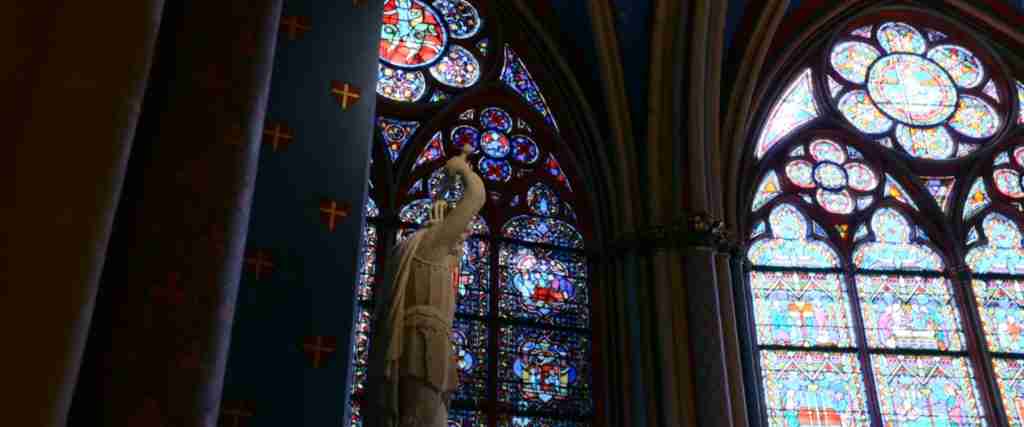
Day 2 focuses on Île de la Cité’s religious architecture and Latin Quarter’s intellectual heritage, clustering attractions within compact geographic zone accessible entirely on foot from morning’s first stop through evening’s final destination. Begin at Sainte-Chapelle (4 Boulevard du Palais, 1st arr) by 9:00 AM opening to experience the 13th-century chapel’s 15-meter-high stained glass windows in morning light conditions that maximize color intensity and minimize tourist density. Sainte-Chapelle admission costs €22 without Museum Pass in 2026, validating the pass’s value after just Louvre + Sainte-Chapelle combining for €47 versus €82 four-day pass investment.
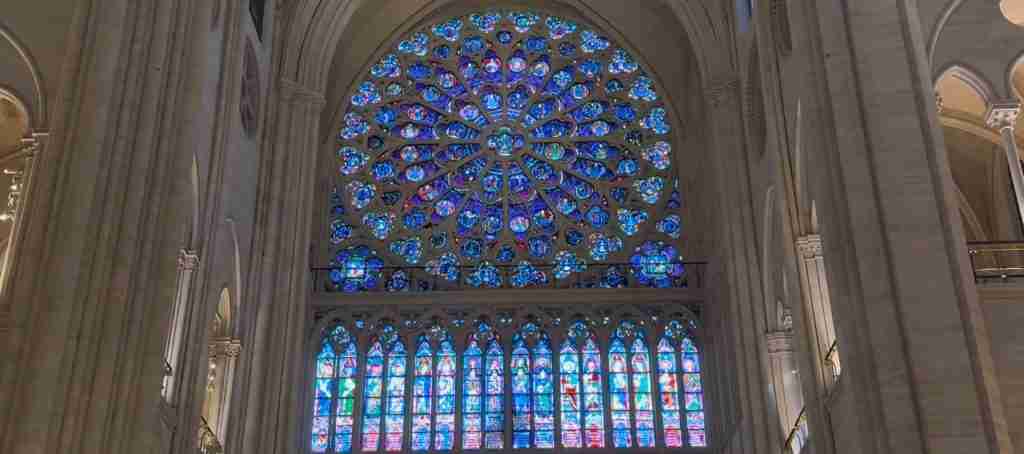
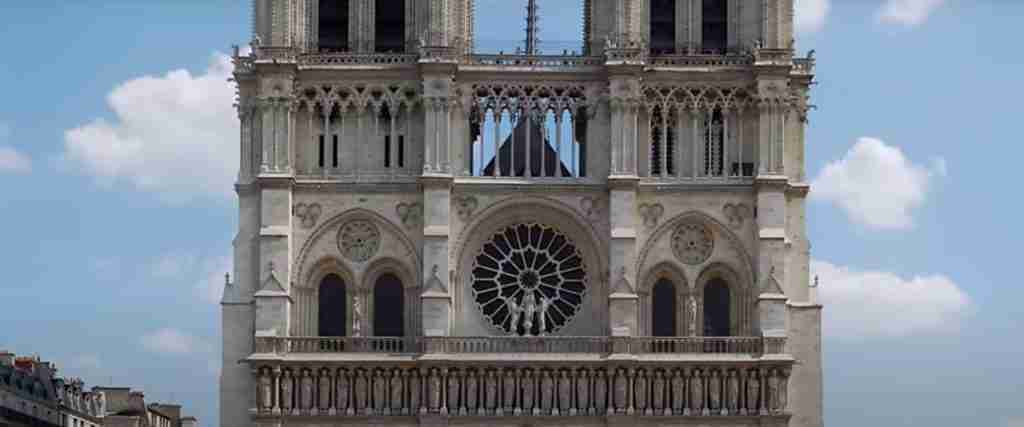
Sainte-Chapelle requires 30-45 minutes for complete upper and lower chapel viewing, with primary focus on the upper chapel’s 1,113 biblical narrative scenes rendered in 15 floor-to-ceiling stained glass windows constructed 1242-1248 under Louis IX. Exit Sainte-Chapelle and walk 200 meters east along Île de la Cité toward Notre-Dame Cathedral, currently under reconstruction following April 15, 2019 fire with projected completion December 2024 enabling interior visits by 2026 though verification via official Notre-Dame de Paris website confirms actual reopening timeline. Exterior viewing from Cathedral forecourt and Seine riverbanks remains accessible regardless of interior status, revealing Gothic flying buttresses, rose windows, and reconstruction progress.
Cross to the Left Bank via Pont au Double or Petit Pont bridges, entering the Latin Quarter’s 5th arrondissement at Shakespeare and Company bookstore (37 Rue de la Bûcherie), the legendary English-language bookshop occupying Seine riverfront location since 1951. The current store recreates the original Shakespeare and Company (1919-1941) operated by Sylvia Beach, though geographic location differs from Beach’s 12 Rue de l’Odéon premises. Continue south into the Latin Quarter along Rue de la Huchette’s medieval lanes toward the Panthéon, climbing Boulevard Saint-Michel and Rue Soufflot to the neoclassical monument housing Voltaire, Rousseau, Victor Hugo, Marie Curie, and other French luminaries in the crypt below.
The Panthéon admission costs €16 without Museum Pass, included with pass providing both ticket and skip-the-line access. Allocate 60-75 minutes for complete Panthéon exploration including dome climb (optional, weather permitting) for Latin Quarter rooftop perspectives and crypt visits paying respects at Curie’s tomb, the first woman accorded this honor independently rather than as spouse. The building’s secular purpose—originally constructed as church of Sainte-Geneviève (1758-1790) before Revolutionary conversion to secular mausoleum—creates fascinating architectural tension between religious design and Enlightenment rationalist function.
Lunch options cluster throughout the Latin Quarter, with authentic atmosphere concentrated along Rue Mouffetard’s market street south of Panthéon. This ancient Roman road (Via Superior in Latin, hence “Latin Quarter” etymology) maintains daily market operations selling produce, cheese, bread, and prepared foods ideal for Luxembourg Gardens picnics. Bistro lunch formulas run €18-25 along Rue Mouffetard, while Rue de la Montagne-Sainte-Geneviève parallel to Panthéon offers student-oriented budget options €12-18.
Afternoon exploration continues through the Luxembourg Gardens (Jardin du Luxembourg), Paris’s premier Left Bank park occupying 25 hectares between Latin Quarter and Saint-Germain-des-Prés. Enter via the Panthéon’s western exit routes along Rue Soufflot, arriving at the Luxembourg Palace’s eastern gates within 5 minutes walking. The gardens function as quintessential Parisian afternoon retreat, with manicured lawns, central octagonal pond (Grand Bassin) where children sail toy boats, tree-lined promenades, and Luxembourg Museum (Musée du Luxembourg) hosting temporary exhibitions. Budget 60-90 minutes wandering Luxembourg’s geometric flowerbeds, Medici Fountain’s baroque stonework, and open-air photography exhibitions along perimeter gates.
Exit Luxembourg Gardens’ northwestern corner near the Odéon-Théâtre de l’Europe, transitioning into Saint-Germain-des-Prés’s 6th arrondissement café culture. The neighborhood’s literary heritage centers on Café de Flore (172 Boulevard Saint-Germain) and Les Deux Magots (6 Place Saint-Germain-des-Prés), rival establishments where Simone de Beauvoir, Jean-Paul Sartre, Albert Camus, and Ernest Hemingway held court mid-20th century. Contemporary pricing reflects tourist pilgrimage status—€7-9 for café crème, €15-18 for basic croissant-and-coffee breakfast—though the experience delivers authentic Parisian café atmosphere impossible to replicate elsewhere.
Day 2 costs summary: Sainte-Chapelle included with Museum Pass, Notre-Dame exterior free, Shakespeare and Company browsing free, Panthéon included with Museum Pass, lunch €15-25, Luxembourg Gardens free, late afternoon café stop €10-15, dinner €35-50, miscellaneous €10. Total Day 2: €70-100 excluding Museum Pass and transport (covered by Navigo pass if activated Day 1, otherwise add €5.10 metro if needed).
Day 3: Eiffel Tower and Trocadéro 2026
Day 3 dedicates focus to the Eiffel Tower and surrounding 7th arrondissement, combining Paris’s most iconic monument with strategic Trocadéro photography perspectives, Seine riverbank walks, and Champ de Mars gardens. The Eiffel Tower requires advance ticket booking regardless of visit approach—summit access by elevator, second-floor access by elevator, or stairs-to-second-floor with optional elevator continuation to summit. Tickets release up to 60 days ahead on the official Tour Eiffel website, selling out 2-3 weeks in advance for prime afternoon and sunset slots during May-September peak season and weekend days year-round.
Eiffel Tower admission costs €14.80-36.70 for adults depending on access level and method in 2026, with the €36.70 maximum representing summit access by elevator for adults 25 and older (check official Tour Eiffel website for current exact pricing as rates may vary). Summit by elevator costs €28.30-36.70 adults, €14.10-18.40 youth ages 12-24, €7.10-11.60 children ages 4-11. Second floor by elevator costs €18.80-29.40 adults, €9.40-14.70 youth, €4.70-7.40 children. Stairs to second floor (with optional elevator continuation to summit) costs €11.80-14.80 adults, €5.90-7.40 youth, €3-3.70 children. All pricing excludes the Paris Museum Pass—the Eiffel Tower operates independently and requires separate ticketing regardless of other Paris passes held.
Strategic tower timing balances crowd avoidance, lighting conditions, and daily schedule flow. Morning first-entry slots (9:30 AM opening) deliver shortest security queues and clearest atmospheric conditions for distance visibility, though early light produces flat photographic conditions. Afternoon 2:00-4:00 PM slots coincide with tour bus peak congestion but position visitors on upper levels during optimal side-lighting for Paris skyline photography. Late afternoon 5:00-7:00 PM reservations (available during extended summer hours) capture golden hour transitions and allow remaining through sunset and evening illumination, though sunset timing varies significantly—9:30 PM late June versus 5:00 PM December—requiring seasonal adjustment.
The tower visit itself requires 2.5-3.5 hours minimum for complete summit experience: 30-45 minutes security queue and elevator wait even with timed tickets, 20 minutes ground to second floor, 30-45 minutes exploring second floor (perimeter walkways, glass floor section, restaurant and champagne bar), 15-20 minutes second floor to summit, 45-60 minutes at summit (orientation tables, Gustave Eiffel’s restored office, champagne bar, panoramic photography), and reverse descent. Stairs-only visitors (second floor access) reduce time to 90-120 minutes: 30 minutes climbing 674 steps, 45 minutes second floor exploration, 20 minutes descent.
Before ascending the tower, cross the Seine to Trocadéro Gardens (Place du Trocadéro) for the classic postcard perspective positioning the tower’s full height against sky background. The Trocadéro’s elevated terrace provides optimal photography angles from 750 meters distance, with morning 8:00-10:00 AM and late afternoon 5:00-7:00 PM light conditions superior to harsh midday sun. Metro Line 6 or 9 to Trocadéro station exits directly onto the esplanade, or walk from Eiffel Tower across Pont d’Iéna bridge (10 minutes) after tower visit for sunset Trocadéro views.
Lunch options near the Eiffel Tower split between tourist-focused establishments along Avenue de la Tour-Maubourg and Rue de Grenelle versus superior value in the residential 7th arrondissement blocks east of Les Invalides. Café Constant (139 Rue Saint-Dominique) delivers excellent bistro cooking at €15-20 lunch menus, while Les Cocottes (135 Rue Saint-Dominique) offers Christian Constant’s casual concept at €12-18 per person. Budget alternatives include Avenue de la Bourdonnais’s sandwich shops and supermarket picnic supplies assembled for Champ de Mars lawn dining beneath the tower.
Afternoon exploration continues at Les Invalides complex (included with Museum Pass, €16 without pass), housing the Army Museum (Musée de l’Armée) and Napoleon’s Tomb beneath the golden-domed Église du Dôme. Allocate 90-120 minutes for Napoleon’s tomb viewing, select Army Museum highlights (medieval armor, World Wars galleries), and Dôme church architecture. The Musée Rodin (77 Rue de Varenne, 5 minutes walking from Invalides) occupies the final afternoon slot, displaying Auguste Rodin’s sculptures including The Thinker, The Kiss, and The Gates of Hell within the artist’s former workshop and surrounding gardens. Museum admission costs €14 without Museum Pass (included with pass), with garden-only tickets available €4 for those prioritizing outdoor sculptures over interior galleries.
Day 3 costs summary: Trocadéro photography free, Eiffel Tower €28.30-36.70 (summit by elevator, must be booked separately), lunch €15-25, Les Invalides included with Museum Pass, Musée Rodin included with Museum Pass, dinner €35-50, miscellaneous €10. Total Day 3: €88.30-121.70 excluding Museum Pass and transport. The Eiffel Tower represents Day 3’s major additional expense beyond Museum Pass coverage, elevating total cost approximately €30-40 above typical museum days.
Day 4: Left Bank Museums and Orsay 2026
Day 4 concentrates on Left Bank museum cluster along the Seine’s southern shore, anchored by Musée d’Orsay’s Impressionist and Post-Impressionist collections positioned as essential counterpart to the Louvre’s pre-1850 focus. Begin at Musée d’Orsay (1 Rue de la Légion d’Honneur, 7th arr) by 9:30 AM opening, having pre-reserved your time slot online—starting March 10, 2026, Orsay requires advance reservations even for Paris Museum Pass holders, joining the Louvre in mandatory time-slot booking for pass users (verify current reservation requirements via official Musée d’Orsay website).
Musée d’Orsay admission costs €16 without Museum Pass in 2026, included with the pass alongside skip-the-ticket-line privileges that save 20-45 minutes during peak season. The museum occupies the stunning Beaux-Arts former Gare d’Orsay railway station (1900), with the main hall’s massive vault and railway clocks creating spectacular architectural context for the art collections. Dedicate 2.5-3 hours to the Orsay’s highlights: Level 5’s Impressionist galleries (Monet, Renoir, Degas, Pissarro), Level 2’s Post-Impressionist rooms (Van Gogh, Gauguin, Cézanne, Seurat), and Level 0’s sculpture galleries and early Realist works by Courbet and Manet.
The Orsay’s collection strength lies in 1848-1914 art precisely filling the chronological gap between Louvre’s pre-1850 holdings and Centre Pompidou’s post-1905 modern art, creating three-museum continuum across Western art history. Priority viewing targets include Monet’s Water Lilies series, Van Gogh’s Self-Portrait and Starry Night Over the Rhône, Renoir’s Bal du moulin de la Galette, Degas’s ballerina sculptures and paintings, Courbet’s controversial The Origin of the World (often crowded, position in gallery’s far corner for approach), and Whistler’s Arrangement in Grey and Black (Whistler’s Mother). The museum’s top-floor café behind the station’s historic clock face provides both refreshment and memorable backdrop for mid-visit breaks.
Exit the Orsay around noon for lunch at nearby Left Bank bistros. Rue du Bac (parallel to the Seine one block south) concentrates reliable neighborhood restaurants: L’Ami Jean (27 Rue Malar, reservation recommended) delivers exceptional Basque-influenced cooking at €55-75 per person, while Café des Ministères (30 Rue du Bac) offers simpler two-course formulas €22-28. The less expensive approach involves rue de Seine market street (6th arr), 15 minutes walking from Orsay, where specialty food shops enable excellent picnic assembly for Luxembourg Gardens consumption.
Afternoon options diverge based on weather and remaining Museum Pass validity. Perfect weather favors Luxembourg Gardens return (described Day 2) or Rodin Museum gardens (already covered Day 3 itinerary), while rain shifts focus to Musée de l’Orangerie (included with Museum Pass, €12.50 without pass) viewing Monet’s monumental Water Lilies panels in the purpose-built oval rooms. Alternatively, explore the Musée Maillol (61 Rue de Grenelle, not included with Museum Pass, €15 admission) for French sculptor Aristide Maillol’s works, or walk northeast into Saint-Germain-des-Prés for afternoon shopping and café culture around Boulevard Saint-Germain and Rue Bonaparte.
The Musée Picasso (5 Rue de Thorigny, 3rd arr) offers compelling afternoon alternative for modern art enthusiasts, housing the world’s largest Picasso collection within the stunning Hôtel Salé mansion. Museum admission costs €16 (included with Museum Pass), requiring 90-120 minutes for comprehensive viewing across Picasso’s Blue Period, Rose Period, Cubist innovations, and late works. The museum’s Marais location positions it geographically distant from Day 4’s Left Bank concentration, creating transport time and neighborhood discontinuity though Metro Line 8 from Saint-Germain-des-Prés to Saint-Sébastien-Froissart enables 20-minute cross-city connection.
Evening culminates along the Seine’s Left Bank promenades between Pont des Arts and Pont de l’Alma, walking riverside as sunset illuminates Right Bank’s Tuileries Gardens and Louvre facades. The walk spans approximately 2 kilometers requiring 25-30 minutes at casual pace, with river-level perspectives on Île de la Cité, Pont Neuf bridge, and Right Bank monuments superior to elevated viewpoints. Alternatively, take Metro Line 9 from Saint-Germain-des-Prés or Alma-Marceau to Iéna station for Trocadéro sunset over the Eiffel Tower (described Day 3), valuable if Day 3 weather prevented quality photography.
Day 4 costs summary: Musée d’Orsay included with Museum Pass, lunch €20-35, afternoon museum (Orangerie or Picasso) included with Museum Pass, afternoon café stop €8-12, dinner €35-55, miscellaneous €10. Total Day 4: €73-112 excluding Museum Pass and transport, representing typical museum-focused day cost when pass covers all admission expenses.
Day 5: Versailles Full-Day Excursion 2026
Day 5 dedicates the entire day to Versailles Palace and gardens, requiring departure from central Paris by 8:30-9:00 AM to optimize the full-day schedule and return by 6:00-7:00 PM. Versailles Palace admission costs €22 without Museum Pass (included with pass), though this covers only the palace interior (State Apartments, Hall of Mirrors, Royal Chapel). Gardens require separate €7 supplement during Musical Fountains shows (every weekend April-October plus select weekdays in summer) or remain free on non-show days. The Grand Trianon and Petit Trianon with Marie-Antoinette’s Estate require additional €12 combined ticket (€10 with Museum Pass reduction), bringing total Versailles costs to €22-41 depending on visit scope and show day timing.
Transportation to Versailles from Paris uses RER C train departing from Saint-Michel-Notre-Dame, Musée d’Orsay, or Invalides stations toward Versailles-Château-Rive-Gauche terminus (45-60 minutes, included in Navigo Découverte pass zones 1-5). Trains depart every 15-20 minutes during morning hours, arriving at Versailles-Château station 10 minutes walking from the palace entrance. Purchase separate RER tickets (€7.10 roundtrip) only if not holding Navigo pass; the Navigo week pass covers all zones including Versailles without additional payment.
Arrive at Versailles by 9:15-9:30 AM for 9:00 AM opening, using Paris Museum Pass’s skip-the-ticket-line access to enter via Entrance A (pass holders) rather than Entrance B/C (ticket purchasers). Security queues affect all visitors regardless of ticket type, averaging 15-30 minutes during peak season though arriving within first 30 minutes of opening minimizes wait. Museum Pass holders without Versailles time-slot reservations join the pass holder line at Entrance A, which typically moves faster than general admission queues despite both requiring security screening.
The palace visit requires 2-2.5 hours minimum covering the essential circuit: State Apartments (King’s and Queen’s grand apartments), Hall of Mirrors (73-meter-long gallery with 357 mirrors reflecting 17 arched windows), King’s Chamber (Louis XIV’s official bedroom), Royal Chapel (two-story baroque masterpiece), and Gallery of Battles. Audio guides (included free with palace admission) provide room-by-room historical context essential for understanding the palace’s political function and daily court rituals under Louis XIV, XV, and XVI. The palace closes Mondays year-round, requiring alternative Day 5 planning for week-long itineraries beginning Monday.
Exit to the gardens around noon for lunch at Versailles town restaurants (superior value to palace cafeterias) along Rue de Satory or Rue Royale, or picnic in the gardens using supplies purchased at Versailles-Château-Rive-Gauche station’s morning markets. Return to gardens by 1:30 PM for afternoon exploration requiring 2.5-3.5 hours for comprehensive coverage. The formal French gardens (designed by André Le Nôtre) span 800 hectares with geometric parterres, fountains, sculptures, and the cross-shaped Grand Canal extending 1.6 kilometers west from the palace. The Musical Fountains shows (Grandes Eaux Musicales) run Saturday-Sunday April-October 11:00 AM-noon and 3:30-5:00 PM, synchronized baroque music with fountain displays across the gardens’ main axes.
The Grand Trianon and Petit Trianon occupy the gardens’ northwestern section 30 minutes walking from the main palace (or 10 minutes via tourist train, €9.50 roundtrip). Marie-Antoinette’s Estate, centered on the Petit Trianon, includes her English-style gardens, Queen’s Hamlet (rustic village fantasy), and Temple of Love, revealing the queen’s private retreat from court formality. Allocate 90-120 minutes for complete Trianon exploration, though this extends total Versailles time beyond casual visitor endurance for many—prioritize based on interest in Marie-Antoinette history versus general palace and gardens coverage.
Depart Versailles by 5:00-5:30 PM for return to Paris, arriving 6:15-7:00 PM with evening free for quiet dinner near accommodation or relaxed neighborhood stroll recovering from Versailles’s physical demands. The full-day excursion typically logs 12-15 kilometers (7.5-9.5 miles) walking including palace circuits, garden paths, and Trianon distances, justifying the exhaustion most visitors experience post-Versailles. This fatigue validates Day 5’s mid-week Versailles positioning, breaking museum concentration while reserving Days 6-7 for lower-intensity neighborhood exploration.
Day 5 costs summary: Versailles palace included with Museum Pass, gardens supplement €7 (Musical Fountains days) or free (non-show days), Trianon ticket €10 with Museum Pass reduction (optional), RER roundtrip included with Navigo pass (or €7.10 if separate ticket), lunch €15-25, tourist train €9.50 (optional), dinner €25-40, miscellaneous €10. Total Day 5: €57-101.50 depending on Trianon visit, show day garden fees, and tourist train usage.
Day 6: Montmartre and Sacré-Cœur 2026
Day 6 shifts to Montmartre’s hilltop village atmosphere in Paris’s 18th arrondissement, combining Sacré-Cœur Basilica’s panoramic city views with cobblestone lanes, artists’ square, historic cabarets, and neighborhood bistros revealing Paris’s bohemian artistic heritage. Begin by taking Metro Line 2 to Anvers station or Line 12 to Abbesses station (the latter descends deeper underground, preserving original Art Nouveau entrance design), arriving by 9:00-9:30 AM before tour buses colonize Place du Tertre.
Walk uphill via Rue Foyatier’s staircases or ride the Montmartrobus (free with Navigo pass, €2.55 standard fare) along circular route connecting Métro Pigalle through Montmartre’s primary points. The direct staircase ascent from Anvers metro (Rue Foyatier) requires climbing 270+ steps gaining 130 vertical meters, challenging for some visitors though breaking at mid-level lookouts reduces continuous climb demand. The Funiculaire de Montmartre (cable railway from base to Sacré-Cœur, included with Navigo pass or standard metro ticket) eliminates climbing entirely, running every few minutes with 90-second ascent.
Sacré-Cœur Basilica (Basilica of the Sacred Heart) crowns Montmartre at 130 meters elevation, delivering sweeping Paris panoramas from the front steps across the city’s northern sectors. Basilica admission costs nothing—the church operates as active religious site with free entry for prayer and tourism—though dome climb costs €8 for the 300-step ascent to the exterior gallery providing 360-degree rooftop perspectives including close views of the church’s Romano-Byzantine architecture. Allocate 45-60 minutes for basilica interior viewing, dome climb (optional), and forecourt photography, arriving early morning for best light on Paris’s northern districts.
Descend from Sacré-Cœur’s rear exit into Place du Tertre, Montmartre’s tourist-saturated artists’ square where portrait painters and caricature artists compete for €30-80 commissions drawing visitors’ likenesses. The square’s overcrowded authenticity rings hollow despite genuine artistic history—Picasso, Van Gogh, Renoir, and Toulouse-Lautrec all worked Montmartre in the late 19th and early 20th centuries, though their studios occupied surrounding streets rather than the now-commercialized square itself. Coffee at Place du Tertre cafés runs €6-8, triple neighborhood bistro pricing, though the people-watching spectacle partially justifies the premium.
Explore Montmartre’s quieter lanes departing Place du Tertre: Rue Cortot houses the Musée de Montmartre (€15 admission, not included with Museum Pass) in Renoir’s former studio, displaying Montmartre artistic heritage and original Toulouse-Lautrec posters. Rue Lepic’s market street (featured in Amélie film, 2001) descends Montmartre’s western slope past Café des Deux Moulins (15 Rue Lepic, the actual Amélie film café) and local grocers, butchers, and cheese shops serving residential population. The Moulin de la Galette (restored windmill, now private) sits at Rue Lepic and Rue Girardon intersection, immortalized in Renoir’s 1876 masterpiece Bal du moulin de la Galette currently hanging in the Musée d’Orsay.
Lunch options cluster along Rue des Abbesses and Rue Lepic, where neighborhood bistros escape Place du Tertre’s tourist inflation. Le Café qui Parle (24 Rue Caulaincourt) offers €18-25 lunch formulas with authentic atmosphere, while La Mascotte (52 Rue des Abbesses) specializes in seafood at €25-35 per person. Budget alternatives include Rue Lepic’s boulangeries and fromageries for picnic assembly, consumed at Square Louise Michel gardens facing Sacré-Cœur’s south façade.
Afternoon explorations continue at the Moulin Rouge (82 Boulevard de Clichy, Place Blanche), the legendary cabaret founded 1889 with its iconic red windmill marking Montmartre’s base. Moulin Rouge tickets for evening shows cost €105-240 depending on seating category and dinner inclusion (show only €105, show with champagne €135, show with dinner €240), requiring advance booking 2-4 weeks for weekend performances. Matinee shows don’t exist—Moulin Rouge operates exclusively evening performances 9:00 PM and 11:00 PM with dinner service beginning 7:00 PM for dinner packages. The cabaret experience falls outside this itinerary’s budget parameters for most travelers, though the exterior windmill and Place Blanche photograph opportunities cost nothing.
Alternative afternoon activities include the Musée de la Vie Romantique (16 Rue Chaptal, 9th arr, free admission) housed in painter Ary Scheffer’s former home with George Sand memorabilia, or continuing north to Montmartre Cemetery (20 Avenue Rachel, free admission) where Degas, François Truffaut, and Dalida are interred among tree-shaded graves and elaborate 19th-century monuments. Both sites provide quiet contrast to Montmartre’s tourist bustle, revealing neighborhood depth beyond Sacré-Cœur and Place du Tertre concentration.
Evening returns to central Paris via Metro Line 2 from Blanche or Anvers stations, or extends Montmartre exploration with dinner at neighborhood bistros along Rue des Abbesses or Rue Lepic. Alternatively, descend to Pigalle’s increasingly gentrified dining scene along Rue des Martyrs, where wine bars, neo-bistros, and artisanal shops have transformed the former red-light district into Paris’s trendiest dining destination.
Day 6 costs summary: Metro to Montmartre included with Navigo pass, funicular included with Navigo pass (or €2.55 if separate ticket), Sacré-Cœur basilica free, dome climb €8 (optional), Musée de Montmartre €15 (optional, not included with Museum Pass), lunch €18-30, afternoon café/snack €8-12, dinner €30-45, miscellaneous €10. Total Day 6: €66-105 excluding Museum Pass and standard transport, representing lighter expense day after Versailles and before final day’s flexibility.
Day 7: Le Marais and Flexible Options 2026
Day 7 provides flexible structure accommodating catch-up visits to attractions missed earlier in the week, weather-dependent outdoor activities, shopping time, or relaxed neighborhood immersion without scheduled museum visits. The default Day 7 itinerary centers on Le Marais (4th arrondissement), Paris’s historic Jewish quarter and LGBT center combining medieval architecture, boutique shopping, gallery concentration, and exceptional falafel joints along Rue des Rosiers.
Begin in Le Marais around 10:00 AM (later than typical museum mornings) via Metro Line 1 to Saint-Paul station, walking north into the district’s medieval core along Rue de Rivoli’s arcaded shops. The Marais preserved Paris’s oldest residential architecture due to its aristocratic decline post-Revolution, when wealthy families abandoned their hôtels particuliers (private mansions) which subsequently escaped Haussmann’s 1860s-1870s urban restructuring that demolished most medieval Paris. The result: streets like Rue des Francs-Bourgeois, Rue des Archives, and Rue Vieille-du-Temple maintain irregular medieval layouts impossible elsewhere in Haussmannian Paris.
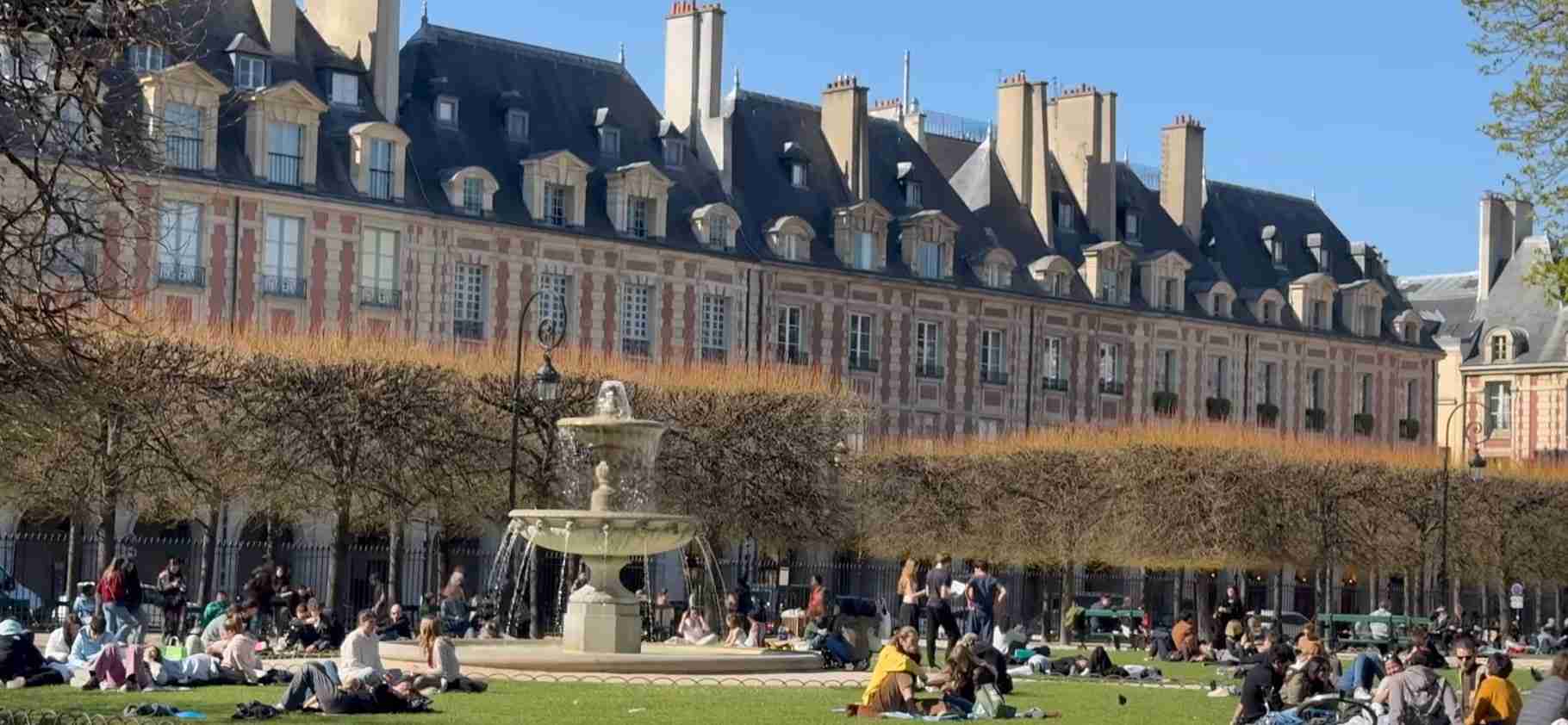
Morning exploration targets Place des Vosges, Paris’s oldest planned square (1605-1612) with uniform brick-and-stone arcaded buildings surrounding manicured central gardens. The square’s symmetry influenced all subsequent Parisian urban planning, while its perfect proportions (140m x 140m) create human-scale public space absent from later grand boulevards. Victor Hugo lived at number 6 (now Maison de Victor Hugo museum, free admission) from 1832-1848, writing portions of Les Misérables in the second-floor apartment preserved with period furnishings and manuscripts.
Walk west along Rue des Francs-Bourgeois through the Marais’s boutique concentration—vintage clothing at Frériperie (specialized secondhand), French fashion brands, international designers, and quirky concept stores occupy 17th-century storefronts. The street’s name (“Street of the Free Citizens”) derives from medieval almshouses whose residents paid no taxes, though contemporary retail pricing suggests quite different economic status today. Rue des Rosiers crosses Rue des Francs-Bourgeois at the Marais’s heart, forming the Jewish quarter’s commercial spine with kosher bakeries, Judaica shops, and competing falafel vendors.
Lunch at L’As du Fallafel (34 Rue des Rosiers) has achieved near-religious status among falafel enthusiasts, with €8-12 sandwiches justifying 20-40 minute queues on peak lunch hours (11:30 AM-1:30 PM weekdays, worse weekends). Alternative falafel sources line Rue des Rosiers—Mi-Va-Mi (23 Rue des Rosiers) delivers comparable quality with shorter waits, while Chez Marianne (2 Rue des Hospitalières-Saint-Gervais) offers table service and Middle Eastern mezze platters €15-25 per person. The Marais’s culinary diversity extends to Rue de Bretagne’s covered Marché des Enfants Rouges (oldest Paris market, 1615) with global food stalls, and Rue de Turenne’s bistros and wine bars.
Afternoon options diverge based on interests and weather. Museum enthusiasts complete outstanding Museum Pass attractions if validity remains (pass expires midnight of the fourth consecutive day after first use), targeting Musée Picasso (already described Day 4), Musée Carnavalet (Marais history museum, free admission), or Centre Pompidou (not included with Museum Pass, €15 admission) viewing modern art collections across from the Marais in Beaubourg. Shopping continues along Rue de Turenne, Rue Charlot, and the Haut Marais (upper Marais, 3rd arrondissement) where emerging designers concentrate.
Weather-dependent afternoon alternatives include canal strolls along Canal Saint-Martin (10th arr), Promenade Plantée elevated park (12th arr, similar concept to New York’s High Line), or Paris Plages artificial beaches along Seine quais (mid-July to mid-August only, free admission). These options particularly appeal after six consecutive days of museum and monument concentration, providing urban nature experiences and local Parisian atmosphere impossible inside tourist attractions.
The Marais’s compact geography enables extensive exploration on foot without metro transport, walking east through the Bastille area toward Promenade Plantée or north to République and Canal Saint-Martin. Alternatively, return west toward Île de la Cité and Notre-Dame for final cathedral photography if weather improved since Day 2’s visit, or revisit Sainte-Chapelle for late-afternoon stained glass light conditions different from morning visit.
Evening celebrates the week’s conclusion with splurge dinner at a Michelin-starred restaurant or special bistro reservation made earlier in the week. Reservations at top establishments require 2-4 weeks advance notice for Friday-Saturday slots, though Monday-Thursday and lunch availability typically permits 5-7 day advance booking. Budget-conscious alternatives include final neighborhood bistro meal in the Marais, takeaway wine and cheese from specialty shops for Seine riverside picnic, or return to favorite restaurant discovered earlier in the week.
Day 7 costs summary: Metro to Le Marais included with Navigo pass, Place des Vosges free, Maison de Victor Hugo free, shopping purchases variable (€0-200+), lunch €12-25, afternoon museum (if visited) included with Museum Pass or €15, dinner €40-80 (higher for special celebration meal), miscellaneous €15. Total Day 7: €67-320+ depending heavily on shopping and celebration dinner choices, representing most variable daily budget across the entire week.
Paris Museum Pass Strategy 2026
The Paris Museum Pass costs €55 for 2 consecutive days or €82 for 4 consecutive days in 2026, with no 6-day option available despite earlier product offerings (verify current pass durations via official Paris Museum Pass website as product options may change). The pass provides unlimited admission to 50+ Paris-region museums and monuments including Louvre (€25 individual admission), Musée d’Orsay (€16), Versailles Palace (€22), Sainte-Chapelle (€22), Arc de Triomphe (€17), Panthéon (€16), Musée Rodin (€14), Musée de l’Orangerie (€12.50), and numerous others. The 4-day pass pays for itself after visiting 3-4 major attractions, with primary value extending beyond monetary savings to skip-the-ticket-line access saving 20-60 minutes per venue during peak season.
Strategic pass deployment requires activating on museum-intensive days rather than spreading across entire week. This 7-day itinerary activates the 4-day pass on Day 1 (Louvre, Arc de Triomphe), continuing validity through Days 2 (Sainte-Chapelle, Panthéon), 4 (Orsay, optional Orangerie or Picasso), and 5 (Versailles), leaving Days 3, 6, and 7 for non-museum activities or separately-ticketed attractions (Eiffel Tower Day 3, Montmartre Day 6, Marais Day 7). The pass expires at midnight on the fourth consecutive day following first use, requiring careful timing to maximize coverage—activate Monday for coverage through Thursday night, or Tuesday-Friday, ensuring major museum days fall within validity window.
Critical operational requirements affect Museum Pass usage in 2026. The Louvre requires advance time-slot reservations even for pass holders, booking via dedicated pass holder portal using your pass serial number immediately upon purchasing the pass (online or at Paris arrival). Musée d’Orsay implements similar reservation requirements starting March 10, 2026, requiring pass holders to book specific entry windows. Without these reservations, Museum Pass skip-the-ticket-line benefits disappear—you join general admission queues potentially waiting 60-90 minutes even with valid pass. Book Louvre and Orsay slots simultaneously when purchasing pass, before departing for Paris, to secure preferred morning entry times.
The pass covers these 7-day itinerary attractions completely: Day 1 Louvre and Arc de Triomphe, Day 2 Sainte-Chapelle and Panthéon, Day 4 Musée d’Orsay and optional Musée de l’Orangerie or Musée Picasso, Day 5 Versailles Palace (though garden Musical Fountains supplement requires separate €7 payment on show days). Not covered by the pass: Eiffel Tower (requires separate €14.80-36.70 ticket), Sacré-Cœur dome climb (€8), Montmartre specialty museums if not included, and Centre Pompidou (€15). Total value extracted from 4-day pass across this itinerary: €147-163 in individual admission fees versus €82 pass cost, representing €65-81 savings plus significant time savings from skip-the-line access.
Purchase options include advance online purchase via official Paris Museum Pass website (€55 or €82 plus €2-3 delivery fee for email PDF, no physical card shipment to international addresses) or on-site purchase at Paris airports (Charles de Gaulle and Orly tourist information desks), major museums (Louvre, Orsay ticket offices though this requires queuing), and FNAC stores. Online advance purchase strongly recommended to enable immediate Louvre/Orsay reservation booking using pass serial number—waiting until Paris arrival delays reservations potentially 1-2 days, consuming valuable itinerary time.
Pass alternatives for visitors preferring flexible museum scheduling include individual attraction tickets purchased on-site or online. This approach eliminates forced museum concentration across consecutive days, accommodating weather-dependent plans and spontaneous discoveries, but sacrifices skip-the-line access and pays €50-80 more for equivalent major museum coverage. The calculation shifts for visitors prioritizing 2-3 top museums (Louvre, Orsay, maybe Versailles) without interest in comprehensive museum coverage—three individual tickets (€63 total) cost less than the 4-day pass (€82) though forfeiting skip-the-line benefits worth 60-120 minutes combined waiting at these three venues.
Transportation and Getting Around Paris 2026
Paris transportation in 2026 operates via integrated metro (16 lines), RER commuter rail (5 lines A-E), buses (60+ routes), and trams (11 lines) under the RATP and SNCF networks. Single journey tickets cost €2.55 for metro/RER within Paris zones 1-2, valid 90 minutes including one transfer between metro and bus or between buses but not re-entering metro. Bus-only tickets cost €2.05. Airport-specific tickets to Charles de Gaulle or Orly cost €14 via RER B or Orlyval respectively. Standard single tickets function as pay-per-ride option for visitors making fewer than 13 trips weekly, though most week-long visitors exceed this threshold requiring pass investment.
The Navigo Découverte pass represents optimal transport solution for week-long Paris stays, costing €32.40 for unlimited all-zone Monday-Sunday travel plus €5 non-refundable card fee (€37.40 total). Purchase the reusable Navigo Découverte card at any major metro station ticket window (guichet), presenting photo ID and completing simple form; the card issues immediately with photo taken on-site. Load the weekly pass (Forfait Navigo Semaine) onto the card for €32.40, valid from Monday 12:01 AM through Sunday 11:59 PM regardless of purchase day—buying Thursday activates that same week’s pass for just Thursday-Sunday remaining days.
Navigo Découverte’s all-zone coverage includes central Paris transport plus RER connections to Versailles (zones 1-4), Charles de Gaulle Airport via RER B (zone 5), Orly Airport via RER B + Orlyval (zones 1-4), Fontainebleau via Transilien (zone 5), and Disneyland Paris via RER A (zone 5). The pass activates for unlimited trips across metro, RER, buses, trams, Montmartre funicular, and suburban Transilien trains within validity dates. Calculate break-even point: €37.40 total cost ÷ €2.55 per trip = 14.7 trips, meaning 15+ journeys justify the pass. Typical week-long itinerary logs 25-35 trips (4-5 daily average), delivering €26.35-51.85 savings versus pay-per-ride.
Alternative transport passes serve different visitor profiles. Paris Visite tourist pass costs €30.60 for 1 day, €45.40 for 2 days, €63.80 for 3 days, or €78 for 5 days, including unlimited transport plus minor discounts at select attractions. The 5-day Paris Visite (€78) costs more than Navigo week pass (€37.40) while providing inferior 5 versus 7-day coverage, making Paris Visite economically irrational for most visitors. Paris Visite’s sole advantage: no calendar-week constraint, activating on any start day for consecutive validity versus Navigo’s rigid Monday-Sunday cycle. The monthly Navigo pass (€90.80) serves month-long stays or Paris residents, not week-long tourists.
Metro operation hours run 5:30 AM to 12:40 AM Sunday-Thursday, extending to 1:40 AM Friday-Saturday nights. RER operates similar schedules though specific line timing varies—RER B to airports begins 4:50 AM for early flight departures. Night buses (Noctilien network) cover post-metro hours with reduced frequency (30-60 minute headways) and different route structure. Taxis and ride-sharing (Uber, Bolt, G7) supplement public transport for late-night returns or luggage-heavy airport transfers, costing €10-25 for central Paris trips and €50-70 for airport connections versus €2.55-14 public transport equivalents.
Walking constitutes primary Paris transport for 40-60% of daily mobility, with compact arrondissement geography enabling extensive foot coverage. Typical walking distances between major sites: Louvre to Notre-Dame 1.8 km (22 minutes), Notre-Dame to Latin Quarter 1 km (12 minutes), Orsay to Eiffel Tower 2.2 km (27 minutes), Louvre to Marais 2 km (25 minutes). Budget 10-15 kilometers (6-9 miles) daily walking combining attraction-to-attraction transit, neighborhood wandering, and metro station approaches, validating comfortable walking shoes as essential Paris packing item.
Budget Planning for 7 Days in Paris 2026
Seven days in Paris costs €1,098-1,766 per person total in 2026 for mid-range travel, breaking down as €560-980 accommodation (€80-140 nightly), €350-560 food and dining (€50-80 daily), €37.40 transportation (Navigo Découverte week pass), €82 museums (4-day Museum Pass), and €28.30-36.70 Eiffel Tower plus €40-70 miscellaneous expenses (cafés, shopping, incidentals). This excludes international flights priced separately based on origin city and booking timeline. Budget travelers reduce total to €770-1,120 weekly via hostel dormitories (€30-50 nightly), grocery store meals and picnic lunches (€30-40 daily), and free walking-focused activities. Luxury travelers exceed €2,800 weekly with boutique hotels (€200-400+ nightly), Michelin-starred dining (€150-300+ per meal), and premium experiences.
Accommodation represents Paris’s largest expense category, with strategic neighborhood selection and booking timing significantly impacting costs. Mid-range 3-star hotels in tourist-proximate arrondissements (1st, 4th, 5th, 6th, 7th) cost €120-180 per night in May-June shoulder season, escalating to €150-220 July-August peak and reducing to €80-120 November-February low season. Booking 2-4 months advance secures 15-25% savings versus last-minute pricing, though flexibility with neighborhood (choosing residential 10th, 11th, 12th versus central 1st, 6th) delivers greater savings than booking timing alone. Budget hostels cluster in Latin Quarter and Marais (€30-50 dormitory beds, €70-100 private rooms), while Airbnb apartments run €100-180 nightly for whole apartments sleeping 2-4 people, competitive with hotels when splitting costs.
Food and dining costs vary dramatically by establishment type and meal strategy. Budget breakfast at boulangeries costs €5-8 (croissant, pain au chocolat, café crème), mid-range café breakfast €12-18, hotel breakfast €15-25. Lunch options span €8-15 sandwiches from boulangeries, €18-28 bistro lunch formulas (two courses), €30-45 sit-down restaurant meals. Dinner ranges €35-55 for neighborhood bistro three-course menus, €60-100 for higher-quality establishments, €150-300+ for Michelin-starred experiences. Strategic cost management combines boulangerie breakfast (€6-8), either nice bistro lunch with simple picnic dinner or vice versa (€20-25 total for two lighter meals), and one substantial daily restaurant meal (€35-55), totaling €61-88 daily versus €100-150 for three full restaurant meals.
Museum and attraction expenses center on the €82 Paris Museum Pass covering majority of major sites across Days 1-2 and 4-5, plus €28.30-36.70 Eiffel Tower Day 3, and potential €15-20 for non-pass museums (Centre Pompidou, specialized interests). Optional experiences add variable costs: Moulin Rouge show €105-240, Seine river dinner cruise €70-150, Montparnasse Tower observation deck €20, hop-on-hop-off bus tours €35-45. Most visitors maintain €110-140 total weekly attraction costs (Museum Pass + Eiffel Tower + one specialty experience), sufficient for comprehensive major site coverage without expensive optional tours.
Miscellaneous expenses accumulate through café stops (€6-12 per visit), wine bar tastings (€15-30), gelato (€5-8), souvenirs (€20-100+), and incidental shopping. Budget €40-70 weekly for these discretionary items, more for shoppers targeting French fashion, art books, or specialty food products. ATM fees and foreign transaction fees add 1-3% for US travelers without fee-free cards, negligible amounts relative to total budget but worth addressing via Charles Schwab or similar zero-FTF cards.
Sample detailed 7-day mid-range budget per person: Accommodation €560-980 (7 nights €80-140), food €350-560 (7 days €50-80), Navigo pass €37.40, Museum Pass €82, Eiffel Tower €36.70, miscellaneous €40-70, total €1,106.10-1,766.10. Add international flights €500-1,200 depending on US departure city and booking timing. Grand total €1,606.10-2,966.10 for complete one-week Paris trip mid-range approach, achievable through consistent daily budgeting and strategic expense prioritization across accommodation, dining, and optional activities.
Practical Logistics and Booking Timeline 2026
Successful Paris week planning follows strategic 2-4 month advance timeline synchronizing flight bookings, accommodation reservations, Museum Pass purchase, and attraction time-slot reservations. Begin 3-4 months before departure (January-February for May travel, March-April for July travel): book roundtrip flights to Paris Charles de Gaulle or Orly airports when airline pricing windows open, typically delivering €100-200 savings versus 4-6 week advance booking. Reserve accommodation simultaneously, prioritizing refundable rates for flexibility though non-refundable rates save 10-15% for travelers confident in dates.
Two months before departure, purchase Paris Museum Pass online via official website, receiving PDF email ticket with serial number. Immediately book Louvre time-slot reservation using pass serial number via dedicated Museum Pass holder portal, targeting earliest available morning slot (9:00-9:30 AM) on planned Day 1. Book Musée d’Orsay time slot for Day 4 using same process. These reservations constitute critical path items—without them, Museum Pass skip-the-line benefits disappear despite valid pass ownership.
Six to eight weeks before departure, book Eiffel Tower summit tickets via official Tour Eiffel website for Day 3, selecting late afternoon slot (5:00-6:00 PM) enabling sunset stay and evening illumination viewing. Summer weekend slots (June-August Friday-Sunday) sell out 3-4 weeks advance, requiring earlier booking. Verify Notre-Dame reopening status and reserve interior visit tickets if available (cathedral reconstruction targeting December 2024 completion with 2026 full operations, though official Notre-Dame de Paris website confirms actual status).
Four weeks before departure, finalize restaurant reservations for any Michelin-starred or high-demand bistros targeted for special dinners. Le Comptoir (Yves Camdeborde’s bistro, 6th arr), L’Ami Jean (Basque-influenced, 7th arr), and Frenchie (modern bistro, 2nd arr) require 2-4 week advance reservations for Friday-Saturday dinner, though Monday-Thursday and lunch accept shorter notice. Most neighborhood bistros accommodate walk-ins; reserve only specific destination restaurants warranting guaranteed seating.
One week before departure, purchase Navigo Découverte card online for airport pickup (if available via RATP online services) or plan immediate purchase upon Paris arrival at airport RER station ticket windows. Download essential apps: RATP Official for real-time metro/bus routing, Citymapper for multi-modal transport planning, Google Maps offline Paris data for GPS navigation without cellular data, and official Louvre/Orsay apps for museum audio guides. Verify Museum Pass reservations, Eiffel Tower tickets, and accommodation confirmations in consolidated travel folder, digital or print.
Airport arrival (Charles de Gaulle or Orly) triggers immediate Navigo Découverte purchase at RER station ticket offices if not obtained online advance. Present passport for ID, complete brief form, have photo taken, receive card instantly, and load weekly pass for €32.40. The entire process requires 5-10 minutes at airport stations equipped to handle tourist volume. Take RER B from CDG (€14 via single ticket if not holding Navigo yet, included with Navigo once loaded) or RER B + Orlyval from Orly (€14) to central Paris accommodation, typically 45-70 minutes travel time depending on destination arrondissement.
Seasonal Considerations and Weather Planning 2026
Paris weather varies significantly across seasons, affecting daily itinerary logistics, packing requirements, and activity feasibility. Spring (April-May) delivers 12-20°C (54-68°F) daytime temperatures with 40-50% precipitation probability requiring rain jacket and layers. Cherry blossoms bloom late March through mid-April in Tuileries and Luxembourg gardens, while May brings reliable outdoor café weather and extended 8:30 PM sunsets enabling after-dinner Seine walks. Spring shoulder season reduces hotel costs 20-30% versus summer while maintaining comfortable conditions for extensive daily walking.
Summer (June-August) peaks at 20-25°C (68-77°F) with occasional 30°C+ (86°F+) heat waves lacking air conditioning in most older hotels and apartments. July-August crowds double compared to shoulder seasons, creating 60-90 minute queues at major attractions without advance reservations and testing Museum Pass skip-the-line benefits’ capacity. Advantages include 9:30-10:00 PM sunsets extending evening exploration, Paris Plages riverside beach installations (mid-July through August), and full museum operating hours. Disadvantages: peak accommodation pricing, exhausting heat during midday walking, and August business closures as Parisians depart for annual holidays.
Fall (September-October) replicates spring’s ideal conditions with 15-22°C (59-72°F) temperatures, golden foliage in parks, and September Fashion Week energy animating neighborhoods. September maintains summer’s extended daylight while shedding August’s peak crowds and heat. Late October transitions toward winter with daylight savings time shift (last Sunday October) darkening evenings by 5:30-6:00 PM, compressing outdoor activity windows and shifting emphasis toward museums, covered passages, and indoor dining.
Winter (November-February) drops to 3-8°C (37-46°F) with frequent rain, occasional snow (1-2 events yearly), and 5:00-5:30 PM darkness limiting outdoor photography and promenades. Museums remain open with significantly reduced crowds—Louvre admits half summer volume, enabling relaxed viewing impossible July-August. Christmas markets (late November through December) activate Champs-Élysées, Notre-Dame forecourt, and neighborhood squares, while January sales (soldes) attract bargain shoppers. Winter hotel rates plunge 40-50% versus summer, delivering exceptional value for visitors comfortable with cold weather and early darkness.
Packing adjustments by season: Spring/Fall requires layers (light jacket, sweater, rain jacket, comfortable walking shoes), Summer emphasizes sun protection (hat, sunscreen, sunglasses, lightweight clothes) with evening layer for air-conditioned museums, Winter demands warm coat, scarf, gloves, waterproof boots, and umbrella. All seasons require excellent walking shoes logging 10-15 kilometers daily—broken-in comfortable footwear prevents blisters that can derail multi-day itineraries.
Frequently Asked Questions
How many days do you need in Paris in 2026?
Seven days provides optimal Paris duration for first-time visitors in 2026, allowing comprehensive major museum coverage (Louvre, Orsay, Versailles), iconic monument visits (Eiffel Tower, Arc de Triomphe, Sacré-Cœur), neighborhood exploration (Montmartre, Marais, Latin Quarter), and sustainable daily pacing without exhausting marathon schedules. Shorter 3-4 day visits successfully cover highlights (Louvre, Eiffel Tower, Notre-Dame, one day trip) but sacrifice neighborhood immersion and require aggressive daily scheduling. Longer 10-14 day stays enable multiple day trips (Versailles, Giverny, Fontainebleau, Champagne region), deeper arrondissement exploration, and relaxed café culture immersion impossible in single-week visits. The 7-day framework aligns naturally with Paris Museum Pass 4-day validity and Navigo Découverte Monday-Sunday weekly pass structure, creating economic and logistical efficiency for week-long planning.
What is the best month to visit Paris in 2026?
May ranks as optimal Paris visit month in 2026, combining spring shoulder season advantages (moderate 15-20°C temperatures, blooming gardens, manageable crowds) with reliable weather (55-60% sunshine probability versus April’s 50%), extended daylight (8:30-9:00 PM sunsets), and full museum operating hours. September provides comparable conditions with fall foliage replacing spring blooms and Fashion Week energy animating neighborhoods. June offers summer advantages (longer days, outdoor events, Paris Plages opening) without July-August’s peak heat and crowds, though accommodation pricing begins summer escalation. April delivers lowest shoulder-season pricing and cherry blossom viewing but risks more frequent rain disruption (45-50% precipitation days). October maintains September’s comfortable conditions through mid-month before daylight savings shift darkens evenings earlier. Avoid December 24-26 (Christmas closures), January 1 (New Year closures), May 1 (Labor Day universal closures), and August if sensitive to heat and crowds—though August delivers authentic Parisian-free Paris experience with significantly reduced local population.
Is the Paris Museum Pass worth it in 2026?
The Paris Museum Pass (€82 for 4 days) proves worthwhile for visitors planning 3+ major museum days including Louvre (€25), Orsay (€16), Versailles (€22), and 2-3 additional Museum Pass attractions like Sainte-Chapelle (€22), Arc de Triomphe (€17), or Panthéon (€16). Break-even occurs after €82 worth of individual admissions, achieved through Louvre + Orsay + Versailles + Sainte-Chapelle (€85 total) across the 4-day validity period. Primary value extends beyond monetary savings to skip-the-ticket-line access saving 20-60 minutes per major attraction during peak season, though this advantage diminishes with new Louvre and Orsay reservation requirements for pass holders starting 2026. The pass does not benefit visitors prioritizing 1-2 top museums without broader cultural interest, those preferring flexible scheduling across non-consecutive days, or travelers focusing on non-museum activities like neighborhood exploration, shopping, and dining. Calculate personal value by listing intended museum visits and comparing total individual admission cost versus €55 (2-day pass) or €82 (4-day pass), remembering pass validity runs consecutive days requiring concentrated museum scheduling.
How much money do I need per day in Paris in 2026?
Daily Paris expenses average €120-180 per person for mid-range travel in 2026, breaking down as €80-140 accommodation, €50-80 food and dining, €5-10 transportation (amortized Navigo weekly pass), €10-20 museums (amortized Museum Pass or specific attraction tickets), and €10-20 miscellaneous expenses (cafés, snacks, shopping). Budget travelers reduce daily costs to €70-100 through hostel dormitories (€30-50), grocery/picnic meals (€25-35), free walking activities, and selective museum visits. Luxury travelers exceed €250-400 daily via boutique hotels (€200-400), three-course restaurant meals (€100-150 daily total), taxis instead of metro, and premium experiences. Specific expense categories: breakfast €6-18 (boulangerie €6-8, café €12-15, hotel €15-25), lunch €18-45 (bistro formula €18-28, sit-down restaurant €30-45), dinner €35-80 (neighborhood bistro €35-55, upscale restaurant €60-80+), metro €2.55 per trip or €5.35 daily average with Navigo pass, coffee/café stops €6-12, museum admission €12-25 individual sites or €11.71 daily with 4-day pass amortized. Budget €150 minimum daily for sustainable mid-range Paris experience covering accommodation, meals, transport, attractions, and modest discretionary spending.
Can you visit Paris without speaking French in 2026?
Yes, Paris tourism infrastructure operates extensively in English in 2026, with museum audio guides, metro signage, restaurant menus in tourist areas, and hotel staff fluent in English throughout central arrondissements. Major museums (Louvre, Orsay, Versailles) provide English audio guides included with admission, exhibition placards in both French and English, and English-speaking information desks for visitor assistance. Metro and RER systems use bilingual French-English signage, ticket machines offer English language options, and RATP transportation apps function in English. Restaurants in tourist-dense neighborhoods (Saint-Germain, Marais, Latin Quarter, areas near major monuments) typically stock English menus and employ English-speaking servers, though neighborhood bistros in residential arrondissements may operate French-only. Learning basic French phrases (bonjour, merci, excusez-moi, parlez-vous anglais?, l’addition s’il vous plaît for restaurant bills) demonstrates cultural respect and often elicits more helpful English responses from Parisians appreciating the effort. Translation apps (Google Translate camera function for menus, real-time conversation translation) eliminate language barriers for remaining situations. The primary challenge occurs in administrative situations (medical emergencies, lost passport reporting, police interactions) where French fluency becomes valuable, though major hotels and tourism offices provide emergency interpretation assistance.
Where should I stay in Paris for a week in 2026?
The 5th arrondissement (Latin Quarter) and 6th arrondissement (Saint-Germain-des-Prés) provide optimal central Paris accommodation bases for week-long 2026 visits, combining proximity to major Left Bank museums (Orsay, Panthéon, Luxembourg), excellent metro connectivity (Lines 4, 10, RER B/C), authentic neighborhood atmosphere with bistros and markets, and lower hotel pricing than ultra-central 1st/4th arrondissements. Alternative strong choices include 7th arrondissement near Invalides (quieter residential character, close to Eiffel Tower and Orsay), 4th arrondissement Marais (lively LGBT/Jewish quarter, medieval architecture, younger energy), and 9th arrondissement near Opéra (Grands Boulevards shopping, excellent metro hub, more affordable than Saint-Germain). Avoid accommodation in outlying arrondissements (17th-20th) unless significant budget constraints—daily 20-30 minute metro commutes to central attractions waste vacation time and reduce spontaneous neighborhood exploration. Specific neighborhood recommendations within prioritized arrondissements: Latin Quarter between Panthéon and Luxembourg Gardens (quieter than riverfront), Saint-Germain between Odéon metro and Saint-Sulpice church (residential side streets versus tourist Boulevard Saint-Germain), Marais northern section around Rue de Bretagne (local market character), 7th arrondissement near Rue Cler market street (authentic residential Paris). Book 2-4 months advance for May-October shoulder and peak seasons, securing 15-25% savings versus last-minute pricing while ensuring neighborhood preference availability.
Do you need to book Louvre tickets in advance for 2026?
Yes, Louvre Museum requires advance time-slot reservations for all visitors in 2026, including Paris Museum Pass holders who previously enjoyed walk-up skip-the-line access. The reservation system launched for pass holders in recent years and continues through 2026, requiring all visitors to book specific entry windows (9:00 AM, 10:00 AM, etc.) regardless of ticket type. Museum Pass holders reserve via dedicated pass holder portal using pass serial number printed on their pass (obtain serial number when purchasing Museum Pass online or on-site), while individual ticket purchasers reserve through standard Louvre ticketing website. Book Louvre time slots immediately upon obtaining Museum Pass—waiting until Paris arrival risks finding preferred morning slots fully booked 1-2 days out. Prime morning slots (9:00-10:00 AM) sell out fastest during peak season (May-September), followed by 10:00-11:00 AM. Afternoon slots (2:00-4:00 PM) typically maintain better availability but coincide with tour bus waves and afternoon fatigue reducing viewing quality. Same-day Louvre access without reservation technically remains possible via on-site ticket purchase queue, though wait times regularly exceed 90 minutes during peak season and capacity limits may prevent entry entirely on sold-out days. The reservation requirement represents significant operational change from previous years’ Museum Pass spontaneity, requiring advance planning now essential for guaranteed Louvre admission.
What is the best area to stay in Paris for first-time visitors in 2026?
The Latin Quarter (5th arrondissement) between the Panthéon and Luxembourg Gardens ranks as best Paris neighborhood for first-time 2026 visitors, providing authentic residential atmosphere, central geographic position equidistant from Left Bank museums (Orsay, Rodin) and Right Bank attractions (Louvre, Marais), excellent metro access via Lines 4 and 10 plus RER B, abundance of affordable bistros and cafés, and manageable hotel pricing €100-140 versus €150-200 in ultra-central 1st/4th arrondissements. The neighborhood delivers immediate Paris immersion through Rue Mouffetard market street, Luxembourg Gardens green space, and medieval lanes around the Sorbonne, while maintaining safety, cleanliness, and tourist infrastructure (ATMs, pharmacies, grocery stores) essential for first-time international visitors. Alternative excellent first-time choices: Saint-Germain-des-Prés 6th arrondissement (more upscale, legendary cafés, higher pricing €120-180), Le Marais 4th arrondissement (younger energy, LGBTQ-friendly, more nightlife, can be louder), and 7th arrondissement Rue Cler area (residential quiet, Eiffel Tower proximity, family-friendly). Avoid for first-time visitors: areas requiring extensive metro transit to major attractions (17th-20th arrondissements), overly touristy streets with aggressive vendors (Rue de Rivoli arcades facing Tuileries), and isolated pockets lacking evening restaurant/café options. Prioritize accommodation within 5-minute walk of metro stations to maximize spontaneous exploration and eliminate bag-carrying distances after long museum days.
How do I get from Paris airport to city center in 2026?
Charles de Gaulle Airport to central Paris uses RER B train (€14 via standard ticket or included with Navigo Découverte all-zones pass, 45-60 minutes to Châtelet or Saint-Michel-Notre-Dame stations serving central arrondissements) departing every 10-15 minutes 5:00 AM-midnight from Terminals 2 and Roissypole stations. Purchase tickets at RER station ticket machines or windows (Navigo Découverte card available at airport RER windows if not obtained online advance). Trains run to Paris via two routes—verify “all stations” trains versus express routing; both reach central Paris in similar times. Orly Airport to Paris uses RER B + Orlyval automated metro combination (€14 total, 35-45 minutes to central Paris) or RER C direct service from Orly to Left Bank stations (€7.10, 40 minutes), though RER C operates less frequently (every 20-30 minutes versus RER B’s 10-minute headways). Alternative airport connections: Roissybus (€14, direct Charles de Gaulle to Opéra, 60-75 minutes), various airport shuttle services (€17-25, advance booking, shared van, 60-90 minutes depending on multiple hotel stops), taxis (€50-70 flat rate to Right Bank destinations, €55-75 Left Bank, 35-60 minutes depending on traffic), and ride-sharing services like Uber (€45-65, variable pricing, similar timing to taxis). RER B train represents best value for solo travelers and couples (€14 versus €50-70 taxi), while 3-4 person groups find taxi splitting competitive (€50 ÷ 4 = €12.50 per person versus €14 RER). Airport arrival timing affects transport choice—late-night arrivals after RER termination (12:40 AM) require taxi/ride-share, while early departures before RER commencement (5:00 AM) similarly demand taxi backup planning.
Is 7 days in Paris too much in 2026?
Seven days in Paris provides ideal duration for first-time visitors seeking comprehensive experience without exhausting rushed schedules, though repeat visitors or travelers prioritizing relaxed pace over complete coverage may find 4-5 days sufficient. The 7-day framework enables strategic distribution: 3 major museum days (Louvre, Orsay, Versailles), 2 monument and neighborhood days (Eiffel Tower, Montmartre, Marais), 1 flexible catch-up day accommodating weather disruptions or personal interests, and 1 optional day trip (Giverny, Fontainebleau, Champagne region). This pacing prevents museum fatigue common in compressed 3-day itineraries attempting 2 museums daily while allowing spontaneous discoveries—lingering at unexpected café, exploring covered passages stumbled upon, returning to favorite neighborhood for second dinner. Week-long stays maximize Paris Museum Pass value (4-day validity fits naturally within 7-day schedule), justify Navigo Découverte weekly pass purchase (€37.40 versus €2.55 × 15+ trips accumulated across week), and accommodate realistic daily walking distances (10-12 km moderate pace versus 15-20 km sprint pace). Return visitors focusing on specific interests (art history deep dives, shopping, culinary experiences, photography) may prefer 4-5 days concentrated on priorities, while 10-14 day visits enable Loire Valley excursions, Normandy D-Day beaches, or southern France extensions. The assessment: 7 days represents optimal first-time duration, 4-5 days works for focused return visits, 3 days feels rushed despite hitting highlights, and 10+ days suits comprehensive regional exploration beyond Paris proper.