
Capri Best Tours & Walking Routes 2026: Complete Travel Guide
Capri’s dramatic coastline and mountain trails reward exploration beyond the famous Piazzetta, with boat tours revealing hidden sea caves, walking routes connecting ancient forts, and guided experiences unlocking the island’s natural and cultural treasures. This guide provides current pricing, route details, and strategic planning for experiencing Capri’s best tours and walking routes in 2026.
Key Takeaways
- Blue Grotto boat tours require two separate payments: €24 for island circuit transport plus €18 for cave entry (€14 rowboat + €4 entrance fee), with EU citizen discounts available for ages under 25
- Monte Solaro chairlift costs €14 round trip or €11 one way, operating 12-13 minutes each direction with seasonal hours ranging from 9:15 AM to 8:30 PM in peak summer
- The Sentiero dei Fortini coastal walk spans 5.5 km between the Blue Grotto and Punta Carena lighthouse, taking 2-3 hours with no entrance fee and three historic 19th-century forts along the route
- Private boat tours range €160-300+ for 2-4 hours depending on boat size and itinerary, while shared group tours cost €19-24 per person for standard island circuits
- Via Krupp walking route reopened after cliff reinforcement, connecting Gardens of Augustus to Marina Piccola via dramatic hairpin switchbacks carved into vertical rock faces
- Guided walking tours in Capri typically cost €295-881 USD per day for comprehensive experiences including local expert guides, though self-guided routes remain free with proper route planning
People Also Ask About Capri Tours 2026
How much does a Blue Grotto boat tour cost in 2026?
Blue Grotto tours in 2026 require two separate payments totaling €42 minimum. Shared boat transport from Marina Grande to the grotto entrance costs €24 per person for a full island circuit or round-trip transfer. At the cave entrance, visitors purchase tickets from the floating box office for €18 (€14 rowboat service + €4 entrance fee). EU citizens under 18 pay only €12 (rowboat only, free entrance), while EU citizens ages 18-25 pay €14 total (€12 rowboat + €2 entrance). Children under 6 enter free. Private boat tours cost €160-300+ for 2-4 hours and also exclude the €18 grotto entry fee. Wait times at the grotto can reach 1+ hours during peak season, and the cave closes frequently due to sea conditions.
What is the best walking route in Capri for 2026?
The Sentiero dei Fortini (Path of the Forts) stands as Capri’s most spectacular coastal walk for 2026, covering 5.5 km along the western coast between the Blue Grotto and Punta Carena lighthouse. The route takes 2-3 hours, passes three 19th-century British and French military forts (Orrico, Mesola, and Pino), and offers sweeping Mediterranean views with minimal tourist crowds. The trail is free with no reservations required. For shorter options in 2026, the Arco Naturale walk from Capri’s Piazzetta takes just 20 minutes each way, while Via Krupp’s newly reopened hairpin path connects Gardens of Augustus to Marina Piccola in 15-20 minutes. Monte Solaro hiking trail from Anacapri reaches the island’s highest point (589 meters) in 60-90 minutes, offering an alternative to the €14 chairlift.
Are guided tours worth it in Capri in 2026?
Guided tours in Capri prove valuable for first-time visitors in 2026, particularly for boat excursions where local skippers navigate to swimming coves and provide cultural context about landmarks like Villa Malaparte and the Faraglioni rocks. Comprehensive guided day tours cost €295-881 USD and typically include ferry transport, expert commentary, strategic timing to avoid crowds, and insider access to lesser-known viewpoints. However, Capri’s compact size (7 km long, 3 km wide) and excellent signage make self-guided exploration perfectly feasible for independent travelers comfortable with route planning. Walking routes like Sentiero dei Fortini and Arco Naturale feature clear ceramic information plaques explaining local flora, fauna, and history. The decision depends on budget, time constraints, and preference for structured versus flexible exploration, as all major trails and boat departure points are accessible without guides.
How long does the Monte Solaro chairlift take in 2026?
The Monte Solaro chairlift operates 12-13 minutes each direction in 2026, covering the ascent from Piazza Vittoria in Anacapri to the 589-meter summit. Round-trip tickets cost €14, one-way tickets cost €11, and children under 8 ride free on a parent’s lap. The chairlift features 158 single-seat chairs moving at a steady pace roughly 20 meters above ground. Operating hours vary seasonally: February-March and November-December run 9:30 AM-4:00 PM; April-May and September-October run 9:15 AM-5:00 PM; June-August run 9:15 AM-6:00 PM with extended Friday-Saturday evening hours until 8:00-8:30 PM in summer. The ride itself provides panoramic views over Anacapri’s terraced gardens, lemon groves, and the Bay of Naples. At the summit, visitors find 360-degree viewing platforms, the Canzone del Cielo bar, restrooms, and trailheads for hiking routes including the 30-minute walk to Cetrella Hermitage.
Extended multi-day tours – 5+ days
Featured Capri Multi-Day Tour Packages

6 days
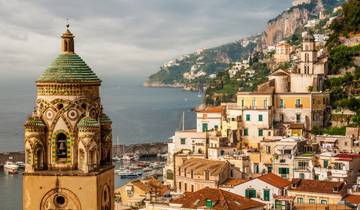
6 Days from Naples: Pompeii, Mount Vesuvius, Amalfi Coast, Sorrento, Positano & Capri Island
- ✓ Comprehensive Capri tour
- ✓ Expert local guides included
- ✓ All accommodation arranged
- ✓ Transportation provided
7 days
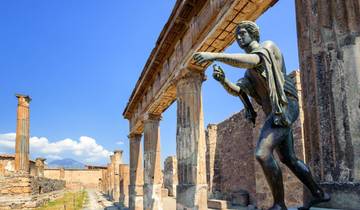
Sorrento Escape, Private Tour
- ✓ Comprehensive Capri tour
- ✓ Expert local guides included
- ✓ All accommodation arranged
- ✓ Transportation provided
4 days
Discovering Amalfi Coast
- ✓ Comprehensive Capri tour
- ✓ Expert local guides included
- ✓ All accommodation arranged
- ✓ Transportation provided

7 days
Grand Tour Amalfi Coast, Positano, Capri, Naples, Pompeii & Sorrento – 7 Days
- ✓ Comprehensive Capri tour
- ✓ Expert local guides included
- ✓ All accommodation arranged
- ✓ Transportation provided
Multi-day tour packages powered by TourRadar. Prices and availability subject to change.
Introduction
Capri’s geography divides exploration into two distinct experiences: the dramatic coastline accessible only by water, and the inland mountain terrain networked with ancient pathways. Understanding this division shapes successful trip planning, as boat tours reveal sea caves, natural arches, and the iconic Faraglioni rock formations invisible from land, while walking routes climb to panoramic summits, connect historic fortifications, and wind through Mediterranean vegetation away from coastal crowds.
The island’s compact 10 square kilometers concentrate an extraordinary density of natural and cultural attractions. From Marina Grande’s sea-level harbor, the terrain rises steeply to Capri Town at 142 meters, continues to Anacapri at 275 meters, and culminates at Monte Solaro’s 589-meter summit. This vertical geography creates microclimates, with coastal routes experiencing intense midday sun and minimal shade, while higher elevation trails benefit from cooling breezes and pine forest cover.
Capri’s tour and trail infrastructure operates on seasonal rhythms that directly impact 2026 planning. The Blue Grotto, accessible only when sea conditions permit, closes frequently October through March due to wave height and wind direction. Summer months (June-August) bring maximum operating hours for the Monte Solaro chairlift, extended boat tour schedules, and peak crowding that creates 60-90 minute waits at popular attractions. Shoulder seasons (April-May, September-October) offer optimal conditions: moderate temperatures for hiking, reduced crowds on walking routes, and reliable boat tour operations without excessive waiting.
Strategic timing within each day matters as much as seasonal selection. Morning departures (8:00-9:30 AM) for Blue Grotto boat tours avoid afternoon line buildup, while the grotto’s electric blue luminescence peaks during midday sun (noon-2:00 PM) when light angles maximize underwater reflection. Walking routes like Sentiero dei Fortini require early starts or late afternoon departures to avoid the unshaded western coastline’s punishing midday heat. Monte Solaro chairlift operations extend past sunset on summer weekend evenings specifically for visitors seeking golden hour photography and twilight views.
This guide structures Capri’s tour and walking options by activity type rather than geographic zones, allowing readers to build customized itineraries matching their interests, fitness levels, and budgets. Each section provides specific 2026 pricing, current operational details, strategic planning advice, and realistic time requirements. The approach assumes travelers want maximum flexibility to combine guided tours with independent exploration rather than committing to single comprehensive packages.
Blue Grotto Tours and Boat Excursions 2026
The Blue Grotto boat tour costs €42 minimum per person in 2026, composed of two mandatory separate payments: €24 for shared boat transport from Marina Grande to the cave entrance, plus €18 for the grotto entry ticket purchased at the floating box office. The €18 grotto fee breaks down as €14 for the rowboat service that transports four passengers maximum into the cave, plus €4 entrance fee divided between Capri and Anacapri municipalities. EU citizens under 18 pay only €12 (rowboat service only, entrance free), while EU citizens ages 18-25 pay €14 total (€12 rowboat + €2 reduced entrance). Children under 6 enter completely free.
The grotto visit lasts approximately 5 minutes inside the cave, during which the rowboat skipper rows visitors around the 60-meter-long, 25-meter-wide cavern while often singing traditional Neapolitan folk songs that echo off the rock walls. The cave’s famous electric blue glow results from sunlight entering through an underwater opening and reflecting off the white sandy bottom, creating an otherworldly luminescence most intense during midday hours (noon-2:00 PM) when sun angle maximizes underwater light penetration. Overcast days dramatically reduce the blue effect, making weather selection critical for visitor satisfaction.
Access to the Blue Grotto remains highly unpredictable due to sea conditions. The cave entrance measures just 2 meters wide and roughly 1 meter high at normal sea level, requiring rowboat passengers to lie flat on their backs while skippers pull the craft through using a chain bolted to the cave wall. Wave swells of just 20-30 centimeters make entry impossible, causing closures that can last hours, days, or entire weeks during rough weather periods. Closures occur without advance notice and cannot be predicted with certainty even on the same morning. Wait times at the cave entrance range from 15 minutes during quiet periods to 90+ minutes during peak summer afternoons, as only four passengers enter at a time and processing capacity maxes out around 100-120 visitors per hour.
Three boat tour options serve Blue Grotto access from Marina Grande. Shared group tours operated by Motoscafisti, Laser Capri, and Capri Cruise companies cost €24 per person and follow the full island perimeter (approximately 17 km), departing continuously throughout the day. These 2-hour circuits pass the Faraglioni rocks, Villa Malaparte, Green Grotto, White Grotto, and Punta Carena lighthouse before stopping at the Blue Grotto entrance, where passengers transfer to rowboats for the €18 cave entry. The main limitation: if grotto wait times exceed 45-60 minutes, tour boats often skip the stop entirely and provide passengers with separate transfer tickets to return later, fragmenting the experience and requiring additional time investment.
Direct transfer boats to the Blue Grotto only, also operated by Motoscafisti, cost €24 and take approximately 30 minutes round trip without the full island circuit. This option maximizes grotto access probability by allowing boats to queue specifically for cave entry rather than incorporating the stop into a timed circuit. Direct transfers work best for visitors prioritizing the grotto over coastal sightseeing or those who plan to see the coastline via a separate private boat rental.
Private boat tours with skipper start at €160-200 for 2-hour basic circuits and scale to €300+ for 4-hour experiences including swimming stops at secluded coves like Cala del Rio and Marina Piccola. Private boats accommodate up to 7 passengers on standard gozzo vessels (traditional Capri wooden boats) or up to 12 on larger motorboats. The €18 Blue Grotto entry fee remains excluded from all private tour pricing, as the grotto operates independently and accepts only cash payment at the floating ticket office. Private tours offer timing flexibility, customized swimming stops, onboard refreshments (prosecco, limoncello, water, soft drinks), and the ability to wait at the grotto entrance as long as desired without time pressure from shared group schedules.
Alternative Blue Grotto access via bus and foot from Anacapri eliminates the €24 boat transport cost but substitutes 30-40 minutes of travel time and a steeper queue at the land-based entrance. Buses from Anacapri’s Piazza Vittoria to the Grotta Azzurra stop cost €2.50 each way and run every 15-20 minutes during daytime hours. From the bus stop, a paved road descends 50 meters to the cliff-top grotto entrance, where visitors descend stairs to a small dock and join the same rowboat queue as boat tour passengers. The land approach makes sense for budget-conscious travelers or those prone to seasickness, but sacrifices the boat tour’s coastal views and eliminates swimming opportunities available on private boat excursions.
Island Circumnavigation Boat Tours 2026
Shared group boat tours circling Capri’s entire 17-kilometer coastline cost €19-24 per person in 2026 for 2-hour excursions departing continuously from Marina Grande throughout the day. These circuits follow a standard clockwise route: departing Marina Grande, boats head east past the Salto di Tiberio headland and Villa Jovis ruins visible on the clifftop, pass through the area off Villa Malaparte’s distinctive red modernist structure on Punta Masullo, circle the Faraglioni rock formations where most boats pass through the middle arch for photographs, continue past Marina Piccola bay, round the western coast viewing the Green Grotto’s emerald reflections and Punta Carena lighthouse, and return along the northern shore with an optional Blue Grotto stop.
The €19-24 shared tour pricing does not include Blue Grotto entry, swimming stops, or onboard refreshments. These basic circuits prioritize coastal viewing and photography over water activities, making them efficient for time-constrained day-trippers wanting coastal perspectives without the €160+ private boat investment. The main limitation: fixed departure times and rigid 2-hour schedules that may skip Blue Grotto stops if wait times exceed 45 minutes, and no flexibility for impromptu swimming at appealing coves spotted during the circuit.
Private boat tours for 2-4 hours cost €160-300+ depending on vessel type, passenger capacity, and included amenities in 2026. Two-hour private circuits (€160-200) cover the same 17-kilometer perimeter as shared tours but allow customized photo stops, slower pacing past specific landmarks, and schedule flexibility to accommodate Blue Grotto queues without time pressure. Four-hour private tours (€250-300+) add 2-3 swimming and snorkeling stops at locations like Cala del Rio (western cove with crystal-clear shallow water), Cala di Limmo (secluded inlet past Punta Carena), and Marina Piccola (southern bay with views of the Faraglioni). Premium full-day tours (6-7 hours, €400+) incorporate waterfront restaurant stops at beach clubs like La Fontelina or Il Riccio, where passengers disembark for lunch before resuming the cruise.
Most private boat operators include complimentary onboard refreshments (prosecco, limoncello, water, soft drinks, seasonal fruit) and provide snorkeling equipment, though quality varies by operator and advance confirmation of specific inclusions prevents disappointment. Sunset tours departing late afternoon (typically 5:00-6:00 PM starts) focus on the western coastline’s golden hour light and cost €180-250 for 2-3 hours, though these specifically exclude Blue Grotto access as the cave closes by late afternoon.
Boat tour selection in 2026 depends on three primary factors: budget constraints, desired water activity level, and Blue Grotto priority. Budget-focused travelers choosing shared €19-24 tours should book 8:00-9:00 AM departures to maximize Blue Grotto access probability and avoid afternoon wait times. Private boat seekers should request specific swimming cove stops when booking, as not all operators automatically include these without advance request. Travelers prioritizing Blue Grotto access over full island circuits should consider the €24 direct transfer option or private tours explicitly confirming grotto stop flexibility in their itinerary.
Monte Solaro Chairlift Experience 2026
Monte Solaro chairlift tickets cost €14 for round-trip or €11 for one-way passage in 2026, with children under 8 riding free on a parent’s lap (check official website for current pricing verification as rates may adjust seasonally). The single-seat chairlift departs from Piazza Vittoria in Anacapri and operates 12-13 minutes each direction, ascending 314 vertical meters from the 275-meter Anacapri base to the 589-meter summit. The ride itself provides continuously changing perspectives: initial views over Anacapri’s white cubic architecture and terraced gardens transition to wider vistas encompassing the Bay of Naples, Mount Vesuvius, and the Gulf of Salerno as elevation increases.
Operating hours vary significantly by season in 2026, directly impacting visit planning. February, March, November, and December run 9:30 AM-4:00 PM (last ascent 3:45 PM). April, May, September, and October extend to 9:15 AM-5:00 PM. June, July, and August operate 9:15 AM-6:00 PM during weekdays, with special Friday-Saturday evening extensions running until 8:30 PM in June-July and 8:00 PM in August specifically for sunset viewing. These summer evening hours create opportunities for golden hour photography and twilight vistas impossible during standard daytime operations, though advance confirmation of evening schedules prevents disappointment as dates may shift based on demand and weather.
The chairlift operates continuously at a steady slow pace, with seats positioned approximately 20 meters maximum above ground level. Each single chair features a simple movable safety bar that lifts easily, making the system unsuitable for very young children (under 8) or highly active children who might attempt to lift the bar mid-ride. Boarding and alighting require moderate physical agility: passengers must sit back into the moving chair as it scoops them up from behind at the base station, then stand and walk forward quickly when the chair approaches the summit platform. Staff assist with both processes, but individuals with mobility limitations, wheelchair users, or those uncomfortable with continuously moving embarkation systems should plan alternative access via the hiking trail.
At Monte Solaro’s summit, facilities include 360-degree viewing platforms, the Canzone del Cielo bar and restaurant, public restrooms, and trailheads for multiple hiking routes. The viewing platforms position the Faraglioni rocks, Punta Tragara promontory, and Capri Town directly below to the east, with Marina Piccola’s turquoise bay visible in the southern vista. Northward views span the entire Bay of Naples to Mount Vesuvius, while westward perspectives look across the Tyrrhenian Sea to the islands of Ischia and Procida on clear days. Morning visits (9:30-11:00 AM) often encounter humidity and haze limiting distant visibility, while post-10:30 AM timing generally provides clearer atmospheric conditions and better photographic light.
The Fortino di Bruto ruins, a small British military installation built 1806-1808 during French-English conflicts, sit approximately 100 meters from the summit platform and take 5 minutes to explore. More substantial hiking options include the 30-minute trail descending to the Hermitage of Santa Maria a Cetrella, a 14th-century church nestled in pine and oak forest with open sea views, though the hermitage interior opens only sporadically. Hikers can also descend the full trail to Anacapri (60-90 minutes downhill), making one-way €11 chairlift tickets practical for those wanting to ride up and walk down.
Strategic planning recommendations for Monte Solaro in 2026: Visit after 10:30 AM for clearer visibility and better light. Summer evening ascents (Friday-Saturday only) provide spectacular sunset photography but require confirmation of operating hours before planning entire day schedules around this. Budget 1.5-2 hours total for a summit visit including chairlift ascent/descent and 30-45 minutes at the top. Combine with Anacapri exploration on the same itinerary, as the chairlift station sits in central Piazza Vittoria, adjacent to Villa San Michele and other Anacapri attractions.
The Sentiero dei Fortini: Capri’s Historic Coastal Walk 2026
The Sentiero dei Fortini (Path of the Forts) traverses 5.5 kilometers of Capri’s western coastline between the Blue Grotto area and Punta Carena lighthouse, requiring 2-3 hours walking time depending on pace and stop frequency. The trail connects three 19th-century military fortifications built by the British in 1806 and later expanded by the French after the Battle of Orrico in 1808: Forte Orrico (positioned 30 meters above sea level near the Blue Grotto), Forte Mesola (at Punta Campetiello), and Forte Pino (approaching the lighthouse). Each fort retains its semicircular defensive structure with walls approximately 2 meters thick, though interiors are empty and vegetation has reclaimed much of the stonework.
The route requires no entrance fee, no reservations, and no permits in 2026. Access points exist at both ends: northbound walkers take the bus from Anacapri to the “Grotta Azzurra” stop (€2.50), while southbound walkers use the “Faro” (lighthouse) stop. The trail itself consists of packed earth and rock path with some paved sections near the termini, winding through coastal vegetation including Mediterranean maquis, wild rosemary, and helichrysum. Ceramic information plaques positioned along the route explain local flora, fauna, geological formations, and military history in illustrated “book” format.
Direction selection significantly impacts difficulty: Blue Grotto to lighthouse (north to south) follows predominantly downhill or level terrain, while lighthouse to Blue Grotto involves gradual climbing over the same distance. Most experienced hikers recommend the north-to-south route, finishing at the lighthouse where Lido del Faro beach club provides swimming and refreshment opportunities before catching the return bus to Anacapri. The trail offers no intermediate refreshment points, water sources, or facilities along the 5.5-kilometer length, making adequate water supply (1-1.5 liters per person) and sun protection essential.
The western coastal exposure creates intense sun conditions with minimal natural shade between approximately 10:00 AM and 4:00 PM during summer months. Strategic timing favors early morning departures (7:30-8:30 AM starts) or late afternoon walks (4:00-5:00 PM starts), both of which provide more comfortable temperatures and better photographic light. The trail remains accessible year-round, though winter months (November-March) bring occasional closures during heavy rain when portions of the path become slippery.
Scenically, the Sentiero dei Fortini delivers continuously dramatic coastal views: rocky promontories, deep fiord-like bays, sculpted limestone formations, and unobstructed Mediterranean vistas. The route passes the Belvedere degli Agli and Belvedere degli Elicrisi scenic overlooks, both offering 180-degree sea views and popular photography points. Unlike Capri’s more famous walking routes near Capri Town (Via Krupp, Arco Naturale), the Fortini path remains relatively uncrowded even during peak summer months, with walkers often encountering fewer than 10-15 other hikers during the entire route.
Upon reaching Punta Carena lighthouse (Italy’s second-oldest functioning lighthouse, built 1862), swimmers can access Lido del Faro beach club (paid sun bed and umbrella rentals €20-35) or the adjacent free rocky swimming area used primarily by locals. The free section requires comfort navigating irregular rocks to enter water, but provides authentic Capri beach experience without tourist-focused pricing. Buses return to Anacapri from the “Faro” stop every 15-20 minutes during daylight hours, making the one-way trail walk practical without requiring return hiking.
Appropriate footwear for the Sentiero dei Fortini means closed-toe hiking shoes or trail runners with ankle support and aggressive tread. Sandals, flip-flops, and fashion sneakers with smooth soles create injury risk on rocky, uneven terrain. Long pants or long socks prevent scratches from low vegetation brushing the trail edges. Recommended carry items: 1-1.5 liters water per person, sun hat, sunscreen SPF 30+, lightweight windbreaker (sea breezes can be strong), small first aid kit, and charged phone for emergency contact and photography.
Via Krupp and Marina Piccola Walking Routes 2026
Via Krupp reopened in recent years after extended closure for cliff reinforcement, restoring access to one of Capri’s most photographed walkways. This paved serpentine road descends from the Gardens of Augustus near Capri Town’s center to Marina Piccola beach at sea level, following a series of tight hairpin switchbacks cut directly into near-vertical limestone cliffs. The German industrialist Friedrich Alfred Krupp commissioned the road’s construction in the early 20th century to connect his yacht moored at Marina Piccola with his suite at the Grand Hotel Quisisana, creating a pedestrian path that appears from above as an impossibly compressed zigzag squeezed against the cliff face.
The descent takes 15-20 minutes at normal walking pace, while the return climb requires 25-30 minutes and significantly more effort due to the continuous steep gradient. The route drops approximately 100 vertical meters over roughly 1 kilometer horizontal distance, creating an average grade exceeding 10% though the switchback design moderates individual sections. Walkers experience continuously shifting perspectives as each hairpin turn reveals new angles on the Faraglioni rocks, Marina Piccola bay, and the open sea beyond.
Access to Via Krupp begins at the Gardens of Augustus (Giardini di Augusto), a terraced botanical garden charging €1.50 entrance fee in 2026. Visiting the gardens before descending Via Krupp provides the classic bird’s-eye photograph of the switchbacks snaking down the cliff, as the garden’s viewing terrace positions directly above the route’s upper sections. The Via Krupp entrance gate sits at the garden’s lower edge, clearly marked and typically open dawn to dusk weather permitting. Periodic closures still occur during heavy rain or when engineers detect rock stability concerns, so advance confirmation via tourist information offices prevents disappointment.
At Marina Piccola, two beach clubs (La Fontelina and Da Gioia) dominate the waterfront with paid sun bed rentals (€25-45 per day) and upscale dining, while a small free beach section allows swimming without facility fees. The beach clubs offer shuttle boat service back to Marina Grande (€5-8 per person), eliminating the need to climb back up Via Krupp or navigate the alternative road route. Independent walkers can also return to Capri Town via Via Mulo, a longer but less steep pathway that climbs through residential neighborhoods and eventually rejoins the town center near Via Camerelle’s luxury shopping district.
Via Tragara represents an alternative easy walk from Capri’s Piazzetta, following a picturesque lane lined with luxury villas and boutique hotels for approximately 20 minutes to reach Punta Tragara viewpoint. This panoramic terrace provides the closest land-based vantage point for photographing the Faraglioni rocks, positioning observers roughly 100 meters above sea level with the three limestone formations rising from the water directly ahead. The walk involves minimal elevation change, wide paved pathways, and no entrance fees, making it accessible for visitors uncomfortable with Via Krupp’s steepness or those traveling with strollers.
From Punta Tragara, active walkers can continue along coastal footpaths toward the Grotta di Matermania (a large Roman-era cave) and Arco Naturale (natural stone arch), adding 40-60 minutes round trip. These extensions introduce more irregular terrain, stone staircases, and narrower paths unsuitable for casual footwear, but reward with dramatic cliff-edge views and significantly reduced tourist density compared to the main Piazzetta-Tragara route.
Strategic routing recommendation for Via Krupp in 2026: Visit mid-morning (9:30-11:00 AM) when light angles favor photography and temperatures remain moderate. Descend Via Krupp, spend 1-2 hours at Marina Piccola (swimming, lunch, or simply relaxing), then return via shuttle boat to Marina Grande rather than climbing back up. This one-way approach maximizes the Via Krupp experience while avoiding the strenuous return climb in afternoon heat. Alternatively, energetic walkers can descend Via Krupp and return via the Via Mulo pathway to experience both routes in a single 2-hour circuit.
Arco Naturale and Villa Jovis Hiking Routes 2026
The Arco Naturale (Natural Arch) walk from Capri’s Piazzetta ranks among the island’s shortest and most popular easy routes, requiring just 20 minutes each way along well-maintained paved pathways. The route begins at the Piazzetta’s clock tower, follows Via Vittorio Emanuele through narrow shopping lanes, transitions to Via Matteotti, and continues along Via Arco Naturale as the path exits the town center. The final 10 minutes wind through residential areas and vegetation before reaching the viewpoint overlooking the arch itself.
The Natural Arch formation consists of a massive limestone span measuring approximately 18-20 meters wide with an opening roughly 12 meters high, positioned on the eastern cliff edge where tectonic and erosive forces carved this dramatic feature over millennia. The viewing platform sits above the arch looking down and outward across the Tyrrhenian Sea, with the arch framing ocean vistas in photographs. The site charges no entrance fee and operates as an open-access viewpoint, though the clifftop location requires responsible behavior around unguarded edges.
Le Grottelle restaurant sits adjacent to the Natural Arch viewpoint, offering traditional Caprese cuisine on a scenic terrace. This establishes the Arco Naturale walk as a practical lunch excursion: 20-minute walk out, lunch at Le Grottelle (1-1.5 hours), 20-minute return walk, creating a half-day experience totaling approximately 2.5 hours. Prices at Le Grottelle reflect elevated tourist location positioning, but the terrace ambiance and views justify moderate splurge for travelers seeking atmospheric dining rather than budget meals.
Extended hiking from the Natural Arch continues to Villa Jovis, the largest and best-preserved of Emperor Tiberius’s twelve Capri villas. This extension adds 45-60 minutes each direction and 150 meters elevation gain, following the Pizzolungo coastal path that hugs the eastern cliffs with continuous sea views. The route passes the Grotta di Matermania, a large cave with Roman-era modifications including structural walls and stucco remnants, believed to have served as a nymphaeum (sanctuary dedicated to water nymphs) during Tiberius’s residence.
Villa Jovis occupies the island’s northeastern promontory at 334 meters elevation, where Tiberius governed the Roman Empire remotely from AD 27-37. The archaeological site preserves substantial walls, cistern systems, and floor plans of the palace complex covering approximately 7,000 square meters. Entrance costs €6 in 2026, with EU citizens under 18 entering free and EU citizens 18-25 paying €3 reduced rate (verify current pricing at ticket office). The site opens 10:00 AM-6:00 PM in summer, 10:00 AM-4:00 PM in winter, closing Mondays year-round.
The Salto di Tiberio (Tiberius’s Leap), a 300-meter sheer cliff drop adjacent to Villa Jovis, features in historical accounts claiming the emperor had individuals thrown from this precipice, though modern historians debate these stories’ accuracy. Regardless of historical truth, the dramatic vertical drop to the sea creates one of Capri’s most visceral geographic features, visible from the villa ruins’ edge where modern safety barriers prevent contemporary risks.
Complete Arco Naturale-Villa Jovis circuit timing: 20 minutes Piazzetta to Natural Arch, 45-60 minutes Natural Arch to Villa Jovis, 45-60 minutes villa visit, 60-75 minutes return walk to Piazzetta via the same route, totaling 3-3.5 hours minimum. This full circuit requires proper hiking footwear, adequate water (1 liter minimum per person), sun protection, and moderate fitness level, as the villa extension includes significant climbing and uneven terrain. The route sees moderate use but far less congestion than Capri Town’s shopping streets, offering genuine escape from tourist concentration while remaining accessible without technical hiking skills.
Monte Solaro Hiking Trail 2026
The Monte Solaro hiking trail from Anacapri to the 589-meter summit provides an alternative to the €14 chairlift, requiring 60-90 minutes climbing time depending on fitness level and pace. The standard route begins at Piazza della Pace in Anacapri, following a clearly marked trail that gains 314 vertical meters over roughly 1.5 kilometers horizontal distance, creating an average grade approaching 20% with some steeper sections requiring sustained effort. The path consists of stone steps, packed earth switchbacks, and short paved sections, maintaining good condition year-round though winter rains can create slippery conditions on stone portions.
Experienced hikers generally recommend ascending via chairlift (€11 one-way) and descending via trail rather than attempting the steep climb, as the downhill return takes 45-60 minutes and reduces cardiovascular demand while still providing forest scenery, botanical variety, and the satisfaction of covering terrain on foot. This one-way strategy also allows hikers to enjoy summit views when fresh rather than arriving exhausted from climbing, and eliminates the €14 round-trip chairlift cost while retaining the scenic ride experience in one direction.
The trail passes through distinct vegetation zones as elevation increases. Lower sections (275-400 meters) feature olive groves, lemon terraces, and residential gardens transitioning to oak and chestnut forest in middle elevations (400-500 meters) where shade coverage increases and temperatures drop noticeably compared to sea-level Capri. Upper sections (500-589 meters) thin to Mediterranean maquis, wild herbs, and windswept grasses as the terrain approaches the exposed summit plateau.
A 30-minute optional detour from the main trail leads to the Hermitage of Santa Maria a Cetrella, a small church dating to the 14th century set in a pine forest valley called Cetrella. The hermitage interior opens sporadically for special occasions but remains locked most days, though the valley itself rewards the detour with peaceful forest atmosphere, limestone outcrops, and bird life absent in more trafficked areas. Walkers continuing to Monte Solaro after the hermitage visit add approximately 45 minutes to total hiking time.
The Monte Solaro trail receives light to moderate use even during peak summer months, with hikers often encountering fewer than 20-30 other people during the entire ascent. This stands in stark contrast to the chairlift’s continuous passenger flow, making the hiking route attractive for those seeking quieter mountain experience despite the physical demands. The trail’s eastern exposure catches morning sun, favoring 7:30-9:00 AM start times before temperatures rise, though adequate shade in the middle forest section makes midday climbing tolerable for properly prepared hikers.
Essential gear for the Monte Solaro hike includes proper hiking boots with ankle support and aggressive tread (the steep descent on smooth stone steps creates significant fall risk in inadequate footwear), 1.5 liters water per person minimum (no water sources exist along the route), sun hat and sunscreen for the exposed upper sections and summit, lightweight rain shell (weather changes rapidly at elevation), and hiking poles for descent stability for those with knee concerns. The trail itself requires no permits, charges no fees, and remains open year-round except during rare winter snow events that affect Capri perhaps once every 5-10 years.
Guided Walking Tours and Tour Operators in Capri 2026
Guided walking tours in Capri range from €295-881 USD per person per day for comprehensive experiences in 2026, typically including expert local guide services, strategic route planning that avoids peak crowd times, cultural and historical context unavailable to independent walkers, and often integration with chairlift tickets, bus transport, and restaurant reservations. The wide price range reflects tour structure variations: small group tours (8-15 participants) cluster around €295-450 per person, while private tours (2-6 participants) cost €600-881 per person depending on customization level and included experiences.
Reputable tour operators for Capri guided experiences include Capri Guide (local association of 11 Capri-born guides offering themed walks and boat-walking combinations), Capri Tour Information (specializing in family-friendly custom itineraries), and international operators like Context Travel and Country Walkers (offering multi-day Amalfi Coast packages including Capri segments). Local guide selection provides island-specific expertise, insider access to lesser-known viewpoints and local establishments, and flexibility for day-of adjustments based on weather or crowd conditions. International operators deliver more structured itineraries, guaranteed English fluency, and comprehensive package logistics including accommodation coordination for multi-day programs.
Standard guided walking tour itineraries in 2026 typically follow one of three formats. Town-focused tours (3-4 hours, €80-150 per person in small groups) explore Capri and Anacapri’s historic centers, villa gardens, shopping lanes, and viewpoints via minibus connections and foot paths, suitable for moderate fitness levels and casual footwear. Trail-focused tours (4-6 hours, €150-250 per person) tackle routes like the Sentiero dei Fortini or extended Pizzolungo coastal walk, requiring proper hiking gear and good fitness. Comprehensive full-day tours (7-8 hours, €295-450 per person) combine boat excursions, chairlift ascents, walking routes, and strategic lunch stops, maximizing Capri exposure in single-day visits particularly valuable for travelers staying on the mainland in Sorrento or Naples.
Boat-walking combination packages represent popular middle-ground options, pairing 2-4 hour private or small-group boat tours with 2-3 hour guided walks and typically including Monte Solaro chairlift tickets, lunch reservations, and bus transport. These combinations cost €350-600 per person depending on boat tour privacy level (shared versus private), group size, and meal quality. The integration provides seamless logistics difficult to replicate through independent booking: boat captains coordinate timing with walking guides, restaurant reservations slot into optimal schedule windows, and transport between activities proceeds without confusion about meeting points or ticket purchasing.
Language capabilities matter significantly for guided tour satisfaction. Local Capri guides generally offer Italian and English fluently, with some providing French or German services. International tour companies guarantee native-level English but may charge premium rates for other language requirements. Tours marketed specifically in Asian languages (Mandarin, Japanese, Korean) exist but operate less frequently and require advance booking, often through specialized Asia-focused travel agencies rather than direct local operator contact.
Strategic considerations when evaluating guided tour value in 2026: First-time Capri visitors benefit substantially from guided experiences that explain the island’s complex history, identify optimal photo locations, and navigate logistics like ferry schedules and bus routes. Return visitors or experienced independent travelers may find guided tours overly structured and prefer self-guided exploration using detailed route descriptions. Physical fitness levels should honestly match tour difficulty ratings—operators use terms like “moderate” liberally, and a “moderate” Capri walking tour may involve 2+ hours continuous walking with elevation changes exceeding 200 meters.
Budget Planning for Capri Tours and Walking Routes 2026
Independent Capri exploration via walking routes costs €3-18 per person per day excluding accommodation, meals, and ferry transport to the island in 2026. Mandatory expenses include round-trip bus fare from Marina Grande to Anacapri (€2.50 each way, €5 total), entrance to Gardens of Augustus if walking Via Krupp (€1.50), and optional Monte Solaro chairlift if not hiking (€14 round trip or €11 one way). Walking routes themselves—Sentiero dei Fortini, Arco Naturale, Via Tragara, and Monte Solaro trail—charge no entrance fees and require no reservations, making genuinely budget-conscious Capri experience possible for hikers comfortable with self-guided exploration.
Sample budget walking day (excluding accommodation): Bus to Anacapri €2.50, Sentiero dei Fortini walk (free), bus to Faro lighthouse €2.50, beach swimming at free section (free), bus return to Anacapri €2.50, bus to Marina Grande €2.50, picnic lunch from Anacapri markets €8-12, water and snacks €3-5. Total day cost: €21-27 per person excluding ferry and accommodation. This budget tier assumes packed food rather than restaurant meals, free beach sections rather than paid beach clubs, and walking routes rather than guided tours or boat excursions.
Mid-range Capri day combining tours and independent walking costs €80-120 per person in 2026. Sample itinerary: Ferry to Capri €20-25 (from Sorrento), shared boat tour with Blue Grotto €42 (€24 boat + €18 grotto entry), lunch at mid-range restaurant €25-35, Monte Solaro chairlift round trip €14, bus transport around island €10, gelato and refreshments €8-12. Total: €119-138 per person. This tier delivers comprehensive Capri experience including the island’s signature attractions (Blue Grotto, boat tour, Monte Solaro) while avoiding premium private tours or luxury dining that rapidly escalate costs.
Premium Capri experience costs €300-600+ per person for single-day visits in 2026. Private boat tour 4 hours €300-400 (split among group, so €75-100 per person for 4 passengers), Blue Grotto entry €18, guided walking tour €150-250, chairlift €14, upscale waterfront lunch €60-80, premium gelato and drinks €15-20. Total: €332-482 per person. This premium tier provides private boat flexibility, expert guided cultural context, and dining at establishments like La Fontelina or Il Riccio where ambiance and views justify elevated menu pricing.
Multi-day Capri stays focused on tours and walking reduce per-day costs through strategic timing and experience distribution. Two-day budget allocation example: Day 1 emphasizes boat tours and Blue Grotto (€80-100), Day 2 focuses on walking routes and inland exploration (€20-40), spreading high-cost activities across separate days rather than attempting comprehensive single-day coverage that feels rushed and exhausts both budget and energy. Three-day stays allow even more relaxed pacing: one boat tour day, one serious hiking day (Sentiero dei Fortini plus Monte Solaro), one town exploration and beach day.
Money-saving strategies for Capri tours in 2026: Book morning ferry departures (7:00-8:30 AM from Sorrento) to maximize day length and avoid mid-morning crowds. Skip Blue Grotto on overcast days when the blue effect diminishes significantly, saving €42. Choose one-way Monte Solaro chairlift (€11 up, hike down free) instead of €14 round trip. Pack lunch from Anacapri markets (€8-12) rather than restaurant meals (€25-35). Use free beach sections instead of paid beach clubs (saving €25-45 per day). Walk between Capri Town and Marina Grande via the funicular pathway (free, 30 minutes) instead of taking the funicular railway (€2.50 each direction). These strategies can reduce daily costs by €50-80 per person while maintaining full access to the island’s essential experiences.
Best Time to Visit Capri for Tours and Walking Routes 2026
April, May, September, and October constitute optimal months for Capri tours and walking in 2026, balancing moderate temperatures, reliable boat tour operations, reduced tourist density compared to summer peak, and full operational hours for attractions like the Monte Solaro chairlift and Blue Grotto access. Daytime temperatures in these shoulder months range 18-25°C (64-77°F), ideal for hiking routes that involve sustained climbing like Monte Solaro or exposed coastal paths like Sentiero dei Fortini. Sea temperatures reach 18-22°C (64-72°F), comfortable for swimming at Marina Piccola or post-hike beach stops though cooler than summer’s 24-26°C (75-79°F) peak.
June, July, and August deliver maximum operating hours—Monte Solaro chairlift runs until 6:00 PM weekdays and 8:00-8:30 PM Friday-Saturday evenings, boat tours depart continuously throughout extended daylight, and all restaurants and facilities maintain full service. However, summer peak brings significant drawbacks: Blue Grotto wait times regularly exceed 90 minutes during 11:00 AM-3:00 PM peak hours, walking routes become uncomfortably hot on the exposed western coast (Sentiero dei Fortini) and sun-baked stone paths (Via Krupp), and tourist density on popular routes like Arco Naturale and Via Tragara creates congestion that disrupts photographic opportunities and peaceful hiking atmosphere.
Summer heat management strategies for 2026 visitors committed to June-August travel: Begin walking routes by 7:30-8:00 AM before temperatures rise above 25°C, targeting completion of exposed coastal sections (Sentiero dei Fortini, Pizzolungo) before 11:00 AM. Schedule midday hours (11:00 AM-3:00 PM) for boat tours where sea breezes moderate temperature, or indoor/shaded activities like Villa Jovis museum exploration or lunch at restaurants with covered terraces. Resume walking after 4:00-5:00 PM when temperatures drop and late afternoon light improves photography. Carry 2 liters water per person minimum on summer walks, wear lightweight long-sleeve sun protection, and plan swimming stops at Marina Piccola or Lido del Faro to cool down mid-route.
November through March presents mixed conditions. Blue Grotto closes frequently—sometimes for weeks consecutively—due to rough seas and wave heights that make the 1-meter cave entrance impassable. Monte Solaro chairlift reduces hours to 9:30 AM-4:00 PM or 10:30 AM-3:30 PM depending on specific month. Many restaurants and some hotels close entirely for winter season maintenance. However, winter months offer near-empty walking trails, dramatically reduced ferry crowds, hotel rates 40-60% below summer peaks, and atmospheric moody weather that creates distinctive photographic opportunities for those prioritizing island experience over guaranteed sunshine.
Week-to-week timing within prime months affects crowd levels significantly. Mid-September through mid-October sees persistent tourist flow as schools return but European vacation patterns continue. Early April and early May avoid Easter week congestion (Easter 2026 falls April 5, triggering peak crowds March 28-April 12) while capturing spring wildflower blooms along walking routes. Weekend visits encounter higher day-tripper numbers than midweek days, particularly Saturdays when Naples and Rome residents make quick island escapes.
Weather variability requires flexible planning year-round. Capri’s exposed island position creates rapidly changing conditions: morning sunshine can transition to afternoon clouds, sea breezes can strengthen to winds that close the Blue Grotto, and summer thunderstorms occasionally develop with little warning. Checking marine forecasts the evening before boat tour days and having backup walking route plans for weather-disrupted boat schedules prevents wasted vacation days. The island’s compact size allows pivoting between activities when conditions change—if boat tours cancel due to wind, walking routes inland (Monte Solaro, Arco Naturale) generally remain accessible and pleasant.
Practical Logistics for Capri Tours and Walking Routes 2026
Ferry transport to Capri from mainland ports costs €20-25 one-way per person in 2026, with departures from Sorrento (30 minutes, most frequent service), Naples Beverello port (40-60 minutes), Positano (25 minutes, seasonal April-October only), and Amalfi (seasonal service, less frequent). Hydrofoils operate faster than traditional ferries and cost €3-5 more per ticket, valuable for morning departures when maximizing island time matters. First departures from Sorrento leave around 7:00-7:30 AM, enabling 8:00 AM arrival at Marina Grande before crowds build. Last returns typically run 6:00-7:00 PM in summer, earlier in winter, creating 8-10 hour maximum island time for day-trippers.
Internal Capri bus transport operates via minibus system connecting Marina Grande, Capri Town, Anacapri, and peripheral points like the Blue Grotto and Punta Carena lighthouse. Single rides cost €2.50, with no multi-ride discount tickets available. Buses depart every 10-15 minutes on primary routes (Marina Grande-Capri-Anacapri) during high season, extending to 20-30 minute intervals in winter. The Marina Grande to Anacapri route climbs the island’s western slope via hairpin switchbacks on narrow roads, taking 15 minutes and offering dramatic cliff-edge views though not recommended for those prone to motion sickness or fear of heights.
Walking between major island points remains feasible for energetic visitors: Marina Grande to Capri Town via the pedestrian pathway takes 30-40 minutes climbing (the funicular offers alternative €2.50, 5-minute ride), Capri Town to Anacapri via road requires 60-75 minutes with significant elevation gain and traffic exposure (strongly recommend bus instead), Anacapri to Punta Carena lighthouse via road takes 45-60 minutes (bus recommended, walking adds heat exposure without scenic benefit). Essentially, walking connections work between Marina Grande and Capri Town; all other inter-zone transport should use buses.
Booking requirements vary by activity type in 2026. Walking routes require no advance reservations—trails like Sentiero dei Fortini, Arco Naturale, and Monte Solaro operate as open-access public paths. The Monte Solaro chairlift sells tickets only at the base station, no advance booking possible, with wait times rarely exceeding 10-15 minutes except peak summer weekends. Shared boat tours from Marina Grande sell tickets at waterfront kiosks, though online advance purchase through operators like Motoscafisti, Laser Capri, or Capri.com saves 10-15 minutes queuing during busy periods and occasionally offers €2-3 per ticket discounts.
Private boat tours and guided walking tours require advance booking, particularly for July-August dates when prime morning departure times fill weeks ahead. Booking 2-4 weeks advance secures preferred dates and times, while last-minute availability (24-48 hours ahead) exists during shoulder seasons but limits choice. Reputable operators accept credit card deposits (typically 20-30% of total cost) and maintain clear cancellation policies—free cancellation 24-48 hours before departure for weather or customer-initiated cancellations, but charging full deposit for no-shows without advance notice.
Essential items for Capri walking and tours: Proper closed-toe hiking shoes with aggressive tread (not sandals or smooth-sole fashion sneakers), 1-2 liters water per person, sun hat with brim, sunscreen SPF 30+, lightweight windbreaker or rain shell (weather changes rapidly), small first aid kit with blister treatment and pain reliever, charged mobile phone for emergency contact and navigation, small backpack or daypack distributing weight comfortably, and swimsuit if planning beach stops. Credit cards and ATM cards work at major establishments though smaller beach clubs, the Blue Grotto ticket office, and some trail-adjacent restaurants remain cash-only.
Combining Tours and Walking Routes: Strategic Itineraries 2026
Single-day comprehensive Capri experience combining boat tour, chairlift, and walking costs €100-150 per person in 2026 and follows this strategic sequence: 7:30 AM ferry departure from Sorrento, 8:00 AM arrival Marina Grande, 8:30 AM departure shared boat tour including Blue Grotto (2 hours, completing by 10:30 AM before major crowds), 10:45 AM bus to Anacapri (15 minutes), 11:15 AM Monte Solaro chairlift ascent (12 minutes), 11:30 AM-12:30 PM summit exploration and photography, 12:45 PM chairlift descent, 1:00-2:00 PM lunch in Anacapri, 2:15 PM bus to Blue Grotto stop for Sentiero dei Fortini start, 2:30-4:30 PM walk to Punta Carena (2 hours), 4:45 PM bus to Marina Grande, 5:30 PM return ferry. This itinerary requires sustained energy but delivers Capri’s essential experiences without feeling impossibly rushed.
Two-day Capri visit allows more relaxed pacing while adding depth: Day 1 focuses on boat experiences (Blue Grotto, island circumnavigation, swimming stops, waterfront lunch, €80-120 budget), Day 2 emphasizes walking and inland exploration (Sentiero dei Fortini or Monte Solaro hike, Arco Naturale, Anacapri town, €20-40 budget). This split prevents the single-day marathon pace and allows flexibility—if weather disrupts Day 1 boat plans, Day 2 walking proceeds regardless, and vice versa. Total two-day tour and activity costs: €100-160 per person excluding accommodation and some meals.
Three-day itinerary example for serious walkers and tour enthusiasts: Day 1 – Boat circumnavigation with Blue Grotto, Marina Piccola beach time, Via Krupp walk; Day 2 – Sentiero dei Fortini complete walk, lighthouse beach, Anacapri evening exploration; Day 3 – Monte Solaro hike (not chairlift), Villa Jovis archaeological site, Pizzolungo coastal walk, farewell dinner at Capri Town restaurant. This three-day approach allows completing both major coastal walks, the serious Monte Solaro climb, historical sites, and still maintains beach/swimming time and quality dining without every hour scheduled rigidly.
Family-friendly modifications for itineraries with children: Substitute Monte Solaro chairlift (€14 adults, free for children under 8) for hiking trail, reducing physical demands. Choose shorter walking routes (Arco Naturale 20 minutes each way, Via Tragara 20 minutes) over extended hikes (Sentiero dei Fortini 2-3 hours). Schedule swimming stops every 2-3 hours at Marina Piccola or beach clubs to break up walking and touring. Skip Blue Grotto if children under 8 (the dark cave entrance and tight rowboat quarters frighten many young children despite parental reassurances). Budget extra time for gelato stops and playground breaks—Anacapri’s Piazza Vittoria has small playground near the chairlift station.
Senior-friendly itinerary adjustments: Rely on chairlift and buses rather than hiking for elevation changes. Focus on shorter, well-maintained paths (Via Tragara, Gardens of Augustus, partial Via Krupp descent) instead of rough terrain routes. Schedule private boat tours over shared tours for better seat comfort and bathroom access. Plan longer restaurant breaks and reduce total walking hours per day (target 2-3 hours maximum combined walking versus 4-6 hours for standard itineraries). Book accommodations in Anacapri rather than Capri Town to reduce steps and hill climbing in daily activities.
Frequently Asked Questions
Can you visit the Blue Grotto without a boat tour in 2026?
Yes, the Blue Grotto can be reached by bus from Anacapri to the Grotta Azzurra stop (€2.50 each way, 10 minutes) followed by a paved road descent and stairway to the cliff-top entrance where visitors join the rowboat queue. This land-based approach costs €18 for grotto entry (same as boat access) but saves the €24 boat tour transport fee. The land route takes 30-40 minutes each direction from Anacapri versus 10 minutes by boat from Marina Grande, and eliminates the coastal sightseeing that boat tours provide. Both access methods join the same rowboat queue at the cave entrance, so wait times remain identical. The land approach makes sense for severe seasickness sufferers or extremely budget-conscious travelers, but most visitors prefer boat access for the combined coastal views and integrated experience.
Is the Sentiero dei Fortini suitable for beginners in 2026?
The Sentiero dei Fortini suits beginners with moderate fitness who can sustain 2-3 hours continuous walking on uneven terrain. The 5.5-kilometer route involves minimal technical difficulty—no scrambling, no exposed cliff edges requiring sure-footedness, and clear trail marking throughout. However, the path consists of packed earth, rocks, and occasional steep sections that demand proper hiking footwear rather than sandals or fashion sneakers. The main challenges for beginners include the distance (longer than typical tourist walks), lack of shade during midday hours, and complete absence of facilities (no water sources, restrooms, or refreshment points along the route). Beginners should start north-to-south (Blue Grotto to lighthouse) for gentler downhill gradient, carry 1.5 liters water per person, begin early morning (7:30-8:30 AM) or late afternoon (4:00-5:00 PM) to avoid peak heat, and budget 3 hours total including photography stops rather than rushing the 2-hour minimum.
What happens if the Blue Grotto closes while I’m in the queue in 2026?
Blue Grotto closures due to deteriorating sea conditions occur without compensation to waiting visitors, as wave height and swell cannot be controlled or predicted precisely. Boat tour operators who include Blue Grotto stops in their circuits typically provide alternative options: some issue separate transfer tickets allowing return attempts later the same day or following days (verify ticket validity period), others proceed with the full island circuit minus the grotto stop without refunding the €24 tour cost, and a few offer partial refunds (€10-15) though this varies by operator and circumstances. The €18 grotto entry fee purchased at the floating box office is never charged until visitors actually board rowboats, so queue time lost to sudden closures doesn’t incur that cost. To minimize closure risk, monitor morning sea conditions via webcams (available on Capri.com), avoid visiting during south or southwest wind forecasts, and plan Blue Grotto attempts for morning departures (8:00-10:00 AM) when sea conditions typically remain calmer than afternoons.
Can I hike Monte Solaro and still ride the chairlift down in 2026?
Yes, one-way chairlift tickets (€11) allow hikers to climb Monte Solaro on foot and descend via chairlift, or vice versa. The standard recommendation suggests riding up and hiking down, as the 60-90 minute climb gains 314 vertical meters at steep gradients that exhaust many hikers before they reach the summit, while the 45-60 minute descent proves far easier and still delivers forest scenery and botanical variety. One-way chairlift tickets cost €3 less than round-trip (€11 versus €14), making the combination approach both physically strategic and slightly more economical. The chairlift operates continuously throughout its daily hours (9:15 AM-6:00 PM peak summer), so no specific advance timing coordination is required—hikers simply arrive at the summit or base and purchase one-way tickets as needed. The combination maximizes Monte Solaro experience by providing both the scenic chairlift perspective and the intimate trail encounter with Capri’s vegetation, geology, and quieter mountain environment.
Are Capri’s walking routes wheelchair accessible in 2026?
No, Capri’s major walking routes remain inaccessible for wheelchairs or mobility devices in 2026. Sentiero dei Fortini consists of packed earth, rocks, and uneven surfaces with steps in multiple sections. Via Krupp features steep switchback ramps and staircases descending cliffs. Monte Solaro trail involves continuous steps and rough terrain. Arco Naturale and Via Tragara paths include stairs, narrow passages, and irregular stone paving. The Monte Solaro chairlift, while mechanically capable of operating with wheelchairs, cannot accommodate boarding or alighting due to continuously moving chairs that require standing mobility. Capri Town’s central Piazzetta and main shopping streets (Via Camerelle) offer some accessible paving, and Gardens of Augustus provides limited wheelchair access to lower terraces though upper sections involve stairs. Accessible Capri experiences focus on boat tours (most vessels can accommodate wheelchairs with advance notice and crew assistance) and bus transport between major zones, but the island’s vertical terrain and historic pathway infrastructure create fundamental barriers that renovation cannot easily address.
How early should I arrive at Marina Grande for boat tours in 2026?
Arrive at Marina Grande by 8:00-8:30 AM for optimal boat tour experiences in 2026, particularly if prioritizing Blue Grotto access or private boat departures. Shared boat tour operators (Motoscafisti, Laser Capri) begin continuous departures around 8:30-9:00 AM, and the first departures encounter minimal Blue Grotto queues (15-30 minute waits versus 60-90 minutes by 11:00 AM). Private boat tours typically request 8:00-9:00 AM meeting times to maximize calm morning sea conditions and photographic light. The 8:00 AM arrival timing requires 7:00-7:30 AM ferry departures from Sorrento (first ferry typically leaves 7:00 AM) or overnight accommodation on Capri itself. Later arrivals (10:00 AM-noon) still access boat tours without difficulty, but encounter larger crowds, longer Blue Grotto queues, and stronger afternoon winds that can create choppier sea conditions. For travelers prioritizing relaxed schedules over optimal crowd avoidance, 9:30-10:00 AM arrivals work perfectly fine with the understanding that some patience will be required at popular stops.
What’s included in the Monte Solaro chairlift ticket price in 2026?
The Monte Solaro chairlift ticket (€14 round trip, €11 one way) includes only the chairlift transport and basic summit access in 2026. At the summit, facilities operate independently: the Canzone del Cielo bar and restaurant charges separately for food and beverages (espresso €2-3, snacks €5-8, meals €15-25), restrooms are free, and viewing platforms require no additional fees. The ticket price does not include transport to the chairlift base in Anacapri (bus from Marina Grande or Capri Town costs €2.50), entrance to any museums or paid attractions, or guided commentary (the chairlift operates as silent transport). Children under 8 ride free on a parent’s lap but require separate tickets if occupying their own chairs. The chairlift company provides no storage facilities at the base or summit, so visitors carry all belongings aboard the single-seat chairs. Operating hours vary seasonally (see detailed seasonal schedule in earlier sections), and tickets purchased for specific operating days remain valid only for that day with no carry-forward to subsequent dates.
Can I swim along the Sentiero dei Fortini route in 2026?
No swimming access points exist along the 5.5-kilometer Sentiero dei Fortini trail itself in 2026, as the route traverses clifftop terrain 30-100 meters above sea level with no staircases or paths descending to water. Swimming opportunities occur only at the trail’s southern terminus at Punta Carena lighthouse, where Lido del Faro beach club offers paid sun bed rentals (€20-35 per day) with direct sea access, and an adjacent free rocky beach section allows swimming without facility fees. The free section requires comfort navigating irregular rocks to enter water and provides no changing facilities, showers, or storage beyond what swimmers carry. Swimmers planning to end the Sentiero dei Fortini walk with a beach stop should pack swimsuits, towels, and waterproof bags for electronics earlier in the walk, and budget 45-90 additional minutes for swimming and changing before catching return buses to Anacapri. The lack of mid-route swimming means walkers must carry adequate water for the full 2-3 hour walk without opportunities to cool off in the sea until reaching the destination.
Do I need to book guided walking tours in advance for 2026?
Yes, guided walking tours for 2026 should be booked 2-4 weeks in advance for July-August peak season and 1-2 weeks ahead for shoulder season months (April-June, September-October). Many small Capri-based guide services limit group sizes to 6-12 participants and operate just 1-2 tours daily, creating limited availability during high-demand periods. Private guided tours require even more advance notice as customization involves itinerary planning, restaurant reservations, and sometimes special access arrangements that guides cannot assemble on 24-48 hour notice. Last-minute guided tour availability (same-day or next-day booking) exists occasionally during shoulder seasons when weather cancellations or late customer cancellations create openings, but relying on last-minute booking during planned Capri visits risks missing out entirely or accepting less-preferred time slots. Reputable tour operators maintain online booking systems or respond to email inquiries within 24-48 hours, making advance planning straightforward for organized travelers. For spontaneous travelers, self-guided walking using detailed route descriptions provides reliable backup when guided tours book full.
What’s the best combination of tours and walks for a first-time Capri visitor in 2026?
First-time Capri visitors in 2026 should combine a morning boat tour (including Blue Grotto), Monte Solaro chairlift experience, and one easy walking route, totaling €80-100 per person for activities plus meals and transport. Specific recommended sequence: Begin with 8:30-9:00 AM shared boat tour from Marina Grande (€24) completing full island circuit with Blue Grotto entry (€18) by 10:30-11:00 AM. Take bus to Anacapri (€2.50) and ride Monte Solaro chairlift round trip (€14) for summit views, spending 45-60 minutes at the top. Descend chairlift, have lunch in Anacapri (€15-30), then choose between two easy afternoon walks: Via Tragara to Punta Tragara viewpoint (20 minutes each way, free, closest Faraglioni views) or Gardens of Augustus followed by partial Via Krupp descent (€1.50 gardens entry, dramatic cliff-edge photography). This combination delivers Capri’s three essential experiences—coastal caves and sea perspective, highest panoramic viewpoint, and clifftop walking—while remaining physically manageable for moderate fitness levels and fitting comfortably into single-day timelines with 7:30 AM ferry arrival and 5:30-6:00 PM departure.