
Panama City with Kids 2026: Complete Family Guide
Key Takeaways
- Panama City offers exceptional family experiences combining historic Casco Viejo exploration, Panama Canal engineering marvels, interactive museums, and biodiverse rainforest adventures within a compact, manageable area
- Family costs for 2026 range $180-280 per day for a family of four (two adults, two children ages 6-12), with strategic planning reducing expenses through combination tickets, free attractions, and family-friendly accommodations
- The optimal family visit spans 4-5 days, allowing comfortable exploration of the Canal, historic quarter, natural attractions, and interactive museums without overwhelming young travelers with excessive walking or complex logistics
- December through April provides ideal weather conditions for families, with dry season guaranteeing outdoor activities, while May through November offers significant cost savings (30-40% lower) despite afternoon rain showers
- Child-friendly safety measures include staying in well-touristed areas (Casco Viejo, Amador Causeway, Panama Pacifico), using registered taxis or Uber, carrying copies of passports, and maintaining constant supervision in crowded tourist zones
- Educational opportunities abound through Canal visitor centers explaining engineering concepts, Biomuseo’s biodiversity exhibits designed for children, and Casco Viejo’s living history lessons making Panama’s cultural heritage accessible to young minds
Planning Your Panama City Family Adventure in 2026
Panama City presents an extraordinary family destination where children experience genuine educational adventures rather than manufactured theme park attractions. The Panama Canal’s massive engineering spectacle captivates young minds as ships rise and fall through the locks, while Casco Viejo’s colorful colonial streets transform history lessons into tangible exploration. The city’s compact geography concentrates family-friendly attractions within short distances, eliminating the exhausting transit times that plague many metropolitan destinations.
The 2026 family travel landscape in Panama City benefits from enhanced tourism infrastructure while maintaining reasonable pricing compared to Caribbean alternatives. Families discover that $200-250 daily budgets provide comfortable experiences including quality accommodations, diverse dining, attraction admissions, and transportation—substantially less than comparable experiences in Costa Rica or Colombia’s Cartagena. The city’s bilingual environment (Spanish-English) eases communication challenges, while modern amenities meet North American and European family expectations.
Panama City’s unique advantage lies in authentic experiences that educate while entertaining. Children don’t simply observe the Panama Canal; they interact with visitor center exhibits explaining lock mechanics, watch ships from observation decks, and visit the original French equipment that failed before American success. The Biomuseo doesn’t present static natural history displays but rather hands-on biodiversity exploration designed specifically for young learners. Metropolitan Natural Park offers genuine rainforest trekking just 15 minutes from downtown hotels, where sloths, toucans, and howler monkeys demonstrate tropical ecology concepts.
The 2026 planning process emphasizes practical family logistics: stroller-friendly attractions, child menu availability, bathroom facilities, age-appropriate activities, and emergency medical access. Panama City excels in these practical considerations, with modern shopping centers providing familiar conveniences, international hospitals offering excellent pediatric care, and tourism zones maintaining infrastructure standards suitable for families with young children.
People Also Ask About Panama City with Kids 2026
Is Panama City safe for families with children in 2026?
Panama City maintains excellent safety standards for families in tourist areas throughout 2026. The Casco Viejo historic district employs dedicated tourist police monitoring streets during daytime hours, while Amador Causeway, Panama Canal visitor centers, and major shopping areas provide secure, family-friendly environments. The city’s overall safety profile ranks among Central America’s highest, with violent crime concentrated in specific neighborhoods entirely outside tourist zones.
Families exercise standard precautions: staying in established tourist areas after dark, using registered taxis or Uber rather than street taxis, maintaining awareness in crowded markets, and keeping valuables secured. The tourism police (“Policia de Turismo”) speak English and specifically assist international visitors, with officers stationed at major attractions including Casco Viejo, the Panama Canal, and Amador Causeway. Emergency services function efficiently, with private hospitals providing excellent pediatric care and English-speaking medical staff.
Practical safety measures include carrying passport copies rather than originals, using hotel safes for important documents, staying hydrated in tropical heat, applying constant sunscreen, and teaching children to remain close in crowded areas. The tap water in Panama City hotels meets international standards, though many families prefer bottled water for young children. Food safety in tourist restaurants maintains high standards, with international chains and upscale establishments following rigorous health protocols.
What are the best kid-friendly attractions in Panama City for 2026?
The Panama Canal Miraflores Visitor Center tops the list for families, offering observation decks where children watch massive ships navigate locks just meters away, interactive museums explaining engineering concepts through hands-on exhibits, and educational films presenting Canal history in engaging formats. Children ages 6-12 find the ship-watching particularly captivating, with the sheer scale of vessels and the dramatic lock operations holding attention for extended periods. The visitor center includes a restaurant with Canal views, clean bathroom facilities, and air-conditioned museums—critical practical considerations for families.
The Biomuseo on Amador Causeway, designed by architect Frank Gehry, presents Panama’s biodiversity through eight permanent galleries specifically designed for family engagement. Interactive exhibits allow children to explore tropical ecosystems, understand the formation of the Isthmus of Panama, and discover endemic species through multimedia presentations. The museum’s striking architectural design creates photo opportunities families treasure, while the surrounding Amador Causeway offers waterfront promenades perfect for evening walks, cycling, or sunset viewing.
Metropolitan Natural Park provides authentic rainforest experiences within city limits, featuring well-maintained trails suitable for children ages 8 and above with moderate fitness levels. The park’s 4.5-kilometer network includes easy loops where families spot sloths, toucans, agoutis, and colorful butterflies while learning tropical ecology. Early morning visits (7-9 AM) maximize wildlife viewing, with cooler temperatures making hiking more comfortable for children. The park maintains visitor facilities including bathrooms, drinking water stations, and shaded rest areas.
Casco Viejo’s Plaza de Francia transforms into an outdoor classroom where children explore Panama’s history through preserved colonial architecture, fortification walls offering harbor views, and street performers providing entertainment. The plaza’s wide-open spaces allow children to run safely while parents explore historical markers and monuments. Nearby ice cream shops, cafes, and artisan markets provide refreshment breaks, while the neighborhood’s compact size permits exploration without exhausting young legs.
How much does a family trip to Panama City cost in 2026?
A family of four (two adults, two children ages 6-12) spending four days in Panama City requires budgets ranging $720-1,120 total, depending on accommodation choices, dining preferences, and activity selections. Check hotel booking platforms and official attraction websites for current rates as pricing may vary. This comprehensive budget includes mid-range hotel accommodations, three daily meals mixing restaurants and casual dining, major attraction admissions, local transportation, and incidental expenses.
Daily cost breakdowns for families in 2026 average $180-280, structured as follows: accommodation $80-140 (family room or two-bedroom suite in mid-range hotel), meals $60-80 (breakfast included at hotel, lunch $25-35, dinner $35-45 for family), attractions $20-40 (averaged across free and paid sites), transportation $15-25 (taxis, Uber, and metro), incidentals $5-15 (snacks, drinks, small purchases). Families staying in budget accommodations and emphasizing free attractions reduce daily costs to $120-150, while luxury-focused families spend $350-450 daily.
Specific 2026 attraction costs for families include: Panama Canal Miraflores Visitor Center $15 adults, $7 children (family of four $44), Biomuseo $22 adults, $15 children ages 5-17 (family of four $74), Metropolitan Natural Park $4 per person (family of four $16), Casco Viejo exploration free with optional guided tours $25-40 per adult. Many churches, plazas, and parks throughout Panama City charge no admission, allowing families to experience significant cultural and historical content without continuous expenditure.
Transportation costs remain modest, with metro rides $0.35 per person (children under 5 free), taxis $5-12 for typical tourist-area trips, and Uber providing transparent pricing averaging $3-8 for in-city travel. Families renting cars face $35-55 daily rental costs plus $15-25 daily parking at hotels, generally unnecessary given excellent taxi and rideshare availability. Half-day tours average $40-60 per adult and $25-35 per child, with full-day excursions (including Gamboa Rainforest or Panama Canal partial transit) costing $100-140 per adult and $65-90 per child.
What is the best time to visit Panama City with kids in 2026?
December through April constitutes optimal timing for families visiting Panama City in 2026, offering dry season weather with minimal rainfall, comfortable temperatures averaging 75-85°F (24-29°C), and guaranteed outdoor activity conditions. This period eliminates weather-related itinerary disruptions, critical when traveling with children who struggle with last-minute plan changes. January and February provide the driest conditions, while March and April increase temperatures slightly but maintain excellent weather reliability.
The dry season coincides with North American and European winter breaks, creating peak tourism periods with corresponding higher prices and larger crowds. Families booking accommodations 3-4 months ahead secure better rates and room selections, with December holiday weeks and late March spring breaks representing absolute peak periods requiring 5-6 months advance reservations. The increased tourist presence creates bustling atmospheres in Casco Viejo and at Canal visitor centers, potentially overwhelming for families preferring quieter experiences.
May through November presents Panama’s rainy season, characterized by morning sunshine and afternoon thunderstorms rather than all-day rain. Families comfortable with 2-3 PM daily rain breaks benefit from 30-40% lower accommodation costs, smaller crowds at attractions, and lush, green landscapes. The rain pattern allows morning Canal visits, museum exploration, and outdoor activities, with afternoon storms providing natural breaks for pool time, naps, or indoor activities. Families pack light rain jackets and embrace flexibility rather than rigid schedules.
School holiday periods influence optimal timing, with North American families favoring December holidays, February mid-winter breaks, and March-April spring vacations. European families concentrate in July-August and December-January, while Latin American visitors peak during December-January summer holidays. Families seeking minimal crowds while maintaining good weather target early December (after Thanksgiving, before Christmas rush) or late April-early May (shoulder season transition with diminishing rainfall).
Extended multi-day tours – 5+ days
Featured Panama Multi-Day Tour Packages
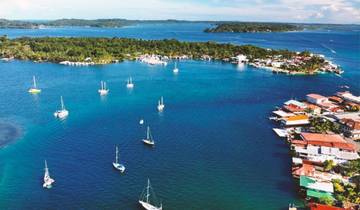
9 days
9 Days Across Panama: Culture, Mountains & Caribbean Paradise
- ✓ Comprehensive Panama tour
- ✓ Expert local guides included
- ✓ All accommodation arranged
- ✓ Transportation provided

8 days
Highlights of Panama
- ✓ Comprehensive Panama tour
- ✓ Expert local guides included
- ✓ All accommodation arranged
- ✓ Transportation provided
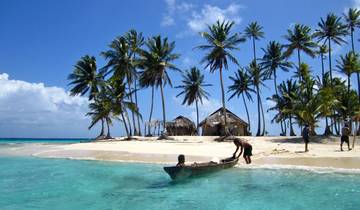
5 days
Panama & San Blas Islands (Guna Yala) – 5 days
- ✓ Comprehensive Panama tour
- ✓ Expert local guides included
- ✓ All accommodation arranged
- ✓ Transportation provided
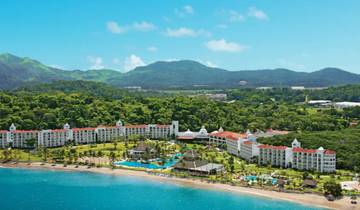
8 days
Explore Panama and Enjoy Paradise at Playa Bonita
- ✓ Comprehensive Panama tour
- ✓ Expert local guides included
- ✓ All accommodation arranged
- ✓ Transportation provided
Multi-day tour packages powered by TourRadar. Prices and availability subject to change.
Essential Planning Information for Families in 2026
Age-Appropriate Activity Planning for 2026
Children ages 3-5 thrive with half-day activities emphasizing visual spectacle and minimal walking: Panama Canal ship-watching from Miraflores observation decks, Amador Causeway waterfront promenades, and Casco Viejo plaza exploration with frequent ice cream and snack breaks. These young travelers require stroller access (available at Canal visitor centers and along Amador Causeway), regular bathroom stops, and afternoon rest periods. Biomuseo visits work well when timed during cooler morning hours, with interactive exhibits holding attention for 60-90 minutes before energy wanes.
Elementary school children ages 6-10 engage more deeply with educational content while handling longer outings with strategic breaks. The Panama Canal’s engineering exhibits, Biomuseo’s biodiversity galleries, and Metropolitan Natural Park’s wildlife trails capture imagination while teaching geography, biology, and history concepts. These children benefit from pre-visit preparation: books about the Panama Canal, videos showing tropical wildlife, and discussions about Panama’s geographic importance connecting oceans. Scavenger hunts created by parents (finding specific Canal features, spotting particular bird species, or locating historical markers in Casco Viejo) transform sightseeing into engaging games.
Tweens and early teens ages 11-14 appreciate more challenging experiences including guided rainforest hikes in Soberania National Park, Panama Canal partial transit tours, and sunset kayaking on Gatun Lake. These older children handle full-day excursions, more complex historical and ecological concepts, and greater physical activity levels. Photography opportunities particularly engage this age group, with smartphones capturing architectural details in Casco Viejo, wildlife in natural settings, and dramatic Canal operations. Parents find that involving these children in daily planning decisions increases engagement and reduces resistance to cultural activities.
Mixed-age family groups balance competing interests through morning activities accommodating all ages (Canal visitor center, Biomuseo), midday breaks for younger children (hotel pool time, playground visits), and optional afternoon adventures for older children (Metropolitan Natural Park hikes) while younger siblings rest with one parent. Panama City’s compact geography enables these split arrangements, with parents easily traveling between hotels and attractions using Uber or taxis.
Family Health and Safety Considerations for 2026
Panama City presents minimal health risks for families, with no mandatory vaccinations required for travelers from North America, Europe, or most other regions. The CDC recommends routine vaccinations remain current (MMR, DTaP, chickenpox) but designates Panama City as a low-risk destination requiring no special immunizations. Families visiting during extended stays or planning rainforest excursions beyond Panama City consider hepatitis A vaccination, while those traveling to rural areas outside the capital evaluate typhoid and yellow fever vaccines. Consultation with pediatricians 4-6 weeks before travel ensures appropriate precautions for individual family health situations.
Tropical sun intensity requires vigilant protection, particularly for fair-skinned children. Families apply SPF 50+ sunscreen every 2-3 hours, seek shade during peak sun hours (11 AM-3 PM), and ensure children wear wide-brimmed hats and UV-protective clothing. Heat exhaustion prevention involves constant hydration (bottled water widely available for $0.50-1.00), electrolyte replacement for active children, and recognizing early symptoms (dizziness, excessive fatigue, reduced sweating). Air-conditioned museums and shopping centers provide cooling breaks when temperatures peak.
Insect protection focuses on mosquito bite prevention, though Panama City’s urban areas present lower mosquito density than rainforest regions. Families apply DEET-based repellents (10-30% concentration for children) during evening hours and when visiting parks, with natural alternatives (picaridin, lemon eucalyptus oil) providing options for families preferring non-DEET products. Long sleeves and pants during dusk hours offer additional protection. Dengue fever exists in Panama but occurs rarely in well-maintained tourist areas, with symptoms (high fever, severe headache, joint pain) requiring immediate medical attention.
Medical care in Panama City meets international standards, with Punta Pacifica Hospital (affiliated with Johns Hopkins) and Hospital Nacional providing excellent emergency and pediatric services. English-speaking physicians staff these facilities, accepting international insurance and credit cards. Families carry copies of insurance cards, know policy emergency numbers, and understand coverage limitations. Many hotels maintain relationships with English-speaking physicians for non-emergency consultations. Pharmacies (“farmacias”) stock familiar over-the-counter medications, though bringing sufficient supplies of prescription medications prevents availability concerns.
Best Family-Friendly Attractions in Panama City 2026
Panama Canal Miraflores Locks Experience
The Miraflores Visitor Center delivers Panama City’s quintessential family experience, combining engineering spectacle, educational content, and child-friendly facilities in a single location. The four-story complex positions families just meters from lock operations, where children watch in amazement as 900-foot cargo ships and cruise vessels rise or descend 54 feet within minutes. The sheer scale impresses even technology-saturated children, with the locks’ massive steel gates, rushing water, and precise mule locomotive operations demonstrating engineering concepts textbooks struggle to convey.
Ship transits occur throughout daylight hours, with peak activity 9 AM-5 PM providing multiple viewing opportunities. The visitor center displays real-time schedules showing vessel arrivals, sizes, and origins, allowing families to plan viewing around particularly large or interesting ships. Container vessels, cruise ships, vehicle carriers, and tankers create variety, with experienced guides explaining each vessel type’s purpose and cargo. The observation decks accommodate strollers, wheelchairs, and young children safely, with protective barriers preventing any access to dangerous areas.
The museum component spreads across four floors, presenting Canal history through interactive exhibits children manipulate rather than simply observe. Hands-on displays demonstrate lock mechanics using water and miniature ships, historical exhibits show construction challenges through photographs and equipment, and documentary films present Canal development in engaging 15-20 minute segments. Children ages 6-12 particularly enjoy the interactive engineering exhibits, while historical content engages adults and older children. The air-conditioned museum provides welcome relief from tropical heat, making it an ideal midday destination.
The on-site restaurant offers Canal-view dining with diverse menu options accommodating children: sandwiches, salads, traditional Panamanian dishes, and kid-friendly standards like chicken fingers and fries. Prices range $12-18 for adult entrees and $7-10 for children’s meals—reasonable given the unique dining perspective. The gift shop stocks educational books, Canal-themed toys, and Panamanian crafts, providing quality souvenir options. The entire facility maintains excellent bathroom facilities, changing stations for infants, and seating areas where tired children rest while parents continue exploring.
Biomuseo: Panama’s Bridge of Life
The Biomuseo transforms natural history education into an immersive, multisensory experience that captivates children while teaching fundamental biodiversity concepts. Frank Gehry’s architectural masterpiece—his only Latin American design—creates a visually stunning structure with brilliantly colored geometric panels that children find immediately engaging. The building itself becomes part of the educational experience, with architecture explaining how Panama’s geographic position influenced the Americas’ biological development.
Eight permanent galleries guide families through Panama’s natural history: the Panamarama gallery introduces the country’s geographic diversity through floor-to-ceiling projections, the Living Web gallery demonstrates ecosystem interconnections using suspended animal sculptures, and the Biodiversity gallery presents Panama’s species richness through interactive displays. Children engage with touchscreen exhibits, listen to rainforest soundscapes, and observe preserved specimens including colorful frogs, butterflies, and marine life. The museum designs exhibits at multiple heights, ensuring both children and adults access content comfortably.
The museum’s outdoor Biodiversity Park extends learning into natural settings, with native plant gardens demonstrating different Panamanian ecosystems. Children identify specific species using museum guidebooks, observe butterflies and birds in natural habitats, and learn plant adaptations through interpretive signage. The park’s pathways accommodate strollers while providing benches for rest breaks. Families allocate 2-3 hours for complete Biomuseo experiences, with flexible pacing allowing for extended time in favored galleries or quicker progression through less engaging exhibits.
The museum cafe serves light refreshments, though many families combine Biomuseo visits with Amador Causeway dining at nearby restaurants offering waterfront views and diverse menus. The gift shop emphasizes educational products: field guides, nature books, wildlife toys, and locally made crafts. The museum maintains excellent climate control, clean bathroom facilities, and knowledgeable staff providing information in both Spanish and English. Audio guides in multiple languages enhance exhibits for families preferring guided experiences.
Casco Viejo Historic Quarter Exploration
Casco Viejo transforms history lessons into tangible adventures as families explore cobblestone streets, colonial churches, fortification walls, and vibrant plazas. The UNESCO World Heritage site compresses four centuries of architecture into a walkable neighborhood where children discover Spanish colonial buildings, French influences, Caribbean elements, and modern restorations. The compact quarter permits easy navigation without overwhelming young children with excessive distances, while the varied streetscapes maintain visual interest preventing boredom.
Plaza de Francia anchors family exploration with wide-open spaces where children run safely while parents examine monuments commemorating French Canal construction attempts. The plaza’s elevated position provides spectacular views across Panama Bay and the modern skyline, creating dramatic photo opportunities. Monument inscriptions teach Panama’s complex history involving France, the United States, Colombia, and Panamanian independence. The adjacent waterfront promenade offers breezes, shade trees, and benches for rest breaks.
The Flat Arch (Arco Chato) in Santo Domingo church ruins particularly fascinates children, as guides explain how this architectural feature’s survival of earthquakes convinced Americans that Panama could support Canal construction. Children touch the ancient bricks, walk through the partial ruins, and learn how architecture influenced engineering decisions. The adjacent golden altar at Iglesia de San José dazzles with baroque ornamentation, though families respect church protocols maintaining quiet behavior and modest dress.
Ice cream shops, juice bars, and casual cafes throughout Casco Viejo provide essential refreshment breaks, with Granclement offering artisan ice cream in tropical flavors children enjoy. Street vendors sell traditional snacks including empanadas ($1-2 each), fresh fruit cups ($2-3), and cold coconut water ($1.50-2.50). The neighborhood’s revitalization creates a safe, monitored environment during daylight hours, with tourist police presence and pedestrian-only streets eliminating traffic concerns. Evening visits offer different atmospheres with illuminated buildings and plaza performances, though families with young children typically conclude exploration before dark.
Metropolitan Natural Park Rainforest Adventure
Metropolitan Natural Park delivers authentic rainforest experiences just 15 minutes from downtown hotels, eliminating the time and cost associated with distant nature reserves while providing genuine wildlife encounters. The park protects 265 hectares of tropical forest where families hike well-maintained trails spotting sloths, howler monkeys, agoutis, iguanas, toucans, and countless butterfly species. The proximity to urban areas creates an unusual juxtaposition—looking out from Cerro Cedro viewpoint, families see both undisturbed forest canopy and Panama City’s modern skyline simultaneously.
Three primary trails accommodate different family abilities and interests: Los Momótides trail (easy, 1.5 kilometers, 30-45 minutes) suits families with younger children and limited hiking experience, Mono Tití Road (moderate, 1.1 kilometers, 45-60 minutes) provides wildlife viewing opportunities, and the summit trail to Cerro Cedro (challenging, 3 kilometers round-trip, 90-120 minutes) rewards fit families with spectacular panoramic views. Trail maps posted at the visitor center help families select appropriate routes, with rangers providing current wildlife sighting information and trail condition updates.
Early morning visits (park opens 6 AM) maximize wildlife encounters, as animals feed actively during cooler hours before retreating from midday heat. Children equipped with binoculars spot birds in the canopy, while patient observation often reveals sloths clinging to cecropia trees or howler monkey troops traveling through branches. The park’s naturalist guides (available for $20-30 per group) enhance experiences by identifying species, explaining ecological relationships, and locating camouflaged animals families might miss independently. Guides communicate in English and Spanish, adjusting educational content to children’s ages and interest levels.
The park maintains clean bathroom facilities at the visitor center, drinking water stations along major trails, and shaded picnic areas perfect for packed lunches. Families wear closed-toe shoes with good traction, apply insect repellent before hiking, carry sufficient water (1 liter per person minimum), and bring binoculars and cameras. The trails include some steep sections and uneven surfaces, making baby carriers preferable to strollers for families with toddlers. The park charges modest $4 admission per person, making it an exceptional value for quality nature experiences.
Family Accommodation Strategies for 2026
Neighborhood Selection for Family Stays
Families staying in Panama City choose accommodations based on specific priorities: proximity to attractions, access to restaurants and shopping, safety levels, and family-friendly amenities. The Punta Pacifica/Marbella area offers modern high-rise hotels near shopping centers (Multiplaza Pacific Mall), upscale dining, and medical facilities, with family suites and apartment rentals providing space for children. Ocean views, rooftop pools, and easy access to Cinta Costera coastal promenade create pleasant stays, though distance from major attractions requires regular taxi use.
The Amador Causeway area positions families near the Biomuseo and Panama Canal, with waterfront hotels offering marina views, on-site restaurants, and proximity to recreational cycling paths. This location works particularly well for families prioritizing Canal experiences and outdoor activities, though options remain limited compared to city center areas. The quiet, secure environment and spectacular sunset views compensate for the somewhat isolated position.
Downtown Panama City (Bella Vista/El Cangrejo) provides central locations near metro stations, diverse restaurant options, and shopping centers including Albrook Mall. Mid-range hotel chains in this area offer family rooms, complimentary breakfast buffets, and swimming pools appealing to children. The neighborhood’s local character exposes families to authentic Panamanian life beyond tourist zones, though fewer attractions within walking distance necessitate transportation to major sites.
Casco Viejo boutique hotels immerse families in historical architecture and cultural ambiance, with restored colonial buildings providing unique accommodations. Rooftop terraces, internal courtyards, and architectural details create memorable stays, though room sizes tend smaller than modern hotels and fewer properties offer dedicated family suites. The neighborhood’s pedestrian-friendly streets and concentration of restaurants suit families comfortable in urban environments, with immediate access to historical exploration but requiring transportation to the Canal and other distant attractions.
Hotel Amenities Essential for Families in 2026
Swimming pools top the list of critical family amenities, providing entertainment for children and cooling relief from tropical heat. Families prioritize hotels with pool areas offering shallow sections for young children, lifeguard supervision during operating hours, and poolside refreshment services. Many mid-range and upscale hotels feature rooftop pools with panoramic city or ocean views, creating enjoyable late afternoon and early evening activities when outdoor exploration becomes less comfortable.
Complimentary breakfast buffets significantly impact daily budgets while accommodating diverse family food preferences. Quality breakfast buffets include tropical fruits, cereals, eggs, pancakes, local dishes, and beverages, allowing families to start days well-nourished without restaurant expenses. Children appreciate familiar breakfast options alongside opportunities to sample traditional Panamanian foods including hojaldras (fried bread) and fresh fruit juices.
In-room refrigerators enable families to store purchased drinks, snacks, fruit, and leftover restaurant meals, reducing food costs and providing convenient access to hydration and light refreshments. Microwaves, available in some extended-stay properties and apartment rentals, allow simple meal preparation—particularly valuable for families with picky eaters or specific dietary requirements. Coffee makers provide essential morning caffeine for parents adjusting to early children’s wake-up times.
Laundry facilities, whether in-room washers/dryers or hotel laundry services, become increasingly important for stays exceeding 3-4 days. Children inevitably create laundry challenges through spills, excessive sweating in tropical heat, and general mess-making, with access to washing facilities allowing families to pack lighter and maintain clothing freshness. Many apartment rentals include full-size washers and dryers, while traditional hotels offer laundry services at $1-2 per item.
Multilingual staff, particularly English speakers, ease communication regarding room issues, restaurant recommendations, transportation arrangements, and emergency situations. Major international hotel chains maintain high English proficiency standards, while smaller boutique properties vary considerably. Families confirm language capabilities during booking, particularly when traveling with young children who may require medical assistance or have specific needs requiring clear communication.
Accommodation Cost Strategies for 2026
Family accommodation costs in Panama City for 2026 range from budget-friendly $50-80 per night for economy hotels and hostels with private family rooms, to mid-range $80-160 per night for three-star hotels and apartment rentals, to upscale $160-300+ per night for four-star international chains and luxury boutique properties. Families balance cost considerations with space requirements, amenities, and location preferences to optimize value while maintaining comfort standards.
Apartment rentals through platforms like Airbnb and VRBO often provide superior value for families, offering full kitchens, multiple bedrooms, living spaces, and laundry facilities at costs comparable to single hotel rooms. A two-bedroom apartment in safe neighborhoods costs $90-140 nightly, accommodating larger families while enabling meal preparation that reduces dining expenses. Families verify properties include basic cookware, utensils, and amenities like WiFi and climate control before booking.
Hotel family suites or connecting rooms create comfortable spaces for families requiring privacy and separate sleeping areas. Many mid-range chains offer suites with separate living areas, sofa beds for children, and enhanced bathroom facilities for $110-180 nightly—reasonable pricing for the additional space and amenities. Connecting room options allow older children some independence while maintaining parental supervision, particularly valuable for families with teenagers.
Extended-stay hotels targeting business travelers often provide excellent family value, with suites including kitchenettes, separate bedrooms, complimentary breakfast, and weekly housekeeping. These properties charge $100-150 nightly for one-bedroom suites, with rates decreasing for longer stays. The self-catering capabilities significantly reduce overall trip costs by eliminating breakfast and lunch restaurant expenses.
Booking timing influences costs substantially, with reservations made 3-4 months ahead of dry season travel (December-April) securing rates 15-25% below last-minute pricing. Families traveling during rainy season (May-November) find rates 30-40% lower than peak dry season pricing, with June and September offering particularly attractive values. Booking platforms frequently offer package deals combining accommodation with rental cars or tours, though families evaluate whether bundled services truly provide value given Panama City’s excellent taxi and rideshare availability.
Family Dining Guide for Panama City 2026
Restaurant Categories and Cost Expectations
Family dining in Panama City spans diverse price points and cuisine types, from budget-friendly local restaurants to upscale international dining. Typical family meal costs for four (two adults, two children) range $25-40 for casual local restaurants, $45-70 for mid-range international dining, and $80-120+ for upscale restaurants. Most restaurants welcome children, provide high chairs, and offer some kid-friendly menu options, though dedicated children’s menus appear more commonly in international chains than traditional Panamanian establishments.
Local fondas and small restaurants serve authentic Panamanian food at exceptional prices: rice and chicken dishes $6-9, fish plates $8-12, breakfast sets $5-7. These casual establishments provide generous portions, though air conditioning and extensive English menus may be limited. Children often enjoy arroz con pollo (rice with chicken), patacones (fried plantains), and grilled fish, while adventurous young eaters sample sancocho (traditional soup) or ceviche.
Shopping center food courts throughout Panama City offer diverse options at family-friendly prices: international chains like McDonald’s, Subway, and KFC, local chains serving Panamanian fast food, Asian cuisine, Italian options, and ice cream shops. These air-conditioned environments provide comfortable dining with bathrooms, play areas, and diverse choices accommodating picky eaters. Food court meals average $6-10 per person, making them economical options for casual lunches. Albrook Mall and Multiplaza Pacific Mall feature particularly extensive food court selections.
Casual international dining including Italian trattorias, Mexican restaurants, American-style cafes, and Asian fusion establishments charge $12-18 for adult entrees and $8-12 for children’s portions. These mid-range options balance quality, atmosphere, and pricing, often located in Casco Viejo, Cinta Costera, or shopping districts. Restaurants including Napoli Pizza, Tacos la Neta, and Athens Pizza offer familiar flavors in comfortable settings with English menus and kid-friendly atmospheres.
Must-Try Family-Friendly Restaurants
Restaurante Tinajas combines traditional Panamanian cuisine with nightly folkloric dance performances creating entertaining family dinners. The restaurant serves classic dishes including ropa vieja (shredded beef), arroz con guandú (rice with pigeon peas), and various seafood preparations in generous family-style portions. Dinner performances feature traditional pollera dresses and cumbia dancing that captivates children, though the later start time (8 PM) challenges families with young children. Reservations recommended, with dinner costs averaging $50-65 for a family of four.
Mercado de Mariscos (Fish Market) offers ultra-fresh seafood in a casual, authentic atmosphere children find exciting. The second-floor restaurants prepare ceviche, whole fried fish, seafood soups, and mixed seafood platters using fish sold in the ground-floor market just hours after being caught. The market atmosphere, with vendors preparing fish and the bustling crowds, creates memorable experiences. Families order multiple dishes to share, with total costs averaging $35-50 for abundant fresh seafood. The casual setting and plastic tables don’t suit all families, but those seeking authentic local experiences find exceptional value.
Granclement ice cream shop in Casco Viejo serves artisan ice cream in tropical flavors children love: passion fruit, coconut, mango, guanabana (soursop), and traditional options. The colonial building setting and outdoor seating create pleasant afternoon breaks during historical quarter exploration. Generous scoops cost $3-5, making it an affordable treat. The shop’s location near Plaza de Francia works perfectly for post-plaza exploration rewards.
Tantalo Kitchen rooftop restaurant in Casco Viejo offers upscale casual dining with spectacular city views creating special dinner experiences. The international fusion menu includes options children enjoy alongside more adventurous dishes for adults. The rooftop setting particularly appeals during sunset hours (5:30-6:30 PM), when families watch the sun set over the Pacific while enjoying quality food and creative cocktails (for adults) and fresh juices (for children). Dinner for four averages $70-95 including drinks.
Practical Dining Tips for Families
Early dinner timing (5:30-6:30 PM) accommodates young children’s schedules while avoiding peak restaurant crowding. Many upscale restaurants offer happy hour pricing during these hours, with discounted appetizers and drinks providing additional savings. The earlier timing also positions families to return to hotels before children become overtired, preventing dinner meltdowns that plague late restaurant visits.
Ordering strategies that maximize value include sharing appetizers and entrees rather than ordering individual dishes for every family member. Panamanian portions tend generous, with single entrees often sufficient for two children. Families order 2-3 entrees, multiple side dishes, and share everything family-style, reducing costs while encouraging children to sample diverse foods. Restaurants accommodate sharing, providing additional plates without charge.
Hydration costs accumulate quickly, as bottled beverages cost $2-4 in restaurants. Families ordering water (tap water is safe in tourist restaurants, though bottled is widely preferred) or sharing large bottles significantly reduce drink expenses. Many restaurants offer fresh fruit juices ($3-5) providing better value and nutrition than sodas. Families carry refillable water bottles, purchasing large bottles at supermarkets ($0.50-1.50) for refills rather than buying individual bottles.
Local supermarkets including Riba Smith, Super 99, and Romero provide groceries at prices far below restaurant costs. Families stock accommodation refrigerators with breakfast items, snacks, fruits, and drinks, reducing restaurant dependency. A typical grocery shopping trip costs $25-40, providing breakfast and snack supplies for 3-4 days. Local bakeries sell fresh bread, pastries, and sandwiches at budget-friendly prices, perfect for quick breakfasts or lunches.
Sample Family Itineraries for Panama City 2026
Four-Day Family Adventure Itinerary
Day 1: Panama Canal and Amador Causeway
Morning begins with early breakfast at the hotel (included in accommodation costs) followed by taxi transfer to Miraflores Visitor Center ($8-12, 20-30 minute trip). Families arrive by 9 AM when ship traffic picks up and before crowds intensify. The visitor center experience spans 2-3 hours: watching ship transits from observation decks, exploring interactive museum exhibits, and enjoying mid-morning snacks at the Canal-view cafe. Children particularly enjoy watching massive cargo ships rise through the locks, with parents explaining engineering concepts at age-appropriate levels.
Afternoon continues to Amador Causeway (10-minute, $5-7 taxi from Miraflores), where families explore the Biomuseo spending 2-2.5 hours in the eight permanent galleries and outdoor Biodiversity Park. The interactive exhibits maintain children’s interest while teaching Panama’s unique ecological position. Following the museum, families walk or rent bikes (adult bikes $3-5 per hour, child bikes $2-3 per hour) to explore the causeway’s 3-kilometer waterfront path. The flat, car-free path suits children with basic cycling abilities, offering Pacific Ocean views and cool breezes.
Evening dining occurs at one of Amador’s waterfront restaurants—Causeway Café, Panamarina, or Barú—with sunset views (approximately 6 PM year-round near the equator). Family dinner costs $45-65 for casual dining with seafood, international options, and children’s menus. Return taxi to hotel costs $10-15.
Biomuseo admission $22 adults and $15 children (family total $74), lunch/snacks $25-35, bike rentals $12-18 (if chosen), dinner $45-65, transportation $25-35. Total day cost: $181-227 per family (excluding accommodation).
Day 2: Casco Viejo Historical Exploration
Morning after hotel breakfast involves taxi transfer to Casco Viejo ($8-12). Families begin exploration at Plaza de Francia around 9 AM, examining monuments and walking along fortification walls overlooking the bay. The morning continues through cobblestone streets visiting San José Church with its famous golden altar (free, donations appreciated), walking through Plaza Bolivar’s peaceful square, and climbing San Francisco de Asís Church tower ($3 per person, optional but offering excellent views) if children handle stairs comfortably.
Mid-morning break occurs at Granclement ice cream shop ($12-20 for family ice cream), followed by continued exploration visiting craft markets, photography stops at colorful buildings, and discovering small plazas. Lunch at a local restaurant in Casco Viejo serves traditional Panamanian food ($25-35 for family). The compact neighborhood allows exploration at children’s pace with frequent rest stops on plaza benches.
Afternoon returns to hotel for pool time and rest (essential for young children in tropical heat), with hotel pool providing entertainment without additional costs. Families refresh during hottest hours (1-4 PM) before evening activities. Late afternoon taxi ($10-15) to Cinta Costera pedestrian and cycling path offers sunset walks along the waterfront, with modern skyline views and outdoor play areas where children burn energy.
Dinner at casual restaurant near Cinta Costera or hotel neighborhood costs $35-50. Optional folkloric show at Restaurante Tinajas provides cultural entertainment (dinner $50-65, show included).
Church tower admission $12 (if chosen), ice cream $12-20, lunch $25-35, dinner $35-50, transportation $20-30. Total day cost: $104-147 per family (excluding accommodation).
Day 3: Rainforest and Natural Experiences
Early morning taxi to Metropolitan Natural Park ($12-18) allows wildlife viewing during active hours (arrive by 7:30-8 AM). Park admission costs just $16 for family of four, representing exceptional value. Families hire a naturalist guide ($25-30 for private family group) who identifies wildlife, explains ecosystems, and locates animals difficult to spot independently. The 2-3 hour hiking experience on moderate trails reveals sloths, monkeys, toucans, and countless other species while teaching rainforest ecology.
Mid-morning departure from the park proceeds to nearby Albrook Mall (5-minute taxi, $5-7) where families explore the Western Hemisphere’s largest shopping center. The mall’s food court provides lunch options ($25-35 for family), while air-conditioned shopping offers relief from heat and rain (if rainy season). Children enjoy the entertainment options including arcades, while parents appreciate modern amenities and familiar retail stores.
Afternoon could involve returning to hotel for pool and rest, or visiting Panama Canal’s Agua Clara Locks on the Caribbean side ($8-12 taxi to Albrook Bus Terminal, then $5-7 bus ride to Agua Clara, approximately 90 minutes total). Agua Clara offers different perspectives on Canal operations with fewer crowds than Miraflores, though the distance requires commitment to a full afternoon excursion. Families with younger children typically choose the pool/rest option, while those with older children might opt for the second Canal experience.
Evening dinner at shopping center restaurants or return to hotel neighborhood provides $35-50 family dining. Simple evening activities might include hotel amenities, nearby plaza visits, or early bedtime after active outdoor day.
Park admission $16, guide $25-30, lunch $25-35, dinner $35-50, transportation $25-40 (varies based on afternoon choice). Total day cost: $126-171 per family (excluding accommodation).
Day 4: Cultural Activities and Departure Preparation
Final day focuses on relaxed activities and shopping for souvenirs. Morning visit to Museo del Canal Interoceánico in Casco Viejo ($2 adults, $0.75 children ages 5-17, family total $5.50) provides Canal history in a beautiful colonial building. The museum’s manageable size (1-1.5 hours) suits final-day energy levels, with excellent exhibits explaining Canal construction, political history, and ongoing operations.
Late morning shopping for souvenirs occurs in Casco Viejo artisan markets and shops, where families find molas (traditional indigenous textiles), Panama hats (despite the name, truly Panamanian), coffee, and local crafts. Souvenir budgets vary dramatically ($25-100+), with careful shopping yielding quality items at reasonable prices. Lunch at Casco Viejo restaurant ($30-40) allows final historic quarter experiences before departure.
Afternoon returns to hotel for final pool time, packing, and rest before evening departures. Families with late flights might add visits to nearby shopping centers or relaxed activities, while those with afternoon departures pack morning activities efficiently.
Museum admission $5.50, souvenirs $25-100, lunch $30-40, snacks/drinks $10-15, transportation $15-25. Total day cost: $85.50-180.50 per family (excluding accommodation).
Four-Day Total Costs: $496.50-725.50 per family (excluding accommodation of approximately $320-640)
Budget-Conscious Three-Day Family Itinerary
Budget-focused families prioritize free and low-cost attractions while maintaining quality experiences. This itinerary reduces daily costs to $100-140 through strategic choices.
Day 1: Casco Viejo exploration (free entry to plazas, churches, streets), packed lunch from supermarket ($15-20), ice cream treat ($12-15), free evening at Cinta Costera, casual dinner ($25-35). Total: $52-70 plus transportation $15-20.
Day 2: Metropolitan Natural Park ($16 admission, self-guided without paid guide), packed snacks, food court lunch at Albrook Mall ($18-25), afternoon hotel pool (free), simple dinner near accommodation ($25-35). Total: $59-76 plus transportation $15-25.
Day 3: Miraflores Visitor Center ($44 admission), packed lunch, free afternoon at public beaches near Amador or hotel pool, budget dinner ($28-38). Total: $72-82 plus transportation $20-25.
Three-Day Budget Total: $223-273 for family of four (excluding budget accommodation $150-240)
Transportation Guide for Families in Panama City 2026
Taxi and Rideshare Services
Uber dominates family transportation in Panama City, offering transparent pricing, English-language app interface, cashless payment, and driver ratings that ensure reliable service. Typical rides between tourist areas cost $3-8, with airport transfers to city hotels ranging $18-30 depending on specific destinations and traffic conditions. The app allows families to see estimated costs before requesting rides, eliminating the haggling and confusion that can occur with traditional taxis.
Uber vehicle standards typically accommodate four passengers comfortably, though car seats for young children are not provided. Families traveling with children requiring car seats face challenges, as neither Uber nor traditional taxis routinely offer this safety equipment. Options include: bringing portable car seats from home, purchasing inexpensive seats in Panama City (available at shopping center retailers for $25-60), requesting Uber XL for larger vehicles accommodating multiple car seats families provide, or using taxi companies catering to families (pre-arranged through hotels).
Traditional yellow taxis remain widely available, though pricing requires verification before trips begin. Regulated taxi rates exist but enforcement varies, with tourist-area taxis sometimes attempting higher charges. Families establish prices before entering vehicles, with reasonable expectations: $5-8 for short trips within neighborhoods, $8-15 for cross-district transportation, $18-30 for airport transfers. Hotel staff assist by calling trusted taxi companies and confirming appropriate pricing. Traditional taxis accept cash only, requiring families maintain sufficient small bills.
Taxi safety standards emphasize using hotel-called taxis or Uber rather than street-hailed vehicles, particularly when traveling with children. Registered taxis display license numbers and identification, with legitimate drivers operating professionally. Families avoid unmarked vehicles or drivers soliciting passengers aggressively. The risks remain minimal in tourist areas during daylight hours, with standard precautions ensuring safe transportation.
Metro System for Family Travel
Panama City’s modern metro system offers clean, air-conditioned, economical transportation on two lines connecting major areas. Line 1 runs north-south from Albrook (bus terminal and shopping mall) through downtown to Panama Pacifico, while Line 2 connects downtown to Tocumen International Airport. Rides cost $0.35 per person ($0.50 to/from airport), with children under 5 riding free. The metro card (tarjeta) requires $2 purchase plus load amounts, remaining valid indefinitely for future visits.
The metro’s utility for tourists varies based on accommodation locations and desired destinations. Families staying near metro stations access Albrook Mall, downtown shopping, and some restaurant areas conveniently. However, major attractions including the Panama Canal Miraflores Locks, Casco Viejo, Biomuseo, and Metropolitan Natural Park lack direct metro access, requiring taxi connections. The airport metro link provides excellent value ($0.50 versus $25-30 taxi), though families with significant luggage or young children often prefer taxi convenience.
Metro stations maintain high cleanliness and security standards with guards present, though crowding during rush hours (7-9 AM, 5-7 PM weekdays) makes travel with young children challenging. Strollers are permitted but create difficulties in crowded cars. Families traveling with multiple children and luggage find taxis more practical despite higher costs. The metro works best for simple point-to-point trips without transfers, complex luggage, or very young children requiring strollers.
Rental Car Considerations for Families
Rental cars provide limited utility for families exploring Panama City itself, as traffic congestion, aggressive driving culture, parking challenges, and excellent taxi/Uber availability make car-free travel more convenient. Rental costs for compact vehicles range $35-55 daily (insurance included) plus gasoline ($3-4 per gallon), with parking adding $15-25 daily at hotels. These costs ($50-80 daily total) exceed typical taxi expenses for in-city tourism.
Rental cars become valuable for families planning extensive day trips outside Panama City: Gamboa Rainforest, El Valle de Anton mountain town, Pacific beach resorts, or multiple destination visits in single days. The independence and schedule flexibility benefit families with specific interests or those uncomfortable with Spanish-language taxi negotiations in rural areas. Child car seats rent for $5-10 daily additional, though availability and quality vary—families often bring portable seats from home.
Driving challenges in Panama City include aggressive drivers changing lanes frequently, limited signage in English, complex one-way street systems in older neighborhoods, and heavy traffic during rush hours. Families renting cars require confidence navigating unfamiliar urban environments and patience with parking situations. GPS navigation apps (Waze extremely popular in Panama, Google Maps also reliable) provide essential assistance, though data plans or offline map downloads ensure access.
Money-Saving Strategies for Families in 2026
Accommodation Cost Reduction
Apartment rentals through Airbnb and VRBO consistently provide better family value than hotels when stays exceed 3-4 nights. Two-bedroom apartments with full kitchens, living areas, and laundry facilities cost $80-140 nightly—comparable to hotel rooms but offering far more space and self-catering capabilities. Families preparing breakfasts and some lunches in apartments save $30-50 daily on restaurant meals, quickly offsetting any rental price premium over budget hotels.
Weekly rental rates offer 10-20% discounts compared to daily pricing, with some properties providing free nights for 7+ night stays. Families planning longer visits negotiate with property owners for extended stay discounts, particularly during rainy season (May-November) when tourism demand decreases. The combination of lower weekly rates and off-season discounts creates savings of 35-45% compared to peak season daily rates.
Hotel points programs and credit card travel rewards provide free or discounted nights at international chains. Families planning trips 6-12 months ahead use credit card sign-up bonuses and category spending to accumulate points, potentially covering 2-3 nights of accommodation. Major chains including Marriott, Hilton, Wyndham, and Intercontinental operate properties in Panama City, with redemption rates offering reasonable value. Business travel in the months before vacation accelerates point earning.
Last-minute booking apps like HotelTonight sometimes offer rainy season deals (May-November) with discounts of 20-40% for same-day or next-day reservations. This strategy works for flexible families without firm itineraries, though risks include limited family room availability or locations farther from desired areas. The approach works best for experienced travelers comfortable with uncertainty.
Dining Cost Management
Grocery shopping for breakfast and snack supplies constitutes the single most effective dining cost reduction strategy. Families spending $30-40 at local supermarkets purchase cereal, milk, fruit, bread, cheese, snacks, and drinks sufficient for 3-4 days of breakfasts and snacks. This eliminates $8-12 per person breakfast restaurant costs, saving $30-45 daily for families of four. Local bakeries provide fresh bread and pastries at fraction of hotel or restaurant breakfast costs.
Lunch as the main meal takes advantage of Panama’s “almuerzo ejecutivo” (executive lunch) tradition, where many restaurants offer multi-course lunch specials for $6-10 per person—far less than equivalent dinner pricing. Families eating substantial lunches followed by light dinners (sandwiches, snacks, or simple meals) reduce total daily food costs while experiencing restaurant quality at lunch prices. Markets and food courts provide additional lunch value options.
Water and beverage costs accumulate significantly, with bottled drinks costing $2-4 each in restaurants. Families purchasing large water bottles at supermarkets ($0.50-1.50) and carrying refillable bottles save $15-25 daily on drink purchases. Local fruit stands sell fresh juices for $1-2 versus $3-5 in restaurants. Shopping centers often have food court drink vendors offering lower prices than sit-down restaurants.
Sharing meals family-style rather than ordering individual entrees reduces total food costs by 25-35%. Generous Panamanian portions mean that 2-3 entrees plus sides and appetizers feed families of four adequately. Children aged 8-12 share adult portions rather than ordering separate (often overpriced) kids’ meals. Restaurants accommodate sharing, providing additional plates without charges.
Attraction and Activity Savings
Free attractions including Casco Viejo exploration, Cinta Costera walks, public plazas, church visits (many free or $1-2 donations), and beach access provide substantial content without admission costs. Families building itineraries around these free experiences interspersed with paid attractions (Panama Canal, Biomuseo, guided tours) balance educational value and entertainment while controlling costs. A well-planned day might include morning paid attraction, afternoon free exploration, saving $40-80 on admission fees.
Metropolitan Natural Park offers extraordinary value at just $4 per person admission, providing 2-3 hours of rainforest hiking and wildlife viewing for $16 family cost. This compares incredibly favorably to commercial nature tour operations charging $60-120 per adult for guided experiences. Self-guided park exploration with field guide apps or books delivers similar educational content at fraction of commercial tour pricing.
Combination tickets and advance booking sometimes provide modest savings. The Panama Canal website occasionally offers packages combining Miraflores and Agua Clara visitor centers, though the savings ($2-4 per person) barely justify the additional travel time for most families. Biomuseo offers no combination pricing but occasionally runs promotions during off-season months. Generally, Panama City lacks the extensive combination ticket systems found in European destinations.
Free walking tours operate in Casco Viejo based on tips rather than fixed fees. These 1.5-2 hour tours provide excellent historical and cultural context from knowledgeable guides, with families tipping $10-15 per adult ($20-30 total) for quality experiences. This compares favorably to commercial tours charging $25-40 per adult for similar content. Free tour quality varies by specific guide, with hotel staff recommending better operators.
Practical Planning Tips for Families in 2026
Packing Essentials for Family Travel
Tropical climate necessitates lightweight, breathable clothing with quick-drying properties ideal for hot, humid conditions and sudden rain showers. Children require multiple daily outfit changes due to sweating, spills, and general messiness, with 7-10 outfits recommended for 4-5 day trips. Loose-fitting cotton or synthetic athletic wear works well, with dark colors hiding inevitable stains better than light clothing. Families pack layers for air-conditioned museums, restaurants, and transportation.
Sun protection items top the essential list: SPF 50+ sunscreen (bring from home as tropical-destination pricing often doubles familiar costs), wide-brimmed hats for children and adults, UV-protective sunglasses, and lightweight long-sleeve shirts for extended sun exposure. Sunscreen application every 2-3 hours prevents burns, with particular attention to shoulders, noses, and ears. Families bring sufficient quantities rather than purchasing locally at inflated prices.
Rain gear includes compact umbrellas and lightweight rain jackets for each family member, essential during May-November rainy season but useful even during dry season for occasional showers. Waterproof bags or dry sacks protect electronics, documents, and other items vulnerable to water damage. Families staying during rainy season consider waterproof phone cases and camera protection.
Comfort items for children might include: favorite snacks from home (many familiar brands unavailable or expensive in Panama), travel games or activity books for downtime, small toys or comfort objects for younger children, electronic devices with downloaded content for flight entertainment and quiet time. Hotels provide varying children’s amenities, so families bring specific items important to individual children.
Medical and hygiene supplies include: prescription medications in original containers with documentation, over-the-counter remedies for common ailments (pain relievers, anti-diarrheal medication, antihistamines), insect repellent with DEET for children, hand sanitizer, basic first aid supplies, and any special dietary foods required. Pharmacies stock many items but bringing home supplies ensures immediate availability and familiar brands.
Daily Schedule Optimization
Early starts maximize comfortable outdoor time before heat and humidity peak. Families departing hotels by 8-8:30 AM complete major attractions during cooler morning hours (75-80°F) versus midday temperatures (85-90°F). Children maintain better moods and energy levels during morning activities, with outdoor walking, plaza exploration, and park visits scheduled before noon.
Midday breaks protect against heat exhaustion while providing necessary rest for young children. The 12:30-3 PM period suits returning to air-conditioned hotels for pool time, naps, or quiet indoor activities. This schedule mirrors local Panamanian patterns, as many businesses close during peak heat hours. The break refreshes families for evening activities, preventing the late-afternoon meltdowns common when children spend entire days in heat.
Evening activities during cooler hours (4:30-7 PM) provide pleasant exploration conditions. Families visit Cinta Costera for sunset walks, explore Casco Viejo during golden hour photography light, or enjoy hotel pool areas. Early dinners (5:30-6:30 PM) accommodate children’s schedules while avoiding restaurant crowds, with bedtimes around 8-9 PM ensuring adequate rest for next-day early starts.
Flexibility remains essential, as children’s moods, energy levels, weather changes, and unexpected interests require itinerary adjustments. Families plan primary activities but maintain willingness to shorten visits, extend particularly engaging experiences, or completely change plans when necessary. This flexibility reduces parent stress and increases overall enjoyment.
Cultural Preparation and Education
Pre-trip learning enhances children’s engagement and understanding. Families read children’s books about the Panama Canal, watch documentaries explaining construction history, explore maps showing Panama’s geographic position, and discuss the country’s cultural diversity. Age-appropriate learning resources include: “The Land Divided, The World United” for older children, National Geographic videos about Canal operations, and simple geography lessons about oceans, continents, and isthmuses.
Basic Spanish phrases improve family interactions and demonstrate cultural respect. Teaching children greetings (hola, buenos días), courtesy words (por favor, gracias, de nada), and simple requests (agua, baño) enhances their confidence and creates positive interactions with locals. Many Panamanians appreciate even minimal Spanish attempts, often responding with patience and encouragement. Smartphone translation apps provide backup for complex communication needs.
Cultural expectations include respect for religious sites (modest clothing, quiet behavior in churches), appropriate photography etiquette (asking permission before photographing people, respecting “no photo” signs), and tipping practices (10% restaurant tips, $1-2 per bag for porters, $10-15 per family for guide tips). Children learn that different cultures maintain different customs, broadening perspectives beyond home country norms.
Environmental awareness teaches children to respect natural areas visited. Metropolitan Natural Park exploration includes “leave no trace” principles: staying on marked trails, not touching or feeding wildlife, carrying out all trash, and observing animals from appropriate distances. These lessons provide valuable environmental education while protecting fragile ecosystems for future visitors.
Frequently Asked Questions About Panama City with Kids 2026
Do children need passports for Panama City travel?
All children, including infants, require valid passports for international travel to Panama. Passports must maintain validity for at least six months beyond planned departure dates from Panama. Parents apply for children’s passports through the same process as adult passports, though requirements include both parents’ presence (or notarized consent from absent parent) during application. Processing times vary from 6-11 weeks for routine service to 3-5 weeks for expedited service, making early application essential for family trip planning.
What vaccinations do children need for Panama City?
Panama City requires no mandatory vaccinations for travelers arriving from most countries. The CDC recommends ensuring routine childhood vaccinations remain current (MMR, DTaP, polio, chickenpox) but designates Panama City as a low-risk destination requiring no special immunizations for typical tourist activities. Families planning extended stays or visiting rural areas beyond Panama City consider hepatitis A vaccination, while those exploring remote jungle regions evaluate typhoid and yellow fever vaccines. Consultation with pediatricians 4-6 weeks before departure ensures appropriate recommendations for individual family health situations.
Can babies and toddlers visit Panama City safely?
Panama City accommodates babies and toddlers well, though tropical climate and urban environment create considerations requiring preparation. Hotel air conditioning, modern amenities, international food availability, and excellent medical facilities support families with very young children. Challenges include heat management (frequent breaks, hydration, sun protection), limited stroller accessibility in Casco Viejo’s cobblestone streets (baby carriers preferable), and adapting itineraries to nap schedules. Swimming pools at hotels provide entertainment, while modern shopping centers offer familiar environments with air conditioning and changing facilities.
What age children enjoy Panama City most?
Children ages 6-12 derive maximum value from Panama City experiences, as this age group engages deeply with Canal engineering concepts, biodiversity education, historical content, and outdoor activities while handling the physical requirements of walking, hiking, and tropical climate conditions. Younger children (3-5) enjoy visual elements—watching ships, seeing wildlife, exploring plazas—but tire more quickly and absorb less educational content. Teenagers appreciate the experiences but may find the destination less exciting than beach resorts or adventure destinations. Mixed-age families balance activities accommodating different developmental stages.
Are Panama City restaurants kid-friendly?
Panama City restaurants generally welcome children, though dedicated children’s menus appear more commonly in international chains and upscale establishments than traditional local restaurants. Many traditional Panamanian dishes appeal to children: rice and chicken, fried plantains, grilled fish, and mild soups. Restaurant staff accommodate requests for plain preparations, smaller portions, and early dining times. High chairs are available at most mid-range and upscale restaurants. Food court and casual dining options throughout shopping centers provide familiar choices for picky eaters. International chains including McDonald’s, Subway, and Pizza Hut offer ultimate familiarity.
How walkable is Panama City with children?
Panama City’s walkability varies dramatically by neighborhood. Casco Viejo offers compact pedestrian exploration, though cobblestone streets challenge stroller use. Amador Causeway provides flat, car-free paths ideal for walking and family cycling. Cinta Costera’s modern waterfront promenade offers excellent stroller-friendly paths. However, the city’s overall sprawl necessitates taxi or Uber transportation between major attractions—the Panama Canal, Biomuseo, Casco Viejo, and Metropolitan Natural Park require vehicular transport. Individual neighborhoods offer walkability, but multi-attraction days depend on taxi use.
What emergency medical facilities serve families?
Panama City provides excellent emergency medical care through international-standard hospitals including Hospital Punta Pacifica (Johns Hopkins affiliate) and Hospital Nacional. Both facilities offer 24-hour emergency departments, English-speaking physicians, pediatric specialists, and modern equipment. The hospitals accept international insurance and credit cards, though families verify specific coverage before travel. Many hotels maintain relationships with English-speaking physicians for non-emergency consultations. Pharmacies throughout tourist areas provide over-the-counter medications. Emergency services respond to 911 calls, with ambulances reaching tourist areas quickly.
Can families drink tap water in Panama City?
Tap water in Panama City hotels and restaurants meets potable standards and is generally safe for consumption. However, many families prefer bottled water for young children to eliminate any concerns. Bottled water costs $0.50-1.50 for large bottles at supermarkets, $1-2 at convenience stores, and $2-4 at restaurants. Ice in tourist-area restaurants comes from purified water sources. Families staying in apartments and preparing foods use tap water for cooking and cleaning without concerns. The conservative approach involves using bottled water for drinking while utilizing tap water for other purposes.
What should families do if it rains during visits?
Rainy season (May-November) afternoon thunderstorms last 1-3 hours before clearing, creating natural break times in daily schedules. Families schedule outdoor attractions during dry mornings, then transition to indoor activities when afternoon rains begin: museums (Biomuseo has covered and indoor sections, Canal visitor center museums), shopping centers (Albrook Mall, Multiplaza), hotel pool areas (many covered partially), or return to accommodations for rest time. The rain typically clears by late afternoon, allowing evening activities to proceed normally. Light rain jackets and umbrellas enable continued exploration during light showers.
Are beaches accessible from Panama City with children?
Panama City proper lacks quality swimming beaches, as the city fronts Panama Bay with significant shipping traffic and urban development. Families seeking beach experiences travel to nearby areas: Playa Veracruz and other Arraijan beaches (30-40 minutes), Playa Kobbe near former US military areas (25 minutes), or Pacific coast resort beaches including Coronado, Santa Clara, and Playa Blanca (90-120 minutes). These excursions work as day trips, though families prioritizing beach time typically divide stays between Panama City and coastal resorts. The closest beach options offer basic facilities but lack the pristine quality of Caribbean or distant Pacific beaches.