
Panama City Day Trips 2026: Best Excursions & Planning
Key Takeaways:
- Panama City’s central location enables access to Caribbean islands, Pacific coastline, tropical rainforests, and indigenous communities within 1-3 hour journeys
- San Blas Islands deliver pristine Caribbean beaches and Guna Yala cultural immersion at $225 per person for full-day excursions including transportation and meals
- Embera Village visits provide authentic indigenous cultural experiences combining Chagres River navigation, traditional demonstrations, and rainforest ecology for $260-350 per person
- Gamboa Rainforest offers wildlife encounters, aerial tram experiences, and Panama Canal watershed exploration just 45 minutes from downtown accommodation
- Advanced booking (4-8 weeks) for 2026 peak season ensures availability for limited-capacity experiences like San Blas full-day tours and Embera village visits
- Transportation logistics vary significantly between destinations: shared vans for San Blas, private boats for Embera, and rental cars or tours for Gamboa flexibility
Planning Your Panama City Day Trips in 2026
Panama City functions as an exceptional base for diverse day excursions spanning both oceanic coasts, dense tropical rainforests, volcanic highlands, and preserved indigenous territories. The strategic geographic position—where Central and South America meet and Atlantic and Pacific waters divide—creates unprecedented variety within minimal travel distances. Your day trip selection shapes overall Panama experience, balancing urban cosmopolitanism with natural ecosystems and cultural encounters.
The optimal day trip portfolio combines different ecosystem types and cultural experiences across multiple days. First-time visitors benefit from including at least one Caribbean island excursion (San Blas), one rainforest immersion (Gamboa or Soberanía), and one indigenous cultural encounter (Embera Village). Extended stays allow exploration of volcanic highlands (El Valle de Antón), Pacific island beaches (Taboga or Pearl Islands), and colonial Caribbean fortifications (Portobelo).
Seasonal considerations significantly impact day trip experiences in 2026. The dry season (December-April) offers reliable weather for island excursions and outdoor activities, though higher demand creates advance booking requirements and premium pricing. Rainy season (May-November) brings afternoon showers but delivers greener landscapes, enhanced waterfall flow, reduced crowding, and discounted tour rates averaging 20-30% below peak season costs.
People Also Ask About Panama City Day Trips 2026
What are the best day trips from Panama City in 2026?
The premier day trips from Panama City in 2026 include San Blas Islands for Caribbean beaches and Guna Yala culture ($225 per person), Embera Indigenous Village for authentic tribal experiences ($260-350), Gamboa Rainforest for wildlife viewing and aerial tram rides ($85-150), El Valle de Antón for volcanic crater lake and hot springs ($95-140), and Portobelo for UNESCO Caribbean fortifications ($110-160). Each destination offers distinct experiences: San Blas delivers pristine white sand beaches with turquoise waters, Embera provides indigenous cultural immersion with traditional dances and crafts, Gamboa enables close wildlife encounters including sloths and monkeys, El Valle combines volcanic geology with orchid gardens, and Portobelo presents Spanish colonial military architecture.
How much do day trips from Panama City cost in 2026?
Day trip costs from Panama City in 2026 range $85-350 per person depending on destination, transportation method, and inclusions. Budget options like Soberanía National Park independent hikes cost $5 park entry plus $30-50 transportation, while mid-range organized tours to Gamboa Rainforest run $95-150 including guide and activities. Premium experiences like San Blas Islands full-day tours cost $225 with 4×4 transport, boat transfers, lunch, and island access. Embera Village cultural immersion ranges $260-350 including river navigation, traditional demonstrations, meal, and naturalist guides. Private tour arrangements add 40-60% to shared tour base rates but provide scheduling flexibility and personalized attention.
Do I need advance booking for Panama City day trips in 2026?
Advance booking is essential for limited-capacity experiences during 2026 peak season (December-April). San Blas Islands tours accommodate 12-20 participants maximum per departure and sell out 2-4 weeks ahead. Embera Village visits require tribal permission and boat coordination, necessitating 7-14 day advance reservations. Gamboa aerial tram and sloth sanctuary tours operate with hourly capacity limits, making same-day visits possible during rainy season but requiring 3-5 day booking windows in dry season. El Valle and Portobelo excursions offer more flexible availability, though weekend departures fill faster than weekday options.
What is the typical day trip duration from Panama City in 2026?
Most Panama City day trips span 8-13 hours including round-trip transportation, activities, and meals. San Blas Islands consume full days (7:00 AM-8:00 PM) due to 2.5-hour each-way 4×4 journeys plus boat transfers. Embera Village visits run 7-8 hours (8:00 AM-4:00 PM) with river navigation and cultural programming. Gamboa Rainforest half-day tours require 4-5 hours (8:00 AM-1:00 PM), while full-day combinations with Panama Canal boat tours extend to 8-9 hours. El Valle de Antón day trips need 8-10 hours for 2-hour each-way drives plus hiking and hot springs relaxation. Portobelo excursions combine with Gatun Locks visits in 9-10 hour itineraries.
Extended multi-day tours – 5+ days
Featured Panama Multi-Day Tour Packages
9 days
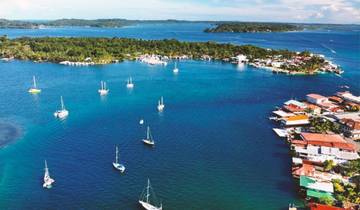
9 Days Across Panama: Culture, Mountains & Caribbean Paradise
- ✓ Comprehensive Panama tour
- ✓ Expert local guides included
- ✓ All accommodation arranged
- ✓ Transportation provided

8 days
Highlights of Panama
- ✓ Comprehensive Panama tour
- ✓ Expert local guides included
- ✓ All accommodation arranged
- ✓ Transportation provided
5 days
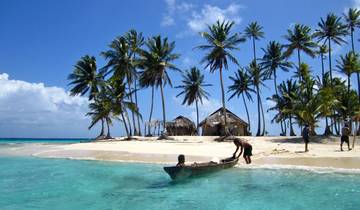
Panama & San Blas Islands (Guna Yala) – 5 days
- ✓ Comprehensive Panama tour
- ✓ Expert local guides included
- ✓ All accommodation arranged
- ✓ Transportation provided
8 days
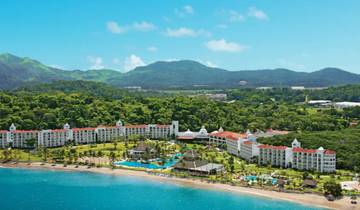
Explore Panama and Enjoy Paradise at Playa Bonita
- ✓ Comprehensive Panama tour
- ✓ Expert local guides included
- ✓ All accommodation arranged
- ✓ Transportation provided
Multi-day tour packages powered by TourRadar. Prices and availability subject to change.
Essential Planning Information for 2026 Day Trips
Current Costs and Pricing Breakdown for 2026
Day trip pricing reflects transportation complexity, activity inclusions, and group sizes for 2026 departures. San Blas Islands full-day tours cost $225 per person including 4×4 mountain crossing, boat transfers between islands, traditional lunch prepared by Guna Yala community members, and guide services (check operator websites for current official rates as seasonal pricing may vary). The experience spans 13 hours with 5:30 AM hotel departures and 8:00 PM returns.
Embera Village cultural immersions range $260-350 per person based on operator and group composition. Premium rates ($320-350) include naturalist guides providing rainforest interpretation during Chagres River motorized canoe journeys, while standard tours ($260-290) feature transportation and village access without extensive ecological education. Village entry fees ($20-30) go directly to indigenous communities supporting cultural preservation. All packages include traditional dance performances, handicraft demonstrations, and authentic Embera meals featuring freshly caught river fish and plantains.
Gamboa Rainforest day trips vary significantly by activity selection. Aerial tram tickets cost $45-55 for gondola rides and observation tower access, sloth sanctuary visits add $25-35, and butterfly farm entry runs $15-20. Comprehensive packages combining all three attractions plus round-trip transportation and guide services total $95-120 per person. Alternative Panama Canal boat tours through Gatun Lake visiting Monkey Islands cost $75-95 for 3-hour excursions departing from Gamboa marina.
Transportation Options and Logistics for 2026
Transportation methods dramatically affect day trip flexibility and comfort in 2026. Organized tour packages provide hassle-free logistics with hotel pickups, air-conditioned vehicles, and guide coordination for $85-350 per person depending on destination. Independent travelers save 30-40% through self-arranged transportation but assume responsibility for navigation, timing, and local coordination.
Rental cars enable maximum flexibility for accessible destinations like Gamboa ($50-70 daily for economy sedans), El Valle de Antón ($60-80 for SUVs recommended on mountain roads), and Portobelo ($50-70). GPS navigation works reliably on major highways, though rural areas require offline map downloads. Parking at attractions costs $2-5 daily. Self-drive eliminates group tour schedules but requires Spanish proficiency for roadside assistance situations and gas station interactions.
Shared van services operate fixed routes to popular destinations at fraction of private tour costs. Albrook Bus Terminal serves as central departure point for intercity buses reaching El Valle ($8-12 one-way, 2.5 hours), Portobelo ($10-15, 2 hours via Sabanitas), and Gamboa ($3-5, 45 minutes). Buses lack air conditioning and operate on local schedules with multiple stops, extending journey times 30-50% beyond private vehicle estimates. Return timing flexibility becomes limited to scheduled departures (every 1-2 hours on main routes).
Best Time for Different Day Trips in 2026
San Blas Islands visits perform optimally during dry season months (mid-December 2025 through April 2026) when Caribbean waters display crystal clarity and seas remain calm for comfortable boat transfers between islands. January through March represent peak conditions with minimal rainfall, though booking 4-6 weeks ahead becomes necessary as tours sell out rapidly. May through November brings afternoon showers and occasional rough seas affecting boat navigation, though the Guna Yala community welcomes visitors year-round and tour operators maintain modified schedules with weather contingency planning.
Rainforest destinations like Gamboa and Soberanía National Park deliver superior wildlife viewing during early rainy season (May-July 2026) when abundant fruit production attracts monkeys, toucans, and other frugivorous species to forest edges. Birdwatching reaches annual peak during October-November migration periods as North American species funnel through Panama’s narrow corridor. Dry season (December-April) offers more comfortable hiking conditions with reduced humidity and minimal trail mud, though wildlife disperses deeper into forest canopy requiring greater observation patience.
El Valle de Antón mountain destination provides cool-weather escape from coastal humidity throughout the year, with temperatures 5-10°F lower than Panama City. Waterfall flow peaks during rainy season (June-November) creating spectacular cascades, while dry season (January-April) reduces waterfall volume but improves hiking trail conditions. Sunday morning markets feature local produce, handicrafts, and traditional foods regardless of season, making weekend visits particularly rewarding.
San Blas Islands Day Trip 2026
San Blas Overview and Experience Description
The San Blas archipelago comprises 365 islands scattered along Panama’s northeast Caribbean coast, inhabited and managed by the semi-autonomous Guna Yala indigenous people. Day trip itineraries visit 2-3 islands featuring powdery white sand beaches, coconut palm groves, and remarkably clear turquoise waters ideal for snorkeling. The Guna community maintains strict environmental protections limiting development to traditional thatched-roof structures and prohibiting commercial hotels on most islands.
Full-day tours depart Panama City hotels at 5:00-5:30 AM for the challenging 2.5-hour drive crossing the Continental Divide via rough mountain roads. The journey requires 4×4 vehicles navigating steep grades, sharp curves, and occasional landslide debris. Arrival at Cartí port (elevation sea level) connects with motorized boats for 15-30 minute transfers to pristine outer islands. Most itineraries include 4-5 hours of beach time, swimming, and snorkeling before return journeys reaching Panama City by 8:00-9:00 PM.
Snorkeling equipment reveals vibrant coral reefs harboring tropical fish, sea turtles, and occasional reef sharks in shallow waters (6-15 feet depth). The Guna people demonstrate traditional fishing techniques, mola textile creation (reverse-appliqué art form), and coconut harvesting methods. Lunch features fresh-caught lobster, fish, coconut rice, and plantains prepared by island residents. Restroom facilities remain basic (composting toilets), and changing areas consist of simple palm-frond enclosures maintaining the islands’ undeveloped character.
San Blas Practical Information and Booking for 2026
Tour operators specializing in San Blas excursions include San Blas Adventures ($225 per person), Barefoot Panama ($235), and Panama Day Trips ($240-260 depending on season and island selection). All operators follow similar itineraries with variations in departure times, island combinations, and meal quality. Book directly through operator websites 4-8 weeks ahead for guaranteed 2026 peak season availability (December-April).
What to bring: reef-safe sunscreen (chemical sunscreens are prohibited to protect coral), waterproof bag for electronics and dry clothing, swimsuit and quick-dry clothing, water shoes or sandals, towel, camera with waterproof housing, cash for handicraft purchases ($20-60 for high-quality molas), and motion sickness medication for boat transfers in choppy conditions. The Guna community prohibits drones and professional video equipment without advance permission and fees ($50-100 per day).
Physical requirements: moderate fitness suffices for San Blas visits, though the 5:00 AM departure demands early wake-up tolerance. The 4×4 mountain crossing involves significant bouncing and swaying for 90 minutes—those prone to car sickness should take preventive medication. Boat transfers accommodate mobility limitations, though beach access from boats may require stepping into shallow water. No hiking or strenuous activities feature in standard itineraries.
San Blas Alternative: Multi-Day Island Stay
Extended San Blas experiences eliminate exhausting same-day round-trips through 2-4 night island stays. Overwater cabanas and beach lodges operated by Guna families charge $120-200 per person nightly including three meals and boat transfers from Cartí port. Multi-day packages ($570 for two nights per person through San Blas Dreams or Cabañas Kuanidup) provide immersive cultural experiences, multiple island explorations, and relaxed snorkeling schedules.
Accommodation standards remain rustic: sand floors, thatched roofs, shared bathrooms, no electricity (solar lanterns provided), and basic bedding. The trade-off delivers authentic island living, starlight beach walks, early morning fishing expeditions with Guna men, and escape from modern technology. Transportation follows same 4×4 mountain route with boat transfers to accommodation islands, though luggage limits apply (soft bags only, 15-20 pounds maximum per person).
Embera Village Cultural Experience 2026
Embera Village Overview and Cultural Significance
The Embera people represent one of Panama’s seven indigenous groups, maintaining traditional lifestyles along the Chagres River within Chagres National Park boundaries. Village visits provide authentic cultural exchanges supporting indigenous economies through tourism while preserving ancestral practices. Communities welcome visitors for educational exchanges about traditional medicine, hunting techniques, basketry, and spiritual beliefs central to Embera identity.
Day trip itineraries begin with 45-minute drives to the Chagres River access point, followed by 30-45 minute motorized canoe journeys through primary rainforest along the river. Wildlife sightings during navigation include howler monkeys, iguanas, caimans, herons, and toucans active in riverine forest zones. Arrival at Embera settlements reveals traditional elevated platforms (tambos) with thatched roofs, communal cooking areas, and artisan workspaces where women weave elaborate baskets and men carve tagua nut sculptures.
Cultural demonstrations encompass traditional dance performances with authentic costumes and instruments, body painting using natural jagua fruit dye (designs last 10-14 days), handicraft creation techniques passed through generations, and preparation of traditional meals featuring river fish, plantains, and yuca. Visitors can purchase high-quality baskets ($30-120 depending on size and intricacy), tagua nut carvings ($15-50), and natural remedies ($10-25) directly supporting artisan families.
Embera Village Practical Details for 2026
Leading Embera tour operators include Barefoot Panama ($260 per person), Panama Day Trips ($280-320 private tours), and Ancon Expeditions ($350 with certified naturalist guides providing enhanced ecological interpretation). Full-day experiences span 7-8 hours including all transportation, river navigation, village entry fees, cultural demonstrations, traditional lunch, and return to Panama City hotels. Half-day abbreviated versions ($180-220) eliminate extensive rainforest interpretation and some cultural activities.
Preparation essentials: lightweight long pants and long-sleeve shirts (protection from sun and insects during river journey), water-resistant footwear or sandals, insect repellent (DEET-based for tropical forest effectiveness), small backpack, reusable water bottle, waterproof bag for cameras and electronics, cash for handicraft purchases ($50-150 recommended), and modest clothing respecting indigenous cultural values. The community requests visitors avoid revealing clothing during village interactions.
Photography guidelines: traditional dancers and artisans welcome photographs, though requesting permission before close-up portraits demonstrates cultural sensitivity. Avoid photographing sacred spaces or religious ceremonies unless explicitly invited. Drones require advance permission from village elders and incur additional fees. Video recording of cultural demonstrations is permitted and encouraged as documentation of traditional practices.
Embera Village Ethical Tourism Considerations
Sustainable Embera tourism maintains delicate balance between cultural preservation and economic benefit. Tour operator selection significantly impacts community welfare—choose companies demonstrating long-term partnerships with specific villages, transparent revenue sharing (minimum 60% of tour fees should reach communities directly), and cultural sensitivity training for guides. Avoid operators treating villages as “human zoos” or pressuring rapid-fire photo opportunities over meaningful cultural exchange.
Direct purchases from artisans provide maximum economic benefit to indigenous families. Bargaining is not customary in Embera culture—stated prices reflect fair compensation for skilled labor intensive handicraft production. Basket creation requires 40-80 hours for elaborate designs, justifying $80-120 costs for masterwork pieces. Lower-priced items ($15-30) represent simpler designs or smaller scales, not inferior quality.
Gamboa Rainforest Adventures 2026
Gamboa Location and Ecosystem Significance
Gamboa settlement occupies a strategic position where the Chagres River meets the Panama Canal, 45 minutes (35 kilometers) northwest of Panama City via the Gaillard Highway. The town emerged as a Canal Zone community housing dredging division workers during canal construction and expansion projects. Today, Gamboa functions as gateway to Soberanía National Park’s 55,000 acres of protected tropical moist forest representing the Panama Canal watershed’s biodiversity treasure.
The surrounding rainforest harbors 525 bird species, 105 mammal species (including six monkey varieties), 79 reptile species, and thousands of insect varieties. Strategic location along the continental corridor creates one of the world’s premier birdwatching destinations, with Pipeline Road (Camino del Oleoducto) producing annual Christmas Bird Count records exceeding 350 species in single-day counts. Gamboa’s accessibility via paved highway and proximity to Panama City make it ideal for visitors seeking rainforest immersion without remote expedition logistics.
Gamboa Aerial Tram and Canopy Observation
The Gamboa Aerial Tram ascends 130 meters (425 feet) through rainforest layers in open-air gondolas traversing 600 meters of cable. The 20-minute ride provides unique perspectives on forest structure from ground level through sub-canopy and upper canopy zones. Specialized gondola positioning allows clear photography of orchids, bromeliads, strangler figs, and wildlife including three-toed sloths, howler monkeys, white-faced capuchins, and toucans active in fruiting trees.
The cable car journey culminates at a 30-meter observation tower extending above the canopy for 360-degree views across Soberanía National Park, the Chagres River, Gatun Lake, and container ships navigating the Panama Canal’s Gaillard Cut. Morning visits (8:00-10:00 AM) maximize wildlife activity as animals feed before midday heat, while afternoon sessions (2:00-4:00 PM) offer softer light ideal for photography.
Tram admission costs $45-55 per person with departures every 15-20 minutes during operating hours (9:00 AM-5:00 PM). Combination tickets including sloth sanctuary and butterfly gardens reduce per-attraction costs to $95-120 for all three experiences. Independent visitors can Uber to the facility ($30-40 from Panama City), while organized tours ($95-150) add naturalist guide interpretation and hotel transportation.
Gamboa Wildlife Encounters and Activities
The Gamboa Sloth Sanctuary rehabilitates injured or orphaned sloths for eventual rainforest release while educating visitors about sloth ecology, conservation threats, and rehabilitation processes. Two-toed and three-toed sloth species inhabit specialized enclosures mimicking natural conditions. Visitors observe feeding behaviors, learn about digestive adaptations enabling leaf-only diets, and understand conservation challenges from deforestation and road mortality. Entry costs $25-35 per person with guided tours departing hourly.
Butterfly garden facilities display 15-20 native species in enclosed flight houses where visitors walk among free-flying specimens including blue morphos, owl butterflies, and glasswing varieties. Educational displays explain life cycles, plant-butterfly relationships, and metamorphosis processes. The facility operates breeding programs for reintroduction to Soberanía National Park degraded areas. Admission runs $15-20 per person.
Alternative Gamboa activities include Monkey Island boat tours on Gatun Lake ($75-95 for 3-hour excursions). These motorized boat trips visit small islands created during lake formation where isolated monkey populations thrive. White-faced capuchins, howler monkeys, and tamarins approach boats accepting fruit offerings, creating close-range photography opportunities. Tours also encounter crocodiles, iguanas, turtles, and diverse water birds. Departures run 9:00 AM and 2:00 PM daily from Gamboa marina.
El Valle de Antón Mountain Retreat 2026
El Valle Geography and Attractions
El Valle de Antón occupies the crater of an extinct volcano located 120 kilometers (75 miles) west of Panama City in the Coclé Province highlands. The town sits at 600 meters (2,000 feet) elevation, providing temperatures 5-10°F cooler than coastal Panama City. The 5-kilometer-wide crater harbors agricultural communities, cloud forest remnants, waterfalls, hot springs, and distinctive square trees (árboles cuadrados) found nowhere else on Earth.
Sunday markets transform the town plaza into vibrant displays of local produce, handicrafts, traditional foods, and artisan wares. Vendors sell fresh-baked pastries, organic coffee, orchids, decorative plants, embroidered textiles, soapstone carvings, and prepared foods reflecting Panamanian culinary traditions. The market operates 7:00 AM-2:00 PM, with peak activity 9:00-11:00 AM.
La India Dormida (Sleeping Indian Girl) mountain profile dominates El Valle’s skyline, with hiking trails ascending to viewpoints overlooking the crater and Pacific coastline. The moderate 2-3 hour round-trip hike gains 300 meters elevation through cloud forest habitat. Chorro El Macho waterfall plunges 35 meters into a swimming pool surrounded by forest vegetation. The waterfall flows strongest during rainy season (May-November) but maintains scenic appeal year-round. Entry costs $3-5 per person with canopy zipline rides available for additional fees ($35-45).
El Valle Thermal Springs and Wellness
Pozos Termales (thermal pools) feature natural hot springs emerging at 40-50°C (104-122°F) from volcanic bedrock. The facility offers six pools at varying temperatures allowing gradual acclimatization, plus cold plunge pools for contrast therapy. Clay mud applications use mineral-rich volcanic clay claimed to have therapeutic skin benefits. The rustic facility charges $3-5 admission providing basic changing rooms and open-air pools in forested setting.
Modern spa facilities at hotels like Park Eden ($40-80 for treatments) and Golden Frog Inn ($30-60) offer more refined thermal experiences with massage services, private pools, and amenities. These represent premium alternatives for visitors preferring developed infrastructure over the authentic but basic public thermal springs.
El Valle Day Trip Logistics for 2026
Independent travel to El Valle requires rental car ($60-80 daily for SUV recommended on mountain roads) or Albrook Bus Terminal departures ($8-12 one-way, departures every 90 minutes from 7:00 AM-6:00 PM, 2.5-hour journey). The Interamericana Highway westbound to San Carlos turnoff provides well-maintained roads, followed by winding mountain ascent on narrower secondary routes. Organized tours ($95-140 per person) include round-trip transportation, waterfall visit, thermal springs access, market exploration, and lunch at local restaurant.
Full-day itineraries allocate 2 hours each direction for transportation, 1 hour for market browsing (Sunday trips only), 2 hours for waterfall hike and swimming, 1-1.5 hours for thermal springs, and 1 hour for lunch. This totals 9-10 hours, requiring 7:00-8:00 AM departures to return to Panama City by 5:00-6:00 PM. Overnight stays ($50-120 for hotels, $25-45 for hostels) enable relaxed exploration without compressed schedules.
Portobelo Caribbean Coast History 2026
Portobelo UNESCO World Heritage Sites
Portobelo’s fortification complex represents Spain’s most extensive Caribbean defensive network, designed to protect treasure fleets carrying Peruvian gold and silver to Europe. UNESCO World Heritage designation recognizes five major fortifications: Santiago Battery, San Jerónimo Fort, Santiago de la Gloria Fort, San Fernando Fort, and San Cristóbal Fort. These 17th-18th century structures employed innovative military engineering adapted to tropical climates and naval warfare evolution.
Fort explorations reveal cannon placements, barracks ruins, ammunition storage vaults, and strategic harbor-controlling positions. Interpretive signage explains defensive strategies, historical naval battles, and the fortifications’ eventual obsolescence following independence movements and reduced Spanish treasure fleet traffic. The complex charges $3-5 entry providing access to multiple forts across Portobelo Bay.
The adjacent colonial town features Iglesia de San Felipe, housing the famous Black Christ statue (Cristo Negro) attracting thousands of pilgrims annually for the October 21 festival. Spanish colonial architecture lines narrow streets, while waterfront restaurants serve Caribbean-influenced Panamanian cuisine emphasizing fresh seafood, coconut rice, and plantain-based dishes.
Portobelo Combined Itineraries for 2026
Day trips to Portobelo often combine with Gatun Locks visits on the Atlantic side of the Panama Canal. This routing provides two-ocean experiences in single days: departing Panama City via the canal-paralleling highway, stopping at Gatun Locks observation platform (free admission) to watch ships rise/descend 85 feet through three-chamber systems, then continuing to Portobelo for fort exploration and Caribbean lunch.
Alternative combinations include Isla Grande beach extensions. After Portobelo fort visits, continue 20 kilometers to the Caribbean island accessible via short boat rides ($5-8 round-trip). The island offers snorkeling, beach relaxation, and Afro-Caribbean cultural experiences distinct from Pacific coast environments. Full-day itineraries span 10-11 hours including all transportation, fort exploration, and island beach time.
Organized tours to Portobelo cost $110-160 per person including transportation, guide services, fort entry, and lunch at waterfront restaurants. Self-drive options via rental car ($50-70 daily) follow the straightforward 100-kilometer route via Sabanitas junction (2-hour drive from Panama City). Return timing allows sunset viewing over Portobelo Bay before evening drive back to the capital.
Additional Day Trip Options for 2026
Taboga Island Pacific Beach Escape
Taboga Island, located 20 kilometers off Panama City’s Pacific coast, provides nearest beach escape from the capital. Ferry service from Amador Causeway departs 8:00 AM, 10:30 AM, and 3:00 PM daily with return trips at corresponding intervals ($20 round-trip, 30-minute crossing). The car-free island features colonial church dating to 1550, colorful hillside houses, two swimmable beaches (Playa Honda and Playa Restinga), and seafood restaurants serving fresh-caught corvina and snapper.
Snorkeling equipment rentals ($10-15 daily) enable exploration of rocky areas harboring tropical fish and occasional sea turtles. Kayak rentals ($15-20 hourly) allow paddling around the island’s coastline. Hiking trails ascend to viewpoints overlooking Panama City skyline and surrounding Pearl Islands archipelago. The compact island requires 2-3 hours for complete exploration, making it ideal for half-day excursions or leisurely full-day beach relaxation.
Soberanía National Park Pipeline Road Birdwatching
Pipeline Road (Camino del Oleoducto) ranks among the world’s premier birdwatching locations, with 525 species recorded along the 17-kilometer former service road. The trail traverses primary rainforest in Soberanía National Park, maintained as gravel/dirt surface accessible to hikers and cyclists but closed to vehicles. Early morning walks (6:00-9:00 AM) maximize sightings as mixed-species feeding flocks, antbirds, tanagers, trogons, and motmots forage actively before midday heat.
Independent birdwatching requires only park entry fee ($5 per person) plus transportation to the trailhead near Gamboa. Serious birders hire specialist guides ($80-120 for half-day, $150-200 full-day) providing spotting scopes, species identification expertise, and knowledge of seasonal rarities and nesting locations. The birding community shares recent sighting information through eBird platform, allowing targeted searches for specific species.
Pearl Islands Archipelago Luxury Escape
The Pearl Islands (Archipiélago de las Perlas) comprise 200+ islands scattered across the Pacific 70 kilometers southeast of Panama City. Contadora Island, the most developed, features luxury resorts, airstrip, marina, and excellent beaches for swimming, snorkeling, and diving. Day trips via Air Panama flights ($100-140 round-trip, 20-minute flights) or chartered boats ($400-600 for groups) provide access to pristine beaches, resort dining, and water sports facilities.
Contadora’s beaches include Playa Larga (long beach), Playa Ejecutiva (executive beach), and multiple secluded coves accessible via short walks. Snorkeling reveals volcanic rock formations, coral patches, and diverse fish populations. The island’s compact size (1.2 square kilometers) enables exploration on foot or via golf cart rentals ($60-80 daily). Day-trippers access resort facilities for dining ($25-45 lunch entrées) and beach club services (lounge chairs, umbrellas, towels $20-30 daily).
Booking and Reservations Strategy for 2026
Tour Operator Selection Criteria
Quality tour operator selection ensures safe, enriching day trip experiences in 2026. Evaluate operators on safety records (check TripAdvisor reviews for accident mentions, insurance coverage disclosure), guide expertise (naturalist certifications, indigenous cultural sensitivity training, multilingual capabilities), and group sizes (12-16 participants maximum allows personalized attention versus 30+ person cattle-call tours). Transparent pricing that itemizes inclusions and exclusions prevents unexpected surcharges.
Established operators with strong reputations include Ancon Expeditions (premium pricing $180-350 but exceptional naturalist guides and small groups), Barefoot Panama (mid-range $235-280 with reliable logistics), Panama Day Trips (customizable private tours $150-320 per person), and Aventuras Panama (budget-friendly shared tours $85-195). Book directly through operator websites rather than third-party aggregators to avoid markup fees and ensure direct communication for special requests or modifications.
Peak Season Booking Timeline for 2026
Book San Blas Islands tours 6-8 weeks ahead for December 2025-April 2026 peak season guaranteed availability. Limited vehicle capacity on rough mountain roads constrains daily departures to 3-5 tours maximum across all operators combined. January-February represent highest demand months when cruises ships dock in Panama creating additional tourist pressure. Rainy season bookings (May-November) require only 1-2 weeks notice due to reduced demand and increased tour frequency.
Embera Village experiences need 2-4 week advance reservations during peak season. Village capacity limitations (most communities accommodate 25-30 visitors daily maximum) and tribal permission requirements create advance planning necessities. Last-minute bookings (within 7 days) become possible during rainy season or midweek departures when demand softens.
Cancellation Policies and Weather Contingencies
Most operators enforce 48-72 hour cancellation policies for full refunds, with 24-hour cancellations incurring 50% charges and same-day cancellations forfeiting entire payment. Travel insurance covering trip interruption becomes valuable for non-refundable bookings during unpredictable weather seasons.
Weather-related cancellations follow different protocols: San Blas operators cancel for dangerous sea conditions (waves exceeding 3 feet making boat transfers unsafe) with full refunds or rescheduling options. Rainforest tours proceed in light-moderate rain (common during May-November) but cancel for heavy storms creating unsafe driving conditions or river flooding. Operators contact participants by 6:00 PM evening before departure with weather-related cancellation notifications, allowing alternative planning.
Money-Saving Strategies for 2026 Day Trips
Independent Travel Cost Reductions
Self-organized day trips eliminate guide fees and transportation markups, reducing costs 30-50% below organized tour rates. Gamboa rainforest visits cost $5 Soberanía park entry plus $30-40 Uber round-trip versus $95-150 organized tours. El Valle adventures cost $8-12 each-way bus fare plus $3-5 waterfall entry and $3-5 thermal springs versus $95-140 tours. Savings multiply for couples or small groups sharing rental car expenses ($60-80 daily divided by 4 passengers = $15-20 per person).
However, independent travel sacrifices naturalist interpretation significantly impacting wildlife identification and cultural context understanding. Weigh cost savings against educational value loss—first-time visitors benefit substantially from expert guides, while repeat visitors with established knowledge save money through self-guided exploration.
Seasonal Pricing Advantages
Rainy season tours (May-November 2026) cost 20-35% less than peak season rates due to reduced demand. San Blas tours drop from $235-260 peak pricing to $180-210 rainy season, Embera village experiences decline from $320-350 to $260-290, and Gamboa packages reduce from $120-150 to $85-110. Accommodation discounts during rainy season allow 2-3 night packages combining day trips at total costs matching or undercutting single-night peak season equivalents.
Weather trade-offs include afternoon rain showers (usually 1-3 hours duration from 2-5 PM), increased humidity, and occasional full-day rain events. However, rainforest ecosystems thrive during wet months creating enhanced wildlife activity, waterfalls flow dramatically, and reduced crowding improves photography opportunities and cultural interaction quality.
Frequently Asked Questions: Panama City Day Trips 2026
Can I visit San Blas Islands independently without a tour in 2026?
Independent San Blas access requires 4×4 vehicle rentals ($80-120 daily) capable of mountain road navigation, advance permission from Guna General Congress ($20 territory entry fee), and boat charter arrangements with Guna boatmen at Cartí port ($80-150 for island transfers and day access). Total independent costs reach $150-200 per person for 2-4 person groups, providing marginal savings versus organized tours ($225) but requiring Spanish fluency, mechanical skills for challenging roads, and cultural navigation expertise. Most visitors find organized tours deliver superior value through included meals, multi-island access, and cultural interpretation.
What is the best day trip from Panama City for families with young children in 2026?
Gamboa Rainforest combines accessibility, wildlife encounters, and varied activities ideal for families with children aged 4-12 in 2026. The aerial tram ride captivates young imaginations without physical demands, sloth sanctuary provides close animal observations maintaining interest, and butterfly gardens offer interactive learning. The destination requires minimal walking (under 2 kilometers total), features air-conditioned facilities for breaks, and allows flexible scheduling (3-6 hour visits) accommodating children’s energy levels and attention spans. Costs run $35-50 per child for attractions plus $95-120 adults for organized tours including transportation.
Do I need yellow fever vaccination for Panama City day trips in 2026?
Yellow fever vaccination is not required for Panama City or day trips to Gamboa, El Valle, Portobelo, San Blas, or mainstream tourist destinations in 2026. However, Darién Province bordering Colombia requires yellow fever certification for entry. CDC recommends vaccination for travelers venturing to Darién or extended time in rural rainforest regions, though standard day trip itineraries from Panama City carry negligible yellow fever risk. Consult travel medicine specialists 4-6 weeks before departure for personalized recommendations based on complete itinerary.
Can I combine multiple day trips in one day from Panama City in 2026?
Geographic distances and activity time requirements prevent combining major day trips in single days. San Blas tours consume 13 hours including transportation making combination impossible. However, compact itineraries can link complementary destinations: Gamboa aerial tram morning visits (3 hours) combine with afternoon Soberanía Pipeline Road hikes (2-3 hours) both in the same region. Portobelo fort exploration (2-3 hours) pairs with Gatun Locks viewing (1 hour) and Isla Grande beach time (2-3 hours) in 10-11 hour days. Attempting excessive combination creates exhausting schedules reducing enjoyment—focus on quality experiences over quantity checklists.
Are day trips from Panama City safe for solo travelers in 2026?
Day trips from Panama City maintain excellent safety records for solo travelers in 2026. Organized tours provide group security, reducing solo vulnerability during transportation and activities. Reputable operators vet guides, maintain insured vehicles, and follow established safety protocols. San Blas and Embera experiences operate in community settings where indigenous hosts prioritize visitor safety to protect tourism reputations. Independent travel requires standard precautions: inform accommodation of itinerary, maintain phone communication, avoid isolated areas after dark, and secure valuables. Female solo travelers report positive experiences across all major day trip destinations with respectful treatment from guides and communities.
What should I pack for day trips from Panama City in 2026?
Universal day trip essentials include reef-safe sunscreen (protecting marine ecosystems while preventing sunburn), insect repellent with DEET for rainforest mosquitoes, reusable water bottle reducing plastic waste, quick-dry clothing suitable for humid conditions, waterproof bag protecting electronics and documents, comfortable walking shoes with good traction, hat for sun protection, and camera with extra batteries/memory cards. Destination-specific items: San Blas requires swimsuit and water shoes, Embera needs long pants/sleeves for river journey, Gamboa benefits from binoculars for wildlife viewing, and El Valle necessitates hiking boots for waterfall trails. Cash ($50-100) covers entry fees, tips, and handicraft purchases at destinations with limited credit card acceptance.
Can I extend day trips into overnight stays in 2026?
Most day trip destinations support overnight extensions providing deeper immersion and relaxed pacing. San Blas offers overwater cabanas and island lodges ($120-200 per person nightly including meals), El Valle features boutique hotels ($60-150) and mountain hostels ($25-45), Gamboa provides the upscale Gamboa Rainforest Resort ($180-280) plus budget hostels ($30-50), and Isla Grande delivers Caribbean beach lodges ($70-120). Overnight stays eliminate exhausting same-day round-trips, enable sunset/sunrise experiences impossible on day trips, and allow spontaneous activity extensions. Book accommodations 2-4 weeks ahead for peak season weekend stays, though midweek rainy season availability remains flexible.
What wildlife can I expect to see on Panama City day trips in 2026?
Gamboa and Soberanía National Park provide highest wildlife encounter probability: three-toed sloths, two-toed sloths, howler monkeys, white-faced capuchin monkeys, tamarin monkeys, agoutis, coatis, iguanas, Jesus Christ lizards, morpho butterflies, toucans, trogons, motmots, and woodcreepers appear regularly on trails and during boat tours. Early morning timing (before 10:00 AM) maximizes sightings. Embera river journeys encounter caimans, river turtles, herons, and forest edge monkeys. San Blas snorkeling reveals tropical fish, sea turtles, nurse sharks, and rays in coral reef areas. Wildlife sighting certainty varies—guides increase success through expertise locating animals, while independent visitors may miss camouflaged species without trained observation skills.
Are Panama City day trips suitable for elderly or mobility-limited visitors in 2026?
Day trip physical requirements vary significantly by destination. Gamboa aerial tram, Biomuseo, and Taboga Island accommodate mobility limitations with minimal walking and wheelchair-accessible facilities. El Valle waterfall hikes and Soberanía trails require moderate fitness levels unsuitable for significant mobility impairments. San Blas demands tolerance for bumpy 4×4 rides and boat transfers, though beach access from boats involves minimal walking. Embera visits require stepping into/out of canoes and riverside paths unsuitable for wheelchairs. Operators can arrange private tours with modified itineraries for specific mobility needs—communicate limitations during booking for appropriate accommodation arrangements. Medical conditions requiring specific facilities (accessible restrooms, air conditioning, medical equipment) necessitate careful destination selection and advance operator notification.
Do I need Spanish language skills for Panama City day trips in 2026?
Organized tour guides speak English fluently, eliminating language barriers for standard day trip experiences. However, independent travel requires basic Spanish for driver communication, restaurant ordering, and emergency assistance requests. San Blas and Embera communities feature limited English among older generations, though younger tribe members often speak conversational English from tourism exposure. Download translation apps (Google Translate offline mode) for independent travel emergency backup. Learning basic courtesy phrases (greetings, thank you, excuse me) demonstrates cultural respect and enhances local interactions regardless of guide presence. Menu navigation and price negotiations become simpler with numerical Spanish comprehension (uno, dos, tres, cuánto cuesta).