
Panajachel Travel Guide 2026: Gateway to Lake Atitlan
This comprehensive guide provides detailed planning information for your 2026 visit, covering transportation logistics, accommodation strategies, budget planning across multiple price points, seasonal timing considerations, and practical insights for navigating Panajachel’s commercial district, lakefront areas, and surrounding natural attractions. The information focuses on actionable advice backed by current pricing, verified schedules, and tested recommendations from regular visitors and long-term residents.
Key Takeaways:
- Panajachel serves as Lake Atitlan’s primary transportation hub with direct connections to Guatemala City, Antigua, and all lakeside villages via boat services
- Budget travelers spend Q300-450 ($38-58) daily including accommodation, while mid-range visitors budget Q600-900 ($77-115) for comfortable experiences
- Best months for visiting in 2026 are January-April and November-December, offering dry weather and optimal conditions for lake activities and volcano views
- Book boat tours and accommodations 2-3 weeks ahead during peak season (December-March) to secure preferred options and avoid inflated walk-in rates
- The town provides essential services including ATMs, pharmacies, supermarkets, and Spanish schools, making it ideal for extended stays and trip planning
- Day trips to San Marcos, Santiago Atitlan, and Indian Nose viewpoint cost Q150-400 ($19-51) including transportation and activity fees
Introduction: Planning Your Panajachel Experience in 2026
Panajachel stands as the undisputed gateway to Lake Atitlan, Guatemala’s most spectacular natural wonder surrounded by three volcanic peaks and traditional Maya villages. This bustling lakeside town combines practical accessibility with authentic cultural experiences, serving as the primary transportation hub for visitors exploring the region’s twelve distinctive lakeside communities. While some travelers view Panajachel merely as a transit point, the town offers substantial value for those seeking comfortable amenities, diverse dining options, and convenient access to the lake’s most compelling attractions.
The 2026 travel season brings enhanced infrastructure improvements including upgraded boat dock facilities, expanded accommodation options across all budget ranges, and improved road connections to Guatemala City and Antigua. Understanding Panajachel’s unique position as both destination and basecamp proves essential for maximizing your Lake Atitlan experience, whether you’re planning a single overnight stay or using the town as headquarters for extended regional exploration.
People Also Ask About Panajachel 2026
How much does it cost to visit Panajachel in 2026?
Daily costs in Panajachel range Q300-450 ($38-58) for budget travelers and Q600-900 ($77-115) for mid-range visitors in 2026. Budget accommodation costs Q120-200 ($15-26) per night in hostels with shared facilities, while mid-range hotels charge Q350-550 ($45-70) for private rooms with lake views. Meals range from Q30-50 ($4-6) at local comedores to Q80-150 ($10-19) at tourist restaurants. Boat tours to neighboring villages cost Q25-40 ($3-5) per trip, with private kayak rentals at Q100-150 ($13-19) for half-day use. Check current exchange rates as the quetzal fluctuates against major currencies.
When is the best time to visit Panajachel in 2026?
The optimal periods for visiting Panajachel in 2026 are January through April and November through December, when dry season conditions provide clear volcano views, calm lake waters, and minimal rainfall disruption. January and February offer the clearest skies with daytime temperatures of 22-26°C (72-79°F) and cool evenings at 12-15°C (54-59°F). March and April bring slightly warmer conditions and increasing tourist activity before rainy season begins in May. November and December provide excellent value with lower accommodation rates, festive holiday atmosphere, and occasional short rain showers that clear quickly. Avoid September and October when heavy rains limit outdoor activities and boat services face cancellations.
Do you need advance bookings for Panajachel accommodations in 2026?
Advance reservations become essential during peak season periods in 2026, particularly from mid-December through early March and during Semana Santa (Easter week, April 13-20). Book accommodations 2-3 weeks ahead to secure preferred properties at standard rates, as walk-in visitors face limited availability and premium pricing during high-demand periods. Mid-range hotels with lake views fill first, often booking solid 4-6 weeks before major holidays. Budget hostels maintain better availability but best dorm locations and private rooms disappear quickly. Low season (May-October) offers flexibility with same-day bookings accepted, though confirming 2-3 days ahead ensures room preparation and potentially negotiated rates.
What’s the easiest way to reach Panajachel from Guatemala City in 2026?
Direct shuttle services provide the most convenient transportation from Guatemala City to Panajachel in 2026, departing multiple times daily with 2.5-3 hour journey times. Shuttle companies charge Q180-240 ($23-31) per person for door-to-door service from Guatemala City hotels to Panajachel accommodations. Departures run from 6:00 AM through 2:00 PM, with morning shuttles recommended for arriving with full afternoon exploration time. Public chicken buses cost Q25-35 ($3-4) but require transfers in Chimaltenango or Solola, extending travel time to 4-5 hours with luggage challenges. Private transfers accommodate groups of 4-6 passengers for Q800-1,200 ($103-154) total, offering flexibility for custom departure times and stops in Antigua.
Extended multi-day tours – 5+ days
Featured Guatemala Multi-Day Tour Packages
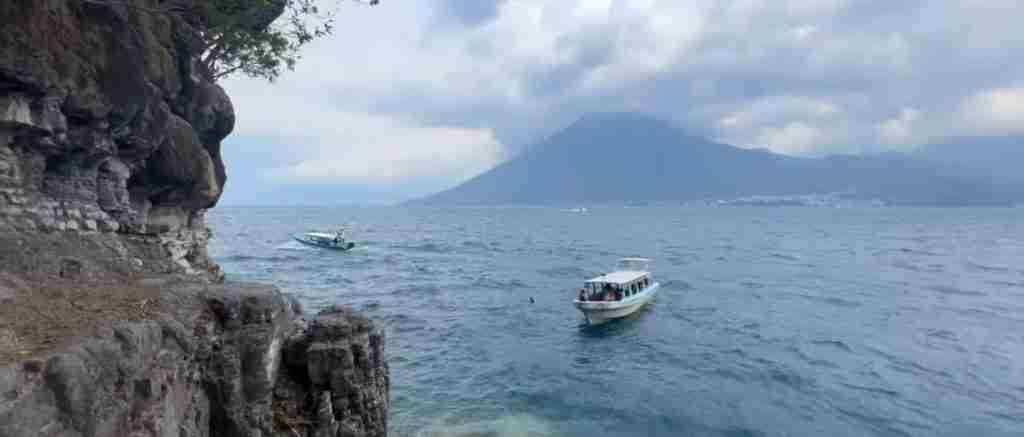
3 days
Guatemala 3-Day Discovery Tour
- ✓ Comprehensive Guatemala experience
- ✓ Expert local guides included
- ✓ All accommodation included
- ✓ Transportation provided
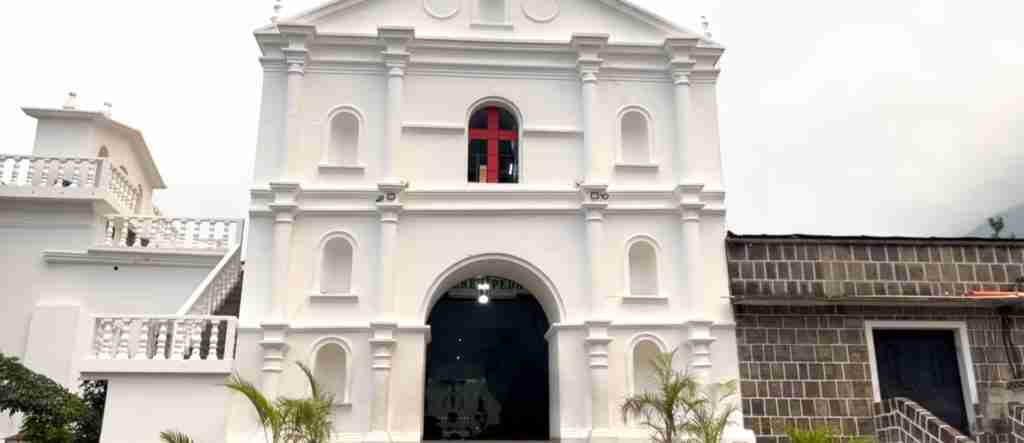
5 days
Guatemala 5-Day Highlights Experience
- ✓ Comprehensive Guatemala experience
- ✓ Expert local guides included
- ✓ All accommodation included
- ✓ Transportation provided

7 days
Guatemala 7-Day Cultural Journey
- ✓ Comprehensive Guatemala experience
- ✓ Expert local guides included
- ✓ All accommodation included
- ✓ Transportation provided
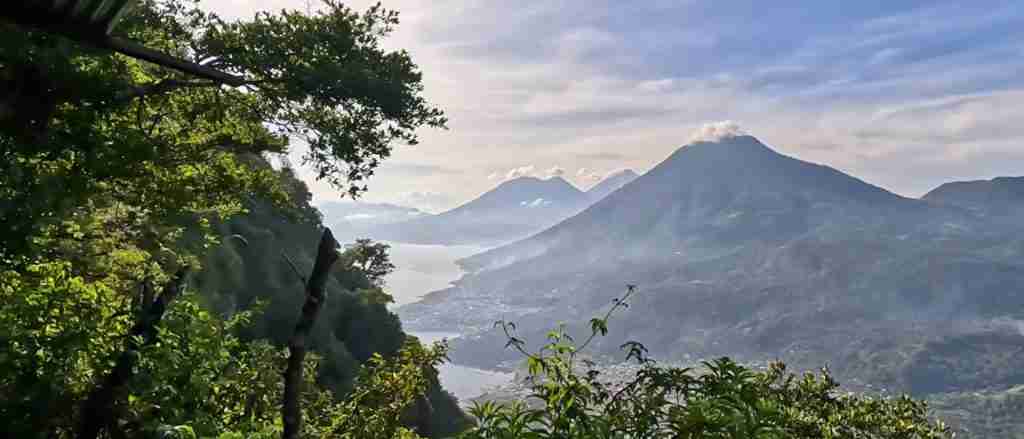
10 days
Guatemala 10-Day Complete Adventure
- ✓ Comprehensive Guatemala experience
- ✓ Expert local guides included
- ✓ All accommodation included
- ✓ Transportation provided
Multi-day tour packages powered by TourRadar. Prices and availability subject to change.
Essential Planning Information 2026
Current Costs and Pricing Breakdown
Understanding Panajachel’s pricing structure helps create realistic budgets and avoid overspending on tourist-targeted services. Accommodation costs vary significantly by location, season, and amenity level. Budget hostels along Calle Santander charge Q120-200 ($15-26) for dormitory beds, with private rooms at Q250-350 ($32-45). Mid-range hotels near the lake cost Q350-550 ($45-70) for standard doubles, rising to Q650-900 ($83-115) for properties with direct lake access and swimming pools. Luxury lakefront hotels command Q1,200-2,000 ($154-256) for premium rooms with panoramic volcano views and resort amenities. Check booking platforms for current rates as seasonal pricing fluctuates.
Dining expenses reflect whether you patronize local establishments or tourist restaurants. Traditional comedores serve substantial meals for Q30-50 ($4-6), including rice, beans, chicken or beef, tortillas, and juice. Mid-range restaurants along Calle Santander charge Q60-120 ($8-15) for international dishes, pizzas, and pasta options. Upscale lakefront restaurants command Q150-280 ($19-36) for seafood, steaks, and extensive wine selections. Street food vendors offer excellent value with tacos at Q5-10 ($0.65-1.30) and fresh fruit cups for Q15-25 ($2-3). Supermarket groceries cost 30-40% less than restaurant meals, making self-catering an economical option for longer stays.
Transportation within Panajachel remains inexpensive with tuk-tuks charging Q10-15 ($1.30-2) for trips between the commercial center and lakefront hotels. Boat services to other lake villages cost Q25-40 ($3-5) per person one-way, with return trips at similar rates. Private boat charters accommodate groups for Q400-600 ($51-77) for half-day excursions visiting multiple villages. Kayak rentals run Q100-150 ($13-19) for 3-4 hours, while paddleboard rentals cost Q120-180 ($15-23) with life jackets included. Mountain bike rentals charge Q80-120 ($10-15) daily for exploring surrounding villages and countryside.
Seasonal Weather Patterns and Timing Considerations
Panajachel experiences distinct dry and rainy seasons that significantly impact travel experiences and activity options. The dry season runs November through April, providing optimal conditions for all outdoor activities, clear volcano photography, and comfortable temperatures averaging 22-26°C (72-79°F) during daytime hours. Morning temperatures start cool at 12-15°C (54-59°F), warming rapidly after sunrise. Evenings return to pleasant coolness, requiring light jackets or sweaters for lakefront dining and evening walks.
January through March represents peak season when international visitors arrive in highest numbers, attracted by guaranteed sunshine and calm lake conditions. These months see maximum accommodation rates and advance booking requirements, but also bring vibrant street markets, frequent cultural events, and excellent conditions for water sports including kayaking, paddleboarding, and swimming. April maintains dry conditions while temperatures increase slightly, with afternoon heat reaching 28-30°C (82-86°F) before cooling at night.
The rainy season spans May through October, characterized by afternoon thunderstorms that typically arrive between 2:00-5:00 PM and clear within 1-2 hours. Mornings remain sunny and pleasant, allowing for morning activities, market visits, and boat trips before weather deteriorates. June through August brings heaviest rainfall, occasionally causing mudslides on mountain roads and limiting access to hiking trails. September and October experience most intense storms with potential for day-long rain events that cancel boat services and outdoor plans. Accommodation rates drop 30-50% during rainy season, offering excellent value for travelers comfortable with weather uncertainty.
Accommodation Strategies 2026
Budget Accommodation Options
Budget travelers find extensive hostel options throughout Panajachel, concentrated along Calle Santander and side streets near the commercial center. Hostel Santiaguito offers dormitory beds for Q120-150 ($15-19) with shared bathrooms, communal kitchen facilities, and rooftop terrace with lake views. Mario’s Rooms provides basic private rooms at Q200-280 ($26-36) with fans, shared bathrooms, and hot water showers. Casa Linda Guesthouse features clean rooms with private bathrooms for Q280-350 ($36-45), including continental breakfast and access to shared kitchen areas.
Several hostels cater specifically to backpackers seeking social atmosphere and organized activities. The Pana Rock Café Hostel combines accommodation with on-site bar and restaurant, charging Q140-180 ($18-23) for dorm beds with evening entertainment and traveler meetups. Zoola Hostel offers modern facilities at Q160-200 ($21-26) per night, including fast WiFi, hot showers, and common areas designed for socializing. Private rooms with shared bathrooms range Q250-320 ($32-41) at these properties, providing budget comfort with social opportunities.
Long-term visitors negotiating monthly rates achieve substantial savings, with many budget properties offering 30-day stays for Q2,400-3,600 ($308-462) total, effectively reducing nightly costs to Q80-120 ($10-15). These arrangements typically include kitchen access, laundry facilities, and flexibility for short trips away from Panajachel while maintaining room reservation. Properties located 3-4 blocks from Calle Santander charge 20-30% less than central locations while maintaining easy walking access to restaurants, markets, and boat docks.
Mid-Range and Luxury Options
Mid-range hotels provide comfortable amenities, professional service, and attractive settings while maintaining reasonable pricing. Hotel Primavera offers lakefront rooms at Q450-650 ($58-83) with private balconies, hot water, cable TV, and included breakfast buffets. Posada de Don Rodrigo features colonial architecture and gardens for Q550-750 ($70-96), with pool access and on-site restaurant serving international cuisine. Porta Hotel Del Lago provides modern facilities at Q700-950 ($90-122), including fitness center, spa services, and conference facilities for business travelers.
Luxury properties command premium rates but deliver exceptional experiences for travelers prioritizing comfort and service quality. Casa Palopo stands as the region’s most prestigious hotel, charging Q1,800-2,800 ($231-359) for suites featuring handcrafted furnishings, private terraces with volcano views, infinity pool access, and gourmet restaurant with wine cellar. Hotel Atitlan maintains extensive grounds and classic elegance at Q1,200-1,800 ($154-231), offering botanical gardens, multiple restaurants, and organic farm supplying kitchen ingredients.
Boutique properties provide unique alternatives to chain hotels and standard accommodations. La Casa del Mundo requires boat access from Panajachel, offering remote luxury at Q900-1,400 ($115-180) with infinity pool, yoga deck, and organic restaurant. Laguna Lodge combines eco-conscious design with comfort at Q800-1,200 ($103-154), featuring solar power, rainwater systems, and locally sourced meals. These properties attract travelers seeking distinctive experiences beyond conventional hotel stays, with higher rates justified by exclusive locations and specialized services.
Transportation Guide 2026
Reaching Panajachel from Major Cities
Guatemala City serves as the primary entry point for international visitors heading to Panajachel, located 147 kilometers northwest of the capital with multiple daily transportation options. Direct shuttle services provide door-to-door convenience, departing from major hotels and the main tourist zone in Zones 9, 10, and 13. Companies including Atitrans and GetYourGuide partners operate modern vans with air conditioning, charging Q180-240 ($23-31) per person. Morning departures at 7:00 AM, 10:00 AM, and 1:00 PM connect with afternoon activities upon Panajachel arrival, while afternoon shuttles at 2:00 PM allow morning Guatemala City exploration before lake arrival.
Antigua serves as another common departure point, particularly for travelers combining colonial city visits with lake experiences. Shuttle services from Antigua to Panajachel operate multiple daily departures with 2-2.5 hour journey times, costing Q140-180 ($18-23) per person. The route travels through scenic highlands with elevation changes providing dramatic landscape transitions from pine forests to tropical lakeside vegetation. Morning departures at 8:00 AM and 11:00 AM prove most popular, while afternoon services at 2:00 PM and 4:00 PM accommodate flexible schedules.
Public chicken buses offer ultra-budget transportation but require tolerance for crowded conditions, multiple stops, and longer journey times. Buses from Guatemala City depart every 30-45 minutes from the main terminal, charging Q25-35 ($3-4) for direct services or Q15-20 ($2-2.50) plus Q10-15 ($1.30-2) for transfer routes through Chimaltenango or Solola. Total journey time extends to 4-5 hours with standing room common during peak travel periods. Luggage storage proves challenging with large backpacks consuming passenger space and overhead racks designed for smaller bags. Buses run from 5:00 AM through 6:00 PM, with earliest departures avoiding afternoon traffic congestion.
Local Transportation and Lake Access
Navigating within Panajachel requires minimal effort given the compact town layout and multiple transportation options for reaching specific neighborhoods and lakefront areas. Walking remains the primary method for exploring the commercial district, with Calle Santander and parallel streets easily covered on foot in 10-15 minutes from end to end. The pedestrian-friendly main street features relatively smooth pavement compared to side streets, though heavy tourist foot traffic during peak season creates crowding between 10:00 AM and 6:00 PM.
Tuk-tuks provide convenient transportation for reaching lakefront hotels, steep hillside properties, and locations beyond comfortable walking distance. Standard rides within town limits cost Q10-15 ($1.30-2), with drivers typically waiting at major intersections, the boat dock, and outside popular restaurants. Negotiate fares before departing, as meters do not exist and quoted prices sometimes inflate for obvious tourists. Late evening rides after 9:00 PM command Q20-25 ($2.50-3) premiums, reflecting limited driver availability and increased security considerations.
Boat services connect Panajachel with all lakeside villages through public lanchas (shared boats) and private charters. Public boats depart from the main municipal dock throughout the day, with frequent services to popular destinations including Santiago Atitlan, San Pedro La Laguna, San Marcos La Laguna, and Santa Cruz La Laguna. Fares range Q25-40 ($3-5) depending on distance, with boats filling to 12-15 passengers before departure. Morning services run most frequently from 6:00 AM through noon, while afternoon boats operate reduced schedules. Last returns from distant villages typically depart by 4:00-5:00 PM, requiring attention to timing for avoiding overnight stays in villages lacking desired accommodation options.
Private boat charters offer flexibility for custom itineraries, photography stops, and group travel. Captains negotiate rates based on destination distance, group size, and desired departure times, with typical half-day charters costing Q400-600 ($51-77) for boats accommodating 6-8 passengers. Full-day charters visiting multiple villages range Q800-1,200 ($103-154), including swimming stops, village exploration time, and return to Panajachel by specified hours. Reserve private boats through hotels, tour operators, or directly with captains at the municipal dock, confirming all costs and timing expectations before departure.
Best Time to Visit Panajachel 2026
Peak Season Advantages and Considerations
High season spanning December through March attracts maximum visitor numbers to Panajachel, creating vibrant atmosphere and optimal weather conditions. January and February deliver consistently sunny days with morning temperatures starting at 12-15°C (54-59°F), warming to comfortable 24-26°C (75-79°F) by midday. Lake waters remain calm most days, providing excellent conditions for kayaking, paddleboarding, and boat tours to surrounding villages. Clear visibility allows unobstructed volcano photography with Volcan San Pedro, Toliman, and Atitlan dominating the southern skyline.
The peak season environment brings both advantages and challenges requiring consideration during trip planning. Streets bustle with international travelers creating social opportunities, language exchanges, and spontaneous group activities. Restaurants operate at full capacity with extended hours and complete menus compared to low season limitations. Tour operators run maximum departure frequencies for popular excursions including Indian Nose sunrise hikes, Santiago Atitlan market visits, and multi-village boat tours. Cultural events and festivals occur regularly, with traditional Maya ceremonies, music performances, and artisan markets providing authentic experiences.
Accommodation pricing reaches annual highs during peak months, with mid-range hotels charging 40-60% premiums over low season rates. Properties with lake views and premium amenities book weeks in advance, requiring flexible backup options or willingness to stay in less desirable locations. Restaurant reservations become advisable for popular dining spots, particularly on weekends when day-trippers from Guatemala City and Antigua increase visitor density. Boat services sometimes reach capacity during mid-morning hours, creating waiting periods at the municipal dock for popular routes to San Pedro and Santiago Atitlan.
Shoulder Season Value and Off-Peak Opportunities
November and late April represent shoulder seasons offering balanced combination of favorable weather, reduced crowds, and moderate pricing. November brings transitional conditions as rainy season ends, with occasional afternoon showers becoming progressively less frequent through the month. Mornings feature clear skies and calm lake conditions ideal for activities, while afternoon rain risk remains around 30-40% compared to 70-80% during peak rainy season months. Accommodation rates drop 20-30% below peak season pricing while maintaining full service levels and amenity access.
Late April through early May provides another shoulder season window as peak tourist season concludes before rainy season intensifies. Temperatures increase slightly to 26-28°C (79-82°F) during afternoon hours, with morning coolness persisting through 9:00-10:00 AM. Visitor numbers decline significantly after Semana Santa (Easter week), creating peaceful town atmosphere and immediate availability for boat tours, restaurant seating, and spontaneous accommodation changes. Tour operators often negotiate group rate discounts during this period, with multi-day packages and combined activity bookings yielding 15-25% savings.
Low season spanning May through October delivers maximum value for budget-conscious travelers comfortable with weather unpredictability. Accommodation costs drop 40-60% below peak rates, with negotiation opportunities for extended stays and last-minute bookings. The backpacker community maintains consistent presence, providing social opportunities despite reduced overall visitor numbers. Morning activities remain feasible with sunshine typically lasting until 1:00-3:00 PM before afternoon storms arrive. Rain showers refresh the landscape, maintaining lush vegetation and dramatic cloud formations around volcano peaks that create unique photographic opportunities unavailable during cloudless dry season months.
Money-Saving Strategies 2026
Accommodation Cost Reduction
Strategic accommodation choices significantly reduce total trip expenses while maintaining acceptable comfort levels. Booking directly with properties rather than through third-party platforms saves 10-15% on room rates, as hotels avoid commission payments and pass partial savings to guests. Many properties offer direct booking discounts when contacted via WhatsApp or email, particularly for stays exceeding 3-4 nights. Request best available rates when making reservations, as posted prices often represent maximum charges rather than actual minimum rates properties will accept.
Extended stay negotiations unlock substantial per-night savings for visitors planning week-long or longer visits. Properties frequently discount weekly rates by 15-20% and monthly rates by 30-40% compared to daily pricing. A Q400 per night mid-range hotel becomes Q2,520 for a week rather than Q2,800 at daily rates, saving Q280 ($36). Monthly stays in budget guesthouses drop to Q2,400-3,600 ($308-462) total, effectively reducing nightly costs to Q80-120 ($10-15). These arrangements typically include flexibility for short trips away from Panajachel while maintaining room availability upon return.
Off-season travel delivers maximum accommodation value with rates dropping 40-60% during May through October rainy season. A Q600 per night peak season hotel becomes Q240-360 during low season while maintaining identical facilities, service quality, and included amenities. Shoulder season bookings in November and April offer moderate discounts of 20-30% while maintaining predominantly favorable weather conditions. Last-minute bookings during low season periods often yield additional discounts, as properties prefer occupying rooms at reduced rates rather than leaving them vacant.
Food and Dining Economies
Meal costs represent significant daily expenses that respond well to strategic choices and local knowledge. Eating at traditional comedores rather than tourist restaurants reduces food costs by 60-70% while providing authentic cuisine and generous portions. A Q35-45 ($4.50-5.75) comedor meal includes rice, beans, protein, vegetables, tortillas, and beverage, compared to Q100-150 ($13-19) for similar dishes at tourist-oriented establishments. Comedores concentrate along Calle Real and parallel streets one block behind Calle Santander, marked by local clientele and handwritten menus.
Self-catering using supermarket ingredients cuts food expenses to Q60-100 ($8-13) daily for three meals, compared to Q200-350 ($26-45) eating exclusively in restaurants. Despensa Familiar and other local supermarkets stock fruits, vegetables, bread, dairy products, pasta, and basic cooking ingredients at local prices. Many budget and mid-range accommodations provide kitchen access for guests, enabling breakfast preparation and packed lunches for day trips. Markets sell fresh produce at 30-50% below supermarket prices, with best selection and rates available during morning hours before 11:00 AM.
Drinking strategies reduce costs associated with beverages that quickly accumulate charges. Purchasing bottled water by the gallon costs Q5-8 ($0.65-1) compared to Q8-12 ($1-1.50) for individual bottles at shops and Q15-25 ($2-3) at restaurants. Many accommodations provide water purification systems or filtered water, eliminating purchase needs entirely. Skip expensive restaurant drinks like smoothies and fresh juices at Q25-40 ($3-5), instead buying fruit at markets for Q10-20 ($1.30-2.50) per bag and making drinks using hostel blenders. Local beers cost Q12-15 ($1.50-2) at corner stores versus Q25-35 ($3-4.50) in restaurants, enabling affordable pre-dinner drinks before dining out.
Activity and Tour Discounts
Tour expenses decrease substantially through direct booking with operators rather than purchasing through hotels or third-party websites that add 15-30% markups. Walk to tour operator offices along Calle Santander to compare prices and negotiate group discounts. Multi-day or multi-activity packages typically yield 15-20% savings compared to booking individual tours separately. Request package pricing when planning multiple activities like volcano hiking, village tours, and kayaking rentals during single visit.
Free and low-cost activities provide rich experiences without tour operator fees. Walk to Playa Publica for free lake access, swimming, and sunset viewing without entrance charges. Hike the road from Panajachel to Santa Catarina Palopo (5 kilometers) for exercise, village exploration, and panoramic lake views with zero costs beyond transportation back via tuk-tuk for Q15-20 ($2-2.50). Visit local markets including the main Panajachel market near the town center to experience authentic daily life and purchase inexpensive souvenirs directly from artisans at 30-50% below Calle Santander shop prices.
Shared tour costs split between group members reduce per-person expenses for activities requiring private guides or transportation. Organize Indian Nose sunrise hikes with other travelers to split Q400-500 ($51-64) private guide costs between 4-6 people, reducing individual expenses to Q65-125 ($8-16). Share private boat charters for village exploration trips, dividing Q500-700 ($64-90) total costs among 6-8 passengers for Q65-115 ($8-15) per person. Hostel notice boards and social media groups facilitate finding tour partners interested in cost-sharing arrangements.
Sample 2026 Itineraries
Weekend Escape Budget Itinerary
A two-day Panajachel visit provides sufficient time for essential experiences while maintaining realistic costs for weekend travelers arriving Friday evening and departing Sunday afternoon. This budget itinerary prioritizes authentic experiences, local dining, and cost-effective activities suitable for backpackers and value-conscious visitors.
Day 1 – Friday Arrival and Town Exploration: Arrive via afternoon shuttle from Guatemala City or Antigua (Q180-240 included in pre-trip costs). Check into Hostel Santiaguito dorm bed at Q120-150 per night. Walk Calle Santander to orient to town layout, visiting artisan shops without purchase pressure. Dinner at local comedor for Q35-45, plus evening drink at Pana Rock Café Q15-20. Accommodation Q140, meals Q50-65, drinks Q15-20, transportation Q10. Total day cost: Q215-235 ($27-30) per person (excluding accommodation from other cities).
Day 2 – Saturday Lake Villages and Activities: Early breakfast at hostel or local café Q25-35. Morning public boat to Santiago Atitlan Q35, with return Q35. Explore market, visit church, lunch at local restaurant Q40-60. Afternoon return to Panajachel with sunset viewing from Playa Publica (free). Dinner at mid-range restaurant Q80-100. Evening drinks at hostel bar Q25-40. Accommodation Q140, meals Q145-195, activities Q70, drinks Q25-40. Total day cost: Q240-305 ($31-39) per person (excluding accommodation).
Day 3 – Sunday Morning Market and Departure: Early breakfast Q25-35. Visit Panajachel morning market for souvenir shopping Q50-100 budget for textiles and crafts. Late morning departure shuttle to Guatemala City Q180-240 (included in exit transportation). Snacks and coffee Q15-25. Total morning costs: Q90-160 ($12-21) plus transportation to next destination.
Weekend Total Excluding Shuttles: Q545-700 ($70-90) per person for two nights accommodation, all meals, boat transportation, and basic activities. Add Q360-480 ($46-62) for round-trip shuttle services between Guatemala City/Antigua.
Five-Day Cultural Immersion Itinerary
An extended five-day stay allows deeper cultural engagement, visits to multiple lake villages, hiking excursions, and participation in traditional activities while maintaining mid-range comfort levels. This itinerary balances structured activities with flexible exploration time.
Day 1 – Arrival and Orientation: Afternoon arrival and check-in to Hotel Primavera Q450-650. Town walk including Calle Santander shops, lakefront areas, and municipal market. Dinner at Circus Bar Q120-180. Drinks and evening exploration Q40-60. Accommodation Q550, meals Q160-240, miscellaneous Q40-60. Total day cost: Q200-300 ($26-38) per person (excluding accommodation).
Day 2 – Santiago Atitlan Cultural Tour: Hotel breakfast included. Morning public boat to Santiago Atitlan Q35, with return Q35. Guided village tour Q100-150 per person for 2-3 hour cultural walk including church, cofradía visits, and market exploration. Lunch at local restaurant Q50-70. Afternoon return with optional kayak rental for lake exploration Q100-150 for 3 hours. Dinner at hotel restaurant Q180-240. Boat Q70, tour Q125, lunch Q60, kayak Q125, dinner Q210. Total day cost: Q590 ($76) per person (excluding accommodation).
Day 3 – Indian Nose Sunrise Hike: Pre-dawn departure for shared Indian Nose sunrise hike Q100-150 per person including transportation and guide (organize previous day with tour operator or hostel). Post-hike breakfast in San Pedro Q40-60. Explore San Pedro village and Spanish school area. Lunch Q50-70. Return boat to Panajachel Q35. Afternoon rest at hotel. Evening dinner at lakefront restaurant Q150-220. Hike Q125, meals Q240-350, boat Q35. Total day cost: Q400-510 ($51-65) per person (excluding accommodation).
Day 4 – Santa Catarina and San Antonio Palopo: Hotel breakfast included. Tuk-tuk to Santa Catarina Palopo Q40-50 for weaving cooperative visit. Lunch Q60-80. Walk or tuk-tuk continuation to San Antonio Palopo Q20-30. Afternoon exploring steep village streets and lake viewpoints. Return tuk-tuk to Panajachel Q50-70. Dinner at Café Loco Q120-160. Evening drinks Q40-60. Transportation Q110-150, meals Q220-300, drinks Q50. Total day cost: Q380-500 ($49-64) per person (excluding accommodation).
Day 5 – Relaxation and Market Shopping: Hotel breakfast included. Morning relaxation at hotel pool or lakefront. Late morning market visit for textile shopping Q100-200 budget. Lunch at Deli Jasmin Q100-140. Early afternoon departure shuttle to Antigua or Guatemala City Q140-180. Shopping Q150, lunch Q120, transport Q160. Total morning costs: Q270-340 ($35-44) per person plus departure transportation.
Five-Day Total: Q1,850-2,390 ($237-306) per person excluding accommodation and inter-city transportation. Add Q2,200-3,250 ($282-417) for four nights hotel accommodation.
Ten-Day Lake Immersion and Spanish Study
Long-term visitors combining Spanish language study with lake exploration benefit from weekly accommodation discounts, established routine, and deeper community integration. This itinerary assumes Spanish school enrollment with morning classes Monday-Friday.
Weekly Schedule Pattern: Spanish school classes run Monday-Friday 8:00 AM-12:00 PM at Q800-1,200 ($103-154) per week including 20 hours one-on-one instruction. School typically arranged with homestay option for Q1,400-1,800 ($180-231) per week including three meals daily, or independent accommodation preferred by some students for flexibility.
Independent Accommodation Option: Rent private room with kitchen access at budget guesthouse Q2,800-3,600 ($359-462) for 10 nights (negotiated weekly rate). Supplement with lunch Q40-60 and dinner Q60-100 daily, plus groceries for breakfast and snacks Q200-300 weekly. Daily food costs Q120-180 ($15-23) provides comfortable variety combining restaurants and self-prepared meals.
Afternoon and Weekend Activities: Post-class afternoons allow for lake swimming, kayaking Q100-150 per rental, village visits via boat Q25-40, hiking local trails (free), and conversation practice with local friends. Weekend excursions include San Marcos yoga retreat visit, San Pedro volcano hike Q150-200 with guide, or multi-village boat tour Q120-180 per person in shared group. Budget Q200-350 ($26-45) weekly for afternoon activities and Q500-800 ($64-103) for weekend excursions.
Ten-Day Total for Spanish Study Track: Spanish lessons Q1,600-2,400 for two weeks, accommodation Q2,800-3,600, meals Q1,200-1,800, activities Q400-700, weekend excursions Q500-800. Total: Q6,500-9,300 ($833-1,192) for complete ten-day immersion experience including intensive language study.
Activities and Attractions 2026
Water-Based Activities
Lake Atitlan’s calm waters and volcanic mountain backdrop create ideal conditions for diverse water activities throughout dry season months. Kayaking ranks among most popular options, with rental outlets along the lakefront providing single and double kayaks for Q100-150 ($13-19) per half-day or Q180-250 ($23-32) for full-day use. Paddle to nearby villages including Santa Catarina Palopo (45 minutes), explore quiet coves away from boat traffic, or simply exercise while enjoying panoramic volcano views. Life jackets come included with rentals, and operators provide basic paddling instruction for beginners.
Stand-up paddleboarding offers peaceful lake exploration at slower pace than kayaking, suitable for meditation, yoga poses on calm water, or photographing from stable platform. Rental rates match kayak pricing at Q120-180 ($15-23) for 3-4 hours, with boards accommodating paddlers weighing up to 100 kilograms. Morning hours provide best conditions before afternoon winds increase, creating choppier surface conditions challenging for less experienced paddlers. Several operators offer guided SUP tours including stops at swimming areas and lesser-known viewpoints for Q250-350 ($32-45) per person in small groups.
Swimming opportunities exist at several locations around Panajachel, though lake bacteria levels require consideration during planning. Playa Publica provides free access to swimming area with basic facilities including changing rooms and food vendors, most suitable during morning hours before crowds arrive. Some lakefront hotels allow non-guest swimming for Q30-50 ($4-6) day passes including pool and lake access, loungers, and bathroom facilities. Water temperatures remain cool year-round at 18-20°C (64-68°F), refreshing during warm afternoons but requiring adjustment for longer swimming sessions.
Cultural Experiences and Village Visits
Santiago Atitlan represents Lake Atitlan’s largest and most culturally significant Maya Tz’utujil village, accessible via 40-minute boat ride from Panajachel. The community maintains strong traditional identity through distinctive textiles, Maya spirituality practices, and resistance to outside influence. Visit the central Catholic church containing memorial to Father Stanley Rother, American priest murdered during Guatemala’s civil war who became advocate for indigenous rights. Witness ceremonies honoring Maximon, traditional Maya-Catholic deity represented by wooden effigy dressed in Western clothing and honored with offerings of tobacco, alcohol, and incense.
San Antonio Palopo showcases textile traditions with families specializing in specific weaving patterns passed through generations. The steep village streets climb from lakeside to agricultural terraces where corn, beans, and vegetables grow using traditional methods. Women weave on backstrap looms outside homes, creating complex patterns that identify their community of origin. Purchase textiles directly from weavers at 30-50% below Panajachel shop prices while supporting families who depend on this income source. Cooperatives offer weaving demonstrations explaining natural dye creation from plants and insects.
Santa Catarina Palopo features brightly painted buildings in turquoise and blue hues, creating distinctive appearance visible from lake when approaching by boat. The village specializes in petate (reed mat) production using local tule reeds harvested from lake shallows. Walk steep cobblestone streets to upper neighborhoods for panoramic lake views encompassing Panajachel, surrounding volcanoes, and opposite shore villages. Several family-run restaurants serve traditional food with lake-view terraces providing memorable dining settings for Q50-80 ($6-10) complete meals.
Hiking and Nature Exploration
Indian Nose (Rostro Maya) delivers Lake Atitlan’s most spectacular sunrise viewpoint, requiring pre-dawn departure and 45-minute moderate hike to summit platform. Tour operators organize departures at 4:00-4:30 AM including boat transportation to San Pedro La Laguna, guide service, and return by mid-morning for Q100-150 ($13-19) per person in shared groups. The summit provides 360-degree views encompassing the entire lake, all three volcanic peaks, and surrounding highlands. Photographers capture dramatic sunrise colors reflecting off lake surface with volcano silhouettes creating iconic compositions.
Volcan San Pedro offers challenging full-day hike for fit adventurers seeking summit achievement and volcano crater exploration. The 3,020-meter peak requires 4-5 hours ascending through cloud forest and volcanic scree, followed by 3-4 hours descending. Hire mandatory guide through San Pedro La Laguna tour operators for Q150-200 ($19-26) per person, with shared groups reducing individual costs. Start early for avoiding afternoon cloud cover that obscures summit views, bringing warm layers for cool summit temperatures and sunscreen for intense high-altitude sun exposure.
Nature reserve trails around Panajachel provide accessible hiking without requiring full-day commitments or expensive guide services. Walk from town to Santa Catarina Palopo along lakeside road (5 kilometers) for morning exercise combining lake views, village exploration, and optional coffee stop before returning via tuk-tuk. Explore agricultural terraces above Panajachel where farmers cultivate corn, beans, and vegetables using traditional Maya methods. Bird watching opportunities include numerous endemic and migratory species, with early mornings providing best observation conditions when birds actively feed and vocalize.
Booking and Reservations 2026
Accommodation Booking Strategies
Securing optimal Panajachel accommodation requires understanding booking timelines, platform advantages, and direct negotiation opportunities. International booking platforms including Booking.com and Hostelworld provide extensive property options with verified reviews, instant confirmation, and flexible cancellation policies for many listings. Book through these platforms 2-4 weeks ahead during peak season for securing preferred properties and benefiting from early booking discounts occasionally offered by participating hotels.
Direct property contact often yields better rates and additional perks unavailable through booking platforms. Search property websites for email addresses or WhatsApp numbers, then request best available rates for specific dates. Many properties discount 10-15% compared to platform pricing when booking direct, as they avoid commission payments. Negotiate further reductions for extended stays, mentioning competitive rates seen elsewhere to encourage matching or beating quoted prices. Confirm all details in writing including check-in time, included amenities, cancellation policies, and payment methods accepted.
Last-minute bookings during low season provide maximum flexibility with same-day availability common for most properties outside holiday periods. Walk directly to hotels showing “vacancy” signs to view rooms before committing, negotiating rates face-to-face with managers who prefer occupying rooms at discounted rates versus leaving them empty. This approach works best for travelers comfortable with uncertainty and willing to spend first-day hours securing accommodation rather than pre-booking from home. Peak season last-minute arrivals risk limited availability and premium pricing, making advance reservation advisable during December-March period.
Tour and Activity Reservations
Popular tours including Indian Nose sunrise hikes, Santiago Atitlan cultural visits, and San Pedro volcano climbing benefit from 1-3 day advance booking, ensuring guide availability and confirming departure schedules. Tour operators concentrate along Calle Santander with offices displaying activity photos, pricing, and departure times. Visit multiple operators for comparing prices and group sizes before committing, as rates vary Q20-50 ($3-6) between companies for identical excursions.
Multi-day packages combining several activities yield 15-25% savings compared to booking individual tours separately. Request package pricing when planning volcano hiking, village tours, kayaking, and cultural experiences during single Panajachel visit. Operators assemble custom packages based on interests, physical fitness levels, and available time, with flexibility for adjusting itineraries based on weather conditions or energy levels.
Private guides offer personalized experiences for travelers preferring custom schedules, specialized interests, or avoiding group dynamics. Arrange private tours directly with independent guides recommended by accommodations or other travelers, negotiating rates based on activity complexity, required equipment, and time commitment. Private hiking guides charge Q300-500 ($38-64) for full-day volcano or mountain excursions, while cultural tour guides specializing in Maya history and traditions cost Q200-350 ($26-45) for half-day village visits including translation and cultural context.
Planning Your 2026 Visit
Essential Pre-Trip Preparation
Successful Panajachel visits begin with thorough preparation addressing documentation, health precautions, and financial arrangements. United States, Canadian, and European Union citizens receive automatic 90-day tourist visas upon Guatemala entry, requiring only passport validity for minimum six months beyond travel dates. Confirm current requirements at Guatemalan consulate websites as regulations occasionally change, with some nationalities requiring advance visa applications.
Health preparations include verifying routine vaccination currency and considering optional immunizations for hepatitis A, typhoid, and yellow fever depending on additional Central American travel plans. Altitude effects remain minimal at Panajachel’s 1,600-meter elevation compared to higher Guatemalan destinations, though travelers arriving directly from sea level sometimes experience mild breathlessness during first 1-2 days before acclimatization occurs. Pack basic medical supplies including anti-diarrheal medication, antihistamines, pain relievers, and bandages, as local pharmacies stock limited selection of familiar brands.
Financial management requires carrying both cash and cards, as ATM access exists but credit card acceptance remains limited outside major hotels and tour operators. Withdraw maximum daily limits from Panajachel ATMs to minimize per-transaction fees averaging Q25-35 ($3-4.50), with machines dispensing quetzals in denominations up to Q100 notes. Carry small bills for local transactions, as street vendors and comedores rarely have change for Q200 notes. Notify banks of Guatemala travel dates preventing fraud alerts that block international transactions.
Packing Recommendations
Climate variations between warm afternoon temperatures and cool evenings require versatile clothing suitable for layering. Pack light cotton shirts, shorts, and breathable pants for daytime wear, supplemented by fleece jacket or sweater for evenings when temperatures drop to 12-15°C (54-59°F). Include waterproof jacket or poncho if visiting during rainy season months, as afternoon thunderstorms arrive suddenly and intensely. Comfortable walking shoes prove essential for navigating cobblestone streets and uneven sidewalks, with sandals or flip-flops suitable for casual wear and beach visits.
Sun protection becomes critical at high altitude where UV radiation intensifies compared to sea level locations. Bring high-SPF sunscreen (30-50), wide-brimmed hat, and sunglasses providing UV protection. Morning and afternoon sun proves surprisingly strong even during brief walking periods, with sunburn risk increasing during lake activities reflecting additional solar radiation off water surface. Consider long-sleeve lightweight shirts providing sun coverage while maintaining cooling airflow.
Technical items include power adapters for US-style two-prong outlets (Type A/B), though most devices accept 110-120V electrical current used throughout Guatemala. Portable power bank proves valuable for day trips when charging opportunities become limited, with 10,000-20,000 mAh capacity sufficient for recharging phones and small devices multiple times. Bring Spanish phrasebook or offline translation app for communicating with locals who often speak limited English, particularly in village areas beyond Panajachel’s tourist center. Water purification tablets or filter bottle allows safe drinking from tap water sources, reducing plastic bottle consumption and associated costs.
2026 Updates and Current Information
Infrastructure Improvements
Panajachel continues developing tourism infrastructure throughout 2026 with several significant improvements enhancing visitor experiences. The municipal boat dock completed expansion adding additional departure platforms, covered waiting areas, and improved security screening for passengers and luggage. These upgrades reduce boarding congestion during peak departure times while protecting against occasional boat incidents that previously affected safety perception.
Road improvements between Panajachel and Guatemala City reduced travel time by 15-20 minutes through curve straightening and surface repairs on critical sections near Chimaltenango. Shuttle services benefit from smoother ride quality and reduced vehicle wear, though rainy season landslides still occasionally close roads for several hours requiring temporary detours. Monitor weather reports during September-October when road closures occur most frequently.
Internet connectivity expanded with fiber optic installations reaching more properties and public spaces throughout town. WiFi speeds now commonly reach 20-50 Mbps at mid-range and upscale hotels compared to previous 5-10 Mbps standard, enabling video calls, remote work, and content uploading for digital nomads establishing temporary bases around Lake Atitlan. Budget accommodations still rely on slower DSL connections but maintain adequate speeds for basic browsing, messaging, and email access.
Safety and Security Considerations
Panajachel maintains relatively safe environment for international visitors when following common-sense precautions appropriate for any tourist destination. Petty theft including pickpocketing and bag snatching occurs occasionally in crowded areas, particularly along Calle Santander during peak season when tourist density increases. Secure valuables in hotel safes rather than carrying during daily activities, with backup copies of passport and credit cards stored separately from originals.
Walking after dark requires awareness of surroundings and preferably travel in groups or via tuk-tuk transportation. Well-lit main streets remain relatively safe through evening hours, but darker side streets and isolated areas warrant avoidance particularly after 10:00 PM. Hotel staff provide current guidance on areas experiencing recent incidents, with situations changing periodically based on local dynamics and seasonal patterns.
Lake boat safety improved through mandatory life jacket requirements and operator licensing, though occasional incidents still occur during severe weather conditions. Avoid boat travel during afternoon thunderstorms when lightning, high winds, and large waves create dangerous conditions. Operators sometimes cancel services when weather threatens, with postponed departures resuming once storms pass. Purchase travel insurance covering medical emergencies and evacuation expenses, as serious incidents require transport to Guatemala City facilities for comprehensive treatment options.
Frequently Asked Questions
Is Panajachel safe for solo travelers in 2026?
Solo travelers visit Panajachel safely throughout the year when following basic precautions appropriate for any tourist destination. The town maintains visible police presence along main tourist areas during daytime hours, with private security employed by larger hotels and businesses. Solo female travelers report comfortable experiences, though walking alone after dark warrants avoiding isolated streets and preferring well-lit areas or tuk-tuk transportation. Join group activities and tours for meeting other travelers and exploring together, with hostels facilitating social connections through common areas and organized events.
What’s the altitude and does it cause problems?
Panajachel sits at 1,600 meters (5,250 feet) elevation, significantly lower than Antigua at 1,500 meters or Guatemala City at 1,500 meters, making altitude effects minimal for healthy visitors. Most travelers experience no symptoms, though some notice mild breathlessness during initial strenuous activities like steep hill climbing or extended walking. Allow 24-48 hours for comfortable acclimatization before attempting challenging hikes to higher elevations like San Pedro volcano at 3,020 meters. Stay well-hydrated and avoid excessive alcohol consumption during first days, as dehydration exacerbates altitude symptoms.
Can you drink tap water in Panajachel?
Tap water in Panajachel requires treatment before drinking, as municipal water systems lack consistent purification standards meeting international safety expectations. Purchase bottled water widely available at supermarkets and corner stores for Q5-8 ($0.65-1) per gallon or Q8-12 ($1-1.50) for individual bottles. Many hotels provide filtered or purified water for guest consumption, with some properties installing comprehensive filtration systems producing safe drinking water from taps. Bring portable water filter or purification tablets for treating tap water economically during extended stays, avoiding continuous plastic bottle purchases.
How much Spanish do you need for visiting Panajachel?
Basic Spanish phrases prove helpful for daily interactions in Panajachel, though many tourism workers speak functional English for communicating with international visitors. Restaurant menus often include English translations, major hotels employ bilingual staff, and tour operators provide guides comfortable explaining activities in English. Learn essential phrases for greetings, numbers, food ordering, and transportation requests to enhance experiences and show respect for local culture. Download offline translation app for handling situations requiring more complex communication, with text and image translation features proving particularly valuable for reading menus and signs.
Are ATMs readily available and reliable?
Several international bank ATMs operate in Panajachel accepting Visa, Mastercard, and Cirrus network cards for withdrawing quetzals up to Q2,000-3,000 ($256-385) daily depending on machine and card issuer limits. Banco Industrial and Banrural machines located along Calle Santander function reliably, though occasional service interruptions occur requiring backup planning. Withdraw maximum amounts when machines work properly to minimize transaction fees averaging Q25-35 ($3-4.50) per withdrawal. Check ATM surroundings for suspicious devices or individuals before transactions, using machines located inside banks or well-monitored areas during daylight hours for maximum security.
What’s the best way to exchange currency?
Bank branches provide official exchange services converting US dollars, Euros, or Canadian dollars to quetzals at rates within 2-3% of international market rates. Bring unmarked bills without tears or excessive wear, as damaged currency faces rejection or reduced exchange rates. Avoid street money changers offering convenient service but delivering 5-10% worse rates than banks, with additional risks including counterfeit bills or short-counting schemes. Credit cards offering no foreign transaction fees provide another option for payments at hotels and restaurants accepting cards, delivering rates matching or exceeding bank exchanges without currency carrying risks.
Can you do laundry in Panajachel?
Laundry services operate throughout Panajachel offering wash, dry, and fold service for Q30-50 ($4-6) per load of approximately 5 kilograms. Drop off clothing in morning for same-day pickup by evening, or next-day service for submissions after midday. Specify washing preferences including water temperature, detergent strength, and ironing requests when dropping off items. Some hostels and budget accommodations provide self-service washing machines for Q15-25 ($2-3) per load plus drying fees or free outdoor line-drying. Hand-washing in room sinks works for small clothing items and underwear, with rapid drying during sunny weather months.
Are there medical facilities in Panajachel?
Basic medical services exist through several private clinics staffed by general practitioners treating minor illnesses, injuries, and common traveler ailments. Centro de Salud provides public health services to local residents and visitors requiring basic care, with long wait times common during busy periods. Pharmacies stock over-the-counter medications for minor conditions including stomach problems, headaches, cold symptoms, and skin irritations, with pharmacists offering basic health consultation. Serious medical emergencies requiring advanced treatment necessitate evacuation to Guatemala City hospitals located 2.5-3 hours away, emphasizing importance of comprehensive travel insurance covering emergency transportation and hospitalization costs.
Is WiFi widely available?
WiFi access remains standard in most accommodations, restaurants, and cafés serving tourist clientele, with connection quality varying significantly by location and property investment. Mid-range and upscale hotels typically provide strong signals throughout property including rooms, with speeds of 20-50 Mbps supporting video calls and content uploading. Budget hostels often offer slower connections of 5-10 Mbps adequate for messaging, browsing, and email but challenging for streaming or large file transfers. Restaurants providing WiFi passwords to customers usually deliver sufficient speed for casual internet use during meal times. Download offline maps, translation apps, and entertainment content before arrival for backup during connectivity gaps.
What vaccines do you need for Guatemala?
Routine vaccinations including measles, mumps, rubella, tetanus, and influenza should remain current before Guatemala travel regardless of destination. CDC recommends hepatitis A vaccination for all Guatemala travelers given food and water contamination risks throughout the country. Typhoid vaccination provides additional protection against bacterial infection transmitted through contaminated food and water, particularly valuable for travelers eating at local markets and small restaurants. Yellow fever vaccination becomes required only when arriving from endemic countries in South America or Africa, with Guatemala itself posing no yellow fever transmission risk. Consult travel medicine specialist 4-6 weeks before departure for personalized recommendations based on specific itinerary, activities, and individual health conditions.