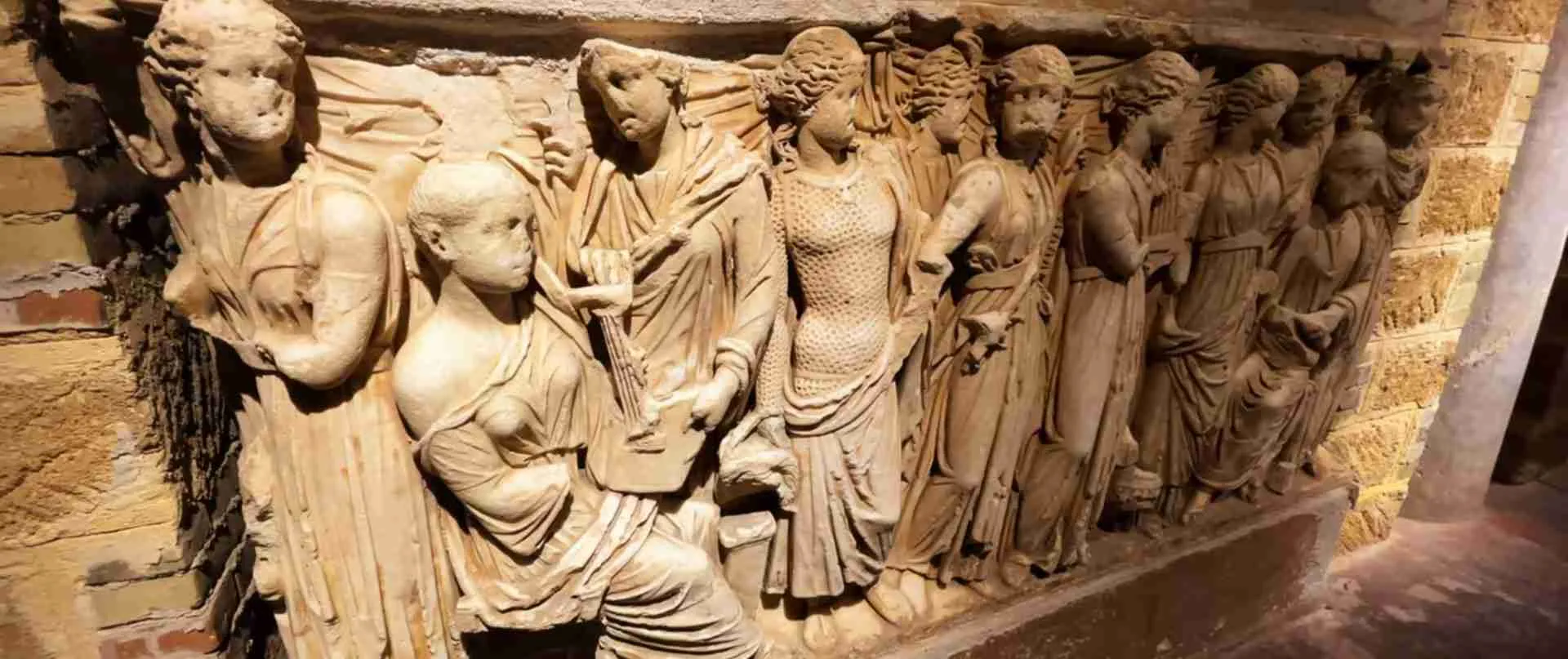
Palermo Travel Guide 2026: Ultimate Planning Resource
Key Takeaways
- Palermo’s UNESCO sites include the Arab-Norman heritage circuit with combined tickets at €12 for adults in 2026
- Budget €65-95 per person daily (excluding accommodation) for comprehensive Palermo exploration in 2026
- Spring (April-May) and fall (September-October) offer optimal weather and manageable crowds for 2026 visits
- Book accommodations 2-3 months ahead for best 2026 rates, especially for Arab-Norman heritage area stays
- Public transportation costs €1.40 per ride with unlimited day passes at €3.50 making city exploration affordable in 2026
- Airport transfers run €6.90 by shuttle or €35-45 by taxi with advance booking recommended for 2026 peak season
Introduction to Planning Your Palermo 2026 Experience
Palermo stands as Sicily’s captivating capital where Arab-Norman architecture meets vibrant street markets, baroque churches punctuate medieval alleys, and authentic Sicilian culture thrives beyond tourist facades. This comprehensive 2026 planning guide provides everything needed to navigate Palermo’s UNESCO World Heritage sites, understand current costs, optimize timing, and create an unforgettable Sicilian experience.
The city’s Arab-Norman heritage earned UNESCO World Heritage status in 2015, encompassing nine magnificent structures that showcase the unique cultural synthesis of Norman, Arab, Byzantine, and Latin influences. Beyond these monuments, Palermo offers sprawling street markets like Ballarò and Vucciria, stunning baroque squares, world-class archaeological museums, and proximity to coastal gems like Mondello Beach and mountain towns like Monreale.
Planning a 2026 Palermo visit requires understanding seasonal patterns, current pricing structures, transportation logistics, and accommodation strategies. This guide consolidates practical planning information with insider knowledge to help you maximize your Sicilian capital experience while managing costs effectively.
People Also Ask About Palermo 2026
How much does it cost to visit Palermo in 2026?
Daily costs in Palermo for 2026 range €65-95 per person excluding accommodation. UNESCO site tickets cost €12 for the combined Arab-Norman circuit, meals range €8-15 for lunch and €20-35 for dinner, and public transport costs €1.40 per ride or €3.50 for unlimited day passes. Check official tourism websites for current rates as pricing may vary. Budget travelers manage €50-65 daily with street food and free attractions, while mid-range visitors spend €85-120 with sit-down restaurants and paid tours.
When is the best time to visit Palermo in 2026?
April-May and September-October provide optimal conditions for 2026 Palermo visits. Spring brings temperatures of 18-24°C with blooming gardens and Easter festivities. Fall offers 20-26°C weather with harvest festivals and comfortable sightseeing conditions. Summer (June-August) reaches 30-35°C with intense heat but vibrant beach culture. Winter (November-March) sees 10-17°C temperatures with fewer crowds and lower accommodation rates. Book spring and fall visits 2-3 months ahead as these seasons attract peak tourism.
Do you need advance bookings for Palermo attractions in 2026?
Most Palermo attractions accept walk-up visitors, but advance booking benefits major sites. The Palazzo dei Normanni and Cappella Palatina see 1-2 hour queues during peak season (April-June, September-October) making online tickets worthwhile. Teatro Massimo opera performances and guided tours sell out weeks ahead. Monreale Cathedral handles crowds well but morning visits (8-10 AM) avoid tour groups. Street markets, churches, and most museums accept walk-ins with minimal wait times throughout 2026.
Is Palermo safe for tourists in 2026?
Palermo maintains good tourist safety with standard Mediterranean city precautions needed. The historic center, Kalsa district, and major tourist areas see regular police presence and pose minimal risk. Pickpocketing occurs in crowded markets (Ballarò, Vucciria) and on buses requiring bag awareness. Avoid isolated areas after dark, particularly in Borgo Vecchio and Sperone neighborhoods. Scooter traffic demands pedestrian caution when crossing streets. Overall crime rates affecting tourists remain low compared to major European cities.
Extended multi-day tours – 5+ days
Featured Palermo Multi-Day Tour Packages
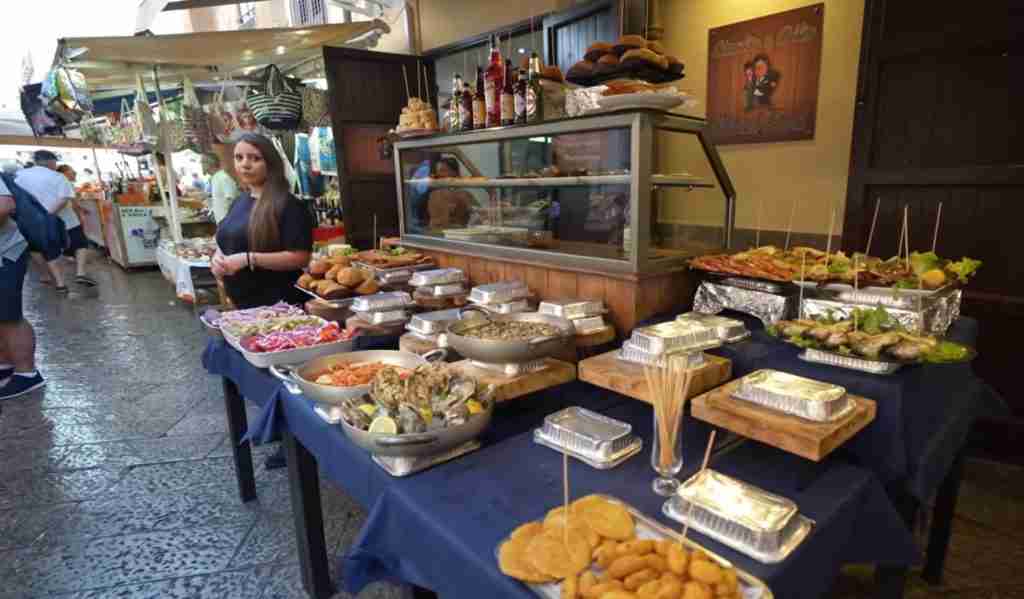
3 days
Palermo 3-Day Discovery Tour
- ✓ Comprehensive Palermo experience
- ✓ Expert local guides included
- ✓ All accommodation included
- ✓ Transportation provided
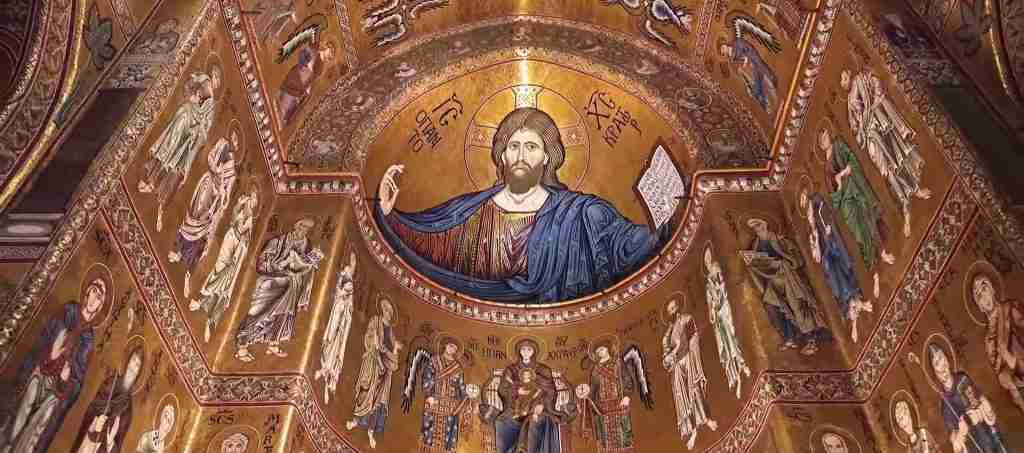
5 days
Palermo 5-Day Highlights Experience
- ✓ Comprehensive Palermo experience
- ✓ Expert local guides included
- ✓ All accommodation included
- ✓ Transportation provided
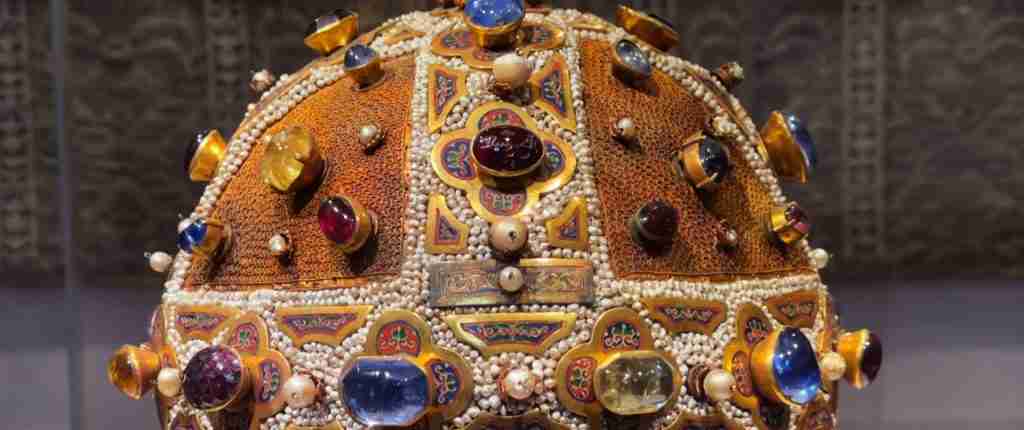
7 days
Palermo 7-Day Cultural Journey
- ✓ Comprehensive Palermo experience
- ✓ Expert local guides included
- ✓ All accommodation included
- ✓ Transportation provided
10 days
Palermo 10-Day Complete Adventure
- ✓ Comprehensive Palermo experience
- ✓ Expert local guides included
- ✓ All accommodation included
- ✓ Transportation provided
Multi-day tour packages powered by TourRadar. Prices and availability subject to change.
Essential Planning Information for 2026
Understanding Palermo’s 2026 Tourism Landscape
Palermo experiences distinct seasonal patterns affecting costs, crowds, and experiences in 2026. Peak season runs April-June and September-October when European visitors flood UNESCO sites, accommodation rates jump 40-60%, and restaurant reservations become essential. Mid-season (March, July-August, November) offers moderate pricing and manageable crowds. Low season (December-February) brings 30-50% accommodation discounts and empty attractions but reduced restaurant and shop hours.
The city’s UNESCO Arab-Norman heritage circuit forms the primary tourist draw, comprising Palazzo dei Normanni, Cappella Palatina, San Giovanni degli Eremiti, Chiesa della Martorana, San Cataldo, Cattedrale di Palermo, Palazzo della Zisa, Ponte dell’Ammiraglio, and nearby Monreale Cathedral. These sites cluster in the historic center enabling efficient sightseeing within walking distance.
Palermo’s authentic character emerges in neighborhoods like Kalsa (waterfront district with palaces and churches), Vucciria (nightlife and street food), Capo (market district), and Ballarò (working-class market area). Each neighborhood offers distinct atmospheres with Kalsa seeing gentrification and trendy restaurants, Vucciria transforming into evening party zones, and Capo/Ballarò maintaining traditional Sicilian daily life.
Current Costs and Pricing Breakdown for 2026
UNESCO site admission costs €12 for the combined Arab-Norman heritage ticket covering Palazzo dei Normanni, Cappella Palatina, San Giovanni degli Eremiti, Chiesa della Martorana, and San Cataldo in 2026. Check the official Arab-Norman heritage website for current rates as pricing may vary. Individual site tickets range €7-10 when purchased separately. Palermo Cathedral charges €3 for roof access and €7 for combined roof and treasury visit.
Museum admission ranges €6-12 for major institutions. Museo Archeologico Regionale costs €6, Galleria Regionale della Sicilia charges €8, and combined tickets save 20% when visiting multiple museums. Free museum entry occurs first Sunday monthly for EU residents.
Food costs span wide ranges depending on dining choices. Street food (arancini, panelle, sfincione) costs €2-4 per item. Quick lunch at friggitorie or tavole calde runs €8-12 for substantial portions. Traditional trattorias charge €15-25 for pasta courses and €18-30 for secondi (main dishes). Mid-range restaurants cost €30-45 per person for three courses plus wine. Upscale dining reaches €60-90 per person in renovated palazzi or waterfront locations.
Transportation costs €1.40 per bus ride with 90-minute transfer validity. Day passes cost €3.50 for unlimited rides proving economical for 3+ trips daily. Weekly passes run €12.50. Airport shuttle services charge €6.90 one-way compared to €35-45 for taxis. Rental cars cost €35-55 daily for compact vehicles though parking challenges and ZTL restrictions make cars impractical for historic center exploration.
Transportation Options and Schedules for 2026
Palermo’s Falcone-Borsellino Airport (PMO) sits 35 kilometers west of the city center with multiple transfer options. The Trinacria Express shuttle bus runs every 30 minutes from 5:00 AM to 12:30 AM costing €6.90 one-way with the journey taking 50 minutes to Stazione Centrale. Prestia e Comandè operates similar schedules with identical pricing. Taxis charge €35-45 for the airport run with higher rates after 10:00 PM and on Sundays.
Public buses operated by AMAT cover the historic center and surrounding neighborhoods. Route 101 circles the historic center connecting major squares and monuments. Route 102 serves Mondello Beach. Routes run 6:00 AM to 10:00 PM daily with reduced Sunday frequency. Purchase tickets at tabacchi shops, newsstands, or AMAT offices before boarding as drivers don’t sell tickets. Validate tickets immediately upon boarding or face €50 fines.
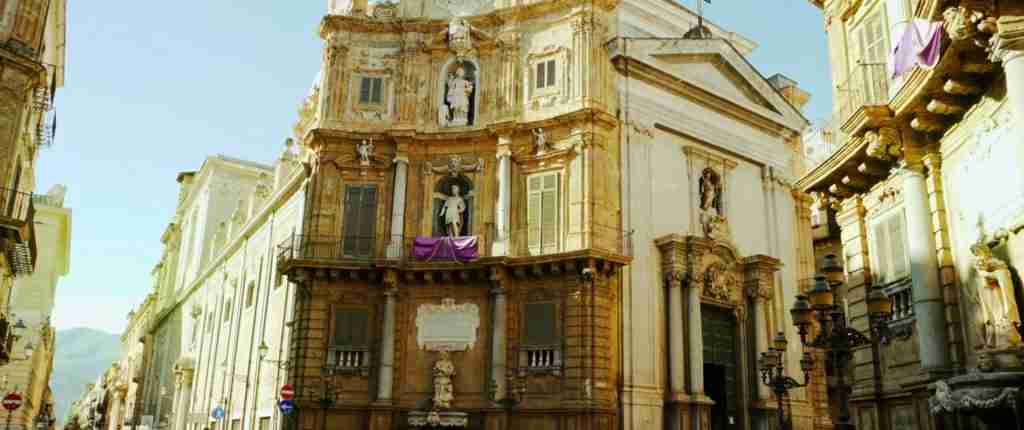
Walking provides the best historic center exploration method as most UNESCO sites cluster within a 2-kilometer radius. Comfortable shoes prove essential on uneven cobblestones and marble pavements. The city’s compact medieval core allows navigation between Quattro Canti central crossroads and major monuments within 10-15 minutes on foot.
Train services from Stazione Centrale connect Palermo to Sicilian destinations. Trains reach Cefalù (1 hour, €6-8), Agrigento (2.5 hours, €9-12), and Catania (3 hours, €13-16). Trenitalia operates regional and intercity services with advance online booking offering 20-30% discounts. Regional trains to Monreale Cathedral require bus connections from the station.
Best Time to Visit Palermo in 2026
Spring Season Planning (March-May 2026)
Spring represents the ideal Palermo visit window with temperatures ranging 15-25°C, blooming gardens throughout the city, and manageable tourist crowds. March sees occasional rain (6-7 days monthly) but fewer visitors and 30% lower accommodation rates compared to peak April-May. Easter celebrations bring processions throughout Holy Week with the city’s Spanish heritage evident in elaborate religious ceremonies.
April-May constitute peak spring season when European tourists arrive in force. Temperatures reach 18-24°C with minimal rainfall and perfect sightseeing conditions. UNESCO sites experience moderate crowds requiring 30-60 minute queues at Cappella Palatina during 10 AM-2 PM periods. Book accommodations 2-3 months ahead for this season as availability tightens and rates climb 40-50% above low season.
Spring brings agricultural festivals celebrating Sicily’s harvest traditions. Sagre (food festivals) occur in nearby towns featuring local specialties like artichokes, fava beans, and strawberries. The city’s markets overflow with seasonal produce making spring the optimal time for authentic Sicilian cooking classes and food tours.
Summer Season Realities (June-August 2026)
Summer heat reaches intense levels with July-August temperatures hitting 30-35°C and occasional 38-40°C spikes. Locals flee to beaches or mountains leaving the historic center relatively empty during afternoon hours (2-5 PM). Morning sightseeing (7-11 AM) becomes essential to avoid heat exhaustion, while evening hours (6-10 PM) offer pleasant conditions for dining and strolling.
Mondello Beach provides relief 12 kilometers from the city center. Buses run frequently for €1.40 or €3.50 unlimited day passes. The beach features clear turquoise water, sandy shores, Art Nouveau bathhouses, and numerous restaurants. Arrive before 10 AM for parking and beach space or visit weekday afternoons when crowds thin.
August sees many local restaurants and shops close for 2-3 week vacations (ferragosto) particularly mid-August. Tourist-oriented establishments remain open but authentic neighborhood trattorias and family-run businesses shut down. Accommodation rates drop 20-30% in August despite high temperatures as Italian domestic tourism peaks in July then declines.
Fall Season Advantages (September-October 2026)
September-October rivals spring as the optimal visit window with temperatures of 20-26°C, calmer seas for beach days, and harvest season foods appearing in markets and restaurants. September maintains summer warmth while crowds diminish after Italian school holidays end. October brings occasional rain (5-6 days) but golden light perfect for photography and comfortable walking temperatures.
Fall food culture celebrates Sicily’s autumn harvest with mushroom festivals, wine harvest celebrations, and chestnut roasts in mountain villages. Markets feature seasonal produce including eggplants, peppers, tomatoes, and early citrus varieties. Restaurant menus shift toward heartier pasta dishes, game preparations, and traditional stews.
October accommodation rates drop 25-35% compared to peak spring though weekends still command premium pricing. Mid-week visits (Tuesday-Thursday) offer best value with UNESCO sites experiencing light crowds allowing leisurely exploration. Book 4-6 weeks ahead for fall visits securing mid-range properties at reasonable rates.
Winter Season Opportunities (November-February 2026)
Winter brings cool temperatures (10-17°C) with increased rainfall (8-10 days monthly) but significant advantages for budget travelers and crowd-avoiders. Accommodation rates plummet 40-60% with luxury hotels offering steep discounts. UNESCO sites see minimal queues allowing spontaneous visits and intimate experiences in normally crowded spaces.
December festivities include elaborate Christmas markets, nativity scenes (presepi) in churches, and New Year celebrations in Piazza Politeama. Restaurants serve traditional holiday dishes with many family-run trattorias offering special seasonal menus. Winter citrus season brings blood oranges, mandarins, and lemons to markets with Sicily’s famous citrus groves in full production.
Carnival season (February) brings pre-Lenten celebrations with parades, street parties, and traditional sweets. The city experiences a festive atmosphere though tourists remain scarce. Winter provides ideal conditions for museum visits, cooking classes, and indoor cultural experiences when outdoor sightseeing proves less appealing due to weather.
Accommodation Strategies for 2026
Budget Accommodation Options (€40-70 per night)
Budget lodging in Palermo centers on hostels, guesthouses, and basic B&Bs scattered throughout the historic center. Hostels cost €20-35 for dorm beds and €50-65 for private rooms with shared bathrooms. Popular budget hostels include Badalamenti Rooms (Piazza Marina area), A Casa di Amici (near Teatro Massimo), and Quintocanto Hotel & Hostel (central location with kitchen access).
B&Bs occupy renovated apartments and palazzi offering character at modest rates. Expect €45-70 for double rooms with private bathrooms, basic breakfast, and central locations. Properties cluster around Via Roma, Piazza Marina, and Vucciria neighborhoods. Book directly through property websites or Booking.com which dominates the Palermo market with the most inventory and competitive rates.
Budget lodging in residential neighborhoods like Noce or Zisa costs €35-55 nightly but requires 15-20 minute bus rides to central attractions. These areas offer authentic Sicilian atmosphere, proximity to excellent neighborhood markets, and significant savings. Confirm bus routes to Stazione Centrale and historic center before booking peripheral locations.
Mid-Range Accommodation Selection (€75-150 per night)
Mid-range hotels and upscale B&Bs provide comfortable bases with restored historical features, quality breakfast buffets, and helpful reception staff. Expect €85-120 for double rooms in renovated palazzi with period details like frescoed ceilings, maiolica tile floors, and antique furniture mixed with modern bathrooms and air conditioning.
Recommended mid-range areas include Kalsa district (waterfront location, gentrified neighborhood, excellent restaurants), Quattro Canti area (absolute center, walking distance to everything, some street noise), and Vucciria (nightlife hub, younger crowd, can be loud on weekends). Properties like Hotel Principe di Villafranca, Palazzo Natoli Boutique Hotel, and Quintocanto Hotel offer authentic palazzo experiences with professional service.
Apartments through Airbnb cost €70-130 nightly for entire flats sleeping 2-4 guests. Historic center apartments provide space, kitchens for market shopping, and local living experiences. Verify locations carefully as some “central” listings sit in less convenient peripheral zones. Prefer properties with multiple positive reviews and recent guest feedback.
Luxury and Boutique Properties (€160-350 per night)
Luxury accommodation transforms restored aristocratic palaces into intimate boutique hotels with exceptional design, rooftop terraces, and gourmet breakfast services. Expect €160-250 for superior rooms and €280-350 for suites in properties like Grand Hotel et Des Palmes (historic luxury hotel), Villa Igiea (waterfront clifftop location), and Palazzo Brunaccini (contemporary luxury in medieval palace).
Boutique hotels emphasize design and personalized service with properties like Butera 28 Apartments (art-filled palazzo suites), Palazzo Butera (restored baroque palace), and Hotel Villa D’Amato (Art Nouveau villa in residential area). Room counts stay under 20 maintaining intimate atmospheres with higher service levels than large hotels.
Luxury properties include amenities like private transfer arrangements, restaurant reservations assistance, customized tour bookings, and concierge services for opera tickets or cooking class arrangements. Locations favor quieter streets in Kalsa or residential areas while maintaining 10-15 minute walks to major monuments.
Neighborhood Selection Guide for 2026
Kalsa (Piazza Marina area) offers the best balance of location, restaurants, safety, and atmosphere for first-time visitors. The waterfront district features renovated palaces, excellent seafood restaurants, proximity to major churches and museums, and evening strolling culture. Accommodation ranges €60-180 nightly with excellent mid-range options.
Quattro Canti and Via Roma provide absolute central location within 5-minute walks of major monuments but suffer from traffic noise and tourist crowds. Ideal for short stays (1-2 nights) when maximizing sightseeing time. Properties cost €70-150 with basic hotels and mid-range B&Bs predominating.
Vucciria transforms from daytime market to nighttime party district with bars and street food vendors operating until 2-3 AM. Young travelers appreciate the energy while families and older visitors find the noise challenging. Accommodation costs €55-120 with hostels and budget hotels common.
Capo and Ballarò neighborhoods offer authentic working-class character with famous morning markets, excellent street food, and lower accommodation costs (€40-85 nightly). These areas suit independent travelers comfortable navigating less tourist-oriented zones. Safety concerns arise in isolated streets after dark though main market areas remain busy and well-lit.
Sample 2026 Palermo Itineraries
Three-Day Intensive UNESCO Heritage Experience
Day One focuses on Norman royal heritage starting with Palazzo dei Normanni and Cappella Palatina (arrive 8:30 AM for opening, entry €10 for palace and chapel). Spend 2 hours exploring the Arab-Norman architectural synthesis, Byzantine mosaics, and wooden muqarnas ceiling. Walk 10 minutes to San Giovanni degli Eremiti (€6 entry) for red domes and tranquil cloister gardens. Lunch at Taverna Azzurra (Discesa dei Giudici) costs €15-20 for pasta and local wine.
Afternoon visits continue at Cattedrale di Palermo (free entry, €3 roof access) to examine the architectural palimpsest of Norman, Gothic, and Baroque elements. Walk 5 minutes to Chiesa della Martorana and San Cataldo at Piazza Bellini (€2 combined entry) for stunning Byzantine mosaics and Arab-Norman architecture. End at Quattro Canti and Fontana Pretoria for golden hour photography. Dinner in Kalsa district costs €25-35 at contemporary trattorias like Gagini Social Restaurant. Day cost: UNESCO tickets €21, lunch €18, dinner €30, gelato €4, transportation €3.50 day pass. Total day cost: €76.50 per person (excluding accommodation).
Day Two explores art, archaeology, and markets beginning at Museo Archeologico Regionale (€6 entry, opens 9 AM) to view Selinunte metopes and Phoenician collections. Walk through Vucciria Market for street food breakfast (€5-8 for panelle and arancini). Visit Galleria Regionale della Sicilia at Palazzo Abatellis (€8 entry) for Renaissance and Baroque Sicilian art including Antonello da Messina masterpieces.
Afternoon market immersion at Ballarò for Sicily’s most authentic food market experience. Free market browsing with optional cooking class bookings (€70-90 per person including lunch). Visit Gesù Church (Chiesa del Gesù) for Baroque splendor (free entry). Late afternoon beach escape to Mondello (€1.40 bus each way) for sunset and dinner at beachfront restaurants (€30-40 per person). Day cost: museums €14, street food €7, lunch €12, bus €2.80, dinner €35. Total day cost: €70.80 per person (excluding accommodation).
Day Three ventures to Monreale Cathedral (€4 entry for cloister, church free) via bus from Piazza Indipendenza (€1.40 each way). Spend 2-3 hours examining the world’s finest Norman-Byzantine mosaics covering 6,400 square meters. Lunch in Monreale town costs €18-25 for traditional Sicilian cuisine with panoramic Palermo views. Return to city for afternoon at Orto Botanico (€5 entry) exploring one of Europe’s largest botanical gardens. Final evening in historic center with opera at Teatro Massimo (€15-120 depending on seats, book weeks ahead) or farewell dinner at Antica Focacceria San Francesco (€20-30 per person). Day cost: Monreale entry €4, transport €2.80, lunch €22, garden €5, dinner €28. Total day cost: €61.80 per person (excluding accommodation).
Five-Day Comprehensive Cultural Immersion
This extended itinerary builds on the three-day core adding neighborhood exploration, day trips, and specialized experiences. Day Four explores Zisa and Palazzina Cinese neighborhoods west of the historic center. Palazzo della Zisa (€6 entry) showcases Arab-Norman secular architecture with innovative cooling systems and Islamic decorative arts. Bus 124 connects Zisa to Palazzina Cinese (€3 entry), a Chinese-inspired Bourbon hunting lodge with eccentric Orientalist design.
Lunch in residential neighborhoods costs €12-18 at local trattorias frequented by Palermitani rather than tourists. Afternoon visits include Catacombe dei Cappuccini (€3 entry) for macabre mummified remains spanning four centuries, then sunset at Foro Italico waterfront promenade for locals’ evening passeggiata culture. Dinner at Trattoria Ai Cascinari (Via d’Ossuna) costs €20-28 for authentic Sicilian dishes in working-class setting. Day cost: sites €12, transport €3.50, lunch €15, snacks €6, dinner €25. Total day cost: €61.50 per person (excluding accommodation).
Day Five takes a Cefalù day trip via train (€6-8 each way, 1 hour journey). This coastal Norman town features a stunning cathedral (€5 entry), medieval streets, beach access, and exceptional seafood restaurants. Depart Palermo 8:30 AM train arriving 9:30 AM. Morning cathedral visit and historic center wandering. Beach time and seafood lunch cost €25-35 per person at waterfront restaurants. Return on 5:00-6:00 PM trains arriving back in Palermo for evening. Day cost: train €14, cathedral €5, lunch €30, snacks €8, dinner in Palermo €22. Total day cost: €79 per person (excluding accommodation).
Budget-Conscious Seven-Day Deep Dive
Week-long stays enable slower exploration, free activities, and cost-spreading strategies. Follow the three-day UNESCO core itinerary then add diverse experiences. Day Four focuses on free attractions: Chiesa di Santa Cita with Serpotta stucco masterworks, Chiesa di San Domenico (free entry, €3 crypt), wandering Capo Market for street food sampling (€10-12 total), and beach afternoon at Mondello.
Day Five joins a free walking tour (tip €10-15) covering city history and culture, lunch at friggitorie for €8-10, afternoon cooking class including market shopping and meal (€70-85 per person), evening in Vucciria for nightlife. Day cost: tour tip €12, snacks €6, cooking class €78. Total day cost: €96 per person (excluding accommodation).
Day Six explores peripheral neighborhoods via €3.50 day pass. Visit Museo Internazionale delle Marionette (€5 entry) for Sicilian puppet theater, afternoon at La Vucciria open-air gallery for street art, sunset from Monte Pellegrino sanctuary (free entry, bus €1.40 each way), budget dinner at pizzeria costs €12-15. Day cost: museum €5, transport €3.50, snacks €8, dinner €14. Total day cost: €30.50 per person (excluding accommodation).
Day Seven relaxes with beach morning, picnic lunch from market purchases (€15 for two), afternoon park strolling or shopping, farewell dinner splurge at upscale restaurant (€50-70 per person). Day cost: transport €2.80, picnic €8, snacks €5, dinner €60. Total day cost: €75.80 per person (excluding accommodation).
Money-Saving Strategies for 2026 Palermo Visits
Advance Booking Benefits and Seasonal Timing
Book accommodation 2-3 months ahead for April-May and September-October visits capturing early-bird rates 15-25% below last-minute pricing. Mid-range hotels offer best advance discounts while budget properties maintain more consistent pricing. Avoid booking through OTAs (online travel agencies) when properties offer direct booking incentives like free breakfast, room upgrades, or flexible cancellation.
Travel during shoulder seasons (March, June, November) for 20-35% accommodation savings compared to peak spring and fall. UNESCO sites experience lighter crowds while restaurants, shops, and attractions maintain full operations. Weather risks increase with occasional rain more likely but savings and crowd reduction outweigh weather unpredictability for flexible travelers.
Structure visits Tuesday-Thursday rather than Friday-Sunday for lower weekend accommodation surcharges. Many hotels charge €15-30 extra per night on Fridays and Saturdays. Midweek travel also provides calmer market experiences, easier restaurant reservations, and more relaxed sightseeing at major monuments.
Transportation and Ticket Optimization
Purchase AMAT unlimited day passes at €3.50 rather than individual tickets at €1.40 when planning 3+ rides daily. Day passes prove economical for trips combining UNESCO sites, beach visits, and neighborhood exploration. Weekly passes at €12.50 benefit 4+ day stays with active sightseeing plans. Buy passes at tabacchi shops near accommodation to avoid hunting for sales points daily.
Book airport shuttles online in advance for €6.90 versus €8-9 buying tickets at the airport. Prestia e Comandè and Trinacria Express offer identical services and pricing. Avoid taxis at €35-45 unless traveling with 3-4 people when taxi costs approach shuttle pricing while providing door-to-door service.
Walk whenever possible as Palermo’s compact historic center clusters major attractions within 2-kilometer radius. Comfortable shoes and early morning starts beat heat while covering maximum ground. Save bus rides for beach trips, peripheral neighborhoods, and late-day fatigue.
Food and Dining Cost Control
Embrace street food culture for authentic experiences at minimal cost. Panelle (chickpea fritters) cost €1-2, arancini €2-3, sfincione (Sicilian pizza) €2-3 per slice, and pani câ meusa (spleen sandwich) €3-4. Street food meals cost €8-12 versus €20-35 for sit-down restaurant lunches while providing deeper cultural immersion in market settings.
Shop at neighborhood markets (Ballarò, Capo, Vucciria) for fresh produce, cheese, bread, and cured meats creating picnic lunches. Market meals cost €10-15 per person for abundant spreads versus €25-40 for restaurant lunches. Many accommodations provide basic kitchen access enabling dinner preparations from market ingredients.
Lunch rather than dinner at quality restaurants for 30-40% savings. Many trattorias offer €12-18 lunch menus featuring same dishes commanding €25-35 at dinner. Sicilian tradition emphasizes lunch as the main meal making daytime dining culturally authentic while reducing costs.
Free and Low-Cost Experiences Maximization
Visit churches for free access to stunning Baroque and Norman architecture. Major churches like Cattedrale di Palermo, Chiesa del Gesù, San Domenico, and Santa Cita charge nothing for entry while providing extraordinary artistic experiences. Treasury and roof access may require €2-5 fees but basic church access remains free.
Explore neighborhoods beyond tourist centers for authentic Palermo life. Residential areas like Noce, Resuttana, and Borgo Nuovo showcase working-class culture, excellent neighborhood trattorias, and daily life rhythms. These wanderings cost nothing while providing cultural insights unavailable in historic center tourist zones.
Join free walking tours through reputable companies like Free Tour Palermo operating on tip-based models. These 2-3 hour tours cover city history, culture, and major monuments while allowing budget flexibility with suggested €10-15 tips per person. Tours provide excellent orientation for first-day activities.
Beach days at Mondello cost only €2.80 return bus fare with free beach access. Bring towels and snacks avoiding rental costs for chairs (€8-12) and umbrellas (€10-15). Public beach sections offer free access while stabilimenti (beach clubs) charge daily rates. Mix free beach mornings with affordable lunch at beachfront trattorias.
Practical Tips for 2026 Palermo Navigation
Safety Awareness and Precautions
Palermo maintains good overall safety for tourists with pickpocketing representing the primary concern. Crowded markets (Ballarò, Vucciria, Capo) attract skilled pickpockets targeting distracted tourists. Keep bags front-carried, valuables secured in inside pockets, and phones/cameras firmly gripped when taking photos. Bus 101 and 102 see regular pickpocket activity during crowded periods.
Avoid isolated areas after dark particularly in peripheral neighborhoods like Borgo Vecchio, Sperone, and Zen. These working-class areas experience higher crime rates though tourist impact remains minimal as few visitors venture into these zones. Stick to well-lit main streets in unfamiliar neighborhoods and use taxis for late-night returns rather than walking through empty areas.
Scooter and motorcycle traffic creates pedestrian hazards throughout the historic center. Look both ways repeatedly when crossing streets as scooters drive on sidewalks, ignore traffic signals, and appear unexpectedly from narrow alleys. Palermitani driving culture emphasizes aggressive maneuvering requiring defensive pedestrian behavior.
Women traveling solo report generally positive experiences with respectful treatment in tourist areas and upscale neighborhoods. Street harassment occurs occasionally in markets and nightlife zones though rarely escalates beyond verbal comments. Evening travel in groups or pairs provides added security and social benefit.
Cultural Etiquette and Local Customs
Dress codes apply in religious sites with shoulders and knees covered required for church entry. Many churches provide disposable coverings for improperly dressed visitors though bringing lightweight scarves or cardigans proves more convenient. Summer heat tempts shorts and tank tops requiring creative layering strategies for church visits.
Greeting culture emphasizes warmth with handshakes, cheek kisses (two), and lengthy conversations common in shops, restaurants, and casual interactions. Palermitani appreciate attempts at Italian language with even basic phrases earning positive responses. “Buongiorno” (good morning), “grazie” (thank you), and “per favore” (please) open doors metaphorically and literally.
Meal timing follows traditional Mediterranean patterns with lunch (pranzo) occurring 1:00-3:00 PM and dinner (cena) starting 8:00-9:00 PM or later. Restaurants serving tourists open earlier but authentic trattorias maintain traditional hours. Arriving for dinner at 6:00-7:00 PM marks you immediately as a tourist and many quality restaurants stay closed until 8:00 PM.
Tipping practices differ from American norms with service charges (coperto) included in bills. Round up bills by €1-2 for casual meals or leave 5-10% for exceptional service in upscale restaurants. Taxi drivers expect no tips though rounding to nearest €5 proves common. Bar service requires no tipping for coffee or drinks.
Technology and Communication Essentials
WiFi availability remains excellent in accommodations, cafes, and many restaurants with free access standard. Purchase Italian SIM cards for €15-20 including data packages at Vodafone, TIM, or Wind stores near Stazione Centrale or in shopping areas. Unlocked phones accept European SIM cards providing reliable connectivity throughout Sicily.
Google Maps provides excellent navigation though offline maps prove essential as data connectivity drops in some historic center areas with thick stone walls blocking signals. Download Palermo maps before arrival enabling navigation without data connections. The city’s compact size makes getting lost relatively inconsequential as you’ll stumble upon familiar landmarks within blocks.
ATMs (bancomat) appear frequently throughout the city center with most accepting international cards. Notify banks before travel avoiding security blocks on overseas transactions. Withdraw larger amounts (€100-200) less frequently to minimize €3-5 per-transaction fees charged by Italian banks plus foreign transaction fees from home banks.
Credit card acceptance varies with larger restaurants, hotels, and shops taking cards while smaller establishments, markets, and street food vendors require cash. Carry €50-100 daily in small bills (€5, €10, €20) for market purchases, street food, church donations, and emergency taxis. Some vendors refuse €50 bills claiming insufficient change.
Health and Medical Considerations
Tap water meets EU safety standards and drinks safely throughout Palermo though many Italians prefer bottled water for taste. Restaurants provide bottled water (acqua minerale) as default with still (naturale) or sparkling (frizzante) options costing €2-4. Request tap water (acqua del rubinetto) for free service though some establishments resist providing free water.
Pharmacies (farmacie) appear frequently marked by green crosses with rotating 24-hour service schedules posted at each location. Pharmacists provide basic medical advice, over-the-counter medications, and prescription services for common ailments. EU residents receive reciprocal healthcare with European Health Insurance Cards while others need travel insurance.
Summer heat creates health risks with temperatures reaching 35-40°C July-August. Stay hydrated carrying water bottles, seek shade during 2:00-5:00 PM peak heat, wear sun protection, and recognize heat exhaustion symptoms. Many tourists underestimate Sicilian summer intensity leading to dehydration and heat-related issues.
Food safety maintains high standards in licensed restaurants though street food stalls require judgment. Choose busy vendors with high turnover ensuring fresh preparation. Fried street foods (arancini, panelle) carry minimal risk while raw seafood requires careful vendor selection. Upset stomachs occur occasionally from rich foods, olive oil quantities, and eating pattern changes rather than hygiene issues.
Booking and Reservations for 2026 Travel
Official Booking Channels and Resources
Arab-Norman UNESCO sites sell tickets through individual locations without centralized booking systems. Palazzo dei Normanni and Cappella Palatina accept online reservations through CoopCulture website for €2 booking fees per ticket. Walk-up tickets remain available though online reservations skip queues during peak hours. Book 1-2 weeks ahead for spring and fall visits.
Teatro Massimo opera and ballet performances require advance booking through the theater’s official website or box office. Popular performances sell out 4-6 weeks ahead particularly for Saturday evening shows. Tickets range €15-120 depending on seat location with gallery seats providing excellent acoustics at budget prices. Opera season runs October-June with summer closures.
Accommodation booking favors Booking.com for Palermo properties with the widest inventory and competitive rates. Direct booking through hotel websites occasionally provides benefits like free breakfast, room upgrades, or better cancellation policies though Booking.com’s convenience and price-matching usually prevails. Airbnb works well for apartment rentals in residential neighborhoods.
Regional trains through Trenitalia sell tickets online at trenitalia.com with advance purchase discounts of 20-30% for intercity routes. Regional trains to Cefalù, Agrigento, and other Sicilian destinations offer fixed pricing regardless of purchase timing. Buy tickets online avoiding station queues or purchase at automated machines in Stazione Centrale.
Tour Operator Selection and Recommendations
Walking tours through established companies like Streaty Food Tours (food-focused), Palermo Street Food Tours, and Free Tour Palermo provide professional guides and small group sizes. Food tours cost €55-85 per person including tastings while free walking tours operate on tip basis with €10-15 per person suggested. Book 3-5 days ahead for guaranteed availability.
Cooking classes combine market visits with hands-on preparation at prices of €70-95 per person including meals. Recommended operators include Cookingwiththedukes (aristocratic palazzo setting), Siciliainbocca (market-to-table approach), and Massimo Cooking Classes (small groups). Classes run 3-5 hours starting mid-morning with market shopping followed by cooking and eating. Book 1-2 weeks ahead for preferred dates.
Day tours to Monreale Cathedral, Cefalù, Agrigento Valley of Temples, and other regional highlights operate through operators like Sicily Tour Guides, Palermo Tour, and Destination Sicily. Prices range €45-80 per person for group tours or €200-300 for private tours accommodating 2-6 people. Independent travel via public transportation costs less though guided tours provide context and convenience.
Seasonal Booking Timeline Recommendations
Book accommodation 3-4 months ahead for peak spring (April-May) and fall (September-October) visits securing best rates and property selection. Mid-range boutique hotels with limited rooms sell out earliest while budget hostels and luxury hotels maintain better availability. Last-minute bookings (within 2 weeks) see 30-50% rate increases or limited availability forcing less convenient locations.
Reserve summer accommodations (June-August) 6-8 weeks ahead as domestic Italian tourism peaks in July. Many Palermitani vacation in August creating availability though locals maintain rental properties in tourist neighborhoods. Winter bookings (November-March) prove flexible with 2-4 week advance notice sufficient for excellent rates.
Special events like Holy Week (Easter), Festino di Santa Rosalia (July 10-15), and New Year require 2-3 month advance booking with accommodation rates doubling. The city fills with Sicilians returning home for celebrations plus tourists attending festivities. Book immediately when planning visits coinciding with major festivals.
Updates and Current Information for 2026 Visits
Recent Tourism Infrastructure Developments
Palermo continues restoration efforts in historic center neighborhoods with recent projects revitalizing Piazza Magione, Via Alloro, and waterfront areas. Several abandoned palazzi converted to boutique hotels and cultural spaces including Palazzo Butera (museum and events space) and Palazzo Branciforte (restored palace complex). These developments improve infrastructure while maintaining architectural heritage.
Transportation improvements include expanded AMAT bus routes, better airport shuttle frequency, and improved signage throughout the historic center. The city implemented pedestrian zones around Quattro Canti and Piazza Bellini reducing traffic congestion though scooter access continues. Plans for metro expansion remain in discussion though implementation timelines extend beyond 2026.
New restaurant openings cluster in Kalsa and waterfront areas featuring contemporary Sicilian cuisine with international influences. The food scene balances traditional trattorias with innovative restaurants attracting younger crowds. Street food culture expands with vendors formalizing operations while maintaining authentic preparations and affordable pricing.
Ongoing Conservation and Restoration Projects
UNESCO Arab-Norman sites undergo continuous conservation with current projects at Palazzo dei Normanni (exterior restoration), Monreale Cathedral (mosaic consolidation), and Chiesa della Martorana (structural stabilization). These projects rarely close monuments completely though occasional sections become inaccessible. Check official websites for current access information.
Museo Archeologico Regionale continues expansion with new galleries opening for previously stored collections. Recent renovations improved climate control, lighting, and display design. The museum represents one of Europe’s most important archaeological institutions with Sicilian artifacts spanning prehistory through Roman periods.
Private palace restorations transform abandoned aristocratic residences into cultural spaces, boutique accommodations, and museums. Recent openings include Palazzo Butera (newly restored with museum and events), Palazzo Ajutamicristo (in restoration), and various properties in Kalsa district. These projects restore Palermo’s architectural heritage while creating tourism infrastructure.
Practical Updates for 2026 Travelers
Entry requirements for non-EU visitors remain stable with passport validity 6 months beyond departure dates recommended though not mandatory for many nationalities. US, Canadian, Australian, and UK visitors enter visa-free for 90-day periods. Verify current requirements through Italian embassy websites as policies evolve.
Currency exchange rates fluctuate with euros trading approximately $1.05-1.15 to €1 in recent periods. ATMs provide best exchange rates compared to exchange offices charging 5-8% commissions plus unfavorable rates. Credit cards with no foreign transaction fees prove most economical for larger purchases.
COVID-19 measures dropped completely in 2024 with no vaccination requirements, testing, or capacity limits. Tourism infrastructure fully recovered from pandemic disruptions though some businesses permanently closed particularly in peripheral neighborhoods. Major attractions operate normally with full services restored.
Frequently Asked Questions About Palermo 2026 Travel
How many days do you need in Palermo?
Three days minimum covers major UNESCO Arab-Norman sites, iconic markets, and essential neighborhoods. Five days enables thorough exploration including day trips to Monreale and Cefalù, deeper neighborhood immersion, beach time, and relaxed pacing. Seven days supports comprehensive cultural experiences including cooking classes, wine tours, and peripheral attractions. First-time visitors find 4 days optimal balancing major attractions with authentic experiences without feeling rushed.
Is Palermo worth visiting compared to other Sicilian destinations?
Palermo offers unique value as Sicily’s cultural and historical capital with the island’s densest concentration of UNESCO sites, most vibrant street life, and most authentic urban Sicilian experience. The city provides advantages over resort towns through cultural depth, exceptional food culture, and living traditions unaltered for tourism. Combine Palermo with coastal destinations like Cefalù or Taormina for balanced Sicily experiences incorporating both urban culture and beach relaxation.
What is Palermo famous for?
Palermo gained UNESCO recognition for Arab-Norman architecture representing unique cultural synthesis of Norman, Arab, Byzantine, and Latin influences. The city claims fame for street food culture (arancini, panelle, sfincione), colorful markets (Ballarò, Vucciria, Capo), Baroque churches and palazzi, Teatro Massimo (Europe’s third-largest opera house), and role in Sicilian Mafia history. Cultural significance includes puppetry traditions, Sicilian cart art, and position as island capital since Norman conquest.
Can you get by with English in Palermo?
English proficiency varies widely with younger people, tourism workers, and upscale establishments offering better communication. Historic center shops, hotels, and restaurants frequented by tourists manage basic English conversations. Neighborhood trattorias, markets, and peripheral areas require Italian or creative communication through gestures and translation apps. Learning basic Italian phrases dramatically improves interactions and demonstrates cultural respect Palermitani appreciate.
What should I not miss in Palermo?
Essential experiences include Cappella Palatina’s Byzantine mosaics, Ballarò market’s authentic street life, Teatro Massimo’s guided tours, street food immersion at friggitorie, Chiesa della Martorana’s Arab-Norman architecture, Cattedrale di Palermo’s architectural layers, sunset at Mondello Beach, and evening strolling through Kalsa neighborhood. First-time visitors should prioritize UNESCO sites, major markets, and authentic food experiences over comprehensive church visits or peripheral attractions.
How do you navigate Palermo’s limited English signage?
Download offline Google Maps for Palermo enabling navigation without data connectivity. Screenshot important addresses, save accommodation locations as favorites, and photograph business cards from your hotel. Learn basic direction words (destra for right, sinistra for left, dritto for straight). The compact historic center makes getting lost inconsequential as major landmarks appear within blocks. Palermitani respond helpfully to direction requests even with language barriers.
What food should I try in Palermo?
Essential street foods include arancini (stuffed rice balls, €2-3), panelle (chickpea fritters, €1-2), sfincione (Sicilian thick-crust pizza, €2-3), pani câ meusa (spleen sandwich, €3-4), and crocchè (potato croquettes, €1-2). Sit-down specialties feature pasta con le sarde (sardines, wild fennel, raisins, pine nuts), caponata (eggplant relish), involtini di pesce spada (swordfish rolls), and pasta alla Norma (eggplant, tomato, ricotta). Finish with cannoli (€2-3) and granita with brioche (€3-5).
Is Palermo expensive compared to mainland Italy?
Palermo costs 20-30% less than Rome, Florence, or Venice with accommodation, dining, and attractions offering better value. Daily budgets of €65-95 per person (excluding accommodation) cover comfortable mid-range experiences versus €90-130 in major mainland cities. Street food culture and market shopping enable ultra-budget travel impossible in northern Italian cities. Luxury experiences cost similarly though Palermo offers fewer high-end options than mainland tourist centers.
Should I rent a car in Palermo?
Skip car rental for Palermo city exploration as historic center features ZTL (limited traffic zones) requiring permits, parking costs €15-25 daily, narrow medieval streets challenge driving, and aggressive local driving culture proves stressful. Public transportation and walking cover urban sightseeing efficiently. Rent cars for regional Sicily road trips exploring hill towns, archaeological sites, and coastal areas but base in Palermo without a vehicle.
What are the best day trips from Palermo?
Monreale Cathedral (30 minutes by bus, €2.80 return) offers world-class Byzantine mosaics and panoramic views. Cefalù (1 hour by train, €12-16 return) combines Norman cathedral, medieval streets, and beaches. Segesta (1.5 hours by bus/train, €8-12 return) features stunning Greek temple and theater. Mondello Beach (30 minutes by bus, €2.80 return) provides easy beach escape. Regional tours reach Agrigento’s Valley of Temples (2.5 hours) and Erice medieval hilltop town (1.5 hours) requiring full-day commitment.