
Best Time Visit Palermo 2026: Seasonal Planning Guide
This comprehensive 2026 seasonal guide analyzes weather data, historical crowd patterns, accommodation pricing trends, and cultural event schedules to help you identify the optimal Palermo visit timing based on your specific priorities. The guidance accounts for 2026’s particular considerations including anticipated tourism demand, major cultural events, and infrastructure developments affecting visitor experience across different seasons.
Key Takeaways
- Spring 2026 (April-May) offers ideal weather conditions with temperatures of 18-24°C, moderate crowds, and accommodation prices 20-30% lower than summer peaks, making this the optimal period for balanced experience
- Summer 2026 (June-August) brings intense heat reaching 32-35°C, maximum crowds at UNESCO sites, and premium pricing with hotels costing €180-350 per night, but provides extended daylight hours and vibrant street life
- Autumn 2026 (September-October) delivers exceptional value with pleasant 20-26°C temperatures, thinning crowds after school resumption, and pricing 25-35% below summer rates while maintaining excellent weather conditions
- Winter 2026 (December-February) presents budget opportunities with hotel rates as low as €60-120 per night and minimal crowds, though shorter daylight hours and occasional rain require flexible planning
- Major festivals in 2026 include Santa Rosalia celebration (July 10-15), Festival di Morgana puppet theater (November), and religious Holy Week processions (April 6-13), each requiring advance accommodation booking
- Flight prices to Palermo in 2026 range from €120-280 round-trip during shoulder seasons versus €280-450 during summer peaks, with booking 8-12 weeks ahead securing optimal rates
Introduction: Planning Your 2026 Palermo Experience
Palermo’s Mediterranean climate, UNESCO heritage sites, and cultural calendar create distinct seasonal experiences that significantly impact visitor satisfaction and budget requirements. The 2026 travel season presents particular considerations as Sicily continues recovering tourism momentum while infrastructure improvements and event programming expand visitor options across all seasons. Understanding Palermo’s weather patterns, crowd dynamics, pricing fluctuations, and cultural events enables strategic planning that aligns your visit with personal priorities whether those emphasize budget optimization, weather preferences, cultural immersion, or crowd avoidance.
The city’s location on Sicily’s northwestern coast produces weather patterns differing from southern Italian destinations, with distinct seasons offering varied advantages for different traveler profiles. Spring and autumn shoulder seasons provide Mediterranean climate’s best aspects—comfortable temperatures, manageable crowds, reasonable prices—while summer delivers long days and vibrant street culture alongside heat and tourist density. Winter offers authentic local experience and exceptional value for travelers willing to accept shorter days and occasional weather uncertainty.
People Also Ask About Palermo 2026
What is the absolute best month to visit Palermo in 2026?
May 2026 represents the single optimal month combining ideal weather, manageable crowds, and reasonable pricing. Temperatures range 20-25°C with minimal rainfall probability below 10%, providing comfortable conditions for extended walking tours through the historic center and visits to outdoor sites. The spring blooming enhances gardens and parks while markets display seasonal produce at peak quality. Accommodation prices remain 25-30% below summer peaks with mid-range hotels costing €100-160 per night compared to summer’s €180-280. Tourist crowds thin after Easter holidays end (April 21, 2026) but haven’t yet reached June’s intensity when school holidays begin across Europe. Cultural programming accelerates with outdoor concerts, exhibitions, and festivals taking advantage of pleasant evening temperatures. May combines spring’s advantages—fresh weather, green landscapes, moderate prices—while avoiding April’s occasional rain and June’s building heat. For travelers seeking optimal conditions without compromising any significant factor, May 2026 delivers unmatched value.
How bad are crowds at Palermo’s UNESCO sites during summer 2026?
Summer 2026 brings peak crowding to Palermo’s major UNESCO heritage sites, with the Norman Palace and Cappella Palatina receiving 3,000-4,000 daily visitors during July-August compared to 1,200-1,800 during shoulder seasons. Security screening and ticket controls create entry queues of 30-60 minutes during mid-morning hours at the Cathedral and Norman Palace complex. The Monreale Cathedral, located outside central Palermo, experiences similar patterns with tour buses arriving 9:30-11:30 AM creating concentrated crowding. However, strategic timing mitigates crowd impact—arriving when sites open (typically 8:30-9:00 AM) or after 2:30 PM avoids peak congestion. Many UNESCO sites including the Norman Palace offer timed entry tickets purchasable 60 days in advance (check official websites for current booking systems), allowing guaranteed admission at preferred times. The crowds, while substantial, remain manageable compared to Rome, Florence, or Venice during equivalent periods. Local neighborhood sites and lesser-known churches experience minimal crowding even during peak summer, providing respite from major monument congestion. For travelers flexible with timing or willing to plan strategically, summer crowds present inconvenience rather than insurmountable obstacle.
What are typical hotel prices across different 2026 seasons in Palermo?
Accommodation pricing in Palermo varies dramatically across 2026 seasons, with budget travelers particularly benefiting from strategic timing. Winter 2026 (January-February, excluding Christmas/New Year) sees the lowest rates with budget hotels costing €45-75 per night, mid-range properties €60-120, and upscale hotels €110-200. Spring shoulder season (March-April, outside Easter week) brings modest increases: budget €55-90, mid-range €80-140, upscale €130-220. May 2026 approaches but doesn’t reach summer peaks: budget €65-100, mid-range €100-160, upscale €150-260. Summer 2026 (June-August) commands premium rates: budget €80-130, mid-range €150-280, upscale €220-450, with August (peak Italian holiday month) reaching the highest levels. September maintains summer pricing through mid-month before declining: budget €70-110, mid-range €120-200, upscale €170-320. October-November returns to comfortable rates: budget €55-85, mid-range €85-150, upscale €130-240. December excluding holidays mirrors early spring pricing. These ranges reflect double occupancy in standard rooms; single travelers pay 60-75% of double rates while families requiring larger rooms or multiple rooms see 40-60% higher costs. Booking 8-12 weeks ahead secures rates at the lower end of ranges, while last-minute booking (under 3 weeks) pushes pricing toward upper limits. Check booking platforms for current rates as pricing fluctuates based on events and demand.
Does Palermo’s weather in 2026 differ significantly from typical years?
Climate projections for 2026 suggest weather patterns consistent with recent years’ trends, with no extraordinary deviations expected. Palermo’s Mediterranean climate features hot, dry summers and mild, moderately wet winters—patterns that remain stable year-to-year with minor variations. Summer 2026 temperatures will range 28-35°C with virtually no rainfall June-August, matching historical norms. Winter temperatures of 10-16°C with periodic rain events follow established patterns. The most significant recent trend affecting planning involves slightly extended summer heat into September, with the month now experiencing conditions closer to historical August than autumn, and autumn warmth persisting into November more consistently than decades past. Spring 2026 will likely see occasional rain through April with May drying considerably. These patterns mean traditional seasonal divisions remain valid for planning purposes, though travelers should prepare for possible heat persistence through September and pleasant conditions extending into November. Monitoring weather forecasts 10-14 days before travel provides specific guidance, but seasonal averages remain reliable planning tools for 2026.
Extended multi-day tours – 5+ days
Featured Palermo Multi-Day Tour Packages
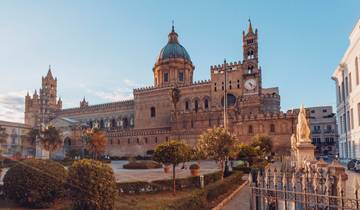
5 days
Sicilian Secrets – Mini Tour of Sicily 5 days
- ✓ Comprehensive Palermo tour
- ✓ Expert local guides included
- ✓ All accommodation arranged
- ✓ Transportation provided
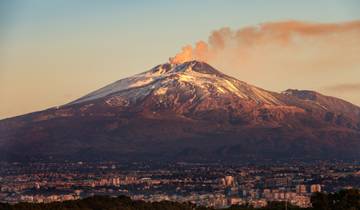
7 days
7-Day Sicily in Style from Palermo to Catania, Private Tour
- ✓ Comprehensive Palermo tour
- ✓ Expert local guides included
- ✓ All accommodation arranged
- ✓ Transportation provided
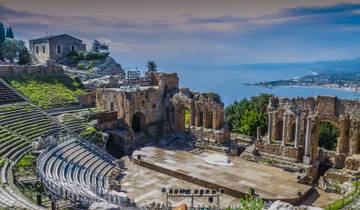
5 days
MINI TOUR OF SICILY from PALERMO TO CATANIA
- ✓ Comprehensive Palermo tour
- ✓ Expert local guides included
- ✓ All accommodation arranged
- ✓ Transportation provided
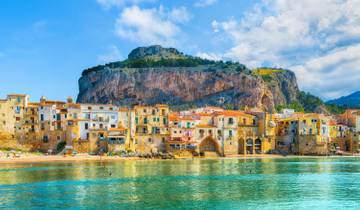
5 days
A Taste of Sicily
- ✓ Comprehensive Palermo tour
- ✓ Expert local guides included
- ✓ All accommodation arranged
- ✓ Transportation provided
Multi-day tour packages powered by TourRadar. Prices and availability subject to change.
Understanding Palermo’s Climate Patterns for 2026
Palermo’s Mediterranean climate classification (Köppen Csa) produces distinct seasonal patterns that shape visitor experience more dramatically than many European destinations. The city receives approximately 600mm annual precipitation concentrated heavily in autumn and winter months, with summers experiencing near-total drought. This precipitation pattern means summer guarantees sunny conditions ideal for sightseeing but creates uncomfortable heat, while winter offers temperature comfort at the cost of weather unpredictability. Understanding these patterns allows strategic planning that maximizes favorable conditions.
The city’s coastal location moderates temperature extremes compared to Sicily’s interior, with sea breezes providing relief during summer heat and preventing severe winter cold. However, the Scirocco wind, blowing from North Africa, periodically raises temperatures 5-8°C above normal and carries Saharan dust that creates hazy conditions and intensifies heat perception. These Scirocco episodes occur 4-8 times annually, typically lasting 2-3 days, and cannot be predicted more than a few days ahead. When Scirocco blows during summer, temperatures can reach 38-40°C, making outdoor activity genuinely uncomfortable during midday hours.
Humidity levels vary seasonally, with summer humidity reaching 65-75% during morning hours before declining to 45-55% by afternoon as temperatures rise. This pattern makes early morning summer touring more comfortable than afternoon despite lower absolute temperatures. Winter humidity remains high (70-80%) contributing to penetrating damp sensation during rainy periods that makes temperatures feel colder than thermometer readings suggest. Spring and autumn humidity levels of 60-70% create generally comfortable conditions without summer’s intensity or winter’s chill.
Daylight hours significantly impact touring schedules across seasons. Summer solstice (June 20, 2026) brings approximately 15 hours of daylight with sunset after 8:30 PM, allowing extended evening activities, outdoor dining, and photography in pleasant conditions after daytime heat subsides. Winter solstice (December 21, 2026) provides only 9.5 hours of daylight with 5:00 PM sunset, compressing sightseeing into shorter windows and requiring efficient itinerary planning. Spring and autumn equinoxes offer balanced 12-hour days with sunset around 7:00 PM, providing adequate touring time without summer’s extended evenings or winter’s abbreviated days.
The Conca d’Oro plain surrounding Palermo creates microclimate effects that moderate city temperatures compared to coastal extremes. The mountains backing the city trap warm air during summer nights, preventing significant temperature drops—minimum temperatures rarely fall below 24°C in July-August. This pattern means evening comfort requires air conditioning rather than relying on natural cooling, affecting accommodation choices. Winter’s mountain effect produces opposite results, with cold air drainage creating occasional frost in suburbs though the coastal city center rarely experiences freezing temperatures.
Spring Season Planning 2026 (March-May)
Spring 2026 represents one of Palermo’s most appealing visitor seasons, combining comfortable weather, moderate crowds, reasonable pricing, and exceptional natural beauty as the Mediterranean landscape blooms. The season divides into two distinct periods: early spring (March-early April) characterized by variable weather and Easter holiday crowds, and late spring (late April-May) delivering ideal conditions across all factors.
March 2026 experiences average temperatures of 13-18°C with approximately 50mm rainfall distributed across 7-9 days. The weather remains unpredictable with sunny periods alternating with rain showers, requiring flexible planning and layered clothing. Tourist numbers remain low as northern European travel season hasn’t fully begun, creating intimate experiences at major sites. Accommodation prices range €70-130 for mid-range hotels, representing good value. The landscape shows early spring growth with wildflowers beginning to bloom in parks and countryside areas accessible through day trips. March suits travelers prioritizing budget and crowd avoidance who accept weather uncertainty.
April 2026 brings transition toward summer conditions with temperatures rising to 16-21°C and rainfall declining to approximately 40mm across 6-8 days. Easter celebrations (April 10-13, 2026) draw significant Italian domestic tourism, creating the spring season’s only major crowd surge and pricing spike. Easter week sees accommodation costs rise 40-60% above early April levels, with mid-range hotels reaching €120-180 per night and advance booking essential. The religious processions during Holy Week, particularly Good Friday’s elaborate ceremonies, provide remarkable cultural experiences worth timing visits around. Post-Easter (from April 20 onward), crowds dissipate rapidly while weather continues improving, creating an excellent value window. Late April combines warming temperatures, reduced rain probability, and declining crowds as spring break ends for most European schools.
May 2026 stands as spring’s crown jewel and arguably the year’s best overall month for visiting Palermo. Temperatures reach comfortable 20-25°C with minimal rainfall (approximately 20mm across 3-4 days), providing reliable sunny conditions for outdoor activities. Tourist crowds remain moderate—higher than winter but substantially below summer levels—with major sites experiencing manageable congestion. Mid-range accommodation costs €100-160 per night, offering value considering the excellent conditions. The landscape reaches peak beauty with gardens, parks, and surrounding countryside displaying full spring bloom. Markets offer seasonal produce including cherries, apricots, and early strawberries alongside spring vegetables. Extended daylight (sunrise around 6:00 AM, sunset around 8:00 PM) allows flexible touring schedules. Cultural programming intensifies with outdoor concerts, art exhibitions, and neighborhood festivals taking advantage of pleasant weather. May combines optimal weather, reasonable crowds, good value, and beautiful settings, making it the recommended choice for visitors seeking balanced conditions.
Spring 2026 cultural highlights include the Holy Week processions (April 6-13) featuring elaborate religious ceremonies, particularly the Good Friday Processione dei Misteri. The Settimana delle Culture (Culture Week) in May provides free or reduced admission to many cultural sites, museums, and special exhibitions—exact dates announced several months ahead on regional cultural websites. The Orto Botanico displays exceptional spring bloom from April through May, with special guided tours during this period. Neighborhood sagre (food festivals) celebrating seasonal products occur throughout spring in various districts, providing authentic local experiences beyond tourist-focused events.
Spring 2026 practical considerations include packing layers to accommodate temperature variations between cool mornings (12-15°C) and warm afternoons (22-26°C). Light rain gear remains advisable through April though May rarely requires it. UV protection becomes necessary by May as Mediterranean sun intensity increases. Advance booking for Easter week (April 6-14) becomes essential if visiting during this period, with reservations secured by late January for optimal selection and pricing. For non-Easter spring visits, booking 6-8 weeks ahead provides good selection at favorable rates. Transportation strike actions occur occasionally during spring, particularly around Labor Day (May 1), potentially affecting plans—monitoring local news and having alternative arrangements helps manage this risk.
Summer Season Planning 2026 (June-August)
Summer 2026 delivers Palermo’s most intense tourism season, characterized by reliable sunshine, extended daylight, vibrant street culture, maximum crowds, and premium pricing alongside occasionally oppressive heat. The season suits visitors prioritizing guaranteed weather, evening activities, and social atmosphere who tolerate heat and tourist density or can employ strategic timing to mitigate these factors.
June 2026 marks summer’s beginning with temperatures rising to 24-30°C and virtually zero rainfall. The month provides a transitional period between spring’s moderate conditions and July-August’s intensity. Tourist crowds build through June as European school holidays begin mid-month, with the latter half approaching peak summer density. Accommodation prices climb to €120-220 for mid-range properties. The Mediterranean’s water temperature reaches 22-24°C, making beach activities comfortable. Extended daylight (sunrise 5:50 AM, sunset 8:30 PM) allows ambitious daily itineraries or leisurely pacing with long afternoon breaks during heat peaks. June represents summer’s most comfortable period for heat-sensitive travelers who want summer’s advantages without July-August’s extremes.
July 2026 brings peak summer conditions with temperatures consistently 28-33°C and occasional Scirocco-driven spikes to 36-38°C. The heat, combined with humidity levels of 60-70% during morning hours, creates genuinely challenging conditions for outdoor activities between 11:00 AM and 5:00 PM. Tourist crowds reach maximum density with major UNESCO sites experiencing significant congestion despite extended opening hours. Accommodation costs peak at €150-280 for mid-range hotels with upscale properties reaching €300-450 per night. Check booking platforms for current rates as summer pricing varies significantly based on availability. The city’s cultural life shifts to evening hours with concerts, outdoor cinema, and restaurant dining thriving after sunset when temperatures become bearable. The Santa Rosalia festival (July 10-15, 2026) represents Palermo’s major annual celebration with street processions, concerts, fireworks, and religious ceremonies honoring the city’s patron saint—this week requires very early accommodation booking (by March) and expects significant premium pricing and crowds.
August 2026 maintains July’s heat patterns while presenting unique crowd dynamics as Italian domestic tourism peaks during Ferragosto (August 15) when Italians traditionally vacation. Many local businesses close for 1-3 weeks during August, particularly smaller restaurants and shops, though major tourist services continue operating. Beaches reach maximum crowding with locals escaping heat. Accommodation prices equal or slightly exceed July levels: mid-range €150-280, upscale €300-450. Tourist crowds shift composition with more Italian families and fewer northern European visitors. August’s second half, particularly after August 25, sees crowds begin declining as schools prepare resumption. The Scirocco wind occurs more frequently in August than other summer months, with 2-3 episodes likely, each lasting 48-72 hours with temperatures reaching 36-40°C—these periods make outdoor sightseeing genuinely difficult during midday hours.
Summer 2026 cultural programming includes numerous outdoor concerts, cinema screenings in historic settings, and neighborhood festivals throughout June-August. The Estate Palermitana (Palermo Summer) program presents music, theater, and dance performances in venues across the city—detailed schedules appear on municipal cultural websites from May onward. The Mondello beach area hosts summer nightlife with beach clubs, restaurants, and bars operating until late hours. Traditional puppet theater performances increase during summer to accommodate tourist demand. Street food culture thrives during summer evenings with markets and food stalls operating extended hours as locals and tourists socialize after sunset.
Summer 2026 survival strategies involve adapting daily schedules to heat patterns: begin touring when sites open (8:30-9:00 AM) to capture 2-3 hours of comfortable conditions before heat intensifies; retreat indoors during peak heat hours (noon-5:00 PM) for museum visits, lunch, and rest; resume outdoor activities after 5:30 PM when temperatures moderate. Stay hydrated carrying water bottles and utilizing public fountains (Palermo maintains safe drinking water). Wear sun protection including hats and high-SPF sunscreen as Mediterranean summer sun reflects intensely off light-colored stone buildings. Choose accommodation with effective air conditioning as sleeping comfort requires cooling. Book timed entry tickets for major sites when available to avoid queue exposure during hot hours. Consider day trips to Cefalù or mountain areas offering cooler temperatures during extreme heat periods. Accept reduced daily activity levels compared to spring or autumn—attempting full-day touring during July-August heat leads to exhaustion rather than enjoyment.
Autumn Season Planning 2026 (September-November)
Autumn 2026 rivals spring as Palermo’s optimal visitor season, offering excellent weather through October, declining crowds, reduced pricing, and harvest-season food culture. The season particularly suits travelers seeking comfortable conditions with fewer tourists and better value than summer while avoiding spring’s weather uncertainty.
September 2026 extends summer’s heat into the season’s first half with temperatures of 24-30°C through mid-month before moderating toward 22-27°C in the latter half. Rainfall remains minimal (approximately 30mm across 4-5 days) with most precipitation falling after September 25. Tourist crowds thin dramatically after September 8 when European schools resume, creating a pivotal transition from peak to shoulder season. Accommodation pricing remains elevated through early September (€120-200 mid-range) before declining after September 15 to €90-150 as demand drops. The Mediterranean water temperature peaks at 25-26°C in early September, providing year’s best swimming conditions. Extended daylight hours (sunset around 7:30 PM early September, 6:45 PM month’s end) allow substantial touring time. September combines summer’s weather reliability with shoulder season’s reduced crowds and moderate pricing—particularly advantageous for travelers with flexibility to visit after September 10.
October 2026 delivers arguably the season’s finest conditions with temperatures moderating to pleasant 19-24°C and rainfall increasing slightly to approximately 80mm across 7-9 days, mostly short afternoon showers rather than day-long rain. Tourist crowds remain well below summer levels though higher than winter, creating comfortable visit conditions at major sites. Accommodation costs decline substantially: mid-range €85-140, upscale €130-220, representing 30-40% savings versus summer peaks. The landscape transitions from summer’s dried appearance to autumn green as rains trigger new growth. Markets feature autumn produce including mushrooms, chestnuts, and late-season figs alongside Sicilian citrus beginning to appear. Daylight shortens noticeably (sunset around 6:00 PM) requiring earlier dinner reservations and conclusion of outdoor activities, though the compressed schedule rarely constrains full day’s activities. October combines comfortable temperatures, manageable crowds, good value, and reliable weather—highly recommended for visitors seeking optimal conditions without summer’s heat or crowds.
November 2026 marks transition toward winter with temperatures declining to 15-20°C and rainfall increasing to approximately 100mm across 10-12 days—the year’s wettest month. Weather becomes more variable with sunny periods alternating with rainy days requiring flexible planning. Tourist numbers drop substantially with major sites experiencing minimal crowding except occasional cruise ship day-visitors. Accommodation pricing reaches annual lows: mid-range €70-120, budget €50-80, upscale €110-190. The reduced crowds and pricing create exceptional value for travelers comfortable with weather uncertainty and shorter days (sunset around 5:00 PM by month’s end). Cultural life shifts indoors with theater season beginning, opera performances resuming, and museum special exhibitions opening. November suits budget-conscious travelers and those seeking authentic local experience without summer’s tourist overlay, accepting some weather-related constraints.
Autumn 2026 cultural highlights include the Festival di Morgana puppet theater festival (early November) celebrating traditional Opera dei Pupi with performances, exhibitions, and workshops—one of Europe’s premier puppet theater events. Numerous food festivals celebrate autumn harvests, particularly mushroom and chestnut sagre in mountain villages accessible through day trips. Wine harvest festivals in surrounding countryside occur throughout September-October. The Oratorio di Santa Cita and other lesser-known sites often host chamber music concerts during autumn months. Contemporary art exhibitions typically open in October-November at major galleries including Palazzo Riso and private galleries in the Kalsa district.
Autumn 2026 practical considerations include packing layers for variable temperatures, particularly in October-November when morning temperatures of 12-15°C require light jackets while afternoon warmth reaches 22-24°C. Rain gear becomes increasingly necessary through the season, particularly November. Advance booking proves less critical than summer or Easter periods, with 4-6 weeks providing adequate reservation time for optimal selection and pricing. Transportation operates on full schedules through October, with some services reducing frequency in November as tourism declines. Restaurant and shop hours may shift slightly with some establishments closing earlier than summer schedule, though major tourist-serving businesses maintain extended hours. The grape harvest in surrounding wine regions occurs primarily in September with some late varieties continuing into early October—wine tourism and agriturismo stays peak during this period requiring advance booking.
Winter Season Planning 2026 (December-February)
Winter 2026 presents Palermo’s most budget-friendly season with dramatic pricing advantages, minimal crowds, and authentic local experience, requiring acceptance of shorter daylight hours, cooler temperatures, and weather variability. The season particularly suits budget travelers, culture-focused visitors prioritizing museums and indoor sites, and those seeking genuine local atmosphere without tourist overlay.
December 2026 begins winter with temperatures of 12-17°C and approximately 90mm rainfall across 10-11 days. The Christmas holiday period (December 20-January 6) creates a unique high season window within winter’s general low season pattern, with accommodation prices rising 40-70% above early December levels and Italian domestic tourists filling hotels for holiday breaks. Outside the Christmas period, mid-range accommodation costs €60-100 per night representing year’s best value. Tourist crowds at major sites remain minimal except Christmas week. Daylight shortens to year’s minimum (9.5 hours) with sunset at 5:00 PM, compressing touring schedules. Christmas markets, nativity displays (presepi), and holiday decorations create festive atmosphere, particularly in the historic center. December suits travelers seeking holiday atmosphere and winter pricing who can work within shortened daylight constraints.
January 2026 delivers winter’s coldest temperatures (10-15°C) and continued rainfall (approximately 80mm across 9-10 days) while offering the year’s absolute lowest pricing and minimal tourist presence. Mid-range hotels cost €50-90 per night, budget properties €40-65, with booking flexibility as demand remains low—reservations 2-3 weeks ahead prove sufficient. Major sites experience minimal crowding with UNESCO locations often nearly empty, allowing intimate experiences impossible during high season. The weather requires appropriate clothing with waterproof outerwear and layers essential, though “cold” by Sicilian standards remains mild compared to northern European or North American winter temperatures. Some tourist services reduce hours or close entirely during January (particularly restaurants and smaller museums) as businesses take annual leave during the slowest period. January suits hardy budget travelers and those prioritizing authentic local experience over optimal weather conditions.
February 2026 marks winter’s end with temperatures beginning slow climb to 11-16°C and rainfall declining slightly to approximately 60mm across 8-9 days. Carnival celebrations (February 21-24, 2026) create brief high season conditions with accommodation prices rising 30-50% above early February levels and Italian families visiting for holiday weekend. Outside Carnival, pricing remains very low: mid-range €55-95, budget €45-70. Tourist numbers increase slightly from January but remain far below spring levels. Daylight begins extending noticeably (sunset moves from 5:15 PM early February to 6:00 PM month’s end) creating more comfortable touring schedules. Almond trees begin blooming in late February, signaling spring’s approach and providing beautiful photography opportunities in countryside areas. February represents good value for travelers willing to accept continued weather uncertainty while benefiting from extended daylight versus January and avoiding January’s service limitations as businesses reopen.
Winter 2026 cultural life emphasizes indoor activities with theater season at full operation including Teatro Massimo’s opera and ballet performances. Museum special exhibitions often open in winter months when institutions have capacity to manage installation without high season visitor density. Classical music concert series continue through winter at venues including the Conservatorio and various churches. Traditional food culture thrives in winter with hearty dishes appearing on restaurant menus—this season provides ideal opportunity for serious food exploration as restaurants focus on local clientele rather than adapting to tourist preferences. Neighborhood cultural life becomes more visible as reduced tourist presence makes authentic community patterns more apparent to observant visitors.
Winter 2026 practical considerations require appropriate clothing for cool, damp conditions—temperatures rarely freeze but the combination of humidity and wind creates penetrating cold requiring warm layers. Waterproof outerwear proves essential as rain occurs frequently, though typically in showers or partial-day events rather than prolonged storms. Advance booking becomes less critical than other seasons, with reservations 2-4 weeks ahead sufficient except Christmas and Carnival periods requiring 8-12 weeks notice. Some tourist services including certain museum sections, tour operators, and restaurants observe reduced winter hours or close entirely January-February—researching specific sites and businesses before visiting prevents disappointment. Indoor backup plans for rainy days prove valuable as weather unpredictability increases. The reduced crowds and pricing create opportunities for extended museum visits, multiple return trips to favorite sites, and leisurely exploration without competing for space or time—strategic advantages for visitors prioritizing depth over breadth.
Festival and Event Calendar 2026
Palermo’s cultural calendar features religious celebrations, traditional festivals, and contemporary cultural events that significantly impact visitor experience through crowd patterns, accommodation availability, and authentic cultural immersion opportunities. Planning visits around major events requires advance booking but rewards travelers with unique experiences impossible to replicate outside festival periods.
The Holy Week processions (April 6-13, 2026) represent Palermo’s most important religious observance with elaborate ceremonies throughout the week. Good Friday (April 10) features the Processione dei Misteri, a solemn procession through the historic center with costumed penitents and religious statues. The processions require extensive street closures affecting transportation and access to certain areas. Hotels near the historic center fill completely for Easter week with prices rising 40-60% above normal April rates—booking by late January proves essential. The religious ceremonies provide authentic cultural experience and remarkable spectacle, though crowds create significant congestion. Easter Monday (April 13) traditionally sees Palermitans picnicking in parks and countryside, creating lively local atmosphere though many businesses close for the holiday.
The Festino di Santa Rosalia (July 10-15, 2026) celebrates Palermo’s patron saint with the city’s largest annual event. The festival features religious processions, street performances, concerts, fireworks, and neighborhood celebrations throughout the week. The main procession (July 14-15) draws enormous crowds with the saint’s relics paraded from the Cathedral to the waterfront on an elaborate float. Accommodation during Santa Rosalia week requires booking by March with prices rising 50-80% above normal July rates—mid-range hotels reach €180-280, upscale €300-450 or higher. The festival creates vibrant atmosphere throughout the city with street food vendors, temporary stages for performances, and spontaneous celebrations in neighborhood piazzas. Transportation faces significant disruptions with street closures for processions and increased congestion. Santa Rosalia provides unmatched cultural immersion in Palermitan traditions and spectacular celebration, justifying the advance planning and premium costs for travelers seeking authentic festival experience.
The Festival di Morgana (early November, exact 2026 dates announced spring 2026) represents Europe’s premier celebration of traditional puppet theater. The week-long festival includes performances of classic Opera dei Pupi productions, contemporary interpretations, international puppet traditions, workshops, and exhibitions at the Museo delle Marionette and various venues. The festival attracts puppet theater specialists, cultural tourists, and families, creating unique atmosphere without overwhelming crowds affecting other major events. Accommodation demand increases moderately during the festival with prices rising 15-25% above typical November rates, though availability remains good with booking 6-8 weeks ahead. The festival provides exceptional opportunity to experience this UNESCO-recognized intangible heritage in authentic context with master puppeteers performing traditional narratives alongside innovative contemporary works.
Palermo’s contemporary cultural calendar includes numerous other events throughout 2026. The Settimana delle Culture (Culture Week, typically mid-May though exact 2026 dates announced in spring) offers free or reduced admission to museums, archaeological sites, and special exhibitions—ideal for budget-conscious culture-focused travelers. The Estate Palermitana summer program (June-August) presents outdoor concerts, cinema, and theater across multiple venues with programming announced progressively from April onward. The Teatro Massimo opera season runs October-May with productions of classic and contemporary works (season schedule published in June for following season). Contemporary art exhibitions at Palazzo Riso and private galleries typically open October-November and March-April avoiding summer tourist peak. Neighborhood sagre (food festivals) celebrating local products occur throughout the year in various districts—these grassroots events provide authentic community experiences though specific dates often finalize only weeks ahead.
Sports events occasionally impact accommodation availability, particularly major football matches at Renzo Barbera stadium when opposing teams’ supporters arrive in significant numbers. Sicily’s position in lower football divisions means matches rarely create citywide accommodation scarcity, though hotels near the stadium fill quickly before important matches. Monitoring local sports calendars proves advisable if booking near match dates. Conference and business events at Palermo’s convention facilities create periodic demand spikes for mid-range and upscale hotels, typically October-November and March-April when conference season peaks. These business events rarely affect tourist-oriented accommodations in the historic center but can impact availability and pricing in business districts and airport-area hotels.
Pricing Patterns Across 2026 Seasons
Understanding Palermo’s pricing dynamics across 2026 enables strategic planning that significantly impacts total trip costs. Accommodation represents the most variable expense with seasonal fluctuations of 200-300% between low and high seasons, while other costs including dining, local transportation, and admission fees remain relatively stable year-round with modest seasonal adjustments.
Accommodation pricing follows clear seasonal patterns with distinct tiers. Peak summer season (July-August) commands highest rates with mid-range double rooms costing €150-280 per night depending on location, amenities, and specific dates. Check booking platforms for current rates. Easter week (April 6-14, 2026) and Santa Rosalia festival (July 10-15) create additional peak pricing periods with rates matching or exceeding typical summer levels. Shoulder seasons (May-early June, September-October) offer moderate pricing at €90-170 for equivalent mid-range properties, representing 30-40% savings versus peak summer. Late autumn (November) and winter (December-February excluding Christmas/Carnival periods) deliver exceptional value at €60-120 for mid-range accommodations, dropping to €50-90 in January when demand reaches annual minimum. Budget properties and upscale hotels follow similar percentage patterns though at lower and higher absolute prices respectively. These ranges reflect advance booking (6-12 weeks) during normal demand periods—last-minute booking (under 3 weeks) or exceptional demand periods push prices toward ranges’ upper limits or beyond.
Flight costs to Palermo vary based on origin city, booking timing, and seasonal demand patterns. From major European cities, round-trip economy fares during shoulder seasons (April-May, September-October) typically range €120-220 when booked 8-12 weeks ahead. Summer peak pricing (June-August) elevates fares to €200-380 for equivalent routes and booking windows. Winter (January-February) occasionally produces exceptional deals below €100 round-trip from select cities when airlines stimulate off-season demand. From North American origins, transatlantic flights to Rome or Milan with connections to Palermo cost $800-1,400 during shoulder seasons and $1,200-2,200 during summer peaks for economy class, with booking 3-4 months ahead securing optimal rates. Budget carriers including Ryanair and easyJet serve Palermo from numerous European cities with base fares as low as €30-60 one-way during off-peak periods, though fees for baggage, seat selection, and other services add significantly to advertised prices. Monitoring fare comparison sites and booking during airline sales events (typically January-February for spring/summer travel) produces optimal results.
Dining costs remain relatively stable year-round as restaurants price for local markets rather than adjusting seasonally for tourism. Budget meals at casual eateries and street food vendors cost €8-15 per person, mid-range restaurant dining €25-45, and upscale establishments €60-100+, with these ranges consistent across seasons. Local transportation via public buses costs €1.40 per ride regardless of season, while taxis charge metered rates with only modest surcharges during evening hours and Sundays. Museum and monument admission fees remain fixed year-round with adult tickets to major UNESCO sites ranging €10-14 for single entry, €18-35 for cumulative passes. Some sites offer free admission on first Sundays of each month or during special cultural weeks—these opportunities occur throughout the year though advance research of specific sites’ policies proves necessary.
Tour costs vary modestly by season with walking tours costing €20-35 per person, food tours €60-90, and full-day excursions €80-150 regardless of season, though summer’s increased demand sometimes produces slight price increases of 10-15%. Guided visits to specific sites typically cost €8-15 above admission fees, remaining stable year-round. Private guide services show greater seasonal variation with daily rates increasing 20-30% during summer versus winter periods as demand for personalized services rises. Car rental rates demonstrate significant seasonal fluctuation with compact cars costing €35-55 daily during winter and shoulder seasons versus €60-100 during summer peaks, with weekly rentals providing better per-day rates across all seasons.
Crowd Analysis for 2026
Understanding crowd patterns enables strategic timing that transforms visitor experience from frustrating congestion to comfortable enjoyment. Palermo experiences more moderate crowding than Italy’s most popular destinations though summer peak season and major holidays bring substantial tourist density to key sites, while off-season and shoulder periods provide intimate experiences with minimal competition for space or services.
Summer 2026 (June-August) brings peak tourist density with major UNESCO sites experiencing significant crowding, particularly mid-morning through mid-afternoon. The Norman Palace and Cappella Palatina receive 3,000-4,000 daily visitors during July-August with entry queues of 30-60 minutes during peak hours (10:00 AM-1:00 PM). The Cathedral sees similar patterns with crowds concentrating around royal tombs and Treasury. Monreale Cathedral experiences tour bus waves arriving 9:30-11:30 AM creating concentrated congestion that dissipates by afternoon. Street and market crowding intensifies particularly in Vucciria and Ballaro markets where tourists mix with local shoppers in narrow passages. Restaurants and cafes in tourist areas require reservations for dinner during summer, particularly Friday-Sunday. However, strategic timing mitigates crowding significantly—arriving when sites open (8:30-9:00 AM) or late afternoon (after 3:00 PM) avoids peak congestion. Lesser-known sites including secret oratories, neighborhood churches, and peripheral attractions experience minimal crowding even during peak summer.
Shoulder seasons (April-May, September-October) provide optimal crowd balance with sufficient tourists to maintain full service levels without overwhelming major sites. April before Easter and May consistently deliver comfortable visit conditions with moderate crowds that rarely create substantial queues or require extensive advance booking. September after schools resume (post-September 10) and October throughout the month similarly provide excellent conditions. These periods allow spontaneous site visits without timed entry tickets, comfortable restaurant dining without advance reservations, and ability to change plans flexibly without facing fully booked services. The crowds present during shoulder seasons skew toward independent travelers and couples rather than summer’s preponderance of large tour groups, creating more relaxed atmosphere at sites and in public spaces.
Winter (December-February excluding Christmas/Carnival) experiences minimal tourist presence with UNESCO sites receiving fewer than 500 daily visitors during January, creating nearly private experiences at major monuments. The lack of crowds allows extended time at sites, opportunities for careful photography without crowds in frames, and ability to engage site staff and guides in detailed conversations impossible during busy seasons. Markets during winter serve primarily local clientele with tourists representing small minority, providing authentic grocery shopping atmosphere rather than tourist-focused commercial environment. Restaurants and cafes cater overwhelmingly to local customers during winter, often providing more authentic menus and service than summer’s tourist-adapted offerings. The trade-off involves reduced service levels with some tourist-oriented businesses closing or operating limited hours, requiring more research and flexibility than high season’s comprehensive service availability.
Specific high-density periods require particular advance planning: Easter week (April 6-13, 2026) brings Italian domestic tourism creating accommodation scarcity and crowd density approaching summer levels. The Santa Rosalia festival (July 10-15) produces the year’s maximum crowd density combining peak summer tourists with Italian visitors specifically for the festival—accommodation becomes exceptionally scarce with prices at annual maximums. Christmas week (December 20-January 6) creates brief winter high season with Italian families visiting for holidays, affecting accommodation availability though not reaching summer density levels. Ferragosto week (August 10-20) intensifies August’s already substantial summer crowds as Italian domestic tourism peaks during traditional holiday period.
Cruise ship day visitors create periodic crowd surges at major sites, typically arriving 9:30-10:30 AM and departing by 4:00 PM. Palermo hosts approximately 150-200 cruise ship calls annually (2026 schedule publishes progressively throughout 2025) with each ship bringing 1,000-3,000 passengers, many taking organized excursions to Cathedral, Norman Palace, and Monreale. Cruise ship days create noticeable crowd density from 10:00 AM-3:00 PM at these specific sites while having minimal impact on other attractions or neighborhood areas. Checking cruise ship schedules (available on cruise tracking websites) and planning major site visits on non-cruise days or during early morning/late afternoon hours avoids this concentrated crowding.
Weather Considerations for 2026 Planning
Weather represents the most variable factor affecting Palermo visit experience, with seasonal patterns providing reliable frameworks though specific conditions require monitoring forecasts closer to travel dates. Understanding weather implications for different activity types enables realistic planning and appropriate backup strategies.
Heat management proves critical for summer visits with July-August temperatures of 28-35°C creating genuinely challenging conditions for outdoor touring during midday hours. The humidity levels of 60-75% during mornings exacerbate heat perception, making 30°C feel significantly hotter than dry climates’ equivalent temperatures. Adequate hydration becomes essential with adults requiring 3-4 liters daily during summer activity, supplemented with electrolytes during extended outdoor time. Sun protection including high-SPF sunscreen, hats, and sunglasses prevents both immediate discomfort and potential heat illness. Clothing choices emphasizing light colors, breathable fabrics, and loose fits improve comfort substantially. Scheduling adaption to avoid outdoor activity during peak heat (11:00 AM-5:00 PM) transforms summer experience from endurance test to enjoyable visit—early morning and evening touring with midday indoor activities (museums, lunch, rest) provides sustainable approach.
Rain management becomes relevant primarily autumn through spring with November-March experiencing most frequent precipitation. The rain typically occurs as showers or partial-day events rather than continuous storms, meaning outdoor activities remain feasible with appropriate clothing and flexible timing. Waterproof outerwear, water-resistant footwear, and compact umbrellas provide adequate protection for touring during rainy periods. Many major sites including churches, palaces, and museums offer extensive indoor spaces allowing full-day activities during heavy rain. The covered markets (Vucciria, Ballaro) provide shopping and food experiences sheltered from precipitation. Rain creates photographic opportunities with wet stone surfaces reflecting light and crowds dissipating, though protecting camera equipment requires appropriate covers or waterproof bags.
Wind considerations involve primarily the Scirocco, a hot wind from North Africa occurring 4-8 times annually, mostly May-October. Scirocco episodes last 48-72 hours, raising temperatures 5-8°C above normal and carrying Saharan dust that creates hazy conditions and intensifies heat perception. These events cannot be predicted more than 3-5 days ahead, requiring in-trip adaptation when they occur. During Scirocco conditions, beach activities become unpleasant due to wind and blowing sand, while outdoor sightseeing faces extreme heat—temperatures can reach 38-40°C during summer Scirocco events. Planning indoor activities during Scirocco periods or taking day trips to higher elevation mountain areas where temperatures remain moderate provides practical responses. The Maestrale (northwest wind) occurs primarily winter-spring, bringing cooler temperatures and occasionally rough seas affecting ferry services to offshore islands.
Seasonal weather variability requires different planning approaches across the year. Summer (June-August) shows minimal day-to-day variation with reliable sunny conditions—forecasts 3-4 days ahead prove highly accurate with little need for backup planning. Spring and autumn demonstrate moderate variability with generally favorable conditions interrupted by occasional rain—forecasts 5-7 days ahead provide adequate warning for minor plan adjustments while maintaining overall itinerary. Winter shows greatest variability with weather systems changing every 3-5 days—flexible planning allowing day-by-day activity decisions based on current conditions proves most effective. Winter visits benefit from having both outdoor and indoor activity options prepared for each day, implementing whichever suits prevailing weather.
Microclimatic variations within Palermo and surrounding areas create different conditions simultaneously across the region. The coastal city center experiences moderating maritime influence with cooler summer temperatures and milder winter conditions than inland areas. The mountains surrounding Palermo (accessible for day trips) remain 5-8°C cooler than the city during summer, providing heat escape options. The Mondello beach area receives sea breezes providing natural air conditioning during summer though wind occasionally creates rough water conditions. These microclimate variations allow activity substitution when specific locations experience unfavorable conditions—if the city feels unbearably hot, beach or mountain alternatives offer relief; if coastal areas face strong winds, inland cultural sites provide comfortable alternatives.
Seasonal Travel Tips 2026
Successful Palermo visits across different 2026 seasons require adapting strategies to each period’s specific characteristics, from packing decisions through daily scheduling to accommodation selection. These practical insights derive from seasonal patterns and visitor experiences, enabling more comfortable and efficient travel regardless of timing.
Spring 2026 success depends primarily on weather flexibility and appropriate layering. Pack clothing spanning temperature ranges from 12°C mornings to 26°C afternoons, emphasizing layers that allow adjustment throughout the day. Light rain gear proves essential through April though May rarely requires it. Advance booking becomes critical only during Easter week (April 6-14) when reservations 8-12 weeks ahead prove necessary—otherwise 6-8 weeks provides adequate lead time. Spring’s comfortable weather suits walking-intensive itineraries with 15,000-20,000 daily steps feasible without heat fatigue. The season’s moderate crowds allow spontaneous site visits without timed entry tickets or lengthy queues, supporting flexible daily planning. Photography benefits from spring’s soft light and blooming landscapes, particularly in gardens and countryside areas accessible through day trips.
Summer 2026 requires heat management strategies prioritizing early starts, midday breaks, and evening activities. Accommodation with effective air conditioning becomes essential for sleeping comfort rather than luxury—verify cooling capability before booking, particularly in older buildings where inadequate systems disappoint. Carry water bottles utilizing public fountains (Palermo maintains safe drinking water) to maintain hydration without purchasing expensive bottled water. Choose sun protection carefully including high-SPF sunscreen, broad-brimmed hats, and quality sunglasses as Mediterranean sun reflects intensely off light-colored stone buildings. Advance booking proves crucial with reservations 12-16 weeks ahead for July-August accommodation, particularly during Santa Rosalia festival (July 10-15) requiring booking by March. Timed entry tickets for major UNESCO sites (when available) prevent queue exposure during hot hours—check official websites for current booking systems. Evening activities including outdoor dining, concerts, and neighborhood walks provide summer’s most pleasant experiences as temperatures moderate and street life intensifies after sunset.
Autumn 2026 combines spring’s moderate weather with improved pricing and reduced crowds, requiring less strategic planning than summer though some seasonal adaptation helps. September maintains near-summer heat through mid-month requiring continued attention to hydration and sun protection, while October-November benefit from layered clothing accommodating 15-25°C temperature ranges. Rain gear becomes increasingly important through autumn particularly November, though precipitation typically occurs as showers rather than day-long events. Advance booking of 6-8 weeks provides adequate lead time except during major events like Festival di Morgana (early November). Autumn’s comfortable conditions and reduced crowds support ambitious daily itineraries combining multiple major sites, neighborhood exploration, and evening activities without weather or heat constraints. Photography benefits from autumn’s warm light angles and occasional dramatic clouds creating more interesting skies than summer’s persistent blue, while harvest season provides food-focused cultural experiences through seasonal products in markets and restaurants.
Winter 2026 success requires accepting shorter days, weather variability, and reduced service levels while capitalizing on exceptional value and authentic local experience. Pack warm, layered clothing with waterproof outerwear as cool, damp conditions create penetrating chill despite temperatures rarely approaching freezing. Plan activities around compressed daylight (9.5 hours during December-January) requiring efficient morning starts and acceptance of evening hours for indoor activities. Research specific sites and restaurants before visiting as some close entirely or maintain limited hours during winter months, particularly January. Advance booking becomes less critical with reservations 2-4 weeks ahead sufficient except Christmas (December 20-January 6) and Carnival (February 21-24) periods requiring 8-12 weeks notice. Winter’s minimal crowds and budget pricing enable extended museum visits, multiple return trips to favorite sites, and leisurely exploration without time pressure or crowd competition. The season particularly suits culture-focused travelers prioritizing depth over breadth, as reduced costs allow extending stays and revisiting sites for deeper understanding impossible during expensive, crowded high season.
Transportation planning requires seasonal adjustments with summer benefiting from expanded service schedules including later bus and train departures accommodating evening activities, while winter sees reduced frequency particularly for regional services to smaller towns. Rental cars prove most valuable during shoulder and off-seasons when road traffic eases and countryside day trips become more enjoyable, whereas summer traffic congestion and parking scarcity reduce driving appeal. Ferry services to offshore islands (Ustica, Egadi) operate reduced winter schedules or suspend entirely during rough seas, requiring schedule verification when planning island visits outside summer season. Walking remains Palermo’s most effective transportation mode year-round for historic center exploration, though summer heat requires pace moderation while winter rain demands appropriate footwear.
Dining strategies vary by season with summer requiring advance reservations for popular restaurants, particularly Friday-Sunday dinners in tourist areas, while winter allows spontaneous dining with minimal wait times. Summer evening dining thrives with outdoor seating and extended hours as locals and tourists socialize until late, whereas winter shifts focus to cozy indoor settings with earlier dinner times. Market shopping proves rewarding year-round though seasonal products vary—summer emphasizes tomatoes, eggplant, and stone fruits; autumn features mushrooms, chestnuts, and grapes; winter showcases citrus and root vegetables; spring offers artichokes, fava beans, and early cherries. Street food culture operates year-round though summer sees expanded evening hours and outdoor consumption while winter requires finding indoor seating or consuming food quickly before temperature drops.
Frequently Asked Questions
Should first-time visitors prioritize specific seasons in 2026?
First-time Palermo visitors benefit most from shoulder seasons (April-May or September-October 2026) when comfortable weather, moderate crowds, and reasonable pricing combine to support comprehensive introduction to the city’s attractions. May 2026 stands as the single optimal month delivering 20-25°C temperatures, minimal rainfall, manageable tourist density, and mid-range hotel costs of €100-160 per night—conditions allowing first-timers to efficiently cover major UNESCO sites, explore neighborhoods, experience food culture, and develop understanding of the city without weather, crowd, or budget constraints that might force compromises. October provides secondary optimal window with similar advantages at slightly lower temperatures and increased rain probability. First-timers visiting during summer face heat and crowd challenges that complicate navigation and require more sophisticated planning, while winter visitors accept weather uncertainty and reduced service levels better suited to returning visitors with specific cultural interests. The shoulder seasons’ balanced conditions allow first-time visitors to determine whether they want to return during specific seasons for focused experiences—food enthusiasts might return during autumn harvest season, culture-focused travelers during winter’s opera season, beach lovers during summer—but initial visits benefit from moderate conditions minimizing complications while maximizing exposure to the city’s diverse attractions.
How far ahead should travelers book accommodation for different 2026 seasons?
Booking timelines vary dramatically by season and specific dates within seasons, requiring strategic approach based on travel period. Summer 2026 (June-August) demands earliest booking with optimal selection and pricing requiring 12-16 weeks advance notice, particularly for properties in preferred locations like the historic center or near major sites. Easter week (April 6-14, 2026) and Santa Rosalia festival (July 10-15) require even longer lead times of 16-20 weeks (book by late January for Easter, by March for Santa Rosalia) as accommodation sells out rapidly during these peak periods. May and October shoulder season visits benefit from 6-8 weeks advance booking securing good selection at favorable rates without the urgency required for peak periods. November through February (excluding Christmas and Carnival) allows most flexible booking with 2-4 weeks proving adequate as low season demand creates abundant availability, though booking further ahead still secures lower rates at preferred properties. Christmas/New Year (December 20-January 6) and Carnival (February 21-24) follow summer patterns requiring 10-12 weeks advance notice despite generally low winter demand. Budget travelers should book toward longer end of these ranges to access lowest prices, while travelers with specific property or location requirements benefit from early booking regardless of season. Last-minute booking (under 2 weeks) rarely yields optimal results except during genuine low season (January-February) when properties offer deals to fill rooms—this approach risks limited selection and prices at ranges’ upper limits during most periods.
What backup plans work best for unexpected weather during 2026 visits?
Effective weather backup planning involves maintaining flexible daily itineraries with both outdoor and indoor alternatives prepared for each day, particularly during spring, autumn, and winter when weather variability increases. The approach involves researching comprehensive options before arrival rather than scrambling for alternatives when weather deteriorates. Indoor cultural sites including the Archaeological Museum, Palazzo Mirto, Diocesan Museum, and puppet museum provide full-day activities during heavy rain without compromising quality of experience. The covered markets (Vucciria, Ballaro) offer shopping, eating, and cultural immersion sheltered from precipitation. Churches and oratories, Palermo’s extraordinary concentration of religious art, remain accessible regardless of weather with sites like the Cappella Palatina and Oratorio di San Lorenzo providing hours of contemplation. Many palazzi with courtyards offer partial outdoor experience under covered arcades during light rain. Indoor activities can be scheduled proactively during forecast rain periods rather than as disappointed reactions to ruined outdoor plans. For extreme summer heat during Scirocco episodes, day trips to mountain areas (Monreale offers 200-meter elevation, more distant locations reach 800-1200 meters) provide 5-8°C temperature relief or beach visits to Mondello capture sea breezes, though high winds during Scirocco sometimes make beach uncomfortable. The key involves maintaining mental flexibility viewing weather challenges as opportunities to discover alternate aspects of Palermo rather than obstacles preventing preset plans—some visitors find weather-driven spontaneity produces more memorable experiences than perfect execution of predetermined itineraries.
How does accommodation location choice interact with seasonal considerations in 2026?
Accommodation location involves trade-offs between historic center convenience, neighborhood authenticity, and seasonal comfort factors. Historic center properties (Kalsa, Vucciria, Albergheria areas) provide walking access to major sites and evening activity, critical during summer when multiple daily site visits become impractical due to heat—the ability to return to accommodation for midday break before evening exploration proves invaluable. However, historic center summer accommodation requires careful air conditioning verification as older buildings often struggle with cooling, and noise levels increase as street life extends later into summer evenings. Peripheral neighborhoods (Borgo Vecchio, Politeama area, Liberty quarter) offer quieter environments and better parking if renting cars, becoming more appealing during autumn and winter when reduced crowds and comfortable temperatures make walking longer distances more feasible. Waterfront and Mondello beach area accommodations suit summer visits prioritizing beach time and sea breezes over cultural site access, though this choice requires transportation (bus, taxi, or rental car) for historic center visits. Winter accommodation location becomes less critical as reduced crowds and moderate temperatures make walking distances comfortable, while budget focus shifts toward securing lowest rates regardless of precise location. First-time visitors generally benefit from historic center accommodation during any season as proximity to major sites and dining options compensates for potential compromises in space or quiet—returning visitors with specific interests might choose specialized locations like Mondello for beach focus or peripheral quiet neighborhoods for authentic residential experience. The accommodation location decision should integrate both seasonal patterns (summer heat requiring midday access, winter short days requiring central location to maximize limited daylight) and personal priorities (cultural touring versus relaxation, urban intensity versus quiet retreat).
Can travelers effectively combine beach and cultural activities during different 2026 seasons?
Beach and cultural activity combination varies dramatically by season with each period creating different possibilities and limitations. Summer 2026 (June-August) obviously provides best beach conditions with water temperatures of 24-26°C and guaranteed sunny weather, making beach-culture combinations most natural—typical pattern involves morning cultural touring (8:30-11:30 AM) before heat intensifies, midday beach time (noon-4:00 PM) during peak heat, and evening cultural activities (after 5:30 PM) when temperatures moderate. This approach requires accommodation with beach access (Mondello area) and transportation to historic center or willingness to split time between beach-area and city-center accommodations. September extends summer beach conditions through mid-month with 25-26°C water temperatures and hot weather, while late September sees conditions remaining suitable though water temperatures decline toward 23-24°C. May and early June offer marginal beach conditions with water temperatures of 19-22°C comfortable for hardy swimmers but cool for extended swimming or water sports—these periods better suit occasional beach visits rather than beach-focused trips. October maintains pleasant enough weather for beach walks and coastal dining though water temperatures of 21-23°C become chilly for most swimmers. November through April sees water temperatures of 14-17°C suitable only for extreme cold-water enthusiasts while beach areas themselves become windswept and many facilities close. Travelers prioritizing balanced beach-culture experiences should focus on June-September 2026 when conditions support both activities comfortably, while shoulder season visitors (May, October) should approach beach activities as supplementary rather than central elements. Winter visitors should abandon beach recreation entirely except for coastal walks and seafood dining, focusing on Palermo’s extraordinary cultural wealth without beach distractions.
What seasonal factors most impact day trip feasibility from Palermo in 2026?
Day trip success from Palermo depends heavily on seasonal weather, transportation schedules, and site hours that vary considerably across the year. Summer 2026 provides most comprehensive day trip opportunities with extended transportation schedules, long daylight hours (15 hours around summer solstice), and reliable weather allowing ambitious excursions to destinations like Cefalù, Monreale, Segesta, Erice, and Agrigento. However, summer heat makes some destinations less comfortable with Agrigento’s exposed archaeological site becoming brutally hot during July-August midday hours—early departure (7:00-8:00 AM) proves essential for summer day trips, returning by early afternoon before heat peaks. Spring and autumn shoulder seasons (April-May, September-October) offer ideal day trip conditions with comfortable temperatures, moderate daylight (12-13 hours), and reliable weather supporting full-day excursions without summer’s heat constraints. These seasons allow more leisurely pacing and midday outdoor comfort at archaeological sites impossible during summer. Winter 2026 presents day trip challenges through shortened daylight (9.5 hours minimum), reduced transportation frequencies particularly to smaller destinations, and weather uncertainty that can disrupt plans—winter day trips benefit from targeting closer destinations (Monreale, Cefalù) requiring shorter travel time and allowing flexible timing, while distant sites (Agrigento, Erice) become more challenging due to limited daylight for both travel and site visit. Ferry services to offshore islands (Ustica, Favignana) operate reduced winter schedules or suspend during rough seas, making island day trips primarily summer-season options. Spring and autumn emerge as optimal day trip seasons balancing comfortable conditions, adequate daylight, full transportation schedules, and manageable crowds at destination sites, while summer suits travelers willing to manage heat through early starts and strategic timing, and winter best serves visitors content with closer destinations and accepting occasional weather-related limitations.
How should budget-conscious travelers approach seasonal planning for 2026 Palermo visits?
Budget optimization requires prioritizing seasons offering maximum value without unacceptable compromises in experience quality. Winter 2026 (January-February particularly) delivers extraordinary budget advantages with mid-range accommodation at €50-90 per night versus summer’s €150-280—a savings of €700-1,330 over a week stay that often exceeds flight cost differences. Budget travelers accepting winter’s shorter days (9.5 hours), weather variability, and reduced service levels find exceptional value with museum and site admission, dining, and local transportation costs remaining identical to high season while crowd-free conditions enhance rather than diminish experience. November offers secondary budget window with accommodation at €70-120 providing better weather reliability than deeper winter while maintaining substantial savings versus summer. Spring and autumn shoulders (late April, October) deliver moderate budget advantages with accommodation 25-35% below summer peaks while providing excellent weather and comfortable crowds—these periods suit budget travelers who want value without winter’s limitations. Counter-intuitively, peak summer (July-August) should be avoided by budget travelers not only for accommodation costs but because heat forces indoor retreat during peak hours, limiting daily activity value. Budget strategy involves booking furthest ahead within recommended windows (16-20 weeks for peak periods, 8-12 weeks for shoulders, 4-6 weeks for winter) to secure lowest rates, choosing accommodation slightly outside historic center where equivalent quality costs 15-25% less than central locations, focusing on street food and local markets rather than restaurants for some meals (saving €15-30 daily), walking rather than using taxis (saving €10-20 daily), and visiting free sites including churches, markets, neighborhoods, and public gardens that provide authentic experiences without admission costs. Budget-conscious travelers often achieve superior authentic experiences compared to high-season visitors by timing visits during periods when locals dominate and services cater to resident needs rather than tourist preferences.
What seasonal considerations affect food tourism and culinary experiences in 2026?
Seasonal patterns dramatically shape Palermo’s food culture with different times offering distinct culinary advantages. Spring 2026 (April-May) showcases seasonal produce including artichokes, fava beans, asparagus, and early cherries appearing in markets and restaurant menus—this period suits food tourists interested in seasonal Italian cuisine at its freshest. Summer emphasizes tomatoes, eggplant, peppers, and stone fruits with seafood consumption increasing as locals and visitors frequent beach restaurants—street food culture reaches peak vitality during summer evenings though extreme heat makes midday market visits uncomfortable. Autumn (September-October) represents the year’s prime food season with grape harvest, mushroom season, chestnut availability, and wine production creating numerous food festivals in city and surrounding countryside—food tourism itineraries peak during autumn when seasonal variety reaches maximum and numerous sagre (food festivals) celebrate specific products. Winter features citrus season (oranges, blood oranges, lemons) and hearty traditional dishes including pasta con le sarde, caponata, and meat-based preparations that disappear from summer menus—winter food experiences emphasize authenticity as restaurants serve local clientele with traditional recipes rather than adapting to tourist preferences. Street food availability and quality remains consistent year-round with vendors operating continuously, though summer sees expanded evening hours and outdoor consumption while winter requires indoor seating or quick consumption. Cooking classes and food tours operate throughout 2026 though scheduling concentrates during shoulder and peak seasons (April-October) when demand supports frequent departures—these experiences during autumn harvest season provide maximum seasonal product variety and connections to agricultural traditions. Food-focused travelers gain most from autumn visits (September-October) combining optimal seasonal produce, harvest festivals, comfortable weather for market exploration, and authentic culinary culture, with spring providing secondary optimal window and summer offering vibrant street culture despite challenging heat.
How do 2026 UNESCO site visit conditions vary across seasons?
UNESCO site experiences at Palermo’s Arab-Norman monuments (Norman Palace, Cappella Palatina, Cathedral, San Giovanni degli Eremiti, Zisa Palace) and Monreale Cathedral vary significantly by season affecting both practical access and visit quality. Summer 2026 (June-August) brings maximum crowding with 3,000-4,000 daily visitors at Norman Palace creating 30-60 minute entry queues during peak hours (10:00 AM-1:00 PM), security screening delays, and crowded interior spaces that compromise photography and contemplation—however, extended site hours (often 8:30 AM-7:00 PM) allow avoiding crowds through early arrival or late afternoon visits. The summer heat also affects outdoor UNESCO components including San Giovanni’s cloister and Zisa Palace’s gardens, making midday visits uncomfortable. Shoulder seasons (April-May, September-October) provide optimal UNESCO visit conditions with manageable crowds of 1,200-1,800 daily visitors, minimal queuing, comfortable temperatures for exploring both indoor and outdoor spaces, and adequate but not excessive tourist density allowing quality experience without isolation. Winter 2026 (December-February) delivers nearly private UNESCO site experiences with fewer than 500 daily visitors during January, though reduced site hours (often 9:00 AM-5:00 PM) compress visiting windows and limited daylight (9.5 hours during December-January) constrains scheduling flexibility. Monreale Cathedral, located outside central Palermo on a hillside, experiences similar crowd patterns though somewhat reduced compared to central Palermo sites—the location’s elevation provides 2-3°C cooler temperatures than the city during summer, making it relatively more comfortable during hot months. UNESCO sites maintain admission prices year-round (€10-14 per site, €18-35 for cumulative passes) with occasional free admission days (first Sundays, cultural weeks) occurring throughout the year. Timed entry systems, where implemented, prove most valuable during summer peaks allowing guaranteed admission at preferred times—checking official UNESCO site websites for current booking systems proves advisable particularly for summer 2026 visits. Photography opportunities at UNESCO sites improve dramatically during off-season when minimal crowds allow composition without tourists in frames and adequate time for optimal lighting conditions, while summer’s crowds make quality photography challenging except during first and last hours of daily operation.
What seasonal patterns should multi-week visitors consider for 2026 Palermo stays?
Extended Palermo stays of 2-4 weeks enable deeper cultural immersion and benefit from strategic seasonal selection. Autumn 2026 (late September through October) emerges as optimal extended-stay season combining comfortable weather, moderate crowds, good value (accommodation 25-35% below summer), and sufficient duration to experience both tourist highlights and authentic local life rhythms. The autumn timing allows participation in seasonal activities including wine harvest visits, food festivals, and cultural programming (Festival di Morgana in November) while weather remains pleasant for daily outdoor exploration. Spring (late April through May) provides secondary extended-stay window with similar advantages though slightly cooler temperatures and modest rain probability. Extended summer stays face challenges from sustained heat making daily outdoor activity exhausting and from peak crowds and pricing straining budgets over multiple weeks—travelers committed to summer extended stays should consider apartments with kitchens (reducing dining costs) and build in periodic rest days or short excursions to cooler locations. Winter extended stays suit specific traveler profiles including digital nomads, retirees, and culture-focused visitors who prioritize budget optimization and authentic local experience over optimal weather—winter’s low accommodation costs (€50-90 weekly rates often available at significant discounts from daily pricing) allow extended exploration impossible during expensive high season. Extended-stay visitors benefit from establishing neighborhood routines, shopping at local markets, developing relationships with shopkeepers and restaurant staff, and experiencing Palermo’s daily life cycles beyond tourist surface—these authentic experiences emerge regardless of season but develop most naturally during periods (autumn, winter, spring) when visitors represent smaller proportion of people in public spaces. Multi-week visitors should resist attempting to see everything immediately, instead adopting leisurely pace that allows return visits to favorite sites, discovering personal preferences, and developing genuine connection to specific neighborhoods and communities rather than treating the city as collection of monuments to check off lists.