
Palermo Photography Guide: Mastering Iconic & Hidden Perspectives
Key Takeaways
- Golden hour transforms Cappella Palatina’s mosaics with side-lighting through western windows creating dimensional relief effects
- Market photography at Ballarò and Vucciria demands fast apertures (f/2.8 or wider) for motion freezing and selective focus
- Architectural photography benefits from 16-35mm wide-angle lenses capturing complete building facades in narrow medieval streets
- Blue hour at Teatro Massimo and Quattro Canti produces stunning neoclassical illumination impossible during daylight hours
- Street photography ethics require discretion with market vendors and locals who live and work in tourist-photographed zones
- Summer brings harsh midday contrast requiring HDR techniques or sunrise/sunset shooting for optimal architectural detail
Introduction to Photographing Palermo’s Visual Complexity
Palermo presents photographers with extraordinary visual density where Arab-Norman mosaics compete with Baroque facades, medieval market chaos contrasts with neoclassical squares, and crumbling palazzi create texture-rich backgrounds for contemporary street life. This guide explores technical approaches, optimal locations, timing strategies, and compositional techniques for capturing Sicily’s capital through compelling photographic perspectives.
The city’s architectural palimpsest spanning Norman, Arab, Byzantine, Spanish, and modern periods creates layered visual narratives within single frames. Photographers confront technical challenges including extreme contrast in bright Sicilian light, narrow streets limiting composition options, busy urban environments requiring decisive moment capture, and cultural sensitivity around photographing working-class neighborhoods and religious sites.
Success in Palermo photography emerges from understanding how Mediterranean light interacts with golden limestone, recognizing optimal viewing angles for constrained urban spaces, developing street photography awareness that balances documentation with respect, and mastering the technical challenges of capturing intricate architectural detail alongside vibrant human activity.
People Also Ask About Palermo Photography
What makes Palermo architecturally significant for photography?
Palermo’s Arab-Norman UNESCO heritage combines Islamic geometric patterns, Byzantine mosaics, Norman structural systems, and Latin liturgical requirements into unique architectural synthesis found nowhere else. Cappella Palatina features wooden muqarnas ceilings, extensive gold-ground mosaics, and Islamic decorative arts within Christian sacred space. The architectural layering continues through Baroque overlays on Norman structures, Art Nouveau facades in 1900s expansion areas, and contemporary interventions in historic palazzi creating temporal dialogue visible in single compositions.
What camera equipment works best for Palermo street and architectural photography?
Full-frame cameras provide advantages in dynamic range for high-contrast Mediterranean scenes and low-light interior church photography. Wide-angle lenses (16-35mm) prove essential for architectural work in narrow streets where backing up becomes impossible. Fast prime lenses (35mm f/1.4, 50mm f/1.8, 85mm f/1.8) excel in markets for selective focus and motion freezing. Telephoto compression (70-200mm) isolates architectural details and captures candid street moments from respectful distances. Mirrorless systems offer advantages in weight for all-day walking photography.
How do you photograph Palermo’s markets without disturbing vendors?
Market photography requires observational patience rather than aggressive shooting. Spend 15-20 minutes wandering before raising cameras, making eye contact and smiling at vendors, purchasing items creating rapport, and asking permission through gestures when directly photographing individuals. Shoot from hip level or with cameras at chest height rather than face-level for less intrusive documentation. Focus on details (produce displays, hand gestures, texture elements) rather than facial portraits unless welcomed. Early morning (7-9 AM) sees vendors setting up with less tourist presence enabling more relaxed photography.
What are the best times for photographing Palermo’s landmarks?
Golden hour (first hour after sunrise, last hour before sunset) provides optimal architectural lighting with warm tones, dimensional shadows, and manageable contrast. Sunrise (6:30-7:30 AM summer, 7:00-8:00 AM winter) offers empty streets and soft light before tourist crowds. Blue hour (30-45 minutes after sunset) illuminates buildings artificially while maintaining sky detail creating dramatic urban scenes. Midday harsh sunlight (11 AM-3 PM) suits black and white photography emphasizing texture and shadow patterns. Overcast conditions provide even lighting ideal for detailed architectural documentation and mosaic photography.
Extended multi-day tours – 5+ days
Featured Palermo Multi-Day Tour Packages
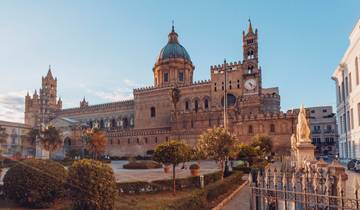
5 days
Sicilian Secrets – Mini Tour of Sicily 5 days
- ✓ Comprehensive Palermo tour
- ✓ Expert local guides included
- ✓ All accommodation arranged
- ✓ Transportation provided
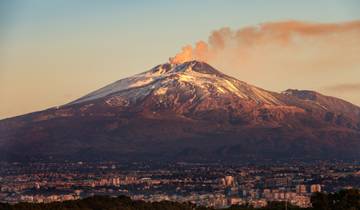
7 days
7-Day Sicily in Style from Palermo to Catania, Private Tour
- ✓ Comprehensive Palermo tour
- ✓ Expert local guides included
- ✓ All accommodation arranged
- ✓ Transportation provided
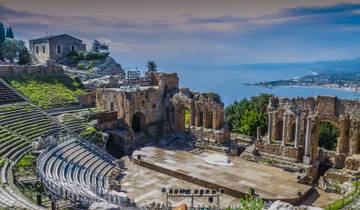
5 days
MINI TOUR OF SICILY from PALERMO TO CATANIA
- ✓ Comprehensive Palermo tour
- ✓ Expert local guides included
- ✓ All accommodation arranged
- ✓ Transportation provided
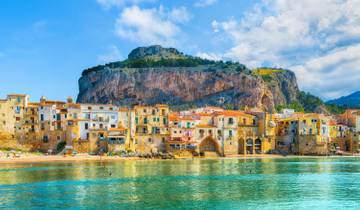
5 days
A Taste of Sicily
- ✓ Comprehensive Palermo tour
- ✓ Expert local guides included
- ✓ All accommodation arranged
- ✓ Transportation provided
Multi-day tour packages powered by TourRadar. Prices and availability subject to change.
Technical Foundations for Architectural Photography
Understanding Mediterranean Light Characteristics
Sicily’s intense sunlight creates extreme contrast between highlights and shadows challenging camera sensors’ dynamic range. Summer midday light (11 AM-3 PM) produces harsh shadows, blown highlights on light stone facades, and squinting subjects unsuitable for most architectural and portrait photography. Photographers compensate through HDR bracketing, careful exposure for highlights with shadow recovery in post-processing, or avoiding midday shooting entirely.
Golden hour light transforms Palermo’s golden limestone and tufa stone facades with warm tones enhancing the city’s inherent color palette. Morning golden hour (first hour after sunrise) provides clean air with less atmospheric haze compared to evening when pollution and humidity accumulate. Side-lighting during golden hour reveals architectural relief, decorative elements, and surface textures invisible in flat midday illumination.
Blue hour creates opportunities for dramatic architectural photography as artificial building illumination balances ambient sky light. Teatro Massimo’s neoclassical columns glow under spotlights while retaining architectural detail against deep blue skies. Quattro Canti’s Baroque facades illuminate dramatically at dusk. This narrow window (30-45 minutes) requires preparation with location scouting, composition planning, and tripod setups before light fades.
Camera Settings for Palermo Conditions
Architectural exteriors demand apertures of f/8-f/16 for front-to-back sharpness capturing complete building facades. These smaller apertures require slower shutter speeds necessitating tripods or image stabilization. ISO settings stay at base levels (ISO 100-200) for maximum image quality and dynamic range. Expose for highlights on light stone facades allowing shadow detail recovery in post-processing where sensor technology provides 3-4 stops of latitude.
Interior church photography confronts extreme contrast between dark nave spaces and bright windows. Expose for mid-tones using spot metering on medium-toned elements, then bracket exposures covering ±2 stops. Fast lenses (f/1.4-f/2.8) enable hand-held shooting in dim interiors though tripods provide superior sharpness at f/8-f/11 revealing mosaic detail. ISO 1600-3200 becomes necessary for hand-held church photography accepting noise as quality tradeoff.
Market photography requires fast shutter speeds (1/250-1/500 second) freezing vendor motion and customer activity. Wide apertures (f/1.4-f/2.8) provide selective focus isolating subjects from chaotic backgrounds while enabling the fast shutter speeds needed. ISO auto with upper limits of ISO 3200 maintains flexibility as photographers move between bright outdoor markets and shadowed interior stalls. Continuous autofocus tracks moving subjects though zone focusing proves effective for decisive moment street photography.
Lens Selection Strategies
Wide-angle lenses (16-35mm full-frame, 10-24mm crop sensor) prove essential for Palermo’s constrained urban fabric where narrow medieval streets prevent backing up for complete building views. These lenses introduce distortion requiring perspective correction in post-processing particularly when tilting upward for tall facades. Architectural photography benefits from tilt-shift lenses correcting perspective optically though their cost and specialization limits practical use for most photographers.
Standard focal lengths (35-50mm) provide natural perspective matching human vision ideal for environmental portraits, street photography, and general documentation. A 35mm f/1.4 serves as versatile walkaround lens balancing width for architecture with speed for markets and streets. These focal lengths minimize distortion while maintaining enough width for urban photography’s spatial constraints.
Telephoto lenses (70-200mm) compress perspective flattening facades into graphic patterns, isolate architectural details like sculptural elements or decorative mosaics, and enable candid street photography from distances minimizing subject awareness. Long lenses shine photographing markets from outside boundaries capturing authentic moments without intrusive presence. Compression stacks architectural layers creating depth through overlapping buildings and streets.
Iconic Palermo Photography Locations
Cappella Palatina and Palazzo dei Normanni
Cappella Palatina presents the ultimate photographic challenge combining extreme interior darkness, brilliant gold mosaics reflecting light unpredictably, and tripod prohibitions. Shoot during morning hours (9-11 AM) when western windows provide side-lighting creating dimensional relief in mosaic surfaces. Use fast lenses (f/1.4-f/2.8) at ISO 3200-6400 enabling hand-held shooting at 1/60-1/125 second with image stabilization.
The wooden muqarnas ceiling demands wide-angle lenses capturing the complete honeycomb structure. Shoot from chapel center looking upward with lens at 16-24mm correcting perspective distortion in post-processing. The ceiling’s three-dimensional stalactite forms require careful exposure balancing bright gold painted sections with shadowed recesses. Bracket exposures or shoot RAW files allowing 2-3 stop dynamic range adjustments.
Mosaic detail photography uses 85-135mm focal lengths isolating individual panels from surrounding visual complexity. The mosaics’ gold-ground backgrounds reflect light intensely requiring exposure compensation of -0.7 to -1.3 stops preventing blown highlights. Focus manually on mosaic tesserae rather than relying on autofocus which struggles with reflective surfaces and low contrast. The best mosaic photography occurs when indirect window light illuminates subjects without direct sun creating glare.
Teatro Massimo Neoclassical Architecture
Teatro Massimo’s neoclassical facade offers dramatic photographic opportunities during blue hour when building illumination balances twilight sky. Arrive 45 minutes before sunset scouting compositions from Piazza Verdi’s various angles. The front facade shoots best from plaza center using 24-35mm lenses capturing complete building with column details. Include plaza life with pedestrians, cafe tables, and street activity providing scale and narrative context.
Interior photography during guided tours confronts dim lighting and movement restrictions. The horseshoe auditorium shoots effectively from upper galleries using wide-angle lenses (16-24mm) and high ISO (3200-6400). The royal box provides symmetrical composition anchoring images with red velvet and gold details contrasting against cream walls and ceiling. Stage lighting during opera performances creates dramatic illumination though photography prohibitions apply during performances.
Detail photography isolates neoclassical decorative elements including Corinthian capitals, bronze door panels, marble staircase balustrades, and ceiling frescoes. Use telephoto compression (70-135mm) from gallery levels shooting down into spaces or upward toward ceiling details. These detail shots benefit from diffused natural light through windows rather than harsh artificial theater lighting.
Quattro Canti Baroque Intersection
Quattro Canti’s octagonal intersection creates symmetrical composition opportunities from plaza center shooting toward any of four Baroque facades. Morning light (8-10 AM) illuminates eastern facades while afternoon (3-5 PM) favors western aspects. Each facade features three tiers (fountain, seasonal statue, patron saint) providing structured composition with architectural repetition across four buildings.
Wide-angle vertical compositions (16-24mm) capture complete single facades from plaza center including ground-level fountains through upper cornices. Telephoto compression (85-135mm) from plaza edges flattens facades into graphic patterns emphasizing Baroque sculptural decoration. Black and white photography emphasizes architectural form and shadow patterns eliminating color distraction from mixed building maintenance states.
Human activity adds narrative dimension with pedestrians crossing the intersection, tourists photographing facades, and locals using the space for meetings and phone calls. Include architectural context showing full facades rather than tight cropping on people. Evening blue hour provides optimal balance between building illumination and sky detail with spotlights emphasizing sculptural elements against deep blue backgrounds.
Ballarò Market Street Photography
Ballarò presents Palermo’s most photogenic market with medieval street context, dramatic produce displays, animated vendor culture, and authentic working-class neighborhood character. Early morning shooting (7-9 AM) captures setup activities with golden light penetrating narrow market streets. Vendors tolerate photography better during quiet early hours compared to busy mid-morning when tourist presence peaks.
Produce displays offer still-life photography opportunities with Sicily’s colorful vegetables, fruits, and seafood arranged artfully. Shoot details at f/2.8-f/4 creating selective focus isolating subjects from busy backgrounds. Include vendor hands, scales, price signs, and environmental context telling complete market stories. Side-lighting from cross-streets provides dimensional modeling superior to flat overhead light in covered market sections.
Candid vendor portraits require respectful approach and often permission. Spend time at individual stalls, make purchases, engage through smiles and gestures, then gesture toward camera asking permission. Many vendors appreciate the attention while others decline or request payment (€5-10 typical). Shoot environmental portraits showing vendors in context with produce, stall architecture, and market activity rather than isolated headshots.
Cathedral of Palermo Architectural Palimpsest
Palermo Cathedral demonstrates architectural layering with Norman base, Gothic additions, Baroque dome, and neoclassical facade modifications spanning seven centuries. This complexity demands photographic interpretation highlighting temporal layers. Exterior photography from Corso Vittorio Emanuele shows the southern flank where Norman geometric arches, Gothic pointed windows, and Baroque dome coexist in single compositions.
The eastern apse area accessed from Via Bonello provides the purest Norman view with blind arcading, geometric patterns, and original limestone before Spanish Baroque interventions. Morning light (8-10 AM) illuminates this section with warm tones and dimensional shadows. Wide-angle lenses (16-24mm) capture complete architectural systems while telephoto detail shots (70-135mm) isolate Norman decorative elements.
Interior photography reveals Baroque transformation of Norman spaces with neoclassical overlay. The nave’s white walls and simple forms contrast with royal tombs’ elaborate Baroque decoration. Rooftop access provides urban panoramas with cathedral domes, bell tower, and city views extending to mountains. Sunrise shooting on rooftops captures golden light on cathedral elements with city awakening below.
Hidden Gem Photography Locations
Orto Botanico Garden Photography
Orto Botanico offers photographic refuge from urban chaos with mature trees, exotic plants, neoclassical garden architecture, and peaceful atmosphere. The garden’s formal layout provides compositional structure with axial views, symmetrical plantings, and architectural follies. Morning shooting (8-10 AM) captures soft light before heat intensifies and plants wilt.
Macro photography thrives with diverse botanical subjects including tropical plants, succulents, Mediterranean natives, and seasonal blooms. Bring macro lenses (90-105mm) or extension tubes for close-up work. Natural diffused light under tree canopies provides even illumination for flower and leaf detail. The garden’s mature Ficus macrophylla with massive aerial roots creates natural frames and textured backgrounds.
Architectural elements including the 1789 Gymnasium neoclassical building, greenhouse structures, and garden pavilions combine botanical and built environments. Wide-angle compositions integrate architecture with surrounding vegetation showing relationship between formal garden design and plant growth. Early morning and late afternoon light creates dappled patterns through tree canopies adding visual interest to botanical compositions.
Kalsa District Urban Decay and Restoration
Kalsa presents photographers with urban transformation narrative showing abandoned palazzi alongside restored buildings, street art interventions, and gentrification pressures. Crumbling facades provide texture-rich backgrounds with peeling plaster revealing multiple paint layers, exposed brick, and vegetation colonizing abandoned spaces. These decay studies work best in even overcast light revealing detail without harsh shadows.
Restoration contrasts create visual tension with pristine renovated palazzi next to deteriorating neighbors. Shoot comparative compositions showing adjacent buildings in different states framing gentrification dialogue visually. Wide-angle environmental shots establish neighborhood context while detail photography isolates telling elements like restored window frames beside boarded openings.
Street art proliferates in Kalsa with murals, wheat paste posters, and interventions on abandoned buildings. Igor Scalisi Palminteri’s work appears throughout the district. Photograph murals during even light avoiding harsh shadows and reflections. Include environmental context showing street art relationship to neighborhood rather than isolated mural documentation. Respect artists’ work avoiding distortive perspective corrections in post-processing.
Mondello Beach Coastal Light
Mondello provides coastal photography opportunities 12 kilometers from city center with Art Nouveau architecture, turquoise water, Monte Pellegrino backdrop, and beach culture documentation. Summer afternoon light (4-7 PM) creates ideal conditions with warm tones, moderate contrast, and animated beach activity. The central pier provides elevated viewpoint for beach panoramas and bather documentation.
Art Nouveau bathhouses flanking the beach offer architectural subjects with decorative details, weathered paint, and period character. Isolate architectural elements using telephoto compression or shoot environmental compositions including beach context. Vintage aesthetic suits these structures with muted color palettes or black and white photography emphasizing form and texture.
Water photography captures turquoise transparency with rocky shoreline in southern sections. Polarizing filters remove surface reflections revealing underwater rock formations and sand patterns. Long exposure (1-4 seconds) smooths wave action creating ethereal effects contrasting with static architecture. Sunset shooting positions Monte Pellegrino as dramatic backdrop with mountain silhouette against colored skies.
Zisa and Western Palermo Industrial Character
Palazzo della Zisa represents Norman secular architecture with Islamic design influences including the sala della fontana with muqarnas ceiling and marble fountain. Interior photography requires permission and fast lenses due to dim conditions. The facade shoots best in afternoon light (3-5 PM) with warm tones illuminating honey-colored stone and Norman arches.
Surrounding residential neighborhoods show working-class Palermo with street markets, informal vendors, laundry-draped balconies, and daily life rarely photographed by tourists. Approach street photography respectfully as outsider in residential zones where residents question tourist presence. Establish rapport through greetings and smiles before raising cameras. Focus on environmental documentation rather than confrontational portrait work.
Industrial areas near Zisa including abandoned factories and workshops provide urban exploration opportunities. These zones carry safety concerns requiring daytime visits and group exploration. Texture and decay studies suit black and white photography emphasizing industrial forms, weathered materials, and mechanical elements. Respect private property avoiding trespassing on active industrial sites.
Street Photography Techniques and Ethics
Developing Observational Awareness
Successful street photography emerges from environmental awareness recognizing moments before they occur. Position yourself where interesting interactions happen (market intersections, church entrances, café edges) then wait patiently for decisive moments. Observe patterns in pedestrian flow, vendor activities, and daily rhythms then anticipate repeated behaviors allowing preparation.
Peripheral vision and situational awareness enable reaction to unexpected moments while maintaining natural presence rather than aggressive photographer stance. Hold cameras at chest or hip level rather than constantly at eye level reducing intrusive appearance. Dress casually avoiding obvious tourist gear like photo vests, multiple camera bodies, or large bags attracting attention and marking you as outsider.
Decisive moment capture requires pre-visualization anticipating how scenes will develop then positioning and framing before peak action. Zone focusing eliminates autofocus lag with lenses manually set to hyperfocal distances ensuring sharpness across subject distances. Shoot continuously during action sequences ensuring capture of optimal moments within rapidly evolving situations.
Cultural Sensitivity and Permission Protocols
Palermo’s working-class markets and neighborhoods deserve respectful photographic approach recognizing subjects live and work in spaces tourists visit temporarily. Vendors endure constant camera attention creating understandable frustration with photographers treating market life as exotic spectacle. Balance documentary goals with human dignity avoiding voyeuristic or exploitative approaches.
Permission requests show respect though spontaneity suffers and posed images lack authentic character. Compromise by spending time in locations building familiarity with vendors and residents before photographing. Make purchases, engage through conversation or gestures, return over multiple days creating relationships beyond extractive photographer-subject dynamics. Some vendors welcome photography while others firmly decline requiring acceptance of boundaries.
Religious site photography demands particular sensitivity with churches functioning as active worship spaces not merely architectural museums. Avoid photographing during services unless clearly permitted, respect areas marked no photography, silence camera shutter sounds, and dress appropriately with covered shoulders and knees. Photographing individuals in prayer intrudes on private spiritual moments best left unrecorded.
Technical Approaches for Street Documentation
Fast prime lenses (35mm f/1.4, 50mm f/1.8) provide advantages for street photography with wide apertures enabling selective focus, fast shutter speeds freezing motion, and compact size reducing intimidation factor. These lenses force physical movement to reframe compositions developing stronger spatial awareness and composition skills than zoom convenience allows.
Anticipatory focus techniques using zone focusing and hyperfocal distance eliminate autofocus lag enabling instant capture. Set manual focus to hyperfocal distance (typically 8-12 feet) with aperture at f/8-f/11 ensuring sharpness from 5-6 feet through infinity. This technique suits rapidly evolving street situations where autofocus hunting misses decisive moments.
Exposure compensation proves essential in Palermo’s high-contrast environments with Mediterranean sun creating deep shadows and bright highlights. Spot meter on mid-toned subjects (gray clothing, neutral walls) then lock exposure for consistent results as you shoot. Alternatively embrace high-contrast aesthetic shooting for highlights or shadows with either extreme rendered as silhouette or blown depending on artistic intent.
Composition Strategies for Urban Density
Working with Constrained Spaces
Palermo’s medieval street pattern constrains compositions with narrow alleys preventing backing up for complete building views. Wide-angle lenses become essential though introduce distortion requiring perspective correction. Embrace upward angles accepting converging verticals as authentic representation of pedestrian experience rather than forcing architectural correctness inappropriate to context.
Doorways, arches, and windows create natural frames focusing attention on subjects while providing depth through layered foreground, subject, and background. Position yourself in doorways shooting through architectural openings toward street scenes beyond. These frames add context identifying location while structuring compositions through built environment.
Vertical compositions suit Palermo’s tall narrow buildings with portrait orientation capturing complete facades from street level. Contemporary social media emphasis on vertical format aligns well with Mediterranean urban form. Include ground-level street life providing scale and human context rather than isolated architectural views detached from living city.
Layering Architectural Elements
Palermo’s density enables compositions stacking multiple architectural planes creating depth through overlapping buildings, streets, and details. Telephoto compression from elevated positions flattens perspective stacking architectural layers into graphic patterns. Shoot from cathedral rooftops, Teatro Massimo upper levels, or hillside vantage points compressing city into dense visual fields.
Foreground architectural details frame distant subjects adding depth cues and context. Position yourself so building corners, balconies, or decorative elements occupy foreground space while main subjects sit in mid-ground or background. This layering technique creates three-dimensional depth in two-dimensional images while establishing spatial relationships between architectural elements.
Juxtapositions highlight contrasts inherent in Palermo’s architectural evolution. Frame Norman arches against Baroque facades, position modern street life against medieval buildings, or capture restoration work next to decay. These contrasts tell stories about temporal layers, economic disparities, and cultural evolution more effectively than isolated elements.
Light and Shadow Pattern Recognition
Mediterranean sun creates dramatic shadow patterns on building facades, market streets, and urban spaces providing compositional structure. Observe how shadows move across facades tracking sun paths then return during optimal lighting periods. Strong diagonal shadows add dynamic energy while geometric shadow patterns from grillwork, arches, and architectural details create graphic elements.
Chiaroscuro effects in narrow streets with dramatic light-to-shadow transitions suit high-contrast black and white photography emphasizing form over color. Position subjects at light-shadow boundaries where illumination draws attention while shadow provides mystery. These transitions create natural edge lighting separating subjects from backgrounds through tonal contrast.
Dappled light through trees, market coverings, and architectural overhangs creates textured illumination adding visual interest to potentially flat scenes. Shoot in these conditions during mid-morning or afternoon when higher sun angles create more defined patterns. Fast shutter speeds freeze motion of subjects moving through dappled light while slower speeds show movement blur against static light patterns.
Specialized Photography Techniques
Mosaic and Decorative Art Documentation
Byzantine mosaic photography demands techniques balancing gold-ground brilliance with detailed tesserae documentation. Indirect natural light provides optimal illumination revealing dimensional relief in mosaic surfaces while avoiding glare from direct sunlight. Shoot RAW format enabling exposure adjustments recovering detail from bright gold backgrounds and shadowed figure areas.
Close-up mosaic detail requires macro lenses or telephoto combinations isolating individual panels from surrounding visual complexity. Focus on facial expressions, hand gestures, or symbolic details that communicate mosaic narratives. The tesserae’s individual colored glass pieces create impressionistic effects from close viewing distances resolving into coherent images at normal viewing ranges.
Perspective control proves essential when photographing complete mosaic cycles from floor level. Tilt-shift lenses correct perspective maintaining parallel verticals though their cost limits accessibility. Alternatively shoot straight-on rather than tilting upward accepting partial coverage over distorted complete views. Panoramic stitching from multiple frames creates high-resolution complete documentation while minimizing distortion.
Long Exposure Urban Motion Studies
Long exposure photography transforms Palermo’s busy streets into flowing motion studies with stationary architecture contrasting against blurred pedestrians and vehicles. Use neutral density filters enabling long exposures (1-30 seconds) during daylight hours. Position cameras on tripods at intersections like Quattro Canti or along Corso Vittorio Emanuele capturing movement patterns.
Traffic light trails during blue hour create energy in urban scenes with vehicle movement streaking through architectural frames. Shoot 2-10 second exposures at f/8-f/11 balancing ambient sky light with artificial illumination. Position carefully placing architectural elements as static anchors while traffic creates dynamic flowing lines.
Market motion studies blur vendor activities and customer movements while maintaining sharpness in produce displays, architectural elements, and static details. Shoot 0.5-2 second exposures hand-held with image stabilization or use tripods for longer effects. These blur studies convey market energy and activity impossible in frozen-time conventional images.
Night Photography Illumination Strategies
Palermo’s night illumination creates dramatic photographic opportunities with artificially lit monuments, churches, and squares standing against dark skies. Blue hour provides optimal balance between building illumination and ambient light maintaining detail in both highlights and shadows. Shoot 30-45 minutes after sunset when sky retains deep blue color rather than complete darkness.
Cathedral and church illumination emphasizes architectural details with uplighting creating dramatic shadows and highlighting decorative elements. Position tripods in squares shooting toward illuminated facades. Use exposure bracketing covering 3-5 stops ensuring recovery of highlight detail in bright lights while maintaining shadow information. HDR processing merges brackets balancing wide luminance ranges.
Street scene night photography captures social life with outdoor dining, evening passeggiata, and nightlife culture. Fast lenses (f/1.4-f/2.8) enable hand-held shooting at ISO 3200-6400 with shutter speeds maintaining sharpness (1/60-1/125 second with stabilization). Mixed lighting from restaurants, street lamps, and shop windows creates warm color casts adding atmosphere to night scenes.
Post-Processing Workflows for Palermo Photography
Color Correction for Mediterranean Tones
Palermo’s golden limestone and tufa stone require color processing maintaining warm natural tones without excessive saturation. Increase luminance in orange and yellow channels brightening stone facades while maintaining detail. Reduce saturation in these channels preventing oversaturated unnatural golden tones. The goal maintains warm Mediterranean character without cartoonish excess.
Mixed lighting conditions with cool shadows and warm sun create color temperature challenges. Adjust white balance warming shadows while cooling highlights for balanced natural appearance. Alternatively embrace warm-cool contrast as authentic representation of Mediterranean light conditions. Shoot RAW format enabling substantial white balance adjustments without quality loss.
Market photography with colorful produce benefits from selective saturation increases emphasizing Sicily’s vibrant agricultural output. Boost saturation in reds, oranges, and greens highlighting fruits and vegetables while maintaining neutral skin tones. The contrast between saturated produce and more muted architectural backgrounds draws attention to market goods while maintaining environmental context.
Perspective Correction and Architectural Cleanup
Upward camera angles create converging verticals with buildings appearing to fall backward. Perspective correction in post-processing straightens vertical lines maintaining architectural accuracy. Lightroom’s Transform tools or Photoshop’s Perspective Warp enable correction though cropping removes image area requiring wider initial framing anticipating perspective adjustments.
Architectural detail photography benefits from clarity and dehaze adjustments enhancing detail visibility and cutting through atmospheric haze. Increase clarity moderately (20-40 in Lightroom) emphasizing stone texture, decorative carving, and structural details. Dehaze cuts atmospheric softening particularly in telephoto shots across city distances revealing sharp detail in distant buildings.
Distortion correction eliminates barrel or pincushion distortion from wide-angle and telephoto lenses maintaining accurate architectural representation. Enable lens profile corrections automatically correcting known distortion patterns for specific lens models. These corrections prove particularly important when documenting architectural details or creating measured documentation.
Black and White Conversion for Emphasis
Black and white photography emphasizes Palermo’s architectural forms, shadow patterns, and textural richness eliminating color distraction. Convert color images using channel mixing rather than simple desaturation controlling how colors translate to gray tones. Lighten yellows and oranges brightening stone facades while darkening blues increasing sky contrast.
High-contrast black and white suits Mediterranean light conditions with dramatic shadow patterns and strong directional illumination. Push contrast through curves adjustments deepening shadows and brightening highlights creating dramatic tonal ranges. This approach works particularly well for market photography, street scenes, and architectural detail emphasizing graphic qualities over color information.
Subtle toning adds character to black and white conversions with slight warm tones (sepia, selenium) complementing Palermo’s warm Mediterranean character. Cold tones (blue, cyan) create different moods suitable for contemporary architectural interventions or modern subjects. Split toning applies different colors to highlights and shadows creating sophisticated color relationships within black and white frameworks.
Seasonal Photography Considerations
Spring Photography Opportunities
Spring brings blooming gardens, green vegetation, mild comfortable shooting temperatures (15-25°C), and changing light quality as sun angles increase. Orto Botanico reaches peak bloom with flowering trees and spring bulbs. Villa Giulia and other public gardens provide colorful foregrounds for architectural compositions. Market produce transitions to spring vegetables (artichokes, fava beans, peas) with different color palettes.
Light quality in spring maintains some winter clarity without summer haze accumulation. Morning and evening golden hours provide optimal illumination with moderate color temperatures. Increased tourist presence from April onward crowds popular sites requiring earlier shooting times capturing locations before tour groups arrive. Easter processions create photographic opportunities documenting religious traditions though respectful distance and discretion remain essential.
Summer Light and Heat Challenges
Summer heat reaches 30-35°C with harsh midday sun creating extreme contrast unsuitable for most photography. Restrict shooting to early morning (6-10 AM) and late afternoon/evening (5-9 PM) when temperatures moderate and light quality improves. Midday hours suit indoor photography in churches and museums escaping heat while accessing air-conditioned environments.
Atmospheric haze increases in summer reducing distant clarity and creating flat lighting conditions. Haze filters and dehaze post-processing partially compensate though cannot fully restore winter clarity. Embrace these conditions as authentic summer Mediterranean atmosphere rather than technical deficiency. The softer diffused quality suits certain subject matter including portraits and beach photography.
Beach photography at Mondello thrives in summer with active beach culture, clear water, and social scenes. Afternoon side-lighting (4-7 PM) provides dimensional modeling with warm tones. The intense summer sun enables fast shutter speeds freezing water motion and beach action. Polarizing filters saturate blue water tones and remove surface glare revealing underwater clarity.
Fall Golden Light and Atmosphere
Fall delivers arguably optimal photography conditions with moderate temperatures (20-26°C), lower humidity improving atmospheric clarity, and beautiful golden light quality. September-October sees peak light quality with clean air after summer before winter rains begin. Lower sun angles create longer golden hours and more dimensional side-lighting throughout the day.
Market photography benefits from fall harvest with seasonal produce including eggplants, peppers, early citrus, mushrooms, and squash. These autumn colors complement Palermo’s golden stone creating harmonious color palettes. Fall’s softer morning light penetrates market streets providing even illumination without harsh summer contrast.
Winter Clarity and Low-Angle Sun
Winter brings increased rainfall and occasional overcast conditions though clear days deliver extraordinary photographic light. Low sun angles (altitude 25-35° at solar noon) create dimensional side-lighting throughout the day with longer shadow patterns emphasizing architectural relief. Morning and afternoon light approaches golden hour quality with warm tones and dramatic shadows.
Atmospheric clarity peaks in winter with rain clearing air pollution and humidity. Distant views from cathedral rooftops or hillside vantage points show mountain backdrops with unprecedented detail. This clarity combined with dramatic light creates optimal conditions for architectural photography when weather cooperates.
Reduced tourist crowds enable photography at popular sites without people management challenges. Empty streets and squares allow experimental compositions focusing on architecture and urban form without human distraction. The tradeoff accepts occasional wet weather requiring flexible scheduling and backup indoor photography plans.
Building Photography Portfolio Narratives
Documentary Project Approaches
Documentary photography creates comprehensive visual narratives exploring specific themes or subjects in depth. Project ideas include market vendor portraits across different markets, architectural restoration documentation comparing before/after states, street life in specific neighborhoods like Kalsa or Ballarò, or seasonal change studies photographing same locations across months documenting light and activity variations.
Long-term projects develop over multiple visits building relationships with subjects, understanding rhythms and patterns, and creating layered visual stories impossible in single visits. Return to locations repeatedly shooting different times, seasons, and conditions accumulating bodies of work revealing depth and complexity. These projects build genuine connection to place transcending tourist photography’s superficial coverage.
Fine Art Conceptual Photography
Fine art approaches interpret Palermo through conceptual frameworks emphasizing aesthetic vision over literal documentation. Approaches include architectural abstraction isolating formal elements from recognizable context, urban decay studies exploring abandonment and restoration tensions, or light and shadow studies reducing scenes to tonal patterns and geometric forms.
Black and white architectural studies emphasize form, texture, and light transforming familiar scenes into abstract compositions. High-contrast processing, dramatic cropping, and compositional emphasis on graphic elements creates art photography distinct from documentary approaches. These interpretations reveal photographer’s vision rather than objective recording establishing personal artistic voice.
Travel Photography Storytelling
Travel portfolios balance iconic landmarks with authentic cultural documentation telling complete destination stories. Include environmental portraits showing locals in context, food photography documenting Sicilian culinary traditions, detail shots revealing textures and colors, and atmospheric images capturing mood and sense of place beyond literal description.
Sequencing images into visual narratives creates storytelling flow guiding viewers through experiences. Begin with establishing shots showing city context, move into specific locations and details, include human subjects and cultural activities, and conclude with atmospheric or reflective images. This structure mirrors travel experience itself moving from arrival orientation through deepening immersion.
Frequently Asked Questions About Palermo Photography
What are the best camera settings for Palermo’s bright Mediterranean light?
Use aperture priority mode at f/8-f/11 for architectural work ensuring front-to-back sharpness, ISO 100-200 for maximum quality, and exposure compensation -0.3 to -1.0 stops preventing blown highlights on bright stone facades. Enable auto ISO with 3200 maximum for responsive market and street photography. Shoot RAW format allowing extensive post-processing adjustments recovering detail from shadows and highlights exceeding single exposure’s dynamic range.
Can you use drones for aerial photography in Palermo?
Drone photography faces significant restrictions in urban historic centers with no-fly zones covering major monuments, populated areas, and city center neighborhoods. UNESCO heritage sites prohibit drone use entirely. Airport proximity creates additional flight restrictions. Legal drone operation requires permits from aviation authorities (ENAC) and often property owner permissions creating practical barriers making drone photography impractical for most visitors.
What focal length lens works best for Palermo street photography?
35mm (full-frame) or 23mm (crop sensor) provides ideal balance for street photography with enough width for environmental context while maintaining natural perspective matching human vision. This focal length forces physical engagement moving closer to subjects creating intimacy while remaining unobtrusive enough for candid capture. Fast versions (f/1.4-f/2.0) enable low-light shooting and selective focus isolating subjects from busy backgrounds.
How do you handle security concerns while carrying expensive camera gear?
Use inconspicuous camera bags resembling regular backpacks or messenger bags rather than obvious photo bags advertising contents. Keep single camera body with attached lens accessible while securing additional equipment internally. Maintain awareness in crowded markets where pickpocketing occurs keeping bags front-carried and cameras firmly gripped. Avoid displaying multiple camera bodies or expensive telephoto lenses attracting unwanted attention. Use camera insurance covering theft and damage providing financial protection and peace of mind.
Are tripods allowed at Palermo’s major attractions?
Tripod policies vary by location with many churches and museums prohibiting tripods entirely. Palazzo dei Normanni and Cappella Palatina ban tripods requiring hand-held photography only. Most outdoor locations permit tripods though busy streets and squares present practical challenges. Small travel tripods or monopods prove more practical than full-size tripods in urban environments with limited space and pedestrian traffic. Always ask permission at churches and palaces before setting up tripods respecting policies and avoiding conflicts.
What are photography etiquette rules in Palermo’s markets?
Spend time observing before raising cameras establishing presence and building comfort with vendors. Make purchases from stalls you photograph creating reciprocal relationship rather than extractive dynamic. Ask permission through eye contact and gestures when directly photographing individuals particularly for close portraits. Avoid blocking vendor spaces or customer access while shooting. Respect refusals graciously recognizing subjects’ right to decline. Early morning hours see less tourist pressure with vendors more tolerant of photography before busy periods begin.
How do you photograph Palermo’s churches respectfully?
Check for no-photography signs and respect restrictions particularly during religious services or ceremonies. Silence camera shutters or use electronic shutter modes eliminating disruptive shutter sounds. Dress appropriately with covered shoulders and knees meeting church entry requirements. Avoid using flash photography which disturbs worshippers and potentially damages artwork. Ask permission from church staff when uncertain about photography policies. Recognize churches function as active worship spaces deserving reverent behavior beyond their architectural and artistic significance.
What time should you arrive at popular photography locations?
Arrive at major landmarks 30-45 minutes before sunrise for optimal light and empty locations before tourist crowds. UNESCO sites open 8:30-9:00 AM allowing first-entry photography with minimal people. Markets photograph best 7:00-8:30 AM during setup and early shopping before peak crowds. Evening golden hour (last hour before sunset) provides beautiful light though tourist presence peaks. Blue hour requires arriving before sunset to scout compositions and prepare for narrow optimal shooting window.
Can you sell photographs taken in Palermo commercially?
Editorial use (newspapers, magazines, educational materials, documentary projects) generally allows photograph sales without releases. Commercial use (advertising, product promotion, commercial stock) requires model releases from identifiable people and potentially property releases for certain buildings. UNESCO sites have varying policies on commercial image use with some requiring permission for publication. Understand distinction between editorial and commercial use ensuring proper releases for intended image purposes avoiding legal complications.
What backup strategies prevent lost images from equipment failure?
Shoot dual card slots recording identical files to both cards providing instant backup. Transfer images daily to laptop or tablet creating secondary copies. Use cloud backup uploading to services like Dropbox or Google Photos when WiFi access allows creating off-site security. Carry multiple memory cards distributing images across cards limiting loss if single card fails. Format cards only after confirming successful backup to multiple locations. Consider portable hard drives for additional backup security particularly on extended trips with large image collections.