Palermo Hidden Gems Guide: Secret Spots & Lesser-Known Treasures
Key Takeaways
- Palermo’s hidden treasures include secret Baroque oratories with stunning stucco work by Giacomo Serpotta, underground archaeological sites spanning Punic to Norman periods, and centuries-old artisan workshops maintaining traditional crafts
- The city’s lesser-known museums house world-class collections including the Salinas Archaeological Museum’s Selinunte metopes and the Diocesan Museum’s Byzantine icons, often visited by fewer than 50 daily visitors
- Secret courtyards and gardens like Villa Giulia’s botanical specimens and the Magione Cloister’s Arabic-Norman architecture offer peaceful retreats from the bustling historic center
- Local neighborhoods such as Borgo Vecchio, Kalsa’s backstreets, and the Capo market’s residential areas reveal authentic Palermitan daily life unchanged for generations
- Underground Palermo includes extensive Qanat water systems, medieval crypts, World War II shelters, and Punic fortification remnants accessible through specialized guided experiences
- Hidden viewpoints from Monte Pellegrino’s sanctuary terraces, forgotten palace rooftops, and secluded coastal lookouts provide extraordinary photography opportunities without tourist crowds
Introduction: Beyond Palermo’s Famous Landmarks
While Palermo’s Norman Palace and Cathedral attract thousands of daily visitors, the Sicilian capital conceals layers of extraordinary treasures that escape most travel itineraries. These hidden gems span two millennia of history, from Phoenician-Punic foundations through Byzantine, Arab, Norman, and Baroque periods, creating a parallel city of secret discoveries waiting beneath the surface of conventional tourism.
The city’s unique position as a Mediterranean crossroads produced architectural and cultural hybrids found nowhere else on earth. Secret oratories display Baroque stucco work rivaling Rome’s masterpieces, underground passages reveal Arab engineering genius, forgotten palaces preserve Norman-Arab fusion architecture, and neighborhood workshops continue medieval craft traditions. These lesser-known sites often provide more intimate encounters with Palermo’s complex heritage than crowded major attractions.
Discovering Palermo’s hidden treasures requires abandoning main tourist routes, exploring residential neighborhoods, seeking unmarked doorways, and engaging with local communities who guard these secrets. The reward is experiencing a city that few visitors encounter—a Palermo of quiet courtyards, underground chambers, artisan studios, and neighborhood traditions that reveal the authentic soul of Sicily’s capital far removed from guidebook clichés.
People Also Ask About Palermo Hidden Gems
What are the most impressive hidden churches in Palermo?
The Oratorio di San Lorenzo stands as Palermo’s most spectacular hidden Baroque masterpiece, featuring Giacomo Serpotta’s extraordinary stucco work depicting the lives of Saint Lawrence and Saint Francis. The small oratory, tucked behind San Francesco d’Assisi church in the Kalsa district, contains what many art historians consider the finest stucco artistry in Sicily. Serpotta created intricate allegorical figures, cherubs, and decorative elements between 1698-1710, using a technique that makes plaster appear as delicate as lace. The space once housed Caravaggio’s “Nativity with St. Francis and St. Lawrence,” stolen in 1969 and never recovered, though the architectural setting alone justifies the visit.
The Chiesa di Santa Maria dello Spasimo, a roofless Gothic-Catalan church in the Kalsa neighborhood, offers another hidden treasure. Abandoned for centuries and used variously as a theater, hospital, and warehouse, the structure now hosts cultural events beneath its open sky. The missing roof, destroyed by centuries of neglect, creates a haunting atmosphere where vegetation grows from ancient walls and light filters through Gothic arches. The church’s original Raphael altarpiece, “Christ Falling on the Way to Calvary,” now resides in Madrid’s Prado Museum, but the architectural skeleton provides a romantic setting unlike any other sacred space in Sicily.
Where can visitors find authentic artisan workshops in Palermo?
The Kalsa and Vucciria neighborhoods preserve traditional artisan workshops that have operated for multiple generations. Along Via dei Candelai, metalworkers create decorative ironwork using techniques unchanged since the Spanish period, while Via Argenteria Nuova hosts silversmiths crafting traditional Sicilian jewelry patterns. These workshops occupy medieval structures with original vaulted ceilings and stone floors, providing insights into craft traditions that predate industrial manufacturing.
The Ballaro market area contains woodworkers specializing in traditional Sicilian cart decorations, painters creating ceramic tiles using Arab-Norman color palettes, and puppet makers crafting elaborate marionettes for the Opera dei Pupi tradition. Many workshops welcome visitors who show genuine interest, offering demonstrations of techniques passed through family lines. The experience provides direct connection to living cultural heritage that guidebooks rarely mention but that represents Palermo’s authentic creative continuity.
What underground sites reveal Palermo’s hidden history?
Palermo’s underground network includes extensive Qanat water systems constructed during the Arab period, using Persian engineering principles adapted to Sicilian geology. These underground channels transported spring water from the Conca d’Oro mountains to the medieval city, representing one of medieval Europe’s most sophisticated hydraulic systems. Sections of the Qanat remain accessible through specialized tours, revealing hand-carved tunnels, collection chambers, and distribution networks that supplied water to neighborhoods, fountains, and gardens for over eight centuries.
The crypt beneath the Chiesa di San Giovanni degli Eremiti contains Norman-period frescoes and burial chambers connecting to even deeper Punic-era structures. Archaeological excavations revealed multiple civilization layers, with Phoenician foundations supporting Byzantine structures beneath Norman construction. These underground spaces demonstrate Palermo’s continuous occupation across millennia, with each culture building upon previous foundations rather than destroying them. The dimly lit chambers, accessible only through guided visits, provide atmospheric encounters with the city’s deepest historical strata.
Which neighborhoods offer the most authentic local experiences?
The Borgo Vecchio neighborhood, northeast of the historic center, remains largely untouched by tourism development. This working-class district preserves traditional courtyard dwellings where extended families share communal spaces, washing lines stretch between buildings, and residents gather in street-side social clubs. The neighborhood’s churches, small businesses, and daily rhythms follow patterns established over centuries, offering visitors willing to explore beyond tourist zones an authentic encounter with contemporary Palermitan life rooted in historical community structures.
The backstreets of the Capo market district, particularly around Piazza del Carmine, reveal residential Palermo where locals shop at family-run groceries, children play in narrow alleys, and elderly residents sit outside doorways watching neighborhood activity. These areas lack obvious attractions but provide immersive experiences of Sicilian urban culture, street-level social networks, and architectural details—carved doorways, painted ceramic plaques, interior courtyards visible through open gates—that disappeared from more touristed districts during recent renovations.
Extended multi-day tours – 5+ days
Featured Palermo Multi-Day Tour Packages

3 days
Palermo 3-Day Discovery Tour
- ✓ Comprehensive Palermo experience
- ✓ Expert local guides included
- ✓ All accommodation included
- ✓ Transportation provided

5 days
Palermo 5-Day Highlights Experience
- ✓ Comprehensive Palermo experience
- ✓ Expert local guides included
- ✓ All accommodation included
- ✓ Transportation provided

7 days
Palermo 7-Day Cultural Journey
- ✓ Comprehensive Palermo experience
- ✓ Expert local guides included
- ✓ All accommodation included
- ✓ Transportation provided

10 days
Palermo 10-Day Complete Adventure
- ✓ Comprehensive Palermo experience
- ✓ Expert local guides included
- ✓ All accommodation included
- ✓ Transportation provided
Multi-day tour packages powered by TourRadar. Prices and availability subject to change.
Secret Churches and Oratories
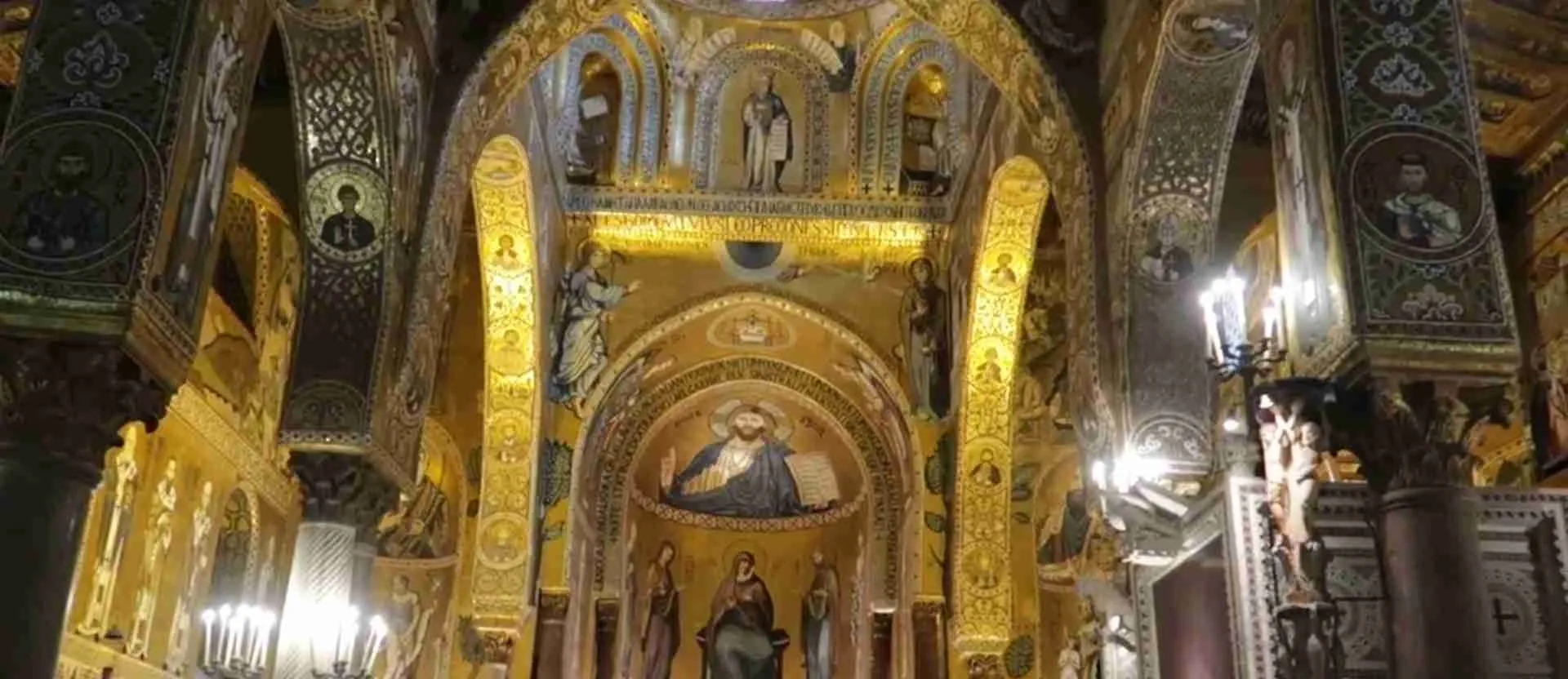
Beyond Palermo’s famous cathedral and Cappella Palatina, the city conceals dozens of lesser-known sacred spaces that showcase exceptional artistry without tourist crowds. The Oratorio del Rosario di San Domenico, hidden behind the Church of San Domenico, contains another masterwork by Giacomo Serpotta alongside a Van Dyck altarpiece. The oratory served as a meeting place for Palermo’s elite confraternity, and the elaborate stucco decorations reflect their wealth and devotion. Serpotta’s allegorical figures representing the Christian virtues demonstrate technical mastery that transforms plaster into apparently weightless sculpture, creating a visual symphony in white and gold that rivals any European Baroque interior.
The Magione Church, officially Santa Maria dell’Ammiraglio but known locally as La Magione, represents one of Palermo’s finest Norman religious structures. Founded by Matteo d’Ajello in the 12th century, the church preserves austere Norman architecture with minimal later modifications. The attached cloister, with its paired columns and Arab-Norman pointed arches, creates a serene courtyard space that exemplifies the cultural fusion characteristic of Norman Sicily. The church’s lack of Baroque overlay, unlike most Palermitan sacred buildings, makes it invaluable for understanding the city’s medieval architectural heritage.
The Chiesa di San Cataldo, adjacent to the better-known Martorana church, often receives only cursory attention from visitors rushing between major sites. However, this small Norman church, with its distinctive pink domes and austere interior, represents one of Sicily’s purest examples of Norman-Arab architecture. Built in the 12th century for Maio of Bari, William I’s chancellor, the church retains its original mosaic floor and unadorned walls that emphasize geometric proportions derived from Islamic architecture. The building’s compact scale and harmonious proportions create a meditative atmosphere contrasting sharply with Palermo’s more ornate Baroque churches.
The Oratorio di Santa Cita, in the La Kalsa neighborhood, contains Giacomo Serpotta’s final and some say finest stucco work, completed between 1686-1718. The oratory’s walls feature elaborate scenes from the Battle of Lepanto, populated with hundreds of detailed figures, cherubs, and decorative elements. The craftsmanship reaches its apex in the rear wall’s depiction of the “Battle of Lepanto,” where Serpotta created a three-dimensional sculpture that appears to surge forward from the wall. The oratory suffered severe World War II damage but underwent meticulous restoration that preserved Serpotta’s vision.
The Chiesa del Gesù, while not exactly hidden, contains interior treasures that most visitors overlook in their rush to see the church’s famous inlaid marble walls. The side chapels house important artworks including Pietro Novelli paintings and exceptional marble intarsia work. The sacristy preserves 17th-century carved wooden furnishings and vestment collections that illustrate Jesuit liturgical practices. Taking time to explore these peripheral spaces reveals the church’s full artistic richness beyond the immediately visible main nave decorations.
Hidden Courtyards and Gardens
Palermo’s courtyard culture represents a fundamental aspect of Sicilian architecture often invisible to street-level visitors. Traditional palazzi organized around internal courtyards provided private outdoor space, social gathering areas, and natural climate control. Many historic courtyards remain accessible during business hours when buildings serve as offices or public institutions. The Palazzo Mirto courtyard, part of the house museum, demonstrates aristocratic courtyard design with its 18th-century majolica floor, decorative fountain, and frescoed walls. The space functioned as an outdoor reception area where the noble family received guests in pleasant weather.
The Villa Giulia, while technically a public garden, escapes most tourist itineraries despite its exceptional botanical collections and neoclassical design. Created in 1777 as Palermo’s first public garden, the villa features geometric layouts, exotic plant specimens introduced during Sicily’s period as a botanical research center, and decorative architectural elements including fountains, gazebos, and ceramic benches. The garden’s position along the waterfront, away from the historic center’s concentration of major sites, means visitors often overlook this green oasis. The mature trees, including rare species acclimated to Mediterranean conditions, create a naturalistic canopy that provides relief from summer heat.
The Orto Botanico (Botanical Garden), while more widely known than Villa Giulia, merits inclusion as a hidden gem because most visitors underestimate its scale and significance. Established in 1779, the garden contains one of Europe’s most important botanical collections, with over 12,000 species arranged in thematic sections. The monumental ficus trees, some approaching three centuries old, create cathedral-like spaces beneath their aerial root systems. The garden’s tropical greenhouses, built in the 19th century using cast-iron and glass construction, house plant collections from global climatic zones. The scientific importance, combined with the garden’s romantic landscaping, creates an experience far exceeding typical botanical garden visits.
The Chiostro di San Giovanni degli Eremiti, part of the Norman church complex, represents medieval cloister architecture at its most refined. The paired columns with Arab-inspired carved capitals support pointed arches surrounding a garden space planted with Mediterranean species—citrus, pomegranate, jasmine—that would have been familiar to 12th-century monks. The cloister’s geometric simplicity and play of light through the arcades create a contemplative atmosphere little changed since Norman times. The garden’s position adjacent to the church’s distinctive red domes provides photographic compositions combining architectural and natural elements.
Private palazzo courtyards occasionally open during cultural events or through special access arrangements. The Palazzo Valguarnera-Gangi courtyard, familiar to film buffs from “The Leopard,” showcases 18th-century aristocratic grandeur with its theatrical staircase, stucco decorations, and frescoed ceilings visible from the courtyard floor. The Palazzo Butera, recently restored and opened as a cultural center, reveals its spectacular waterfront location and multi-level courtyards that demonstrate how Palermo’s nobility adapted urban palaces to capture sea breezes and views. These spaces, increasingly accessible as palazzi convert to museums and cultural venues, provide insights into aristocratic lifestyle and architectural adaptation to Sicilian climate.
Lesser-Known Museums and Collections
The Museo Archeologico Regionale Antonio Salinas houses one of the Mediterranean’s most important ancient art collections, yet receives a fraction of the visitors that crowd into Palermo’s more famous sites. The museum’s extensive holdings include Greek, Phoenician, and Roman artifacts from Sicilian excavation sites. The highlight consists of metope sculptures from Selinunte’s Temple C, among the finest examples of Greek architectural sculpture in existence. These 6th-century BCE reliefs depicting mythological scenes demonstrate the skill of Greek colonial artists and the wealth of ancient Selinunte. The museum’s organization by archaeological site allows visitors to understand Sicily’s ancient settlement patterns and the cultural interactions between Greek colonists, native populations, and Phoenician traders.
The Diocesan Museum, located in the Archbishop’s Palace adjacent to the Cathedral, preserves ecclesiastical art spanning Byzantine through Baroque periods. The collection includes illuminated manuscripts, liturgical vestments, silverwork, and religious paintings that document Sicily’s position in Mediterranean religious culture. Byzantine icons demonstrate the island’s connections to Constantinople, while Norman-period artifacts illustrate the fusion of Western and Eastern Christian traditions under Norman rule. The museum’s intimate scale allows close examination of objects that would be cordoned off in larger institutions, and the near-absence of crowds creates a contemplative atmosphere appropriate to the sacred art displayed.
The Museo Internazionale delle Marionette Antonio Pasqualino dedicates itself to traditional puppet theater, a Sicilian cultural expression recognized by UNESCO as intangible heritage. The collection includes over 3,500 puppets, theater backdrops, and related materials from Sicily and global puppet traditions. The Sicilian marionettes, elaborately costumed and armored figures representing Charlemagne’s paladins, demonstrate woodcarving, metalwork, and textile arts applied to popular entertainment. The museum occasionally hosts traditional Opera dei Pupi performances, allowing visitors to experience this narrative art form that combined epic poetry, musical accompaniment, and spectacular combat scenes. Understanding puppet theater provides insights into how working-class Palermitans engaged with history, literature, and moral philosophy through popular culture.
The Galleria d’Arte Moderna, housed in a former convent complex, surveys Sicilian art from the 19th century through contemporary periods. The collection emphasizes Sicilian artists often overlooked in broader Italian art narratives but whose work documents the island’s cultural development. Paintings depicting Sicily’s landscapes, urban scenes, and social conditions provide visual records of the island’s transformation through industrialization, emigration, and modernization. The gallery’s emphasis on regional art history, rather than attempting comprehensive coverage of Italian modernism, creates a focused collection that rewards visitors interested in Sicily’s specific cultural trajectory.
The Museo Etnografico Giuseppe Pitrè, located on the grounds of the Parco della Favorita, preserves material culture documenting traditional Sicilian life. The collection includes agricultural implements, fishing equipment, traditional costumes, religious objects, ceramics, and domestic furnishings that illustrate pre-industrial Sicilian society. The painted carts, elaborately decorated with scenes from Norman legends and popular stories, exemplify the folk art tradition that made functional objects into narrative canvases. The museum’s documentation of rural and urban working-class life provides context for understanding contemporary Sicilian culture’s roots in agricultural and artisan traditions that dominated the island’s economy until recent decades.
Underground Palermo
The Qanat underground water system represents Palermo’s most extensive hidden infrastructure, with over 40 kilometers of hand-carved tunnels beneath the modern city. Arab engineers adapted Persian qanat technology to Palermo’s hydrogeology, creating underground channels that captured spring water in the mountain foothills and transported it by gravity flow to urban distribution points. The system’s construction required extraordinary engineering skill, with workers digging from multiple vertical shafts to maintain proper gradients over kilometer-long distances. Sections of the Qanat remain accessible through specialized tours that descend into the cool, humid tunnels where water still flows along channels carved 1,200 years ago. The experience provides visceral connection to medieval engineering achievement and reveals the infrastructure that supported Palermo’s agricultural prosperity and urban density during the Arab and Norman periods.
The Catacombe dei Cappuccini, while somewhat known to adventurous travelers, occupies a category between tourist attraction and hidden gem. This extensive burial complex beneath the Capuchin monastery contains approximately 8,000 mummified bodies displayed in corridors, crypts, and wall niches. The practice of mummifying deceased monks began in the late 16th century and expanded to include prominent Palermitan citizens who purchased burial spaces. The preservation resulted from natural environmental conditions in the catacombs rather than artificial embalming, with bodies desiccating in the dry underground air. The macabre spectacle, where corpses dressed in period clothing stand against walls or rest in open coffins, creates a memento mori experience unique in European culture. The catacombs document clothing styles, social hierarchies, and attitudes toward death across four centuries, functioning as an unconventional museum of Palermitan society.
World War II air raid shelters penetrate the rock beneath various Palermo neighborhoods, with some sections accessible through community organizations and cultural associations. The shelters, carved quickly during 1940-1943 to protect civilians from Allied bombing, reveal the wartime experience through graffiti, religious shrines, and improvised amenities. The Rifugio Antiaereo near Via Imera exemplifies these spaces, where underground chambers accommodated hundreds of residents during raids. The rough-hewn walls, narrow passages, and crude ventilation systems demonstrate the desperate conditions under which Palermitans sought protection. These shelters, preserved as historical sites, provide sobering encounters with recent history that contrasts sharply with the city’s ancient monuments.
Punic fortification remains and burial chambers discovered during construction projects occasionally open for archaeological visits. The Punic fortifications beneath the Palazzo Chiaromonte, revealed during restoration work, show sophisticated military architecture from the 5th-4th centuries BCE when Palermo served as a Carthaginian stronghold against Greek expansion. The megalithic blocks, fitted without mortar, demonstrate engineering techniques that allowed walls to withstand siege warfare and seismic activity. These fragments, visible in basement spaces beneath later construction, prove Palermo’s continuous occupation from antiquity and the city’s strategic importance in Mediterranean power struggles between Carthage, Greek Syracuse, and eventually Rome.
Medieval crypts beneath several churches preserve frescoes, tombs, and architectural elements from Palermo’s Byzantine and early Norman periods. The crypt of the Cattedrale, normally closed to visitors but accessible through special requests, contains Norman royal tombs including those of Roger II, Henry VI, and Frederick II—rulers who shaped Medieval Sicily’s unique cultural synthesis. The sarcophagi, fashioned from porphyry brought from Constantinople, demonstrate the Norman court’s aspirations to imperial status and its connections to Byzantine artistic traditions. Other church crypts, such as that beneath Santa Maria dell’Ammiraglio, preserve Byzantine frescoes and mosaic fragments that predate the churches’ later Baroque renovations.
Secret Street Food Spots
While Palermo’s street food culture attracts food tourism attention, the most authentic vendors operate in residential neighborhoods far from Vucciria and Ballaro markets’ tourist-facing stalls. The panelle (chickpea fritter) and crocché (potato croquette) vendors near the Borgo Nuovo market serve workers and residents rather than visitors, preparing food in tiny shops that have operated from the same locations for generations. The recipes, passed through family lines, adhere to traditional proportions and techniques rather than adapting to tourist preferences. These neighborhood friggitorie open early to serve breakfast crowds and close by mid-afternoon, requiring visitors to adjust their schedules to local eating patterns.
The sfincione stands in the Capo market’s residential periphery produce the thick Sicilian pizza that locals prefer over contemporary pizza styles. Sfincione’s spongy bread base, topped with tomato sauce, onions, anchovies, and breadcrumbs rather than cheese, represents the city’s traditional pizza before Neapolitan styles became dominant. The best versions emerge from wood-fired ovens in small bakeries where sfincione represents just one of numerous traditional baked goods. Finding these spots requires navigating market backstreets and observing where neighborhood residents queue during morning hours when fresh batches emerge from ovens.
The traditional arancine (rice balls) vendors, distinguishable from modern operations by their limited menu and decades-old preparation methods, occupy corner locations throughout Palermo. The authentic versions come in just two or three varieties—meat ragù, butter, or spinach—rather than the creative flavors some tourist-oriented shops offer. The rice, cooked in meat stock and mixed with saffron for the classic golden color, requires hours of preparation. The crispy breadcrumb exterior, achieved through proper oil temperature and frying technique, contrasts with the creamy rice interior. Locals debate the merits of different vendors with the passion reserved for important cultural matters, and each neighborhood claims its particular arancine shop produces superior versions.
The pani ca’ meusa (spleen sandwich) vendors, operating from carts and small storefronts, serve Palermo’s most distinctive street food. The sandwich, prepared by boiling veal spleen and lung until tender, then chopping the meat and frying it in lard, demands an adventurous palate. The meat goes into sesame-studded rolls with optional ricotta (maritato) or without (schettu), plus lemon juice for acidity. This quintessentially Palermitan food, with roots in the city’s Jewish quarter and Arab culinary influences, rarely appeals to tourists but represents authentic working-class Palermo cuisine. The best vendors, operating for decades from the same locations, serve neighborhood regulars who consume their sandwiches standing at the cart while debating local affairs.
The granita and brioche shops in the Borgo Vecchio and Cruillas neighborhoods serve Sicilian breakfast culture at its finest. The granita, a frozen dessert smoother than shaved ice but coarser than gelato, comes in traditional flavors—lemon, almond, coffee, mulberry—rather than the exotic variations tourist shops offer. Served with warm brioche col tuppo (brioche with a small knot on top), the combination provides textural and temperature contrasts that epitomize Sicilian baroque sensibility in food. These neighborhood shops open at dawn to serve workers their traditional breakfast, and the experience of consuming granita while standing at a bar counter surrounded by locals heading to jobs provides authentic immersion in contemporary Palermo’s daily rhythms.
Hidden Viewpoints and Terraces
Monte Pellegrino’s Sanctuary of Santa Rosalia, while the destination itself is well-known, offers several hidden terraces and viewpoints beyond the main sanctuary complex. The hiking trails ascending from the city side rather than the main road access provide spectacular panoramas across Palermo bay, the Conca d’Oro plain, and the surrounding mountains. These trails, used by pilgrims for centuries before the road construction, wind through Mediterranean macchia vegetation and past small shrines. The viewpoints along these paths, particularly early morning when light angles create dramatic shadows across the urban landscape, provide photographic opportunities without the crowds that gather at the sanctuary plaza.
The rooftop terraces of several historic palazzi, occasionally accessible during cultural events or through building residents’ courtesy, offer unique perspectives on Palermo’s urban fabric. The Palazzo Butera’s restored terraces provide sweeping views across the waterfront, combining sea, harbor, and mountain vistas. The Palazzo Termine’s roof affords close views of Palermo’s church domes and bell towers, revealing the density of religious architecture that characterizes the historic center. These elevated vantage points, removed from street-level chaos, demonstrate the city’s geographical setting—a coastal plain backed by mountains—that influenced its historical development and continues shaping contemporary urban patterns.
The Castello di Maredolce, a ruined Norman pleasure palace in the Brancaccio neighborhood, provides both archaeological interest and elevated views. The palace, built for Roger II in the 12th century within an artificial lake (now drained), preserves enough architectural fragments to convey its original splendor. The site’s elevation above the surrounding plain offers views toward Mount Etna on clear days and across Palermo’s eastern suburbs, illustrating the city’s 20th-century expansion. The castle’s remote location and lack of tourist infrastructure mean visitors often experience the site in solitude, able to contemplate Norman royal culture’s luxurious expressions without distraction.
The Foro Italico waterfront’s southern end, beyond the main promenade’s busy sections, provides coastal viewpoints toward Monte Pellegrino and across Palermo bay. This area, popular with local fishermen and evening walkers but rarely visited by tourists, offers changing light conditions throughout the day that create photographic opportunities. The long waterfront wall provides elevated perspective above the rocky shoreline, with the mountain’s dramatic profile dominating the northern view. The relative absence of other photographers makes this location valuable for those seeking original perspectives on Palermo’s iconic geographical features.
The Villa Tasca gardens, occasionally open for cultural events, include elevated terraces overlooking the estate’s historic gardens and beyond to mountain views. This private estate, maintained by descendants of the Tasca d’Almerita family, preserves 19th-century landscape design that combined formal Italian garden elements with naturalistic English park aesthetics. The gardens’ mature trees, exotic plant specimens, and carefully designed sight lines create picturesque compositions at every turn. The terraces, with their period architectural elements, provide elevated vantage points for viewing both the estate’s horticultural achievement and the surrounding landscape that inspired the Romantic era’s vision of Sicily as an earthly paradise.
Forgotten Palaces and Villas
The Palazzo Forcella de Seta, tucked into the Kalsa neighborhood’s narrow streets, preserves late Baroque architecture and decoration often overlooked because the building lacks museum status. The palace’s courtyard, with its geometric marble floor and frescoed vault, demonstrates the wealth Palermo’s noble families deployed in private spaces invisible from the street. The building occasionally hosts cultural events that provide access to the piano nobile reception rooms, where 18th-century stucco work and ceiling frescoes remain largely intact. The palace represents dozens of similar structures throughout the historic center that maintain architectural integrity but escape tourist attention because they function as private residences or offices rather than public museums.
The Villino Florio, an Art Nouveau villa in the Olivuzza neighborhood, showcases the early 20th-century architectural and decorative tastes of Palermo’s industrialist elite. Designed by Ernesto Basile for the Florio family, Sicily’s most powerful business dynasty, the villa demonstrates Art Nouveau’s Sicilian expression called “Liberty” style. The decorative elements—floral motifs, sinuous lines, integration of glass and metalwork—create aesthetic unity across architectural structure and interior furnishing. The villa’s relationship to surrounding gardens, with transitional spaces that blur interior and exterior boundaries, reflects Art Nouveau’s nature-inspired philosophy. The structure’s partial accessibility through cultural programming allows glimpses of a lifestyle and aesthetic far removed from Palermo’s more famous Norman and Baroque heritage.
The Palazzo Conte Federico, one of Palermo’s few medieval urban palaces preserving significant original architecture, offers private tours conducted by the noble family who has inhabited the building since the 12th century. The palace incorporates remnants of the city’s Arab-era walls within its structure, demonstrating Palermo’s continuous urban development across civilizations. The interior preserves Norman architectural elements, medieval defensive features, and later period modifications that illustrate how aristocratic families adapted ancient structures to changing residential standards across eight centuries. The personal tour format, with family members explaining their ancestors’ history and the building’s evolution, provides intimate encounters with living historical continuity that museum visits cannot replicate.
The Palazzo Steri-Chiaromonte, while housing the University Rector’s office and therefore somewhat accessible, contains hidden spaces that few visitors discover. The palace’s dungeons preserve Inquisition-period graffiti created by prisoners during Spanish rule, offering direct testimony of religious persecution. The artwork ranges from simple scratched marks counting days to elaborate religious scenes drawn with materials prisoners improvised. The Torre degli Uccelli room, with its 14th-century ceiling frescoes depicting noble leisure activities, contrasts sharply with the dungeon’s evidence of suffering, illustrating power’s dual nature. Accessing these spaces requires advance requests through university channels, but the effort rewards those interested in unfiltered historical evidence.
The Villa Whitaker-Malfitano, a late 19th-century mansion with extensive gardens, preserves the material culture of Palermo’s Anglo-Sicilian community. Built for Joseph Whitaker, heir to a Marsala wine fortune, the villa demonstrates how British families integrated into Sicilian society while maintaining cultural distinctiveness. The house museum contains original furnishings, artwork collected during European grand tours, and personal effects that document upper-class cosmopolitan lifestyle during Italy’s liberal period. The gardens, designed to display exotic plant species acclimatized through the Whitakers’ botanical experimentation, exemplify the colonial-era practice of transplanting global flora to Mediterranean climates. The villa’s preservation as a complete domestic environment, rather than a curated museum with artificial displays, provides authentic insight into a vanished social world.
Local Neighborhood Discoveries
The Kalsa neighborhood’s backstreets, away from the restored main thoroughfares, preserve traditional urban fabric where local life continues relatively unchanged despite surrounding gentrification. Small groceries, neighborhood bars, artisan workshops, and residential courtyards maintain patterns established over centuries. The area’s churches, including Santa Teresa alla Kalsa and the Chiesa dello Spasimo, serve active parish communities rather than functioning primarily as tourist sites. Walking these streets during evening hours when residents gather outside doorways, children play in piazzas, and neighbors converse across balconies provides immersive experience of Mediterranean urban culture that has disappeared from more touristed districts.
The Vucciria market’s residential periphery, particularly streets branching off from Via Argenteria and Via dei Coltellieri, reveals working-class Palermo’s contemporary reality. These narrow alleys contain small apartments where extended families live in spaces that would be considered inadequate by northern European standards but that reflect Sicily’s traditional dense urban settlement patterns. The street-level social life—elderly residents sitting outside doorways, impromptu gatherings around improvised tables, communal clothes-washing facilities in courtyards—demonstrates cultural continuity with pre-industrial urban life. These spaces, neither picturesque nor restored for tourist consumption, provide honest encounters with contemporary Palermo’s socioeconomic diversity.
The Borgo Vecchio neighborhood, developing around the old port area northeast of the historic center, maintains working-class character and traditional community structures. The area’s churches, social clubs, and small businesses serve local populations rather than tourists. The neighborhood festivals, particularly religious celebrations honoring patron saints, involve entire communities in processions, street decorations, and communal meals that preserve traditions dating to the Spanish period. Participating in or observing these events, rather than visiting as cultural spectacle, requires building relationships with neighborhood residents and demonstrating genuine interest in community life beyond superficial tourism.
The Albergheria neighborhood around Piazza Carmine, despite containing some tourist-oriented restaurants near Ballaro market, preserves authentic residential character in its interior streets. The area’s small workshops—upholsterers, carpenters, electricians, plumbers—continue servicing local needs using traditional techniques. The neighborhood bars and cafes cater to resident clientele, serving espresso and simple food at prices reflecting local purchasing power. The daily rhythms—market morning activity, midday quiet during traditional riposo, evening social life as temperatures cool—follow patterns little changed despite contemporary pressures. Experiencing these rhythms requires spending extended time in the neighborhood beyond brief tourist visits.
The Zisa neighborhood, surrounding the Norman palace of the same name, demonstrates post-war urban development patterns and contemporary immigration’s impact on Palermo’s demographic composition. The area’s markets, shops, and restaurants reflect the city’s growing North African and South Asian communities, with businesses catering to immigrant populations’ specific needs. This cultural diversity, while sometimes creating social tensions, also enriches Palermo’s cosmopolitan character and links the city to its medieval past as a Mediterranean crossroads. Exploring these neighborhoods provides understanding of contemporary Sicily’s demographic transformations and the challenges of integrating new communities into traditional urban social structures.
Artisan Workshops and Studios
The metalworkers along Via dei Candelai continue traditional iron forging techniques to create decorative elements for buildings, churches, and private clients. These workshops, occupying medieval spaces with vaulted ceilings and stone floors, use coal forges and hand tools little changed since the Spanish period. The artisans create balcony railings, gates, decorative hinges, and lighting fixtures using patterns derived from Baroque and Art Nouveau sources. Many workshops accept commissions for restoration projects, replicating historical ironwork for Palermo’s architectural conservation efforts. Visiting these spaces, often through personal introductions rather than formal tourism channels, provides insights into craft knowledge transmission and the economic challenges of maintaining traditional techniques in contemporary markets.
The ceramic workshops in the Capo district produce tiles, vessels, and decorative objects using traditional Sicilian designs and glazing techniques. The characteristic blue and yellow color palette, derived from Arab-era ceramic traditions, decorates everything from small souvenirs to large architectural installations. The workshop process—from clay preparation through throwing, decorating, glazing, and firing—requires skills developed over years of apprenticeship. Some workshops maintain wood-fired kilns that produce distinctive surface qualities impossible to achieve with modern electric or gas kilns. The ceramicists, while producing items for tourist markets, also create custom pieces for Sicilian clients seeking traditional designs for homes and religious spaces.
The puppet makers, concentrated around Via Bara all’Olivella, craft traditional Opera dei Pupi marionettes using techniques recognized by UNESCO as intangible cultural heritage. Each puppet requires weeks of work, with carved wooden heads, articulated arms and legs, miniature armor crafted from copper and brass, and elaborate costumes. The artisans work from traditional character models—Charlemagne’s paladins, Saracen warriors, beautiful princesses—that have defined the puppet theater tradition since its 19th-century origins. The workshops, often combining creation spaces with small theaters for performances, preserve narrative traditions that once entertained working-class audiences and transmitted epic poetry and historical legends across generations.
The woodworkers specializing in Sicilian cart decoration, while the carts themselves now serve primarily decorative purposes rather than agricultural transportation, maintain painting and carving traditions that transformed functional objects into mobile artworks. The traditional iconography—scenes from Norman legends, religious imagery, geometric patterns—follows compositional rules developed over the tradition’s 200-year history. The bright primary colors and narrative complexity create baroque visual effects that exemplify Sicilian folk art at its most exuberant. These workshops accept commissions for miniature decorative carts, painted panels, and replica full-size carts for museums and collectors, ensuring technique transmission to new generations despite the tradition’s loss of original practical function.
The textile workshops producing traditional Sicilian embroidery and lacemaking, concentrated in convents and private studios, preserve needlework techniques that once characterized women’s domestic and professional labor. The geometric patterns, floral motifs, and religious imagery reflect both Arab textile traditions and later European influences. The work requires exceptional skill and patience, with single pieces demanding hundreds of hours of labor. The products, ranging from household linens to liturgical vestments, serve both tourist markets and local demand for traditional craftsmanship. The workshops, often run by elderly women who learned techniques from family members, face uncertain futures as younger generations pursue other employment, making current observations potentially the last opportunities to witness these traditional practices.
Photography Opportunities
Palermo’s hidden gems provide photography opportunities that go beyond the famous monuments filling guidebooks and Instagram feeds. The early morning light filtering through the Kalsa neighborhood’s narrow streets creates dramatic chiaroscuro effects, illuminating baroque doorways and weathered facades while leaving deeper recesses in shadow. These compositions, combining architectural decay with vital street life, convey Palermo’s particular character better than monument photographs. The key is arriving early, before the harsh midday light flattens contrasts and before tourist crowds disrupt the neighborhood’s authentic atmosphere.
The Vucciria and Ballaro markets provide rich subject matter beyond typical market scenes. Focus on details—elderly vendors’ hands arranging produce, traditional measurement systems using brass scales, the interaction between generations as grandparents teach children about food traditions. The markets’ architectural settings, with food displayed beneath Norman-era arches or Baroque facades, create juxtapositions of daily life and monumental history. The color palettes—bright produce against weathered stone, reflective fish scales, warm bread tones—offer painterly compositions that transcend documentary photography.
The underground spaces—Qanat tunnels, crypts, and catacombs—present technical challenges requiring artificial lighting and long exposures, but reward photographers with mysterious, atmospheric images impossible to capture above ground. The textures of ancient stone, water-worn surfaces in the Qanat channels, the haunting presence of catacombs’ mummified bodies, and the play of artificial light across carved architectural details create photographs that convey Palermo’s hidden depths. These images complement conventional architectural photography by suggesting the multiple layers—temporal and physical—that comprise the city’s complex identity.
The forgotten palaces and villas, particularly Villa Tasca and the Villino Florio when accessible, provide opportunities for architectural detail photography that showcases decorative arts, period furnishings, and the relationship between interior spaces and garden settings. The Art Nouveau elements—sinuous ironwork, stained glass, ceramic tile work—require close attention to compositional details and lighting that brings out surface textures and color harmonies. These interior photographs, when combined with images of the buildings’ exterior settings, create visual narratives about lifestyle, taste, and social status that characterized Palermo’s elite classes during different historical periods.
The neighborhood street life, particularly during festivals and religious celebrations, offers documentary photography opportunities that capture Sicilian cultural continuity and community bonds. The key is building sufficient rapport with residents to photograph intimate moments without intrusion—a skill requiring time, respect, and often linguistic ability. Photographs of religious processions, street games, neighborhood gatherings, and daily routines performed in public spaces document living traditions that define contemporary Palermitan identity beyond tourist-focused cultural performances. These images, when treated with anthropological seriousness rather than casual exoticism, contribute to visual documentation of Mediterranean urban culture in the early 21st century.
Frequently Asked Questions
How do visitors access hidden churches and oratories with restricted hours?
Many of Palermo’s secret oratories and lesser-known churches maintain irregular opening schedules, requiring advance planning to visit. Contact information for oratories like San Lorenzo and San Domenico appears on cultural tourism websites, though telephone contact often proves more reliable than email. Some sites open only during morning hours or require appointments through associated churches or cultural organizations. Joining specialized cultural tours focused on Baroque art provides guaranteed access to otherwise closed spaces, as tour operators maintain relationships with site custodians. Learning basic Italian phrases for polite requests improves chances of gaining entry when arriving at closed sites, as custodians sometimes accommodate courteous visitors even outside official hours. Patience and flexibility remain essential, as the informal nature of many sites’ management means published schedules may not reflect actual availability.
What safety considerations apply when exploring residential neighborhoods?
Palermo’s working-class residential neighborhoods pose no greater safety risks than other European urban areas, though sensible precautions remain advisable. Avoid displaying expensive cameras, jewelry, or electronic devices prominently, particularly in crowded market areas where petty theft occasionally occurs. The Kalsa and Borgo Vecchio neighborhoods, while increasingly gentrified, contain streets that empty after dark, suggesting caution during evening walks. Trust local residents’ assessments of safety—if a street feels uncomfortable or locals advise against entering certain areas, respect those instincts. Dress modestly to avoid drawing unnecessary attention, particularly in conservative residential districts. The overwhelming majority of Palermo residents welcome respectful visitors, and genuine dangers remain limited to the same opportunistic property crimes affecting all tourist cities. Cultural sensitivity and common sense provide adequate protection for visitors exploring beyond tourist zones.
Can non-Italian speakers successfully navigate artisan workshops and traditional food stalls?
While English proficiency remains limited in traditional neighborhoods and among older artisans, genuine interest and respectful demeanor transcend language barriers. Learning basic Italian phrases for greetings, thanks, and expressing interest helps enormously. Many artisans appreciate visitors who demonstrate specific knowledge about their crafts, even if communication requires gestures and simple vocabulary. Traditional food vendors in neighborhood markets rarely speak English but manage transactions through pointing, basic number communication, and universal food service gestures. Smartphone translation apps provide backup communication though personal interaction works better for building rapport. The key is approaching interactions with patience rather than expecting English-language service. Many younger Palermitans in neighborhoods speak some English and often volunteer as informal translators when they observe visitors struggling with communication. The effort to communicate in Italian, however imperfect, demonstrates respect that opens doors and creates positive interactions.
Which hidden sites merit professional guide services versus independent exploration?
The underground Qanat system, World War II shelters, and certain archaeological sites require guides both for access and safe navigation. These spaces often lack lighting, contain structural hazards, and require specialized knowledge to interpret. The Catacombe dei Cappuccini, while technically accessible independently, benefits greatly from guide services that explain the historical, social, and religious contexts making the site meaningful beyond macabre spectacle. The Oratorio di San Lorenzo and similar oratories benefit from art historical expertise that illuminates Serpotta’s stucco technique and iconographic programs. Conversely, neighborhood exploration, street food discovery, and artisan workshop visits work best independently, allowing spontaneous interactions and discoveries that organized tours discourage. Hidden courtyards and gardens generally require no guidance, as their appeal rests primarily on atmosphere rather than complex historical narratives. Budget-conscious travelers should prioritize guides for underground sites and complex artistic sites while exploring neighborhoods, markets, and obvious architectural sites independently.
How does seasonal timing affect access to hidden gems?
Many lesser-known sites maintain reduced winter hours when tourism declines, with some closing entirely during January-February for maintenance. Underground sites like the Qanat tours often suspend operations during rainy periods when flooding risks increase. Summer heat makes outdoor market and neighborhood exploration uncomfortable during midday hours, suggesting early morning or evening visits. Spring and autumn shoulder seasons provide ideal conditions for extended neighborhood walks and garden visits. Religious sites may close or restrict access during services, particularly important religious festivals when churches serve active parish needs rather than tourist functions. Some private palaces and villas open only during specific cultural events or heritage weekends, requiring research into local cultural calendars. The artisan workshops maintain year-round operations but observe traditional August closures when many Palermitans leave the city for summer holidays. Planning around these seasonal patterns ensures maximum site access while avoiding disappointment from unexpected closures.
What photographic equipment and techniques suit Palermo’s hidden spaces?
The narrow streets, dimly lit interiors, and underground spaces require versatile equipment and technical skill. Fast prime lenses (f/1.8 or wider) allow hand-held photography in low-light conditions without flash, which damages artworks and disrupts atmosphere in religious spaces. Compact full-frame or crop-sensor cameras provide better image quality than smartphones in challenging lighting while maintaining portability for day-long neighborhood walks. Tripods prove impractical in crowded markets and narrow streets but become essential for underground photography and interior architectural documentation. Wide-angle lenses (24-35mm full-frame equivalent) capture architectural contexts in confined spaces, while longer lenses (85-135mm) isolate details in markets and during street photography. High ISO capabilities matter more than megapixel counts when shooting in crypts, oratories, and shaded courtyards. Respecting photography restrictions in religious sites remains paramount—some oratories prohibit photography entirely to protect delicate artworks from repeated flash exposure. Street photography requires awareness of privacy concerns and cultural sensitivity, particularly in residential neighborhoods where residents may object to intrusive documentation of daily life.
Which hidden gems offer the most authentic encounters with contemporary Palermitan culture?
The neighborhood markets’ residential peripheries, particularly early morning hours when locals shop for daily needs, provide authentic glimpses of contemporary food culture and social interactions. The artisan workshops continuing traditional crafts demonstrate economic and cultural continuity with pre-industrial Palermo despite modern pressures. Neighborhood churches during services, particularly festivals honoring patron saints, reveal the continuing importance of religious community identity in Sicilian urban life. The street food vendors serving local clientele rather than tourists maintain traditional recipes and social patterns around food consumption. The social clubs and bars in working-class neighborhoods, where elderly residents gather to discuss local affairs, preserve male social culture with roots in agricultural village traditions adapted to urban settings. The residential courtyards and street life in the Kalsa, Albergheria, and Borgo Vecchio neighborhoods show how traditional urban patterns persist despite contemporary changes. These authentic encounters require time, linguistic ability, and cultural sensitivity—rushing through neighborhoods as sightseeing destinations misses the lived culture that makes these spaces meaningful to residents.
How do Palermo’s hidden treasures compare to its famous monuments?
The hidden sites often provide more intimate, less crowded encounters with Palermo’s cultural heritage than famous monuments where tourist pressure diminishes visitor experience. The Oratorio di San Lorenzo’s Serpotta stuccos rival the Cappella Palatina’s mosaics in artistic significance while receiving fraction of visitors, allowing extended contemplation without crowds. The underground Qanat demonstrates engineering achievement comparable to famous Norman buildings but offers visceral experience of medieval infrastructure impossible in above-ground monuments. The neighborhood streets and residential areas convey contemporary Sicilian urban culture more authentically than restored tourist districts. The lesser-known museums allow close examination of artifacts that major institutions would display behind barriers. However, the famous sites earned their reputation through exceptional artistic, architectural, and historical significance that justifies their prominence. The ideal approach combines both categories—using famous monuments to establish contextual understanding of Palermo’s major cultural achievements while exploring hidden gems for personal discovery, authentic local encounters, and escape from tourist crowds. Neither category provides complete understanding alone; together they reveal Palermo’s full complexity as a living city preserving multiple historical layers while adapting to contemporary challenges.
What resources help identify additional hidden gems beyond guidebook coverage?
Local cultural associations like the Associazione Amici dei Musei Siciliani organize specialized tours and publish newsletters about lesser-known sites and upcoming cultural events. The Sicily Region tourism website maintains updated listings of minor museums, archaeological sites, and cultural venues often overlooked in commercial guidebooks. Academic publications from the University of Palermo, particularly art history and archaeology departments, document significant sites lacking popular publicity. Local newspapers’ cultural sections announce temporary exhibitions, building openings, and heritage events providing access to normally closed spaces. Building relationships with Palermo residents through hospitality networks, language exchange programs, or professional connections yields insider recommendations more valuable than published sources. Exploring systematically by neighborhood rather than monument-hopping reveals unexpected discoveries—hidden courtyards visible through open gates, small museums with irregular hours, neighborhood festivals, artisan workshops. The best resource remains curiosity combined with willingness to wander without specific destinations, allowing Palermo’s urban fabric to reveal itself gradually through accumulated observations rather than checklist monument visiting. Digital mapping tools showing historical overlays, archaeological sites, and building ages help identify potentially interesting areas deserving exploration.
How should visitors balance hidden gem exploration with famous monument visits?
Effective itinerary design integrates both categories, using famous monuments to establish historical and cultural context while allowing time for neighborhood wandering and serendipitous discovery. Morning hours suit famous monuments before crowds arrive, with afternoons dedicated to neighborhood exploration, markets, and hidden sites with more flexible schedules. Alternate days between intensive monument visiting requiring admission fees and appointments with free-form neighborhood exploration following curiosity rather than schedules. Geographic clustering makes sense—when visiting the Norman Palace, explore the nearby Albergheria neighborhood; after the Cathedral, wander Kalsa’s backstreets. Budget more time than expected for hidden gems, as their appeal often lies in lingering, observing daily life, and allowing chance encounters rather than rapid monument viewing. Some visitors prefer establishing big-picture understanding through famous sites during initial days before seeking deeper knowledge through lesser-known spaces. Others reverse this approach, developing personal Palermo impressions through neighborhood exploration before comparing them against canonical monuments. Neither sequence proves superior; the key is consciously balancing both approaches rather than exhausting all famous sites while neglecting authentic urban exploration or becoming so focused on avoiding tourist areas that major artistic and architectural achievements go unseen.