
Palermo 10 Free Things to Do 2026: Budget Travel Guide
This guide identifies ten exceptional free experiences that deliver authentic Palermo discovery across cultural, natural, and social dimensions. Each recommendation provides complete information for 2026 planning, including optimal timing, access details, strategic routing, and practical considerations that maximize experience quality. Budget-conscious travelers build comprehensive Palermo itineraries around these free foundations, allocating saved resources toward selective paid highlights like Palatine Chapel or Teatro Massimo tours while maintaining rich, fulfilling daily exploration.
Key Takeaways
- Palermo offers extraordinary UNESCO heritage experiences completely free, from Norman Palace courtyards to Baroque church masterpieces accessible daily without admission fees
- The historic markets (Ballarò, Vucciria, Capo) provide free cultural immersion with vibrant street life, architectural discoveries, and authentic local interactions throughout 2026
- Mondello Beach and Foro Italico waterfront deliver premium Mediterranean experiences at zero cost, with pristine sand, turquoise water, and stunning coastal promenades
- Strategic timing maximizes free experiences: early morning cathedral visits avoid crowds, sunset hours enhance waterfront walks, and evening market exploration captures magical atmosphere
- Free walking routes connect major sites efficiently, enabling comprehensive Palermo exploration on foot while discovering hidden courtyards, street art, and neighborhood character without spending
- Budget travelers save €30-50 daily by prioritizing free attractions, using these experiences as foundation for complete Palermo discovery while allocating funds strategically for paid highlights
Discovering Free Palermo Experiences in 2026
Palermo revolutionizes budget travel expectations by offering world-class cultural, historical, and natural experiences at absolutely no cost. The Sicilian capital’s UNESCO Arab-Norman heritage, vibrant street markets, pristine beaches, and magnificent Baroque churches create extraordinary opportunities for travelers to explore one of the Mediterranean’s most fascinating cities without spending on admission fees or organized tours.
The city’s unique cultural generosity stems from its architectural and social fabric. Palermo’s historic churches maintain free admission policies that welcome visitors into stunning interiors adorned with Byzantine mosaics, Baroque frescoes, and Norman craftsmanship. The centuries-old street markets function as living museums of Sicilian culture, offering immersive experiences that reveal daily life, culinary traditions, and architectural evolution through simple exploration. The extensive waterfront and public beaches provide Mediterranean luxury accessible to everyone, while the compact historic center enables comprehensive walking exploration that connects UNESCO sites, hidden courtyards, and neighborhood discoveries.
The strategic advantage of free Palermo experiences extends beyond budget savings. These accessible attractions often provide more authentic cultural encounters than organized tours, enabling spontaneous discoveries, personal exploration pace, and genuine local interactions. Morning cathedral visits reveal spiritual practices, market wandering captures neighborhood rhythms, beach afternoons deliver Sicilian lifestyle immersion, and evening passeggiata along Quattro Canti connects travelers to centuries of urban tradition through lived contemporary experience.
People Also Ask About Free Palermo Activities 2026
What are the best completely free things to do in Palermo in 2026?
The best free Palermo experiences combine UNESCO heritage sites with authentic cultural immersion. Palermo Cathedral offers free access to the main nave daily 8 AM – 5:30 PM, revealing Norman-Arab architecture and royal tombs. The three historic markets (Ballarò, Vucciria, Capo) provide extraordinary cultural experiences Monday-Saturday 8 AM – 8 PM without any admission charges. Mondello Beach delivers premium Mediterranean beach experience with pristine sand, turquoise water, and mountain backdrop accessible year-round at no cost via bus #806 (€1.40 from city center).
Additional exceptional free experiences include Chiesa del Gesù’s stunning Baroque interior (open daily 7 AM – 12 PM, 5 PM – 7 PM), Foro Italico waterfront promenade extending 2 kilometers along the harbor, Quattro Canti historic intersection revealing four Baroque facades, and Villa Giulia public gardens offering shaded walking paths, fountains, and local life observation. The Norman Palace exterior courtyard remains freely accessible, while numerous smaller churches throughout the historic center welcome visitors without fees.
How much money can you save with free activities in Palermo in 2026?
Prioritizing free Palermo activities saves €30-50 daily compared to paid attraction-focused itineraries. Typical paid Palermo experiences include Palatine Chapel €12, Teatro Massimo tours €8, Catacombe dei Cappuccini €3, archaeological museum €6, and organized walking tours €25-35. A day built around ten free activities eliminates these costs entirely while delivering comparable cultural depth and authentic local experiences.
Three-day budget scenarios demonstrate substantial savings: travelers focusing on free attractions spend only €12-18 on transportation (bus tickets) plus €40-60 on meals if choosing budget options, totaling €52-78 for three full days excluding accommodation. Comparable paid itineraries typically cost €120-180 for admissions and tours alone, not including transportation or meals. The €68-102 savings per three-day visit enables budget reallocation toward exceptional dining experiences, selective premium tours, or extended Sicily exploration.
When is the best time to visit free attractions in Palermo in 2026?
Optimal timing for free Palermo attractions varies by experience type and seasonal considerations. Churches offer ideal morning visits 8-10 AM when light illuminates interiors beautifully, crowds remain minimal, and spiritual atmosphere prevails before tourist groups arrive. Historic markets peak in vibrancy 9 AM – 1 PM when vendors display full produce selections and neighborhood shopping activity creates authentic cultural scenes.
Beach experiences excel during shoulder seasons (April-May, September-October) when temperatures reach comfortable 22-26°C, crowds thin significantly, and water remains swimmable. Summer 2026 (June-August) brings intense heat 30-35°C but extends beach enjoyment into evening hours 7-9 PM when sunset creates magical atmosphere. Winter visits (November-March) focus on cultural attractions as churches, markets, and walking routes remain fully accessible while beaches serve contemplative purposes rather than swimming destinations.
Are Palermo’s historic markets really free to visit in 2026?
Palermo’s three major historic markets—Ballarò, Vucciria, and Capo—remain completely free to enter and explore throughout 2026. These authentic neighborhood markets function as public spaces where locals shop daily, creating genuine cultural experiences without admission gates, tickets, or fees. Visitors walk freely through market lanes, observe vendor interactions, photograph colorful displays, and absorb centuries-old trading traditions that continue unchanged.
The free access enables spontaneous exploration and extended visits impossible with ticketed attractions. Travelers spend 15 minutes or 3 hours depending on interest, return multiple times during visits to experience different daily rhythms, and discover varying neighborhood characters across the three distinct markets. While purchasing food items or street snacks remains optional (and very affordable at €2-5 for substantial portions), simply wandering, observing, and photographing costs nothing while delivering profound cultural immersion into Sicilian daily life, architectural heritage, and social traditions.
Extended multi-day tours – 5+ days
Featured Palermo Multi-Day Tour Packages
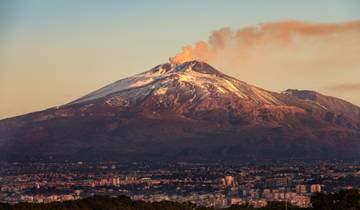
7 days
7-Day Sicily in Style from Palermo to Catania, Private Tour
- ✓ Comprehensive Palermo tour
- ✓ Expert local guides included
- ✓ All accommodation arranged
- ✓ Transportation provided
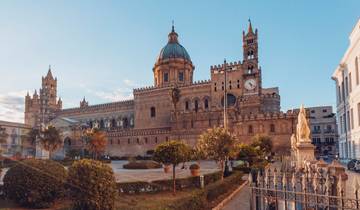
5 days
Sicilian Secrets – Mini Tour of Sicily 5 days
- ✓ Comprehensive Palermo tour
- ✓ Expert local guides included
- ✓ All accommodation arranged
- ✓ Transportation provided
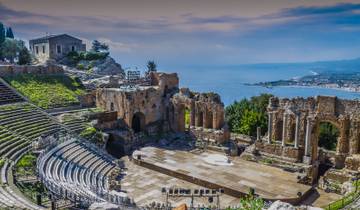
5 days
MINI TOUR OF SICILY from PALERMO TO CATANIA
- ✓ Comprehensive Palermo tour
- ✓ Expert local guides included
- ✓ All accommodation arranged
- ✓ Transportation provided
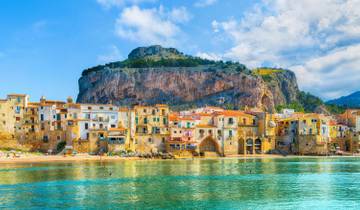
5 days
A Taste of Sicily
- ✓ Comprehensive Palermo tour
- ✓ Expert local guides included
- ✓ All accommodation arranged
- ✓ Transportation provided
Multi-day tour packages powered by TourRadar. Prices and availability subject to change.
Essential Planning Information for 2026 Free Activities
Understanding Free Palermo Access and Timing
Palermo’s free attractions operate on varied schedules that require strategic planning for comprehensive daily coverage. Churches generally open 7-8 AM for morning services, close midday 12-1 PM through 4-5 PM (riposo), then reopen for evening services 5-7 PM. This Mediterranean rhythm necessitates morning or late afternoon visits for interior access, though exterior architecture appreciation remains possible throughout the day.
Markets function Monday-Saturday approximately 8 AM – 8 PM with peak activity 9 AM – 2 PM when neighborhood shopping concentrates and vendor displays reach maximum abundance. Sunday closures affect market visits but create opportunities for quieter neighborhood walks through empty market lanes revealing architectural details hidden by weekday crowds. Beaches remain accessible 24/7 year-round, with lifeguard services June-September typically 9 AM – 7 PM at Mondello’s main beach area.
Waterfront promenades, public gardens, and street sites like Quattro Canti offer continuous access without time restrictions. This flexibility enables early morning coastal walks (ideal for photography in soft light), afternoon garden relaxation during peak heat, and evening passeggiata when locals crowd plazas creating vibrant social scenes. Strategic daily planning alternates timed church visits with always-accessible outdoor exploration, ensuring full schedules regardless of midday closures.
Transportation to Free Palermo Attractions in 2026
Reaching Palermo’s free attractions involves minimal transportation costs due to the compact historic center walkability. The entire old town from Teatro Politeama to Quattro Canti to waterfront measures roughly 2 kilometers in each direction, easily covered on foot in 20-30 minutes. This pedestrian scale enables self-guided walking routes connecting multiple free sites in single outings without bus requirements.
Mondello Beach requires public transportation via AMAT bus #806 departing from Politeama or Piazza Sturzo every 15-20 minutes 6 AM – 11 PM daily. Single tickets cost €1.40, day passes €3.50, covering unlimited rides within 24 hours. The 25-minute journey traverses Monte Pellegrino, arriving directly at Mondello’s main beach area. Return buses maintain same frequency, with last departure around 11:30 PM accommodating sunset beach visits.
Budget-conscious travelers purchase 3-day AMAT passes for €10 covering all city buses including airport shuttle and Mondello service, representing significant savings versus single tickets if planning multiple beach visits or extended transportation use. Alternatively, focusing on walkable historic center attractions eliminates transportation costs entirely while discovering hidden courtyards, street art, and neighborhood character impossible to experience from buses.
What to Bring for Free Palermo Exploration
Successful free Palermo experiences require minimal equipment but strategic preparation enhances comfort and opportunity. Church visits necessitate modest dress covering shoulders and knees for admission to all interiors, even those without entrance fees. Lightweight long pants or maxi dresses plus shawls or scarves enable appropriate coverage while maintaining comfort in Sicilian heat (25-35°C summer, 12-20°C winter).
Market exploration benefits from small cash amounts (€10-20) enabling spontaneous street food purchases—while entirely optional, sampling €2 panelle (chickpea fritters) or €3 arancine (rice balls) transforms market visits from observation to participation. Reusable water bottles prove essential as Palermo’s numerous public fountains (nasoni) provide free potable water throughout the city, eliminating bottled water purchases. Comfortable walking shoes support multi-hour exploration across cobblestone streets, market pathways, and waterfront promenades.
Beach visits require standard beach essentials: swimwear, towels, sunscreen, hats, and shade options if planning extended stays. Mondello’s free public beach areas lack amenities like chair rentals or umbrellas (available for €15-20 if desired), so bringing personal equipment maximizes free beach value. Photography enthusiasts carry cameras or smartphones plus portable chargers, as free attractions offer exceptional photo opportunities from Baroque church interiors to colorful market displays to Mediterranean sunset vistas.
Top 10 Free Palermo Experiences for 2026
1. Palermo Cathedral – Norman-Arab Architectural Masterpiece
Palermo Cathedral represents the city’s ultimate free UNESCO heritage experience, offering access to extraordinary Norman-Arab architecture, royal tombs, and centuries of cultural layering without admission fees for the main nave. The cathedral opens daily 8 AM – 5:30 PM (extended to 7 PM June-September), welcoming visitors into spaces that embody Sicily’s unique Mediterranean crossroads identity through Byzantine domes, Gothic portals, Norman towers, and Baroque facades integrated across eight centuries of construction.
The free nave access reveals remarkable treasures including Palermo’s patron saint Santa Rosalia’s silver urn, royal tombs of Norman King Roger II and Holy Roman Emperor Frederick II, and stunning marble inlay floors representing geometric Arab influences. The exterior provides equally impressive discoveries with the southern portico featuring elaborate Gothic-Catalan carving from 1430, while the eastern apse displays pure Norman stonework from the 12th-century original construction.
Strategic visiting recommendations maximize free cathedral experiences. Morning arrivals 8-9 AM capture soft light illuminating the silver urn and provide quiet contemplation before tour groups arrive. The free nave delivers 80% of the cathedral’s visual and cultural impact, making the paid treasury, rooftop, and crypt (combined €8) optional for budget travelers. Photography inside proves challenging due to dim lighting but remains permitted, while the exterior southern facade offers spectacular late afternoon photo opportunities when golden light enhances stone details.
Budget Impact: Visiting the free cathedral nave versus purchasing full access tickets saves €8 per person. A family of four saves €32 while experiencing the essential cathedral elements. The saved funds cover nearly three days of bus transportation or multiple street food tastings, demonstrating how strategic free attraction prioritization extends overall budget.
2. Ballarò Market – Palermo’s Most Authentic Street Market
Ballarò Market claims distinction as Palermo’s oldest and most authentically Sicilian street market, operating continuously since Arab times while maintaining completely free access to its labyrinthine lanes, colorful vendor stalls, and vibrant neighborhood atmosphere. Located in the Albergheria quarter southwest of Quattro Canti, Ballarò extends across multiple interconnected streets (Via Ballarò, Piazza Ballarò, Via del Bosco) creating an expansive walking circuit that reveals market culture, residential architecture, and daily Sicilian life.
The market operates Monday-Saturday approximately 8 AM – 8 PM with peak energy 9 AM – 2 PM when neighborhood residents conduct daily shopping and vendors perform their characteristic “abbanniata”—the melodic calling announcing products and prices that creates Ballarò’s distinctive soundscape. Free exploration reveals extraordinary visual abundance: mountains of Sicilian blood oranges, artichokes, eggplants, and tomatoes; fresh fish displays showing Mediterranean catches; spice vendors offering saffron, cinnamon, and exotic blends; and street food stalls preparing arancine, panelle, and other specialties.
Beyond commercial activity, Ballarò functions as architectural museum revealing layers of urban history. Walking the market streets uncovers Renaissance palazzo courtyards, Arab-Norman building fragments, Baroque church facades (Chiesa del Carmine dominates Piazza Ballarò), and residential balconies draped with laundry creating quintessential Sicilian scenes. Street art installations appear throughout, including the striking murals near Chiesa di San Nicolò lo Grasso celebrating neighborhood identity.
Strategic exploration recommendations enhance free Ballarò experiences. Visit Tuesday-Saturday mornings 9:30-11:30 AM for optimal vendor activity and neighborhood energy. Enter from Piazza Ballarò (easily reached from Quattro Canti in 10-minute walk) and wander without specific route, allowing market rhythms to guide discovery. Bring small camera or smartphone for exceptional photography opportunities, though exercise cultural sensitivity when photographing vendors—asking permission or purchasing small item first demonstrates respect. The entirely free market visit delivers 1-2 hours of profound cultural immersion equivalent to paid food tours (typically €35-45) without guided structure or spending requirements.
Budget Impact: Ballarò’s free access provides experiences comparable to paid food tours costing €35-45 per person. Groups of four save €140-180 by self-exploring while maintaining flexibility to purchase selective street food items (€2-5 each) based on interest rather than tour requirements.
3. Mondello Beach – Mediterranean Paradise
Mondello Beach delivers premium Mediterranean beach experience completely free, offering pristine white sand, turquoise water, dramatic mountain backdrop (Monte Pellegrino rising to the west), and extensive public beach access without admission charges. Located 12 kilometers north of central Palermo and easily reached via bus #806, Mondello functions as the city’s primary beach destination where locals and visitors enjoy Sicily’s coastal beauty without resort fees or private beach requirements.
The free public beach extends along the eastern portion of Mondello’s 2-kilometer sandy crescent, providing ample space for towel placement, swimming access, and coastal enjoyment year-round. Water quality remains excellent with regular monitoring, shallow entry proves ideal for families and less confident swimmers, and the protected bay position ensures gentle waves suitable for swimming April-October when temperatures reach 18-26°C water temperature. The beach setting creates postcard Mediterranean scenes with pastel Art Nouveau villas framing the bay, fishing boats dotting the shoreline, and Monte Pellegrino providing majestic natural architecture.
Free beach amenities include public showers for rinsing after swimming, changing rooms near the main beach access points, and numerous water fountains providing drinking water. The beachfront promenade (Lungomare Cristoforo Colombo) offers free walking routes connecting the entire bay, revealing Art Nouveau architectural details, local life observation, and sunset viewing spots. Small public gardens punctuate the promenade with shaded sitting areas and children’s play spaces.
Strategic beach visiting maximizes free Mondello experiences. Shoulder season visits (April-May, September-October) deliver ideal conditions: comfortable 22-26°C air temperatures, reduced crowds, free towel space availability, and beautiful swimming conditions. Summer weekends (June-August) attract heavy local crowds filling public beach areas by late morning—arriving before 9 AM or after 4 PM finds better space. Winter visits (November-March) transform Mondello into contemplative coastal escape perfect for promenade walks, sunset watching, and mountain photography rather than swimming, though hardy locals swim year-round.
Budget Impact: Free Mondello access versus private beach club rentals (€15-25 per person for umbrella and lounger) saves significant amounts for multi-visit beach trips. Five beach days save €75-125 per person, funds redirected toward exceptional dining or selective paid attractions. Transportation costs €1.40 single bus or €3.50 day pass if making multiple trips.
4. Chiesa del Gesù – Baroque Masterpiece Interior
Chiesa del Gesù (Casa Professa) ranks among Italy’s most spectacular Baroque church interiors, offering completely free admission to extravagant decoration, marble inlay work, and stunning frescoes that rival any paid European church experience. Located on Piazza Casa Professa near Ballarò Market, this Jesuit church opens daily 7 AM – 12 PM and 5 PM – 7 PM, providing generous visiting hours for one of Palermo’s most visually overwhelming free attractions.
The church interior astonishes with comprehensive Baroque decoration covering every surface: white and grey marble inlay creating geometric patterns, gilded stucco work cascading across walls and ceilings, magnificent frescoes depicting religious scenes in trompe l’oeil architectural frames, and elaborate side chapels each functioning as individual artistic environments. The main altar features a stunning green marble tabernacle, while side chapels display paintings by Sicilian masters and sculptural works of remarkable quality.
The free access provides unlimited time for detailed appreciation—unlike ticketed attractions with implicit pressure to move along, Chiesa del Gesù welcomes extended contemplation, repeated visits, and careful examination of artistic details. Photography remains permitted (without flash) enabling documentation of extraordinary decoration, though the church’s dim lighting challenges casual photography. The peaceful atmosphere, especially during non-service hours, creates meditative space for both spiritual and aesthetic experience.
Strategic visiting recommendations optimize free Chiesa del Gesù experiences. Morning visits 9-11 AM capture best natural lighting through the clerestory windows illuminating marble work and frescoes. Arrive 15 minutes before closing times (12 PM or 7 PM) for nearly private experiences as crowds dissipate. Combine with Ballarò Market exploration as locations sit only 300 meters apart, creating efficient cultural morning. Knowledge of basic Baroque artistic vocabulary enhances appreciation—understanding stucco, trompe l’oeil, and Sicilian Baroque characteristics transforms viewing from visual overwhelm to informed aesthetic engagement.
Budget Impact: Free admission saves €5-8 compared to paid Baroque church experiences elsewhere in Italy. The savings enable visits to multiple free Palermo churches (Santa Caterina, San Domenico, Oratorio di San Lorenzo exterior) for comprehensive Baroque architecture education without cumulative ticket costs.
5. Quattro Canti – Historic Baroque Intersection
Quattro Canti (Four Corners, officially Piazza Vigliena) represents Palermo’s most iconic urban space, offering extraordinary free Baroque architecture appreciation at the precise intersection of Via Maqueda and Via Vittorio Emanuele. This octagonal piazza created in 1608-1620 features four concave Baroque facades forming a theatrical urban room, each decorated with fountains, statues representing the four seasons and four Spanish kings, and sculptures of Palermo’s four patron saints (Christina, Ninfa, Oliva, and Agata).
The free 24/7 accessibility enables appreciation during varied lighting and activity conditions. Morning light (8-10 AM) illuminates the eastern facades beautifully while western faces display dramatic shadows creating sculptural depth. Midday sun (12-2 PM) floods the intersection with even light revealing facade details and creating the famous “Palermo’s Theater of the Sun” effect where the octagonal space functions as open-air stage. Evening visits (6-9 PM) capture the passeggiata when locals promenade through, transforming architectural space into social theater.
The Quattro Canti location provides strategic orientation for free Palermo exploration. The intersection divides the historic center into four traditional quarters (Kalsa, Albergheria, Capo, Vucciria), with each cardinal direction leading to major attractions: south toward Ballarò Market and Norman Palace, north to Teatro Massimo and modern Palermo, east to La Kalsa waterfront quarter and Santa Caterina church, west to Capo Market and Cathedral. Using Quattro Canti as navigation hub organizes efficient walking routes connecting multiple free sites.
Photography at Quattro Canti offers exceptional free opportunities. Wide-angle shots capture all four facades simultaneously revealing the architectural octagon effect. Detail photography documents sculptural work, fountain features, and facade layering. The intersection’s theatrical quality makes it compelling subject during varied conditions: empty morning solitude, midday tourist activity, evening local life, or dramatic night illumination (seasonal, typically summer evening hours).
Strategic visiting maximizes free Quattro Canti experiences. First-time visitors dedicate 15-20 minutes to circumnavigation, examining each facade individually and understanding the symbolic program (seasons, kings, saints). Return visits during different daily periods reveal transformative lighting and social character. Combine with nearby free attractions—Piazza Pretoria (200 meters southeast) and Piazza Bellini (300 meters northeast)—for concentrated historic core exploration requiring no bus transportation.
Budget Impact: As perpetually free landmark, Quattro Canti provides €0-cost orientation and architectural appreciation replacing paid walking tour introductions (typically €25-35). The central location enables self-guided exploration radiating outward, reducing navigation confusion and taxi expenses for travelers concerned about getting lost.
6. Foro Italico Waterfront Promenade – Coastal Walking Paradise
Foro Italico delivers 2 kilometers of free waterfront promenade experience combining Mediterranean coastal beauty, Palermo skyline views, local life observation, and outdoor recreation space accessible 24/7 without admission or fees. This extensive seaside park stretches from Porta Felice (historic gate marking old city eastern edge) along the harbor to the Kalsa quarter, providing exceptional free walking, running, cycling, and social gathering space used intensively by Palermitani and visitors alike.
The promenade offers varied free experiences across its length. Northern sections near Porta Felice feature wide paved walkways, palm tree landscaping, children’s playgrounds, and benches facing the harbor where cruise ships and sailboats create maritime activity. The central Foro Italico proper includes vast lawn areas popular for picnicking, football games, and afternoon relaxation under mature trees providing shade. Southern portions near Villa Giulia transition toward more park-like character with gardens and architectural features.
Free recreational opportunities abound. Morning hours (6-9 AM) attract local runners and walkers taking advantage of cool temperatures and traffic-free conditions. Midday periods see families occupying shaded areas, children playing in playgrounds, and visitors photographing harbor views and distant Monte Pellegrino. Evening transforms the promenade into social theater with the passeggiata tradition bringing out locals for pre-dinner strolls, adolescent gathering, elderly conversations on benches, and sunset appreciation as light turns golden across the Tyrrhenian Sea.
Strategic recommendations maximize free Foro Italico experiences. Sunset visits (timing varies seasonally: 5-7 PM winter, 7:30-9 PM summer) capture magical golden hour lighting, vibrant local social life, and romantic Mediterranean atmosphere. Combine with nearby free La Kalsa quarter exploration discovering street art, residential architecture, and neighborhood character. The promenade’s linear configuration enables easy distance estimation—walking its full 2-kilometer length requires 25-30 minutes, providing reliable time planning for itinerary construction.
Photography opportunities include harbor panoramas capturing working port character, skyline compositions showing Palermo’s domed churches and historic buildings rising from the waterfront, detail shots of promenade architecture and landscaping, and candid local life documentation. Early morning and late afternoon light creates optimal photography conditions, while midday harsh light challenges quality but captures the intensity of Sicilian summer brilliance.
Budget Impact: Foro Italico’s free access provides outdoor recreation and scenic experiences without entrance fees or organized tour requirements. The 2-kilometer promenade offers fitness opportunities replacing paid gym access, while the social observation and local interaction deliver cultural insights comparable to paid cultural tours, saving €25-35 per person.
7. Vucciria and Capo Markets – Additional Market Exploration
Beyond Ballarò, Palermo’s Vucciria and Capo markets provide distinct free cultural experiences revealing different neighborhood characters and market traditions. Both operate Monday-Saturday approximately 8 AM – 8 PM with peak activity 9 AM – 2 PM, offering completely free access to vibrant street life, architectural discoveries, and authentic Sicilian market culture without admission gates or fees.
Vucciria Market occupies the historic center northeast of Quattro Canti, centering on Piazza Caracciolo and surrounding lanes. Though smaller than its peak historic extent, Vucciria maintains authentic character with morning produce and fish vendors creating colorful displays and characteristic market energy. The distinctive Vucciria feature appears after dark when the market transforms into vibrant nightlife zone with bars and street food vendors attracting young locals and visitors—this free evening transformation (typically 8 PM onward Thursday-Saturday) offers completely different experience from morning commercial activity.
Capo Market extends northwest from Teatro Massimo into the Capo quarter, creating one of Palermo’s most authentic neighborhood market experiences. Less touristy than Ballarò, Capo attracts primarily local shoppers creating genuine cultural scenes impossible to stage or replicate. The market lanes reveal exceptional architectural backdrops with deteriorating Baroque palazzi, medieval building fragments, and residential balconies providing quintessential Sicilian urban imagery. Street food vendors throughout Capo prepare authentic local specialties with pane con panelle (chickpea fritter sandwiches), stigghiola (grilled offal), and other traditional foods available for €2-4 if purchasing, though wandering and observing remains entirely free.
Strategic exploration visits both markets on different days, experiencing varied neighborhood characters and market rhythms. Vucciria proves ideal for morning visits (9-11 AM) followed by evening return (9 PM onward) capturing dual market personality. Capo benefits from late morning visits (10:30 AM – 12:30 PM) when vendor activity peaks and residential neighborhood provides authentic context. Photography in both markets offers exceptional opportunities—ask vendor permission before close-up portraits, or focus on wider scenes capturing market atmosphere and architectural context.
Budget Impact: The three free markets (Ballarò, Vucciria, Capo) together provide comprehensive Sicilian market culture education replacing paid food tours (€35-55) and market-focused walking tours (€25-35). Visiting all three markets saves €60-90 per person while enabling flexible personal exploration, selective food purchases, and repeated visits impossible with single organized tours.
8. Villa Giulia Public Gardens – Green Oasis
Villa Giulia delivers free urban garden experience combining Neoclassical landscape design, botanical diversity, shaded walking paths, and local life observation within Palermo’s southeastern waterfront area adjacent to Foro Italico. Created in 1778 as Palermo’s first public garden, Villa Giulia opens daily sunrise to sunset (approximately 6 AM – 8 PM summer, 7 AM – 6 PM winter) providing free access to geometrically planned garden spaces, mature tree coverage, decorative fountains, and peaceful atmosphere contrasting the intense urban energy elsewhere in Palermo.
The garden layout follows 18th-century formal design with four main quadrants organized around central circular piazza, pathways lined with Ficus trees creating natural architecture, and decorative elements including Neoclassical statues, stone benches, and ornamental fountains. Botanical interest includes diverse Mediterranean and exotic species with impressive mature specimens providing dense shade essential during Sicilian summer heat. The free gardens function as social space where elderly Palermitani play cards, mothers supervise children, couples stroll, and students study on benches—observing this local use provides authentic cultural insights into Sicilian daily life rhythms and social traditions.
Free amenities enhance garden experiences. Multiple entrances enable varied access routes from Foro Italico promenade or surrounding streets. Public benches throughout provide resting spots, particularly valuable during midday heat when shade becomes essential. The garden’s proximity to Orto Botanico (€6 admission for that separately ticketed botanical garden) enables easy comparison between free public garden and paid specialized botanical collections, with Villa Giulia delivering 70% of the visual and relaxation benefits without entrance fees.
Strategic visiting recommendations optimize free Villa Giulia experiences. Late afternoon visits (4-6 PM summer, 3-5 PM winter) combine cooler temperatures with golden hour lighting creating beautiful photography conditions and coinciding with increased local visitor activity. Morning visits (7-9 AM) capture peaceful solitude and bird activity as gardens awaken. Combine with Foro Italico promenade for extended waterfront-garden circuit requiring 1.5-2 hours but costing nothing while providing comprehensive outdoor Palermo experience.
Budget Impact: Free garden access provides shaded resting space, visual beauty, and local life observation without entrance fees charged at paid attractions. The gardens substitute for €6 Orto Botanico admission if focused primarily on relaxation rather than specialized botanical study, while providing free picnic space for budget meals purchased from nearby markets.
9. Church of San Domenico – Baroque Facade and Piazza
The Church and Monastery of San Domenico provides exceptional free Baroque architecture appreciation through its magnificent 1726 facade dominating Piazza San Domenico, plus free nave access revealing stunning interior decoration. Located in the Vucciria quarter near Via Roma, San Domenico opens daily 8:30 AM – 12 PM and 5 PM – 7 PM, offering generous visiting hours for one of Palermo’s most impressive religious architectural ensembles.
The exterior facade represents Baroque theater at its finest—two stories of columns, statues in niches, elaborate entablatures, and commanding presence creating urban focal point visible along Via Roma approaching from either direction. The adjacent piazza features Column of the Immaculate Conception erected 1728-1737 with sculptural program celebrating Palermo’s deliverance from plague. Together, church facade and column create remarkable free urban architecture experience studied in art history courses worldwide but accessible here without admission charges.
Interior access (free to main nave) reveals bright, harmonious Baroque space with impressive dome, side chapels containing significant artworks, and tombs of notable Sicilians creating something of a Palermo pantheon for cultural and political figures. The church’s architectural quality, historical significance, and aesthetic impact rival many paid European churches, making free admission particularly valuable for budget travelers seeking comprehensive Baroque architecture education.
Strategic recommendations enhance free San Domenico experiences. Morning visits 9-11 AM capture excellent natural lighting illuminating the white facade and bright interior. Photography proves exceptional both exterior (wide-angle shots from piazza capturing full facade and column composition) and interior (longer exposures needed for dim chapels). Combine with nearby free Vucciria Market exploration as locations sit only 400 meters apart, enabling efficient cultural morning without transportation between sites.
Budget Impact: Free admission saves €5-8 per person compared to paid church/museum combinations elsewhere in Italy. The architectural and artistic quality matches paid attractions, delivering exceptional value through Palermo’s generous cultural access policies.
10. Norman Palace Exterior and Piazza Indipendenza
While the Norman Palace interior and Palatine Chapel require admission (€12, check official site for current rates), the palace exterior courtyard and Piazza Indipendenza provide substantial free UNESCO heritage experience showcasing Norman architecture, Mediterranean garden landscaping, and historic urban planning. The palazzo’s fortress-like exterior walls reveal construction layers from 9th-century Arab fortress through Norman royal palace to Spanish viceregal additions, creating architectural palimpsest readable from surrounding public spaces.
Free exploration areas include the palace’s western courtyard (Cortile Maqueda) accessible during palace opening hours (Monday-Saturday 8:15 AM – 5:40 PM, Sunday 8:15 AM – 1 PM), Piazza Indipendenza surrounding the palace with landscaped gardens and pathways, and Porta Nuova—the monumental 16th-century gate adjacent to the palace marking historic city entrance. These free spaces provide photography opportunities, architectural study, and understanding of palace’s urban relationship and defensive origins without paid interior admission.
The adjacent Villa Bonanno archaeological park (free access) displays Roman villa mosaics under protective shelters, extending Norman Palace area free cultural offerings into Classical antiquity. Together, these free sites create comprehensive historical narrative from Roman through Arab-Norman to Spanish periods through observable architecture, mosaics, and urban planning—delivering educational value comparable to paid heritage interpretation.
Strategic free Norman Palace recommendations include visiting exterior during paid attraction operating hours to access courtyard, photographing western facade and Porta Nuova during golden hour (late afternoon provides optimal lighting direction), and combining with nearby Palermo Cathedral (800 meters, 10-minute walk) for efficient Norman architecture comparison. The decision whether to purchase Palatine Chapel admission becomes easier after free exterior assessment provides context for the interior investment.
Budget Impact: Free exterior exploration enables informed decision about €12 Palatine Chapel admission. Groups uncertain about palace interest save €48 (family of four) by experiencing substantial palace context before committing to interior tickets, potentially redirecting those funds toward guaranteed interests like market food sampling or Mondello beach day transportation.
Maximizing Free Palermo Experiences in 2026
Creating Full Days from Free Attractions
Strategic combination of Palermo’s free attractions enables comprehensive full-day itineraries delivering rich cultural experiences, diverse neighborhood exploration, and authentic local encounters without admission costs. Sample full day demonstrates the principle: begin 8:30 AM at Palermo Cathedral for quiet morning interior appreciation (1 hour), walk 10 minutes to Ballarò Market for peak morning market energy (1.5 hours), continue to Chiesa del Gesù for Baroque interior magnificence (45 minutes), stroll through Quattro Canti and surrounding historic plazas (30 minutes), break for budget lunch purchased from market vendors (€5-8), visit Villa Giulia gardens for afternoon rest and shade (1 hour), walk Foro Italico promenade as temperatures moderate (1 hour), explore La Kalsa quarter residential streets (45 minutes), and conclude with sunset at waterfront (flexible timing).
This entirely free day (excluding €5-8 lunch) provides 8+ hours of rich cultural engagement, multiple neighborhood discoveries, architectural appreciation across Norman, Baroque, and Neoclassical periods, market immersion, coastal beauty, and local life observation. The experience quality rivals or exceeds typical paid tour days while preserving budget for selective premium experiences or extended Sicily travel. Day variations substitute Mondello Beach afternoon (add €1.40-3.50 bus costs), multiple market visits across different days, or focused church route visiting San Domenico, Chiesa del Gesù, and Cathedral in architectural progression.
Photography Opportunities Across Free Attractions
Palermo’s free attractions deliver extraordinary photography opportunities spanning architectural details, market cultural scenes, coastal landscapes, and urban life documentation. Cathedral exterior provides spectacular facade photography during late afternoon golden hour when western light enhances stone details and creates long shadows emphasizing relief sculpture. Market photography captures colorful produce displays, vendor interactions, and atmospheric market lanes—respecting vendors by asking permission or purchasing small items before close-up portraits demonstrates cultural sensitivity while establishing rapport.
Quattro Canti offers architectural photography challenges requiring wide-angle lenses or phone panorama mode to capture full octagonal space, plus detail opportunities in sculptural work and facade layering. Mondello Beach enables Mediterranean landscape photography with turquoise water, mountain backdrops, and Art Nouveau architectural details creating postcard compositions. Foro Italico sunset photography documents color-filled skies, silhouetted palm trees, and harbor activity creating romantic Mediterranean imagery.
Technical photography tips maximize free attraction results: visit churches during morning or late afternoon when natural light enters windows creating dramatic interior illumination (midday produces flat lighting), use church columns and arches as natural framing elements for compositional structure, photograph markets during peak morning activity (9-11 AM) when vendor displays reach maximum abundance and neighborhood energy peaks, capture waterfront during golden hour or blue hour for optimal color and atmospheric effects. Smart phone cameras prove entirely adequate for these free attraction opportunities, though dedicated cameras enable low-light church photography and telephoto market detail work.
Weather Considerations for 2026 Free Activities
Palermo’s Mediterranean climate influences optimal timing for different free attractions across 2026 seasons. Summer (June-August) brings intense heat 30-35°C requiring strategic scheduling: morning church and market visits (8-11 AM) before temperatures peak, midday beach time at Mondello or shaded garden rest at Villa Giulia, late afternoon/evening waterfront exploration as temperatures moderate. The extended daylight hours (sunset around 8-9 PM) enable evening free attraction visits including Quattro Canti, Foro Italico, and markets during cooler, more comfortable conditions.
Spring and fall shoulder seasons (April-May, September-October) provide ideal conditions 20-28°C for comprehensive free attraction exploration. These periods enable comfortable all-day walking between sites, extended market wandering without heat exhaustion concerns, and beach experiences combining swimming capability with moderate temperatures. Rainfall probability increases during transitions (May, October) but typically consists of brief afternoon showers rather than all-day events—morning free attraction planning proves reliable year-round.
Winter visits (November-March) focus free experiences on cultural indoor attractions and urban walks as beach swimming becomes impractical despite continued accessibility. Temperatures 12-18°C remain comfortable for walking and market exploration, while reduced tourist crowds enhance church visits with near-private contemplation opportunities. Winter light creates beautiful photography conditions with lower sun angles producing dramatic cathedral facade illumination and romantic waterfront atmosphere during shorter afternoon periods.
Combining Free Attractions with Selective Paid Highlights
Strategic integration of free and paid Palermo attractions maximizes overall experience quality while controlling budgets. The ten free activities provide comprehensive cultural foundation enabling informed selection of paid highlights based on specific interests. Architecture enthusiasts might allocate budget toward Palatine Chapel interior (€12) and Teatro Massimo tour (€8) after free cathedral, churches, and exterior palace visits establish context. Beach lovers save admission costs for Monreale Cathedral day trip (€4 entrance, €5 bus transport) after free Mondello beach experiences confirm coastal appreciation.
Food-focused travelers build around free market exploration, adding selective paid experiences like organized street food tour (€35-45) after self-guided market visits identify particular interest, or cooking class (€60-80) after market shopping reveals ingredient sources and culinary traditions. This approach concentrates paid spending on high-value experiences while free attractions provide framework and cultural grounding reducing pressure to maximize paid experience value through rushed, stressful over-scheduling.
Budget calculations demonstrate strategic value. Three days of comprehensive free Palermo exploration (churches, markets, beaches, waterfront, gardens) costs approximately €10-15 in transportation plus €40-60 in budget meals for total €50-75. Adding three selective paid highlights (Palatine Chapel €12, Teatro Massimo €8, organized tour €40) increases total to €110-135 for three days excluding accommodation—substantially lower than typical paid-attraction-focused itineraries costing €180-250 for similar duration while maintaining rich, comprehensive cultural engagement and authentic local experiences impossible to replicate through purely commercial tourism frameworks.
Understanding Palermo’s Free Attraction Neighborhoods
Historic Center Orientation for Free Site Navigation
Palermo’s free attractions concentrate within the compact historic center bounded roughly by Teatro Politeama (north), waterfront (east), Norman Palace (southwest), and main train station (south). This 2.5 x 1.5 kilometer area contains all major free churches, markets, plazas, and urban sites accessible through interconnected walking routes requiring no motorized transportation. Quattro Canti functions as practical center and navigation reference point with cardinal directions leading to distinct quarters housing different free attractions.
The Capo quarter northwest contains Capo Market and Cathedral. Albergheria quarter southwest includes Ballarò Market, Chiesa del Gesù, and Norman Palace. Kalsa quarter southeast features waterfront Foro Italico, Villa Giulia, and San Domenico. Vucciria quarter northeast holds Vucciria Market and numerous smaller churches. Understanding this quadrant organization enables logical daily routing connecting free attractions by neighborhood rather than random crisscrossing, reducing walking distances and improving cultural context as consecutive visits within same quarter reveal neighborhood character evolution.
Strategic navigation recommendations include beginning days at Quattro Canti for orientation, selecting one quadrant for morning exploration (2-3 hours covering major free sites), returning to Quattro Canti for midday assessment, then either continuing in same quarter for depth or shifting to contrasting quarter for variety. The historic center’s pedestrian scale makes getting significantly lost nearly impossible—the cathedral tower, Norman Palace bulk, and waterfront provide constant orientation references visible from most locations. Paper maps or offline phone maps prove useful but not essential given compact distances and landmark visibility.
Local Life Integration Through Free Attractions
Palermo’s free attractions facilitate authentic local life encounters impossible in ticketed, tour-guided experiences. Markets create natural interaction opportunities as vendor banter, neighborhood shopping rhythms, and shared public space enable observation and participation in daily Sicilian life. Churches visited during non-service hours reveal spiritual practices when elderly women pray rosaries, candles illuminate side chapels, and religious devotion continues regardless of tourist presence.
Waterfront and gardens show Palermitani at leisure—the evening passeggiata along Foro Italico demonstrates Mediterranean social traditions as families stroll, adolescents gather, couples walk hand-in-hand, and elderly residents maintain bench conversations continuing across decades. Villa Giulia’s afternoon card games among retired men, children’s playground activity, and student study sessions reveal ordinary life rhythms providing cultural understanding beyond monuments and museums.
Respectful engagement enhances these free local encounters. Learning basic Italian phrases (buongiorno, grazie, prego, scusi) demonstrates cultural respect and often prompts friendly interactions. Observing before participating—watching how locals navigate markets, when people stand versus sit in churches, appropriate plaza behavior—enables informed cultural participation. Photography of people requires sensitivity; asking permission for portraits or focusing on wider scenes capturing atmosphere without identifying individuals shows respect while documenting experience.
The educational value of free local life integration often exceeds organized cultural tours as authentic encounters reveal contemporary Sicily rather than staged tourist performances. Markets show real commerce serving neighborhood residents, churches function as active spiritual spaces rather than empty museums, and public spaces demonstrate how Sicilians actually use their city creating living cultural laboratory accessible to any observant, respectful visitor willing to spend time simply being present.
Seasonal Planning for Free Palermo Activities 2026
Spring Free Activity Optimization (March-May 2026)
Spring delivers optimal conditions for Palermo’s free attractions with comfortable temperatures 15-25°C, blooming flowers enhancing garden and plaza aesthetics, extended daylight (sunset progresses from 6 PM in March to 8 PM by May), and moderate tourist crowds creating balanced cultural atmosphere. Free churches prove particularly appealing during spring when natural light through windows creates beautiful interior illumination without summer heat making prolonged visits uncomfortable.
Markets operate at full energy with spring vegetables (artichokes, fava beans, peas) creating colorful seasonal displays. Mondello Beach becomes swimmable by late April when water temperatures reach 18°C and air temperatures consistently exceed 20°C—early season beach visits deliver pristine, uncrowded Mediterranean experiences before summer masses arrive. Foro Italico and Villa Giulia provide perfect afternoon environments as spring temperatures enable comfortable outdoor time without seeking shade.
Strategic spring recommendations include emphasizing outdoor free attractions (waterfront, beaches, gardens) taking advantage of comfortable conditions before summer heat restricts midday activity. Church and market visits work throughout the day without timing constraints imposed by temperature extremes. Photography benefits from spring light quality—softer than summer’s harsh brightness yet stronger than winter’s limited angles. The season enables comprehensive free Palermo exploration across all attraction types without weather-induced limitations.
Summer Free Activity Strategies (June-August 2026)
Summer presents both opportunities and challenges for free Palermo attractions. Intense heat 30-35°C requires strategic scheduling: morning church and market visits 8-11 AM before temperatures peak, midday beach time at Mondello or shaded rest at Villa Giulia gardens, late afternoon/evening waterfront and plaza exploration 6-9 PM as temperatures moderate. The extended daylight (sunset around 8:30-9 PM) enables evening free attraction visits when lighting creates magical atmosphere and local social life peaks.
Free beach access proves most valuable during summer when swimming conditions peak—water temperatures 24-26°C, weather reliability near 100%, and beach culture reaches full expression with volleyball games, sunset gatherings, and vibrant coastal social scenes. Markets adjust timing with many vendors reducing afternoon hours during extreme heat but maintaining morning operations. Churches provide crucial air-conditioned refuge during midday heat—free admission to cool, dim, peaceful interiors offers both spiritual and practical comfort.
Strategic summer recommendations emphasize splitting days: cultural free attractions early (8-11 AM), beach midday (11 AM – 5 PM), return to cultural exploration evening (6-9 PM). This rhythm matches local patterns as Palermitani largely abandon urban center during afternoon heat, creating quiet opportunities for church visits and plaza photography before returning for evening passeggiata. Hydration becomes essential—utilizing free public fountains (nasoni) throughout the city enables constant water access without bottled water purchases.
Fall Free Activity Excellence (September-October 2026)
Fall rivals spring as ideal season for free Palermo exploration with comfortable temperatures 22-28°C September declining to 18-24°C October, still-warm Mediterranean water enabling swimming through mid-October, reduced tourist crowds after summer peak, and beautiful light quality for photography. Free attractions operate without timing constraints as moderate temperatures enable all-day comfortable exploration across churches, markets, waterfront, and gardens.
Markets maintain high energy with fall produce (mushrooms, figs, grapes, chestnuts) creating seasonal abundance. Mondello Beach delivers exceptional value in early fall—warm water, fewer crowds, prime beach space availability, and comfortable air temperatures creating ideal swimming conditions without summer heat intensity or crowds. The fall light creates golden photography conditions particularly beautiful for waterfront sunset shots and cathedral facade afternoon illumination.
Strategic fall recommendations include extended walking routes connecting multiple free attractions as comfortable temperatures enable 3-4 hour walking circuits without heat exhaustion concerns. Market visits work throughout midday hours when shoulder season schedule doesn’t require early timing to avoid heat. The season enables comprehensive photography projects visiting free attractions multiple times to capture varied lighting without weather uncertainty or summer glare challenges.
Winter Free Activity Focus (November-February 2026)
Winter shifts free Palermo experiences toward cultural indoor attractions and urban exploration as beach swimming becomes impractical despite year-round access. Temperatures 12-18°C remain comfortable for walking with layers, while reduced tourist crowds create nearly private church visits, market wandering without congestion, and contemplative plaza appreciation. Free attractions prove particularly valuable during winter when paid indoor attractions face increased demand and longer lines.
Markets operate full schedules with winter produce (citrus fruits peak November-February, artichokes, broccoli, cauliflower) and fewer tourists creating authentic neighborhood shopping scenes. Churches deliver profound winter experiences—low winter sun creates dramatic light effects through windows, peaceful atmospheres prevail with minimal tourist presence, and spiritual character intensifies. Waterfront walks along Foro Italico remain pleasant on sunny winter days (common in Sicily) while providing dramatic photography during occasional storms when wave action and moody skies create powerful Mediterranean imagery.
Strategic winter recommendations emphasize quality over quantity—fewer free attractions visited deeply rather than rushed coverage. Extended church contemplation, repeated market visits to observe daily neighborhood rhythms, and patient waterfront photography sessions suit winter’s shorter daylight and contemplative character. The season enables cultural immersion impossible during busy summer when crowds, heat, and tourist infrastructure create different experience dynamic. Budget advantages increase in winter as free attractions maintain value while some paid attractions reduce hours or close entirely.
Practical Tips for Free Palermo Activities 2026
Cultural Etiquette for Free Attractions
Respectful behavior in Palermo’s free attractions ensures positive experiences and maintains community goodwill toward tourism. Churches require modest dress covering shoulders and knees even for free admission—lightweight long pants, maxi dresses, or carrying shawls/scarves enables appropriate coverage while maintaining comfort in Sicilian climate. Silence or very quiet conversation demonstrates respect during non-service hours when some visitors pray; photography remains permitted in most churches but flash should be disabled to avoid disrupting spiritual atmosphere.
Market etiquette involves respectful vendor interaction—greeting vendors (buongiorno), asking permission before photographing close-ups (posso fare una foto?), and considering small purchases (€2-5 street food or produce) if spending extended time at particular stalls demonstrates appreciation beyond observation. Walking slowly through dense market crowds, yielding to locals conducting actual shopping, and avoiding blocking vendor stalls maintains smooth market flow and neighborly atmosphere.
Waterfront and plaza behavior follows Mediterranean norms—no eating/drinking while walking (contradicts Italian culture where consumption happens while sitting or standing in designated areas), appropriate dress for public spaces (beach attire stays at beach rather than worn through churches or markets), and respecting local social patterns. Evening passeggiata involves slow, purposeful strolling rather than exercise-focused power walking; matching local pace demonstrates cultural awareness and enables fuller social observation.
Safety Considerations for Free Palermo Exploration
Palermo’s free attractions occupy generally safe areas with normal urban awareness precautions ensuring trouble-free experiences. The historic center’s pedestrian character and constant activity create safe environments during daylight hours. Standard precautions include securing valuables in front pockets or body-tight bags (not backpacks vulnerable to pickpockets in crowded markets), avoiding displaying expensive cameras, phones, or jewelry unnecessarily, and maintaining awareness in crowded market lanes where pickpockets occasionally operate.
Evening free attraction visits (Foro Italico, Quattro Canti, evening markets) remain safe in well-populated areas. Stick to main routes with street lighting and visible activity; avoid abandoned side streets or empty areas after dark. Solo travelers face no unique risks beyond standard urban awareness—the passeggiata culture means streets remain populated evenings, providing natural safety through numbers. Women experience minimal harassment compared to other Mediterranean cities, though standard precautions (confident walking, ignoring catcalls if they occur, staying in populated areas) apply.
Beach safety at Mondello focuses on water conditions—lifeguards operate main beach areas June-September approximately 9 AM – 7 PM providing surveillance and emergency response. Swimming outside these hours or seasons requires assessing personal capabilities and water conditions. The protected bay position creates generally gentle conditions, but occasional currents exist. Personal belongings security matters as crowded summer beaches attract opportunistic theft—never leave valuables unattended; designate one person to watch belongings while others swim, or utilize paid beach club storage if bringing valuables.
Accessibility Considerations for Free Attractions
Palermo’s historic free attractions present varied accessibility challenges requiring realistic assessment for visitors with mobility limitations. Cathedral and major churches like Chiesa del Gesù feature entrance steps but ground-level accessibility once inside, with main naves generally flat and navigable though side chapels may involve additional steps. San Domenico and other churches vary—some offer ramped access, others present barriers.
Markets occupy sloped, cobblestoned streets creating wheelchair and walker challenges. Ballarò involves particular difficulty with uneven surfaces, vendor displays partially blocking paths, and dense crowds. Assistance from companions enables market access for many visitors, but independent wheelchair navigation proves impractical in historical market areas. Capo Market offers slightly better conditions with some flatter sections, though still challenging compared to modern accessibility standards.
Mondello Beach provides good accessibility with flat paved promenade enabling wheelchair coastal enjoyment, though sand access requires assistance. Foro Italico waterfront promenade offers excellent accessibility with flat, paved 2-kilometer pathway ideal for wheelchairs, walkers, or strollers. Villa Giulia provides mixed accessibility—main pathways generally navigable but some garden areas involve steps or uneven surfaces.
Realistic accessibility planning for free Palermo attractions might prioritize Foro Italico waterfront, accessible churches like Cathedral (verifying entrance accessibility beforehand), Mondello promenade, Quattro Canti plaza viewing, and selective market areas with companion assistance. The free nature of these attractions enables quick assessments without financial commitment—attempting access costs nothing but time, allowing practical determination of personal capability without paid admission waste if attractions prove non-accessible.
Frequently Asked Questions About Free Palermo Activities 2026
Are Palermo’s churches really free to enter?
Most Palermo churches offer free access to main naves and primary worship spaces, welcoming visitors without admission charges. Palermo Cathedral, Chiesa del Gesù, San Domenico, and dozens of smaller churches maintain this generous policy. However, some churches charge for special areas—Palermo Cathedral’s treasury, rooftop, and crypt require €8 combined ticket (check official site for current rates), though the free nave provides 80% of the cathedral experience. Similarly, some churches have free main areas but paid access to particular chapels or museums. The Palatine Chapel in Norman Palace requires €12 admission as it functions as museum space rather than active parish church. Always verify current policies before visits, but Palermo’s general cultural approach maintains wide free access to religious heritage.
Can you visit Mondello Beach in winter?
Mondello Beach remains accessible year-round without seasonal closures or winter admission fees. Winter visits (November-March) transform beach purpose from swimming destination to contemplative coastal space ideal for promenade walks, sunset viewing, mountain photography, and experiencing Mediterranean off-season character. Hardy local swimmers utilize the water year-round, and winter Mediterranean temperatures occasionally reach 15-17°C making swimming technically possible for cold-tolerant individuals. The beach promenade, Art Nouveau architecture appreciation, and scenic mountain backdrop provide value regardless of swimming viability. Winter beach visits deliver solitude impossible during crowded summer months, creating romantic, peaceful experiences for couples or photographers seeking dramatic coastal imagery without beach crowds.
How much time should I budget for free market visits?
Optimal market visit duration depends on interest level and exploration approach. Casual walk-through sampling market atmosphere requires 30-45 minutes per market. Photography-focused visits extend to 1-1.5 hours allowing time for detail work, vendor interactions, and capturing varied market scenes. Deep cultural immersion including food purchases, extended vendor conversations, and comprehensive market navigation occupies 2-3 hours. First-time visitors typically spend 1 hour at primary market (usually Ballarò as largest and most diverse), 45 minutes at secondary markets (Vucciria or Capo), enabling comparison between markets while avoiding market fatigue. Returning visitors often develop favorite market segments, spending extended time in particular lanes or with specific vendors creating ongoing relationships across multiple days. The free access enables flexible timing—leave when satisfied rather than feeling obligated to maximize paid admission value.
Are free attractions crowded in summer 2026?
Summer 2026 brings peak tourist season to Palermo with increased crowds affecting free attraction experiences, though impact varies significantly by location and timing. Palermo Cathedral sees substantial summer crowds particularly midday 11 AM – 3 PM when cruise ship tours and organized groups concentrate; morning visits (8-9:30 AM) or late afternoon (4:30-5:30 PM) avoid peak congestion. Markets maintain reasonable crowd levels as they function primarily for local shopping rather than tourist attractions, though some tourist presence increases summer months—visit during early morning or late afternoon shopping periods (before 10 AM or after 5 PM) for more authentic, less crowded experiences.
Mondello Beach faces significant summer crowding weekends and August when Palermitani and tourists concentrate, with free public beach areas filling early (by 10 AM weekends). Weekday visits or very early arrivals (before 9 AM) secure better beach space. Foro Italico and Villa Giulia accommodate crowds easily given their extensive size, though evening passeggiata hours (7-9 PM) bring maximum local activity. Churches generally absorb summer visitors without overwhelming crowding except during mass times—checking service schedules and visiting outside those hours ensures access without waiting. Strategic summer timing focuses on early morning starts (8-9 AM) for churches and markets, midday beach time, and late afternoon/evening (6-9 PM) for waterfront and plaza free attractions when temperatures moderate and light improves.
Do free attractions have restroom facilities?
Restroom access varies across Palermo’s free attractions with strategic planning required. Churches rarely provide public restrooms, though some larger ones (Cathedral, San Domenico) have facilities theoretically available during opening hours—availability remains inconsistent. Markets lack public facilities; nearby cafes become practical option (purchasing €1-2 espresso grants restroom access and demonstrates fair exchange). Mondello Beach offers public restrooms and changing facilities year-round near main beach access points, though cleanliness standards vary seasonally (best maintained June-September during lifeguard season). Foro Italico and Villa Giulia provide public facilities though conditions fluctuate and availability isn’t guaranteed. Practical strategies include utilizing accommodations before departure, stopping at cafes strategically during exploration (purchasing coffee or water justifies facilities use), and identifying backup options (department stores, hotels’ public ground-floor areas) along walking routes. This logistical reality affects all budget travelers; accepting occasional €1-2 cafe purchases as necessary costs of free attraction touring proves realistic.
Can you swim at beaches other than Mondello for free?
Mondello Beach represents Palermo’s primary beach destination, but additional free beach access exists along the coast. Aspra, a small fishing village 15 kilometers east of Palermo, offers free rocky beach swimming with crystal-clear water and authentic Sicilian coastal village character; reach via train from Palermo Centrale (€2.60, 20 minutes) creating budget-friendly alternative. Sferracavallo, 15 kilometers northwest, provides small beach areas and seafront promenade popular with locals, accessible via bus #628 (€1.40). Isola delle Femmine, 13 kilometers northwest, features volcanic rock swimming areas and small beaches with dramatic offshore island views, reached by train (€2.60, 25 minutes).
Each alternative beach offers distinct character—Mondello provides classic sandy beach experience with full infrastructure, Aspra delivers fishing village authenticity with minimal crowds, Sferracavallo combines swimming with excellent seafood dining scene, Isola delle Femmine creates dramatic coastal landscape photography. All maintain year-round free access with summer seasonal services (cafes, lifeguards) appearing June-September. Water quality remains excellent throughout Palermo coast with regular monitoring. Budget travelers allocate different days to varied free beaches creating comprehensive Sicilian coastal experience across fishing villages, volcanic formations, and classic sandy bays without admission fees or private beach club requirements.
Are the free walking routes between attractions safe?
Walking routes connecting Palermo’s free attractions traverse generally safe historic center areas with standard urban precautions ensuring positive experiences. Main routes (Via Vittorio Emanuele, Via Maqueda, waterfront promenade) maintain constant pedestrian activity, commercial presence, and visual surveillance creating inherently safe environments. Side streets and market lanes require normal awareness—securing valuables, avoiding distracted phone use while walking, and maintaining confident purposeful movement prevents opportunistic issues.
Specific route assessments: Cathedral to Ballarò Market via Corso Vittorio Emanuele proves entirely safe with high pedestrian traffic. Quattro Canti to waterfront via Via Roma offers main thoroughfare safety. Norman Palace to Cathedral involves quieter residential streets but remains safe during daylight hours. Mondello bus travel uses public AMAT service operating reliably with mixed local/tourist passengers. Evening walks along Foro Italico, through Quattro Canti, or in populated market areas during summer night markets stay safe given crowd presence—avoid empty side streets or isolated areas after dark, sticking to well-lit routes with visible activity.
Solo travelers, including women, navigate these routes safely with standard awareness. The Mediterranean evening culture means streets remain populated later than Northern European or North American contexts—11 PM summer evenings still see families with children, elderly residents, and normal social activity providing natural safety. Trusting instincts, avoiding obviously deserted areas, and following local presence patterns (if locals walk through an area evening, it’s generally safe) enables confident free attraction touring without safety compromising experience quality.
What’s the best free attraction for families with children?
Mondello Beach ranks as Palermo’s supreme free family attraction offering pristine sand for castle building, shallow gentle water ideal for children’s swimming, extensive beach space for active play, and playground facilities along the promenade. The protected bay position creates safe swimming conditions, while lifeguard presence June-September provides additional security. Families spend entire days at Mondello combining beach time with promenade walking, gelato purchases (optional €2-3), and picnic lunches using free beach space—comprehensive entertainment requiring only €1.40-3.50 bus transportation costs per person.
Villa Giulia gardens provide excellent alternative free family destination with shaded pathways (essential during heat), dedicated children’s playgrounds with swings and climbing structures, open lawn areas for ball games or running, and peaceful atmosphere where children’s activity doesn’t disturb others. Foro Italico waterfront serves similar purpose with 2-kilometer promenade for family bike riding (bring bikes from accommodation or rent separately), football play areas, and harbor activity observation engaging children’s attention. The combination of space, free access, and activity variety makes waterfront/gardens ideal for afternoon family time especially during intense midday summer heat when cultural attractions become challenging with children.
Cultural free family experiences include market visits where colorful produce, vendor interactions, and exotic foods create sensory engagement for children. Ballarò’s size and diversity particularly suits family exploration. Churches prove hit-or-miss depending on children’s ages and interests—brief cathedral visits introducing architectural appreciation work for some families while testing patience of others. Strategic family approach combines morning cultural free attraction (market, cathedral exterior/plaza, Quattro Canti) with afternoon physical activity (beach, gardens, waterfront) matching children’s attention spans and energy patterns while maximizing free experiences across varied attraction types.
How do Palermo’s free attractions compare to paid experiences?
Palermo’s free attractions often equal or exceed paid experiences in cultural value, aesthetic quality, and authentic local engagement. The free Palermo Cathedral nave provides 80% of the cathedral experience versus paid treasury/rooftop access; Chiesa del Gesù’s free Baroque interior rivals paid church museums elsewhere in Italy; the three free markets deliver more authentic cultural immersion than most paid food tours; Mondello’s free beach equals premium Mediterranean resort beaches charging €20+ for access in other destinations. This generous free access stems from Palermo’s cultural philosophy prioritizing public heritage appreciation over admission revenue maximization.
Paid attractions add specific value in areas free access can’t provide: Palatine Chapel interior requires €12 but displays Byzantine mosaics unmatched elsewhere in Sicily; Teatro Massimo tours (€8) access spectacular opera house interiors impossible to see otherwise; Catacombe dei Cappuccini (€3) provides unique macabre historical experience without free alternative; archaeological museum (€6) organizes comprehensive Classical artifact collections surpassing scattered free sites. The strategic approach uses free attractions as foundation establishing cultural context, then selectively adds paid experiences based on specific interests developed through free exploration.
Quality comparisons demonstrate free attraction value: Chiesa del Gesù’s free Baroque decoration matches Vatican churches charging admission; Ballarò Market’s cultural authenticity exceeds many paid “authentic” food tours; Mondello Beach beauty rivals Sardinian resort beaches with €30+ day fees; Foro Italico waterfront quality matches Nice’s Promenade des Anglais. Budget travelers focusing entirely on free Palermo attractions receive exceptional value without compromising experience quality, while strategic spenders allocate saved admission costs toward premium dining, extended travel, or selective top-tier paid highlights impossible to replicate through free alternatives.
What are the best free sunset viewing spots in Palermo?
Foro Italico waterfront promenade ranks as Palermo’s premier free sunset location offering westward views across the Tyrrhenian Sea with Monte Pellegrino silhouette, palm tree foregrounds, harbor activity, and extensive promenade length enabling perfect spot selection. The waterfront sunset combines natural beauty with vibrant local social scenes as evening passeggiata brings out Palermitani creating authentic cultural experience accompanying spectacular Mediterranean light displays. Sunset timing varies seasonally: winter 5-6 PM, spring/fall 7-8 PM, summer 8-9 PM.
Mondello Beach provides alternative sunset excellence particularly summer months when beach gatherings, swimming extending into evening, and mountain backdrop create magical atmosphere. The western orientation delivers direct sunset views over water with Monte Gallo headland creating dramatic natural framing. Villa Giulia gardens offer peaceful sunset appreciation through mature trees creating natural silhouettes, though direct water views remain limited. Piazza Politeama and surrounding modern Palermo areas provide urban sunset contexts with Art Nouveau building silhouettes and city life ambiance contrasting natural waterfront settings.
Photography recommendations for free sunset locations include arriving 30-45 minutes before sunset for golden hour shooting when soft directional light creates optimal conditions. Foro Italico enables varied compositions from palm tree silhouettes to harbor boat reflections to distant mountain profiles. Mondello beach sunset photography captures swimmers as silhouettes, wet sand reflections, and mountain backdrops. The extended Mediterranean golden hour (lasting 45-60 minutes post-sunset) provides generous photography time without rush. All locations offer completely free access with unlimited photography freedom—no admission gates closing, no prohibited photography rules, no time limitations beyond natural darkness.
Maximizing Your Free Palermo Experience in 2026
Palermo’s extraordinary collection of free attractions transforms budget travel from compromise to opportunity, delivering world-class UNESCO heritage, authentic cultural immersion, pristine Mediterranean beaches, and vibrant local encounters without admission costs limiting access. The ten featured free experiences—from Norman Cathedral architecture to vibrant Ballarò Market to Mondello Beach paradise—provide comprehensive Sicilian discovery foundation enabling travelers to allocate budgets strategically toward selective paid highlights, exceptional dining, or extended Sicily exploration rather than accumulating admission fees.
The strategic advantage of Palermo’s free attractions extends beyond budget savings into experiential quality. Free access enables flexible exploration rhythms—returning to favorite churches multiple times, spending extended hours market wandering, dedicating full days to beach experiences—impossible with paid attractions demanding maximum value extraction from admission costs. The absence of tickets, gates, and time limits creates authentic encounters with Sicilian culture, architecture, and daily life revealing layers of meaning developing through patient, repeated exposure rather than rushed tourist consumption.
Successful free Palermo exploration requires strategic planning around church schedules, market timing, seasonal weather patterns, and neighborhood navigation while maintaining cultural respect, safety awareness, and realistic accessibility assessment. The 2026 planning framework provided enables confident itinerary construction maximizing free attraction value through optimal timing, efficient routing, and informed expectations about facilities, crowds, and experiential character across seasons and daily periods.
Budget travelers building comprehensive Palermo experiences around these ten free foundations create rich three-day itineraries costing €50-75 excluding accommodation while experiencing more authentic, locally-engaged Sicily than typical paid-tour approaches costing triple. The saved resources enable exceptional dining at Palermo’s outstanding restaurants, selective premium experiences like Palatine Chapel or Monreale Cathedral, extended day trips to Cefalù or Agrigento, or additional Sicily destinations—all made possible through strategic prioritization of Palermo’s generous free cultural access creating one of Europe’s most budget-friendly yet profoundly rewarding UNESCO heritage destinations.