
Palenque Travel Guide 2026: UNESCO Maya Ruins in the Jungle
Key Takeaways:
- Palenque archaeological site opens daily 8 AM – 5 PM with admission at 95 pesos ($5-6 USD) for 2026, offering exceptional value compared to other Maya ruins
- December through April provides optimal visiting conditions with minimal rainfall, temperatures 22-28°C, and manageable tourist crowds for 2026 trips
- Budget travelers spend $40-60 daily including accommodation, mid-range visitors $80-120, while luxury experiences cost $150-250 per day in 2026
- Palenque town serves as the base with hotels 7-8 km from ruins, connected by frequent colectivos ($1-2) and taxis ($5-8) throughout the day
- Two-day visits allow comprehensive exploration including the main archaeological zone, museum, waterfalls at Misol-Ha and Agua Azul, and jungle trails
- Advanced booking for 2026 peak season (December-January, Easter week) ensures better accommodation rates and guaranteed tour availability
Planning Your Palenque Adventure in 2026
Palenque stands as one of Mesoamerica’s most spectacular archaeological sites, where ancient Maya temples emerge from dense Chiapas jungle in southeastern Mexico. The UNESCO World Heritage designation recognizes both the exceptional artistic achievements of Classic Maya civilization and the site’s remarkable state of preservation. Unlike the exposed ruins of Yucatan, Palenque offers an immersive jungle experience where howler monkeys call from ceiba trees and morning mist shrouds limestone pyramids.
The archaeological zone encompasses over 1,400 hectares, though only 10% has been excavated and opened to visitors. This creates an extraordinary atmosphere where explored temples and palaces stand surrounded by jungle-covered mounds concealing undiscovered structures. The combination of architectural sophistication, hieroglyphic inscriptions, and natural beauty makes Palenque essential for anyone exploring Maya civilization or seeking authentic jungle adventure.
Planning a 2026 visit requires understanding seasonal weather patterns, accommodation strategies, and site logistics. The dry season from December through April brings optimal conditions, though the site remains accessible year-round. Smart travelers combine archaeological exploration with nearby natural attractions, particularly the spectacular waterfalls at Misol-Ha and Agua Azul, creating comprehensive Chiapas experiences that balance cultural heritage with natural wonders.
The town of Palenque, located 7-8 km from the ruins, provides all visitor services including hotels ranging from budget hostels to boutique jungle lodges, restaurants serving Chiapas cuisine, tour operators, and transportation connections. This separation between tourist infrastructure and archaeological site helps preserve the ruins’ atmospheric jungle setting while ensuring convenient access to modern amenities.
People Also Ask About Palenque 2026
How much does it cost to visit Palenque in 2026?
Admission to Palenque archaeological site costs 95 pesos ($5-6 USD) for adults in 2026. Check INAH (Instituto Nacional de Antropología e Historia) official website for current rates as pricing may vary. This entrance fee grants access to the main archaeological zone and museum. Mexican nationals and residents pay reduced rates, while children under 13 enter free. The site accepts cash only, with no credit card facilities at the entrance, so visitors should bring pesos for admission and any additional services.
Total daily costs depend on travel style. Budget travelers spending on hostel accommodation ($12-18), simple meals ($15-25), site admission ($5-6), and local transport ($3-5) typically spend $40-60 daily. Mid-range visitors staying at comfortable hotels ($40-70), eating at better restaurants ($35-50), booking guided tours ($25-40), and visiting nearby waterfalls ($15-25) spend $80-120 per day. Luxury travelers at boutique jungle lodges ($120-200), fine dining ($60-90), private tours ($80-150), and premium experiences invest $150-250 daily in Palenque.
When is the best time to visit Palenque in 2026?
December through April represents the optimal visiting period for 2026, coinciding with Mexico’s dry season. These months deliver comfortable temperatures between 22-28°C, minimal rainfall, and clear skies perfect for photography and exploration. December and January attract the highest visitor numbers due to winter holidays, while February and March offer excellent conditions with slightly fewer crowds. April brings warmer temperatures up to 32°C but remains manageable with early morning visits.
May through November marks the rainy season, with afternoon thunderstorms common from June through September. Morning visits during these months work well, as rains concentrate in afternoons and evenings. The jungle appears especially lush and vibrant during rainy season, and significantly fewer tourists visit, creating opportunities for quieter experiences. However, humidity increases substantially, temperatures rise to 28-35°C, and occasional heavy rains can disrupt transportation to waterfalls. Visitors during rainy season should pack rain gear, waterproof bags for cameras, and flexible schedules allowing weather adjustments.
Do you need advance bookings for Palenque in 2026?
The archaeological site itself requires no advance booking – visitors purchase admission tickets at the entrance daily. However, accommodation booking becomes essential during peak periods including December holidays, January, Semana Santa (Easter week), and July-August. Hotels in Palenque town fill quickly during these times, particularly mid-range and boutique properties with limited rooms. Booking 4-8 weeks ahead for peak season ensures better selection and rates.
Guided tours benefit from advance arrangement, especially for specialized experiences including night tours when offered, botanical tours, or private archaeological guides. Tour operators accept bookings through their websites, WhatsApp, or email 2-4 weeks ahead. Transportation to Agua Azul and Misol-Ha waterfalls runs daily without reservation, though private drivers appreciate 24-48 hour notice. First-class buses from San Cristóbal, Mérida, and Villahermosa sell tickets online, while second-class buses operate on walk-up basis. For 2026 peak season visits, securing accommodation first priority, then arranging tours once travel dates confirm.
What’s the best way to get to Palenque in 2026?
Palenque town connects to major Mexican destinations through extensive bus networks and regional flights. ADO and OCC operate first-class buses from San Cristóbal de las Casas (5 hours, $18-25), Mérida (8-9 hours, $35-45), Campeche (5 hours, $22-30), and Villahermosa (2.5 hours, $12-18). These buses offer air conditioning, restrooms, and reclining seats, departing multiple times daily. Second-class buses cost 30-40% less but take longer with more stops. Online booking through ADO website recommended for guaranteed seats during high season.
Villahermosa airport (PVS), located 150 km from Palenque, provides the nearest air access with flights from Mexico City, Monterrey, and other major hubs. Shared shuttle vans from Villahermosa airport to Palenque cost $15-20 per person, taking approximately 2.5 hours. Private transfers cost $80-120 for up to 4 passengers. Alternatively, travelers fly to Tuxtla Gutiérrez (TGZ), the larger airport 220 km away, combining visits to San Cristóbal and Palenque in one Chiapas circuit. Rental cars from either airport cost $40-70 daily, offering flexibility for exploring Chiapas but requiring comfortable navigation of Mexican highways.
Extended multi-day tours – 5+ days
Featured Palenque Multi-Day Tour Packages
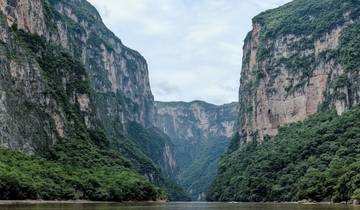
4 days
Magic Chiapas
- ✓ Comprehensive Palenque tour
- ✓ Expert local guides included
- ✓ All accommodation arranged
- ✓ Transportation provided
4 days
Escape to Paradise in the Heart of Chiapas
- ✓ Booking needs min. 2 travelers

5 days
5 Days Mayan Heritage: Turquoise Waterfalls & Ancient Mysteries
- ✓ Comprehensive Palenque tour
- ✓ Expert local guides included
- ✓ All accommodation arranged
- ✓ Transportation provided
7 days
Best of Chiapas & Yucatan with the Maya Train
- ✓ Comprehensive Palenque tour
- ✓ Expert local guides included
- ✓ All accommodation arranged
- ✓ Transportation provided
Multi-day tour packages powered by TourRadar. Prices and availability subject to change.
Essential Planning Information 2026
Current Costs and Pricing Breakdown 2026
Understanding comprehensive costs enables effective budget planning for Palenque visits in 2026. Admission to the archaeological site costs 95 pesos ($5-6 USD) for international visitors. Check INAH official website for current rates as pricing may vary. The on-site museum requires no additional fee beyond archaeological zone admission. Guided tours at the entrance cost $25-40 for 2-3 hour group experiences, while private guides charge $60-100 for personalized explorations including detailed hieroglyphic explanations and off-path perspectives.
Accommodation prices in Palenque town span wide ranges. Budget hostels offer dorm beds $12-18 with basic private rooms $25-35. Mid-range hotels cost $40-70 for comfortable doubles with air conditioning, private bathrooms, and often swimming pools. Boutique jungle properties with distinctive design and premium amenities charge $90-150, while luxury eco-lodges with exceptional settings cost $120-200 nightly. Peak season (December-January, Easter) prices increase 20-30%, making advance booking financially advantageous.
Dining costs depend on venue selection. Street tacos and local eateries charge $3-6 for substantial meals including beverages. Mid-range restaurants serving regional Chiapas cuisine cost $12-20 per meal. Hotel restaurants and upscale establishments charge $18-30 for dinner with wine or cocktails. Groceries from local markets and supermarkets allow self-catering for budget travelers, with fresh tropical fruit, bread, and prepared foods available affordably.
Transportation within Palenque proves economical. Colectivo vans between town and archaeological site cost 20-30 pesos ($1-2), departing frequently throughout the day. Taxis charge 100-150 pesos ($5-8) for the same route. Tours to Agua Azul and Misol-Ha waterfalls, typically sold as combination packages, cost $15-25 per person in shared vans, $80-120 for private transportation. Bicycle rentals at $8-15 daily provide alternative transport for fit visitors comfortable navigating 7-8 km uphill rides to ruins.
Transportation Options and Schedules 2026
Getting to Palenque archaeological site from town center involves several convenient options. Colectivo vans depart from Avenida Juárez near the ADO bus station every 10-15 minutes from 6 AM through 6 PM, charging 20-30 pesos ($1-2) per person each direction. These white vans with “Ruinas” signs on windshields accommodate 8-12 passengers, departing when reasonably full. Return colectivos from site entrance run until approximately 6 PM, with last vans leaving around closing time.
Taxis provide door-to-door convenience for 100-150 pesos ($5-8) one way, negotiable for round-trips with waiting time. Many travelers arrange taxis through hotels, ensuring reliable return transport especially for early morning photography sessions. Walking the 7-8 km distance takes 90-120 minutes along a paved road with minimal shade – manageable for fit travelers in cool early hours but challenging during midday heat. Cycling takes 30-45 minutes uphill to ruins, 20-30 minutes returning downhill, with several shops renting mountain bikes $8-15 daily.
Long-distance buses connect Palenque to regional destinations through ADO terminal on Avenida Juárez. First-class ADO and OCC buses to San Cristóbal depart 5-6 times daily between 6 AM and 11 PM (5 hours, $18-25). Buses to Mérida leave 3-4 times daily including convenient night departures (8-9 hours, $35-45). Villahermosa connections run hourly (2.5 hours, $12-18), continuing to Campeche and beyond. Second-class buses from separate terminals offer cheaper fares with longer journey times and more stops.
For Agua Azul and Misol-Ha waterfall visits, most travelers book organized tours through agencies on Avenida Juárez or through hotels. Tours depart 8-9 AM, visiting Misol-Ha first (1 hour drive), then continuing to Agua Azul (additional 45 minutes), returning to Palenque around 4-5 PM. Cost ranges $15-25 per person in shared vans. Private tours with flexible schedules cost $80-120 for up to 4 passengers. Independent travelers take buses toward Ocosingo, asking drivers to stop at either waterfall, though this requires Spanish language skills and careful timing for return transport.
Best Time to Visit Palenque 2026
Seasonal Analysis for 2026 Planning
Palenque’s tropical climate creates distinct wet and dry seasons that significantly impact visitor experiences throughout 2026. The dry season extending from December through April offers optimal conditions for archaeological exploration. December and January bring peak tourist numbers as international and domestic travelers escape winter weather, creating busier site conditions but excellent opportunities for meeting fellow travelers and joining group tours. Temperatures during these months range 20-28°C with minimal rainfall, clear skies, and comfortable humidity levels perfect for extended outdoor activities.
February through March represents the sweet spot for many visitors – weather remains excellent with temperatures 22-30°C, rainfall stays minimal, and tourist numbers decrease slightly after winter holidays. These months provide the best balance of favorable conditions and manageable crowds, making them ideal for photographers seeking atmospheric shots without excessive people in frames, and for travelers who appreciate quieter contemplation of ancient spaces. Archaeological site mornings during this period offer particularly magical experiences as mist lifts from jungle vegetation.
April marks the transition toward rainy season with temperatures rising to 28-35°C and occasional afternoon showers beginning to appear. The heat intensifies substantially compared to winter months, making early morning visits essential for comfortable exploration. However, April remains within dry season parameters with mostly clear days, and the increasing warmth brings lush green jungle growth that enhances the tropical atmosphere.
May through November constitutes rainy season, with distinct patterns affecting travel planning. May through July experiences moderate rainfall primarily in afternoons and evenings, leaving mornings generally clear and suitable for ruins visits. Temperatures stay 26-32°C with high humidity creating muggy conditions. August and September bring peak rainfall with potential for all-day downpours and occasional tropical storms, though many days still feature morning clarity followed by afternoon rains. October and November see decreasing rainfall as dry season approaches, with November offering transition conditions that combine lush green landscapes with improving weather patterns.
Rainy season visits offer significant advantages for certain travelers. Tourist numbers drop substantially, creating opportunities for nearly private experiences at popular sites. Accommodation and tour prices decrease 20-40%, providing excellent value. The jungle reaches peak beauty with vibrant green vegetation, active wildlife, and dramatic cloud formations. Waterfalls flow at maximum volume, making Misol-Ha and Agua Azul especially spectacular. Morning site visits work well as rains concentrate in afternoons. However, visitors must accept afternoon weather disruptions, pack rain protection, and maintain flexible schedules allowing weather-based adjustments.
Weather Patterns and Crowd Predictions for 2026
Daily weather patterns in Palenque follow predictable rhythms that inform optimal visiting schedules throughout 2026. During dry season (December-April), mornings dawn clear and cool, with temperatures 18-24°C perfect for energetic exploration. Afternoon temperatures rise to 26-32°C but remain comfortable in shade and with occasional breezes. Evenings cool pleasantly, ideal for dining and relaxing. Rain during these months occurs infrequently, typically as brief passing showers that clear quickly. Humidity stays moderate at 60-75%, allowing comfortable extended outdoor activities.
Rainy season (May-November) brings dramatically different patterns requiring adapted strategies. Mornings typically start clear or partly cloudy with temperatures 24-28°C and high humidity 80-95% creating muggy conditions. By noon, clouds build and afternoon thunderstorms develop 60-80% of days during peak rainy season (June-September). These rains typically last 1-3 hours, though occasional all-day downpours occur. The site remains open during rain, but exploring becomes uncomfortable and potentially hazardous on slippery stone steps. Smart travelers visit ruins 8 AM-1 PM during rainy season, returning to hotels before afternoon storms arrive.
Crowd patterns for 2026 follow established high and low season rhythms. December 15 through January 10 represents absolute peak period, with Christmas and New Year holidays bringing maximum domestic and international visitors. Expect crowded site conditions, busy restaurants, and advance booking requirements for accommodation. Semana Santa (Easter week) in late March/early April creates another surge, particularly with Mexican domestic tourists. July and August bring moderate crowds despite rainy season, as these months coincide with school holidays.
February, March (outside Easter), and November offer the best crowd-to-weather balance. These months deliver favorable weather with significantly fewer visitors than peak periods. September and October experience the lowest visitor numbers, offering nearly private site experiences for travelers willing to navigate rainy season logistics. Weekends throughout the year see increased Mexican domestic visitors, while weekdays stay quieter, making Tuesday-Thursday optimal for minimal crowds regardless of season.
Special events affecting 2026 planning include the spring equinox on March 20, when Maya sites throughout Mexico attract crowds for astronomical alignments, though Palenque sees less equinox tourism than Chichen Itza or other sites. Day of the Dead (November 1-2) brings cultural interest but doesn’t significantly impact Palenque specifically. Mexican Independence Day (September 16) and Revolution Day (November 20) are domestic holidays creating long weekends with increased Mexican tourism.
Accommodation Strategies 2026
Budget-Friendly Options in Palenque Town 2026
Budget accommodation in Palenque balances affordability with comfort, catering to backpackers and cost-conscious travelers. Hostels dominate the budget sector, offering dormitory beds $12-18 nightly with basic amenities including fans, shared bathrooms, communal kitchens, and social areas facilitating traveler connections. Private rooms at these properties cost $25-35, providing budget privacy without sacrificing hostel atmosphere and information exchange opportunities. Popular budget hostels cluster near the town center and ADO bus station on Avenida Juárez, providing walking access to restaurants, tour agencies, and colectivos to ruins.
Budget hotels, distinct from hostels, offer basic but private accommodations $30-45 nightly. These properties provide air-conditioned rooms with private bathrooms, fans, WiFi, and sometimes small swimming pools – significant comfort upgrades over hostel facilities while maintaining budget-friendly prices. Location near the center ensures convenient access to all town services. Many budget hotels include basic breakfast, though quality varies significantly. Properties on quieter side streets offer better rest than those on busy Avenida Juárez where traffic noise continues late into evenings.
Strategies for maximizing budget accommodation value include booking directly through property websites or WhatsApp for 2026 visits, often securing better rates than third-party platforms. Visiting during shoulder season (May, November) or rainy season (June-October) unlocks 30-50% discounts compared to peak dry season rates. Multi-night stays sometimes negotiate reduced per-night costs. Hostels offering kitchen access enable significant food savings through self-catering. Properties with swimming pools provide afternoon relief from heat without admission fees. Reading recent reviews helps identify budget options with best maintenance, cleanliness, and helpful staff – crucial factors at lower price points where quality varies substantially.
Budget travelers should confirm specific amenities before booking. Air conditioning versus fans-only affects comfort during warm months. Hot water availability isn’t universal at lowest price points. WiFi strength varies, with some properties offering signal only in common areas. Breakfast inclusion ranges from simple coffee and bread to more substantial offerings. Secure luggage storage proves valuable for travelers continuing to other destinations. Properties offering tour booking services simplify logistics, though comparing multiple operators ensures best pricing.
Mid-Range and Boutique Jungle Experiences 2026
Mid-range hotels in Palenque deliver comfortable experiences with increased amenities at $50-90 nightly. These properties feature air-conditioned rooms with modern bathrooms, comfortable beds, reliable WiFi, swimming pools, and often on-site restaurants. Many occupy attractive colonial-style buildings or modern constructions with tropical gardens, creating pleasant environments for relaxation after archaeological exploration. Locations spread throughout town, with properties near the center trading convenience for busier surroundings, while those in quieter neighborhoods offer more peaceful settings requiring short walks or taxi rides to central restaurants and services.
Notable mid-range features include larger swimming pools providing genuine refreshment rather than decorative water features, comfortable common areas with good WiFi for working travelers, breakfast buffets with substantial offerings, and helpful staff speaking English and providing tour booking assistance. Some properties incorporate Maya-inspired design elements, local art, and tropical landscaping creating distinctive atmosphere. Air conditioning proves essential during warm months, reliably functioning in quality mid-range properties versus the sometimes-struggling units in budget options.
Boutique jungle properties represent Palenque’s premium accommodation tier at $90-200 nightly. These distinctive hotels offer exceptional locations closer to ruins or deep in jungle settings, unique architectural design incorporating Maya influences and natural materials, intimate scales with 10-30 rooms ensuring personalized service, stunning swimming pools and grounds, excellent on-site dining, and often spa facilities or wellness offerings. The best boutique properties balance modern comfort with environmental sensitivity, using sustainable practices while delivering luxury experiences in extraordinary jungle settings.
Chan-Kah Resort Village represents the classic boutique experience, located 3 km from ruins within jungle setting featuring natural pools, walking trails, howler monkey viewing, and riverside location. Maya-inspired architecture with modern amenities creates memorable atmosphere. Quinta Chanabnal offers art-filled boutique experience near town center with beautiful gardens, excellent restaurant, and cultural sensibility. Bouteak Palenque delivers contemporary design with jungle views, infinity pool, and sophisticated urban-meets-tropical aesthetic. These properties justify premium pricing through exceptional locations, distinctive character, superior service, and comprehensive amenities reducing need for town services.
Booking strategies for mid-range and boutique accommodation include reserving 6-12 weeks ahead for peak season 2026 travel (December-January, Easter). Shoulder season (February, March, November) often negotiates better rates, especially for multi-night stays. Booking directly through hotel websites frequently offers better value than OTA platforms, plus perks like room upgrades, breakfast inclusion, or tour discounts. Package deals combining accommodation with airport transfers or tour bookings sometimes provide savings. Reading detailed reviews helps identify properties best matching preferences – some boutiques emphasize quiet relaxation, others maintain social atmospheres, certain ones cater to families while others suit couples or solo travelers seeking tranquility.
Transportation Guide 2026
Getting to Palenque from Major Mexican Cities 2026
San Cristóbal de las Casas serves as the most common origin for Palenque visits as part of Chiapas circuits. ADO and OCC operate comfortable first-class buses departing 5-6 times daily from 6 AM through 11 PM. The scenic 5-hour journey crosses mountains descending into tropical lowlands, costing $18-25. Morning departures allow arrival with time for afternoon activities, while night buses enable overnight travel though missing landscape views. Second-class buses save $5-8 but add 60-90 minutes journey time with more stops. Many travelers book one-way Palenque to San Cristóbal or reverse as part of broader Chiapas explorations combining colonial highlands with Maya ruins and jungle.
Mérida connections facilitate Yucatan-Chiapas circuits for travelers exploring multiple Maya sites. First-class night buses depart Mérida around 8-10 PM, arriving Palenque 5-7 AM after 8-9 hour journeys costing $35-45. These overnight buses feature reclining seats, air conditioning, and restrooms, allowing sleep during travel though comfort levels vary by individual sleep ability on buses. Day buses depart less frequently, requiring full day transit. The route passes through Campeche, offering alternative stop for travelers wanting to visit that colonial city. Return buses Palenque to Mérida operate on similar schedules.
Villahermosa provides the nearest major city and airport access. Frequent ADO buses cover the 150 km distance in approximately 2.5 hours, departing every 1-2 hours throughout day and evening, costing $12-18. This route proves essential for travelers flying into Villahermosa airport (PVS) and continuing to Palenque. Shared airport shuttles from Villahermosa airport to Palenque cost $15-20 per person, operating on regular schedules aligned with flight arrivals. Private transfers cost $80-120 for up to 4 passengers, offering flexibility for groups. Rental cars from Villahermosa enable independent Chiapas exploration but require comfortable highway driving in Mexico.
Campeche serves travelers exploring the Gulf coast route. First-class buses operate 3-4 times daily, covering approximately 5 hours and 360 km for $22-30. This journey passes through smaller towns and rural landscapes, providing glimpses of regional life. Continuing to Cancún or Playa del Carmen from Palenque requires routing through either Campeche or returning to Mérida, with total journey times 12-14 hours best split across overnight buses or with rest stops.
Tuxtla Gutiérrez, Chiapas capital with the region’s largest airport (TGZ), connects to Palenque via 6-7 hour bus journeys costing $25-35. However, most travelers route through San Cristóbal (1 hour from Tuxtla), spending time in that colonial city before continuing to Palenque. Direct buses exist but operate less frequently. Travelers flying into Tuxtla typically rent cars for Chiapas circuits including San Cristóbal, Sumidero Canyon, Palenque, and potentially other sites, with rentals costing $40-70 daily plus fuel.
Local Transportation and Day Trip Logistics 2026
Within Palenque town, most services concentrate within walking distance along Avenida Juárez and surrounding blocks. The ADO bus terminal, tour agencies, restaurants, shops, and many hotels cluster in this central area, eliminating transportation needs for town activities. Walking proves safe and practical day and evening, though streets lack extensive sidewalks in some areas requiring road-sharing with vehicles. Taxis for in-town trips cost 40-60 pesos ($2-3), useful for reaching hotels in outer neighborhoods or when returning late from dinner.
Transportation to the archaeological site 7-8 km from town center operates through several efficient options. Colectivo shared vans provide the most economical choice at 20-30 pesos ($1-2) each way, departing from near ADO terminal on Avenida Juárez every 10-15 minutes from 6 AM through 6 PM. These white vans with “Ruinas” windshield signs accommodate 8-12 passengers, leaving when reasonably full. Journey time runs 15-20 minutes depending on traffic and passenger pickups. Return colectivos depart from site entrance parking area continuously until approximately 6 PM, with last vans around closing time.
Taxis offer door-to-door convenience for 100-150 pesos ($5-8) one way from town center hotels to ruins entrance. Round-trip rates negotiate at 200-250 pesos ($10-13) if driver waits during site visit, though most visitors prefer arranging return pickup by phone rather than paying wait time. Hotel staff assist with reliable taxi contacts. Early morning taxis for sunrise photography require advance arrangement, with drivers departing hotels around 5:30-6 AM to reach site at opening. Split among 2-4 passengers, taxi costs become reasonable.
Bicycle rental from shops on Avenida Juárez costs $8-15 daily for basic mountain bikes. The ride to ruins covers 7-8 km on paved roads with significant uphill sections, requiring 30-45 minutes depending on fitness levels. Return trips prove faster at 20-30 minutes downhill. Morning rides before heat intensifies work best. Carry water, sun protection, and bike locks. Physical condition and heat tolerance determine cycling practicality – fit cyclists enjoy the morning ride while many others prefer motorized transport, especially in warm months.
Day trips to Agua Azul and Misol-Ha waterfalls operate through organized tours offering best value and convenience. Tour agencies and hotels book these combination trips departing 8-9 AM, visiting Misol-Ha waterfall first (45-60 minute drive), allowing 45-60 minutes swimming and exploration, then continuing to Agua Azul (additional 45 minute drive) for 2-3 hours at the spectacular cascades. Return to Palenque arrives 4-5 PM. Cost runs $15-25 per person in shared vans with multiple travelers, including transportation and sometimes lunch, though entrance fees ($3-5 per waterfall) pay separately. Private tours with flexible timing cost $80-120 for up to 4 passengers.
Independent waterfall visits via public buses toward Ocosingo require Spanish skills and careful timing. Buses depart from second-class terminal, with drivers stopping at waterfall access roads upon request. However, return transport requires roadside bus flagging with uncertain schedules. Most travelers find organized tours more reliable despite higher costs. Waterfalls prove worth visiting during appropriate seasons – Agua Azul flows spectacularly during rainy season but can turn muddy brown with heavy rains, while dry season delivers clearer blue waters at lower volumes. Misol-Ha maintains better consistency year-round.
Money-Saving Strategies for 2026 Palenque Visits
Timing visits during shoulder and low seasons yields substantial savings across all expense categories. May, June, September, October, and November deliver 30-50% lower accommodation rates compared to peak December-January and Easter periods. Tours and activities sometimes reduce prices or negotiate discounts more readily during quiet periods. Restaurants maintain consistent pricing year-round, but lodging represents the largest variable expense where timing creates significant impact. Travelers with flexible schedules who avoid school holidays and major festivals capture best value.
Advance planning provides multiple cost advantages for 2026 visits. Booking ADO buses online 1-2 weeks ahead sometimes offers promotional fares. Accommodation booked 4-8 weeks in advance for peak season ensures room availability at published rates before properties sell out and remaining options increase prices. Direct booking through hotel websites or WhatsApp contact often secures better rates than OTA platforms, plus potential perks including breakfast, airport transfer, or room upgrades. Tour research comparing multiple operators identifies best value, with some agencies offering discounts for multiple activity bookings.
Self-catering opportunities reduce food costs substantially for budget-conscious travelers. Hostels and some budget hotels provide guest kitchens enabling meal preparation. Palenque’s central market and supermarkets stock fresh tropical fruits, vegetables, bread, cheese, and prepared foods at prices well below restaurant rates. Breakfast preparation saves $5-10 daily, packed lunches for ruins visits save another $8-12, while cooking dinners several nights weekly reduces costs $12-20 per meal. Even partial self-catering – preparing breakfasts and lunches while enjoying dinner restaurants – creates meaningful savings over full restaurant dining.
Strategic activity choices maximize experience while controlling costs. The archaeological site admission at 95 pesos ($5-6) delivers exceptional value for 3-5 hours of exploration. Self-guided site visits save $25-40 versus guided tours, though knowledgeable guides enhance understanding significantly – consider joining one guided visit then returning independently for photography and personal exploration. Free activities including jungle walks, wildlife observation, sunset viewing, and town exploration supplement archaeological focus. Museum visit requires no additional fee beyond site admission. Reading about Maya history and Palenque-specific information before arrival enhances self-guided experiences.
Transportation savings accumulate through smart choices. Colectivos at $1-2 each way versus taxis at $5-8 save $6-12 daily on ruins access. Shared waterfall tours at $15-25 per person provide better value than private transport unless traveling as group of 4+ splitting costs. First-class buses between cities cost only slightly more than second-class options while delivering significantly better comfort and speed – worthwhile investment. Walking within Palenque town eliminates taxi needs for central area activities. Bicycle rental at $8-15 daily offers affordable ruins access for fit travelers comfortable with uphill cycling.
Group travel unlocks various savings opportunities. Shared accommodation in hostel dorms costs least, while private room sharing among 2-4 travelers splits costs substantially. Private tour costs divided among 4 passengers often match or beat per-person shared tour rates while offering scheduling flexibility. Taxi sharing reduces individual costs. Group meal ordering at restaurants enables family-style sharing, trying more dishes while splitting costs. Solo travelers find group opportunities through hostels, tour group joining, or online travel forums connecting individuals into informal groups for specific activities.
Meal strategies balance budget control with culinary experience. Street food and local comedores deliver authentic flavors at $3-6 per meal, perfect for budget dining. Mid-range restaurant lunches typically cost less than dinners for similar dishes, making lunch the time for nicer dining experiences while choosing simple street options for other meals. Preparing breakfast and lunch, then enjoying dinner restaurants, provides daily culinary highlights while controlling costs. Markets offer fresh tropical fruits, juices, and snacks at exceptional value. Avoiding tourist-area restaurants in favor of establishments where locals eat delivers better value and often superior authenticity.
Free and low-cost activities supplement archaeological site visits creating rich experiences without major expenses. Dawn and dusk wildlife observation around jungle edges reveals howler monkeys, tropical birds, and insects at no cost. Town exploration including market visits, local craft shops, and observation of daily life provides cultural immersion. Reading areas at hotels or parks offer afternoon relaxation spots. Photography throughout town and surrounding areas creates memories without admission fees. Evening social time with travelers at hostels facilitates information exchange and potential group formation for shared activities, while costing nothing beyond optional beverage purchases.
Sample 2026 Palenque Itineraries
One-Day Intensive Archaeological Visit
This focused itinerary maximizes archaeological experience within limited time, ideal for travelers continuing to other destinations same day or next morning. The schedule emphasizes early arrival, comprehensive site exploration, and efficient time use.
5:30 AM: Depart Palenque town by pre-arranged taxi or very early colectivo. Arrive at archaeological site entrance by 6:00 AM, approximately 30-60 minutes before official opening. Use this time for photography of entrance area and early morning jungle atmosphere. Pack breakfast for eating while waiting or shortly after entering.
6:30-7:00 AM: Site opens. Enter immediately, purchasing admission ticket 95 pesos ($5-6) and optional guidebook if desired. Begin exploration at Temple of Inscriptions, Palenque’s most iconic structure housing Pakal’s tomb. Climb the pyramid for elevated views over the site and jungle (when access permits – occasionally closed for preservation). Morning light provides optimal conditions for photography with lower crowds and cooler temperatures.
7:30-9:00 AM: Explore the Palace complex with its distinctive tower, intricate stucco decorations, multiple courtyards, and elaborate relief sculptures. This extensive structure demonstrates Classic Maya architectural sophistication and provides endless photographic opportunities. Climb various levels for different perspectives. Read interpretive signs explaining structure functions and Maya royal life.
9:00-10:30 AM: Visit the Temple of the Cross group including Temple of the Cross, Temple of the Foliated Cross, and Temple of the Sun. These structures on elevated platforms require some climbing but reward with exceptional architectural details, hieroglyphic panels, and views across the site. Take time to appreciate the symbolic meanings of cross motifs and religious significance explained in guidebooks.
10:30-11:30 AM: Explore outlying structures including Temple XIV, Temple of the Count, North Group temples, and other areas less visited by rushed tourists. Jungle trails connect various structure groups, providing opportunities for wildlife observation including howler monkeys, birds, and insects. Bring water and snacks as no facilities exist within archaeological zone.
11:30 AM-12:30 PM: Visit the on-site museum featuring artifacts excavated from Palenque including Pakal’s jade death mask, ceramic offerings, stone carvings, and detailed site information. Museum provides air-conditioned respite from increasing heat while deepening understanding of site significance. Allow 45-60 minutes for thorough exploration.
12:30-1:00 PM: Return to site entrance, departing via colectivo or taxi back to Palenque town. Take final photographs of site entrance area. Site admission 95 pesos, transportation 30-40 pesos round-trip (colectivo) or 200-250 pesos (taxi round-trip), optional guided tour 400-600 pesos if engaged. Total day cost: 125-185 pesos ($6-9) per person for independent visit, excluding meals and accommodation.
1:30 PM onwards: Lunch at Palenque restaurant 150-300 pesos ($8-15) for substantial meal. Rest during hottest afternoon hours. Departure on evening bus to next destination or relaxation at hotel for travelers staying additional nights. The intensive morning maximizes cool hours for physical exploration while heat drives museum visit timing.
Two-Day Comprehensive Exploration
This extended itinerary allows thorough archaeological exploration, nearby waterfall visits, and relaxed pacing creating memorable Chiapas experience without rushing.
Day 1: Archaeological Zone Deep Dive
7:00 AM: Breakfast at hotel or self-prepared meal. Depart for archaeological site by 7:30 AM via colectivo or taxi. Arrive around 8:00 AM with the site recently opened, ensuring minimal crowds.
8:00 AM-12:00 PM: Comprehensive archaeological exploration following optimal routing. Begin at Temple of Inscriptions when crowds remain light. Progress through Palace complex, Temple of Cross group, outlying temples, and jungle trails connecting different site areas. Consider hiring guide for 2-3 hour morning tour 400-600 pesos for enhanced historical and architectural understanding, then continue independently after guide concludes. Bring substantial water supplies, sun protection, insect repellent, and snacks.
12:00-1:00 PM: Visit site museum for thorough artifact examination and contextual learning. The air-conditioned environment provides welcome midday relief while deepening appreciation for morning’s physical exploration.
1:30 PM: Return to Palenque town for late lunch at local restaurant 180-350 pesos ($9-18) per person. Choose establishments offering regional Chiapas cuisine including cochito (slow-roasted pork), tamales de chipilín, or other local specialties.
3:00-6:00 PM: Afternoon rest during peak heat. Swimming pool time at hotel, reading about Maya civilization, photo editing, or exploration of Palenque town including market visits, craft shopping, and casual observation of local life.
7:00 PM: Dinner at better Palenque restaurant 350-600 pesos ($18-30) for quality meal. Evening town stroll, social time with other travelers, or early rest preparing for waterfall adventure next day. Day 1 costs: site admission 95 pesos, transport 40-60 pesos, optional guide 400-600 pesos, meals 530-950 pesos. Total: 1,065-1,705 pesos ($53-85) per person excluding accommodation.
Day 2: Waterfall Adventure
8:00 AM: Join organized tour to Misol-Ha and Agua Azul waterfalls 300-500 pesos ($15-25) per person. Tours depart from agencies on Avenida Juárez or via hotel arrangements. Bring swimsuit, towel, waterproof bag for valuables, sunscreen, and some cash for entrance fees and optional food purchases.
9:00-10:00 AM: Arrive Misol-Ha, a single 35-meter plunge waterfall creating a spectacular pool perfect for swimming. Walk behind the waterfall for unique perspective and photograph opportunities. Swimming in the cool fresh water provides refreshing contrast to jungle heat. Entrance fee 50 pesos ($2-3). Allow 45-60 minutes for swimming, photography, and exploration.
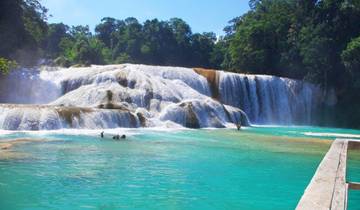
10:30 AM-1:30 PM: Continue to Agua Azul, one of Mexico’s most beautiful natural wonders featuring hundreds of cascading turquoise pools descending through lush tropical forest. Entrance fee 60 pesos ($3). Explore various pool areas, swim in designated sections, photograph the spectacular cascades, and enjoy packed lunch or purchase food from vendors. The extensive site deserves 2-3 hours for adequate exploration. Water color varies by season – most brilliant during dry season though waterfall volume lower, while rainy season brings tremendous flow but sometimes murky water after heavy rains.
2:00-4:00 PM: Return journey to Palenque town with scenic views of Chiapas countryside.
4:30 PM onwards: Late afternoon flexibility for rest, additional town exploration, packing for next destination, or evening bus departure. Dinner at casual restaurant 200-400 pesos ($10-20). Day 2 costs: waterfall tour 300-500 pesos, entrance fees 110 pesos, meals 350-600 pesos. Total: 760-1,210 pesos ($38-60) per person excluding accommodation.
Two-Day Total: Accommodation 600-1,400 pesos ($30-70 for mid-range), day costs 1,825-2,915 pesos ($91-145). Grand total: 2,425-4,315 pesos ($121-215) per person for comprehensive two-day Palenque experience including archaeological site, museum, waterfalls, meals, transportation, and mid-range accommodation. Budget travelers using hostels and economical meals spend toward lower range, while those choosing comfortable hotels and quality restaurants reach higher figures.
Booking and Reservations for 2026 Season
The archaeological site requires no advance booking – visitors simply arrive during operating hours 8 AM – 5 PM and purchase admission tickets 95 pesos at entrance. No capacity limits or advance reservations exist for general site access. However, certain specialized experiences when offered, such as occasional night tours or restricted area access, may require advance arrangement through INAH authorities or authorized operators. Check official channels months ahead if interested in such special access programs.
Accommodation booking becomes essential during peak 2026 season including December holidays, January, Semana Santa (Easter week typically late March/early April), and July-August school vacation periods. Properties fill completely during these windows, particularly mid-range and boutique hotels with limited room counts. Booking 6-12 weeks ahead for peak season ensures availability and secures published rates before properties sell out and remaining options increase prices. Shoulder season (February, March, November) and rainy season (May-October) allow shorter booking windows of 2-4 weeks, with walk-in availability often possible outside major holidays.
Tour booking advances vary by activity type. Waterfall tours to Agua Azul and Misol-Ha operate daily with numerous agencies offering similar services, allowing same-day or next-day booking during most periods. However, peak season advance booking of 3-7 days ensures seats on preferred departure times and potentially better prices through early reservation discounts. Private tours benefit from 1-2 week notice enabling operators to arrange dedicated vehicles and guides. Specialized archaeological tours with expert guides, botanical tours, or birdwatching experiences require 2-4 weeks advance booking due to limited specialized guide availability.
Long-distance bus tickets book online through ADO website for guaranteed seats, particularly valuable for peak season travel when buses fill completely. Popular routes including Palenque-San Cristóbal, Palenque-Mérida, and Palenque-Villahermosa benefit from 1-2 week advance booking during high season. Overnight buses and convenient departure times sell out fastest. Rainy season and midweek travel typically maintains walk-up availability, though advance booking provides peace of mind and guaranteed preferred departure times.
Direct booking approaches often deliver best value and service for 2026 Palenque visits. Hotel websites and direct email/WhatsApp contact frequently offer better rates than OTA platforms, plus flexibility for special requests including early check-in, late checkout, airport transfers, or tour arrangements. Tour operators contacted directly negotiate pricing for private groups and accommodate specific timing needs. Restaurant reservations prove unnecessary except at the few upscale dining establishments during absolute peak periods. Taxi and colectivo transportation operates entirely walk-up with no booking systems or need.
Cancellation and modification policies vary significantly by provider and season. Hotels during peak season often enforce strict cancellation deadlines of 7-14 days before arrival with penalties for late cancellations. Budget properties and rainy season bookings typically offer more flexible terms. Tour operators usually refund with 24-48 hours notice, while same-day cancellations forfeit payment. ADO bus tickets purchased online allow modifications for small fees but restrictions apply closer to departure dates. Reading specific cancellation terms before booking enables informed decisions, with travel insurance consideration for travelers concerned about unexpected changes.
Planning Your 2026 Palenque Visit: Practical Considerations
Physical fitness requirements for Palenque prove moderate but meaningful. The archaeological site encompasses extensive area with significant climbing including steep pyramid steps, uneven stone surfaces, and jungle paths. Visitors should expect 3-5 hours of walking and climbing during thorough exploration. Steps lack handrails in many areas and stone surfaces become slippery when wet. Physical limitations don’t prohibit visits but may restrict access to certain structures requiring substantial climbing. The Palace complex and many ground-level structures remain accessible without extreme exertion. Visitors with limited mobility enjoy much of the site while acknowledging certain elevated temples will be inaccessible.
Heat and humidity create significant challenges, particularly May through September when temperatures reach 28-35°C with 80-95% humidity. Visitors should start exploration early, ideally 8:00-8:30 AM when site opens, completing physical activities before midday heat intensifies. Carrying substantial water proves essential – at least 2 liters per person for morning exploration. No water fountains or purchases exist within archaeological zone. Wearing light-colored, breathable clothing, wide-brimmed hats, and sunscreen prevents heat illness and sunburn. The museum visit provides midday air-conditioned respite. Afternoon returns to hotels for pool time and rest prove wise during hot months.
Wildlife encounters enhance Palenque experiences but require awareness. Howler monkeys inhabit trees throughout and near the site, their distinctive roars echoing across ruins particularly at dawn and dusk. These impressive primates remain wild and should not be approached or fed. Numerous tropical bird species including toucans, parrots, and motmots frequent the area, delighting wildlife enthusiasts and photographers. Insects including mosquitoes, ants, and occasional tarantulas share the jungle environment. Insect repellent proves essential, long pants help prevent bites, and closed shoes protect against ants and rough terrain. Snakes exist but rarely encounter visitors on main paths.
Photography considerations optimize image capture at this spectacular site. Early morning light between 7:00-10:00 AM provides softer illumination and dramatic mist effects as jungle humidity lifts. Late afternoon 3:00-5:00 PM delivers golden hour conditions though heat remains intense. Midday harsh light and shadows create challenging conditions though useful for architectural detail documentation. Tripods prove helpful for interior photography and dawn/dusk shots. Wide-angle lenses capture impressive structures and jungle context, while telephoto lenses photograph wildlife and architectural details. The Temple of Inscriptions from various angles provides iconic shots, while the Palace offers endless compositional opportunities. Arrive early for images without crowds.
Safety considerations in Palenque generally prove minimal with few serious concerns. The town experiences little tourist-directed crime, though standard precautions including securing valuables, avoiding isolated areas at night, and staying aware in crowded markets remain sensible. At the archaeological site, primary concerns involve physical hazards from steep steps, uneven surfaces, and heat exposure. Walking carefully, watching foot placement, and using caution on climbs prevents falls. Dehydration and heat exhaustion represent real risks during warm months – recognize symptoms including dizziness, excessive fatigue, and headache, retreating to shade and hydrating immediately if signs appear.
Solo travelers find Palenque welcoming and manageable. Hostels facilitate meeting other travelers for activity sharing and information exchange. The archaeological site sees individual visitors throughout the day creating opportunities for informal group formation. Town restaurants and cafes prove comfortable for solo dining. Tour groups accept individual bookings enabling waterfall visits without organizing private transport. Safety concerns for solo travelers remain minimal, with standard awareness and precautions sufficient. Women traveling alone report generally positive experiences, though as anywhere, staying alert and trusting instincts proves wise.
Family travel to Palenque works well with appropriate planning. Children enjoy the adventure of exploring ancient pyramids and jungle setting. However, safety supervision proves essential given steep steps, elevation, and heat exposure. Very young children in carriers handle the site better than toddlers requiring constant attention on uneven terrain. Older children with physical capability manage the climbing well and often excel at wildlife spotting. Family rooms and connecting rooms exist at most mid-range and some budget hotels. Tours accommodate families, and restaurants welcome children. Pack substantial snacks and water for kids, plan shorter site visits (2-3 hours versus full mornings), and emphasize fun exploration over comprehensive architectural study.
2026 Updates and Current Information
Mexican peso exchange rates significantly impact costs for international visitors. Current rates fluctuate but generally range 17-20 pesos per US dollar. Checking rates before 2026 trips enables budget accuracy. ATMs throughout Palenque town dispense pesos, with machines at BBVA, Banorte, and Santander banks offering reasonable exchange rates and withdrawal limits around 5,000-10,000 pesos per transaction. ATM fees typically run 30-50 pesos ($2-3) per withdrawal. Credit cards work at mid-range and upscale hotels, nicer restaurants, and some tour operators, but cash remains essential for site admission, colectivos, street food, and budget establishments.
Connectivity in Palenque proves adequate for most travelers in 2026. Hotels, restaurants, and cafes offer WiFi, though speed and reliability vary significantly between properties. Mid-range and upscale hotels typically provide good connections, while budget options often struggle with slow speeds and limited coverage. Mexican SIM cards work for travelers with unlocked phones, with Telcel offering best coverage throughout Chiapas including Palenque and surrounding areas. Tourist shops near ADO terminal sell SIM cards and data packages. International roaming proves expensive – local SIM cards provide much better value for travelers requiring consistent connectivity.
Environmental considerations grow increasingly important at UNESCO World Heritage sites. Visitors should practice responsible tourism by staying on marked paths, avoiding touching fragile stucco decorations, not climbing prohibited areas even when accessible, carrying out all trash, and using biodegradable sunscreen and insect repellent to minimize chemical impacts. Supporting local businesses including hotels owned by area residents, eating at family-run restaurants, and purchasing authentic crafts from local artisans rather than mass-produced items helps distribute tourism benefits throughout the community.
Updates on site accessibility occasionally affect visitor experiences. Specific structures sometimes close temporarily for conservation work or archaeological excavation. The Temple of Inscriptions interior containing Pakal’s tomb remains closed to general public access for preservation reasons, though the pyramid exterior and summit (when open) still provide impressive experiences. Museum exhibits update periodically with new discoveries or interpretive improvements. Official INAH website provides current information on any temporary closures or site changes, though information exists primarily in Spanish. Tour operators and hotel staff usually know current site conditions and access situations.
Health precautions for Chiapas travel include ensuring routine vaccinations remain current. Hepatitis A vaccination proves recommended for all travelers. Typhoid vaccination benefits travelers eating at street stalls or small local restaurants. Malaria exists at low risk in rural Chiapas lowlands including Palenque area – consult travel medicine professionals regarding antimalarial medication appropriateness. Zika, dengue, and chikungunya mosquito-borne diseases occur in the region, making insect repellent and protective clothing important. Water quality in Palenque town varies – stick to bottled water for drinking and teeth brushing. Most restaurants serve purified water and ice, but verify at simple establishments. Standard traveler’s diarrhea precautions prove wise.
Seasonal promotions and special events for 2026 should be monitored as the year approaches. Some hotels offer early booking discounts for peak season reservations made several months in advance. Occasional cultural events in Palenque town including festivals, markets, or performances add interest beyond archaeological focus. The town doesn’t host major cultural festivals like San Cristóbal or Oaxaca, but smaller local events occur throughout the year. Tour operators sometimes create package deals combining multiple activities or offer discounts for repeat customers or group bookings. Following Chiapas tourism social media accounts, tour operator newsletters, or hotel direct contact helps identify opportunities as they develop.
Frequently Asked Questions About Palenque 2026
How many days do you need at Palenque? Two days provide ideal time for comprehensive experience including thorough archaeological site exploration, museum visit, and waterfall day trip to Misol-Ha and Agua Azul. Travelers with limited time manage meaningful one-day visits focusing solely on ruins, arriving early and departing late afternoon or evening. Three days allows relaxed pacing, potential second site visit for photography during different light conditions, additional jungle walks, or exploration of less-visited nearby areas. Most visitors find two days strikes the perfect balance between depth and itinerary efficiency.
Is Palenque worth visiting compared to other Maya sites? Palenque absolutely merits inclusion in any serious Maya exploration itinerary. The combination of exceptional architecture, jungle setting, hieroglyphic inscriptions, and manageable tourist crowds creates experiences distinct from Yucatan’s major sites. While smaller than Tikal and less extensively restored than Chichen Itza, Palenque’s artistic sophistication, particularly in stucco decoration and relief carving, represents Classic Maya achievement at its peak. The jungle atmosphere unavailable at more open sites adds immersive quality. Travelers visiting only one or two Maya sites should include Palenque alongside Tikal or Chichen Itza.
What should I bring to the Palenque archaeological site? Essential items include at least 2 liters of water per person for morning exploration as no purchases exist within the site, wide-brimmed hat and sunglasses for sun protection, sunscreen applied before arrival and for reapplication, insect repellent against mosquitoes and other insects, comfortable closed-toe walking shoes with good traction for climbing, light long pants to protect against insects and sun while remaining cool, small daypack for carrying supplies, camera with extra batteries and memory cards, and small amount of cash for admission fee. Optional but valuable items include binoculars for wildlife observation, field guides for bird and wildlife identification, guidebook explaining site history and architecture, snacks for energy during exploration, and light rain jacket during wet season.
Can you climb the pyramids at Palenque? Climbing policies at Palenque vary by specific structure and current conservation priorities. The Temple of Inscriptions, Palenque’s most iconic pyramid, typically allows climbing the exterior steps to the upper platform, though the interior tomb chamber remains permanently closed to general visitors for preservation. The Palace complex permits exploration of multiple levels, courtyards, and the distinctive tower. Temples of the Cross Group generally allow climbing, providing elevated views across the site. However, specific structures occasionally close temporarily for conservation work or after damage assessment. Unlike some Maya sites where climbing prohibitions apply broadly, Palenque maintains relatively accessible policies while protecting the most vulnerable areas.
What’s the best time of day to visit Palenque ruins? Early morning arrival immediately at 8 AM opening provides optimal conditions across multiple factors: coolest temperatures of the day, softer light perfect for photography, lightest crowds allowing better exploration and images without people, most active wildlife particularly howler monkeys, and mist effects as jungle humidity lifts creating atmospheric conditions. Morning visits also allow completing physical exploration before midday heat intensifies, transitioning to museum visit during hottest hours. Visitors entering at 8 AM and exploring thoroughly until noon experience the site at its best. Late afternoon entries from 3-4 PM offer second-best conditions with improving light and cooling temperatures, though crowds from earlier arrivals remain until closing.
Are there guides available at Palenque archaeological site? Licensed guides wait at site entrance offering services to arriving visitors. Group tours typically run 2-3 hours covering major structures and historical context, costing $25-40 per person when joining existing groups. Private guide services for personalized pacing and detailed architectural discussion cost $60-100 for 2-3 hour tours, worthwhile for serious Maya enthusiasts. Guides speak Spanish, English, and sometimes other languages – confirm language capability before engaging. Quality varies among guides, with the most knowledgeable providing sophisticated archaeological and historical information well beyond what guidebooks offer. Consider hiring guide for initial comprehensive tour, then returning independently for photography and personal exploration during different light conditions.
Is Palenque safe for tourists in 2026? Palenque town and archaeological site maintain good safety records with minimal tourist-directed crime. Standard precautions including securing valuables in hotel safes, avoiding displays of expensive jewelry or electronics, and staying alert in crowded areas prove sufficient. The archaeological site experiences no significant crime issues. Road travel between Palenque and other Chiapas destinations uses major highways considered safe during daylight hours, though some travelers prefer day buses over night routes. Occasional security situations in rural Chiapas regions generally don’t affect Palenque tourist area. Consulting current official travel advisories before 2026 trips provides updated information, though Palenque consistently maintains safe conditions for visitors following reasonable precautions.
How far is Palenque from San Cristóbal de las Casas? The distance between Palenque and San Cristóbal de las Casas measures approximately 215 kilometers by road, requiring 5 hours by direct first-class bus. The scenic journey crosses from tropical lowlands to highland mountains, passing through small towns and varied landscapes. Multiple daily bus departures from both cities throughout morning, afternoon, and evening hours provide scheduling flexibility. Many travelers combine both destinations in Chiapas circuits, spending several days in colonial San Cristóbal for highland atmosphere and indigenous culture, then continuing to Palenque for Maya ruins and jungle experiences. The dramatic elevation and climate change between the two locations creates contrast enhancing appreciation of Chiapas diversity.
What waterfalls are near Palenque and worth visiting? Misol-Ha and Agua Azul represent the primary waterfall destinations from Palenque, both included in standard day tours. Misol-Ha features a spectacular 35-meter single plunge creating a large pool perfect for swimming, with a path behind the falling water offering unique perspective. Agua Azul presents hundreds of turquoise cascades descending through tropical forest across extensive site with multiple swimming areas, though water color and clarity vary seasonally. Tours visit both in single day trips lasting 7-9 hours. Roberto Barrios represents a third option, less visited and requiring separate transportation, offering natural pools and smaller cascades in more remote setting. Most visitors find the Misol-Ha and Agua Azul combination provides ideal waterfall experiences without requiring additional travel time.
Do I need a tour or can I visit Palenque independently? The archaeological site handles independent visits exceptionally well. Clear paths connect major structures, signs provide basic information, and guidebooks or downloaded information offer detailed context. Many travelers visit independently, purchasing admission at entrance and exploring at personal pacing. However, knowledgeable guides significantly enhance understanding of Maya history, architectural details, hieroglyphic meanings, and site significance that independent visitors easily miss. Consider a hybrid approach: engage guided tour for initial comprehensive visit providing historical and architectural education, then return independently for photography during optimal light conditions and personal reflection. For waterfall visits, organized tours prove most practical unless travelers have private vehicles and strong Spanish skills for navigation.