Pacaya Volcano Hike from Antigua 2026: Active Volcano Guide
Key Takeaways
- Pacaya volcano tours from Antigua cost $35-60 per person in 2026, including transportation, guide, and park entrance fees
- The hike takes 4-6 hours total with 1.5-2 hours of moderate uphill trekking to reach active lava flows and volcanic vents
- Morning tours (6:00-7:00 AM departures) offer clearer views and cooler temperatures, while sunset tours provide dramatic photography opportunities
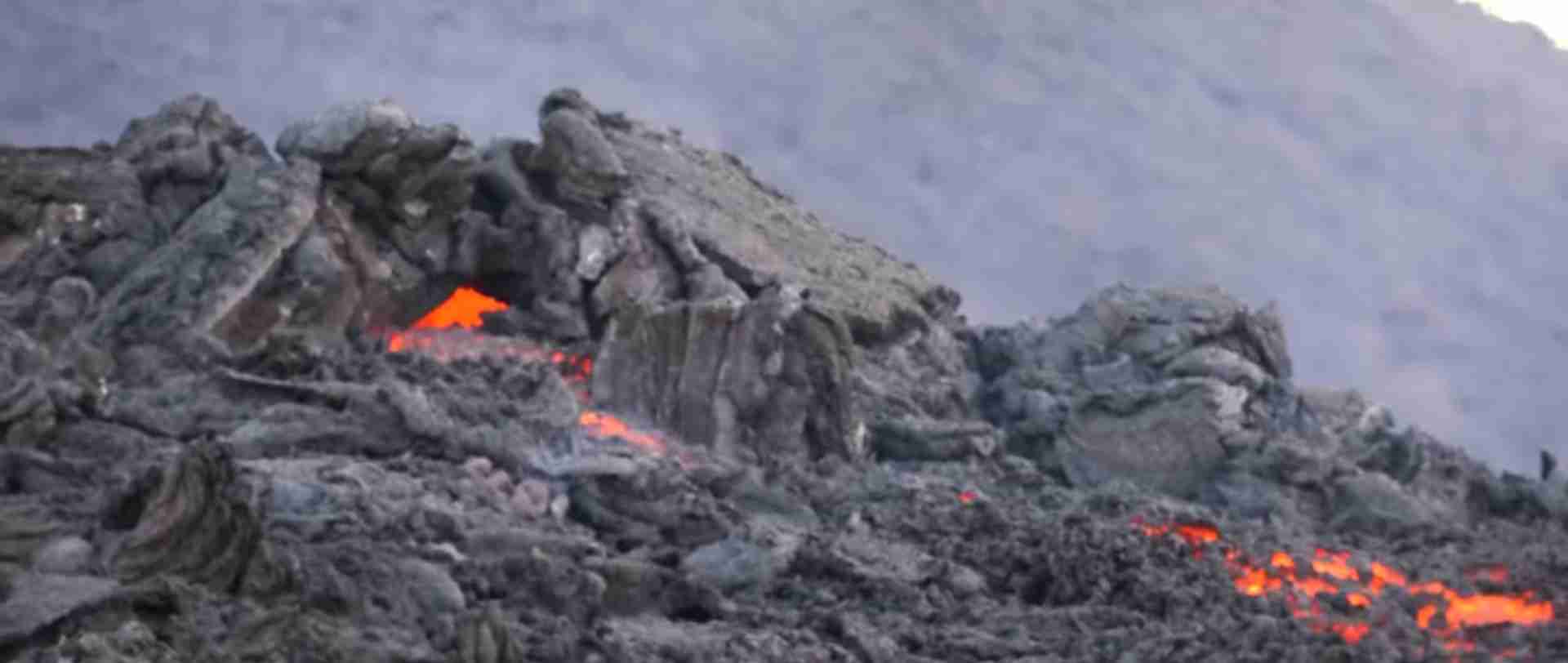
- The volcano remains constantly active with regular eruptions, lava flows, and steam vents creating a spectacular natural display
- Tour groups leave Antigua daily with multiple departure times, and advance booking is recommended during peak season (December-April)
- Bring sturdy hiking shoes, layers for temperature changes, sun protection, and water – marshmallow roasting sticks are provided by most tour operators
Planning Your Pacaya Volcano Hike in 2026
Pacaya Volcano stands as one of Guatemala’s most accessible active volcanoes, offering travelers based in Antigua an extraordinary opportunity to witness volcanic activity up close. Located just 25 kilometers south of Antigua, this constantly erupting stratovolcano reaches 2,552 meters above sea level and provides one of Central America’s most dramatic hiking experiences. The volcano has been in continuous eruption since 1965, creating ever-changing landscapes of hardened lava flows, active steam vents, and occasionally visible molten rock that make each visit unique.
The standard Pacaya hike departs from Antigua in the early morning or late afternoon, bringing visitors to the volcano’s base where the ascent begins through agricultural lands and pine forests before reaching the barren volcanic landscape. The moderate 1.5-2 hour climb gains approximately 400 meters of elevation, passing through distinct ecological zones that showcase the volcano’s impact on the surrounding environment. Tour groups vary from 6 to 20 participants, all accompanied by certified local guides who provide geological information, ensure safety, and know the current activity patterns of the volcano.
What makes Pacaya exceptional among volcanic hikes is the combination of accessibility and genuine volcanic activity. Unlike dormant volcanoes that require technical climbing skills, Pacaya offers a straightforward trail suitable for most fitness levels while delivering authentic encounters with lava flows, sulfuric steam vents, and the heat radiating from recently cooled volcanic rock. The volcano’s proximity to Antigua allows visitors to complete the entire experience as a half-day activity, returning to the colonial city by lunch or dinner depending on the chosen departure time.
The 2026 season brings enhanced trail infrastructure following recent maintenance work, improved safety protocols based on updated volcanic monitoring, and expanded tour options that cater to different experience levels. Tour operators now offer specialized photography tours, sunrise expeditions, and extended treks that explore additional volcanic features beyond the standard routes. Understanding the logistics, costs, and preparation requirements ensures your Pacaya adventure becomes a highlight of your Guatemala travels rather than a missed opportunity due to inadequate planning.
People Also Ask About Pacaya Volcano 2026
How much does a Pacaya volcano tour cost in 2026?
Standard Pacaya volcano tours from Antigua cost $35-45 per person for group tours and $60-80 for private excursions in 2026, covering transportation, certified guide services, park entrance fees, and basic equipment (check tour operator websites for current official rates as pricing may vary). These prices include round-trip transport from Antigua in comfortable shuttles, bilingual guide services throughout the hike, national park entrance fee of $7, and walking sticks if needed. Premium tours offering smaller groups, professional photography guidance, or extended exploration time range $55-75 per person, while private tours accommodating specific schedules or photography needs reach $80-120 depending on group size and customization requests.
Is Pacaya volcano safe to visit in 2026?
Pacaya volcano is safe to visit in 2026 when hiking with certified tour operators who monitor volcanic activity daily and follow established safety protocols. The volcano maintains constant low-level activity with predictable patterns that local guides understand thoroughly, and tour operators cancel excursions immediately if activity levels increase beyond safe parameters. All legitimate tour companies employ guides trained in emergency procedures, carry communication equipment to receive real-time updates from volcanic monitoring stations, and maintain insurance coverage for participants. The standard hiking route keeps groups at safe distances from active vents while still providing spectacular views, and guides enforce strict boundaries around high-temperature areas and unstable ground.
How difficult is the Pacaya volcano hike in 2026?
The Pacaya volcano hike rates as moderate difficulty in 2026, requiring reasonable fitness but not technical climbing skills or mountaineering experience. The ascent covers 5-6 kilometers round trip with 400 meters of elevation gain over volcanic terrain that includes loose rocks, hardened lava flows, and some steep sections near the summit area. Hikers complete the uphill portion in 1.5-2 hours at a steady pace with regular rest breaks, spend 45-60 minutes exploring the summit area and active zones, then descend in 45-75 minutes. The trail accommodates ages 8-70 in good health, though very young children and individuals with significant mobility limitations face challenges on the uneven volcanic rock surfaces.
What time should I do the Pacaya volcano tour in 2026?
Morning tours departing Antigua at 6:00-7:00 AM provide the best overall experience in 2026, offering clearer skies, cooler temperatures, and better visibility of volcanic activity before afternoon clouds develop. These early departures allow hikers to reach the summit area by 9:00-10:00 AM when visibility remains excellent and temperatures stay comfortable for the strenuous uphill sections. Sunset tours departing at 2:00-3:00 PM deliver dramatic photography opportunities with the setting sun illuminating volcanic landscapes, though afternoon temperatures run warmer and clouds sometimes obscure views. Some operators offer specialized sunrise tours departing at 4:00 AM that reach the summit before dawn, providing extraordinary opportunities to see glowing lava against the pre-dawn sky, though these require extra commitment and very early wake-up times.
Extended multi-day tours – 5+ days
Featured Antigua Multi-Day Tour Packages

4 days
4 days basic Guatemala
- ✓ Comprehensive Antigua tour
- ✓ Expert local guides included
- ✓ All accommodation arranged
- ✓ Transportation provided
6 days
Customized 6 Days Guatemala Trip with Lake Atitlan, Daily Depart (Private)
- ✓ Comprehensive Antigua tour
- ✓ Expert local guides included
- ✓ All accommodation arranged
- ✓ Transportation provided
3 days
Lake Atitlan & Chichicastenango Market 3D/2N
- ✓ Comprehensive Antigua tour
- ✓ Expert local guides included
- ✓ All accommodation arranged
- ✓ Transportation provided

5 days
5 days Mini Guatemala: living culture and colonial charm
- ✓ Comprehensive Antigua tour
- ✓ Expert local guides included
- ✓ All accommodation arranged
- ✓ Transportation provided
Multi-day tour packages powered by TourRadar. Prices and availability subject to change.
Essential Planning Information 2026
Tour Costs and What’s Included
Standard group tours from Antigua cost $35-45 per person in 2026, covering all essential services and fees required for the Pacaya experience (check tour operator websites for current official rates as pricing may vary). This base price includes round-trip transportation from Antigua in air-conditioned shuttles or comfortable vans, certified bilingual guide services throughout the 4-6 hour excursion, Pacaya National Park entrance fee of $7, basic hiking equipment like walking sticks if requested, and liability insurance coverage. Tour operators pick up participants from hotels or designated meeting points in Antigua’s central zone, transport groups to the trailhead at San Francisco de Sales village, guide the entire hike with geological explanations and safety oversight, then return everyone to Antigua.
Premium tour options ranging $55-75 per person enhance the standard experience with smaller group sizes (maximum 8-10 participants instead of 15-20), professional photography guidance from guides experienced in volcanic landscape photography, extended time at the summit for thorough exploration, upgraded transportation in newer vehicles, and sometimes post-hike refreshments or snacks. These premium services benefit serious photographers seeking composition advice and optimal timing, travelers preferring more personal attention from guides, and visitors wanting comprehensive volcanic education rather than rushed summit visits. Private tours for 2-6 people cost $80-120 per person depending on group size, offering completely flexible departure times, customized hiking pace, personalized guide attention, and route modifications based on current volcanic activity and participant interests.
Additional costs beyond the tour price include personal expenses like bottled water ($1-2 per liter at the trailhead), snacks or energy bars ($2-4), optional horse rental for the ascent ($15-25 if walking becomes difficult), and tips for guides ($3-5 per person is standard, $5-8 for exceptional service). Marshmallow roasting sticks for the volcanic heat experience are typically provided by tour operators at no extra charge, though bringing your own marshmallows costs $2-3 at Antigua supermarkets. Some premium tours include pre-packed snacks and water in their pricing, while budget operators expect participants to bring their own provisions.
Booking Timeline and Availability
Book Pacaya volcano tours 3-7 days in advance during peak season (December through April) when tour companies operate at full capacity and popular departure times fill quickly. Tours run daily throughout 2026 with multiple departure times – typically 6:00 AM, 10:00 AM, and 2:00 PM – accommodating different schedules and photography preferences. Low season months (May through November) offer more flexibility with same-day or next-day bookings usually available, though weather conditions become less predictable with higher chances of afternoon rain showers obscuring summit views.
Popular tour operators in Antigua include Old Town Outfitters, OX Expeditions, Antigua Tours, and Volcano Pacaya Tours, all maintaining offices along Antigua’s main streets where you can book in person, review group sizes and departure times, and ask detailed questions about current volcanic activity. Online booking through company websites or platforms like Viator and GetYourGuide provides convenience and sometimes small discounts of $3-5 per person, though booking directly with operators often allows better communication about specific requirements or concerns. Tour confirmation typically arrives via email or WhatsApp within 2-4 hours of booking, including exact pickup location, departure time, and preparation checklist.
Physical Requirements and Preparation
The Pacaya hike requires moderate physical fitness equivalent to walking uphill for 1.5-2 hours with occasional steep sections and uneven terrain. Participants should be comfortable with sustained cardiovascular activity at altitude (the summit reaches 2,552 meters where oxygen levels are approximately 15% lower than sea level), able to navigate rocky surfaces without assistance, and capable of maintaining balance on loose volcanic gravel and hardened lava flows. No technical climbing skills or specialized mountaineering experience are necessary, but the combination of elevation, uneven surfaces, and prolonged uphill walking challenges sedentary individuals or those with significant cardiovascular or joint issues.
Prepare for the hike by maintaining basic cardiovascular fitness in the weeks before your Guatemala trip – walking uphill for 30-45 minutes, climbing stairs, or hiking on uneven terrain builds the specific muscle groups and endurance needed for Pacaya. Spend at least one full day in Antigua (elevation 1,500 meters) before attempting the volcano hike, allowing your body to begin altitude acclimatization and reducing the risk of altitude-related discomfort during the strenuous ascent. Avoid scheduling the Pacaya tour immediately after arriving in Guatemala from sea level, as the combination of travel fatigue and inadequate acclimatization creates unnecessary difficulty and reduces enjoyment.
Age considerations allow participation from children 8+ years who can maintain hiking pace and follow safety instructions, though very young children often struggle with the duration and terrain difficulty. Adults in their 60s and 70s regularly complete the hike when in good general health and accustomed to regular physical activity, while individuals with recent surgeries, severe joint problems, or significant cardiovascular conditions should consult physicians before booking. Tour operators offer optional horse rental for $15-25 covering the steepest section of the ascent, providing alternative access for those wanting to experience the volcanic summit without the full physical demands of the uphill trek.
Tour Options and Packages 2026
Standard Group Tours
Standard group tours represent the most economical and widely available option for experiencing Pacaya volcano, with departures from Antigua at 6:00 AM, 10:00 AM, and 2:00 PM throughout 2026. These tours accommodate 12-20 participants per guide, bringing together international travelers, regional visitors, and local adventure seekers in mixed groups that create social atmosphere and shared experience. Tour duration runs 5-6 hours from Antigua pickup to final drop-off, including 45 minutes of transportation each way, 1.5-2 hours of ascent, 45-60 minutes at the summit area exploring active zones, and 45-75 minutes of descent.
Group tours follow established routes beginning at the San Francisco de Sales trailhead where certified guides provide orientation briefing, distribute walking sticks if needed, and organize the group by hiking pace preferences. The ascent passes through three distinct zones – agricultural lands with coffee and corn cultivation, pine forest with volcanic ash soil, and barren volcanic landscape of hardened lava flows from recent eruptions. Guides maintain steady pace with 4-6 rest stops allowing participants to catch their breath, hydrate, and receive geological information about Pacaya’s eruptive history and current activity patterns.
Summit area activities include approaching active steam vents releasing sulfuric gases, walking across hardened lava flows from recent eruptions (some still warm to the touch), viewing the main crater from safe observation points, and the famous marshmallow roasting over volcanic heat where cracks in the lava rock release temperatures exceeding 400°C. Groups spend 45-60 minutes in the summit zone before beginning the descent, with guides adjusting timing based on current volcanic activity, weather conditions, and group energy levels. The entire experience emphasizes both safety and spectacle, delivering genuine volcanic encounters without requiring technical skills or extreme fitness.
Premium Small Group Tours
Premium tours limit group size to 8-10 participants, creating more personalized experience with enhanced guide attention and flexibility in pacing and route choices. These tours cost $55-75 per person in 2026, justifying the premium through superior guide expertise (often geology graduates or professional naturalists), smaller group dynamics allowing questions and detailed explanations, and extended summit time for thorough exploration without rushing. Transportation upgrades to newer, more comfortable vehicles with better suspension for the rough access road, and some operators include post-hike refreshments or snacks as part of the package.
Photography-focused premium tours provide specialized guidance for capturing optimal volcanic images, with guides understanding composition, timing, and technical settings for different lighting conditions. These tours schedule departures to coincide with best natural light – sunrise tours reaching the summit at dawn when glowing lava appears most dramatic against dark sky, or sunset tours positioning photographers for silhouetted volcanic landscapes with colorful skies. Guides allow extra time at key viewpoints, suggest creative angles for capturing steam vents and lava flows, and coordinate group movements to avoid crowding in prime photography locations.
Extended exploration tours spend additional time investigating less-visited areas of the volcanic complex, potentially including the older Pacaya summit cone if current activity allows safe access, or exploring the McKenney Cone area where recent lava flows created new landscape features. These 7-8 hour tours cost $70-85 per person and appeal to serious volcano enthusiasts wanting comprehensive understanding of Pacaya’s geological evolution, multiple eruption craters, and the broader volcanic system. Guides on extended tours typically hold geology degrees or extensive volcanological training, providing university-level explanations of eruptive mechanisms, magma composition, and tectonic processes driving Pacaya’s continuous activity.
Private and Customized Tours
Private tours offer complete flexibility in departure time, hiking pace, and route selection while providing dedicated guide attention for 2-6 participants. Costs range $80-120 per person depending on group size (private tours for 2 people cost more per person than groups of 6), departure time (very early sunrise tours command premium pricing), and customization level. These tours accommodate specific interests like professional photography, geological education for students, or family groups with mixed age ranges and fitness levels requiring personalized pacing.
Customization options include alternative departure times outside standard schedules (4:00 AM for pre-dawn summit arrival, mid-afternoon for specific lighting conditions), extended summit time for comprehensive exploration and photography, route variations exploring less-traveled areas if volcanic activity permits, and combination packages integrating Pacaya with nearby attractions like hot springs or traditional villages. Private tours also allow schedule adjustments on the day based on weather conditions, volcanic activity changes, or group preferences that emerge during the hike.
Family private tours accommodate children and multi-generational groups by adjusting pace expectations, incorporating more frequent rest stops, and selecting routes with gradual inclines where possible. Guides working private family tours often bring educational materials, simplified geological explanations appropriate for children, and extra safety equipment like additional walking sticks or emergency supplies. Some tour operators offer horse rental as standard inclusion in family private tours, recognizing that younger children or older adults may need alternative transport for the steepest sections while still wanting to experience the summit area.
Best Time for Pacaya Hike 2026
Seasonal Considerations
The dry season from November through April provides optimal conditions for Pacaya volcano hiking in 2026, with clear skies, minimal rainfall, and excellent visibility for viewing volcanic activity and surrounding landscapes. December through February delivers the clearest weather with morning temperatures at the summit around 10-15°C warming to 18-23°C by midday, comfortable humidity levels, and virtually guaranteed cloud-free summit views. March and April maintain good weather though afternoon clouds become more common, forming around 1:00-2:00 PM and potentially obscuring sunset views for afternoon tours.
Peak tourist season runs December through March when Antigua receives maximum visitor numbers and Pacaya tours operate at full capacity with all departure times filling quickly. This period offers the most reliable weather but requires advance booking, larger group sizes, and busier trails with multiple tour groups sometimes converging at popular viewpoints. The trade-off between guaranteed good weather and crowded conditions makes December-March ideal for travelers prioritizing optimal volcanic viewing over solitude, while still delivering spectacular experiences despite increased visitor numbers.
Wet season from May through October brings afternoon rain showers, higher cloud cover, and less predictable weather patterns that can affect Pacaya hiking conditions. Morning tours during wet season still often enjoy clear conditions, with rain typically beginning 2:00-4:00 PM, making 6:00 AM departures viable for weather-conscious travelers. Tour prices sometimes drop $5-10 per person during wet season months, and group sizes remain smaller with more personalized guide attention. The volcanic landscape appears lusher with wet season vegetation, steam vents produce more dramatic plumes in humid air, and fewer tourists create quieter, more intimate volcanic encounters for those accepting weather uncertainty.
Daily Timing Strategies
Morning tours departing Antigua at 6:00-7:00 AM provide the most consistent weather conditions in 2026, reaching the summit by 9:00-10:00 AM when skies remain clear and temperatures stay comfortable for the strenuous uphill sections. These early departures avoid afternoon cloud development that often obscures views from the summit area, ensure cooler temperatures reducing heat stress during the ascent, and typically encounter fewer tour groups on the trail. The early schedule requires waking before dawn but delivers superior overall experience through optimal weather windows and less crowded summit areas.
Mid-morning tours departing at 10:00 AM offer compromise between reasonable wake-up times and decent weather conditions, reaching the summit around 1:00-2:00 PM when clouds begin forming but usually don’t yet obscure views entirely. These tours work well for travelers not wanting pre-dawn departures while still achieving successful volcano experience, though afternoon weather becomes less predictable especially during transition months (April-May and October-November). Temperature at the summit during midday hours runs warmer, creating more challenging conditions for the uphill hike but pleasant summit exploration once the cardiovascular effort concludes.
Sunset tours departing at 2:00-3:00 PM target arrival at the summit for golden hour and sunset, creating dramatic photography opportunities with the descending sun illuminating volcanic landscapes and potentially enhancing visibility of glowing lava. These tours appeal to serious photographers willing to accept higher weather risks for spectacular lighting, and to travelers whose schedules don’t accommodate early morning departures. Cloud cover becomes more likely during afternoon hours, sometimes completely obscuring sunset views, though when conditions cooperate the visual spectacle exceeds morning tours. Afternoon temperatures run warmest making the ascent more physically demanding, and descending in diminishing light requires careful footing on the uneven volcanic terrain.
Volcanic Activity Patterns
Pacaya maintains continuous low-level eruptive activity throughout 2026 with predictable patterns that guides monitor daily through observation and communication with volcanic monitoring stations. Typical activity includes constant steam emissions from multiple vents, occasional strombolian eruptions ejecting lava fragments 50-100 meters into the air, and persistent heat signatures where recent lava flows remain warm for months after emplacement. This baseline activity creates the spectacular volcanic experiences that make Pacaya famous, while remaining within safe parameters that allow tourist access under proper supervision.
Activity levels fluctuate slightly with increased eruptions sometimes creating more dramatic displays – larger steam plumes, more frequent lava ejections, or fresh lava flows reaching previously cooler areas. Tour operators receive real-time updates about significant activity changes and adjust routes accordingly, sometimes allowing closer approach to newly active areas when safe, or restricting access when activity increases beyond normal parameters. These natural variations mean each Pacaya visit offers unique experience as the volcano constantly reshapes its landscape and modifies activity patterns.
Safety monitoring involves continuous seismic surveillance, thermal cameras tracking temperature changes, gas emission measurements, and visual observation by trained personnel. Tour operators maintain direct communication with INSIVUMEH (Guatemala’s volcanic monitoring institute) and cancel tours immediately if activity escalates beyond safe levels. The January 2024-December 2025 period showed consistent low-level activity without significant eruptions requiring trail closures, establishing confidence that 2026 will continue this pattern of accessible volcanic activity that delivers spectacular experiences without elevated risks.
What to Expect on Your 2026 Pacaya Trek
The Hiking Route
The standard Pacaya hiking route begins at San Francisco de Sales village (elevation 2,150 meters) where tour shuttles drop groups at the trailhead parking area surrounded by small comedores selling snacks and drinks. Guides conduct brief orientation covering safety protocols, expected timeline, rest stop locations, and current volcanic activity status before the group begins ascending the well-established trail. The initial 20-30 minutes traverse agricultural lands where local farmers cultivate coffee, corn, and vegetables in the fertile volcanic soil, with the trail gradually gaining elevation through a series of switchbacks that ease the cardiovascular demands.
The route enters pine forest around 30-40 minutes into the hike, providing welcome shade during sunny mornings and showcasing the ecological adaptation to volcanic ash soils and periodic eruption impacts. This forested section includes some of the steepest trail segments with elevation gain accelerating, though frequent switchbacks prevent excessively steep grades. Guides typically schedule first rest stop in this zone where participants catch their breath, hydrate, and receive explanations about Pacaya’s eruptive history and the reforestation efforts following major eruptions that destroyed previous forest growth.
The trail breaks out of forest coverage around 60-75 minutes into the ascent, entering the barren volcanic landscape where vegetation cannot survive the harsh conditions of recent lava flows, toxic gases, and unstable substrate. This dramatic transition showcases the volcano’s destructive power with vast expanses of black lava rock, scattered fumaroles releasing steam and sulfuric gases, and the imposing volcanic cone rising ahead. The final 30-45 minutes ascend directly up hardened lava flows from recent eruptions, with the trail sometimes following ridge lines offering spectacular views of the surrounding landscape and distant volcanoes including Agua, Fuego, and Acatenango.
Summit Area Experiences
The summit area encompasses the active crater rim, numerous steam vents, recently cooled lava flows, and observation points overlooking the main eruptive center. Groups arrive at the main viewing area where guides provide comprehensive briefing about current activity, safe approach distances, and the specific features visitors can explore. The landscape constantly shifts as new eruptions add fresh lava, old flows cool and stabilize, and steam vents open or close in response to underground magma movements and groundwater interactions.
Active steam vents provide the most dramatic close-up experience, with sulfuric gases and superheated steam erupting from cracks in the lava at temperatures exceeding 400°C. Guides identify safe approach distances allowing visitors to feel the intense heat radiating from the vents while maintaining proper safety margins, and explain the chemical composition of the volcanic gases (primarily water vapor, sulfur dioxide, and carbon dioxide). The famous marshmallow roasting occurs at these vents where guides demonstrate safe positioning for holding marshmallows over the extreme heat, creating memorable photos and unique volcanic campfire experience.
Lava flow exploration allows visitors to walk across hardened basaltic lava from eruptions dating from recent weeks to several years past, observing different textures and cooling patterns. Recent flows sometimes retain warmth detectable by touching the rock surface (guides ensure visitors only touch cooled areas), while older flows show weathering patterns and initial vegetation colonization. Guides point out different lava forms – ropy pahoehoe with smooth, flowing textures, and rough aa lava with jagged, fragmented surfaces – explaining how eruption rate and lava viscosity create these distinct morphologies.
Geological Features and Education
Pacaya’s geological significance stems from its position above the convergence of the Cocos and Caribbean tectonic plates, where oceanic crust subducting beneath Central America generates magma that feeds the volcanic chain running from Mexico through Guatemala to Panama. Guides explain this tectonic setting using the visible landscape – pointing out neighboring volcanoes that form part of the same volcanic arc, describing earthquake activity that often precedes eruptions, and connecting surface features like lava composition to deep subsurface processes.
The volcano’s eruptive history includes the major 2010 eruption that buried nearby villages under ash and lava, killed several people, and dramatically altered the summit configuration. Guides recount these events while showing the resulting landscape changes – buried structures, lava flow boundaries, and areas that remain hazardous due to unstable volcanic debris. This recent eruptive activity provides tangible connection between geological processes and human impacts, emphasizing why volcanic monitoring and safety protocols matter for communities living near active volcanoes.
Volcanic rock samples illustrate magma composition with basaltic lava displaying characteristic dark color, fine-grained texture, and sometimes visible crystals of olivine or pyroxene. Guides explain how chemical analysis of erupted material helps volcanologists predict future activity, how gas composition changes signal magma movement, and how seismic patterns indicate different eruption types. This educational component transforms the Pacaya hike from simple adventure tourism into comprehensive volcanic learning experience, especially valuable for students, amateur geologists, and anyone fascinated by Earth’s dynamic processes.
Transportation from Antigua 2026
Organized Tour Transport
Tour packages include round-trip transportation from Antigua to the Pacaya trailhead as standard component, with shuttle pickups from central Antigua hotels or designated meeting points beginning 45-60 minutes before official tour departure times. Tour companies operate comfortable shuttle vans or minibuses equipped with air conditioning, seat belts, and storage space for backpacks and camera equipment. The vehicles accommodate 12-20 passengers depending on tour size, with premium tours sometimes using smaller vehicles for enhanced comfort.
The journey from Antigua to San Francisco de Sales trailhead covers approximately 25 kilometers via Guatemala’s CA-9 highway, taking 45-55 minutes under normal traffic conditions. The route initially descends from Antigua toward Guatemala City before branching south toward the village of San Vicente Pacaya, then following increasingly rough roads for the final approach to the trailhead parking area. Road quality deteriorates significantly in the final 5 kilometers with potholes, gravel sections, and steep grades that require skilled drivers and well-maintained vehicles.
Return transportation reverses the route, typically departing the trailhead 15-20 minutes after the full group completes the descent and regroups at the parking area. Tour shuttles drop participants at their original pickup locations in Antigua, completing the round-trip experience within the advertised 5-6 hour total duration. Some tour operators offer flexibility to drop participants at different Antigua locations than the pickup point, accommodating travelers who want to continue to restaurants, shops, or other destinations after the volcano tour.
Independent Transportation Options
Independent travelers can reach Pacaya trailhead via private taxi from Antigua, though this option costs $40-60 round-trip for the vehicle (not per person) and lacks the certified guide services legally required for hiking on Pacaya. Taxis willing to make the journey to San Francisco de Sales must be negotiated in advance as many Antigua taxi drivers avoid the rough final road section that damages vehicles and requires extra time. The arrangement typically involves the taxi waiting at the trailhead parking area for 3-4 hours while you hike, then returning you to Antigua, making this option most practical for groups of 3-4 people who can share the vehicle cost.
Public transportation exists from Guatemala City to San Vicente Pacaya village via chicken buses (repurposed American school buses that serve as Guatemala’s local transport system), but accessing the Pacaya trailhead from the village requires additional local transport or significant uphill walking. This option costs only $2-3 total but takes 2-3 hours each way, involves multiple transfers, and still requires hiring a guide at the trailhead for the actual hike (local guides charge $15-25 per group). The complexity and time investment make public transport impractical for most international visitors unless on extremely tight budgets or specifically seeking local cultural immersion through Guatemala’s public bus system.
Rental car access to Pacaya trailhead is technically possible but strongly discouraged due to road conditions, security concerns about leaving vehicles unattended at the remote trailhead, and lack of clear signage for navigating the final approach roads. International rental car insurance often excludes coverage for the rough road types leading to Pacaya, and vehicle damage from potholes or volcanic rock debris creates potential liability issues. The combination of difficult access, parking concerns, and mandatory guide requirements makes organized tour transport far superior to attempting independent vehicle-based access.
Safety Guidelines for 2026
Volcanic Hazard Awareness
Pacaya’s continuous eruptive activity creates genuine volcanic hazards that require respect and adherence to safety protocols. Active hazards include sudden strombolian eruptions ejecting lava bombs that travel 50-200 meters from vent openings, toxic gas emissions (particularly sulfur dioxide and carbon dioxide) that accumulate in low-lying areas, unstable ground where recent lava flows haven’t fully cooled or solidified, and volcanic ash emissions during more energetic eruptive phases. Certified guides maintain constant awareness of these hazards, monitoring wind direction for gas dispersal, observing eruption patterns for intensity changes, and selecting safe routes that avoid high-risk areas.
Emergency protocols require guides to carry two-way radios or satellite phones for communication with park authorities and emergency services, first aid kits including supplies for burns, respiratory irritation, and traumatic injuries, and evacuation plans for different emergency scenarios. Tour groups receive briefing on emergency signals – long whistle blasts indicating immediate danger requiring rapid movement away from current location, and specific gathering points if the group becomes separated during emergency evacuation. All legitimate tour operators maintain insurance coverage and undergo annual safety training administered by CONRED (Guatemala’s disaster management agency).
Personal safety responsibility includes following guide instructions immediately without debate during emergency situations, maintaining awareness of your position relative to active vents and unstable ground, and reporting any concerning symptoms like dizziness, nausea, or breathing difficulty that might indicate toxic gas exposure or altitude effects. Never wander away from the main group to explore independently, approach vents or hot ground beyond distances approved by guides, or ignore safety perimeters established around particularly active or dangerous areas. The combination of proper guide leadership and participant compliance with safety protocols maintains Pacaya’s excellent safety record despite its active volcanic nature.
Physical Health Considerations
Altitude effects manifest during Pacaya hikes as the summit reaches 2,552 meters where oxygen availability drops approximately 15% below sea level. Symptoms of mild altitude stress include slightly elevated heart rate during exertion, deeper breathing than normal, and possible mild headache – all manageable through proper pacing, hydration, and rest breaks. More serious altitude sickness rarely occurs at Pacaya’s elevation but can affect individuals ascending directly from sea level without acclimatization, presenting as severe headache, nausea, extreme fatigue, or confusion requiring immediate descent.
Hydration requirements increase significantly during the hike due to combination of physical exertion, altitude, and often warm temperatures. Carry 1.5-2 liters of water per person, drink regularly throughout the ascent even before feeling thirsty, and avoid excessive caffeine or alcohol consumption in the 12 hours before the hike. Dehydration symptoms include dark urine, dizziness, excessive fatigue, and headaches – all preventable through adequate fluid intake beginning the evening before your tour and continuing throughout the hiking day.
Pre-existing health conditions requiring medical consultation before attempting Pacaya include cardiovascular disease, severe asthma or respiratory conditions, recent surgeries, pregnancy, and significant joint or mobility issues. The combination of altitude, sustained cardiovascular demand, and rough terrain creates challenges for these conditions that may not affect daily activities at sea level. Diabetic travelers should bring extra snacks and monitor blood sugar carefully as the prolonged physical activity affects glucose levels, while travelers taking prescription medications should maintain normal dosing schedules even with early morning tour departures.
Equipment and Preparation
Footwear represents the most critical equipment consideration with sturdy hiking boots or trail running shoes with ankle support and aggressive tread required for the volcanic terrain. The trail surface alternates between loose volcanic gravel, hardened lava with sharp edges, smooth rock surfaces that become slippery when wet, and dirt sections prone to mud during wet season. Avoid tennis shoes, sandals, or any footwear lacking ankle protection and slip-resistant soles as the uneven terrain creates significant ankle twist risk and the sharp lava rock causes rapid wear on inadequate shoe soles.
Clothing strategy employs layering to accommodate temperature variation from warm valley areas through cool summit zones, with potential wind chill near the crater rim. Start with moisture-wicking base layer, add insulating mid-layer (fleece or light jacket), and bring waterproof shell for protection against unexpected rain or wind at the summit. Long pants protect legs from volcanic rock abrasion and sun exposure, while short sleeves work well for the warm ascent if you pack layers for the cooler summit. Hat and sunglasses protect against intense tropical sun at altitude, and bandana or buff provides dust protection during windy conditions that lift volcanic ash.
Essential items to carry include 1.5-2 liters water per person, high-energy snacks like nuts, dried fruit, or energy bars, sunscreen SPF 30+ applied before departure and brought for reapplication, small first aid kit with bandaids and pain relievers, headlamp or flashlight for sunset tours or emergency delays, and fully charged phone for photos and emergency communication. Camera equipment should be protected from volcanic dust using camera bags or protective covers, with lens cleaning materials essential for removing fine volcanic particles. Walking stick provided by most tour operators improves stability on steep sections and reduces knee strain during the descent, especially valuable for anyone with previous knee issues or general stability concerns.
Sample 2026 Itinerary
Morning Tour Schedule
5:30 AM – Wake up and light breakfast at your Antigua accommodation, focusing on easily digestible foods like toast, fruit, or oatmeal rather than heavy meals that can cause discomfort during strenuous hiking. Coffee or tea provides energy boost while avoiding excessive quantities that might increase dehydration risk. Organize daypack with water, snacks, extra layers, and camera equipment, and wear your hiking footwear for the entire day to avoid last-minute changes.
6:00 AM – Meet tour shuttle at your hotel or designated pickup point in central Antigua, joining other participants for the group tour. Tour coordinator checks names against reservation list, provides brief overview of the day’s schedule, and begins the 45-minute journey to Pacaya trailhead. The drive offers views of Guatemala’s volcanic chain with Agua, Fuego, and Acatenango visible in clear weather, and passes through traditional villages where local life centers around coffee cultivation and corn farming.
6:45 AM – Arrive at San Francisco de Sales trailhead parking area where guides conduct comprehensive orientation briefing covering safety protocols, expected timeline, current volcanic activity status, and group organization. Distribute walking sticks to anyone requesting them, make final bathroom stops (basic facilities available at the trailhead), and purchase any forgotten water or snacks from the comedores surrounding the parking area. Group departs together with guide leading at moderate pace designed to accommodate different fitness levels.
7:00-8:30 AM – Ascend through agricultural lands and pine forest zones with the guide maintaining steady pace and scheduling 4-6 rest breaks for hydration and catching breath. Each rest stop includes brief geological or cultural information about the surrounding landscape, Pacaya’s eruptive history, or local communities’ relationship with the active volcano. The trail gradually steepens as you approach the barren volcanic zone, with views expanding to include distant volcanoes and the valley surrounding Antigua.
8:30-9:30 AM – Summit area exploration begins with arrival at the main viewing area overlooking active vents and lava flows. Guide provides comprehensive briefing about current activity and safe approach distances, then leads group through different areas including steam vents where you can feel intense volcanic heat, hardened lava flows from recent eruptions, and observation points offering crater views. The famous marshmallow roasting occurs at accessible steam vents where guides demonstrate proper technique for safely experiencing the volcanic heat. Photography opportunities abound with dramatic volcanic landscapes, active steam plumes, and views of neighboring volcanoes across the Guatemalan highlands.
9:30-10:45 AM – Descent follows the same route in reverse, moving more quickly downhill though requiring careful footing on loose gravel and steep sections. Guides continue providing information about features that might have been less visible during the uphill focus, pointing out vegetation patterns, erosion processes, and the recovery of areas affected by previous major eruptions. The pine forest section provides welcome shade during the increasingly warm morning, and the agricultural zone showcases local farming techniques adapted to volcanic soils.
10:45 AM – Return to trailhead parking area where bathrooms and food vendors offer refreshments before the return journey. Some tour groups stop briefly at local comedores for traditional Guatemalan breakfast or snacks (not typically included in tour price, expect $3-5 for meal). Board the return shuttle for the 45-minute journey back to Antigua, arriving at original drop-off points around 11:45 AM-12:00 PM with the full afternoon available for other activities, relaxation, or continuing your Antigua exploration.
Day Cost Summary
Pacaya volcano tour $35-45, breakfast before tour $3-5, extra water/snacks $2-4, optional post-hike meal $3-5, guide tip $3-5. Total day cost: $46-64 per person (excluding accommodation).
Booking Your Pacaya Tour 2026
Reputable Tour Operators
Old Town Outfitters operates from 5a Avenida Sur in central Antigua, offering standard group tours at $40 per person and premium small group options at $65. This established operator maintains excellent safety record, employs bilingual guides with geological training, and uses well-maintained vehicles for the rough access road. Their tours depart daily at 6:00 AM and 2:00 PM with additional 10:00 AM departures during peak season, and online booking through their website provides $3 discount from walk-in rates.
OX Expeditions specializes in adventure tourism with Pacaya tours priced at $45 per person for standard groups and $70 for premium photography-focused excursions. Their guides receive specialized training in volcanic photography and carry professional camera equipment for demonstrating optimal settings and compositions. OX maintains office at 4a Calle Oriente where staff provide detailed pre-tour consultations about current volcanic activity, equipment recommendations, and customization options for private tours. They offer specialized sunrise tours departing at 4:00 AM for dedicated photographers willing to pay premium $85 per person for pre-dawn summit arrival.
Antigua Tours runs high-volume operation with multiple daily departures accommodating both budget-conscious travelers ($35 per person for standard tours) and those seeking premium experiences ($60 for small groups). Their central office at Parque Central provides convenient booking location, and they maintain reputation for reliability and safety despite lower pricing. The trade-off involves larger group sizes (often 18-20 participants) and guides who cover safety and basic information adequately without the advanced geological knowledge of premium operators.
Booking Channels and Comparison
Direct booking with tour operators through their Antigua offices provides opportunities to meet staff, ask detailed questions about current conditions, review group sizes for specific dates, and sometimes negotiate slight discounts for booking multiple activities or larger private groups. Office staff can provide current information about recent volcanic activity that might not appear in online descriptions, recommend optimal departure times based on weather forecasts, and clarify exactly what’s included in different tour packages. Cash payment at Antigua offices often receives small discounts of $2-3 per person compared to credit card processing fees.
Online booking platforms like Viator, GetYourGuide, and TripAdvisor offer convenience of advance reservation from home countries, customer reviews providing insight into recent tour experiences, and sometimes package deals combining Pacaya with other Antigua activities at reduced total cost. These platforms charge booking fees of 10-15% above direct operator pricing but provide purchase protection, easy cancellation policies (often full refund if cancelled 24-48 hours ahead), and customer service support in multiple languages. Read reviews carefully noting dates (recent reviews provide more accurate current conditions) and looking for patterns about guide quality, group sizes, and whether tours delivered advertised experiences.
Hotel concierges in Antigua book Pacaya tours as standard service though typically charging slight markup above direct operator prices or receiving commission that might affect which operators they recommend. The convenience of booking through your accommodation works well for last-minute decisions or travelers uncomfortable navigating Antigua independently to find tour offices. Request confirmation details in writing including exact departure time, pickup location, operator name and contact information, and total cost with any additional fees clearly stated.
Cancellation and Weather Policies
Standard cancellation policies allow full refund if you cancel 24-48 hours before tour departure (exact timeframe varies by operator), with cancellations inside this window often forfeiting 50% of tour cost or the full amount depending on operator policies. Tour operators cancel excursions due to dangerous volcanic activity, severe weather making trails impassable, or insufficient participant numbers (minimum 4-6 people for standard tours to operate economically). Operator-initiated cancellations receive full refund or free rescheduling to alternative dates, with reputable companies providing notification 12-24 hours in advance when possible.
Weather-related decisions consider rainfall intensity, cloud cover affecting visibility, and trail safety rather than cancelling for minor rain. Light rain doesn’t prevent tours as the volcanic landscape remains accessible and dramatic in wet conditions, while heavy thunderstorms or dense fog that obscures the trail entirely result in cancellations or delayed departures. Tours departing during marginal weather sometimes turn back if conditions deteriorate significantly during the ascent, with partial refunds (often 50%) provided since participants completed transportation and partial hiking even without summit access.
Rescheduling flexibility varies by operator with some allowing free date changes up to 24 hours before departure, while others charge $5-10 per person for changes made less than 48 hours ahead. Travelers with flexible Guatemala schedules benefit from booking Pacaya early in their Antigua stay, allowing rescheduling if weather looks poor for the original date. Peak season demands sometimes limit rescheduling options as alternative dates fill completely, making advance booking important but also creating pressure to proceed with tours even in marginal conditions.
Practical Tips for 2026
Photography Strategies
Camera settings for volcanic photography require balancing harsh tropical sunlight, dark volcanic rock, and potentially dramatic steam plumes or lava glow. Use polarizing filter to reduce glare from hardened lava surfaces and enhance sky contrast, shoot in RAW format for maximum post-processing flexibility with the high dynamic range between bright sky and dark rock, and bring lens cleaning cloth for removing fine volcanic dust that accumulates on front elements. Morning light provides soft, angled illumination that reveals texture in lava flows and creates definition in the volcanic landscape, while sunset tours offer dramatic golden hour colors but require faster shutter speeds or higher ISO to maintain exposure as light fades.
Composition techniques that enhance volcanic images include using foreground volcanic rock or steam vents to create depth and scale, positioning yourself to include distant volcanoes (Agua, Fuego, Acatenango) in background for context, and capturing human elements like other hikers or your guide to emphasize the volcano’s massive scale. Wide-angle lenses (16-35mm) work best for capturing expansive lava fields and crater views, while telephoto zooms (70-200mm) allow detailed shots of steam vents, textured lava surfaces, and distant volcanic features. Protect camera equipment from volcanic dust using camera bag between shots, and consider bringing simple point-and-shoot or phone camera for the riskier approaches to steam vents where dust and heat could damage expensive DSLR gear.
Drone photography faces restrictions at Pacaya with park authorities prohibiting recreational drone use near the active crater due to safety concerns (volcanic gases damage electronics, sudden eruptions risk equipment loss, and falling drones create hazards for hiking groups below). Professional photography requiring drone footage needs advance permits from CONAP (Guatemala’s protected areas authority) and INSIVUMEH (volcanic monitoring institute), involving complex application processes that make casual drone photography impractical. Travelers serious about aerial volcanic photography should research permit requirements months in advance and budget $200-500 for permit fees plus the significant time investment in application procedures.
Cultural Considerations
Local communities around Pacaya depend partially on volcano tourism for economic support through guide services, transportation, food sales at trailheads, and emergency horse rental. Supporting local economy means buying drinks or snacks from the comedores at San Francisco de Sales trailhead (even if you brought your own provisions), tipping guides appropriately ($3-5 per person is standard, $5-8 for exceptional service), and considering horse rental if you need assistance with steep sections (the $15-25 cost directly benefits local families who maintain these horses specifically for tourist support).
Environmental responsibility requires carrying out all waste including food wrappers, water bottles, and any other materials brought to the volcano. Volcanic landscapes lack trees or vegetation to hide discarded trash, making littering highly visible and damaging to the natural environment that attracts tourism. Never remove volcanic rock samples or other natural materials as souvenirs – Guatemala’s protected area regulations prohibit collecting from national parks, and cumulative effects of thousands of visitors each taking “just one rock” would significantly impact the volcanic landscape. Leave only footprints, take only photographs remains the essential principle for sustainable volcano tourism.
Safety compliance with guide instructions reflects respect for both natural hazards and local expertise. Guides who work Pacaya daily understand current activity patterns, safe approach distances, and emergency protocols far better than any visitor regardless of hiking experience elsewhere. Following their directions immediately without questioning or negotiating demonstrates respect for their professional knowledge and maintains group safety. The few serious injuries that occur at Pacaya typically involve tourists who ignored guide warnings to satisfy personal desires for dramatic photos or closer volcanic approach, creating preventable risks that reflect poorly on the entire tourist community.
Combining Pacaya with Other Activities
Antigua day trip packages combine Pacaya volcano hiking with other regional attractions, creating full-day experiences that maximize limited vacation time. Popular combinations include Pacaya morning hike followed by afternoon visit to Hobbitenango (whimsical hillside attraction with Hobbit-themed structures and valley views), total package cost $75-95 covering both activities with transportation. Another option pairs Pacaya with late afternoon visit to Kawilal Thermal Waters (hot springs fed by volcanic heat), allowing post-hike muscle relaxation, costing $80-100 total.
Multi-volcano itineraries for serious hiking enthusiasts tackle multiple Guatemalan volcanoes during extended stays, with Pacaya serving as excellent introduction due to moderate difficulty before attempting more challenging peaks. Typical progression involves Pacaya (moderate, 4-6 hours, 2,552m summit), followed by Acatenango overnight trek (difficult, 2-day, 3,976m summit with Fuego volcano views), then potentially San Pedro or Toliman around Lake Atitlan (moderate-difficult, 6-8 hours, 3,020m and 3,158m respectively). This volcano-focused approach provides comprehensive understanding of Guatemala’s volcanic geology while delivering spectacular hiking experiences.
Antigua cultural activities complement Pacaya volcano hiking by balancing active adventure with historical and cultural exploration. Schedule Pacaya for early in your Antigua stay when energy levels peak and acclimatization needs benefit from active movement, then follow with less physically demanding activities like colonial architecture tours, cooking classes, coffee plantation visits, or artisan workshop tours. This pacing strategy prevents fatigue from concentrated physical activities while creating diverse travel experience incorporating Guatemala’s natural wonders, colonial heritage, and contemporary cultural practices.
Frequently Asked Questions
Can you hike Pacaya volcano without a guide in 2026?
No, hiking Pacaya volcano without a certified guide is prohibited by Guatemala’s national park regulations and enforced by park rangers at the trailhead. All visitors must join organized tours with guides certified by INGUAT (Guatemala’s tourism authority) and trained in emergency procedures, current volcanic activity assessment, and route safety. This mandatory guide requirement protects both visitors from volcanic hazards they might not recognize independently and ensures sustainable tourism practices that benefit local communities through legitimate guide employment rather than unregulated access.
How dangerous is Pacaya volcano in 2026?
Pacaya volcano carries inherent risks from continuous eruptive activity but maintains excellent safety record when visited through certified tour operators who follow established protocols. The volcano’s activity level remains predictable with occasional strombolian eruptions and constant steam emissions that guides monitor continuously, adjusting routes and safe approach distances based on current conditions. Serious injuries are extremely rare, typically involving tourists who ignored guide instructions or pre-existing medical conditions exacerbated by altitude and physical exertion rather than direct volcanic hazards. Following guide directions, staying within designated areas, and choosing reputable tour operators creates safe volcanic experience comparable to other adventure tourism activities.
What should I wear for Pacaya volcano hike in 2026?
Wear sturdy hiking boots or trail shoes with ankle support and aggressive tread, long pants protecting legs from volcanic rock abrasion, moisture-wicking base layer topped with fleece or light jacket for summit warmth, and hat plus sunglasses for sun protection. Bring waterproof shell in backpack for unexpected rain, layers allowing temperature adjustment as you move between warm lower elevations and potentially windy summit areas, and bandana or buff for dust protection during windy conditions. Avoid cotton clothing that retains moisture and provides poor insulation when wet, sandals or tennis shoes lacking proper tread and ankle protection, and shorts that leave legs vulnerable to scratches from volcanic rock and excessive sun exposure.
Can children hike Pacaya volcano in 2026?
Children ages 8 and above in good physical health can successfully hike Pacaya when they can maintain hiking pace for 1.5-2 hours, follow safety instructions consistently, and handle moderate physical challenge of sustained uphill walking on uneven terrain. Younger children often struggle with the duration, elevation gain, and need for constant alertness on the rocky trail, though families with very active, experienced young hikers sometimes attempt the tour successfully. Tour operators offer horse rental for $15-25 covering the steepest ascent section, providing alternative for children who want to experience the summit without completing the full uphill hike independently, though this still requires ability to ride and basic comfort with horses.
Is Pacaya volcano hike worth it in 2026?
Pacaya volcano hike delivers exceptional value as one of the world’s most accessible active volcano experiences, combining genuine volcanic activity (steam vents, lava flows, occasional eruptions) with moderate physical challenge achievable by most fitness levels and dramatic landscapes unlike anywhere else. The relatively low cost ($35-60 for complete tour), short duration (5-6 hours total from Antigua), and spectacular payoff of walking on recently cooled lava and experiencing volcanic heat firsthand create outstanding travel memory and photographic opportunities. For travelers interested in geology, natural phenomena, or adventure activities, Pacaya ranks among Guatemala’s absolute must-do experiences, while even casual tourists typically find the volcanic encounter fascinating enough to justify the early morning wake-up and physical effort.
How fit do you need to be for Pacaya volcano in 2026?
Pacaya volcano requires moderate fitness equivalent to sustained uphill walking for 1.5-2 hours without needing technical skills or extreme endurance. If you can climb stairs for 20-30 minutes without stopping, walk uphill at steady pace for extended periods, and maintain balance on uneven surfaces, you possess adequate fitness for Pacaya. The hike challenges sedentary individuals or those with significant cardiovascular or joint limitations, while regular walkers, casual hikers, and anyone engaging in weekly moderate exercise handle the demands comfortably. The combination of altitude (summit at 2,552 meters), sustained elevation gain (400 vertical meters), and uneven volcanic terrain creates cumulative challenge greater than the same distance on flat, smooth trails, but frequent rest stops and moderate pace maintained by guides allow most adults in reasonable health to complete the ascent successfully.
What is the best month to visit Pacaya volcano in 2026?
January, February, and March provide optimal conditions for Pacaya volcano visits in 2026 with clear skies, minimal rainfall, comfortable temperatures, and excellent visibility for viewing volcanic activity and surrounding landscapes. These dry season months deliver virtually guaranteed good weather, though they also bring peak tourist crowds and maximum tour prices. December and April remain excellent with slightly higher chances of afternoon clouds but still predominantly dry conditions and good volcanic viewing. For travelers prioritizing weather certainty and optimal volcanic experience over crowd avoidance, the January-March window offers best overall visit timing.
Can you see lava at Pacaya volcano in 2026?
Pacaya volcano produces visible lava during periodic strombolian eruptions that eject molten rock 50-100 meters from vent openings, though timing and frequency vary with current activity levels and cannot be guaranteed for any specific visit. You reliably see evidence of recent lava flows with hardened basaltic rock still warm to touch in some areas, active steam vents releasing gases at extreme temperatures, and the ongoing volcanic processes that make Pacaya fascinating. Glowing lava visible at night occurs during heightened activity periods and is more likely during sunrise or sunset tours when lower ambient light makes the incandescence visible, though guides adjust expectations based on current activity status and never promise specific volcanic displays that depend on natural processes beyond human control.
How long does the Pacaya volcano hike take in 2026?
The complete Pacaya volcano tour from Antigua takes 5-6 hours including 45 minutes transportation each way, 1.5-2 hours ascent, 45-60 minutes exploring the summit area, and 45-75 minutes descent. The actual hiking portion covers 5-6 kilometers round trip with guides maintaining pace allowing regular rest breaks, geological explanations, and summit area photography without rushing. Faster, fitter groups sometimes complete the hike in 4 hours total while slower groups or those spending extended time at the summit occasionally take 6-7 hours, though guides maintain schedules allowing return to Antigua by lunch (morning tours) or dinner (afternoon tours) as advertised.
What is included in Pacaya volcano tour price in 2026?
Standard Pacaya volcano tours include round-trip transportation from Antigua in comfortable shuttles, certified bilingual guide services throughout the hike, Pacaya National Park entrance fee, basic hiking equipment like walking sticks if needed, and liability insurance coverage. Tours do not include personal water and snacks (bring your own or purchase at trailhead), optional horse rental for steep sections ($15-25 if needed), guide tips ($3-5 per person standard), or meals before/after the tour. Premium tours sometimes add bottled water, post-hike refreshments, or enhanced photography guidance to the base package, while budget operators stick to essential services only with all extras requiring separate payment.