
Antigua Coffee Plantations 2026: Farm Tours & Tastings
Key Takeaways
- Antigua’s coffee plantations operate year-round with peak harvest season November-March offering the most immersive farm-to-cup experiences in 2026
- Tour prices range $15-85 per person depending on depth of experience, with private specialty tastings reaching $120-150 for comprehensive sessions (check individual farm websites for current official rates as pricing may vary)
- The volcanic soil and microclimate at 1,500-1,800 meters elevation create strictly hard bean (SHB) arabica coffee ranked among the world’s finest specialty grades
- Most plantations require advance booking 3-7 days ahead during high season December-April, with some exclusive experiences booking 2-3 weeks in advance
- Combined farm tours and town exploration create optimal full-day experiences costing $45-95 per person including transportation, tastings, and lunch
- English-speaking guides are standard at major plantations, with some farms offering Japanese, Korean, and Mandarin language tours for 2026 visitors
Introduction: Planning Your Antigua Coffee Farm Experience in 2026
Antigua Guatemala stands as one of the world’s most renowned coffee-producing regions, where volcanic soil, ideal altitude, and microclimate conditions create exceptional arabica beans sought by specialty roasters globally. The region surrounding this UNESCO World Heritage colonial city produces strictly hard bean (SHB) coffee, the highest grade designation in Guatemalan classification, grown at elevations between 1,500 and 1,800 meters on the slopes of three dramatic volcanoes: Agua, Fuego, and Acatenango.
Coffee plantation tourism in Antigua offers visitors direct access to the complete production cycle, from seedling cultivation through harvesting, processing, roasting, and professional cupping sessions. The 2026 season brings enhanced visitor experiences as farms invest in educational infrastructure, sustainable tourism practices, and specialized tasting programs designed for both coffee enthusiasts and casual travelers seeking authentic agricultural experiences.
The Antigua coffee region encompasses approximately 4,000 hectares of cultivation spread across family-owned fincas, cooperative operations, and historic estates that have produced coffee for over 150 years. Each plantation offers distinct visitor experiences ranging from quick 90-minute educational tours to full-day immersive programs including lunch prepared with coffee-infused ingredients, hands-on harvesting during peak season, and detailed roasting demonstrations.
This comprehensive 2026 guide provides complete planning information for experiencing Antigua’s coffee plantations, including detailed cost breakdowns, seasonal timing strategies, transportation logistics, booking procedures, and curated itineraries for different interests and schedules. Whether seeking a brief educational introduction to coffee production or an intensive multi-farm tasting journey, Antigua’s plantation tourism infrastructure accommodates all experience levels and budgets.
The timing of your visit significantly impacts the experience available. Harvest season from November through March offers the most comprehensive farm activities, including opportunities to participate in selective cherry picking, witness the full wet-milling process, and observe the intensive labor that produces Antigua’s premium beans. The rainy season from May through October provides lush green landscapes, flowering coffee plants, and smaller tour groups, though harvesting activities are minimal during these months.
People Also Ask About Antigua Coffee Tours 2026
How much do coffee plantation tours cost in Antigua in 2026?
Coffee plantation tours in Antigua cost $15-35 for standard group tours, $40-65 for premium experiences including specialty tastings, and $85-150 for private comprehensive sessions in 2026. Check individual plantation websites for current official rates as pricing may vary. Entry-level educational tours at farms like Finca La Azotea cost $15-18 per person for 90-minute experiences covering cultivation, processing, and basic tasting. Mid-range experiences at plantations such as Finca Filadelfia and Cafetorium cost $30-45 and include extended tastings, roasting demonstrations, and lunch options. Premium private tours at estates like De La Gente and specialized cupping sessions reach $85-120 per person for 3-4 hour comprehensive programs.
The pricing structure reflects the depth of experience, group size, included amenities, and educational content. Basic group tours accommodate 8-15 participants and focus on general coffee education suitable for all ages. Premium experiences limit groups to 4-6 participants, offer personalized attention from professional cuppers, and include comparative tastings of multiple processing methods and roast profiles. Private tours provide maximum flexibility for timing, content customization, and in-depth technical discussion.
What is the best time to visit coffee plantations in 2026?
The best time to visit Antigua coffee plantations in 2026 is November through March during harvest season when farms offer the most comprehensive experiences including cherry picking, wet-milling demonstrations, and peak processing activities. December through February provides optimal weather with minimal rainfall, clear volcano views, and comfortable temperatures of 18-24°C during daytime hours. This high season also brings the largest variety of tour options and specialized programs.
Harvest timing varies slightly by altitude and microclimate, with higher-elevation farms typically beginning harvest in late November and continuing through early March. Lower-elevation plantations may start in early November and finish by late February. Visiting during peak harvest in January offers the highest likelihood of witnessing all production stages simultaneously, from selective picking to fermentation, washing, and sun-drying of parchment coffee.
The green season from May through October offers advantages including smaller tour groups, more personalized attention from guides, lush vegetation, and lower accommodation costs in Antigua. While harvesting activities are absent, visitors observe flowering coffee plants, developing cherries, and plantation maintenance work. Some farms offer discounted tour rates during these months, making it appealing for budget-conscious travelers or those primarily interested in tasting rather than agricultural processes.
Do you need advance reservations for coffee tours in 2026?
Advance reservations are required for most Antigua coffee plantation tours in 2026, with 3-7 days notice recommended during high season December-April and 2-3 weeks for exclusive private experiences or specialized cupping sessions. Walk-in availability exists at some larger farms during low season May-November, but booking ahead guarantees your preferred tour time and language option.
Major plantations like Finca Filadelfia, Cafetorium, and De La Gente accept online bookings through their official websites, typically requiring email confirmation and advance payment or deposit. Some farms accept same-day bookings via phone or WhatsApp during quiet periods, but this approach risks disappointment during peak visiting months. Private tours and specialized programs including roasting workshops or professional cupping sessions require longer advance notice of 10-21 days due to limited daily capacity.
Group tour operators and travel agencies in Antigua can arrange plantation visits as part of broader itineraries, handling all reservations and transportation. This option works well for travelers with limited Spanish language skills or those seeking comprehensive day packages combining multiple sites. Direct booking with individual farms provides more flexibility and often lower costs, particularly for independent travelers comfortable coordinating their own logistics.
Which Antigua coffee plantation offers the best tour experience in 2026?
The best Antigua coffee plantation tour in 2026 depends on your specific interests, with Finca Filadelfia offering the most comprehensive educational experience for general visitors, De La Gente providing the best professional cupping sessions for coffee enthusiasts, and Cafetorium delivering optimal family-friendly tours with interactive elements. Each plantation brings distinct strengths to visitor experiences.
Finca Filadelfia operates one of Antigua’s oldest coffee estates with extensive museum exhibits, traditional processing equipment demonstrations, and beautifully maintained colonial architecture. Their tours include detailed explanations of the complete production cycle, comparative tastings of different processing methods, and access to their on-site museum featuring antique coffee machinery and historical photographs. The farm’s proximity to central Antigua (20 minutes by tuk-tuk) and availability of English, Spanish, Japanese, and Korean language tours make it highly accessible.
De La Gente specializes in direct-trade relationships and operates a professional cupping lab offering the region’s most technical tasting experiences. Their advanced sessions teach cupping protocols used by Q-graders, include sensory evaluation of 6-8 different origins or processing methods, and provide detailed feedback on flavor profiles. This plantation suits serious coffee enthusiasts seeking to deepen their understanding of quality assessment and terroir expression.
Cafetorium combines coffee education with hands-on activities appealing to families and groups seeking interactive experiences. Their tours include opportunities to plant seedlings, practice cherry sorting, operate manual pulping machines, and create coffee-based art projects. The farm’s restaurant serves lunch incorporating coffee as an ingredient in both savory and sweet dishes, providing unique culinary experiences beyond standard tastings.
Extended multi-day tours – 5+ days
Featured Antigua Multi-Day Tour Packages

4 days
4 days basic Guatemala
- ✓ Comprehensive Antigua tour
- ✓ Expert local guides included
- ✓ All accommodation arranged
- ✓ Transportation provided
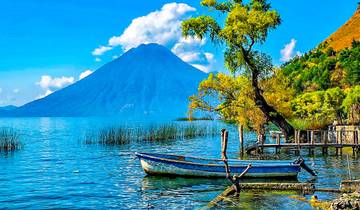
6 days
Customized 6 Days Guatemala Trip with Lake Atitlan, Daily Depart (Private)
- ✓ Comprehensive Antigua tour
- ✓ Expert local guides included
- ✓ All accommodation arranged
- ✓ Transportation provided
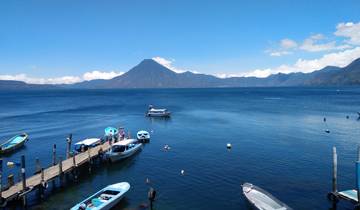
3 days
Lake Atitlan & Chichicastenango Market 3D/2N
- ✓ Comprehensive Antigua tour
- ✓ Expert local guides included
- ✓ All accommodation arranged
- ✓ Transportation provided

5 days
5 days Mini Guatemala: living culture and colonial charm
- ✓ Comprehensive Antigua tour
- ✓ Expert local guides included
- ✓ All accommodation arranged
- ✓ Transportation provided
Multi-day tour packages powered by TourRadar. Prices and availability subject to change.
Essential Planning Information 2026
Understanding Antigua Coffee Production and Quality
Antigua coffee earns designation as one of Guatemala’s eight protected geographical indication (GI) regions, with strict regulations governing altitude, arabica varietals, and production methods. The Asociación Nacional del Café (ANACAFE) certifies authentic Antigua coffee, ensuring beans originate from the designated zone and meet quality standards for moisture content, defect rates, and cup profile characteristics.
The region’s volcanic soil provides exceptional mineral content including nitrogen, potassium, and phosphorous that contribute to the coffee’s distinctive flavor profile. Antigua beans exhibit bright acidity, full body, and complex flavor notes often described as chocolate, caramel, floral, and citrus with a smooth, clean finish. The three surrounding volcanoes create unique microclimates with temperature variations, humidity levels, and rainfall patterns that influence bean development and final cup quality.
Antigua’s coffee production follows traditional methods emphasizing hand-harvesting of ripe cherries, wet-processing through fermentation and washing, and sun-drying on raised beds or patios. Most farms grow bourbon, caturra, and catuai arabica varietals selected for their adaptation to volcanic soil conditions and resistance to leaf rust disease. Some innovative producers experiment with exotic varieties including geisha, pacamara, and java cultivars that command premium prices in specialty markets.
The altitude range of 1,500-1,800 meters produces strictly hard bean (SHB) coffee, Guatemala’s highest quality classification. Higher elevations create slower bean maturation, increased density, and more concentrated sugars that translate to superior cup quality. This altitude also provides natural temperature regulation with cool nights and warm days that stress the coffee plant in beneficial ways, enhancing flavor complexity.
Current Costs and Tour Pricing for 2026
Standard coffee plantation tours cost $15-35 per person for group experiences lasting 90-120 minutes in 2026. Check individual plantation websites for current official rates as pricing may vary. Entry-level tours at farms like Finca La Azotea and smaller cooperative operations cost $15-18 and include basic walkthroughs of cultivation areas, processing facilities, and simple tastings of 2-3 coffee samples. These tours accommodate larger groups of 12-20 participants and provide general coffee education suitable for casual visitors.
Premium tour experiences cost $40-65 per person and include enhanced elements such as extended specialty tastings comparing 4-6 different beans or processing methods, roasting demonstrations with take-home samples, traditional Guatemalan lunch, and smaller group sizes of 6-10 participants. Finca Filadelfia, Cafetorium, and several boutique estates offer these mid-range programs combining education with culinary experiences and hands-on activities.
Private comprehensive tours and professional cupping sessions cost $85-150 per person for experiences lasting 3-4 hours. These exclusive programs include personalized instruction from certified cuppers, detailed sensory evaluation training, comparative analysis of multiple origins or processing techniques, and intimate access to production facilities not available on standard tours. Some premium experiences incorporate visits to multiple farms, transportation in private vehicles, and gourmet meals prepared by chefs specializing in coffee-infused cuisine.
Specialized workshops focusing on roasting techniques, barista skills, or agricultural practices cost $75-120 per person for half-day sessions. These educational programs target coffee professionals, aspiring roasters, or serious enthusiasts seeking technical knowledge beyond general tourism experiences. Most require advance booking of 2-3 weeks and minimum participant numbers of 3-4 people for private group sessions.
Transportation to plantations outside central Antigua adds $8-15 per person for shared shuttle services, $25-40 for private tuk-tuks accommodating 3-4 passengers, or $50-75 for private car service with English-speaking driver. Most plantations within 5-7 kilometers of town center are accessible by public chicken buses costing $1-2 per person, though this option requires language skills and familiarity with local routes.
What’s Included in Coffee Plantation Tours
Standard coffee plantation tours include guided walks through cultivation areas explaining growing conditions, shade management, and sustainable farming practices. Guides demonstrate or explain the complete production cycle from seedling propagation through harvesting, processing, drying, and milling. Tours visit processing facilities showing wet-milling equipment, fermentation tanks, washing channels, and drying patios where parchment coffee rests before dry-milling removes the protective layer.
Educational components cover coffee botany including the coffee plant life cycle, flowering patterns, cherry development, and varietals grown in Antigua. Guides explain quality factors affecting final cup profile such as altitude, soil composition, climate, harvesting selectivity, and processing methods. Most tours include demonstrations of sorting and grading procedures used to classify beans by size, density, and defect rates.
Tasting sessions range from simple cupping of 2-3 farm coffees to elaborate comparative experiences evaluating 6-8 different samples. Basic tastings provide brewed coffee in cups with minimal technical instruction, allowing participants to appreciate flavor differences without formal protocols. Premium tastings teach professional cupping methodology including aroma evaluation, slurping technique, and flavor wheel usage for describing taste characteristics.
Some tours incorporate hands-on activities during harvest season including cherry picking practice, manual pulping demonstrations, and parchment sorting exercises. These interactive elements appeal to families and groups seeking memorable experiences beyond passive observation. Several farms offer opportunities to roast small batches of green coffee using traditional drum roasters or modern fluid-bed machines, with participants taking home their roasted beans.
Additional inclusions vary by tour level and farm. Premium experiences often include traditional Guatemalan breakfast or lunch featuring local ingredients, coffee-based desserts, and multiple brewing method demonstrations. Some plantations provide access to on-site museums displaying antique processing equipment, historical photographs, and cultural artifacts related to coffee history in Guatemala. Transportation, when included, covers round-trip transfers from central Antigua meeting points to plantation locations.
Best Times for Coffee Tours in 2026
Harvest Season Advantages: November-March 2026
The coffee harvest season from November through March 2026 provides the most comprehensive and immersive plantation experiences available in Antigua. During these months, farms operate at peak activity levels with selective cherry picking occurring daily, wet-milling facilities processing freshly harvested fruit, and drying patios covered with parchment coffee in various fermentation and drying stages. Visitors witness the complete farm-to-cup cycle in active operation rather than explanatory demonstrations.
Peak harvest typically occurs in January when the largest volume of ripe cherries requires picking, employing hundreds of temporary workers who hand-select only fully mature red cherries while leaving green or overripe fruit on the branches. This selective harvesting process, essential for maintaining Antigua’s quality reputation, becomes visible during plantation tours when pickers work in nearby fields. Some farms allow visitors to try harvesting, providing direct experience of the skill and labor intensity required for quality coffee production.
Weather conditions during harvest season favor tourism with minimal rainfall, clear skies providing dramatic volcano views, and comfortable temperatures ranging 18-24°C during daytime hours. December through February offers the best weather reliability, while November and March experience occasional afternoon showers that rarely disrupt tours. The dry season also ensures optimal road conditions for reaching plantations located on unpaved mountain roads.
Accommodation in Antigua costs more during harvest season with hotel rates increasing 30-50% compared to low season, but the enhanced coffee experiences and superior weather justify the additional expense for visitors prioritizing comprehensive farm experiences. Tour availability expands during these months as plantations increase daily tour frequencies to accommodate visitor demand, offering multiple departure times and language options.
Green Season Benefits: April-October 2026
The green season from April through October 2026 offers distinct advantages for coffee plantation visits despite the absence of harvest activities. Smaller tour groups provide more personalized experiences with greater opportunities for detailed discussions with guides and farm owners. Some plantations reduce tour prices by 15-25% during these months to attract visitors, making it appealing for budget-conscious travelers or those primarily interested in tasting rather than agricultural observation.
Coffee plants display different growth stages during green season, including the dramatic white flowering that occurs in April-May following the first substantial rains after dry season. The fragrant blossoms, resembling jasmine flowers, cover entire mountainsides in spectacular displays lasting 3-5 days. Visiting during flowering provides unique photographic opportunities and allows observation of pollination processes that determine cherry development for the upcoming harvest.
From June through October, developing coffee cherries progress from green to yellow to red as they mature, allowing visitors to observe fruit development stages and understand the approximately 8-9 month cycle from flowering to harvest-ready cherries. Plantations maintain their cultivation areas, perform selective pruning, manage shade trees, and apply organic fertilizers during these months. Tours explain these essential agricultural practices while walking through lush, green coffee groves.
Rainfall occurs primarily during afternoon hours from May through October, with mornings typically clear and suitable for plantation visits. Scheduling tours for 9 AM-12 PM departures avoids most precipitation while taking advantage of the best light for photography. The rainy season brings verdant landscapes, active waterfalls, and vibrant vegetation that create beautiful natural settings, even though harvest activities are absent.
Accommodation costs in Antigua decrease 25-40% during green season, allowing budget reallocation toward premium coffee tours, specialty tastings, or extended stays. Restaurant and transportation services also reduce prices during these months, creating overall trip savings while still accessing quality plantation experiences and professional cupping sessions.
Special Events and Coffee Festivals in 2026
The Antigua Coffee Festival, held annually in late November, celebrates the start of harvest season with farm open houses, cupping competitions, roaster showcases, and cultural events throughout the city. The 2026 festival dates are November 21-23, featuring special plantation tours, master classes with international coffee experts, and public cuppings allowing visitors to taste coffees from multiple farms in controlled settings. Festival admission costs $25-35 for weekend passes providing access to all events and activities.
Individual plantations host harvest celebrations in December and January marking peak picking season. These events include traditional Guatemalan meals for workers and visitors, marimba music performances, and ceremonial blessings of the harvest. Some farms open these celebrations to tourists who book in advance, providing authentic cultural experiences beyond standard tours. Participation costs $45-65 per person including transportation, meals, and entertainment.
Professional coffee weeks occur in February and March 2026 when international buyers, roasters, and quality assessors visit Antigua to evaluate the current harvest and establish direct-trade relationships. Several plantations offer advanced cupping sessions during these weeks, allowing serious coffee enthusiasts to participate in professional evaluations alongside industry experts. These specialized programs cost $95-150 per person and require advance booking by early January.
Transportation Options for 2026 Coffee Tours
Getting to Plantations from Central Antigua
Most coffee plantations offering tours are located 3-12 kilometers from central Antigua, requiring transportation unless walking the hilly roads appeals to physically fit visitors. Tuk-tuks provide the most popular transportation option, costing $15-25 per vehicle (accommodating 3-4 passengers) for trips to nearby farms like Finca Filadelfia or Cafetorium. Drivers wait during 90-120 minute tours and return visitors to town, with total roundtrip costs of $25-40 including waiting time.
Private car services with English-speaking drivers cost $50-75 for half-day rentals covering transportation to one or two plantations, waiting during tours, and return to Antigua. This option suits groups of 4-6 people seeking comfort and flexibility, particularly when visiting multiple farms or combining plantation tours with other attractions. Most hotels and travel agencies arrange these services with 1-2 days advance notice.
Shared shuttle services operated by tour companies cost $8-15 per person for roundtrip transportation to popular plantations. These shuttles depart from central Antigua meeting points at scheduled times (typically 9 AM and 2 PM) and coordinate with farm tour schedules. Booking through the plantation directly or via travel agencies in Antigua secures shuttle reservations, which require advance booking of 2-3 days during high season.
Public chicken buses serve some plantation areas, costing $1-2 per person for one-way trips. This budget option requires knowing the correct bus routes, communicating destination names in Spanish, and walking the final 1-2 kilometers from highway drop-off points to plantation entrances. Buses run frequently during morning hours but reduce service after 2 PM, potentially complicating return journeys.
Bicycle rentals offer adventurous transportation for physically fit visitors comfortable with hilly terrain and potentially unpaved roads. Rental costs are $15-25 per day in Antigua, with some plantations within 5-7 kilometers accessible via paved routes. This option works best during dry season November-April when road conditions are optimal, and requires allowing extra time for the physical exertion of cycling uphill to plantation elevations.
Organized Tour Packages Including Transportation
Comprehensive coffee tour packages offered by Antigua travel agencies cost $55-85 per person and include roundtrip transportation, plantation admission, guided tours, and lunch. These packages typically visit one major farm like Finca Filadelfia or Cafetorium, provide English-speaking guides, and accommodate groups of 8-15 participants. Booking through agencies eliminates logistics planning but reduces flexibility for independent exploration.
Multi-farm coffee tours cost $95-135 per person for full-day experiences visiting 2-3 different plantations, comparing production methods, terroir differences, and processing techniques. These specialized programs appeal to serious coffee enthusiasts seeking comprehensive education about Antigua’s coffee diversity. Tours include private transportation, multiple tastings, lunch at a traditional restaurant or farm, and expert guides with technical coffee knowledge.
Combination tours pairing coffee plantation visits with other attractions cost $75-110 per person for full-day itineraries. Popular combinations include coffee farm plus macadamia nut plantation, coffee and chocolate production facilities, or coffee farm and colonial village exploration. These packages provide broader cultural and agricultural education while maintaining focus on coffee as the primary attraction.
Sample 2026 Coffee Tour Itineraries
Half-Day Coffee Introduction Itinerary
This half-day introduction suits travelers with limited time or those seeking a brief coffee education before exploring other Antigua attractions. The itinerary focuses on one quality plantation offering comprehensive tours.
Morning Schedule (4 hours total):
8:30 AM – Depart central Antigua via tuk-tuk to Finca Filadelfia (20 minutes, $8-10 per person in shared tuk-tuk or $20-25 for private vehicle accommodating 3-4 people)
9:00 AM – Begin 2-hour comprehensive coffee tour including cultivation area walk, processing facility demonstrations, museum visit, and cupping session with tasting of 4 different farm coffees ($30-35 per person). The tour explains Antigua’s coffee history, growing conditions, harvesting selectivity, wet-processing methods, and quality factors affecting final cup profile.
11:00 AM – Browse farm shop offering packaged coffee, brewing equipment, and local crafts. Most visitors purchase 1-2 bags of freshly roasted beans ($12-18 per pound) as souvenirs or gifts.
11:30 AM – Return to central Antigua via tuk-tuk
12:00 PM – Conclude half-day experience
Total cost: $30 tour, $8-10 shared transportation, $12-18 coffee purchases, $5-8 snacks. Total half-day cost: $55-66 per person (excluding accommodation).
Full-Day Comprehensive Coffee Experience
This full-day itinerary provides deep immersion in Antigua’s coffee culture through visits to two contrasting plantations and professional cupping session. Best suited for coffee enthusiasts seeking technical education and comparative tasting experiences.
Full-Day Schedule (8 hours total):
8:00 AM – Depart Antigua via private car service to De La Gente plantation (25 minutes, included in tour package)
8:30 AM – Begin 2.5-hour premium coffee experience including farm tour, roasting demonstration, and professional cupping session teaching Q-grader protocols ($65 per person). Learn to evaluate coffee using industry-standard sensory analysis, score beans on multiple quality attributes, and identify flavor characteristics using the coffee flavor wheel.
11:00 AM – Drive to Cafetorium plantation (20 minutes, included in package)
11:30 AM – Enjoy traditional Guatemalan lunch at farm restaurant featuring coffee-infused dishes including coffee-rubbed beef, mole negro with coffee notes, and coffee flan ($18-25 per person)
12:30 PM – Participate in interactive coffee tour including hands-on cherry sorting, manual pulping practice, and coffee art creation workshop ($35 per person)
2:30 PM – Shop at farm store for specialty beans, brewing equipment, and artisan products
3:00 PM – Return to central Antigua
3:30 PM – Conclude full-day experience
Total cost: $65 De La Gente tour, $35 Cafetorium tour, $18-25 lunch, $50 private transportation, $15-25 coffee purchases. Total day cost: $183-200 per person (excluding accommodation).
Budget Coffee Tour Itinerary
This budget-conscious itinerary maximizes coffee experiences while minimizing costs through strategic choices in transportation, tour selection, and meal planning.
Budget Day Schedule (5 hours total):
9:00 AM – Take public chicken bus toward Ciudad Vieja, exiting at Finca La Azotea entrance ($1-2 per person, 25 minutes)
9:30 AM – Join entry-level coffee tour at Finca La Azotea including basic cultivation and processing explanations with simple tasting ($15-18 per person, 90 minutes). While less comprehensive than premium tours, this experience covers essential coffee education at accessible prices.
11:00 AM – Walk 1 kilometer to nearby local comedor (simple restaurant) for traditional Guatemalan lunch including pepián, rice, tortillas, and coffee ($6-8 per person)
12:00 PM – Return to main highway and catch chicken bus back to Antigua ($1-2 per person)
12:30 PM – Visit La Bodegona coffee shop in central Antigua for additional tasting of Antigua beans from multiple farms ($5-8 for tasting flight)
2:00 PM – Conclude budget experience
Total cost: $15-18 tour, $2-4 bus transportation, $6-8 lunch, $5-8 tasting. Total day cost: $28-38 per person (excluding accommodation).
Harvest Season Immersion Itinerary (January-February)
This specialized itinerary takes advantage of peak harvest activities available only during January-February when all production stages occur simultaneously. Requires advance booking by mid-December.
Harvest Immersion Schedule (7 hours total):
7:00 AM – Depart Antigua via private car to boutique plantation in San Miguel Dueñas area (30 minutes, $25-30 per vehicle)
7:30 AM – Begin hands-on harvest experience including cherry picking instruction and practice in producing fields ($45 per person, 2 hours). Work alongside professional pickers learning to identify perfect ripeness, practice selective harvesting technique, and understand the physical demands of quality coffee production.
9:30 AM – Participate in wet-processing demonstration showing the same-day journey of harvested cherries through pulping, fermentation, washing, and initial drying stages ($25 per person, included in some premium packages)
10:30 AM – Enjoy traditional field breakfast featuring local tamales, fresh fruit, and farm coffee ($12-15 per person)
11:30 AM – Tour nursery areas, processing equipment, and storage facilities with detailed technical explanations of machinery, grading systems, and quality control protocols
1:00 PM – Professional cupping session comparing washed, honey, and natural-processed coffees from the same harvest ($30-40 per person)
2:00 PM – Return to Antigua
2:30 PM – Conclude harvest immersion experience
Total cost: $45 harvest participation, $25 processing demonstration (if separate), $12-15 breakfast, $30-40 cupping, $25-30 transportation. Total day cost: $137-155 per person (excluding accommodation).
Top Antigua Coffee Plantations for 2026 Visits
Finca Filadelfia: Historic Estate Experience
Finca Filadelfia ranks among Antigua’s oldest and most visited coffee estates, operating since 1870 on the slopes of Volcán Agua. The plantation covers 80 hectares at elevations of 1,600-1,750 meters, producing 100-120 metric tons of green coffee annually. The farm maintains traditional wet-processing methods while incorporating modern sustainability practices including organic fertilization, shade tree diversity, and water recycling systems.
Tours at Finca Filadelfia cost $30-35 per person for standard 2-hour experiences including museum access, processing demonstrations, and tastings comparing different roast profiles. The on-site Museo del Café features antique machinery, historical photographs, and exhibits explaining coffee’s role in Guatemalan economic and cultural development. English, Spanish, Japanese, and Korean language tours accommodate international visitors with guides specialized in each language.
The farm’s location just 20 minutes from central Antigua via paved road provides easy accessibility, while extensive visitor infrastructure including restrooms, gift shop, and shaded tasting areas enhances comfort. Finca Filadelfia accepts walk-ins during low season but requires advance booking 3-5 days ahead during December-March. Tours depart at 9 AM, 11 AM, and 2 PM daily, with private tours available at flexible times for groups booking in advance.
De La Gente: Professional Cupping Focus
De La Gente specializes in direct-trade relationships and operates Antigua’s most technically advanced cupping lab, making it the premier destination for serious coffee enthusiasts seeking professional-level tasting experiences. The farm maintains small production volumes focusing on quality over quantity, cultivating bourbon and caturra varieties at 1,650-1,800 meters elevation on Acatenango’s slopes.
Premium cupping sessions cost $65-85 per person for 2.5-3 hour experiences teaching industry-standard Q-grader protocols. Participants learn to evaluate aroma, flavor, aftertaste, acidity, body, balance, and overall quality using professional cupping forms and scoring systems. Sessions typically include comparative analysis of 6-8 coffees representing different processing methods, varietals, or origin microclimates within the Antigua region.
The farm offers roasting workshops costing $95-120 per person where participants roast small batches using professional equipment, learn to identify roast development stages, and understand how roast profiles affect final flavor expression. Advanced booking of 2-3 weeks is required for specialized programs, with minimum participant numbers of 3-4 people for private group sessions. De La Gente appeals primarily to coffee professionals, aspiring roasters, and enthusiasts seeking technical education beyond tourist-oriented experiences.
Cafetorium: Family-Friendly Interactive Tours
Cafetorium combines coffee education with hands-on activities designed for families and groups seeking interactive experiences rather than lecture-style presentations. The farm operates 45 hectares at 1,550-1,700 meters, emphasizing sustainable practices including composting, shade diversity, and bird habitat preservation within coffee groves.
Tours cost $35-45 per person for 2-hour experiences including opportunities to plant coffee seedlings, practice cherry sorting, operate manual pulping equipment, and participate in coffee art workshops creating designs using roasted beans. These interactive elements appeal to children and adults seeking memorable tactile experiences beyond passive observation. The farm’s restaurant serves lunch costing $15-22 per person, featuring coffee-infused preparations including coffee-braised chicken, chocolate-coffee mole, and affogato-style desserts.
Cafetorium provides one of Antigua’s most comprehensive family experiences, with activities suitable for ages 6 and above. English-speaking guides maintain engaging presentation styles that hold children’s attention while delivering substantial coffee education. The farm is located 15 minutes from central Antigua via paved road, with parking areas accommodating multiple vehicles for visitors arriving independently.
Finca La Azotea: Budget-Friendly Education
Finca La Azotea offers entry-level coffee tours costing $15-18 per person, making it the most affordable quality plantation experience in the Antigua region. The 90-minute tours cover essential coffee education including cultivation, processing, and basic tasting, providing good value for budget-conscious travelers or those seeking brief introductions rather than comprehensive immersion.
The farm complex includes a small natural history museum and traditional music museum alongside coffee facilities, allowing visitors to experience broader Guatemalan culture. This combination appeals to travelers with diverse interests beyond coffee alone. Tours accommodate larger groups of 12-20 participants with less personalized attention than premium experiences, but guides maintain informative presentations in Spanish and English.
Located near Ciudad Vieja, approximately 25 minutes from central Antigua, Finca La Azotea is accessible via public chicken buses costing $1-2 per person. This transportation option further reduces total experience costs for budget travelers. The farm accepts walk-ins during most of the year, though calling ahead during December-February high season is recommended. Tours depart at 9 AM, 11 AM, 1 PM, and 3 PM daily.
Booking Your 2026 Coffee Plantation Experiences
Direct Booking with Individual Farms
Booking directly with coffee plantations provides maximum flexibility, often lower costs, and the ability to customize tour times or content for private groups. Most major farms maintain official websites with online booking systems accepting credit card payments or requiring deposit transfers via bank or PayPal. Email reservations work for farms without automated systems, typically requiring 24-48 hours for confirmation responses.
Finca Filadelfia accepts online bookings through their website at www.filadelfia.com.gt with instant confirmation for standard tour times. Custom private tours require email inquiry to arrange specialized times, content, or language requirements. Payment occurs on arrival for standard tours, while private experiences require 50% advance deposit with balance due at the farm.
De La Gente booking occurs exclusively via email at [email protected] due to the specialized nature of their cupping sessions and limited daily capacity. Responses typically arrive within 24 hours during weekdays, with booking confirmations requiring advance payment of full tour costs. This policy reflects the small-scale operation and need to guarantee participant commitment for personalized experiences.
Cafetorium maintains both website booking and WhatsApp reservation systems (+502-XXXX-XXXX), allowing flexibility in communication methods. WhatsApp provides quick responses during business hours and works well for last-minute booking attempts or questions about availability. Online bookings receive automated confirmation emails with meeting instructions and payment information.
When booking directly, confirm the following details: exact tour time and date, language of tour guide, group size limits, included amenities (tastings, meals, transportation), cancellation policies, and payment methods accepted. Most farms require 24-48 hours notice for cancellations to receive refunds, with some premium experiences requiring 7-day cancellation notice due to preparation requirements.
Booking Through Tour Operators and Travel Agencies
Antigua’s numerous travel agencies and tour operators arrange coffee plantation visits as standalone experiences or as components of broader itineraries. This option suits travelers with limited Spanish language skills, those seeking comprehensive packages combining multiple attractions, or visitors who prefer delegating all logistics planning.
Agencies typically charge $55-85 per person for half-day coffee tours including roundtrip transportation from central Antigua, plantation admission, English-speaking guide, and often lunch or snacks. These rates represent 15-25% markups over direct booking costs but include the convenience of complete planning, guaranteed transportation, and Spanish-to-English translation when farm guides speak only Spanish.
Reputable agencies in Antigua include Adrenalina Tours, Guatemala Ventures, and Rainbow Travel Center, all maintaining offices near Parque Central with English-speaking staff. These companies offer fixed-departure group tours operating on specific days (typically Monday, Wednesday, Friday) as well as private custom tours available any day with 2-3 days advance booking.
Agency booking advantages include consolidated payment covering all tour elements, confirmed reservations without language barriers, and recourse options if tour quality disappoints or logistics fail. Agencies maintain relationships with plantations ensuring priority access during busy periods when direct booking might face sold-out situations. The trade-off involves reduced flexibility for independent exploration and standardized itineraries designed for broad appeal rather than specialized interests.
Package Tours Combining Multiple Farms
Multi-farm coffee tours cost $95-135 per person for full-day experiences visiting 2-3 different plantations. These specialized programs appeal to serious enthusiasts seeking comparative education about processing methods, terroir differences, and quality variations within the Antigua region. Tours include private transportation, multiple cupping sessions, lunch, and expert guides with technical coffee knowledge.
Typical multi-farm itineraries combine a traditional large estate like Finca Filadelfia with a boutique direct-trade operation like De La Gente, followed by a cooperative or family farm representing small-scale production. This diversity exposes visitors to the full spectrum of Antigua’s coffee production from industrial-scale operations to micro-lot specialty producers.
Advanced booking of 1-2 weeks is required for multi-farm tours during high season December-April due to the coordination needed between multiple plantations and limited daily capacities. These tours typically depart at 8 AM and return to Antigua by 4-5 PM, requiring full-day commitment. Minimum group sizes of 4-6 participants apply for shared tours, while private experiences accommodate 2+ people at higher per-person costs of $150-185.
Advance Booking Timelines for 2026
Standard group tours at major plantations like Finca Filadelfia require 3-5 days advance booking during high season December-April, with same-day or next-day availability common during May-November low season. Walk-in attempts during high season face 40-60% likelihood of sold-out situations, particularly for morning tour times that accommodate multi-attraction daily itineraries.
Premium cupping sessions and specialized workshops require 10-21 days advance booking due to limited daily capacities and preparation requirements. Professional cupping sessions at De La Gente typically accommodate maximum 6-8 participants daily, with some dates fully booked 3-4 weeks ahead during January-March when international coffee buyers visit Antigua for harvest evaluations.
Private tours and custom experiences require 5-14 days notice depending on group size and specific requests. Plantations need adequate time to arrange English-speaking guides, prepare specialized tasting samples, coordinate with other scheduled groups, and potentially adjust daily operations to accommodate custom tour times. Booking 2-3 weeks ahead during high season ensures preferred dates and times rather than accepting remaining availability.
Last-minute booking attempts (24-48 hours before desired date) succeed more often during May-October when visitor volumes decrease significantly. Calling or WhatsApp messaging farms directly yields best results for last-minute slots, as online systems may not reflect real-time availability. Tuesday-Thursday tours show higher last-minute availability than weekend tours that attract both tourists and local Guatemalan visitors.
Money-Saving Strategies for 2026 Coffee Tours
Low Season Timing Advantages
Visiting Antigua during May-October low season provides 20-30% savings on overall trip costs while still accessing quality coffee plantation experiences. Although harvest activities are absent, the core educational content, tastings, and facility tours remain available with reduced tourist crowds and more personalized attention from guides.
Some plantations discount tour prices during low season, offering standard experiences for $22-28 instead of $30-35 during high season. Premium cupping sessions may reduce costs to $50-60 from high-season rates of $65-85. These discounts reflect lower demand and farms’ desire to maintain visitor flow during quieter months. Always inquire about low-season pricing when booking directly with plantations.
Accommodation costs in Antigua decrease 25-40% during low season, with mid-range hotels charging $60-85 per night instead of high-season rates of $90-135. This savings allows budget reallocation toward premium coffee experiences, additional plantation visits, or extended stays. Restaurant and transportation costs also decline modestly during low season, creating cumulative savings across all trip expenses.
Direct Booking Cost Benefits
Booking directly with coffee plantations eliminates the 15-25% markup charged by travel agencies and tour operators. A standard tour costing $30 when booked directly might cost $40-50 through an agency once transportation and guide fees are included. For travelers comfortable coordinating their own logistics, direct booking provides significant savings, particularly for multiple plantation visits.
Some farms offer email-exclusive discounts for groups of 4+ people booking directly, reducing per-person costs by 10-15%. Private group tours that might cost $85 per person reduce to $70-75 when booking minimums are met. These discounts rarely appear on websites but are available when inquiring via email about group rates.
Combining self-arranged transportation using public chicken buses ($1-2 per person) or shared tuk-tuks ($8-10 per person) with direct tour booking creates maximum cost efficiency. A complete coffee experience costing $75-95 through package tours reduces to $40-55 when booking tours directly and using independent transportation, saving $30-45 per person.
Free Coffee Education Opportunities
Several specialty coffee shops in central Antigua offer free or low-cost cuppings and educational sessions without requiring plantation visits. Cafè No Sé, La Bodegona, and Caoba Farms coffee bar host weekly cuppings costing $5-12 per person for tasting flights of 4-6 different Guatemalan coffees with basic education about origins and processing methods.
These urban tasting experiences provide good introductions to Antigua coffee before investing in comprehensive plantation tours, helping visitors understand whether they want deeper education or are satisfied with accessible tastings. Some coffee shops offer free informal education when purchasing bags of coffee, with baristas explaining cultivation and processing differences between available beans.
Farmers markets in Antigua on Thursday and Saturday mornings include coffee vendors from local farms who provide free samples and informal education about their production methods. While not substitutes for comprehensive plantation tours, these interactions offer direct conversations with coffee producers and opportunities to purchase high-quality beans at below retail prices, often $8-12 per pound compared to $12-18 in coffee shops.
Combination Tour Value Strategies
Multi-attraction combination tours sometimes provide better value than booking separate experiences individually. A coffee plantation plus macadamia farm tour costing $65-75 per person delivers two complete experiences for less than purchasing each separately ($30-35 + $25-30 = $55-65 individual bookings plus $15-20 separate transportation).
Full-day packages combining coffee tour, colonial village visit, and cultural demonstrations cost $85-110 per person including all admissions, transportation, lunch, and guide services. Booking equivalent experiences separately would cost $100-130, making organized packages cost-effective despite the convenience markup. These packages suit travelers with limited time who want diverse experiences without logistics planning.
Some coffee plantations partner with nearby attractions to offer combination admission discounts. Finca La Azotea includes both coffee farm and natural history museum in their $15-18 admission, while booking separately would cost $22-25 total. Ask about combination options when booking any plantation tour, as partnerships and packages may not be advertised online but are available when inquiring directly.
Practical Tips for 2026 Coffee Plantation Visits
What to Wear and Bring
Comfortable walking shoes with good traction are essential for coffee plantation visits, as tours involve uneven terrain, potentially muddy paths during rainy season, and stairs or slopes when accessing cultivation areas at different elevations. Closed-toe shoes protect feet from insects and provide ankle support on hillside trails. Hiking sandals with back straps work during dry season November-April but closed shoes are safer.
Layered clothing accommodates temperature variations between valley locations (18-24°C) and higher elevation plantation areas that can be 3-5°C cooler with stronger winds. Lightweight long pants protect from sun exposure and vegetation contact while walking through coffee groves. A light jacket or sweater is useful for early morning tours or cloudy conditions, easily removed when the sun emerges.
Sun protection including broad-brimmed hats, sunglasses, and SPF 30+ sunscreen is necessary as much of plantation touring occurs in exposed areas despite shade tree cover. The high altitude of 1,500-1,800 meters intensifies UV radiation, causing quicker sunburn than at sea level. Reapply sunscreen every 2 hours during full-day tours.
Water bottles are recommended as some plantations have limited refreshment facilities along tour routes, though most provide water and coffee during tasting sessions. A small backpack carries water, sun protection, cameras, and purchased coffee bags comfortably during multi-hour tours. Rain jackets or compact umbrellas benefit May-October visits when afternoon showers can interrupt tours.
Photography Guidelines and Opportunities
Coffee plantation photography is generally permitted and encouraged, with most farms allowing photos throughout cultivation areas, processing facilities, and tasting sessions. Some plantations restrict flash photography near roasting operations or request that visitors not photograph proprietary equipment designs or processing techniques. Always ask guides about photography policies at the start of tours.
Best photo opportunities include rows of coffee plants with volcano backdrops, workers hand-picking ripe cherries during harvest season, red cherries on branches, wet-processing machinery in operation, drying patios covered with parchment coffee, and colonial architecture at historic estates. Morning light from 8-10 AM provides optimal conditions for landscape photography, while midday harsh light challenges color balance and creates strong shadows.
Close-up photography of coffee cherries, flowers, and processing stages benefits from macro lenses or smartphone macro modes. The bright red of ripe cherries against green foliage creates striking color contrasts, while white coffee flowers in April-May offer delicate detail subjects. Drying patios with geometric patterns of rake marks in parchment coffee provide abstract compositions.
Professional photographers should inquire about commercial photography policies when booking tours, as some plantations charge fees or require advance permission for images intended for publication or commercial use. Personal social media sharing is universally accepted without additional permissions or costs.
Language Considerations
English-speaking guides are available at major plantations including Finca Filadelfia, De La Gente, and Cafetorium, requiring specification when booking to ensure guide availability on your tour date. Spanish remains the default language at most farms, with English guides representing additional resources that may have limited availability, particularly during low season when fewer international visitors warrant maintaining English-speaking staff.
Basic Spanish phrases enhance experiences at smaller plantations or when English guides are unavailable. Key terms include: café (coffee), cereza (cherry), proceso húmedo (wet processing), fermentación (fermentation), catación (cupping), and tostado (roast). Most guides speak slowly and clearly when aware of visitors’ language limitations, using visual demonstrations to overcome language barriers.
Translation apps on smartphones provide backup support for detailed questions or technical explanations. Google Translate’s conversation mode works adequately for one-on-one exchanges with guides during breaks or when seeking clarification about specific topics. Download Spanish language packs before visiting plantations as cellular coverage is inconsistent in mountain areas.
Some plantations offer tours in Japanese, Korean, or Mandarin reflecting the significant Asian tourist market in Antigua. These specialized language tours require advance booking of 5-10 days to arrange appropriate guides and often incur small supplements of $5-10 per person for less common languages. Finca Filadelfia provides the most extensive language options with regular tours in Spanish, English, Japanese, and Korean.
Health and Safety Considerations
Coffee plantation tours involve moderate physical activity including walking 1-3 kilometers over uneven terrain, ascending/descending stairs, and standing for extended periods during processing demonstrations. Tours are generally accessible for ages 6-70 with average fitness levels, though visitors with mobility limitations should inquire about accessibility when booking. Some farms offer abbreviated routes reducing walking distance for visitors with physical constraints.
Altitude at 1,500-1,800 meters rarely causes issues for healthy visitors, though those traveling directly from sea level destinations may experience mild shortness of breath during uphill walks. Allowing 1-2 days for altitude acclimatization in Antigua before strenuous plantation visits helps prevent discomfort. Staying hydrated and avoiding excessive alcohol the evening before tours reduces altitude-related symptoms.
Insect protection including mosquito repellent benefits May-October visits when rainfall creates breeding conditions, though mosquito populations in coffee areas are generally lower than in lowland jungle regions. Ticks can be present in vegetation along trails, making long pants and closed shoes advisable. Checking for ticks after tours prevents potential issues.
Food safety at plantation restaurants and during included meals is generally excellent, as farms catering to international visitors maintain high hygiene standards. Water served at plantations is typically purified or bottled. Visitors with sensitive stomachs should consider bringing personal water bottles and declining ice in beverages as a precaution, though reported illness from plantation meals is extremely rare.
Respecting Farm Operations and Workers
Coffee plantations are active agricultural operations where workers perform challenging physical labor during harvest season. Visitors should respect workers’ space and avoid disrupting picking activities when observing harvest processes. Some farms arrange specific areas where tourists can practice harvesting without interfering with professional pickers meeting daily quotas. Always ask guides before photographing individual workers, as some may prefer not to appear in images.
Tipping is customary for guides providing quality educational experiences, with $3-5 per person appropriate for standard group tours and $10-15 per person for private tours or specialized cupping sessions. Tips are typically given directly to guides in cash at the tour’s conclusion. Some visitors also tip drivers separately if transportation is included, with $2-3 appropriate for shared shuttle services and $5-10 for private drivers providing extended services.
During harvest season, farms operate under tight schedules requiring processing of harvested cherries within 24 hours to maintain quality. Tours may encounter areas where visitors cannot enter due to active processing operations or quality control procedures requiring controlled environments. Understanding these operational necessities and cooperating with guide instructions ensures both visitor safety and coffee quality protection.
Purchasing coffee directly from farms supports producers more effectively than buying from retail shops, as farms receive full retail value rather than wholesale prices when selling to intermediaries. Most plantations offer freshly roasted beans at $12-18 per pound, comparable to or slightly below retail coffee shop prices while providing superior freshness and direct producer support. Many visitors purchase multiple pounds as gifts or personal supply, with some farms shipping internationally for larger orders.
Frequently Asked Questions About Antigua Coffee Tours 2026
Can you buy coffee directly from plantations?
Yes, most coffee plantations offering tours also operate gift shops selling their freshly roasted beans, green coffee for home roasters, brewing equipment, and coffee-related gifts. Prices for roasted coffee range $12-18 per pound, comparable to specialty coffee shops in Antigua but with superior freshness as beans are often roasted within days of purchase. Many farms offer vacuum-sealed packaging for air travel, maintaining freshness during journeys home.
Are coffee plantation tours suitable for children?
Coffee plantation tours accommodate children ages 6 and above at most farms, with interactive experiences like Cafetorium particularly well-suited for families. Educational content is accessible to children with attention spans for 90-120 minute experiences, though very young children may find technical processing explanations less engaging. Several farms offer abbreviated family tours focusing on visual elements like cherry picking demonstrations, machinery operation, and hands-on activities rather than detailed lectures. Children under 12 typically receive discounted admission of 30-50% off adult prices.
What happens if it rains during a coffee tour?
Coffee plantation tours operate during light rain, as much of the experience occurs in covered processing facilities, tasting rooms, and areas protected by shade tree canopy. Heavy rain may result in tour postponement or rescheduling, though this is rare during dry season November-April. Most farms provide umbrellas for visitors during unexpected showers and adjust routes to minimize exposure to open areas during wet conditions. Booking morning tours reduces rain risk during May-October when precipitation concentrates in afternoon hours.
How long do coffee plantation tours typically last?
Standard coffee plantation tours last 90-120 minutes covering cultivation areas, processing facilities, and basic tastings. Premium experiences extend to 2.5-3 hours including detailed cupping sessions, roasting demonstrations, or extended farm access. Full-day immersive programs can last 4-7 hours when including multiple plantations, lunch, hands-on activities, and transportation. Tours beginning at 9 AM typically conclude by 11-11:30 AM for standard experiences, while those starting at 2 PM finish by 4-4:30 PM.
Do you need to speak Spanish to enjoy coffee tours?
English-speaking guides are available at major plantations including Finca Filadelfia, De La Gente, and Cafetorium when specified during booking. Smaller farms may offer Spanish-only tours, though guides typically use visual demonstrations and simple language to communicate essential information to non-Spanish speakers. Many aspects of coffee processing are visual enough that language barriers minimally impact understanding, particularly for visitors familiar with basic coffee production concepts. Requesting English-speaking guides when booking ensures language compatibility.
Can you participate in coffee harvesting during tours?
Hands-on coffee harvesting is available during peak season January-February at some plantations offering specialized harvest experiences. These programs teach selective picking techniques and allow visitors to harvest ripe cherries under professional supervision. Not all farms include harvest participation in standard tours due to the skill required and potential quality impact from inexperienced picking. Harvest experiences cost $35-50 per person as add-ons to standard tours or as standalone activities during peak season. Outside harvest season November-March, cherry picking is not available as coffee plants bear fruit only once annually.
What is the difference between tour types at coffee plantations?
Tour types vary significantly in depth, duration, and technical content. Entry-level tours costing $15-18 provide basic education about coffee cultivation and processing suitable for casual visitors seeking general knowledge. Standard tours at $30-35 offer more detailed explanations, extended tastings comparing multiple coffees, and access to museum or cultural exhibits. Premium experiences at $65-85 teach professional cupping protocols, include hands-on roasting, and provide technical education suited to coffee enthusiasts or industry professionals. Private tours at any level offer customized content, flexible timing, and personalized attention from guides.
How far in advance should you book coffee tours for January-February?
January-February represents peak harvest season with maximum visitor demand, requiring advance booking of 7-14 days for standard tours at popular plantations and 14-21 days for specialized harvest experiences or private cupping sessions. Some exclusive programs accepting limited participants book out 3-4 weeks ahead during this period. Booking by mid-December ensures preferred dates and times for January visits, while February tours can often be booked with 1-2 weeks notice as demand moderates slightly after New Year holiday periods.
Are there coffee tours focusing specifically on organic or sustainable farming?
Several Antigua plantations emphasize organic cultivation and sustainable practices, offering tours highlighting environmental stewardship alongside coffee education. Farms like Cafetorium and some smaller boutique operations maintain organic certifications and use tours to educate visitors about composting, integrated pest management, shade diversity for bird habitat, and water conservation in processing. These specialized sustainable tours cost $35-55 per person and appeal to environmentally conscious travelers seeking to understand ecological coffee production. Always inquire about sustainability practices when booking if this aspect interests you.
Can you ship coffee purchased at plantations internationally?
Most major coffee plantations offer international shipping services for coffee purchases, though shipping costs often equal or exceed the coffee price for small quantities. Shipping 2-5 pounds to North America costs $25-45, to Europe $35-65, and to Asia $40-75, making it cost-effective only for larger orders of 10+ pounds. Many visitors instead pack coffee in checked luggage, as roasted coffee beans are permitted by most airlines and pass through customs without issue. Declare all agricultural products on customs forms to avoid potential penalties. Some farms provide vacuum-sealed packaging specifically designed for air travel, maintaining freshness during long journeys.
Planning Your 2026 Antigua Coffee Experience
Coffee plantation tourism in Antigua provides exceptional opportunities to understand specialty coffee production from agricultural origins through final cup. The region’s combination of volcanic terroir, traditional processing methods, and growing emphasis on quality and sustainability creates educational experiences that appeal to casual travelers and serious coffee enthusiasts alike. Planning considerations including timing, tour selection, and booking strategies significantly impact the depth and value of your plantation visits.
The 2026 season offers enhanced visitor infrastructure as farms continue investing in educational facilities, English-speaking guides, and specialized programs serving the growing specialty coffee tourism market. Whether seeking a brief introduction to coffee production or comprehensive multi-day immersion in harvest activities and professional cupping, Antigua’s plantation diversity accommodates all interests and budgets.
Advance planning ensures access to preferred tour dates, specialized experiences, and optimal seasonal timing aligned with your interests. Harvest season January-February provides maximum agricultural activity and immersive opportunities but requires earlier booking and higher costs. Green season visits offer budget advantages and smaller crowds while maintaining access to quality tasting experiences and educational content. Combining coffee tourism with Antigua’s colonial architecture, cultural attractions, and natural beauty creates comprehensive travel experiences showcasing Guatemala’s diverse heritage and contemporary agricultural excellence.