
Oviedo & Pre-Romanesque Asturias Guide 2026: UNESCO Monuments Planning
Key Takeaways
- Nine UNESCO Pre-Romanesque monuments demonstrate exceptional 9th-century Asturian architectural innovation across Oviedo and surrounding valleys
- Combined monument pass costs €10 for access to all UNESCO sites, with individual entries at €3-4 each in 2026
- Spring 2026 (April-June) and autumn (September-October) provide optimal weather and manageable tourist volumes for monument visits
- Oviedo city base provides convenient access to all Pre-Romanesque monuments within 15 km radius via public buses or rental car
- Budget travelers explore Asturias for €65-85 daily excluding accommodation through strategic museum timing and market meals
- Three-day itineraries cover complete UNESCO monument circuit plus Oviedo Cathedral, historic center, and coastal Gijón excursion
Introduction to Oviedo and Asturias Planning 2026
Oviedo and the surrounding Asturian valleys preserve Europe’s most complete collection of Pre-Romanesque architecture, designated UNESCO World Heritage in 1985 (expanded 1998) for their exceptional testimony to early medieval Christian kingdoms in Iberian peninsula. The nine monuments spanning 9th century represent the artistic florescence of the Kingdom of Asturias, demonstrating architectural innovations that influenced later Romanesque development across Europe. These structures survived centuries of warfare, neglect, and modernization, offering rare glimpses into early medieval building techniques, religious art, and political power expression during crucial historical period.
Oviedo, the modern Asturian capital, serves as the ideal base for exploring the UNESCO monument circuit. The compact city features its own architectural treasures including the Gothic Cathedral containing the Holy Chamber with Asturian monarchy relics, charming medieval old town, excellent Asturian cuisine showcasing regional cider culture, and convenient transportation connections to surrounding Pre-Romanesque sites. The city balances urban sophistication with authentic northern Spanish character, offering comprehensive visitor services while maintaining welcoming provincial atmosphere distinct from mass-tourism destinations.
Planning your 2026 Asturias visit requires understanding monument locations, operating schedules, optimal transportation strategies, accommodation options, and timing considerations that maximize this specialized cultural experience. This comprehensive guide provides detailed information for both dedicated Pre-Romanesque architecture enthusiasts and general travelers discovering Asturian heritage, covering costs, logistics, suggested itineraries, and practical tips for successful monument exploration combining historical depth with contemporary travel comfort.
People Also Ask About Oviedo and Asturias 2026
How much does it cost to visit Oviedo Pre-Romanesque monuments in 2026?
The combined UNESCO monuments pass costs €10 providing access to all nine Pre-Romanesque sites including Santa María del Naranco, San Miguel de Lillo, Santa Cristina de Lena, and others throughout 2026. Individual monument entries cost €3-4 each for visitors selecting specific sites only. Check turismoasturias.es for current official rates as pricing may vary seasonally. The Oviedo Cathedral with Holy Chamber costs €7-8 separately. Free entry occurs on specific dates including World Heritage Day and regional celebration days.
Daily costs in Oviedo range €65-150 per person excluding accommodation depending on meal choices and activity selection. Budget approaches emphasize market meals, free old town exploration, and strategic monument timing. Mid-range visitors allocate €90-120 daily for quality sidrerías (cider houses), museum entries, and comfortable dining. Transportation to monument sites costs €2-4 per bus journey or €35-50 daily for rental cars enabling flexible multi-site visits.
When is the best time to visit Oviedo and Asturias in 2026?
Late spring 2026 (May-June) provides optimal conditions with comfortable temperatures of 16-22°C, blooming countryside, manageable tourist volumes, and full monument operating hours. May features vibrant green landscapes characteristic of Asturian climate, spring festivals, and pleasant weather for outdoor monument exploration. Autumn (September-October) rivals spring with stable conditions, harvest celebrations, cider festivals, and dramatic reduction in summer tourist numbers.
Summer 2026 (July-August) brings warmest weather (20-26°C) and peak tourist season with maximum services but higher accommodation rates and crowded monuments during midday hours. Winter (November-March) offers authentic local atmosphere and lowest prices but faces reduced monument hours, frequent rain requiring quality waterproof gear, and cool temperatures of 8-14°C challenging outdoor exploration.
Do you need a car to visit Asturian Pre-Romanesque monuments in 2026?
Public buses reach major monument sites from Oviedo including Santa María del Naranco and San Miguel de Lillo (combined location), though schedules limit flexibility with 2-3 daily departures. Rental cars (€35-50 daily) provide optimal flexibility for visiting multiple monuments in single day, exploring rural valleys, and managing personal schedules without bus dependency. Organized tours from Oviedo (€45-65 per person) cover complete UNESCO circuit with guide commentary, transportation, and coordinated timing eliminating independent logistics challenges.
The two main Oviedo monuments (Santa María del Naranco, San Miguel de Lillo) sit 3 km from city center, accessible via urban bus Line 10 (€1.35) or taxi (€8-10). Walking requires 45-60 minutes uphill through residential neighborhoods. Other sites scatter across 15-30 km radius requiring either rental car or dedicated bus services with limited frequency particularly during off-season months.
How many days should you spend in Oviedo and Asturias in 2026?
Three days provides comprehensive coverage of UNESCO monuments, Oviedo city attractions, and optional coastal excursion to Gijón. Day one explores Oviedo Cathedral, Holy Chamber, old town, and evening sidrería experience. Day two concentrates on Pre-Romanesque circuit visiting Santa María del Naranco, San Miguel de Lillo, Santa Cristina de Lena, and potentially San Salvador de Valdediós. Day three combines remaining monuments with coastal Gijón day trip or Picos de Europa mountain introduction.
Architecture enthusiasts and slow travelers benefit from 4-5 days allowing deeper monument study, rural valley exploration, multiple coastal visits, and Picos de Europa hiking. Single-day express visits cover Oviedo highlights plus nearby Naranco monuments for travelers with limited schedules, though this rushed approach sacrifices depth and regional atmosphere appreciation.
Extended multi-day tours – 5+ days
Featured Oviedo Multi-Day Tour Packages
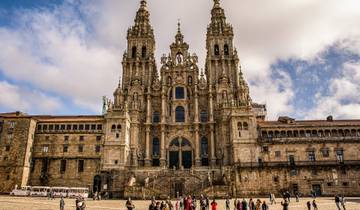
6 days
6-Day Asturias & Galicia From Madrid
- ✓ Comprehensive Oviedo tour
- ✓ Expert local guides included
- ✓ All accommodation arranged
- ✓ Transportation provided

7 days
North Spain & Galicia Week – 7 days
- ✓ Comprehensive Oviedo tour
- ✓ Expert local guides included
- ✓ All accommodation arranged
- ✓ Transportation provided
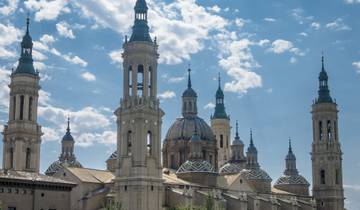
4 days
4-Day Green Spain (Northwest)
- ✓ Comprehensive Oviedo tour
- ✓ Expert local guides included
- ✓ All accommodation arranged
- ✓ Transportation provided
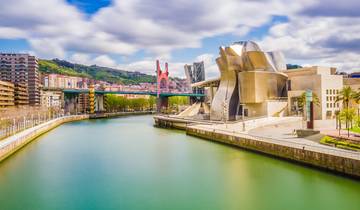
4 days
Classic Northern Spain – 4 days
- ✓ Comprehensive Oviedo tour
- ✓ Expert local guides included
- ✓ All accommodation arranged
- ✓ Transportation provided
Multi-day tour packages powered by TourRadar. Prices and availability subject to change.
Essential Planning Information 2026
Understanding Pre-Romanesque Architecture
Asturian Pre-Romanesque architecture flourished during 9th century under Kingdom of Asturias rulers, developing distinctive style preceding Romanesque period by 200+ years. The monuments demonstrate exceptional technical innovations including barrel vaults without wooden centering, decorated medallions, rope molding ornament, and characteristic Asturian buttressing systems. Santa María del Naranco originally served as royal palace (842-850) before conversion to church, showcasing exceptional preservation of secular Pre-Romanesque architecture extremely rare in European context.
The UNESCO designation encompasses nine structures across three categories: the Oviedo monuments (Santa María del Naranco, San Miguel de Lillo, La Foncalada fountain, Holy Chamber/Cathedral), the rural valley churches (Santa Cristina de Lena, San Salvador de Valdediós, San Salvador de Priesca), and the distant monuments (Santullano/San Julián de los Prados in Oviedo, Santo Adriano de Tuñón). Each represents specific architectural evolution phases, construction techniques, decorative programs, and historical contexts revealing Asturian kingdom’s cultural sophistication during early medieval period.
Visiting these monuments requires understanding their historical context: the Kingdom of Asturias emerged following Muslim conquest of Iberian peninsula in 711 CE, maintaining Christian political and cultural continuity in northern mountains. The architectural program expressed royal power, religious devotion, and cultural identity distinct from both Muslim Córdoba and Carolingian Europe. The monuments’ survival through subsequent centuries, often through continuous religious use or fortunate neglect, creates exceptional testimony to this pivotal historical period.
Current Monument Access and Costs 2026
The combined UNESCO pass at €10 provides access to all Pre-Romanesque monuments plus Oviedo Cathedral Holy Chamber throughout 2026, representing exceptional value for comprehensive circuit exploration. Individual monument entries cost €3-4 each for selective visits. Purchase passes at first monument visited, Oviedo tourist office (Plaza de la Constitución), or online through official Asturias tourism website. The pass remains valid for multiple days, accommodating flexible visiting schedules without single-day pressure.
Operating hours vary seasonally with summer extended schedules (10 AM-7 PM) and winter reduced hours (10 AM-2 PM, closed Mondays). Santa María del Naranco and San Miguel de Lillo share combined ticketing with 30-minute guided tour requirements ensuring visitor comprehension and monument preservation. Other sites allow self-guided exploration with informational panels in Spanish and English. Confirm current hours through official channels before visiting, particularly for distant monuments maintaining irregular schedules.
Free entry days include September’s European Heritage Days weekend, May 18 (International Museum Day), and occasional Asturian regional celebration dates. Monday closures affect most monuments outside summer season (June-September). Photography policies permit non-flash interior photography at most sites, though San Miguel de Lillo restricts photography to protect fragile frescoes and decorative elements from cumulative light exposure.
Transportation and Access Strategies 2026
Oviedo’s urban bus system (TUA) costs €1.35 per ride reaching major city monuments and nearby Naranco hill sites via Line 10 departing from Plaza de la Escandalera every 20-30 minutes. Tourist bus services operate summer months connecting UNESCO monuments with hop-on-hop-off flexibility, though limited schedules restrict comprehensive circuit completion. Regular ALSA buses serve towns near monuments including Pola de Lena (Santa Cristina de Lena access) and Villaviciosa (San Salvador de Valdediós), requiring advance schedule research and potential walking from bus stops to monuments.
Rental cars provide maximum flexibility for monument circuit completion, available at Oviedo center and Asturias Airport locations for €35-50 daily including insurance and unlimited mileage. The compact circuit keeps most monuments within 15-30 km radius allowing single-day comprehensive visits combining 4-5 sites. GPS navigation functions reliably throughout Asturias, though monument parking often requires walking final 200-500 meters through rural paths or village streets. Fuel costs add €10-15 for typical circuit driving distances.
Organized tours from Oviedo agencies provide turnkey monument access for €45-65 per person including transportation, guide commentary, coordinated timing, and entrance fees. Half-day tours cover Naranco hill monuments (Santa María, San Miguel de Lillo) with Oviedo Cathedral, while full-day excursions encompass 5-6 UNESCO sites across valleys. English-language tours operate regularly during summer season, requiring advance booking for guaranteed availability particularly for small group preferences.
Best Time to Visit Asturias 2026
Seasonal Analysis for 2026 Planning
Spring 2026 (April-June) delivers Asturias at its greenest with lush landscapes, moderate temperatures of 14-20°C, spring wildflowers across mountain valleys, and manageable tourist numbers allowing peaceful monument contemplation. April brings variable weather requiring flexible daily planning, May offers increasing stability, while June provides longest days and warm comfortable conditions ideal for extended outdoor exploration. Spring festivals in Asturian villages showcase traditional culture, bagpipe music, and regional celebrations enriching cultural immersion beyond monument visits.
The season features moderate rainfall characteristic of Asturian climate (averaging 10-12 rain days monthly), requiring quality waterproof gear but rarely preventing monument access or outdoor activities. Morning mist clearing to afternoon sunshine creates dramatic atmospheric conditions enhancing photography at rural valley locations. Accommodation rates remain moderate with availability rarely challenging except Easter week and occasional long weekends drawing Spanish domestic tourists.
Summer 2026 (July-August) brings peak season with maximum services, extended monument hours (10 AM-7 PM daily), warmest temperatures (20-26°C), and highest tourist volumes particularly at popular Naranco hill sites. International visitors concentrate during summer months creating multilingual tour availability, full restaurant operations, and comprehensive transportation schedules. However, midday monument crowds reduce contemplative atmosphere, and coastal destinations like Gijón experience significant congestion.
Autumn 2026 (September-October) rivals spring as optimal visiting period with stable weather, comfortable temperatures (15-22°C), harvest season cultural activities including cider pressing festivals, and dramatic tourist reduction following summer peak. September maintains summer extended hours at monuments, while October transitions to winter schedules requiring earlier daily starts. The season showcases Asturian gastronomy at peak: new cider harvests, cheese production, wild mushroom availability, and harvest celebrations in rural villages throughout the region.
Weather Patterns and Visit Planning 2026
Asturian climate brings frequent rainfall throughout the year, averaging 120-150 cm annually with highest precipitation November-February. However, rain typically arrives as light drizzle or brief showers rather than extended downpours, rarely preventing monument visits or outdoor activities with appropriate waterproof gear. Summer features shortest rainy periods though afternoon thunderstorms remain possible. The saying “Asturias has nine months of winter and three of hell” reflects locals’ humorous relationship with persistent rain and occasional summer heat.
Coastal microclimates differ significantly from interior valleys: Gijón and coastal areas experience cooler summers and milder winters with persistent wind and fog, while interior Oviedo and monument valleys face greater temperature extremes and clearer conditions. Mountain Picos de Europa create dramatic weather variations with snow remaining possible into May at high elevations, rapid afternoon cloud development, and temperature drops requiring layered clothing strategies.
Optimal daily timing for monument visits prioritizes mornings (10 AM-1 PM) when light conditions enhance interior architecture appreciation and tour groups remain minimal. Summer afternoon heat (2-5 PM) suits indoor cathedral and museum exploration, reserving evening hours (6-8 PM) for old town wandering and sidrería discovery. Winter’s shorter days (8 hours December-January) require disciplined scheduling to complete multiple monument visits, with rental car flexibility proving especially valuable during reduced daylight periods.
Accommodation Strategies Oviedo 2026
Budget Accommodation Options
Oviedo hostels cluster in the old town charging €20-30 per dormitory bed with shared facilities, communal kitchens, and social atmosphere. Hostel Oviedo, Pension Rober, and similar properties provide clean basic accommodation within walking distance of major attractions. Private budget hotels in residential neighborhoods cost €45-60 for double rooms with ensuite bathrooms, offering quiet locations 10-15 minutes walking from cathedral area. These properties deliver solid value: comfortable beds, adequate facilities, and helpful staff familiar with monument circuit logistics.
Apartment rentals through local platforms cost €50-80 nightly for studio and one-bedroom units, providing kitchen facilities for self-catering budget strategies. Properties in neighborhoods like Teatinos and Universidad offer authentic residential experiences, convenient supermarket access, and parking options for rental car travelers. Longer stays (4+ nights) unlock weekly discounts reducing daily rates by 15-25% compared to short-term bookings.
Rural casa rural properties near monuments combine budget pricing (€50-75 per room) with atmospheric village settings, traditional Asturian architecture, and countryside tranquility. Properties in Lena, Villaviciosa, and valley villages provide alternative bases for monument exploration, though requiring rental cars for convenient access. Many include breakfast with homemade regional products, offering cultural immersion beyond standard hotel experiences.
Mid-Range and Luxury Properties 2026
Mid-range hotels in Oviedo’s historic center charge €80-120 nightly for comfortable contemporary rooms, central locations, and quality service standards. Hotel Fruela, Ayre Hotel Oviedo, and Barceló Oviedo Cervantes occupy restored historic buildings or modern facilities within 5-10 minutes walking of cathedral and old town plazas. These properties offer reliable comfort: soundproofed rooms, air conditioning, modern bathrooms, and helpful concierge services for arranging monument visits and restaurant reservations.
The luxury Eurostars Hotel de la Reconquista occupies a magnificent 18th-century baroque hospital building, offering exceptional historical atmosphere for €150-220 nightly. Superior rooms feature period architectural details, elegant furnishings, and refined service creating memorable stays befitting Oviedo’s cultural significance. The property includes restaurant, spa facilities, and prime old town location steps from cathedral and major monuments.
Boutique hotels like Hotel Vetusta and Palacio de la Viñona provide intimate luxury experiences for €120-180 nightly with designer interiors, personalized service, and distinctive character unavailable at chain properties. These smaller hotels often include complimentary wine receptions, guided walking tours, and curated local recommendations enhancing cultural immersion. Many occupy restored historic buildings combining contemporary comfort with architectural heritage preservation.
Exploring UNESCO Pre-Romanesque Monuments 2026
Santa María del Naranco and San Miguel de Lillo
Santa María del Naranco stands as the UNESCO circuit’s crown jewel, originally constructed 842-850 as royal palace for King Ramiro I before 12th-century conversion to church. The two-story structure demonstrates exceptional preservation of secular Pre-Romanesque architecture, featuring magnificent barrel-vaulted upper hall with characteristic Asturian rope molding, medallion decorations, and lateral galleries overlooking green valley vistas. The lower crypt level shows original palace basement spaces with remarkable structural integrity after 1,200 years.
The monument sits atop Mount Naranco 3 km from Oviedo center, commanding spectacular views over the city and surrounding mountains. Visiting requires 30-minute guided tours (included in entrance fee) departing hourly 10 AM-5 PM with English tours available summer season. The guide explains architectural innovations, original palace functions, decorative symbolism, and historical context essential for understanding the structure’s significance. Photography permitted throughout, with afternoon light providing optimal interior illumination through original window openings.
San Miguel de Lillo occupies the same hilltop location 200 meters from Santa María, constructed approximately 842-850 as palatine chapel serving the royal palace complex. Partial 12th-century collapse destroyed the nave’s western section, though surviving eastern portions demonstrate exceptional decorative sculpture including unique relief panels depicting Byzantine-influenced subjects. The combination ticket allows sequential visits spending 90-120 minutes total exploring both monuments with intervening valley views and informational panels explaining Asturian kingdom context.
Santa Cristina de Lena and Rural Valley Churches
Santa Cristina de Lena stands isolated atop a hill near Pola de Lena village 30 km south of Oviedo, representing mid-9th century architectural evolution. The small church (8×8 meters) preserves exceptional interior decoration including carved stone lattice screens separating sanctuary from nave, demonstrating Byzantine artistic influences mediated through Visigothic tradition. The elevated hilltop location provides dramatic 360-degree mountain views showcasing Asturian landscape beauty.
Access requires 10-minute uphill walk from parking area through meadows and forest, with path maintenance adequate but requiring sturdy footwear. The monument operates limited hours (weekends and summer daily 11 AM-1 PM, 4-6 PM) necessitating advance schedule confirmation. Interior visits reveal remarkable preservation: original stone screens, barrel-vaulted ceiling, carved capitals, and atmospheric lighting through narrow window openings creating contemplative space despite diminutive scale.
San Salvador de Valdediós (also called El Conventín) occupies a rural valley 35 km northeast of Oviedo near substantial Cistercian monastery. The 893 CE church represents Late Asturian architectural maturity with refined proportions, sophisticated decorative program, and exceptional preservation including original floor levels and altar arrangement. The monument sits within active monastery grounds (separate Romanesque church visible nearby), creating atmospheric religious continuity spanning 1,100+ years.
Oviedo City Monuments
San Julián de los Prados (Santullano) in Oviedo’s outskirts represents the largest surviving Asturian Pre-Romanesque church, constructed early 9th century with exceptional fresco preservation. The interior frescos demonstrate rare secular decorative program depicting architectural fantasies, geometric patterns, and symbolic imagery without narrative religious scenes. The monument requires guided visits (€3, included in combined pass) with tours explaining fresco iconography, architectural significance, and restoration techniques preserving fragile medieval paint layers.
Oviedo Cathedral’s Holy Chamber (Cámara Santa) contains relics of Asturian monarchy including the Victory Cross and Reliquary Casket, though the chamber itself dates to Romanesque reconstruction following 11th-century fire. The €7-8 cathedral visit (separate from Pre-Romanesque pass) includes Holy Chamber, cathedral museum with exceptional medieval sculpture, and Gothic cathedral interior showcasing later architectural development. Allow 90 minutes for comprehensive cathedral exploration combining Pre-Romanesque origins with Romanesque, Gothic, and Baroque additions.
La Foncalada fountain represents unique Pre-Romanesque civil engineering, constructed 9th century as covered public fountain with characteristic architectural decoration. The small structure occupies a city park 10 minutes walking from cathedral, offering quick visit (15-20 minutes) for UNESCO completists. The fountain demonstrates Asturian kingdom’s urban infrastructure sophistication and decorative art application to functional structures beyond purely religious buildings.
Oviedo City Experience 2026
Historic Center and Cultural Attractions
Oviedo’s medieval old town centers on Plaza de la Constitución with Renaissance ayuntamiento (town hall), cathedral complex, and pedestrian streets radiating outward through historic neighborhoods. The compact area allows comprehensive exploration in 2-3 hours: cathedral visit, Calle Gascona shopping district, Plaza del Fontán market square with morning produce market, and University buildings dating to 1574. The old town maintains authentic Asturian character despite modern economic development, with local population actively using historic center for daily life beyond tourism.
Museo de Bellas Artes de Asturias occupies three connected historic buildings displaying Asturian and Spanish art from medieval through contemporary periods. Entry costs €3-5 with free admission Saturdays, featuring exceptional 19th-century Asturian painting, contemporary Spanish works, and rotating exhibitions. Allow 60-90 minutes for highlights tour, or 2-3 hours for comprehensive collection viewing. The museum provides cultural depth beyond Pre-Romanesque focus, contextualizing Asturian artistic traditions across centuries.
San Francisco Park creates green urban oasis in city center with landscaped gardens, walking paths, children’s playgrounds, and atmospheric pond. The park connects old town to modern commercial districts, offering pleasant walking routes and quiet rest spots during intensive sightseeing days. Summer outdoor concerts and events activate park spaces, while year-round the area serves as popular local gathering place demonstrating Oviedo’s livable urban character.
Asturian Cuisine and Sidrería Culture
Asturian cuisine emphasizes hearty mountain fare: fabada asturiana (white bean stew with chorizo and morcilla), cachopo (breaded veal cutlets stuffed with ham and cheese), and exceptional local cheeses including pungent Cabrales blue cheese from Picos de Europa caves. Restaurants throughout Oviedo serve traditional dishes at moderate prices: €12-18 for generous fabada portions, €15-22 for cachopo, €8-12 for cheese boards with regional selections. The Boulevard de la Sidra (Calle Gascona) concentrates traditional sidrerías and restaurants ideal for evening cultural dining.
Sidrería culture dominates Asturian social life, with specialized cider bars (sidrerías) serving natural sparkling cider poured dramatically from height to “break” the cider and enhance flavor. Cider costs €3-4 per bottle (ordering by bottle rather than glass), consumed in small amounts with traditional “culín” serving ritual. Proper cider drinking requires standing at bar, allowing server to pour expertly, consuming small amount immediately, then discarding remainder on sawdust floor before next pour. This seemingly wasteful tradition actually maximizes cider freshness and carbonation.
The Mercado El Fontán operates mornings (8 AM-2 PM) selling local produce, cheeses, seafood, and specialty products in atmospheric 19th-century covered market. Market vendors and surrounding specialty shops provide excellent venues for assembling picnic supplies: artisan bread €2-3, local cheese €5-8 per portion, chorizo €6-10, seasonal fruit €2-4 per kilo. The market neighborhood features casual restaurants serving market-fresh ingredients at lunch, with €12-15 daily menus offering exceptional value.
Sample Itineraries Oviedo and Asturias 2026
One-Day Oviedo and Naranco Monuments
Begin morning (9 AM) exploring Oviedo Cathedral and Holy Chamber, allowing 90 minutes for comprehensive visit including museum galleries and Gothic nave. Walk through old town streets to Plaza del Fontán market for mid-morning coffee and local atmosphere (30 minutes). Take urban bus Line 10 or taxi to Mount Naranco for 11 AM guided tour of Santa María del Naranco, followed immediately by San Miguel de Lillo visit (2 hours total including walking between monuments and valley viewpoint photographs).
Return to Oviedo for lunch at traditional sidrería: fabada €15, cider €4, dessert €5 (90 minutes relaxed meal). Afternoon explores remaining old town: Museo de Bellas Artes (€5, 60 minutes), San Francisco Park walk, Calle Gascona shopping district. Late afternoon visit to San Julián de los Prados/Santullano for fresco viewing (€3, 45 minutes including 20-minute walk from center). Evening includes sidrería dinner: cachopo €18, cider €4, cheese board €10. Cathedral €8, monuments €10 (combined pass), meals €55-65, transportation €8. Total: €81-91 per person excluding accommodation.
Three-Day Complete UNESCO Circuit
Day One follows the one-day itinerary covering Oviedo cathedral, old town, and nearby Naranco monuments. Evening explores Boulevard de la Sidra sidrería district sampling traditional Asturian dining culture and cider rituals. Cathedral €8, monuments €10, meals €55-65, cider €10-15, transportation €8. Total: €91-106 per person excluding accommodation.
Day Two requires rental car (€40) or organized tour (€55) for rural valley monument circuit. Morning visits Santa Cristina de Lena (45 minutes), continues to San Salvador de Valdediós and monastery complex (75 minutes), proceeds to Santo Adriano de Tuñón if time permits (30 minutes). Lunch at village restaurant near Valdediós: menu del día €15, cider €4. Afternoon returns via San Salvador de Priesca before returning to Oviedo. Alternative coastal excursion to Gijón substitutes monuments with Roman baths museum (€5), San Lorenzo beach walk, harbor-side seafood lunch (€25-35). Rental car €40, meals €35-45, monuments included in combined pass. Total: €75-85 per person excluding accommodation.
Day Three combines remaining Oviedo monuments with coastal or mountain day trip based on interests. Option A: Visit La Foncalada fountain (free, 20 minutes), then day trip to Picos de Europa via Cangas de Onís (€12 bus) for mountain scenery, gorge viewpoints, and Covadonga sanctuary visit. Lunch in mountain village: €18-25. Return evening bus. Option B: Complete circuit with remaining valley churches, or visit Gijón’s cultural attractions and beaches via train (€5.40, 30 minutes). Museo de Bellas Artes €5, coastal seafood lunch €25-35, transportation €12-18, incidentals €15-20. Total: €70-90 per person excluding accommodation.
Day Trips from Oviedo 2026
Gijón Coastal City Experience
Gijón offers compelling coastal complement to Oviedo’s inland cultural focus, located 30 km north via frequent RENFE trains (€5.40 one-way, 30 minutes) or ALSA buses (€4.80, 45 minutes). The industrial port city features exceptional urban beaches, Roman archaeological heritage including thermal baths complex (€5), maritime atmosphere, and modern cultural facilities. The Laboral Ciudad de la Cultura contemporary art center (€3-5) occupies a massive former university building with exhibition galleries, viewing tower, and gardens overlooking the coast.
San Lorenzo Beach extends 1.5 km along city waterfront with clean sand, summer swimming, promenade dining options, and mountain backdrop views. The working fishing port maintains authentic maritime character, with morning fish auction, waterfront seafood restaurants, and maritime museum (€3) explaining Asturian fishing traditions. Harbor-side dining delivers ultra-fresh seafood: grilled fish €15-22, seafood rice €18-25, octopus €12-18, with ocean view terraces enhancing meal experiences.
Combine beach time, Roman baths, and harbor exploration in day trip format: morning train arrival (€5.40), Roman baths visit (€5), beach walk and swimming (free), harbor-side seafood lunch (€25-35), Laboral Ciudad contemporary art visit (€5), evening return train (€5.40). Total: €46-56 per person including transportation and activities.
Picos de Europa Mountains Introduction
The Picos de Europa National Park rises dramatically 40 km south of Oviedo, offering spectacular limestone mountain scenery, traditional villages, and hiking opportunities. Cangas de Onís serves as the gateway town, reached via ALSA buses (€12 one-way, 90 minutes) with services departing Oviedo morning and returning evening. The town provides mountain atmosphere, medieval bridge, excellent mountain cheese shops, and base for accessing park highlights including Covadonga sanctuary and Lakes of Covadonga.
Covadonga holds profound significance in Spanish history as site of 722 CE battle marking Christian resistance beginning against Muslim conquest. The dramatic basilica and Holy Cave occupy clifftop location above valley with mountain panoramas and pilgrimage atmosphere. Buses from Cangas (€4-6) reach Covadonga, with additional summer services continuing to Lakes of Covadonga (1,100m elevation) for alpine scenery and short hiking options. Winter access to lakes remains restricted due to snow and ice.
Organized day tours from Oviedo (€55-75 per person) provide comprehensive Picos introduction including Cangas de Onís, Covadonga sanctuary, Lakes viewpoint, and scenic valleys with guide commentary and coordinated transportation. Independent travel budget: Oviedo-Cangas bus €12, Cangas-Covadonga bus €6, lunch in mountain village €18-25, incidentals €10-15. Total: €58-76 per person for independent day trip.
Practical Planning Details 2026
Language and Communication
Spanish (Castilian) and Asturian (bable) serve as regional languages, with Asturian maintaining cultural significance though Spanish dominates practical communication. English proficiency varies: hotels, tourist offices, and organized tour operators speak functional English, while traditional restaurants, monument custodians, and local shops may offer limited English assistance. Monument information panels present Spanish and English text, with audio guides available at major sites including Santa María del Naranco.
Learning basic Spanish phrases enhances interactions and demonstrates cultural respect: “Buenos días” (good morning), “Por favor” (please), “Gracias” (thank you), “¿Cuánto cuesta?” (how much does it cost?). Restaurant situations benefit from Spanish menu vocabulary: “fabada” (bean stew), “sidra” (cider), “queso” (cheese), “pescado” (fish). Translation apps provide reliable backup for communication needs, though monument contexts reward pre-visit research about architectural terminology and historical background.
Safety and Security Considerations
Oviedo maintains excellent safety standards with minimal crime affecting tourists. The compact old town remains safe for evening walks, with active nightlife creating natural surveillance. Standard urban precautions apply: secure valuables in hotel safes, maintain awareness in crowded market areas, avoid displaying expensive cameras unnecessarily. Pickpocketing incidents remain rare compared to Barcelona or Madrid tourist areas.
Rural monument sites present minimal security concerns, though isolated locations require standard awareness about personal belongings left in parked rental cars. Mountain and valley road driving demands attention to narrow roads, occasional livestock, and dramatic elevation changes. Winter driving may encounter snow and ice conditions requiring appropriate vehicle equipment and adjusted driving techniques. Hiking in Picos de Europa follows standard mountain safety principles: proper footwear, weather awareness, adequate water and food supplies.
Connectivity and Digital Resources
Oviedo offers widespread wifi availability at hotels, restaurants, cafes, and public spaces throughout the old town. Hotel wifi generally provides reliable speeds for communication, booking activities, and basic work tasks. Cafes and restaurants offer wifi passwords to customers, supporting extended planning sessions over coffee or meals. Tourist offices and major plazas maintain public wifi networks with variable connection quality.
Spanish SIM cards cost €10-20 for prepaid tourist packages with adequate data for navigation, communication, and social media use. Major carriers Movistar, Vodafone, and Orange operate shops in city center and El Corte Inglés department store. European Union visitors benefit from roaming agreements eliminating international charges. Essential apps include Google Maps (download offline Asturias maps), RENFE and ALSA transportation booking apps, translation apps for menu reading, and official Asturias Tourism app providing monument information and audio guides.
Planning Your 2026 Asturias Visit
Booking Timeline and Reservation Strategies
Begin planning Asturias visits 8-12 weeks ahead for summer 2026 travel (July-August) when accommodation reaches higher demand from Spanish domestic tourists. Book international or domestic flights to Asturias Airport or train tickets to Oviedo 60-90 days before departure for optimal pricing. Accommodation reservations require 6-10 weeks lead time for preferred old town properties during peak season, or 3-4 weeks for shoulder season visits (May-June, September-October).
Pre-book rental cars 4-6 weeks ahead for summer travel ensuring vehicle availability and competitive rates. Reserve organized monument tours 2-3 weeks before arrival for guaranteed English-language guide availability and small group preferences. Restaurant reservations prove unnecessary except for highly-rated establishments on weekend evenings, with walk-in availability typical at traditional sidrerías and neighborhood restaurants throughout the week.
Monument visits require no advance booking for individual travelers, operating first-come-first-served at posted hours. However, confirm current operating schedules before visiting, particularly for rural valley churches maintaining limited hours outside summer season. Winter visitors (November-March) should verify monument operations as several sites reduce hours or close weekdays during low season.
Combining Oviedo with Other Destinations
Oviedo integrates naturally into northern Spain itineraries connecting Galicia, Cantabria, and Basque Country. Santiago de Compostela sits 3.5 hours west via bus (€20-25) or rental car, enabling combined UNESCO pilgrimage and Pre-Romanesque architecture exploration. Santander in Cantabria reaches 2 hours east accessing Altamira cave replica and Cantabrian coastal culture. Bilbao and San Sebastián extend itineraries into Basque Country (3-4 hours) for additional cultural diversity.
The Camino del Norte (Northern Way) pilgrimage route passes through Oviedo, with many pilgrims taking rest days exploring Pre-Romanesque monuments before continuing coastal Santiago journey. The Camino Primitivo (Original Way) begins in Oviedo, following historical route through mountain valleys and villages for pilgrims seeking less-traveled alternative to popular French Way. These Camino connections create natural combinations of walking pilgrimage and architectural tourism.
Madrid connections via direct flights (1 hour, €60-100) or high-speed trains (5 hours when RENFE completes planned upgrades) enable capital city combinations. However, Oviedo’s northern Spain location favors regional itineraries over Madrid connections. Porto in Portugal sits 4-5 hours south via scenic drives through rural landscapes, though limited direct public transport complicates connections for non-drivers.
2026 Updates and Current Information
Infrastructure and Service Improvements
Asturias continues investing in tourism infrastructure throughout 2026 with enhanced monument interpretive centers, improved rural road access to valley churches, and expanded English-language visitor services. Santa María del Naranco receives upgraded lighting systems enhancing interior architecture visibility while protecting monument preservation. Several rural monuments install new informational panels with QR codes linking to detailed audio content in multiple languages.
Oviedo expands pedestrian zones in old town improving walking comfort, accessibility features, and outdoor dining spaces. Hotel sector renovations introduce contemporary amenities while preserving historic building character throughout the city center. Public transportation improvements include modern bus fleet with real-time arrival information, enhanced train services to Gijón and regional destinations, and improved parking facilities for rental car tourists visiting monument sites.
Sustainable Tourism Initiatives
Asturian tourism authorities implement sustainable practices limiting tour group sizes at sensitive monuments, managing visitor flows to prevent congestion, and promoting shoulder season travel distributing pressure beyond summer peak. Monument conservation programs employ advanced techniques preserving fragile Pre-Romanesque structures, fresco paintings, and decorative elements for future generations while maintaining public access for cultural education.
Regional cuisine promotion emphasizes local food products, traditional recipes, sustainable agriculture, and artisan producers supporting rural economies. Cider production maintains traditional methods in family orchards and small-scale cider houses, with tourism revenue helping preserve agricultural traditions facing economic pressures. Restaurant participation in sustainable sourcing programs connects visitors directly with Asturian food culture while supporting environmental responsibility.
Frequently Asked Questions
What makes Asturian Pre-Romanesque architecture unique in 2026?
Asturian Pre-Romanesque architecture represents Europe’s most complete early medieval building tradition, predating Romanesque period by 200 years while demonstrating sophisticated technical innovations including barrel-vaulting without wooden centering, distinctive decorative programs, and exceptional preservation. The Kingdom of Asturias developed unique architectural vocabulary blending Visigothic, Byzantine, and local influences during 9th century, creating monuments unlike anything else in medieval Europe. The UNESCO designation recognizes this exceptional cultural testimony surviving through continuous religious use and fortunate historical circumstances.
Can you visit all Pre-Romanesque monuments in one day in 2026?
Visiting all nine UNESCO monuments in single day proves theoretically possible with rental car, early start, and efficient routing, though this rushed approach sacrifices contemplative appreciation and architectural understanding. Realistic comprehensive circuit requires 2 full days: Day one covers Oviedo monuments plus nearby Naranco hill sites, day two explores rural valley churches via rental car circuit. This pacing allows adequate time at each monument, accommodates guided tour schedules at key sites, and permits lunch stops at village restaurants experiencing regional culture beyond pure monument viewing.
Is Oviedo worth visiting beyond Pre-Romanesque monuments in 2026?
Yes, Oviedo offers substantial attractions beyond UNESCO circuit including Gothic Cathedral with Holy Chamber, atmospheric medieval old town with quality shopping and dining, excellent Museo de Bellas Artes, authentic Asturian sidrería culture, and convenient access to coastal Gijón and mountain Picos de Europa. The city rewards 2-3 day stays providing comprehensive cultural experiences combining monuments, cuisine, urban character, and natural landscapes. Solo monument focus misses broader Asturian cultural richness available through extended regional exploration.
Do monument guided tours in Asturias operate in English during 2026?
Santa María del Naranco and major monuments offer English-language guided tours during summer season (June-September) with regular schedules, though advance confirmation ensures guaranteed availability. Shoulder and winter seasons feature primarily Spanish tours, with English-language audio guides providing alternative content at some sites. Organized tours from Oviedo agencies include English-speaking guides throughout the year when booked in advance. Independent travelers benefit from pre-visit research about architectural features and historical context, with monument information panels presenting bilingual Spanish-English text at most sites.
What is the best base for exploring Asturian monuments in 2026?
Oviedo provides optimal base combining immediate access to major Naranco monuments via urban bus, central location for day trips to all valley churches, comprehensive accommodation and dining options, and substantial city attractions for evening and rest day activities. The compact old town allows walking everywhere within the city, while rental car parking proves manageable at hotels. Rural casa rural properties near monuments suit travelers preferring village atmosphere and countryside settings, though requiring cars for convenient monument access and limiting evening dining and cultural options compared to Oviedo’s urban amenities.
How difficult is driving to rural monument sites in Asturias?
Driving to Asturian monuments involves well-maintained rural roads with occasional narrow sections through villages, moderate hill gradients, and clearly-marked routes via GPS navigation. Roads reach all UNESCO sites with adequate parking areas within 200-500 meters walking distance of monuments. Challenges include occasional agricultural traffic, tight village street navigation, and winter weather conditions potentially bringing rain, fog, or mountain snow. Standard European driving skills suffice, with automatic transmission rentals available though manual remains more common and economical. Allow extra time for unfamiliar roads and rural driving caution compared to highway travel.
Can you walk between Oviedo monuments and city center?
Yes, Oviedo’s compact old town allows walking everywhere within city center including cathedral, museums, markets, restaurants, and hotels. Santa María del Naranco and San Miguel de Lillo sit 3 km from center, reachable via 45-60 minute uphill walk through residential neighborhoods on sidewalked roads. Most visitors take urban bus Line 10 (€1.35) or taxi (€8-10) to Naranco monuments given steep grade and limited pedestrian appeal compared to urban walking routes. All other Oviedo monuments (Santullano, La Foncalada, Cathedral) remain within easy 10-20 minute walks from central plaza areas.
What Asturian dishes must you try in Oviedo in 2026?
Essential Asturian specialties include fabada asturiana (rich white bean stew with chorizo and morcilla, €12-18), cachopo (breaded veal cutlets stuffed with ham and cheese, €15-22), Cabrales blue cheese from mountain caves (€8-12 per board), sidra natural (traditional sparkling cider poured dramatically, €3-4 per bottle), and rice pudding (arroz con leche) for dessert. Regional cheeses encompass Afuega’l pitu, Casín, and Gamonéu varieties beyond famous Cabrales. Traditional sidrerías along Boulevard de la Sidra (Calle Gascona) provide authentic venues for experiencing complete Asturian dining culture including proper cider pouring rituals and convivial standing-bar atmosphere.
How crowded do Asturian monuments get during 2026 summer?
Summer peak (July-August) brings maximum visitor numbers to popular Naranco monuments (Santa María, San Miguel de Lillo) with tour groups arriving midday creating temporary crowding during 11 AM-3 PM. However, overall visitor volumes remain moderate compared to mass-tourism destinations, with strategic timing (early morning or late afternoon visits) ensuring peaceful monument experiences even during summer peak. Rural valley churches maintain minimal crowds year-round except occasional tour bus arrivals. Winter and shoulder seasons feature negligible crowding, often allowing solitary monument contemplation. The specialized Pre-Romanesque focus attracts primarily architecture enthusiasts and UNESCO completists rather than mass-market tourists.
What is proper cider drinking etiquette in Asturian sidrerías?
Asturian cider drinking follows specific rituals: order by bottle (€3-4) rather than glass, stand at bar rather than sitting, allow server to pour from height creating dramatic arc that “breaks” the cider enhancing carbonation and flavor, consume only small amount (culín) immediately, discard remainder on sawdust floor, return glass for next pour. This seemingly wasteful practice maximizes cider freshness, carbonation, and traditional social experience. Attempting to pour yourself or drinking large amounts per serving marks obvious tourist behavior. Embrace the ritual, enjoy the convivial standing-bar atmosphere, and appreciate traditional Asturian social culture centered on cider house gatherings.