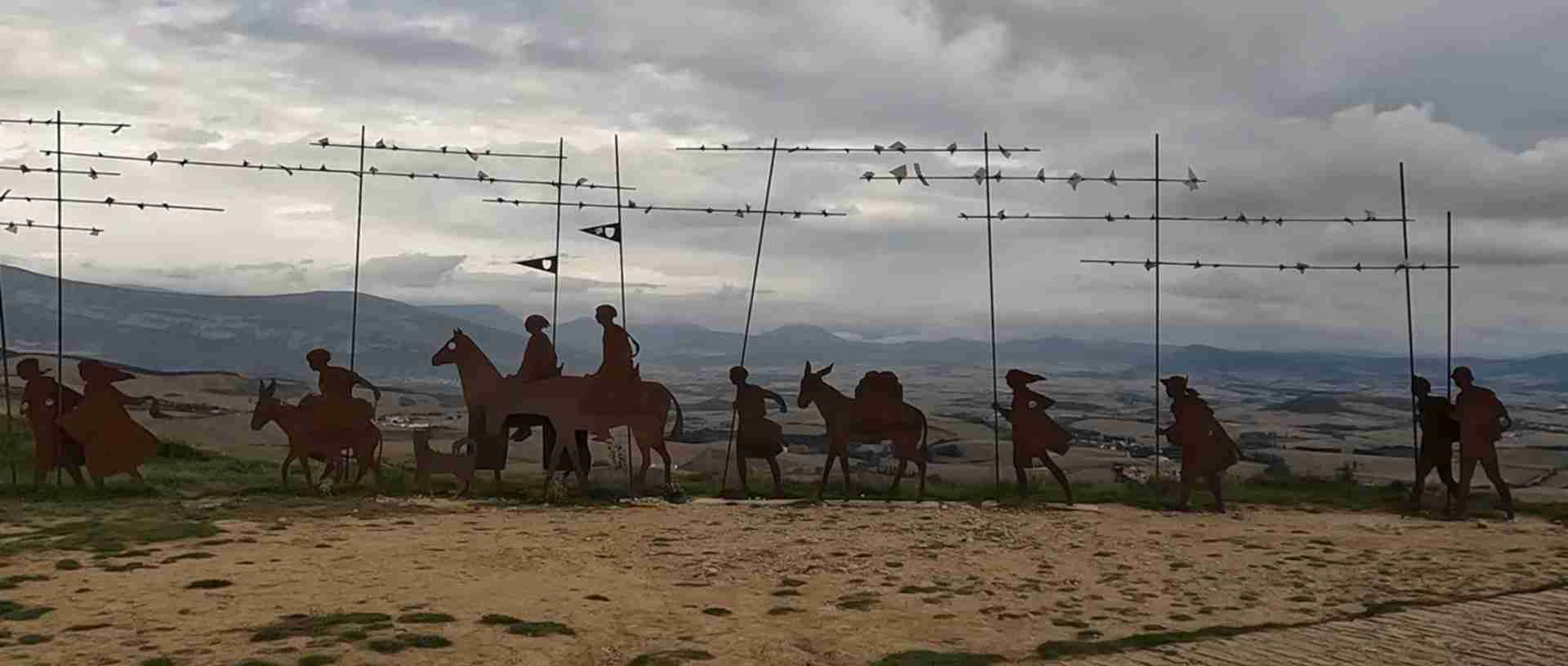
Camino de Santiago Complete Guide 2026: Ultimate Pilgrimage Planning
This comprehensive guide provides detailed information for planning successful Camino pilgrimages in 2026, covering route selection, realistic budgets, preparation requirements, accommodation strategies, gear essentials, and practical logistics. Whether undertaking a first pilgrimage or returning for additional routes, proper planning enhances transformative experiences while managing physical demands, financial costs, and logistical complexities inherent in multi-week walking journeys.
Key Takeaways
- The French Way (Camino Francés) remains the most popular route with complete infrastructure: 800 km, 30-35 days, €1,200-1,800 total budget for 2026
- Minimum 100 km walking qualifies for official Compostela certificate from Santiago’s Pilgrims’ Office
- Albergue accommodation costs €10-15 nightly in municipal hostels, €15-25 in private albergues throughout 2026
- Book accommodation 1-2 weeks ahead for summer 2026 peak season, or walk without reservations during shoulder months
- Daily walking stages average 20-25 km (5-7 hours) for comfortable pace with rest days every 5-7 days
- Spring (April-May) and autumn (September-October) 2026 provide optimal weather with moderate crowds and full services
Introduction to Camino Pilgrimage Planning 2026
The Camino de Santiago represents one of Christianity’s three great medieval pilgrimages alongside Rome and Jerusalem, with over 300,000 pilgrims completing the journey annually to Saint James’s tomb in Santiago de Compostela Cathedral. The network encompasses dozens of historic routes converging on Santiago from across Europe, though several principal paths dominate modern pilgrimage traffic. The experience combines physical challenge, spiritual reflection, cultural immersion, and profound personal transformation across weeks of sustained walking through spectacular landscapes and historic villages.
Planning a 2026 Camino pilgrimage requires understanding route options, preparation strategies, budgeting realities, accommodation systems, and timing considerations that shape successful journeys. The infrastructure supporting modern pilgrims includes specialized hostels (albergues), waymarking systems, guidebooks, mobile apps, and services specifically designed for walking pilgrims. Routes range from the full 800 km French Way requiring 30-35 days to shorter final stages of 100-200 km taking 5-10 days, accommodating diverse fitness levels, available time, and pilgrimage goals.
People Also Ask About Camino de Santiago 2026
How much does the Camino de Santiago cost in 2026?
The complete French Way from Saint-Jean-Pied-de-Port to Santiago costs €1,200-1,800 for 30-35 days depending on accommodation choices and meal strategies in 2026. Budget pilgrims manage €30-40 daily through municipal albergues (€10-12 nightly), supermarket meals, and pilgrim menu dinners (€10-12). Mid-range approaches cost €45-60 daily using private albergues (€15-25 nightly), restaurant meals, and occasional rest day hotels. Luxury experiences reach €80-100+ daily with hotel upgrades, quality dining, and support services like luggage transfer.
Shorter routes reduce total costs proportionally: the final 100 km from Sarria costs €250-400 for 5-6 days, the Portuguese Coastal Way from Porto costs €500-750 for 12-14 days. These estimates exclude international travel to starting points and pre-walk gear purchases. Check official pilgrimage websites for current accommodation rates as pricing varies seasonally.
What is the best time to walk the Camino in 2026?
Late spring 2026 (April-May) and early autumn (September-early October) provide optimal Camino conditions with comfortable temperatures of 15-22°C, moderate rainfall, manageable crowds, and full service availability. May offers spring landscapes with wildflowers and green countryside, while September brings harvest season and stable weather following summer heat. Both periods avoid peak summer crowds that strain accommodation capacity June through August.
Summer 2026 (June-August) attracts maximum pilgrim traffic creating accommodation competition, higher temperatures reaching 28-35°C in Meseta regions, and busiest trail conditions. Winter walking (November-March) suits experienced pilgrims comfortable with cold temperatures, reduced services, closed accommodation, and challenging mountain weather in Pyrenees and Galician sections.
Do you need to be religious to walk the Camino in 2026?
No religious faith requirement exists for walking the Camino in 2026, with pilgrims undertaking journeys for spiritual, cultural, athletic, or personal growth motivations. The infrastructure welcomes all sincere pilgrims regardless of religious background, though the route’s Christian heritage remains evident in churches, monasteries, and cultural traditions along the way. The Compostela certificate requires declaration of spiritual or religious motivation, but the Pilgrims’ Office interprets this broadly to include personal seeking, cultural exploration, and contemplative purposes.
Many contemporary pilgrims describe their motivations as spiritual rather than specifically religious, seeking meaning, clarity, transformation, or escape from daily pressures. The Camino accommodates diverse beliefs while respecting the Catholic pilgrimage tradition that created and maintains the routes. Cultural sensitivity around religious sites and ceremonies remains appreciated regardless of personal faith positions.
How fit do you need to be for the Camino de Santiago in 2026?
Moderate baseline fitness suffices for most Camino routes in 2026, with preparation focused on building endurance for sustained multi-day walking rather than peak athletic performance. The typical 20-25 km daily stages (5-7 hours walking) challenge unfit beginners but remain accessible to average fitness levels with gradual adaptation during the first week. Hills and mountains on certain route sections demand stronger leg strength and cardiovascular fitness, particularly Pyrenees crossings and Galician elevations.
Pre-Camino training should include 3-4 walks weekly building to 15-20 km distances wearing full pack weight (6-8 kg) in the months before departure. This preparation strengthens feet, legs, and shoulders while identifying potential equipment issues and establishing realistic daily pace expectations. Age proves less relevant than fitness level: pilgrims from teenagers to octogenarians complete routes successfully through appropriate pace management and adequate preparation.
Extended multi-day tours – 5+ days
Featured Santiago De Compostela Multi-Day Tour Packages
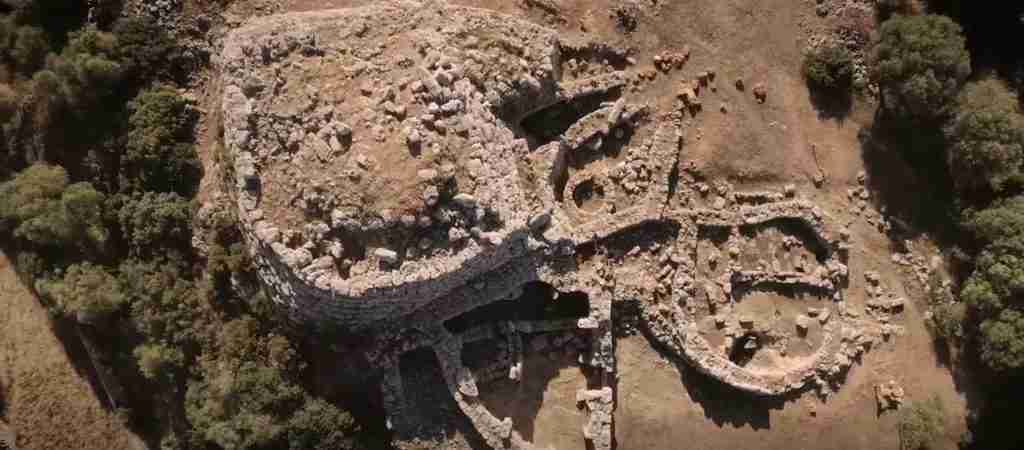
3 days
Santiago De Compostela 3-Day Discovery Tour
- ✓ Comprehensive Santiago De Compostela experience
- ✓ Expert local guides included
- ✓ All accommodation included
- ✓ Transportation provided
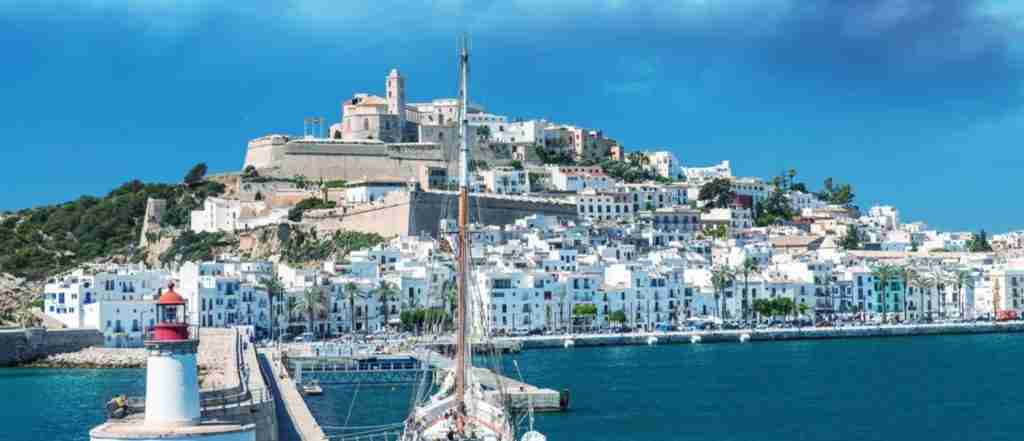
5 days
Santiago De Compostela 5-Day Highlights Experience
- ✓ Comprehensive Santiago De Compostela experience
- ✓ Expert local guides included
- ✓ All accommodation included
- ✓ Transportation provided
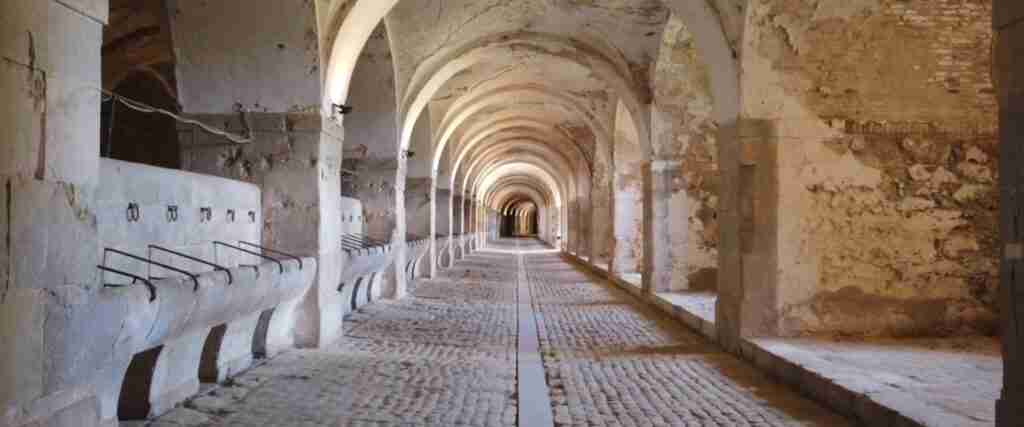
7 days
Santiago De Compostela 7-Day Cultural Journey
- ✓ Comprehensive Santiago De Compostela experience
- ✓ Expert local guides included
- ✓ All accommodation included
- ✓ Transportation provided
10 days
Santiago De Compostela 10-Day Complete Adventure
- ✓ Comprehensive Santiago De Compostela experience
- ✓ Expert local guides included
- ✓ All accommodation included
- ✓ Transportation provided
Multi-day tour packages powered by TourRadar. Prices and availability subject to change.
Essential Planning Information 2026
Route Selection for Your 2026 Pilgrimage
The French Way (Camino Francés) dominates modern pilgrimage with 60% of all pilgrims, running 800 km from Saint-Jean-Pied-de-Port across northern Spain through Pamplona, Logroño, Burgos, León, and Galicia to Santiago. The route offers maximum infrastructure, abundant accommodation, clear waymarking, international pilgrim community, and comprehensive services throughout the 30-35 day journey. First-time pilgrims benefit from French Way’s established systems, cultural attractions, and guaranteed support at every stage.
The Portuguese Coastal Way from Porto provides stunning Atlantic coastline walking for 280 km over 12-14 days with moderate terrain, pleasant spring and autumn temperatures, and beautiful seaside villages. This route attracts pilgrims seeking shorter commitment, flatter terrain than French Way mountains, and maritime cultural experiences. The northern coastal section through Viana do Castelo and Caminha offers exceptional scenery rivaling any European coastal path.
The Northern Way (Camino del Norte) follows Spain’s northern coast for 820 km from Irún through San Sebastián, Bilbao, Santander, and Asturias to Galicia. This route rewards experienced pilgrims with spectacular ocean vistas, challenging terrain including numerous coastal hills, fewer crowds than the French Way, and Basque-Cantabrian-Asturian cultural diversity. The demanding topography requires strong fitness levels and 33-38 days for completion.
The English Way (Camino Inglés) starts from Ferrol or A Coruña covering 120 km or 75 km respectively to Santiago over 5-7 days. This historic route served medieval English and Northern European pilgrims arriving by ship, offering quick pilgrimage completion for time-limited travelers or Camino introductions. The Ferrol route qualifies for Compostela certificates (minimum 100 km), while the shorter A Coruña option falls short of certification requirements but provides authentic pilgrimage experiences.
Current Costs and Realistic Budget Planning 2026
Accommodation forms the largest daily Camino expense, with municipal albergues charging €10-12 per night for dormitory beds with basic facilities throughout 2026. Private albergues cost €15-25 nightly with superior amenities including hot showers, laundry facilities, equipped kitchens, and smaller dormitory sizes. Hotels and pensions range €40-80 for private rooms when desiring occasional rest day comfort or avoiding communal sleeping arrangements. Check local albergue associations for current rates as pricing varies by region and facility type.
Meal costs range dramatically based on self-catering versus restaurant dining strategies. Supermarket meals cost €5-8 daily: bread €1-2, cheese/chorizo €3-5, fruit €2-3, allowing budget-conscious pilgrims to minimize food expenses through picnic lunches. Pilgrim menus at restaurants cost €10-12 for three courses with wine or water, representing excellent value at dinner service. Standard restaurant meals without pilgrim discounts run €15-25 per person. Many pilgrims combine strategies: supermarket breakfasts and lunches with restaurant dinners for social connection and hot meals.
Additional expenses include gear purchases before departure (€200-500 for complete kit if starting from nothing), international travel to Camino starting points (€100-400 from European cities), travel insurance (€30-60 for month-long coverage), and post-Santiago return transportation. Many pilgrims ship excess luggage ahead to Santiago hotels rather than carrying unnecessary items, costing €15-25 for services like Correos Camino pack transport.
Booking Timeline and Reservation Strategies 2026
Summer 2026 pilgrims (June-August) benefit from booking accommodations 1-2 weeks ahead, particularly for popular stages before major cities and final approaches to Santiago from Sarria. Many albergues accept reservations through phone calls or online platforms like Booking.com and specialized Camino sites. Municipal albergues typically operate first-come-first-served without advance reservations, creating uncertainty during peak season when facilities fill by early afternoon.
Shoulder season pilgrims (April-May, September-October) enjoy flexibility walking without reservations, booking 1-3 days ahead, or arranging accommodation same-day by afternoon arrival times. Spring and autumn capacity generally exceeds demand outside specific bottleneck stages. Winter walkers find minimal competition for available accommodation though reduced services mean calling ahead to confirm albergue operations becomes essential.
The “no reservation” walking approach suits pilgrims comfortable with uncertainty, willing to walk additional kilometers to find available beds, and flexible about accommodation type. This traditional style allows spontaneous stage length adjustments, meeting fellow pilgrims naturally, and embracing Camino’s unpredictable rhythms. The strategy works best outside peak summer, with backup private accommodation contacts for emergencies, and acceptance that occasional hotel upgrades may become necessary.
Best Time to Walk the Camino 2026
Seasonal Analysis for 2026 Planning
April and May 2026 deliver spring Camino experiences with moderate temperatures (12-20°C), blooming wildflowers across countryside stages, green landscapes following winter rains, and manageable pilgrim volumes. Services operate fully across all major routes with albergues, restaurants, and shops open for the season. Spring weather brings variable conditions: sunny days alternate with rainy periods requiring quality rain gear, though overall rainfall remains moderate compared to winter months.
The shoulder season pricing advantages benefit April-May pilgrims through lower accommodation rates, easier booking, reduced competition for beds, and relaxed social atmosphere without peak summer crowds. Cultural events begin appearing in towns and villages, harvest festivals emerge in wine regions, and local populations engage warmly with moderate pilgrim flows that don’t overwhelm small communities.
June through August 2026 transforms the Camino into peak season with maximum infrastructure, warmest weather (20-30°C in most regions, reaching 35°C+ in Meseta sections), longest daylight hours allowing flexible walking schedules, and vibrant international pilgrim community. The summer months bring accommodation challenges requiring advance booking, crowded trails particularly from Sarria (final 100 km), and hot afternoon walking conditions that push many pilgrims to early morning departures.
September and early October 2026 rival spring as optimal Camino timing with stable weather, comfortable temperatures (15-23°C), harvest season cultural richness, wine festivals in Rioja and Galicia, and dramatic reduction in pilgrim traffic following summer peak. Autumn colors enhance photography, grapes ripen in vineyard stages, and services maintain full operations through early October before winter closures begin affecting remote route sections.
Weather Patterns and Preparation Requirements 2026
Pyrenees crossing weather varies dramatically by season, with April-May snow remaining possible at high elevations, summer heat creating afternoon thunderstorm risk, and autumn providing stable conditions. The Napoleon Route over Pyrenees (1,430m elevation) from Saint-Jean-Pied-de-Port requires checking forecasts, carrying emergency supplies, and considering alternative Valcarlos Route during severe weather warnings. Many April pilgrims choose Valcarlos to avoid high-altitude snow conditions.
Meseta region summer heat (late June-August) challenges pilgrims with temperatures exceeding 30-35°C across flat exposed sections between Burgos and León. Strategic adaptation includes pre-dawn starts (5-6 AM) to complete majority walking before midday heat, extended afternoon rest periods, increased hydration (3-4 liters daily), sun protection, and potential stage length reductions during heat waves. Spring and autumn Meseta walking provides pleasant moderate temperatures without summer extremes.
Galician rain affects the final 200 km year-round but intensifies during winter and spring months. Quality waterproof jacket, rain pants, pack cover, and quick-drying clothing become essential for Galician sections regardless of season. The region averages 150+ cm annual rainfall creating frequent light drizzle and occasional heavy downpours. Summer features shortest rainy periods though precipitation remains possible throughout all seasons.
Accommodation Strategies Camino 2026
Understanding Albergue Systems
Municipal albergues operate as public pilgrim hostels managed by towns and villages, charging €10-12 nightly for basic dormitory beds with communal bathrooms, kitchens, and outdoor drying areas. These facilities maintain first-come-first-served policies without advance reservations, opening typically 1-3 PM daily. Capacity ranges 20-60 beds depending on community size, with doors closing 10-11 PM and morning departure required by 8 AM to accommodate arriving pilgrims.
Pilgrims present Credential (pilgrim passport) at check-in receiving stamps documenting the stage completion. Municipal albergues enforce one-night maximum stays preventing extended rest days, offer no breakfast service, and maintain communal atmosphere emphasizing pilgrim equality and simplicity. Facilities vary significantly: some provide excellent modern amenities, others offer basic services in historic buildings requiring realistic expectations about comfort levels.
Private albergues charge €15-25 nightly for enhanced services including smaller dormitories (8-12 beds), superior bathroom facilities, breakfast options (€3-5), laundry services, pilgrim dinners, and more flexible check-in times. Many accept advance reservations through booking platforms or phone calls, providing security during peak season. Private facilities often feature appealing common spaces, gardens, swimming pools, and hospitality services creating social hubs for evening pilgrim gatherings.
Alternative Accommodation Options 2026
Hotels, pensions, and guesthouses along Camino routes cost €40-80 for private double rooms, providing escape from dormitory sleeping, private bathrooms, comfortable mattresses, and quiet rest environments. Many pilgrims incorporate occasional hotel nights every 5-7 days for quality sleep, thorough laundry, physical recovery, and mental reset before returning to albergue accommodations. Booking sites like Booking.com clearly indicate Camino-accessible properties, though not all offer pilgrim-specific services.
Casa rural properties (rural guesthouses) offer atmospheric stays in renovated village homes for €50-90 nightly with breakfast included, often providing intimate scale (3-6 rooms), local family hospitality, and authentic cultural immersion. These properties suit pilgrims seeking quieter accommodations away from large albergue social scenes while maintaining moderate budgets. Many include evening meals (€12-18) featuring regional cuisine and local wines.
Camping along the Camino remains possible though infrastructure varies by route and region. Some albergues offer outdoor camping space for €5-8 with facility access for bathrooms and showers. Unofficial wild camping requires discretion, environmental responsibility, and awareness that many regions prohibit camping outside designated areas. The weight penalty of carrying camping gear (1-2 kg additional) versus nightly accommodation costs makes camping primarily attractive to ultra-budget travelers or those valuing solitude over social interaction.
Preparation and Training Guide 2026
Physical Preparation Strategies
Begin Camino-specific training 8-12 weeks before departure focusing on building endurance through progressively longer walks. Start with 5-8 km walks three times weekly, increasing distance by 2-3 km every 1-2 weeks until reaching 15-20 km comfortable walking range. Include hill training where possible, as Camino routes involve significant elevation changes despite popular perception of flat terrain. Weekend long walks with full backpack weight (6-8 kg) prepare shoulders and back for sustained pack carrying.
Break in hiking boots thoroughly during training period, wearing them for all preparation walks to identify potential blister points, ensure proper fit, and build foot strength. New boots require 50-80 km walking before Camino departure to soften leather, mold to foot shape, and prevent painful break-in during pilgrimage itself. Many experienced pilgrims prefer trail running shoes over boots for lighter weight and faster drying, though ankle support becomes consideration for pack-carrying stability.
Leg strengthening exercises complement walking training: squats, lunges, calf raises, and step-ups build muscle endurance for sustained climbing. Core strength supports proper posture under pack weight, reducing back strain during long walking days. Flexibility training through stretching or yoga prevents muscle tightness and injury risk. Rest days prove equally important as training days, allowing muscle recovery and preventing overuse injuries before pilgrimage begins.
Essential Gear and Equipment 2026
Backpack selection determines comfort across entire pilgrimage, with optimal size 35-45 liters carrying 6-8 kg maximum weight including water. Modern ventilated back panels reduce sweating, hip belts transfer weight from shoulders, sternum straps improve stability. Pack fitting at specialist outdoor shops ensures proper torso length and hip belt position. Pilgrims commonly overpack first Caminos, shipping excess items ahead from early-stage post offices after recognizing unnecessary burdens.
Footwear represents the single most critical gear decision. Trail running shoes provide lightweight comfort, quick drying, and proven performance for majority pilgrims walking established paths. Hiking boots offer ankle support and durability preferred by pilgrims carrying heavier packs or walking rougher terrain routes like Northern Way. Bring second pair of lightweight sandals or camp shoes for evening wear, allowing primary footwear to dry overnight and providing foot relief after walking hours.
Clothing strategy emphasizes lightweight quick-drying technical fabrics over cotton: two changes of walking clothes (shirts, shorts/pants, underwear, socks) suffice with nightly washing. Quality waterproof jacket rates essential for Galician rain, complemented by lightweight rain pants for heavy downpours. Sleeping bag liner (required in albergues) weighs minimal amount, provides hygiene barrier, and reduces pack volume compared to full sleeping bags unnecessary in heated albergue facilities.
Navigation and Information Resources
Smartphone navigation apps including Wise Pilgrim, Buen Camino, and Gronze provide detailed stage descriptions, elevation profiles, accommodation listings with contact information, and GPS tracking throughout 2026. These apps function offline using downloaded route data, eliminating connectivity dependence. Many pilgrims combine apps with traditional guidebooks from Brierley or Gitlitz providing cultural context, historical background, and reflective content beyond pure navigation.
Yellow arrow waymarking and scallop shell symbols guide pilgrims along all major routes with clear directional indicators painted on walls, pavement, rocks, and posts. The French Way maintains exceptional waymarking density allowing confident walking without constant map consultation. Lesser-traveled routes like Primitivo require greater attention to markers and occasional map reference during ambiguous rural sections. Experienced pilgrims recommend learning basic arrow/shell recognition before departure to build confidence in wayfinding systems.
Credential pilgrim passports cost €2-3 from pilgrim associations, churches, or first-night albergues, providing the official document for collecting stamps and qualifying for Compostela certificates. Stamps accumulate at albergues, churches, bars, restaurants, and municipal offices along the route, requiring minimum two stamps daily for the final 100 km. The passport serves practical purposes (proves pilgrim status for albergue access) and becomes cherished keepsake documenting complete journey through accumulated stamps.
Walking Strategies and Daily Rhythms 2026
Optimal Daily Stage Planning
Standard daily stages range 20-25 km (5-7 hours walking) for comfortable sustainable pace allowing morning departures around 7-8 AM and early afternoon arrivals (1-3 PM) for accommodation selection and afternoon rest. This rhythm permits leisurely breakfast, coffee stops in villages, photograph opportunities, church visits, and relaxed pace without time pressure. Shorter stages (15-18 km) suit first week adjustment, recovery days, or particularly demanding terrain with significant elevation changes.
Longer stages (28-32 km) appeal to faster walkers, time-pressured pilgrims, or accommodation-limited sections requiring extended distances. However, sustained long-stage walking increases injury risk, reduces cultural engagement opportunities, and creates afternoon exhaustion limiting evening social participation. Most experienced pilgrims recommend consistency around 20-22 km daily rather than dramatic day-to-day variation that challenges body adaptation.
Rest days every 5-7 days allow physical recovery, laundry completion, equipment repairs, extended town exploration, and mental reset before continuing. Popular rest day locations include Pamplona, Logroño, Burgos, León, and Sarria on French Way, typically offering sufficient cultural attractions and services to justify full-day stops. These breaks significantly reduce injury incidence, prevent burnout, and enhance overall pilgrimage satisfaction despite adding days to total journey time.
Social Dynamics and Solo Walking 2026
Camino walking naturally creates “trail families” as pilgrims maintaining similar pace encounter each other repeatedly across multiple days. These spontaneous communities provide companionship, practical support, shared meals, and enduring friendships extending beyond pilgrimage completion. However, fluid groupings allow individuals to separate, walk alone, adjust pace, and join different social circles without obligation or awkwardness.
Solo pilgrims never truly walk alone on popular routes like the French Way due to continuous pilgrim traffic creating natural social opportunities. The infrastructure assumes solo travelers with dormitory accommodations fostering evening interactions, communal dinners encouraging conversation, and trail encounters enabling spontaneous walking partnerships. Women report feeling safe walking solo, though standard awareness and precautions apply as in any international travel context.
Balancing solitude and social connection represents individual choice respected throughout Camino culture. Some pilgrims seek constant companionship and group activities, others prefer contemplative solo walking with selective evening socializing. Wearing headphones or declining conversation invitations communicates desire for solitary time without offense. The flexibility to move between social and solitary modes throughout the journey accommodates diverse personality types and evolving needs across the pilgrimage arc.
Health and Safety Considerations 2026
Common Injuries and Prevention
Blisters represent the most common Camino health challenge, prevented through proper footwear, double-layer sock systems, immediate attention to hot spots, and strategic taping of vulnerable areas before problems develop. Treatment options include drainage with sterile needle, protective blister plasters (Compeed), rest days if severe. Many pilgrims carry small first aid kits including blister supplies, basic medications, and foot care items purchased at pharmacies along the route.
Muscle strains and tendonitis develop from inadequate training, excessive pack weight, poor walking posture, or insufficient rest days. Prevention strategies include proper pre-Camino conditioning, maintaining reasonable daily distances, stretching routines, ice application for inflammation, and anti-inflammatory medications when appropriate. Severe pain requires medical evaluation at health centers available in larger towns, with Spanish healthcare system accessible to all pilgrims through European Health Insurance Card or travel insurance.
Dehydration risk increases during summer Meseta walking and any hot weather conditions. Carry 1.5-2 liters water capacity, refilling at village fountains marked “agua potable” (drinkable water), and consuming 3-4 liters daily during hot weather. Sports drinks or electrolyte tablets prevent salt depletion during extended sweating. Sun protection through sunscreen, hat, and lightweight long sleeves reduces heat illness risk in exposed sections without natural shade.
Emergency Resources and Medical Care
Spanish emergency services respond to calls at 112 (universal European emergency number) with English-speaking operators available. Larger towns maintain health centers (centros de salud) providing pilgrim medical services for injuries, illnesses, and prescription needs. Pharmacies (farmacias) displaying green cross signs operate throughout Camino towns, offering over-counter medications, foot care products, and professional health advice for minor issues.
Travel insurance covering medical emergencies, evacuation, and potential repatriation proves essential despite Spain’s accessible healthcare system. Policies specifically including hiking or walking activities prevent exclusion claims. European Union citizens benefit from reciprocal healthcare through European Health Insurance Card (EHIC), though supplementary insurance remains recommended for comprehensive coverage and non-medical emergencies like lost luggage or trip cancellation.
Pilgrim support organizations provide assistance throughout routes including emergency contacts, temporary accommodation coordination if injured, and practical guidance for resolving problems. Many national Camino associations maintain emergency hotlines, while albergue hospitaleros offer first-response assistance and connection to appropriate services. Fellow pilgrims typically demonstrate remarkable generosity supporting injured or struggling walkers through practical help and emotional encouragement.
Cultural and Spiritual Dimensions 2026
Understanding Pilgrim Culture
Modern Camino culture blends medieval pilgrimage traditions with contemporary international diversity, creating unique social environment emphasizing equality, mutual support, simplicity, and shared experience. Traditional pilgrim greetings “Buen Camino” acknowledge fellow walkers throughout the day, exchanged freely regardless of language barriers. Albergue communal living fosters informal social structures, shared meals, evening discussions, and spontaneous celebrations marking journey milestones.
Pilgrim etiquette includes respecting quiet hours (typically 10 PM-6 AM in albergues), avoiding early morning noise during departures, offering assistance to struggling pilgrims, and leaving albergue spaces clean for arriving walkers. The culture discourages competitive attitudes about distance, speed, or suffering, instead emphasizing individual journey respect and personal challenge recognition. Experienced pilgrims often mentor newcomers, sharing practical advice and emotional support during difficult stages.
Technology integration reflects generational differences and individual preferences: some pilgrims photograph extensively and maintain social media presence throughout journeys, others intentionally disconnect from digital devices for contemplative experiences. Both approaches receive respect within broad pilgrim culture, though excessive phone use during communal meals or social times may draw mild disapproval from tradition-minded walkers seeking authentic interpersonal connection.
Spiritual Practices and Reflection
Daily walking rhythm naturally promotes meditative mindfulness through repetitive motion, physical sensation focus, and extended silence opportunities. Many pilgrims report unexpected spiritual insights, emotional breakthroughs, or life clarity emerging gradually through walking’s meditative qualities regardless of religious background. Journaling practices, sunset reflections, and conversations with fellow seekers deepen contemplative dimensions beyond pure physical hiking experience.
Catholic pilgrimage traditions remain visible through church pilgrim masses, monastery hospitality, and religious art along routes. Participation in Catholic practices remains entirely optional, though many secular pilgrims appreciate attending pilgrim blessings, exploring Romanesque churches, and experiencing traditional rituals as cultural heritage. The Pilgrims’ Mass in Santiago Cathedral provides powerful ceremonial conclusion regardless of faith perspective, honoring journey’s physical and psychological achievement.
Alternative spiritual practices find acceptance within diverse pilgrim community: Buddhist pilgrims incorporate walking meditation techniques, yoga practitioners host informal sessions at albergues, and nature-focused spirituality flourishes through landscape immersion. The Camino accommodates sincere seeking in multiple forms, with shared respect for individual spiritual paths creating inclusive atmosphere that honors the route’s sacred historical character while welcoming contemporary interpretations.
Completing the Camino: Santiago Arrival 2026
Final Stages and Emotional Preparation
The final 100 km from Sarria experiences dramatic pilgrim density increase, as minimum distance requirements bring numerous short-term walkers joining long-distance pilgrims. This crowded section challenges expectations of peaceful rural walking, with accommodation requiring advance booking and trail congestion reaching peak levels particularly during summer 2026. Long-distance pilgrims often experience mixed feelings: frustration with crowds balanced against excitement approaching journey completion and appreciation for democratic pilgrimage access.
The approach to Santiago through industrial suburbs lacks romance, though the emotional anticipation intensifies with each passing kilometer. Monte do Gozo viewpoint (5 km before Santiago) traditionally provides first cathedral glimpse, creating powerful moment for many pilgrims. The final descent into old town and emergence at Praza do Obradoiro generates intense emotions: relief, accomplishment, sadness at journey’s end, and profound gratitude for completed challenge.
Many pilgrims report unexpected post-arrival emptiness after weeks of clear daily purpose (walk to next town, find accommodation, eat, sleep, repeat). The sudden absence of structure and walking rhythm creates adjustment period. Santiago provides opportunities for processing completion through cathedral visits, Pilgrims’ Mass attendance with Botafumeiro ceremony, and connections with fellow pilgrims sharing final days. Some extend journeys to Finisterre coast (3 additional days) seeking closure at traditional “end of earth.”
Compostela Certificate and Official Recognition
The Pilgrims’ Office (Oficina del Peregrino) on Rúa das Carretas issues official Compostela certificates to pilgrims completing minimum 100 km walking or 200 km cycling with documented Credential stamps. Present passport showing two daily stamps for final 100 km, declare spiritual or religious motivation (broadly interpreted), and receive personalized Latin certificate acknowledging pilgrimage completion. The office operates daily with extended hours during peak season, though summer queues extend 1-2 hours requiring patience.
The Distance Certificate (Certificado de Distancia) documents exact kilometers walked for pilgrims completing journeys shorter than 100 km or desiring official recognition without religious/spiritual motivation requirement. This alternative provides completion acknowledgment for all pilgrims regardless of qualifying criteria or personal beliefs. Both certificates cost nothing, representing final generous gesture from ancient pilgrimage tradition toward modern seekers.
Certificate collection represents significant ritual for many pilgrims, marking official conclusion and providing tangible proof of accomplishment beyond internal experience. The document becomes treasured keepsake, often framed and displayed prominently at home. However, experienced pilgrims emphasize that the journey’s transformative power resides in personal growth, friendships formed, challenges overcome, and internal changes rather than external certification.
Budget Breakdown Sample Scenarios 2026
Budget Pilgrim: French Way 35 Days
Accommodation strategy focuses on municipal albergues exclusively (€10-12 nightly), accepting first-come-first-served uncertainty and basic facilities. Total accommodation: €350-420 for 35 nights. Meals emphasize supermarket self-catering: breakfast €3-4 (bread, cheese, fruit), lunch €4-6 (picnic supplies), dinner €10-12 (pilgrim menu at restaurants). Daily meal budget: €17-22. Total food: €595-770 for 35 days.
Additional costs include pack transport occasional days (€5-7), laundry (€4-5 every 3-4 days), occasional coffee/snacks (€3-5 daily), and incidental expenses. Emergency hotel night budget €50 if municipal albergues full. Total walking budget: €1,050-1,350 excluding pre-walk gear and international travel. This austere approach requires discipline, flexibility, and comfort with uncertainty but proves entirely feasible for committed budget travelers.
Mid-Range Pilgrim: French Way 32 Days
Accommodation balances private albergues (€18-25 nightly, 70% of nights) with occasional hotel upgrades (€50-70, every 5-7 days for 5 nights). Accommodation total: €740-950. Meals incorporate restaurant flexibility: breakfast €4-6, lunch €8-12 (mix of picnics and menu del día), dinner €12-18 (primarily pilgrim menus with occasional upgrades). Daily meal budget: €24-36. Total food: €768-1,152 for 32 days.
Additional expenses include regular pack transport (€6-8 per day for 5-6 days), weekly laundry services (€8-10), daily coffee stops (€4-6), museum entries (€15-25 total), and modest buffer for special dinners or celebrations. Total walking budget: €1,650-2,350 excluding pre-walk costs and travel. This balanced approach provides comfort without luxury, security through advance booking capability, and flexibility for spontaneous experiences.
Comfort Pilgrim: Portuguese Way 14 Days
Accommodation exclusively at quality guesthouses and small hotels (€60-90 nightly) ensuring private rooms, comfortable mattresses, and peaceful rest. Accommodation total: €840-1,260. Meals at restaurants throughout: breakfast €8-12 (hotels often include), lunch €15-20, dinner €20-30. Daily meal budget: €35-50. Total food: €490-700 for 14 days.
Additional expenses include complete pack transport service (€8-10 daily, full route), laundry services (€10-12 weekly), wine tastings in Portuguese regions (€15-25), massage or physiotherapy (€40-60 for 2 sessions), and generous contingency for spontaneous activities. Total walking budget: €1,650-2,400 excluding flights and pre-walk expenses. This comfortable approach suits pilgrims prioritizing rest quality, those with physical concerns requiring better recovery, or travelers seeking cultural immersion without hardship emphasis.
Post-Camino Extensions 2026
Finisterre and Muxía Coast Route
Traditional Camino extension continues 90 km beyond Santiago to Finisterre (3 days) and Muxía (1 additional day) on Galicia’s Atlantic coast. Medieval pilgrims journeyed to “land’s end” symbolically reaching Europe’s western extremity, burning worn clothing at Finisterre lighthouse, and collecting scallop shells from ocean beaches. The route provides psychological closure, additional walking to process Santiago arrival emotions, and dramatic coastal scenery complementing inland Camino landscapes.
Finisterre walking costs €150-250 total depending on accommodation choices (albergues €12-18, pensions €40-60) and meal strategies. The terrain offers moderate difficulty following coastal paths and rural roads through eucalyptus forests and small villages. Sunset at Finisterre lighthouse creates powerful ritual conclusion for many pilgrims, marking definitive journey endpoint before returning to ordinary life. Bus services connect Finisterre back to Santiago (€8.50, 3 hours) for departure logistics.
Galician Cultural Exploration
Santiago serves as excellent base for exploring Galicia’s UNESCO sites, coastal Rías Baixas wine region, and traditional fishing villages beyond Camino walking routes. Organized day tours from Santiago visit Rías Baixas wineries (€75-95 including tastings, lunch, transportation), Atlantic beaches at Finisterre or Costa da Morte, and historic towns like Pontevedra and Combarro. These extensions provide cultural depth beyond pure walking experience.
Independent travelers rent cars (€35-50 daily) exploring at individual pace: Cabo Fisterra and lighthouse, medieval Pontevedra old town, Baroque Santiago suburbs, Celtic ruins at Monte Santa Trega, Portuguese border regions. Public buses serve major towns (€6-12 one-way) though limited schedules restrict flexibility. Allow 3-5 days for comprehensive Galician exploration, with Santiago accommodation (€50-90 nightly hotels) providing comfortable bases after weeks of albergue dormitories.
Planning Your 2026 Camino Pilgrimage
Pre-Departure Checklist
Complete comprehensive gear testing 2-3 months before departure, identifying equipment problems through weekend training hikes. Ship unnecessary items to Santiago hotels for arrival-day collection rather than carrying excess weight. Arrange travel insurance covering medical emergencies, trip interruption, and evacuation. Book first-night accommodation at starting point (Saint-Jean-Pied-de-Port, Porto, etc.) to ensure smooth arrival transition into pilgrimage rhythm.
Research route-specific challenges: Pyrenees weather conditions, Meseta heat strategies, Galician rain preparations, accommodation bottlenecks requiring advance booking. Download navigation apps, guidebook content, and useful Spanish phrases. Connect with Camino forums for current trail conditions, recent pilgrim experiences, and practical advice. Inform family/friends of route plans, approximate schedule, and emergency contacts including pilgrim associations.
Physical preparation intensifies final month before departure with peak training walks, complete gear testing under load, and adequate rest preventing overtraining injuries. Simultaneously taper training final week allowing body recovery before pilgrimage begins. Mental preparation through reading pilgrim accounts, meditation practice, and clarifying personal intentions for walking enhances readiness beyond physical conditioning.
First Days Strategy for Success
Begin conservatively with shorter first-week stages (15-18 km daily) allowing body adaptation to sustained walking, pack carrying, and daily physical demands. The French Way’s opening Pyrenees stage from Saint-Jean-Pied-de-Port to Roncesvalles (25 km, 1,300m elevation gain) challenges many beginners, with alternative Valcarlos route offering gentler gradients. Consider splitting demanding opening stages into two days, arriving afternoon at intermediate points for reduced first-day stress.
Monitor foot condition obsessively during initial week: immediately treat any hot spots with preventive blister tape, adjust sock systems, and modify lacing patterns reducing pressure points. The majority of Camino-ending injuries develop during first 5-7 days before body adaptation occurs. Taking extra rest days early prevents problems that could compromise entire pilgrimage weeks later.
Embrace uncertainty and imperfection during adjustment period. Accommodation searches feel stressful initially, gear organization requires refinement, and physical challenges seem overwhelming. Virtually all pilgrims experience similar first-week difficulties before settling into sustainable rhythms. Maintaining realistic expectations, accepting initial discomfort, and trusting adaptation processes reduces anxiety while building confidence for successful long-term pilgrimage completion.
Frequently Asked Questions
Can you walk the Camino without speaking Spanish in 2026?
Yes, the French Way and Portuguese Coastal Way maintain sufficient English speakers among albergue hosts, restaurant staff, and fellow pilgrims to navigate successfully without Spanish language. Major towns offer English services, and numerous international pilgrims create natural translation networks. However, basic Spanish phrases enhance experiences and demonstrate cultural respect. Translation apps provide reliable backup for communication needs, particularly in rural villages with limited English proficiency.
How do you carry money on the Camino in 2026?
ATMs operate throughout Camino routes in all towns with banks, providing reliable cash access. Carry €100-150 cash for immediate needs (albergues, small restaurants, emergencies), using ATM withdrawals every 3-5 days to replenish. Credit cards work at hotels, larger restaurants, and outdoor equipment shops, though many albergues and small establishments accept cash only. Distribute money across multiple locations (pack, pocket, money belt) preventing total loss if theft or loss occurs. Notify banks of Spanish travel before departure avoiding card blocks from unusual activity.
What happens if you get injured on the Camino in 2026?
Minor injuries receive treatment at local health centers or pharmacies in Camino towns, with Spanish healthcare system accessible to all pilgrims. Rest days in comfortable accommodations allow recovery from muscle strains, blisters, or exhaustion. Severe injuries may require medical evacuation to larger hospitals, covered by travel insurance with hiking activity inclusion. Many pilgrims successfully continue after brief recovery periods, adjusting pace or taking additional rest days. Some injuries force pilgrimage abandonment, though travel insurance typically covers return transportation costs and alternative accommodation if unable to complete walking.
Can you walk the Camino alone as a woman in 2026?
Yes, thousands of solo women successfully complete Camino pilgrimages annually with minimal safety incidents. The continuous pilgrim traffic, communal albergue system, and supportive trail culture create naturally safe environment. Standard awareness applies: avoid isolated walking at night, trust instincts about uncomfortable situations, and utilize women-only dormitory options available at some albergues. The international pilgrim community demonstrates remarkable support, with solo women regularly forming trail families providing companionship and mutual assistance. Many solo female pilgrims report the Camino as one of their safest international travel experiences.
How early should you start walking each day on the Camino?
Most pilgrims depart 7-8 AM allowing leisurely breakfast, comfortable packing, and arrival at next destination by early afternoon (1-3 PM) for accommodation selection. Summer Meseta walking benefits from earlier 5-6 AM starts avoiding midday heat. Albergues maintain quiet hours until 6 AM, preventing earlier departures that disturb sleeping pilgrims. Winter walking requires later starts (8-9 AM) due to late sunrise and morning cold. Individual preference drives timing: early starters appreciate peaceful morning walking and guaranteed accommodation, late starters prefer relaxed mornings and afternoon-evening walking in cooler temperatures.
Do you need to book the entire Camino accommodation in advance for 2026?
No, complete advance booking proves unnecessary even during peak summer 2026 season, though strategic partial booking reduces stress at key bottleneck stages. Book first few nights to establish confidence, then transition to 1-2 days ahead booking or same-day arrangements depending on season and personal comfort with uncertainty. Many pilgrims successfully walk without any reservations during shoulder seasons (April-May, September-October), finding available beds through afternoon arrivals and flexibility about accommodation type. Summer pilgrims benefit from booking final 100 km from Sarria where crowds concentrate, while leaving earlier sections flexible.
What is the minimum fitness level needed for Camino walking in 2026?
Ability to walk 15 km (9 miles) comfortably on varied terrain while carrying 6-8 kg pack represents minimum fitness for Camino success. Most routes require no technical hiking skills, advanced fitness, or athletic performance. Average health individuals complete pilgrimages successfully through gradual adaptation during first week and realistic daily distance expectations. Pre-Camino training proves more important than baseline fitness: 8-12 weeks of progressive walking preparation with loaded pack develops specific endurance and identifies potential problems before departure.
How much does the credential (pilgrim passport) cost in 2026?
Credentials cost €2-3 from pilgrim associations, churches at Camino starting points, or tourist offices in Santiago and major Camino towns. The passport provides the official document for collecting stamps at albergues, churches, restaurants, and municipal offices throughout the journey. Two stamps daily prove necessary for the final 100 km to qualify for Compostela certificates. Many pilgrims purchase credentials at home country Camino associations before departure, though availability exists at all major starting points for arriving pilgrims without advance preparation.
Can you walk the Camino with children in 2026?
Yes, families successfully walk Camino routes with children, though careful planning regarding daily distances, accommodation comfort, and child-appropriate activities becomes essential. Shorter routes like the English Way (5-6 days) or final 100 km from Sarria suit family pilgrimages better than full-length journeys requiring 30+ consecutive walking days. Private accommodation provides family rooms, privacy, and flexibility unavailable in dormitory albergues. Children 12 and older with reasonable fitness typically manage standard daily stages, while younger children require distance reductions, frequent breaks, and entertainment strategies during walking hours.
What happens to your backpack during walking days on the Camino?
Pilgrims carry their own backpacks during walking, maintaining self-sufficiency throughout the journey. Luggage transport services (€6-10 daily) offer alternative options for pilgrims with physical limitations, recovering from injuries, or preferring walking without pack weight. These services collect bags each morning from albergues and deliver to next night’s destination, allowing lighweight walking with daypack only. Many pilgrims use transport services occasionally for particularly demanding stages or rest day recovery while carrying packs other days maintaining traditional pilgrimage experience.