
Ottawa Travel Tips 2026: Essential Planning & Practical Advice
Canada’s capital combines parliamentary grandeur with year-round outdoor adventures, from skating the world’s largest naturally frozen skating rink in winter to exploring festivals and museums during warm summer months. Understanding Ottawa’s distinct seasons, efficient public transit system, and strategic timing for major attractions transforms a standard city visit into a well-paced exploration of Canadian heritage and contemporary culture. This guide provides practical strategies for navigating Ottawa’s neighborhoods, maximizing museum experiences, and adapting to the city’s dramatic seasonal variations with confidence.
Key Takeaways About Ottawa Travel 2026
- Transit Efficiency 2026: OC Transpo’s single-fare system costs CAD $4.10 ($3) with Presto card across all buses and O-Train lines, with monthly passes at CAD $138.50 ($100) offering unlimited access. Children 10 and under ride free year-round, while visitors under 18 enjoy complimentary transit on weekends, holidays, and throughout summer months.
- Museum Access Strategy 2026: National museums offer free admission June 19 through September 7 under federal programming, while year-round savings come through Ottawa Museums Pass (1-day or 3-day options) covering nine institutions. Thursday evening visits after 5 PM provide free entry to select galleries including the National Gallery of Canada.
- Seasonal Planning 2026: Summer temperatures reach 23-27°C (73-81°F) with festival programming peaking July-August, while winter transforms the city into a frozen landscape with January temperatures dropping to -15°C (5°F) but activating the Rideau Canal Skateway and Winterlude celebrations. Spring’s Canadian Tulip Festival in May and fall’s foliage displays in September-October offer moderate weather with fewer crowds.
- Neighborhood Navigation 2026: Downtown Ottawa concentrates attractions within walkable zones—Parliament Hill to ByWard Market spans 800 meters, while the National Gallery sits 400 meters from Major’s Hill Park. The O-Train Line 1 connects key districts in under 30 minutes, with the East Extension to Trim Station opening in 2026 expanding access to suburban areas.
- Budget Management 2026: Daily costs range CAD $60-90 ($45-65) per person for budget travelers sharing accommodation, CAD $180-295 ($130-215) for mid-range comfort, and CAD $350-555+ ($255-405+) for luxury experiences. Strategic use of free attractions, public transit passes, and summer museum access eliminates admission expenses for three months annually.
- Language Practicality 2026: Ottawa operates bilingually with English predominant in Ontario neighborhoods and French common across the Ottawa River in Gatineau, Quebec. Service sector workers switch languages seamlessly, museum signage appears in both languages, and basic French phrases enhance interactions without being essential for navigation.
People Also Ask About Ottawa Travel 2026
How Much Does It Cost to Visit Ottawa in 2026?
Daily costs in Ottawa range CAD $60-90 ($45-65) per person for budget travelers to CAD $350-555+ ($255-405+) for luxury visitors, assuming two people sharing accommodation. Budget travelers spend CAD $28-48 ($20-35) on hostel dormitory beds or budget hotel shares, CAD $20-30 ($15-22) on meals from markets and casual restaurants, CAD $11 ($8) on day passes for transit, and access free attractions like Parliament Hill grounds and Major’s Hill Park. Mid-range visitors allocate CAD $90-140 ($65-100) for hotel accommodation per person sharing, CAD $60-100 ($45-75) for dining including restaurant meals, CAD $10-15 ($7-11) for daily transit, and CAD $20-40 ($15-30) for museum admissions outside free summer periods. Luxury travelers invest CAD $175-275+ ($125-200+) in boutique hotel shares, CAD $120-200+ ($85-145+) on fine dining experiences, CAD $15-20 ($11-15) on transit and taxis, and CAD $40-60+ ($30-45+) on premium museum experiences and guided tours.
What is the Best Month to Visit Ottawa in 2026?
May and September represent optimal visiting months in 2026, balancing pleasant weather with manageable crowds and moderate accommodation costs. May temperatures average 19°C (66°F) with the Canadian Tulip Festival transforming Commissioners Park into a floral showcase featuring over one million tulips across 300,000 bulbs planted annually, while spring weather remains unpredictable with possible rain showers requiring adaptable clothing layers. September delivers consistent temperatures around 20°C (68°F), spectacular fall foliage beginning mid-month in Gatineau Park, and post-summer hotel rates dropping CAD $40-80 ($30-60) below July-August peaks while major attractions maintain full operating hours. July and August provide guaranteed warm weather and extended daylight for maximum exploration but command premium accommodation rates CAD $180-280 ($130-200) per night for mid-range hotels compared to CAD $120-180 ($85-130) in shoulder seasons. February attracts winter enthusiasts for Winterlude festival and Rideau Canal skating when temperatures stabilize around -10°C (14°F), though outdoor activities require substantial cold-weather gear and some attractions reduce operating hours.
How Many Days Do You Need in Ottawa in 2026?
Three to four days allows comprehensive coverage of Ottawa’s major attractions, neighborhood exploration, and seasonal activities without excessive rushing. A three-day itinerary accommodates Parliament Hill tours and grounds exploration on day one, National Gallery of Canada and ByWard Market immersion on day two, and Canadian Museum of History in Gatineau plus Rideau Canal experiences on day three. Four-day visits add depth through Canadian War Museum exploration, extended time in specialized museums like the Canada Aviation and Space Museum, neighborhood walks through the Glebe or Westboro Village, and seasonal activities including summer canal cruises or winter skating sessions. Single-day visits capture essential highlights—Parliament Hill, ByWard Market lunch, and National Gallery walkthrough—but sacrifice immersive experiences and neighborhood atmosphere absorption. Week-long stays enable day trips to Gatineau Park’s hiking trails 20 kilometers north, Omega Park wildlife reserve 80 kilometers northwest, or Kingston’s historic waterfront 200 kilometers southwest, while allowing leisurely museum visits without schedule pressure and participation in multiple festivals or cultural events.
Is Ottawa Expensive to Visit Compared to Other Canadian Cities in 2026?
Ottawa ranks as moderately expensive among major Canadian cities in 2026, positioned below Vancouver and Toronto for accommodation costs but above Montreal and Calgary for overall visitor expenses. Mid-range hotel rooms in downtown Ottawa average CAD $180-250 ($130-180) per night compared to Vancouver’s CAD $220-320 ($160-230), Toronto’s CAD $200-280 ($145-200), Montreal’s CAD $140-200 ($100-145), and Calgary’s CAD $150-220 ($110-160). Restaurant meals cost CAD $18-35 ($13-25) for mid-range lunch and CAD $30-55 ($22-40) for dinner, similar to Toronto and Vancouver but approximately CAD $8-15 ($6-11) higher than Montreal’s comparable establishments. Ottawa’s transit system at CAD $4.10 ($3) per ride matches Toronto’s pricing but exceeds Montreal’s CAD $3.75 ($2.70) single fares, while monthly passes at CAD $138.50 ($100) remain competitive across all major cities. Museum admission fees align with national averages at CAD $15-20 ($11-15) for major institutions, but Ottawa’s three-month free admission period June through early September and numerous no-cost attractions including Parliament Hill tours, Rideau Canal access, and Major’s Hill Park reduce overall cultural expenses below Vancouver and Toronto levels. Strategic visitors exploit free museum months, utilize efficient public transit, and balance restaurant dining with ByWard Market food vendors to maintain daily costs CAD $25-45 ($18-32) below Toronto and Vancouver equivalents.
Extended multi-day tours – 5+ days
Featured Ottawa Multi-Day Tour Packages
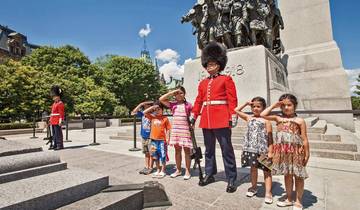
7 days
Eastern Journey (6 nights)
- ✓ Comprehensive Ottawa tour
- ✓ Expert local guides included
- ✓ All accommodation arranged
- ✓ Transportation provided
4 days
Magical Canada In 4 Days: Waterfalls, Islands & Old-World Charm
- ✓ Comprehensive Ottawa tour
- ✓ Expert local guides included
- ✓ All accommodation arranged
- ✓ Transportation provided
Multi-day tour packages powered by TourRadar. Prices and availability subject to change.
Introduction to Ottawa Travel Planning 2026
Ottawa rewards strategic planning more than spontaneous exploration, as seasonal extremes, scattered attraction locations, and event-dependent experiences demand advance coordination for optimal visits. The city operates on distinct seasonal rhythms—summer’s festival calendar concentrates major events within compressed timeframes, winter’s canal skating depends on temperature stability typically January through early March, and spring’s tulip displays peak across narrow two-week windows in mid-May. Understanding these patterns separates frustrating visits marked by closed attractions and unsuitable weather from perfectly timed experiences capturing Ottawa at its seasonal best.
The Canadian capital’s geographical layout spreads attractions across multiple neighborhoods rather than concentrating them in single districts, requiring transit strategy beyond simple walking tours. Parliament Hill anchors downtown’s western edge overlooking the Ottawa River, while the National Gallery occupies the eastern boundary near the Alexandra Bridge to Gatineau. ByWard Market’s cobblestone streets fill the corridor between these landmarks, the Rideau Canal cuts north-south through the city’s heart, and major museums scatter from the Canadian War Museum west of downtown to the Canada Aviation and Space Museum 10 kilometers northeast. This dispersal makes the O-Train light rail system and bus network essential tools rather than optional conveniences, with single-day transit passes at CAD $11 ($8) proving economical for visitors planning three or more trips daily.
Ottawa’s bilingual character shapes visitor interactions differently from other Canadian cities, as the Ottawa River’s political boundary between Ontario and Quebec creates genuine language transition rather than token bilingual signage. Gatineau’s museums, restaurants, and neighborhoods operate primarily in French, while downtown Ottawa merchants switch between English and French based on customer initiation. This linguistic flexibility extends beyond service industries into cultural programming—summer Sound and Light shows on Parliament Hill present in both languages alternating evenings, museum audio guides offer dual-language options, and festival programming includes bilingual performances. Visitors comfortable with basic French phrases enhance their experience without language being essential for navigation or transactions.
The 2026 calendar brings specific advantages for Ottawa visitors through extended O-Train service following Line 1 East Extension opening, expanded free transit programs for youth including weekend and summer complimentary rides, and maintained federal museum free admission periods June 19 through September 7. These infrastructure improvements and access programs reduce daily transportation costs by CAD $8-16 ($6-12) per person for families and young adults, while summer museum access eliminates CAD $60-100 ($45-75) in admission fees across multi-day visits. Understanding how these programs intersect with seasonal weather patterns, accommodation pricing cycles, and festival schedules enables cost-effective planning matching desired experiences with optimal conditions.
Winter travel to Ottawa demands different preparation than other Canadian cities due to extreme cold that regularly pushes temperatures below -20°C (-4°F) with wind chill factors reaching -30°C (-22°F) or lower. These conditions require specialized clothing beyond typical winter wear—thermal base layers, insulated boots rated to -40°C (-40°F), heavy winter coats, face coverings, and insulated gloves become essential equipment rather than optional accessories. However, embracing winter conditions unlocks unique experiences unavailable in warmer months, including skating the 7.8-kilometer Rideau Canal Skateway designated as the world’s largest naturally frozen skating rink, Winterlude’s ice sculpture competitions and snow playgrounds, and cross-country skiing in Gatineau Park where 200 kilometers of groomed trails operate December through March. Visitors properly equipped for cold weather access Ottawa’s winter identity rather than merely enduring uncomfortable conditions.
Budget management in Ottawa benefits from understanding seasonal pricing patterns that extend beyond simple summer-winter differentials. July and August command premium rates for accommodation as Canadian families capitalize on school holidays and international visitors target warm weather, pushing mid-range hotels to CAD $220-280 ($160-200) per night. Shoulder seasons in May-June and September-October reduce these rates by CAD $40-80 ($30-60) while maintaining pleasant weather and full attraction operating hours. Winter months December through February offer deepest discounts at CAD $120-180 ($85-130) for comparable properties, though limited daylight hours, extreme cold, and reduced attraction hours require acceptance of constrained itineraries. However, Winterlude festival in February draws premium pricing spikes around festival weekends, creating brief expensive periods within otherwise discounted winter months. Strategic booking targets non-festival winter weeks or September’s post-Labor Day calm when foliage displays peak but summer crowds dissipate, creating optimal value-to-experience ratios.
Ottawa Public Transportation System 2026
OC Transpo operates Ottawa’s integrated bus and rail network with flat-fare pricing at CAD $4.10 ($3) per ride when using Presto card or CAD $4.15 ($3) cash across all routes and O-Train lines. The system utilizes proof-of-payment validation rather than turnstiles on light rail, requiring passengers to tap Presto cards on platform validators before boarding and retain proof for random inspector checks that impose CAD $240 ($175) fines for fare evasion. Monthly passes cost CAD $138.50 ($100) and become economical after 34 trips monthly, equivalent to 17 round-trip journeys or daily commuting patterns exceeding 12 days. Day passes at CAD $11 ($8) suit tourists planning three or more one-way trips within 24-hour periods, activated upon first use rather than calendar days.
The O-Train’s two operating lines in 2026 provide rapid east-west and north-south connections through central Ottawa, with Line 1 (Confederation Line) running 13 stations from Tunney’s Pasture in the west to Blair in the east, supplemented by the new East Extension to Trim Station adding four additional stops. Trains operate every 5 minutes during peak hours and 10-15 minutes off-peak, covering the full 18-kilometer route in approximately 30 minutes. Line 2 (Trillium Line) connects Bayview Station on Line 1 south to the airport and Limebank neighborhoods, operating diesel-electric trains every 12 minutes peak periods and 15-20 minutes off-peak. This combined network reaches major tourist zones including Parliament Hill (Parliament Station), ByWard Market (Rideau Station), and key museums, with additional bus routes filling gaps in residential and suburban areas.
Presto cards require CAD $4 ($3) purchase at OC Transpo customer service centers, participating Shoppers Drug Mart locations, or Loblaws and Real Canadian Superstore outlets, with online ordering shipping cards within 7-10 business days. Cards must be registered online at prestocard.ca for balance protection against loss or theft, transit usage report access for tax credit claims, and automatic reload functionality. Physical card loading occurs at stations, participating retail outlets, or customer service centers with CAD $10 ($7) minimum loads, while online and phone loading require identical CAD $10 minimums but take 24 hours to appear on cards, necessitating tap at validators or reload machines for activation. Monthly passes load through customer service centers or phone orders, going on sale 14 days before each month and valid only for purchased calendar months.
Children 10 years and under ride all OC Transpo services free without tickets or proof required, simply boarding buses without fare payment or accessing O-Train platforms without tapping. Youth ages 11-17 pay discounted fares through specially configured Presto cards purchased at customer service centers or Shoppers Drug Mart, but Ottawa introduced complimentary transit for all persons under 18 on weekends, statutory holidays, and throughout summer months June through August in 2026. This program eliminates transit costs for families with teenagers during peak tourist seasons, reducing daily transportation budgets by CAD $16-33 ($12-24) for family groups compared to adult fares.
Transfer windows allow 90-105 minutes of unlimited travel depending on time of day, accepting transfers between buses and O-Train lines within this period when tapping the same Presto card. Fares purchased after 10:30 PM receive extended validity until 4:30 AM the following morning, accommodating evening entertainment and nightlife travel. These transfers work across OC Transpo and STO (Société de transport de l’Outaouais) services connecting Ottawa and Gatineau, though debit card and credit card tap payments and Para Transpo mobile wallet transactions exclude STO transfer privileges. Cash payments receive paper transfers from bus drivers valid for the same time periods but requiring physical presentation at transfer points.
Accommodation Strategies Ottawa 2026
Downtown Ottawa accommodation concentrates within walkable distance of Parliament Hill and ByWard Market, creating premium pricing for location convenience while suburban properties 5-10 kilometers from the city center offer CAD $40-80 ($30-60) nightly savings with O-Train and bus access maintaining connection to attractions. The ByWard Market neighborhood provides immediate access to restaurants, nightlife, and morning market vendors, positioning visitors within 800 meters of Parliament Hill, 400 meters of the National Gallery, and surrounded by dining options operating until late evening. Hotels here command CAD $200-320 ($145-230) in summer for mid-range properties, dropping to CAD $140-220 ($100-160) in shoulder seasons. Downtown properties near Parliament Station or Rideau Center offer equivalent access to attractions via O-Train connections while costing CAD $30-60 ($22-45) less nightly than ByWard Market addresses.
Budget travelers find hostel accommodation limited in Ottawa compared to larger Canadian cities, with the few operating properties concentrated downtown and charging CAD $35-60 ($25-45) for dormitory beds in summer months. HI Ottawa Jail Hostel occupies a converted 19th-century prison 1.5 kilometers from Parliament Hill, offering authentic cell accommodations and common areas in the former exercise yard, while private hostels in the ByWard Market vicinity provide conventional dormitory setups with shared bathrooms and communal kitchens. Budget hotel chains including Days Inn, Comfort Inn, and Travelodge operate properties in suburban locations like Vanier and South Keys, pricing CAD $80-140 ($60-100) per room with parking included and O-Train access within 10-minute walks.
Mid-range hotel selection in Ottawa spans international chains and boutique properties differentiated by location and amenities rather than dramatic quality variations. Chains including Holiday Inn, Best Western, and Courtyard by Marriott cluster in downtown corridors and suburban nodes near highway interchanges, offering standard business hotel amenities—fitness centers, breakfast cafeterias, parking at CAD $15-35 ($11-25) daily fees downtown or complimentary in suburbs, and WiFi connectivity. Boutique properties in converted heritage buildings or purpose-built contemporary structures provide distinctive character at comparable pricing, with properties like the Andaz Ottawa ByWard Market featuring rooftop bars with Parliament Hill views, locally-focused design elements, and neighborhood-specific programming that creates memorable stays beyond generic hotel experiences.
Luxury accommodation centers on the Fairmont Château Laurier, Ottawa’s iconic castle-style hotel positioned directly adjacent to Parliament Hill and commanding premium rates CAD $350-650+ ($250-470+) per night for rooms and CAD $500-1,200+ ($360-865+) for suites. The property’s limestone exterior and copper turrets create instantly recognizable skyline presence, while interior renovations maintain historic character through oak-paneled hallways, crystal chandeliers, and period furnishings contrasting with modern room amenities. Alternative luxury includes the Brookstreet Hotel in suburban Kanata offering golf course access and spa facilities, and downtown boutique properties like the Metcalfe Hotel providing intimate service and contemporary design at CAD $280-480 ($200-345) rates below Château Laurier pricing.
Vacation rental apartments through platforms including Airbnb and VRBO provide space and kitchen access for families or extended stays, with one-bedroom units in downtown neighborhoods averaging CAD $120-200 ($85-145) nightly and two-bedroom apartments CAD $180-300 ($130-215). These options become economical for groups of three or more compared to hotel rooms requiring multiple bookings, while kitchen facilities enable breakfast and lunch preparation reducing daily food costs by CAD $30-60 ($22-45) per person. Suburban rentals 10-15 kilometers from downtown reduce rates to CAD $80-150 ($60-110) for equivalent space with parking included and O-Train or bus access within 15-minute walks.
Seasonal booking strategies significantly impact accommodation costs across Ottawa’s dramatic pricing cycles. Summer peak season July-August requires advance booking 3-6 months ahead for optimal selection and rates, as last-minute summer bookings face CAD $60-120 ($45-85) premium pricing and limited availability forcing acceptance of suboptimal locations. Shoulder seasons in May-June and September-October allow booking windows narrowing to 4-8 weeks before arrival while maintaining competitive rates and good selection. Winter months except Winterlude festival periods in late January through mid-February permit flexible booking as short as 1-2 weeks ahead with abundant availability and deepest discounts, though properties may reduce amenities during slow periods including restaurant hours and pool access.
Dining and Food Strategies 2026
ByWard Market functions as Ottawa’s primary food hub, concentrating over 100 restaurants, cafes, food vendors, and specialty shops within a six-block radius of George Street and York Street. The market building itself operates year-round with indoor stalls selling fresh produce, artisan cheeses, baked goods, and prepared foods at prices CAD $5-15 ($4-11) for substantial portions suitable for lunch or casual dinners. Outdoor vendor stalls expand the selection May through October with local farmers, craftspeople, and food artisans creating a bustling marketplace atmosphere, while winter months concentrate activity indoors with reduced vendor counts but maintained daily operations.
BeaverTails pastries represent Ottawa’s signature street food, served from a permanent kiosk in ByWard Market and mobile stands at festivals and skating rinks. These hand-stretched whole wheat dough creations fried and topped with cinnamon sugar, chocolate hazelnut, or maple butter cost CAD $7-10 ($5-7) and provide filling snacks between meals. The tradition began in Ottawa in 1978 and received presidential recognition when Barack Obama purchased BeaverTails during a 2009 visit, leading to creation of the Obama cookie at nearby Le Moulin de Provence bakery—a maple-leaf-shaped shortbread cookie with chocolate glaze that became an enduring local specialty.
Ottawa’s restaurant scene reflects its cultural diversity through neighborhoods specializing in particular cuisines rather than restaurants scattering randomly across the city. Somerset Street West between Bronson Avenue and Preston Street concentrates Vietnamese, Laotian, and Chinese establishments earning the unofficial “Chinatown” designation, with pho restaurants charging CAD $12-18 ($9-13) for substantial bowls and banh mi sandwiches at CAD $6-9 ($4-7) providing economical lunch options. Preston Street’s “Little Italy” corridor features Italian restaurants, cafes, and gelato shops where lunch mains cost CAD $16-26 ($12-19) and dinner entrees CAD $24-38 ($17-27), while Bank Street through the Glebe neighborhood offers upscale casual dining at similar pricing across diverse cuisines.
Casual dining in Ottawa averages CAD $15-25 ($11-18) for lunch mains and CAD $25-40 ($18-30) for dinner entrees at mid-range restaurants, with breakfast at cafe-style establishments costing CAD $12-20 ($9-15) for eggs, pancakes, or breakfast sandwiches with coffee. Chain restaurants including St-Hubert (Quebec-style rotisserie chicken), The Works (gourmet burgers), and Lone Star Texas Grill provide predictable pricing and quality across multiple locations at CAD $18-32 ($13-23) per entree. Fast food maintains Canadian chain representation through Tim Hortons omnipresent coffee and donut shops charging CAD $8-14 ($6-10) for breakfast sandwiches or lunch combos, plus international brands McDonald’s, Subway, and A&W at comparable pricing to other Canadian cities.
Fine dining options elevate Ottawa’s culinary reputation through chef-driven restaurants emphasizing local ingredients and seasonal menus, with establishments like Beckta Dining & Wine and Play Food & Wine earning national recognition. These venues charge CAD $35-60+ ($25-45+) for entrees, recommend wine pairings at CAD $15-30 ($11-22) per glass, and expect 15-20% gratuity on pre-tax totals, creating dinner bills CAD $120-200+ ($85-145+) per person before cocktails or desserts. Prix fixe tasting menus at CAD $85-140+ ($60-100+) provide multi-course chef’s choice progression through seasonal specialties, often representing better value than à la carte ordering while showcasing kitchen creativity.
Market shopping reduces food costs for visitors with accommodation kitchens or seeking picnic supplies, with ByWard Market vendors selling fresh produce at CAD $3-8 ($2-6) per pound, artisan breads CAD $4-8 ($3-6) per loaf, and local cheeses CAD $8-16 ($6-12) per 200-gram portions. Major grocery chains including Loblaws, Metro, and Farm Boy operate throughout Ottawa with conventional supermarket pricing, while specialty shops in ByWard Market and the Glebe offer curated selections of imported goods, local products, and prepared foods at premium pricing. Strategic shopping combines market produce and proteins with staple items from supermarkets, creating meal costs CAD $8-15 ($6-11) per person for home-prepared breakfasts and lunches versus CAD $25-40 ($18-30) at restaurants.
Museum and Attraction Access Strategies 2026
Federal museums in Ottawa participate in free admission programming June 19 through September 7, 2026, eliminating entry fees at the National Gallery of Canada, Canadian Museum of History, Canadian War Museum, Canada Science and Technology Museum, Canada Agriculture and Food Museum, and Canada Aviation and Space Museum. This 11-week window removes CAD $15-20 ($11-15) per person admission charges that accumulate to CAD $60-100+ ($45-75+) across multi-museum itineraries, creating substantial savings for summer visitors. These free admission periods require online booking for timed entry slots at popular institutions including the National Gallery and Museum of History to manage capacity, with reservation systems opening 2-4 weeks before desired visit dates and popular weekend time slots filling rapidly.
The Ottawa Museums Pass provides alternative savings strategies for visitors outside free summer periods or seeking condensed museum exploration within limited timeframes. The pass covers nine institutions including the National Gallery of Canada, Canadian Museum of Nature, Canadian War Museum, Canadian Museum of History, Diefenbunker: Canada’s Cold War Museum, Canada Agriculture and Food Museum, Canada Aviation and Space Museum, Canada Science and Technology Museum, and bilingual cultural programming across venues. One-day passes cost CAD $48 ($35) for adults and CAD $32 ($23) for youth, while three-day passes price CAD $62 ($45) adults and CAD $42 ($30) youth, delivering savings exceeding CAD $40-80 ($30-60) compared to individual admission purchases when visiting 4-6 museums within the validity period.
Individual museum pricing in 2026 ranges CAD $15-20 ($11-15) for adult general admission at major institutions, with discounts for seniors (65+) at CAD $12-16 ($9-12) and youth under 18 at CAD $8-12 ($6-9). Many museums offer free admission Thursday evenings after 5 PM, including the National Gallery of Canada’s extended hours until 8 PM providing three hours of complimentary access to permanent collections though special exhibitions may require paid admission. Canadian Armed Forces members, veterans, and Indigenous peoples receive free admission year-round at federal museums upon presenting identification, while persons with disabilities and one accompanying support person enter free at most venues.
Parliament Hill tours operate free year-round through advance online booking or same-day ticket distribution at the visitor Welcome Building adjacent to the Peace Tower. Guided tours include House of Commons chambers, Senate chamber when not in session, and Library of Parliament’s spectacular Gothic Revival interior with carved pine walls and vaulted ceiling. Tour reservations open 90 days in advance and summer time slots fill 4-8 weeks ahead of visit dates, requiring early booking for July-August travel. Same-day tickets distribute beginning 9 AM from the Welcome Building with limited quantities creating 7-8 AM arrival queues during peak season, while shoulder season availability permits more relaxed timing.
The Rideau Canal provides free access year-round as a UNESCO World Heritage Site, functioning as recreational pathway for cycling, walking, and canal boats in summer months and transforming into the 7.8-kilometer Rideau Canal Skateway in winter. Skating remains free with personal skates, while rental facilities at multiple canal access points including Fifth Avenue, Patterson Creek, and Dow’s Lake charge CAD $20-25 ($15-18) for full-day skate rentals and CAD $10-15 ($7-11) for half-day periods. Canal boats and kayak rentals operate May through October at Dow’s Lake and various launch points, costing CAD $25-40 ($18-30) per hour for pedal boats or kayaks providing unique perspective on Ottawa’s waterway network.
Seasonal Adaptation Strategies 2026
Summer preparation for Ottawa requires sun protection, hydration supplies, and light layering as temperatures reach 27°C (81°F) with humidity creating perceived temperatures 5-8 degrees higher. Museums and indoor attractions provide air conditioning relief from midday heat, while parks including Major’s Hill Park, Confederation Park, and the Experimental Farm offer shaded areas and water fountains. Extended daylight hours with sunset occurring 8:45-9:00 PM in July enable evening outdoor activities after heat dissipates, creating optimal conditions for Parliament Hill Sound and Light shows at 9:30 PM start times and patio dining throughout ByWard Market lasting until 11 PM.
Summer’s festival calendar concentrates major events within compressed timeframes requiring advance accommodation booking and flexible daily scheduling around signature programming. Canada Day on July 1 draws crowds exceeding 500,000 to Parliament Hill and surrounding neighborhoods for free concerts, air show demonstrations, and fireworks displays, creating accommodation scarcity and premium pricing throughout the holiday weekend. The Ottawa Bluesfest runs 10 days in mid-July with evening concerts at LeBreton Flats featuring international headliners and local acts, while the Ottawa International Jazz Festival and RBC Ottawa Dragon Boat Festival occupy sequential weekends through late June adding cultural programming and competitive athletics alongside musical performances.
Fall preparation targets mid-September through October when temperatures range 10-20°C (50-68°F) requiring layered clothing adaptable to daytime warmth and evening chill. Gatineau Park across the river transforms into spectacular color displays with maple, oak, and birch trees creating red, orange, and yellow canopies visible from scenic parkway drives and hiking trails throughout the 361-square-kilometer protected area. The park’s Champlain Lookout provides panoramic views across the Ottawa Valley and requires CAD $12.50 ($9) per vehicle entry fees May through October, while the 50-kilometer network of maintained hiking trails connects lookout points including Pink Lake, Luskville Falls, and King Mountain summit at 335 meters elevation.
Winter demands specialized clothing and equipment preparation for temperatures regularly dropping below -20°C (-4°F) and wind chill factors reaching -30°C (-22°F) or lower. Essential winter gear includes thermal base layers (top and bottom), insulated winter coats rated to -30°C minimum, waterproof insulated boots rated -40°C with thick treaded soles for ice traction, insulated gloves or mittens, warm hats covering ears, and face coverings protecting nose and cheeks from frostbite during extreme cold. Layering systems work more effectively than single heavy garments, allowing adaptation to indoor heating and outdoor extremes by adding or removing mid-layers throughout daily activities.
Winterlude festival in February activates the city’s winter identity through ice sculpture competitions on Confederation Park, snow playground installations with slides and structures along Rideau Canal banks, and evening light displays transforming winter darkness into illuminated wonderland. The festival runs 10 days typically first through second weekends of February, coordinating with canal skating season that operates January through early March depending on ice thickness and weather stability. Skating sessions during Winterlude weekends see highest crowds with vendors selling hot chocolate, BeaverTails pastries, and maple taffy poured onto snow creating instant candy, while weekday skating provides spacious canal access and serene morning conditions for experienced skaters covering the full 7.8-kilometer distance.
Spring’s unpredictable weather patterns from March through May require adaptable packing including rain protection, warm layers for cold mornings, and lighter options for afternoon warmth as temperatures fluctuate 15 degrees daily. The Canadian Tulip Festival transforms Commissioners Park during 10-day mid-May programming celebrating Ottawa’s historic connection to Dutch royalty and featuring over one million tulips across 300,000 bulbs in coordinated color displays. Peak bloom timing varies by 7-10 days annually depending on spring temperatures, with festival organizers monitoring tulip development and announcing optimal viewing periods 2-3 weeks in advance through official channels and social media updates.
Safety and Health Considerations 2026
Ottawa maintains low crime rates compared to other major Canadian cities, with violent crime concentrated in specific neighborhoods distant from tourist zones and property crime rates manageable through standard urban precautions. Downtown areas including Parliament Hill, ByWard Market, and museum districts see regular police presence and maintain safe conditions for walking day and night, though ByWard Market’s evening bar scene creates typical nightlife dynamics including intoxicated individuals and noise after 10 PM. Standard precautions including securing hotel rooms, avoiding displaying expensive electronics conspicuously, and remaining aware of surroundings in evening hours prevent most property crime incidents.
Winter safety concerns center on cold weather injury prevention rather than crime, as frostbite and hypothermia present real risks during extreme cold periods when temperatures drop below -25°C (-13°F) with wind chill factors exceeding -35°C (-31°F). Exposed skin begins frostbite development within 10-30 minutes at these temperatures, requiring complete coverage of face, hands, and any exposed areas. Warning signs include numbness, white or pale skin coloration, and loss of feeling in affected areas, necessitating immediate warming and potential medical attention if symptoms persist after warming. Ottawa’s extensive indoor pathway connections through downtown shopping complexes and underground pedways enable cold weather navigation minimizing outdoor exposure, while the O-Train system provides enclosed stations and climate-controlled trains eliminating prolonged platform waiting.
Canada’s universal healthcare system provides emergency medical services through hospital emergency departments and walk-in clinics, though international visitors require travel health insurance as medical services bill non-residents at full unsubsidized rates exceeding CAD $1,000 ($720) for basic emergency visits and significantly higher for complex treatments or hospitalizations. The Ottawa Hospital operates three campuses providing emergency services, while numerous walk-in clinics throughout the city treat minor ailments, infections, and injuries at CAD $80-150 ($60-110) for basic consultations plus additional fees for tests, procedures, or prescriptions. Pharmacies including Shoppers Drug Mart, Rexall, and Jean Coutu locations operate extended hours with pharmacists providing over-the-counter medication guidance and filling prescriptions from Canadian physicians.
Drinking water quality in Ottawa meets federal safety standards and flows directly from municipal taps suitable for consumption without filtration or boiling. The Ottawa River serves as water source with treatment facilities removing contaminants and adding chlorine for bacterial control, creating tap water that tastes clean without strong chemical flavors common in heavily chlorinated systems. Bottled water purchases prove unnecessary for health reasons though travelers preferring bottled water find standard brands widely available at CAD $2-4 ($1.50-3) per liter in convenience stores and supermarkets.
Air quality in Ottawa ranks among Canada’s best with minimal industrial pollution and strict vehicle emissions regulations maintaining clean atmospheric conditions year-round. Seasonal variations include spring pollen counts affecting allergy sufferers from mid-April through June, with tree pollen peaking late April through May and grass pollen continuing into early summer. Winter months see occasional air quality advisories during extreme cold when wood smoke from residential heating accumulates in still air conditions, though these advisories occur infrequently and resolve within 24-48 hours as weather patterns shift.
Money and Banking Practicalities 2026
Canadian dollar pricing in Ottawa requires currency exchange for international visitors, with rates fluctuating but typically maintaining CAD 1 = USD 0.72-0.75 creating favorable conditions for American travelers. Major banks including TD Canada Trust, RBC Royal Bank, Scotiabank, and CIBC operate throughout Ottawa with ATMs accepting international cards and dispensing Canadian currency at competitive exchange rates plus CAD $3-5 ($2-4) transaction fees. Credit card payments using Visa, Mastercard, or American Express prove widely accepted at restaurants, hotels, attractions, and most retail establishments with currency conversion occurring at card network rates typically more favorable than currency exchange kiosks but including foreign transaction fees 2.5-3% unless cards waive these charges.
Tipping expectations in Ottawa follow Canadian service industry standards of 15-20% for restaurant table service calculated on pre-tax bills, with 15% representing adequate service, 18% good service, and 20% excellent service. Many restaurants now present payment terminals with suggested tip percentages calculated on after-tax totals, inflating gratuity amounts by the combined federal and provincial sales tax of 13% in Ontario. Careful diners calculate tips on pre-tax amounts or adjust suggested percentages downward compensating for tax inclusion. Bar service expects CAD $1-2 ($0.75-1.50) per drink for bartender tips, hotel porters receive CAD $2-5 ($1.50-4) per bag, and taxi drivers receive 10-15% of metered fares.
Sales taxes in Ontario combine federal Goods and Services Tax at 5% with Provincial Sales Tax at 8% into Harmonized Sales Tax totaling 13% applied to most goods and services. Restaurant meals, hotel accommodation, retail purchases, and admission tickets display prices before tax with HST added at payment, requiring mental calculation adding 13% to posted prices for actual costs. Some items including basic groceries, prescription medications, and children’s clothing receive tax exemptions, while alcohol purchases at provincial LCBO liquor stores already include taxes in shelf prices eliminating calculation requirements.
Currency denominations in Canada include coins for CAD $2 (toonie), CAD $1 (loonie), 25 cents (quarter), 10 cents (dime), and 5 cents (nickel), with bills in CAD $5 (blue), CAD $10 (purple), CAD $20 (green), CAD $50 (red), and CAD $100 (brown). The $1 and $2 coins create heavier pocket change than American currency, while Canada eliminated pennies in 2013 requiring cash transaction rounding to nearest 5 cents though credit card transactions calculate exact amounts. Colorful polymer bills include transparent windows and metallic elements preventing counterfeiting while proving more durable than paper currency and surviving washing machine encounters without damage.
Communication and Connectivity 2026
Mobile phone service in Ottawa operates on compatible frequencies with American networks enabling roaming for U.S. visitors, though international roaming charges reach CAD $10-15 ($7-11) per day or higher depending on carrier plans. Canadian providers including Rogers, Bell, and Telus offer prepaid SIM cards for unlocked phones at CAD $40-60 ($30-45) providing 5-10 GB data and unlimited Canadian calling for 30-day periods, creating economical options for extended stays or data-intensive usage. These prepaid plans purchase at carrier retail locations throughout Ottawa including shopping centers and standalone stores, with activation requiring passport identification and completing simple registration processes.
Free WiFi connectivity reaches most public spaces in Ottawa through municipal networks and business providers, including Ottawa Public Library branches offering high-speed connections without registration requirements, Bridgehead and Starbucks cafes providing access to purchasing customers, and Parliament Visitor Welcome Building enabling connectivity for tour participants. Hotels include WiFi as standard amenity ranging from basic connectivity sufficient for email and browsing at budget properties to high-speed business-grade connections at upscale hotels supporting video calls and large file transfers. Downtown shopping complexes including Rideau Centre and Bayshore Shopping Centre provide free WiFi throughout their premises, while O-Train stations began rolling out connectivity in 2026 enabling connection while waiting for trains.
International calling from Canadian phones to home countries requires understanding country codes and dialing prefixes, with calls to United States requiring 1 + area code + number matching Canadian domestic dialing, while European and Asian destinations need 011 + country code + number. WhatsApp, Skype, FaceTime, and similar internet-based calling services function over WiFi connections without international charges, providing cost-free communication options when connected to hotel WiFi or cafe networks. Prepaid international calling cards sold at convenience stores offer per-minute rates for landline calling at CAD $0.02-0.10 ($0.015-0.075) per minute depending on destination countries.
Special Considerations for Families 2026
Ottawa’s family-friendly infrastructure includes stroller accessibility at major attractions, nursing rooms at museums and shopping centers, and children’s programming at cultural institutions creating welcoming conditions for parents traveling with infants and toddlers. The Canadian Museum of Nature features hands-on galleries where children touch fossils, explore mineral exhibits, and interact with live insect displays, while the Canada Agriculture and Food Museum enables farm animal encounters, tractor demonstrations, and seasonal activities including maple syrup production in early spring. These tactile experiences engage children more effectively than traditional look-don’t-touch museum formats, maintaining attention spans and creating educational entertainment.
Complimentary transit for children 10 and under plus free weekend and summer rides for teens through age 17 eliminates transportation costs for families in 2026, reducing daily budgets by CAD $16-33 ($12-24) for groups with multiple children compared to adult fare requirements. Stroller access on buses proves straightforward through front-door wheelchair ramps and designated stroller parking areas, while O-Train stations include elevators at all stops enabling stroller navigation without lifting or folding. These accessibility features extend to attraction entrances where ramps and elevators provide barrier-free access, though some heritage buildings including Parliament Hill structures retain historic staircases requiring navigation planning or assistance requests.
Child care resources in Ottawa remain limited for tourists lacking local connections, though some hotels including the Fairmont Château Laurier and Brookstreet Hotel maintain relationships with bonded childcare services providing in-room babysitting at CAD $18-25 ($13-18) per hour with 3-4 hour minimums. These services require advance booking 48-72 hours before desired care periods and increase rates for multiple children or evening hours past 9 PM. Parents seeking evening adult dining or activities typically structure itineraries allowing child participation during daytime hours and limiting evening programs to after children’s bedtime or utilizing hotel room space for sleeping children while adults take turns enjoying brief solo outings.
Accessibility Considerations 2026
Wheelchair accessibility in Ottawa meets Canadian federal standards requiring barrier-free access to public buildings, transit systems, and federally regulated spaces including Parliament Hill, national museums, and government facilities. The O-Train system includes elevators at all stations, level boarding platforms matching train floor heights, designated wheelchair spaces in each car, and audio-visual announcements indicating upcoming stops. Buses feature front-door wheelchair ramps deploying at bus stops, designated wheelchair securing areas with restraint systems, and priority seating near front exits. OC Transpo’s Para Transpo service provides door-to-door transportation for persons unable to use conventional transit due to disabilities, operating advance-booking shared-ride system at conventional OC Transpo fare rates plus CAD $2.75 ($2) top-up charge.
Museums and cultural institutions maintain accessibility beyond minimum regulatory requirements, providing wheelchair loans at admission desks, accessible washrooms on all public floors, and tactile exhibits or audio descriptions enhancing experiences for visitors with visual impairments. The National Gallery of Canada offers touch tours allowing blind and low-vision visitors to experience sculpture collections through guided tactile exploration, while the Canadian Museum of History provides ASL interpretation for guided tours booked 2-3 weeks in advance. These enhanced accessibility programs demonstrate cultural sector commitment to inclusive experiences rather than mere compliance with disability regulations.
Sidewalk and pathway conditions in Ottawa create mixed accessibility experiences, with downtown core maintaining well-maintained concrete surfaces featuring curb cuts at intersections but heritage districts including ByWard Market retaining cobblestone streets challenging for wheelchair users and creating obstacles for walkers with mobility impairments. Winter ice and snow conditions compound navigation difficulties, though main pedestrian corridors receive priority snow clearing and salting treatment maintaining access during winter months while secondary pathways may accumulate ice creating hazardous surfaces. Underground pedway connections through downtown shopping complexes provide climate-controlled barrier-free routes avoiding winter sidewalk challenges, connecting Parliament Hill area through Rideau Centre to eastern downtown neighborhoods.
Language and Cultural Navigation 2026
Ottawa’s official bilingualism creates genuine French-English language environments rather than token bilingual signage, with approximately 37% of Ottawa residents claiming French as their first language and federal government employment requiring bilingual capacity for many positions. Service sector workers in downtown restaurants, hotels, and attractions typically switch between languages based on customer initiation, responding to French greetings in French and English openings in English without customer requests. This flexibility extends to museum programming where audio guides, signage, and docent tours operate in both official languages, and restaurant menus present French and English columns or dual-language descriptions.
English-only visitors navigate Ottawa without language barriers in most tourist contexts, as service sector training emphasizes English proficiency and major attractions maintain English-language operations as minimum standards. However, basic French phrases including “bonjour” (hello), “merci” (thank you), “s’il vous plaît” (please), and “parlez-vous anglais?” (do you speak English?) demonstrate cultural respect and receive appreciative responses from francophones. Many Quebecois and Franco-Ontarian service workers appreciate English speakers attempting French greetings even when switching to English for substantive conversations, creating positive interpersonal dynamics beyond transactional exchanges.
Gatineau neighborhoods across the Ottawa River operate predominantly in French with service sector French fluency expectations exceeding English capability, creating authentic French-language environments within 10-minute drives from downtown Ottawa. The Canadian Museum of History, located in Gatineau, maintains full bilingual operations with English-speaking staff and signage accommodating international visitors, though surrounding restaurants and shops expect French communication or patient English attempts. This linguistic geography enables English visitors seeking French immersion experiences to cross the river while maintaining downtown Ottawa English-language comfort for those preferring familiar communication patterns.
Extended Day Trip Opportunities 2026
Gatineau Park’s 361 square kilometers of protected wilderness begins 10 kilometers north of downtown Ottawa, offering hiking trails, beaches, lakes, and scenic lookouts accessible via 30-minute drives from Parliament Hill. The park operates CAD $12.50 ($9) per vehicle day-use fees May through October collected at entrance gates, with over 165 kilometers of hiking trails ranging from 30-minute nature walks to full-day ridge traverses. Popular destinations include Pink Lake’s unique meromictic waters preventing seasonal mixing and creating distinct chemical layers visible through turquoise coloration, Luskville Falls cascading 60 meters down Eardley Escarpment with hiking trails to summit views, and Champlain Lookout providing panoramic vistas across Ottawa Valley spanning 30 kilometers.
Kingston’s historic limestone waterfront lies 200 kilometers southwest of Ottawa via Highway 416 and Highway 401, creating 2-2.5 hour drives to explore Fort Henry’s military fortifications, Kingston Penitentiary Tours through Canada’s most infamous former prison, and 1000 Islands cruise departures navigating St. Lawrence River archipelago. Day trips from Ottawa enable 4-5 hours of Kingston exploration including fort tours, waterfront dining, and downtown historic district walks before return drives, though overnight stays permit more relaxed itineraries and sunset cruise experiences departing 7-8 PM during summer months.
Montreal’s cosmopolitan energy and French-Canadian culture sits 200 kilometers east via Highway 417 and Highway 40, creating 2-2.5 hour drives to Old Montreal’s cobblestone streets, Notre-Dame Basilica’s Gothic Revival interior, and Mount Royal’s urban forest overlooking downtown skyline. Day trip feasibility depends on interest intensity, with focused itineraries concentrating on Old Montreal and waterfront enabling satisfying 6-7 hour visits before return drives, while comprehensive Montreal experiences including Plateau Mont-Royal neighborhood exploration, Jean-Talon Market visits, and multiple museum stops require overnight accommodation.
Omega Park’s drive-through wildlife reserve 80 kilometers northwest of Ottawa in Montebello showcases Canadian animals including elk, bison, black bears, wolves, and wild boar across 1,500 acres of natural habitat. The one-way 12-kilometer driving route requires 90-120 minutes at controlled speeds enabling wildlife observation and photography, with animals approaching vehicles creating close-encounter experiences particularly during feeding times. Admission costs CAD $30 ($22) for adults and CAD $18 ($13) for children ages 2-14, with annual passes at CAD $85 ($61) becoming economical for two-visit thresholds. The park operates year-round though winter visits November through March see reduced animal activity and some species in winter dens.
Frequently Asked Questions About Ottawa Travel 2026
Do I Need a Car to Visit Ottawa?
Most visitors explore Ottawa effectively without personal vehicles using OC Transpo’s integrated bus and O-Train network connecting major attractions, hotels, and neighborhoods at CAD $4.10 ($3) per ride or CAD $138.50 ($100) monthly unlimited passes. Downtown Ottawa concentrates Parliament Hill, ByWard Market, National Gallery, and multiple museums within 2-kilometer radius enabling extensive walking between sites, while the O-Train Line 1 extends access to western suburbs, airport connections via Line 2, and eastern neighborhoods through the 2026 East Extension to Trim Station. Rental cars become advantageous for day trips to Gatineau Park, Kingston, or Montreal requiring 30-minute to 3-hour drives on highways without practical public transit alternatives, or for travelers prioritizing convenience over cost savings when comparing CAD $60-100 ($45-75) daily rental rates against CAD $8-16 ($6-12) public transit costs for two people.
What Should I Pack for Ottawa in Different Seasons?
Summer packing for Ottawa requires lightweight clothing for 23-27°C (73-81°F) temperatures, sun protection including hats and sunscreen, comfortable walking shoes for museum and neighborhood exploration, light rain jacket for occasional summer storms, and one warmer layer for air-conditioned museums and evening temperature drops to 15°C (59°F). Winter demands extreme cold preparation with thermal base layers top and bottom, heavy winter coat rated -30°C minimum, waterproof insulated boots rated -40°C, warm hat covering ears, insulated gloves or mittens, and face covering protecting nose and cheeks from frostbite when temperatures drop below -20°C (-4°F) with wind chill factors reaching -30°C (-22°F). Spring and fall require adaptable layering systems combining t-shirts, long-sleeve shirts, sweaters, and waterproof jacket accommodating 10-20°C (50-68°F) daytime temperatures with morning and evening chill, plus umbrella or rain protection for frequent precipitation during these transition seasons.
How Much French Do I Need to Know?
English-speaking visitors navigate Ottawa comfortably without French language skills, as downtown tourist areas, major attractions, hotels, and most restaurants maintain English-speaking staff and bilingual signage accommodating international visitors. Basic French courtesies including “bonjour” (hello), “merci” (thank you), “s’il vous plaît” (please), “parlez-vous anglais?” (do you speak English?), and “l’addition s’il vous plaît” (the bill please) demonstrate cultural respect and receive appreciative responses but remain optional rather than essential for successful navigation. Visitors crossing into Gatineau for the Canadian Museum of History encounter more French-dominant environments where staff maintain bilingual capability but surrounding restaurants and shops operate primarily in French, creating authentic language immersion opportunities for those seeking French practice while maintaining English fallback options. Mobile translation apps including Google Translate provide real-time text and spoken translation assistance for menu reading or basic communication in French-preferring establishments.
Are Ottawa’s Museums Worth the Admission Costs?
Ottawa’s national museums deliver exceptional value through comprehensive collections, engaging exhibitions, and free admission periods June 19 through September 7 annually eliminating CAD $15-20 ($11-15) standard entry fees for three summer months. The National Gallery of Canada houses the world’s most comprehensive Canadian and Indigenous art collections including works from the Group of Seven, contemporary Indigenous artists, and European masters from medieval through modern periods across galleries designed by architect Moshe Safdie, while the Canadian Museum of History presents 15,000 years of Canadian social and cultural development through the world’s largest indoor collection of totem poles and immersive exhibition programming. Free Thursday evening access after 5 PM at select museums, Ottawa Museums Pass savings of CAD $40-80 ($30-60) across multi-museum itineraries, and exceptional permanent collection quality justify admission costs outside free periods for visitors prioritizing cultural experiences. Budget-conscious travelers timing visits during free summer admission periods access identical museum experiences at zero cost, requiring only advance booking for timed entry slots released 2-4 weeks before visit dates.
Is Ottawa Safe for Solo Travelers?
Ottawa maintains low crime rates and safe conditions for solo travelers across downtown tourist zones, with violent crime concentrated in specific residential neighborhoods distant from visitor areas and property crime rates manageable through standard urban precautions including securing hotel rooms, avoiding displaying expensive electronics conspicuously, and maintaining awareness in evening hours. Solo female travelers report comfortable experiences walking downtown evenings including ByWard Market’s restaurant and bar districts where crowds and lighting create safe conditions, though late-night travel after midnight when establishments close and streets empty warrants increased caution or taxi usage rather than extended walking. The city’s extensive public transit network enables safe solo navigation during operating hours 5:30 AM through 12:30 AM on major routes, with well-lit O-Train stations and platforms monitored by security cameras and occasional special constable presence. Solo travelers enhance safety through standard practices including sharing itineraries with home contacts, maintaining charged mobile phones, avoiding isolated areas late evening, and trusting instincts about uncomfortable situations while recognizing Ottawa’s generally welcoming and secure environment.
Can I Visit Ottawa on a Budget in 2026?
Budget travelers maintain daily costs CAD $60-90 ($45-65) per person in Ottawa through strategic choices including hostel dormitory accommodation CAD $28-48 ($20-35) nightly or budget hotel shares dividing CAD $80-120 ($60-85) rooms between two travelers, meals emphasizing ByWard Market vendors and grocery shopping at CAD $20-30 ($15-22) daily, public transit utilizing day passes at CAD $11 ($8) for multiple trips, and free attraction prioritization including Parliament Hill grounds and tours, Rideau Canal access, Major’s Hill Park, and summer museum free admission periods June 19-September 7. Money-saving strategies maximizing budget effectiveness include visiting during shoulder seasons May-June or September-October when hotel rates drop CAD $40-80 ($30-60) below summer peaks while maintaining pleasant weather and full attraction hours, purchasing groceries for self-prepared breakfasts and picnic lunches reducing meal costs by CAD $15-25 ($11-18) daily, and walking between downtown attractions concentrating within 2-kilometer radius eliminating multiple transit fares. The combination of free major attractions, efficient public transit, affordable casual dining options including CAD $12-18 ($9-13) ethnic restaurant meals on Somerset Street or Preston Street, and summer museum access creates genuine budget travel viability in Ottawa matching or improving upon costs in Montreal while delivering richer museum experiences than Calgary or Vancouver at equivalent budgets.
What’s the Best Way to Experience the Rideau Canal?
Winter skating on the Rideau Canal Skateway between January and early March weather permitting provides Ottawa’s most distinctive experience, creating the world’s largest naturally frozen skating rink spanning 7.8 kilometers from downtown to Dow’s Lake with free access for personal skate users or CAD $20-25 ($15-18) full-day rentals at multiple canal access points. Optimal skating occurs weekday mornings 8-11 AM when fresh ice resurfacing creates smooth conditions and crowds remain minimal, allowing experienced skaters to cover the full canal length in 45-90 minutes while leisurely skaters spend 2-3 hours with vendor stops for hot chocolate, BeaverTails pastries, and maple taffy on snow. Summer canal experiences shift to cycling the adjacent recreational pathway running parallel to water between downtown and southern suburbs, kayaking or canal boat rentals at CAD $25-40 ($18-30) per hour from Dow’s Lake and central access points, or walking the pathway observing pleasure boats navigating historic locks and enjoying waterfront cafes and parkland access points. The canal maintains year-round appeal as UNESCO World Heritage Site recognizing its 19th-century engineering achievement and continuing role in Ottawa’s recreational infrastructure, with each season offering distinct engagement methods from winter skating to summer paddling.
Should I Stay in Downtown Ottawa or Suburbs in 2026?
Downtown accommodation within walking distance of Parliament Hill and ByWard Market maximizes convenience for attraction access, evening restaurant and entertainment options, and efficient itinerary timing while commanding premium rates CAD $180-280 ($130-200) in summer for mid-range hotels, though savings materialize in eliminated rental car costs and reduced transit expenses when attractions sit within 800-meter to 2-kilometer walking distances. Suburban properties 5-10 kilometers from city center in areas including South Keys, Barrhaven, or Vanier reduce accommodation costs by CAD $40-80 ($30-60) nightly with free parking included and O-Train or bus connections maintaining attraction access within 25-35 minute transit rides at CAD $4.10 ($3) per person each direction. The optimal choice balances trip duration, mobility preferences, and budget priorities—short 2-3 day visits benefit from downtown positioning concentrating limited time on experiences rather than transit navigation, while extended 5-7 day stays and car rental plans enable suburban lodging savings accumulating to CAD $200-400 ($145-290) across week-long visits offsetting rental vehicle costs. Business travelers and convention attendees prioritize downtown proximity to meeting venues and after-hours networking options, while families seeking larger rooms, parking convenience, and kitchen facilities for breakfast preparation find suburban vacation rentals or extended-stay properties delivering better value than compact downtown hotel rooms at premium rates.
What Are the Must-Try Ottawa Foods in 2026?
BeaverTails pastries represent Ottawa’s signature street food created locally in 1978 and consisting of hand-stretched whole wheat dough fried and topped with cinnamon sugar, chocolate hazelnut, maple butter, or seasonal flavors available at the permanent ByWard Market kiosk and mobile stands at festivals and skating rinks for CAD $7-10 ($5-7). Poutine reaches its Quebec-influenced pinnacle in Ottawa through restaurants including Smoke’s Poutinerie and local establishments serving fresh-cut fries topped with cheese curds and gravy variations ranging from traditional brown gravy to creative interpretations incorporating pulled pork, smoked meat, or vegetarian mushroom gravies at CAD $10-16 ($7-12) for substantial portions. Shawarma has achieved unexpected Ottawa prominence through Lebanese immigration creating concentrated shawarma restaurants along Rideau Street and in neighborhoods throughout the city, with establishments including Shawarma Palace and competing operations serving chicken or beef wraps at CAD $8-12 ($6-9) earning local cult followings and late-night post-bar patronage. Ottawa Valley’s agricultural heritage manifests through ByWard Market vendors selling local cheeses, maple products, and seasonal produce including corn, apples, and pumpkins, while craft breweries including Tooth and Nail Brewing Concern, Big Rig Brewery, and Beyond the Pale Brewing Company create local beer culture accessible through brewery taprooms and restaurant taps across the city. The Obama cookie at Le Moulin de Provence bakery in ByWard Market commemorates Barack Obama’s 2009 visit when he purchased BeaverTails, creating a maple-leaf-shaped chocolate-glazed shortbread cookie at CAD $4-5 ($3-4) becoming an edible souvenir and local specialty achieving presidential association unusual among bakery items.
How Do I Get from Ottawa Airport to Downtown in 2026?
The O-Train Line 2 Trillium Line provides direct rail connection between Ottawa MacDonald-Cartier International Airport and downtown Ottawa’s Bayview Station on Line 1, operating every 12 minutes during peak periods and 15-20 minutes off-peak with the complete 15-kilometer journey requiring approximately 22 minutes and costing CAD $4.10 ($3) with Presto card or CAD $4.15 cash. Bayview Station enables transfers to Line 1 for westbound travel toward Tunney’s Pasture or eastbound to Blair and 2026’s new East Extension to Trim Station, creating seamless connections to downtown hotels, Parliament Hill area, and eastern neighborhoods without surface street navigation or transfer timing concerns. Taxis from airport to downtown hotels cost fixed rates approximately CAD $35-45 ($25-32) depending on final destination and time of day, with Uber and Lyft rideshare services offering comparable or slightly lower pricing CAD $30-40 ($22-30) during normal demand periods but surge pricing potentially doubling costs during peak arrival times or severe weather. Airport rental car facilities operate on-site through major agencies including Enterprise, Hertz, Budget, and National with daily rates CAD $60-100 ($45-75) depending on vehicle class and advance booking, creating economical options for travelers planning day trips to Gatineau Park, Kingston, or Montreal requiring personal vehicles while proving expensive compared to public transit for downtown-only itineraries when adding parking costs CAD $15-35 ($11-25) daily at downtown hotels.