
Ottawa Museums & Galleries 2026: Complete Cultural Guide
Canada’s capital houses one of North America’s richest concentrations of national museums and galleries, offering visitors exceptional access to collections spanning art, history, science, war, nature, and aviation. With strategic museum passes reducing costs by over 60%, free admission windows throughout the week, and a Summer 2026 nationwide initiative providing complimentary entry to major institutions, Ottawa delivers world-class cultural experiences at budget-friendly prices across neighborhoods from Parliament Hill to Gatineau.
Key Takeaways: Ottawa Museums & Galleries 2026
- Budget Planning 2026: Expect CAD 50-75 ($37-55) per person daily for mid-range museum visits including three museums with admission, meals, and local transport, assuming two people sharing hotel accommodation (CAD 90-140 per person). Strategic use of the Ottawa Museums Pass brings this down to approximately CAD 40-55 ($30-40) per person daily.
- Ottawa Museums Pass Value 2026: The three-day pass costs CAD 30 ($22) with promotional codes versus CAD 240-285 ($175-210) buying individual tickets to the same nine institutions. This represents a 63% savings for comprehensive museum exploration.
- Free Admission Strategies 2026: National Gallery and Canadian Museum of Nature offer free entry Thursday evenings 5-8pm, while Canada Science and Technology Museum provides free daily admission 4-5pm. The Summer 2026 Canada Strong Pass initiative (June 19-September 7) grants free or reduced admission to all national museums.
- Always-Free Cultural Venues: Ottawa Art Gallery maintains permanent free admission year-round with four floors of contemporary and historical exhibitions, while City Hall Art Gallery and Karsh-Masson Gallery provide complimentary access to rotating professional artist exhibitions daily.
- Major Museum Cluster 2026: Seven of Ottawa’s nine major museums are located within a 3-kilometer radius between Parliament Hill and Experimental Farm, allowing visitors to efficiently explore multiple institutions via a single CAD 4 ($3) transit day pass or walkable distances.
- Specialized Collections 2026: Beyond headline institutions, Ottawa features niche museums including the Diefenbunker Cold War Museum (underground nuclear bunker tour CAD 18-20 / $13-15), Cumberland Heritage Village Museum (1920s-era living history), and the Canadian Museum of History’s Canadian Children’s Museum (interactive cultural exhibits specifically designed for families).
People Also Ask About Ottawa Museums & Galleries 2026
How much does it cost to visit Ottawa museums in 2026?
Individual museum admission in Ottawa ranges CAD 12-24 ($9-18) per adult depending on the institution, with the Canadian Museum of History and Canadian Museum of Nature at the upper end (CAD 17-24 / $12-18) and smaller specialized museums like the Canada Agriculture and Food Museum at the lower end (CAD 12.25-14.50 / $9-11). The strategic investment is the Ottawa Museums Pass at CAD 30 ($22) for three days with promotional codes, providing one-time admission to nine major museums and representing 63% savings versus individual tickets. Children’s admission typically costs 30-50% less than adult prices, with many museums offering free entry for children under 3.
What museums in Ottawa have free admission in 2026?
Ottawa Art Gallery maintains permanent free admission year-round as the city’s flagship free cultural venue, while City Hall Art Gallery and Karsh-Masson Gallery at Ottawa City Hall also offer complimentary access daily 9am-5pm. For timed free admission, the National Gallery of Canada and Canadian Museum of Nature provide free entry every Thursday evening 5-8pm (reservation required), and the Canada Science and Technology Museum offers free daily admission 4-5pm. The Summer 2026 Canada Strong Pass initiative (June 19-September 7) extends free or reduced admission to all seven national museums for an 11-week period.
Is the Ottawa Museums Pass worth it in 2026?
The Ottawa Museums Pass delivers exceptional value for visitors planning to see three or more museums. At CAD 30 ($22) for the three-day pass with promotional codes versus CAD 80 ($59) regular adult pricing, the pass pays for itself after visiting just two major museums like the Canadian Museum of History (CAD 17-24) and National Gallery (CAD 12-16). Visiting all nine included museums would cost CAD 120-150 ($88-110) individually, making the pass a 63-75% savings. The pass activates on first use and remains valid for 72 consecutive hours, allowing strategic planning across multiple days while maintaining flexibility for free Thursday evening windows at participating museums.
How many days do you need for Ottawa museums in 2026?
A comprehensive Ottawa museum experience requires 3-5 days depending on depth of interest. Casual visitors covering highlights (Canadian Museum of History, National Gallery, Canadian War Museum, Canadian Museum of Nature) comfortably accomplish this in 3 days spending 2-3 hours per museum. Dedicated museum enthusiasts exploring all nine major institutions plus specialized venues require 5-7 days, especially when incorporating the Canadian Children’s Museum, Diefenbunker, and Ingenium’s three technology/aviation/agriculture museums. The Ottawa Museums Pass three-day validity period aligns perfectly with the 3-day itinerary, while longer stays benefit from combining the pass with strategic free admission windows and always-free venues like Ottawa Art Gallery.
Extended multi-day tours – 5+ days
Featured Ottawa Multi-Day Tour Packages
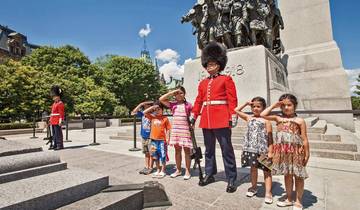
7 days
Eastern Journey (6 nights)
- ✓ Comprehensive Ottawa tour
- ✓ Expert local guides included
- ✓ All accommodation arranged
- ✓ Transportation provided
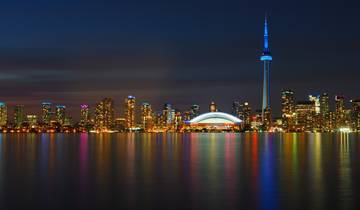
4 days
Magical Canada In 4 Days: Waterfalls, Islands & Old-World Charm
- ✓ Comprehensive Ottawa tour
- ✓ Expert local guides included
- ✓ All accommodation arranged
- ✓ Transportation provided
Multi-day tour packages powered by TourRadar. Prices and availability subject to change.
Introduction to Ottawa Museums & Galleries 2026
Ottawa functions as Canada’s primary cultural repository with the world’s highest concentration of national museums outside Washington DC, housing over 60 million artifacts across seven major national institutions plus 15+ specialized museums and galleries. The capital’s museum landscape divides into three distinct geographic clusters: the Parliament Hill cultural corridor (National Gallery, Canadian War Museum, Canadian Museum of History), the southeastern Ingenium triangle (Science and Technology, Aviation and Space, Agriculture and Food museums), and specialized outlying venues including the Diefenbunker underground bunker and Cumberland Heritage Village living history museum.
Unlike Toronto’s decentralized museum network or Montreal’s commercial admission pricing, Ottawa’s federally-funded national museums operate on a unique access model combining reasonable daily admission (CAD 12-24) with extensive free access windows, promotional passes offering 60%+ discounts, and the annual Summer 2026 nationwide free admission initiative. This structure makes Ottawa Canada’s most budget-accessible major museum destination while maintaining collection quality rivaling the Smithsonian, British Museum, and Louvre networks.
The 2026 planning environment features two significant advantages: the Ottawa Museums Pass promotional pricing at CAD 30 for three-day access (versus CAD 80 regular pricing), and the confirmed June 19-September 7 Canada Strong Pass initiative providing free admission to all national museums during peak summer tourism season. Strategic visitors combining these programs with weekly free admission windows (Thursday evenings at National Gallery and Canadian Museum of Nature, daily 4-5pm at Science and Technology Museum) can experience Ottawa’s entire museum network at 70-80% below standard costs.
Museum quality spans UNESCO-caliber institutions (Canadian Museum of History with its 40,000-artifact First Peoples Hall), specialized world-class collections (Canadian War Museum ranking as the planet’s fourth-largest military history repository), and unique cultural offerings unavailable elsewhere (Diefenbunker as North America’s only publicly-accessible Cold War governmental bunker). This guide provides comprehensive 2026 admission pricing, strategic visit planning to maximize free windows and museum passes, detailed institution-by-institution coverage of permanent and special exhibitions, daily budget calculations for different traveler profiles, and insider strategies for efficient multi-museum itineraries across Ottawa’s compact cultural geography.
Major Museums Admission Prices 2026
Understanding current admission pricing across Ottawa’s museum network enables strategic budgeting and pass purchase decisions. Individual ticket costs for adults at major institutions in 2026 are listed below, with all prices requiring verification on official websites as rates may vary seasonally and for special exhibitions.
National Museums Standard Admission 2026
Canadian Museum of History charges CAD 17-24 ($12-18) for adult admission including access to permanent galleries, the Canadian Children’s Museum, and most temporary exhibitions. The Canadian Museum of Nature operates at the same CAD 19-24 ($14-18) tier with adult tickets including all seven permanent galleries plus seasonal special exhibitions like the popular Butterflies in Flight experience (included in daytime admission 9:30am-4pm or 5pm depending on season). Canadian War Museum admission costs CAD 15 ($11) for adults and CAD 9 ($7) for children ages 3-12, representing the mid-range national museum pricing tier.
National Gallery of Canada offers tiered pricing with online purchase discounts of CAD 3 ($2) off walk-up rates. Standard adult admission ranges CAD 12-16 ($9-12) depending on included special exhibitions, with permanent collection access at the lower rate and comprehensive tickets including major temporary shows at the upper end. The Gallery maintains the most generous free admission window among Ottawa museums at Thursday evenings 5-8pm year-round.
Ingenium Museum Network Pricing 2026
The three Ingenium museums (Canada Science and Technology Museum, Canada Aviation and Space Museum, Canada Agriculture and Food Museum) operate on coordinated pricing with adult admission CAD 12.25-19 ($9-14) depending on institution size and special programming. Science and Technology Museum anchors the upper range at CAD 12.25-19, Aviation and Space Museum operates at CAD 11.50-16.75 ($8-12), and Agriculture and Food Museum prices at CAD 12.25-14.50 ($9-11). All three Ingenium museums provide daily free admission 4-5pm as a consistent access window for budget-conscious visitors.
Family pricing at Ingenium museums typically costs CAD 30-50 ($22-37) for two adults plus two children, representing approximately 25-30% savings versus individual tickets. CAA/BCAA/AMA members receive 15-25% discounts at most national museums including the Canadian Museum of Nature and Ingenium network institutions when presenting valid membership cards at ticket purchase.
Specialized Museum Admission 2026
Diefenbunker: Canada’s Cold War Museum charges CAD 18-20 ($13-15) for adult admission to the four-story underground governmental bunker tour, with guided experiences included in the base price. Cumberland Heritage Village Museum operates seasonally (May-October) with admission CAD 24 ($18) per small group (maximum 6 people), making it cost-effective for families or friend groups visiting together.
Always-free venues eliminate admission planning entirely: Ottawa Art Gallery maintains permanent free admission across four floors of contemporary and historical Canadian art exhibitions Tuesday-Sunday. City Hall Art Gallery and Karsh-Masson Gallery at Ottawa City Hall provide complimentary access to rotating professional artist exhibitions daily 9am-5pm without reservation requirements.
Ottawa Museums Pass 2026: Complete Cost Analysis
The Visit Ottawa Pass represents the capital’s primary museum discount program, bundling one-time admission to nine major institutions into mobile delivery passes valid for 24 hours (one-day pass) or 72 hours (three-day pass) from first activation.
Pass Pricing Structure and Promotional Codes 2026
Standard adult pricing positions the three-day Ottawa Museums Pass at CAD 80 ($59) and one-day pass at CAD 40 ($29), with children’s passes (ages 3-12) at CAD 50 ($37) for three days and CAD 25 ($18) for one day. Promotional codes reduce these rates significantly: the Winter30 code (available during spring break periods) drops the three-day adult pass to CAD 30 ($22), representing 63% savings versus standard pricing.
At promotional rates, the pass achieves break-even after visiting just 1.5 museums. The Canadian Museum of History alone charges CAD 17-24 individual admission, meaning the CAD 30 promotional pass pays for itself with one major museum visit plus any second institution. Without promotional codes, break-even occurs at 2-3 museum visits depending on which institutions are selected.
Included Museums and Institutions 2026
Nine museums participate in the Ottawa Museums Pass program: Canadian Museum of History (including Canadian Children’s Museum and CINÉ+ theatre where applicable), Canadian Museum of Nature, Canadian War Museum, National Gallery of Canada, Diefenbunker: Canada’s Cold War Museum, Canada Agriculture and Food Museum, Canada Aviation and Space Museum, and Canada Science and Technology Museum. The pass does not include premium special exhibition upgrades, special event programming, or IMAX/theatre experiences beyond standard admission.
Pass activation operates on a use-based timeline rather than purchase date. The pass must be activated within 60 days of purchase, but activation occurs at the first museum visit rather than purchase time. This allows visitors to buy passes during promotional periods (when Winter30 or similar codes are active) but delay activation until their actual Ottawa visit weeks later. Once activated, the three-day pass remains valid for exactly 72 consecutive hours, while the one-day pass covers any 24-hour period from first use.
Pass Value Calculation Across Visitor Profiles 2026
For intensive museum visitors planning to see 4+ institutions across three days, the promotional pass (CAD 30) delivers 70-75% savings versus individual tickets. Buying separate admission to Canadian Museum of History (CAD 20 average), Canadian Museum of Nature (CAD 22), Canadian War Museum (CAD 15), National Gallery (CAD 14), and Science and Technology Museum (CAD 16) totals CAD 87 ($64) for just five museums. The pass covers these five plus four additional museums for CAD 30, representing CAD 57 ($42) in savings.
Moderate museum visitors targeting 2-3 museums across 2 days benefit less dramatically but still achieve savings. Two major museums (History CAD 20, Nature CAD 22) total CAD 42 ($31) versus the CAD 30 promotional pass, saving CAD 12 ($9) while retaining access to seven additional museums if time allows. Without promotional codes, the standard CAD 80 pass makes economic sense only for visitors committed to 4+ museums, as 2-3 museum visits cost CAD 40-66 ($29-48) individually.
The pass excludes some strategic free windows: visitors using the pass at National Gallery on Thursday evening (when admission is free 5-8pm) or at Science and Technology Museum during the daily free hour (4-5pm) waste pass value by redeeming it during complimentary access times. Optimal pass use targets paid admission windows at expensive institutions (Museum of History, Museum of Nature) while reserving free admission museums (Ottawa Art Gallery, Thursday evening National Gallery, daily 4-5pm Science and Technology) for non-pass visiting.
Pass Logistics and Restrictions 2026
Pass delivery occurs via mobile phone through text message and email immediately after purchase, requiring no app download or physical pickup. The digital pass displays a QR code presented at each museum entrance for scanning. One pass admits one person to one visit at each of the nine museums — returning to the same museum a second time during the validity period is not permitted.
Easter weekend programming (April 3-6, 2026) constitutes an exclusion period where the pass is not accepted and full admission charges apply at participating museums. Similarly, premium special exhibitions occasionally require additional fees beyond pass admission, though standard temporary exhibitions are typically included. Visitors should verify special exhibition access at museums like Canadian Museum of Nature (where major traveling shows may carry surcharges) before assuming comprehensive pass coverage.
Free Admission Opportunities 2026
Strategic visitors can access Ottawa’s museum network almost entirely free by combining weekly complimentary windows with the Summer 2026 nationwide initiative and always-free venues, reducing paid museum costs by 60-90% depending on travel dates.
Weekly Free Admission Windows at Major Museums
National Gallery of Canada offers the capital’s most generous weekly free access with Thursday evenings 5-8pm open to all visitors year-round. Free Thursday admission includes all permanent collection galleries plus most temporary exhibitions, with timed tickets required (available free online or at the box office upon arrival). The Gallery attracts significant Thursday evening crowds between 5-7pm, with quieter visiting possible after 7pm as families depart.
Canadian Museum of Nature provides identical Thursday evening free admission 5-8pm including permanent galleries and most special exhibitions. The Butterflies in Flight seasonal exhibit incurs additional fees during Thursday evening free admission windows, making it the primary exclusion from the complimentary access program. Nature Museum Thursday evenings feature reduced crowding compared to National Gallery as many visitors are unaware of the dual free Thursday program across institutions.
Canada Science and Technology Museum operates the capital’s most consistent free access window with daily free admission 4-5pm every day of the year. This single-hour window allows quick highlights tours of the museum’s locomotive collection, hands-on science demonstrations, and featured exhibitions without admission cost. Visitors arriving at 3:45pm can queue for 4pm entry and remain in the museum past 5pm, as closing time occurs at 5pm or later depending on season.
Summer 2026 Canada Strong Pass Initiative
The federally-funded Canada Strong Pass program returns for Summer 2026 from June 19 through September 7, providing 11 weeks of free or significantly reduced admission to all seven national museums in Ottawa. This initiative covers Canadian Museum of History, Canadian Museum of Nature, Canadian War Museum, National Gallery of Canada, Canada Science and Technology Museum, Canada Aviation and Space Museum, and Canada Agriculture and Food Museum.
Program details for 2026 (specific age ranges, discount percentages, proof requirements) will be confirmed by the Canadian Heritage department in May 2026, but the 2025 program structure provided free admission for children and youth through age 18 plus reduced adult rates. Visitors planning Summer 2026 Ottawa trips should monitor the official Canada Strong Pass website for final program parameters, as this initiative eliminates the economic value of the Ottawa Museums Pass during its 11-week active period.
Permanent Free Admission Venues
Ottawa Art Gallery anchors the city’s free cultural access as the capital’s flagship always-free museum with four floors of contemporary and historical Canadian art spanning painting, sculpture, photography, installation, and multimedia works. Located at 50 Mackenzie King Bridge in downtown Ottawa, OAG maintains extensive operating hours (Tuesday-Saturday 10am-9pm, Sunday 10am-6pm, closed Mondays) and features rotating exhibitions highlighting both established and emerging Canadian artists. The Gallery’s permanent collection emphasizes Ottawa region artists with strong representation of Firestone Collection holdings documenting 20th century Canadian modernism.
City Hall Art Gallery and Karsh-Masson Gallery at Ottawa City Hall (110 Laurier Avenue West) provide dual exhibition spaces featuring professional artists working in all media through solo, group, and curated exhibitions plus diplomatic sector presentations. Both galleries maintain daily hours 9am-5pm including weekends with free admission and wheelchair accessibility. The combined spaces present approximately eight exhibitions annually, each running approximately 11 weeks, with artist talks and tours enhancing the free programming.
Smaller free venues include Parliament Hill’s Centre Block tours (when reopened after renovations, currently projected 2030+), the National War Memorial (outdoor commemorative site open 24/7), and seasonal outdoor exhibitions along the Rideau Canal corridor during Winterlude and summer festivals.
Military, Indigenous, and Accessibility Free Admission Programs
Canadian War Museum provides permanent free admission to all active Canadian military personnel, Canadian military veterans, and selected Commonwealth military personnel plus up to two guests accompanying each eligible individual. Proof of service through military ID or veterans card is required. This policy extends to both permanent galleries and temporary exhibitions without restrictions, though special event programming may carry separate fees.
Canadian Museum of History, Canadian Museum of Nature, National Gallery of Canada, and all Ingenium museums (Science and Technology, Aviation and Space, Agriculture and Food) offer free admission to Indigenous Peoples including First Nations, Inuit, and Métis visitors year-round. Presentation of status cards or other Indigenous identification is requested when available. This program recognizes Indigenous communities’ relationship to the artifacts and cultural materials held in national museum collections.
All major Ottawa museums provide free admission for support persons accompanying visitors with disabilities, with advance booking available through museum call centers (Canadian War Museum 819-776-7000, National Gallery 1-800-319-2787). Museums maintain comprehensive accessibility features including wheelchair access, accessible washrooms, assistive listening devices, and sensory-friendly visiting times, documented in individual museum accessibility plans available on institutional websites.
Canadian Museum of History 2026
The Canadian Museum of History anchors Gatineau’s museum district directly across the Ottawa River from Parliament Hill, housing the nation’s largest indoor collection documenting 20,000 years of Canadian social and human history through 4 million artifacts including the world’s most comprehensive First Peoples cultural materials collection outside national source communities.
Admission and Hours 2026
Standard admission costs CAD 17-24 ($12-18) for adults with online booking available through the museum’s timed ticketing system. Everyone visiting the Museum requires a timed ticket regardless of age, with free admission categories (children under 3, Indigenous Peoples, military personnel) still requiring advance reservation through the museum call center at 819-776-7000. Museum hours operate 9:30am-5pm daily with extended summer hours during peak season, and the facility is closed select statutory holidays.
The Museum offers comprehensive family admission packages at CAD 40-60 ($29-44) for two adults plus two children, representing 25-30% savings versus individual tickets. Seniors (65+) receive reduced admission at CAD 15-21 ($11-15), and students with valid ID access similar discounted rates. Canoo membership (formerly Cultural Access Pass) provides free admission for new Canadians during their first year of permanent residency.
Permanent Exhibitions and Collections
The Grand Hall constitutes the museum’s architectural and cultural centerpiece with the world’s largest indoor collection of totem poles displayed beneath a 112-foot glass wall overlooking the Ottawa River. Six monumental house facades representing Pacific Northwest Coast First Nations (Haida, Tsimshian, Nisga’a, Gitxsan, Kwakwaka’wakw) create an immersive village environment with authentic carved posts, painted screens, and ceremonial regalia spanning 1850-1950 construction periods.
First Peoples Hall presents 15,000 years of Indigenous history across 40,000 square feet with over 2,000 artifacts documenting pre-contact societies through contemporary Indigenous cultures. The exhibition organizes material chronologically and culturally: Paleo-Indian, Archaic, and Woodland periods in the archaeological sections; Inuit, Pacific Northwest, Plains, Eastern Woodlands, and Plateau regional cultural displays; and contemporary Indigenous art and political movements in the modern section. Highlight artifacts include a reconstructed Iroquoian longhouse, 500-year-old cedar weaving, caribou skin parkas demonstrating Inuit tailoring expertise, and contemporary multimedia installations addressing reconciliation themes.
Canadian History Hall opened in 2017 as the museum’s newest major permanent exhibition chronicling 15,000 years of Canadian history through three themed chronological zones: Early Canada (First Peoples and European contact to 1763), Colonial Canada (1763-1914), and Modern Canada (1914-present). The 40,000 square foot exhibition features 1,500 artifacts including New France furniture, Confederation-era documents, WWI artillery pieces, immigrant processing materials, and contemporary Canadian cultural objects. Immersive environments recreate a Basque whaling ship, a Loyalist cabin, a Prairie sod house, a 1950s suburban living room, and contemporary multimedia spaces addressing Canadian multiculturalism.
Canadian Children’s Museum
Included in standard Museum of History admission, the Canadian Children’s Museum occupies 3,000 square feet of interactive cultural exploration spaces designed for ages 2-12. The museum’s “around the world” concept allows children to travel through international cultural environments via the Adventure Bus (a repurposed 1976 Nigerian transport vehicle), visiting recreated spaces from Pakistan (decorated taxi and market stall), Mexico (courtyard and papel picado decorations), Indonesia (gamelan instruments and shadow puppets), India (Bollywood dress-up and Taj Mahal model), Egypt (pyramids and hieroglyphics), and Japan (traditional house and tea ceremony items).
The Imagination Station provides art-making activities tied to temporary exhibitions and seasonal themes, while the Great Adventure zone allows dress-up role playing with international costumes and props. Children’s Museum programming includes weekend storytelling sessions, cultural celebrations coinciding with international holidays, and hands-on craft workshops introducing traditional art techniques from global cultures. The Museum functions as the capital’s premier free children’s cultural education venue (within paid Museum of History admission), providing 1-2 hours of engaged educational play for families.
CINÉ+ Theatre and Special Exhibitions
The museum’s 295-seat CINÉ+ theatre presents documentary films on a 58-foot screen with surround sound, featuring Canadian history and cultural topics in rotating programming. Standard admission includes access to select film screenings, though premium documentary experiences may carry additional fees (typically CAD 5-8 / $4-6 per person). Film schedules rotate seasonally with 20-30 minute documentaries appropriate for general audiences.
Temporary exhibition galleries host 2-3 major traveling shows annually, typically included in standard admission but occasionally requiring surcharge tickets for blockbuster international exhibitions. The 2025-2026 exhibition calendar (verify on museum website) emphasizes Canadian cultural history, global civilization themes, and contemporary social issues through partnerships with international museums and Indigenous communities. Temporary exhibition galleries occupy 10,000+ square feet allowing substantial installations comparable to major global museum special exhibitions.
Practical Planning for Museum of History 2026
Allow 3-4 hours for comprehensive visiting covering Grand Hall, First Peoples Hall, Canadian History Hall, and Canadian Children’s Museum. Families with young children typically spend 4-5 hours as the Children’s Museum alone engages kids for 90+ minutes. Visitors focusing exclusively on First Peoples Hall or Canadian History Hall can accomplish targeted visits in 90-120 minutes.
The museum’s Panorama Café provides meal service with Ottawa River and Parliament Hill views from indoor dining areas and a summer outdoor terrace. Menu options include hot meals prepared to order from the grill, grab-and-go sandwiches and salads, and healthy snacks with all products locally sourced. Expect café meal costs CAD 15-25 ($11-18) per person for lunch entrées plus beverages. The Gift Shop emphasizes Canadian-made crafts, Indigenous artist creations, and exhibition-related books and educational materials.
Parking operates through an automated system with rates CAD 3-5 ($2-4) per hour up to daily maximum CAD 15-20 ($11-15), with prices subject to special event adjustments. The museum is accessible from Ottawa via multiple routes: OC Transpo buses (consult trip planner for routes from downtown), pedestrian/bicycle access via Alexandra Bridge (10-minute walk from Parliament Hill), or seasonal water taxi service (summer months) shuttling between Ottawa Locks jetty and Museum of History dock.
National Gallery of Canada 2026
The National Gallery of Canada houses the country’s premier art collection with over 75,000 works spanning Indigenous art, Canadian historical and contemporary art, European masters, American modernism, and global contemporary art within a landmark 1988 granite and glass building designed by Moshe Safdie.
Admission, Hours, and Free Thursday Evenings 2026
Standard admission ranges CAD 12-16 ($9-12) for adults depending on special exhibition access, with CAD 3 ($2) discounts when purchasing tickets online rather than at walk-up box office. The Gallery operates Tuesday-Sunday 9:30am-5pm from September through May, with extended Thursday hours to 8pm and Monday operations added during summer season (June-August daily 9:30am-5pm except Thursday to 8pm). The Gallery closes for annual maintenance January 19-23, 2026.
Free Thursday Nights (5-8pm every Thursday year-round) represent Ottawa’s most accessible major museum free admission window with comprehensive access to permanent collection galleries and most temporary exhibitions. Free tickets are required and available online or via box office pick-up upon arrival. Thursday evening programming includes themed curator-led tours, drop-in art-making activities in the family zone, and seasonal special performances creating an enhanced cultural experience beyond basic gallery access. Expect moderate-to-heavy crowding 5-7pm with more comfortable viewing after 7pm.
Permanent Collection Highlights 2026
Canadian and Indigenous Art Galleries anchor the museum’s national mandate with comprehensive holdings from 17th century New France devotional paintings through contemporary installations. The Indigenous Art collection presents Northwest Coast monumental sculptures, Inuit stone carvings and prints, contemporary Indigenous photography and multimedia works, and historical decorative arts demonstrating sophisticated pre-contact artistic traditions. Highlights include Haida artist Bill Reid’s The Spirit of Haida Gwaii bronze sculpture, Kenojuak Ashevak’s iconic Inuit prints, and Robert Houle’s contemporary installations addressing residential school history.
Canadian Historical Art spans colonial portraiture, 19th century landscape painting documenting territorial expansion, Group of Seven wilderness canvases representing Canadian modernism, and Quebec artists including Paul-Émile Borduas and Jean-Paul Riopelle pioneering abstract expressionism. The Tom Thomson collection includes iconic works like The Jack Pine and The West Wind defining the Canadian landscape painting tradition, while Emily Carr’s British Columbia forests and Alex Colville’s realist scenes represent alternative Canadian artistic visions.
European and American Collections feature Old Masters (Simone Martini, Bronzino, Rembrandt, Rubens, Claude Lorrain) documenting Renaissance through Baroque developments, Impressionist and Post-Impressionist works (Monet, Cézanne, van Gogh), modern masterpieces (Picasso, Matisse, Kandinsky), and American artists including Jackson Pollock, Barnett Newman, and Andy Warhol. The Gallery’s 14th-19th century European holdings constitute the most comprehensive collection in Canada with particular strength in Italian Renaissance devotional paintings and Dutch Golden Age works.
Contemporary Art and Special Exhibitions 2026
Contemporary Art Galleries occupy 20,000+ square feet presenting rotating selections from the permanent collection plus commissioned new works. Recent years emphasized Canadian contemporary art addressing Indigenous sovereignty, environmental themes, digital media experimentation, and social justice issues through paintings, sculptures, installations, video art, and performance documentation. International contemporary art rotates between American, European, and global artists with the Gallery maintaining active acquisition programs bringing works by living artists into the national collection.
Special exhibition galleries host 3-4 major temporary shows annually combining international touring exhibitions (Renaissance masters, Impressionist surveys, contemporary photography) with original curatorial projects highlighting underrepresented Canadian artists or thematic explorations of art historical movements. The 2026 exhibition calendar (verify on museum website) includes the Sylvia Safdie: TERRA retrospective examining the Montreal-based artist’s decades-long career through paintings, sculpture, video, and installations. Major traveling exhibitions occasionally carry surcharge admission (typically CAD 4-8 / $3-6 beyond standard entry), though most special exhibitions are included in base ticket price.
Architecture and Building Highlights
Moshe Safdie’s 1988 building constitutes a significant architectural landmark with the 470-foot glass and granite façade creating the Canadian art museum’s most distinctive exterior silhouette. The Tapered Column colonnade at the Sussex Drive entrance references classical temple architecture reimagined through modern materials, while the interior Great Hall’s prismatic glass ceiling creates natural illumination across the expansive entry space.
The Rideau Street Chapel occupies a unique architectural position as a complete 19th century neo-Gothic fan-vaulted cast iron chapel relocated from a demolished Ottawa convent into the museum’s contemporary structure. The chapel’s intricate cast iron ribbed vaulting and detailed decorative elements demonstrate the sophisticated industrial casting techniques of 1888 Canada while providing an atmospheric contrast to the building’s modern galleries.
Maman, Louise Bourgeois’ 30-foot bronze spider sculpture, dominates the museum’s outdoor plaza as one of Ottawa’s most photographed public artworks. The sculpture’s nine bronze eggs and imposing scale create an iconic landmark visible from Parliament Hill across the Ottawa River while anchoring the museum’s contemporary art commitment in its public facing architecture.
Planning Your National Gallery Visit 2026
Comprehensive visiting requires 3-4 hours covering Canadian, Indigenous, European, and Contemporary collections plus one major special exhibition. Focused visits targeting specific collections (Canadian art only, Indigenous art only, European masters only) accomplish satisfying experiences in 90-120 minutes. Families with young children benefit from the family zone with hands-on art activities and the outdoor sculpture garden providing movement breaks between indoor galleries.
The Gallery Café provides light meal service in a casual dining environment, while the Bistro (operated by nationally-recognized culinary team) offers upscale dining with reservation-recommended table service. Expect Café meals CAD 12-20 ($9-15) and Bistro entrées CAD 25-40 ($18-29). The Boutique museum shop emphasizes Canadian artist-made jewelry, ceramics, textiles, and prints alongside art books and exhibition catalogues.
Underground parking costs CAD 2.75 ($2) per half-hour up to daily maximum CAD 14 ($10), with Gallery members receiving reduced maximum CAD 12 ($9). The museum is accessible via OC Transpo routes 1 and 9 to Mackenzie King or Rideau stations, or 10-15 minute walk from Parliament Hill and ByWard Market via pedestrian pathways along the Ottawa River. The adjacent Alexandra Bridge provides direct pedestrian/bicycle connection to Gatineau and the Canadian Museum of History.
Canadian War Museum 2026
The Canadian War Museum presents Canada’s military history from Indigenous warfare through contemporary peacekeeping operations within a purpose-built 2005 facility designed by Moriyama & Teshima Architects combining powerful symbolic architecture with comprehensive artifact holdings including 13,000 artworks and 500,000+ military objects.
Admission, Free Access, and Operating Hours 2026
Standard adult admission costs CAD 15 ($11) with children ages 3-12 at CAD 9 ($7) and family packages (2 adults + 2 children) approximately CAD 40 ($29). Free admission operates Thursday evenings 4-8pm for all visitors, distinguishing the War Museum from other national institutions with earlier free access start time (4pm versus 5pm elsewhere). The museum provides permanent free admission to active Canadian military personnel, veterans, and selected Commonwealth forces members plus up to two guests per eligible individual upon presentation of military ID.
Museum hours operate daily 9:30am-5pm with Thursday extension to 8pm, closing select statutory holidays including Good Friday and Christmas Day. Everyone requires a timed ticket regardless of age or admission category, with free admission visitors contacting the box office at 819-776-7000 to reserve complimentary timed entry. Public tours led by program interpreters operate regularly (additional CAD 5 / $4 per person beyond admission) guiding groups through galleries with expert narration bringing exhibits to life.
Permanent Exhibitions and Major Galleries 2026
The four major chronological galleries progress through Canadian military history: Battleground: The Wars of First Peoples, New France, and British North America (pre-contact Indigenous warfare through Seven Years’ War); For Crown and Country: South African War and the First World War (1899-1918 focusing on Canada’s emergence as autonomous military force); World Wars and Beyond: The Second World War (1931-1945 documenting Canada’s critical Allied contributions); and The Canadian Experience: A Violent Century (1945-present addressing Cold War, Korea, peacekeeping, Afghanistan conflicts).
Battleground Gallery presents Indigenous warfare traditions through weapons, defensive structures, and oral history documentation showing sophisticated military strategies predating European contact, then transitions to New France colonial conflicts and British-Indigenous alliances during Seven Years’ War. Artifacts include Indigenous armor, French colonial muskets, and British military uniforms demonstrating the complex three-way military dynamics shaping early Canadian territorial control.
For Crown and Country dominates the museum’s First World War presentation with an entire gallery devoted to 1914-1918 Canadian military experiences. Trench recreation with authentic materials, artillery pieces including captured German guns, uniform collections documenting infantry and specialist units, nursing displays showing Canadian medical contributions, and extensive photography archive create immersive WWI understanding. The gallery emphasizes Canadian Corps achievements at Vimy Ridge, Passchendaele, and the Hundred Days Offensive establishing Canada’s international military reputation.
World Wars and Beyond dedicates 15,000 square feet to Second World War Canadian military history across all theaters: Atlantic convoy escort duty and U-boat warfare, Dieppe Raid and D-Day Normandy landings, Italian Campaign including Ortona street fighting, Northwest Europe liberation operations, and Pacific theater Hong Kong defense and prisoner of war experiences. Major artifacts include a Sherman tank, captured German vehicles, RCAF aircraft components, extensive uniform and personal equipment collections, and Holocaust materials documenting Canadian discovery of concentration camps.
The Canadian Experience gallery addresses 1945-2015 military history including Korea, peacekeeping in Cyprus and former Yugoslavia, Afghanistan combat operations, and contemporary Canadian Forces structure. Interactive elements allow visitors to experience peacekeeping decision-making scenarios, while personal testimony videos from Korean War, peacekeeping, and Afghanistan veterans provide firsthand accounts of Canadian military service across diverse conflict types.
Memorial Hall and Architectural Symbolism
Memorial Hall occupies the museum’s ceremonial heart as a contemplative space for reflection on military sacrifice, with a single window precisely aligned to illuminate the Tomb of the Unknown Soldier headstone with sunlight at 11:00am on November 11th annually. The headstone relocated from France sits within the granite-walled chamber where visitors observe moments of silence honoring Canadian military dead from all conflicts.
Moriyama & Teshima’s building architecture incorporates extensive military symbolism: Morse code spelling “Lest We Forget” perforates the copper-clad exterior walls, while the tilted main corridor references battlefield sightlines and artillery trajectory angles. The regeneration theme manifests through vegetation growing on the curved roof representing life emerging from battlefield devastation. The Ottawa River positioning and westward orientation deliberately create views toward Parliament Hill establishing visual connection between military service and democratic governance.
Special Exhibitions and Temporary Programming 2026
The Rations exhibition (December 1, 2025 – April 6, 2026) explores military food evolution from War of 1812 through Afghanistan War, examining preservation technologies, nutritional science, logistics systems, and cultural aspects of military meals. Interactive elements allow visitors to compare ration contents across conflicts while learning how military food innovations influenced civilian food industry developments.
LeBreton Gallery hosts rotating temporary exhibitions (3-4 annually) addressing specific conflicts, military technologies, artistic responses to war, or thematic explorations like women’s military service, Indigenous veterans, or Canadian prisoner of war experiences. Temporary exhibitions are included in standard admission without surcharge fees. The 2026 temporary exhibition calendar (verify on museum website) emphasizes 80th anniversary programming for Second World War conclusion events and contemporary peacekeeping mission documentation.
Visitor Logistics and Museum Amenities 2026
Allow 2.5-3.5 hours for comprehensive gallery coverage including all four permanent exhibitions and Memorial Hall. Military history enthusiasts often spend 4-5 hours engaging deeply with artifact displays, reading extensive interpretive text, and viewing video materials throughout galleries. Families with children ages 8+ find appropriate content, though the museum’s military focus and combat-related materials may be intense for young children (parental discretion advised).
Café services provide light meals and beverages with outdoor terrace seating in summer months, while the museum shop emphasizes military history books, model aircraft and vehicles, collectibles, and veteran-authored memoirs. Parking is available at nearby lots with the museum accessible via OC Transpo routes 8, 86, 87, 95, 96, 97 to Tunney’s Pasture or Bayview stations, or 20-minute walk from Parliament Hill along Ottawa River Pathway. Summer water taxi service connects the museum to Parliament Hill and Canadian Museum of History via Richmond Landing dock adjacent to the building.
Canadian Museum of Nature 2026
The Canadian Museum of Nature occupies a restored 1905 Tudor Gothic “castle” building near Parliament Hill housing seven permanent galleries exploring natural history from dinosaurs through contemporary climate science across collections totaling 14.6 million specimens constituting one of the world’s top natural history repositories.
Admission Pricing and Free Thursday Evenings 2026
Adult admission costs CAD 19-24 ($14-18) including access to all seven permanent galleries plus most seasonal special exhibitions. The Butterflies in Flight live butterfly exhibition (seasonal March-April and other periods) is included during daytime hours (9:30am-4pm or 5pm depending on season) but requires separate fee during Thursday evening free admission periods. Online advance purchase provides CAD 2-3 discounts versus walk-up box office rates while guaranteeing entry during busy periods.
Free Thursday evening admission (5-8pm year-round) includes all permanent galleries and most special exhibitions excepting Butterflies in Flight which carries additional fees Thursday evenings only. Family pricing (2 adults + 2 children) approximately CAD 55-70 ($40-51) represents 25-30% savings versus individual tickets. CAA/BCAA/AMA members receive 15% discounts on admission for up to four people per visit when presenting valid membership cards at in-person purchase.
Seven Permanent Galleries: Comprehensive Natural History 2026
Animalium occupies the museum’s largest gallery with over 1,000 specimens demonstrating Earth’s animal diversity through taxidermy mounts, preserved specimens, and interactive displays. Mammals dominate with polar bear, grizzly bear, moose, caribou, mountain goat displays showing Canadian species in habitat dioramas, while international animals include African elephants, giraffes, great apes, and big cats. Birds, reptiles, amphibians, fish, and invertebrates occupy dedicated subsections with impressive diversity including rare species and extinct animal representations.
Fossil Gallery: Talisman Energy presents dinosaur and prehistoric life evolution through 50+ specimens including Albertosaurus skeleton, duck-billed dinosaur Edmontosaurus, marine reptiles from Canadian fossil beds, and mammal fossils documenting post-dinosaur evolution. The gallery’s signature piece, a mounted Daspletosaurus skeleton (Alberta tyrannosaur cousin), towers over visitors in dramatic attack pose. Interactive dig sites allow children to practice paleontological excavation techniques, while video presentations explain fossil formation and paleontology methodology.
Earth Gallery explores geology, minerals, and plate tectonics through 3,000+ mineral specimens including massive crystal formations, gemstone displays, meteorite collections, and rock samples documenting Earth’s 4.5 billion year history. The gallery emphasizes Canadian mining heritage with samples from major mineral deposits, while the earthquake simulator allows visitors to experience seismic events safely. Rare mineral specimens including crystallized gold, silver, copper, and uranium demonstrate geological diversity and economic mineralogy.
Water Gallery: A Blue World investigates freshwater and marine ecosystems through aquarium tanks with live fish, invertebrate displays, wetland dioramas, and interactive exhibits examining water cycle, ocean currents, and aquatic biodiversity. Canadian freshwater ecosystems (Great Lakes, northern rivers, prairie wetlands) receive detailed treatment alongside marine environments. The gallery addresses water conservation and pollution issues through accessible presentations appropriate for general audiences.
Birds Gallery showcases avian diversity through 800+ mounted specimens demonstrating flight adaptations, migration patterns, ecological niches, and evolutionary relationships. Canadian birds receive comprehensive coverage from Arctic seabirds through prairie species to rainforest specialists, while international specimens include tropical parrots, raptors, waterfowl, and extinct species. The gallery’s theatrical lighting creates dramatic specimen presentations while interpretive text explains ornithology fundamentals.
Mammals Gallery dives deeper into mammalian evolution, anatomy, and behavior beyond the Animalium’s species survey. Whale skeletons suspended from ceiling, bat flight demonstrations, primate social behavior exhibits, and Canadian Arctic mammal adaptations demonstrate mammalian diversity. The gallery addresses mammal conservation with presentations on endangered species, habitat loss, and recovery programs affecting Canadian and global mammal populations.
Arctic Gallery: Canada Goose presents Canada’s northern ecosystems and wildlife through habitat recreations, traditional Inuit material culture, contemporary Arctic environmental change documentation, and comprehensive coverage of Arctic marine mammals, terrestrial species, and tundra ecology. The gallery emphasizes Indigenous knowledge systems alongside Western science, presenting Inuit ecological understanding as complementary to biological research methodologies.
Special Exhibitions and Butterflies in Flight 2026
Butterflies in Flight operates seasonally (typically March-April, extended periods possible) transforming a museum gallery into a tropical greenhouse housing hundreds of live free-flying butterflies from global species. Visitors walk through the controlled-climate environment observing butterflies feeding, flying, and occasionally landing on people, with staff presenting educational information about butterfly life cycles, pollination ecology, and conservation. Daytime general admission includes Butterflies in Flight, while Thursday evening visits (5-8pm free admission window) require separate tickets specifically for the butterfly experience.
Additional temporary exhibitions (2-3 rotating annually) address natural history themes, environmental issues, or traveling shows from international natural history museums. Recent programming emphasized climate change impacts, biodiversity loss, deep sea exploration, and Canadian ecosystem management. Temporary exhibition galleries occupy dedicated space allowing substantial installations comparable to major international natural history museum special exhibitions. Most temporary exhibitions are included in standard admission, though blockbuster traveling shows occasionally carry small surcharges.
Planning Your Museum of Nature Visit 2026
Comprehensive visiting covering all seven permanent galleries requires 2.5-3.5 hours with Butterflies in Flight adding 30-45 minutes when available. Families with young children typically spend 3-4 hours as the hands-on elements in multiple galleries engage children for extended periods. Focused visits targeting specific interests (dinosaurs only, mammals only, minerals only) accomplish satisfying experiences in 90-120 minutes.
The Nature Café provides light meal service with sandwiches, salads, snacks, and beverages in a casual environment. The Nature Boutique museum shop emphasizes nature-themed educational materials, children’s science toys, fossil and mineral specimens for purchase, and Canadian wildlife-related books. Expect café meals CAD 10-18 ($7-13) per person for lunch options.
The museum’s downtown location (240 McLeod Street, Metcalfe/McLeod) provides walking accessibility from Parliament Hill (15 minutes), while OC Transpo bus routes serve nearby stops (consult trip planner for specific routes). Street parking operates on metered basis in surrounding residential area with hourly limits requiring attention. The museum building’s 1905 Victorian Gothic architecture creates distinctive exterior appearance recognizable from blocks away, making wayfinding straightforward for first-time visitors.
Canada Science and Technology Museum 2026
Canada’s flagship science and technology museum presents Canadian innovation across transportation, communication, energy, computing, and scientific research within a 13,000 square meter facility housing the national collection documenting Canada’s contributions to technological development and modern scientific advancement.
Admission, Daily Free Hour, and Operating Details 2026
Standard adult admission ranges CAD 12.25-19 ($9-14) depending on special exhibition programming and seasonal rate structures. Daily free admission 4-5pm provides consistent no-cost access window every day of the year, distinguishing this museum from institutions offering only weekly free windows. The single-hour free period allows efficient highlights tours focused on signature exhibits, with visitors arriving 3:45pm able to queue for 4pm entry and remain beyond 5pm as museums typically don’t evict visitors at closing time.
Museum hours operate daily with seasonal variations (verify current schedule on museum website), while parking costs CAD 3-5 ($2-4) per hour up to daily maximum CAD 12-15 ($9-11). Parking revenues support museum programming with accessible parking spots available free to valid permit holders. CAA members receive 25% discounts on individual admission when presenting current membership cards at purchase.
Permanent Exhibition Highlights 2026
Crazy Kitchen anchors family programming as an interactive tilted-floor room creating disorienting gravitational effects and optical illusions demonstrating physics principles through direct physical experience. The kitchen’s 16-degree floor angle creates perceptual confusion where balls appear to roll uphill and visitors struggle to maintain balance, providing accessible physics education through play for all ages.
Steam locomotive collection presents Canada’s railway heritage through 15+ steam engines including massive Canadian Pacific Railway locomotives that powered transcontinental transportation. The collection documents locomotive technological evolution from early 19th century designs through mid-20th century diesel transition, with detailed interpretive materials explaining steam power mechanics, railway construction challenges across Canadian Shield and Rocky Mountain terrain, and social/economic impacts of rail transportation on national development.
Communications technology exhibits trace Canadian contributions from telegraph through radio, television, satellite, and digital eras. Alexander Graham Bell’s Canadian telephone development work receives comprehensive coverage, while exhibits document Marconi wireless experiments on Newfoundland’s Signal Hill, CBC broadcasting history, Alouette satellite program (Canada’s pioneering space technology), and contemporary fiber optic communication systems. Interactive elements allow visitors to experience telegraphy, radio transmission, and early computing interfaces.
Space exploration section documents Canadian aerospace achievements including Canadarm (robotic manipulator used on Space Shuttle and International Space Station), satellite technology development, astronaut program participation, and contemporary Mars rover contributions. The Canadian Space Agency partnership provides authentic space-flown hardware and astronaut-used equipment demonstrating Canada’s niche specializations within international space programs.
Household technology evolution demonstrates changing domestic life through appliances, furniture, and consumer products spanning 1880-1980. The exhibits show refrigeration technology transition, washing machine development, kitchen appliance evolution, and telecommunications entering homes through telephones and radios. This social history approach contextualizes technology within everyday Canadian life rather than presenting pure technical documentation.
Science Demonstrations and Interactive Programming 2026
Live science demonstrations occur throughout museum operating hours presenting chemistry experiments, physics principles, engineering challenges, and natural science phenomena through theatrical presentations making complex concepts accessible. Demonstration topics rotate but typically include electricity/magnetism shows (featuring Tesla coils and Van de Graaff generators), chemistry magic (color changes, reactions, states of matter), physics of motion (momentum, friction, centripetal force), and optics/light (lasers, prisms, reflection).
Hands-on Discovery Zones throughout the museum allow direct visitor interaction with scientific equipment: microscope stations for specimen examination, simple machine experiments demonstrating mechanical advantage, computer coding introduction, and physics apparatus (pulley systems, gears, levers) showing fundamental principles. These zones particularly engage school-age children and families, transforming passive museum viewing into active scientific investigation.
Transportation and Innovation Galleries 2026
Automobile collection documents Canadian automotive industry through vehicles spanning horseless carriage era through electric vehicle development. Highlight cars include Canadian-manufactured McLaughlin-Buick models, experimental vehicles testing new technologies, and contemporary electric/hybrid cars showing environmental transportation evolution. Exhibits address Canadian automotive manufacturing centered in Ontario’s “automotive corridor,” fuel efficiency development, safety innovation, and transition toward sustainable transportation technologies.
Telecommunications section expands beyond basic communications exhibits with detailed coverage of transatlantic telegraph cable (connecting Canada to Europe), Canadian broadcasting development (CBC national service, early radio stations, television introduction), and contemporary internet infrastructure. The section emphasizes Canada’s geographic challenges requiring innovative long-distance communication solutions across vast territories with sparse populations.
Energy systems exhibits present Canadian hydroelectric development (utilizing abundant water resources for electrical generation), nuclear power technology (CANDU reactor system as Canadian-designed nuclear approach), renewable energy experiments (wind, solar, tidal power), and oil/gas extraction technologies including offshore drilling and oil sands development. The gallery balances technical explanation with environmental considerations, presenting energy challenges without partisan advocacy.
Special Exhibitions and Temporary Programming 2026
Rotating temporary exhibitions (2-3 annually) address contemporary science issues, technology innovations, or historical technological achievements through dedicated 1,500+ square foot exhibition spaces. Recent programming emphasized climate science, medical technology development, Canadian inventors, and digital revolution impacts. Most temporary exhibitions are included in standard admission, though major traveling shows occasionally carry small surcharges (typically CAD 3-5 / $2-4 per person).
Planning Your Science Museum Visit 2026
Comprehensive coverage requires 2-3 hours touring permanent galleries, attending one science demonstration, and engaging with interactive zones. Families with children often spend 3-4 hours as hands-on elements and science shows maintain child engagement. Visitors targeting specific interests (transportation only, space technology only, communications only) accomplish focused tours in 60-90 minutes.
The museum café provides basic meal service with sandwiches, snacks, and beverages, while the gift shop emphasizes science education toys, STEM activity kits, Canadian innovation books, and space-related merchandise. Located at 1867 St Laurent Boulevard in Ottawa’s southeastern area, the museum requires transit access via OC Transpo (multiple routes serve museum vicinity – consult trip planner) or 15-20 minute drive from downtown core. The three Ingenium museums (Science and Technology, Aviation and Space, Agriculture and Food) cluster within 5 kilometers allowing combined visits for transportation efficiency.
Canada Aviation and Space Museum 2026
Canada’s national aviation and aerospace museum houses 130+ aircraft and space artifacts documenting the complete history of Canadian flight from First World War biplanes through contemporary fighter jets, commercial airliners, bush planes, helicopters, and spacecraft within a purpose-built 12,000 square meter hangar facility.
Admission and Operating Information 2026
Adult admission costs CAD 11.50-16.75 ($8-12) representing the mid-range among Ingenium museums, with family packages (2 adults + 2 children) approximately CAD 35-45 ($26-33). Free daily admission 4-5pm matches Science and Technology Museum’s complimentary hour providing consistent budget access. Museum hours operate daily year-round with parking at nominal hourly rates (CAD 3-4 per hour) up to daily maximum CAD 12 ($9).
Aircraft Collection by Era and Type 2026
Early aviation gallery presents First World War fighters including AVRO 504K trainer, Nieuport 17 French fighter, and replica Curtiss JN-4 “Jenny” biplane used for Canadian pilot training. These fabric-and-wood aircraft demonstrate pioneering aviation technology when aircraft were experimental rather than reliable transportation. Interwar period planes show civilian aviation development with bushplanes opening Canada’s northern territories and commercial air service beginnings.
Second World War collection dominates the museum’s military aviation holdings with 30+ WWII aircraft including Lancaster bomber (Canadian-built heavy bomber conducting night raids over Germany), Hurricane and Spitfire fighters (Battle of Britain participants), Harvard trainer (standard Canadian pilot training aircraft), and various Allied and captured Axis planes. The collection emphasizes RCAF service plus Canadian aircraft manufacturing contributions through Victory Aircraft, De Havilland Canada, and Canadair plants producing thousands of planes for Allied forces.
Commercial aviation section traces Canadian airline industry evolution through aircraft spanning DC-3 (pioneering reliable airliner), Vickers Viscount turboprop (early pressurized comfort), and contemporary jetliners. De Havilland Canada receives particular attention as producer of successful Canadian-designed aircraft including DHC-1 Chipmunk trainer, DHC-2 Beaver bushplane (most successful utility aircraft in history), DHC-6 Twin Otter (global STOL operations), and Dash 8 regional airliner. These indigenous Canadian designs show domestic aerospace industry success beyond foreign license production.
Military jets collection showcases Cold War and contemporary RCAF fighters: CF-100 Canuck (Canadian-designed all-weather interceptor defending North American airspace), CF-104 Starfighter (high-speed tactical fighter serving NATO commitments), CF-18 Hornet (current Canadian fighter through 2020s), and experimental aircraft testing new technologies. The collection demonstrates Canada’s evolution from propeller-driven WWII aircraft to supersonic jet operations within 15 years.
Space Technology and Canadian Aerospace Contributions
Canadarm exhibit presents the 15-meter robotic manipulator that became Canada’s signature space technology contribution, used on Space Shuttle missions 1981-2011 for satellite deployment, cargo handling, and astronaut maneuvering. The authentic training arm allows visitors to examine the sophisticated mechanics while learning about Canadian robotics expertise leading to International Space Station’s Canadarm2 and contemporary Mars rover contributions.
Canadian astronaut program documentation covers all Canadian spacefarers from Marc Garneau’s pioneering 1984 Space Shuttle flight through Chris Hadfield’s ISS command, Julie Payette’s shuttle missions, and contemporary astronaut cohort. Space-flown equipment, spacesuits, mission patches, and personal items provide tangible connections to Canadian space participation within American and international programs.
Interactive Experiences and Flight Simulators 2026
Flight simulators provide hands-on aviation experiences allowing visitors to “pilot” various aircraft types through basic flight maneuvers. Simulators range from simple single-engine plane controls to more complex multi-engine and jet aircraft systems. These interactive elements particularly engage children and aviation enthusiasts, transforming static aircraft display into active aviation education. Simulator access typically requires additional fees (CAD 5-8 / $4-6 per session) beyond museum admission.
Guided tours led by knowledgeable docents (many retired pilots or aircraft technicians) provide expert aircraft explanations, personal aviation stories, and technical details beyond standard interpretive labels. Tours operate on regular schedules (verify times on museum website) and are included in admission without additional charge. Specialized tours focusing on WWII aircraft, Canadian-designed planes, or space technology can be arranged for groups with advance booking.
Planning Your Aviation Museum Visit 2026
Allow 2-2.5 hours for comprehensive aircraft viewing covering all eras and types plus space gallery. Aviation enthusiasts often spend 3-4 hours examining aircraft details, reading technical specifications, and attending guided tours. Families with children typically invest 2.5-3 hours as children engage with interactive elements and simulators.
The museum café provides light meal service, while the gift shop emphasizes aviation books, model aircraft kits, pilot merchandise, and Canadian aerospace souvenirs. Located at 11 Aviation Parkway near Ottawa airport’s former Rockcliffe aerodrome site, the museum is accessible via OC Transport routes (verify current routes to Aviation Parkway stops) or 20-minute drive from downtown Ottawa. The museum’s proximity to Canada Science and Technology Museum (10-minute drive) allows efficient combined visits for Ingenium network touring.
Smaller Museums and Specialized Venues 2026
Beyond major national institutions, Ottawa’s museum landscape includes specialized collections, living history sites, and niche cultural venues providing diverse alternatives to flagship museums while often maintaining free or reduced admission structures.
Ottawa Art Gallery: Premier Free Cultural Venue 2026
Ottawa Art Gallery (50 Mackenzie King Bridge, downtown core) operates as the capital’s flagship always-free museum with four floors presenting contemporary and historical Canadian art across rotating exhibitions emphasizing regional artists, national touring shows, and thematic curatorial projects. Admission remains permanently free with donations welcomed, while extensive operating hours (Tuesday-Saturday 10am-9pm, Sunday 10am-6pm, closed Mondays) provide flexible visiting windows unavailable at time-restricted national museums.
The Gallery’s permanent collection emphasizes Ottawa region artists including over 1,000 Firestone Collection works documenting Canadian modernism development 1950-2000. Rotating exhibitions (changing quarterly) present solo artist showcases, group thematic shows, Indigenous contemporary art, photography, sculpture, and multimedia installations maintaining fresh programming for repeat visitors. The Gallery’s four-floor layout allows simultaneous viewing of 3-4 distinct exhibitions providing exhibition variety within single visits.
Educational programming includes artist talks, curator-led tours, family art-making workshops, and youth programs throughout the year, with most programming free or minimal-cost (CAD 5-10 / $4-7 for specialized workshops). The Gallery collaborates with University of Ottawa maintaining academic art programming and student exhibition spaces. Allow 60-90 minutes for comprehensive OAG visiting covering current exhibitions across all floors.
Diefenbunker: Canada’s Cold War Museum
Located 30 minutes west of downtown Ottawa in Carp, the Diefenbunker preserves a four-story underground bunker built 1959-1961 to shelter Canadian government and military leadership during nuclear attack. The 100,000 square foot facility tour (CAD 18-20 / $13-15 adult admission) descends 75 feet underground through tunnels and chambers recreated with 1960s furnishings, communications equipment, decontamination facilities, and survival systems demonstrating Cold War civil defense planning.
Tour highlights include Prime Minister’s quarters (small bedroom and office for government leader), War Cabinet room (where federal Cabinet would direct nuclear war response), CBC radio studio (for emergency broadcasting), Bank of Canada vault (containing gold reserves and currency printing equipment), and cryptographic areas with period computer systems. The facility’s massive blast doors, air filtration systems, and self-contained power/water infrastructure demonstrate the engineering supporting 500+ occupants for 30-day underground survival.
Guided tours (included in admission) operate hourly providing expert narration about bunker construction, Cold War history, nuclear weapons threats, and post-1994 decommissioning transforming the facility into museum and National Historic Site. Allow 90-120 minutes for comprehensive bunker tour including all levels and specialty rooms. The remote location requires personal vehicle access as public transit doesn’t serve the rural site, though the museum offers occasional shuttle services from downtown Ottawa during special events (verify on website).
Cumberland Heritage Village Museum: 1920s Living History
Located 30 minutes east of downtown Ottawa, Cumberland Heritage Village Museum recreates 1920s-1930s rural Ontario life through 35 heritage buildings and reproductions arranged as functioning village. Operating seasonally May-October, admission costs CAD 24 ($18) per small group (up to 6 people), making it economical for families or small groups visiting together.
Village highlights include working grist mill (Watson’s Mill adjacent to the site functions as only operating mill museum in Ottawa region), general store, blacksmith shop, one-room schoolhouse, church, farmhouses furnished with period-appropriate items, and barns housing heritage livestock breeds. Costumed interpreters demonstrate 1920s daily activities: bread baking, textile crafts, agricultural techniques, blacksmithing, and historical games creating immersive historical education particularly engaging for children.
Seasonal programming includes special event days (Easter Egg Hunt spring, Halloween activities fall), heritage craft workshops (bookbinding, letterpress printing, stained glass – additional fees CAD 85-115 / $63-85 with advance registration), and educational school programs. The museum closes winter season (November-April) except for special programs and events. Allow 2-3 hours for comprehensive village exploration engaging with multiple buildings and interpreter demonstrations.
City Hall Art Gallery and Karsh-Masson Gallery
Located at Ottawa City Hall (110 Laurier Avenue West), these dual free galleries present professional artist exhibitions year-round in accessible downtown location. Both galleries maintain daily hours 9am-5pm including weekends with free admission, showcasing solo artist presentations, group exhibitions, diplomatic sector art displays, and touring shows from national/international institutions.
Programming presents approximately 8 exhibitions annually across both spaces, each running 11-week periods with rotating content maintaining fresh exhibitions for local residents and return visitors. Artist talks, curator-led tours, and exhibition-related events enhance the free viewing experience. The galleries prioritize supporting Canadian professional artists through CARFAC fee schedule payments and exhibition expenses, making them important venues for emerging and mid-career artists beyond commercial gallery systems.
The galleries’ City Hall location provides extreme accessibility for visitors already downtown for government business, Parliament Hill touring, or ByWard Market exploring. Allow 30-45 minutes for viewing current exhibitions in both gallery spaces. The building’s ground-floor location and wheelchair accessibility accommodates all visitors without barriers.
Canadian Museum of History’s Canadian Children’s Museum
While technically part of Canadian Museum of History (included in Museum of History admission CAD 17-24), the Canadian Children’s Museum functions as distinct facility worth separate mention for families. The 3,000 square foot interactive space allows children ages 2-12 to “travel the world” via Adventure Bus (authentic Nigerian transport vehicle) visiting recreated international cultural environments from Pakistan, Mexico, Indonesia, India, Egypt, and Japan.
Children engage with cultural materials through dress-up (international costumes), hands-on activities (shadow puppets, musical instruments, craft materials), and role-playing in culturally-specific recreated spaces (Japanese house, Mexican courtyard, Egyptian pyramids). The Museum emphasizes respectful cultural representation through partnerships with diaspora communities and Indigenous advisors ensuring authentic rather than stereotypical presentations.
Weekend programming includes storytelling sessions presenting global folk tales, cultural celebrations coinciding with international holidays (Lunar New Year, Diwali, Día de los Muertos), and hands-on craft workshops introducing traditional art techniques. The Children’s Museum typically engages kids for 60-90 minutes, making it valuable component of Museum of History family visits. Parents appreciate the educational play combining cultural learning with active child engagement preventing “museum fatigue” during larger Museum of History exploration.
Strategic Museum Visit Planning 2026
Maximizing Ottawa’s museum network requires strategic scheduling combining museum passes, free admission windows, geographic clustering, and seasonal timing for optimal cost efficiency and comprehensive cultural coverage across the capital’s diverse institutional landscape.
Three-Day Intensive Museum Itinerary 2026
Day One focuses on Parliament Hill cluster using Thursday evening free admission windows: Morning at Canadian Museum of History (arrive 9:30am opening, 3-hour comprehensive visit covering Grand Hall, First Peoples Hall, Canadian History Hall, Canadian Children’s Museum, exit by 1pm). Afternoon at ByWard Market for lunch and Ottawa Art Gallery free admission (1.5 hours viewing current exhibitions). Evening at National Gallery free Thursday admission 5-8pm (2.5 hours covering Canadian, Indigenous, European collections). This day accomplishes three major museums at minimal cost: Museum of History full admission CAD 20 ($15), Ottawa Art Gallery free, National Gallery free Thursday evening.
Day Two targets Ingenium museum cluster using Ottawa Museums Pass: Morning at Canada Aviation and Space Museum (arrive 9:30am opening, 2-hour aircraft collection tour with guided docent program). Midday at Canada Agriculture and Food Museum (1.5 hours exploring working farm, agricultural exhibits, food demonstrations). Afternoon at Canada Science and Technology Museum (2 hours covering transportation halls, hands-on zones, science demonstration). This accomplishes three Ingenium museums efficiently as they cluster within 5-kilometer radius, using single Museum Pass redemption day. Daily cost: Museum Pass redemption (already purchased CAD 30 for three days) plus meals and transport.
Day Three addresses remaining major institutions: Morning at Canadian War Museum utilizing Thursday free admission 4-8pm window (arrive early afternoon for non-free activity, then remain through free evening) or pay standard admission for flexible timing (2.5 hours comprehensive galleries plus Memorial Hall). Afternoon at Canadian Museum of Nature (2.5 hours covering all seven permanent galleries, Butterflies in Flight if available). This completes major museum coverage with costs: War Museum free Thursday or CAD 15 ($11) standard admission, Museum of Nature approximately CAD 22 ($16).
Five-Day Comprehensive Museum Circuit 2026
Extended itineraries incorporate specialized venues, deeper engagement with major museums, and flexible timing reducing daily museum overload. Days 1-3 follow intensive itinerary above. Day Four explores specialized museums: Morning Diefenbunker tour (90-minute underground bunker experience, CAD 18-20), afternoon return to downtown for deeper engagement with favorite museum from Days 1-3 or exploring ByWard Market area with shopping/dining. Day Five targets Cumberland Heritage Village Museum (seasonal May-October, 2-3 hour living history experience) plus afternoon at City Hall galleries or return visits to always-free Ottawa Art Gallery viewing new exhibitions.
This pacing allows 2-3 museum experiences daily preventing cultural overload while incorporating meals, rest periods, and non-museum Ottawa attractions (Parliament Hill tours when available, Rideau Canal walks, ByWard Market exploration). Total museum admission costs for five-day itinerary: Museum Pass CAD 30, Diefenbunker CAD 18-20, Cumberland Heritage CAD 24 group admission (divided among group members), plus strategic free admission windows at National Gallery and War Museum. Total approximately CAD 70-75 ($51-55) per person for 10+ museum experiences versus CAD 150-180 ($110-132) paying full individual admission at all venues.
Summer 2026 Free Admission Strategy
Visitors traveling June 19 – September 7, 2026 benefit from Canada Strong Pass initiative providing free or reduced admission to all national museums (Canadian Museum of History, Canadian Museum of Nature, Canadian War Museum, National Gallery, three Ingenium museums). This eliminates economic value of Ottawa Museums Pass during the 11-week window, as individual free admission surpasses pass savings. Summer 2026 strategy focuses on geographic efficiency visiting multiple free-admission national museums daily without cost concerns, while reserving Museum Pass use for provincial/specialty museums not covered by federal free admission program (Diefenbunker, Cumberland Heritage Village).
Summer months align with extended museum hours (many institutions operate daily 9:30am-5pm or 6pm versus Tuesday-Sunday restricted winter schedules), outdoor sculpture and heritage site accessibility (enhanced weather for outdoor exploration at Cumberland Heritage Village, Parliament Hill grounds, Rideau Canal pathway), and peak temporary exhibition programming (major traveling shows typically scheduled summer tourist seasons). The combination of free admission plus expanded hours plus premium programming makes Summer 2026 optimal timing for comprehensive Ottawa museum exploration at minimal cost.
Winter Budget Museum Strategy 2026
Off-season visitors (November-March) access promotional Museum Pass pricing (Winter30 code reducing three-day pass to CAD 30 versus CAD 80 regular) while benefiting from reduced tourist crowds at major museums. Winter strategy emphasizes indoor cultural activities during Ottawa’s harsh climate (January average temperatures -10°C / 14°F) positioning museums as ideal cold-weather programming.
Weekly Thursday evening free admission windows maintain consistent value year-round independent of season, while daily Science and Technology Museum free hour (4-5pm) provides reliable budget access. Winter months eliminate outdoor museum options (Cumberland Heritage Village closed November-April, Diefenbunker less appealing in harsh weather) focusing visits on downtown walkable museum cluster: National Gallery, War Museum, Museum of Nature, Ottawa Art Gallery all within 20-minute walks allowing pedestrian touring without vehicle requirements during extreme cold preventing outdoor mobility.
Daily Museum Visit Budgets 2026
Understanding complete daily costs for museum-focused Ottawa visiting enables accurate trip budgeting across accommodation, meals, transportation, and admission expenses for different travel styles. All costs expressed per person per day assuming two travelers sharing hotel accommodation.
Budget Museum Visitor Daily Costs 2026
Accommodation in budget hotels or hostels costs CAD 60-90 ($44-66) per person when two travelers share a standard double room at properties in downtown Ottawa or Gatineau. Meals for budget-conscious visitors total CAD 35-50 ($26-37) daily: breakfast CAD 8-12 ($6-9) at coffee shop or hotel continental, lunch CAD 12-18 ($9-13) at fast-casual restaurants or ByWard Market food vendors, dinner CAD 15-20 ($11-15) at budget ethnic restaurants or grocery-prepared meals. Transportation using OC Transpo day pass costs CAD 4 ($3) providing unlimited daily transit access across museum cluster.
Museum admission using strategic free windows and promotional Museum Pass pricing: Day 1 Ottawa Museums Pass redemption (CAD 10 when amortizing CAD 30 three-day pass across 3 days) plus one free admission venue, Day 2 Museum Pass redemption (CAD 10) plus free admission timing at second venue, Day 3 Museum Pass redemption (CAD 10) or free admission windows exclusively. Average daily museum admission approximately CAD 10-15 ($7-11) when maximizing pass value and free windows.
Total budget daily costs: Accommodation CAD 60-90 per person sharing, meals CAD 35-50, transport CAD 4, museums CAD 10-15. Daily total approximately CAD 110-160 ($81-117) per person per day for museum-focused budget visiting.
Mid-Range Museum Visitor Daily Costs 2026
Mid-range hotel accommodation costs CAD 90-140 ($66-103) per person when two travelers share rooms at downtown Ottawa 3-star properties or Gatineau hotels with views. Meals for mid-range dining total CAD 60-85 ($44-62) daily: breakfast CAD 15-20 ($11-15) at hotel breakfast or café, lunch CAD 20-30 ($15-22) at sit-down restaurants in ByWard Market area, dinner CAD 25-35 ($18-26) at mid-range restaurants with moderate alcohol consumption. Transportation costs CAD 4 ($3) daily using transit pass or CAD 12-15 ($9-11) if using occasional taxis for evening return from museums to hotels.
Museum admission for mid-range visitors using Museum Pass plus occasional premium experiences: Average CAD 15-25 ($11-18) daily including Museum Pass value (CAD 10 amortized), occasional special exhibition surcharges (CAD 5-8 / $4-6 for premium temporary shows), museum café refreshments or light meals between exhibitions, and Diefenbunker or Cumberland Heritage specialized museum visits amortized across trip days. Mid-range visitors prioritize convenience and complete exhibition access over strict budget optimization.
Total mid-range daily costs: Accommodation CAD 90-140 per person sharing, meals CAD 60-85, transport CAD 4-15, museums CAD 15-25. Daily total approximately CAD 170-265 ($125-195) per person per day for comfortable museum exploration without budget constraints.
Premium Museum Experience Daily Costs 2026
Luxury accommodation at Ottawa’s premier hotels (Fairmont Château Laurier, Andaz Ottawa, Westin Ottawa) costs CAD 175-275+ ($128-202+) per person when two travelers share rooms in downtown core locations with Parliament Hill views. Premium dining totals CAD 100-140+ ($73-103+) daily: breakfast CAD 20-30 ($15-22) at hotel restaurants, lunch CAD 30-45 ($22-33) at upscale ByWard Market bistros, dinner CAD 50-65+ ($37-48+) at fine dining establishments with wine pairings. Transportation using taxis or ride-sharing services for convenience costs CAD 20-30 ($15-22) daily avoiding public transit waits.
Museum experiences for premium visitors include guided private tours (CAD 150-300 / $110-220 per group for curator-led specialized tours at National Gallery or Museum of History, amortized across two people = CAD 75-150 per person), museum membership purchases providing year-round free admission plus benefits (CAD 75-150 / $55-110 for individual National Gallery or Museum of History memberships providing unlimited visits), museum restaurant dining at National Gallery Bistro or Museum of History Panorama Café (CAD 40-60 / $29-44 per person for upscale museum meals), and specialized workshop programming (Cumberland Heritage craft workshops, museum education programs). Average daily museum costs CAD 50-100+ ($37-73+) including premium experiences beyond basic admission.
Total luxury daily costs: Accommodation CAD 175-275+ per person sharing, meals CAD 100-140+, transport CAD 20-30, museums CAD 50-100+. Daily total approximately CAD 345-545+ ($253-400+) per person per day for premium museum touring with elevated services and experiences.
Transportation and Museum Access 2026
Ottawa’s compact museum geography concentrating major institutions within 3-kilometer downtown radius enables efficient multi-museum touring via public transit, walking, cycling, or strategic taxi use depending on budget and mobility preferences.
OC Transpo Public Transit Museum Access 2026
OC Transpo operates Ottawa’s comprehensive bus and light rail network with museum-specific route planning via online trip planner or Google Maps transit mode. Single-ride fares cost CAD 3.70 ($3), while day passes at CAD 4 ($3) provide unlimited rides making them economical for 2+ transit trips daily. Multi-day passes aren’t available, requiring daily day pass purchases for extended visits.
Parliament Hill museum cluster (National Gallery, Canadian War Museum, Canadian Museum of History via Alexandra Bridge walking) is accessible via routes 1, 7, 9 serving Mackenzie King, Rideau, or Parliament stations. Museum of Nature (240 McLeod Street) is served by routes to Metcalfe/McLeod area (consult trip planner for specific routes as service patterns change). The Ingenium museum triangle (Aviation, Science and Technology, Agriculture museums) requires different routes for each museum as they don’t share immediate stops – verify current routes serving Aviation Parkway (Aviation Museum), St Laurent Boulevard (Science and Technology Museum), and Experimental Farm (Agriculture Museum).
Transit limitations for museum visiting include: Diefenbunker and Cumberland Heritage Village lack public transit service requiring personal vehicles or taxis, weekend/evening service reductions may limit late museum visiting (verify schedules for Thursday evening free admission museum visits), and winter weather delays affecting schedule reliability. Despite limitations, transit provides budget-efficient access to 7 of 9 major museums plus all downtown galleries at CAD 4 daily versus CAD 15-25 ($11-18) parking fees.
Walking Museum Routes and Pedestrian Access 2026
Downtown museum cluster allows comprehensive walking itineraries for mobile visitors: National Gallery to Canadian War Museum via Ottawa River Pathway (20-minute walk, 1.6 kilometers), National Gallery to Museum of Nature via Rideau/Elgin corridors (15 minutes, 1.2 kilometers), Museum of Nature to Ottawa Art Gallery via Laurier Avenue (12 minutes, 1 kilometer). These distances make 2-3 museum daily itineraries practical via walking alone without transit requirements, while providing exercise and neighborhood exploration between cultural experiences.
Canadian Museum of History sits across Ottawa River in Gatineau but connects via Alexandra Bridge pedestrian/bicycle pathway allowing 10-minute walks from Parliament Hill or National Gallery. This counterintuitive accessibility (museum physically in different province/city) enables same-day Parliament Hill and Museum of History visiting via simple bridge crossing rather than requiring vehicles or extended transit.
Weather significantly impacts walking feasibility: Summer months (May-September) provide comfortable pedestrian conditions with 15-25°C (59-77°F) temperatures ideal for museum-to-museum walks. Winter months (December-February) bring -10 to -20°C (14 to -4°F) average temperatures plus snow/ice making extended outdoor walks uncomfortable or dangerous, necessitating transit or taxi use for multi-museum days. Spring/fall shoulder seasons (March-April, October-November) allow moderate walking with appropriate outerwear.
Cycling Museum Access and Bike Share 2026
Ottawa’s extensive bicycle pathway network includes dedicated routes connecting major museums via protected bike lanes and multi-use pathways. The Ottawa River Pathway provides separated cycling between Parliament Hill area museums (National Gallery, War Museum, Museum of History) without vehicular traffic conflicts. Downtown pathways connect Museum of Nature, Ottawa Art Gallery, and City Hall galleries via bike-friendly routes marked on city cycling maps.
VeloGo bike share system (verify current operator and pricing on Ottawa tourism website as bike share systems change) provides rental bikes at docking stations throughout downtown area for short-term use. Typical pricing: CAD 5-8 ($4-6) for day passes providing unlimited 30-minute rides (rides exceeding 30 minutes incur additional per-minute charges). Bike share works well for museum-to-museum transport: pick up bike near Museum A, ride 10-15 minutes to Museum B, dock bike, visit museum, repeat for next museum.
Cycling limitations include: winter months (November-March) with snow/ice making cycling impractical or unsafe, secure bicycle parking availability at all museums (verify bike rack locations), and longer distances to Ingenium museums (Aviation, Science and Technology, Agriculture) making cycling less convenient than transit for those institutions. However, for downtown museum cluster May-October, cycling provides efficient, healthy, budget-friendly transportation avoiding transit waits and parking costs.
Parking and Vehicle Access Strategies 2026
Personal vehicles provide maximum flexibility for specialized museums (Diefenbunker, Cumberland Heritage Village) requiring vehicle access plus convenience for Ingenium museum cluster visits. However, downtown museum parking costs CAD 3-5 ($2-4) per hour with daily maximums CAD 12-20 ($9-15) depending on location, making multi-day vehicle use expensive versus transit day passes at CAD 4 ($3).
Museum-specific parking: National Gallery underground parking CAD 2.75 per half-hour, daily maximum CAD 14 ($10). Museum of History automated parking system CAD 3-5 per hour, maximum CAD 15-20. Canadian War Museum nearby street parking plus municipal lots CAD 3-4 per hour. Museum of Nature street parking (metered residential area surrounding museum). Ingenium museums provide on-site parking typically CAD 3-5 per hour with daily maximums CAD 12-15, or daily maximum passes valid at all three Ingenium museums (purchase at any Ingenium museum, allows parking at Agriculture, Aviation, Science and Technology museums same day).
Strategic vehicle use: Drive to Ingenium cluster for three-museum day using single daily maximum parking fee versus multiple transit trips between dispersed museums, drive to Diefenbunker and Cumberland Heritage requiring vehicle access, avoid vehicle use for downtown cluster museums (National Gallery, War Museum, Museum of History, Museum of Nature, Ottawa Art Gallery) where walking or transit exceeds vehicle convenience and parking costs.
Museum Dining and Food Options 2026
Museum cafés and restaurants provide meal convenience during multi-hour visiting, though external dining in ByWard Market or Elgin Street restaurant districts often delivers superior food quality and value for visitors willing to exit museums between sessions.
Museum Cafés and On-Site Dining 2026
Canadian Museum of History’s Panorama Café occupies premium location with Ottawa River and Parliament Hill views from indoor dining room and summer outdoor terrace. Menu emphasizes locally-sourced ingredients prepared on-site with hot grill items, grab-and-go sandwiches/salads, healthy snacks, and beverages. Expect lunch costs CAD 15-25 ($11-18) per person for entrée plus beverage. Quality exceeds typical museum café standards with fresh preparation and attractive plating, though prices carry premium for location and convenience.
National Gallery offers dual dining: Gallery Café provides casual service with light meals, sandwiches, snacks, and beverages in relaxed environment at CAD 12-20 ($9-15) per person for lunch. The Gallery Bistro operates as upscale restaurant with reservation-recommended table service, seasonal menus showcasing Canadian ingredients, wine list, and refined presentations. Bistro lunch costs CAD 25-40+ ($18-29+) per person for multi-course meals, positioning it as destination dining rather than convenient refueling. The Bistro occasionally offers special exhibition-themed menus creating culinary connections to visual art programming.
Other museum cafés (War Museum, Museum of Nature, Science and Technology Museum) provide basic service with pre-packaged sandwiches, soups, salads, snacks, and beverages at standard museum café pricing CAD 10-18 ($7-13) per person. These cafés function as convenience meal options rather than culinary destinations, appropriate for quick refueling between galleries without leaving museum buildings. Most museums allow visitors to bring their own food and provide eating areas for packed lunches, enabling maximum budget efficiency for cost-conscious visitors.
ByWard Market Dining Near Museums 2026
ByWard Market neighborhood (5-10 minute walk from National Gallery, Ottawa Art Gallery) provides Ottawa’s greatest restaurant concentration with 100+ dining establishments spanning budget ethnic restaurants through upscale bistros. BeaverTails pastry stands serve Ottawa’s signature fried dough treats (CAD 6-9 / $4-7) as quick snacks, while market vendors offer fresh produce, baked goods, and prepared foods for budget picnic assembly.
Lunch in ByWard Market ranges CAD 12-25 ($9-18) at casual restaurants (pho, shawarma, pizza, burgers, pub food) with table service and substantial portions. Upscale options (contemporary Canadian, French bistros, farm-to-table concepts) cost CAD 25-45 ($18-33) for lunch entrées. The market’s pedestrian-friendly layout allows efficient restaurant browsing to compare menus and prices before committing, while outdoor patios in summer months provide pleasant dining environments between museum sessions.
Strategic ByWard Market dining: Exit National Gallery or War Museum mid-visit for 45-60 minute lunch break experiencing higher-quality restaurant meals at comparable or lower cost than museum cafés, then return to complete museum visiting using same-day re-entry (verify re-entry policies at ticket purchase). This approach particularly benefits multi-hour museum visits where extended café sitting grows monotonous compared to neighborhood restaurant variety.
Elgin Street and Bank Street Dining Corridors
Elgin Street (near Museum of Nature) and Bank Street (Glebe neighborhood) provide additional restaurant districts with diverse cuisines and price points. These corridors feature established restaurants emphasizing quality over tourist-trap convenience, with local patronage ensuring consistent standards. Lunch costs CAD 15-28 ($11-21) at mid-range Elgin Street restaurants, with Bank Street Glebe area offering similar pricing plus coffee shops, bakeries, and casual cafés appropriate for light meals or snacks.
Seasonal Museum Visiting Considerations 2026
Ottawa’s extreme seasonal climate variations (summer highs 25-30°C / 77-86°F, winter lows -15 to -25°C / 5 to -13°F) significantly impact museum visiting through weather-dependent comfort, seasonal programming changes, and tourist crowd patterns requiring strategic timing considerations.
Summer Museum Visiting (June-August) 2026
Summer delivers Ottawa’s peak tourism season with maximum daylight hours, comfortable weather enabling walking between museums, all outdoor/seasonal museums operating (Cumberland Heritage Village, Diefenbunker fully accessible), and Canada Strong Pass free admission June 19 – September 7 eliminating national museum costs. However, summer brings maximum tourist crowds (especially Canada Day week July 1), increased accommodation costs (hotel rates 30-50% higher than winter), and occasional extreme heat/humidity making air-conditioned museum interiors particularly appealing during 30°C+ (86°F+) days.
Summer museum hours extend operations with many institutions adding Monday openings (versus Tuesday-Sunday winter schedules) and later closing times capturing long daylight hours. Temporary exhibition programming peaks during summer tourist season with major traveling shows scheduled June-September when visitor numbers maximize potential audiences. Outdoor museum components (sculpture gardens at National Gallery, heritage buildings at Cumberland) deliver optimal experiences in warm weather versus frozen winter conditions.
Fall and Spring Shoulder Seasons (March-May, September-November) 2026
Shoulder seasons provide Ottawa’s optimal museum visiting window combining moderate weather (10-20°C / 50-68°F enabling comfortable walking), reduced tourist crowds (easier National Gallery Thursday evening access, shorter museum entry queues), stable hotel pricing (avoiding summer premiums and winter lows), and full museum operations before/after seasonal closures (Cumberland Heritage Village operates May-October). Fall foliage (late September-early October) adds dramatic outdoor color during museum-to-museum walks along Ottawa River pathways.
March-April and October-November represent strategic timing for museum passes as promotional pricing (Winter30 codes) often operates during shoulder season encouraging off-peak visiting. Weather variability requires flexible planning – April snow/rain or November cold snaps necessitate indoor-focused days, but many shoulder season days provide perfect walking conditions between institutions. Spring temporary exhibitions often preview before summer tourist rushes, while fall programming includes major exhibitions opening September continuing through winter season.
Winter Museum Season (December-February) 2026
Winter delivers Ottawa’s harshest weather with January average temperatures -10°C (14°F) and frequent -20 to -30°C (-4 to -22°F) cold snaps making extended outdoor mobility uncomfortable or dangerous. This climate positions museums as ideal winter activities – warm, engaging, extensive enough to fill multiple hours avoiding outdoor exposure. Winter museum advantages include minimal tourist crowds (non-holiday weeks), lowest hotel rates (40-60% below summer pricing), extensive Thursday evening free admission availability (National Gallery and Museum of Nature less crowded winter Thursdays versus summer), and Winterlude festival programming (February) adding special exhibitions and events.
Winter museum limitations: Cumberland Heritage Village closed November-April, outdoor museum components (sculpture gardens, heritage site exteriors) less appealing in snow/ice, reduced daylight hours (4:30pm sunset December/January) limiting post-museum neighborhood exploration, and transit weather delays potentially impacting scheduled museum visiting. However, winter’s museum-as-refuge positioning creates satisfying cultural experiences during Ottawa’s coldest months when outdoor activities prove challenging.
Family Visiting Strategies 2026
Ottawa’s museum network provides exceptional family destinations with dedicated children’s museums, interactive programming, and age-appropriate content, though strategic planning maximizes positive experiences while managing energy levels and attention spans across different child age groups.
Museums for Young Children (Ages 2-7) 2026
Canadian Museum of History’s Canadian Children’s Museum functions as Ottawa’s premier young-child destination with entirely hands-on cultural exploration through international dress-up, musical instruments, craft stations, and recreated cultural environments. The Museum engages toddlers through early elementary ages for 60-90 minutes of active educational play, making Museum of History essential family visiting despite higher admission cost (children under 3 free, ages 3-12 reduced rates, family packages available).
Canada Science and Technology Museum’s Discovery Zones provide hands-on science exploration appropriate for elementary ages with simple machine experiments, microscope stations, pulley/gear/lever apparatus, and interactive physics demonstrations. The Crazy Kitchen tilted-floor room delights young children through disorienting gravitational effects creating physical comedy while demonstrating physics principles. Science demonstrations throughout the day present theatrical shows making chemistry, electricity, and physics accessible to young audiences through dramatic experiments and audience participation.
Canada Agriculture and Food Museum’s working farm setting allows animal interactions (cows, horses, pigs, chickens) engaging young children through direct agricultural experiences versus abstract museum artifacts. Seasonal programming includes food demonstrations (butter making, bread baking) and hands-on agricultural activities (egg collecting, animal feeding during special programs) creating concrete learning appropriate for pre-reading ages.
Museums for Elementary Ages (8-12) 2026
Canadian War Museum presents age-appropriate military history through artifact displays, vehicle/artillery exhibits, and Memorial Hall creating tangible historical understanding. Elementary-age children engage with tanks, guns, uniforms, and personal stories while learning Canadian military contributions to global conflicts. Parental judgment applies – combat-related materials and war impacts receive honest treatment potentially intense for sensitive children, but educational programs specifically target school groups with age-appropriate presentations.
Canada Aviation and Space Museum delivers exceptional elementary-age engagement through aircraft collections, flight simulators (additional fees), and hands-on exhibits demonstrating flight principles. The museum’s scale and variety maintain interest across 2-3 hour visits, while Canadian astronaut materials and space technology exhibits connect to contemporary space program enthusiasm many children bring from school curriculum or media exposure.
Canadian Museum of Nature’s seven galleries span interests from dinosaurs (universal elementary-age appeal) through live butterflies, mineral specimens, and mammal dioramas creating multi-layered family experiences. The interactive elements throughout galleries (touchable specimens, simple experiments, quizzes) maintain engagement beyond passive viewing, while special exhibitions often target family audiences with child-friendly presentations.
Family Visit Logistics and Cost Management 2026
Family museum costs add quickly: Canadian Museum of History family package (2 adults + 2 children) CAD 40-60 ($29-44), Museum of Nature family package CAD 55-70 ($40-51), War Museum and other institutions CAD 35-50 ($26-37) family packages. The Ottawa Museums Pass family pricing (verify on website as structure varies) may provide savings versus individual family packages depending on number of museums visited, though promotional codes affecting adult passes may not apply to family tickets.
Strategic free admission timing maximizes family budget: Thursday evening National Gallery free admission 5-8pm (children included), Thursday evening Museum of Nature free admission 5-8pm (children included), Science and Technology Museum daily free admission 4-5pm (children included). Summer 2026 Canada Strong Pass initiative (June 19 – September 7) likely includes children and youth free admission based on 2025 program structure, potentially eliminating all national museum children’s costs during 11-week summer window.
Family pacing requires realistic scheduling: maximum 2 museums daily for young children (ages 2-7) preventing fatigue and meltdowns, 2-3 museums daily for elementary ages (8-12) with meal breaks and rest periods between institutions, and understanding that comprehensive “adult pace” museum visiting (3-4 hours per museum) proves unsustainable with children requiring movement breaks, snacks, and shorter attention spans for dense exhibitions. Always-free Ottawa Art Gallery provides excellent backup option when paid museum fatigue sets in but cultural activity desired – no admission investment lost if children lose interest after 20 minutes.
Accessibility and Inclusive Museum Visiting 2026
Ottawa’s major museums maintain comprehensive accessibility programs exceeding basic compliance, with wheelchair access, assistive technologies, sensory-friendly programming, and inclusive admission policies ensuring cultural participation across mobility levels, sensory sensitivities, and economic circumstances.
Wheelchair Accessibility and Mobility Accommodations
All major national museums (Canadian Museum of History, Museum of Nature, War Museum, National Gallery, Science and Technology Museum, Aviation Museum, Agriculture Museum) provide full wheelchair access including barrier-free entrances, elevator access to all floors, accessible washrooms on every level, and wide gallery aisles accommodating wheelchairs and mobility scooters. Museums built recently (War Museum 2005, renovated wings of Museum of History and National Gallery) incorporate universal design principles from initial construction, while heritage buildings (Museum of Nature 1905 structure) completed major renovations adding elevators, ramps, and accessible facilities.
Wheelchair loan programs operate at most museums providing complimentary wheelchairs or mobility scooters for visitors requiring assistance – reserve in advance by calling museum accessibility coordinators listed on individual museum websites. Accessible parking spaces occupy premium locations at museum parking facilities with no parking fees charged for valid accessible permit holders at most institutions.
Museum-specific accessibility details appear on individual institution websites under dedicated accessibility sections documenting: entrance accessibility, elevator locations, accessible washroom availability, assistive listening device availability, service animal policies, and accessibility contact persons for questions or accommodation requests. Canadian Museum of History and National Gallery provide downloadable accessibility guides with detailed facility maps marking accessible routes, elevator locations, and accommodation availability.
Sensory-Friendly Programming and Autism Accommodations
Several museums offer sensory-friendly visiting times with reduced lighting, lowered sound levels in audio-visual presentations, and quiet spaces for sensory breaks. Canadian Museum of History hosts quarterly sensory-friendly events (verify schedule on website) with modified environment accommodating visitors with autism spectrum disorder, sensory processing differences, or anxiety conditions. Pre-visit social narratives available on museum websites describe visit experiences step-by-step preparing visitors with autism or cognitive disabilities for museum environments, routines, and expectations.
Quiet rooms or calm-down spaces exist at family-focused museums (Museum of History’s Canadian Children’s Museum, Museum of Nature, Science and Technology Museum) providing low-stimulation environments when main galleries become overwhelming. Service animals accompany visitors throughout museums with documentation, while some institutions offer virtual tours or video previews allowing advance familiarization with museum layouts and exhibits reducing anxiety for first-time visitors with cognitive or developmental disabilities.
Free Admission Programs for Disability Communities
All major Ottawa museums provide free admission for support persons or attendants accompanying visitors with disabilities – one complimentary attendant ticket per visitor with disability regardless of whether the visitor themselves qualifies for free or reduced admission. This policy recognizes support requirements for many visitors with disabilities while eliminating financial barriers for accompanying caregivers essential to museum participation.
Free admission extends to the visitor with disability at some institutions based on specific programs: verify individual museum policies as structures vary. Advanced booking for attendant free admission occurs through museum call centers rather than online booking systems – contact Canadian War Museum 819-776-7000, National Gallery 1-800-319-2787, or individual museum accessibility contacts documented on websites.
Economic Accessibility Programs
Beyond disability-focused access, museums implement economic accessibility initiatives: Library pass programs allow public library cardholders to borrow museum passes providing free admission for cardholder plus family (verify at Ottawa Public Library branches for current participating museums and availability). Canoo membership provides new permanent residents free admission to museums during first year in Canada. Indigenous Peoples receive free admission at all national museums recognizing cultural connections to collections. Military personnel and veterans access free admission at Canadian War Museum plus guest privileges.
These layered free admission programs recognize diverse barriers to museum participation beyond economic cost alone – disability access requirements, newcomer cultural orientation needs, Indigenous cultural rights, and military service recognition all receive policy attention creating inclusive access frameworks supporting equitable cultural participation across Ottawa’s diverse population and visitor demographics.
Museum Memberships and Annual Passes 2026
Museum membership programs provide unlimited annual admission, priority exhibition access, event invitations, and retail/dining discounts for frequent visitors or Ottawa residents planning multiple museum experiences throughout the year versus single tourist visits optimized through museum passes.
National Gallery Membership Benefits and Pricing 2026
National Gallery individual membership costs CAD 75-95 ($55-70) annually providing unlimited free admission, members-only exhibition previews, 15% discounts at Gallery Boutique and dining locations, and CAD 2 ($1.50) parking discount (CAD 12 versus CAD 14 daily maximum). Guest additions cost CAD 30 ($22) per year allowing one additional person to accompany member with free admission. Youth under 18 can be added free to any membership level up to five youths per membership.
Membership value calculation: Break-even occurs at approximately 6 visits annually when factoring CAD 14 ($10) average admission savings per visit plus 15% retail/dining discounts. Ottawa residents visiting National Gallery quarterly achieve membership value, while tourists making single visits benefit more from Thursday evening free admission or Ottawa Museums Pass rather than annual membership purchase.
The Gallery operates seasonal membership promotions (verify website for current offers) such as the March 2026 25% membership discount (code MEMBMAR26) reducing annual costs to CAD 56-71 ($41-52) and significantly lowering break-even visit requirements. Membership provides reciprocal admission at 1000+ museums across North America through NARM (North American Reciprocal Museums program) and ROAM (Reciprocal Organization of Associated Museums) networks, potentially benefiting travelers visiting multiple cities throughout membership year.
Canadian Museum of History and War Museum Joint Membership
Combined membership covers both Canadian Museum of History and Canadian War Museum (shared operating organization) with pricing CAD 75-100 ($55-73) for individual membership. Benefits include unlimited free admission to both museums, members-only special events, exhibition previews, 15% discounts at museum shops and dining (Museum of History Panorama Café, War Museum café), and free or reduced-cost educational programs.
Family membership (2 adults + children under 18) costs approximately CAD 120-150 ($88-110) annually providing significant value for Ottawa-area families visiting both museums multiple times yearly. Guest privileges allow members to bring visitors receiving free admission, while reciprocal admission arrangements with select Canadian museums extend value beyond Ottawa. Break-even for individual membership occurs at 4-5 visits annually factoring admission savings, with family memberships achieving value through 3-4 family visits.
Ingenium Museum Network Membership
Single membership covers all three Ingenium museums (Science and Technology, Aviation and Space, Agriculture and Food) with pricing CAD 65-85 ($48-62) individual membership. Benefits span unlimited admission, members-only programs, retail discounts, and priority registration for special events and workshops. Family membership approximately CAD 100-130 ($73-95) covers 2 adults plus children under 18.
The three-museum coverage provides exceptional value for visitors interested in the interconnected science/technology/agriculture themes across Ingenium network. Ottawa families with children particularly benefit as all three museums offer child-friendly programming making multiple annual visits typical. Break-even occurs at 3-4 visits annually for individual membership, 2-3 family visits for family membership when factoring admission costs saved plus retail discount value.
Membership vs Museum Pass Decision Framework
Ottawa Museums Pass (CAD 30-80 depending on promotional codes, 72-hour validity) suits single visits or short Ottawa trips providing one-time admission to 9 museums at discounted rate. Memberships (CAD 65-150 annually depending on institution and level) suit frequent visitors, Ottawa residents, or travelers returning to Ottawa multiple times annually benefiting from unlimited admission plus ongoing member benefits.
Tourists making first Ottawa visit: Museum Pass. Ottawa residents planning quarterly museum visiting: Membership. Visitors uncertain about return frequency: Museum Pass for current trip, assess whether return visits justify future membership purchase. Families with children ages 2-12: Strong membership case given high museum visit frequency among families with young children seeking educational entertainment throughout the year.
Photography Policies and Social Media 2026
Photography permissions vary significantly across Ottawa museums from unrestricted shooting at most permanent collections to complete photography prohibitions at special exhibitions, requiring visitors to verify specific policies before assuming universal photo allowances.
National Gallery Photography Restrictions
The National Gallery permits photography in permanent collection galleries for personal, non-commercial use without flash or tripods. However, works displaying “No Photo” symbols prohibit photography even if other works in the same gallery allow photos – visitors cannot photograph restricted works even as background elements in larger room shots. Special temporary exhibitions often carry complete photography bans protecting lender requirements from international museums or private collections, with “No Photo” signage at exhibition entrances indicating prohibition.
Visitors should check specific exhibition signage upon entry and respect photographer-adjacent viewers by avoiding extended photography sessions blocking gallery access or creating congestion. The Gallery’s landmark architecture (Great Hall, Rideau Chapel, outdoor plaza with Maman sculpture) welcomes photography as these spaces lack “No Photo” restrictions, making building photography acceptable while collection photography requires selective attention to marked prohibitions.
Museum Photography Best Practices 2026
Other museums maintain varied policies: Canadian War Museum generally permits artifact photography for personal use with flash prohibited, Canadian Museum of Nature allows photography throughout permanent galleries but restricts flash due to specimen preservation concerns, Science and Technology Museum encourages photography including interactive exhibit documentation, and Ottawa Art Gallery permits photography in most exhibitions unless specific artworks display restrictions.
Best practices apply universally: Never use flash (damages artifacts, disturbs other visitors, violates policies), avoid tripods or selfie sticks obstructing gallery traffic flow, don’t photograph “No Photo” marked works under any circumstances, limit photography time at popular works allowing others viewing access, and turn off camera sounds in quiet gallery spaces. Museums welcome social media sharing of photography-permitted works – hashtags like #NationalGalleryCanada, #CanadianMuseumOfHistory, #OttawaMuseums help institutions track visitor engagement while providing collective visual archives of museum experiences.
Frequently Asked Questions: Ottawa Museums & Galleries 2026
What’s the best museum pass for Ottawa in 2026?
The Ottawa Museums Pass provides the best comprehensive museum discount with three-day access to nine major museums at CAD 30 ($22) using promotional codes (Winter30 during spring break periods) versus CAD 80 ($59) regular adult pricing. The pass includes Canadian Museum of History, Canadian Museum of Nature, Canadian War Museum, National Gallery of Canada, Diefenbunker, and all three Ingenium museums (Science and Technology, Aviation and Space, Agriculture and Food), achieving break-even after visiting just two major institutions and delivering 63% savings when touring all nine museums versus buying individual tickets. However, visitors traveling during Summer 2026 Canada Strong Pass period (June 19 – September 7) should skip the Ottawa Museums Pass as federal free admission to national museums eliminates pass value during that 11-week window.
Can I visit multiple museums in one day in Ottawa?
Yes, Ottawa’s compact museum geography enables 2-4 museum visits daily depending on visiting pace and museum selection. The downtown Parliament Hill cluster (Canadian Museum of History, National Gallery, Canadian War Museum, Museum of Nature) sits within 3 kilometers allowing walking or 10-minute transit connections between institutions. Realistic daily itineraries include: Morning Museum of History (3 hours), afternoon National Gallery (2 hours), evening Ottawa Art Gallery (1 hour). Or: Morning Aviation Museum (2 hours), midday Agriculture Museum (1.5 hours), afternoon Science and Technology Museum (2 hours) covering the Ingenium cluster. Allow 2-3 hours per major museum for comprehensive visiting, though focused visits targeting specific collections or exhibitions can be accomplished in 60-90 minutes per institution.
Are Ottawa museums free on certain days in 2026?
Multiple free admission opportunities exist year-round: National Gallery and Canadian Museum of Nature offer free entry Thursday evenings 5-8pm every week, Canada Science and Technology Museum provides free daily admission 4-5pm, while Ottawa Art Gallery maintains permanent free admission Tuesday-Sunday. Additionally, the Summer 2026 Canada Strong Pass initiative (June 19 – September 7) provides free or significantly reduced admission to all seven national museums for an 11-week period, and specific holidays like Canada Day (July 1) and National Day for Truth and Reconciliation (September 30) feature free admission at National Gallery and other participating institutions. Strategic visitors combining these free windows can experience Ottawa’s entire museum network at minimal cost.
How much time should I budget for the Canadian Museum of History?
Comprehensive visiting covering the Grand Hall, First Peoples Hall, Canadian History Hall, and Canadian Children’s Museum requires 3-4 hours for general audiences. Families with young children typically spend 4-5 hours as the Canadian Children’s Museum alone engages kids for 90+ minutes through hands-on international cultural exploration. Visitors focusing on specific areas (First Peoples Hall exclusively, Canadian History Hall only) can accomplish targeted visits in 90-120 minutes. Adding CINÉ+ theatre film screenings or temporary exhibitions extends total time by 30-60 minutes per addition. The museum’s size and artifact density reward multiple shorter visits over single marathon sessions – consider splitting Grand Hall/First Peoples Hall (morning, 2 hours) and Canadian History Hall/Children’s Museum (afternoon, 2 hours) across two half-days rather than attempting exhaustive single-day coverage.
Which Ottawa museum is best for young children?
Canadian Museum of History’s Canadian Children’s Museum functions as Ottawa’s premier young-child destination (ages 2-12) with entirely hands-on cultural exploration through international dress-up, musical instruments, craft stations, and recreated cultural environments from Pakistan, Mexico, Indonesia, India, Egypt, and Japan. The Museum engages toddlers through early elementary ages for 60-90 minutes of active educational play without requiring reading skills or extended attention spans. Canada Agriculture and Food Museum ranks second for young children through working farm animal interactions (cows, horses, pigs, chickens), seasonal hands-on agricultural activities, and concrete learning appropriate for pre-reading ages. Canada Science and Technology Museum’s Discovery Zones and Crazy Kitchen tilted-floor room provide additional excellent young-child experiences, though some exhibits target older elementary and teen audiences making Museum of History’s Children’s Museum the definitive young-family choice.
Do I need to book museum tickets in advance in Ottawa?
Online advance booking is recommended but not mandatory for most Ottawa museums in 2026, with the Canadian War Museum, Canadian Museum of History, and Canadian Museum of Nature operating timed ticketing systems requiring entry slot reservations. Advance booking guarantees admission during busy periods (summer weekends, holiday weeks, Thursday evening free admission windows), provides small discounts (CAD 2-3 / $1.50-2 off walk-up prices at National Gallery and other institutions offering online purchase incentives), and allows scheduling coordination across multiple museums in single days. However, walk-up ticket purchase remains possible at most museums outside peak periods – visitor centers report good walk-up availability Tuesday-Friday during fall/winter/spring shoulder seasons. The Ottawa Museums Pass requires no advance booking beyond initial online purchase and activates upon first museum use with QR code scanning at subsequent museums.
Can I use the Ottawa Museums Pass on the same day I purchase it?
Yes, the Ottawa Museums Pass activates immediately upon first use at any participating museum regardless of when the pass was purchased. The mobile delivery system (text message and email containing QR code) provides instant access allowing purchase and immediate museum entry on the same day. The three-day pass remains valid for exactly 72 consecutive hours from first activation, while the one-day pass covers any 24-hour period from initial use. This flexibility allows strategic timing: purchase the pass during promotional periods (Winter30 code active) securing discounted rates, then delay activation until your actual museum visiting days begin. The pass must be activated within 60 days of purchase but has no requirement to activate on purchase date, enabling advance planning while locking in promotional pricing before codes expire.
What’s the difference between Canadian Museum of History and Canadian War Museum?
Canadian Museum of History focuses on comprehensive Canadian social and cultural history spanning 20,000 years from Indigenous pre-contact societies through contemporary multiculturalism via civilian artifacts, cultural materials, and social history documentation in permanent galleries (Grand Hall totem poles and Pacific Northwest Coast First Nations houses, First Peoples Hall documenting 15,000 years Indigenous history, Canadian History Hall covering colonial through modern eras) plus the Canadian Children’s Museum interactive cultural exploration space. Canadian War Museum specializes exclusively in Canadian military history from Indigenous warfare through contemporary peacekeeping via weapons, vehicles, uniforms, military equipment, and combat documentation in chronological galleries covering early conflicts through Afghanistan. History Museum = broad Canadian cultural development. War Museum = focused military/combat history. Both occupy separate buildings (History Museum in Gatineau across river, War Museum in Ottawa near Parliament), operate independent admission (though joint memberships available), and serve complementary rather than overlapping educational missions despite shared organizational management.
Are Ottawa museums wheelchair accessible?
All major Ottawa museums provide full wheelchair accessibility including barrier-free entrances, elevator access to all exhibition floors, accessible washrooms throughout facilities, wide gallery aisles accommodating wheelchairs and mobility scooters, and designated accessible parking spaces. Museums constructed recently (Canadian War Museum 2005, major renovations at Museum of History and National Gallery) incorporate universal design principles from initial architecture, while heritage buildings (Museum of Nature’s 1905 castle structure, parts of National Gallery) completed extensive accessibility renovations adding elevators, ramps, and facilities. Wheelchair loan programs operate at most museums providing complimentary equipment for visitors requiring assistance (reserve in advance through museum accessibility contacts listed on websites), while free admission for support persons/attendants accompanying visitors with disabilities removes financial barriers for essential caregivers. Individual museum accessibility pages document specific features, elevator locations, assistive listening device availability, and service animal policies with downloadable accessibility guides available at Canadian Museum of History and National Gallery providing detailed facility maps.
What happens if I can’t visit all museums on my Ottawa Museums Pass?
The Ottawa Museums Pass provides one-time admission to each of nine participating museums but carries no requirement to visit all nine within the 72-hour validity period. Visitors using the three-day pass to see four museums (achieving value versus individual ticket purchase) without visiting the remaining five museums have simply chosen selective touring rather than comprehensive coverage – the pass remains valid for partial use with no penalty for unused museum admissions. The pass achieves break-even value after 2-3 museum visits depending on which institutions are selected, meaning any usage beyond 2-3 museums represents pure savings regardless of whether all nine are ultimately visited. Strategic visitors prioritize expensive major museums (Canadian Museum of History CAD 17-24, Museum of Nature CAD 19-24) for pass redemption while reserving always-free venues (Ottawa Art Gallery) or weekly free windows (National Gallery Thursday evenings, Science and Technology Museum daily 4-5pm free admission) for non-pass visiting, maximizing pass value without attempting forced coverage of all nine museums within the 72-hour window.