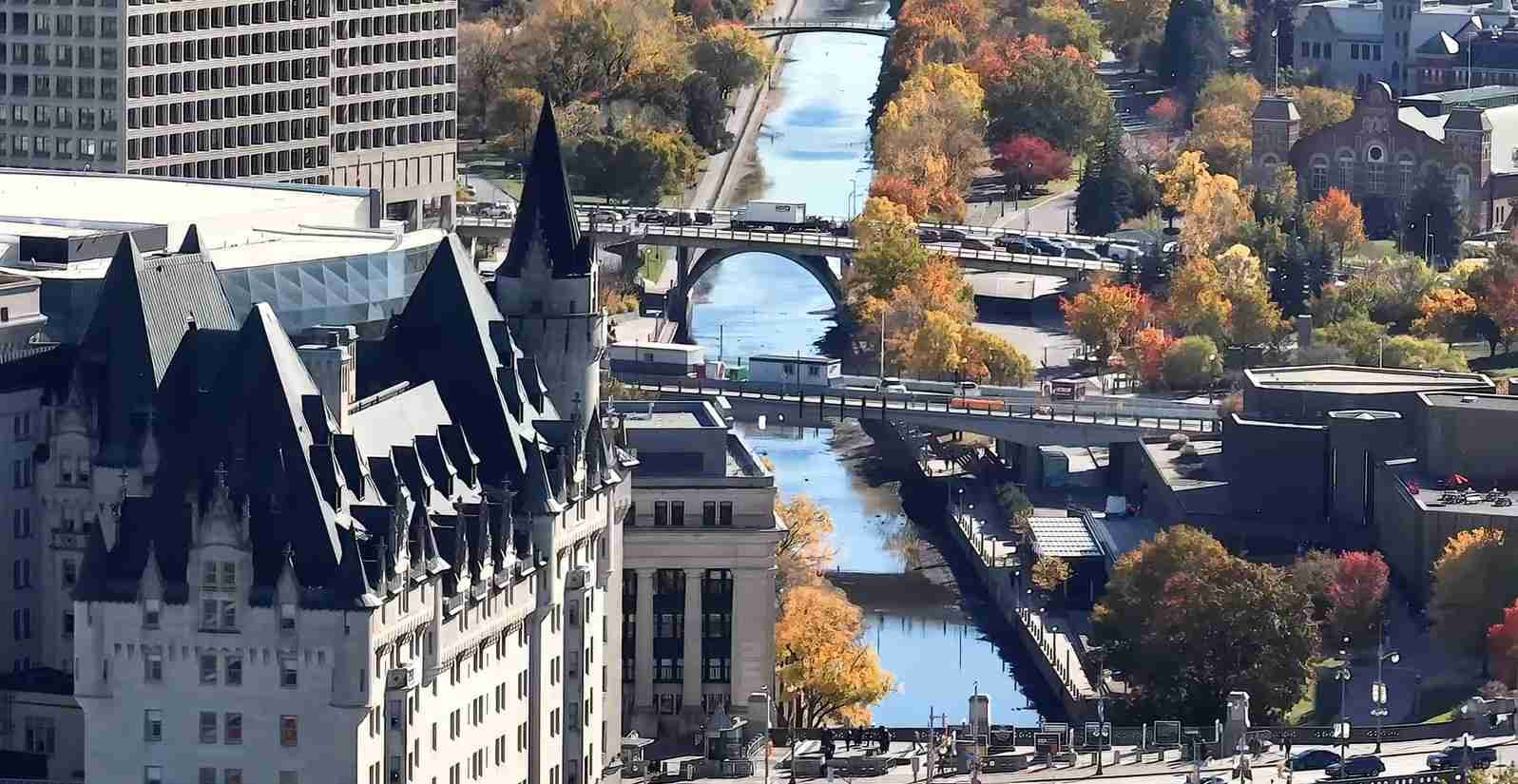
Ottawa Best Tours & Walking Routes 2026: Complete Travel Guide
Canada’s capital offers exceptional ways to explore its political landmarks, cultural heritage, and natural beauty through professional guided tours and scenic walking routes that reveal the city’s character from Parliament Hill to the historic Rideau Canal. Whether you prefer structured group experiences with expert guides or self-paced explorations along waterfront pathways, Ottawa provides diverse touring options for every interest and budget in 2026.
Key Takeaways About Ottawa Tours and Routes 2026
- Free Walking Tours Available: Pay-what-you-want walking tours operate daily with suggested tips of $25 per person ($18 USD), offering excellent value for comprehensive downtown explorations covering Parliament Hill, Rideau Canal, and ByWard Market.
- Extensive Pathway Network: Over 800 kilometers of multi-use pathways connect major attractions throughout Ottawa-Gatineau, providing safe, scenic routes for walking and cycling that follow the Ottawa River and Rideau Canal.
- Hop-On Hop-Off Convenience 2026: Double-decker bus tours operate 10 AM to 4 PM daily with 13-15 strategically placed stops accessing 75+ landmarks, allowing flexible exploration with bilingual live commentary in English and French.
- Specialized Tour Diversity 2026: Beyond standard sightseeing, Ottawa offers ghost tours ($30/$22 USD), food tours ($110/$80 USD), bike tours ($53/$39 USD), and river cruises providing unique perspectives on the capital’s history and culture.
- Seasonal Tour Operations 2026: Most outdoor tours operate April through November, with special winter versions of popular walks available January through March featuring indoor stops for comfort during cold weather.
- Budget Planning 2026: Expect $25-110 ($18-80 USD) per person for guided tours, with free self-guided options, pay-what-you-want walking tours, and premium experiences like food tours and paranormal investigations at the higher end.
People Also Ask About Ottawa Tours 2026
What are the best free walking tours in Ottawa in 2026?
Ottawa Free Tours operates the city’s most popular pay-what-you-want walking tour, departing daily at 11 AM from the Bear Catching Fish Statue at 89 Sparks Street. The two-hour tour covers Parliament Hill, National War Memorial, Rideau Canal, ByWard Market, and major downtown landmarks with knowledgeable local guides who share Ottawa’s history, political stories, and hidden details. Suggested tips are $25 per person or $10 for children 12 and older ($18/$7 USD), paid at tour completion. Tours run rain or shine year-round, requiring no advance booking for individuals though reservations are recommended during peak summer months. The flexible pricing model allows budget travelers to experience professional guiding while supporting local tour operators through voluntary contributions.
How much do Ottawa hop-on hop-off bus tours cost in 2026?
Ottawa hop-on hop-off bus tours cost approximately $45-65 ($33-48 USD) for adults and $25-35 ($18-26 USD) for children ages 3-12 for one-day passes, with two-day passes typically priced $60-85 ($44-62 USD) for adults in 2026, check official websites for current rates as pricing varies by season and operator. Gray Line Ottawa operates the primary service with authentic London-style double-decker buses featuring open-top viewing decks, departing every 30-60 minutes from the kiosk at Sparks and Elgin Streets. The complete loop takes approximately 90 minutes without stops, covering 13-15 strategically placed stops near 75+ landmarks including Parliament Hill, Rideau Hall, ByWard Market, National Gallery, Canadian Museum of History, and major attractions throughout downtown Ottawa and Gatineau. Bilingual live guides provide commentary in English and French, with audio guides available in eight additional languages including Spanish, German, Portuguese, Mandarin, Japanese, and Russian.
What is the best time of day for walking tours in Ottawa in 2026?
Morning tours departing 9-10 AM offer the best experience for walking tours in Ottawa in 2026, providing cooler temperatures in summer, better photography light, smaller crowds at major attractions like Parliament Hill, and optimal conditions before midday heat and tourist peak periods. Most professional walking tour operators schedule primary departures at 10-11 AM, with afternoon tours at 1-2 PM as secondary options. Evening tours beginning 5-7 PM work well for ghost walks and haunted experiences when atmospheric lighting enhances storytelling. Spring (April-May) and fall (September-October) provide ideal weather conditions with temperatures 10-20°C (50-68°F), while summer tours (June-August) benefit from early morning starts before temperatures reach 25-30°C (77-86°F). Winter tours (December-March) operate with modified itineraries featuring indoor stops at heated buildings, making afternoon tours 1-3 PM preferable when daylight maximizes and temperatures peak for the day.
Are Ottawa bike tours suitable for beginners in 2026?
Ottawa bike tours accommodate beginners excellently in 2026, with 95 percent of routes following flat, paved, car-free pathways along the Rideau Canal and Ottawa River designed for leisurely cycling at relaxed paces suitable for all fitness levels. Escape Bicycle Tours, the city’s leading operator, offers two-hour Express Tours covering 10 kilometers and 3.5-hour Highlights Tours spanning 15-18 kilometers, both maintaining comfortable speeds with frequent photo and rest stops. Tours provide well-maintained hybrid bikes, helmets, water bottles, and panniers, with electric bike upgrades available for $22 ($16 USD) additional for riders wanting extra assistance. Small groups of 4-12 participants allow guides to adjust pace to the slowest rider, ensuring nobody feels rushed or left behind. The waterfront pathway system features minimal elevation change, wide paved surfaces, and dedicated bike lanes separated from pedestrians and vehicles, creating safe conditions for nervous or inexperienced cyclists who haven’t ridden regularly.
Extended multi-day tours – 5+ days
Featured Ottawa Multi-Day Tour Packages
7 days
Eastern Journey (6 nights)
- ✓ Comprehensive Ottawa tour
- ✓ Expert local guides included
- ✓ All accommodation arranged
- ✓ Transportation provided
4 days
Magical Canada In 4 Days: Waterfalls, Islands & Old-World Charm
- ✓ Comprehensive Ottawa tour
- ✓ Expert local guides included
- ✓ All accommodation arranged
- ✓ Transportation provided
Multi-day tour packages powered by TourRadar. Prices and availability subject to change.
Introduction to Ottawa Tours and Walking Routes 2026
Ottawa’s compact downtown geography and extensive pathway network create ideal conditions for exploring Canada’s capital on foot, by bicycle, aboard tour buses, or via water routes that showcase the city’s architectural heritage, political landmarks, and natural waterfront beauty. The capital’s 800+ kilometers of interconnected multi-use pathways form one of North America’s most comprehensive urban trail systems, linking Parliament Hill, the UNESCO-designated Rideau Canal, national museums, diplomatic residences, and scenic green spaces along the Ottawa River and Rideau River corridors. This exceptional infrastructure supports diverse touring options ranging from professional guided walks revealing political intrigue and ghost stories to self-paced cycling adventures through neighborhoods, parks, and heritage districts.
The touring landscape in 2026 reflects Ottawa’s maturation as a visitor destination beyond government buildings, with specialized experiences targeting culinary enthusiasts exploring ByWard Market food vendors, paranormal seekers investigating haunted heritage sites, and active travelers combining sightseeing with physical activity on bike tours and river cruises. Professional tour operators have refined offerings to balance historical education with entertainment value, employing bilingual guides who share stories ranging from lumber baron rivalries and political scandals to architectural innovations and Indigenous heritage. The seasonal nature of outdoor tourism creates distinct experiences across the year, from vibrant Tulip Festival bike tours in May to atmospheric winter ghost walks in January featuring indoor stops for warmth.
Tour pricing in 2026 demonstrates accessibility across budget levels, with free self-guided route maps available from the City of Ottawa, pay-what-you-want walking tours allowing flexible spending, mid-range hop-on hop-off bus passes providing comprehensive city overviews, and premium food and specialty tours delivering curated experiences with local experts. This diversity ensures both budget-conscious backpackers and luxury travelers find suitable options for discovering Ottawa’s attractions, neighborhoods, and hidden corners through perspectives impossible to achieve via independent exploration. The combination of professional guiding, insider access, and efficient routing makes organized tours valuable investments for first-time visitors wanting to maximize limited time in the capital, while extensive self-guided pathway options serve repeat visitors and residents exploring at their own pace throughout the seasons.
Guided Walking Tours Ottawa 2026
Professional walking tours in Ottawa range from pay-what-you-want downtown explorations to specialized themed experiences covering political history, ghost stories, neighborhood character, and hidden architectural details revealed through expert local guides. These pedestrian experiences typically span two to three hours, covering 3-5 kilometers at leisurely paces with frequent stops for photography, storytelling, and detailed explanations of landmarks including Parliament Hill, Rideau Canal locks, ByWard Market, and heritage buildings throughout the downtown core.
Ottawa Free Tours Pay-What-You-Want Model 2026
Ottawa Free Tours operates the capital’s most popular pay-what-you-want walking tour, departing daily at 11 AM from the Bear Catching Fish Statue located at 89 Sparks Street corner of Metcalfe, running rain or shine throughout the year including winter months. The two-hour tour covers essential downtown landmarks including Parliament Hill exterior, National War Memorial, Confederation Square, Rideau Canal locks, ByWard Market perimeter, and Major’s Hill Park while guides share stories about Ottawa’s founding as lumber town Bytown in 1826, selection as national capital in 1857, political scandals, architectural evolution, and contemporary city life. Tour groups typically number 10-25 participants led by knowledgeable local guides passionate about Ottawa history who encourage questions and interaction throughout the walk.
The payment model operates on voluntary tips at tour conclusion, with suggested amounts of $25 per person for adults and $10 for children 12 and older ($18/$7 USD), though participants pay whatever amount reflects their satisfaction and budget. Cash tips are preferred though guides accept credit/debit cards and mobile payments including Apple Pay, Google Pay, and Samsung Pay. This accessible pricing structure allows budget travelers to experience professional guiding while supporting local tour operators through contributions matching the value received. Advance online registration is recommended during peak summer months (June-August) and festival periods when tours fill completely, though walk-up participants are accommodated when space allows.
Ottawa Walking Tours Professional Multilingual Service 2026
Ottawa Walking Tours provides professionally structured two-hour guided historical walks available in six languages including English, French, Spanish, German, Portuguese, and Italian, meeting at the Terry Fox statue at 90 Wellington Street directly across from Parliament Hill. The flagship Historical Highlights Walking Tour explores Parliament Hill architecture, National War Memorial significance, Rideau Canal engineering history as UNESCO World Heritage Site, Major’s Hill Park viewpoints, and ByWard Market heritage while guides share stories about Confederation, prime ministerial scandals, architectural competitions, and Ottawa’s transformation from lumber town to national capital. Tours depart year-round with scheduling varying by season, operating multiple times daily during summer peak season and by reservation during winter months.
Pricing reflects the professional multilingual guiding service with comprehensive historical content, contact operators for current 2026 rates which typically range $35-45 per person ($26-33 USD) for the standard two-hour downtown tour. Private tours for groups, families, or corporate events can be customized by duration, focus areas, and language preference, with advance booking required for non-English tours to ensure appropriate guide availability. The tours emphasize photography opportunities at scenic viewpoints, allowing ample time for photos at Parliament Peace Tower, Rideau Canal locks, Ottawa River panoramas, and historic ByWard Market streets while maintaining efficient pacing to cover extensive ground within the two-hour timeframe.
Peoples’ History Walking Tours Alternative Perspectives 2026
Peoples’ History Walking Tours offers unique three-hour explorations focusing on working-class history, labor movements, social justice struggles, and stories of ordinary citizens who built Ottawa rather than traditional emphasis on political leaders and institutional history. Led by Dr. Brian McDougall, a socialist historian and former public servant, tours examine sites related to the 1919 general strikes, lumber worker conditions, construction of the Rideau Canal by Irish and French-Canadian laborers, Indigenous displacement, and social movements that shaped the capital’s development. The 2026 season begins Saturday April 25, operating any day of the week morning or afternoon by advance booking through the website.
Tours cost $35 per person ($26 USD) with minimum group size of four people, requiring participants to either wait for additional bookings or pay $140 ($102 USD) for the complete tour if fewer than four people have booked for the chosen date. This progressive historical perspective appeals to visitors seeking deeper understanding of Ottawa beyond official narratives, examining power structures, economic inequality, resistance movements, and voices typically excluded from conventional historical tours. The three-hour duration allows more extensive explorations of specific neighborhoods and events than shorter commercial tours, with starting points varying by tour theme. Payment accepted via cash or e-transfer, with advance booking required through the website confirming date, time, and number of participants.
Heritage Ottawa Neighborhood Walking Tours 2026
Heritage Ottawa, a nonprofit heritage conservation organization, operates volunteer-led walking tours exploring the architectural character, historical development, and cultural significance of specific Ottawa neighborhoods including Rockcliffe Park, Sandy Hill, New Edinburgh, and downtown heritage districts. Tours typically last 90 minutes, focusing on architectural styles from Gothic Revival through Modernism, significant buildings and their inhabitants, neighborhood evolution, and heritage conservation efforts. The 2026 season details will be announced on their website, with tours generally operating May through October on weekends and select weekdays.
Online pre-registration and pre-payment are required for all participants, with tours typically priced $15-25 per person ($11-18 USD) for the general public, though Heritage Ottawa members receive automatic 60 percent discounts when logged into the website before purchasing. Tours accommodate maximum group sizes of 15-20 participants to maintain intimate atmosphere and allow guides to share detailed information about specific properties, architectural features, and neighborhood stories. The volunteer guides include local historians, longtime residents, architects, and heritage enthusiasts who provide expert knowledge about their neighborhoods’ development, significant families, architectural innovations, and conservation challenges. Tours operate rain or shine with participants advised to wear comfortable walking shoes and dress appropriately for weather conditions.
Hop-On Hop-Off Bus Tours Ottawa 2026
Hop-on hop-off bus tours provide comprehensive overviews of Ottawa’s major attractions through narrated rides aboard double-decker buses with open-top viewing decks, allowing passengers to disembark at strategically placed stops to explore sites independently before rejoining the loop at their convenience throughout the ticket validity period.
Gray Line Ottawa Hop-On Hop-Off Service 2026
Gray Line Ottawa operates the capital’s primary hop-on hop-off service using authentic London-style double-decker buses featuring open-top upper decks for panoramic viewing and enclosed lower decks for weather protection, departing from the kiosk at 59 Sparks Street corner of Elgin Street near Parliament Hill. The complete loop spans approximately 90 minutes without stops, covering 13-15 strategically placed stops accessing 75+ landmarks throughout downtown Ottawa and Gatineau including Parliament Hill, Rideau Hall (Governor General residence), 24 Sussex Drive (Prime Minister residence), ByWard Market, National Gallery of Canada, Canadian Museum of History, Canadian War Museum, Supreme Court, and major attractions along Confederation Boulevard and Sussex Drive.
One-day and two-day passes are available with pricing varying by season, check the official website for current 2026 rates which typically range $45-65 ($33-48 USD) for adult one-day passes and $60-85 ($44-62 USD) for two-day passes. Children ages 3-12 receive discounted rates approximately 40-50 percent lower than adult pricing, while children under 3 ride free. Buses depart every 30-60 minutes depending on season and demand, operating 10 AM to 4 PM daily during standard season with extended hours during summer peak months June through August. Bilingual live guides provide commentary in English and French throughout the route, with additional audio guides available in Spanish, German, Portuguese, Mandarin, Japanese, and Russian through individual headsets.
The hop-on hop-off format allows visitors to customize their exploration by spending desired time at specific attractions before rejoining the route, creating flexible itineraries matching individual interests whether focusing on museums, government buildings, outdoor spaces, or neighborhood exploration. Tickets purchased directly from Gray Line or authorized resellers include all-day boarding privileges throughout the validity period, allowing multiple complete loops or strategic stops at key sites. Combined packages bundling hop-on hop-off passes with Ottawa River cruises offer 50 percent savings on the cruise component, creating comprehensive sightseeing experiences covering land and water perspectives.
Seasonal Considerations and Operating Hours 2026
Hop-on hop-off bus operations in Ottawa follow seasonal patterns reflecting weather conditions and tourism demand, with full daily service operating May through October during prime visitor season, reduced winter schedules November through April, and peak frequency June through August when buses depart every 30 minutes. Summer operations feature extended hours with last departures at 5-6 PM, allowing evening rides capturing golden hour lighting across Parliament Hill and river views. Spring (April-May) and fall (September-October) provide excellent touring conditions with comfortable temperatures 10-20°C (50-68°F), fall foliage enhancing river valley scenery, and spring tulip displays in Commissioners Park visible from bus routes.
Winter service operates with reduced frequency and modified routes emphasizing heated indoor attractions, though the experience of viewing snow-covered Parliament and frozen Rideau Canal from double-decker upper decks appeals to cold-weather enthusiasts. Buses operate rain or shine with open-top decks accessible in all conditions, though most passengers choose lower deck seating during precipitation or cold temperatures below 10°C (50°F). The multilevel design allows passengers to alternate between upper deck panoramic viewing during pleasant weather segments and lower deck shelter during rain, wind, or temperature extremes, maximizing comfort throughout the tour regardless of changing conditions.
Cycling Tours and Bike Rentals Ottawa 2026
Ottawa’s extensive network of paved, car-free multi-use pathways along the Rideau Canal and Ottawa River creates ideal conditions for cycling tours and self-guided bike explorations, with professional tour operators providing guided experiences and equipment rentals for visitors wanting two-wheeled perspectives on the capital’s attractions and neighborhoods.
Escape Bicycle Tours Guided Experiences 2026
Escape Bicycle Tours, Ottawa’s leading bike tour operator located at 65 Sparks Street between Metcalfe and Elgin in the heart of downtown, offers small-group guided tours ranging from two-hour express explorations to 3.5-hour comprehensive highlights tours, operating daily April through November with winter fat bike tours available December through March. The two-hour Ottawa Express Bike Tour covers 10 kilometers following Rideau Canal pathways to key downtown landmarks including Parliament Hill, National War Memorial, Rideau Canal locks, and ByWard Market, departing daily at 10 AM and 1:30 PM priced at $53 per person ($39 USD). The 3.5-hour Ottawa Highlights Tour extends coverage to 15-18 kilometers, adding the Glebe neighborhood, Lansdowne Park, Dow’s Lake, Little Italy, Ottawa River pathways, Chaudière Falls, Canadian War Museum, Canadian Museum of History in Gatineau, Rideau Falls, and National Gallery, providing more comprehensive city overview with small group sizes of 4-12 participants.
Electric bike upgrades cost an additional $22 ($16 USD) for any tour, providing pedal-assist motors that make cycling effortless for riders concerned about fitness levels, hills, or keeping pace with the group. All tours include professionally maintained hybrid comfort bikes, helmets, water bottles, pannier bags, and expert local guides who share historical facts, cultural insights, neighborhood stories, and practical recommendations for restaurants, attractions, and activities. Tours maintain leisurely paces with 95 percent of routes on flat, paved pathways separated from vehicle traffic, making experiences accessible to beginners and families with children over age 8. Advance booking recommended during peak summer months and festival periods, with flexible 24-hour cancellation policies allowing free cancellations up to one day before tour departure.
Bike Rental Options for Self-Guided Exploration 2026
Escape Bicycle Tours rents bikes, electric bikes, electric scooters, and cargo bikes by the hour, half-day, full day, or week from their downtown Sparks Street location and secondary location at Dow’s Lake Pavilion on the Rideau Canal. Standard hybrid bikes rent from $25 for two hours to $55 for full-day use ($18-40 USD), electric bikes cost $35 for two hours to $75 full-day ($26-55 USD), and electric scooters rent at similar rates providing alternative mobility options. All rentals include helmets, locks, pannier bags, and access to self-guided route maps downloadable from the website or available as printed materials at the shop.
RentABike, operating for over 25 years from their location across from Fairmont Château Laurier under the Plaza Bridge at Rideau Canal level, maintains a fleet of 200+ bikes including comfort, road, mountain, off-road, and tandem bicycles for couples. Rental periods span hourly to weekly terms with pricing competitive to Escape’s rates, equipment quality matching professional touring standards. Both operators provide route suggestions highlighting scenic pathways, safe neighborhood streets, and attraction access, helping independent cyclists plan productive days exploring Ottawa’s extensive trail network at their own pace without guide structure or group timing constraints.
Self-Guided Cycling Routes Ottawa 2026
The City of Ottawa provides free downloadable self-guided cycling tour maps through their website, detailing themed routes ranging from 10-kilometer neighborhood loops to 100+ kilometer countryside excursions exploring rural Ottawa and Gatineau Park. Popular routes include the Canal Loop (13 kilometers around Rideau Canal and Ottawa River), Wellington West to Gatineau Park (crossing into Quebec via Champlain Bridge), Greely Loop (10.7 kilometers through eastern rural Ottawa), Cumberland to Sarsfield farm country route, and Kanata North Country Cruise showcasing northwestern suburban and rural landscapes. Each route description includes distance, elevation changes, surface conditions, attraction highlights, refreshment stops, and difficulty ratings helping cyclists choose appropriate challenges for their fitness and experience levels.
The pathway system follows traffic-free corridors along waterways, through parks, and via converted rail trails, minimizing interaction with vehicles and providing safe cycling conditions for families, beginners, and cautious riders. Signage and wayfinding markers along major routes indicate directions, distances to key landmarks, and connections to other pathway segments, though cyclists benefit from downloading official maps or using GPS navigation apps to avoid confusion at complex intersections. The flat terrain throughout central Ottawa and along waterfront pathways requires minimal physical exertion, with only a few moderate hills in neighborhood routes and rural excursions beyond the urban core.
Ottawa River Cruises and Water Tours 2026
Ottawa River boat cruises provide unique perspectives on the capital’s landmarks, government buildings, and natural setting through narrated sightseeing tours departing from locations along the Ottawa River and Rideau Canal, offering relaxed alternatives to walking and cycling while showcasing architecture and geography from waterfront vantage points.
Ottawa River Cruise Sightseeing Tours 2026
Ottawa River Cruise (Paul’s Boat Line) operates narrated sightseeing tours aboard modern vessels with both enclosed climate-controlled cabins and open-air upper decks, departing from two locations: the Ottawa Locks at 1 Canal Lane behind the National Arts Centre, and Hull Marina at 160 Laurier Avenue in Gatineau. The standard 60-minute narrated cruise travels upstream from the Rideau Canal locks past Parliament Hill, Supreme Court, Nepean Point, Rideau Falls, Sussex Drive residences, and into Gatineau waters before returning, with bilingual guides providing historical commentary and landmark identification in English and French. Longer 90-minute tours extend coverage further upstream or combine Ottawa River segments with Rideau Canal explorations depending on departure point and route selection.
Ottawa River Cruise implemented tiered pricing for 2026 sightseeing tours, with rates fluctuating based on day and demand to provide best value, encouraging advance booking to secure lowest prices available. Check the official website ottawaboatcruise.com for current rates which typically range $25-40 per person ($18-29 USD) for standard sightseeing cruises. Children receive discounted rates, and group bookings for 15+ participants qualify for reduced per-person pricing when arranged by calling the office at 819-246-3855. All tickets are non-refundable with no rescheduling permitted, requiring firm commitment when booking specific departure times. Vessels are wheelchair accessible with detailed accessibility information available on the website, and small service dogs and cats are welcome aboard.
Onboard facilities include washrooms and fully licensed bars serving beverages and snacks for purchase, allowing passengers to enjoy drinks while viewing scenery. The 60-90 minute duration provides sufficient time to appreciate river perspectives without excessive commitment, fitting easily into broader sightseeing itineraries. Arrivals 30 minutes before departure time at Ottawa location and 15 minutes before at Hull location ensure timely boarding and departures. Combined packages bundling river cruises with hop-on hop-off bus tours offer significant savings, creating comprehensive city exploration experiences covering land and water viewpoints across different days or same-day use depending on visitor schedules.
Rideau Canal Electric Vessel Cruises 2026
Ottawa Boat Cruise operates fully electric passenger vessels on the Rideau Canal, offering environmentally sustainable 90-minute cruises from behind the National Arts Centre at 1 Elgin Street traveling the UNESCO World Heritage waterway from the locks above the Ottawa River upstream to Dow’s Lake and returning. The narrated tours interpret numerous historic sites and landmarks along the canal including the engineering of the locks, Bytown Museum, Commissioners Park (home of the Canadian Tulip Festival in May), Dow’s Lake Pavilion, Arboretum, and heritage bridges, with experienced bilingual guides providing commentary in English and French about the canal’s construction in 1826-1832, UNESCO designation, seasonal transformation as skating rink in winter, and contemporary recreational significance.
The electric propulsion system operates silently with zero emissions, creating peaceful atmosphere conducive to conversation and guide narration while demonstrating environmental commitment to preserving the canal’s heritage character. Cruises run May through October matching the navigation season on the Rideau Canal, with multiple daily departures during summer peak months June through August. Pricing typically ranges $30-45 per person ($22-33 USD) for the 90-minute tour, check the official website for current 2026 rates and advance online booking to confirm desired departure times. Group rates available for parties of 15 or more people when reserved in advance, making the cruises suitable for family reunions, corporate outings, or organized tour groups wanting water perspectives as components of broader Ottawa itineraries.
Specialty and Themed Tours Ottawa 2026
Beyond general sightseeing tours, Ottawa offers specialized experiences focusing on ghost stories, culinary discoveries, paranormal investigations, and niche interests that provide unique perspectives on the capital’s character, history, and hidden stories through expert-led explorations targeting specific themes and audiences.
The Haunted Walk Ghost Tours 2026
The Haunted Walk of Ottawa operates the capital’s premier ghost tours, leading cloaked guides carrying lanterns through downtown streets and historic sites while sharing supernatural tales, paranormal encounters, and dark historical events. The flagship Original Haunted Walk of Ottawa runs year-round as a 75-minute outdoor tour (April-December) or winterized version with indoor stops (January-March), departing from designated meeting points and visiting haunted locations including Grant House, Fairmont Château Laurier (site of multiple ghost sightings), and Ottawa’s haunted Lisgar Collegiate high school while guides recount chilling stories of mysterious deaths, unexplained phenomena, and lingering spirits.
Tours cost $30 for adults and $22 for youth up to age 14 ($22/$16 USD), with $5 discounts available Monday through Wednesday encouraging weekday bookings. The family-friendly approach makes tours suitable for all ages including children, combining historical facts with entertaining storytelling rather than attempting genuine scares or horror movie atmospheres. Alternative themed tours include Ghosts of the Bytown Museum (exploring Ottawa’s oldest building with museum staff ghost stories), Ghosts of the Mackenzie King Estate (moonlight walks through the former Prime Minister’s secluded Gatineau Park property examining his spiritualism practices), and Hidden Ottawa (non-ghost tour revealing surprising city secrets and untold stories).
Special paranormal investigation experiences operate on limited dates in 2026, including Alone in the Dark at various heritage sites (small groups of 12 or fewer conducting actual paranormal investigations with equipment in haunted buildings like the infamous Carleton County Jail and Cumberland Heritage Village Museum). These 2-3.5 hour investigations cost $65-85 per person ($48-62 USD) and require participants age 16+, providing hands-on experiences with paranormal investigation techniques, equipment operation, and potential spirit contact in genuinely haunted locations rather than theatrical entertainment. The Haunted Walk maintains 24-hour cancellation policies allowing full refunds when plans change, with online booking recommended during popular October Halloween season when tours sell out weeks in advance.
Ottawa Food Tours ByWard Market Experiences 2026
C’est Bon Ottawa and Secret Food Tours operate guided culinary walking tours through the historic ByWard Market neighborhood, combining food tastings at handpicked vendors with historical storytelling about Ottawa’s culinary evolution, market heritage dating to 1826, and contemporary food scene. The signature Taste of the ByWard Market tour lasts 2.5-3 hours, visiting six food stops including three savory dishes, one refreshment stop, and two sweet treats featuring Ottawa’s iconic BeaverTails pastry, Quebec-style poutine with cheese curds, local artisan cheeses, molasses-glazed duck, and maple syrup products while guides share anecdotes about vendors, building histories, and food traditions.
Tours depart at 1 PM from the totem pole outside Ottawa School of Art, with pricing approximately $110 per person ($80 USD) including all food tastings and beverages (non-alcoholic), check official websites for current 2026 rates. Upgraded drink packages adding alcoholic beverages cost additional fees, typically $20-30 ($15-22 USD) for premium local craft beers, wines, or cocktails at select stops. Small group sizes of 8-15 participants create intimate atmospheres allowing conversation with guides and fellow food enthusiasts while maintaining efficient movement between vendors. The tours accommodate dietary restrictions including vegetarian, gluten-free, and common allergies when notified at booking, with alternative tastings arranged to ensure all participants enjoy full experiences.
Meeting guides at designated starting points (typically marked by C’est Bon Ottawa bags or orange umbrellas for Secret Food Tours), participants walk approximately 2 kilometers over the 2.5-3 hour duration at leisurely paces with frequent stops for tastings, stories, and photos. The food quantities constitute substantial meals, with guides recommending light breakfasts and arriving hungry to appreciate the generous portions. Tours operate year-round with reduced frequency during winter months January through March, peaking during summer visitor season May through September and special event periods including Tulip Festival in May and Winterlude in February.
Private and Custom Tour Options 2026
Most professional tour operators in Ottawa offer private customized experiences for groups, families, corporations, or individuals wanting personalized itineraries, flexible scheduling, or specialized focus areas beyond standard public tour offerings. Private tours typically require minimum group sizes of 4-6 participants or minimum fees equivalent to that number of bookings, with per-person costs decreasing as group sizes increase beyond breakeven points. Customization options include language selection (particularly for tours in languages beyond English and French), route modifications emphasizing specific neighborhoods or attractions, duration extensions or compressions matching available time, and thematic focuses on architecture, political history, Indigenous heritage, women’s history, LGBTQ+ stories, or other specialized interests.
Escape Bicycle Tours creates fully customized private bike experiences for corporate team building, school groups, bachelor/bachelorette parties, family reunions, or special celebrations, designing routes and pacing matching group composition and abilities. Ottawa Walking Tours tailors private walks for cruise ship passengers, conference attendees, or VIP visitors requiring confidential or secure arrangements. Food tour operators design tasting menus reflecting dietary requirements, cuisine preferences, or celebration themes like birthdays and anniversaries. Private tours generally cost 20-40 percent premiums over public tour per-person rates, reflecting exclusive guide attention, schedule flexibility, and customization efforts, though larger groups often achieve cost parity or savings through per-person rate reductions as participant numbers increase.
Advance booking requirements for private tours vary from 48 hours for simple requests to 2-4 weeks for complex customizations requiring vendor coordination, special access arrangements, or rare language requirements. Most operators request detailed information about group composition, specific interests, mobility considerations, and desired outcomes to design optimal experiences matching expectations. Corporate and institutional clients often arrange annual partnerships or standing reservations for recurring visitor programs, conference schedules, or employee appreciation events, securing preferred dates and negotiating volume discounts for multiple tours throughout the year.
Self-Guided Walking Routes Downtown Ottawa 2026
Ottawa’s compact downtown core and well-marked pathways create excellent conditions for self-guided walking explorations, allowing independent discovery of landmarks, neighborhoods, and scenic viewpoints at personal paces without guide structure or tour schedules constraining available time and routing flexibility.
Confederation Boulevard Ceremonial Route
Confederation Boulevard forms Ottawa’s primary ceremonial route, connecting Parliament Hill with major national institutions, monuments, and landmarks along a designated path marked by special signage and seasonal decorations. The complete circuit spans approximately 8 kilometers following both Ottawa and Gatineau sides of the Ottawa River, crossing via Alexandra Bridge or Portage Bridge creating loop configurations. The route passes Parliament Hill, Supreme Court, National Library and Archives, Royal Canadian Mint, National Gallery of Canada, Notre-Dame Cathedral Basilica, Rideau Hall, 24 Sussex Drive, major national museums, and dozens of heritage buildings, monuments, and commemorative sites representing Canadian history and government.
Self-guided walking the complete Confederation Boulevard requires 3-4 hours at moderate pace with stops for photos and brief explorations of exterior architecture, or full day when including museum visits, gallery tours, and extended stops at major attractions. The route follows primarily sidewalks along urban streets with crosswalks at major intersections, requiring attention to traffic signals and pedestrian safety protocols throughout. Printed maps and mobile app guides available from Ottawa Tourism provide route descriptions, landmark information, and suggested stopping points, though the path’s ceremonial designation means prominent signage and wayfinding markers assist navigation even without detailed maps or GPS guidance.
Rideau Canal Pathway UNESCO Heritage Walk
The Rideau Canal pathway forms Ottawa’s most scenic pedestrian and cycling corridor, following the UNESCO World Heritage waterway from the Ottawa River locks at Wellington Street upstream 7.8 kilometers to Dow’s Lake through central Ottawa, passing Patterson Creek, Commissioners Park, the Arboretum, and numerous heritage bridges. The paved multi-use pathway accommodates both pedestrians and cyclists with separated lanes in high-traffic sections, providing car-free access along the historic canal constructed 1826-1832 connecting Ottawa to Kingston on Lake Ontario. Walkers covering the complete one-way route from Parliament area to Dow’s Lake require approximately 90 minutes at moderate pace, or 3 hours return trip, with options to shorten routes by turning back at any point or using city transit buses running parallel to the canal on adjacent streets.
The pathway remains accessible year-round, though winter transforms the canal into the Rideau Canal Skateway (typically January through March depending on ice conditions), when the pathway continues to function for winter walking while the frozen canal surface below becomes the world’s largest skating rink. Spring brings tulip displays in Commissioners Park during the Canadian Tulip Festival in May, summer provides shaded walking under mature trees with frequent park benches and picnic areas, fall showcases colorful foliage, and winter offers snow-covered landscapes and ice skating atmosphere. The flat terrain and paved surface make the route accessible for all fitness levels, strollers, wheelchairs, and mobility devices, with numerous access points and exit options along the length allowing flexible route planning matching available time and energy.
ByWard Market Neighborhood Exploration Route
ByWard Market, Ottawa’s historic market district operating since 1826, spans a compact four-block square bounded roughly by Rideau Street, King Edward Avenue, St. Patrick Street, and Sussex Drive, though the surrounding neighborhood extends several blocks in all directions with restaurants, boutiques, galleries, and heritage buildings. Self-guided walking tours of the market area require 1-2 hours to cover the main market buildings, surrounding streets, and key landmarks including the ByWard Market Building housing indoor vendor stalls, seasonal outdoor farmers’ market stands (May-October), Notre-Dame Cathedral Basilica, Tin House Court heritage preservation, William Street pedestrian zone, and countless restaurants and cafes offering diverse international cuisines.
The cobblestone streets, heritage architecture, and vibrant street life create atmospheric settings for independent exploration, with weekend mornings (Saturday-Sunday 9 AM-noon) providing peak market activity when farmers’ stalls display fresh produce, artisans sell handmade goods, and street performers entertain crowds. Evening visits shift the atmosphere toward nightlife with restaurant patios filling, bars opening, and different character emerging as dining and entertainment become primary activities replacing daytime shopping and market browsing. The compact geography allows spontaneous wandering without concern for getting lost, as the market’s central location between Parliament Hill and Rideau Centre shopping mall provides clear orientation points and proximity to other major downtown attractions within easy walking distance.
Seasonal Tour Considerations Ottawa 2026
Ottawa’s four-season climate creates distinct touring experiences across the calendar year, with operational schedules, route modifications, and seasonal highlights influencing optimal timing for different tour types and visitor interests in the capital’s natural and cultural attractions.
Spring Tours Season April-May 2026
Spring brings Ottawa’s most celebrated event, the Canadian Tulip Festival typically held early to mid-May, when over one million tulips bloom throughout the capital including concentrated displays in Commissioners Park along the Rideau Canal. Bike tours during festival period incorporate tulip viewing as primary highlights, walking tours extend routes to include park visits, and river cruises pass flowering displays visible from waterways. The moderate temperatures ranging 10-20°C (50-68°F) create ideal conditions for outdoor touring before summer heat and humidity arrive, with most outdoor tour operators beginning full seasonal schedules in late April. Spring also brings increasing daylight hours, allowing extended afternoon and early evening tour options as sunset shifts from 7 PM in early April to 9 PM by late May.
Variable spring weather requires flexible clothing layers, as mornings often start cool requiring jackets while afternoons warm to comfortable shirtsleeve temperatures. Rain occurs frequently in April and May, making waterproof outer layers advisable for walking and cycling tours, though most tours operate rain or shine with cancellations only in severe weather. The pre-summer shoulder season means smaller crowds at major attractions, easier restaurant reservations in ByWard Market, and better availability for popular tours without weeks-advance booking, creating pleasant conditions for visitors preferring quieter experiences before peak tourism season begins in June.
Summer Peak Season June-August 2026
Summer brings maximum tour frequency with all operators running full schedules, extended operating hours accommodating more departures daily, and peak visitor volumes creating bustling atmosphere throughout downtown Ottawa. Canada Day celebrations on July 1 center on Parliament Hill with massive crowds, concerts, and fireworks creating special atmosphere but also congestion requiring advance planning for tours near the Hill. Temperatures ranging 20-30°C (68-86°F) create warm to hot conditions ideal for river cruises and early morning or evening walking tours, while midday tours (noon-3 PM) can become uncomfortably hot during heat waves when temperatures exceed 30°C and humidity adds oppressive feeling.
Evening tours gain appeal in summer, with ghost walks departing 7-9 PM benefiting from atmospheric dusk lighting while avoiding afternoon heat, and sunset river cruises capturing golden hour photography opportunities and comfortable on-water temperatures. The extended daylight (sunset around 9 PM in June and July) allows touring until late evening, maximizing sightseeing hours for visitors with limited time in the capital. Popular tours including food tours and bike highlights tours require advance booking 1-2 weeks ahead during July and August peak visitor season, particularly for weekend departures when both tourists and local residents compete for limited spaces. Air-conditioned bus tours provide relief from heat during the hottest portions of summer days, making hop-on hop-off buses appealing alternatives to walking and cycling during extreme weather.
Fall Tours Season September-October 2026
Fall provides Ottawa’s most pleasant touring weather with comfortable temperatures 10-20°C (50-68°F), low humidity, and spectacular fall foliage transforming the Gatineau Hills and Ottawa River valley into vibrant reds, oranges, and yellows visible from numerous vantage points throughout the capital. Bike tours through Gatineau Park or along river pathways showcase autumn colors at their peak typically mid-September through mid-October, while walking tours through tree-lined neighborhoods like the Glebe, Rockcliffe Park, and Sandy Hill feature canopy colors creating photogenic backdrops for heritage architecture. River cruises provide elevated views of fall foliage along both riverbanks, and hop-on hop-off bus upper decks offer panoramic autumn vistas throughout the route.
September retains summer tour frequencies before tapering in October as seasonal operations wind down toward winter, with most outdoor walking tours and bike tours reducing schedules after Canadian Thanksgiving (second Monday in October). The post-Labor Day return to school reduces family tourism volumes while maintaining strong visitor numbers from retirees and couples seeking quieter fall experiences. Restaurant patios remain open through September and early October weather permitting, food tours enjoy comfortable walking conditions, and ghost tours benefit from earlier sunset times creating atmospheric darkness by 7-8 PM enhancing spooky storytelling effects. October brings increasing probability of rain and occasional cold snaps, requiring versatile clothing and weather monitoring before tour departures.
Winter Tours Season November-March 2026
Winter dramatically reduces outdoor tour operations with most walking tours, bike tours, and river cruises suspending service November through March, though specialized winter experiences and modified versions of popular tours maintain year-round tourism options for cold-weather visitors. The Haunted Walk operates winterized versions of their ghost tours January through March, modifying routes to include indoor stops at heated buildings providing warmth breaks while sharing stories, making 75-minute tours manageable in temperatures often ranging -5 to -15°C (23 to 5°F) with wind chill feeling significantly colder. Escape Bicycle Tours offers winter fat bike tours and rentals December through March for adventurous cyclists wanting to experience snow-covered pathways on specialized wide-tire bikes designed for winter conditions.
Winterlude festival (typically held three weekends in February) brings special winter celebration atmosphere with ice sculptures, snow playground, skating on the frozen Rideau Canal, and winter-specific activities creating unique touring contexts unavailable during other seasons. The transformed landscape with snow-covered Parliament Buildings, frozen canal becoming the Skateway, and winter light displays creates photogenic scenery attractive to photography enthusiasts and visitors from warm climates experiencing Ottawa’s winter character. Indoor-focused tours gain appeal in winter including museum tours, gallery visits, and culinary experiences in heated restaurants replacing outdoor pathway exploration. Visitors planning winter tours require serious cold-weather gear including insulated boots, warm coats, hats, gloves, and thermal layers, as extended outdoor exposure even during indoor-focused tours proves uncomfortable without proper preparation for Ottawa’s harsh winter climate.
Booking and Practical Planning Tips 2026
Effective tour booking and preparation ensures optimal experiences in Ottawa, with advance planning, timing strategies, and practical considerations maximizing value while avoiding common pitfalls that diminish tour enjoyment or create unnecessary complications during the capital visit.
Advance Booking Requirements and Strategies 2026
Ottawa tour booking timelines vary by tour type, season, and popularity, with peak summer months (July-August) and special event periods (Canadian Tulip Festival in May, Canada Day July 1, Winterlude in February) requiring longest advance reservations while shoulder seasons allow shorter booking windows. Popular food tours and specialized experiences like ghost tours frequently sell out 1-2 weeks ahead during summer weekends, bike tours during tulip festival book 2-3 weeks advance, and hop-on hop-off bus passes can be purchased same-day except during extreme peak periods. Pay-what-you-want walking tours accepting walk-up participants without reservations provide backup options when preferred tours are fully booked, though online pre-registration still recommended during busy seasons ensuring guaranteed spots.
Early morning tour departures (9-10 AM) typically have better availability than afternoon slots (1-2 PM) which fill faster with visitors preferring sleep-in schedules, creating opportunity to secure preferred dates by choosing less popular time slots. Weekday tours (Monday-Thursday) maintain better availability and often offer discounted rates compared to weekend tours (Friday-Sunday) when both tourists and local residents compete for limited spaces. Many operators offer best prices for advance online bookings made 7-14 days ahead compared to last-minute reservations or walk-up purchases, incentivizing early planning with 10-15 percent savings through early-bird promotional rates.
Weather Contingencies and Cancellation Policies 2026
Ottawa tour operators maintain varied weather policies, with most outdoor tours running rain or shine unless severe weather including thunderstorms, extreme cold (below -25°C/-13°F), or dangerous conditions force cancellations. Tours operating regardless of weather require participants to dress appropriately with rain gear for precipitation, warm layers for cold, and sun protection for heat, as guides proceed according to schedule barring dangerous situations. River cruises may cancel during high winds, heavy rain, or water conditions creating unsafe navigation or uncomfortable passenger experiences, with operators typically notifying participants 2-4 hours before departure when weather cancellations occur.
Cancellation and refund policies vary significantly between operators, with flexible operators offering full refunds for cancellations made 24 hours before tour departure, moderate operators requiring 48-72 hours notice for refunds, and strict operators maintaining no-refund policies except for operator-initiated weather cancellations. Pay-what-you-want tours provide inherent flexibility as advance payment isn’t required, allowing plan changes without financial loss. The Haunted Walk and several major operators offer 24-hour cancellation windows providing refunds or rescheduling when circumstances change, while food tours often require 48-72 hours notice due to vendor preparation and food waste concerns if participants don’t appear.
Travel insurance covering tour cancellations provides protection for visitors with uncertain schedules or higher cancellation risk due to complex travel arrangements, elderly travelers, or medical conditions, though insurance costs must be weighed against tour prices and cancellation risk likelihood. Reading specific operator policies before booking prevents surprises when schedule changes become necessary, with flexible policies worth premium pricing for visitors with uncertain itineraries.
Group Size Considerations and Private Tour Value 2026
Public tour group sizes in Ottawa range from small (4-12 participants) for bike tours and food tours to medium (12-20) for specialized walking tours to large (20-30+) for free walking tours and hop-on hop-off buses where group size less affects quality. Smaller groups provide better guide interaction, easier questions and conversation, more personalized pace adjustments, and intimate atmospheres conducive to forming connections with fellow travelers. Larger groups offer social energy, diverse perspectives during discussions, and often lower per-person costs through economies of scale, though individual attention and route flexibility decrease as participant numbers increase.
Private tours become cost-effective for groups of 4-6 or more when comparing per-person costs against public tour rates plus customization benefits, schedule flexibility, and exclusive guide attention. A family of four paying $35 each ($140 total) for public walking tour might negotiate private tour at $180-200, gaining personalized routing, flexible pacing for children, and ability to emphasize specific interests for marginal additional cost. Corporate groups of 10-15 often achieve per-person savings on private tours compared to public tour rates while gaining team-building atmosphere and content tailored to business contexts or industry-specific interests.
Celebrating special occasions including birthdays, anniversaries, or proposals benefits from private tour arrangements allowing guides to acknowledge celebrations, incorporate stops at meaningful locations, and create memorable experiences impossible in generic public tour contexts. The customization options, schedule control, and exclusive attention justify private tour premiums for visitors valuing personalization over budget minimization, particularly when group composition includes varied ages, abilities, or interests requiring flexible approaches standard public tours cannot accommodate.
Accessibility and Mobility Considerations 2026
Ottawa tour accessibility varies significantly by tour type, with pathway-based routes, bus tours, and river cruises providing different levels of accommodation for visitors with mobility limitations, wheelchair users, and those requiring accessibility features for full participation in touring experiences.
Wheelchair-Accessible Tour Options 2026
Hop-on hop-off bus tours provide Ottawa’s most accessible touring option for wheelchair users, with Gray Line buses equipped with wheelchair lifts accessing both lower enclosed decks (upper open-top decks typically inaccessible due to stairs). The complete route becomes accessible from comfortable seated positions with climate control, though views are more limited compared to upper deck panoramas. River cruises on both Ottawa River and Rideau Canal operate wheelchair-accessible vessels with level boarding from docks, accessible washrooms onboard, and indoor seating areas accommodating wheelchairs throughout cruise durations. These water tours provide fully accessible sightseeing experiences with comprehensive commentary and landmark viewing comparable to ambulatory passengers’ experiences.
Self-guided walking routes along Rideau Canal pathway and Ottawa River pathway offer excellent wheelchair accessibility with paved surfaces, minimal grade changes, curb cuts at crossing points, and continuous pathways spanning several kilometers without barriers. These routes allow independent exploration at personal pace covering scenic stretches, major landmarks, and park areas without tour guide dependency. The compact downtown geography and abundant pathways create numerous accessible routing options connecting Parliament Hill area, ByWard Market, National Gallery, and major attractions via barrier-free pedestrian infrastructure.
Standard walking tours present accessibility challenges with guides setting brisk paces, routes including stairs, curbs, and uneven surfaces, and group dynamics making individual accommodations difficult. Some operators offer accessible private tours modifying routes to avoid barriers when notified of accessibility requirements at booking, though this service isn’t universally available and requires advance arrangement. Bike tours generally aren’t suitable for wheelchair users without adaptive cycling equipment, though some operators may arrange adapted bikes or hand cycles with sufficient advance notice and additional fees for specialized equipment rental from partner vendors.
Tours for Visitors with Limited Mobility 2026
Visitors with limited mobility but not requiring wheelchairs benefit from shorter tour durations, frequent rest stops, and pace flexibility when selecting appropriate experiences. The two-hour Ottawa Express bike tour with electric bike option provides assisted cycling requiring minimal physical exertion while covering substantial ground, suitable for seniors or those with moderate fitness limitations. River cruises require minimal walking (only boarding/disembarking) and provide seated viewing throughout experiences, making them excellent choices for those unable to walk extended distances. Hop-on hop-off buses allow flexible participation by staying aboard for complete loops (90 minutes seated) or disembarking only at accessible attractions with minimal walking from bus stops to entrances.
When booking walking tours, participants should inform operators about mobility limitations or specific requirements, allowing guides to adjust pacing, include additional rest stops, or suggest alternative tours better matching capabilities. Most professional operators accommodate slower paces within reason, though free walking tours with larger groups may struggle to slow entire groups for individual participants. Private tours provide best solutions for mobility-limited visitors, allowing complete pace control, route modifications avoiding stairs or steep grades, and designated rest stops matching individual stamina and recovery needs.
Comfortable walking shoes with good support become critical for all pedestrian touring, with even short walks covering 2-3 kilometers causing discomfort in inadequate footwear. Participants should assess their realistic walking capabilities conservatively when selecting tours, as guide estimates of distances and duration assume average fitness levels and may underestimate challenges for those with mobility limitations. Starting with shorter tours and working up to longer experiences allows visitors to gauge their touring capacity before committing to extended multi-hour walks or cycling tours.
Photography and Tour Documentation Tips 2026
Capturing tour experiences through photography and documentation enhances memories while creating shareable content, with strategic approaches maximizing photographic opportunities during guided tours without disrupting group flow or missing content while focused on cameras.
Photography Opportunities on Ottawa Tours 2026
All Ottawa tours provide photography stops at major landmarks including Parliament Hill Peace Tower, Rideau Canal locks, Ottawa River viewpoints, and signature locations specific to each tour type. Walking and bike tour guides build photo stops into itineraries, typically pausing 3-5 minutes at scenic overlooks, architectural highlights, or Instagram-worthy locations for participants to capture images before continuing. The guides often suggest best angles, backgrounds, and compositions while sharing photography tips for difficult lighting conditions including bright midday sun or shadowed areas under building overhangs.
Hop-on hop-off bus tours allow unlimited photography during rides from both upper and lower decks, though moving buses and glass windows on lower decks create challenges requiring fast shutter speeds and careful timing to avoid blurring. Passengers serious about photography benefit from disembarking at key stops for stationary ground-level shots rather than attempting to photograph from moving buses, rejoining the route after capturing desired images. River cruises provide stable platforms for waterfront photography from unique angles impossible from shore, particularly views of Parliament from the Ottawa River and Rideau Canal perspectives showing the government buildings’ dramatic cliff-top positions.
Morning tours (9-11 AM) offer best natural lighting for architecture photography with soft angle sunlight illuminating building facades without harsh overhead shadows, while golden hour tours departing 2-3 hours before sunset capture warm light enhancing colors and creating atmospheric glow particularly beautiful in fall foliage season. Overcast days provide even lighting eliminating harsh shadows and bright highlights, creating good conditions for photography despite less dramatic skies than sunny weather. Night ghost tours require camera settings suitable for low-light conditions including higher ISO settings, wider apertures, and possibly tripods or stabilization for sharp images of illuminated buildings and atmospheric nighttime scenes.
Balancing Photography with Tour Participation
Excessive photography during tours risks missing guide commentary, disrupting group flow, and creating disconnected experience where participants view tours through camera viewfinders rather than engaging directly with sites and stories. Strategic photography approaches maximize documentation without dominating tour attention, including taking quick snapshots during designated photo stops rather than lingering while group moves forward, photographing landmarks before or after tour during independent time, and being selective about subjects rather than attempting to photograph everything encountered. Some participants prefer designating specific photo stops where they’ll shoot extensively while skipping photography at other locations, creating focused documentation of priority subjects without constant camera distraction.
Group tour dynamics require awareness of other participants when photographing, avoiding blocking others’ views, monopolizing prime photo positions, or delaying groups while composing elaborate shots. Quick point-and-shoot approaches serve better than tripod setups and careful compositions during active tour portions, with serious photography better pursued during independent explorations before or after guided tours when time pressures and group considerations don’t constrain creative processes. Many visitors find smartphones adequate for tour documentation, keeping cameras readily accessible in pockets rather than bags, shooting quickly, and continuing with the group without slowing down for equipment changes, lens swaps, or complicated camera adjustments.
Sharing photography responsibilities within couples or groups allows one person to photograph while others focus on guide commentary and tour engagement, alternating roles across different stops to balance documentation and participation. This approach ensures good photo coverage without all participants simultaneously missing content while focused on cameras. Tour guides generally tolerate reasonable photography without issue, understanding documentation importance to visitors, though excessive delays or disruptive behavior attempting perfect shots while others wait draws negative attention and may prompt guides to continue without waiting for photography-focused participants.
Combining Multiple Tours for Comprehensive Exploration 2026
Multi-tour strategies maximize Ottawa discovery by combining complementary experiences covering land, water, and specialized perspectives within limited visit durations, creating comprehensive overviews impossible through single tour selections while managing time budgets and avoiding redundant coverage of identical landmarks.
Effective Tour Combinations for Different Visit Lengths 2026
One-day visitors benefit from combining morning hop-on hop-off bus pass (2-3 hours including stops) with afternoon walking tour (2 hours) or river cruise (90 minutes), creating comprehensive overview using efficient double-decker bus to identify attractions for closer examination via walking tour or unique water perspectives via cruise. The hop-on hop-off pass provides city geography orientation and broad landmark exposure in the morning, informing afternoon decisions about which areas deserve deeper exploration through specialized tours. Two-day visits allow day one hop-on hop-off and walking tour combination establishing foundations, with day two dedicated to specialized interests including food tour for culinary enthusiasts, bike tour for active exploration, or ghost tour for entertainment-focused evening experience.
Three to four-day Ottawa visits accommodate multiple specialized tours without overlap fatigue, potentially including hop-on hop-off overview (day one), walking tour and river cruise (day two), bike tour (day three), and food or ghost tour (day three evening or day four). This extended touring provides comprehensive perspectives through varied mediums (bus, foot, bicycle, boat) and themes (history, food, paranormal, architecture) revealing different layers of Ottawa’s character and appeal. Week-long visits support even more specialized touring including Gatineau Park bike excursions, neighborhood-specific Heritage Ottawa walks, multiple food tours comparing different operators and routes, and seasonal experiences like tulip festival tours in May or Winterlude activities in February.
Avoiding Tour Overlap and Redundancy 2026
Multiple tours in Ottawa risk covering identical landmarks and repeating similar information, creating diminishing returns where second and third tours add little new knowledge or experience beyond first comprehensive overview. Strategic tour selection emphasizes complementary coverage rather than redundant routing, choosing specialized themes (food, ghost, neighborhood) after completing general overview (hop-on hop-off, downtown walking tour) establishing baseline knowledge. The hop-on hop-off bus and standard walking tours cover substantially overlapping routes including Parliament Hill, Rideau Canal locks, War Memorial, and ByWard Market, making both unnecessary for most visitors with limited time better spent combining bus overview with specialized alternative like food tour or bike tour covering different ground.
Reading tour descriptions and reviewing route maps before booking identifies overlap potential, with questions to operators about coverage helping clarify which experiences provide unique versus redundant perspectives. Bike tours typically cover more extensive territory than walking tours, reaching Gatineau, Rideau Falls, and outer neighborhoods beyond pedestrian range, creating good complements to downtown walking tours focused on concentrated central areas. River cruises provide completely unique perspectives from water, adding value even after bus and walking tours covered similar landmarks from land-based viewpoints. Food tours emphasize culinary experiences and vendor interactions rather than landmark architecture, creating different focus than sightseeing tours even when occupying same geographic area in ByWard Market.
Budget Optimization Through Tour Package Combinations 2026
Combined tour packages bundling related experiences offer savings compared to purchasing individual tours separately, with common combinations including hop-on hop-off bus plus river cruise (typically 50 percent cruise discount), bike tour plus food tour (10-15 percent savings), or multiple walking tours from same operator (multi-tour discounts). These bundled offerings reduce per-tour costs while encouraging comprehensive exploration through varied mediums and themes, creating value for visitors planning extensive touring during Ottawa stays. Some operators offer multi-day passes covering several experiences with single upfront payments providing better rates than individual tour purchases, particularly valuable for extended visits with touring intentions across multiple days.
Timing tour purchases strategically around promotional periods including early season (April-May), shoulder season (September-October), and weekday discounts (Monday-Wednesday rates 10-20 percent below weekend pricing) reduces costs without compromising experience quality. Pay-what-you-want tours provide budget flexibility allowing visitors to allocate spending toward premium experiences like food tours ($110/$80 USD) after satisfying basic sightseeing needs through free or low-cost walking tours. The combination of one pay-what-you-want walking tour ($25/$18 USD suggested tip), one hop-on hop-off bus day pass ($50/$37 USD), and one specialized tour like bike or food tour ($55-110/$40-80 USD) creates comprehensive three-tour Ottawa experience for $130-185 ($95-135 USD) total per person, covering major landmarks, specialized interests, and diverse touring mediums within moderate budgets.
Frequently Asked Questions About Ottawa Tours 2026
Do Ottawa walking tours operate in winter and cold weather?
Most Ottawa walking tours suspend operations November through March due to harsh winter weather with temperatures often -10 to -25°C (14 to -13°F) plus wind chill, making extended outdoor walking uncomfortable and unsafe for general tour participants. The Haunted Walk operates special winterized versions of their ghost tours January through March, modifying routes to include indoor stops at heated buildings providing warmth breaks while sharing stories, making 75-minute tours manageable even during extreme cold. These winter tours require participants to dress appropriately with insulated boots, warm coats, thermal layers, hats, and gloves suitable for Ottawa’s severe winter climate. Some operators offer private indoor-focused tours during winter upon request, emphasizing museum visits, government building interiors, and gallery tours with minimal outdoor walking between heated locations. Spring tour season begins in April when temperatures moderate to 5-15°C (41-59°F) and most outdoor walking tours resume full operational schedules.
Are Ottawa food tours worth the cost compared to independent dining?
Ottawa food tours priced approximately $110 ($80 USD) provide value through curated vendor selection, historical context about ByWard Market and food culture, meet-the-maker interactions with chefs and artisans, generous tasting portions constituting complete meals, and insider access to establishments and stories impossible to discover independently. The six food stops on typical tours include premium tastings at quality vendors guides have vetted for excellence, avoiding trial-and-error searching for good restaurants while ensuring variety across sweet, savory, traditional Canadian, and international options. Independent dining to replicate the food tour experience would cost $40-60 ($29-44 USD) in meal expenses plus extensive research time identifying quality vendors, making guided tours competitive on pure cost basis while adding substantial value through expert guiding, historical storytelling, and social aspects of group touring with fellow food enthusiasts. Visitors prioritizing culinary discovery over budget minimization find food tours excellent investments, while those comfortable researching restaurants and exploring independently may prefer self-directed dining saving the $110 tour cost for other experiences.
Can children participate in Ottawa bike tours and what are age requirements?
Ottawa bike tours accommodate children age 8 and older on standard tours, requiring participants to ride independently on appropriately sized bikes without training wheels and maintain group pace on 10-15 kilometer routes lasting 2-3.5 hours. Escape Bicycle Tours provides children’s bikes in various sizes, helmets, and safety equipment for younger riders, with guides adjusting pacing when families with children participate to ensure reasonable speeds manageable for less experienced cyclists. Children under 8 can join private family tours where routes and pacing are customized specifically for young riders, or ride in bike trailers and cargo bikes available for rental allowing parents to tow very young children who cannot pedal independently. The flat terrain on Ottawa pathways and car-free routes create safe cycling environments for children learning touring skills, though parents should honestly assess their children’s cycling abilities, attention spans, and physical stamina before booking, as two-hour tours prove challenging for many young riders unaccustomed to sustained cycling.
What is the typical group size on Ottawa guided walking tours?
Ottawa guided walking tour group sizes vary significantly by operator and tour type, with pay-what-you-want tours like Ottawa Free Tours accommodating 15-30 participants during peak season, professional Ottawa Walking Tours maintaining groups of 8-15 for better guide interaction, and specialty tours including Heritage Ottawa neighborhood walks limiting groups to 12-15 for intimate experiences and historical detail. Large group tours sacrifice individual attention and question opportunities but create social energy and lower per-person costs, while smaller groups provide better guide accessibility, personalized pacing, and easier conversation though typically at higher price points. Food tours intentionally maintain small groups of 8-12 participants to facilitate vendor interactions, ensure everyone tastes samples simultaneously, and create cohesive group dynamics impossible with larger numbers moving through busy ByWard Market establishments. Visitors preferring intimate experiences should inquire about maximum group sizes when booking, selecting operators limiting participants to 10-12 rather than those accepting 20-30 on single tours.
Are Ottawa hop-on hop-off buses crowded and is upper deck seating available?
Ottawa hop-on hop-off buses experience variable crowding depending on season, day of week, and specific departure times, with summer weekends (June-August) typically filling upper deck seats though lower deck capacity provides overflow seating ensuring all passengers board even when upper deck is full. Midweek departures (Tuesday-Thursday) and shoulder season tours (April-May, September-October) maintain lighter passenger loads with better upper deck seating availability and less crowded touring conditions. The open-top upper deck provides optimal viewing and photography but exposes passengers to weather including sun, rain, and wind, while enclosed lower deck offers climate control and protection though with more limited views through glass windows. Passengers can move between decks during the tour, claiming upper deck seats when available or retreating to lower deck during rain or excessive sun exposure, creating flexibility to optimize comfort and viewing throughout the 90-minute loop. Boarding at the starting point (Sparks and Elgin Streets) provides best seat selection compared to boarding at later stops along the route where preferred positions may already be occupied.
Do Ottawa tours provide discounts for seniors, students, or families?
Ottawa tour operators maintain varied discount policies, with many offering senior discounts (age 65+) of 10-15 percent off adult rates, student discounts with valid ID of similar amounts, and family packages bundling two adults plus children at reduced total pricing compared to individual ticket purchases. The Haunted Walk offers consistent Monday-Wednesday discounts of $5 off all tours regardless of age, creating weekday savings opportunities for budget-conscious visitors. Heritage Ottawa provides substantial 60 percent member discounts on their walking tours, making annual membership ($40-50) worthwhile for Ottawa residents or frequent visitors planning multiple heritage tours. Children’s pricing typically applies to ages 3-14 with rates 30-50 percent below adult pricing, while children under 3 ride free on most tours including hop-on hop-off buses and river cruises. Seniors and students should inquire about discounts when booking as policies vary between operators and discounts may require advance online booking or proof of eligibility at tour departure rather than automatic application to all tickets.
Can I join Ottawa bike tours without previous cycling experience?
Ottawa bike tours accommodate beginners with minimal cycling experience through flat terrain, paved pathways, leisurely pacing, and professional guides who ensure participants feel comfortable throughout rides covering 10-18 kilometers over 2-3.5 hours. The extensive car-free pathway system eliminates most traffic interactions, reducing intimidation and safety concerns for nervous riders unfamiliar with cycling in urban environments. Guides conduct bike fitting and safety briefings before departure, ensuring participants understand braking, gearing, and handling before joining the group on pathways. Electric bike upgrades provide pedal-assist motors for riders concerned about fitness levels or keeping pace, essentially eliminating physical exertion challenges and making tours accessible to very sedentary individuals wanting bike tour experiences without fitness barriers. Participants who haven’t ridden bicycles in years should practice on rental bikes independently for 30-60 minutes before joining guided tours, confirming basic handling skills and comfort on two wheels rather than attempting first bike ride in decades while keeping pace with groups and following guide instructions simultaneously.
What happens if it rains during my outdoor Ottawa tour?
Most Ottawa outdoor tours including walking tours, bike tours, and hop-on hop-off buses operate rain or shine, proceeding according to schedule unless severe weather including thunderstorms, high winds, or dangerous conditions force cancellations. Tour operators notify participants 2-4 hours before departure if weather cancellations occur, offering rescheduling to alternative dates or full refunds when tours cannot operate safely. Light to moderate rain doesn’t typically trigger cancellations, requiring participants to bring appropriate rain gear including waterproof jackets, umbrellas for walking tours, and rain pants for cycling tours where lower body exposure soaks through regular pants during extended rides. Hop-on hop-off buses provide enclosed lower decks with climate control and windows offering weather protection, making rainy day touring feasible if less scenic than sunny upper deck experiences. River cruises face higher weather sensitivity than land tours, with operators canceling during heavy rain, high winds, or water conditions creating unsafe navigation or uncomfortable passenger experiences, though enclosed cabin vessels continue operating during light rain without cancellation.
How far in advance should I book popular Ottawa tours during peak season?
Popular Ottawa tours during peak summer season (July-August) and special events (Tulip Festival in May, Canada Day July 1) require booking 1-3 weeks in advance for food tours, specialized walking tours, and weekend bike tours that sell out regularly. Hop-on hop-off bus passes rarely require advance booking as buses accommodate large capacities, though purchasing online 24-48 hours ahead ensures access during extreme peak periods around Canada Day when even high-capacity experiences may fill. Pay-what-you-want walking tours accepting walk-up participants provide backup options when preferred tours are fully booked, though online pre-registration recommended during summer weekends guaranteeing spots without relying on day-of availability. Weekday tours (Monday-Thursday) maintain significantly better availability than weekend tours (Friday-Sunday), often bookable 2-3 days ahead versus 1-2 weeks for equivalent weekend experiences. Visitors with flexible schedules who book tours first then arrange other activities around confirmed tour times avoid disappointment from sold-out experiences, while those booking tours last after hotel and restaurant reservations risk finding popular options fully committed when attempting last-minute tour bookings.
Are Ottawa ghost tours actually scary or suitable for young children?
Ottawa ghost tours operated by The Haunted Walk emphasize historical storytelling and supernatural legends rather than jump-scares or horror movie intensity, creating family-friendly experiences suitable for children age 6-8 and older who can walk 75-90 minutes and maintain attention during guide narration. The tours share genuinely creepy stories about unexplained phenomena, mysterious deaths, and ghostly encounters reported at locations including Fairmont Château Laurier and historic buildings, though guides present material as engaging history rather than attempting to terrify participants through theatrical staging or manufactured scares. Young children may find some stories mildly frightening including tales of crying dolls, phantom footsteps, and unexplained apparitions, though the outdoor walking format in public spaces with other pedestrians and vehicle traffic reduces atmospheric tension compared to indoor haunted house experiences designed specifically to frighten visitors. Parents know their children’s sensitivity levels best when deciding appropriate ages for ghost tours, with mature 8-10 year olds typically handling content comfortably while more sensitive children might prefer waiting until age 12+ when better able to process spooky stories as entertainment rather than genuine threats.