Ottawa Budget Guide 2026: Complete Cost Breakdown
Canada’s capital offers remarkable value for travelers who understand where costs concentrate and which strategic choices deliver maximum savings. Parliament Hill tours remain completely free, major museums offer weekly free-admission windows, and efficient public transit connects every significant attraction at a fraction of driving costs. This guide maps exact daily expenses across three budget tiers, identifies the money-saving patterns that distinguish budget-conscious visitors from those who overspend, and reveals where Ottawa’s cost structure creates surprising opportunities for travelers willing to make informed choices.
Key Takeaways for Ottawa Budget Planning 2026
- Budget travelers need CAD $100-155 per person daily (two sharing budget accommodation): hostel dormitory CAD $20-27 per person, meals and snacks CAD $50-75, public transit CAD $8-12, attractions CAD $0-15, miscellaneous CAD $10-20
- Mid-range travelers spend CAD $205-280 per person daily (two sharing mid-range hotel): hotel accommodation CAD $60-90 per person, restaurant meals and beverages CAD $85-125, attractions and activities CAD $20-40, transit CAD $9-12, miscellaneous CAD $10-20
- Luxury visitors invest CAD $350-580+ per person daily (two sharing luxury hotel): boutique hotels CAD $95-215+ per person, fine dining and upscale experiences CAD $150-240, private tours and exclusive access CAD $60-100+, premium transportation CAD $15-30, miscellaneous CAD $20-30
- Free attractions deliver CAD $200+ in daily value: Parliament Hill guided tours, weekly museum free-admission hours (Thursdays 5-7pm Canadian War Museum, 5-8pm Canadian Museum of Nature), Rideau Canal pathways, Major’s Hill Park, public outdoor spaces throughout downtown core
- Monthly transit passes break even at 34 rides: single Presto fare CAD $4.10 versus monthly pass CAD $139, budget-conscious multi-day visitors calculate per-trip costs before purchasing passes, occasional visitors save money with single fares
- Accommodation costs drop 30-35% in winter months (January-March excluding Winterlude festival weeks): mid-range hotels CAD $100-120 versus summer CAD $150-180, budget hostels CAD $30-40 versus summer CAD $45-54, advance booking captures lowest rates before demand surges
People Also Ask About Ottawa Budget 2026
How much does Ottawa cost per day in 2026?
Ottawa daily costs per person range from CAD $100-155 for budget travelers to CAD $205-280 for mid-range comfort, assuming two people sharing hotel accommodation. Budget travelers staying in hostel dormitories (CAD $20-27 per person) with street food and budget restaurant meals (CAD $40-60 daily) plus public transit (CAD $4-9) and predominantly free attractions spend CAD $100-155 daily. Mid-range travelers in 3-star hotels (CAD $60-90 per person sharing) with sit-down restaurant meals (CAD $75-110 daily), paid attractions (CAD $20-40), and transit (CAD $9) spend CAD $205-280 daily. Luxury travelers occupying boutique hotels (CAD $95-215+ per person sharing) with fine dining (CAD $150-240 daily) and premium experiences invest CAD $350-550+ daily. These figures assume two people sharing hotel accommodation throughout, with room rates divided by occupants before calculation.
Are museums expensive in Ottawa in 2026?
Major Ottawa museums charge CAD $20-24 for adult admission in 2026, but strategic timing eliminates these costs entirely. The Canadian Museum of Nature charges CAD $24 for adults ages 25-64 but offers completely free admission Thursdays 5-8pm year-round. The Canadian War Museum charges CAD $22 for adults but provides free entry Thursdays 5-7pm. Parliament Hill guided tours remain free at all times with advance reservation. Visitors scheduling Thursday evening museum visits and weekday Parliament tours save CAD $46 per person in admission fees while experiencing identical content. Budget travelers structure entire Ottawa itineraries around these free-admission windows, converting what appears expensive into zero-cost cultural immersion.
How expensive is food in Ottawa compared to other Canadian cities?
Ottawa restaurant costs sit mid-range among major Canadian cities in 2026, priced 9% higher than national averages but substantially below Toronto and Vancouver. Budget restaurant meals cost CAD $25 per person versus Toronto CAD $28-32. Mid-range dinner for two averages CAD $90-100 (CAD $45-50 per person) versus Toronto CAD $110-140. Fast food combo meals run CAD $15 versus Toronto CAD $17-18. ByWard Market vendors, Chinatown establishments, and South Asian restaurants along Merivale Road deliver exceptional value, with filling meals available for CAD $12-18. Grocery prices align with Ontario provincial averages. Coffee culture runs expensive (cappuccino CAD $5-6), but budget travelers substituting grocery-store coffee save CAD $15-25 daily versus cafe purchases.
Is public transportation affordable for visitors in Ottawa 2026?
OC Transpo single-ride fares cost CAD $4.10 with Presto card (CAD $4.15 cash) in 2026, positioning Ottawa as Canada’s fourth-highest transit fare but delivering extensive route coverage across the capital region. Monthly passes cost CAD $139, breaking even at 34 one-way trips. Weekend visitors taking 4-6 rides daily (hotel to attractions, attraction to attraction, return trips) spend CAD $16-25 daily on single fares versus amortized monthly pass cost CAD $4.60 daily. Short-term visitors save money avoiding monthly passes. Multi-week visitors calculate break-even points: 34 rides equals 17 round-trips, achieved in 9 days at 2 round-trips daily or 6 days at 3 round-trips daily. Downtown walkability reduces transit dependence—Parliament Hill to ByWard Market 800 meters, ByWard to Rideau Centre 400 meters, enabling budget travelers to minimize transit expenses through strategic walking.
Extended multi-day tours – 5+ days
Featured Ottawa Multi-Day Tour Packages
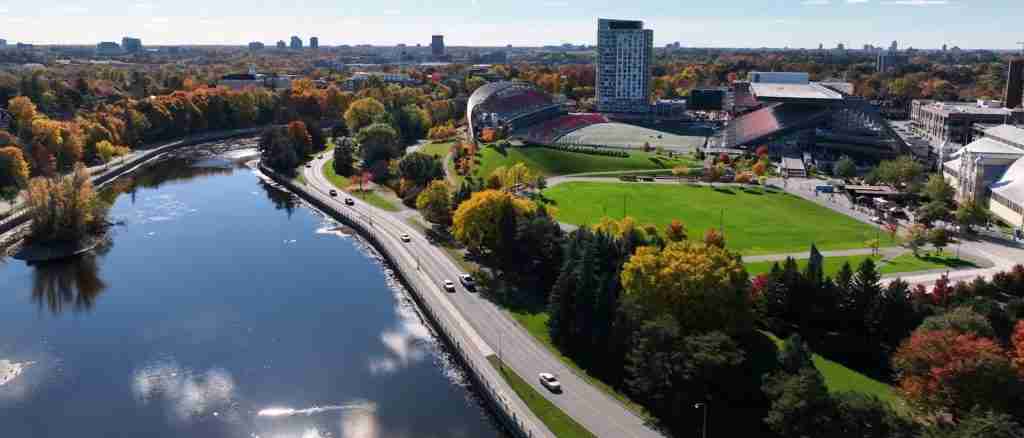
3 days
Ottawa 3-Day Discovery Tour
- ✓ Comprehensive Ottawa experience
- ✓ Expert local guides included
- ✓ All accommodation included
- ✓ Transportation provided
5 days
Ottawa 5-Day Highlights Experience
- ✓ Comprehensive Ottawa experience
- ✓ Expert local guides included
- ✓ All accommodation included
- ✓ Transportation provided
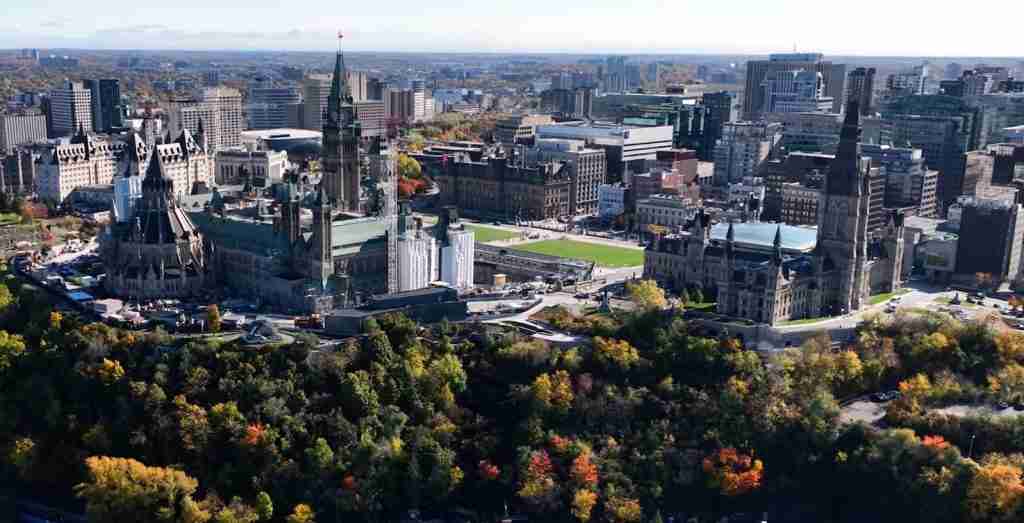
7 days
Ottawa 7-Day Cultural Journey
- ✓ Comprehensive Ottawa experience
- ✓ Expert local guides included
- ✓ All accommodation included
- ✓ Transportation provided
10 days
Ottawa 10-Day Complete Adventure
- ✓ Comprehensive Ottawa experience
- ✓ Expert local guides included
- ✓ All accommodation included
- ✓ Transportation provided
Multi-day tour packages powered by TourRadar. Prices and availability subject to change.
Introduction to Ottawa Budget Planning 2026
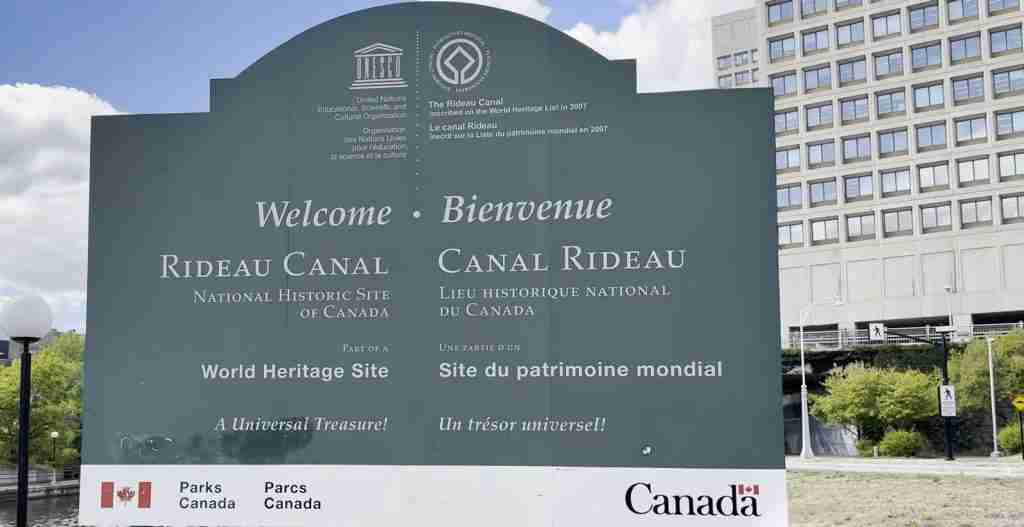
Ottawa’s cost structure reflects its dual identity as federal government headquarters and emerging tech hub, creating a pricing landscape where strategic knowledge delivers disproportionate savings. Unlike Toronto’s relentless expense or Vancouver’s accommodation crisis, Ottawa’s moderate baseline costs combine with numerous free attractions and predictable pricing patterns that reward informed planning. The Canadian Museum of Nature, valued at CAD $24 admission, opens free every Thursday evening. Parliament Hill, the nation’s symbolic center, charges nothing for comprehensive guided tours. The Rideau Canal, a UNESCO World Heritage Site spanning 7.8 kilometers through downtown, provides free recreation year-round. Visitors who master Ottawa’s free-admission schedules, understand accommodation price fluctuations, and navigate the public transit cost structure routinely save CAD $50-100 daily versus those approaching the city without preparation.
The key insight budget travelers miss: Ottawa costs concentrate in accommodation and dining, not attractions. A typical budget-tier traveler spending CAD $125 daily allocates CAD $25 to accommodation (hostel dormitory split), CAD $50 to food, CAD $9 to transit, and CAD $0-15 to paid attractions, with free museums and government sites dominating the itinerary. Mid-range travelers at CAD $240 daily spend CAD $75 accommodation (3-star hotel per person sharing), CAD $90 dining, CAD $9 transit, and CAD $30 attractions. The pattern holds across tiers: housing and meals consume 70-80% of daily budgets, while Ottawa’s remarkable concentration of no-cost cultural sites keeps attraction expenses minimal for budget-conscious visitors.
Seasonal price swings exceed 30% for accommodation. Mid-range hotels charging CAD $120-180 nightly in summer (June-August) drop to CAD $100-120 in winter (January-March, excluding Winterlude weeks). Budget hostels follow similar patterns: CAD $35-50 summer, CAD $30-40 winter. Yet winter travel delivers full access to museums, galleries, Parliament tours, and indoor attractions at identical quality. The Rideau Canal Skateway—winter’s signature experience—remains completely free. Weather-tolerant travelers visiting November-March (avoiding Christmas/New Year and Winterlude) capture 30-35% accommodation savings while experiencing 90% of Ottawa’s cultural offerings.
Public transit efficiency amplifies budget advantages. OC Transpo buses and O-Train lines connect every major attraction zone: Parliament Hill to Canadian Museum of Nature 15 minutes, downtown to Canada Aviation Museum 25 minutes, ByWard Market to Gatineau museums 12 minutes. Single-ride fares at CAD $4.10 create predictable daily costs. A visitor taking 4 one-way trips daily (2 round-trips: hotel to downtown, lunch area to afternoon attraction) spends CAD $16.40 versus taxi rides averaging CAD $12-18 each. Over a 4-day visit, transit totals CAD $66 versus estimated taxi costs CAD $288-432. The 85% savings funds additional meals, paid attractions, or accommodation upgrades.
This guide structures budget planning around daily per-person costs assuming two travelers sharing hotel accommodation throughout. Hotel room rates appear divided by two before integration into daily totals, reflecting real-world travel patterns where couples, friends, and family members split lodging costs. Solo travelers face undivided hotel rates, increasing accommodation expenses CAD $60-215 daily depending on tier. The budget tiers, sample day costs, and weekly trip totals presented here establish benchmarks for standard two-person travel, with solo variations noted where relevant.
Seven cost categories shape every Ottawa budget: accommodation, breakfast, lunch, dinner, local transportation, attraction admissions, and miscellaneous expenses (coffee, snacks, souvenirs). The following sections assign specific prices to each category across budget, mid-range, and luxury tiers, calculate exact daily totals, identify the strategic choices that minimize costs, and map weekly trip expenses for visitors planning 5-7 day Ottawa experiences. Every figure derives from verified 2026 rates, with currency conversions using CAD $1.00 = USD $0.73 throughout.
Understanding Ottawa Cost Structure in 2026
Ottawa’s pricing ecosystem differs fundamentally from Toronto’s expense intensity or Montreal’s value proposition, creating a mid-tier Canadian capital where baseline costs remain manageable but lack of strategic planning drives unnecessary spending. Three factors dominate: accommodation concentration in downtown and ByWard Market commands premium rates while suburban properties 15-20 minutes from Parliament Hill charge 30-40% less, restaurant pricing reflects government worker lunch traffic creating weekday demand surges, and attraction costs vanish almost entirely for visitors willing to align schedules with free-admission windows. The result: two travelers can experience identical Ottawa itineraries at costs differing by CAD $200-300 daily depending solely on accommodation location choice, meal timing decisions, and attraction visit scheduling.
Accommodation represents 35-50% of daily budgets across all tiers. Budget hostels in centrally located ByWard Market charge CAD $40-54 per dormitory bed, while identical dormitories in Centretown or Sandy Hill neighborhoods 1.5 kilometers from Parliament Hill drop to CAD $30-40. Mid-range hotel rooms downtown (within 800 meters of Parliament) run CAD $120-180 per night, requiring CAD $60-90 per person for couples sharing. Hotels positioned near O-Train stations in neighborhoods like Little Italy or Westboro charge CAD $100-140 for equivalent quality rooms, saving couples CAD $20-40 nightly while adding only 12-15 minutes transit time. Luxury properties follow similar patterns: CAD $187-280 downtown, CAD $160-220 in Kanata or Nepean suburbs with free parking. Budget travelers accepting 10-15 minute additional commutes save CAD $10-30 nightly on hostels, CAD $20-40 on mid-range hotels.
Dining costs split into predictable patterns. Breakfast costs range CAD $8-12 at budget cafes, CAD $12-18 at mid-range hotel breakfast buffets or sit-down restaurants, and CAD $20-30 at upscale brunch establishments. Lunch expenses depend entirely on restaurant tier: ByWard Market food stalls and shawarma shops deliver filling meals for CAD $10-15, mid-range restaurants charge CAD $20-35 with beverages, fine dining lunch menus run CAD $40-70. Dinner escalates further: budget-tier travelers eating Vietnamese pho, Chinese noodles, or Middle Eastern platters spend CAD $15-22, mid-range sit-down dinners with appetizers and drinks cost CAD $40-55 per person, luxury dining experiences reach CAD $80-120 per person before wine. Coffee culture adds CAD $5-6 per cappuccino at commercial cafes, creating CAD $15-25 daily expenses for three-coffee-per-day visitors versus CAD $2-3 for grocery-store coffee consumed at accommodation.
Attraction admission costs become negligible with proper scheduling. Parliament Hill guided tours cost CAD $0 every day year-round. Canadian Museum of Nature and Canadian War Museum both offer free Thursday evening admission, eliminating CAD $24 and CAD $22 expenses respectively. National Gallery of Canada charges CAD $20 adults but provides free admission for visitors under 25. Bank of Canada Museum remains free always. Rideau Canal pathways, Major’s Hill Park, Confederation Square, and entire downtown walking routes cost nothing. Visitors structuring 4-day itineraries around free attractions and Thursday museum evenings pay zero admission fees while experiencing Parliament tours, two major museums, national gallery (under-25 travelers), and extensive outdoor exploration. Budget-conscious families save CAD $92 per adult over 4 days (equivalent CAD $46 weekend value if museums visited on paid-admission days instead of free Thursday timing).
Transportation costs remain fixed and predictable. OC Transpo charges CAD $4.10 per one-way Presto fare, CAD $4.15 cash. A visitor taking 4 one-way trips daily (breakfast area to Parliament Hill, Parliament to ByWard lunch, ByWard to afternoon museum, museum back to hotel) spends CAD $16.40. Weekly transit for this pattern totals CAD $115. Monthly passes at CAD $139 benefit only visitors staying 34+ rides (17 days at 2 one-way trips daily, 9 days at 4 trips daily). Downtown walkability reduces transit needs: Parliament Hill to Rideau Centre 800 meters (10-minute walk), ByWard Market to National Gallery 600 meters, Museum of Nature to downtown core 2 kilometers (25-minute walk or single CAD $4.10 bus ride). Budget travelers walking downtown routes and using transit only for longer distances to Aviation Museum (7 kilometers), Experimental Farm (3.5 kilometers), or Diefenbunker (30 kilometers) minimize daily transit to CAD $8-12.
Budget Tier Accommodation Costs Ottawa 2026
Budget accommodation in Ottawa encompasses hostel dormitories ranging CAD $40-54 per bed in prime ByWard Market locations and CAD $30-40 in residential neighborhoods, with shared bathroom facilities, communal kitchens enabling meal preparation, and location-dependent transit access shaping real costs. Hostel selection strategy prioritizes kitchen availability over location proximity, as CAD $10 daily grocery-prepared breakfasts and lunches versus CAD $25-35 restaurant meals save CAD $90-175 weekly, offsetting any transit expenses from staying 2 kilometers beyond downtown core. Dormitory rates divide into 4-bed, 6-bed, and 8-bed configurations, with 8-bed dormitories priced CAD $30-38, 6-bed CAD $35-42, and 4-bed CAD $42-54.
Ottawa hostels concentrate in ByWard Market (walk-everywhere convenience), Sandy Hill (near University of Ottawa, residential quiet), and Centretown (government district, 15-minute walk Parliament Hill). ByWard Market hostels at CAD $45-54 per bed place travelers 400 meters from Rideau Centre, 800 meters from Parliament Hill, surrounded by restaurants, cafes, and nightlife. Sandy Hill hostels at CAD $35-42 per bed sit 1.5 kilometers from Parliament, requiring 18-minute walks or single CAD $4.10 bus rides to downtown core, but offering quieter evening environment and proximity to University of Ottawa student dining deals. Centretown hostels at CAD $38-48 per bed balance mid-range pricing with reasonable 12-15 minute walks to major sites. Budget travelers prioritizing sleep quality over location choose Sandy Hill, those maximizing evening entertainment access select ByWard despite CAD $10-12 nightly premium.
Kitchen facilities matter more than promotional materials suggest. Hostels with full kitchens (refrigerator, stove, cookware, utensils) enable breakfast preparation at CAD $3-5 per meal (grocery-store yogurt, fruit, bread, coffee) versus cafe breakfast CAD $12-18. Lunch assembly costs CAD $6-8 (sandwich ingredients, snacks, drinks) versus restaurant lunch CAD $20-35. Three days of self-prepared breakfast and lunch saves CAD $81-135 versus restaurant meals, exceeding any transit costs incurred by staying in kitchen-equipped hostel positioned 2 kilometers from downtown. Hostels without kitchens or with minimal kitchen access (microwave only, no stove) force restaurant meal dependence, increasing daily food budgets CAD $25-40.
Shared bathroom configurations affect comfort but rarely costs. Standard hostel dormitories include shared hall bathrooms with multiple shower stalls and toilet facilities, cleaned daily, adequate for budget travelers accustomed to hostel environments. Some premium budget accommodations offer ensuite bathrooms in 4-bed dorms at CAD $48-58 per bed, delivering private shower/toilet to dormitory but maintaining shared bedroom space. The CAD $6-10 ensuite premium rarely justifies costs for travelers staying 3-5 nights, as shared facilities remain clean and accessible.
Solo travelers face identical per-bed dormitory costs as those traveling in pairs or groups. Hostel dormitory pricing operates per-bed rather than per-room, eliminating the accommodation cost disadvantage solo travelers experience with hotels. A solo traveler in CAD $40 dormitory bed pays CAD $40 nightly. Two friends sharing a mid-range hotel room at CAD $120 pay CAD $60 each, only 50% more than the solo dormitory traveler despite upgrading to private room with ensuite bathroom. Budget-tier solo travelers gain relative advantage in accommodation costs versus solo hotel bookers (who pay full CAD $120 room rates), while budget-tier couples face decision between CAD $80 dormitory cost (CAD $40 × 2 beds) and CAD $120 private hotel room, with hotel private room delivering CAD $40 nightly value upgrade for couples.
Budget Tier Daily Costs Ottawa 2026
Budget travelers spending CAD $100-155 per person daily in Ottawa (assuming two sharing budget accommodation) allocate resources across hostel dormitory CAD $20-27 per person (two splitting CAD $40-54 bed costs or booking separate beds at similar rates), self-prepared and budget restaurant meals CAD $40-60, public transit CAD $4-9, and predominantly free attractions with occasional CAD $5-15 paid admissions. This tier demands strategic meal planning through hostel kitchen use, aggressive pursuit of free-admission museum hours, and acceptance of 20-30 minute walks replacing some transit rides. The daily total of CAD $100-155 per person assumes two people either sharing dormitory accommodation costs or each paying individual bed rates that average CAD $40-54 per bed.
Sample budget day structure illustrates component costs: accommodation CAD $24 per person (mid-range hostel dormitory bed), breakfast CAD $8 (mix of grocery-prepared and occasional cafe), lunch CAD $15 (ByWard Market shawarma or Chinatown noodles), dinner CAD $20 (Vietnamese pho or Middle Eastern mixed grill), coffee and snacks CAD $12 (one cafe coffee CAD $5, grocery snacks CAD $7), transit CAD $12 (3 one-way rides), attractions CAD $5 (occasional paid admission on non-free days), miscellaneous CAD $8 (contingencies, small purchases). Total: approximately CAD $104 per person daily. Lower-cost days with aggressive grocery preparation (breakfast CAD $5, lunch CAD $10), walking instead of some transit rides, and zero paid admissions drop to CAD $85-95. Higher days with cafe breakfast CAD $15, sit-down lunch CAD $25, multiple coffees CAD $15, and paid museum admission CAD $24 reach CAD $130-145.
Accommodation cost per person assumes standard dormitory bed pricing where two travelers either share costs of a single bed booking or each book separate beds. If two travelers share a CAD $44 dormitory bed cost, each pays CAD $22. If two travelers book separate dormitory beds at CAD $40 each, each pays CAD $40. The CAD $20-27 per person range reflects both cost-sharing scenarios and varying dormitory bed rates across hostel locations and bed-count configurations. Solo travelers in dormitories pay full CAD $40-54 per bed, identical to their half of couples’ costs when couples book separate beds.
Meal costs at budget tier require discipline and kitchen access. Grocery-prepared breakfast CAD $3-5 (yogurt CAD $1.50, banana CAD $0.80, coffee CAD $0.50, bread/spreads CAD $2) versus cafe breakfast CAD $12-18 saves CAD $9-15 daily. Self-assembled lunch CAD $6-8 (sandwich ingredients CAD $4, fruit CAD $2, bottled water CAD $2) versus restaurant lunch CAD $20-35 saves CAD $14-29 daily. Two grocery-prepared meals daily save CAD $23-44 versus restaurant equivalents. Over 5-day Ottawa visit, self-preparation saves CAD $115-220 versus full restaurant dependence, funding accommodation upgrades, paid attractions, or additional travel days.
Transit costs minimize through strategic walking. Downtown core attractions cluster within 1.5-kilometer radius: Parliament Hill to National Gallery 900 meters (11 minutes), National Gallery to ByWard Market 400 meters (5 minutes), ByWard to Rideau Centre 300 meters (4 minutes). Budget travelers walking these downtown connections and using transit only for longer hauls (Canadian Museum of Nature 2.5 kilometers south, Aviation Museum 7 kilometers northeast) reduce daily rides to 2-3 one-way trips at CAD $8-12 daily versus 4-5 rides CAD $16-20 for transit-dependent visitors.
Attraction costs drop to near-zero with schedule alignment. Monday morning Parliament Hill tour (free), Monday afternoon National Gallery under-25 admission (free) or downtown walking tour (free), Tuesday Canadian Museum of Nature regular hours (CAD $24) or free outdoor activities, Wednesday Canadian War Museum regular hours (CAD $22) or Rideau Canal exploration (free), Thursday both museums during free evening hours (CAD $0), Friday/weekend outdoor activities, ByWard Market wandering, Major’s Hill Park (all free). This 5-day schedule costs CAD $46 if museums visited on paid days, CAD $0 if Thursday free hours utilized and under-25 travelers access National Gallery free admission. Budget-conscious visitors scheduling Thursday arrivals maximize free museum access.
Mid-Range Tier Accommodation Costs Ottawa 2026
Mid-range hotel accommodation in Ottawa spans CAD $120-180 per night for 3-star properties featuring private rooms with ensuite bathrooms, daily housekeeping, complimentary breakfast at higher-end options, and downtown or near-downtown locations with 10-15 minute transit or walking access to Parliament Hill. Room rates divide by two for couples sharing, creating CAD $60-90 per person nightly costs that form the foundation of mid-range daily budgets. Location, amenities, and seasonal timing determine where within the CAD $120-180 range specific properties price, with summer peak (June-August) commanding upper-range rates and winter value periods (November-March excluding holidays) offering lower-range pricing.
Ottawa’s mid-range hotel zones include downtown core (Parliament Hill vicinity, ByWard Market, Centretown), Little Italy/Chinatown corridor served by O-Train Line 1, and Westboro neighborhood west along Ottawa River. Downtown properties at CAD $150-180 nightly (CAD $75-90 per person sharing) deliver walk-everywhere convenience, with Parliament Hill 800 meters, major museums 1-2 kilometers, ByWard Market dining 400-600 meters. Little Italy properties near O-Train stations at CAD $120-140 nightly (CAD $60-70 per person sharing) require 12-15 minute O-Train rides to downtown but offer quieter evening environments, easier parking, and proximity to authentic Italian and Asian restaurants with better value than tourist-zone pricing. Westboro hotels at CAD $130-160 nightly (CAD $65-80 per person sharing) combine residential neighborhood character with 18-20 minute transit to Parliament Hill, appealing to travelers prioritizing local experience over tourist center immersion.
Complimentary breakfast inclusion varies widely across mid-range tier. Upper-mid-range properties (CAD $160-180 nightly) frequently include breakfast buffets valued at CAD $15-18 per person, effectively reducing net room cost to CAD $125-145 when breakfast value subtracted. Budget-conscious couples compare CAD $180 room with breakfast (net CAD $145 after breakfast value, equals CAD $73 per person including morning meal) against CAD $120 room without breakfast plus CAD $24 restaurant breakfast for two (total CAD $144, equals CAD $72 per person). The economics favor breakfast-included properties by CAD $1-10 per couple daily while delivering buffet variety and convenience. Hotels without breakfast force cafe or restaurant morning meals at CAD $12-18 per person, increasing effective accommodation costs when breakfast value factored.
Private ensuite bathrooms define mid-range tier separation from budget hostels. Every mid-range hotel room includes private bathroom with shower or shower/tub combination, toilet, sink, and daily housekeeping restocking towels and toiletries. This privacy and convenience advantage over shared hostel bathrooms justifies the CAD $35-50 per person nightly premium (CAD $60-90 mid-range hotel per person sharing versus CAD $20-27 hostel dormitory per person), particularly for travelers valuing morning routine privacy, couples preferring intimate space, and those spending 5+ nights when bathroom access frequency accumulates.
Solo travelers face undivided room rates in mid-range tier, paying full CAD $120-180 nightly versus couples paying CAD $60-90 per person. This creates dramatic cost disparity: solo traveler at CAD $150 nightly pays CAD $1,050 weekly accommodation, couple at CAD $150 nightly (CAD $75 each) pays CAD $525 per person weekly. Solo mid-range travelers seeking private room comfort without couple-tier costs investigate smaller boutique properties offering compact single rooms at CAD $95-120 nightly, delivering ensuite bathroom and private space at 25-35% discount versus standard double occupancy pricing.
Mid-Range Tier Daily Costs Ottawa 2026
Mid-range travelers spending CAD $205-280 per person daily in Ottawa (assuming two sharing mid-range hotel) allocate expenses across hotel accommodation CAD $60-90 per person (two splitting CAD $120-180 room costs), restaurant meals totaling CAD $75-110 daily, public transit CAD $9, and attraction admissions CAD $20-40. This tier balances comfort with cost consciousness, choosing 3-star hotels with ensuite bathrooms and optional breakfast, eating all meals at sit-down restaurants but avoiding luxury establishments, paying full museum admission prices rather than pursuing free-hour schedules, and using transit freely without walk-to-save mentality. The daily range of CAD $205-280 per person reflects accommodation quality choices (CAD $120 versus CAD $180 rooms), dining expense levels (budget-conscious restaurant selection versus mid-tier splurges), and attraction intensity (free-activity days versus museum-heavy itineraries).
Sample mid-range day structure demonstrates component costs: accommodation CAD $75 per person (two sharing CAD $150 hotel room), breakfast CAD $15 (hotel buffet or cafe), lunch CAD $30 (sit-down restaurant with appetizer and drink), dinner CAD $50 (mid-range dinner with wine or cocktail), coffee/snacks CAD $12 (two cafe coffees, afternoon snack), transit CAD $9 (CAD $4.10 × 2 rides plus one additional short trip), attractions CAD $24 (single museum admission). Total: approximately CAD $215 per person daily. Higher-expense days with CAD $90 accommodation (CAD $180 room split), CAD $65 dinner at upscale establishment, and CAD $44 in multiple museum admissions reach CAD $260-280 daily. Lower-cost days utilizing free Parliament tours, CAD $60 accommodation (CAD $120 room split), and modest CAD $40 dinner drop to CAD $195-205.
Hotel accommodation cost per person assumes two travelers sharing standard double or queen room priced CAD $120-180 nightly. Each person pays half the room rate: CAD $60-90 per person. This represents the foundational cost that every mid-range budget builds upon. A couple booking a CAD $150 room for 5 nights pays CAD $750 total accommodation, equals CAD $375 per person for the stay, averages CAD $75 per person nightly. Solo travelers occupying the same CAD $150 room pay undivided CAD $750, doubling the per-person cost versus couples. Breakfast-included hotels charging CAD $165-180 but providing CAD $15-18 buffet per person effectively cost CAD $130-145 net after breakfast value subtracted, aligning with or undercutting breakfast-excluded CAD $130-150 hotels once separate breakfast expenses added.
Restaurant meal costs at mid-range tier assume sit-down table service, appetizers or sides, and beverages. Breakfast CAD $12-18 covers cafe meal with coffee and pastry or eggs/toast/juice at casual restaurant. Lunch CAD $25-35 includes entree, soft drink, and tip at ByWard Market or Elgin Street restaurants. Dinner CAD $40-55 encompasses appetizer or salad, main course, one alcoholic beverage or dessert, and gratuity at establishments like those in Little Italy, Westboro, or Hintonburg neighborhoods. Coffee expenses at CAD $5-6 per cappuccino accumulate to CAD $10-18 daily for two-coffee habits. Mid-range travelers dining three restaurant meals daily spend CAD $77-108 on food alone before coffees and snacks, explaining why food comprises 35-45% of daily mid-range budgets.
Transit usage at mid-range tier embraces convenience over cost optimization. Taking 4-5 one-way rides daily (hotel to breakfast spot, breakfast to Parliament Hill, Parliament to lunch restaurant, lunch to afternoon museum, museum back to hotel) costs CAD $16-20 versus budget travelers walking downtown segments and spending CAD $8-12 daily. The CAD $4-8 daily transit premium totals CAD $20-40 weekly, representing 8-12% of accommodation cost difference between budget hostel (CAD $140-189 weekly for person in dormitory) and mid-range hotel (CAD $420-630 weekly per person sharing room). Mid-range comfort extends beyond lodging to transportation philosophy: transit replaces walking when convenient, eliminating the 25-30 minute walks that budget travelers accept between distant attractions.
Attraction admission costs reflect willingness to visit museums during regular hours rather than structuring itineraries around Thursday free-admission windows. Canadian Museum of Nature CAD $24, Canadian War Museum CAD $22, National Gallery CAD $20 (ages 25+), Canadian Museum of History across river in Gatineau CAD $23, Aviation Museum CAD $18. A mid-range visitor experiencing all five museums during 5-day visit pays CAD $107 in admissions versus budget traveler visiting same museums during free hours and paying CAD $0-20. The CAD $87-107 premium buys scheduling flexibility: visit museums when weather or mood suggests, avoid Thursday evening crowds, and enjoy daytime gallery lighting for art appreciation.
Luxury Tier Accommodation Costs Ottawa 2026
Luxury accommodation in Ottawa encompasses boutique hotels and upscale properties charging CAD $187-280+ per night for superior rooms featuring premium bedding, upscale bathroom amenities, concierge services, on-site fine dining, and prime downtown locations within 400-600 meters of Parliament Hill. Signature properties include Fairmont Château Laurier (Ottawa’s castle landmark, CAD $250-350 nightly), Andaz Ottawa Byward Market (boutique modern design, CAD $220-280), and Le Germain Hotel Ottawa (refined contemporary, CAD $200-260). Room rates divide by two for couples sharing, creating CAD $95-215+ per person nightly costs that anchor luxury daily budgets. Solo travelers pay undivided rates, doubling per-person accommodation expenses versus couples.
The Fairmont Château Laurier represents Ottawa’s premier luxury address, positioned directly adjacent to Parliament Hill with limestone château architecture mirroring the government buildings across the street. Standard room rates run CAD $250-350 nightly (CAD $125-175 per person sharing), delivering castle ambiance, indoor pool, full-service spa, multiple on-site restaurants, and unmatched proximity to Parliament, Rideau Canal locks, and National Gallery. Guests walk 200 meters to Parliament Hill entrance, 400 meters to ByWard Market core, 600 meters to National Gallery, eliminating all transit needs for downtown exploration. The location premium versus suburban luxury hotels reaches CAD $80-120 nightly but saves CAD $16-25 daily in taxi or transit costs, partially offsetting the downtown surcharge over 5-7 night stays.
Boutique luxury properties like Andaz Byward Market (CAD $220-280 nightly, CAD $110-140 per person sharing) and Le Germain (CAD $200-260, CAD $100-130 per person) deliver contemporary design, rooftop amenities, locally-curated minibar offerings, and tech-forward room controls. These properties appeal to luxury travelers seeking modern aesthetic over historic grandeur, offering smaller room counts (120-170 rooms versus Château Laurier’s 429), more personalized service, and neighborhood integration in ByWard Market’s restaurant and gallery district. Rates run CAD $50-90 below Château Laurier while maintaining luxury-tier amenities, creating value positioning within upscale category.
Luxury hotel amenities justify premium pricing through service depth and experience quality. Concierge desk arranges restaurant reservations, private tours, helicopter flights, and VIP museum access. In-room features include premium mattresses, 400-thread-count linens, rainfall showers, luxury toiletries, Nespresso machines, and smart-room technology. On-site facilities provide 24-hour fitness centers, indoor pools, business centers, and valet parking (additional CAD $45-70 daily). Breakfast options include full buffets (CAD $25-35 per person when not included in rate) or à la carte fine dining (CAD $30-50). These amenities and services differentiate luxury properties from mid-range hotels charging CAD $120-180 for rooms with standard bedding, basic bathrooms, and minimal services.
Solo luxury travelers face the steepest accommodation premiums in Ottawa’s pricing structure. A CAD $250 Château Laurier room costs couples CAD $125 per person nightly (CAD $875 per person weekly), while solo occupant pays full CAD $250 (CAD $1,750 weekly). The CAD $875 weekly solo premium doubles accommodation costs versus coupled traveler. Solo luxury visitors seeking private room comfort without full double-rate costs investigate compact luxury rooms offered by some boutique properties at CAD $180-220, delivering luxury amenities in smaller footprints at 20-30% discounts versus standard rooms.
Luxury Tier Daily Costs Ottawa 2026
Luxury travelers investing CAD $350-550+ per person daily in Ottawa (assuming two sharing luxury hotel) distribute expenses across boutique hotel accommodation CAD $95-215+ per person (two splitting CAD $187-430+ room costs), fine dining and upscale restaurant meals CAD $150-240, private tours and exclusive experiences CAD $60-100+, premium transportation options including occasional taxis, and full-price museum admissions at convenient times. This tier prioritizes experience quality, convenience, and comfort, selecting signature properties, dining at acclaimed restaurants, booking private guides for Parliament and museum tours, and avoiding any schedule constraints from budget considerations. Daily totals ranging CAD $350-550+ reflect accommodation choices (boutique CAD $200 room versus flagship Château Laurier CAD $350+), dining intensity (upscale versus ultra-luxury establishments), and activity expenses (private tours, helicopter flights, exclusive access experiences).
Sample luxury day structure illustrates component costs: accommodation CAD $140 per person (two sharing CAD $280 Andaz Ottawa room), breakfast CAD $30 (hotel fine dining or upscale cafe), lunch CAD $55 (refined bistro with wine), afternoon tea or coffee CAD $15 (artisan cafe, pastries), dinner CAD $110 (fine dining with cocktails and wine), private Parliament tour CAD $75 (VIP guide service per person), transit/taxi CAD $20 (convenience-first transportation choices), miscellaneous CAD $15 (premium souvenirs). Total: approximately CAD $460 per person daily. Ultra-luxury days with CAD $175 accommodation (Château Laurier CAD $350 room split), CAD $140 dinner at Ottawa’s top restaurants, helicopter tour CAD $180, and premium wine experiences reach CAD $580-650 daily. More moderate luxury days utilizing boutique hotel CAD $100 per person, upscale but not ultra-fine dining CAD $75 dinner, and standard museum visits instead of private tours drop to CAD $360-400.
Accommodation costs per person in luxury tier reflect two travelers sharing premium rooms priced CAD $187-430+ nightly, with each person paying half: CAD $95-215+ per person. A couple booking Château Laurier at CAD $300 nightly for 6 nights pays CAD $1,800 total, equals CAD $900 per person for stay, averages CAD $150 per person nightly. Boutique properties like Le Germain at CAD $220 nightly cost couples CAD $110 each, delivering luxury amenities at 25-35% savings versus flagship hotels while maintaining boutique character and prime downtown positioning. Breakfast inclusion varies: Château Laurier charges separately for breakfast (CAD $25-35 per person buffet), while some boutique properties include continental breakfast in rates, effectively reducing net accommodation cost CAD $25-35 per person daily when breakfast value subtracted.
Dining expenses at luxury tier emphasize acclaimed restaurants, multi-course meals, premium wine selections, and sophisticated cocktails. Breakfast at CAD $25-35 includes full hotel buffet, eggs benedict at upscale cafe, or curated morning menu at signature restaurants. Lunch at CAD $45-65 covers refined bistro meals, wine by glass, and premium ingredients—local Ottawa Valley produce, Quebec artisan cheeses, Ontario craft beers. Dinner at CAD $90-140 encompasses appetizers, main courses from Ottawa’s top culinary talent (often Parliament Hill area establishments or Elgin Street upscale venues), desserts, and wine bottles CAD $50-90. Luxury travelers dining at this level three meals daily spend CAD $160-240 on food alone, explaining why meals consume 40-50% of daily luxury budgets even at CAD $450+ total spending.
Private tour and exclusive experience costs separate luxury tier from mid-range approach. VIP Parliament Hill tours with dedicated guides cost CAD $75-100 per person versus free public tours, delivering extended access, behind-scenes areas, and personalized narrative. Private museum tours at Canadian War Museum or Museum of History run CAD $80-120 per person for 90-minute curator-led experiences. Helicopter tours over Parliament, Rideau Canal, and Ottawa River Valley cost CAD $180-240 per person for 15-20 minute flights. These premium experiences total CAD $335-460 across multi-day visit, elevating the standard museum/walking-tour itinerary into memorable exclusive access.
Transportation at luxury tier embraces taxi convenience over transit cost discipline. Taking taxis averaging CAD $15-22 per ride (hotel to restaurant, restaurant to museum, museum to afternoon activity) for 4-5 rides daily costs CAD $60-110 versus public transit CAD $16-20 for equivalent trip count. The CAD $44-90 daily taxi premium totals CAD $220-450 weekly, representing 10-20% of weekly luxury accommodation costs. Luxury travelers prioritize door-to-door convenience, climate-controlled comfort, and time efficiency over CAD $200-300 weekly transit savings, viewing transportation as extension of premium experience rather than cost line-item to minimize.
Food and Dining Costs Breakdown Ottawa 2026
Ottawa dining expenses range from CAD $10 Middle Eastern shawarma plates to CAD $140 multi-course fine dining experiences, with cost structures shaped by restaurant location (ByWard Market tourist zone versus neighborhood establishments), cuisine type (ethnic value versus upscale contemporary), and meal timing (government worker lunch rush versus quiet dinner service). Three distinct pricing tiers emerge: budget meals CAD $10-20 at ethnic restaurants, food stalls, and fast-casual chains; mid-range dining CAD $25-55 at sit-down restaurants with full service; and upscale experiences CAD $65-140 at acclaimed establishments with premium ingredients and refined preparation. Strategic diners navigate between tiers based on meal importance, moving from CAD $12 Vietnamese breakfast to CAD $50 celebratory dinner, while single-tier eaters (all budget or all mid-range) maintain consistent daily food costs.
Breakfast costs segment by venue and service level. Grocery-prepared breakfast at hostel kitchen costs CAD $3-5 (yogurt, fruit, bread, coffee purchased from Metro or Loblaws supermarkets). Budget cafe breakfast runs CAD $8-12 (coffee, pastry, and fruit cup at independent cafes or Bridgehead coffee shops). Mid-range restaurant breakfast costs CAD $12-18 (eggs, toast, bacon, juice, coffee at Elgin Street Diner or equivalent establishments). Upscale hotel breakfast buffets charge CAD $25-35 (extensive hot and cold selections, made-to-order omelets, premium pastries). These five breakfast options span CAD $3 to CAD $35, creating CAD $15-160 weekly breakfast budget differential between grocery self-preparation and daily hotel buffets. Budget travelers consuming hotel buffets for “free” when included in room rates realize CAD $25-35 daily breakfast value that effectively reduces net accommodation costs.
Lunch pricing reflects location concentration around government office buildings. ByWard Market food stalls and quick-service restaurants deliver CAD $10-18 meals: shawarma wraps CAD $10-12, Vietnamese banh mi CAD $8-11, Chinese hand-pulled noodles CAD $12-15, poutine variations CAD $10-14. Sit-down lunch at casual restaurants costs CAD $18-30 including beverages: Chinatown dim sum CAD $18-25, Little Italy pasta CAD $20-28, pub fish and chips CAD $22-30. Mid-range business lunch at Elgin Street or Sparks Street establishments runs CAD $30-45 with appetizer, entree, soft drink, and tip. These lunch tiers create daily differentials: budget traveler at CAD $12 shawarma versus business lunch at CAD $38 saves CAD $26 per lunch, totaling CAD $130 weekly savings funding accommodation upgrades or attraction admissions.
Dinner represents Ottawa’s widest cost range and greatest savings opportunity for budget-conscious travelers. Ethnic neighborhood restaurants serve filling dinners CAD $15-25: Vietnamese pho CAD $15-18, Middle Eastern mixed grill platters CAD $18-25, Indian curry thalis CAD $20-24, Chinese regional dishes CAD $18-28. Mid-range restaurant dinners cost CAD $40-55 per person with appetizer, main, one drink, dessert, and gratuity: Italian trattorias in Little Italy CAD $42-52, French bistros in Centretown CAD $45-60, contemporary Canadian in Hintonburg CAD $48-65. Upscale dining reaches CAD $80-140 per person: signature Parliament Hill area restaurants CAD $85-120, special occasion establishments CAD $100-140, tasting menus CAD $120-180. Budget travelers eating ethnic dinners five nights save CAD $125-150 versus mid-range restaurant choices, CAD $325-575 versus upscale dining.
Coffee and beverage expenses accumulate deceptively. Commercial cafe cappuccino costs CAD $5-6, Americano CAD $4-5, latte CAD $5.50-6.50. Two cafe coffees daily total CAD $10-13, reaching CAD $70-91 weekly. Grocery-store coffee prepared at hostel or hotel costs CAD $0.50-1 per cup, saving CAD $4-5 per coffee versus cafe purchases. Three-coffee-per-day travelers choosing grocery coffee save CAD $12-15 daily, totaling CAD $84-105 weekly—enough to fund additional paid attraction visits or upgrade one accommodation night from hostel to budget hotel. Beer at restaurants averages CAD $7-9, cocktails CAD $12-16, wine by glass CAD $10-15, explaining why beverage-free dining reduces meal costs CAD $10-30 versus alcohol-included experiences.
Transportation and Getting Around Ottawa 2026
Ottawa public transit operates through OC Transpo bus and O-Train light rail network, charging CAD $4.10 per one-way ride with Presto card (CAD $4.15 cash) with 90-minute transfer windows enabling route connections within single fare. Monthly passes cost CAD $139, breaking even at 34 one-way rides—equivalent to 17 round-trips or 9 days at 4 rides daily. Transit network connects all major visitor destinations: downtown core to Canadian Museum of Nature 15 minutes, Parliament Hill to Aviation Museum 25 minutes, ByWard Market to Gatineau museums 12 minutes across Alexandra Bridge. Downtown walkability reduces transit dependence for central attractions clustered within 1.5-kilometer radius, enabling budget travelers to minimize rides through 15-20 minute walks between Parliament Hill, ByWard Market, National Gallery, and Rideau Centre.
OC Transpo fare structure operates on distance-independent flat pricing: CAD $4.10 covers any single trip regardless of length, from 2-kilometer downtown hops to 15-kilometer suburban journeys. The 90-minute transfer window allows multiple route connections within single fare, benefiting travelers chaining bus-to-O-Train-to-bus segments for complex itineraries. Practical application: visitor leaving downtown hotel taking bus to Aviation Museum (25 minutes), exploring museum 60 minutes, returning via same route utilizes two fares CAD $8.20 total. Visitor conducting downtown-Museum of Nature-Little Italy restaurant circuit within 90 minutes (bus to museum, museum to restaurant) pays single CAD $4.10 fare if trips chain within transfer window.
Monthly pass economics favor only extended-stay visitors or those conducting 4+ rides daily. The CAD $139 pass breaks even at 34 rides: 17 days at 2 rides daily (one round-trip), 9 days at 4 rides daily (two round-trips), 7 days at 5 rides daily. Weekend visitor staying 3 days making 8 total rides pays CAD $33 with single fares versus CAD $139 monthly pass—wasting CAD $106. Week-long visitor averaging 3 rides daily (21 total rides, CAD $86 single-fare cost) saves CAD $53 by avoiding monthly pass. Two-week business traveler taking 4 rides daily (56 total rides, CAD $230 single-fare cost) saves CAD $91 purchasing monthly pass. Tourist visitors staying under 10 days almost never benefit from monthly passes unless conducting unusual 5+ rides daily.
Downtown walking eliminates substantial transit costs for centrally-located visitors. Parliament Hill to ByWard Market measures 800 meters (10-minute walk), ByWard to Rideau Centre 400 meters (5 minutes), Rideau Centre to National Gallery 600 meters (7 minutes), National Gallery to Major’s Hill Park 300 meters (4 minutes). Budget traveler walking these downtown connections and using transit only for longer distances (Museum of Nature 2.5 kilometers, Aviation Museum 7 kilometers, Diefenbunker 30 kilometers) reduces daily rides from 4-5 to 2-3, saving CAD $8-12 daily versus transit-dependent approach. Five-day visit with aggressive walking strategy costs CAD $40-60 transit versus CAD $80-100 for full transit usage, saving CAD $40 weekly.
Taxi and ride-share costs range CAD $12-25 for typical visitor trips within Ottawa core. Parliament Hill to Aviation Museum CAD $22-28, downtown hotels to Gatineau museums CAD $15-20, airport to downtown CAD $35-45. Luxury travelers substituting taxis for transit on 4 daily trips spend CAD $60-100 daily versus transit CAD $16.40, creating CAD $44-84 daily premium that totals CAD $220-420 weekly. The premium buys door-to-door service, climate control, luggage convenience, and time savings (no waiting for buses, no walking to/from stops). Mid-range travelers occasionally taxi-ing for luggage-heavy airport transfers or late-night returns from Gatineau spend CAD $35-70 weekly supplementing regular transit use, balancing convenience with cost containment.
Major Attraction Admission Prices Ottawa 2026
Ottawa’s major museums and attractions charge CAD $18-24 adult admission in 2026, but strategic free-admission windows and complimentary government sites deliver equivalent experiences at zero cost for schedule-flexible visitors. Canadian Museum of Nature costs CAD $24 adults ages 25-64 but opens free Thursdays 5-8pm. Canadian War Museum charges CAD $22 adults but admits free Thursdays 5-7pm. Parliament Hill guided tours remain free daily year-round with advance online booking. National Gallery of Canada costs CAD $20 adults ages 25+ but admits under-25 visitors free always. Bank of Canada Museum maintains free admission for all ages. Rideau Canal pathways, Major’s Hill Park, Confederation Square, and extensive downtown walking routes cost nothing regardless of visit timing.
Canadian Museum of Nature admission structure prices adults 25-64 at CAD $24, youth 18-24 at CAD $12, children 3-12 at CAD $13, seniors 65+ at CAD $19, with children under 3 free (check official site for current rates, as pricing may vary seasonally). The Thursday free admission period 5-8pm covers permanent galleries and includes special exhibitions except Butterflies in Flight which requires timed-entry tickets even during free hours. Daytime visitors paying CAD $24 access identical galleries, dinosaur exhibits, mammal dioramas, and Arctic Gallery as Thursday evening free visitors, making the CAD $24 expense purely a scheduling-flexibility premium. Budget families with two adults and two children (ages 8 and 12) save CAD $62 visiting Thursday evening versus daytime paid admission—sufficient savings to fund dinner at mid-range restaurant or two additional paid attraction visits.
Canadian War Museum pricing follows similar structure: adults 25-64 CAD $22, youth 18-24 CAD $11, children under 18 free, seniors CAD $20 (check official website for current official rates). Thursday evening free admission 5-7pm covers permanent exhibitions including military vehicle galleries, artifact collections, and Memorial Hall. The 2-hour Thursday window (5-7pm versus Museum of Nature’s 5-8pm) creates tighter visit scheduling but remains sufficient for focused museum exploration. War Museum’s 1 Vimy Place location sits 2 kilometers west of Parliament Hill, requiring CAD $4.10 transit ride or 25-minute walk from downtown core, adding minor access costs versus Museum of Nature’s closer 2-kilometer southern position.
Parliament Hill guided tours deliver exceptional value at CAD $0 cost, providing 45-60 minute comprehensive building tours including House of Commons, Senate chambers, Library of Parliament, and Peace Tower observation deck access (when available). Free tours require advance online booking through parliamentary website, with reservations opening weeks ahead and filling quickly during summer peak. Security screening process adds 15-30 minutes to visit time. The CAD $0 admission combined with central downtown location (no transit costs from most hotels) and comprehensive government building access creates Ottawa’s highest value-per-dollar attraction—infinite value at zero cost. Visitors comparing Parliament free tour against paid museum admissions realize CAD $44-46 daily savings on 2-museum days by substituting Parliament for one paid museum.
National Gallery of Canada charges adults 25+ CAD $20 but admits youth and children under 25 completely free, creating family savings opportunities. Two parents with university-age children (ages 19-23) pay CAD $40 total versus CAD $80 if all four charged adult rates—CAD $40 savings funds lunch at mid-range restaurant. The under-25 free admission policy reflects commitment to youth arts access while generating reduced revenue from millennial and Gen-Z travelers who constitute substantial visitor demographics. Budget travelers under 25 visiting Canadian Museum of Nature Thursday evening (free), National Gallery any time (free), and Parliament Hill (free) experience three major Ottawa attractions at zero admission cost.
Seasonal and special exhibition pricing adds premiums to base admission costs. Canadian Museum of Nature’s Butterflies in Flight exhibition requires separate timed-entry tickets even during free Thursday hours, with fees varying CAD $5-8 beyond base admission. Special exhibitions at War Museum occasionally carry CAD $5-10 supplemental fees. National Gallery rotating exhibitions may add CAD $8-12 charges beyond permanent collection admission. Budget travelers visiting during special exhibition periods face decisions: pay supplemental fees for temporary content or limit visits to permanent galleries included in base admission, saving CAD $5-12 per attraction visit.
Free and Low-Cost Activities Ottawa 2026
Ottawa’s concentration of no-cost attractions and free-admission periods creates extraordinary value for budget travelers willing to align schedules and accept non-peak visit timing. Parliament Hill guided tours (free always), Canadian Museum of Nature (free Thursdays 5-8pm), Canadian War Museum (free Thursdays 5-7pm), National Gallery (free for under-25 visitors), Bank of Canada Museum (free always), Rideau Canal pathways (free always), and extensive parks deliver CAD $200+ equivalent value across 4-5 day visits without spending a single admission dollar. Strategic visitors structure entire Ottawa itineraries around Thursday museum evenings, weekday Parliament tours, and weekend outdoor exploration, converting what appears expensive into budget-friendly immersion.
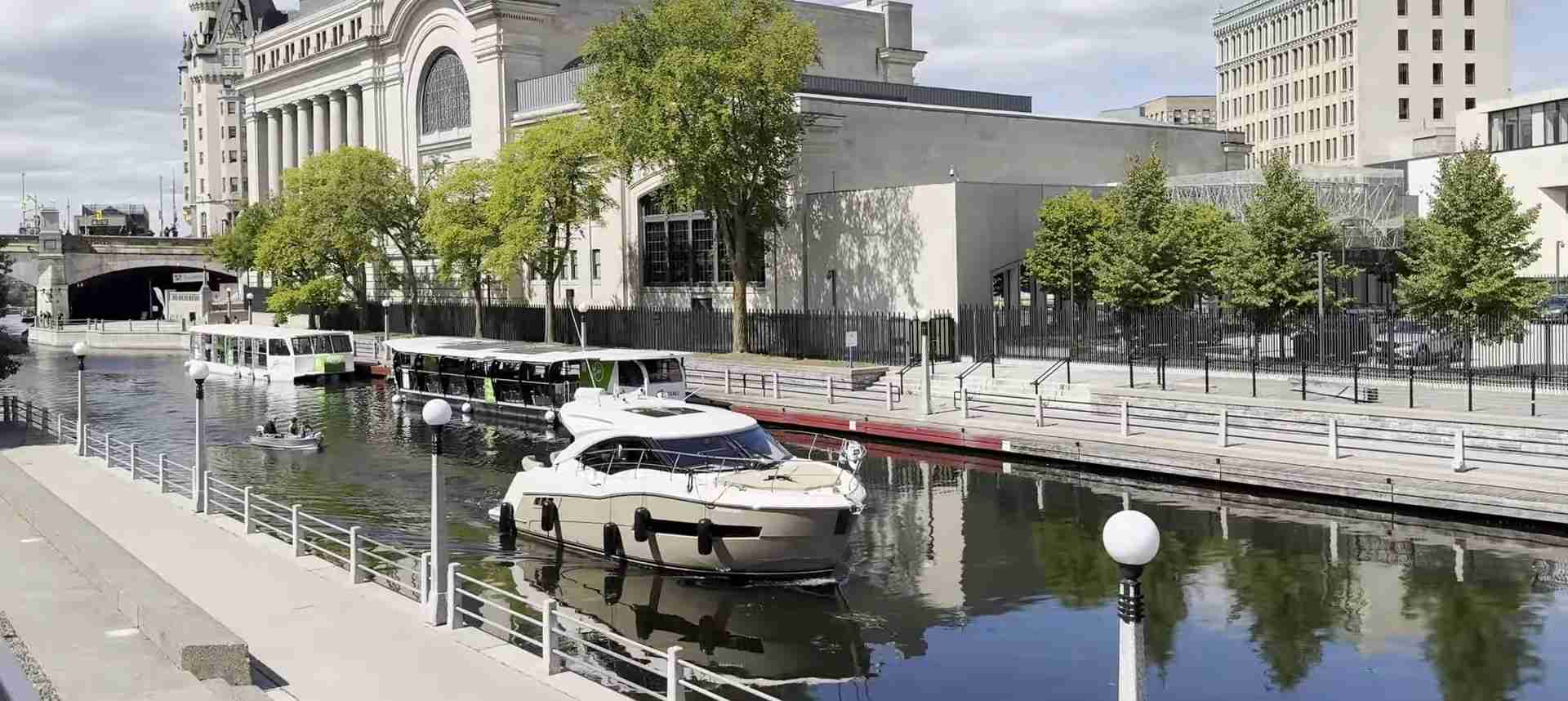
Rideau Canal represents Ottawa’s signature free attraction, offering 7.8-kilometer continuous pathway system from downtown core through Dow’s Lake to suburbs, with parallel cycling routes, waterfront access points, and seasonal recreation opportunities. Summer visitors walk, jog, or cycle the canal pathways experiencing Ottawa River views, passing beneath historic bridges, accessing Major’s Hill Park and Confederation Park green spaces. Winter transforms the canal into world’s longest skating rink (January-February weather permitting), with free ice surface, warming huts, and festival atmosphere. The canal costs CAD $0 to access year-round, delivering hours of activity and signature Ottawa experience rivaling any paid attraction. Budget travelers allocating half-day to canal exploration save CAD $44 versus hypothetical museum visits (Museum of Nature CAD $24 + War Museum CAD $22), while mid-range travelers incorporating canal walks between paid activities reduce daily attraction expenses.
ByWard Market area combines free outdoor market wandering with optional food purchases, creating flexible budget experiences. The historic market building and surrounding streets operate year-round with produce vendors, artisan stalls, and specialty food shops requiring no admission fees—visitors browse, photograph, and absorb atmosphere at zero cost. Budget travelers window-shopping and sampling free vendor tastes spend nothing, while those purchasing BeaverTails pastries (CAD $7-9), maple syrup products (CAD $8-15), or artisan cheeses (CAD $6-12) control costs through selective purchases. Walking the market, examining vendor displays, and engaging with sellers provides cultural immersion and photo opportunities equivalent to paid indoor attractions without ticket expenses.
Major’s Hill Park positions adjacent to National Gallery and ByWard Market, offering panoramic Parliament Hill views, Ottawa River vistas, and landscaped green space at zero cost. The park serves as strategic rest point during downtown walking tours, free picnic venue for grocery-assembled lunches (saving CAD $20-35 versus restaurant meals), and photography location for Parliament building and Château Laurier shots. Budget travelers combining free Parliament tour (morning), ByWard Market exploration (lunch purchased at vendors, eaten in Major’s Hill Park CAD $10-15), and afternoon park relaxation create full-day Ottawa experience costing under CAD $20 including food—matching accommodation cost for budget hostel dormitory occupants.
Bank of Canada Museum maintains free admission year-round, presenting currency history, economic exhibits, and interactive displays exploring Canadian monetary policy. Located in downtown core at 30 Bank Street (400 meters from Parliament Hill), the museum requires no advance booking and welcomes walk-in visitors during operating hours. Budget itineraries incorporate Bank of Canada Museum during morning or afternoon slots between free Parliament tours and Thursday evening museum visits, building full-day schedules without paid admissions. The free currency museum plus free Parliament tour plus free canal walk create comprehensive Ottawa day costing only transit (CAD $8-12) and meals (CAD $30-60 budget tier).
Notre-Dame Cathedral Basilica offers free entry to stunning Gothic Revival architecture, ornate interior, and religious heritage site positioned in Lower Town near Sussex Drive. The cathedral welcomes visitors outside mass times for quiet viewing of stained glass, carved wood details, and sanctuary design. Photography restrictions apply during services, but daytime visitation captures architectural elements at no cost. Budget travelers interested in historic architecture substitute Notre-Dame free visit for paid specialized tours, saving CAD $15-25 while experiencing equivalent 19th-century craftsmanship and cultural significance.
Money-Saving Strategies for Ottawa 2026
The Thursday evening free museum strategy delivers the highest return on schedule flexibility in Ottawa budget planning. Canadian Museum of Nature (free 5-8pm) and Canadian War Museum (free 5-7pm) both waive admission Thursdays, creating CAD $46 per person savings versus daytime visits (Museum of Nature CAD $24 + War Museum CAD $22). A couple visiting both museums Thursday evening instead of separate paid days saves CAD $92—equivalent to one night budget hostel dormitory accommodation for two (CAD $80-90) or upgrading from hostel to mid-range hotel room (CAD $120 room versus CAD $80 combined hostel beds). Five-day visitors arriving Wednesday or Thursday structure itineraries: Thursday evening museums (free CAD $46 value), Friday Parliament tour and canal walk (free), Saturday National Gallery if under-25 (free) or ByWard Market plus Bank of Canada Museum (free), Sunday paid Museum of History across river (CAD $23), Monday outdoor activities. This schedule costs CAD $23 total attractions versus CAD $89 if all museums visited during paid hours—CAD $66 savings funding restaurant meal upgrades or extra travel day.
Grocery-prepared breakfast and lunch strategy generates CAD $90-175 weekly savings versus full restaurant meal dependence. Budget travelers with hostel kitchen access preparing breakfast (CAD $5 grocery yogurt/fruit/coffee versus CAD $15 cafe) and assembling lunch (CAD $8 grocery sandwich/snacks versus CAD $25 restaurant) save CAD $27 daily on two meals. Over 5-day visit, self-preparation saves CAD $135 versus restaurant equivalents—funding accommodation upgrade from 5 nights hostel dormitory (CAD $200-270 total for person) to 5 nights budget hotel sharing (CAD $300-360 per person, CAD $100-135 premium exactly matching meal savings). Mid-range travelers preparing own breakfasts while maintaining restaurant lunches and dinners save CAD $10-15 daily breakfast differential, totaling CAD $50-75 weekly—sufficient for additional paid attraction admissions or transit pass purchase.
Walking-first transit approach reduces transportation costs CAD $40-60 weekly for downtown-focused visitors. Budget traveler walking Parliament Hill to ByWard (10 minutes), ByWard to National Gallery (7 minutes), Rideau Centre to Major’s Hill Park (5 minutes) eliminates 4-6 daily transit rides that transit-dependent visitors require. Walking saves CAD $8-12 daily versus taking buses for short downtown hops, totaling CAD $56-84 weekly. The savings fund museum admission (two paid museum visits CAD $46) or accommodation upgrade (one hostel night to budget hotel room difference CAD $40-60). Mid-range travelers combining walking for downtown routes with transit for longer hauls (Museum of Nature, Aviation Museum, Gatineau) balance convenience and cost, saving CAD $20-35 weekly versus full-taxi approach while avoiding budget tier’s aggressive walking requirements.
Off-season accommodation booking captures 35-45% price reductions versus summer peak. Mid-range hotels charging CAD $150-180 nightly June-August drop to CAD $100-120 November-March (excluding Christmas/New Year and Winterlude festival weeks). A couple booking 5 nights mid-range accommodation saves CAD $250-300 winter versus summer (CAD $500-600 total cost winter versus CAD $750-900 summer), funding nearly entire week’s meal expenses at budget tier (CAD $200-300 for 5 days meals). Budget hostels follow similar patterns: CAD $45-54 per bed summer, CAD $30-40 winter, creating CAD $75-140 savings across 5-night stay for couple in dormitory. Winter visitors accepting colder weather but accessing identical indoor museums, Parliament tours, galleries, and restaurants realize massive accommodation savings while experiencing 85-90% of Ottawa’s cultural attractions (excluding summer-only outdoor festivals and Rideau Canal skating available only January-February).
Monthly transit pass optimization requires precise calculation of break-even ride counts. The CAD $139 pass costs equivalent to 34 one-way CAD $4.10 rides—achieved in 17 days at 2 rides daily, 9 days at 4 rides daily, 7 days at 5 rides daily. Weekend visitor (3 days, 8-10 total rides) wastes CAD $106 on unused pass value. Week-long visitor taking 3 rides daily (21 total rides, CAD $86 single-fare cost) wastes CAD $53 on pass. Two-week business traveler averaging 4 rides daily (56 total rides, CAD $230 single-fare cost) saves CAD $91 with pass purchase. Tourist visitors staying 10+ days or conducting 4+ rides daily benefit from monthly passes; shorter stays or fewer rides per day lose money on monthly pass purchases. Budget travelers calculate total planned rides before pass purchase rather than assuming monthly passes always save money.
Sample Daily Budget Breakdowns by Tier 2026
Budget tier sample day demonstrates CAD $115 per person daily total (two sharing budget accommodation): hostel dormitory CAD $22 per person (two splitting CAD $44 bed), grocery-prepared breakfast CAD $5 (yogurt, banana, coffee at hostel), lunch CAD $14 (ByWard Market shawarma and water), dinner CAD $20 (Chinatown Vietnamese pho), two coffees CAD $10 (one cafe cappuccino CAD $5, one grocery instant CAD $1, snack CAD $4), transit CAD $8 (CAD $4.10 × 2 rides), attractions CAD $0 (Parliament Hill free tour, Rideau Canal walk), miscellaneous CAD $6 (postcards or small souvenir). This CAD $85 baseline day allows CAD $30 buffer within CAD $115 budget for variations: additional cafe coffee, paid museum admission during non-free hours, extra transit rides, or modest restaurant lunch upgrade. The budget tier succeeds through hostel kitchen breakfast preparation, aggressive free-attraction pursuit, walking-first transit approach, and ethnic restaurant dinner choices.
Mid-range tier sample day illustrates CAD $240 per person daily total (two sharing mid-range hotel): hotel accommodation CAD $75 per person (two splitting CAD $150 room), hotel breakfast buffet CAD $15 (included or paid), lunch CAD $32 (Elgin Street sit-down restaurant with drink), afternoon coffee and pastry CAD $8, dinner CAD $48 (Little Italy mid-range restaurant with appetizer and wine), transit CAD $12 (CAD $4.10 × 3 rides), Canadian Museum of Nature admission CAD $24, miscellaneous CAD $12 (museum gift shop or souvenirs). This CAD $226 structure leaves CAD $14 buffer within CAD $240 target for minor variations. Mid-range tier balances comfort through private hotel room and ensuite bathroom, restaurant convenience for all meals, willingness to pay museum admission during preferred hours rather than Thursday evening scheduling, and moderate transit use without aggressive walking requirements.
Luxury tier sample day reveals CAD $465 per person daily total (two sharing luxury hotel): boutique hotel accommodation CAD $125 per person (two splitting CAD $250 Andaz room), hotel fine dining breakfast CAD $32, lunch CAD $60 (refined bistro with wine), afternoon tea and pastries CAD $18, dinner CAD $105 (signature restaurant with cocktails and wine), private Parliament VIP tour CAD $85, taxi transportation CAD $25 (3 rides averaging CAD $8 each), miscellaneous CAD $15 (premium souvenirs or museum shop purchases). This CAD $465 total demonstrates luxury tier’s emphasis on experience quality over cost containment, with nearly 50% of daily expense (CAD $217) allocated to dining and beverages, 27% to accommodation (CAD $125), 18% to exclusive tour access (CAD $85), and minimal transit expenses due to taxi preference. Luxury travelers prioritize memorable culinary experiences, VIP access, and convenience over budget optimization.
Couples versus solo traveler cost comparisons highlight accommodation-driven differentials. Budget couple in CAD $44 dormitory bed pays CAD $22 each, while solo traveler in separate CAD $40 bed pays CAD $40—minimal disadvantage. Mid-range couple in CAD $150 hotel room pays CAD $75 each, while solo traveler pays full CAD $150—doubling accommodation cost. Luxury couple in CAD $250 hotel pays CAD $125 each, while solo traveler pays full CAD $250—again doubling expense. The accommodation cost doubling for solo travelers adds CAD $75-125 to daily mid-range and luxury budgets, increasing solo mid-range daily costs from couple-rate CAD $240 to solo-rate CAD $315, and solo luxury from couple-rate CAD $465 to solo-rate CAD $590. Budget tier solo travelers face minimal penalty, mid-range solo travelers absorb moderate CAD $75 daily premium, luxury solo travelers accept steep CAD $125 daily surcharge for private room comfort.
Weekly and Multi-Day Trip Cost Estimates 2026
Five-day Ottawa budget trip for two people sharing accommodation totals approximately CAD $580 per person. Accommodation CAD $120 (CAD $24 × 5 nights dormitory bed per person), meals CAD $275 (average CAD $55 daily for mix of grocery-prepared and budget restaurant meals), transit CAD $60 (CAD $12 × 5 days), attractions CAD $25 (mostly free with one paid museum), miscellaneous CAD $40 (coffee, souvenirs, contingencies). This CAD $520 base allows CAD $60 buffer within CAD $580 budget for variations. Budget travelers optimizing free Thursday museum visits, maximum grocery breakfast/lunch preparation, and aggressive walking reduce totals to CAD $470-520 by eliminating paid museum admissions and minimizing cafe purchases. Seven-day budget trip extends to approximately CAD $810 per person: accommodation CAD $168 (CAD $24 × 7 nights), meals CAD $385 (CAD $55 × 7 days), transit CAD $84 (CAD $12 × 7 days), attractions CAD $46 (two paid museums, rest free), miscellaneous CAD $56 (CAD $8 × 7 days). Total: CAD $739, with CAD $71 contingency within CAD $810 budget.
Five-day mid-range Ottawa trip for two sharing hotel accommodation costs approximately CAD $1,200 per person. Accommodation CAD $375 (CAD $75 × 5 nights per person sharing CAD $150 rooms), meals CAD $465 (average CAD $93 daily for restaurant breakfast, lunch, dinner with beverages), transit CAD $45 (11 one-way rides), attractions CAD $89 (four museums at regular hours), miscellaneous CAD $60 (coffees, souvenirs, shopping). Total base: CAD $1,034, with CAD $166 contingency within CAD $1,200 budget for dining upgrades, additional attractions, or taxi convenience. Seven-day mid-range trip totals approximately CAD $1,680 per person: accommodation CAD $525 (CAD $75 × 7 nights), meals CAD $651 (CAD $93 × 7 days), transit CAD $63 (15 rides), attractions CAD $107 (five museums), miscellaneous CAD $84. Total base: CAD $1,430, with CAD $250 buffer for variations. Mid-range couples seeking savings substitute Thursday free museum evenings for paid visits, reducing attraction costs CAD $46 and improving overall value without sacrificing accommodation comfort or dining quality.
Five-day luxury Ottawa experience for two sharing premium hotel runs approximately CAD $2,300 per person. Accommodation CAD $625 (CAD $125 × 5 nights per person sharing boutique CAD $250 rooms), meals CAD $965 (average CAD $193 daily for upscale breakfast, refined lunch, fine dinner with wine), private tours and experiences CAD $340 (VIP Parliament tour, helicopter flight, exclusive museum access), transportation CAD $125 (mix of taxis and occasional transit), miscellaneous CAD $100 (premium souvenirs, museum shops, spontaneous purchases). This CAD $2,155 structure fits within CAD $2,300 budget while delivering comprehensive luxury experience. Seven-day luxury trip extends to approximately CAD $3,220 per person: accommodation CAD $875 (CAD $125 × 7 nights), meals CAD $1,351 (CAD $193 × 7 days), exclusive experiences CAD $475, transportation CAD $175, miscellaneous CAD $140. Luxury travelers booking Château Laurier flagship (CAD $175 per person nightly versus boutique CAD $125) add CAD $350 weekly accommodation premium, while those selecting upscale rather than ultra-luxury dining reduce daily meal costs CAD $40-60.
Solo traveler cost differentials concentrate in accommodation line items. Five-day solo budget trip costs approximately CAD $1,235 per person (versus couple CAD $1,175)—solo pays full CAD $40 dormitory bed rates rather than sharing, adding CAD $90 over 5 nights. Five-day solo mid-range trip costs approximately CAD $1,575 per person (versus couple CAD $1,200)—solo pays undivided CAD $150 hotel rooms rather than CAD $75 per person sharing, adding CAD $375 accommodation expense. Five-day solo luxury trip costs approximately CAD $2,925 per person (versus couple CAD $2,300)—solo pays full CAD $250 boutique rooms rather than CAD $125 per person, adding CAD $625 premium. The accommodation doubling explains 80-90% of solo versus couple cost differences, as meals, transit, and attractions remain identical regardless of travel party size.
Seasonal Price Variations and Best Value Periods 2026
Ottawa accommodation costs fluctuate 30-35% between winter value periods and summer peak demand, creating dramatic savings opportunities for weather-tolerant travelers. Mid-range hotels charging CAD $150-180 nightly June-August drop to CAD $100-120 November-March (excluding Christmas/New Year weeks December 20-January 5 and Winterlude festival period typically early February). Budget hostels follow similar patterns: CAD $45-54 per bed summer peak, CAD $30-40 winter value, CAD $35-42 shoulder seasons (April-May, September-October). A couple booking 5 nights mid-range hotel saves CAD $250-300 winter versus summer (CAD $500-600 total winter versus CAD $750-900 summer), while budget dormitory couple saves CAD $75-200 winter booking (CAD $150-200 total versus CAD $225-450 summer depending on specific hostel and bed configuration). These accommodation savings equal or exceed total weekly meal budgets at budget tier, effectively funding an additional week’s dining expenses through strategic seasonal timing.
Winter travel trade-offs balance accommodation savings against weather limitations and seasonal closures. January-March visitors accessing identical indoor museums, Parliament tours, National Gallery, and War Museum at full operational hours pay 35-45% less for lodging while experiencing 85% of Ottawa’s cultural attractions. Winter gains include Rideau Canal Skateway (world’s longest skating rink, free access January-February when ice conditions permit), Winterlude festival activities (ice sculptures, snow slides, outdoor concerts typically early-mid February), and dramatic reduction in tourist crowds at museums and Parliament tours. Winter losses include summer outdoor festivals (Canada Day July 1, Ottawa Jazz Festival June-July), warm-weather canal kayaking and cycling, and extended evening daylight hours (sunset 9pm June versus 5pm January). Budget travelers prioritizing indoor cultural immersion over outdoor festivals realize exceptional winter value, while those seeking summer festival atmosphere accept 40% accommodation premiums.
Shoulder season periods (April-May, September-October) deliver optimal weather-cost balance for flexibility-minded travelers. Spring months provide moderate temperatures (12-18°C daytime), tulip festival opportunities (Canadian Tulip Festival typically early-mid May), and awakening outdoor activity season while maintaining off-peak accommodation rates CAD $20-40 below summer highs. Fall presents crisp weather (10-16°C), brilliant autumn foliage in Gatineau Park and along canal pathways, harvest season farmers markets, and similar accommodation discounts versus summer. A couple booking 5 nights mid-range hotel during May shoulder season at CAD $130 nightly (CAD $650 total, CAD $325 per person) saves CAD $100-250 versus June-August peak (CAD $150-180 nightly, CAD $750-900 total, CAD $375-450 per person) while experiencing pleasant weather, full attraction access, and reduced crowd density at Parliament tours and museums.
Advance booking windows capture lowest rates across all accommodation tiers and seasons. Hotels and hostels release inventory 6-12 months ahead with early-bird promotional rates CAD $15-35 below standard pricing. Mid-range hotel offering CAD $165 standard summer rate discounts to CAD $135 for bookings made 90+ days in advance—CAD $30 nightly savings equals CAD $150 over 5-night stay, funding one paid museum admission (CAD $44 for couple) plus restaurant meal upgrade. Hostel dormitory advancing from CAD $48 walk-in to CAD $40 90-day booking saves CAD $40 over 5 nights, equivalent to full-day transit costs. Booking strategy combines seasonal timing with advance purchase: winter season booking (35% accommodation discount) made 90+ days ahead (additional 10-15% early-bird discount) produces 45-50% total savings versus summer walk-in rates, transforming CAD $180 summer hotel into CAD $90-100 winter advance-purchase property.
Peak demand periods command maximum pricing and require earliest booking. Canada Day weekend (June 28-July 1, 2026) drives downtown hotel rates to annual highs, with mid-range properties reaching CAD $200-250 nightly (versus typical summer CAD $150-180). Winterlude festival weekends (typically early February) elevate winter rates to CAD $140-180 from typical winter CAD $100-120. Christmas/New Year period (December 20-January 5) maintains premium pricing despite winter season. Budget travelers avoiding these 15-20 peak days across the year access identical attractions and experiences at 30-40% lower accommodation costs, with trade-off of missing signature festival events (Parliament Hill Canada Day concert, Winterlude ice sculptures, New Year’s Eve celebrations).
Comparison to Other Major Canadian Cities 2026
Ottawa’s cost structure positions mid-range between Toronto’s expense intensity and Montreal’s value proposition, delivering accessible capital exploration at 20-30% lower daily costs than Toronto while running 15-25% higher than Montreal. Mid-range daily costs compare: Ottawa CAD $205-280 per person, Toronto CAD $260-340, Montreal CAD $175-230, Vancouver CAD $275-360, Calgary CAD $220-290. Ottawa’s moderate baseline reflects smaller city scale (1.4 million metro versus Toronto 6.4 million), less tourism-dependent economy than Montreal, and government-employment stability dampening price volatility. Three-star hotel rooms costing CAD $120-180 in Ottawa run CAD $180-240 Toronto, CAD $95-140 Montreal—Ottawa sits precisely between Canada’s most expensive and most affordable major cities.
Restaurant pricing follows similar patterns across Canadian urban centers, with Ottawa mid-range dinner at CAD $40-55 per person comparing favorably to Toronto CAD $50-70 but exceeding Montreal CAD $35-48. Fast-casual lunch in Ottawa costs CAD $18-25 versus Toronto CAD $20-28, Montreal CAD $15-22. Coffee culture remains expensive nationwide: Ottawa cappuccino CAD $5-6 equals Toronto CAD $5.50-6.50, Montreal CAD $4.50-5.50. Budget travelers find greater relative savings in Ottawa versus Toronto (35% lower restaurant costs) than versus Montreal (15-20% higher costs), while luxury dining expenses remain comparable across all three cities at CAD $90-140 per person for signature restaurants. The moderate Ottawa restaurant market reflects federal government worker demographics (stable employment, middle-to-upper income) creating demand for quality mid-range dining without Vancouver or Toronto’s ultra-luxury concentration.
Public transit costs position Ottawa unfavorably in inter-city comparison. OC Transpo CAD $4.10 single fare ranks as Canada’s fourth-highest transit price, exceeding Toronto TTC CAD $3.35, Montreal STM CAD $3.75, Vancouver TransLink CAD $3.15 (1-zone), Calgary CAD $3.60. Ottawa monthly pass at CAD $139 similarly exceeds Toronto CAD $156 (better value given higher single-fare differential), Montreal CAD $97, Vancouver CAD $110 (1-zone). The high Ottawa transit pricing relative to city size reflects chronic OC Transpo budget deficits and lower ridership density versus larger metropolises. Budget travelers spending 5 days in Ottawa using transit 15 times pay CAD $62 versus Toronto equivalent CAD $50, Montreal CAD $56—Ottawa transit premium adds CAD $6-12 weekly to budget versus other Canadian cities, though savings on accommodation and dining offset transit differentials.
Attraction admission pricing remains relatively standardized across major Canadian cultural institutions. Ottawa museum admissions CAD $20-24 match Toronto equivalents (Royal Ontario Museum CAD $23, Art Gallery of Ontario CAD $25) and slightly exceed Montreal (Montreal Museum of Fine Arts CAD $20, Pointe-à-Callière CAD $22). Ottawa’s competitive advantage emerges through free-admission strategies: Thursday evening free hours at two major museums (saving CAD $46 per visit) plus permanently free Parliament tours (estimated CAD $25-35 value versus paid government building tours in other capitals) deliver superior cost-containment opportunities versus Toronto or Montreal where fewer free-admission windows exist. Budget travelers allocating 4 days to Ottawa museums and government sites can structure entirely free itineraries (Parliament, Thursday museums, Bank of Canada Museum, outdoor attractions) impossible to replicate in Toronto without similar free-admission timing opportunities.
Budget Planning Tips for Specific Traveler Types 2026
Solo travelers optimize Ottawa budgets through strategic hostel dormitory selection and aggressive free-attraction scheduling, accepting that accommodation costs remain identical to couples’ per-person expenses in dormitory beds while avoiding the hotel room cost-doubling that punishes solo hotel bookers. Budget solo traveler in CAD $40 dormitory pays CAD $200 weekly accommodation versus couple paying CAD $200 total (CAD $100 each) in same hostel—minimal solo penalty. Mid-range solo traveler booking private hotel room at CAD $150 nightly pays CAD $750 weekly versus couple paying CAD $375 each sharing same room—major solo penalty. Solo budget travelers benefit from identical-to-coupled accommodation costs, while solo mid-range and luxury travelers face 100% accommodation premiums driving daily budgets CAD $75-125 higher than couple-sharing equivalents. Solo strategy: remain budget tier for accommodation (dormitory beds eliminate solo premium), splurge on dining and experiences where costs remain identical regardless of party size (museum admissions, restaurant meals, transit fares).
Family travelers with children reduce costs through strategic age-based admission policies and apartment-style accommodations enabling meal preparation. Children under 18 enter Canadian War Museum free, children 3-12 pay reduced CAD $13 Canadian Museum of Nature admission (versus adult CAD $24), children under 3 enter free both museums. Family of four (two adults, children ages 8 and 12) visiting both museums during paid hours pays CAD $72 versus hypothetical all-adult pricing CAD $92—CAD $20 savings. Same family visiting Thursday free hours pays CAD $0 versus paid hours CAD $72—dramatic CAD $72 savings. Apartment hotels charging CAD $180-220 nightly provide full kitchens enabling breakfast and lunch preparation (family saving CAD $60-100 daily versus restaurant meals for four), with per-night costs comparable to two standard hotel rooms (CAD $150 × 2 = CAD $300 versus apartment CAD $180-220). Family budget strategy combines apartment accommodation (kitchen meal savings), Thursday free museum evenings (admission savings), and walking-first transit approach (four transit fares add quickly at CAD $16.40 per round-trip).
Senior travelers benefit from museum admission discounts and monthly transit pass value for extended stays. Canadian Museum of Nature charges seniors 65+ CAD $19 versus regular adult CAD $24, Canadian War Museum seniors CAD $20 versus adult CAD $22—saving CAD $7 across both museums. OC Transpo offers senior monthly pass CAD $60 versus regular adult CAD $139, creating exceptional value for seniors staying 2+ weeks and making frequent transit trips. The CAD $60 senior pass breaks even at 15 one-way rides (8 days at 2 rides daily), compared to adult pass requiring 34 rides (17 days at 2 rides). Senior couple staying 2 weeks using transit extensively saves CAD $158 on monthly passes (CAD $120 senior passes versus CAD $278 adult passes), funding 3-4 additional restaurant meals or one accommodation upgrade night. Senior strategy: combine monthly pass transit value with early-week museum visits at senior discount rates, avoiding weekend tourist crowds while saving on both admission and transportation.
Student travelers maximize value through under-25 free National Gallery admission, hostel dormitory budget accommodation, and aggressive pursuit of free Thursday museum hours. University-age visitor (ages 18-24) accessing National Gallery free (saving CAD $20), Canadian Museum of Nature Thursday evening free (saving CAD $24), Canadian War Museum Thursday evening free (saving CAD $22), Parliament tours free, and Bank of Canada Museum free experiences five major Ottawa attractions at CAD $0 cost versus regular-admission CAD $86. Student staying hostel dormitory CAD $40 nightly, self-preparing breakfast and lunch CAD $13 daily, eating budget ethnic dinner CAD $18, taking minimal transit CAD $8 maintains CAD $79 daily budget well below CAD $100 baseline—enabling extended travel duration or splurge upgrades. Student strategy: structure entire Ottawa visit around free-admission opportunities, use hostel kitchens religiously for meal preparation, walk aggressively between downtown attractions to minimize transit costs.
Where to Save and Where to Splurge in Ottawa 2026
Accommodation represents optimal savings category for budget-conscious travelers willing to accept downtown-adjacent locations over downtown-core positioning. Mid-range hotel 1.5 kilometers from Parliament Hill near O-Train station costs CAD $100-120 nightly versus downtown equivalent CAD $150-180, saving CAD $50-60 per night through 12-15 minute transit tolerance. Five-night stay captures CAD $250-300 savings funding entire week’s attraction admissions (five museums at CAD $20-24 each total CAD $100-120) plus restaurant meal upgrades. Budget hostels in Sandy Hill residential area (1.5 kilometers from Parliament) charge CAD $35-40 per bed versus ByWard Market core CAD $45-54, saving CAD $10-14 nightly for couples in dormitories—CAD $50-70 over 5 nights funds full week’s transit costs. The accommodation savings-through-location strategy requires comfort with 15-20 minute additional commutes but delivers massive budget relief at minimal convenience cost.
Dining presents binary savings decision: self-prepare breakfast and lunch or accept CAD $90-175 weekly restaurant premium. Budget traveler preparing hostel breakfast (CAD $5 grocery versus CAD $15 cafe) and assembling lunch (CAD $8 grocery versus CAD $25 restaurant) saves CAD $27 daily across two meals—totaling CAD $135 over 5 days. This CAD $135 savings equals one full day’s mid-range accommodation cost (CAD $130-150 hotel room), demonstrating how meal preparation funds accommodation upgrades. Mid-range travelers unwilling to sacrifice restaurant convenience but seeking savings focus reductions on dinner choices: ethnic neighborhood restaurants (Vietnamese, Middle Eastern, Chinese) deliver filling dinners CAD $18-25 versus mid-range establishments CAD $40-55, saving CAD $20-30 nightly. Five ethnic dinners save CAD $100-150 weekly versus mid-range restaurant equivalents—funding paid museum admission family or multiple cafe coffee indulgences. Save accommodation (location tolerance) and breakfast/lunch (self-preparation), spend on dinner experiences and attractions (where quality and experience matter most).
Transit savings accumulate through downtown walking strategies but require comfort with 20-25 minute walks between attractions. Budget walker covering Parliament Hill to ByWard Market (10 minutes), ByWard to National Gallery (7 minutes), Rideau Centre to Museum of Nature (25 minutes) instead of taking buses saves 4-6 transit rides daily at CAD $16-25 versus transit-dependent approach. Five-day aggressive walking saves CAD $80-125 versus full transit usage—funding accommodation upgrade from hostel to budget hotel or covering two paid museum admissions. Walking strategy makes sense downtown where attractions cluster within 1.5 kilometers, becomes impractical for longer hauls like Aviation Museum (7 kilometers), Diefenbunker (30 kilometers), or Gatineau destinations (across river). Hybrid approach walks downtown routes (free), uses transit for 3+ kilometer distances (CAD $8-12 daily), delivers CAD $40-60 weekly savings versus full transit dependency at minimal convenience sacrifice.
Attraction splurge focuses premium budget on exclusive experiences unavailable through free alternatives: private VIP Parliament tours (CAD $75-100 per person) delivering extended building access and behind-scenes areas versus free public tours, helicopter flights over Parliament and Ottawa River (CAD $180-240 for 15-20 minutes), private curator-led museum tours (CAD $80-120 per person), and special exhibition access beyond permanent galleries. These premium experiences range CAD $75-240 each, totaling CAD $335-460 for comprehensive VIP treatment across multi-day visit. Budget travelers saving CAD $250-300 on accommodation through location compromise, CAD $135 on self-prepared meals, and CAD $80 on aggressive walking can reallocate CAD $465+ toward one signature splurge experience (helicopter tour) without exceeding overall budget targets. The strategy converts cost savings from commodity categories (accommodation location, breakfast eggs, walking tolerance) into memorable experiential upgrades delivering disproportionate value and lasting impact.
Frequently Asked Questions About Ottawa Budget 2026
Is Ottawa expensive to visit compared to other Canadian cities?
Ottawa positions mid-range in Canadian city costs, typically 20-30% less expensive than Toronto and Vancouver but 15-25% higher than Montreal and Quebec City. Mid-range travelers spend CAD $205-280 daily in Ottawa versus CAD $260-340 Toronto, CAD $175-230 Montreal. Accommodation drives these differentials—Ottawa 3-star hotels CAD $120-180 nightly sit between Toronto CAD $180-240 and Montreal CAD $95-140. Restaurant costs follow similar patterns: Ottawa mid-range dinner CAD $40-55 versus Toronto CAD $50-70, Montreal CAD $35-48. Ottawa’s competitive advantage emerges through extensive free attractions (Parliament tours, Thursday museum evenings, canal pathways) that reduce paid-admission expenses below Toronto or Vancouver equivalents. Budget travelers structuring itineraries around free-admission opportunities find Ottawa exceptional value, while luxury travelers discover costs align closely with Toronto and Vancouver for upscale dining and premium hotels.
How much money do I need for a week in Ottawa?
Weekly Ottawa budgets range from CAD $580-810 per person for budget travelers to CAD $1,200-1,680 for mid-range comfort, assuming two people sharing hotel accommodation throughout. Budget week (7 days) requires approximately CAD $810 per person: accommodation CAD $168 (CAD $24 nightly dormitory bed per person), meals CAD $385 (CAD $55 daily mixing grocery preparation and ethnic restaurants), transit CAD $84 (CAD $12 daily), attractions CAD $46 (two paid museums, rest free), miscellaneous CAD $56 (coffee, souvenirs). Budget total: CAD $739, with CAD $71 contingency within CAD $810 budget. Mid-range week costs approximately CAD $1,680 per person: accommodation CAD $525 (CAD $75 nightly per person sharing CAD $150 rooms), meals CAD $651 (CAD $93 daily restaurant meals), transit CAD $63 (15 rides), attractions CAD $107 (five museums paid hours), miscellaneous CAD $84. Mid-range total: CAD $1,430, with CAD $250 buffer within CAD $1,680 budget. These estimates assume free-attraction scheduling and walking-first transit approaches—less budget-conscious travelers add CAD $150-300 weekly through paid-hour museum visits, full restaurant meal dependence, and frequent taxi usage.
Can you visit Ottawa on a tight budget?
Ottawa delivers exceptional value for extremely budget-conscious travelers willing to optimize free-admission schedules, self-prepare meals, walk extensively, and accept hostel dormitory accommodation. Rock-bottom budget traveler spending CAD $60-80 daily structures itineraries around: shared hostel dormitory CAD $20-27 per person (off-season rates or residential neighborhoods), grocery-prepared breakfast and lunch CAD $13 (CAD $5 breakfast, CAD $8 lunch from Metro supermarket), single ethnic restaurant dinner CAD $15-18 (Vietnamese pho, Middle Eastern falafel), minimal transit CAD $4-8 (1-2 rides, walking downtown routes), coffee and snacks CAD $3-5 (grocery purchases), zero attraction costs (Parliament free tours, Thursday evening museums free, Rideau Canal pathways, ByWard Market wandering, Major’s Hill Park). This CAD $60-80 daily baseline proves sustainable for 5-7 day visits, enabling week-long Ottawa cultural immersion under CAD $560 total. The strategy requires discipline: no cafe coffees (CAD $5 each adds quickly), aggressive Thursday evening museum timing, tolerance for 25-30 minute walks between attractions, and acceptance of shared dormitory bathroom facilities.
What is the cheapest way to get around Ottawa?
Walking represents the zero-cost transportation option for downtown Ottawa exploration, with major attractions clustered within 1.5-kilometer radius enabling complete car-free and transit-free sightseeing. Parliament Hill to ByWard Market measures 800 meters (10 minutes), ByWard to National Gallery 600 meters (7 minutes), National Gallery to Rideau Centre 700 meters (9 minutes), creating walkable triangle covering primary visitor destinations. Budget travelers walking these downtown connections and using OC Transpo buses only for longer distances (Canadian Museum of Nature 2.5 kilometers, Aviation Museum 7 kilometers) minimize daily transit to CAD $8-12 versus CAD $16-25 for full bus dependency. For visitors requiring frequent transit, single-ride Presto fares at CAD $4.10 cost less than monthly pass CAD $139 unless staying 34+ rides (9+ days at 4 rides daily). Bicycle rentals through VeloGo bike-share system offer another cost-effective option at CAD $5 for 30-minute rental, enabling 3-5 kilometer trips faster than walking at lower cost than taxis (CAD $15-25 equivalent distance).
Are museums free in Ottawa?
Major Ottawa museums charge regular admission CAD $18-24 but offer strategic free-admission windows enabling zero-cost access for schedule-flexible visitors. Canadian Museum of Nature provides completely free admission Thursdays 5-8pm year-round (regular admission CAD $24), Canadian War Museum admits free Thursdays 5-7pm (regular CAD $22), Bank of Canada Museum maintains permanent free admission, and National Gallery of Canada admits visitors under age 25 free at all times (regular adult admission CAD $20 ages 25+). Parliament Hill guided tours remain free daily year-round with advance reservation. Visitors structuring Thursday arrivals and aligning museum visits with free evening hours experience Canadian Museum of Nature, Canadian War Museum, Bank of Canada Museum, and Parliament tours at CAD $0 combined cost versus paid-hours total of CAD $66 for adult admissions. Free-admission strategy requires timing flexibility—museums closing 5pm cannot be visited free that day, Thursday arrivals maximize free-hour opportunities—but delivers dramatic savings for budget-conscious cultural travelers.
How much does food cost in Ottawa per day?
Daily food costs in Ottawa range from CAD $40-60 for budget self-preparation and ethnic restaurants to CAD $90-125 for mid-range restaurant meals, with luxury dining reaching CAD $180-240. Budget food day totals approximately CAD $48: grocery-prepared breakfast CAD $5 (yogurt, fruit, coffee), ByWard Market or Chinatown lunch CAD $12-15 (shawarma, banh mi, hand-pulled noodles), Vietnamese or Middle Eastern dinner CAD $18-22, coffee and snacks CAD $8 (one cafe coffee CAD $5, grocery snacks CAD $3). Mid-range restaurant day costs approximately CAD $105: cafe or hotel breakfast CAD $15, sit-down lunch with drinks CAD $30, mid-range dinner with appetizer and wine CAD $48, two cafe coffees CAD $12. Luxury dining day reaches CAD $215: fine hotel breakfast CAD $30, refined bistro lunch with wine CAD $60, signature restaurant dinner with cocktails CAD $110, premium cafe visits CAD $15. Food expenses typically consume 35-45% of daily budgets across all tiers, explaining why meal preparation versus restaurant dependence creates CAD $90-175 weekly cost differentials.
When is the cheapest time to visit Ottawa?
November through March (excluding Christmas/New Year December 20-January 5 and Winterlude festival early February) represents Ottawa’s value season, with accommodation costs 35-45% below summer peak and identical indoor attraction access. Mid-range hotels charging CAD $150-180 nightly June-August drop to CAD $100-120 winter value months, saving couples CAD $50-60 nightly (CAD $250-300 over 5 nights). Budget hostels follow proportional discounts: CAD $45-54 summer to CAD $30-40 winter, saving CAD $15-14 per bed (CAD $75-140 couple over 5 nights). Winter visitors access full museum schedules (Canadian Museum of Nature, War Museum, National Gallery), Parliament tours, indoor galleries, and urban restaurants while gaining unique cold-weather experiences (Rideau Canal Skateway January-February, Winterlude festival, reduced tourist crowds). Trade-offs include limited daylight hours (sunset 5pm versus 9pm summer), outdoor festival absences (Canada Day, Jazz Festival), and cold temperatures requiring winter clothing. Shoulder seasons (April-May, September-October) balance moderate weather with accommodation discounts CAD $20-40 below summer, optimal for weather-sensitive travelers seeking value without deep winter intensity.
Is it better to stay downtown or in suburbs for Ottawa budget travel?
Downtown-adjacent neighborhoods (Little Italy, Sandy Hill, Centretown edges) deliver optimal budget value through CAD $20-60 nightly accommodation savings versus downtown core while maintaining 12-18 minute transit or walking access to Parliament Hill. Mid-range hotels near O-Train stations 1.5-2 kilometers from Parliament charge CAD $100-120 nightly versus downtown CAD $150-180, saving couples CAD $50-60 per night (CAD $250-300 over 5 nights) at cost of single CAD $4.10 O-Train ride each direction. Budget hostels in Sandy Hill residential area cost CAD $35-40 per bed versus ByWard Market CAD $45-54, saving CAD $10-14 nightly. The location-driven savings fund multiple paid museum admissions (CAD $250 savings covers 5-6 museum visits) or upgrade accommodations from budget to mid-range tier. Downtown core positioning makes sense for walking-everywhere purists intolerant of any transit, short-stay visitors (1-2 nights) where daily savings don’t accumulate meaningfully, or luxury travelers prioritizing maximum convenience. Budget and mid-range travelers staying 4+ nights maximize value through near-downtown positioning, accepting minimal 12-15 minute additional commutes in exchange for CAD $200-360 weekly savings.
Do I need a car to visit Ottawa?
Cars prove unnecessary and cost-inefficient for Ottawa visitors focusing on downtown core attractions clustered within 2-kilometer radius of Parliament Hill. Walking combined with selective OC Transpo transit access covers Parliament Hill, ByWard Market, National Gallery, Canadian Museum of Nature, Rideau Canal, Major’s Hill Park, and downtown restaurants without vehicle needs. Rental car expenses (CAD $45-70 daily base rate, CAD $20-35 parking at downtown hotels, CAD $12-25 parking at attractions) total CAD $77-130 daily versus OC Transpo transit CAD $8-16 daily for equivalent mobility—car costs 5-10 times transit expenses while providing minimal downtown advantage given walking distances and parking constraints. Cars benefit only visitors conducting extensive suburban or regional exploration: Diefenbunker museum 30 kilometers northwest requires car or expensive taxi (CAD $60-80 round-trip), Gatineau Park hiking 15 kilometers north lacks direct transit, rural Ottawa Valley day trips impossible via public transport. Standard 4-5 day Ottawa cultural visit accessing museums, Parliament, galleries, and downtown dining requires zero car usage, saving CAD $385-650 weekly rental costs that fund accommodation upgrades or extend trip duration.
What attractions in Ottawa are completely free year-round?
Parliament Hill guided tours, Rideau Canal pathways, Bank of Canada Museum, Notre-Dame Cathedral Basilica, Major’s Hill Park, Confederation Square, ByWard Market outdoor areas, and entire downtown walking routes provide year-round free access without timing restrictions or advance reservations. Parliament tours (free but require online booking weeks ahead during summer) deliver 45-60 minute comprehensive building experiences including House of Commons, Senate, Library of Parliament viewing valued at CAD $25-35 versus paid government building tours in other capitals. Rideau Canal offers 7.8 kilometers continuous pathways for walking, jogging, cycling year-round plus winter skating rink (January-February weather permitting), representing signature Ottawa experience at zero cost. Bank of Canada Museum presents currency history and economic exhibits downtown (30 Bank Street, 400 meters from Parliament) with permanent free admission. These always-free attractions enable complete 2-3 day Ottawa itineraries at CAD $0 admission costs: Day 1 Parliament tour and downtown walk, Day 2 Bank of Canada Museum and canal pathways, Day 3 ByWard Market and Major’s Hill Park. Combined with Thursday evening free museum hours (Canadian Museum of Nature, War Museum), budget travelers structure 4-5 day visits experiencing six major attractions at zero admission expense.