
Ottawa Travel Guide 2026: Exploring Canada’s Capital
Canada’s bilingual capital seamlessly blends Gothic Revival Parliament buildings, world-class museums, and vibrant market districts along the historic Rideau Canal. Ottawa delivers four distinct seasons of exploration, from summer festivals and canal cruises to winter’s transformation into the world’s largest naturally frozen skating rink, positioning the city as an accessible year-round destination just hours from Toronto and Montreal.
Key Takeaways for Ottawa 2026
- Budget Planning 2026: Expect CAD $185-280 (USD $135-205) per person daily for mid-range comfort assuming two sharing hotel accommodation, including museums, dining, and transit. Budget travelers manage CAD $70-110 (USD $50-80) daily, while luxury visitors invest CAD $330-525+ (USD $240-385+) per person daily.
- Free Major Attractions: Parliament Hill tours, Peace Tower visits, and Changing of the Guard ceremonies cost nothing, with national museums offering free admission from June 19 to September 7, 2026, and Thursday evening free hours year-round at select institutions.
- Transit Access 2026: OC Transpo single rides cost CAD $4.10 (USD $3) with Presto card, connecting all major attractions via bus and O-Train light rail. The 90-minute transfer window covers multiple destinations per fare, making public transit the most economical transportation option.
- Seasonal Timing Advantage: Visit during shoulder seasons (May-June, September-October) for 30-40% lower hotel rates compared to peak summer, milder weather than winter months, and fewer crowds at Parliament Hill and museums while all attractions remain fully operational.
- Bilingual City Benefit: Ottawa’s official bilingualism delivers English-French service everywhere from Parliament tours to restaurant menus, providing cultural immersion without language barriers. Street signs, museum exhibits, and public transit announcements appear in both languages.
- Rideau Canal UNESCO Heritage: The 202-kilometer canal system, a UNESCO World Heritage site since 2007, transforms from summer boating corridor to winter’s 7.8-kilometer downtown Skateway, offering year-round recreation and the iconic experience of skating past Parliament buildings.
People Also Ask About Ottawa Travel 2026
How much does a trip to Ottawa cost in 2026?
A 3-day Ottawa trip costs CAD $210-330 (USD $155-240) per person for budget travelers, CAD $555-840 (USD $405-615) for mid-range comfort, and CAD $990-1,575+ (USD $725-1,155+) for luxury experiences. These totals include accommodation (two sharing hotel), meals, attractions, and local transportation. Budget travelers stay in hostels or budget hotels (CAD $20-33 per person nightly when sharing), eat self-catered meals and casual food (CAD $25-40 daily), and visit primarily free attractions, totaling CAD $70-110 per person daily. Mid-range visitors choose 3-star hotels (CAD $80-125 per person nightly when sharing), dine at sit-down restaurants (CAD $60-85 daily), and visit paid museums, totaling CAD $185-280 per person daily. Luxury travelers book 4-5 star hotels (CAD $140-225+ per person nightly when sharing), enjoy fine dining (CAD $110-175+ daily), and take private tours, totaling CAD $330-525+ per person daily. Transit costs remain consistent across all budgets at CAD $8-12 daily for visitors using public transportation.
What is the best time to visit Ottawa in 2026?
May through June and September through October represent optimal visiting windows in 2026, delivering comfortable 15-25°C (59-77°F) temperatures, 30-40% lower hotel rates than peak summer, and manageable crowds at major attractions. Late spring (May-June) brings Tulip Festival blooms and outdoor patio season, while early fall (September-October) delivers brilliant foliage along the canal and pleasant walking weather. Peak summer (July-August) offers warmest temperatures and maximum festival programming including Canada Day celebrations, but also highest accommodation costs and largest tourist crowds. Winter months (December-February) transform the city with Winterlude festival and canal skating from late December through early March, though temperatures drop to -10 to -15°C (14-5°F) requiring significant cold-weather preparation. Avoid late March through mid-April when unpredictable weather brings rain, slush, and temperature fluctuations between -5 and 10°C (23-50°F).
Is Ottawa expensive for tourists in 2026?
Ottawa ranks as moderately priced compared to Toronto and Vancouver, with daily costs 20-30% lower than these major Canadian cities. Mid-range travelers spend CAD $150-210 (USD $110-155) per person daily assuming two sharing accommodation, positioning Ottawa between budget-friendly Quebec City and expensive Vancouver. The city delivers exceptional value through extensive free attractions including Parliament Hill tours and summer museum admission, fixed-price public transit with generous transfer windows, and competitive dining costs where casual restaurant meals average CAD $18-28 versus CAD $25-40 in downtown Toronto. Accommodation represents the primary expense, though advance booking and shoulder season visits reduce hotel costs by 30-50%. Budget-conscious travelers access CAD $70-110 (USD $50-80) daily totals through hostel dormitories, self-catered meals from ByWard Market vendors, and strategic timing around Thursday evening free museum hours. Currency exchange favors international visitors, with the Canadian dollar trading approximately 25-30% below the US dollar throughout 2026.
How many days do you need in Ottawa in 2026?
Three to four days sufficiently covers Ottawa’s essential attractions, cultural institutions, and neighborhoods while allowing comfortable pacing without rushed itineraries. A 3-day visit accommodates Parliament Hill tours, 2-3 major museums (Canadian Museum of History, National Gallery, War Museum), ByWard Market exploration, canal walks, and one neighborhood discovery (Glebe or Hintonburg). Extending to 4 days adds Aviation and Space Museum, Diefenbunker Cold War Museum, or a Gatineau Park excursion across the river in Quebec. First-time visitors prioritize these core experiences, while returning travelers explore specialized museums (Agriculture Museum, Nature Museum), attend seasonal festivals, or take day trips to UNESCO Rideau Canal locks at Kingston or Merrickville. Weekend visitors (2 days) focus exclusively on downtown core attractions: Parliament buildings, 1-2 museums, and ByWard Market. Week-long stays permit deeper cultural immersion including French-Canadian experiences in Gatineau, multiple day trips, and comprehensive museum coverage across all seven national institutions.
Extended multi-day tours – 5+ days
Featured Ottawa Multi-Day Tour Packages
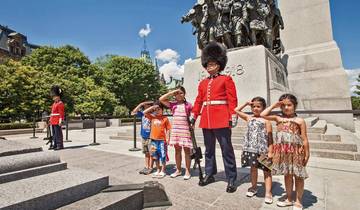
7 days
Eastern Journey (6 nights)
- ✓ Comprehensive Ottawa tour
- ✓ Expert local guides included
- ✓ All accommodation arranged
- ✓ Transportation provided
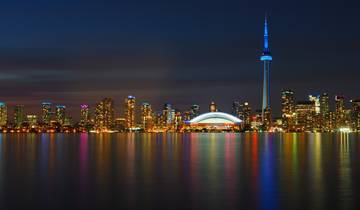
4 days
Magical Canada In 4 Days: Waterfalls, Islands & Old-World Charm
- ✓ Comprehensive Ottawa tour
- ✓ Expert local guides included
- ✓ All accommodation arranged
- ✓ Transportation provided
Multi-day tour packages powered by TourRadar. Prices and availability subject to change.
Introduction to Ottawa: Canada’s Capital City in 2026
Ottawa stands apart among world capitals as a deliberately chosen compromise city, selected in 1857 by Queen Victoria to bridge Upper and Lower Canada’s linguistic and geographic divide. This political calculation created a unique bilingual metropolis where federal Gothic Revival architecture coexists with modern cultural institutions, Victorian market districts abut contemporary neighborhoods, and the engineered Rideau Canal UNESCO World Heritage site bisects the urban core. The city’s 1.4 million metropolitan residents inhabit a geographically compact capital easily navigable by public transit, bicycle, or foot, with most visitor attractions concentrated within a 3-kilometer radius of Parliament Hill.
The federal government’s presence shapes Ottawa’s character profoundly. Parliament Hill’s cluster of Gothic Revival buildings dominates the skyline from their bluff position overlooking the Ottawa River, while seven of Canada’s nine national museums operate within city limits, delivering comprehensive Canadian history, art, nature, war, aviation, science, and agriculture coverage under federal funding. This institutional density creates exceptional cultural access rarely matched outside global capitals, with Thursday evening free admission policies and summer-long complimentary entry programs reflecting public funding mandates. Government employment stabilizes the local economy, supporting a sophisticated dining scene, theater programming, and festival calendar that belies the city’s 1.4 million population.
Ottawa’s bilingualism represents practical daily reality rather than symbolic gesture. Federal language requirements ensure English-French service across all government touchpoints from Parliament tours to museum exhibits, while Ontario’s proximity to francophone Quebec positions the city as Canada’s most naturally bilingual anglophone urban center. Street signs, transit announcements, restaurant menus, and attraction information appear in both official languages, creating seamless navigation for visitors regardless of linguistic background. The Ottawa River marks not just a geographic boundary but a cultural threshold, with Quebec’s Gatineau immediately across offering intensified French-Canadian culture, different architectural styles, and complementary attractions including the Canadian Museum of History and Gatineau Park’s wilderness trails.
Four distinct seasons deliver dramatically different Ottawa experiences. Summer (June-August) brings festival programming including Canada Day celebrations, outdoor concerts, and patio dining along Elgin Street and in the ByWard Market, with temperatures ranging 20-28°C (68-82°F) and extended daylight until 9 PM. Fall (September-November) transforms canal pathways and parks with brilliant foliage, comfortable 10-20°C (50-68°F) temperatures, and harvest programming at the Agriculture Museum. Winter (December-February) redefines the city as North America’s coldest capital, with -10 to -25°C (14 to -13°F) temperatures enabling the Rideau Canal Skateway’s operation from late December through early March—the world’s largest naturally frozen skating surface at 7.8 kilometers through downtown. Spring (March-May) brings gradual thaw, Tulip Festival blooms commemorating Dutch royal gratitude for WWII sanctuary, and reopening of outdoor attractions after winter closure.
Practical considerations favor Ottawa for first-time Canadian visitors and repeat travelers alike. The city’s manageable scale eliminates mega-city overwhelm while delivering capital-caliber cultural institutions, bilingual immersion without Quebec City’s linguistic challenges, and positioning midway between Toronto (450 kilometers southwest) and Montreal (200 kilometers east) for multi-city eastern Canada itineraries. Accommodation costs run 20-30% below Toronto and Vancouver rates, dining options span from CAD $12 shawarma wraps (an Ottawa specialty) to CAD $80+ tasting menus, and the compact downtown eliminates extensive transit time between attractions. Winter visitors should prepare seriously for sub-zero conditions including insulated boots, layered clothing, and indoor activity backup plans, while summer travelers benefit from long daylight hours, outdoor festival programming, and canal boat tours replacing winter ice skating.
Getting to Ottawa in 2026
Flying to Ottawa Macdonald-Cartier International Airport (YOW)
Ottawa Macdonald-Cartier International Airport serves as eastern Ontario’s primary aviation gateway, located 10 kilometers south of downtown with direct flights from major Canadian cities, select US hubs, and seasonal European destinations. The compact single-terminal facility processes approximately 5 million annual passengers, delivering shorter security lines and easier navigation than Toronto Pearson or Montreal Trudeau airports. Domestic flights from Toronto take 1 hour (CAD $120-280 roundtrip), Vancouver 5 hours (CAD $280-550), and Calgary 4 hours (CAD $260-480), with Air Canada, WestJet, and Porter Airlines operating frequent service. US connections include Newark, Chicago, Philadelphia, and Washington Dulles on United Airlines and Air Canada, with seasonal service to Florida destinations during winter months.
Airport to downtown transportation offers three options at varying price points and convenience levels. OC Transpo Route 97 bus provides the most economical connection at CAD $4.10 per ride, departing every 20-30 minutes and reaching downtown in 35-45 minutes depending on traffic and specific hotel location. Buses accept Presto cards, credit/debit tap payment, or exact cash fare, with the 90-minute transfer window allowing connections to other OC Transpo routes if needed. Shared airport shuttles operated by private companies cost CAD $25-35 per person with hotel drop-off, requiring advance reservation and potentially extended travel time due to multiple passenger pickups. Taxi and ride-sharing services (Uber, Lyft) charge CAD $35-45 for direct downtown transport in 15-25 minutes depending on traffic, with higher rates during peak hours and winter weather delays.
Arriving by Train via VIA Rail
VIA Rail connects Ottawa to Montreal (2 hours, CAD $45-95 one-way), Toronto (4.5 hours, CAD $75-150), and Quebec City (7 hours with Montreal connection, CAD $120-200), operating from Ottawa Station located 4 kilometers southeast of downtown. The Montreal-Ottawa corridor provides Canada’s most frequent intercity rail service with 6-8 daily departures in each direction, appealing to travelers preferring train comfort over driving or flying. The Toronto route follows the scenic Thousand Islands region along Lake Ontario, though bus connections often prove faster and cheaper for this particular journey. Economy class fares fluctuate based on booking timing and date flexibility, with advance purchase delivering 30-40% savings compared to same-day tickets.
Ottawa Station sits on the Confederation Line (O-Train Line 1) light rail system, providing 10-minute connections to downtown Parliament Station for CAD $4.10. Trains run every 5-10 minutes during daytime hours, with the indoor platform connection protecting passengers from weather exposure. Taxis and ride-sharing services queue outside the main entrance, charging CAD $18-25 for downtown hotels. The station includes basic amenities (washrooms, small café, waiting area) but lacks the extensive services of major rail terminals in Toronto or Montreal.
Driving to Ottawa: Road Access and Parking 2026
Highway access positions Ottawa at the intersection of Ontario’s Highway 417 (Queensway) running east-west and Highway 416 connecting south to Highway 401 near Cornwall. Toronto drivers follow Highway 401 east to Highway 416 north, covering 450 kilometers in 4.5-5.5 hours depending on Greater Toronto Area traffic congestion. Montreal visitors take Highway 40 west to Highway 417, completing 200 kilometers in 2-2.5 hours with minimal traffic delays outside rush periods. US travelers from New York State cross at Ogdensburg-Prescott or Cornwall bridges, following Highway 416 north approximately 1-1.5 hours from the border depending on crossing wait times.
Downtown parking costs CAD $3.50-5 per hour at municipal lots and street meters, with daily maximums ranging CAD $18-25 at city-operated facilities. Hotel parking adds CAD $25-50 per night at downtown properties, though some budget and suburban hotels include complimentary parking. Major attractions operate dedicated lots: Canadian War Museum charges CAD $15 daily, Aviation Museum CAD $8, and ByWard Market area meters run CAD $4 per hour with 2-3 hour limits. The compact downtown core makes car ownership unnecessary for visitor attractions, with most travelers parking at hotels and using public transit, walking, or cycling for sightseeing. Winter driving requires all-season or winter tire preparation from November through April, with overnight street parking bans during snow removal operations creating potential towing situations for unfamiliar visitors.
Bus Connections via Greyhound and Megabus
Intercity bus services connect Ottawa to Toronto (5-6 hours, CAD $35-70 one-way), Montreal (2.5-3 hours, CAD $25-50), and regional Ontario destinations from Catherine Street station located 2 kilometers east of Parliament Hill. Megabus operates budget routes with advance-purchase fares starting CAD $20-30 for Toronto and Montreal connections, while Greyhound and Orleans Express provide additional schedule options at slightly higher pricing. Bus travel delivers the most economical intercity transportation, though journey times exceed train and significantly surpass flying for distances beyond 300 kilometers.
The bus terminal connects to OC Transpo local routes, with Route 6, 7, and 12 buses providing downtown access in 15-20 minutes for CAD $4.10. The facility includes basic waiting area, ticketing windows, and washrooms, operating from early morning through late evening daily. Taxis queue outside during daytime hours, charging CAD $15-20 for downtown hotels.
Getting Around Ottawa 2026: Transportation Within the City
OC Transpo Public Transit System: Buses and O-Train
OC Transpo operates Ottawa’s integrated public transit network combining traditional bus routes with the Confederation Line light rail (O-Train Line 1) running east-west through downtown. Single rides cost CAD $4.10 when paying with Presto card, credit card, or debit card, or CAD $4.15 cash (exact change required). The fare includes a 90-minute transfer window allowing multiple rides across the entire system without additional payment, making it economical for visitors touring several attractions in one outing. Monthly passes cost CAD $138.50 but rarely provide value for short-term visitors, while daily passes are not offered—instead, the system caps charges at CAD $139 per month when using the same payment card repeatedly.
The Confederation Line transformed downtown mobility when it opened in 2019, connecting 13 stations from Tunney’s Pasture in the west through downtown to Blair in the east. Trains run every 5 minutes during peak hours (6-9 AM, 3-6 PM) and every 10 minutes at other times, with underground stations at Parliament, Rideau Centre, and University of Ottawa providing weather-protected access to key attractions. The line links directly to bus connections at multiple transfer stations, creating hub-and-spoke network design. Parliament Station places visitors 200 meters from Parliament Hill, Rideau Station connects to ByWard Market, and Arts Court Station serves National Gallery access.
Bus routes complement the O-Train with comprehensive neighborhood coverage and connections to attractions beyond the rail line. Route 1 travels along downtown Rideau Street and Wellington, Route 6-7 serve the Glebe and Lansdowne Park, and Routes 14-18 connect to the Aviation Museum and eastern attractions. Google Maps and Transit apps provide accurate real-time arrival information, with GPS tracking on all vehicles enabling precise trip planning. Buses display route numbers prominently, announce stops in English and French, and include accessibility features including wheelchair ramps and priority seating.
Walking Ottawa’s Compact Downtown Core
The downtown attraction zone spans approximately 3 kilometers east-west from the Canadian War Museum to the ByWard Market, and 2 kilometers north-south from the Ottawa River to the Glebe neighborhood, creating highly walkable distances between major sites. Parliament Hill to National Gallery requires 12 minutes on foot (1 kilometer), while Parliament to ByWard Market takes 15 minutes (1.2 kilometers), and ByWard Market to Rideau Centre shopping represents a 5-minute walk (400 meters). Well-maintained sidewalks, pedestrian crossing signals at all major intersections, and comprehensive street signage in English and French facilitate confident navigation for first-time visitors.
Pathway systems along the Rideau Canal and Ottawa River extend walking opportunities beyond street grids. The canal’s eastern pathway runs 7.8 kilometers from the Ottawa Locks at Parliament Hill south to Dow’s Lake, providing car-free walking and cycling routes past universities, parks, and residential neighborhoods. The Ottawa River pathway system connects the War Museum west to the Aviation Museum east, covering approximately 15 kilometers of waterfront recreation trails with multiple access points and rest areas. Winter transforms these pathways significantly, with the canal route becoming the skating surface and river paths requiring winter footwear for packed snow and ice conditions.
Cycling Infrastructure and Bike Share Programs 2026
Ottawa’s extensive cycling network includes 600+ kilometers of pathways, dedicated bike lanes, and shared roadways, positioning cycling as practical transportation for attractions spread beyond comfortable walking distance. The canal pathway system provides the most scenic route connecting south Ottawa attractions to downtown, while Laurier Avenue’s protected bike lane offers safe east-west travel through the core. Most major attractions include bike racks or parking areas near entrances, and the generally flat terrain (except for Parliament Hill escarpment) suits casual cyclists without requiring significant fitness preparation.
VeloGO bike share operates April through November with 300+ stations across downtown Ottawa and Gatineau. Users pay CAD $5 for single rides (30-minute limit) or CAD $14 for 24-hour access allowing unlimited 30-minute trips, with additional fees applying when bikes are kept beyond the 30-minute window between dockings. The system accepts credit cards at station kiosks or via smartphone app, requiring no membership for occasional users. Bikes include front baskets, automatic lights, and comfortable upright seating positions suitable for city exploration rather than athletic cycling. Winter cycling requires personal bikes with winter tires and significant cold-weather gear preparation, as the bike share suspends operations from December through March.
Taxis and Ride-Sharing Services
Licensed taxi companies (Blueline, Capital Taxi) and ride-sharing services (Uber, Lyft) operate throughout Ottawa with similar pricing structures. Base fares start CAD $4.25 plus CAD $2.10 per kilometer, creating CAD $12-18 costs for typical downtown trips between hotels and attractions. Airport transfers run CAD $35-45, while longer distances to Aviation Museum or Diefenbunker reach CAD $40-60 depending on traffic. Ride-sharing apps display upfront pricing before trip confirmation, while taxi meters calculate fares in real-time with potential surcharges for airport pickups (CAD $1.75) and late-night service after 8 PM.
Uber and Lyft provide superior convenience for visitors through app-based booking, credit card payment, and upfront pricing transparency, though traditional taxis queue at hotels, transportation terminals, and major attractions for immediate availability without smartphone requirements. Winter weather creates unpredictable wait times for both services during snowstorms and sub-zero temperatures, with surge pricing common during peak demand periods. Tipping expectations run 10-15% for both taxis and ride-shares, though ride-sharing apps include tip options in digital payment while taxi drivers expect cash gratuities.
Where to Stay in Ottawa 2026: Accommodation Guide
Downtown and ByWard Market: Central Location Premium
Downtown Ottawa between Parliament Hill and the ByWard Market delivers optimal visitor positioning with walking access to Parliament buildings, National Gallery, Rideau Centre shopping, and the canal. Luxury properties including Fairmont Chateau Laurier (CAD $350-550 per night), Andaz Ottawa ByWard Market (CAD $280-420), and The Metcalfe Hotel (CAD $260-380) provide heritage architecture, premium amenities, and direct market access. These rates reflect per-room pricing for double occupancy, translating to CAD $140-225 per person nightly when two share. Mid-range options including Lord Elgin Hotel (CAD $200-280) and Delta Hotels by Marriott Ottawa City Centre (CAD $180-250) position within 500 meters of Parliament Hill, offering CAD $90-140 per person when sharing. Budget seekers find Ottawa Backpackers Inn (dormitory beds CAD $40-55 per person) and smaller independent hotels (CAD $110-160 per room, CAD $55-80 per person sharing) in the market periphery.
Staying downtown eliminates transit dependency for core attractions, enables spontaneous exploration of neighborhoods and restaurants, and provides evening entertainment access without travel logistics. Summer months (June-September) command 40-60% premiums over spring and fall rates, while winter delivers lowest pricing but requires serious cold tolerance for walking between destinations. The ByWard Market area specifically offers immediate access to restaurant concentration, weekend farmers market operations, and nightlife options, though higher street noise levels affect light sleepers in market-facing rooms.
Gatineau, Quebec: Cross-River Value and French Culture
Gatineau sits directly across the Ottawa River via Alexandra Bridge (5-minute walk from Parliament Hill) or Portage Bridge, offering 15-25% lower accommodation costs while maintaining close proximity to Ottawa attractions. Mid-range hotels including Four Points by Sheraton Gatineau (CAD $145-200 per night, CAD $73-100 per person sharing) and Ramada Plaza by Wyndham Manoir du Casino (CAD $130-185, CAD $65-93 per person sharing) cluster near the Canadian Museum of History. These properties position visitors 10-15 minutes from Parliament Hill via OC Transpo-STO bus connections, operating on integrated fare systems accepting the same CAD $4.10 single-ride payment.
Gatineau accommodation benefits include French-language immersion without travel to Montreal or Quebec City, immediate access to Canadian Museum of History and Gatineau Park hiking trails, and generally quieter nighttime environments than ByWard Market hotels. Trade-offs include necessity of public transit or taxi for returning to Ottawa after evening activities, Quebec’s different retail hours and Sunday schedules, and less concentrated restaurant options within walking distance. The cross-province location creates linguistic character shift even within a 5-minute bridge crossing, with predominantly French signage, menus, and service compared to Ottawa’s bilingual standard.
Glebe and Old Ottawa South: Residential Neighborhood Character
The Glebe neighborhood positions 2-3 kilometers south of Parliament Hill along the Rideau Canal’s western bank, offering tree-lined residential streets, Bank Street shopping and dining, and Lansdowne Park sports complex access. Accommodation options lean toward boutique properties and vacation rentals rather than major hotel chains, with typical 2-bedroom apartments renting CAD $180-280 nightly and bed-and-breakfast establishments charging CAD $150-220 per room. These rates deliver CAD $75-140 per person when two share apartments or B&B rooms.
Glebe advantages include authentic local neighborhood experience, Lansdowne Park farmers market on Sundays, canal pathway access for walking and cycling, and Bank Street’s independent restaurants avoiding tourist pricing despite quality comparable to ByWard Market establishments. Downtown access requires 15-20 minutes via OC Transpo buses (Routes 1, 6, 7) or pleasant 30-minute canal pathway walks in mild weather. The neighborhood suits visitors seeking residential atmosphere over tourist-zone intensity, though evening return from downtown attractions adds transit coordination compared to central hotel locations.
Kanata and Western Suburbs: Budget Options with Trade-offs
Ottawa’s western suburbs including Kanata position 15-25 kilometers from downtown, housing budget chain hotels and extended-stay properties at rates 30-50% below comparable downtown accommodation. Hampton Inn Ottawa Kanata (CAD $120-170 per night, CAD $60-85 per person sharing), Travelodge Kanata (CAD $95-140, CAD $48-70 per person sharing), and similar properties target business travelers and families prioritizing parking and room space over central location. These hotels typically include free parking, complimentary breakfast, and larger room footprints than cramped downtown properties.
Suburban accommodation makes financial sense for visitors with rental cars exploring regional attractions (Diefenbunker, Aviation Museum, Gatineau Park) or families requiring multi-room suites unavailable or extremely expensive downtown. The location severely limits spontaneous exploration and evening activity access, requiring 35-50 minute bus journeys or CAD $40-60 taxi rides for downtown visits. This trade-off shifts cost savings from accommodation into transportation, potentially negating value for visitors planning intensive downtown sightseeing. Winter weather creates particular complications, with suburban locations requiring vehicle dependence during sub-zero temperatures when public transit wait times feel significantly longer.
Budget Accommodation: Hostels and University Residences
Ottawa’s limited hostel infrastructure concentrates in downtown and Sandy Hill neighborhoods near the University of Ottawa. Ottawa Jail Hostel (CAD $45-65 dormitory beds, CAD $95-130 private rooms) occupies a converted 1862 prison building, delivering unique atmosphere alongside budget pricing. Ottawa Backpackers Inn (CAD $40-55 dormitory beds) positions in the ByWard Market core with shared kitchen facilities, common areas, and social programming attracting international travelers. Private rooms at hostels typically accommodate two people, creating CAD $48-65 per person costs when sharing versus CAD $40-65 individual dormitory rates.
Summer months (May-August) bring university residence availability when students vacate campus housing. University of Ottawa residences offer private rooms (CAD $60-85 per night) and shared bathroom facilities, requiring advance booking through university accommodation offices. These options appeal primarily to budget travelers comfortable with institutional settings and shared facilities in exchange for significant cost savings versus hotels. Both hostels and university residences include shared kitchens enabling self-catered meals, potentially reducing daily food costs by CAD $30-50 compared to restaurant-reliant accommodation.
Top Attractions to Visit in Ottawa 2026
Parliament Hill: Canada’s Political and Symbolic Heart
Parliament Hill’s Gothic Revival buildings command the Ottawa River bluff as Canada’s most recognizable architectural ensemble and the functional seat of federal government. The Centre Block remains under comprehensive rehabilitation through 2031, with parliamentary business relocated to temporary chambers in West Block and Senate of Canada Building. Visitors access free guided tours of both functioning chambers, experiencing the restored West Block’s glass-roofed courtyard, original architecture, and active parliamentary operations. Tours require advance online booking through the Parliament of Canada website, with English and French options departing every 20-30 minutes from 9 AM through 5 PM Monday-Friday and weekend schedules during summer months.
The Peace Tower stands 92.2 meters tall as Parliament Hill’s iconic clock tower and war memorial, housing the Memorial Chamber honoring Canadian military service members. Visitors access the observation deck at 53 meters elevation for panoramic views across the Ottawa River to Gatineau, the Rideau Canal, and downtown Ottawa, with admission included in Parliament tour tickets. The tower’s 53-bell carillon performs recitals daily at noon, creating atmospheric soundscapes across downtown. Summer programming (late June-August) adds the Changing of the Guard ceremony on the Parliament lawn at 10 AM daily, with the ceremonial military precision drill attracting significant tourist crowds requiring early arrival for optimal viewing positions.
Parliament Hill’s evening programming presents the Northern Lights sound and light show from May through September, projecting Canadian history narratives onto the Centre Block facade from 9:30 PM in early season to 10 PM during peak summer months. The free 30-minute multimedia presentation uses English and French narration coordinated with building projections, requiring no advance booking—visitors simply arrive on the lawn before showtime. Winter access continues year-round with West Block and Senate tours operating regular schedules, though outdoor activities including the guard ceremony suspend from September through June and sub-zero temperatures create challenging viewing conditions for evening programming.
Canadian Museum of History: Indigenous Heritage and National Story
The Canadian Museum of History occupies architect Douglas Cardinal’s distinctive undulating structure in Gatineau, immediately across Alexandra Bridge from Parliament Hill. The institution houses the world’s largest indoor totem pole collection in the First Peoples Hall, comprehensive Canadian social history through the Canadian History Hall, and the Canadian Children’s Museum providing interactive cultural exploration. General admission costs CAD $23 (USD $17) for adults in 2026, with rates subject to verification on the museum’s official website. The ticket includes access to all permanent exhibitions, special traveling displays, and the CINÉ+ theater presenting documentaries and educational films throughout the day.
The First Peoples Hall presents 15,000 years of Indigenous history through monumental artifacts including massive Pacific Northwest coast totem poles, intricate beadwork, and contemporary Indigenous art. The Canadian History Hall guides visitors chronologically from earliest human settlement through contemporary Canada, using personal stories, multimedia presentations, and artifact collections to examine both national achievements and difficult historical chapters including residential schools and wartime internments. The Children’s Museum recreates global cultural environments—a Mexican plaza, Pakistani marketplace, Japanese home—enabling hands-on exploration particularly appealing to families with children under 12 years.
Strategic visiting enhances the museum experience: Thursday evenings from 4-8 PM offer free admission year-round, while the federal summer program provides complimentary entry from June 19 to September 7, 2026. The museum’s Gatineau location positions it 5 minutes from Parliament Station via bus Route 8 or pleasant 12-minute walks across Alexandra Bridge, making combined Parliament-museum days logistically efficient. Plan 3-4 hours minimum for comprehensive exhibition coverage, with the on-site cafeteria providing lunch options and the museum shop offering Indigenous artisan works and Canadian cultural items unavailable at typical tourist outlets.
National Gallery of Canada: Art From Indigenous to Contemporary
The National Gallery inhabits Moshe Safdie’s distinctive glass and granite structure recognizing from its cathedral-like Grand Hall and towering glass spire visible across downtown. The collection spans Indigenous art, Canadian masters including the Group of Seven and Emily Carr, European works, contemporary Canadian and international pieces, and one of North America’s most comprehensive photography collections. Adult admission runs CAD $20 (USD $15) in 2026, with Thursday evening free hours from 5-8 PM and summer complimentary admission during the federal program from June 19-September 7.
Canadian art galleries showcase the Group of Seven’s iconic landscape paintings defining early 20th-century Canadian identity, Tom Thomson’s pre-Group masterworks, and Inuit sculpture and prints demonstrating Arctic artistic traditions. The European collection includes works by Cézanne, Monet, Klimt, and other Impressionist and Post-Impressionist masters, housed in dedicated galleries recreating period room settings. Contemporary Canadian galleries rotate exhibitions featuring current artists, installation pieces, and multimedia works, while the Indigenous and Canadian galleries maintain permanent installations contextualizing art within cultural and historical frameworks.
The Rideau Chapel reconstruction stands as the gallery’s architectural centerpiece—an entire 1888 Gothic Revival fan-vaulted chapel relocated from downtown Ottawa and rebuilt within the museum structure. The restored space demonstrates intricate woodwork, stained glass, and period craftsmanship alongside religious art collections. Gallery visiting requires 2.5-3.5 hours for comprehensive coverage depending on art interest depth, with the Grand Hall cafeteria offering light meals and the gallery shop selling Canadian art books, Indigenous crafts, and exhibition catalogs. The building positions 800 meters northeast of Parliament Hill via Sussex Drive, accessible by 10-minute walks or OC Transpo buses stopping at Sussex and St. Patrick.
Canadian War Museum: Military History and Contemporary Reflection
The Canadian War Museum occupies LeBreton Flats along the Ottawa River western edge, presenting Canada’s military history from Indigenous warfare through contemporary peacekeeping operations. The angular modern structure designed by Raymond Moriyama incorporates symbolic elements including a regeneration hall planted with native grasses and an architecture aligned to permit sunlight illumination of a specific headstone in the adjacent Canadian Cemetery on Remembrance Day each year. Admission costs CAD $20 (USD $15) for adults with Thursday evening free hours from 4-8 PM and summer federal program complimentary access from June 19-September 7, 2026.
Four permanent galleries guide chronological progression through military conflicts shaping Canadian identity. The early warfare gallery examines Indigenous military traditions and colonial-era conflicts, World War I galleries document Canadian Corps contributions at Vimy Ridge and Passchendaele, the World War II section covers European and Pacific campaigns, and Cold War through contemporary galleries address peacekeeping, Afghanistan deployment, and modern military technology. The extensive vehicle collection displays tanks, artillery, military transports, and the restored Halifax bomber suspended in the dramatic Regeneration Hall central space.
Personal stories humanize military history throughout exhibitions—individual soldier accounts, letters home, memorial photographs, and civilian experiences during wartime create emotional resonance beyond battle chronologies. The Memorial Hall provides contemplative space honoring fallen service members, while the Lebreton Gallery hosts rotating special exhibitions examining specific conflicts, equipment types, or thematic military topics. The museum positions 2.5 kilometers west of Parliament Hill, accessible via OC Transpo Route 2 or pleasant 25-minute canal pathway walks during mild weather. Budget 2.5-3.5 hours for thorough exhibition coverage, with the on-site cafeteria serving meals throughout museum hours.
Rideau Canal: UNESCO World Heritage and Year-Round Recreation
The Rideau Canal stretches 202 kilometers from Ottawa’s Ottawa Locks behind Parliament Hill to Kingston on Lake Ontario, representing the oldest continuously operating canal in North America and a UNESCO World Heritage site since 2007. Colonel John By engineered the canal system between 1826-1832 as a strategic military transportation route bypassing the vulnerable St. Lawrence River during periods of American hostility. The hand-dug waterway includes 47 locks, 16 lakes, and 19 control dams, demonstrating early 19th-century engineering prowess while creating recreational corridor through eastern Ontario’s countryside.
Ottawa’s 7.8-kilometer canal stretch from the Ottawa Locks south to Dow’s Lake transforms seasonally between summer boating and winter skating. Summer months enable kayak and paddleboard rentals at multiple locations along the downtown corridor, with boat tours departing from the Ottawa Locks providing narrated historical cruises. Lock operations demonstrate heritage preservation—Parks Canada maintains manual operation of the original limestone locks rather than automated modern systems, with lockkeepers manually opening and closing massive wooden gates using 1830s techniques. The eight-lock flight at Parliament Hill lifts vessels 24 meters from the Ottawa River to the canal level, creating dramatic engineering spectacle visible from pathways beside the locks.
Winter freezing converts the canal to the world’s largest naturally frozen skating surface, weather permitting from late December through early March depending on temperature patterns. The 7.8-kilometer maintained Skateway through downtown connects Confederation Park at the north end to Dow’s Lake in the south, passing universities, parks, and residential neighborhoods. Parks Canada maintains ice thickness and surface quality, requiring minimum 30 centimeters ice depth before opening and grooming overnight to repair day’s skating wear. Skate rentals operate at multiple locations along the route (CAD $15-20 per day), while heated pavilions provide washrooms, food vendors selling Canadian treats including Beavertails (fried dough pastries), and shelters from wind chill. Skating the complete 7.8-kilometer distance requires 1.5-2 hours at recreational pace, though most visitors skate shorter segments between access points.
Major Attractions & Entrance Fees Ottawa 2026
National Museum Admission Costs and Free Access Programs
Ottawa’s seven national museums operate under federal Crown corporation management, creating standardized admission structures and coordinated free access programming. Adult admission ranges CAD $12-23 (USD $9-17) across institutions in 2026, with specific pricing requiring verification on individual museum websites as rates adjust annually. The Canadian Museum of History charges CAD $23, National Gallery of Canada CAD $20, Canadian War Museum CAD $20, Canadian Museum of Nature CAD $18, Canada Aviation and Space Museum CAD $18, Canada Science and Technology Museum CAD $18, and Canada Agriculture and Food Museum CAD $12. Major museums charge CAD $18-23, while the Agriculture Museum offers lower admission reflecting its smaller scale and outdoor farm focus. These prices include all permanent exhibitions and most temporary special exhibitions, with occasional premium traveling displays requiring supplementary tickets.
Free admission opportunities significantly reduce cultural attraction costs for budget-conscious visitors. Thursday evening access from 4-8 PM or 5-8 PM (varying by institution) opens National Gallery, Canadian War Museum, Canadian Museum of History, and Canadian Museum of Nature at no charge year-round, creating strategic timing options for travelers structuring itineraries around cost savings. The federal summer program provides completely free admission to all national museums from June 19 to September 7, 2026, eliminating cultural costs for summer visitors willing to contend with larger crowds during complimentary access periods. Additional free admission extends to active Canadian military personnel, military veterans, Indigenous peoples including First Nations, Inuit and Métis, and support persons accompanying visitors with disabilities.
Ottawa Museums Pass: Multi-Attraction Value Analysis
The Ottawa Museums Pass provides discounted entry across the national museum network, available in one-day (CAD $45) and three-day (CAD $75) versions valid across all seven federal institutions plus select regional museums. The three-day pass delivers value when visiting four or more national museums at full admission rates, which would cost CAD $80-92 individually versus CAD $75 combined. Strategic pass usage maximizes value: purchase for non-Thursday days to avoid overlap with free evening hours, concentrate museum visits during the three-day validity period rather than spreading across a week, and prioritize higher-admission institutions (History, War, National Gallery) over lower-cost options (Agriculture Museum).
Pass calculation should account for Thursday free hours and summer complimentary access when determining value. Summer visitors from June 19-September 7 gain zero financial benefit from the pass since all museums offer free standard admission during this period. Visitors structuring trips around Thursday evening free hours might visit 2-3 museums at no cost, negating pass value for 3-4 day Ottawa stays. The pass makes strongest financial sense for winter, spring, and fall visitors planning intensive museum coverage (4-5 institutions) concentrated over consecutive days, particularly families where per-person admission costs multiply significantly versus solo travelers.
Parliament Buildings: Free Tours with Advance Booking Requirements
Parliament Hill tours including West Block House of Commons visits, Senate of Canada Building tours, and the Parliament Immersive Experience require no admission fees, representing exceptional value for cultural and political education. Advanced online reservation through the Parliament of Canada website (rts.parl.ca) remains mandatory, with walk-up availability extremely limited especially during summer peak season. Tours book weeks in advance during July-August, requiring early planning for visitors with fixed travel dates. Off-season months (October-May excluding holiday weeks) typically show greater availability, though booking 1-2 weeks advance still recommended.
Security screening resembles airport procedures with similar prohibited items lists, metal detectors, and bag searches. Visitors should arrive 25-30 minutes before scheduled tour times to accommodate screening lines, particularly during busy summer periods when multiple simultaneous tour groups converge. Photography policies vary by location—permitted in some public areas but restricted in active parliamentary chambers during sessions. Tour guides provide bilingual presentations alternating between English and French sections or conducting fully bilingual narration depending on group composition.
Seasonal Attraction Access and Operating Schedules 2026
Winter closures and reduced hours affect several attractions from November through March, requiring seasonal planning consideration. The Canada Agriculture and Food Museum operates shortened schedules or closes entirely during coldest months when outdoor farm areas become inaccessible and animals require protected indoor housing. Canal boat tours and watercraft rentals suspend operations from October through April when freezing temperatures ice the waterway. Conversely, winter-specific attractions including the Rideau Canal Skateway operate only from late December through early March, depending on sustained cold temperatures maintaining safe ice thickness.
Summer extension hours apply to many museums and Parliament tours, with institutions remaining open until 6 PM or later versus 5 PM winter closing times. The Changing of the Guard ceremony operates only from late June through late August, Monday through Saturday mornings (no Sunday performances), weather permitting. Winterlude festival programming (first three weekends of February) adds ice carving, snow slides, and skating events concentrated along the frozen canal, creating concentrated winter activity during what otherwise presents as low-tourist season. Spring and fall shoulder seasons maintain full attraction access with standard hours, combining operational convenience with reduced crowd levels and lower accommodation costs.
Dining & Food Costs Ottawa 2026
Casual Dining and Quick Service Restaurant Costs
Ottawa’s casual dining landscape ranges from CAD $12-18 quick service meals to CAD $25-35 sit-down restaurant lunches and dinners. Fast food chains including Tim Hortons, McDonald’s, and A&W charge CAD $10-14 for combo meals, while local quick service options deliver better value and quality. Shawarma represents Ottawa’s unexpected specialty with Lebanese-Canadian fusion wraps costing CAD $10-15 at numerous ByWard Market and Elgin Street establishments—Shawarma Palace, 3 Brothers, and Paramount command local following through generous portions and flavorful preparation. ByWard Market food court stalls and independent vendors offer international options including Vietnamese pho (CAD $12-16), Mexican tacos (CAD $14-18), and Canadian comfort food at similar price points.
Mid-range sit-down dining at chains and independent restaurants costs CAD $18-28 per main course before beverages, taxes (13% HST), and gratuity. The Glebe’s Bank Street corridor, Westboro Village, and Elgin Street concentration provide neighborhood restaurant clusters avoiding tourist-zone pricing while maintaining quality comparable to ByWard Market establishments. Italian, contemporary Canadian, and Asian fusion dominate mid-range offerings, with portion sizes typically satisfying without appetizer requirements. Adding non-alcoholic beverages (CAD $3-5) and dessert (CAD $7-10) escalates meal totals to CAD $28-43 per person, while alcoholic drinks raise costs further at CAD $8-12 for beer, CAD $10-16 for wine glasses, and CAD $12-18 for cocktails.
Fine Dining and Special Occasion Restaurant Costs
Ottawa’s fine dining establishments including Beckta, Atelier, Play Food & Wine, and North & Navy charge CAD $40-65 for main courses with tasting menu options reaching CAD $85-135 per person before wine pairings. These restaurants concentrate in the ByWard Market area, Elgin Street, and Wellington West neighborhoods, requiring advance reservations especially for weekend evenings. Complete fine dining experiences including appetizers, main courses, dessert, wine or cocktails, tax, and gratuity total CAD $120-180+ per person, positioning these meals as special occasion rather than daily dining choices for most budget-conscious travelers.
Mid-upscale category restaurants including Riviera, El Camino, and Supply and Demand bridge casual and fine dining with CAD $25-40 main courses, craft cocktail programs, and atmosphere emphasizing local ingredients and creative preparation. These establishments deliver elevated dining experiences at CAD $60-95 per person including drinks, tax, and tip—representing approximately twice casual dining costs while avoiding fine dining premium pricing.
Self-Catering Options: Markets and Grocery Stores
ByWard Market operates year-round with permanent vendors and seasonal outdoor farmers market stalls (May-October), providing fresh produce, baked goods, prepared foods, and artisan products at prices below restaurant dining. Outdoor market season brings berry vendors, vegetable stands, cheese producers, and prepared food stalls selling CAD $8-15 ready-to-eat meals suitable for picnic-style dining along the canal or in Confederation Park. Year-round indoor market buildings house butchers, bakeries, and specialty food shops alongside restaurants and tourist-oriented shops.
Major grocery chains including Loblaws, Metro, and Farm Boy operate throughout Ottawa with downtown locations near tourist zones. Basic grocery shopping for breakfast items, sandwich components, snacks, and beverages costs CAD $40-60 for 2-3 days supply per person, delivering significant savings versus restaurant-reliant eating patterns. Accommodations with kitchenettes or hostel shared kitchens enable preparation of some meals, reducing daily food costs by CAD $30-50 compared to complete restaurant reliance. The Farm Boy chain specifically appeals to visitors seeking prepared foods, salad bars, and ready-made sandwiches at prices below sit-down restaurants while exceeding typical grocery store quality.
Beverages, Coffee Culture, and BeaverTails
Ottawa’s coffee culture centers on local chains including Bridgehead Coffee (fair trade, local roaster) and independent cafés throughout downtown neighborhoods. Coffee drinks cost CAD $4-6 for standard lattes and cappuccinos, with specialty drinks reaching CAD $6-8. Major chain Starbucks maintains presence throughout downtown at similar pricing to other Canadian cities. Most cafés offer pastries (CAD $4-6), sandwiches (CAD $10-14), and light lunch options positioning them as casual meal alternatives beyond coffee service.
BeaverTails represent Ottawa’s signature food item—fried dough pastries shaped like beaver tails and topped with combinations including cinnamon sugar, chocolate hazelnut, maple butter, and seasonal specials. The original ByWard Market location and canal-side stands during skating season charge CAD $6-9 per BeaverTail depending on topping complexity. While positioned as tourist attraction, locals genuinely consume BeaverTails especially during winter canal skating, authenticating the experience beyond pure tourist novelty. The pastries provide substantial calories and warmth during winter outdoor activities, though summer versions serve primarily as sweet treat rather than practical energy source.
Daily Budget Planning Ottawa 2026
Budget Traveler Daily Costs (CAD $70-110 / USD $50-80 Per Person)
Budget travelers achieve CAD $70-110 (USD $50-80) per person daily costs through hostels, self-catered meals, free attractions, and public transit. Accommodation in hostel dormitories costs CAD $20-33 per person nightly (CAD $40-65 divided by two for private room sharing), with Ottawa Jail Hostel and Ottawa Backpackers Inn providing downtown access. Food costs minimize through grocery shopping and ByWard Market vendors, allocating CAD $25-40 daily for breakfast items, lunch components, and dinner preparation in hostel kitchens or simple prepared food purchases. Public transit requires CAD $8-12 daily assuming two rides utilizing the 90-minute transfer window, while free attractions including Parliament tours, Thursday evening museum hours, and canal pathway walks eliminate admission costs.
Strategic budget maximization focuses on Thursday museum access (4 free institutions if visiting National Gallery, War Museum, History Museum, and Nature Museum on consecutive Thursdays across multiple weeks), summer complimentary museum admission from June 19-September 7, and concentration on no-cost Parliament Hill programming. Budget travelers accepting hostel dormitory environments and meal preparation discipline successfully explore Ottawa’s primary attractions while maintaining CAD $70-110 daily expenditure, though comfort sacrifices including shared bathrooms, kitchen meal preparation time, and walking distances to maximize free transit transfers distinguish this approach from mid-range visitor experiences.
Mid-Range Traveler Daily Costs (CAD $185-280 / USD $135-205 Per Person)
Mid-range travelers invest CAD $185-280 (USD $135-205) per person daily for comfortable hotel accommodation (two sharing), restaurant meals, museum admission, and convenient transportation. Hotel accommodation costs CAD $80-125 per person nightly when sharing 3-star downtown properties (CAD $165-250 per room divided by two). Dining budget allocates CAD $60-85 daily covering casual restaurant breakfast (CAD $12-18), lunch (CAD $18-28), and dinner (CAD $25-35) with beverages but limited alcohol. Public transit remains economical at CAD $8-12 daily or occasional taxis for convenience (CAD $15-25 supplementary). Museum admissions cost CAD $20-23 per institution assuming 1-2 paid visits daily, though strategic Thursday evening access and summer free admission reduce or eliminate these costs. Miscellaneous daily expenses including coffee, snacks, and incidentals add CAD $15-30.
Mid-range daily totals assuming two sharing hotel accommodation break down: accommodation CAD $80-125 per person, meals CAD $60-85, transport CAD $10-12, attractions CAD $20-23, miscellaneous CAD $15-30. Total: approximately CAD $185-275 per person daily. This calculation provides comfortable exploration pace without luxury indulgence or severe budget constraints, representing sustainable multi-day visit costs for travelers prioritizing access and comfort over either maximum savings or premium experiences. Shoulder season visits (May-June, September-October) reduce accommodation costs 25-35%, lowering daily totals to CAD $150-215 per person while maintaining equivalent comfort and access levels.
Luxury Traveler Daily Costs (CAD $330-525+ / USD $240-385+ Per Person)
Luxury visitors invest CAD $330-525+ (USD $240-385+) per person daily combining 4-5 star hotels, fine dining, private transportation, and premium experiences. Accommodation at Fairmont Chateau Laurier, Andaz Ottawa, or The Metcalfe runs CAD $140-225+ per person nightly when sharing luxury suites (CAD $280-450+ per room divided by two). Fine dining allocates CAD $110-175+ daily for upscale breakfasts (CAD $25-40), quality lunches (CAD $30-50), and fine dining dinners (CAD $55-85) including cocktails and wine. Private transportation via taxis and ride-shares costs CAD $40-80 daily eliminating public transit dependency, while premium museum experiences including guided private tours and special exhibition access add CAD $40-60 beyond standard admission.
Luxury daily totals assuming two sharing hotel accommodation estimate: accommodation CAD $140-225+ per person, meals CAD $110-175+, transport CAD $40-80, attractions and experiences CAD $40-60. Total: approximately CAD $330-540+ per person daily. These calculations reflect high-end but not extreme luxury positioning, with further escalation possible through penthouse suites (CAD $600-1,000+ nightly), Michelin-caliber tasting menus when available, helicopter tours, and exclusive experiences. Luxury travelers prioritizing service quality, convenience, and comfort over cost consciousness access Ottawa’s premium offerings while avoiding the mega-city pricing of Toronto and Vancouver luxury segments.
Sample 3-Day Budget Breakdown for Mid-Range Travelers
A 3-day mid-range Ottawa visit costs approximately CAD $555-840 (USD $405-615) per person assuming two sharing hotel accommodation. Breaking down the components: accommodation CAD $240-375 for 3 nights (CAD $80-125 per person nightly when sharing), meals CAD $180-255 over 3 days (CAD $60-85 daily), public transit CAD $24-36 for 3 days (CAD $8-12 daily), museum admission CAD $60-69 assuming 3 paid visits (CAD $20-23 per museum), and miscellaneous expenses including souvenirs, coffee, snacks, and incidentals CAD $45-90 over 3 days. Total: approximately CAD $555-840 per person for 3 days.
Budget optimization strategies reduce 3-day costs significantly: selecting shoulder season dates (May-June, September-October) cuts accommodation 30%, Thursday museum visits eliminate CAD $60-69 admission fees, self-catered breakfasts save CAD $35-55 over 3 days, and exclusive public transit use versus taxis avoids CAD $40-60 in ride costs. These adjustments potentially reduce 3-day mid-range totals to CAD $400-550 per person while maintaining comfortable hotel accommodation and quality experiences, demonstrating meaningful savings opportunity through strategic planning without severe budget restriction.
Ottawa Neighborhoods and Districts Guide 2026
ByWard Market: Historic Commerce and Contemporary Dining
ByWard Market operates as Ottawa’s oldest public market (established 1826) and most concentrated dining-entertainment district, bounded by Sussex Drive, Rideau Street, King Edward Avenue, and the Rideau Canal. The neighborhood combines outdoor farmers market stalls (May-October), year-round indoor market buildings with specialty food vendors, street-level restaurants and bars, and upper-floor boutiques and galleries. Daytime atmosphere emphasizes market shopping, casual dining, and tourist exploration, while evening transitions to bar and nightclub concentration drawing local young professionals and visitors seeking nightlife options.
The market excels for food-focused exploration with shawarma specialists, poutine vendors, BeaverTails, international restaurants, and upscale dining all within compact pedestrian-friendly blocks. Weekend mornings bring peak farmers market activity with local produce, baked goods, cheese producers, and craft vendors creating authentic market atmosphere versus pure tourist orientation. The National Gallery positions 300 meters northeast via Sussex Drive, Rideau Centre shopping mall sits immediately south, and Parliament Hill stands 800 meters west, creating optimal tourist positioning. Street noise levels, evening bar crowds, and tourist concentration create distinct character compared to residential neighborhoods, though the energy and convenience appeal to visitors prioritizing central location and dining access.
The Glebe: Residential Character and Bank Street Corridor
The Glebe extends along the Rideau Canal’s western bank from the Queensway highway south to Lansdowne Park, characterized by tree-lined residential streets, Bank Street commercial spine, and community-oriented atmosphere. The neighborhood evolved as early 20th-century streetcar suburb, preserving heritage homes, mature tree canopy, and walkable street grid connecting to canal pathways and parks. Bank Street concentrations include independent restaurants avoiding tourist pricing, boutique clothing shops, bookstores, and service businesses catering to local residents rather than visitor traffic.
Visitor appeal centers on authentic neighborhood experience, Lansdowne Park farmers market on Sundays, canal pathway access, and proximity to Dow’s Lake southern canal terminus. The area positions 2-3 kilometers south of Parliament Hill, requiring 15-20 minute bus rides or 30-minute canal walks for downtown access. Accommodation options lean toward vacation rentals and bed-and-breakfast establishments rather than hotels, with stays here appealing to visitors seeking residential atmosphere over tourist-zone intensity. The Glebe demonstrates typical upper-middle-class Canadian neighborhood character—safe streets, community parks, local shopping—providing cultural context beyond monument and museum touring.
Gatineau, Quebec: Cross-River French Culture
Gatineau occupies the Ottawa River’s northern shore immediately across from Parliament Hill, representing Quebec province territory with predominantly French linguistic character and cultural orientation. Alexandra Bridge and Portage Bridge provide 5-minute pedestrian crossings from downtown Ottawa, creating integrated metropolitan region while maintaining distinct provincial identities. The waterfront area concentrates around Canadian Museum of History, Jacques-Cartier Park hosting festival programming, and Casino du Lac-Leamy complex offering gaming and entertainment.
Gatineau Park extends 361 square kilometers of protected wilderness 15 kilometers north of downtown, providing hiking trails, lakes, beaches, and viewpoints overlooking the Ottawa Valley. The park operates year-round with summer hiking and swimming, fall foliage drives, winter cross-country skiing, and spring mud season closures on unpaved roads. Gatineau positioning delivers French-Canadian cultural immersion without travel to Montreal or Quebec City, lower accommodation and dining costs than Ottawa, and immediate access to outdoor recreation unavailable in the capital’s more urbanized Ontario side. Trade-offs include transit dependency for Ottawa attraction access, less tourist infrastructure than ByWard Market area, and linguistic adjustment for anglophone visitors unaccustomed to French-primary environments.
Hintonburg and Wellington West: Arts District and Craft Breweries
Hintonburg and Wellington West neighborhoods occupy western Ottawa between downtown and the Queensway highway, transformed from working-class residential area to arts district through early 2000s gentrification. Wellington Street West functions as commercial corridor with independent restaurants, craft breweries, vintage shops, and arts venues attracting younger demographics and creative industries. The area maintains grittier edge compared to Glebe polish while offering authentic neighborhood character beyond tourist zones.
Craft brewery concentration establishes Hintonburg as Ottawa’s beer destination with Dominion City Brewing, Spark Beer, Beyond the Pale Brewing, and others operating taprooms, tours, and retail sales. The neighborhood positions 3-4 kilometers west of Parliament Hill requiring 20-minute bus rides via Route 2 or cycling along Wellington designated bike lanes. Visitor appeal focuses on alternative culture experience, brewery tourism, and independent restaurant scene distinct from ByWard Market tourist orientation. The area lacks major accommodation options, functioning primarily as dining and exploration destination for visitors staying in downtown core or other neighborhoods.
Day Trips and Excursions from Ottawa 2026
Gatineau Park: Wilderness Recreation 15 Kilometers North
Gatineau Park encompasses 361 square kilometers of protected wilderness, lakes, and hiking trails extending 15-30 kilometers north of Ottawa-Gatineau into the Gatineau Hills. The park operates year-round under National Capital Commission management, providing hiking, swimming, cycling, cross-country skiing, and scenic drives within 30-minute vehicle access from downtown. Pink Lake trail (2.1 kilometers loop) presents the most popular hike, circling a meromictic lake (deep layer never mixes with surface water) with interpretive signage explaining unique geology. Luskville Falls trail (5.3 kilometers) climbs the Eardley Escarpment for Ottawa Valley overlook views, while King Mountain trail (5.5 kilometers) reaches the park’s highest elevation at 350 meters.
Summer activities include beach swimming at Meech Lake, Philippe Lake, and La Pêche Lake, with parking fees of CAD $12-15 per vehicle and beach access included. Fall foliage drives along Champlain Parkway and Gatineau Parkway peak in late September through mid-October, offering free scenic routes through mixed hardwood forests displaying brilliant autumn colors. Winter transforms the park to cross-country skiing destination with 200 kilometers of groomed trails, though visitors require personal equipment or rentals from outfitters in Chelsea and Wakefield villages at park edges.
Public transit reaches park edges via STO bus routes to Chelsea village, but internal park access requires private vehicles for trailhead parking and lake destinations. Organized tours from Ottawa hotels operate during peak fall foliage season (September-October) at CAD $80-120 per person including transportation and guide service. Self-driving visitors should note the park’s winding roads, limited cellular coverage, and winter closure of unpaved routes from November through April.
Merrickville: Rideau Canal Locks and Heritage Village
Merrickville village positions 60 kilometers south of Ottawa along the Rideau Canal, preserving early 19th-century stone architecture and operating three historic canal locks demonstrating heritage waterway engineering. The village developed as industrial milling center exploiting canal water power, leaving substantial stone buildings now housing galleries, antique shops, cafés, and artisan studios. The locks operate manually May through October with Parks Canada lockkeepers demonstrating 1830s techniques, providing intimate observation compared to busy Ottawa Locks tourist crowds.
Village exploration requires 2-3 hours including lock observation, main street browsing, and pathway walks along the canal. The Blockhouse museum (CAD $6 admission) presents War of 1812 history and canal construction narratives, while Sam Jakes Inn and other heritage buildings display period architecture and contemporary commercial uses. Merrickville appeals particularly to visitors interested in heritage preservation, small-town Ontario character, and canal history beyond Ottawa’s urban context.
Public transit does not serve Merrickville, requiring private vehicle (1-hour drive via Highway 416 south), organized tour (CAD $120-160 per person from Ottawa tour operators), or cycling the canal pathway (60 kilometers one-way, full-day ride for experienced cyclists). The village operates seasonally with many businesses closing or reducing hours from October through April, making summer and fall optimal visiting seasons. Combination visits pairing Merrickville with Kingston at the canal’s southern terminus create full-day excursions exploring multiple locks and heritage communities along the UNESCO World Heritage waterway.
Diefenbunker: Canada’s Cold War Museum
The Diefenbunker occupies a four-story underground bunker 30 kilometers west of Ottawa in Carp, built 1959-1961 as Cold War nuclear fallout shelter for federal government continuity operations. The facility was designed to house 535 people including the Prime Minister, Cabinet, military command, and support staff for 30 days following nuclear attack. Tours explore the bunker’s four underground levels including the Prime Minister’s suite, CBC emergency broadcast studio, Bank of Canada gold vault, decontamination areas, and military operations rooms frozen in 1960s Cold War era appearance.
Admission costs CAD $18 (USD $13) for adults with guided tours departing hourly from 11 AM-4 PM daily May-October, and Thursday-Sunday November-April. The self-guided visit format using audio guides and interpretive signage typically requires 2-3 hours for comprehensive exploration. The bunker’s massive blast doors, 3-foot-thick concrete walls, and authentic period furnishings create atmospheric immersion in Cold War paranoia and government preparation for nuclear apocalypse that fortunately never materialized.
Transportation requires private vehicle (40-minute drive west on Highway 417 to Carp exit) or organized tour service, as public transit does not reach this rural location. The museum operates reciprocal shuttle service with Canadian War Museum during summer months, providing free roundtrip transportation for visitors holding tickets to both institutions. The combination appeals to military history enthusiasts pairing the Diefenbunker’s Cold War focus with the War Museum’s comprehensive military history collections.
Omega Park: Wildlife Safari Experience
Omega Park operates 60 kilometers northeast of Ottawa in Montebello, Quebec, presenting drive-through wildlife observation of North American species including elk, bison, bears, wolves, and moose in semi-natural enclosures. The 12-kilometer route takes 1.5-2 hours at slow driving pace, allowing visitors to feed elk and deer from vehicle windows (carrots sold on-site) while observing predator species from safe distances. The park focuses on Canadian and northern US wildlife species in large enclosures approximating natural habitats, contrasting with traditional zoo confinement approaches.
Admission costs CAD $45 (USD $33) for adults, CAD $35 for children 6-15, and CAD $40 for seniors, with family packages available. The park operates year-round with winter visits offering distinct experience viewing animals in snowy conditions. Summer season (May-October) brings longest hours and warmest weather for comfortable observation, while spring and fall shoulder seasons provide fewer crowds and active animal behavior during moderate temperatures.
The park requires private vehicle access as public transit does not serve Montebello region. The drive northeast on Highway 50 through Quebec countryside takes approximately 1-1.5 hours from downtown Ottawa depending on traffic. Combination visits can include Montebello’s Fairmont Le Château Montebello (historic log hotel and resort) or nearby Parc national de Plaisance for hiking and birdwatching, creating full-day Outaouais region excursion.
Seasonal Events and Festivals Ottawa 2026
Winterlude: February Ice and Snow Celebration
Winterlude occupies the first three weekends of February, transforming the frozen Rideau Canal, Confederation Park, and Jacques-Cartier Park into winter festival grounds. The Rideau Canal Skateway serves as festival centerpiece with extended hours, ice sculpture displays, and food pavilions serving BeaverTails, hot chocolate, and warming foods. Ice carving competitions bring international sculptors creating massive works displayed throughout Confederation Park, with evening lighting transforming the sculptures into illuminated art installations. Family programming includes ice slides, snow playgrounds, and children’s activities concentrated in the park areas flanking the canal.
All Winterlude programming and access remains free, though food, beverage, and skate rentals incur normal costs. The festival attracts significant crowds on weekend days particularly when temperatures moderate to -5 to -10°C (14-23°F) range, with participation dropping during extreme cold snaps below -20°C (-4°F). Visitors should prepare for genuine winter conditions including insulated footwear, layered clothing, hand and face protection, and indoor warming breaks at heated pavilions along the canal route.
Canadian Tulip Festival: May Spring Blooms
The Canadian Tulip Festival celebrates mid-May through late May with approximately one million tulip blooms throughout downtown Ottawa parks, Dow’s Lake area, and Commissioners Park. The festival commemorates Netherlands royal family gratitude for Canadian sanctuary during WWII German occupation, with the Dutch government annually gifting thousands of tulip bulbs to Ottawa creating the world’s largest tulip display outside Netherlands. Major concentrations appear at Commissioners Park along Dow’s Lake, forming brilliant color fields photographed by thousands of visitors during peak bloom typically occurring third week of May depending on spring weather patterns.
Festival programming includes outdoor concerts, artisan markets, boat tours on Dow’s Lake, and fireworks on opening weekend, with most activities free or low-cost (boat tours CAD $12-18). The tulip displays remain accessible throughout bloom period without admission fees, though Commissioners Park crowds peak on sunny weekend afternoons. Photography enthusiasts favor early morning hours for softer light and fewer crowds, while families benefit from afternoon festival programming and vendor activities. Weather unpredictability affects bloom timing and quality, with late frosts potentially damaging flowers and early warm spells accelerating bloom schedule.
Canada Day: July 1 National Celebration
Canada Day on July 1 brings massive celebrations centered on Parliament Hill with concerts, ceremonies, military demonstrations, and evening fireworks. The daytime programming includes citizenship ceremonies, musical performances, cultural displays, and family activities on Parliament lawn and surrounding parkland. The Prime Minister delivers remarks, military regiments perform precision drills, and the Royal Canadian Air Force Snowbirds typically execute aerial demonstrations over the Ottawa River depending on weather and operational schedules.
Crowds exceed 300,000 people during peak afternoon and evening hours, creating extremely congested conditions on Parliament Hill, in the ByWard Market area, and along canal pathways overlooking fireworks launch sites. Visitors should arrive early morning for proximity to stages and Parliament buildings, bring food and beverages (commercial vendors sell out), and prepare for limited washroom access and lengthy security screening lines. The fireworks display at 10 PM launches from the river behind Parliament, visible from vantage points throughout downtown including Major’s Hill Park, Jacques-Cartier Park in Gatineau, and canal bridges. Post-fireworks transit and ride-sharing face significant delays with 300,000+ people attempting simultaneous departure, suggesting either walking distances to accommodations or remaining downtown for 1-2 hours while crowds dissipate.
Ottawa Bluesfest: July Music Festival
Ottawa Bluesfest operates for 10 days in early-to-mid July at LeBreton Flats Park, presenting blues, rock, pop, hip-hop, and alternative music across multiple stages. The festival evolved from blues-focused programming to mainstream music festival attracting major international acts, Canadian headliners, and emerging artists. Single-day tickets cost CAD $85-135 (USD $62-99) depending on headliner strength, while multi-day passes (3-day, 5-day, full festival) provide per-day savings for visitors planning extended attendance.
The festival site positions 2 kilometers west of Parliament Hill along the Ottawa River, accessible via OC Transpo routes or 20-minute walks from downtown hotels. Evening performances extend past midnight, with final acts finishing 11 PM-1 AM depending on day and schedule. The outdoor setting requires weather preparation including rain gear, sun protection, and comfortable footwear for standing and grass/mud surfaces. Food and beverage vendors operate throughout the site with typical festival pricing (CAD $12-18 meals, CAD $8-12 beers), though outside food policies vary by year requiring verification before visiting.
Practical Information and Travel Tips Ottawa 2026
Currency, Payments, and Tipping Customs
Canadian dollars (CAD) serve as legal tender throughout Ottawa, with credit and debit cards widely accepted at hotels, restaurants, attractions, and retailers. The Canadian dollar trades approximately CAD $1.35-1.40 per US dollar throughout 2026, creating favorable exchange rates for American visitors—CAD $100 equals approximately USD $70-75 depending on daily fluctuations. Currency exchange services operate at Ottawa airport, downtown banks, and dedicated exchange offices in the ByWard Market area, though credit card transactions typically deliver better exchange rates than physical currency conversion.
Tipping expectations follow North American standards: 15-18% for table service restaurants, 10-15% for taxis and ride-shares, CAD $2-5 per bag for hotel porters, and CAD $3-5 daily for hotel housekeeping. Quick service restaurants and cafés increasingly present tip prompts on payment terminals suggesting 15-20%, though gratuity remains discretionary for counter service versus seated table dining. The 13% Harmonized Sales Tax (HST) applies to most goods and services, appearing as separate line item on receipts rather than included in displayed prices—restaurant menu prices, hotel rates, and retail goods all exclude tax requiring mental addition of 13% for total cost calculations.
Language: Bilingual Practicalities for English Speakers
Ottawa operates as officially bilingual city with federal requirements ensuring English-French service at government institutions, museums, transit systems, and major attractions. Street signs, transit announcements, museum exhibits, and Parliament tours present both languages simultaneously, creating seamless navigation for either English or French speakers. The practical reality sees English dominating in most visitor-oriented businesses, with French more prevalent in Gatineau across the river and among federal government employees.
English speakers encounter no meaningful language barriers throughout downtown Ottawa, ByWard Market, museums, hotels, or restaurants. Service staff in tourist zones operate comfortably in English even when French represents their first language, with bilingual capability common among younger demographics and anyone working in visitor-facing roles. Basic French courtesies including “Bonjour” greetings and “Merci” thanks demonstrate respect for bilingual character though remain unnecessary for functional communication. Gatineau presents increased French primary environments, though even there, tourist establishments and major attractions maintain English service capability.
Weather Preparation and Seasonal Clothing Requirements
Ottawa’s continental climate delivers extreme seasonal temperature variations requiring appropriate clothing preparation. Summer (June-August) brings 20-28°C (68-82°F) daytime temperatures with occasional heat waves reaching 30-35°C (86-95°F), requiring lightweight clothing, sun protection, and hydration preparation. Sudden thunderstorms occur regularly during summer months, suggesting packable rain gear and layers for temperature drops following storm systems. Air conditioning in indoor spaces creates significant temperature differentials, warranting light sweater or jacket for museum visits and restaurant dining.
Winter (December-February) demands serious cold weather preparation with -10 to -25°C (14 to -13°F) typical temperatures and wind chills potentially reaching -30 to -40°C (-22 to -40°F) during Arctic air masses. Essential equipment includes insulated waterproof boots rated for extreme cold, thermal base layers, heavy winter coat, warm hat covering ears, insulated gloves or mittens, and scarf for face protection. Indoor heating creates overheating risks when over-dressed for transit or indoor attractions, suggesting removable layers rather than single heavy coat approach. Canal skating specifically requires multiple clothing layers allowing removal after initial warmth generation, with heated pavilions providing warming breaks during extended outdoor sessions.
Shoulder seasons (March-May, September-November) present unpredictable conditions ranging from near-summer warmth to winter cold depending on weather systems. Layered clothing approach with waterproof outer shell accommodates temperature swings and precipitation variations characteristic of these transition periods. Spring (March-April) brings particular messiness with snowmelt, rain, and muddy conditions requiring waterproof footwear beyond standard walking shoes.
Safety, Healthcare, and Emergency Information
Ottawa ranks among Canada’s safest cities with low violent crime rates and minimal tourist-targeted theft compared to larger metropolitan areas. Standard urban precautions apply: maintain awareness in crowds, secure valuables in hotel safes, avoid displaying expensive electronics unnecessarily, and stay in well-lit areas during evening hours. The ByWard Market area sees increased nighttime activity including bar crowds and occasional alcohol-related disturbances, though serious incidents affecting tourists remain rare. Panhandling occurs in downtown core areas, responding with polite refusal or small donations as personal comfort dictates.
Healthcare access for international visitors requires travel insurance coverage, as Canadian healthcare system provides free service only to residents and citizens. Walk-in clinics throughout Ottawa accept non-emergency cases including minor injuries, illness, and prescription needs, charging CAD $150-250 for physician consultations before additional costs for treatments, tests, or medications. Emergency services through Ottawa Hospital facilities deliver excellent care with costs potentially reaching thousands of dollars for serious conditions—comprehensive travel insurance covering medical evacuation and hospital stays proves essential for visitors from countries without reciprocal healthcare agreements.
Emergency services reach 911 for police, fire, and ambulance throughout Ottawa-Gatineau region. The Ottawa Police Service operates stations downtown and in major neighborhoods, with tourist-area officers accustomed to assisting visitors with directions, safety concerns, and incident reporting. Pharmacies including Shoppers Drug Mart, Rexall, and independent chemists operate throughout the city, with some locations maintaining 24-hour service for urgent medication needs.
Internet Access and Mobile Connectivity
Free WiFi operates throughout most downtown Ottawa including Parliament Hill grounds, major museums, Rideau Centre shopping mall, and most cafés and restaurants. Network quality varies from functional email access to streaming-capable speeds depending on specific location and user load. Hotels universally provide in-room WiFi, typically included in nightly rates at mid-range and luxury properties while budget hotels occasionally charge CAD $5-10 daily access fees.
Mobile connectivity requires Canadian cellular service or international roaming plans for visitors from other countries. US visitors with major carriers (Verizon, AT&T, T-Mobile) typically receive Canadian roaming included in plans, though data speeds may throttle and additional charges apply depending on specific plan terms. International visitors should verify roaming costs before arrival or consider purchasing Canadian SIM cards at airport kiosks, convenience stores, or carrier shops downtown—prepaid options from providers including Rogers, Bell, and Telus cost CAD $40-60 for 1-2 week service with data, calls, and texts.
Photography and Souvenirs: Capturing Ottawa Memories 2026
Top Photography Locations and Best Timing
Parliament Hill delivers Ottawa’s most iconic photography from multiple vantage points. The Supreme Court plaza 400 meters west provides frontal Parliament view with Peace Tower centerpiece, optimal during morning’s eastern light (8-10 AM summer, 9-11 AM winter). Major’s Hill Park overlooks the Ottawa Locks, canal entrance, and Chateau Laurier, creating layered foreground-midground-background compositions particularly dramatic during evening blue hour 30-45 minutes after sunset. The Alexandra Bridge between Ottawa and Gatineau frames Parliament buildings against river foreground, accessible for sunrise shots during summer months when early light illuminates the Gothic Revival facades.
Rideau Canal photography varies seasonally. Summer pathway shots incorporate boats, joggers, and university buildings along the waterway, while fall brings foliage reflections in still water sections. Winter canal skating creates uniquely Canadian imagery with Parliament buildings backdrop—weekday mornings (8-10 AM) provide clearest ice and minimal crowds compared to weekend afternoon congestion. The National Gallery’s exterior architecture including the massive spider sculpture “Maman” by Louise Bourgeois offers contemporary contrast to heritage Ottawa imagery.
Interior photography policies vary by attraction. Parliament tours prohibit photography in active chambers but permit images in public corridors and the Peace Tower observation deck. Museums generally allow non-flash photography of permanent collections while restricting special exhibitions due to loan agreements and copyright concerns—signage clarifies policies at exhibition entrances. The National Gallery permits photography throughout permanent Canadian and contemporary collections but restricts European galleries and temporary shows.
Souvenir Shopping: Canadian Products and Local Crafts
Canadian souvenir standards including maple syrup, ice wine, and Indigenous art concentrate in ByWard Market shops and museum retail spaces. Authentic maple syrup from Quebec and Ontario producers costs CAD $12-18 for 250ml bottles, with darker grades (Amber and Dark) delivering stronger maple flavor than lighter Golden grade. Ice wine from Niagara region wineries runs CAD $35-60 for 375ml bottles, creating premium gift option though requiring careful packing for air travel to prevent breakage.
Indigenous art and crafts available through National Gallery shop, Canadian Museum of History boutique, and specialized ByWard Market galleries include Inuit soapstone carvings (CAD $80-400+), First Nations beadwork and textiles (CAD $40-200), and contemporary Indigenous artist prints (CAD $60-300). These purchases directly support Indigenous artists and artisans, providing cultural authenticity beyond mass-produced souvenirs. Verify artist names and band affiliations documented on pieces, as genuine Indigenous art includes this provenance versus generic “Native-style” imports.
Canadian clothing and outdoor gear from brands including Canada Goose, Roots, and Arc’teryx represent functional souvenirs suitable for daily use beyond decorative mementos. Roots particularly maintains Canadian identity through heritage branding and domestic manufacturing of select items, offering leather goods (CAD $80-300) and athletic wear (CAD $50-150) across downtown retail locations. Canada Goose parkas deliver extreme cold weather performance at premium pricing (CAD $800-1,500), positioning as investment purchases rather than casual souvenirs.
Frequently Asked Questions About Visiting Ottawa 2026
Do I need a visa to visit Ottawa from the United States?
US citizens traveling to Ottawa by air require valid passport for entry to Canada, while land border crossings accept passport, NEXUS card, or enhanced driver’s license from certain states. No visa requirement applies for tourist visits under 6 months duration. International visitors should verify Canadian entry requirements based on citizenship, as visa-exempt countries include most Western European nations, Australia, New Zealand, Japan, and South Korea, while other nationalities require Electronic Travel Authorization (eTA) for air entry or Temporary Resident Visa for certain countries. Children under 18 traveling without both parents should carry notarized parental consent letters to avoid border questioning delays.
Is Ottawa safe for solo travelers and families with children?
Ottawa delivers excellent safety for solo travelers and families, ranking among Canada’s lowest crime-rate cities with minimal tourist-targeted theft and very rare violent incidents affecting visitors. Solo travelers confidently explore downtown, museums, and Parliament Hill during daytime and evening hours, though standard urban precautions apply including awareness in crowds, securing valuables, and avoiding isolated areas after dark. The ByWard Market nightlife zone sees alcohol-related disturbances occasionally, suggesting families with young children visit during daytime hours rather than late evening. Families find Ottawa particularly welcoming with extensive free activities (Parliament tours, museums with Thursday free hours, canal pathways), child-friendly attractions (Canadian Children’s Museum, Agriculture Museum farm animals, Nature Museum dinosaurs), and safe public transit for multi-generational groups.
What is the drinking age in Ottawa, and where can I buy alcohol?
The legal drinking age in Ontario (Ottawa) is 19 years, requiring government-issued photo identification for alcohol purchases and bar entry. Quebec across the river in Gatineau sets drinking age at 18, though this doesn’t circumvent Ontario laws for Ottawa establishments. Beer, wine, and spirits purchase occurs through LCBO (Liquor Control Board of Ontario) government stores throughout Ottawa, with Beer Store outlets selling beer exclusively and some grocery stores now licensed for beer and wine sales. Bars and restaurants serve alcohol during licensed hours varying by establishment—typical permits allow service from 11 AM to 2 AM though individual businesses may close earlier. Sunday alcohol sales operate without restrictions in Ottawa, contrasting with some regions maintaining reduced hours or prohibition on Sundays.
Can I skate on the Rideau Canal without bringing my own skates?
Skate rentals operate at multiple locations along the Rideau Canal Skateway during winter season (typically late December through early March), charging CAD $15-20 per day for recreational skates in adult and children’s sizes. Rental locations include Fifth Avenue pavilion at the canal’s midpoint and Dow’s Lake pavilion at the southern terminus, both offering skate exchange (return worn skates for fresh pair if experiencing discomfort) and helmet rentals (CAD $5). Visitors should arrive earlier in the day for better size availability, as popular adult sizes (men’s 9-11, women’s 7-9) deplete during busy weekends. The skateway operates weather-dependent requiring minimum 30 centimeters ice thickness, with Parks Canada announcing daily status at ncc-ccn.gc.ca and local media. Warm winter days above -2°C (28°F) risk closures due to ice deterioration, while extreme cold below -25°C (-13°F) with wind chill creates uncomfortable skating conditions despite technical ice safety.
What’s the best way to experience Ottawa if I only have one day?
A single-day Ottawa visit should concentrate on Parliament Hill morning tours (book advance online), National Gallery or Canadian Museum of History (2-3 hours, choose based on art versus history preference), ByWard Market lunch and shopping, and canal pathway walks connecting these attractions. Begin with 9 AM or 10 AM Parliament tour covering West Block House of Commons or Senate Building plus Peace Tower observation deck (approximately 90 minutes total), followed by National Gallery just 800 meters east via Sussex Drive for Canadian art and Group of Seven collections (allocate 2 hours minimum). Lunch in ByWard Market area provides food options and market browsing before afternoon canal walk south toward Dow’s Lake or return to Parliament Hill for exterior photography and adjacent Supreme Court building viewing. This compressed itinerary captures federal political center, major cultural institution, historic market district, and UNESCO canal heritage within 8-10 hours, though obviously missing museums, neighborhoods, and attractions requiring multi-day coverage for comprehensive Ottawa understanding.
How cold does Ottawa actually get in winter, and can I still enjoy visiting?
Ottawa averages -10 to -15°C (14-5°F) during January-February with frequent cold snaps reaching -20 to -25°C (-4 to -13°F) and wind chills potentially hitting -30 to -40°C (-22 to -40°F) during Arctic air masses. These temperatures represent genuine extreme cold requiring serious preparation rather than casual cold tolerance. Visitors can enjoy Ottawa winter through proper equipment (insulated boots rated to -40°C, thermal base layers, heavy winter coat, warm hat and face protection), realistic activity planning (limit outdoor exposure to 30-45 minutes before indoor warming breaks), and strategic indoor-outdoor balancing using museums, shopping malls, and heated pavilions. Winterlude festival (February) and Rideau Canal skating deliver uniquely Canadian experiences impossible in mild climates, though visitors from warm regions should honestly assess cold tolerance before booking winter trips. Temperatures above -10°C (14°F) feel manageable with proper clothing, while days below -20°C (-4°F) create challenging conditions where minimal face exposure prevents frostbite within 10-20 minutes.
Are the museums really free on Thursday evenings and during summer?
Yes, National Gallery of Canada, Canadian War Museum, Canadian Museum of History, and Canadian Museum of Nature offer genuinely free admission Thursday evenings from 4 PM or 5 PM closing through 8 PM year-round, requiring no advance booking or restrictions beyond standard museum rules. The federal summer program provides completely free admission to all seven national museums daily from June 19 to September 7, 2026, representing the government’s annual celebration of Canadian identity and heritage. These programs operate as official policy rather than promotional offers, applying consistently to all visitors regardless of citizenship. Thursday evening free hours create smaller crowds than weekend days while providing full exhibition access identical to paid admission, making strategic timing easy for budget-conscious visitors. Summer free admission increases museum attendance significantly compared to other seasons, particularly affecting popular institutions like the History Museum and National Gallery during peak afternoon hours—morning visits (opening time through 11 AM) encounter smallest crowds during the complimentary summer period.
Should I stay in Ottawa or Gatineau, and what’s the practical difference?
Ottawa accommodation delivers closer proximity to Parliament Hill, ByWard Market dining, and concentrated attraction access, while Gatineau offers 15-25% lower hotel costs and French cultural immersion just 5-10 minutes from Ottawa attractions via bridge crossings and integrated transit. First-time visitors typically benefit from Ottawa’s central positioning and English linguistic dominance, eliminating orientation challenges and maximizing walking access to key sites. Gatineau appeals to returning visitors interested in French-Canadian culture, travelers with vehicles accessing Gatineau Park, and budget-focused visitors accepting slight inconvenience of bridge crossings for meaningful accommodation savings. The practical difference centers on evening logistics—Ottawa hotel guests walk to nighttime activities and return within 10-15 minutes, while Gatineau visitors require bus transit (service reduces after 10 PM) or taxis (CAD $20-30) for late evening returns. Both options provide quality accommodation and safe neighborhoods, making the choice primarily about priorities: maximum convenience and English service (Ottawa) versus cost savings and cultural variety (Gatineau).
Is three days enough to see Ottawa, or should I plan longer?
Three days sufficiently covers Ottawa’s essential attractions for first-time visitors: Parliament Hill tours and area, 2-3 major museums (History, National Gallery, War Museum), ByWard Market exploration, canal walks, and one neighborhood or specialty attraction. This pace allows comfortable exploration without rushed scheduling or exhausting full-day museum marathons. Extending to four days adds flexibility for weather backup plans, seasonal activities (winter canal skating or summer Tulip Festival), additional museums (Aviation, Science and Technology, Nature), or day trips to Gatineau Park, Merrickville, or Diefenbunker. Weekend visitors (2 days) realistically access Parliament buildings, 1 major museum, ByWard Market, and canal pathways, providing introduction to Canada’s capital while acknowledging incomplete coverage. Week-long stays permit comprehensive museum visits across all seven national institutions, multiple day trips, seasonal festival participation, and deeper neighborhood exploration including Gatineau’s French districts and Ottawa’s residential communities, though most visitors exhaust primary attractions by day 5-6 unless particularly passionate about specific museums or pursuing specialized interests.
What Canadian foods should I try while visiting Ottawa?
Ottawa specializes in shawarma beyond anywhere else in Canada, with Lebanese-Canadian fusion wraps available throughout the city but concentrated in ByWard Market at establishments including Shawarma Palace and 3 Brothers. The local obsession stems from 1990s Lebanese immigration creating authentic restaurants adapted to Canadian tastes, resulting in generous portions, quality ingredients, and prices (CAD $10-15) undercutting standard restaurant meals. BeaverTails fried dough pastries represent tourist staple and genuine local favorite, particularly during winter canal skating when hot pastries provide warmth and calories between skating sessions. Poutine—french fries topped with cheese curds and gravy—appears on menus across Ottawa as Quebec-influenced Canadian comfort food, with quality varying from adequate fast-food versions to creative restaurant interpretations adding smoked meat, vegetables, or upscale ingredients. Maple syrup products beyond breakfast pancakes include maple butter spreads, maple candy, and maple taffy poured onto snow during winter months (Winterlude festival specialty). ByWard Market vendors sell fresh seasonal produce including Ontario peaches (August), Quebec cheeses, and local baked goods providing market-authentic eating beyond restaurants.