
Best Day Trips from Ottawa 2026: Complete Excursion Planning Guide
Ottawa’s central location in Eastern Canada makes it an exceptional base for day trips spanning pristine wilderness, charming Quebec villages, and vibrant cities across two provinces. Within a two-hour radius, travelers access UNESCO-recognized waterways, historic fortifications, cosmopolitan Montreal, and 36,000 hectares of protected parkland offering year-round outdoor adventures.
Key Takeaways: Ottawa Day Trips 2026
- Gateway Position 2026: Ottawa sits at the Ontario-Quebec border, enabling exploration across two provinces and two languages within short driving distances. Gatineau Park reaches 15 minutes from downtown, Montreal connects via 2-hour VIA Rail service, and Kingston’s historic waterfront lies 2.5 hours west along Highway 401.
- Budget Planning 2026: Day trip costs range from $20 for Gatineau Park free hiking with packed lunch to $170 for comprehensive Montreal excursions including train fare, meals, and museum admission. Mid-range day trips to Kingston cost $80-95 per person including fuel, Fort Henry admission, and lunch.
- Transportation Mix 2026: Personal vehicles offer maximum flexibility for destinations like Gatineau Park, Wakefield, and Kingston, while VIA Rail’s Ottawa-Montreal corridor provides comfortable 2-hour journeys with five daily departures and Economy fares from $36 when booked in advance.
- Seasonal Timing 2026: Summer (June-September) opens full access to fort reenactments, lake beaches, and parkway drives, while fall (late September-mid October) delivers spectacular color across Gatineau Hills. Winter transforms the Rideau Canal into the world’s largest skating rink and Gatineau Park into cross-country ski terrain with 200 kilometers of groomed trails.
- Cross-Border Reality 2026: Many premier day trips cross into Quebec, requiring no border formalities but encountering French as the primary language in communities like Gatineau, Wakefield, and Montebello. English services remain widely available at major tourist sites, museums, and restaurants.
- Free Admission Programs 2026: The Canada Strong Pass returns summer 2026, offering free admission to children and youth aged 17 and under at national museums including the Canadian Museum of History, along with discounted rates for young adults aged 18-25 at participating historic sites.
People Also Ask About Ottawa Day Trips 2026
What is the closest day trip from Ottawa in 2026?
Gatineau Park represents Ottawa’s closest day trip destination in 2026, located just 15 minutes from downtown via the Champlain or Alexandra bridges crossing into Quebec. The park’s southern access points at P1 and P2 parking areas provide immediate trail access, while popular destinations like Pink Lake, Champlain Lookout, and Mackenzie King Estate reach within 20-30 minutes of Parliament Hill. No entrance fee applies to Gatineau Park itself, though select beach parking lots charge $15 daily maximum during summer months. The park delivers 36,000 hectares of hiking trails, scenic lookouts, and swimming beaches across terrain ranging from easy lakeside walks to challenging summit climbs, making it ideal for spontaneous half-day or full-day nature escapes without extensive travel time.
Can you do a Montreal day trip from Ottawa in 2026?
Montreal functions excellently as an Ottawa day trip in 2026 via VIA Rail’s frequent corridor service, with trains departing five times daily and completing the 166-kilometer journey in 2 hours. Economy tickets range from $36-85 depending on booking timing and train selection, with the earliest 6:20 AM departure enabling full-day Montreal exploration before evening return trains. A typical day trip itinerary allows 6-8 hours in Montreal for Old Montreal’s cobblestone streets, Notre-Dame Basilica, Mont-Royal Park summit views, and Museum Quarter attractions before catching return trains departing hourly through 6:50 PM. The train stations position travelers downtown in both cities, eliminating parking hassles and highway driving while providing onboard Wi-Fi for work or entertainment during the scenic journey along the Ottawa River corridor.
How much does a Kingston day trip from Ottawa cost in 2026?
A Kingston day trip from Ottawa typically costs $80-100 per person in 2026, covering fuel, Fort Henry admission, parking, and meals. Driving the 180-kilometer distance via Highway 401 takes approximately 2 hours each way, consuming roughly $35-40 in fuel for a round trip at 2026 rates. Fort Henry National Historic Site charges $20 adult admission (tax included) for access to guided tours, military demonstrations, and museum exhibits, though the Canada Strong Pass offers free admission for visitors aged 17 and under during summer 2026. Lunch in Kingston’s downtown waterfront district ranges $18-30 for casual dining, while parking remains free at Fort Henry and costs $2-4 hourly at municipal lots near Kingston’s historic core. Adding optional Thousand Islands cruises or penitentiary tours increases daily costs to $120-170 per person.
What are the best day trips from Ottawa for nature lovers in 2026?
Gatineau Park dominates nature-focused day trips from Ottawa in 2026, offering 165 kilometers of hiking trails, 90 lakes, and protected Gatineau Hills hardwood forests just 15-20 minutes from downtown. The park’s diverse terrain supports everything from easy 2-kilometer lakeside loops around Pink Lake to challenging 8-kilometer summit hikes reaching Champlain Lookout’s panoramic Ottawa Valley vistas. Beyond Gatineau Park, Calabogie Peaks Resort (90 minutes west) provides Skywalk Trail access to Eagle’s Nest Lookout with dramatic Madawaska Valley views, while Plaisance National Park (60 minutes east near Montebello) features the spectacular 67-meter Plaisance Falls and riverside hiking along the Ottawa River wetlands. These destinations require no specialized equipment beyond proper footwear and weather-appropriate clothing, with trails accessible to various fitness levels and parking fees ranging from free to $15 daily.
Extended multi-day tours – 5+ days
Featured Ottawa Multi-Day Tour Packages
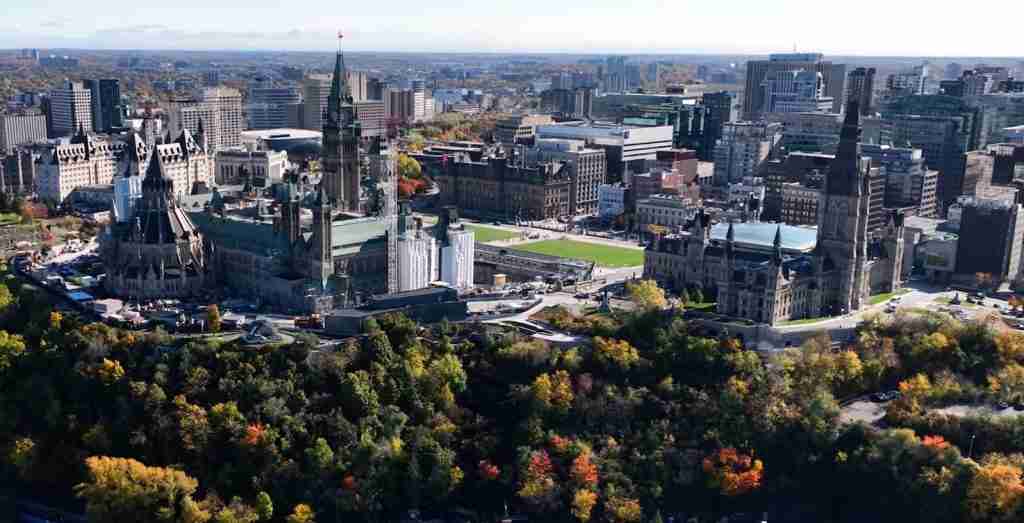
3 days
Ottawa 3-Day Discovery Tour
- ✓ Comprehensive Ottawa experience
- ✓ Expert local guides included
- ✓ All accommodation included
- ✓ Transportation provided
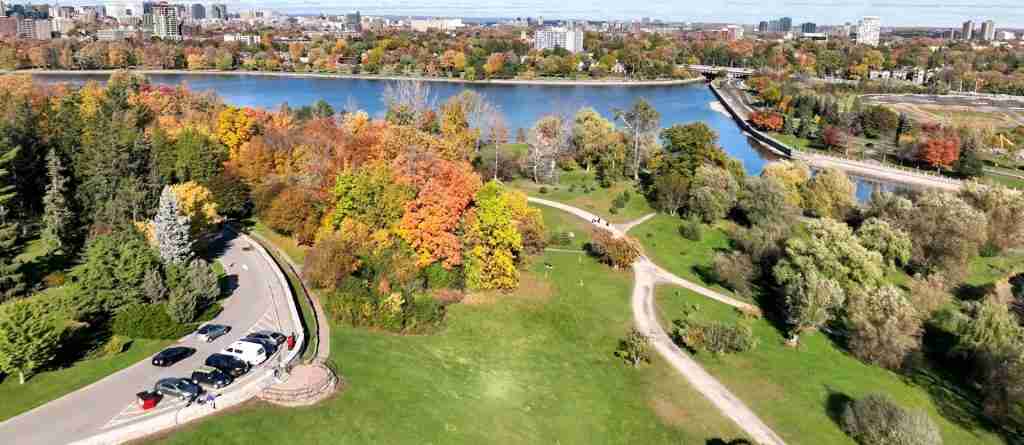
5 days
Ottawa 5-Day Highlights Experience
- ✓ Comprehensive Ottawa experience
- ✓ Expert local guides included
- ✓ All accommodation included
- ✓ Transportation provided

7 days
Ottawa 7-Day Cultural Journey
- ✓ Comprehensive Ottawa experience
- ✓ Expert local guides included
- ✓ All accommodation included
- ✓ Transportation provided
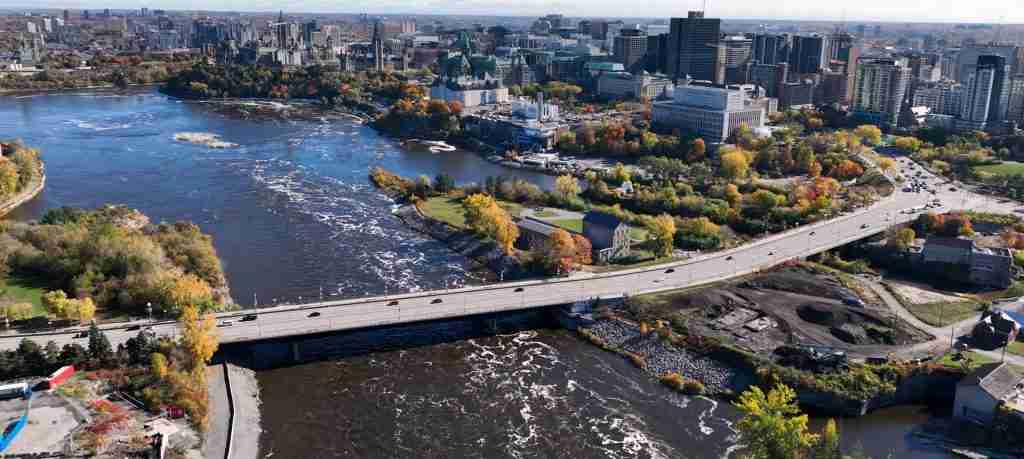
10 days
Ottawa 10-Day Complete Adventure
- ✓ Comprehensive Ottawa experience
- ✓ Expert local guides included
- ✓ All accommodation included
- ✓ Transportation provided
Multi-day tour packages powered by TourRadar. Prices and availability subject to change.
Introduction: Ottawa’s Geographic Advantage for Day Trip Exploration in 2026
Ottawa occupies a unique position at the confluence of Ontario and Quebec, where the Ottawa River divides Canada’s most populous province from its largest French-speaking region. This geographic reality transforms the national capital into an exceptional day trip hub, enabling travelers to cross provincial and linguistic boundaries within minutes while accessing dramatically different landscapes, historic sites, and cultural experiences throughout a single day’s journey.
The capital’s location along the Trans-Canada Highway corridor places Montreal, Canada’s second-largest metropolitan area, within 2 hours by train or car. Westward, Highway 401 connects to Kingston’s UNESCO-recognized Rideau Canal terminus and historic waterfront in 2.5 hours. Northward into Quebec’s Outaouais region, winding rural highways penetrate pristine forests, rural villages, and rolling mountains largely overlooked by mainstream tourism. Eastward along the Ontario-Quebec border, the Ottawa River creates wetlands, islands, and riverside parks stretching toward Hawkesbury and the St. Lawrence confluence.
This guide examines day trip options across five distinct categories spanning wilderness escapes, historic sites, urban exploration, cultural villages, and seasonal attractions. Each destination receives detailed treatment covering transportation logistics, cost breakdowns, optimal visit timing, must-see highlights, and practical planning considerations specific to 2026 operations. The selection prioritizes destinations accessible within 2.5 hours maximum driving or rail travel, enabling genuine day trip feasibility with morning departures and evening returns to Ottawa accommodations.
Transportation infrastructure supporting these day trips includes VIA Rail’s Ottawa-Montreal corridor with five daily departures, Highway 401’s four-lane controlled access westbound to Kingston, Highway 5’s northern route through Gatineau into Outaouais, and the scenic Gatineau Parkway network threading through protected parkland. Public transit options remain limited beyond Ottawa city limits, making personal vehicles or rental cars the primary access method for most destinations beyond Montreal. However, organized tour operators offer packaged day trips to popular destinations like Kingston and Thousand Islands, providing transportation, guided interpretation, and admission bundling for travelers preferring group experiences over independent exploration.
Gatineau Park Nature Escapes 2026: 15 Minutes from Downtown
Gatineau Park spans 36,000 hectares of protected Gatineau Hills terrain just across the Ottawa River in Quebec, creating Canada’s largest capital-region conservation park and Ottawa’s most accessible wilderness day trip. The park’s southern access points reach downtown Ottawa in 15 minutes via Champlain or Alexandra bridges, positioning world-class hiking, swimming, and scenic driving within closer proximity than many city residents’ workplace commutes.
Transportation and Access to Gatineau Park 2026
Reaching Gatineau Park from Ottawa requires crossing the Ottawa River into Quebec via one of four bridges connecting the two cities. The Champlain Bridge and Alexandra Bridge provide the most direct southern park access, with both delivering travelers to the Gatineau Parkway network within 5 minutes after crossing. From downtown Ottawa’s Parliament Hill area, drive times to key park destinations break down as follows: P1 and P2 parking areas (southern access) 15-20 minutes, Pink Lake trailhead 20 minutes, Champlain Lookout 30 minutes, Mackenzie King Estate 25 minutes, and Meech Lake beaches 35 minutes.
The park features 20 parking lots totaling 1,689 spaces distributed across multiple sectors. Winter parking operates free at all locations, while summer beach and boat launch lots charge $2.75 per 30 minutes with $15 daily maximum rates. The majority of hiking and walking trailhead lots remain free year-round, including popular P1, P2, P3, P5, and P7 locations serving southern and central park areas. Season parking passes cost $103 and provide access to all paid lots, representing cost savings for frequent visitors planning multiple summer beach trips or weekly hiking outings.
Public transit access to Gatineau Park remains limited, with no direct bus service from Ottawa to most trailheads. Cyclists can reach the park’s southern sectors via dedicated pathways crossing from Ottawa, with the scenic Voyageurs Pathway following the Ottawa River shoreline before connecting to park trails. The 36-kilometer Gatineau Parkway itself creates premier cycling terrain during car-free weekends when sections close to vehicle traffic, though these closures occur primarily on select summer and fall dates rather than regular weekly schedules.
Hiking Trail Network 2026: 165 Kilometers Across Varying Terrain
Gatineau Park’s 165-kilometer trail network accommodates every fitness level from casual 30-minute nature walks to full-day summit expeditions. The trails divide into distinct categories: easy lakeside loops under 3 kilometers, moderate forest trails ranging 4-8 kilometers with elevation gain, and challenging summit hikes exceeding 10 kilometers with significant climbing. Trail surfaces vary from wide gravel paths suitable for families with young children to narrow rocky scrambles requiring proper hiking boots and experience on uneven terrain.
Pink Lake stands as the park’s most famous trail destination, offering a 2.1-kilometer loop circling this rare meromictic lake where layers of water fail to mix, creating unique ecological conditions supporting specialized plant life. The easy gravel trail requires 45-60 minutes for complete circuit and attracts crowds on summer weekends, making weekday visits or early morning starts advisable during peak season. Interpretive signs explain the lake’s unusual chemistry and surrounding Carolinian forest ecosystem, while benches at scenic viewpoints provide rest stops overlooking turquoise waters.
Champlain Lookout represents the park’s premier panoramic destination, delivering sweeping views across the Ottawa Valley from a 335-meter elevation escarpment. Two main approach routes serve the lookout: the direct King Mountain Trail covering 6.5 kilometers round trip with steep sections and rocky terrain requiring 2.5-3 hours total, or vehicular access via the Gatineau Parkway with short 100-meter walk from the parking area. The lookout’s wide stone platform accommodates dozens of visitors simultaneously, though fall color season (late September through mid-October) brings substantial crowds necessitating patience for unobstructed photography.
Lusk Cave Trail provides the park’s signature adventurous hike, combining moderate 12-kilometer distance with the unique destination of a 90-meter marble cave requiring crawling and scrambling through tight passages. The trail to the cave follows well-marked paths through northern park forests, gaining 200 meters elevation before descending to the cave entrance. Exploring the cave requires headlamps or flashlights (bring backups), willingness to navigate wet conditions and low clearances, and acceptance that clothing will likely emerge muddy. The complete Lusk Cave experience consumes 4-5 hours including driving to the remote northern trailhead located 45 minutes from Ottawa via Highway 5 and park access roads.
Mackenzie King Estate Historic Site 2026
The Mackenzie King Estate preserves the former summer retreat of William Lyon Mackenzie King, Canada’s longest-serving Prime Minister who occupied the office for 22 years between 1921 and 1948. The estate grounds encompass restored cottages, English-style gardens, decorative ruins assembled from demolished Ottawa buildings, and wooded walking paths threading through 231 hectares of forested land donated to the National Capital Commission upon King’s death.
Admission to the estate grounds operates on a free basis year-round, though donations encourage ongoing preservation work. The Mackenzie King Tearoom functions seasonally from May through October, serving light lunches, afternoon tea service, and baked goods on an outdoor terrace overlooking the formal gardens. Typical tearoom meals range $15-25 per person, with reservation recommendations for weekend afternoon tea sittings during peak summer months.
The estate’s main attractions include Moorside cottage (King’s primary summer residence), the Arc de Triomphe ruins incorporating stones from demolished Centre Block, and meticulously maintained perennial gardens showcasing heritage plant varieties. Guided interpretive programs operate weekend afternoons during summer, providing historical context about King’s eccentric personality, his spiritualist interests, and the estate’s transformation from private retreat to public heritage site. The complete estate tour including gardens, ruins, and cottage interiors requires 1.5-2 hours, with additional time for tearoom dining or forest trail walks extending the visit to half-day length.
Summer Swimming Beaches and Lakes 2026
Gatineau Park maintains three developed beach areas at Meech Lake (P11, P12, P13 parking lots), Philippe Lake (P19, P19B, P20), and La Pêche Lake, all operating from mid-June through early September with lifeguard supervision, change facilities, and concession services. Beach parking lots charge $2.75 per 30 minutes with $15 daily maximum, representing the park’s only significant day-use fee beyond winter trail passes.
Philippe Lake’s two beaches offer the most extensive facilities including sandy shores, floating swim platforms, picnic areas with grills, and canoe/kayak rentals. The lake’s relatively warm summer temperatures and gradual depth progression make it particularly suitable for families with young children, though capacity limits mean weekend arrivals after 10 AM often encounter full parking and closure of access gates during peak July-August weeks. Weekday visits or early weekend arrivals (before 9 AM) ensure beach access during high season.
Meech Lake presents cooler water temperatures but more dramatic cliff-lined shoreline and deeper swimming areas appealing to strong swimmers. The lake gained international fame hosting G7 summits at the Harrington Lake estate visible across the water from public beaches, though the estate itself remains closed to public access as the Prime Minister’s official summer residence. Meech Lake beaches experience slightly less crowding than Philippe Lake, making them viable alternatives when southern beaches reach capacity.
Fall Color Viewing 2026: Canada’s Premier Autumn Destination
Gatineau Park ranks among Canada’s most celebrated fall foliage destinations, with maple-dominated hardwood forests transforming into gold, orange, and crimson displays typically peaking between September 25 and October 10 depending on annual weather patterns. The National Capital Commission publishes weekly fall color progress reports starting early September, enabling travelers to time visits for optimal viewing during the brief 10-14 day peak color window.
Champlain Lookout serves as the park’s signature fall viewing location, delivering panoramic vistas across tens of thousands of hectares of color-drenched forest from its escarpment perch. Fall weekends bring massive crowds to the lookout, with parking lots filling by 9 AM and road closures implementing when capacity limits reach. The National Capital Commission manages crowds through one-way traffic flows and temporary parking restrictions, but patient visitors willing to arrive early or visit weekdays experience the spectacle without overwhelming congestion.
The 36-kilometer Gatineau Parkway becomes the park’s fall color scenic drive, winding through dense forest with frequent lookout points, picnic areas, and trailhead access. Driving the complete parkway from southern P1 entrance to northern sectors near Lusk Cave requires approximately 90 minutes without stops, though most visitors spend 2-3 hours making photography stops and short walks to viewpoints. Weekend parkway sections close to vehicles during fall color season, creating car-free zones for cyclists and pedestrians, though these closures rotate among different parkway segments rather than closing the entire route simultaneously.
Winter Trail Access and Cross-Country Skiing 2026
Winter transforms Gatineau Park into premier cross-country ski terrain, with 200 kilometers of groomed trails operating from December through March depending on snow conditions. The trail network divides into classic skiing tracks, skate skiing lanes, and separate snowshoe trails, all maintained through coordinated grooming schedules producing consistent surface quality throughout the season.
Winter trail passes cost $16 daily or $120-140 seasonally for adults, with children under 13 accessing trails free when accompanied by pass-holding adults. Daily passes sell at parking lot kiosks and the Gatineau Park Visitor Centre, while season passes require advance purchase through the National Capital Commission’s online portal. Trail pass requirements apply only to cross-country skiing, snowshoeing, and winter fat biking trails, with walking and hiking trails remaining free year-round even when snow-covered.
P2 parking area serves as the park’s winter hub, offering extensive parking, heated shelters, ski equipment rentals, and direct access to beginner and intermediate trail networks totaling 40 kilometers. The parking area connects to both the Gatineau Parkway’s groomed ski trail following the closed road and forest trails threading through maple stands and along frozen stream valleys. More advanced skiers target P5 and P7 parking areas accessing challenging terrain with elevation gain and longer loop options extending 15-20 kilometers.
All winter parking operates free throughout Gatineau Park, eliminating the summer beach parking fees and making winter visits particularly economical for budget-conscious travelers. The Gatineau Park Visitor Centre maintains winter hours Thursday through Monday, providing trail condition updates, waxing advice, and warm spaces for breaks between ski sessions.
Day Trip Cost Summary for Gatineau Park 2026
A full-day Gatineau Park visit costs $15-50 per person in 2026 depending on season and activities. Summer hiking trips requiring only P1-P2 free parking lots cost approximately $15 per person covering lunch picnic supplies and fuel for the 30-kilometer round trip from central Ottawa. Beach visits add parking fees reaching $15 daily maximum, plus food and beverage expenses averaging $20-30 per person for meals and snacks. Mackenzie King Estate tearoom dining increases costs to $35-45 per person when combining parking, fuel, and full lunch service.
Winter cross-country skiing trips range $30-50 per person including $16 trail pass, equipment rentals ($15-25 if needed), and post-ski meals at Chelsea village cafes bordering the park’s southern boundary. Equipment rental shops in Chelsea and Wakefield stock full ski packages including boots, poles, and classic or skate skis, with rental rates decreasing for multi-day periods appealing to visitors spending several days exploring the region.
Canadian Museum of History Day Trip 2026: 10 Minutes Across the River
The Canadian Museum of History occupies a distinctive Douglas Cardinal-designed building in Gatineau directly across the Ottawa River from Parliament Hill, creating Canada’s most-visited museum and Ottawa’s closest major cultural day trip destination. The museum reaches downtown Ottawa in 10 minutes via Alexandra Bridge, with the building’s riverside location providing spectacular Parliament Building views from exterior terraces and interior gallery windows.
Museum Access and Transportation 2026
Reaching the Canadian Museum of History from Ottawa requires crossing the Alexandra Bridge into Gatineau, with the museum located immediately north of the bridge on rue Laurier. OC Transpo Route 8 provides direct bus service from downtown Ottawa to the museum entrance, operating frequent weekday service and reduced weekend schedules. The complete bus journey from Parliament Hill to museum doors consumes approximately 15 minutes including bridge crossing and Quebec-side stops.
Personal vehicles access on-site parking at the museum’s underground garage, with standard hourly rates and daily maximums matching downtown Gatineau municipal lots. The garage entrance sits on rue Laurier just east of the main building, with clear signage directing visitors from both Ottawa bridges. Cyclists can reach the museum via dedicated pathways crossing the Alexandra Bridge and following the Ottawa River’s Quebec shoreline, with secure bike racks positioned near the main entrance.
Water taxi service operates seasonally from May through October between the Ottawa dock below Parliament Hill, the museum’s riverside dock, and Casino du Lac-Leamy, creating a scenic alternative to bridge crossings. The water taxi follows the Ottawa River’s historic route, providing unique perspectives on Parliament Buildings, Rideau Falls, and the museum’s dramatic curved architecture approaching from the water. Fares range $8-12 per person depending on route and season, with frequent departures during summer peak periods.
Admission Costs and Canada Strong Pass 2026
Canadian Museum of History admission costs $28 for adults in 2026, including access to the main Canadian History Hall, First Peoples Hall, special exhibitions, the Canadian Children’s Museum, and CINÉ+ large-format theater. This comprehensive admission represents excellent value compared to purchasing individual attraction tickets, particularly for families using all facilities during extended visits. Seniors aged 65+ and students with valid identification receive discounted rates, while children under 3 enter free year-round.
The Canada Strong Pass initiative returns in summer 2026 providing free admission for children and youth aged 17 and under from June 19 through September 7. This federal program makes summer the optimal time for family visits, eliminating admission costs for younger travelers while adults pay standard rates. Young adults aged 18-25 also receive discounted admission during the Canada Strong Pass period, though specific discount amounts remain subject to program announcement closer to the summer season.
Thursday evenings offer free admission from 4 PM to 8 PM year-round, creating budget-friendly visit opportunities though reduced evening hours limit time available for comprehensive museum exploration. The museum opens daily 9:30 AM to 5 PM with extended Thursday hours to 8 PM, allowing strategic planning to maximize free admission periods while accessing full facility operations.
Canadian History Hall: 15,000 Years of Human History
The Canadian History Hall spans 4,000 square meters across three levels, chronicling 15,000 years of human presence in what would become Canada through artifacts, multimedia presentations, and life-sized historical recreations. The hall divides into distinct chronological zones beginning with Indigenous histories stretching millennia before European contact, through colonial periods, Confederation, World Wars, and contemporary Canada’s multicultural evolution.
Key exhibition highlights include a full-scale Viking longhouse reconstruction, New France settlement recreations with period furnishings and architectural details, and extensive World War artifact collections including uniforms, weapons, and personal items from Canadian soldiers. The hall presents complex historical topics including Indigenous residential schools, internment of Japanese Canadians during World War II, and Quebec’s sovereignty movements through multiple perspectives rather than single narratives, creating opportunities for nuanced understanding of contentious periods.
Interactive elements throughout the hall engage younger visitors through touchscreen displays, hands-on artifact reproductions, and digital games teaching historical concepts. Audio guides available in multiple languages provide deeper interpretation for specific exhibition areas, though the basic exhibition text panels deliver substantial information without additional technology. Complete Canadian History Hall exploration requires 2-3 hours minimum, with history enthusiasts easily spending half days examining detailed artifact labels and watching all multimedia presentations.
First Peoples Hall: World’s Largest Indoor Totem Pole Collection
The First Peoples Hall showcases Indigenous cultures across what is now Canada through the world’s largest indoor totem pole collection, traditional artifacts spanning hunting tools to ceremonial regalia, and contemporary Indigenous art installations. The hall’s dramatic architecture features soaring ceilings accommodating monumental totem poles reaching several stories high, creating immediate visual impact upon entering the space.
The exhibition organizes Indigenous cultures by geographic and cultural regions including Pacific Coast, Plateau, Plains, Eastern Woodlands, and Arctic, with each section presenting distinctive artistic traditions, subsistence patterns, and cultural practices. Artifacts include intricate beadwork, birchbark canoes, carved masks, woven textiles, and stone tools demonstrating technological sophistication developed over millennia. Contemporary pieces from living Indigenous artists bridge historical collections with ongoing cultural evolution, challenging static museum presentations of Indigenous peoples as solely historical subjects.
Guided tours of the First Peoples Hall operate daily, providing deeper cultural context and addressing visitor questions about specific artifacts, cultural practices, and contemporary Indigenous communities. These 50-minute tours depart hourly from the hall entrance and cost $5 per person beyond general museum admission, representing worthwhile investments for visitors seeking expert interpretation rather than self-guided exploration.
Canadian Children’s Museum and CINÉ+ Theater
The Canadian Children’s Museum occupies dedicated space within the main building, creating immersive play environments representing different global cultures and Canadian regions. Children explore recreated international markets, board a Pakistani bus decorated with traditional art, navigate an Indonesian house on stilts, and investigate Canadian prairie landscapes through hands-on activities designed for ages 2-12.
CINÉ+ presents large-format documentary films on a multi-story screen, with programming rotating between natural history subjects, cultural documentaries, and science topics. Film screenings occur throughout operating hours with typical 45-60 minute running times, allowing visitors to plan viewing around exhibition exploration. The theater’s stadium seating and immersive sound system create engaging experiences particularly appealing to families with school-age children.
Admission to both Children’s Museum and CINÉ+ theater includes in the standard $28 general admission ticket, eliminating additional fees and simplifying family visit budgeting. The Children’s Museum particularly benefits rainy-day visits when outdoor activities prove challenging, providing engaging indoor exploration regardless of weather conditions.
Dining Options and Visit Duration 2026
The museum operates an on-site cafeteria offering lunch options ranging from sandwiches and salads to hot meals, with prices typical of institutional dining facilities averaging $12-18 per person for complete meals. The cafeteria overlooks the Ottawa River through floor-to-ceiling windows, providing pleasant dining environments and Parliament Hill views across the water. Visitors can also bring packed lunches to consume in designated eating areas, though food consumption restrictions apply within gallery spaces to protect artifacts.
A comprehensive museum visit exploring Canadian History Hall, First Peoples Hall, special exhibitions, Children’s Museum, and CINÉ+ presentation requires 4-6 hours for thorough engagement with all components. Visitors pressed for time can focus on Canadian History Hall and First Peoples Hall during 2-3 hour visits, returning for Children’s Museum and theater experiences during future trips. The museum’s proximity to Ottawa makes multiple shorter visits more practical than attempting complete coverage in single marathon sessions.
Day Trip Cost Summary for Canadian Museum of History 2026
A Canadian Museum of History day trip from Ottawa costs $45-50 per person in 2026 for basic visits. Adult admission reaches $28, OC Transpo bus fare adds $4 for round-trip travel, and on-site cafeteria lunch averages $12-18. Visitors driving personal vehicles face approximately $15 parking charges replacing bus fares, maintaining similar total costs around $55-60. Families visiting during Canada Strong Pass summer periods eliminate admission costs for children aged 17 and under, reducing family expenses to adult admission plus shared transportation and meal costs averaging $60-90 for two adults and two children.
Montreal Urban Excursion 2026: 2-Hour VIA Rail Journey
Montreal stands as Ottawa’s premier urban day trip destination, combining European architectural character, French linguistic culture, world-class museums, and distinctive neighborhoods within 2-hour VIA Rail access. Canada’s second-largest city offers dramatically different cultural atmosphere from anglophone Ottawa, creating international travel experiences without crossing national borders or navigating customs procedures.
VIA Rail Ottawa-Montreal Corridor Service 2026
VIA Rail operates five daily trains between Ottawa and Montreal along its busiest Corridor route connecting Ontario and Quebec’s major cities. Trains depart Ottawa Station beginning 6:20 AM through final 6:50 PM departure, with corresponding return services from Montreal enabling flexible day trip schedules. The 166-kilometer journey requires approximately 2 hours actual travel time, though door-to-door timing including station access and downtown navigation extends total trip duration to roughly 2.5 hours each direction.
Economy class fares range $36-85 per person depending on booking timing, train selection, and ticket flexibility. Advance purchase (20+ days before travel) secures lowest fares typically around $36-44, while same-day bookings or peak travel times command premium rates reaching $75-85. Midweek travel generally costs less than Friday-Sunday peak periods, creating savings opportunities for flexible travelers able to schedule Montreal visits on Tuesday-Thursday dates.
Business class upgrades cost approximately $25-40 additional per direction, including priority boarding, access to VIA Rail business lounges at major stations, complimentary non-alcoholic beverages, and larger seats with extra legroom. The business class premium delivers value for business travelers requiring work space and connectivity during the journey, though leisure travelers generally find Economy comfort adequate for 2-hour trips.
Onboard amenities include free Wi-Fi (though connection reliability varies), electrical outlets at all seats, spacious overhead luggage storage, and café car service selling snacks, sandwiches, and beverages. The Ottawa-Montreal route utilizes VIA Rail’s newest corridor train equipment featuring ergonomic seating, wheelchair lifts in accessible coaches, and improved ride quality compared to older rolling stock serving some routes.
Montreal Central Station Location and Downtown Access
VIA Rail trains arrive at Montreal’s Central Station (Gare Centrale), positioned in the city core beneath the Queen Elizabeth Hotel and connected directly to Montreal’s underground city network. This central location enables immediate pedestrian access to downtown attractions, major hotels, and the Montreal Metro subway system without taxi or bus transfers.
The Montreal Metro operates frequent service from Bonaventure Station (connected to Central Station) to major tourist zones including Old Montreal (Champ-de-Mars or Place-d’Armes stations), Mont-Royal Park (Mont-Royal station), and Olympic Stadium (Pie-IX or Viau stations). Single-ride Metro tickets cost $4, with 10-ride packs providing better value at $30 for visitors planning multiple Metro trips during the day. Alternatively, unlimited day passes cost $11 and become economical for trips involving three or more Metro rides during the visit.
Old Montreal Historic District
Old Montreal (Vieux-Montréal) preserves the city’s colonial core through cobblestone streets, 17th-19th century stone buildings, and waterfront position along the St. Lawrence River. The district centers on Place Jacques-Cartier, a sloping public square lined with restaurants, street performers, and outdoor café terraces creating European plaza atmosphere during summer months. Free walking exploration delivers Old Montreal’s essential character through architectural appreciation and neighborhood atmosphere without entrance fees or guided tour costs.
Notre-Dame Basilica dominates Old Montreal’s skyline with twin towers and ornate Gothic Revival exterior, though its interior surpasses the façade through brilliant blue vaulted ceilings, gold leaf details, and intricate wood carvings creating one of North America’s most spectacular church interiors. Basic admission costs $15 per person, with evening AURA light show experiences commanding premium $30 tickets for multimedia presentations projecting across the basilica’s architecture after regular visiting hours close.
The Old Port (Vieux-Port) stretches along the St. Lawrence waterfront, transformed from commercial shipping facilities into recreational promenades, cycling paths, and summer activity zones. The Montreal Science Centre anchors the eastern port area with interactive exhibitions appealing to families, while the western sections offer riverside paths, seasonal zip-line installations, and urban beach areas. A giant observation wheel operates seasonally providing aerial views across the city, though at $27 per ride it represents significant expense for brief experiences.
Mont-Royal Park and Summit Views
Parc du Mont-Royal crowns Montreal’s namesake mountain at 233-meter elevation, creating extensive urban parkland designed by Frederick Law Olmsted who also shaped New York’s Central Park. The park’s network of paths accommodates walking, jogging, cycling, and winter cross-country skiing across forested slopes rising above downtown skyscrapers.
The Kondiaronk Belvedere serves as the park’s premier lookout point, delivering panoramic vistas across downtown Montreal, the St. Lawrence River, and south to Adirondack peaks on clear days. Reaching the belvedere requires either climbing stairs from downtown neighborhoods or following the serpentine vehicular road to summit parking areas, with the climb consuming 30-45 minutes from park base. The belvedere plaza accommodates hundreds of visitors on busy summer weekends and during fall color season, though weekday visits or early morning timing provides less crowded appreciation of the cityscape spread below.
Museum Quarter and Cultural Institutions
Montreal’s Museum Quarter concentrates major cultural institutions around Sherbrooke Street between Guy and University, creating walkable access to world-class collections within compact downtown area. The Montreal Museum of Fine Arts operates Canada’s oldest art museum with encyclopedic collections spanning European masters, Canadian art, decorative arts, and contemporary installations housed across multiple connected pavilions. General admission costs $24, with special exhibition surcharges applying to blockbuster temporary shows.
The McCord Museum specializes in Canadian social history through fashion collections, indigenous artifacts, photography archives, and material culture documenting Montreal’s evolution from fur trade outpost to contemporary metropolis. Admission reaches $18 for adults, with frequent free admission programs on select evenings throughout the year providing budget-friendly access opportunities.
Sample Montreal Day Trip Itinerary 2026
A practical Montreal day trip from Ottawa follows this framework maximizing limited time while minimizing rushing between attractions. Depart Ottawa on the 6:20 AM VIA Rail train arriving Montreal Central Station 8:30 AM. Walk 15 minutes to Old Montreal via underground city passages emerging near Place d’Armes. Tour Notre-Dame Basilica 9 AM opening, spending 45 minutes appreciating the interior architecture. Explore Old Montreal streets and waterfront 10-11:30 AM through self-guided walking. Lunch at Old Montreal café or brasserie 11:30 AM-12:45 PM, budgeting $20-30 per person for casual dining. Afternoon museum visit 1-3:30 PM at Montreal Museum of Fine Arts or McCord Museum. Late afternoon Mont-Royal Park visit 3:45-5:15 PM, climbing to Kondiaronk Belvedere for sunset views. Return to Central Station by 6 PM for 6:20 PM or later departure trains arriving Ottawa 8:30-9 PM.
This itinerary covers Montreal’s essential highlights without excessive rushing, though eliminating either the museum or Mont-Royal segment creates additional time for leisurely Old Montreal exploration or shopping along Sainte-Catherine Street. The schedule assumes normal traffic and transit operations, with weather contingencies requiring backup plans for indoor alternatives if rain affects outdoor walking.
Day Trip Cost Summary for Montreal 2026
A Montreal day trip from Ottawa costs $90-170 per person in 2026 depending on attraction choices and dining selections. VIA Rail Economy round-trip tickets range $36-85 for advance versus same-day bookings, Montreal Metro day pass adds $11, meals total $30-50 covering breakfast pastry, lunch, and snacks, and museum admission contributes $15-24 if visiting cultural institutions. Budget-conscious travelers booking trains in advance, packing snacks, and limiting museum visits achieve costs around $90-110, while comprehensive experiences with premium dining and multiple attractions reach $150-170. The complete experience delivers substantial value considering the travel distance, urban exploration, and cultural immersion achieved within single-day timeframe.
Kingston Historic Waterfront and Fort Henry 2026
Kingston occupies strategic position where Lake Ontario meets the St. Lawrence River and Rideau Canal, creating military and maritime significance that shaped Canada’s early development. The city’s designation as Canada’s first capital (1841-1844), extensive limestone architecture, and Fort Henry National Historic Site combine to form Ottawa’s premier southwestern day trip destination located 180 kilometers west via Highway 401.
Transportation and Travel Time 2026
Highway 401 provides direct four-lane controlled-access routing between Ottawa and Kingston, with typical driving times of 2 hours covering the 180-kilometer distance under normal traffic conditions. The highway follows relatively flat terrain paralleling the St. Lawrence River corridor, creating straightforward navigation without complicated route-finding or challenging mountain passes. Fuel costs for the round-trip journey reach approximately $35-40 depending on vehicle efficiency and 2026 gasoline prices averaging $1.60-1.70 per liter.
VIA Rail operates limited direct service between Ottawa and Kingston requiring 2.5 hours for the journey, though departures remain less frequent than the Montreal corridor with only 2-3 daily options. Train tickets cost $50-85 depending on booking timing, making rail travel comparable to driving costs for solo travelers but less economical for groups sharing vehicle expenses. The train station positions travelers 3 kilometers from downtown Kingston, necessitating taxi or bus connections to reach waterfront attractions and Fort Henry.
Fort Henry National Historic Site Admission and Hours 2026
Fort Henry operates daily from May 16 through September 7, 2026 during main season, with limited early-season access March 16-20 and potential October shoulder season dates subject to announcement. Summer hours run 10 AM to 5 PM daily with last ticket entry at 3:30 PM, providing ample afternoon time for guided tours, military demonstrations, and museum exploration.
General admission costs $20 per adult (including tax) covering access to Upper Fort and Advanced Battery, guided historical tours departing every 30 minutes, military demonstrations by the Fort Henry Guard, and all museum exhibitions. The Canada Strong Pass provides free admission for children and youth aged 17 and under during summer 2026 (June 19-September 7), making family visits particularly economical during this period. Free on-site parking operates at all times, eliminating additional costs beyond admission tickets.
Fort Henry Historical Significance and Architecture
Fort Henry was constructed 1832-1837 to replace earlier War of 1812 fortifications, designed to protect Kingston’s Royal Naval Dockyard, the Rideau Canal entrance, and the critical supply route between Montreal and Upper Canada’s western regions. The fort represents the pinnacle of British military engineering in Canada, featuring massive limestone walls, extensive underground passages, defensive positions commanding approaches from Lake Ontario and the St. Lawrence River, and accommodations for garrison troops numbering several hundred soldiers.
The fort’s architecture demonstrates adaptation to North American conditions while maintaining British design principles including star-shaped defensive layout, reinforced powder magazines positioned away from potential enemy fire, officers’ quarters separated from enlisted men’s barracks, and strategic placement atop Point Henry’s elevation commanding water approaches. Remarkably, Fort Henry never fired shots in anger throughout its active service life, with the anticipated American attack during Oregon boundary tensions (1840s) never materializing and Confederation eliminating the fort’s defensive rationale.
Fort Henry Guard Demonstrations and Guided Tours 2026
The Fort Henry Guard comprises university students trained in British military drill, 19th-century weapons handling, and historical interpretation, creating living history demonstrations running throughout daily operating hours. The Guard performs precision marching, musket firing demonstrations, artillery exercises with period cannons producing impressive noise and smoke effects, and musical performances featuring fife and drum corps playing period military marches.
Guided tours operate in English and French, departing Upper Fort every 30 minutes from 10 AM through 3:30 PM with 50-minute duration covering fort architecture, garrison life, military technology, and historical context. The tours require no advance reservations and include in general admission, allowing spontaneous participation upon arrival. Tours navigate stairs, uneven stone surfaces, and outdoor rampart sections, requiring reasonable mobility and weather-appropriate clothing particularly during summer heat or potential rain.
Special programs beyond standard daytime operations include the famous Wednesday evening Sunset Ceremony during July-August combining precision drill, music, cannon firing, and fireworks finales. Sunset Ceremony tickets cost additional fees beyond general admission and require advance booking through the fort’s website, with programs beginning 7:30 PM and concluding near sunset approximately 9 PM.
Kingston Downtown Historic District Walking 2026
Kingston’s downtown waterfront centers on Ontario Street and Princess Street corridors lined with 19th-century limestone commercial buildings creating cohesive architectural streetscapes. City Hall, originally constructed as the Province of Canada parliament building, dominates Market Square with impressive classical revival architecture and distinctive copper-topped dome. The building operates free public access during business hours, allowing interior appreciation of historic legislative chambers and interpretive displays documenting Kingston’s brief capital status.
Kingston waterfront promenades stretch along the Lake Ontario and St. Lawrence River shorelines, providing pedestrian paths, public art installations, waterfront parks, and views across to Wolfe Island and the river’s Thousand Islands archipelago beginning just east of the city. The waterfront area hosts seasonal festivals, outdoor concerts, and farmers markets, with activity levels peaking during summer weekends and evening hours.
Additional Kingston Attractions: Museum Options 2026
Canada’s Penitentiary Museum occupies the former Kingston Penitentiary warden’s residence adjacent to the now-closed maximum security prison operating 1835-2013. The museum documents Canadian corrections history through cell recreations, security equipment, prisoner artwork, escape attempt reconstructions, and artifacts from riots and notable inmates. Admission costs $12 for adults, with guided tours of the adjacent abandoned penitentiary complex available through separate ticketing at premium rates ($40-50) requiring advance booking.
The Marine Museum of the Great Lakes preserves Kingston’s shipbuilding heritage and Great Lakes maritime history through ship models, navigation equipment, and the icebreaker Alexander Henry moored alongside the museum as overnight accommodation and museum exhibit. Museum admission reaches $14 for adults, with combined tickets bundling multiple Kingston museums available through the K-Pass attractions pass.
K-Pass All-Inclusive Attractions Pass 2026
The K-Pass represents Kingston’s bundled attractions ticket including Fort Henry, Kingston Trolley Tours, Kingston 1000 Islands Cruises, Bellevue House National Historic Site, and Marine Museum at single package price. The pass operates May through October coinciding with seasonal attraction hours, with pricing varying by package options and inclusions. Visitors planning to experience multiple attractions during single day or multi-day Kingston visits realize cost savings through K-Pass compared to individual admission tickets, though day-trippers visiting only Fort Henry and downtown walking find individual tickets more economical.
Day Trip Cost Summary for Kingston 2026
A Kingston day trip from Ottawa costs $80-95 per person in 2026 for basic visits focusing on Fort Henry and downtown exploration. Fuel for the 360-kilometer round trip reaches $35-40, Fort Henry admission adds $20, lunch in downtown Kingston averages $18-25 for casual dining, and incidental parking or snack costs contribute final $5-10. Visitors adding Penitentiary Museum tours, Thousand Islands cruises, or additional attractions increase total costs to $130-160 per person depending on selected experiences. The complete day requires 8-9 hours including 4 hours driving, making early departures (7-8 AM) and evening returns (5-6 PM) necessary for comprehensive coverage without excessive rushing.
Wakefield Quebec Village and Wakefield Mill 2026
Wakefield occupies pastoral setting along the Gatineau River 30 kilometers north of Ottawa in Quebec’s Outaouais region, creating charming francophone village atmosphere complete with covered bridge, riverside parks, rural Quebec architecture, and the landmark Wakefield Mill luxury hotel. The village’s compact core accommodates leisurely half-day visits ideal for combining with Gatineau Park hiking or Chelsea spa experiences during comprehensive day trip itineraries.
Transportation and Village Access 2026
Reaching Wakefield from Ottawa requires crossing into Quebec via Hull/Gatineau, then following Highway 105 north along the Gatineau River valley through increasingly rural landscape. The 30-kilometer journey from downtown Ottawa to Wakefield’s village center requires approximately 35-40 minutes under normal traffic conditions, with the scenic rural highway following the river’s eastern shoreline past farms, forest, and occasional riverside homes.
The route through Gatineau Park’s southern sectors creates opportunities for combining Wakefield visits with park hiking, particularly trails in the Lusk Cave or northern park areas requiring Highway 105 access. Cyclists occasionally tackle the Wakefield route from Ottawa, though the 30-kilometer distance with moderate hills and narrow highway shoulders appeals primarily to experienced road cyclists comfortable with vehicle traffic.
Covered Bridge and Riverside Parkland
Wakefield’s red covered bridge spans the Gatineau River at the village center, creating the community’s visual icon and popular photography subject. The bridge carries vehicle traffic despite historic covered design, with single-lane operation requiring alternating traffic flows controlled by traffic lights at each end. Pedestrian walkways along the bridge’s interior allow safe crossing and river viewing without vehicle conflicts.
Parkland below the bridge provides riverside access, picnic areas, and rocky shoreline suitable for wading and swimming during summer months. The river’s relatively calm flow through this section creates family-friendly swimming conditions warmer than Gatineau Park’s deep cold lakes, with locals gathering at the swimming area during hot July-August afternoons. No lifeguard services operate, requiring supervision of children and assessment of individual swimming abilities before entering the water.
Wakefield Village Main Street Shopping and Dining 2026
Wakefield’s compact commercial district concentrates along a three-block stretch housing artisan shops, galleries, cafés, and restaurants serving the village’s approximately 800 permanent residents and steady stream of weekend visitors from Ottawa and surrounding regions. The commercial character leans toward upscale rural Quebec aesthetic featuring local foods, craft items, and artistic products rather than mass-market retail.
Pipolinka Bakery operates from a heritage building offering wood-fired bread, pastries, cookies, and light lunch items creating popular breakfast and morning snack destination. Expect $8-15 per person for pastries and coffee or light sandwiches, with weekend mornings bringing queues during peak summer season. Le Hibou restaurant specializes in vegetarian and vegan cuisine unusual for rural Quebec, with lunch offerings ranging $15-25 per person and dinner service commanding higher prices for more elaborate preparations.
MJMD Pizza de Luigi produces wood-fired pizzas praised by Ottawa food writers and regional restaurant guides as among the area’s best, with entire pizzas priced $18-28 depending on toppings. The restaurant operates limited hours with no reservations, creating arrival timing challenges during busy weekend dinner service when waits extend beyond an hour.
Wakefield Mill Hotel and Spa
The Wakefield Mill occupies a converted 1838 grain mill positioned directly above Gatineau River falls, transformed into luxury boutique hotel and spa combining heritage architecture with contemporary amenities. While primarily accommodation rather than day trip destination, the hotel’s riverside terrace restaurant welcomes non-guests for lunch and dinner service featuring regional Quebec ingredients and European-influenced preparations.
Restaurant reservations receive strong recommendations particularly for weekend visits when hotel guests and day-trippers both seek terrace dining. Lunch mains range $22-35, with full three-course meals reaching $60-80 per person before beverages. The setting overlooking river falls from the terrace justifies premium pricing for special occasion lunches, though budget-conscious travelers find village cafés and bakeries more economical.
Day Trip Cost Summary for Wakefield 2026
A Wakefield day trip from Ottawa costs $25-35 per person in 2026 for basic village visits. Fuel for the 60-kilometer round trip reaches $12-15, bakery breakfast or lunch costs $12-20, river swimming and bridge walking remain free, and artisan shop purchases vary according to personal interest. Upgrading to Wakefield Mill restaurant dining increases costs to $75-95 per person when including fuel and full three-course meals. The village accommodates comfortable half-day visits during morning or afternoon hours, making it ideal for combining with Gatineau Park hiking or other regional destinations during full-day itineraries.
Montebello and Château Montebello 2026
Montebello occupies riverside position on the Ottawa River 130 kilometers east of Ottawa in Quebec’s Outaouais region, dominated by the landmark Château Montebello log construction resort originally built 1930 as a private club. The village and château create upscale rural Quebec day trip combining architectural interest, riverside parks, and optional luxury dining experiences within 90-minute driving distance from the capital.
Transportation to Montebello 2026
Highway 50 provides primary routing from Ottawa to Montebello, following the Ottawa River’s northern Quebec shoreline through increasingly rural landscape transitioning from suburban sprawl to agricultural land and forest. The 130-kilometer journey requires approximately 90 minutes under normal conditions, with the four-lane divided highway offering straightforward navigation and moderate traffic volumes outside weekday commuting peaks.
The route passes through Gatineau, Buckingham, and several smaller communities before reaching Montebello, creating opportunities for exploring multiple Outaouais villages during comprehensive day trip itineraries. Fuel costs for the round-trip journey total approximately $25-30 based on 2026 gasoline prices and typical vehicle fuel efficiency.
Château Montebello Architecture and History
Château Montebello claims distinction as the world’s largest log building, constructed in 1930 using 10,000 red cedar logs arranged in distinctive star-shaped layout radiating from a hexagonal central rotunda. The building served originally as the Seigniory Club, an exclusive private retreat for wealthy businessmen and politicians, before transitioning through various ownership including Canadian Pacific Hotels and current Fairmont operation.
The château’s public spaces welcome non-guest visitors during daytime hours, allowing appreciation of the massive central fireplace, log construction detailing, rustic luxury design elements, and riverside grounds without overnight stay requirements. The property has hosted numerous international summits including G7 meetings, contributing to its recognition beyond purely architectural interest.
Hotel restaurants and lounges operate with varying access policies, with the casual Aux Chantignoles bistro generally welcoming walk-in lunch guests while the formal dining room prioritizes hotel guest reservations. Lunch at the bistro ranges $20-35 per person for sandwiches, salads, and lighter fare, with full restaurant dinner service commanding significantly higher prices more suited to special occasions than day trip budgets.
Montebello Village and Manoir Papineau National Historic Site
Montebello village proper centers on a compact commercial district housing artisan shops, cafés, and galleries serving both seasonal cottage residents and passing tourists. The village lacks the extensive commercial development of Wakefield or Chelsea, maintaining quieter rural character with fewer but higher-quality shops focusing on local crafts, maple products, and Quebec regional foods.
Manoir Papineau National Historic Site preserves the 1850s seigneurial manor of Louis-Joseph Papineau, leader of the 1837 Lower Canada Rebellion and influential Quebec political figure. The manor sits on Ottawa River waterfront approximately 2 kilometers from Château Montebello, accessible via riverside drive providing scenic approaches. Parks Canada operates the site with guided tours explaining the manor’s architecture, Papineau family history, and Quebec seigneurial system, with admission costs and seasonal hours matching other Parks Canada historic sites in the $8-12 range.
Parc Omega Wildlife Park Side Trip Option 2026
Parc Omega occupies extensive terrain 15 kilometers beyond Montebello, creating drive-through wildlife observation park showcasing Canadian species including elk, bison, wolves, bears, and various deer species in semi-natural enclosures. The 12-kilometer driving circuit through the park requires 2-3 hours including observation stops, walking trails accessing bear and wolf viewing areas, and possible feeding interactions with deer and elk approaching vehicles.
Admission costs $50 per adult plus $15-20 per vehicle, representing significant expense but delivering reliable wildlife viewing guaranteed regardless of season or weather. The park operates year-round with winter visits providing snow-covered landscapes and animals in winter coats creating different aesthetic from summer green forest settings.
Day Trip Cost Summary for Montebello 2026
A Montebello day trip from Ottawa costs $55-75 per person in 2026 for basic visits focusing on Château Montebello grounds, village exploration, and casual dining. Fuel for the 260-kilometer round trip reaches $25-30, lunch at château bistro or village café adds $20-30, and Manoir Papineau admission contributes $8-12 if visiting the historic site. Adding Parc Omega wildlife park increases costs to $110-130 per person including park admission ($50 adult plus $15-20 vehicle fee), fuel, and meals, transforming the excursion into full-day commitment requiring early departure and evening return.
Thousand Islands Cruises from Rockport and Gananoque 2026
The Thousand Islands archipelago scatters across the St. Lawrence River between Kingston and Brockville, creating scenic boat cruise territory easily accessed from Ottawa via Highway 401 westbound. While the islands themselves span the Canada-U.S. border with most significant islands on the American side, Canadian departure points at Rockport and Gananoque offer various cruise options ranging from 1-hour scenic tours to full-day explorations including stops at Boldt Castle on the U.S. side.
Transportation to Thousand Islands Region 2026
Rockport positions 150 kilometers southwest of Ottawa via Highway 401, requiring approximately 1.5 hours driving time to reach the boat dock area. Gananoque sits slightly closer at 140 kilometers and 1.25 hours driving, though both communities cluster along the same Highway 401 corridor creating minimal practical difference in access time. The highway follows flat terrain paralleling the St. Lawrence River, providing straightforward navigation and water glimpses from elevated sections.
Both communities offer adequate parking near cruise departure docks, with Gananoque’s larger tourist infrastructure providing more extensive facilities including restaurants, shops, and attractions beyond boat tours. Fuel costs for round-trips to either location reach $30-35 based on 300-kilometer total distance from Ottawa.
Cruise Options and Departure Schedules 2026
Thousand Islands cruise operators run various tour lengths from 1-hour basic island viewing to 3-hour cruises stopping at Boldt Castle and exploring deeper into the archipelago. The 1-hour cruises depart multiple times daily during peak season (late May through early October), priced around $30-35 per adult and providing narrated tours past notable island properties, lighthouse installations, and natural island formations while remaining in Canadian waters throughout.
The 3-hour Boldt Castle cruises include stop at Heart Island where American millionaire George Boldt constructed elaborate castle for his wife, never completed after her unexpected death in 1904. These extended cruises cost $60-75 per adult including boat transportation and castle grounds admission, departing 1-2 times daily during peak summer weeks. Visitors require passport or enhanced driver’s license for the U.S. island stop, with border crossing procedures handled through the tour rather than separate customs processing.
Boldt Castle Tours and U.S. Entry Requirements 2026
Boldt Castle occupies Heart Island in U.S. waters, requiring appropriate travel documents for Canadian citizens visiting the site. Standard Canadian passports, enhanced driver’s licenses, or NEXUS cards satisfy border crossing requirements, with the cruise operator collecting document information during booking and coordinating customs procedures. Children require their own travel documents rather than traveling on parent passports for these international crossings.
The castle grounds cover the entire small island, with self-guided tours exploring the main castle building’s elaborate rooms, powerhouse, gazebo, and landscaped gardens. Admission includes in the cruise price, allowing 90 minutes to 2 hours exploring the property before boat departure back to Canadian ports. The castle represents Gilded Age excess and ultimately tragic romantic story, creating compelling historical interpretation beyond architectural interest alone.
Day Trip Cost Summary for Thousand Islands 2026
A Thousand Islands cruise day trip from Ottawa costs $75-95 per person in 2026 for basic 1-hour scenic cruises. Fuel for the 280-300 kilometer round trip to Rockport or Gananoque reaches $30-35, basic 1-hour cruises add $30-35, and lunch in Gananoque or roadside restaurants contributes $15-25. Choosing the extended Boldt Castle cruise increases costs to $105-135 total including fuel ($30-35), extended cruise admission ($60-75), and meals ($15-25), while creating longer day with departure recommendations around 8 AM and returns reaching Ottawa by 6-7 PM after full-day touring.
Calabogie Outdoor Adventures 2026
Calabogie occupies the Ottawa Valley 90 minutes west of Ottawa, creating less-known day trip destination offering Skywalk Trail summit hikes, waterfront activities on Calabogie Lake, and year-round Calabogie Peaks Resort operations. The area appeals to travelers seeking outdoor experiences beyond Gatineau Park’s well-trodden trails while maintaining reasonable driving distances from the capital.
Transportation to Calabogie 2026
Highway 17 westbound from Ottawa provides primary access to Calabogie, following the Ottawa River valley before turning inland through increasingly rural landscape. The 110-kilometer journey requires approximately 90 minutes, with the two-lane highway experiencing light traffic volumes outside summer cottage weekend peaks. Fuel costs for the round trip total $22-28 based on vehicle efficiency and 2026 gasoline pricing.
Skywalk Trail to Eagle’s Nest Lookout
The Skywalk Trail at Calabogie Peaks Resort climbs to Eagle’s Nest Lookout delivering panoramic views across the Madawaska Valley and surrounding Canadian Shield terrain. The trail ascends ski resort slopes during summer months, utilizing service roads and forest paths to reach the summit lookout positioned at the top of winter ski runs.
Trail access operates free during summer, with parking available at the resort base. The moderate 4-kilometer round trip hike requires 1.5-2 hours including lookout time, with steady uphill grade throughout the ascent but well-maintained trail surface suitable for various fitness levels. The lookout platform accommodates several visitors simultaneously, though the less-promoted location rarely experiences crowding even during weekend visits.
Calabogie Lake Water Activities
Calabogie Lake stretches approximately 12 kilometers through forested shoreline, creating recreational boating, fishing, and swimming opportunities. Public beach access exists at select locations along the lake, though much shoreline remains privately held by cottage owners limiting public access points. The beach areas provide swimming access without lifeguard supervision, requiring personal assessment of water conditions and swimming abilities.
Boat rental operations function from several lakeside locations offering canoes, kayaks, and powerboats for hourly or daily rental. Typical kayak rental rates reach $25-35 per hour or $60-90 daily, enabling extended lake exploration paddling along undeveloped shoreline sections and investigating quiet bays and inlets away from powerboat traffic.
Day Trip Cost Summary for Calabogie 2026
A Calabogie day trip from Ottawa costs $40-55 per person in 2026 for basic hiking and lake access. Fuel for the 220-kilometer round trip reaches $22-28, trail hiking operates free, and lunch at Calabogie village restaurants or packed picnics contributes $15-25. Adding kayak rentals increases costs substantially depending on rental duration: hourly rentals ($25-35) for 2-3 hours bring totals to $85-115, while full-day kayak rentals ($60-90) increase costs to $100-145 per person. The destination suits travelers seeking quieter outdoor experiences than Gatineau Park’s popular trails while remaining accessible within reasonable day trip distances from Ottawa.
Seasonal Timing Considerations Across All Day Trip Destinations 2026
Ottawa day trip experiences vary dramatically across seasons, with each period offering distinct advantages and limitations affecting destination selection, activity availability, and overall visit quality.
Summer Season (June through August) 2026
Summer delivers maximum operational hours and activity access across all destinations, with Fort Henry, Mackenzie King Estate, Thousand Islands cruises, and museum programs running full schedules. Gatineau Park beaches open with lifeguard supervision, Montreal outdoor festivals animate the city, and extended daylight allows leisurely evening returns to Ottawa after full-day exploration. However, summer also brings peak crowds to popular destinations like Champlain Lookout, Old Montreal, and Fort Henry, with weekend visits often encountering parking challenges and congested trails.
The Canada Strong Pass operates June 19 through September 7, providing free admission for children and youth aged 17 and under at Canadian Museum of History and Fort Henry, making summer the most economical season for family day trips to these destinations. Temperature and humidity can reach uncomfortable levels during July-August heat waves, requiring early morning starts for hiking activities and strategic indoor museum visits during peak afternoon heat.
Fall Color Season (Late September through Mid-October) 2026
Fall delivers the year’s most spectacular Gatineau Park visits when maple forests transform into brilliant displays of gold, orange, and crimson foliage typically peaking September 25 through October 10. This brief window attracts massive crowds to Champlain Lookout and the Gatineau Parkway, with weekend parking lots filling by 9 AM and road closures implementing when capacity limits reach. Weekday visits or very early weekend arrivals (before 8 AM) enable fall color appreciation without overwhelming congestion.
Montreal and Kingston also benefit from fall color enhancing urban parks and waterfront areas, with Mont-Royal Park and Kingston’s waterfront promenades providing attractive foliage viewing within city contexts. Cooler temperatures create comfortable walking conditions after summer heat and humidity, though travelers must pack layers for variable conditions ranging from warm afternoon sun to cool morning starts. Some seasonal operations begin closing by mid-October, with Mackenzie King Estate and various outdoor attractions reducing hours or shutting down entirely as Canadian Thanksgiving weekend approaches.
Winter Season (December through March) 2026
Winter transforms Gatineau Park into premier cross-country ski terrain with 200 kilometers of groomed trails, creating the season’s signature day trip from Ottawa for winter sports enthusiasts. The Rideau Canal Skateway typically opens in January when ice thickness reaches safe levels, creating the world’s largest skating rink through downtown Ottawa though technically not a day trip but rather an in-city winter activity. Montreal remains accessible year-round via VIA Rail service, with winter visits offering discounted hotel rates and indoor museum exploration without summer tourist crowds.
Most outdoor historic sites including Fort Henry close entirely during winter months, while Thousand Islands cruises cease operations when ice forms on the St. Lawrence River. Winter day trips therefore concentrate on urban destinations (Montreal), skiing and winter hiking (Gatineau Park), and Quebec village visits (Wakefield, Montebello) for spa experiences and cold-weather dining. Travelers must prepare for highway driving in snow and ice conditions, with winter tires legally required on Quebec roads from December 1 through March 15 affecting any destinations across the Ottawa River.
Spring Season (April through May) 2026
Spring represents transition period with unpredictable conditions ranging from lingering snow in early April to warm sunny days by late May. Gatineau Park trails become muddy during spring thaw, with Parks Canada often requesting hikers avoid certain trails to prevent erosion damage during the wet season. Montreal’s famous tulip displays at Jean-Drapeau Park (Parc des Floralies) bloom throughout May, celebrating the gift of tulip bulbs from Holland after World War II and creating colorful photo opportunities.
Fort Henry and seasonal attractions typically open mid-May, with exact dates varying annually based on staffing and weather conditions. VIA Rail operates consistent year-round service to Montreal, making train-based day trips viable regardless of seasonal variations. Spring delivers fewer crowds than summer peak periods while avoiding winter’s operational closures, creating favorable conditions for travelers who tolerate variable weather in exchange for better value and quieter attractions.
Budget Planning Frameworks for Multiple Day Trip Styles 2026
Budget-Conscious Day Trips (Under $40 Per Person)
Budget-focused day trips concentrate on free or low-cost destinations accessible via personal vehicle with fuel as the primary expense. Gatineau Park hiking using free parking lots costs $12-15 in fuel plus packed lunch supplies ($8-12), totaling $20-27 per person for full-day outdoor exploration. Wakefield village visits with bakery lunch reach $25-35 including fuel and food. Canadian Museum of History visits on Thursday free admission evenings (4-8 PM) cost only $4 round-trip bus fare plus modest snacks, creating total expenses around $10-15 per person.
These budget options sacrifice some convenience and flexibility, requiring packed lunches rather than restaurant meals, visiting during free admission periods, and accepting shorter visit windows when facilities operate reduced hours. However, the experiences themselves deliver equivalent quality to higher-budget approaches, with Gatineau Park trails and Canadian Museum of History exhibitions unchanged regardless of spending level.
Mid-Range Day Trips ($60-100 Per Person)
Mid-range budgets enable comfortable day trips including casual restaurant dining, paid admissions, and relaxed scheduling without extreme budget consciousness. Kingston visits with Fort Henry admission and downtown lunch cost $80-95 per person. Montreal day trips via VIA Rail Economy class with advance booking, Metro pass, and casual meals reach $90-110, though same-day bookings and museum additions increase costs to $140-170. Gatineau Park beach visits with parking fees and basic meals total $35-45, while adding Mackenzie King Estate tearoom service increases costs to $60-75.
This spending level represents optimal balance between cost management and experience quality, allowing travelers to enjoy destinations fully without constant budget calculations while maintaining reasonable overall expenses. The mid-range approach suits most independent travelers and families seeking value without unnecessary luxury.
Premium Day Trips ($140-200+ Per Person)
Premium day trips incorporate upgraded transportation, fine dining, specialized tours, and multiple paid attractions during single outings. Montreal visits via VIA Rail Business class (adding $50-80 to ticket cost) with Notre-Dame Basilica AURA show ($30) and upscale restaurant dinner ($40-60) reach $170-220 per person. Kingston trips adding Penitentiary tours ($40-50) and Thousand Islands Boldt Castle cruises reach $170-210 total. Montebello visits with Château Montebello fine dining and Parc Omega admission approach $140-180 per person.
Premium spending delivers enhanced comfort and expanded experiences but requires budget consciousness about actual value received versus standard options. VIA Rail Business class provides marginal comfort improvement for 2-hour journeys, while fine dining experiences create memorable meals justifying premium pricing for special occasions but perhaps unnecessary for routine day trips.
Multi-Destination Combination Strategies 2026
Strategic route planning enables visiting multiple complementary destinations during extended day trips, maximizing travel efficiency while maintaining reasonable schedules. Gatineau Park hiking combines naturally with Wakefield village lunch stops, with both destinations accessed via Highway 105 corridor requiring minimal backtracking. The combined itinerary allows morning Gatineau Park summit hike, midday Wakefield lunch and village exploration, and afternoon return to Ottawa, consuming 6-7 hours total with moderate pacing.
Montreal-Kingston combinations prove impractical for single-day trips due to opposite directions and cumulative travel time exceeding 5 hours before activity time, though multi-day regional tours can link both cities with overnight stops. Thousand Islands cruises combine effectively with Kingston visits when starting early, allowing morning Fort Henry tour and afternoon Rockport cruise departure before evening Ottawa return.
Chelsea village (bordering Gatineau Park’s southern boundary) pairs excellently with park activities, providing post-hike dining at cafés and restaurants or adding Nordik Spa visits for relaxation after challenging trail days. The spa operates year-round with extensive outdoor pools, saunas, and relaxation areas, with day passes costing $65-85 depending on season and creating premium wellness-focused day trips when combined with gentle park walks or winter snowshoe outings.
Transportation Decision Framework: Personal Vehicle versus VIA Rail 2026
The personal vehicle versus train decision hinges on destination, group size, and activity planning rather than universal solutions applicable across all situations. Montreal day trips favor VIA Rail for solo travelers and couples, with $72-90 round-trip Economy tickets competing favorably against $70-80 fuel and parking costs while eliminating driving fatigue and providing onboard work/relaxation time. However, groups of three or more find personal vehicles more economical, splitting $80 fuel costs three or four ways versus $72+ individual train tickets.
All other destinations lack viable train service, making personal vehicles essentially mandatory for Gatineau Park, Kingston, Wakefield, Montebello, Thousand Islands, and Calabogie access. Rental car options serve travelers without personal vehicles, with daily rates ranging $50-80 depending on vehicle category and booking timing, though this option only becomes economical when splitting costs among multiple travelers or when avoiding multi-day parking fees exceeds rental costs.
Winter conditions complicate vehicle decisions, requiring winter tires for Quebec destinations and driver comfort with snow/ice highway conditions. VIA Rail eliminates winter driving concerns for Montreal access, making train travel particularly attractive during December-March when highway conditions deteriorate. However, Gatineau Park winter skiing mandates personal vehicle access due to equipment transportation needs and remote trailhead locations poorly served by any transit alternatives.
Packing and Preparation Essentials for Ottawa Day Trip Success 2026
Successful day trips require advance preparation matching destination characteristics and seasonal conditions. Gatineau Park hiking demands proper footwear with ankle support and grippy soles, 2 liters water per person minimum, trail snacks providing energy without refrigeration requirements, and weather-appropriate layers from base layer through insulating mid-layer and waterproof shell. The park’s variable weather can shift from warm sunny conditions to cool wind and rain within hours, making layering systems essential even during summer months.
Montreal day trips benefit from comfortable walking shoes broken in before the trip, as typical visits involve 8-12 kilometers walking across the city’s neighborhoods and attractions. Small daypack or crossbody bag carries water, snacks, guidebook or smartphone with Montreal Metro map, and rain jacket without the bulk of full backpack. Train travelers should pack light, keeping carry items to single backpack or small bag fitting easily in overhead storage without requiring checked luggage.
Kingston and other driving-based day trips allow more generous packing including coolers with packed lunches, extra clothing changes, and larger camera equipment without weight and bulk concerns inherent to train travel. Fort Henry visits should include sun protection (hat, sunscreen, sunglasses) during summer when the fort’s exposed ramparts offer little shade during midday heat. Historic site photography benefits from wide-angle lenses capturing architecture and defensive positions, with late afternoon light providing optimal angles for fort exterior shots.
Cross-Border and Bilingual Considerations 2026
Many premier Ottawa day trips cross the Ottawa River into Quebec, encountering French as the primary language in Gatineau, Wakefield, Montebello, and other communities. While English services remain widely available at major tourist sites including the Canadian Museum of History, Château Montebello, and popular restaurants, some smaller establishments operate primarily in French requiring basic French phrases or translation apps for menu navigation and transaction completion.
The language barrier remains minimal at organized tourist attractions where staff routinely serve anglophone visitors, but increases in authentic local establishments, municipal services, and rural areas where French unilingualism predominates. Travelers uncomfortable with French encounters may prefer Kingston, Thousand Islands, and other Ontario destinations where English serves as the overwhelming majority language, though this limitation excludes some of Ottawa’s most distinctive day trip options including Gatineau Park and the charming Quebec villages creating the region’s cross-cultural character.
Thousand Islands cruises stopping at Boldt Castle involve actual international border crossing requiring passports or enhanced driver’s licenses, with customs procedures coordinated through tour operators rather than individual processing. Children require separate travel documents rather than appearing on parent passports, a requirement sometimes overlooked by families accustomed to domestic-only travel. U.S. currency exchanges prove unnecessary as all Canadian departure point services accept Canadian dollars, while the brief U.S. island stop operates primarily as included tour component rather than independent shopping or dining opportunity requiring American money.
Frequently Asked Questions: Ottawa Day Trips 2026
Do I need a car for Ottawa day trips in 2026?
Personal vehicles or rental cars prove necessary for most Ottawa day trips including Gatineau Park, Kingston, Wakefield, Montebello, Thousand Islands, and Calabogie, as public transit service beyond Ottawa city limits remains minimal or nonexistent. Only Montreal functions effectively as car-free day trip via VIA Rail’s frequent Ottawa-Montreal corridor service, while the Canadian Museum of History reaches via OC Transpo bus Route 8 crossing into Gatineau. Travelers without vehicle access can explore Montreal, Gatineau Museum, and limited Gatineau Park southern sections via bus and cycling, though the majority of recommended destinations require four-wheel transportation. Organized tour operators offer packaged day trips to Kingston and Thousand Islands for travelers preferring group transportation over independent driving, though these tours command premium pricing versus self-drive options.
Which Ottawa day trip offers the best value in 2026?
Gatineau Park delivers exceptional value with free trail access, diverse terrain accommodating various fitness levels, and 15-minute proximity from downtown Ottawa minimizing fuel costs and travel time. A full-day park visit costs under $25 per person including fuel and packed lunch, providing wilderness hiking, summit views, swimming beaches, and fall color viewing rivaling destinations requiring hours of additional driving and substantial admission fees. The park operates year-round with winter transformation into cross-country ski terrain creating ongoing value across all seasons, while strategic use of free parking lots and packed meals keeps expenses minimal. For cultural experiences, the Canadian Museum of History’s Thursday evening free admission (4-8 PM) creates zero-cost access to world-class exhibitions, though the compressed time window limits comprehensive exploration compared to full-day paid visits.
Can I visit multiple destinations in one day from Ottawa in 2026?
Strategic route planning enables multiple destination combinations during extended day trips, though realistic pacing prevents attempting too many stops during single outings. Gatineau Park hiking combines effectively with Wakefield village lunch and shopping, as both access via the same Highway 105 corridor with minimal backtracking, consuming 6-7 hours total for morning hike, midday village time, and afternoon return. Kingston visits can incorporate brief Thousand Islands cruise stops when departing Ottawa early morning for Fort Henry exploration before afternoon boat tour, though this packed schedule requires disciplined timing and acceptance of rushed experiences at each location. Montreal day trips should focus exclusively on the city given VIA Rail travel time consuming 4 hours combined for both directions, leaving only 6-8 hours for actual Montreal exploration when targeting reasonable evening returns to Ottawa. Attempting Montreal plus additional stops proves impractical unless converting the outing into overnight trip with next-day return.
What is the best season for Ottawa day trips in 2026?
Summer (June through September) provides maximum destination access with full operational hours at Fort Henry, Mackenzie King Estate, Thousand Islands cruises, and all seasonal attractions, plus extended daylight enabling leisurely evening returns after full-day exploration. The Canada Strong Pass operates during this period offering free admission for children and youth aged 17 and under at major sites, making summer particularly economical for families. However, fall color season (late September through mid-October) delivers Gatineau Park’s most spectacular scenery when maple forests transform into brilliant gold, orange, and crimson displays, creating the year’s signature day trip experience despite brief duration and substantial weekend crowds. Winter suits travelers prioritizing cross-country skiing, with Gatineau Park’s 200 kilometers of groomed trails operating December through March, while Montreal remains accessible year-round via VIA Rail for urban cultural experiences regardless of season. Spring represents transition period with unpredictable conditions and mud season trail closures, making it the least optimal season for outdoor-focused day trips though still viable for city destinations and museums.
How early should I book VIA Rail tickets for Montreal day trips in 2026?
Booking VIA Rail tickets 20-30 days in advance secures Economy fares around $36-44 per person, representing approximately 40-50% savings versus same-day purchase prices reaching $75-85 during peak travel times. The corridor route between Ottawa and Montreal operates five daily trains with consistent service, making last-minute booking viable if necessary though at significant cost premium. Weekend travel (Friday through Sunday) commands higher fares than midweek departures, creating additional savings opportunities for flexible travelers able to schedule Montreal visits on Tuesday, Wednesday, or Thursday dates. Business class upgrades cost $25-40 additional per direction beyond Economy base fares, delivering priority boarding, business lounge access, and larger seats with extra legroom, though the marginal comfort improvement for 2-hour journeys makes the upgrade questionable value except for travelers requiring work space and connectivity. Early morning 6:20 AM departure enables full-day Montreal exploration before evening return trains, while later departures sacrifice Montreal time but accommodate travelers uncomfortable with pre-dawn starts.
Are Ottawa day trips suitable for families with young children in 2026?
Many Ottawa day trips accommodate families excellently with appropriate destination selection and realistic activity planning. Gatineau Park offers easy lakeside trails around Pink Lake suitable for stroller use and short attention spans, plus Philippe Lake beaches with lifeguards, gradual depth progression, and family-friendly facilities creating safe swimming environments for children. The Canadian Museum of History includes dedicated Canadian Children’s Museum with hands-on play environments and CINÉ+ theater showing family-friendly documentaries, all included in standard admission with summer free entry for children aged 17 and under through Canada Strong Pass. Montreal day trips prove more challenging with young children due to extensive walking, transit navigation, and longer overall day length including 4 hours train travel, making Montreal more suitable for families with older children (8+) capable of sustained walking and museum touring. Fort Henry appeals to children interested in military history through costumed demonstrations, cannon firing, and guided tours, though the 2-hour each way driving time requires consideration of children’s car tolerance. Pack entertainment, snacks, and realistic expectations about attention spans for any destination involving significant travel time before reaching actual attractions.
Which day trip from Ottawa offers the most unique experience in 2026?
Montreal stands out as Ottawa’s most dramatically different day trip destination, delivering international travel atmosphere with French linguistic culture, European architectural character, and metropolitan energy contrasting sharply with Ottawa’s government city character and smaller scale. The 2-hour VIA Rail journey transports travelers from anglophone Ontario to francophone Quebec’s cultural capital, where Old Montreal’s cobblestone streets, Notre-Dame Basilica’s Gothic Revival splendor, and Mont-Royal Park’s summit cityscape views create experiences unavailable anywhere else within day trip range of Ottawa. While Gatineau Park provides superior wilderness access and Fort Henry offers historic military interpretation, neither delivers the complete sensory and cultural immersion of walking Montreal’s neighborhoods, navigating its metro system, conversing in French at cafés, and experiencing Canada’s bilingual reality manifested through one city’s architecture, language, and cultural institutions. The day trip barely scratches Montreal’s surface, though it provides sufficient exposure to determine whether extended future visits warrant deeper exploration of Quebec’s largest metropolis.
What hidden gem day trips exist near Ottawa in 2026?
Calabogie remains relatively undiscovered by mainstream Ottawa day-trippers despite excellent hiking at Skywalk Trail, peaceful Calabogie Lake kayaking, and scenic Madawaska Valley setting just 90 minutes west of the capital. The area lacks Gatineau Park’s crowds and promotional visibility, creating quieter outdoor experiences for travelers willing to drive slightly farther than the most promoted destinations. The village of Merrickville (75 minutes south via Highway 416) preserves extensive heritage architecture, the Rideau Canal’s best-preserved lockstation, artisan shops, and waterfront parks along the canal, creating charming small-town atmosphere without the tourist masses descending on Kingston or Wakefield. Brockville (2 hours southwest) offers the Fulford Place historic mansion, Aquatarium on the waterfront, and the 1000 Islands Parkway scenic drive, though its distance pushes day trip feasibility limits. Within Gatineau Park itself, northern sectors including Lusk Cave Trail and La Pêche Lake receive far less traffic than southern Pink Lake and Champlain Lookout areas, delivering equivalent natural beauty with dramatically reduced crowding for hikers willing to drive extra 20-30 minutes beyond the park’s most accessible entry points.
How much should I budget for a full day trip from Ottawa in 2026?
Budget $60-140 per person for comfortable full-day trips from Ottawa depending on destination and activity selections. Gatineau Park hiking with packed lunch costs $20-27 covering fuel and food supplies, while Gatineau Park beach visits add parking fees increasing totals to $35-45. Kingston day trips including Fort Henry admission, fuel, and restaurant lunch reach $80-95 per person. Montreal excursions via VIA Rail with Economy advance-purchase tickets, Metro day pass, museum admission, and meals total $90-140, with costs reaching $150-170 for same-day bookings or premium dining. Premium experiences adding Thousand Islands cruises ($105-135 total), upscale dining, or multiple paid attractions increase costs to $140-220. These estimates assume two people sharing vehicle expenses for driving destinations, with solo travelers facing slightly higher per-person fuel costs while train fares remain fixed regardless of group size. Families benefit from Canada Strong Pass free admission for children aged 17 and under at Canadian Museum of History and Fort Henry during summer 2026, substantially reducing family day trip costs at these major attractions. Pack lunches, visit during free admission periods, and target free or low-cost destinations like Gatineau Park hiking to achieve under-$30 per person day trips when budget constraints require economical approaches.
Is winter a good time for Ottawa day trips in 2026?
Winter day trips concentrate on specific destination categories while eliminating others due to seasonal closures and weather limitations. Gatineau Park transforms into premier winter recreation area with 200 kilometers of groomed cross-country ski trails, creating the season’s signature day trip for skiers and snowshoers willing to purchase trail passes ($16 daily) and either own or rent equipment ($15-25). Montreal remains accessible year-round via VIA Rail with winter visits offering discounted hotel rates if converting to overnight stays, fewer crowds at museums, and winter festival atmosphere during January-February carnival season, though cold temperatures and potential snowstorms require weather monitoring and flexible scheduling. Fort Henry, Mackenzie King Estate, Thousand Islands cruises, and most outdoor historic sites close entirely November through April, eliminating these options from winter consideration. Quebec village day trips to Wakefield or Montebello appeal for cold-weather dining and cozy café atmosphere, particularly when combined with nearby spa visits at facilities like Nordik Spa in Chelsea offering heated outdoor pools and saunas creating appealing winter wellness experiences. Winter highway driving requires appropriate tires, driver experience with snow and ice conditions, and realistic assessment of personal comfort operating vehicles in challenging weather.