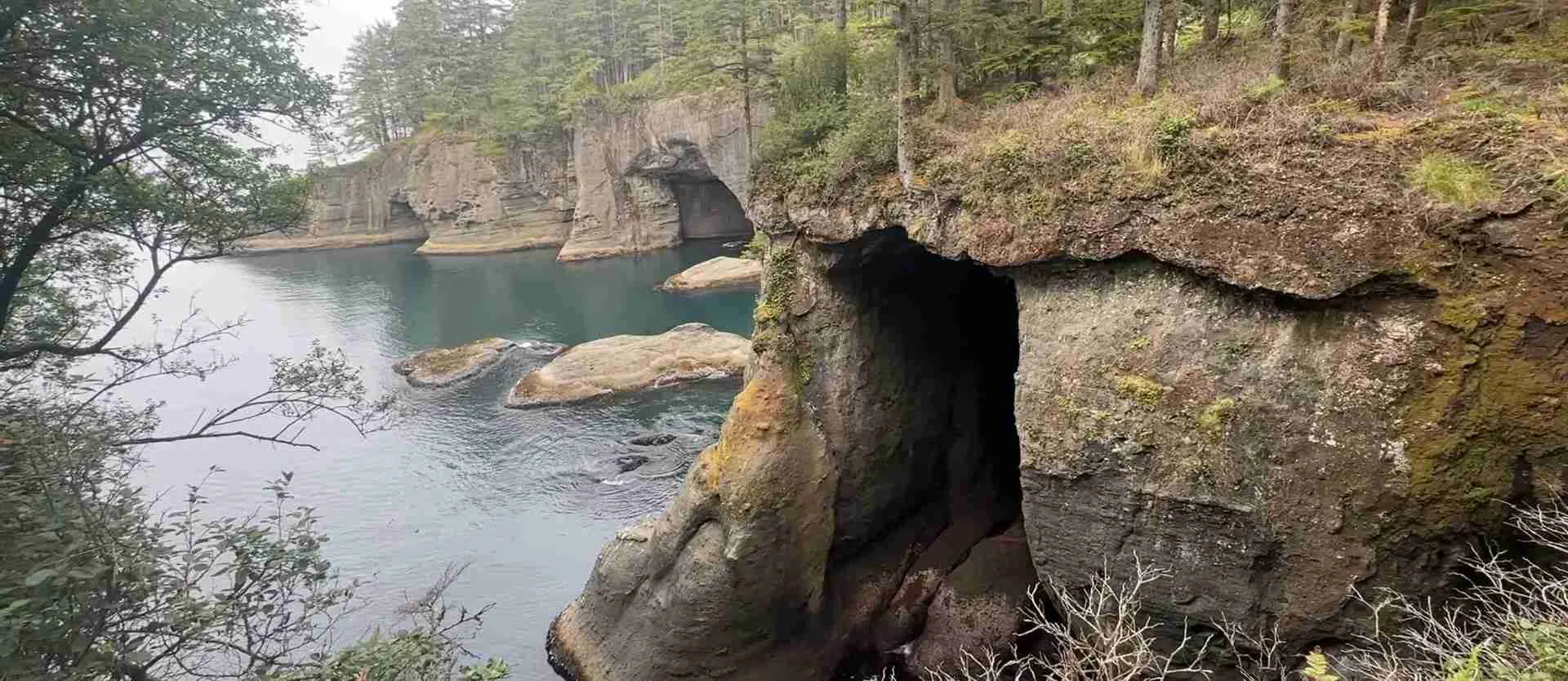
Olympic National Park Complete Guide 2026: Everything You Need to Know
Olympic National Park stands as one of America’s most diverse UNESCO World Heritage Sites, protecting nearly one million acres of wilderness where glacier-clad peaks meet temperate rainforests and wild Pacific coastline. Inscribed on the World Heritage List in 1981 for its exceptional natural beauty and unique ecosystems, this Pacific Northwest treasure offers visitors the rare opportunity to experience alpine meadows, ancient forests, and undeveloped ocean beaches within a single day’s exploration.
Key Takeaways for Planning Your Olympic National Park Visit 2026
- Three Distinct Ecosystems in One Park: Olympic National Park uniquely combines glacier-capped mountains reaching 7,965 feet, temperate rainforests receiving over 12 feet of annual rainfall, and 73 miles of rugged Pacific coastline — the longest undeveloped coast in the contiguous United States.
- UNESCO World Heritage Recognition Since 1981: The park earned its designation for outstanding universal value, protecting the largest intact temperate rainforest in the Pacific Northwest and serving as habitat for numerous endemic species including the Olympic marmot, northern spotted owl, and five subspecies of plants and animals found nowhere else on Earth.
- Park Entrance Fees 2026: Seven-day vehicle passes cost $30, motorcycle passes $25, and individual passes for hikers or cyclists $15. The Olympic National Park annual pass at $55 or America the Beautiful pass at $80 offers value for frequent visitors or those exploring multiple parks.
- Seasonal Access Variations: Hurricane Ridge Road typically closes November through late April due to snow. Quinault, Hoh, and coastal areas remain accessible year-round, though winter brings closures to high-elevation trails and campgrounds while summer attracts peak crowds to popular destinations.
- No Through Roads: Highway 101 circles the park’s perimeter but no roads cross through the interior wilderness. Visitors must plan strategic bases in gateway communities like Port Angeles, Forks, or Quinault to access different park sections, with some destinations requiring 2-3 hour drives between regions.
- Wilderness Permit Requirements 2026: All overnight backcountry stays require advance reservations through Recreation.gov with a $6 non-refundable reservation fee. Popular trails like the Hoh River Valley and coastal routes fill months in advance during summer season.
People Also Ask About Olympic National Park 2026
How many days do you need to visit Olympic National Park in 2026?
Olympic National Park requires a minimum of three full days to experience its primary ecosystems, though five to seven days allows comprehensive exploration without rushed itineraries. A three-day visit typically covers Hurricane Ridge for mountain vistas, one rainforest valley like the Hoh, and a coastal section such as Rialto Beach or Kalaloch. Visitors with five days can explore multiple rainforest valleys, hike to alpine lakes, visit both northern and southern coastal areas, and experience Sol Duc Hot Springs. Seven-day itineraries permit wilderness backpacking trips, visits to remote areas like the Quinault Valley, exploration of Lake Crescent, and time for wildlife observation without constant driving between regions. The park’s size and lack of through roads means significant drive time between sections — Hurricane Ridge to Hoh Rainforest requires approximately 3 hours one way — making strategic planning essential for maximizing your 2026 visit.
What is the best month to visit Olympic National Park in 2026?
September stands as the optimal month for visiting Olympic National Park in 2026, offering the most reliable weather, reduced crowds compared to peak summer, and full access to high-elevation areas before winter closures. July and August provide guaranteed access to Hurricane Ridge and alpine trails with wildflower displays at peak bloom, but these months bring the heaviest visitation with parking challenges at popular trailheads and campground availability issues. Late June offers similar access with fewer crowds as summer season begins. May presents excellent rainforest hiking with manageable rainfall and emerging foliage, though Hurricane Ridge Road may not open until late May depending on snowpack. October delivers stunning fall colors in deciduous areas and Roosevelt elk bugling season, but Hurricane Ridge Road typically closes by month’s end and coastal storms increase. Winter visits from November through March appeal to solitude seekers willing to embrace rain and limited high-elevation access, with the Hoh and Quinault rainforests at their most atmospheric under perpetual mist.
Can you drive through Olympic National Park in 2026?
No through roads cross Olympic National Park’s interior wilderness. Highway 101 circumnavigates the Olympic Peninsula along the park’s outer boundary, requiring approximately 6-7 hours to complete the full loop without stops. From Highway 101, spur roads penetrate into the park providing access to specific destinations: Hurricane Ridge Road climbs 17 miles from Port Angeles to mountain viewpoints, Sol Duc Road extends 12 miles to hot springs and trailheads, Hoh Rain Forest Road reaches 18 miles to the visitor center, and Quinault roads access lake shores and rainforest trails. These dead-end access roads mean visitors must backtrack to Highway 101 after each destination visit. The park’s roadless interior protects 95% of its area as designated wilderness, preserving primeval forests and ensuring visitors experience nature on its terms rather than from automobile comfort. Planning 2026 itineraries requires accounting for substantial drive times between park sections — visiting Hurricane Ridge, Hoh Rainforest, and Ruby Beach in one day involves 6-7 hours of driving with limited hiking time.
Is Olympic National Park worth visiting in 2026?
Olympic National Park ranks among America’s most worthwhile national park destinations, delivering exceptional natural diversity unmatched by any other single park in the lower 48 states. The UNESCO World Heritage designation recognizes its outstanding universal value for protecting irreplaceable temperate rainforest ecosystems, endemic wildlife, and wilderness coastline. Visitors experience environments ranging from glaciated peaks and subalpine meadows to moss-draped old-growth forests where Sitka spruce trees exceed 200 feet in height and 1,000 years in age. The park preserves critical habitat for endangered northern spotted owls and marbled murrelets while supporting North America’s largest remaining Roosevelt elk population. Unlike many parks concentrated around a single geological feature, Olympic offers 922,000 acres of varied terrain providing opportunities from accessible roadside viewpoints to challenging multi-day wilderness expeditions. The coastal wilderness, accessible via short beach walks, delivers tide pool exploration, sea stack formations, and unobstructed Pacific horizons rare along developed shorelines. For 2026 visitors seeking genuine wilderness encounters, ecosystem diversity, and landscapes shaped by some of North America’s heaviest rainfall, Olympic National Park delivers experiences justifying travel from any distance.
Extended multi-day tours – 5+ days
Featured Seattle Multi-Day Tour Packages

3 days
Seattle 3-Day Discovery Tour
- ✓ Comprehensive Seattle experience
- ✓ Expert local guides included
- ✓ All accommodation included
- ✓ Transportation provided

5 days
Seattle 5-Day Highlights Experience
- ✓ Comprehensive Seattle experience
- ✓ Expert local guides included
- ✓ All accommodation included
- ✓ Transportation provided
7 days
Seattle 7-Day Cultural Journey
- ✓ Comprehensive Seattle experience
- ✓ Expert local guides included
- ✓ All accommodation included
- ✓ Transportation provided
10 days
Seattle 10-Day Complete Adventure
- ✓ Comprehensive Seattle experience
- ✓ Expert local guides included
- ✓ All accommodation included
- ✓ Transportation provided
Multi-day tour packages powered by TourRadar. Prices and availability subject to change.
Introduction to Olympic National Park: A UNESCO World Heritage Treasure
Olympic National Park protects nearly one million acres of Pacific Northwest wilderness on Washington’s Olympic Peninsula, approximately 70 miles west of Seattle. Designated a UNESCO World Heritage Site in 1981 and an International Biosphere Reserve in 1976, the park safeguards exceptional natural beauty and ecological significance recognized globally. The property encompasses 922,000 acres including 876,669 acres of designated wilderness, making it among the largest roadless areas in the contiguous United States.
The park’s origins trace to President Theodore Roosevelt’s 1909 creation of Mount Olympus National Monument to protect Roosevelt elk populations from overhunting. President Franklin D. Roosevelt expanded protections substantially, signing legislation establishing Olympic National Park on June 29, 1938. Subsequent expansions added coastal strip areas and rainforest valleys, creating today’s comprehensive ecosystem protection.
Olympic National Park’s UNESCO inscription under natural criteria recognizes its outstanding universal value in two categories. Criterion VII acknowledges superlative natural phenomena and exceptional natural beauty, exemplified by glacier-carved peaks, temperate rainforests reaching maximum biomass density potentially highest anywhere on Earth, and pristine wilderness coastline. Criterion IX recognizes the park as an outstanding example of ongoing ecological and biological processes, demonstrated through endemic species evolution in geographic isolation and intact ecosystems representing Pacific Northwest forest succession.
The park’s isolation created unique evolutionary pathways. Surrounded by Pacific Ocean waters and the Strait of Juan de Fuca, with the Olympic Mountains forming a barrier to mainland migration, species developed distinct characteristics over millennia. Eight endemic plant species, five endemic animal subspecies, and the Olympic marmot — found nowhere else on Earth — evolved in this island-like environment. The park supports critical populations of endangered northern spotted owls, marbled murrelets, and bull trout, alongside North America’s largest Roosevelt elk herd numbering approximately 5,000 individuals.
Three distinct ecosystems define Olympic National Park’s character. Subalpine and alpine zones above 5,000 feet feature glacier-clad peaks including 7,965-foot Mount Olympus, the range’s highest summit supporting several glaciers including 3-mile-long Hoh Glacier. Approximately 60 named glaciers exist throughout the Olympic Mountains, created and sustained by exceptional snowfall exceeding 50 feet annually on Mount Olympus. Temperate rainforests blanket western valleys, receiving 12-14 feet of annual precipitation creating moss-draped old-growth forests dominated by Sitka spruce, western hemlock, and western red cedar specimens reaching 200 feet tall and 1,000 years old. The 73-mile coastal strip preserves the longest section of undeveloped coastline in the lower 48 states, featuring sea stacks, tide pools, and wilderness beaches interrupted only by Quinault and Hoh Indian Reservations.
Olympic National Park experiences extremely varied climate patterns across short distances, creating what climatologists term the world’s steepest precipitation gradient. Western valleys receive 140-170 inches annually while areas just 30 miles northeast on the rain shadow side receive merely 15-20 inches. This dramatic variation supports five major vegetation zones from Sitka spruce rainforest through western hemlock transition zones to subalpine fir parkland and alpine tundra above treeline.
Eleven major river systems drain the Olympic Mountains, originating from glaciers and snowfields before carving deep valleys toward Puget Sound and the Pacific Ocean. These rivers provide outstanding habitat for anadromous fish species including five Pacific salmon species and steelhead trout. The Elwha River underwent the largest dam removal project in U.S. history from 2011-2014, restoring 70 miles of salmon spawning habitat denied access for nearly a century.
For 2026 visitors, Olympic National Park offers experiences impossible to replicate elsewhere. Morning might begin watching sunrise illuminate Mount Olympus from Hurricane Ridge at 5,240 feet elevation, afternoon exploring Hall of Mosses trail through temperate rainforest draped in club moss and licorice fern, and evening walking Rialto Beach past haystack rocks as Pacific waves thunder against ancient sea stacks. This ecosystem diversity within a single day’s travel defines Olympic’s exceptional character among America’s national parks.
UNESCO World Heritage Significance and Outstanding Universal Value
Olympic National Park achieved UNESCO World Heritage inscription in 1981 based on meeting two of ten possible criteria for Outstanding Universal Value. The designation recognizes the park’s global importance in protecting irreplaceable natural heritage for present and future generations.
Under Criterion VII, Olympic demonstrates superlative natural phenomena and exceptional natural beauty through multiple outstanding features. The temperate rainforests achieve maximum development within the property, containing living standing biomass potentially higher than any forest ecosystem on Earth. Individual Sitka spruce trees exceed 200 feet in height with circumferences surpassing 15 feet, while western red cedars achieve similar dimensions. Forest density reaches levels where sunlight penetrates only in fragments, creating perpetually dim cathedral-like atmospheres beneath canopies 150-200 feet above the forest floor.
The glacier-clad Olympic Mountains rising from near sea level to 7,965 feet within 20-30 miles create dramatic topographic relief unmatched along the Pacific Coast. Mount Olympus supports seven named glaciers including Blue Glacier, studied extensively for climate change impacts on alpine ice. The mountains’ isolation surrounded by water bodies creates distinctive scenery visible from throughout the Puget Sound region, explaining the range’s naming by early explorers for Mount Olympus in Greece.
The 73-mile coastal wilderness strip preserves exceptional natural beauty through haystack rock formations, extensive tide pool systems, and unbroken wilderness beaches. Geological processes continue shaping the coastline through wave action, demonstrating ongoing natural phenomena in real time as visitors witness.
Under Criterion IX, Olympic represents outstanding examples of ongoing ecological and biological processes. The park’s geographic isolation enabled endemic species evolution documented through the Olympic marmot, eight plant species, and subspecies differentiation in common animals. Olympic black-tailed deer display darker coat coloration than mainland populations. Olympic snow mole and Olympic Mazama pocket gopher evolved as distinct subspecies. These evolutionary processes continue actively, providing scientists opportunities to study speciation and adaptation in island biogeography contexts.
Forest succession processes operate across the park’s 800+ square miles of forested terrain. Western valleys demonstrate all stages from pioneer species colonization of disturbed areas through climax old-growth forests exceeding 500-1,000 years in age. River terrace formations show vegetation succession patterns as forests establish on newly formed terraces over centuries. The park preserves the largest intact example of Pacific Northwest temperate rainforest succession processes, with minimal human disturbance allowing natural dynamics to proceed without interruption.
The park’s designation as an International Biosphere Reserve in 1976 under the UNESCO Man and Biosphere Programme recognizes additional values for scientific research and biodiversity conservation. The Biosphere Reserve encompasses 373,396 hectares supporting long-term ecological monitoring through the National Park Service Inventory and Monitoring program.
Management policies protecting the park’s World Heritage values include wilderness designation for 95% of park lands, prohibitions on timber harvest and commercial development, and restoration efforts like the Elwha River dam removals restoring natural processes. The National Park Service manages Olympic under authorities including the 1916 Organic Act establishing the National Park Service and specific enabling legislation for Olympic National Park protecting the property’s resources and values.
Threats requiring ongoing management attention include invasive species like mountain goats introduced historically but not native to the Olympics, climate change impacts on glacier extent and forest composition, and visitor use pressures in popular areas. The park implements quotas for wilderness permits, seasonal closures protecting sensitive wildlife breeding areas, and restoration programs addressing historical disturbances.
For visitors in 2026, understanding Olympic’s World Heritage significance enhances appreciation for the park’s global importance. Walking through Hoh Rainforest isn’t merely experiencing beautiful scenery but witnessing ecosystems developed over millennia in isolation, supporting species and biological processes found nowhere else on Earth. The UNESCO designation confirms what wilderness advocates recognized nearly a century ago — Olympic National Park protects natural heritage of irreplaceable value to all humanity.
Planning Your Olympic National Park Visit 2026: Essential Information
Olympic National Park operates year-round though seasonal variations significantly affect access and experience. The park’s size spanning nearly one million acres and multiple gateway communities requires strategic planning for efficient exploration in 2026.
Park headquarters and the main visitor center operate in Port Angeles at 3002 Mount Angeles Road, open daily 9 AM to 4 PM with extended summer hours. The Olympic Visitor Center provides comprehensive trip planning resources, wilderness permits, current conditions updates, and educational exhibits explaining the park’s ecosystems and UNESCO designation. Additional visitor centers operate seasonally at Hurricane Ridge, Hoh Rain Forest, and Kalaloch, each focusing on their respective ecosystems.
Entrance fees for 2026 include seven-day vehicle passes at $30, seven-day motorcycle passes at $25, and seven-day individual passes for pedestrians and cyclists at $15 (check official website for current rates as pricing may vary). The Olympic National Park annual pass costs $55, providing unlimited entry for one year. The America the Beautiful annual pass at $80 grants access to all National Park Service sites, National Forests, and federal recreation lands nationwide, offering value for visitors exploring multiple parks during 2026. Seniors aged 62 and older qualify for lifetime passes at $80. Active military personnel and their dependents receive complimentary annual passes. Youth under age 16 enter free.
Free entrance days in 2026 include February 16 (Presidents Day), May 25 (Memorial Day), June 14 (Flag Day), July 3-5 (Independence Day Weekend), August 25 (National Park Service Birthday), September 17 (Constitution Day), October 27 (Theodore Roosevelt’s Birthday), and November 11 (Veterans Day). Purchasing passes at park entrance stations rather than online ensures Olympic National Park receives maximum revenue share supporting park programs.
Cellular service remains limited to nonexistent throughout most park areas. Port Angeles provides reliable coverage, but Hurricane Ridge, all rainforest valleys, and coastal areas lack cell signals. Visitors should download offline maps, print reservations and permits before arrival, and not rely on GPS navigation or mobile communications within the park. Emergency communications depend on park radio systems and ranger stations.
Fuel services do not exist within park boundaries. Port Angeles, Forks, and Sequim provide the nearest gas stations to major park sections. Hurricane Ridge lies 17 miles from Port Angeles services. Hoh Rain Forest sits 18 miles from Highway 101 with no services between the highway and park entrance. Sol Duc Hot Springs Resort operates 12 miles from Highway 101. Visitors should refuel before entering park areas and carry emergency supplies including food, water, and first aid equipment.
Weather conditions vary dramatically across the park’s ecosystems. Western rainforest valleys experience 140-170 inches of annual precipitation, primarily falling October through May. Summer months from July through September offer the driest conditions with 2-4 inches of rain monthly. Hurricane Ridge and alpine areas accumulate 400-600 inches of snowfall annually, with snow persisting on trails until mid-July at higher elevations. Coastal areas receive 60-80 inches of precipitation annually with frequent fog and wind. Temperatures remain moderate year-round, rarely exceeding 80°F in lowlands or dropping below 20°F except at high elevations. Visitors should prepare for rain any month and carry layered clothing adapting to rapidly changing mountain weather.
Wildlife viewing opportunities peak during different seasons. Roosevelt elk concentrate in lower elevation valleys during winter months, becoming highly visible along roads and in meadows December through March. Summer disperses elk herds into high country backcountry areas. Black bears emerge from dens in April and remain active through November, with berry season in August providing prime viewing as bears fatten for winter. Bald eagles fish salmon runs in October and November along major rivers. Gray whales migrate past the coast during spring months March through May. Seabirds nest on coastal rocks and islands April through August.
Hazards requiring visitor awareness include hypothermia risk from cold rain even during summer months, wildlife encounters necessitating proper food storage, coastal hazards including sneaker waves capable of sweeping people off rocks, river crossings dangerous during high water, and avalanche danger in high country during winter and spring. Park rangers provide current safety information at visitor centers and entrance stations.
Reservations become essential during summer season from late June through early September. Campgrounds fill by late morning on weekends and holidays. Wilderness permits for popular trails like Hoh River, Enchanted Valley, and coastal routes require booking six months in advance through Recreation.gov. In-park lodges including Lake Crescent Lodge, Sol Duc Hot Springs Resort, and Log Cabin Resort fill months ahead for peak season dates. Visitors planning summer 2026 trips should secure reservations during January through March for optimal availability.
Accessibility varies across park facilities. Hurricane Ridge Visitor Center and nearby paved paths provide wheelchair access to mountain views. Kalaloch Lodge and several coastal overlooks along Highway 101 offer accessible ocean vistas. Rainforest trails include some boardwalk sections accommodating wheelchairs, though many paths involve roots, mud, and uneven terrain. Park staff can recommend specific accessible routes based on individual mobility needs.
Pets face significant restrictions designed to protect wildlife and wilderness character. Leashed pets are permitted in developed areas including campgrounds, picnic areas, parking lots, and along roads, but prohibited on all park trails and beaches except Kalaloch Beach areas and Rialto Beach to Ellen Creek. These restrictions reflect the park’s wilderness designation and wildlife protection mandates. Kennels do not operate within or immediately adjacent to the park, making pet-friendly accommodations challenging for trail-focused visits.
Getting to Olympic National Park 2026: Transportation and Access
Olympic National Park occupies the Olympic Peninsula in northwest Washington, accessed primarily via Seattle-Tacoma International Airport located approximately 100 miles southeast of Port Angeles. The park’s geographic isolation means no direct flights serve the Olympic Peninsula, requiring ground transportation from Seattle or other gateway cities.
Driving from Seattle-Tacoma International Airport to Port Angeles requires approximately 2.5-3 hours covering 85-100 miles depending on route selection. The primary route follows Interstate 5 north to State Route 16 across the Tacoma Narrows Bridge, continuing north on State Route 3 and State Route 104 to the Hood Canal floating bridge, then west on Highway 101 to Port Angeles. Alternative routes include the Bainbridge Island ferry from Seattle, reducing driving distance but adding ferry wait times and costs. The Bainbridge ferry runs hourly with one-way passenger fares around $10 and vehicle fares approximately $30-40 (check Washington State Ferries for current rates). Total travel time including ferry crossing remains similar to driving entirely overland.
Visitors arriving from Portland, Oregon face 4-5 hour drives covering 220-250 miles via Interstate 5 north to Olympia, then Highway 101 north and west around the Olympic Peninsula. This route provides access to southern park areas including Quinault and Kalaloch before reaching Port Angeles.
Olympic Bus Lines operates scheduled service from Seattle-Tacoma Airport to Port Angeles with connections to Sequim and Forks, though service frequency remains limited with typically 1-2 daily departures. One-way fares range approximately $50-70 per person (verify current schedules and pricing through Olympic Bus Lines). The bus route follows Highway 101, providing access to Olympic Peninsula communities but not directly into park areas.
Car rentals at Seattle-Tacoma Airport from major agencies including Enterprise, Hertz, Budget, and National provide the most flexible park exploration option. Advance reservations secure best availability and rates, particularly during summer peak season. Compact and midsize vehicles suffice for paved park roads, though high-clearance vehicles benefit travelers planning unpaved forest roads to remote trailheads. Four-wheel drive becomes necessary only for winter Hurricane Ridge access or primitive forest roads.
Once reaching the Olympic Peninsula, Highway 101 serves as the primary artery circumnavigating the park’s perimeter. The complete Highway 101 loop around the peninsula measures approximately 330 miles requiring 6-7 hours of driving without stops. From Highway 101, spur roads provide access into the park:
- Hurricane Ridge Road: 17 miles south from Port Angeles to Hurricane Ridge Visitor Center at 5,240 feet elevation, providing mountain access and subalpine hiking
- Sol Duc Road: 12 miles south from Highway 101 to Sol Duc Hot Springs Resort and trailheads including Sol Duc Falls
- Hoh Rain Forest Road: 18 miles east from Highway 101 to Hoh Rain Forest Visitor Center, accessing the park’s most visited rainforest valley
- Queets River Road and Quinault Roads: Multiple spurs from Highway 101 accessing Quinault Lake shores and rainforest trails in the park’s southeastern section
- Mora Road and Rialto Beach: 5 miles west from Highway 101 to coastal trailheads and Rialto Beach wilderness access
These dead-end access roads require backtracking to Highway 101 after each destination visit, significantly impacting daily mileage and travel time. Driving from Hurricane Ridge to Hoh Rainforest involves returning to Port Angeles, driving approximately 100 miles west on Highway 101, then 18 miles on Hoh Road, totaling 135 miles and 3 hours one-way. Strategic base camp selection in Port Angeles, Forks, or between reduces daily drive times.
Parking challenges emerge during peak summer months at popular destinations. Hurricane Ridge parking lots fill by 10 AM on clear summer weekends, requiring visitors to arrive before 9 AM or after 3 PM for guaranteed spaces. Hoh Rain Forest parking reaches capacity by late morning on summer days. Coastal area parking remains more dispersed across multiple beach access points, though popular locations like Rialto Beach and Ruby Beach fill mid-morning to early afternoon during summer.
Public transportation within the park does not exist. Visitors without personal vehicles face significant challenges accessing park areas beyond Port Angeles. Tour operators in Port Angeles offer guided day trips to Hurricane Ridge, rainforest valleys, and coastal areas, providing an alternative for visitors without rental cars though at higher costs than independent travel.
Winter access limitations significantly impact transportation planning. Hurricane Ridge Road closes completely for winter typically from November through late April or early May depending on snowpack. Periodic weekend openings occur December through March when snow depth permits plowing and weather cooperates, but advance checking of road status becomes essential. Tire chains or approved traction devices become mandatory during winter conditions even on Highway 101 during severe weather events.
Bicycle access remains legal on all park roads but challenging given narrow paved shoulders, significant elevation gains on routes like Hurricane Ridge Road, and frequent rainfall creating slippery conditions. Highway 101 carries considerable truck traffic and recreational vehicles, making cycling the perimeter loop potentially hazardous for inexperienced riders. Gravel roads to remote areas prohibit bicycles as park policy, limiting cycling primarily to paved roads.
For 2026 visitors, transportation planning should begin with selecting a strategic base or multiple bases allowing access to desired park sections without excessive daily driving. Port Angeles provides optimal access to Hurricane Ridge and northern coastal areas. Forks serves western rainforests and beaches. Lake Quinault accommodates southeastern park exploration. Multi-day itineraries benefit from moving bases mid-trip rather than attempting daily round-trips from a single location.
Where to Stay 2026: Accommodation Options Inside and Near Olympic National Park
Accommodation options for Olympic National Park span from primitive wilderness campsites to historic lodges and gateway community hotels. Advance reservations become essential during summer season, with peak demand from late June through early September requiring bookings months ahead.
In-Park Historic Lodges
Four concessionaire-operated lodges provide overnight accommodations within park boundaries, offering proximity to trailheads and immersive wilderness settings unavailable in gateway communities.
Lake Crescent Lodge operates April 24 through early January on the north shore of Lake Crescent, 20 miles west of Port Angeles. Built in 1915 and listed on the National Register of Historic Places, the lodge offers Roosevelt Fireplace Cabins with stone fireplaces and lakefront views, Singer Tavern Cottages, Storm King Motel rooms, and five historic lodge rooms sharing bathrooms. Rates range from $171 for historic rooms to $300+ for fireplace cabins (check official website for current rates). The lodge’s restaurant serves breakfast, lunch, and dinner featuring Pacific Northwest cuisine with lake views from the dining room. Reservations open months in advance and fill rapidly for summer dates. The setting provides access to Marymere Falls trail, Lake Crescent kayaking, and Moments in Time nature trail.
Sol Duc Hot Springs Resort operates late March through early November, located 12 miles from Highway 101 in the Sol Duc River valley. The resort features 32 cabins scattered across a forest meadow, some with kitchenettes and river views. Cabin rates range $290-353 depending on amenities, with a three-bedroom Riverside Suite sleeping 10 available for $500+ per night (verify current pricing through resort). Lodging includes complimentary access to three mineral hot spring soaking pools at temperatures from 99°F to 104°F, plus a freshwater swimming pool. Day visitors can purchase pool access for approximately $17 adults (check current rates). The Springs Restaurant serves breakfast and dinner with deli service for lunch. Trailheads accessing Sol Duc Falls and alpine destinations like Seven Lakes Basin begin at the resort.
Log Cabin Resort occupies the eastern shore of Lake Crescent, typically operating early May through late September. The property offers rustic log cabins, A-frame chalets, motel-style rooms, and camper cabins ranging from $94 for basic cabins to $161 for A-frames (confirm current rates). All units provide Lake Crescent views with surrounding mountain backdrop. The resort operates a general store, equipment rentals for kayaks and paddleboards, and limited food service. The location serves as a base for exploring Lake Crescent’s crystal-clear waters where visibility extends 60 feet deep.
Kalaloch Lodge sits on a coastal bluff overlooking the Pacific Ocean in the park’s southwestern corner, operating year-round. The main lodge building houses a restaurant and guest rooms, while individual cabins dot the property offering ocean views. Accommodations range from lodge rooms to individual cabins and larger Seacrest House. Rates vary by season and unit type from approximately $180-400+ per night (check Kalaloch website for current pricing). The oceanfront setting provides direct access to beach walks, tide pooling, and storm watching during winter months when waves pound the coastline.
Park Campgrounds
Olympic National Park operates 14 developed campgrounds providing 910 total campsites ranging from primitive facilities to sites accommodating RVs. Most campgrounds operate first-come, first-served except Kalaloch and Hoh which accept reservations during summer season through Recreation.gov.
Campground fees range $10-22 per night depending on facilities and location. Heart O’ the Hills Campground near Hurricane Ridge charges $12 per night for 105 sites with running water and flush toilets, open year-round though accessible only on foot during winter snowpack. Hoh Campground operates year-round with 88 sites at $12 per night, offering reservations June 12 through September 6, 2026 with staggered release dates six months, two weeks, and four days in advance for different loops.
Kalaloch Campground remains the park’s only campground accepting reservations year-round, with 170 sites charging $14-18 per night (confirm current fees through Recreation.gov). The oceanfront location provides beach access and tide pool exploration steps from campsites. Loop A offers partial ocean views from some sites.
Sol Duc Campground provides 82 sites at $14 per night located near Sol Duc Hot Springs Resort, operating seasonally with running water during summer but limited to pit toilets in winter. Mora Campground near Rialto Beach offers 94 sites at $12 per night, providing coastal access for beach hiking and sea stack photography.
Primitive campgrounds charging $10 per night include Deer Park (14 tent-only sites at 5,400 feet elevation with no water), North Fork (9 sites with pit toilets and no water), and Queets (20 sites with pit toilets). Graves Creek and Dosewallips campgrounds offer free camping but require hiking access due to road washouts.
Wilderness camping throughout the park’s 95% designated wilderness requires permits obtained through Recreation.gov with $6 non-refundable reservation fees. Popular backcountry destinations including Enchanted Valley, Cameron Basin, and coastal routes fill six months in advance for summer dates. Wilderness campers must use bear-resistant food canisters required for all backcountry sites.
Port Angeles Accommodations
Port Angeles serves as the primary gateway community offering the widest range of lodging options from budget motels to upscale hotels. Located on the Strait of Juan de Fuca with views toward Vancouver Island, the city provides access to Hurricane Ridge, Lake Crescent, and northern park areas.
Olympic Lodge by Ayres represents Port Angeles’s upscale option, featuring 105 rooms with views of the Peninsula Golf Course and Olympic Mountains. Rates range approximately $180-230 per night (check current pricing through booking platforms), including complimentary breakfast, outdoor pool, hot tub, and shuttle service to downtown Port Angeles and the Victoria ferry terminal. The lodge’s alpine-inspired landscaping with rock gardens and water features reflects Olympic National Park themes.
Mid-range options include Red Lion Hotel Port Angeles Harbor with waterfront rooms at $130-180 per night, Comfort Inn & Suites at $115-165 per night, and Quality Inn Port Angeles near Olympic National Park at $110-160 per night (verify current rates on booking websites). These properties provide standard amenities including breakfast service, Wi-Fi, and parking.
Budget accommodations include Super 8 by Wyndham Port Angeles at approximately $85-115 per night, Olympic Inn & Suites at $65-95 per night, and Uptown Inn at $60-85 per night (confirm availability and pricing through reservation platforms). These properties offer basic rooms suitable for travelers prioritizing daytime park exploration over lodging amenities.
Domaine Madeleine, a waterfront boutique bed and breakfast, provides luxury accommodations at $250-400+ per night with sweeping Strait of Juan de Fuca views, gourmet breakfast service, and romantic getaway focus. The property sits on a bluff northeast of Port Angeles with peaceful setting removed from town center activity.
Forks Accommodations
Forks, population 3,500, serves as the primary gateway to western park areas including Hoh Rainforest, Rialto Beach, and Sol Duc Hot Springs. The logging town gained tourism prominence through Twilight book series associations, though park visitors constitute its primary visitor demographic.
Forks Motel offers budget rooms at $70-100 per night, Pacific Inn Motel provides similar rates at $75-110 per night, and Dew Drop Inn operates at $80-115 per night (check current pricing). These properties furnish basic accommodations for travelers emphasizing trail time over lodging amenities.
Vacation rentals and small inns in Forks include properties like the Miller Tree Inn bed and breakfast at $140-200 per night and various cabin rentals accessible through vacation rental platforms. The town’s limited size means accommodation options remain constrained compared to Port Angeles, making advance reservations particularly important during summer months.
Additional Gateway Communities
Sequim, 17 miles east of Port Angeles, offers lodging alternatives in a drier climate averaging only 16 inches of annual rainfall due to Olympic rain shadow effects. Hotels include Red Lion Inn & Suites Sequim, Holiday Inn Express & Suites Sequim, and various motels with rates generally 10-20% below Port Angeles pricing.
Port Townsend, a Victorian seaport town 50 miles east of Port Angeles, provides upscale bed and breakfasts, historic hotels, and vacation rentals serving visitors combining Olympic National Park exploration with maritime history attractions. Accommodations range $120-300+ per night depending on property style.
Amanda Park and Quinault on the park’s southwestern boundary offer limited lodging focused primarily on Lake Quinault Lodge, operated by the same concessionaire managing other in-park lodges. Quinault accommodations provide closest access to southern rainforest valleys and coastal areas between Kalaloch and Queets.
For 2026 visitors, accommodation strategy should align with planned park sections. Multi-day itineraries benefit from splitting stays between Port Angeles for northern access and Forks or Lake Quinault for western and southern areas, reducing daily drive times and maximizing trail time. Summer reservations should be secured 3-6 months in advance for guaranteed availability at preferred properties.
Top Attractions and Must-See Destinations 2026
Olympic National Park’s vast wilderness encompasses dozens of distinct destinations, each showcasing different ecosystem characteristics. The following attractions represent essential experiences capturing the park’s diversity and World Heritage significance.
Hurricane Ridge
Hurricane Ridge stands as Olympic National Park’s most accessible subalpine destination, providing mountain vistas, wildflower meadows, and wildlife viewing opportunities just 17 miles from Port Angeles. The Hurricane Ridge Visitor Center at 5,240 feet elevation operates daily during summer season with weekend-only operations during winter road opening periods.
The paved road to Hurricane Ridge gains over 5,000 feet in elevation, switchbacking through forest zones before emerging into alpine meadows with panoramic views spanning the Strait of Juan de Fuca to Vancouver Island, the Olympic Mountains interior, and Mount Baker to the northeast. On clear days, visibility extends across Puget Sound to the Cascade Range.
Trails radiating from Hurricane Ridge accommodate various abilities and time constraints. The Hurricane Hill trail extends 3.2 miles round-trip gaining 650 feet to 5,757-foot summit with 360-degree views. Wildflowers peak mid-July through August including lupine, magenta paintbrush, and subalpine aster. The High Ridge trail traverses alpine meadows for 1 mile one-way with minimal elevation gain, suitable for families and casual hikers. Serious hikers continue on Klahhane Ridge trail penetrating deeper into the Olympics with views of Mount Olympus and Bailey Range glaciers.
Black-tailed deer and Olympic marmots frequent Hurricane Ridge meadows, with marmots often visible and audible emitting sharp whistles from rocky outcrops. Black bears occasionally cross meadows during berry season in August. Golden eagles and red-tailed hawks patrol the ridges hunting rodents.
Parking fills by 10 AM on clear summer weekends, requiring early arrival or late afternoon visits for guaranteed spaces. Afternoon clouds frequently obscure views during summer months, making morning visits optimal for photography and mountain panoramas. Winter access remains limited to periodic weekend openings when snow conditions permit, requiring tire chains or traction devices.
Hoh Rain Forest
The Hoh Rain Forest represents Olympic National Park’s premier temperate rainforest destination, receiving approximately 140 inches of annual precipitation supporting ecosystems where Sitka spruce and western hemlock specimens exceed 200 feet in height and 500 years in age. Located 18 miles east of Highway 101 on the park’s western side, the Hoh welcomes visitors year-round to witness moss-draped old-growth forests appearing more primeval than any North American landscape outside Alaska’s Tongass.
The Hall of Mosses Trail provides the quintessential rainforest experience via an easy 0.8-mile loop through forest cathedral where club moss drapes from bigleaf maple limbs creating curtains of green, licorice ferns colonize tree branches 40 feet above ground, and logs decompose over decades providing nurse logs for hemlock seedlings. Interpretive signs explain temperate rainforest ecology including the role of Roosevelt elk in maintaining forest structure through browsing.
The Spruce Nature Trail extends 1.2 miles along the Hoh River, showcasing massive Sitka spruce specimens and riverbank ecosystems. The trail passes the park’s largest Sitka spruce, measuring over 13 feet in diameter and estimated at 500+ years old. River views reveal braided channels typical of glacial-fed waterways carrying sediment from Mount Olympus glaciers 25 miles upstream.
For backpackers, the Hoh River Trail penetrates 18 miles into the park’s interior wilderness, accessing Glacier Meadows and Blue Glacier below Mount Olympus. The trail remains accessible year-round at lower elevations, though winter high water complicates river crossings. Summer backpackers require wilderness permits with quotas limiting overnight use to protect sensitive alpine meadows.
The Hoh Rain Forest Visitor Center operates year-round except Christmas Day, providing ranger programs during summer months explaining rainforest ecology, Roosevelt elk behavior, and wilderness trip planning. The adjacent campground offers 88 sites providing base camp access to rainforest trails without requiring daily driving from gateway communities.
Roosevelt elk sightings occur frequently near the visitor center and along roadside corridors, with herds numbering 15-30 animals common during winter months when bulls carry impressive antler racks. Bulls bugle during September-October rut season, producing eerie vocalizations echoing through the forest at dawn and dusk. Calves born in late May accompany cow elk along trails through summer months.
The Hoh represents what UNESCO reviewers recognized as the best example of intact temperate rainforest in the Pacific Northwest. Walking Hall of Mosses trail places visitors within ecosystems developed over millennia, supporting biomass density potentially highest anywhere on Earth and demonstrating ongoing ecological processes fundamental to the park’s World Heritage inscription.
Rialto Beach and Coastal Wilderness
Olympic National Park’s 73-mile coastal strip preserves wilderness shoreline unmatched along the lower 48 Pacific Coast. Rialto Beach, accessed via Mora Road 5 miles west of Highway 101, provides the most popular coastal wilderness access point with iconic haystack rocks, driftwood-strewn beaches, and tide pool ecosystems.
The beach walk north from Rialto Beach parking extends 1.5 miles to Hole-in-the-Wall, a natural arch carved by wave action through coastal bedrock. During low tide, visitors walk through the arch accessing tide pools colonized by ochre sea stars, giant green anemones, purple sea urchins, and California mussels. Tide tables become essential for planning Hole-in-the-Wall visits, as high tide blocks passage through the arch and isolates unwary explorers.
Beach hiking continues beyond Hole-in-the-Wall for experienced wilderness hikers willing to navigate rocky headlands, negotiate log jams, and time passage around headlands accessible only during low tide windows. The coastal wilderness route extends 17 miles from Rialto Beach to Shi Shi Beach on the Makah Reservation, requiring 2-3 days with wilderness camping on designated beaches. This route showcases sea stack formations, offshore rocks supporting seabird colonies, and tidal ecosystems representing coastal wilderness character.
Kalaloch area beaches south of Forks provide additional coastal access via roadside pullouts along Highway 101. Beach 4 offers easy access to sea stacks and tide pools. Ruby Beach features photogenic sea stacks including Abbey Island with driftwood accumulations creating dramatic foreground for sunset photography. These southern beaches experience heavier visitation but provide accessible coastal experiences for visitors unable to hike lengthy wilderness routes.
Coastal wildlife includes bald eagles perching in shoreline trees, harbor seals hauling out on offshore rocks, river otters fishing in kelp beds, and occasional gray whale sightings during spring and fall migrations. Seabirds including common murres, pigeon guillemots, and tufted puffins nest on offshore rocks March through August. Winter storm watching attracts visitors November through February when wave action produces dramatic surf against sea stacks.
Coastal hazards require constant vigilance. Sneaker waves arrive unpredictably, sweeping people off rocks and logs without warning. Visitors should never turn their back on the ocean and avoid climbing on logs near the surf line. Headland crossings require tide table consultation to avoid being trapped by incoming tides. Hypothermia risk exists year-round due to cold ocean temperatures rarely exceeding 50°F even during summer months.
The coastal wilderness represents one component of Olympic’s UNESCO inscription, recognized for preserving the longest undeveloped coastline in the contiguous United States and protecting intact coastal ecosystems from human development pressures affecting most Pacific shorelines.
Sol Duc Falls and Valley
The Sol Duc River valley combines temperate rainforest, hot springs, and waterfalls accessible via 12-mile Sol Duc Road from Highway 101. The valley serves as a strategic base for exploring western park areas with less intensive visitation than the Hoh.
Sol Duc Falls showcases a three-pronged waterfall dropping 50 feet into a narrow canyon carved through bedrock. The 1.6-mile round-trip trail from Sol Duc Hot Springs Resort parking crosses the river on footbridge and loops through old-growth forest to viewpoints overlooking the falls. The trail accommodates families and casual hikers while providing photography opportunities from multiple vantage points. Peak water flow occurs during spring snowmelt in May and June.
Beyond the falls viewpoint, trails continue to alpine destinations for experienced hikers. The Seven Lakes Basin trail climbs 4,500 feet over 9 miles one-way, accessing a subalpine basin dotted with lakes and meadows below 6,000-foot peaks. High Divide-Seven Lakes Basin loop represents one of Olympic’s premier multi-day backpacking circuits, requiring wilderness permits and bear canister use.
Sol Duc Hot Springs Resort provides developed hot springs access with three mineral pools at different temperatures plus a freshwater swimming pool. Resort guests receive complimentary pool access while day visitors pay approximately $17 for adults (verify current rates). The pools operate mid-March through October, closing during winter months. The resort’s Springs Restaurant serves meals eliminating need for driving to Forks or Port Angeles for dining.
The valley demonstrates forest succession across different elevations, from valley bottom old-growth stands through mid-elevation Douglas-fir forests to subalpine parkland at higher elevations. The Sol Duc River supports salmon runs visible from trails during fall spawning season, with Coho and Chinook salmon leaping small cascades September through November.
Lake Crescent
Lake Crescent stretches 8 miles long and reaches depths exceeding 600 feet, creating remarkably clear water where visibility extends 60 feet deep. The glacially-carved lake fills a trough between steep mountain slopes, providing scenic beauty accessible directly from Highway 101 along the lake’s northern shore.
Marymere Falls trail begins near Lake Crescent Lodge, climbing 1.8 miles round-trip through old-growth forest to a 90-foot waterfall cascading over basalt cliffs. The trail crosses Barnes Creek on footbridges before switchbacking to viewpoints near the falls base. Spring runoff creates maximum flow while summer reveals intricate moss and fern gardens surrounding the cascade.
Lake activities include kayaking, canoeing, and swimming from shore access points. The water’s exceptional clarity results from lack of nitrogen-fixing organisms that would support algae growth. Lake Crescent endemic trout species including Beardslee and Crescenti cutthroat evolved in isolation when landslides blocked lake outlets thousands of years ago. Fishing requires Washington state license with special Lake Crescent regulations protecting endemic fish.
Moments in Time nature trail provides wheelchair-accessible boardwalk through forest behind Lake Crescent Lodge, interpreting old-growth forest ecology via informational signs. The 0.5-mile loop accommodates mobility-limited visitors seeking forest immersion without challenging terrain.
Storm King Ranger Station on the lake’s southern shore serves as trailhead for Mount Storm King trail, a steep 4.2-mile round-trip climb gaining 2,000 feet to overlooks above the lake. The trail’s exposed scramble sections require caution, but summit views encompass the full lake length with Olympics peaks forming the backdrop.
Quinault Rain Forest
The Quinault River valley in the park’s southeastern corner receives slightly less visitation than the Hoh while offering comparable rainforest experiences. Lake Quinault’s shores support several loop trails through exceptionally large Sitka spruce and western red cedar specimens.
The Quinault Big Cedars trail loops 0.5 miles through forest containing western red cedars exceeding 10 feet in diameter and 200 feet in height. The Quinault Rain Forest trail extends 0.5 miles along Willaby Creek through nurse log gardens where dozens of hemlock seedlings colonize fallen giants. The Maple Glade trail showcases bigleaf maples with limbs draped in club moss creating archetypal rainforest atmosphere.
Graves Creek Road provides access to Enchanted Valley trail, one of Olympic’s most popular wilderness backpacking destinations. The 13-mile trail follows the Quinault River upstream to Enchanted Valley, often called the “Valley of 10,000 Waterfalls” for cascades pouring from cliffs surrounding the valley floor. The historic Enchanted Valley Chalet sits in the valley center though no longer offering overnight accommodations. Wilderness permits for Enchanted Valley fill six months in advance for summer season.
Lake Quinault Lodge sits outside park boundaries on the lake’s southern shore but provides historic lodging ambiance similar to in-park properties. The lake area experiences less crowding than northern park destinations while offering similar rainforest character and wildlife viewing opportunities including Roosevelt elk and black bear sightings.
Hiking and Wilderness Experiences 2026
Olympic National Park maintains over 600 miles of trails accessing environments from rainforest valleys to glacier margins. Trail difficulty ranges from wheelchair-accessible boardwalks to technical alpine routes requiring mountaineering skills and equipment.
Day Hiking Opportunities
Easy trails suitable for families and casual hikers include Hall of Mosses (0.8 miles round-trip), Spruce Nature Trail (1.2 miles), Marymere Falls (1.8 miles), Moments in Time (0.5 miles), and Madison Falls (0.2 miles). These maintained trails involve minimal elevation gain and provide accessible wilderness experiences for visitors of varied abilities.
Moderate day hikes offering longer distances and elevation gains include Sol Duc Falls (1.6 miles round-trip), Hurricane Hill (3.2 miles round-trip gaining 650 feet), Lover’s Lane Loop to Sol Duc Falls (6 miles), and coastal beach walks like Rialto Beach to Hole-in-the-Wall (3 miles round-trip). These trails accommodate hikers seeking more substantial outings while remaining achievable for moderately fit individuals.
Strenuous day hikes challenge experienced hikers with significant elevation gains and rough terrain. Mount Storm King trail (4.2 miles round-trip gaining 2,000 feet) requires scrambling exposed sections to reach lake overlooks. Klahhane Ridge trail from Hurricane Ridge (8 miles round-trip gaining 1,700 feet) penetrates alpine terrain with views of Mount Olympus and Bailey Range glaciers. Grand Valley trail (6.5 miles one-way gaining 3,500 feet) climbs from Obstruction Point to subalpine meadows and tarns.
Trail conditions vary seasonally. Lower elevation rainforest trails remain accessible year-round though muddy during winter rainy season. Coastal trails face hazards from high tides and sneaker waves requiring tide table consultation. Alpine trails above 5,000 feet typically carry snow until mid-July, with lingering snowfields persisting into August on north-facing slopes. Hurricane Ridge area trails become accessible late June through October depending on annual snowpack.
Backpacking and Wilderness Camping
Olympic’s 95% wilderness designation protects 876,669 acres of roadless terrain accessible only via trail. Wilderness backpacking opportunities range from easy multi-day valley floor routes to challenging cross-country mountaineering expeditions.
Popular backpacking destinations requiring wilderness permits with quotas include Enchanted Valley, Royal Basin, Grand Valley, Seven Lakes Basin-High Divide Loop, and coastal wilderness routes. These areas experience highest demand June through September, with permits filling 6 months in advance through Recreation.gov reservation system. The $6 non-refundable reservation fee applies per permit regardless of group size or trip length.
Wilderness camping regulations require use of designated campsites in most popular areas. Bear-resistant food canisters become mandatory for all backcountry camps, with approved containers including BearVault and Garcia models available for rent at wilderness information centers or purchase at outdoor retailers. Hanging food remains prohibited due to black bear climbing abilities and insufficient tall trees in subalpine zones.
River crossings pose significant hazards during spring runoff and after heavy rainfall. The Hoh River, Elwha River, and North Fork Quinault River all require potentially dangerous fords lacking bridges. Rangers provide current crossing conditions at wilderness information centers, but conditions change rapidly with weather. Hikers should carry trekking poles for crossing stability and be prepared to turn back if water levels exceed safe wading depth.
Alpine zone camping requires extra precautions including awareness of rapidly changing weather, lightning risks during summer afternoon thunderstorms, and limited water sources in some areas. Subalpine meadows suffer damage from camping traffic, requiring campers to use designated sites or camp on durable surfaces like rock or snow to prevent vegetation trampling.
Wildlife considerations for wilderness backpackers include black bear encounters, cougar presence in remote areas, and Olympic marmot colonies in alpine zones. Black bears range throughout the park but concentrate in berry-producing areas during August and September. Cougars remain elusive but inhabit all park ecosystems. Marmots cause no safety concerns but their burrow systems create trail hazards from hidden holes.
Mountaineering in the Olympics
The Olympic Mountains support technical climbing objectives including Mount Olympus via Blue Glacier, Mount Deception, The Brothers, and Mount Constance. These routes require glacier travel skills, crevasse rescue capability, and appropriate equipment including ice axes, crampons, and ropes.
Mount Olympus represents the park’s premier mountaineering destination, approached via Hoh River trail 18 miles to Glacier Meadows base camp, then glacier travel to the summit pyramid. The route involves crevasse navigation on Blue Glacier and exposed rock scrambling to reach the 7,965-foot summit. Most parties attempt Olympus as a 3-4 day expedition allowing acclimatization at Glacier Meadows before summit day.
Climbing permits require no special authorization beyond standard wilderness permits, but climbers should register their route and expected return at the Wilderness Information Center. Glacier conditions vary annually depending on snowpack and summer melting patterns. Crevasses open as summer progresses, with late season climbs in August and September facing more technical glacier navigation than early summer ascents.
Avalanche danger exists year-round on steep snowfields and glacier routes. Winter and spring mountaineering requires avalanche assessment skills and rescue equipment. The park experiences maritime snow conditions creating persistent avalanche hazards even during stable weather periods.
Wildlife and Natural History 2026
Olympic National Park protects exceptional wildlife diversity including numerous endemic species evolved in geographic isolation. Understanding wildlife viewing opportunities and safety protocols enhances visitor experiences while protecting both people and animals.
Roosevelt Elk
Roosevelt elk represent Olympic National Park’s signature wildlife species, with populations numbering approximately 5,000 animals throughout the park. The largest of all elk subspecies, mature bulls weigh 700-1,100 pounds and carry antler racks spanning 4-5 feet. Cows average 575-625 pounds.
Winter months provide optimal elk viewing as herds descend to lowland valleys including the Hoh, Queets, and Quinault rivers. Roadside viewing along these valleys often reveals herds of 15-30 animals grazing in meadows or browsing forest edges. Bulls drop antlers in late March after carrying them through winter, with new antler growth beginning immediately.
Calving season peaks in late May and early June when cow elk separate from herds to give birth in secluded forest areas. Calves remain hidden for their first weeks, emerging in mid-June to join maternal groups. By late summer, calves accompany cow elk along popular trails including Hoh rainforest paths.
The September-October rut season transforms bull elk behavior as they compete for breeding opportunities. Bulls emit bugling calls — eerie vocalizations combining whistles and grunts — audible for miles across valleys at dawn and dusk. Bulls establish harems of 15-25 cows, defending them aggressively against rival males. Observers should maintain 50+ yard distances during rut as bulls become unpredictable and occasionally charge perceived threats.
Elk management challenges include population balance between maintaining healthy herds and preventing overgrazing of sensitive vegetation. The park’s Roosevelt elk population serves as a protected reservoir for the subspecies, with Olympic representing a primary stronghold ensuring the subspecies’ survival.
Black Bears
Black bears inhabit all Olympic National Park ecosystems from coastline to alpine zones, with populations estimated at 300-400 individuals. Olympic black bears display typical coastal size characteristics, with mature males reaching 250-400 pounds and females 150-250 pounds.
Bear activity peaks during berry season from July through September when huckleberries, salmonberries, and blackberries ripen. Bears often become visible along trails and roadsides as they focus on fattening for winter hibernation. Fall salmon runs attract bears to rivers including the Hoh and Elwha where fish spawn in shallow water accessible to bears.
Food storage regulations require wilderness campers to use bear-resistant canisters and frontcountry campers to store all food, toiletries, and scented items in vehicles or provided metal storage lockers. Bears that obtain human food develop dangerous behaviors requiring management intervention or removal. Visitors should never feed wildlife and must maintain clean campsites free of food odors.
Bear encounters along trails occur infrequently but require appropriate responses. Hikers should make noise while traveling through dense vegetation to avoid surprising bears. If encountering a bear at close range, hikers should back away slowly while speaking calmly, avoid direct eye contact, and never run. Bear spray provides defensive tools for worst-case scenarios though aggressive encounters remain extremely rare.
Hibernation denning occurs from November through March in remote forest areas or mountain caves. Females give birth during winter denning, emerging with cubs in April or May. Cubs remain with mothers through their second summer before dispersing to establish their own territories.
Endemic and Unique Species
The Olympic marmot exists nowhere on Earth outside the Olympic Mountains, representing the park’s most significant endemic mammal. These large rodents inhabit alpine meadows above 4,000 feet elevation, living in colonies among boulder fields and rocky outcrops. Hurricane Ridge and other subalpine areas provide reliable marmot viewing opportunities as animals sunbathe on rocks and emit piercing whistles warning colony members of approaching predators.
Olympic marmots hibernate 8 months annually from September through May, emerging when snow melts from alpine meadows. Short summer activity periods focus on intensive feeding to accumulate fat reserves for winter hibernation. Young marmots remain with parents for 2-3 years before dispersing, creating complex family groups within colonies.
Eight plant species evolved as endemics within Olympic National Park including Flett’s violet, Olympic Mountain milkvetch, and Piper’s bellflower. These species occupy specialized ecological niches in alpine or subalpine zones where isolation from mainland populations enabled distinct evolutionary pathways.
Five animal subspecies show Olympic-specific characteristics including darker coloration in Olympic black-tailed deer and unique genetic markers in Olympic snow mole and Mazama pocket gopher populations. These subspecies demonstrate ongoing evolutionary processes recognized in the park’s World Heritage inscription.
Endangered Species
Northern spotted owls inhabit Olympic’s old-growth forests, with populations estimated at several hundred pairs. These medium-sized owls require large territories encompassing mature forest with multi-layered canopy structure. Logging on surrounding lands has reduced suitable habitat, making Olympic National Park critical for species survival. Spotted owls hunt flying squirrels, wood rats, and other small mammals primarily at night, remaining difficult to observe despite healthy populations.
Marbled murrelets, seabirds nesting in old-growth forest canopies up to 50 miles from ocean, face similar habitat threats. These robin-sized seabirds feed on small fish in nearshore waters, commuting daily between forest nest sites and ocean feeding grounds. Dawn and dusk flights reveal murrelets passing over coastal areas at high speed, their whirring wing beats audible to observers below.
Bull trout populations in Olympic rivers represent genetically distinct stocks important for species recovery. These native char require cold, clean water with complex stream structure including deep pools and large woody debris. River restoration projects including Elwha River dam removals aim to expand bull trout habitat and restore migratory connections.
Marine and Coastal Wildlife
Olympic’s 73-mile coastline supports diverse marine ecosystems visible from shore. Tide pools host ochre sea stars, giant green anemones, purple sea urchins, California mussels, and goose barnacles adapted to withstand pounding surf and extreme tidal fluctuations. The intertidal zone between high and low tide marks demonstrates zonation patterns as different species occupy precise elevation bands.
Harbor seals haul out on offshore rocks, visible from coastal viewpoints particularly during low tides. Pupping season in May and June brings seal mothers with pups to protected beaches. Observers should maintain substantial distances to avoid disturbing nursing seals.
Gray whales migrate past Olympic’s coast during March through May northbound to Arctic feeding grounds and October through November southbound to Baja California breeding lagoons. Whales often travel close to shore, visible from coastal viewpoints as they surface to breathe. Patient observers scanning ocean horizons spot whale spouts and occasional breaching behavior.
Seabird colonies occupy offshore rocks and islands throughout the coastal strip. Common murres, pigeon guillemots, tufted puffins, and rhinoceros auklets nest on inaccessible rocks March through August. Large concentrations occur at offshore islands like Destruction Island and James Island, though visitors observe birds from mainland viewpoints rather than accessing nesting islands themselves.
Photography in Olympic National Park 2026
Olympic National Park provides exceptional photography opportunities across its diverse ecosystems. Understanding optimal conditions and locations for different subjects enhances photographic success.
Rainforest photography thrives during overcast conditions when soft light reduces harsh shadows in dense forest canopy. Rain intensifies moss and fern colors while creating atmospheric mist effects. Hall of Mosses trail offers classic rainforest compositions with moss-draped maples and nurse logs supporting hemlock groves. Wide-angle lenses capture forest cathedral perspectives while macro lenses reveal intricate details in moss, lichen, and mushroom subjects. Tripods become essential for low-light forest conditions, though muddy trails and boardwalk restrictions limit tripod positioning options in some areas.
Hurricane Ridge mountain photography demands clear weather for distant peak visibility. Summer mornings before 9 AM provide best atmospheric clarity before afternoon clouds obscure views. Sunrise illuminates Mount Olympus and Bailey Range peaks in warm light visible from Hurricane Ridge parking areas and Hurricane Hill trail. Wildflower photography peaks mid-July through August when lupine, paintbrush, and aster blooms blanket meadows. Telephoto lenses isolate mountain peaks while wide-angle lenses encompass foreground wildflowers with distant peaks.
Coastal photography benefits from dynamic weather including storm fronts, fog banks, and dramatic sunset light. Rialto Beach sea stacks provide iconic foreground subjects for sunset compositions reflecting in wet sand and tide pools. Ruby Beach offers similar compositions with additional driftwood elements. Winter storm watching produces dramatic wave action against rocks though requires extreme caution regarding sneaker wave hazards. Low tide exposes tide pools and kelp-covered rocks unavailable during high tide periods. Sunset timing varies seasonally from approximately 5 PM in winter to 9 PM in summer, requiring advance planning for optimal light conditions.
Wildlife photography opportunities include Roosevelt elk in Hoh and Quinault valleys, Olympic marmots on Hurricane Ridge, black bears during berry season, and seabirds on coastal rocks. Telephoto lenses in 300-600mm range provide necessary reach for wildlife subjects while respecting safe viewing distances. Early morning and late evening hours produce most active wildlife behavior and optimal lighting. Patience proves essential as wildlife appears unpredictably despite favorable conditions.
Waterfall photography in locations like Sol Duc Falls and Marymere Falls benefits from slow shutter speeds creating silky water effects. Neutral density filters enable long exposures even during bright conditions. Spring runoff provides maximum water volume while late summer reveals intricate rock and moss details around falls. Spray creates challenges for lens elements, requiring protective measures and frequent cleaning.
Permits and restrictions apply to commercial photography requiring models, props, or posed subjects in park locations. Casual photography for personal use requires no permits. Drone use remains prohibited throughout Olympic National Park protecting wilderness character and wildlife from disturbance.
Seasonal Planning Guide 2026
Olympic National Park’s dramatic seasonal variations significantly impact access, conditions, and experiences. Strategic seasonal planning aligns visit timing with personal priorities and preferred activities.
Spring Season: April through June 2026
Spring brings Olympic’s landscapes to life as winter dormancy transitions to active growing season. Lowland valleys green with emerging foliage while high country remains buried under 15-20 feet of snowpack. Rainfall decreases from winter peaks but remains substantial at 8-12 inches monthly in western valleys.
Hurricane Ridge Road typically opens late May depending on snowpack, with exact dates announced as conditions permit. Early season visitors find limited high-elevation access but excellent rainforest conditions. Spring wildflowers including trillium, skunk cabbage, and salmonberry blossoms emerge in forest understories March through May. Waterfalls run at peak volume from snowmelt and rainfall, creating spectacular displays at Marymere Falls, Sol Duc Falls, and countless unnamed cascades.
Wildlife activity intensifies as bears emerge from hibernation in April, elk calving occurs in late May, and migratory birds return to breeding territories. Gray whale migration passes the coast March through May, providing marine mammal viewing from coastal overlooks. Roosevelt elk herds disperse from winter lowland concentrations toward higher elevations as forage emerges.
Crowds remain manageable during spring months with visitation well below summer peaks. Campgrounds operate first-come, first-served without reservations required. Trails and beaches offer relative solitude compared to summer congestion. Rainfall requires appropriate gear including waterproof layers and sturdy footwear for muddy trails.
Summer Season: July through September 2026
Summer constitutes peak visitation season with July and August bringing heaviest crowds and most reliable weather. Rainfall decreases to 2-4 inches monthly in western valleys, though coastal fog remains common. High-elevation trails become snow-free by mid-July, opening alpine basins and mountain passes for hiking and backpacking.
Hurricane Ridge operates daily with visitor center hours extending to late evening during peak season. Subalpine wildflowers peak mid-July through August, transforming meadows into carpets of lupine, paintbrush, and aster. Olympic marmots remain highly active in alpine areas through August before entering hibernation in September.
Coastal areas offer warmest weather though Pacific Ocean temperatures remain cold year-round at 50-55°F. Beach combing, tide pooling, and coastal hiking proceed under frequently foggy but dry conditions. Whale watching opportunities decrease as gray whales complete migration to Arctic feeding grounds, though humpback whales occasionally appear offshore feeding on baitfish.
Parking challenges emerge at popular destinations with Hurricane Ridge, Hoh Rainforest, and major coastal access points filling by late morning on weekends and holidays. Early arrival before 9 AM or late afternoon visits after 3 PM improve parking availability. Campground reservations become essential at Kalaloch and Hoh with first-come, first-served campgrounds filling by mid-morning.
Wilderness permit quotas limit backcountry use in popular areas, requiring reservations six months in advance for peak dates. Day hiking remains unrestricted though some trails see heavy traffic reducing wilderness character.
Fall Season: October through November 2026
Autumn delivers Olympic’s most underrated season combining September’s weather reliability with October’s fall colors and November’s storm drama. Crowds diminish substantially after Labor Day weekend while weather remains generally favorable through late October.
Bigleaf maples, vine maples, and cottonwoods provide fall color displays in lowland valleys, peaking mid-October through early November. Rainforest trails showcase golden foliage contrasting with evergreen conifers and moss-covered logs. Hurricane Ridge Road typically remains open through October though winter closures can occur by month’s end depending on early snowfall.
Roosevelt elk rut season peaks late September through October, filling valleys with bugling calls as bulls compete for breeding opportunities. This seasonal phenomenon provides unique wildlife viewing and photography opportunities as elk become highly visible and vocal. Salmon spawning runs attract concentrations of bears, eagles, and other wildlife to rivers.
Rainfall increases steadily through fall months, reaching 12-15 inches monthly by November. Coastal storms develop intensity with dramatic wave action and wind. Storm watching becomes a legitimate recreational activity for visitors embracing Olympic’s wild weather character. First significant snowfalls accumulate at Hurricane Ridge by early November, closing the road for winter.
November offers exceptional solitude with minimal visitation outside holiday weekends. Campgrounds transition from reservation systems to first-come, first-served operation. In-park lodges reduce hours or close for winter season. Visitors willing to embrace rain and shorter daylight hours discover Olympic’s wilderness character most authentically during fall storms.
Winter Season: December 2026 through March
Winter transforms Olympic into a rain-and-snow wilderness requiring commitment to wet conditions but rewarding hardy visitors with profound solitude. Lowland rainforests receive 15-20 inches of monthly precipitation, creating atmospherically misty forests and river valleys. High country accumulates 400+ inches of snowpack closing all alpine access.
Hurricane Ridge Road closes for winter maintenance typically November through April, opening only sporadically on weekends when snow conditions permit and staff resources allow plowing. These periodic openings attract winter recreationists for snowshoeing and snow play, though advanced reservation systems may apply for winter Hurricane Ridge access. Tire chains or approved traction devices become mandatory during winter opening periods.
Lowland trails remain accessible year-round with rainforest valleys at their most atmospheric under perpetual mist and dripping moss. Hoh Rainforest, Quinault valleys, and coastal areas experience minimal visitation creating genuine wilderness experiences. Trails become muddy requiring waterproof boots, but most maintain reasonable footing except during extreme flooding events.
Roosevelt elk concentrate in lowland valleys during winter months, becoming highly visible along river corridors and meadow edges. Bald eagles gather at salmon spawning areas through December. Winter storms batter the coastline producing dramatic surf and occasional beach closures during extreme weather events.
Daylight hours shrink to approximately 8 hours daily in December, expanding gradually toward 10 hours by late February. Photography opportunities favor moody atmospheric conditions rather than bright sunshine. Storm watching from Kalaloch Lodge or coastal overlooks reveals Olympic’s wild Pacific Northwest character.
In-park lodges operate on limited schedules with Lake Crescent Lodge offering weekend-only winter hours. Campgrounds remain open at lower elevations though facilities may reduce to pit toilets rather than flush facilities during winter months. Wilderness permits require no reservations during winter with few backcountry users attempting extended trips.
Dining and Food Options 2026
Olympic National Park’s remote location and wilderness character mean dining options concentrate in gateway communities rather than within park boundaries. Planning meals requires understanding available services and preparing accordingly for day trips into the park.
In-Park Dining
Limited food service operates at in-park lodges during seasonal opening periods. Lake Crescent Lodge restaurant serves breakfast, lunch, and dinner featuring Pacific Northwest cuisine including fresh seafood, locally sourced produce, and regional specialties. The dining room overlooks Lake Crescent providing scenic ambiance. Dinner reservations become necessary during peak season, available up to one month in advance by calling the lodge directly. Breakfast and lunch operate first-come, first-served.
Sol Duc Hot Springs Resort operates the Springs Restaurant serving breakfast and dinner during the resort’s March through October season. The deli offers lunch items including sandwiches and salads. Menu prices range approximately $12-18 for breakfast entrees, $10-15 for lunch items, and $18-32 for dinner entrees (check current menus and pricing).
Kalaloch Lodge maintains year-round dining room service with breakfast, lunch, and dinner featuring ocean views. Menu emphasis falls on seafood including salmon, halibut, and Dungeness crab alongside steak and vegetarian options. The oceanfront setting commands premium pricing with dinner entrees ranging $22-38 (verify current rates).
Lake Quinault Lodge outside park boundaries on Lake Quinault’s southern shore offers similar dining service with Pacific Northwest focus. The historic dining room operates year-round with seasonal menu variations.
No other food service exists within park boundaries. Visitors planning full-day excursions to Hurricane Ridge, Hoh Rainforest, or coastal areas should pack meals and snacks as no restaurants, cafes, or food vendors operate at these destinations. Vending machines providing limited snack options appear at some visitor centers but cannot be relied upon for substantial meals.
Port Angeles Dining
Port Angeles serves as the primary gateway community offering the most diverse dining options near Olympic National Park. The city provides restaurants spanning casual to upscale, ethnic cuisines, and fast food chains.
Spruce represents Port Angeles’s upscale dining destination, specializing in fresh seafood, locally sourced meats, and seasonal produce presented in creative preparations. Dinner entrees range $24-42 with emphasis on Dungeness crab, wild salmon, and grass-fed beef (check current menus). Reservations recommended for weekend evenings.
Next Door Gastropub offers casual upscale fare including burgers, tacos, salads, and craft cocktails. Menu items range $12-22 with shareable appetizers and local beer selections. The downtown location provides convenient access for pre- or post-park meals.
Kokopelli Grill serves Pacific Northwest comfort food including grilled seafood, steaks, pasta dishes, and vegetarian options. Entrees range $16-28 in welcoming atmosphere suitable for families. The restaurant emphasizes sustainable seafood and local ingredients when possible.
Chestnut Cottage provides breakfast and lunch service in a country cottage setting. Breakfast favorites include bacon-and-Brie scrambles, crème brûlée French toast, and hearty omelets ranging $10-16. Weekend mornings bring substantial waits particularly during summer season. Lunch service offers sandwiches, salads, and pizzas.
Little Devil’s Lunchbox specializes in southwest-inspired burritos, tacos, and sandwiches at $8-14 price points. The small eatery emphasizes fresh ingredients and house-made salsas. Ideal for quick lunch before heading to park destinations.
Yodelin PNW Kitchen focuses on healthy comfort food including nourishing broths, wild salmon bowls, and fresh produce. Menu items range $10-18 with emphasis on nutritious options for outdoor enthusiasts.
Bella Italia serves Italian classics including pizza, pasta, and seafood preparations. Family-friendly atmosphere with entrees ranging $14-24. The restaurant draws locals and visitors equally.
Fast food options include McDonald’s, Subway, Taco Bell, and Dairy Queen for budget-conscious or time-constrained visitors. Safeway supermarket provides groceries for campground cooking or picnic meal preparation.
Forks Dining
Forks offers more limited dining reflecting its smaller population but provides adequate options for visitors staying in the western park gateway.
The Mill Creek Bar & Grill represents Forks’s primary full-service restaurant, serving steaks, seafood, burgers, and salads in casual atmosphere. Dinner entrees range $14-26 with emphasis on hearty portions suitable for hungry hikers.
Sully’s Drive-In provides classic American fast food including burgers, fish and chips, and milkshakes. Outdoor seating accommodates families and groups. Menu items range $8-15.
Pacific Pizza serves pizza, calzones, and pasta dishes for dine-in or takeout. Useful for campground meal preparation or lodge room dining. Large pizzas range $18-28 depending on toppings.
Forks Coffee Shop operates as local breakfast and lunch institution with diner-style service. Breakfast items range $8-14 while lunch sandwiches and soups fall in $9-15 range. Practical rather than refined but adequately fuels day hikes.
Forks Thriftway supermarket provides groceries, deli items, and camping supplies. Visitors staying multiple days in the Forks area often prepare some meals at campgrounds or vacation rentals reducing restaurant dependence.
Meal Planning Strategies
Most Olympic National Park visitors benefit from hybrid dining strategies combining restaurant meals with self-prepared food. Typical approaches include restaurant breakfast in gateway communities, packed trail lunches, and restaurant dinners after returning from day hikes. This pattern balances convenience with costs while ensuring adequate trail nutrition.
Grocery stores in Port Angeles (Safeway, QFC) and Forks (Forks Thriftway) stock standard items for picnic meals and campground cooking. Bread, deli meats, cheese, fresh fruit, trail mix, and energy bars create practical trail lunches. Coolers with ice maintain perishables for multi-day camping periods.
Water bottles or hydration systems require filling before departing for park destinations as potable water sources exist only at developed campgrounds and visitor centers. Backcountry travelers require water filtration or purification systems for drinking from streams and lakes.
Practical Tips and Insider Information 2026
Maximizing Olympic National Park experiences requires understanding operational nuances and local knowledge accumulated through experience.
Hurricane Ridge parking fills rapidly on clear summer days, creating frustrating situations for late arrivals. The solution involves either arriving before 9 AM or visiting after 3 PM when early visitors depart. Alternatively, overcast days see lighter visitation despite often spectacular cloud formations and atmospheric conditions.
The park’s size and road configuration mean attempting Hurricane Ridge, Hoh Rainforest, and coastal destinations in one day produces 6-7 hours of driving with minimal hiking time. Realistic single-day itineraries combine Hurricane Ridge with Lake Crescent, or Hoh Rainforest with coastal beaches, allowing adequate time for trail exploration.
Cell phone service disappears once leaving Port Angeles or other gateway communities. Offline maps downloaded via smartphone apps before departure enable navigation without cellular data. Printing written directions from Google Maps ensures navigation capability when GPS fails.
Hypothermia risk exists year-round including summer months due to frequent rain and moderate temperatures. The “cotton kills” maxim applies as wet cotton clothing provides no insulation. Synthetic or wool base layers, waterproof rain jackets, and spare dry clothing prevent hypothermia during unexpected weather changes.
Campgrounds without reservations fill by late morning during summer weekends and holidays. Securing sites requires arriving by 10 AM latest, earlier on three-day holiday weekends. Weekday camping offers substantially better availability.
Tide tables become essential planning tools for coastal exploration. Hole-in-the-Wall becomes inaccessible during high tide, trapping unwary visitors. Headland crossings on wilderness coastal routes require precise tide timing for safe passage. Tide table books appear at visitor centers or online via NOAA websites.
Black bears create minimal danger to aware visitors but food storage violations attract bears to developed areas. Every scented item including toiletries, sunscreen, and insect repellent requires secure storage in vehicles or provided metal lockers. Bears obtaining human food develop behaviors requiring removal or destruction.
Wilderness permits for popular destinations fill six months in advance at midnight Pacific Time on the opening date. Setting alarms and having alternate date flexibility improve success rates. Less popular trails often have permits available days or weeks in advance.
Hurricane Ridge Road remains snow-free July through September but winter conditions can occur any month. Tire chains should be carried October through June as sudden weather changes can create chain-required conditions. Rangers turn away vehicles without chains when conditions warrant.
The park encompasses multiple ecosystems experiencing different weather simultaneously. Hurricane Ridge may have clear skies while Hoh Rainforest receives heavy rain 40 miles away. Checking weather forecasts for specific park regions rather than general “Olympic National Park” predictions improves accuracy.
Roosevelt elk appear unpredictable during September-October rut season as territorial bulls defend harems. Maintaining 50+ yard distances prevents dangerous encounters. Bulls have charged vehicles and people approaching too closely during rut.
Drinking water requires treatment in backcountry areas as giardia and other pathogens exist in even pristine-appearing streams. Filters, chemical treatments, or UV purification systems all work effectively. Untreated water risks severe illness.
Sneaker waves at coastal areas appear without warning, sweeping people off rocks and logs. Never turn your back on the ocean and avoid climbing on driftwood near the surf line. These waves kill visitors annually throughout Pacific Coast parks.
Gas stations do not exist within park boundaries. Port Angeles, Forks, and Sequim provide the nearest services to major park sections. Hurricane Ridge trips require fueling in Port Angeles, Hoh access from Forks, and Quinault from Amanda Park or Quinault.
The park’s “no road through the middle” configuration means visiting one section provides no shortcut to another section. Every destination requires returning to Highway 101 and driving the perimeter to access the next area. This reality demands realistic daily distance expectations.
Frequently Asked Questions: Olympic National Park 2026
Do I need a reservation to visit Olympic National Park in 2026?
Park entrance requires no reservations — visitors purchase entrance passes upon arrival at fee stations. However, certain activities require advance reservations including wilderness camping permits, select campground sites at Kalaloch and Hoh during summer season, and in-park lodge accommodations. Day use areas including Hurricane Ridge, rainforest trails, and beaches remain accessible without reservations though parking availability becomes constrained during peak summer months. Arriving at popular destinations before 9 AM or after 3 PM improves parking prospects during July and August.
Can I see bears and elk in Olympic National Park?
Roosevelt elk sightings occur frequently, particularly in Hoh and Quinault rainforest valleys during winter months when herds concentrate in lowland areas. Summer disperses elk into backcountry though roadside encounters remain possible. September-October rut season provides exceptional viewing as bulls become highly visible and vocal. Black bears range throughout the park but appear less predictably than elk. Berry season from July through September concentrates bears in productive feeding areas where berry bushes thrive. Early morning and evening hours produce most wildlife activity. Both species require respectful distances — 50+ yards for elk, 100+ yards for bears — to prevent dangerous encounters and protect wildlife from human disturbance.
What should I wear and pack for visiting Olympic National Park?
Layered clothing adapts to Olympic’s variable conditions spanning rainforest valleys, alpine zones, and coastal areas. Essential items include waterproof rain jacket, insulating mid-layer fleece or synthetic jacket, moisture-wicking base layers, waterproof hiking boots, warm hat, and gloves even during summer for high-elevation destinations. Rain occurs year-round making waterproof gear non-optional. Pack contents should include water bottles or hydration systems, high-energy snacks, trail maps, headlamp or flashlight, first aid supplies, sunscreen, insect repellent, and bear spray for wilderness travel. Avoid cotton clothing as wet cotton provides no insulation, contributing to hypothermia risk. Synthetic or wool fabrics maintain warmth when wet. Trekking poles assist balance on muddy trails and during stream crossings. Camera equipment benefits from waterproof protection given frequent precipitation.
Is Olympic National Park suitable for families with young children?
Olympic offers excellent family experiences through accessible trails and diverse activities engaging children. Hall of Mosses and Spruce Nature Trail provide easy rainforest walks on maintained paths. Marymere Falls trail accommodates most fitness levels with gradual climbing. Hurricane Ridge offers mountain views accessible via short walks from parking areas. Coastal tide pooling at Kalaloch beaches fascinates children exploring marine life in shallow pools. Madison Falls trail measures only 0.2 miles on paved surface suitable for strollers. Lake Crescent beaches allow wading and skipping stones. Wildlife viewing including Roosevelt elk captivates young visitors. Family challenges include frequent rain requiring proper clothing, limited cell service preventing digital entertainment, and long drive times between park sections. Campground stays often appeal to children more than lodge accommodations by enabling campfire experiences and exploration around campsites. Selecting appropriate-length trails matching children’s endurance prevents frustration and develops outdoor enthusiasm.
When does it snow in Olympic National Park?
Snow falls primarily at elevations above 3,000 feet from October through May, with Hurricane Ridge and alpine areas accumulating 400-600 inches annually. Significant snowpack develops by November, closing Hurricane Ridge Road through winter until late April or May. Lower elevation rainforest valleys rarely see snow, receiving precipitation as rain throughout winter. Coastal areas experience snow perhaps once or twice per decade during unusual cold snaps. The park’s dramatic elevation gradient creates distinct snow zones — Port Angeles at sea level receives occasional winter snow while Hurricane Ridge 17 miles away maintains 15-20 feet of snowpack. Summer months from June through September remain snow-free at lower elevations, though permanent snowfields and glaciers persist year-round above 6,000 feet. Visitors planning winter access to Hurricane Ridge should check current conditions as the road opens only sporadically on weekends when snow depth permits plowing and weather cooperates.
How much time do I need to drive around Olympic National Park?
Highway 101 circumnavigates the Olympic Peninsula perimeter requiring approximately 330 miles and 6-7 hours of driving without stops. This loop provides no through-park access as no roads cross the interior wilderness. Visitors must plan strategic stops along the loop to access different park sections via spur roads. Port Angeles to Forks via northern Highway 101 requires approximately 2 hours covering 85 miles. Forks to Quinault along western Highway 101 takes 1.5 hours covering 75 miles. Quinault to Port Angeles via southern and eastern Highway 101 spans 3-3.5 hours covering 170 miles. Adding spur roads to destinations like Hurricane Ridge (17 miles each way from Port Angeles), Hoh Rainforest (18 miles each way from Highway 101), and Sol Duc (12 miles each way from Highway 101) significantly increases total mileage. Realistic daily itineraries limit travel to one or two major park sections to allow adequate hiking time rather than constant driving. Multi-day visits benefit from establishing bases in Port Angeles and Forks rather than attempting daily round-trips from Seattle.
Are there mosquitoes in Olympic National Park?
Mosquito populations vary significantly by elevation and season. Coastal and lowland rainforest areas experience minimal mosquito activity year-round due to constant air movement and moderate temperatures. Hurricane Ridge and other alpine destinations support mosquito populations during late June and July when snowmelt creates standing water in meadows and alpine basins. Peak mosquito season at high elevations lasts 3-4 weeks in early summer before waters drain and dry. August and September alpine hiking encounters few mosquitoes. Western valleys including Hoh Rainforest rarely see substantial mosquito populations. Insect repellent containing DEET provides effective protection during alpine hiking in late June and July. Head nets offer protection for mosquito-sensitive individuals. By late July, alpine mosquitoes diminish substantially as breeding pools dry. Backcountry travelers camping in alpine basins during peak mosquito season should prepare for potentially intense swarms, though the season remains brief compared to interior Alaska or Canadian wilderness.
Can I fish in Olympic National Park?
Fishing opportunities exist throughout Olympic National Park’s rivers, lakes, and coastal waters under Washington State fishing regulations. Anglers must possess valid Washington fishing licenses available at sporting goods stores in Port Angeles, Forks, and other gateway communities. Special regulations apply to park waters including catch limits, gear restrictions, and seasonal closures protecting salmon spawning periods. Lake Crescent supports endemic Beardslee and Crescenti cutthroat trout populations with special regulations designed to protect these unique subspecies. Rivers including the Sol Duc, Hoh, and Elwha host salmon and steelhead runs with strictly enforced seasons and techniques. Coastal areas allow saltwater fishing for salmon, bottomfish, and other marine species. Fly fishing appeals to anglers pursuing native trout in pristine wilderness settings. The park’s fishing regulation pamphlet available at visitor centers details specific rules. Tribal fishing rights on reservation lands within and adjacent to the park mean some waters remain closed to non-tribal fishing. Respecting regulations protects fish populations supporting both recreational opportunity and ecosystem health.
Is there cell phone service in Olympic National Park?
Cell phone coverage remains limited to nonexistent throughout most Olympic National Park areas. Port Angeles maintains reliable service, but coverage disappears rapidly once departing toward park destinations. Hurricane Ridge offers no cell service despite proximity to Port Angeles. All rainforest valleys including Hoh, Quinault, and Sol Duc lack coverage. Coastal areas remain without service except occasional weak signals near Highway 101. Lake Crescent offers no coverage. This near-complete absence of cellular connectivity reflects the park’s remote wilderness character and challenging topography for signal transmission. Visitors should download offline maps, print reservations and permits, and not rely on smartphones for navigation or emergency communication within the park. Park radio systems and ranger stations provide emergency communications when needed. The lack of cell service enhances wilderness immersion, encouraging visitors to disconnect from digital distractions and engage with natural surroundings. Informing family and friends of expected return times becomes important given inability to communicate during park visits.
What is the best hike in Olympic National Park?
Olympic’s diverse terrain makes “best hike” subjective depending on personal preferences and abilities. Hall of Mosses trail provides the park’s most iconic rainforest experience via an easy 0.8-mile loop through moss-draped forest representing temperate rainforest character. Hurricane Hill trail delivers accessible subalpine scenery with panoramic mountain views across a moderate 3.2-mile round-trip gaining 650 feet. Sol Duc Falls trail showcases impressive waterfalls via an easy 1.6-mile round-trip suitable for families. For experienced hikers, the High Divide-Seven Lakes Basin loop presents Olympic’s premier multi-day backpacking circuit combining alpine lakes, wildflower meadows, and Mount Olympus views across approximately 18 miles requiring wilderness permits. Coastal wilderness routes from Rialto Beach northward offer unique beach hiking through sea stack formations and tide pool ecosystems unlike any other park experience. Selecting the best hike depends on available time, fitness level, and interests — rainforests, mountains, waterfalls, or coastline. First-time visitors sampling multiple short trails across different ecosystems gain broader park appreciation than focusing exclusively on one extended hike.