Óbidos Day Trip from Lisbon 2026: Medieval Castle Town Guide
This comprehensive guide provides complete planning information including current transportation costs, budget strategies, optimized itineraries, and cultural context enabling informed decisions that maximize your medieval Portuguese experience. Understanding these practical elements transforms simple day trip into immersive historical journey through one of Europe’s finest preserved walled villages.
Key Takeaways
- Castle and town walls offer free access creating budget-friendly medieval experience without entrance fees
- Express buses from Lisbon Campo Grande take 1 hour costing €8-9 with hourly departures throughout the day
- Day trip total costs €55-78 per person excluding accommodation with 4-5 hours exploration time
- Ginjinha cherry liqueur served in chocolate cups represents quintessential Óbidos culinary tradition
- Wall walks provide panoramic views but require steady footing on narrow medieval battlements without railings
- Pousada Castelo de Óbidos enables overnight castle stays from €112 for unique historical accommodation
Introduction: Planning Your Óbidos Day Trip in 2026
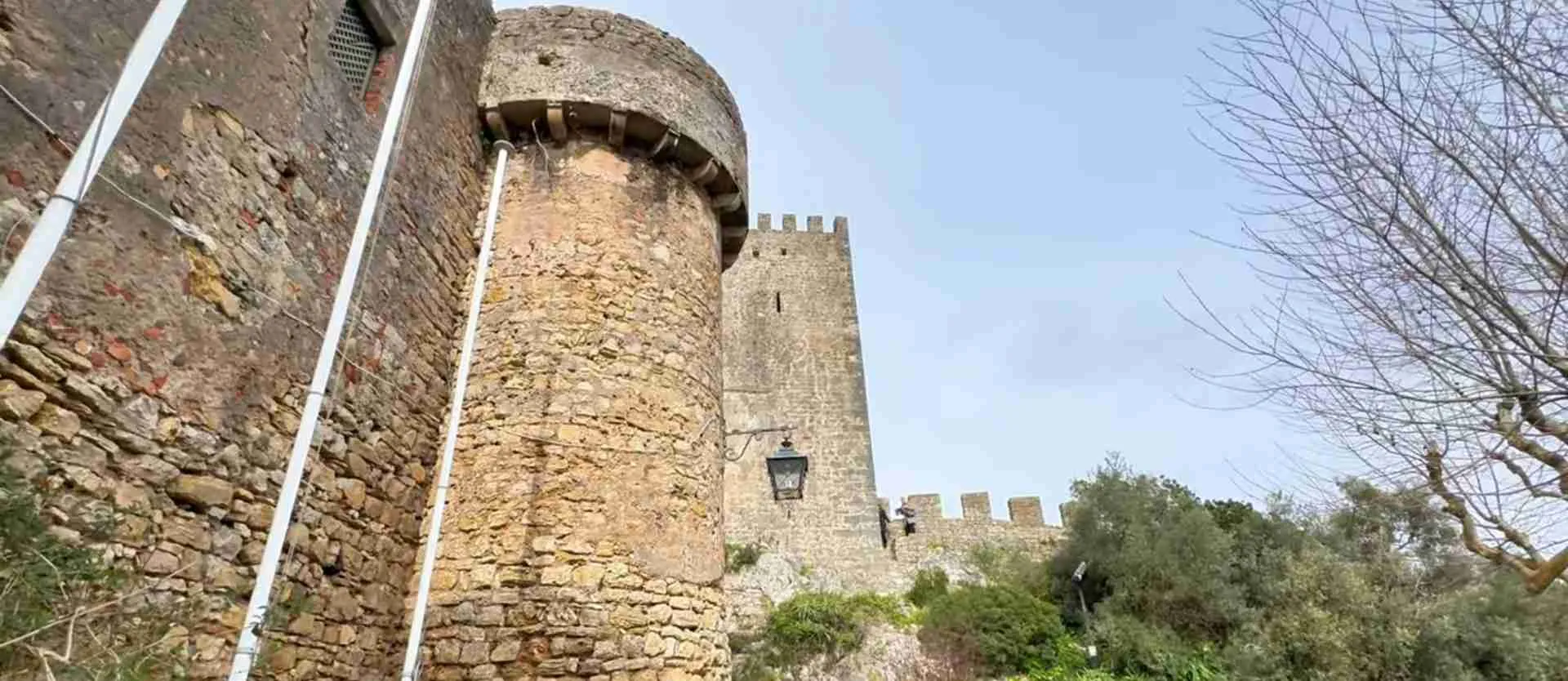
Óbidos ranks among Portugal’s most enchanting destinations, a perfectly preserved medieval walled town crowned by a dramatic castle that once served as royal wedding gift from King Dinis to Queen Isabel in 1282. This extraordinary gesture established Óbidos as “The Wedding Present Town” (Vila das Rainhas), making it dowry for seven Portuguese queens over subsequent centuries. The town lies just 85 kilometers north of Lisbon, creating one of Portugal’s most accessible and rewarding day trip destinations where cobblestone streets, whitewashed houses with colorful trim, and bougainvillea-draped balconies transport visitors directly into medieval Europe.
Unlike many Portuguese monuments requiring entrance fees, Óbidos castle and town walls remain freely accessible to all visitors, enabling budget-conscious cultural exploration. The 1.5-kilometer circuit of 13th-century fortifications provides panoramic countryside views while the historic center’s narrow streets shelter artisan shops, traditional restaurants, and family-run hotels maintaining authentic Portuguese character despite tourism prominence. The 2026 season offers enhanced visitor facilities while preserving the architectural integrity that earned Óbidos classification as one of Portugal’s Seven Wonders in 2007.
People Also Ask About Óbidos Day Trips 2026
How much does a day trip to Óbidos cost from Lisbon in 2026?
A complete day trip from Lisbon to Óbidos costs €55-78 per person excluding accommodation. This includes round-trip bus tickets (€16-18), lunch (€12-18), ginjinha tastings (€2-4), chocolate museum or other attractions (€5-8), snacks and refreshments (€8-12), dinner (€12-18). The castle, town walls, and historic center exploration remain free creating exceptional budget-friendly cultural experience. Budget-conscious travelers selecting picnic lunches and avoiding paid attractions achieve costs toward €40-50 range, while restaurant meals and multiple activity entries approach €80-90. The free castle access distinguishes Óbidos from fee-based monuments elsewhere in Portugal providing significant cost advantages.
How long should I spend in Óbidos in 2026?
Plan 4-5 hours in Óbidos for comprehensive exploration including wall walk (1 hour), historic center streets discovery (1-1.5 hours), lunch (1 hour), shops and galleries browsing (30-60 minutes), and rest periods (30 minutes). The compact size enables thorough exploration within half-day timeframes making it ideal for day trips from Lisbon. Early arrivals (10:00-10:30 AM) preceding organized tour buses (arriving 11:30 AM-1:00 PM) provide quieter morning experiences. Afternoon returns (3:00-4:00 PM) allow relaxed lunch and exploration without rushed schedules. Overnight stays reveal evening atmosphere after day-trippers depart, with castle hotel offering unique historical accommodation experiences.
Can I walk the Óbidos castle walls safely in 2026?
The 1.5-kilometer wall circuit remains accessible for visitors comfortable with heights and narrow passages. Medieval battlements lack safety railings with some sections featuring 13-meter drops to ground level on exterior sides. The worn stone surface becomes slippery after rain requiring careful footing and appropriate footwear. Adults with good balance navigate safely by maintaining cautious pace and avoiding close approaches to unprotected edges. The walls remain unsuitable for young children, elderly visitors with mobility challenges, or anyone experiencing vertigo. Town officials post warning signs at wall access points with visitors assuming personal responsibility for safety decisions.
What’s the best way to get from Lisbon to Óbidos in 2026?
Express bus service provides optimal transportation combining reasonable cost (€8-9 each way), comfortable journey time (1 hour), and hourly departures throughout the day. Buses depart from Campo Grande terminal (accessible via metro green or yellow lines) with convenient schedule flexibility enabling personalized exploration timing. Trains operate from Santa Apolónia station but require 2+ hours with infrequent departures (three daily) and station location 20-minute walk from town center. Driving takes 50-60 minutes covering 85 kilometers via A8 expressway with highway tolls €6 plus parking €0-2, becoming economical for groups of three or more passengers splitting expenses.
Extended multi-day tours – 5+ days
Featured Lisbon Multi-Day Tour Packages
3 days
Lisbon 3-Day Discovery Tour
- ✓ Comprehensive Lisbon experience
- ✓ Expert local guides included
- ✓ All accommodation included
- ✓ Transportation provided
5 days
Lisbon 5-Day Highlights Experience
- ✓ Comprehensive Lisbon experience
- ✓ Expert local guides included
- ✓ All accommodation included
- ✓ Transportation provided
7 days
Lisbon 7-Day Cultural Journey
- ✓ Comprehensive Lisbon experience
- ✓ Expert local guides included
- ✓ All accommodation included
- ✓ Transportation provided
10 days
Lisbon 10-Day Complete Adventure
- ✓ Comprehensive Lisbon experience
- ✓ Expert local guides included
- ✓ All accommodation included
- ✓ Transportation provided
Multi-day tour packages powered by TourRadar. Prices and availability subject to change.
Essential Planning Information 2026
Current Costs and Free Access
The Óbidos castle, town walls, and historic center streets offer completely free access without entrance fees creating exceptional budget-friendly medieval experience. This free access policy distinguishes Óbidos from fee-based Portuguese monuments enabling cultural exploration without financial barriers. Visitors walk the complete wall circuit, explore castle courtyards (exterior only – interior operates as hotel), and discover historic center streets without tickets or time restrictions.
Optional paid attractions include the Chocolate Museum (Museu do Chocolate) costing €3-5 showcasing Portuguese chocolate history with tasting opportunities, the Medieval Market (Mercado Medieval) operating July weekends with €3 entrance showcasing period crafts and entertainment, and various galleries and shops offering traditional handicrafts, ceramics, and textiles. These optional elements enhance experiences without constituting essential components of Óbidos visits.
The Pousada Castelo de Óbidos operates as hotel within the castle structure with overnight rates starting €112 for standard rooms including breakfast. This historic property enables unique accommodation experience within authentic medieval fortress though advance booking proves essential given limited room inventory. Guests access castle interior areas unavailable to day visitors including original royal chambers, private courtyards, and castle walls extending beyond publicly accessible sections.
Transportation Options and Schedules 2026
Express buses operated by Rodotejo/Rodoviária do Oeste depart Campo Grande terminal in Lisbon with final destination Caldas da Rainha making stops in Óbidos. Service operates hourly Monday-Friday with reduced weekend frequencies (departures every 2 hours 10:00 AM-5:00 PM). The journey takes 1 hour with single stop in Bombarral before reaching Óbidos. Tickets cost €8-9 purchased from driver (cash or card) or slight discounts booking online through company website.
Campo Grande terminal access via metro green (Lisbon-Telheiras line) or yellow (Rato-Odivelas line) with exit toward Alameda das Linhas de Torres. Terminal 2 (right side exiting metro) serves Rápida Verde buses to Óbidos from bays 30-31. Arrive 10-15 minutes before departure as buses maintain punctual schedules. The Óbidos bus stop positions immediately outside town walls providing direct access to Porta da Vila main entrance.
Regional trains depart Santa Apolónia station three times daily (5:35 AM, 11:50 AM, 4:53 PM) taking 2 hours 15 minutes and costing €5-8.50. The infrequent schedule and extended journey time make trains impractical for day trips despite lower fares. The station lies 2 kilometers from town center requiring 20-minute walk or taxi (€6-8). Consider trains only for travelers with unlimited time preferring scenic rural routes over efficient transportation.
Seasonal Timing and Weather Considerations
Spring (April-May) and fall (September-October) provide ideal visiting conditions with pleasant temperatures (16-24°C), blooming flowers throughout the town, and moderate tourist volumes. Summer months (June-September) bring peak crowds particularly July-August when organized tours and Portuguese holiday-makers create congestion on main streets and walls. However, summer also features the Medieval Market (Mercado Medieval) typically operating late July weekends with period costumes, crafts, and entertainment adding atmospheric elements.
Winter visits (November-March) offer authentic Portuguese small-town experience with minimal tourists, though shorter daylight hours (sunset around 5:30 PM December-January) limit afternoon exploration time. The Christmas Market (December) decorates the historic center with seasonal crafts and food specialties creating festive atmosphere. Rain occurs more frequently October-March with wet conditions making wall walks hazardous though the town’s covered arcades and indoor shops provide weather-protected alternatives.
Sample 2026 Itinerary: Complete Day Trip
Morning Departure and Arrival
Depart Lisbon on the 9:00 AM bus from Campo Grande arriving Óbidos 10:00 AM. This timing avoids organized tour groups (arriving 11:30 AM-1:00 PM) while providing full morning light for photography and wall walking. Purchase bus tickets from driver upon boarding or advance book online during peak season ensuring guaranteed seating. The journey passes through rural Portuguese countryside with views of vineyards, olive groves, and traditional villages providing introduction to non-urban Portugal.
Upon arrival, the bus stops immediately outside Porta da Vila, the main entrance featuring beautiful 18th-century azulejo tiles depicting the Passion of Christ within the gateway chapel. This dramatic entrance immediately establishes the medieval atmosphere with the fortified gateway framing views up the main street (Rua Direita) toward the castle crowning the hilltop. Take initial photos before entering as morning light illuminates the gateway architecture optimally.
Castle Wall Circuit (10:15 AM – 11:30 AM)
Access castle walls from staircases near Porta da Vila or at the castle itself. Walk counterclockwise beginning at the main gate enabling gradual elevation increases rather than steep initial climbs. The 1.5-kilometer circuit requires 45-75 minutes depending on pace, photography stops, and crowd density. Wear comfortable closed-toe shoes with good grip as medieval stone surfaces show 700+ years of wear creating uneven footing.
The walls provide remarkable 360-degree panoramas encompassing the red-tiled rooftops within the fortifications, the castle keep dominating the highest point, rolling countryside extending to distant hills, and glimpses of the Atlantic Ocean 10 kilometers west on clear days. Multiple towers punctuate the walls offering rest stops and optimal photography positions. The eastern sections remain quieter than western walls near the castle where most tourists concentrate.
Descend at the castle courtyard exploring the publicly accessible areas including the main terrace (Praça de Armas) where medieval festivals occurred. The castle interior operates as Pousada hotel restricting access to registered guests, but the courtyard and adjacent garden remain open enabling castle appreciation without accommodation costs. The elevated position provides final panoramic views before descending to street level for town center exploration.
Historic Center Discovery (11:30 AM – 1:00 PM)
Rua Direita constitutes the main street running from Porta da Vila to the castle, lined with whitewashed houses sheltering artisan shops, galleries, and ginjinha bars. This pedestrian-only street maintains authentic Portuguese character despite tourism prominence with local families continuing residence above ground-floor commercial spaces. Traditional handicrafts include hand-painted ceramics, embroidered linens, cork products, and leather goods crafted by regional artisans.
Igreja de Santa Maria occupies the town’s main square showcasing Renaissance and Baroque architectural elements. The church interior features painted ceiling, carved altarpiece, and azulejo tile panels depicting religious scenes. King Afonso V married his cousin Isabel here in 1444 when both were children (ages 10 and 8), creating historical significance beyond architectural merit. The church operates free admission with respectful attire required (covered shoulders and knees).
Ginjinha de Óbidos represents the town’s culinary specialty: tart cherry liqueur served in edible chocolate cups created by Franciscan monks centuries ago. Numerous bars along Rua Direita offer tastings €1.50-2.50 including the chocolate cup consumption. This tradition defines Óbidos culinary identity providing quintessential local experience. Purchase bottles (€8-15) as unique Portuguese souvenirs maintaining months-long shelf life after opening.
Lunch and Afternoon Exploration (1:00 PM – 3:00 PM)
Traditional restaurants surrounding the main square serve authentic Portuguese cuisine €12-18 for complete meals including soup, main course, beverage, and dessert. Local specialties feature roasted meats, grilled fish, and hearty stews prepared using traditional recipes. The outdoor terrace seating offers relaxed dining atmosphere with castle views providing memorable meal settings. Budget options include small cafés offering simple sandwiches and pastries €5-8 for lighter midday meals.
After lunch, explore secondary streets branching from Rua Direita discovering quieter residential areas maintaining authentic Portuguese village character. The São Pedro Church lies outside the main tourist circuit offering peaceful interior with religious art and history panels. Bookshops shelter rare volumes including Portuguese literature and architecture texts. Small parks with benches provide rest opportunities beneath shade trees while observing local daily life continuing beyond tourism activities.
Optional Activities and Return Planning (3:00 PM – 4:00 PM)
The Chocolate Museum (Museu do Chocolate) operates near Porta da Vila showcasing Portuguese chocolate production history with interactive exhibits and tasting opportunities. Entrance costs €3-5 requiring 30-45 minutes for complete exploration. The gift shop sells artisanal Portuguese chocolates creating unique souvenir options. This optional activity suits chocolate enthusiasts or families with children requiring structured indoor activities.
The Livraria de Santiago bookshop within a deconsecrated church creates atmospheric reading space with religious architecture sheltering contemporary and antique book collections. Literary travelers discover Portuguese authors, architecture volumes, and English-language selections within this unique cultural space operating free browsing with purchase optional.
Return buses depart hourly from the stop outside Porta da Vila with the 4:00 PM or 5:00 PM departures providing flexible timing based on desired exploration duration. The journey returns to Lisbon Campo Grande in 1 hour enabling evening dining in the capital or rest at accommodations. Weekend schedules operate reduced frequencies requiring verification of specific return departure times particularly for afternoon services.
Day Cost Summary
Bus round-trip €16-18, lunch €12-18, ginjinha tastings €2-4, optional museum €3-5, snacks/refreshments €8-12, dinner €12-18. Total day cost: €55-78 per person (excluding accommodation).
Cost Breakdown 2026: Budget Planning
Transportation Costs Analysis
Express bus service costs €8-9 each way (€16-18 round-trip) providing optimal balance of cost, comfort, and schedule flexibility. Hourly weekday departures enable personalized timing while one-hour journey maintains reasonable travel efficiency. Buses feature modern comfortable vehicles with air conditioning, large windows, reclining seats, and luggage compartments creating pleasant travel experiences. Purchase tickets from driver upon boarding (cash or card accepted) or slight discounts (€0.50-1.00) booking online through Rodotejo website.
Regional train service costs €5-8.50 each way (€10-17 round-trip) offering lower fares but poor schedule practicality. Three daily departures (5:35 AM, 11:50 AM, 4:53 PM) with 2+ hour journey times make day trip planning challenging. The station location 2 kilometers from town center adds walking time or taxi costs (€6-8) to total transportation expenses. Only travelers with unlimited schedules or preference for scenic slow train journeys consider this option over efficient bus service.
Private vehicles via A8 expressway require 50-60 minutes covering 85 kilometers with fuel costs €10-15 plus highway tolls €6 (€3 each direction) and parking €0-2. Total driving costs €16-23 become economical for groups of three or four passengers splitting expenses (€4-6 per person vs €8-9 bus fare). Free parking operates south of town center near Porta da Vila while limited paid parking (€1-2 full day) positions closer to main entrance. Cars provide flexibility visiting multiple regional destinations (combining Óbidos with nearby Nazaré, Alcobaça, or Peniche) in customized itineraries.
Activity and Attraction Costs
The castle, town walls, and historic center exploration operate completely free creating remarkable budget-friendly cultural experience. This free access distinguishes Óbidos from most Portuguese monuments enabling comprehensive medieval immersion without financial barriers. Walking the walls, exploring castle courtyards, and discovering historic streets costs nothing beyond transportation and meals.
Optional paid activities include Chocolate Museum (€3-5), Medieval Market July weekends (€3), various galleries and exhibitions (€2-5), and ginjinha tastings (€1.50-2.50 each including chocolate cup). Selective participation in 1-2 paid activities adds €5-15 to total costs without dramatically affecting budget planning. Many travelers skip paid attractions finding free wall walking and street exploration sufficient for satisfying Óbidos experiences.
Shopping opportunities range from affordable souvenirs (magnets, postcards €1-3) to quality artisan products (hand-painted ceramics €15-50, embroidered linens €20-80, leather goods €25-100). Ginjinha bottles (€8-15) represent excellent value combining authentic local product with unique Portuguese souvenir. Budget travelers browsing without purchasing still enjoy artisan shop atmospheres and craft appreciation without expenditure.
Meal and Refreshment Costs
Lunch at traditional restaurants costs €12-18 for complete meals including soup or appetizer, main course, beverage, and often dessert or coffee. Daily specials (prato do dia) offer best value €10-15 featuring regional Portuguese dishes with generous portions. Outdoor terrace dining provides memorable castle-view settings justifying slightly higher pricing compared to interior seating. Budget alternatives include small cafés serving sandwiches, pastries, and light meals €5-8 or picnic supplies purchased beforehand in Lisbon supermarkets.
Ginjinha tastings constitute essential Óbidos culinary experience costing €1.50-2.50 per serving including edible chocolate cup. Multiple bars along Rua Direita offer tastings with minor pricing variations and different chocolate cup suppliers creating subtle taste differences. Sample 1-2 servings appreciating this unique local tradition without excessive alcohol consumption during midday exploration.
Snacks, coffee, and refreshments throughout the day cost €8-12 including morning coffee (€1.50-2.50), afternoon ice cream or pastries (€2-4), and bottled water (€1-2). Portuguese café culture provides exceptional value with high-quality coffee and traditional sweets at affordable prices. Carry refillable water bottle for wall walking as climbing stairs and walking medieval cobblestones in sun creates hydration needs particularly during warm months.
Money-Saving Strategies 2026
Free Attraction Maximization
Focus exploration on free elements: castle walls (1 hour), historic center streets (1.5-2 hours), castle courtyard (30 minutes), Igreja de Santa Maria (20 minutes), secondary churches and squares (30 minutes). These free activities provide 3.5-4 hours of comprehensive medieval immersion without entrance fees. Many travelers find paid attractions unnecessary given the exceptional free access to primary historical elements distinguishing Óbidos from fee-based Portuguese monuments.
Photography opportunities abound throughout the free-access areas with castle walls, colorful doorways, bougainvillea-covered balconies, and panoramic countryside views providing remarkable compositions without paid admissions. Golden hour photography (early morning or late afternoon) transforms the whitewashed houses and medieval architecture with warm light creating professional-quality images rivaling expensive attraction photography.
Meal Cost Optimization
Select daily specials (prato do dia) at traditional restaurants achieving complete satisfying meals €10-15 including soup, generous main course, drink, and coffee. These specials showcase authentic Portuguese cooking with value pricing attracting local customers maintaining quality standards. Ask restaurant staff for daily special recommendations as these often feature fresh seasonal ingredients and regional specialties unavailable on standard tourist-oriented menus.
Pack picnic supplies purchased in Lisbon supermarkets before departure reducing day-trip food costs by €8-15. Portuguese supermarkets offer exceptional value on fresh bread (€0.50-1.00), cheese, ham, fruits, pastries, and beverages. Picnic lunch in castle gardens or quiet squares provides relaxed meal experiences while maximizing budget efficiency. This strategy proves particularly valuable for families with children where restaurant meals multiply costs significantly.
Transportation Timing Strategies
Book bus tickets at Campo Grande terminal immediately upon arriving from metro rather than online advance booking which provides minimal savings (€0.50-1.00). This maintains schedule flexibility enabling spontaneous departure adjustments based on weather, energy levels, or alternative activity decisions. Weekend travelers should verify specific return bus times given reduced service frequencies potentially affecting afternoon departure options.
Groups of three or four travelers consider rideshare or rental car options where total transportation costs (€16-23) split among multiple passengers (€4-6 per person) compares favorably to individual bus fares (€8-9 each). Driving enables multi-destination days combining Óbidos with Nazaré beach town (30 minutes north), Alcobaça monastery (35 minutes northeast), or Peniche fishing port (25 minutes west) creating comprehensive regional exploration unavailable through limited public transportation connections.
Transportation Guide 2026: Detailed Options
Express Bus Service Details
Campo Grande terminal in Lisbon requires navigation as facilities split across Terminal 1 and Terminal 2. Rápida Verde buses to Óbidos depart from Terminal 2 (right side exiting metro) from bays 30-31. Exit Campo Grande metro station (green or yellow line) following signs to “Alameda das Linhas de Torres” with the terminal visible across the plaza. The bus displays “Caldas da Rainha” as final destination with Óbidos marked as intermediate stop.
Buses operate modern comfortable vehicles featuring air conditioning, large panoramic windows, reclining seats with adequate legroom, luggage compartments beneath the vehicle, and onboard restrooms. Free WiFi availability varies by specific vehicle. The route makes single stop in Bombarral before continuing to Óbidos with total journey time 60 minutes. Drivers announce Óbidos stop though the town walls rising beside the highway make the destination unmistakable.
Weekday service operates hourly departures 7:00 AM-7:00 PM with morning buses (7:00-10:00 AM) filling quickly requiring early arrival at terminal. Weekend service reduces to departures every 2 hours 10:00 AM-5:00 PM creating limited schedule flexibility for day trip planning. Always verify current weekend schedules before travel particularly for afternoon return timing ensuring guaranteed return transportation to Lisbon.
Regional Train Service Logistics
Santa Apolónia station in Lisbon serves as departure point, located on blue metro line providing access from accommodations throughout the capital. Three daily departures (5:35 AM, 11:50 AM, 4:53 PM) with 2 hours 15 minutes journey time make trains impractical for standard day trips. The first departure arrives Óbidos 7:54 AM before most attractions open while the midday departure provides workable day trip timing arriving 2:05 PM with return at 4:53 PM limiting exploration to 2.5 hours.
Trains feature regional service carriages with basic comfort: padded seats, large windows, climate control, and restrooms. The service stops at multiple small towns including Entroncamento junction creating extended journey times compared to direct bus service. Tickets cost €5-8.50 purchased at station windows, automated kiosks, or online through Comboios de Portugal website with minimal advance booking advantages given low demand on this route.
Óbidos train station lies 2 kilometers northwest of the historic center requiring 20-25 minute walk through residential neighborhoods or taxi (€6-8) to Porta da Vila. The walk follows minor roads lacking sidewalks in sections creating pedestrian challenges particularly with luggage or during wet weather. Most travelers select bus service over trains given superior scheduling, direct town center arrival, and comparable total travel times when including station-to-center transportation.
Driving Route and Parking
Follow A8 expressway north from Lisbon for approximately 70 kilometers, then exit toward Óbidos following N8 for final 10 kilometers into town. The total journey requires 50-60 minutes depending on Lisbon traffic conditions during departure. The castle towers become visible from several kilometers distance providing anticipation as you approach this remarkable medieval town. Clear directional signage guides drivers to parking areas near the historic center.
Free parking operates in large lots south of Porta da Vila (GPS coordinates 39.358, -9.156) within immediate walking distance (200 meters) of the main entrance. These lots accommodate 100+ vehicles and rarely fill except during major festivals or summer weekends. Avoid leaving valuables visible in vehicles as occasional theft incidents occur in tourist parking areas throughout Portugal. Limited paid parking (€1-2 full day) operates closer to Porta da Vila for travelers preferring minimized walking.
Highway tolls operate electronic Via Verde system charging €6 total (€3 each direction) for the A8 expressway portion. Rental vehicles typically include Via Verde transponders automatically billing toll charges to credit cards provided at rental. Private Portuguese vehicles without Via Verde pay post-trip invoices sent to registered addresses. International visitors should confirm toll payment arrangements with rental companies before journey to avoid administrative complications.
Cultural Context 2026: Understanding Óbidos
Historical Significance
The castle dates to Moorish occupation (8th century) with current fortifications largely constructed after Christian reconquest by Portugal’s first king, Afonso Henriques, in 1148. King Dinis gave the entire town to his wife Queen Isabel as wedding gift in 1282, establishing Óbidos as traditional dowry for Portuguese queens extending through seven monarchs over subsequent centuries. This royal association explains the remarkably preserved architecture and defensive walls maintained through consistent royal patronage.
The town once operated as important port when the Nabão River remained navigable to the Atlantic Ocean. River silting during the 16th century ended maritime commerce but royal favor ensured continued prosperity through agricultural production and regional administrative functions. The 1755 Lisbon earthquake damaged portions of the castle and town walls with subsequent restoration largely preserving medieval character while incorporating limited Baroque elements visible in church decoration.
Architectural Evolution
The town’s fortifications represent medieval military engineering spanning the 13th-14th centuries with subsequent modifications strengthening defenses against artillery warfare. The distinctive crenellated battlements, rounded towers, and thick walls demonstrate both defensive practicality and aesthetic grandeur befitting royal residences. Whitewashed houses with blue or yellow painted trim date primarily from the 18th-19th centuries following earthquake reconstruction maintaining traditional Portuguese architectural vocabul ary.
Religious architecture includes Igreja de Santa Maria (main church) rebuilt after the 1755 earthquake combining Renaissance proportions with Baroque interior decoration. The São Pedro Church represents earlier Gothic construction with simpler architectural expression. The Porta da Vila gateway features remarkable 18th-century azulejo tile work within the entrance chapel depicting the Passion of Christ in vivid blue-and-white Portuguese ceramic tradition.
Contemporary Óbidos
Approximately 2,000 residents continue living within the historic walls maintaining authentic Portuguese village character despite significant tourism. Ground-floor commercial spaces serve tourists while families occupy upper-floor residences creating living museum rather than preserved historical set. Local schools, municipal offices, and religious services continue within the walls preserving community functions beyond tourism activities.
Major festivals include the Medieval Market (Mercado Medieval) typically late July transforming the town into period reenactment with costume participants, traditional crafts, period food stalls, and medieval entertainment. The International Chocolate Festival (Festival Internacional de Chocolate) operates March-April celebrating Portuguese chocolate traditions with sculptures, tastings, and culinary demonstrations. The Christmas Market (December) decorates the historic center with seasonal crafts, food specialties, and festive illumination.
Practical Information 2026: Essential Details
Best Time to Visit Analysis
Spring months (April-May) offer optimal conditions with pleasant temperatures (16-24°C), blooming bougainvillea and flowers throughout the town, and moderate tourist volumes enabling relaxed exploration. The Chocolate Festival operates during this period adding culinary attractions without overwhelming crowds. Morning arrivals (10:00-10:30 AM) provide quiet exploration before organized tours arrive midday.
Summer (June-September) brings peak tourism with organized tour buses creating congestion 11:30 AM-2:00 PM particularly on Rua Direita and wall access points. However, extended daylight hours (sunset 8:30-9:00 PM June-July) enable afternoon and evening visits after day-trippers depart revealing quieter authentic atmosphere. The Medieval Market (late July) creates festival atmosphere with period costumes and entertainment though also generating maximum crowd density.
Fall (September-October) provides excellent conditions similar to spring: comfortable temperatures, smaller crowds after summer peak, harvest season atmosphere with local agricultural festivals, and stable weather before winter rains begin. The shoulder season offers best balance of pleasant conditions, manageable tourism, and authentic Portuguese village life continuing beyond tourism activities.
What to Bring
Wear comfortable walking shoes with good traction for cobblestone streets and wall walks. The medieval surfaces show 700+ years of wear creating uneven footing particularly after rain when stones become slippery. Avoid high heels or smooth-soled fashion shoes that slip on wet stone surfaces. Closed-toe shoes with ankle support prove optimal for wall walking given uneven medieval surfaces and steep staircase sections.
Bring sun protection including hat, sunglasses, and sunscreen during April-October months. The wall circuit lacks shade with direct sun exposure for extended periods. Carry refillable water bottle maintaining hydration during wall walking and street exploration. The compact town center provides limited public drinking fountains with bottled water available from shops along Rua Direita (€1-2).
Camera or smartphone with charged battery captures remarkable medieval architecture, panoramic views from walls, and colorful street scenes. The whitewashed houses with colorful trim, bougainvillea-covered balconies, and castle towers provide exceptional photographic subjects. Morning light (9:00-11:00 AM) illuminates the main street optimally while golden hour (one hour before sunset) transforms the town with warm atmospheric light ideal for memorable photography.
Accessibility Considerations
Óbidos presents significant accessibility challenges due to medieval construction spanning eight centuries. Cobblestone streets, steep inclines, narrow passages, and stairs limit wheelchair access to portions of the main street only. The walls remain completely inaccessible to wheelchair users or visitors with significant mobility limitations. However, the main street (Rua Direita) operates as level pedestrian zone enabling wheelchair access to shops, restaurants, and the main church though some establishments feature entrance steps limiting accessibility.
Visitors with mobility challenges should research specific accommodation and restaurant accessibility before travel as many establishments occupy historic buildings with architectural elements predating accessibility requirements. The Pousada castle hotel features limited accessible rooms though advance booking and detailed accessibility discussions prove essential. Ground-level restaurants with terrace seating provide best accessibility options though confirming specific facility details before visit avoids disappointment upon arrival.
Booking and Reservations 2026
Accommodation Booking (Optional Overnight Stays)
The Pousada Castelo de Óbidos operates as hotel within the castle enabling unique overnight stays in authentic medieval fortress. Rates start €112 for standard rooms rising to €200+ for premium chambers with booking essential weeks or months in advance during peak season. The property features period furnishings, restaurant serving regional cuisine, bar with castle views, and access to castle areas unavailable to day visitors. Book directly through pousadas.pt or major hotel booking platforms.
Alternative accommodations within the walls include boutique hotels, traditional guesthouses, and family-run properties €60-120 per night providing authentic Portuguese hospitality. These smaller properties offer personalized service and local recommendations often exceeding large chain hotel experiences. Outside the walls, modern hotels and countryside quintas (manor house hotels) operate €50-90 per night with parking facilities and contemporary amenities appealing to travelers prioritizing comfort over historical atmosphere.
Restaurant Reservations
Most Óbidos restaurants operate walk-in service without advance reservations except during peak season weekends and major festivals when booking proves advisable. Popular establishments fill 1:00-2:30 PM with organized tour groups creating temporary capacity issues. Early lunch (12:00-12:30 PM) or late lunch (2:30-3:00 PM) avoids peak congestion ensuring table availability without advance booking complications.
The Pousada castle restaurant welcomes non-guests for lunch and dinner with advance reservations recommended for guaranteed seating in the remarkable medieval dining room. Prices prove higher than town center establishments (€25-40 per person) but the atmospheric setting within castle walls justifies premium pricing for special occasion dining experiences.
Tour Operator Services
Numerous Lisbon operators offer guided day trips to Óbidos either independently or combined with other destinations (frequently Fátima, Nazaré, or Batalha). These organized tours cost €50-75 per person including transportation, guide services, and typically 90-120 minutes Óbidos exploration time. GetYourGuide, Viator, and Civitatis provide reliable booking platforms with customer reviews enabling informed operator selection.
Small group tours (maximum 8-12 participants) offer personalized experiences with flexible schedules accommodating group interests. Larger coach tours (25-40 participants) provide lower per-person costs but follow rigid schedules with limited individual exploration freedom. Review tour descriptions carefully regarding Óbidos time allocation ensuring sufficient exploration opportunity matching personal interests and pace preferences.
Extended Regional Exploration 2026
Nearby Attractions for Multi-Day Visits
Nazaré lies 45 kilometers north (40-minute drive) offering authentic Portuguese fishing village, dramatic cliff-top views, and world-famous big wave surfing (November-February). The town combines traditional maritime culture with modern tourism infrastructure creating fascinating cultural contrasts. Day trips combining Óbidos and Nazaré provide medieval history and coastal experiences in comprehensive 10-12 hour excursions.
Alcobaça Monastery (35 kilometers northeast, 35-minute drive) represents another UNESCO World Heritage site featuring Gothic architecture, royal tombs of Pedro I and Inês de Castro, and remarkable Cistercian cloisters. The combined visit with Óbidos creates comprehensive cultural immersion though requiring full day and private transportation given limited public transit connections. Consider the €15 combined UNESCO ticket covering Alcobaça, Batalha, and Tomar monasteries for multi-day regional exploration.
Peniche fishing port and Berlengas Islands lie 25 kilometers west (25-minute drive) offering Atlantic coastline, fishing culture, seafood restaurants, and boat excursions to the protected Berlengas archipelago. The fortress of Peniche operated as political prison during the dictatorship era (1926-1974) now serving as museum documenting this dark period. Multi-day regional itineraries combining these diverse destinations provide comprehensive central Portugal coastal experiences beyond single-site day trips.
Multi-Day Regional Base Strategy
Establish multi-day base in Óbidos enabling evening atmosphere after day-trippers depart and early morning access before tour buses arrive. This strategy reveals authentic Portuguese village life with residents conducting daily activities, local cafés serving regular customers, and restaurants offering regional specialties to discerning diners rather than rushed tour groups. The relaxed pace enables comprehensive exploration, multiple wall walks at different light conditions, and deeper cultural immersion unavailable during brief day trip visits.
Alternatively, base in nearby Caldas da Rainha (15 kilometers north) offering full urban services including supermarkets, larger hotel selection, and central location for regional exploration. This working Portuguese city maintains authentic character without overwhelming tourism while providing convenient access to Óbidos (15 minutes), Nazaré (35 minutes), Alcobaça (30 minutes), and Batalha (45 minutes). Mid-range hotels cost €50-80 per night with modern amenities and parking facilities.
Frequently Asked Questions: Óbidos Day Trips 2026
Is Óbidos worth visiting from Lisbon?
Óbidos ranks among Portugal’s finest medieval villages with exceptional preservation earning classification as one of Portugal’s Seven Wonders in 2007. The free castle and wall access combined with reasonable transportation costs (€16-18) creates budget-friendly cultural experience rarely encountered in European heritage destinations. Travelers interested in medieval architecture, Portuguese history, authentic village atmosphere, or photography find Óbidos essential with the modest time investment (6-8 hours total including travel) delivering profound cultural immersion complementing Lisbon’s urban experiences.
Can I visit Óbidos and other towns on the same day?
Combining Óbidos with Nazaré (45 kilometers north) creates comprehensive day trip showcasing medieval village and Atlantic fishing port in 10-12 hour excursions. Organized tours frequently combine these destinations providing transportation and guide services though allocating limited time per site. Private vehicles enable customized multi-site itineraries though requiring early departure (8:00 AM) and acceptance of rushed schedules preventing deep exploration at individual locations. Most travelers dedicate separate full days to each destination for proper appreciation.
What is ginjinha and should I try it?
Ginjinha represents Portuguese cherry liqueur created by Franciscan monks centuries ago using Morello cherries, sugar, and aguardente (Portuguese brandy). Óbidos serves ginjinha in edible chocolate cups creating unique culinary tradition distinguishing this town from other Portuguese destinations. The tart cherry flavor balances chocolate sweetness while the alcohol content (18-20%) provides mild warming sensation. Tasting ginjinha constitutes essential Óbidos cultural experience costing €1.50-2.50 including chocolate cup consumption. Sample at least once appreciating this centuries-old local tradition representing Franciscan culinary heritage.
Are the castle walls dangerous to walk?
The medieval walls lack modern safety features including railings with some sections featuring 13-meter drops to ground level. Adults with good balance and no height sensitivity walk safely maintaining cautious pace and avoiding close approaches to unprotected edges. The worn stone surface becomes slippery after rain requiring postponing wall walks during wet conditions. Children require constant adult supervision with many parents choosing to avoid walls entirely given legitimate safety concerns. Visitors assuming personal responsibility for safety decisions experience remarkable panoramic views and authentic medieval architectural immersion unavailable from ground level.
Where should I eat in Óbidos?
Traditional restaurants surrounding the main square offer authentic Portuguese cuisine €12-18 for complete meals with several establishments maintaining family operation over multiple generations. Ask hotel staff or shop owners for current recommendations as quality varies seasonally with chef changes and ownership transitions. Avoid restaurants with multilingual menus and aggressive hosts soliciting passing tourists – these typically serve mediocre food at inflated prices targeting one-time visitors. The best establishments serve primarily Portuguese families and repeat customers indicating consistent quality and value pricing.
How crowded is Óbidos in summer 2026?
Summer months (June-September) bring significant tourism with organized tour buses creating congestion 11:30 AM-2:00 PM particularly along Rua Direita and wall access points. However, the compact town dissipates visitors effectively across multiple streets, shops, and wall sections preventing absolute overcrowding. Early morning arrivals (before 10:30 AM) or afternoon visits (after 2:30 PM) largely avoid tour group impacts. The Medieval Market (late July) generates maximum crowd density potentially overwhelming visitors seeking quiet medieval atmosphere. Consider spring (April-May) or fall (September-October) for optimal balance of pleasant weather and manageable tourism.
Can I take photos inside the castle?
The castle courtyard and publicly accessible areas welcome photography for personal non-commercial use. The castle interior operates as Pousada hotel restricting access and photography to registered guests protecting privacy of paying customers. Flash photography and tripods are discouraged throughout the town to prevent disturbing residents and other visitors while protecting historic surfaces from potential flash damage over time. Respect residents’ privacy avoiding intrusive photography of private residences or individuals without permission.
What happens if it rains during my visit?
Covered arcades along Rua Direita provide rain protection while exploring shops, galleries, and ginjinha bars. Churches offer indoor exploration including Igreja de Santa Maria showcasing religious art and architecture. The Chocolate Museum operates completely indoors requiring 30-45 minutes with tastings included. Restaurants welcome extended lunch periods during rain providing pleasant dining atmosphere while weather improves. However, wall walks become hazardous during rain with wet stones creating slippery conditions. Consider postponing Óbidos visits during confirmed rainy weather as wall walking constitutes primary attraction with limited appealing alternatives during wet conditions.
Is there WiFi in Óbidos?
Most restaurants, cafés, and hotels offer free WiFi to customers with varying signal strength and reliability. The Pousada castle hotel maintains strong WiFi throughout property for registered guests. Public WiFi availability remains limited in streets and outdoor areas. Consider purchasing Portuguese SIM card or activating international data roaming if requiring consistent connectivity for navigation apps, restaurant reservations, or communication. However, many travelers appreciate Óbidos as opportunity for digital detox immersing in medieval atmosphere without constant connectivity demands.
Can I stay overnight in the castle?
The Pousada Castelo de Óbidos operates hotel within the castle structure offering unique overnight stays in authentic medieval fortress. Standard rooms start €112 including breakfast with premium chambers €150-200+ featuring period furnishings, original architectural elements, and views over the town or countryside. Advance booking proves essential weeks or months ahead during peak season given limited room inventory (approximately 17 rooms). Guests access castle interior areas including private courtyards and wall sections unavailable to day visitors while experiencing medieval atmosphere after day-trippers depart.