Tomar Day Trip from Lisbon 2026: Convento de Cristo UNESCO Guide
This guide provides complete planning information including current transportation costs, entrance pricing strategies, optimized itineraries, and booking recommendations. Understanding these practical elements enables informed decisions that maximize your UNESCO World Heritage experience while maintaining budget efficiency and schedule flexibility throughout your Portuguese travels.
Key Takeaways
- Convento de Cristo entrance costs €15 for adults in 2026, with combined monastery tickets offering savings
- Direct trains from Lisbon Santa Apolónia take 1 hour 54 minutes and cost €10.55 for regional service
- Day trip total costs €78-102 per person excluding accommodation with 4-5 hours at the UNESCO site
- Early morning departure (8:30-9:00 AM) maximizes exploration time before afternoon crowds arrive
- Combined UNESCO ticket (€15) covers Tomar, Batalha, and Alcobaça for multi-day regional exploration
- Free admission Sundays and holidays until 2:00 PM for Portuguese residents presents budget opportunity
Introduction: Planning Your Tomar Day Trip in 2026
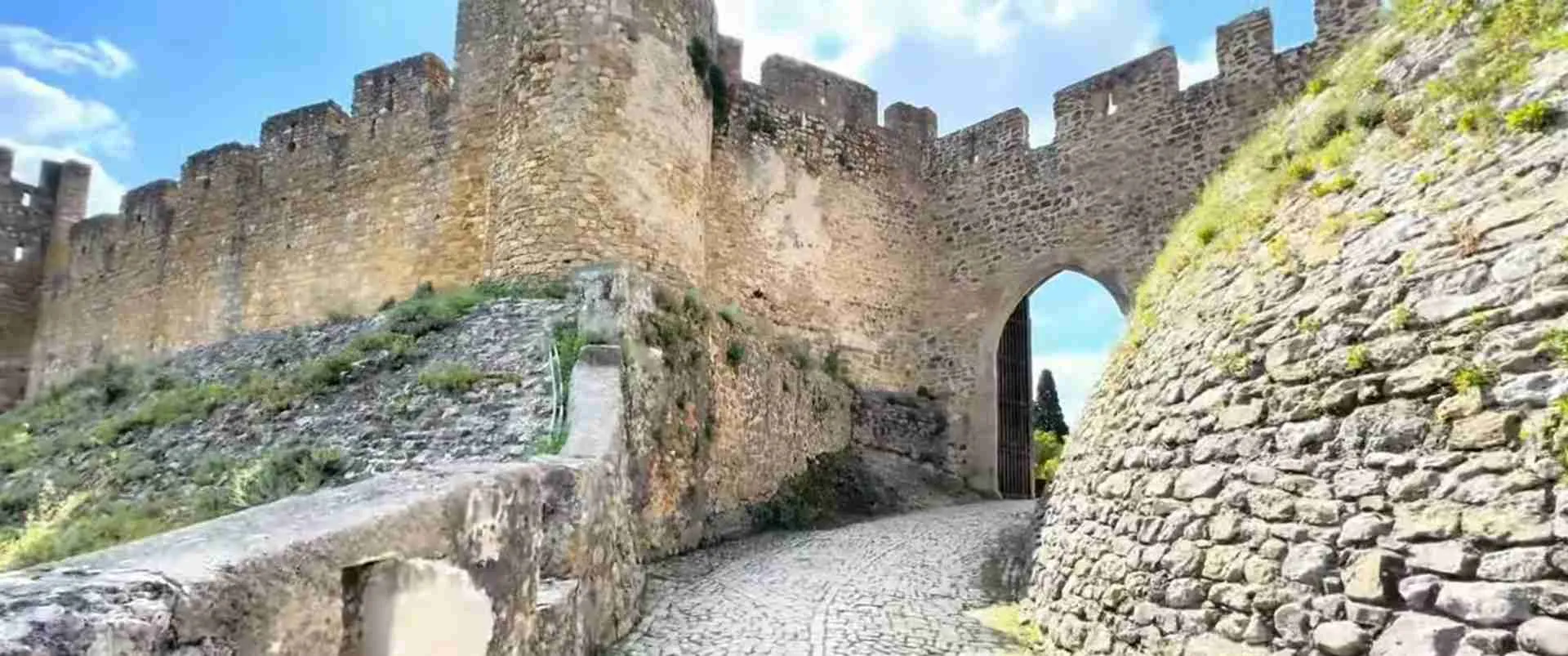
Tomar stands among Portugal’s most historically significant destinations, home to the Convento de Cristo (Convent of Christ), a UNESCO World Heritage site that served as headquarters for the Knights Templar and later the Order of Christ. Located 135 kilometers northeast of Lisbon, this medieval fortress-monastery complex showcases seven centuries of Portuguese architectural evolution from Romanesque through Manueline styles. The town founded by Templar Grand Master Gualdim Pais in 1160 remains remarkably preserved, with the monumental hilltop convent dominating the skyline above the peaceful Nabão River valley.
A day trip from Lisbon provides comprehensive access to this architectural masterpiece while maintaining convenient return schedules to the capital. The journey combines efficient rail connections with manageable walking distances, creating an accessible excursion for travelers seeking authentic Portuguese heritage beyond Lisbon’s urban environment. The 2026 planning season offers improved transportation schedules and enhanced visitor facilities following recent conservation projects that preserve this remarkable monument for future generations.
People Also Ask About Tomar Day Trips 2026
How much does a day trip to Tomar cost from Lisbon in 2026?
A complete day trip from Lisbon to Tomar costs €78-102 per person excluding accommodation. This includes round-trip train tickets (€21-41 depending on service type), Convento de Cristo entrance (€15), lunch (€12-18), dinner (€18-25), snacks (€8-12), and local transportation (€4-7). Regional train service provides the most economical option at €10.55 each way, while intercity services cost €15-20.50 per direction. Budget-conscious travelers booking advance tickets and selecting the regional service achieve costs toward the lower range, while same-day intercity bookings with restaurant dining approach the upper cost bracket. Combined UNESCO tickets covering three monasteries (€15 total) offer exceptional value for travelers planning multi-day regional exploration.
How long should I spend in Tomar in 2026?
Plan 4-5 hours in Tomar for comprehensive Convento de Cristo exploration plus town center discovery. The monastery complex requires 2.5-3 hours to properly examine the Charola, Royal Cloister, Chapter House window, Aqueduct, and surrounding gardens. Additional time allows lunch in the historic center, riverside walk, and visits to secondary attractions including the medieval Synagogue, Igreja de Santa Maria do Olival, or the Castle walls. Early morning arrivals (9:00-9:30 AM train) with afternoon departures (4:00-5:00 PM return) provide optimal daylight hours while avoiding evening rush on return services. Weekend visitors should verify monastery hours and train schedules as services operate on modified timetables.
What’s included in the Convento de Cristo entrance ticket for 2026?
The €15 entrance ticket provides access to the complete monastery complex including the 12th-century Templar Charola (octagonal church), Royal Cloister with Manueline arcades, Chapter House featuring the famous ornate window, Founders’ Church, seven additional cloisters, monks’ dormitory, chapter house, refectory, kitchen, and the remarkable Pegões Aqueduct spanning 6 kilometers. The ticket includes a complimentary audio guide in multiple languages providing historical context and architectural explanations throughout the self-guided tour. Free admission applies Sundays and holidays until 2:00 PM for Portuguese residents upon presentation of Citizen Card. The combined UNESCO ticket (€15) covers this site plus Batalha Monastery and Alcobaça Monastery with one-year validity, offering significant savings for multi-site visits.
Can I visit Tomar and other towns on the same day in 2026?
Combining Tomar with Batalha and Alcobaça creates a comprehensive but intensive day requiring private transportation and early start. These three UNESCO monasteries form Portugal’s celebrated “Monastery Route” but lie 40-50 kilometers apart. Public transportation connections between sites prove limited with long transfer times. Most travelers dedicate individual full days to each monastery for proper appreciation, though organized tours combine two sites (typically Tomar-Batalha or Batalha-Alcobaça) in 10-12 hour excursions from Lisbon. The combined €15 UNESCO ticket remains valid one year, enabling separate visits across multiple trips. Overnight stays in the region provide relaxed multi-site exploration without exhausting travel schedules.
Extended multi-day tours – 5+ days
Featured Lisbon Multi-Day Tour Packages

3 days
Lisbon 3-Day Discovery Tour
- ✓ Comprehensive Lisbon experience
- ✓ Expert local guides included
- ✓ All accommodation included
- ✓ Transportation provided

5 days
Lisbon 5-Day Highlights Experience
- ✓ Comprehensive Lisbon experience
- ✓ Expert local guides included
- ✓ All accommodation included
- ✓ Transportation provided

7 days
Lisbon 7-Day Cultural Journey
- ✓ Comprehensive Lisbon experience
- ✓ Expert local guides included
- ✓ All accommodation included
- ✓ Transportation provided
10 days
Lisbon 10-Day Complete Adventure
- ✓ Comprehensive Lisbon experience
- ✓ Expert local guides included
- ✓ All accommodation included
- ✓ Transportation provided
Multi-day tour packages powered by TourRadar. Prices and availability subject to change.
Essential Planning Information 2026
Current Costs and Pricing Breakdown
Convento de Cristo entrance costs €15 for adults in 2026, with reduced tickets at €7.50 for visitors aged 13-24 (student ID required), seniors 65+ (proof of age required), and adult-child family combinations. Check conventocristo.gov.pt for current official rates as pricing may vary. Children under 12 enter free when accompanied by adults. Portuguese residents receive free admission Sundays and public holidays until 2:00 PM upon presentation of Citizen Card, creating significant savings opportunities for extended Portugal stays or resident visitors.
The combined UNESCO Heritage Route ticket costs €15 covering entrance to Convento de Cristo Tomar, Batalha Monastery, and Alcobaça Monastery with one-year validity from first use. This combined ticket offers exceptional value compared to individual site tickets (€45 total if purchased separately) for travelers planning comprehensive central Portugal monastery exploration. Purchase occurs at any of the three sites or online through official channels, with the ticket allowing one entry per monastery.
Opening hours operate 9:00 AM to 5:30 PM (October-May) and 9:00 AM to 6:30 PM (June-September) with last entry 30 minutes before closing. The monastery closes January 1, March 1 (Tomar municipal holiday), Easter Sunday, May 1, December 24-25. Always verify current schedules before travel as special events or conservation work occasionally affects access to specific areas within the complex.
Transportation Options and Schedules
Direct trains operate hourly throughout the day from Lisbon’s Santa Apolónia station, passing through Oriente station before continuing to Tomar. Regional service costs €10.55 each way taking 1 hour 54 minutes, while faster Intercidades service costs €15-20.25 with journey time around 1 hour 30 minutes. Santa Apolónia station lies on Lisbon’s blue metro line providing easy access from accommodations throughout the capital. Oriente station serves as an alternative departure point for travelers staying in eastern Lisbon or arriving from the airport.
Express buses operated by Rede Expressos depart from Sete Rios bus station taking 1 hour 45 minutes and costing €10-12 depending on advance booking. Three daily departures operate with limited weekend service requiring careful schedule planning for day trip returns. The bus station connects to Jardim Zoológico metro station (blue and yellow lines) providing convenient citywide access. Buses offer slightly cheaper fares than trains but operate less frequently with more limited schedule flexibility.
Private vehicles follow the A1 expressway to A23 exit toward Torres Novas, then N110 into Tomar, taking 1 hour 30 minutes covering 135 kilometers. Highway tolls cost €8.05 each way via Via Verde electronic toll system. Parking near the convent costs €1-2 for full-day periods with additional free parking options near the Mercado Municipal. Driving provides schedule flexibility and enables multi-site visits but lacks the relaxed travel experience of train journeys through Portuguese countryside.
Sample 2026 Itinerary: Complete Day Trip
Morning Departure and Arrival
Depart Lisbon Santa Apolónia station on the 8:35 AM regional train arriving Tomar 10:29 AM. This early departure avoids midday heat while providing maximum exploration time before afternoon tourist groups arrive from organized tours. Purchase tickets at the station or advance book through Comboios de Portugal website for guaranteed seating during peak season. Board early to secure window seats offering views of the Tagus River valley and central Portuguese countryside during the journey.
Upon arrival at Tomar station, the historic center lies 1.2 kilometers (15-minute walk) following clear signage through residential neighborhoods. Alternatively, local taxis wait at the station charging €5-7 to the Convento de Cristo entrance, eliminating the uphill walk while preserving energy for monastery exploration. The walk itself passes through pleasant tree-lined streets with glimpses of the convent towers rising above the town providing anticipation for the morning’s main attraction.
Convento de Cristo Exploration (11:00 AM – 2:00 PM)
Arrive at the convent entrance before 11:00 AM to avoid organized tour groups that typically arrive 11:30 AM-12:30 PM. Purchase entrance tickets (€15) and collect complimentary audio guide at the ticket office within the Castle walls. Begin with the remarkable 12th-century Templar Charola (rotunda church) modeling Jerusalem’s Church of the Holy Sepulchre, featuring octagonal geometry and original medieval frescoes remarkably preserved after 850 years.
Progress to the Royal Cloister (Claustro Principal) showcasing the pinnacle of Portuguese Manueline style with intricate stone lacework covering Gothic arches. Spend considerable time examining the famous Chapter House window (Janela do Capítulo), considered Portugal’s greatest Manueline sculpture with maritime motifs including ropes, coral, seaweed, and navigation instruments carved in limestone. This window alone justifies the journey, representing King Manuel I’s Age of Discovery ambitions frozen in stone.
Continue through six additional cloisters each representing different architectural periods and religious functions. The Washing Cloister (Claustro da Lavagem) connects to the remarkable Pegões Aqueduct spanning 6 kilometers across the valley. Walk the castle walls for panoramic views over Tomar and the surrounding countryside before exploring the monastic living quarters including refectory, kitchen (with massive chimney), and dormitory spaces. The audio guide provides essential context transforming architectural observation into historical understanding of Templar and Order of Christ influence on Portuguese history.
Historic Center Lunch and Exploration (2:00 PM – 3:30 PM)
Descend to the historic center for lunch at traditional restaurants surrounding Praça da República. Budget options include tasty Portuguese home cooking at €12-18 for complete meals with soup, main course, and drink. Local specialties feature river fish, roasted meats, and conventual sweets (doces conventuais) created by monastery nuns using ancient recipes. Outdoor terrace seating in the main square offers relaxed atmosphere perfect for midday rest after morning exploration.
After lunch, stroll Rua Serpa Pinto to the former Jewish quarter housing the 15th-century Synagogue, Portugal’s best-preserved medieval Jewish temple now operating as a small museum (€2 entrance). Walk to Igreja de Santa Maria do Olival, the Templar’s main church predating the convent’s Charola and serving as burial site for Grand Masters. The Nabão River waterfront provides peaceful walking paths under ancient trees with views back to the convent crowning the hill above town.
Return Journey Planning (4:00 PM – 6:00 PM)
Return trains depart Tomar at 4:08 PM, 5:08 PM, and 6:08 PM providing schedule flexibility based on desired exploration time. The 4:08 PM departure arrives Lisbon 6:02 PM enabling early dinner in the capital, while later services allow extended afternoon relaxation in Tomar’s cafés. Coffee and pastries (€3-5) at cafés near the station provide pleasant conclusion to the day trip while awaiting departure time.
The return journey offers opportunity to review photos, process architectural impressions, and plan subsequent visits to related sites including Batalha and Alcobaça monasteries. Evening light transforms the countryside passing the train windows, with the Tagus River reflecting sunset colors during summer months. Arrive back in Lisbon with evening hours remaining for dinner and reflection on one of Portugal’s most significant cultural treasures.
Day Cost Summary
Train round-trip €21 (regional service), Convento de Cristo entrance €15, lunch €12-18, café/snacks €8-12, local transport €4-7, dinner provisions €18-25. Total day cost: €78-102 per person (excluding accommodation).
Cost Breakdown 2026: Budget Planning
Transportation Costs Comparison
Regional train service (recommended) costs €10.55 each way (€21.10 round-trip) taking 1 hour 54 minutes with hourly departures providing maximum schedule flexibility. Intercidades service costs €15-20.25 per direction (€30-40.50 round-trip) reducing travel time to 1 hour 30 minutes but offers limited daily frequencies requiring advance schedule confirmation. Alfa Pendular service does not serve Tomar directly, requiring connections at Entroncamento adding complexity without time savings.
Express bus service costs €10-12 each way (€20-24 round-trip) taking 1 hour 45 minutes. Three daily departures limit schedule flexibility compared to hourly train service. Weekend bus service operates reduced frequencies with the last return departure around 9:00 PM requiring careful schedule planning. Bus tickets purchase on departure day from the driver (cash or card accepted) or advance book through Rede Expressos website during peak season.
Private vehicle fuel costs €15-20 plus €16.10 in highway tolls (€8.05 each direction) totaling €31-36.10 for transportation. Parking adds €1-2 bringing total driving costs to €32-38. This option becomes economical for groups of three or four passengers splitting expenses, with total costs around €8-13 per person compared to €21-41 per person on public transportation. Driving enables multi-site visits combining Tomar with Batalha (40 kilometers) or other regional destinations in single-day excursions.
Entrance and Activity Costs
Convento de Cristo entrance costs €15 providing 2.5-3 hours of comprehensive monastery exploration. Audio guide inclusion adds substantial value compared to sites charging separately for this service. Reduced tickets at €7.50 benefit students, seniors, and family combinations presenting valid documentation. Children under 12 enter free making Tomar family-friendly from cost perspective.
Combined UNESCO ticket (€15) covering Tomar, Batalha, and Alcobaça offers exceptional value for travelers planning multi-day central Portugal exploration. This ticket saves €30 compared to individual site entrances (€15 x 3 = €45) while maintaining one-year validity enabling flexible visit scheduling across multiple trips to Portugal. Purchase at any of the three sites or through official online channels.
Secondary attractions include Synagogue (€2), offering quick cultural context but nonessential for time-limited visitors. Igreja de Santa Maria do Olival provides free entrance with significant Templar history. Castle walls surrounding the convent offer free walking access with panoramic town views. These secondary sites add cultural depth without budget impact for travelers allocating full-day schedules to Tomar exploration.
Meal and Refreshment Costs
Lunch in traditional restaurants costs €12-18 for complete meals including soup or appetizer, main course, beverage, and often dessert or coffee. Daily specials (pratos do dia) offer best value with generous portions showcasing regional Portuguese cooking. Budget travelers selecting small cafés or takeaway options reduce lunch costs to €8-12 while maintaining satisfying meals with local flavor.
Dinner upon return to Lisbon costs €18-25 at mid-range establishments or €12-15 for casual dining. Alternatively, travelers exploring dinner options in Tomar before evening train departures encounter similar pricing with potentially more authentic local experiences. Reserving dinner until return to Lisbon maximizes daytime exploration hours while avoiding extended afternoon gaps in Tomar with limited activity options.
Snacks, coffee, and beverages throughout the day cost €8-12 including morning coffee in Lisbon (€1.50-2.50), afternoon coffee and pastries in Tomar (€3-5), and refreshments during train journeys or exploration (€3-5). Portuguese café culture offers exceptional value with high-quality coffee and traditional pastries at remarkably affordable prices compared to other European destinations.
Booking Strategies 2026: Advance Planning
Transportation Booking Recommendations
Book train tickets 5-60 days in advance through Comboios de Portugal website for Promo fares saving 25-40% off standard prices. Promo tickets operate non-refundable but provide significant savings for travelers with confirmed schedules. Standard tickets remain available day-of-travel at station ticket windows with full flexibility for last-minute changes but higher pricing.
Peak season (June-September) and weekends experience higher train occupancy requiring advance seat reservations for guaranteed seating. The regional service operates spacious modern carriages with ample seating but filling quickly on popular routes. Intercidades service requires mandatory seat reservations included in ticket price ensuring confirmed seating. Book window seats in advance for optimal countryside viewing during the scenic journey through central Portugal.
Bus tickets book online through Rede Expressos website or purchase from the driver on departure. Online booking guarantees seating and often provides small discounts (€1-2) compared to on-board purchase. Weekend service limitations require checking current schedules and booking specific departure times ensuring coordinated day trip planning with monastery hours and desired exploration time.
Accommodation Considerations
Day trips from Lisbon eliminate accommodation costs while providing comprehensive Tomar exploration within 10-hour round-trip excursions. Travelers seeking relaxed multi-day regional exploration consider overnight stays in Tomar enabling evening monastery photography, dinner in local restaurants, and early morning access before tour groups arrive. Hotels near the historic center cost €45-75 for mid-range accommodations with breakfast included.
Alternatively, establish regional base in Fátima (30 kilometers from Tomar) providing central access to all three UNESCO monasteries (Tomar, Batalha, Alcobaça) within 30-40 minute drives. Fátima offers abundant accommodations €40-90 per night with religious pilgrimage infrastructure creating year-round tourism services. This multi-day strategy enables comprehensive monastery exploration while eliminating daily returns to Lisbon reducing transportation costs and travel fatigue.
Combined Site Visit Planning
Purchase combined UNESCO ticket (€15) at Tomar if planning Batalha and Alcobaça visits within upcoming months or return Portugal trips. The one-year validity provides flexibility for multi-visit strategies without predetermined schedules. Travelers planning all three monasteries in consecutive days benefit from the significant €30 savings this combined ticket offers compared to individual site admissions.
Organized tours from Lisbon combine two or three monasteries in 10-12 hour guided excursions costing €75-95 per person including transportation, guide services, and entrance fees. These tours eliminate transportation planning while providing historical context through knowledgeable guides. However, organized tours allocate limited time per site (typically 45-60 minutes) compared to independent visits enabling 3-4 hours at each monastery for comprehensive personal exploration.
Consider seasonal timing when planning multi-site monastery visits. Summer months (June-September) offer extended hours (opening until 6:30 PM vs 5:30 PM in winter) providing additional exploration time. However, summer also brings larger crowds and higher temperatures making spring (April-May) and fall (September-October) optimal periods combining pleasant weather, smaller crowds, and adequate daylight hours for comprehensive monastery appreciation.
Transportation Guide 2026: Detailed Options
Train Service Details
Santa Apolónia station serves as primary Lisbon departure point, located on the blue metro line providing access from accommodations throughout the capital. The station operates full-service facilities including ticket windows, automated kiosks, cafés, restrooms, and luggage storage. Arrive 15-20 minutes before departure for ticket purchase and platform location, or use mobile tickets purchased online for direct platform access.
Oriente station serves as alternative departure for travelers in eastern Lisbon or arriving from the airport. This modern transportation hub connects metro (red line), buses, and regional trains under distinctive contemporary architecture designed for EXPO 98. Train schedules from Oriente depart 10 minutes after Santa Apolónia departures serving the same routing through Entroncamento to Tomar.
Regional trains feature spacious modern carriages with large windows optimal for countryside viewing, power outlets at many seats, restrooms, and luggage storage areas. Carriages maintain comfortable year-round climate control with heating in winter and air conditioning in summer. The service stops at Entroncamento junction (major rail hub) before continuing on the regional line to Tomar providing opportunity for brief platform stretching during the 5-minute station stop.
Bus Service Logistics
Campo Grande bus terminal in Lisbon requires careful navigation as facilities split across Terminal 1 and Terminal 2. Rodotejo buses to Tomar depart from Terminal 2 (right side exiting metro) from bays 30-31. Follow signage to “Alameda das Linhas de Torres” exiting Campo Grande metro station (green or yellow lines) with the terminal visible across the plaza. Purchase tickets on board from the driver (cash or card) or advance book online through Rodotejo website.
Buses feature modern comfortable vehicles with air conditioning, reclining seats, large windows, luggage compartments beneath the vehicle, and onboard restrooms. Free WiFi availability varies by specific vehicle. The route makes one stop in Bombarral (small town) before continuing to Tomar, with total journey time 1 hour 45 minutes. Tomar bus stop positions outside the historic center walls providing immediate access to town center restaurants and the uphill walk to the convent entrance.
Driving Route and Parking
Follow A1 expressway north from Lisbon for 80 kilometers, then take A23 exit toward Abrantes/Castelo Branco. Continue A23 for 25 kilometers before exiting onto N110 toward Tomar. The final 10 kilometers wind through rural landscapes with the Convento de Cristo towers visible as you approach the town. Total driving time averages 1 hour 30 minutes depending on Lisbon traffic conditions during departure.
Highway tolls operate electronic Via Verde system charging €8.05 per direction. Rental vehicles typically include Via Verde transponders billing toll charges to credit cards provided at rental. Private Portuguese vehicles without Via Verde pay post-trip invoices sent to registered addresses. International vehicles lacking electronic toll payment face potential administrative fees requiring attention to toll payment options before journey.
Free parking operates south of the historic center near the Mercado Municipal (GPS coordinates 39.6033, -8.4153) within 800-meter walk of the convent entrance. Paid parking near the convent (GPS 39.6038, -8.4098) charges €1-2 full day with convenient access eliminating the uphill walk. Parking lots rarely fill except during major festivals or summer weekends. Never leave valuables visible in parked vehicles due to occasional theft incidents in tourist areas.
Money-Saving Strategies 2026
Advance Booking Benefits
Book train tickets 30-60 days advance for Promo fares saving 25-40% off standard pricing. The largest savings apply to Intercidades service where Promo tickets cost €12-15 compared to standard €20.25 fares. Regional service offers smaller Promo discounts (€8-9 vs standard €10.55) but still worthwhile for budget-conscious travelers with confirmed schedules. Promo tickets purchase through Comboios de Portugal website or mobile app with immediate mobile ticket delivery eliminating paper ticket concerns.
Combined UNESCO ticket (€15) provides €30 savings (vs €45 individual site tickets) for travelers visiting all three central Portugal monasteries. The one-year validity enables flexible scheduling across multiple Portugal trips or extended stays. Purchase at Tomar, Batalha, or Alcobaça upon first visit, then present ticket at subsequent sites for included admission. This represents the single largest cost-saving strategy for multi-site monastery exploration.
Seasonal Optimization Tips
Visit during shoulder seasons (April-May, September-October) for optimal weather with fewer crowds compared to peak summer months. Shoulder season travel maintains comfortable temperatures (18-24°C) ideal for extended walking and monastery exploration without summer heat exceeding 30-35°C. Accommodation costs in the region drop 20-30% outside peak summer season if planning overnight stays.
Portuguese residents receive free admission Sundays and public holidays until 2:00 PM, creating significant savings for extended Portugal stays or visitors with Portuguese residency documentation. This policy applies to all three UNESCO monasteries (Tomar, Batalha, Alcobaça) enabling complete monastery exploration at zero entrance cost with proper documentation and Sunday/holiday visit timing.
Budget Dining Strategies
Select daily specials (prato do dia) at traditional restaurants offering complete meals €10-15 including soup, main course, drink, and coffee. These specials showcase authentic Portuguese cooking with generous portions providing excellent value. Ask restaurant staff for daily special recommendations as these often feature fresh seasonal ingredients unavailable on standard menus.
Pack snacks and beverages purchased in Lisbon supermarkets before departure reducing day-trip food costs by €5-10. Portuguese supermarkets offer exceptional value on bottled water (€0.30-0.50), fresh bread (€0.50-1.00), cheese, ham, and fruits perfect for picnic lunches in the Convento gardens. This strategy proves particularly valuable for families with children where restaurant meals multiply costs significantly.
Planning Your 2026 Visit: Practical Considerations
Best Time to Visit Analysis
Early morning arrivals (9:00-10:00 AM) at the Convento de Cristo provide solitary monastery exploration before organized tour groups arrive 11:30 AM-12:30 PM. Morning light illuminates the Royal Cloister and Chapter House window creating optimal photography conditions while afternoon sun creates harsh shadows reducing photographic quality. Early visits also avoid midday heat during summer months when stone courtyards and unshaded walkways become uncomfortably hot.
Spring (April-May) offers ideal conditions with pleasant temperatures (15-22°C), blooming gardens throughout the monastery grounds, and moderate tourist volumes. Easter week brings increased visitors but also special religious services adding cultural atmosphere. Fall (September-October) provides similar benefits with autumn colors transforming the surrounding forests visible from castle walls and returning comfortable temperatures after summer heat.
Summer months (June-September) feature extended monastery hours (closing 6:30 PM vs 5:30 PM October-May) enabling leisurely afternoon exploration. However, July-August brings peak crowds with organized tours creating congestion in popular areas including the Charola and Royal Cloister. Consider afternoon visits during summer months when tour groups depart, though heat peaks 2:00-4:00 PM requiring sun protection and hydration strategies.
What to Bring
Wear comfortable walking shoes with good support for cobblestone streets and uneven monastery surfaces. The complex involves significant walking across multilevel courtyards and cloisters with occasional steep stairs accessing upper levels and wall walks. Avoid high heels or smooth-soled fashion shoes that slip on polished stone surfaces particularly after rain creating wet conditions.
Bring sun protection including hat, sunglasses, and sunscreen during spring through fall months. Much of the monastery complex lies exposed to direct sunlight with limited shaded areas. Carry refillable water bottle (drinking fountains operate throughout the complex) maintaining hydration during extended exploration. Summer months require minimum 1 liter water per person due to heat and physical exertion climbing stairs and navigating the expansive site.
Camera or smartphone with fully charged battery captures remarkable architectural details and panoramic views from castle walls. The Chapter House window, Royal Cloister, and Charola represent some of Portugal’s most photographed monuments requiring adequate storage space and battery life. Consider bringing backup power bank for extended photography sessions particularly if using GPS navigation apps during the day trip.
Accessibility Considerations
The Convento de Cristo presents significant accessibility challenges due to historic construction spanning eight centuries. Cobblestone paths, uneven surfaces, narrow doorways, and stairs throughout the complex limit wheelchair access to ground-floor areas only. The main church and several cloisters maintain step-free access, but upper-level dormitories, wall walks, and secondary cloisters require climbing numerous stairs without elevator alternatives.
Visitors with mobility limitations should contact the monastery administration in advance (phone +351 249 313 089) to arrange assistance and verify current accessible areas. Some areas undergo periodic conservation restricting access unpredictably. The monastery provides fold-up seating stools for elderly or tired visitors enabling rest periods during exploration. Staff members assist with accessibility questions and recommend optimal routes maximizing accessible area exploration.
Booking and Reservations 2026: Securing Your Visit
Official Booking Channels
Purchase Convento de Cristo tickets at the site entrance (cash or card accepted) or advance book online through the official heritage monuments portal at mmp.bymeoblueticket.pt. Online booking proves unnecessary except during peak season (July-August) when organized tour groups create temporary congestion. The site rarely reaches capacity enabling spontaneous visits without advance planning.
Train tickets purchase through official Comboios de Portugal website (cp.pt), mobile app, station ticket windows, or automated kiosks. The website offers English language interface with immediate mobile ticket delivery eliminating printing requirements. Credit cards, debit cards, and Multibanco (Portuguese ATM system) facilitate payment with standard security protocols. Create simple user account enabling booking history tracking and simplified future reservations.
Tour Operator Recommendations
Several Lisbon-based operators offer guided day trips to Tomar either independently or combined with Batalha and Alcobaça monasteries. GetYourGuide, Viator, and Civitatis provide 8-10 hour excursions costing €75-95 per person including transportation, entrance fees, and guide services. These tours eliminate planning complexity while providing historical context through knowledgeable guides fluent in multiple languages.
Small group tours (maximum 8 participants) offer personalized experiences with flexible schedules accommodating group interests and questions. Larger coach tours (20-40 participants) provide lower per-person costs (€60-75) but follow rigid schedules with limited individual exploration time. Review tour descriptions carefully regarding time allocated at Tomar (typically 60-90 minutes in organized tours vs 3-4 hours in independent visits) to ensure alignment with desired exploration depth.
Guided vs Independent Visit Comparison
Independent visits provide maximum flexibility scheduling arrival times, exploration pace, and specific area focus based on personal interests. The complimentary audio guide delivers comprehensive historical information equaling or exceeding tour guide commentary while enabling self-paced progress through the complex. Independent travelers spend 3-4 hours in detailed monastery exploration compared to 60-90 minutes in organized tours.
Guided tours eliminate transportation logistics and guarantee English-speaking guide expertise particularly valuable for travelers preferring structured experiences with expert commentary. Tour costs (€75-95) compare favorably to independent costs (€78-102) when factoring time savings from organized logistics. However, rigid schedules, limited exploration time, and group pace constraints reduce flexibility appealing to independent travelers.
2026 Updates and Current Information
Recent Monastery Conservation Projects
Major conservation work completed 2023-2025 restored sections of the Royal Cloister stonework and consolidated the Chapter House window structure preventing further deterioration of this iconic Manueline masterpiece. These projects maintained full public access while implementing temporary viewing platforms enabling visitors to observe conservation techniques. The restored areas display remarkable detail previously obscured by 500 years of weathering and biological growth.
New visitor information panels installed throughout the complex provide updated historical interpretation based on recent archaeological research. These panels operate in Portuguese, English, Spanish, and French explaining architectural evolution, Templar history, and Order of Christ significance with accessible language and supporting imagery. The audio guide integrates this updated information creating comprehensive educational experiences for all visitors regardless of architecture expertise.
Transportation Service Updates
Comboios de Portugal implemented new regional train carriages on the Lisbon-Tomar route in late 2025 featuring improved passenger comfort with larger windows, better climate control, enhanced WiFi connectivity (free onboard), and USB charging ports at all seats. These modern trains reduce journey vibration while maintaining reliable schedules with 95%+ on-time performance throughout 2025 operational data.
The Rede Expressos bus service continues three daily departures from Sete Rios with consistent pricing and schedules. Weekend service operates reduced frequencies requiring advance schedule verification particularly for afternoon return journeys. Bus quality remains high with modern vehicles and professional drivers maintaining excellent safety records and customer service standards.
Digital Enhancement Initiatives
The Convento de Cristo launched enhanced mobile app (iOS and Android) providing augmented reality features overlaying historical reconstructions onto current structures through smartphone cameras. Point the camera at specific areas to view animated explanations of architectural development, virtual tours through now-destroyed sections, and interactive timelines connecting visible structures to Portuguese historical events. The app downloads free through standard app stores with offline functionality after initial download.
QR codes positioned throughout the monastery link to detailed online content expanding the audio guide information with video interviews of historians, 360-degree photography enabling virtual exploration from home, and downloadable educational materials for school groups and serious architecture students. This digital infrastructure transforms traditional monument visits into comprehensive multimedia educational experiences while maintaining respect for the historic environment.
Frequently Asked Questions: Tomar Day Trips 2026
Is Tomar worth visiting from Lisbon?
The Convento de Cristo represents one of Europe’s most significant medieval monuments combining Templar military architecture with Renaissance artistic achievement. The UNESCO World Heritage designation recognizes exceptional universal value rarely encountered in daily life. Travelers interested in medieval history, military orders, Manueline architecture, or comprehensive Portuguese cultural understanding find Tomar essential. The day trip requires modest time investment (10-12 hours total) delivering profound historical insights unavailable in Lisbon’s urban environment.
Can I buy tickets at the Convento de Cristo entrance?
Tickets purchase at the entrance without advance reservations except during peak season (July-August) when temporary congestion occurs. The ticket office operates within the castle walls accepting cash and credit cards. Lines rarely exceed 5-10 minutes except when multiple tour buses arrive simultaneously (typically 11:30 AM-12:30 PM). Advance online booking provides minimal advantage given the site’s capacity and efficient ticketing operations.
How difficult is the walk from Tomar station to the monastery?
The 1.2-kilometer walk involves uphill sections totaling 60-meter elevation gain over 15-20 minutes at moderate pace. The route follows paved sidewalks through residential neighborhoods with clear directional signage. Heat during summer months (June-September) makes the morning walk more comfortable than afternoon. Taxis at the station charge €5-7 to the convent entrance eliminating the walk while preserving energy for monastery exploration. The return journey descends pleasantly through the historic center enabling exploration of town sites en route to the station.
What language is the audio guide available in?
The complimentary audio guide operates in Portuguese, English, Spanish, French, German, Italian, and Mandarin Chinese. Content synchronizes to numbered stations throughout the monastery corresponding to specific architectural features and historical areas. Average listening time totals 90 minutes covering all stations, though visitors select specific areas of interest rather than complete sequential listening. The guide provides essential context transforming visual observation into meaningful historical understanding.
Are there restaurants near the Convento de Cristo?
Limited food options operate immediately adjacent to the monastery entrance with one small café serving basic refreshments. The historic center located 800 meters downhill offers numerous restaurants, cafés, and food shops with diverse pricing and cuisine options. Most visitors descend to town for lunch combining meal experiences with historic center exploration before afternoon return to Lisbon. Pack light snacks if planning extended monastery exploration without town center descent.
Can I visit the Convento de Cristo with children?
Children under 12 enter free making Tomar family-friendly from cost perspective. The castle walls, multilevel cloisters, and medieval atmosphere engage children’s imaginations though the cultural-historical content better suits teenagers and adults. The complex involves extensive walking with stairs and cobblestones requiring child mobility and stamina. Bring snacks and water as food options within the monastery remain limited. Consider children’s interest in cultural monuments before committing to the full-day excursion from Lisbon.
What’s the difference between the Convento de Cristo and other Portuguese monasteries?
The Convento de Cristo uniquely combines military fortress (Knights Templar castle) with monastic complex, distinguishing it from purely religious establishments like Batalha or Alcobaça. The Templar Charola represents rare Templar architecture surviving from the 12th century while the Chapter House window exemplifies Portugal’s distinctive Manueline style unavailable elsewhere. The site demonstrates seven centuries of architectural evolution in a single complex providing comprehensive Portuguese architectural education unavailable at single-period monuments.
How crowded does Tomar get in summer 2026?
Summer months (June-September) bring increased visitors but Tomar maintains manageable crowds compared to Lisbon or Porto. Organized tours create temporary congestion in the Charola and Royal Cloister 11:30 AM-12:30 PM but disperse quickly as groups move through their schedules. Early morning arrivals (9:00-10:00 AM) or afternoon visits (after 2:30 PM) largely avoid tour group impacts. The monastery’s expansive grounds distribute visitors effectively preventing overcrowding even during peak periods.
Can I take photos inside the Convento de Cristo?
Photography operates freely throughout the monastery for personal non-commercial use. Flash photography and tripods are prohibited to protect delicate medieval surfaces and prevent visitor obstruction. The Chapter House window, Royal Cloister, and Charola present exceptional photographic subjects with morning light providing optimal illumination. Respect other visitors’ experiences by avoiding extended photography sessions blocking access to popular viewing areas.
What happens if it rains during my visit?
The monastery features extensive covered areas including church naves, cloisters with arcaded walkways, and interior rooms providing rain protection. Cobblestone surfaces become slippery when wet requiring careful footing and appropriate footwear. Bring umbrella or rain jacket for transitions between covered areas and open courtyards. Rain typically occurs October-March with summer months (June-September) experiencing minimal precipitation. The monastery operates in all weather conditions without closures except extreme circumstances.