
Nusa Penida Day Trip from Bali 2026: Complete Travel Planning Guide
Nusa Penida’s dramatic cliffs, turquoise waters, and iconic landscapes make it one of Bali’s most sought-after day trip destinations, reachable within 45 minutes by fast boat from Sanur. This comprehensive 2026 planning guide covers everything from ferry schedules and costs to attraction logistics and budget strategies, helping you maximize your single day exploring this rugged island paradise.
Key Takeaways for Nusa Penida Day Trips 2026
- Fast boats from Sanur to Nusa Penida operate multiple times daily with crossings taking 30-45 minutes, costing IDR 150,000-300,000 ($10-20 USD) one way in 2026
- Budget IDR 500,000-1,500,000 ($32-95 USD) total per person for a day trip including ferry, island transport, meals, and entrance fees
- West coast highlights (Kelingking Beach, Broken Beach, Angel’s Billabong, Crystal Bay) form the most popular day trip circuit requiring 8-10 hours total
- Hiring a private driver costs IDR 500,000-700,000 ($32-45 USD) while scooter rental runs IDR 80,000-150,000 ($5-10 USD) daily
- Book early morning ferries (departing 8:00-9:00 AM) and return on late afternoon boats (4:00-5:00 PM) to maximize island exploration time
- All visitors pay a mandatory IDR 25,000 port entry fee upon arrival at Nusa Penida’s harbors
People Also Ask About Nusa Penida Day Trips 2026
Is one day enough to visit Nusa Penida in 2026?
One day provides sufficient time to visit 4-5 major attractions on either the west coast (Kelingking Beach, Broken Beach, Angel’s Billabong, Crystal Bay) or east coast (Diamond Beach, Atuh Beach, Tree House viewpoint), but not both sides in a single day. The island spans approximately 200 square kilometers with challenging road conditions requiring 30-60 minutes travel between major sites. A well-planned day trip departing Bali at 8:00 AM and returning by 6:00 PM allows 6-7 hours of island exploration time after accounting for ferry crossings and port transfers. Most first-time visitors choose the west coast circuit as it contains Nusa Penida’s most photographed landmarks.
How much does a Nusa Penida day trip cost from Bali in 2026?
Budget travelers spend IDR 500,000-700,000 ($32-45 USD) per person covering round-trip ferry tickets, scooter rental, fuel, entrance fees, and basic meals. Mid-range visitors allocate IDR 900,000-1,200,000 ($58-77 USD) for organized tours or private drivers with restaurant dining. Premium packages with private boats, dedicated guides, and upscale dining reach IDR 1,500,000-2,500,000 ($95-160 USD). Ferry tickets represent the largest single expense at IDR 300,000-600,000 round-trip, followed by island transportation. Entrance fees to major attractions total only IDR 50,000-100,000 ($3-6 USD) combined, while meals range from IDR 60,000 at local warungs to IDR 150,000 at tourist restaurants.
What is the best time to visit Nusa Penida for a day trip in 2026?
The optimal dry season window runs April through October 2026 when clear skies, calm seas, and minimal rainfall create ideal conditions for fast boat crossings and coastal viewpoint photography. July and August attract the largest crowds with ferry bookings filling weeks in advance, while April, May, September, and October offer excellent weather with fewer tourists and better photo opportunities at popular spots like Kelingking Beach. The wet season (November-March) brings afternoon rain showers and rougher sea conditions that occasionally cancel ferry departures. Within any given day, arrive at Kelingking Beach before 10:00 AM to photograph the T-Rex cliff before tour groups arrive, visit Angel’s Billabong during low tide (check tide tables), and reserve Crystal Bay for sunset viewing around 6:00 PM.
Can I do Nusa Penida independently or should I book a tour in 2026?
Independent travelers comfortable riding scooters on steep, sometimes unpaved roads save IDR 400,000-600,000 compared to organized tours while gaining flexibility to adjust timing and skip crowded attractions. Nusa Penida’s main west coast roads to Kelingking Beach and Crystal Bay have improved significantly with paved surfaces, though secondary routes to locations like Peguyangan Waterfall remain challenging. First-time visitors unfamiliar with Indonesian traffic conditions, those without motorcycle licenses, or travelers wanting narrated cultural context often prefer organized tours starting from IDR 650,000 that handle all logistics. Private driver hire (IDR 500,000-700,000) offers a middle-ground option with air-conditioned comfort and local knowledge without group tour time constraints.
Extended multi-day tours – 5+ days
Featured Bali Multi-Day Tour Packages
3 days
Bali 3-Day Discovery Tour
- ✓ Comprehensive Bali experience
- ✓ Expert local guides included
- ✓ All accommodation included
- ✓ Transportation provided

5 days
Bali 5-Day Highlights Experience
- ✓ Comprehensive Bali experience
- ✓ Expert local guides included
- ✓ All accommodation included
- ✓ Transportation provided

7 days
Bali 7-Day Cultural Journey
- ✓ Comprehensive Bali experience
- ✓ Expert local guides included
- ✓ All accommodation included
- ✓ Transportation provided
10 days
Bali 10-Day Complete Adventure
- ✓ Comprehensive Bali experience
- ✓ Expert local guides included
- ✓ All accommodation included
- ✓ Transportation provided
Multi-day tour packages powered by TourRadar. Prices and availability subject to change.
Introduction to Nusa Penida Day Trips in 2026
Nusa Penida emerged as Southeast Asia’s most Instagrammed island destination over the past five years, transforming from a sleepy fishing community into Bali’s premier day trip escape. Located just 13 kilometers southeast of mainland Bali across the Badung Strait, this rugged 202-square-kilometer island delivers dramatic limestone cliffs, hidden beaches, and crystalline waters that rival Indonesia’s most remote destinations—all accessible within a 45-minute fast boat ride from Sanur.
The island’s distinctive character stems from its isolated history and challenging terrain. Unlike Bali’s developed southern coast, Nusa Penida remained relatively untouched until the mid-2010s when social media exposure of Kelingking Beach’s iconic T-Rex cliff formation triggered explosive tourism growth. Today’s visitors discover an island caught between traditional Balinese village life and rapid infrastructure development, where sacred temples coexist with beach clubs, and unpaved jungle roads lead to world-class ocean viewpoints.
Planning a successful Nusa Penida day trip in 2026 requires understanding the island’s geographical challenges and time constraints. Most attractions cluster on the west and east coasts separated by mountainous interior terrain, making it physically impossible to visit both sides comprehensively in one day. The west coast circuit—featuring Kelingking Beach, Broken Beach, Angel’s Billabong, and Crystal Bay—represents the classic first-time visitor itinerary with relatively accessible roads and Nusa Penida’s most photographed landscapes. The east coast route to Diamond Beach, Atuh Beach, and Thousand Islands Viewpoint offers equally stunning scenery with steeper descents and fewer crowds.
Ferry operations, island transportation logistics, and attraction entrance procedures have standardized considerably as tourism infrastructure matured. Multiple fast boat companies now operate hourly departures from Sanur between 7:00 AM and 4:00 PM, while scooter rental shops and private drivers wait at all three main harbors (Banjar Nyuh, Sampalan, Buyuk). The Klungkung Regency Government implemented mandatory port entry fees in 2024 to fund road improvements and waste management, while individual attractions maintain separate entrance charges ranging from IDR 5,000 to IDR 50,000.
This guide provides comprehensive 2026 planning information verified through current pricing research, covering ferry options, island transportation methods, detailed west and east coast itineraries, budget strategies across spending levels, and essential practical tips for maximizing limited day trip hours. Whether you’re a budget backpacker planning to explore independently by scooter or a comfort-focused traveler booking organized tours, understanding Nusa Penida’s specific challenges and opportunities ensures a successful visit to one of Indonesia’s most spectacular island destinations.
Essential Pre-Trip Information for Nusa Penida 2026
All visitors to Nusa Penida face mandatory administrative requirements and logistical considerations that impact day trip planning. Understanding these essentials before departure prevents delays and ensures smooth island access.
Port Entry Fee and Documentation Requirements 2026
The Klungkung Regency Government requires every tourist entering Nusa Penida to pay a retribution fee of IDR 25,000 per adult and IDR 15,000 per child upon arrival. This fee applies to all three harbor entry points—Banjar Nyuh (Toyapakeh), Sampalan, and Buyuk—and funds infrastructure maintenance, environmental conservation, and tourism development across the island. The payment system operates separately from ferry ticket costs and Bali’s province-wide tourism tax.
Port officials collect fees at small booths immediately after disembarking from fast boats, accepting only Indonesian Rupiah in cash. No receipt is typically provided, though officials may stamp ferry tickets as proof of payment. During peak morning arrival times (9:00-11:00 AM), queues form at payment counters adding 10-15 minutes to harbor exit procedures. Smart travelers prepare exact change in small bills to expedite this process.
This port entry fee is distinct from individual attraction entrance charges. After paying the harbor retribution, visitors proceed to rent scooters, meet private drivers, or join tour groups. The fee remains valid for your entire visit regardless of how many days you stay on the island—day-trippers and overnight visitors pay the same amount.
What to Bring for a Nusa Penida Day Trip
Nusa Penida’s limited commercial infrastructure and challenging terrain require specific preparations. Essential items include sufficient Indonesian Rupiah cash (most establishments don’t accept cards), reef-safe sunscreen (SPF 50+ for intense tropical sun exposure), sturdy closed-toe shoes with good grip (flip-flops prove dangerous on steep stairs and rocky paths), and at least 2 liters of water per person. The island has minimal shade at coastal viewpoints and limited water refill stations beyond main harbor areas.
Swimmers visiting Crystal Bay or snorkeling sites should pack swimwear, towels, and underwater cameras. Photography enthusiasts benefit from bringing extra batteries and memory cards as charging facilities are scarce. A small dry bag protects electronics and valuables during boat crossings, which can involve ocean spray during rough conditions. Motion sickness medication helps susceptible travelers during fast boat rides across the Badung Strait.
Leave unnecessary valuables in Bali accommodations. Scooter rental shops require passport copies rather than originals, and most tour operators accept photocopies for booking verification. A small backpack or crossbody bag provides sufficient capacity for day trip essentials while keeping hands free for climbing stairs and navigating uneven terrain at attractions.
Physical Fitness and Safety Considerations
Nusa Penida’s major attractions involve significant physical exertion that surprises many visitors expecting typical beach access. Kelingking Beach viewpoint requires descending and climbing over 700 bamboo steps on a near-vertical cliff face—a round trip taking 60-90 minutes that proves extremely challenging in tropical heat. Diamond Beach involves 280 concrete stairs built into limestone cliffs. Peguyangan Waterfall demands navigating 740 blue stairs carved into a sheer cliff face while exposed to direct sun.
Visitors with mobility limitations, heart conditions, or severe fear of heights should limit themselves to viewpoint-only visits rather than beach descents. The island has no medical facilities beyond basic clinics in Sampalan village, and emergency evacuation requires ferry transport to mainland Bali hospitals—a process taking minimum 2-3 hours. Travel insurance covering medical evacuation is strongly recommended.
Road safety presents another consideration. Nusa Penida’s roads have improved significantly with most main routes to popular west coast attractions now fully paved, but secondary roads remain unpaved with loose gravel, potholes, and steep gradients reaching 20-25 degrees. Scooter riders must possess genuine motorcycle licenses and adequate riding experience—Nusa Penida is not the place to learn. Heavy tourist traffic and local vehicles navigating narrow roads require constant attention.
Ferry Options and Costs from Bali to Nusa Penida 2026
Fast boat transport from Bali to Nusa Penida operates through multiple competing companies offering similar routes and pricing. Understanding departure options, booking procedures, and harbor logistics helps optimize your day trip schedule.
Departure Ports on the Bali Side
Sanur Beach serves as the primary departure point for Nusa Penida fast boats, accounting for 80% of tourist traffic. Located on Bali’s southeast coast approximately 12 kilometers from Denpasar, Sanur offers the shortest crossing distance (13 kilometers) with journey times of 30-45 minutes depending on sea conditions and boat speed. Fast boat companies operate from several beach launch points along Sanur’s coastline, with the main concentration near the Grand Bali Beach Hotel area. Most Bali hotels in southern regions (Kuta, Seminyak, Canggu, Nusa Dua) lie within 30-45 minutes’ drive of Sanur Harbor.
Padang Bai on Bali’s eastern coast provides an alternative departure point popular with travelers already staying in eastern Bali areas like Candidasa, Amed, or Tulamben. The crossing from Padang Bai takes 45-60 minutes covering approximately 19 kilometers. Fewer fast boat companies service this route with only 4-6 daily departures compared to Sanur’s 15-20 options. Travelers based in Ubud find Padang Bai roughly equivalent in travel time to Sanur (both about 60-75 minutes by car).
Kusamba and Serangan harbors offer limited fast boat services primarily used by locals or travelers with very specific logistical requirements. These ports lack the infrastructure and regular schedules that make Sanur the overwhelmingly preferred choice for international tourists.
Ferry Ticket Costs and Booking Methods 2026
Fast boat tickets from Bali to Nusa Penida cost IDR 150,000-300,000 ($10-20 USD) one way in 2026, with round-trip fares ranging from IDR 300,000-600,000 ($20-40 USD). Check ferry booking websites for current official rates as pricing varies seasonally and by booking method, with online advance purchases typically offering 10-20% savings compared to purchasing at harbor ticket counters. Children aged 3-10 qualify for reduced fares (approximately 50% of adult pricing) while infants under 2-3 years travel free.
Major ferry operators servicing the Bali-Nusa Penida route include Eka Jaya Fast Boat, Maruti Express, Gili Getaway, Sugriwa Express, and Wanderlust Cruise among 8-10 reputable companies. These vessels range from 50-passenger to 100-passenger capacity with air-conditioned indoor seating and outdoor deck areas. All boats meet Indonesian maritime safety standards with life jackets provided, though comfort levels and vessel conditions vary between operators. Online booking platforms like 12Go.asia, Ferryhopper, and direct company websites allow advance reservations with e-ticket confirmation.
Booking strategies depend on travel dates and flexibility. During peak season (July-August, December-January), advance reservations 3-7 days prior prove essential as boats sell out, particularly for preferred morning departure times. Shoulder season travelers (April-June, September-November) can often book 1-2 days ahead or even purchase tickets at the harbor on the day of travel. Walk-up harbor purchases avoid online booking fees but risk limited availability and less favorable departure times.
Ferry Schedule and Optimal Departure Times
Fast boats from Sanur to Nusa Penida depart hourly from 7:00 AM through 4:00 PM, with the heaviest concentration of sailings between 8:00 AM and 11:00 AM when tour groups and day-trippers travel. Return journeys from Nusa Penida to Bali operate similar schedules from 11:00 AM through 6:00 PM, with final departures around 5:00-6:00 PM ensuring travelers return before dark.
Day-trippers maximize island exploration time by booking the earliest practical outbound ferry (8:00-9:00 AM departure from Sanur) and latest comfortable return ferry (4:00-5:00 PM departure from Nusa Penida). This schedule provides approximately 6-7 hours on the island after accounting for crossing time and harbor procedures. Earlier 7:00 AM departures suit photographers wanting sunrise lighting at Kelingking Beach, while later 9:30-10:00 AM departures work for travelers with hotel pickups from distant Bali locations like Ubud or Uluwatu.
Return ferry timing requires careful planning based on your chosen island transportation method and final attraction visit. Travelers renting scooters independently must allow 30-45 minutes to return to the harbor from west coast attractions like Crystal Bay, return the scooter, and complete check-in procedures. Organized tour and private driver packages typically coordinate harbor arrival timing based on ferry schedules, removing this calculation burden from participants.
Arrival Harbors on Nusa Penida
Fast boats from Bali dock at three different harbors on Nusa Penida’s northern coast. Banjar Nyuh Harbor (also called Toyapakeh) on the island’s northwest corner serves the majority of tourist traffic arriving from Sanur, positioning visitors closest to west coast attractions like Kelingking Beach, Broken Beach, and Crystal Bay. Sampalan Harbor and Buyuk Harbor on the northeast side suit travelers heading to east coast destinations (Diamond Beach, Atuh Beach) or visitors staying overnight in eastern Nusa Penida accommodations.
Your ferry ticket specifies the arrival harbor, and different boat operators use different ports, so verify this detail when booking if you have a preference based on your planned itinerary. Most day-trippers visiting west coast highlights should book ferries arriving at Banjar Nyuh to minimize island driving distances. The harbors themselves offer basic facilities including bathrooms, small convenience stores, and ATMs (though ATMs frequently run out of cash, so bring sufficient rupiah from Bali).
Harbor procedures upon arrival involve disembarking via gangway or sometimes wading through shallow water to beach (wear shoes that can get wet), passing through the port entry fee payment station, and proceeding to the scooter rental area or driver meeting point. The entire process from boat docking to beginning island exploration takes 15-25 minutes during busy periods with multiple boats arriving simultaneously.
Getting Around Nusa Penida: Transportation Options 2026
Island transportation represents the second major logistical decision after ferry booking, with choices between independent scooter rental, private driver hire, or organized tour participation. Each method suits different traveler profiles with distinct advantages and tradeoffs.
Scooter Rental: Costs, Logistics, and Requirements 2026
Scooter rental provides the most economical and flexible island transportation, costing IDR 80,000-150,000 ($5-10 USD) for 24-hour rental periods in 2026. Standard 125cc automatic scooters (Honda Vario, Yamaha Scoopy, Yamaha Filano) rent for IDR 80,000-100,000, while more powerful models like the Yamaha N-Max (150cc) command IDR 120,000-150,000 daily. The extra power proves worthwhile for Nusa Penida’s steep hill climbs, particularly when riding two-up with a passenger. Rental periods count from pickup to return time rather than calendar days—picking up a scooter at 9:00 AM requires return by 9:00 AM the following day to avoid additional charges.
Reputable rental shops cluster immediately outside all three harbors with staff approaching arrivals as they exit port entry fee stations. Well-reviewed operators including Bikago Scooter Rental, Doel Hadi Rental, Glory Rental, and Royal Scooter offer online reservation options via WhatsApp, though walk-up rentals work fine during normal tourist seasons. Rental procedures require presenting a valid motorcycle license and passport copy (keep originals in Bali accommodation), selecting a scooter, brief condition inspection photographing any existing damage, and receiving two helmets, a phone holder mount, and sometimes a raincoat.
No security deposit is typically required from reputable shops who operate on trust systems, though scammers exist (particularly solo touts outside established storefronts). Book from shops with extensive Google reviews and physical locations. Rental shops provide full fuel tanks and expect return with full tanks—petrol stations exist in Ped village (near Sampalan harbor) and scattered along main roads, with fuel costing approximately IDR 10,000-15,000 per liter. A full day of sightseeing consumes about 3-5 liters depending on routes.
Legal requirements mandate valid motorcycle licenses (either Indonesian SIM C license or International Driving Permit with motorcycle endorsement) for scooter operation. Indonesian police conduct occasional license checks at tourist attractions and enforce fines for unlicensed riders. More critically, travel insurance policies may not cover accidents involving unlicensed drivers, creating potentially catastrophic financial liability. Helmet use is mandatory for both driver and passenger with fines issued for violations, though enforcement varies. Riders unfamiliar with right-side driving (Bali follows left-side traffic rules) or lacking solid motorcycle experience should seriously consider hiring drivers instead—Nusa Penida’s steep gradients, narrow roads, and tourist traffic present genuine challenges even for experienced riders.
Private Driver Hire: Comfort and Convenience 2026
Private car rental with driver costs IDR 500,000-700,000 ($32-45 USD) for full-day service covering west coast or east coast circuits in 2026. This rate typically includes driver, air-conditioned vehicle (usually Toyota Avanza or similar 7-seat MPV), fuel, parking fees, and driver’s meals, but excludes passenger entrance fees and dining expenses. Drivers provide route planning expertise, cultural commentary, photography assistance, and recommendations for restaurants and timing at each attraction.
Private driver arrangements offer several advantages over scooter rental: air-conditioned comfort in tropical heat, no navigation stress, safe transport for those without motorcycle skills, protection from tropical rain showers, secure storage for valuables in locked vehicles, and local knowledge helping avoid crowded times at popular spots. The cost per person becomes very reasonable when split among 4-6 passengers, approaching scooter rental pricing while maintaining superior comfort and safety.
Booking private drivers occurs through hotel concierges, tour operators, or direct contact via WhatsApp with drivers who position themselves at harbors. Negotiate rates clearly before departing including whether pricing covers full day (6-7 hours), which attractions you want to visit, and any special requests like restaurant recommendations or additional stops. Reputable drivers carry proper insurance and vehicle licensing—request to see documentation if concerned. The relationship between driver and passengers should feel collaborative rather than rushed, with drivers allowing sufficient time at each attraction for photos and exploration rather than hurrying groups along tight schedules.
Organized Day Tour Packages: All-Inclusive Options 2026
Full-service organized tours departing from Bali hotels eliminate all planning stress by bundling ferry tickets, island transport, entrance fees, guide services, and sometimes meals into single packages costing IDR 650,000-1,500,000 ($42-95 USD) per person. Budget packages (IDR 650,000-900,000) typically use public fast boat ferries with larger group sizes (15-20 people) and basic Indonesian lunch at local warungs. Premium packages (IDR 1,200,000-1,500,000) provide private boat transfers, smaller groups (6-8 people), better restaurant meals, and more personalized guide attention.
Tour operators like Klook, Viator, GetYourGuide, and local Bali agencies offer standardized west coast itineraries hitting Kelingking Beach, Broken Beach, Angel’s Billabong, and Crystal Bay, with optional snorkeling add-ons at Crystal Bay or Manta Point for additional fees. East coast tours covering Diamond Beach, Atuh Beach, and Thousand Islands Viewpoint are less common but available from specialist operators. Hotel pickup and drop-off from major tourist areas (Seminyak, Kuta, Sanur, Ubud, Nusa Dua) is included with pickup times between 6:00-7:30 AM depending on hotel location.
Tours suit first-time visitors wanting hassle-free experiences, solo travelers avoiding single supplement costs for private drivers, and anyone uncomfortable with independent island navigation. The tradeoff involves fixed schedules with limited flexibility, larger groups sharing vehicles, and standard tourist restaurant meals rather than authentic local discoveries. Tour participants spend predetermined amounts of time at each attraction (typically 30-45 minutes) regardless of personal interest levels, potentially feeling rushed at favorite spots or forced to linger at less interesting locations.
West Coast Itinerary: Classic Day Trip Route 2026
The west coast circuit represents Nusa Penida’s most popular day trip route, featuring the island’s most photographed landscapes accessible via increasingly improved road infrastructure. This comprehensive section details each attraction with specific timing recommendations, entrance procedures, and practical considerations for maximizing your visit.
Kelingking Beach: The Iconic T-Rex Cliff 2026
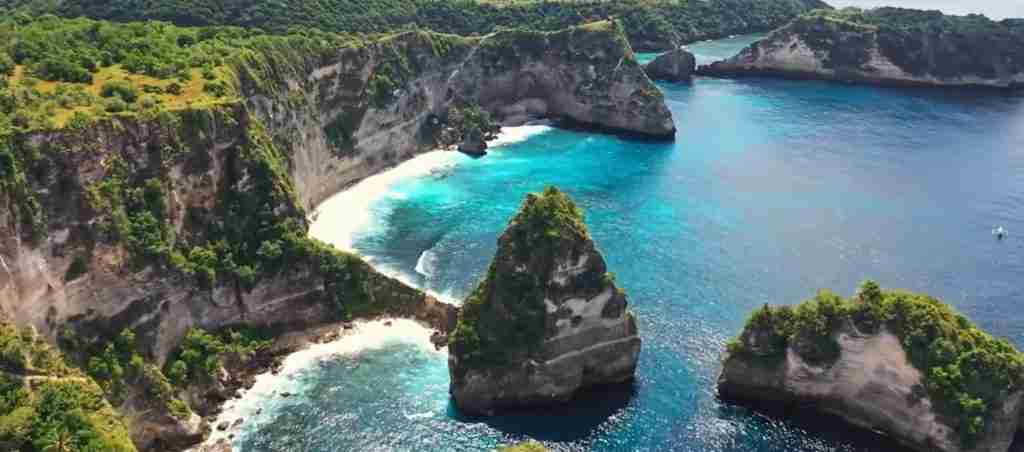
Kelingking Beach stands as Nusa Penida’s most recognizable landmark—a dramatic limestone cliff formation resembling a Tyrannosaurus Rex head jutting into turquoise waters, creating one of Southeast Asia’s most photographed viewpoints. Located on the island’s southwest coast approximately 13 kilometers from Banjar Nyuh Harbor, Kelingking receives thousands of daily visitors drawn by its Instagram fame and spectacular natural architecture.
The main viewpoint sits atop the cliff accessed via a short 5-minute walk from the parking area through a path lined with small warungs selling drinks, snacks, and souvenirs. No entrance fee applies to the viewpoint itself, though parking costs IDR 5,000 for scooters and IDR 10,000 for cars. The classic photograph capturing the full T-Rex profile requires positioning yourself at the fenced viewing area with the formation to your right—arrive before 10:00 AM to photograph without crowds blocking shots and before harsh midday sun washes out the turquoise water colors.
The actual beach 200 meters below the viewpoint is reachable via an extremely challenging descent down approximately 700 bamboo and rope steps carved into the nearly vertical cliff face. This round-trip journey takes 60-90 minutes and ranks among Indonesia’s most physically demanding beach accesses. The stairs vary from well-maintained bamboo sections with handrails to rickety platforms and near-vertical rope climbs requiring genuine upper body strength. Anyone with fear of heights, limited fitness, heart conditions, or wearing improper footwear should absolutely skip this descent and enjoy only the viewpoint.
Descenders reaching the pristine white sand beach discover a stunning cove with powerful surf unsuitable for swimming but perfect for dramatic photography in relative solitude. The ascent back up proves significantly more challenging than descent with tropical heat and exhaustion affecting most climbers. Bring at least 1.5 liters of water per person for beach descenders, wear closed-toe shoes with excellent grip, and start the climb down no later than 10:30 AM to complete the round trip and continue your itinerary comfortably. Budget 90 minutes total for viewpoint-only visits or 2.5-3 hours if descending to the beach.
Broken Beach and Angel’s Billabong: Natural Wonders 2026
Broken Beach (Pasih Uug) and Angel’s Billabong sit adjacent to each other on Nusa Penida’s southwest coast, allowing combined visits in a single stop approximately 6 kilometers west of Kelingking Beach along steadily improving paved roads. These connected natural formations create stunning coastal scenery accessible via easy walking suitable for all fitness levels.
Broken Beach features a collapsed sea cave forming a natural archway where ocean water flows into a circular cove approximately 50 meters in diameter. The entire formation can be circumnavigated via a well-maintained path taking 20-30 minutes, offering constantly changing perspectives on the arch, cove, and surrounding limestone cliffs. Manta rays occasionally swim in the cove visible from clifftop viewpoints, though sightings are unpredictable. A combined entrance fee of IDR 10,000 covers both Broken Beach and Angel’s Billabong with parking costing IDR 5,000 for scooters.
Angel’s Billabong lies 400 meters from Broken Beach via a rocky coastal path—a natural infinity pool formed by eroded coral rock creating a crystalline lagoon between limestone walls. During low tide, calm conditions allow swimmers to enter the pool and photograph the emerald waters against ocean backdrops. However, timing is critical as high tide and strong swells can sweep people out to sea—multiple fatalities have occurred when tourists ignored warning signs or entered during dangerous conditions. Check tide tables before visiting and only enter during confirmed low tide with calm sea conditions, never during high tide or rough weather regardless of how inviting the water appears.
The clifftop area around Angel’s Billabong features numerous warungs serving drinks, snacks, and basic Indonesian meals (nasi goreng, mie goreng, satay) at inflated tourist pricing (IDR 50,000-80,000 per dish compared to IDR 30,000-40,000 elsewhere). Budget 60-90 minutes combined for both Broken Beach and Angel’s Billabong exploration including walking time between sites.
Crystal Bay: Beach Access and Snorkeling 2026
Crystal Bay serves as the west coast circuit’s relaxation destination—an accessible white sand beach with calm swimming conditions, excellent snorkeling, and stunning sunset views across the Badung Strait toward Bali’s Mount Agung. Located approximately 7 kilometers northeast of Broken Beach on Nusa Penida’s northwest tip, Crystal Bay offers the circuit’s only genuine beach swimming opportunity alongside developed tourism facilities including beach clubs, restaurants, and dive operators.
Beach access requires no entrance fee beyond the standard harbor parking charge (IDR 5,000-10,000). The bay’s sheltered position creates calmer water conditions compared to Nusa Penida’s exposed southern coast, making it suitable for recreational swimming and beginner snorkeling. Coral reefs start 20-30 meters offshore supporting colorful fish populations including parrotfish, angelfish, and occasionally sea turtles. Snorkeling equipment rents from beach vendors for IDR 50,000-75,000, though serious snorkelers bring their own gear for better quality and fit.
Beach clubs like Penida Colada and Cactus Beach Club offer lounge chairs, swimming pools, restaurants, and bars creating the island’s most developed tourist infrastructure. These venues charge no entrance fees with minimum spending expectations around IDR 100,000-150,000 per person for food and drinks—reasonable considering location and amenities. Regular restaurant options line the beach road serving Indonesian and Western cuisine at moderate pricing (IDR 60,000-120,000 per main course).
Crystal Bay functions ideally as the day trip’s final stop before returning to the harbor, allowing 90-120 minutes for swimming, snorkeling, and refreshments followed by a 15-minute drive to Banjar Nyuh Harbor for evening ferry departures. Sunset viewing from Crystal Bay around 6:00 PM (timing varies by season) creates spectacular silhouettes of Bali’s volcanoes, though day-trippers catching 4:00-5:00 PM return ferries miss this golden hour photography opportunity.
East Coast Alternative: Diamond Beach Circuit 2026
Nusa Penida’s east coast remains less visited than the west despite offering equally spectacular scenery with dramatic coastal formations, pristine beaches, and fewer crowds. The eastern circuit suits second-time visitors, photographers seeking unique perspectives, or travelers deliberately avoiding Kelingking Beach’s mass tourism. Road access has improved dramatically with most routes now fully paved, though some sections remain steeper and more remote than west coast equivalents.
Diamond Beach: Instagram Staircase and Pristine Sand 2026
Diamond Beach on Nusa Penida’s southeast coast earned its name from distinctive diamond-shaped rock formations rising from turquoise waters beside a pristine white sand beach accessible via approximately 280 concrete stairs carved into limestone cliffs. The beach gained international attention as Bali’s “most Instagrammable” location following infrastructure improvements in 2018-2019, though recent construction has somewhat diminished its natural character.
The entrance area features a parking lot (IDR 5,000 for scooters, IDR 10,000 for cars) followed by an entrance booth charging IDR 25,000 per person. From the clifftop viewpoint, the famous concrete staircase descends the cliff face in switchbacks taking 10-15 minutes to the beach below. The stairs provide safe handrails and regular rest platforms, making the descent far less challenging than Kelingking Beach while still requiring moderate fitness for the return climb.
A controversial construction project began in 2024 to install an elevator system directly to the beach, though permit violations halted work mid-construction leaving an unsightly partial structure that appears in most current photographs. Local authorities plan to dismantle this structure in 2026, potentially restoring the beach to its original natural appearance. The beach itself offers stunning swimming conditions during calm weather with the diamond rock formations creating natural photo frames. Swimming is generally safe in the sheltered cove though surf can increase during afternoon winds requiring caution.
Small warungs at the clifftop sell drinks, fresh coconuts, and basic snacks at tourist pricing (inflated 50-100% above normal rates). Budget 90-120 minutes for the complete Diamond Beach experience including photography, beach time, and stair descent/ascent. Arrive before 11:00 AM to photograph without crowds and capture optimal sunlight on the diamond formations.
Atuh Beach and Thousand Islands Viewpoint 2026
Atuh Beach sits just 2 kilometers east of Diamond Beach, accessible via a steep paved road descending to a parking area (IDR 5,000-10,000) followed by approximately 250 stairs to the beach. This pristine cove features dramatic rock formations, white sand, and significantly fewer visitors compared to Diamond Beach’s Instagram fame. Entrance fees of IDR 25,000 per person fund local maintenance and beach facilities.
The beach offers excellent swimming conditions during calm weather with the surrounding limestone cliffs creating natural windbreaks. A small warung on the beach serves fresh coconuts, snacks, and basic Indonesian dishes allowing extended relaxation time. The descent and ascent require moderate fitness similar to Diamond Beach though stairs are less developed with more rustic bamboo sections in places.
Thousand Islands Viewpoint (also called Raja Lima or Rumah Pohon/Tree House) sits on cliffs above Atuh Beach offering panoramic vistas across the ocean toward small offshore islets. Access requires a separate entrance fee of IDR 50,000 per person covering the viewpoint and the famous tree house photo spot—a simple bamboo structure perched at the cliff edge creating dramatic photographs against the seascape backdrop. The 10-minute walk from parking to viewpoint involves steep stairs carved into rocky terrain requiring sturdy footwear.
Combined visits to Diamond Beach, Atuh Beach, and Thousand Islands Viewpoint consume approximately 4-5 hours including driving time between sites and attraction exploration. This forms the core of a full-day east coast circuit when adding lunch at local warungs and the drive from Banjar Nyuh Harbor (approximately 45-60 minutes on winding mountain roads).
Food and Dining Budget Strategies 2026
Nusa Penida’s dining landscape ranges from authentic local warungs serving traditional Indonesian cuisine at budget prices to international restaurants and beach clubs with premium pricing. Understanding food costs helps allocate daily budgets effectively across different spending levels.
Local warungs represent the most economical dining option with classic Indonesian dishes costing IDR 30,000-60,000 per main course in 2026. Nasi goreng (fried rice), mie goreng (fried noodles), nasi campur (mixed rice with sides), satay skewers, and gado-gado salad typically range IDR 30,000-50,000, while seafood dishes like grilled fish or calamari cost IDR 60,000-80,000. Fresh fruit juices and coconut water sell for IDR 15,000-25,000, small bottled water IDR 10,000-15,000. A full lunch or dinner at warungs including main course, drink, and optional dessert totals IDR 50,000-80,000 per person.
Mid-range tourist restaurants concentrated around Crystal Bay and major attractions charge IDR 60,000-120,000 for main courses with Western and Indonesian options. Indonesian classics cost the lower end (IDR 60,000-80,000) while Western dishes like pizza, pasta, burgers, and sandwiches reach IDR 90,000-150,000. Cocktails and imported beers add IDR 60,000-100,000 per drink, domestic Bintang beer costs IDR 35,000-50,000. Complete meals at these establishments run IDR 120,000-200,000 per person including one drink.
Beach clubs and upscale restaurants at locations like Penida Colada, Cactus Beach Club, and Acropora represent premium dining with main courses ranging IDR 120,000-200,000 and cocktails IDR 80,000-150,000. These venues justify higher pricing with beachfront locations, swimming pool access, comfortable seating, and atmospheric settings. Expect IDR 200,000-350,000 per person for meals with drinks at beach clubs.
Smart budget strategies include eating breakfast at Bali hotels before ferry departure, carrying packaged snacks and bottled water from Bali to avoid inflated attraction pricing, choosing lunch at authentic warungs rather than tourist restaurants, and selecting dinner after returning to Bali rather than on the island. Day-trippers following this approach can limit food spending to one modest lunch (IDR 50,000-80,000) plus drinks and snacks (IDR 40,000-60,000) for total food costs around IDR 100,000-150,000 per person.
Sample Day Trip Budgets Across Spending Levels 2026
Understanding complete day trip costs helps travelers budget appropriately based on their comfort preferences and travel style. These sample budgets account for all expenses from Bali departure through return.
Budget Backpacker: Independent Scooter Exploration
Ferry round-trip IDR 300,000, port entry fee IDR 25,000, scooter rental 24-hour IDR 100,000, fuel IDR 20,000, parking at attractions IDR 25,000 total, attraction entrance fees IDR 50,000 total, lunch at local warung IDR 60,000, snacks and drinks IDR 40,000. Total day cost: IDR 620,000 per person (approximately $40 USD, excluding Bali accommodation).
This budget assumes booking ferry tickets online in advance for best rates, sharing a scooter with a partner to split rental costs, choosing the cheapest dining options, and carrying water from Bali to minimize beverage purchases. Solo travelers riding scooters alone add IDR 100,000 to the total (IDR 720,000 per person). Backpackers accepting basic conditions and forgoing comfort save significantly compared to organized tours while maintaining complete itinerary flexibility.
Mid-Range Comfort: Private Driver with Restaurant Dining
Ferry round-trip IDR 400,000, port entry fee IDR 25,000, private driver full-day IDR 600,000 split among 4 passengers equals IDR 150,000 per person, attraction entrance fees IDR 75,000, lunch at tourist restaurant IDR 120,000, afternoon snack and drinks at beach club IDR 80,000. Total day cost: IDR 850,000 per person (approximately $55 USD, excluding Bali accommodation).
Mid-range budgets prioritize comfort and convenience through air-conditioned private transport, quality restaurants with varied menus, and beach club experiences while maintaining reasonable cost control. Groups of 4-6 people splitting private driver costs achieve excellent value compared to individual scooter rentals when factoring comfort improvements. Solo travelers or couples hiring private drivers independently face higher per-person costs (approximately IDR 1,050,000-1,200,000) but still receive superior experiences compared to budget options.
Premium Experience: Organized Tour with Upgrades
Premium organized tour package including private boat transfer, small group size (6-8 people), guide services, entrance fees, quality lunch IDR 1,500,000. Additional costs: beach club drinks and refreshments IDR 150,000, optional snorkeling rental and tips IDR 100,000. Total day cost: IDR 1,750,000 per person (approximately $112 USD, excluding Bali accommodation).
Premium packages eliminate all planning stress while providing superior experiences through private boat transfers avoiding crowded ferries, smaller groups allowing personalized attention, quality restaurants rather than tourist traps, and professional guides offering cultural insights. Solo travelers appreciate premium tours as they avoid single supplements charged by private driver hire while enjoying refined experiences. Couples and small groups consider whether the approximate 3x cost premium versus budget options justifies the convenience and comfort improvements based on personal priorities.
Snorkeling and Water Activities Planning 2026
Nusa Penida’s marine environment ranks among Bali’s premier underwater destinations, particularly for encountering oceanic manta rays year-round and diverse coral reef ecosystems. Understanding snorkeling options, costs, and logistics helps water activity enthusiasts maximize their day trip experience.
Manta Point on Nusa Penida’s southern coast represents one of Southeast Asia’s most reliable manta ray encounter sites with these majestic creatures measuring up to 4-5 meters wingspan frequenting cleaning stations and plankton-rich waters. The site sits approximately 15 minutes by boat from Crystal Bay requiring organized snorkeling tours rather than shore access. Boat-based snorkeling packages visiting Manta Point, Crystal Bay, and Gamat Bay or Wall Point cost IDR 350,000-500,000 per person for 2-3 hour tours including equipment, guides, and boat transport. These tours typically depart Crystal Bay or Sampalan Harbor between 8:00 AM and 2:00 PM depending on tide and weather conditions.
Manta ray sightings occur year-round though July through October during Bali’s dry season offers optimal visibility and calmest seas. The creatures are wild animals without guaranteed appearances, though sighting rates exceed 80% during favorable conditions. Strong currents at Manta Point require moderate swimming ability and confidence in open water snorkeling—this is not an ideal first snorkeling experience for nervous swimmers. Guides provide life jackets and assistance, but participants should honestly assess their comfort levels before booking.
Crystal Bay offers excellent shore-based snorkeling accessible directly from the beach without tour requirements. Coral reefs start 20-30 meters from shore in depths of 2-5 meters supporting tropical fish populations, occasional sea turtles, and healthy coral formations. Snorkeling equipment rents from beach vendors for IDR 50,000-75,000 though quality varies significantly—serious snorkelers bring their own masks and fins ensuring proper fit and anti-fog treatment. Shore snorkeling at Crystal Bay suits beginners and families with calm conditions most mornings, though afternoon winds can increase wave action reducing visibility.
Day-trippers combining snorkeling with land-based sightseeing face timing challenges as boat-based snorkeling tours consume 3-4 hours including travel time, potentially limiting attraction visits. The most balanced approach involves dedicating one day trip exclusively to snorkeling/diving activities visiting Manta Point, Crystal Bay, and other marine sites, then returning on a second day trip focused on land attractions like Kelingking Beach and Broken Beach. Alternatively, choose shore snorkeling at Crystal Bay as your final west coast stop allowing 90 minutes swimming time before catching return ferries without sacrificing major land attraction visits.
Best Time to Visit Nusa Penida for Day Trips 2026
Seasonal weather patterns, tourist crowd levels, and ferry conditions vary significantly throughout the year affecting day trip quality and logistics. Understanding these patterns helps optimize visit timing for individual priorities whether focused on weather, photography, budget, or crowds.
The dry season spanning April through October 2026 provides optimal conditions with minimal rainfall, calm seas, clearer skies, and better photography lighting. April, May, September, and October represent the sweet spot combining dry season weather benefits with reduced tourist crowds compared to peak months. Ferries operate reliably with rare cancellations, water visibility for snorkeling reaches 15-20 meters, and attraction viewpoints offer unobstructed ocean vistas without haze. Photographers particularly value early dry season (April-May) for dramatic cloud formations adding interest to cliff and beach compositions while maintaining clear lighting conditions.
June through August constitute peak tourist season when international summer vacations and Indonesian school holidays drive maximum visitation. Kelingking Beach viewpoint becomes uncomfortably crowded between 10:00 AM and 2:00 PM with hundreds of visitors jostling for photos, ferry tickets sell out requiring 5-7 day advance booking, and accommodation prices across Bali increase 30-50%. The tradeoff involves guaranteed excellent weather with minimal rain risk and longest daylight hours (sunrise ~6:00 AM, sunset ~6:15 PM) allowing early starts and late returns. Budget-conscious travelers avoid peak season unless schedule flexibility is limited.
The wet season from November through March brings afternoon rain showers, rougher seas occasionally canceling ferry departures, and reduced water visibility for snorkeling (10-12 meters versus 15-20 meters dry season). However, this period offers significant advantages for budget travelers and crowd avoiders: ferry tickets available day-of without advance booking, attractions nearly empty creating private experiences at major sites, accommodation prices down 40-60%, and morning hours often feature clear skies before afternoon showers begin. Flexible travelers able to adjust plans around weather benefit from wet season visits, while rigid schedules should stick to dry season reliability.
Within any given day regardless of season, arrive at Kelingking Beach before 10:00 AM for uncrowded photographs, visit Angel’s Billabong during low tide (check daily tide tables for timing—this varies from 8:00 AM to 4:00 PM depending on lunar cycle), and reserve Crystal Bay for afternoon swimming and sunset viewing. Early birds catching 7:00-8:00 AM ferries from Sanur experience the island’s attractions in relative solitude during golden hour lighting before tour groups arrive mid-morning.
Safety Considerations and Emergency Preparedness 2026
Nusa Penida’s remote location, limited infrastructure, and challenging terrain create safety considerations requiring proper preparation and awareness. Understanding risks and emergency procedures ensures safe enjoyable visits while managing inevitable uncertainties of adventure travel.
Medical facilities on Nusa Penida consist only of basic community health clinics (Puskesmas) in Sampalan and Ped villages capable of treating minor injuries and illnesses but lacking equipment for serious trauma, cardiac events, or specialized care. Serious medical emergencies require ferry evacuation to mainland Bali hospitals—a process consuming minimum 2-3 hours from remote island locations through harbor transit, ferry crossing (no medical ferries, only regular tourist boats), and ground transport to Sanur before continuing to Denpasar hospitals. This reality makes travel insurance with emergency medical evacuation coverage absolutely essential for Nusa Penida visits.
The most common injuries involve slips and falls on wet stairs, particularly at Kelingking Beach, Diamond Beach, and Peguyangan Waterfall where steep staircases become extremely slippery from ocean spray and tourist foot traffic. Wearing shoes with excellent grip (hiking sandals like Chacos or Tevas, trail runners, or closed-toe water shoes) dramatically reduces slip risk compared to flip-flops or smooth-soled sneakers. Take stairs slowly, use handrails consistently, and skip descents if recovering from injuries or managing chronic conditions affecting balance and mobility.
Scooter accidents represent another significant risk with challenging road conditions, unfamiliar traffic patterns, and inexperienced riders creating dangerous combinations. Common scenarios include losing control on steep descents, sliding on loose gravel, and collisions with oncoming traffic on narrow roads. Riders absolutely must possess genuine motorcycle licenses (not just car licenses), wear helmets always, maintain conservative speeds particularly on descents, and avoid riding at night when roads become extremely hazardous. Anyone uncertain about their riding ability should hire private drivers rather than attempting scooter operation.
Ocean hazards require respect and caution. Angel’s Billabong kills tourists periodically when large swells sweep people from the rocks into the ocean—only enter during confirmed low tide with calm seas, never during high tide or rough conditions regardless of how inviting the water appears. Crystal Bay and Atuh Beach maintain generally safe swimming conditions though surf increases during afternoon winds and wet season swells. Never swim alone, avoid swimming while intoxicated, and respect red flag warnings when posted by locals.
Sun exposure poses less dramatic but nearly universal risks. Nusa Penida sits 8 degrees south of the equator with intense tropical sun creating severe sunburn risk within 20-30 minutes of unprotected exposure. Apply SPF 50+ reef-safe sunscreen before ferry departure, reapply every 90 minutes, wear wide-brimmed hats or caps, and consider long-sleeve sun shirts particularly for extended beach time. Dehydration follows quickly in tropical heat—drink at least 2-3 liters of water throughout the day, more during strenuous activities like beach descents.
Keep emergency contact information including insurance company 24-hour assistance numbers, hotel contacts, and embassy information accessible on phones. Share itineraries with friends or family not accompanying you to Nusa Penida. Consider purchasing Indonesian SIM cards (available at airport or Bali convenience stores for IDR 50,000-100,000) for reliable phone service on the island—some international roaming plans experience spotty coverage in remote areas.
Combining Nusa Penida with Nusa Lembongan and Nusa Ceningan 2026
The three Nusa Islands—Penida, Lembongan, and Ceningan—lie within close proximity with regular boat connections allowing multi-island exploration within extended Bali itineraries. Understanding inter-island transport and relative attractions helps travelers decide whether to combine islands or dedicate full days to single destinations.
Nusa Lembongan sits just 5 kilometers northwest of Nusa Penida separated by shallow channels navigable by small boats in 15-20 minutes. Multiple operators provide Nusa Penida to Nusa Lembongan ferry services throughout the day costing IDR 100,000-150,000 per person one-way. Nusa Lembongan’s much smaller size (8 square kilometers versus Penida’s 202) and more developed infrastructure creates a notably different character—the island features paved roads throughout, numerous hotels and restaurants, beach clubs, and a more relaxed resort atmosphere. Popular activities include surfing at Shipwreck and Playgrounds breaks, snorkeling the channel between Lembongan and Ceningan, and visiting the iconic Yellow Bridge connecting the two islands.
Nusa Ceningan, the smallest island at just 3 square kilometers, connects to Nusa Lembongan via the pedestrian Yellow Bridge suspended above the channel. This tiny island delivers dramatic cliff scenery, the famous Blue Lagoon cliff jumping spot, and beach clubs like Mahagiri Beach Club and Le Pirate. The entire island can be circled by scooter in 45 minutes making it ideal for brief afternoon explorations combined with Lembongan visits.
Travelers attempting to visit all three islands in a single day trip from Bali create overly ambitious itineraries with excessive transport time reducing attraction enjoyment. A more sensible approach involves choosing either: (1) Full day on Nusa Penida visiting west coast highlights, or (2) Combined Lembongan-Ceningan day trip with possible brief Nusa Penida viewpoint visits if starting very early. Serious island exploration requires 2-3 days: Day 1 on Nusa Penida’s west coast, Day 2 exploring Nusa Penida’s east coast or combined Lembongan-Ceningan, Day 3 on remaining islands or return to Bali.
Inter-island logistics favor overnight stays rather than day-tripping due to ferry schedules and accommodation distribution. Travelers can ferry from Sanur to Nusa Penida, explore the island for 1-2 days while staying at Nusa Penida hotels, then ferry to Nusa Lembongan for 1-2 days before final ferry return to Bali. This pattern eliminates daily ferry costs while allowing deeper island exploration without time pressure. Budget approximately IDR 300,000-600,000 per night for basic to mid-range Nusa Penida accommodation versus IDR 400,000-1,200,000 for equivalent Lembongan hotels reflecting Lembongan’s more developed tourism infrastructure.
Environmental and Cultural Responsibility 2026
Nusa Penida’s rapid tourism growth created significant environmental pressure including plastic waste accumulation, coral reef damage from increased boat traffic and inexperienced snorkelers, and strain on limited freshwater resources. Responsible tourism practices help preserve the island’s natural beauty while supporting local communities managing this sudden development.
Single-use plastic represents the island’s most visible environmental challenge with inadequate waste management infrastructure struggling to handle tourist-generated refuse. Visitors dramatically reduce impact by bringing refillable water bottles from Bali, refusing plastic bags at warungs and shops, carrying small dry bags for trash collection until proper disposal, and supporting restaurants using biodegradable packaging. Several Nusa Penida accommodations and beach clubs now offer free water refills from filtered systems—take advantage of these services rather than purchasing bottled water.
Reef-safe sunscreen protects marine environments that make Nusa Penida special. Chemical sunscreens containing oxybenzone and octinoxate damage coral reefs even in small concentrations, contributing to bleaching and ecosystem disruption. Mineral-based sunscreens using zinc oxide or titanium dioxide as active ingredients provide effective sun protection without reef damage—check labels for “reef-safe” certification before purchasing. Multiple international brands now widely available in Bali stores offer reef-safe formulations at slightly higher prices justified by environmental protection.
Snorkeling and diving etiquette minimizes underwater impact. Never stand on, touch, or grab coral reefs—these are living organisms damaged by physical contact. Maintain neutral buoyancy avoiding fin kicks that stir sediment onto reefs. Keep safe distances from marine life including manta rays, sea turtles, and reef fish allowing natural behavior rather than pursuing for photos. Choose snorkeling operators demonstrating environmental awareness through briefings on reef protection and limitations on group sizes at sensitive sites.
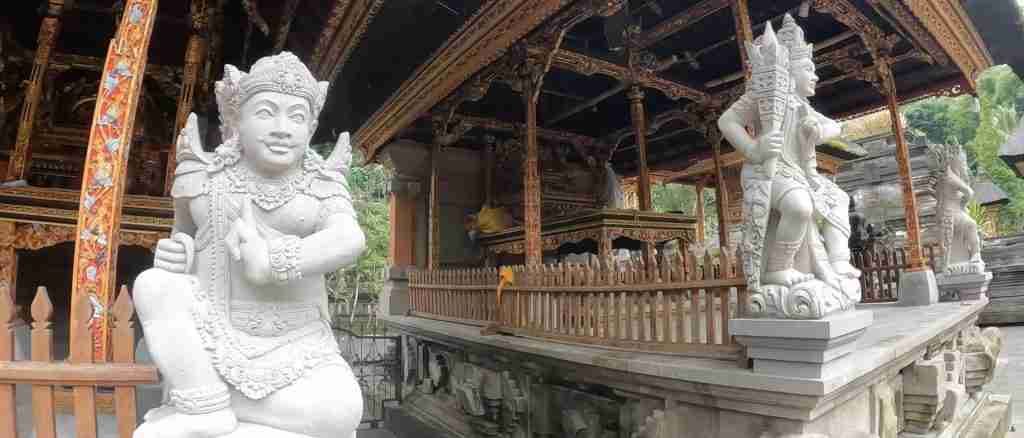
Cultural respect matters at Nusa Penida’s numerous Hindu temples including Goa Giri Putri Cave Temple and Peguyangan Waterfall temple areas. Visitors must wear sarongs covering legs below the knee when entering temple compounds—rental sarongs are available at entrances for IDR 5,000-10,000. Remove shoes before entering temple buildings, behave respectfully avoiding loud noise or disruptive behavior, and never climb on temple structures or statues for photos regardless of how good the composition might be. Women experiencing menstruation traditionally avoid entering Balinese temples out of cultural respect for local customs.
Support local economy by choosing locally-owned warungs over international franchises, hiring local guides and drivers, purchasing handicrafts directly from village artisans, and respecting quoted prices without excessive haggling that undervalues local services. Nusa Penida’s tourism economy provides crucial income supporting island communities, but benefits should flow to local families operating small businesses rather than consolidating with outside tour operators and international chains.
Frequently Asked Questions About Nusa Penida Day Trips 2026
Do I need to book ferry tickets in advance or can I buy them at the harbor?
During peak season (July-August, December-January), advance booking 3-7 days prior is strongly recommended as morning ferries frequently sell out. Shoulder season travelers (April-June, September-November) can usually book 1-2 days ahead or purchase tickets at Sanur Harbor on travel day, though this risks limited availability at preferred times. Online booking through platforms like 12Go.asia, Ferryhopper, or direct ferry company websites provides price transparency, confirmed schedules, and e-ticket confirmation eliminating harbor queuing, though harbor walk-up purchases may offer slightly cheaper rates from ticket touts (with corresponding risks of scams or unreliable operators).
Can I visit both Kelingking Beach and Diamond Beach in one day?
Visiting both sides of Nusa Penida in a single day is technically possible but creates an exhausting rushed itinerary with minimal time actually enjoying either location. The drive from Kelingking Beach on the west coast to Diamond Beach on the east coast takes 75-90 minutes through mountainous interior terrain, consuming 3+ hours of your limited island time on transportation alone. Most visitors find better value dedicating full days to single coast circuits or returning to Nusa Penida on separate days to explore each area properly. Attempting both in one day means choosing viewpoint-only visits without beach descents and skipping intermediary attractions that make each circuit special.
Is it safe to drink tap water on Nusa Penida?
No, tap water across Nusa Penida is not safe for drinking without purification. The island’s limited freshwater supply comes from wells with variable water quality unsuitable for consumption without treatment. Stick to sealed bottled water purchased from shops (IDR 10,000-15,000 for 1.5-liter bottles) or bring refillable bottles from Bali that you can fill from hotel filtered water before ferry departure. Some restaurants and beach clubs offer free filtered water refills—ask staff about availability. Avoid ice in drinks unless confident it’s made from purified water, particularly at roadside warungs. Bring sufficient bottled water for full-day excursions as availability and pricing vary significantly across the island with tourist attractions charging inflated rates.
What should I wear for visiting Nusa Penida’s attractions?
Wear sturdy closed-toe shoes with excellent grip (hiking sandals, trail runners, or water shoes) rather than flip-flops which prove dangerously slippery on wet stairs at Kelingking Beach and Diamond Beach. Bring swimwear for Crystal Bay or Atuh Beach swimming, covered by shorts and t-shirt for scooter riding and temple visits. Lightweight quick-dry clothing handles tropical heat and sudden rain better than cotton. Wide-brimmed hats or caps protect from intense sun exposure at exposed clifftop viewpoints. Sarongs are mandatory for temple visits—bring your own or rent at entrances for IDR 5,000-10,000. Pack a small dry bag protecting phones, wallets, and cameras during boat crossings and storing items while swimming. Layers help manage temperature differences between air-conditioned ferries and outdoor island heat.
How much Indonesian Rupiah cash should I bring to Nusa Penida?
Bring at least IDR 500,000-800,000 in small bills (20,000 and 50,000 denominations) as most establishments on Nusa Penida operate cash-only without credit card acceptance. This covers port entry fees (IDR 25,000), scooter rental (IDR 80,000-150,000), fuel (IDR 15,000-25,000), parking and entrance fees at attractions (IDR 50,000-100,000 total), meals and drinks (IDR 100,000-200,000), and emergency buffer. ATMs exist at harbor areas and Ped village but frequently run out of cash or malfunction—do not rely on Nusa Penida ATMs for funds. Exchange sufficient currency in Bali before departure where rates are better and ATM reliability higher. Organized tour participants need less cash (IDR 200,000-300,000) as major expenses are pre-paid, covering only personal meals and extras.
Are there luggage storage facilities at Nusa Penida harbors for day-trippers?
Formal left-luggage facilities do not exist at Nusa Penida harbors, though some scooter rental shops and tour operators offer informal storage for small bags during day trips at no charge or nominal fees (IDR 20,000-50,000). The better solution involves minimizing what you bring to Nusa Penida—keep only day trip essentials (water, sunscreen, camera, wallet, phone) in a small backpack or dry bag that rides comfortably on scooters or stores under private driver vehicle seats. Leave all other belongings secured at Bali hotel rooms with valuables in hotel safes. Bringing large luggage to Nusa Penida for day trips creates unnecessary complications during ferry crossings, scooter operation, and attraction visits.
Can I use Grab or Gojek ride-hailing apps on Nusa Penida?
No, Grab and Gojek do not operate on Nusa Penida as of 2026. The island lacks the driver density and road infrastructure required for app-based ride-hailing services. Transportation options are limited to scooter rental, private driver hire arranged through hotels or harbor touts, or organized tour packages. This makes pre-planning your island transportation method essential rather than relying on on-demand services available in Bali. Independent travelers comfortable with scooters gain significant flexibility, while those requiring drivers must arrange services in advance through accommodation, tour operators, or harbor negotiation upon arrival.
What happens if weather causes ferry cancellations—can I get refunded?
Ferry cancellations due to dangerous sea conditions occur occasionally during wet season (November-March) when strong winds and large swells make crossings unsafe. Reputable ferry operators offering online bookings typically provide rebooking on alternative dates or refunds for weather-related cancellations, though processing timelines and policies vary by company—review terms carefully when booking. Harbor walk-up ticket purchases face more difficulties securing refunds from cash-based operations without formal booking systems. The most practical approach involves monitoring weather forecasts leading up to travel dates and maintaining schedule flexibility allowing date changes if conditions appear questionable. Travel insurance with trip interruption coverage provides additional protection though most policies don’t cover simple schedule changes for weather unless creating complete trip cancellations.
Are there any COVID-19 requirements for visiting Nusa Penida in 2026?
As of 2026, Indonesia has removed most COVID-19 entry requirements for international travelers including vaccination certificates and pre-arrival testing. However, local regions maintain authority to implement health measures, so checking current Klungkung Regency (which administers Nusa Penida) regulations before travel remains prudent. Some accommodations and attractions may still request hand sanitizer use or masks in crowded indoor areas as voluntary measures. The pandemic accelerated cleanliness improvements at popular tourist sites with more bathrooms, waste management, and facility maintenance now standard at major attractions. Carry hand sanitizer and masks in bags for flexibility responding to any remaining requirements without disrupting itineraries.
Can children and elderly visitors safely enjoy Nusa Penida attractions?
Nusa Penida’s challenging terrain makes some attractions unsuitable for young children and elderly visitors with limited mobility, while other locations offer accessible experiences for all ages. Viewpoint-only visits to Kelingking Beach, Broken Beach, and Angel’s Billabong involve minimal walking on relatively flat ground suitable for families with children and seniors able to walk short distances. Beach descents at Kelingking and Diamond Beach require significant fitness unsuitable for young children, elderly, or anyone with joint problems. Crystal Bay’s accessible beach offers family-friendly swimming and snorkeling for all ages. Private driver hire rather than scooter rental provides safer more comfortable transport for families with children and elderly passengers. Set realistic expectations based on individual capabilities rather than forcing strenuous activities that create stress and safety risks.