
Norway UNESCO World Heritage Sites: Complete Travel Guide 2026
Norway showcases extraordinary cultural and natural heritage through its eight UNESCO World Heritage Sites, ranging from ancient stave churches and rock art to dramatic fjord landscapes and industrial heritage. Planning your 2026 visit to these remarkable sites requires understanding their unique characteristics, accessibility, and the best strategies for experiencing Norway’s contributions to humanity’s shared heritage.
Key Takeaways
- Eight UNESCO Sites: Norway protects eight World Heritage Sites including Urnes Stave Church and Bryggen (inscribed 1979), Røros Mining Town (1980), Rock Art of Alta (1985), Vegaøyan (2004), West Norwegian Fjords and Struve Geodetic Arc (2005), and Rjukan-Notodden (2015)
- Geographic Diversity: Sites span from Arctic Circle rock carvings in Alta to Bergen’s medieval wharf, covering cultural landmarks, natural wonders, and industrial heritage across Norway’s dramatic landscapes
- Planning Strategy 2026: Summer months (June-August) offer optimal access to all sites with extended hours and full ferry services, while shoulder seasons (May, September) provide fewer crowds and lower costs for most locations
- Combined Visits: West Norwegian Fjords pair naturally with Urnes Stave Church, while Røros and Rjukan-Notodden create logical multi-day itineraries for visitors exploring southern and central Norway
- Budget Considerations: Most sites charge modest admission fees (€10-25), with significant savings available through Norway’s museum passes and combination tickets for multiple stave churches or regional attractions
- Transportation Networks: Efficient public transport connects major sites like Bryggen and Røros, while remote locations such as Urnes and Vegaøyan require advance ferry bookings and careful schedule coordination
People Also Ask About Norway UNESCO Sites 2026
How many UNESCO World Heritage Sites does Norway have in 2026?
Norway maintains eight UNESCO World Heritage Sites as of 2026. The sites include Bryggen in Bergen and Urnes Stave Church (both inscribed 1979), Røros Mining Town and the Circumference (1980, expanded 2010), Rock Art of Alta (1985), Vegaøyan archipelago (2004), West Norwegian Fjords comprising Geirangerfjord and Nærøyfjord (2005), Struve Geodetic Arc (2005, transnational), and Rjukan-Notodden Industrial Heritage Site (2015). Seven sites are cultural designations, while only the West Norwegian Fjords qualify under natural criteria. Norway also maintains six properties on its tentative list for future consideration, including Viking monuments in Vestfold and potential expansion of Laponia to include Norwegian Sami territories.
What is the best time to visit Norway’s UNESCO sites in 2026?
The optimal period for visiting Norway’s UNESCO sites runs from mid-June through August 2026, when all locations maintain full operating schedules and accessibility. The West Norwegian Fjords showcase spectacular waterfall volumes from snowmelt, Urnes Stave Church offers daily guided tours, and Arctic daylight extends viewing hours at Alta’s rock art. Shoulder seasons provide advantages: May and September deliver 30-40% lower accommodation costs, minimal crowds at popular sites like Bryggen, and comfortable temperatures for exploring Røros and Rjukan-Notodden. Winter visits (December-March) suit Røros’ atmospheric mining town with Christmas markets, but severely limit access to fjord sites and require ferry schedule verification for island destinations like Vegaøyan.
Can you visit multiple Norway UNESCO sites in one trip during 2026?
Visiting multiple Norwegian UNESCO sites in a single 2026 trip proves highly feasible with strategic planning. Bergen’s Bryggen serves as an ideal starting point, combining easily with West Norwegian Fjords (Geirangerfjord or Nærøyfjord) and Urnes Stave Church in a 4-5 day western Norway itinerary. Southern routes pair Rjukan-Notodden Industrial Heritage with Røros Mining Town across 3-4 days. Comprehensive tours covering 5-6 sites require 10-14 days, utilizing Norway’s efficient train network between Bergen, Oslo, and Trondheim, supplemented by rental cars for fjord regions. Remote locations like Alta’s rock art and Vegaøyan archipelago demand dedicated travel time, making them better suited for extended trips or focused Arctic itineraries exceeding two weeks.
How much does it cost to visit Norway’s UNESCO sites in 2026?
Individual UNESCO site admission in Norway ranges €10-25 per adult in 2026, with most locations offering family rates and senior discounts. Urnes Stave Church charges approximately €12 for adults, Bryggen Museum costs €15, while Alta Rock Art Museum requires €18 admission. Transportation represents the larger expense: Bergen-Flåm fjord tours cost €50-90, ferry crossings to Urnes run €8-12 per person, and rental cars for multi-site exploration average €70-100 daily. Budget-conscious travelers achieve savings through combination tickets (multiple stave churches for €35), Norway museum passes providing free or discounted entry to 170 museums, and advance booking of accommodation in smaller towns like Røros where hotels range €90-140 per night compared to Bergen’s €180-250 rates.
Extended multi-day tours – 5+ days
Featured Norway Multi-Day Tour Packages
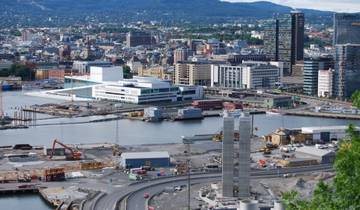
5 days
Norway in a Nutshell (Oslo to Bergen via Flam)
- ✓ Comprehensive Norway tour
- ✓ Expert local guides included
- ✓ All accommodation arranged
- ✓ Transportation provided
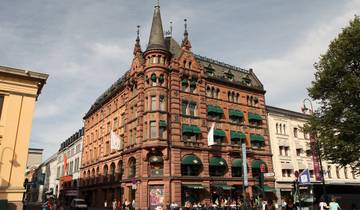
9 days
Best of Norway
- ✓ Comprehensive Norway tour
- ✓ Expert local guides included
- ✓ All accommodation arranged
- ✓ Transportation provided
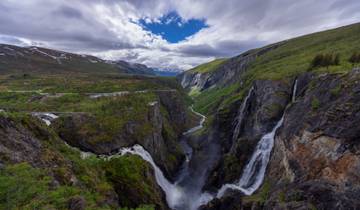
7 days
The beautiful Norway End Oslo
- ✓ Comprehensive Norway tour
- ✓ Expert local guides included
- ✓ All accommodation arranged
- ✓ Transportation provided
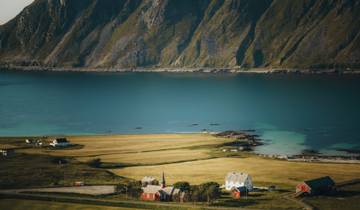
8 days
Trip Through the Lofoten Islands
- ✓ Booking needs min. 2 travelers
Multi-day tour packages powered by TourRadar. Prices and availability subject to change.
Introduction: Norway’s UNESCO World Heritage Legacy
Norway’s eight UNESCO World Heritage Sites represent an extraordinary tapestry of human achievement and natural splendor, chronicling over 6,000 years of cultural evolution from prehistoric hunter-gatherer communities to groundbreaking industrial innovation. These protected sites showcase Norway’s unique contributions to global heritage: medieval wooden architecture that survived centuries of harsh climate, rock art providing irreplaceable evidence of Arctic civilization, fjord landscapes of exceptional geological significance, and industrial complexes that revolutionized 20th-century manufacturing.
The diversity of Norway’s UNESCO portfolio distinguishes it among Scandinavian nations. Seven sites qualify under cultural criteria, spanning architectural masterpieces like Urnes Stave Church (built 1130), the remarkably preserved Bryggen wharf district documenting 400 years of Hanseatic trade, and innovative industrial heritage at Rjukan-Notodden where hydroelectric power transformed fertilizer production. Only one site—the West Norwegian Fjords—achieves inscription based purely on natural criteria, though its dramatic combination of geological forces and cultural landscape elements creates exceptional universal value.
Planning visits to these sites in 2026 requires understanding their geographic distribution across Norway’s vast territory. Western Norway concentrates four sites within relatively accessible proximity: Bryggen in Bergen, Urnes Stave Church along Lustrafjorden, and the West Norwegian Fjords encompassing Geirangerfjord and Nærøyfjord. Central Norway hosts Røros Mining Town in mountainous terrain 600 meters above sea level. Southern Norway features the Rjukan-Notodden Industrial Heritage spanning two towns in Telemark. Northern Norway preserves Alta’s prehistoric rock art near the Arctic Circle and the remote Vegaøyan archipelago off Helgeland’s coast. The Struve Geodetic Arc, a transnational site, touches northern Norway with survey points in Hammerfest, Alta, and Kautokeino.
Each site demands different visiting strategies and seasonal considerations. Summer months (June-August) provide optimal accessibility, with Urnes Stave Church offering daily guided tours, fjord ferries operating full schedules, and Alta benefiting from midnight sun illumination. However, peak season brings significant crowds to popular destinations like Geirangerfjord, where cruise ships discharge thousands of visitors daily. Shoulder seasons (May and September) balance reduced crowds with generally favorable weather, though some remote sites like Vegaøyan maintain limited services. Winter transforms certain sites: Røros becomes a atmospheric mining town under snow, while fjord access restricts dramatically and some locations close entirely.
The practical challenges of visiting Norway’s UNESCO sites in 2026 include substantial distances between locations, varying accessibility requirements, and seasonal operation schedules that demand careful advance planning. Travelers must coordinate ferry timetables for Urnes and Vegaøyan, verify opening hours for smaller museums, and prepare for weather variables that can disrupt transport connections. This comprehensive guide addresses these planning complexities, providing detailed information for each site alongside strategic itineraries that maximize your UNESCO World Heritage experience across Norway’s remarkable landscapes.
Understanding Norway’s UNESCO World Heritage Sites in 2026
The UNESCO Selection Criteria
UNESCO evaluates potential World Heritage Sites against ten criteria, six addressing cultural significance and four covering natural heritage. Norway’s eight sites demonstrate outstanding universal value through diverse combinations of these criteria. Urnes Stave Church exemplifies criteria (ii) and (iii), representing exceptional exchange of human values through its blend of Viking art traditions and Romanesque architecture, while serving as outstanding testimony to Norwegian medieval wooden construction techniques. Bryggen qualifies under criterion (iii) for its exceptional testimony to Hanseatic trade networks and wooden urban architecture spanning the 14th through 18th centuries.
The West Norwegian Fjords achieved inscription through natural criteria (vii) and (viii), recognized for superlative natural phenomena of exceptional beauty and as outstanding examples representing major stages of Earth’s geological history. The fjords demonstrate active glacial processes with hanging valleys, waterfalls, and submarine moraines. Rock Art of Alta satisfies criterion (iii) as exceptional testimony to prehistoric hunter-gatherer societies in the Arctic, with over 6,000 carvings documenting 6,000 years of human settlement patterns, religious practices, and daily life.
Røros Mining Town and the Circumference meets criteria (iii), (iv), and (v), serving as testimony to mining culture, representing outstanding examples of mining town architecture, and demonstrating traditional land use vulnerable to irreversible change. The Rjukan-Notodden Industrial Heritage qualifies under criterion (iv) as an outstanding ensemble of industrial sites showcasing hydroelectric power’s transformative impact on chemical manufacturing. The Struve Geodetic Arc, as a transnational serial property, satisfies criteria (ii), (iv), and (vi) for representing scientific collaboration, outstanding technological achievement, and association with events of universal significance in measuring Earth’s exact shape.
Norway’s UNESCO Timeline and Development
Norway’s UNESCO journey began in 1977 when the kingdom ratified the World Heritage Convention, making Norwegian sites eligible for international recognition. The country secured its first two inscriptions simultaneously in 1979 at the 3rd session of the World Heritage Committee in Cairo: Bryggen in Bergen and Urnes Stave Church. These initial selections established Norway’s commitment to preserving both urban cultural heritage and exceptional religious architecture.
The 1980s brought recognition of Røros Mining Town (1980) and Rock Art of Alta (1985), diversifying Norway’s portfolio to include industrial heritage and prehistoric sites. A significant gap followed until the 2000s, when Norway achieved four new inscriptions within a decade: Vegaøyan archipelago (2004), West Norwegian Fjords and Struve Geodetic Arc (both 2005), demonstrating expanded appreciation for cultural landscapes, natural phenomena, and scientific heritage. The Rjukan-Notodden Industrial Heritage Site became Norway’s most recent addition in 2015, highlighting early 20th-century technological innovation.
The 2010 expansion of Røros to include “the Circumference” represented an important evolution in World Heritage thinking, extending protection beyond the town center to encompass surrounding cultural landscape, traditional farmsteads, and mining infrastructure across a vast mountainous territory. This expansion recognized that cultural heritage extends beyond individual monuments to include interconnected landscapes shaped by centuries of human activity.
Norway maintains an active tentative list for future UNESCO consideration, including Viking monuments and ship burials in Vestfold (nominated 2011), potential expansion of Sweden’s Laponia to create a transnational Sami cultural landscape, and the Svalbard archipelago as a natural and cultural heritage site. These potential additions could increase Norway’s UNESCO portfolio to 11-12 sites over the coming decade, pending World Heritage Committee evaluation and approval.
Planning Your Norway UNESCO Sites Visit 2026
Seasonal Considerations for 2026
Summer 2026 (June 15-August 31) provides peak conditions for visiting Norway’s UNESCO sites, with all locations operating maximum schedules and optimal accessibility. The West Norwegian Fjords display spectacular scenery during this period, with snowmelt creating powerful waterfalls like Geirangerfjord’s Seven Sisters and Nærøyfjord’s numerous cascades. Urnes Stave Church offers daily guided tours between 10:30 AM and 4:30 PM, while Alta’s Rock Art Museum extends hours to accommodate midnight sun viewing. Ferry services operate full frequency, including essential connections to Urnes and Vegaøyan.
However, summer brings challenges requiring advance planning. Bergen’s Bryggen experiences heavy tourist traffic, with cruise ships discharging 5,000-8,000 passengers on peak days. Geirangerfjord receives similar crowds, making early morning or late afternoon visits advisable. Accommodation prices peak throughout western Norway, with Bergen hotels averaging €180-250 per night and Flåm-area lodging reaching €200-300. Popular fjord cruises and excursions sell out weeks ahead, particularly for specific departure times on premium routes.
Shoulder season (May 1-June 14 and September 1-30) offers compelling advantages for 2026 UNESCO visits. Accommodation costs drop 30-40% compared to peak summer rates, crowds diminish significantly at all sites, and weather remains generally favorable, though with increased precipitation likelihood. May provides excellent conditions for the West Norwegian Fjords with substantial waterfall flows and spring bloom, while September delivers stable weather with autumn colors enhancing Røros and Rjukan-Notodden landscapes. However, some services reduce frequency: Urnes Stave Church may limit hours or require advance booking, and Vegaøyan ferry schedules decrease.
Winter 2026 (October-April) transforms Norway’s UNESCO sites, creating distinctive experiences while limiting access. Røros Mining Town reaches atmospheric peak during winter, with Christmas markets (November 28-December 22, 2026) and winter festivals showcasing traditional mining culture. The town’s wooden architecture under snow provides exceptional photography opportunities. However, West Norwegian Fjords become largely inaccessible, with ferry services suspended on many routes. Urnes Stave Church closes to regular visitors, opening only for special events. Alta’s Rock Art Museum operates reduced winter hours, though the site offers northern lights viewing opportunities. Vegaøyan archipelago becomes extremely difficult to reach, with weather-dependent boat services.
Transportation Networks and Logistics 2026
Norway’s extensive public transportation system connects most UNESCO sites, though some locations require supplementary travel arrangements. Bergen’s Bryggen sits within easy reach via international flights to Bergen Airport Flesland, with frequent airport bus service (Flybussen) covering the 20-kilometer distance in 30 minutes for €12 per adult. Oslo Airport Gardermoen provides alternative access, with express trains reaching Oslo Central Station in 20 minutes, followed by Bergen Line trains (6.5 hours, €50-90 depending on class and booking time) offering spectacular mountain scenery.
The West Norwegian Fjords and Urnes Stave Church require coordinated planning. The famous Norway in a Nutshell route combines rail, bus, and ferry travel from Bergen or Oslo, reaching Flåm via the dramatic Flåm Railway before connecting to Sognefjord ferries. From Sognefjord, travelers reach Urnes via ferry from Solvorn (15 minutes, €8-12 per person), operating multiple daily departures during summer 2026. Geirangerfjord access utilizes buses from Ålesund or combination train-bus routes from Oslo, with the dramatic Trollstigen mountain road (opening typically late May, weather dependent) providing spectacular approach.
Central and southern UNESCO sites favor different transportation strategies. Røros Mining Town connects via direct trains from Oslo (5.5 hours, €45-80) or Trondheim (2.5 hours, €30-50), with frequent daily services year-round. Rjukan-Notodden requires bus connections from Oslo or combination train-bus routes via Kongsberg, with travel times extending 3-4 hours but offering flexibility for exploring both town centers and industrial sites. The remote nature of these locations makes rental cars advantageous for visitors planning multiple-day exploration of industrial heritage sites, workers’ housing, and surrounding hydroelectric installations.
Northern Norway UNESCO sites demand significant travel investment. Alta’s Rock Art Museum lies 400 kilometers north of Tromsø, accessible via daily flights from Oslo (3 hours) or long-distance bus services. The museum sits 5 kilometers from Alta town center, requiring taxi or rental car for the final approach. Vegaøyan archipelago represents Norway’s most challenging UNESCO destination, reached via Brønnøysund (flight from Oslo or Trondheim) followed by ferry services to Vega island, with onward boat connections to outer archipelago sites requiring advance booking and weather-dependent schedules.
Rental cars provide maximum flexibility for multi-site itineraries in 2026, particularly for combining West Norwegian Fjords with Urnes Stave Church or exploring Rjukan-Notodden industrial heritage comprehensively. Major rental agencies operate in Bergen, Oslo, Trondheim, and other cities, with daily rates averaging €70-100 for compact vehicles, €90-120 for SUVs better suited to rural roads. Note that Norwegian roads include numerous tolls collected automatically via rental car agreements, and mountain passes may close seasonally (typically October-May, varying by elevation and weather conditions).
Accommodation Strategies 2026
Bergen provides the widest accommodation range for UNESCO site visitors, with 80+ hotels spanning budget hostels (€35-50 per bed in shared rooms) to luxury waterfront properties (€250-400 per night). Mid-range hotels near Bryggen charge €140-180 for double rooms in summer 2026, with significant savings available through advance booking. Alternative accommodation in Bergen includes apartments (€100-150 nightly for 2-4 people) offering kitchen facilities that reduce meal costs, and guesthouses in residential areas providing authentic neighborhood experiences at €90-130 per night.
Smaller towns hosting UNESCO sites offer limited but characterful accommodation options. Røros features 12-15 hotels and guesthouses, with the historic Røros Hotel charging €130-180 for double rooms and smaller properties offering €90-120 rates. The town’s compact size makes location less critical, with all accommodation within 10 minutes’ walk of the mining town center. Booking ahead proves essential for Røros, particularly during the winter Christmas market and summer tourist peak when the limited room inventory fills completely.
Fjord region accommodation requires strategic planning for 2026 UNESCO visits. Flåm, serving as gateway to Nærøyfjord and Urnes Stave Church, provides 8-10 hotels ranging from basic tourist hotels (€120-160) to premium fjord-view properties (€200-300). The village of Solvorn, directly across Lustrafjorden from Urnes, features the historic Walaker Hotel (Norway’s oldest hotel, dating to 1640) charging €140-190 for rooms with fjord views. Geirangerfjord accommodation concentrates in Geiranger village, with 15+ hotels and numerous cabins, though advance booking becomes critical for summer 2026 when cruise ships create periodic accommodation shortages.
Alternative accommodation strategies reduce costs while enhancing UNESCO site experiences. Norwegian mountain lodges (DNT huts) provide budget options near hiking areas around Røros and Rjukan-Notodden, with prices averaging €40-60 per bed including breakfast. Camping proves popular throughout Norway, with sites near UNESCO locations charging €25-40 for tent pitches or €60-90 for cabin rentals. This approach works particularly well for multi-day fjord exploration, with campsites along Geirangerfjord and Nærøyfjord offering spectacular settings and facilities including kitchens, showers, and often stunning viewpoints.
Norway’s Eight UNESCO World Heritage Sites: Detailed Guides 2026
Bryggen, Bergen: Hanseatic Wharf Heritage
Bryggen represents Bergen’s historic wharf district, showcasing exceptional preservation of Hanseatic League architecture and urban planning from the 14th through 18th centuries. The site comprises 62 wooden buildings arranged in parallel rows perpendicular to the harbor, maintaining medieval lot divisions and construction techniques despite multiple fires and rebuilding efforts over 700 years. These structures, characterized by their distinctive gabled facades painted in ochre, red, and white, served as combined warehouses, offices, and living quarters for German merchants who dominated Bergen’s fish trade for over 400 years.
The Hanseatic Museum occupies one of the best-preserved merchant buildings, providing insights into daily life, trade practices, and social hierarchies of the Hanseatic period. The museum preserves original interiors with wooden sleeping quarters, assembly rooms, and storage areas exactly as merchants would have known them. Admission costs €15 for adults in 2026 (check official site for current rates), with guided tours included in the price offering detailed explanations of Hanseatic society, economic systems, and cultural exchange between Norway and northern Germany.
The Bryggen Museum, located just behind the historic wharf buildings, displays archaeological findings from excavations conducted during the 1950s-1970s. These excavations revealed 12 building levels representing Bergen’s development from the 12th century through modern times. The museum’s collection includes everyday objects, runic inscriptions, and architectural fragments illustrating medieval urban life. Combined tickets for the Hanseatic Museum and Bryggen Museum provide better value at approximately €25 for adults, offering comprehensive understanding of Bergen’s maritime heritage.
Walking through Bryggen’s narrow passages between buildings reveals the complex three-dimensional structure of the wharf district. Interior courtyards preserve wooden galleries, external staircases, and communal areas where Hanseatic workers conducted business and social activities. Modern Bryggen hosts restaurants, galleries, and craft shops operating within historic buildings, creating living heritage where contemporary use respects and maintains traditional architecture. This combination of preservation and active use represents exemplary heritage management, ensuring Bryggen remains a functional neighborhood rather than a static museum.
Photography opportunities abound throughout Bryggen, particularly during early morning or evening when angled light emphasizes the buildings’ wooden textures and creates dramatic shadows along the narrow passages. The classic viewpoint from Bryggen’s waterfront provides the iconic image of colorful gabled facades reflected in Vågen harbor, best captured during blue hour just after sunset. Winter visits offer unique atmospheric qualities with Christmas lights decorating the buildings and occasional snowfall creating picturesque scenes, though some interior attractions maintain reduced hours from November through March.
Urnes Stave Church: Medieval Wooden Architecture
Urnes Stave Church stands as Norway’s oldest surviving stave church, dating to approximately 1130 based on dendrochronological analysis of its timber. The church occupies a dramatic hillside location overlooking Lustrafjorden, one of Sogn og Fjordane’s innermost fjord branches, creating a spectacular natural setting that enhances the building’s cultural significance. The structure represents the culmination of Scandinavian wooden building traditions, incorporating sophisticated timber-frame construction techniques, intricate wood carving, and the synthesis of Viking artistic heritage with Christian architectural forms.
The church’s exterior features exceptional carved panels from an even earlier church (circa 1070), including the famous north portal displaying “Urnes style” ornamentation. This artistic style, characterized by slender, serpentine animals intertwined in complex patterns, represents the final phase of Viking Age art before full adoption of Romanesque influences. The portal carvings showcase remarkable preservation despite nearly 1,000 years of exposure to Norway’s harsh climate, testament to both Norwegian oak’s durability and careful maintenance by successive generations.
Inside, Urnes Stave Church reveals the sophisticated spatial organization characteristic of medieval church architecture. The nave features cylindrical wooden columns with cubic capitals, semi-circular arches, and a raised clerestory allowing natural light to illuminate the central space. The medieval interior preserves original elements including a crucifix above the chancel arch (circa 1150), one of Norway’s finest Calvary groups depicting Christ flanked by Mary and John the Baptist. Medieval candle holders, including a chandelier and boat-shaped altar candleholder, demonstrate the church’s continued ecclesiastical function across nearly nine centuries.
Visiting Urnes requires planning around ferry schedules and guided tour availability. The church operates seasonally, typically from mid-May through September, with daily guided tours departing between 10:30 AM and 4:30 PM during summer 2026. Admission costs approximately €12 for adults (check official site for current rates), with tours conducted in Norwegian and English providing detailed explanations of architectural features, artistic significance, and historical context. The Society for the Preservation of Norwegian Ancient Monuments, which has owned Urnes since 1881, limits visitor numbers to protect the delicate medieval structure, making advance booking advisable for peak summer periods.
Reaching Urnes involves a scenic ferry crossing from Solvorn village on Lustrafjorden’s opposite shore. The ferry operates multiple daily departures during summer (approximately every hour), taking 15 minutes and costing €8-12 per person. From the landing at Ornes, a 10-15 minute uphill walk leads to the church, with the path offering expanding fjord views. The limited road access to Ornes (narrow, winding, and often closed in winter) means ferry transport represents the primary means of reaching the site for most visitors. The journey itself enhances the UNESCO experience, providing time to appreciate the fjord landscape that contextualizes the church’s remote medieval setting.
Røros Mining Town and the Circumference
Røros represents an exceptionally preserved copper mining town, documenting 333 years of continuous mining operations from 1644 through 1977. The town’s survival owes much to its wooden architecture—over 80 buildings from the 17th and 18th centuries remain intact—creating an authentic urban environment that illustrates mining community organization, social hierarchies, and adaptation to sub-Arctic conditions. The UNESCO designation expanded in 2010 from the town center to include “the Circumference,” a vast cultural landscape encompassing mines, smelting facilities, transportation networks, and farmsteads across the surrounding mountains.
The town center displays characteristic grid-pattern urban planning with wooden buildings featuring turf roofs, external log construction, and mineral-painted facades. The Røros Church (1784), often called “the mining cathedral” for its imposing scale, dominates the townscape. This baroque-style church accommodates 1,600 worshippers, reflecting the mining community’s population peak and the copper company’s wealth. The church interior preserves original furnishings, painted decorations, and a baroque pulpit, offering free admission year-round with guided tours available on request.
The Røros Museum provides comprehensive interpretation of mining history, traditional agriculture, and daily life across different social classes. Located in multiple buildings throughout the town, the museum’s main facility occupies the old smelting house (Smelthytta) where copper ore underwent processing. Interactive exhibits demonstrate smelting techniques, ore extraction methods, and the harsh working conditions miners endured. Museum admission costs approximately €15 for adults in 2026, with combination tickets covering multiple museum sites offering better value at €25-30.
Exploring the Circumference reveals the extensive infrastructure supporting Røros’ mining operations. Visitors can access historic mine entrances at Storwartz and Olavsgruva, with guided underground tours (advance booking required, €20-30 per person) descending into working galleries where miners extracted copper ore using hand tools and gunpowder. The cultural landscape includes traditional mountain farms (seter) where families combined mining labor with summer livestock grazing, creating a unique economic system adapted to marginal agricultural conditions at 600-700 meters elevation.
Winter transforms Røros into an atmospheric destination showcasing traditional Norwegian Christmas celebrations. The Røros Christmas Market (typically final weekend of November through week before Christmas 2026) fills the historic town with traditional crafts, local foods, and cultural performances. Hotels and restaurants expand operations despite sub-zero temperatures (-15°C to -25°C common in December-January), making this one of Norway’s few UNESCO sites that arguably improves during winter months. Snow-covered wooden buildings, smoking chimneys, and the mining heritage create exceptional photographic conditions, though visitors must prepare for extreme cold with appropriate winter clothing.
Rock Art of Alta: Prehistoric Arctic Heritage
Alta’s rock carvings represent Northern Europe’s largest concentration of prehistoric rock art, documenting over 6,000 years of hunter-gatherer settlement in the Arctic. The site encompasses thousands of individual carvings and paintings across multiple locations around Altafjord, with the main concentration at Hjemmeluft now protected within Alta Museum. These images provide irreplaceable evidence of Stone Age and Bronze Age life in the far north, depicting hunting scenes, religious rituals, boats, animals, and geometric patterns that reveal complex social organization and sophisticated artistic traditions.
The carvings span an extraordinary timeline from approximately 5000 BCE through 500 BCE, showing stylistic evolution and changing cultural practices. Early carvings emphasize large-scale animal depictions—particularly reindeer and elk—alongside hunting scenes showing groups of figures using bows, spears, and what appear to be organized hunting fences. Later periods introduce boats, suggesting maritime activities became increasingly important. The art demonstrates remarkable technical skill despite using only stone tools and natural pigments, with figures ranging from small details to massive compositions several meters across.
Alta Museum provides the primary access point for experiencing the rock art, with well-designed outdoor trails connecting major carving sites. The 3-kilometer trail system includes boardwalks protecting sensitive areas while allowing close viewing of highlighted carvings. Red ochre paint applied to carved grooves enhances visibility, following the probable original appearance when ancient artists filled carvings with colored pigments. Indoor exhibits provide archaeological context, explaining dating techniques, artistic styles, and theories about the carvings’ cultural meanings and ritual functions.
Museum admission costs approximately €18 for adults in 2026, with guided tours included during summer months (June-August). The museum operates year-round with reduced winter hours (October-April), when northern lights viewing provides additional attraction for evening visits. Summer offers optimal conditions with midnight sun extending practical viewing time and emphasizing the carvings’ three-dimensional surface textures through constantly changing light angles. The museum’s elevated position above Altafjord provides spectacular views across the fjord to surrounding mountains, contextualizing the prehistoric landscape that sustained hunter-gatherer communities for millennia.
Four points of the Struve Geodetic Arc lie near Alta (Hammerfest, Alta, and two sites in Kautokeino), making combined visits feasible for dedicated heritage travelers. These survey points, marked by modern monuments, commemorate the 19th-century scientific achievement of measuring a meridian arc from Norway to the Black Sea. While lacking the visual drama of rock art, these sites appeal to science history enthusiasts and provide context for understanding international scientific cooperation in the pre-modern era.
West Norwegian Fjords: Geirangerfjord and Nærøyfjord
The West Norwegian Fjords UNESCO site protects two exceptional fjord landscapes: Geirangerfjord and Nærøyfjord, representing archetypal examples of Norwegian fjord topography formed by glacial erosion over 2.5 million years. These dramatic landscapes feature near-vertical rock walls rising 1,400 meters directly from sea level, with fjord depths reaching 500 meters below the surface. The combination of geological processes, exceptional scenic beauty, and well-preserved cultural landscape of traditional farms clinging to narrow ledges creates outstanding universal value meriting UNESCO protection.
Geirangerfjord extends 15 kilometers inland from Storfjorden, creating one of Norway’s most photographed landscapes. The classic fjord cruise from Geiranger village to Hellesylt passes beneath spectacular waterfalls including the Seven Sisters (Syv Søstre), with seven parallel streams cascading 250 meters, and the Suitor (Friaren) falling from the opposite cliff. Historic mountain farms like Knivsflå and Skageflå, now abandoned but preserved, demonstrate the extraordinary determination of generations who farmed narrow ledges accessible only by ladder or steep mountain paths.
Viewpoints above Geirangerfjord provide perspectives impossible from water level. The Dalsnibba viewpoint (1,500 meters elevation) offers the highest road-accessible panorama in Northern Europe, with clear weather revealing the complete fjord system extending to the Atlantic. The Flydalsjuvet and Ørnesvingen (Eagle’s Bend) viewpoints deliver the iconic images of Geiranger village nestled at the fjord head, surrounded by mountains and waterfalls. Accessing these viewpoints requires rental car or bus tour, with the mountain road (Ørnesvingen) typically open June-October depending on snow conditions.
Nærøyfjord, narrower and more intimate than Geirangerfjord, reaches only 250 meters width at its narrowest point with mountains rising dramatically on both sides. This 17-kilometer fjord branch of Sognefjorden features in the popular Norway in a Nutshell route, with ferries connecting Flåm and Gudvangen through spectacular scenery. The narrowness creates unique light conditions as mountains shadow the water for much of the day, while waterfalls from hanging valleys create constantly changing patterns across rock faces.
Ferry services through both fjords operate extensive schedules during summer 2026, with Geirangerfjord-Hellesylt ferries departing hourly (€30-40 per person, 1 hour duration) and Nærøyfjord connections between Flåm and Gudvangen running 3-5 times daily (€50-65 per person, 2 hours duration). Advance booking proves essential for specific departure times, particularly for travelers coordinating with rail schedules or bus connections. Many ferry companies offer combination tickets including connecting buses or trains, streamlining logistics for UNESCO site visits within broader Norway itineraries.
Vegaøyan: The Vega Archipelago
Vegaøyan encompasses a vast archipelago of 6,500 islands, islets, and reefs off Helgeland’s coast just south of the Arctic Circle. The UNESCO designation recognizes this remote island cluster for its exceptional cultural landscape documenting 1,500 years of human adaptation to harsh coastal conditions, particularly the unique eider duck down harvesting tradition that sustained islanders for centuries. The archipelago represents outstanding examples of how human communities survived through intimate knowledge of marine resources, seasonal rhythms, and delicate environmental balance.
The eider duck harvesting tradition forms the core of Vegaøyan’s cultural significance. For over a millennium, islanders created special houses (e-houses) providing protected nesting sites for eider ducks, then carefully collected the down the female ducks used to line their nests. This symbiotic relationship required sophisticated understanding of eider behavior, seasonal patterns, and sustainable harvesting techniques that allowed duck populations to thrive while providing valuable down for insulation and trade. The Norwegian Eider Center on Vega island provides comprehensive interpretation of this tradition, with exhibits, restored e-houses, and guided tours explaining harvesting techniques.
The cultural landscape includes traditional fishing villages, boathouses, quays, warehouses, and the remnants of agricultural terraces where islanders combined fishing with small-scale farming of potatoes, barley, and livestock. The harsh conditions and remoteness created self-sufficient communities with distinctive architectural styles, boat-building traditions, and social structures adapted to isolation and environmental challenges. Many of these traditional elements survive in active use, making Vegaøyan a living cultural landscape rather than an abandoned historical site.
Visiting Vegaøyan requires significant logistical planning and flexibility for weather changes. Brønnøysund serves as the primary gateway, accessible via flights from Oslo (1.5 hours) or Trondheim (45 minutes), or long-distance bus services. From Brønnøysund, ferries depart for Vega island (the main settlement) with journey times around 1.5 hours. Accommodation on Vega includes small hotels and guesthouses (€90-130 per night), with advance booking essential as capacity remains limited. The outer archipelago, where many significant heritage sites are located, requires boat tours or private boat arrangements, weather permitting.
The remote nature and weather dependency make Vegaøyan Norway’s most challenging UNESCO site to visit, suitable primarily for dedicated heritage travelers willing to invest time and accept potential schedule disruptions. Summer months (June-August) provide the most reliable conditions, though even during this period fog, wind, and rough seas can delay or cancel boat services. The archipelago’s exceptional birdlife, including large eider duck populations, puffins, and sea eagles, attracts nature enthusiasts willing to navigate the access challenges for unique Arctic coastal experiences.
Struve Geodetic Arc: Scientific Heritage
The Struve Geodetic Arc represents an exceptional example of 19th-century scientific collaboration, comprising a chain of survey triangulation points extending 2,820 kilometers from Hammerfest, Norway to the Black Sea coast. This massive geodetic survey, conducted 1816-1855 by astronomer Friedrich Georg Wilhelm von Struve, provided the first accurate measurement of a long meridian segment, enabling precise determination of Earth’s exact size and shape. The achievement required unprecedented cooperation among scientists and monarchs across ten countries, making it a transnational UNESCO site of unique scientific and historical significance.
Norway hosts four Struve Arc survey points in the far north: one in Hammerfest, one in Alta, and two in Kautokeino municipality. These northernmost points proved critical to the arc’s scientific value, as measurements at extreme latitudes provided essential data for calculating Earth’s flattening at the poles. The original survey stations consisted of precisely positioned markers, often simple wooden structures or stone cairns, which were surveyed using state-of-the-art astronomical and geometric techniques for their era.
Modern monuments mark the Struve Arc points, providing interpretation of their historical and scientific significance. The Hammerfest monument, located on Fuglenes peninsula, offers the most accessible Norwegian Struve point with information panels explaining the survey’s methodology and international significance. The Alta monument sits near the town center, while the Kautokeino points remain remote, suitable primarily for dedicated heritage enthusiasts willing to navigate challenging access routes.
The Struve Arc appeals primarily to science history enthusiasts rather than general heritage tourists, as the sites themselves lack dramatic visual impact. However, their significance in the history of geodesy, international scientific cooperation, and technological development makes them important components of global scientific heritage. The transnational nature—with 34 preserved points across Estonia, Finland, Latvia, Lithuania, Norway, Moldova, Belarus, Russia, Sweden, and Ukraine—demonstrates how scientific achievement transcends political boundaries, a message particularly relevant in understanding modern international research collaboration.
Rjukan-Notodden Industrial Heritage Site
The Rjukan-Notodden Industrial Heritage Site documents the revolutionary development of hydroelectric power for industrial nitrogen fixation, representing Norway’s transformation from agricultural economy to industrial nation during the early 20th century. This complex of power plants, transmission lines, chemical factories, transportation infrastructure, and workers’ settlements demonstrates how Norwegian engineers and entrepreneurs harnessed waterfalls and developed the Birkeland-Eyde process for producing artificial fertilizer from atmospheric nitrogen, revolutionizing global agriculture.
The site encompasses industrial installations in two towns separated by 30 kilometers: Rjukan in Vestfjorddalen valley and Notodden at the junction of two rivers. Rjukan’s Vemork power station, built 1911-1916, was the world’s largest hydroelectric plant when completed, producing power transmitted to chemical factories producing calcium nitrate. The dramatic setting in a narrow mountain valley, with power lines climbing steep mountainsides to reach the plateau above, creates spectacular industrial landscape. The power station now houses the Norwegian Industrial Workers Museum, providing comprehensive interpretation of industrial history, hydroelectric technology, and worker experiences.
Notodden features the chemical factories, administrative buildings, and workers’ housing that demonstrate the complete industrial complex. The Tinfos paper mill and power station, Notodden chemical plant, and the distinctive workers’ housing areas illustrate early 20th-century industrial urban planning. The architecture combines practical industrial structures with Arts and Crafts and National Romantic influences, creating aesthetically distinctive factory buildings, offices, and residential areas that elevated industrial design beyond purely utilitarian concerns.
The site includes the Rjukan Railway (Rjukanbanen), an impressive engineering achievement connecting the valley floor to the mountain plateau where fertilizer could be transported to markets. This railway, including funicular sections negotiating extreme gradients, demonstrates the transportation challenges of industrial development in Norway’s mountainous terrain. While no longer operating for freight, portions of the railway serve heritage tourism, with summer excursion trains (June-August 2026) providing rides on historic rolling stock.
Visiting the industrial heritage site requires 2-3 days for comprehensive exploration of both Rjukan and Notodden. The Norwegian Industrial Workers Museum at Vemork charges approximately €18 for adult admission in 2026, with extensive exhibits covering industrial processes, worker safety, social history, and the site’s World War II significance (it featured in the famous heavy water sabotage operations). Self-guided walking routes in both towns pass significant industrial structures, workers’ housing, and administrative buildings, with downloadable maps and interpretive apps available through the site’s official website. The dramatic mountain setting and industrial architecture create exceptional photography opportunities, particularly during early morning or late afternoon when light angles emphasize the structures’ geometric forms against natural landscapes.
Sample UNESCO Sites Itineraries for 2026
Western Norway UNESCO Circuit: 7 Days
Day 1 – Bergen and Bryggen: Arrive Bergen, settle into accommodation near city center. Afternoon walking tour of Bryggen UNESCO site, visiting Hanseatic Museum (€15) and exploring narrow passages between historic buildings. Evening at Fisketorget fish market for traditional dinner. Total day cost: €90-120 per person excluding accommodation.
Day 2 – Bergen Cultural Exploration: Morning visit to Bryggen Museum (€12, or combined ticket €25 with Hanseatic Museum), followed by Fløyen funicular for city panoramas (€14 round trip). Afternoon exploring Bergen’s additional museums or free time in city center. Evening preparation for fjord journey. Total day cost: €60-85 per person excluding accommodation.
Day 3 – Journey to Nærøyfjord: Morning departure on Bergen-Voss train (€25, 1 hour), connecting to Gudvangen bus (€20, 1.5 hours). Afternoon Nærøyfjord-Flåm ferry cruise (€50-65, 2 hours) through UNESCO fjord landscape. Evening accommodation in Flåm area. Total day cost: €95-110 per person excluding accommodation €150-220.
Day 4 – Urnes Stave Church: Morning bus from Flåm to Sogndal (€35, 1.5 hours), then Sogndal to Solvorn (€15, 45 minutes). Ferry crossing to Ornes (€10), visit Urnes Stave Church UNESCO site with guided tour (€12). Return ferry and bus connections, evening in Sogndal or return to Flåm. Total day cost: €72 per person excluding accommodation €100-150.
Day 5 – Geirangerfjord: Full day journey from Sogndal/Flåm area to Geirangerfjord via mountain roads (rental car recommended) or bus connections through Stryn. Afternoon fjord cruise Geiranger-Hellesylt (€35, 1 hour) experiencing UNESCO West Norwegian Fjords. Evening at Geiranger with viewpoint visits if time permits. Total day cost: €90-130 per person excluding accommodation €160-250.
Day 6 – Geirangerfjord Viewpoints: Morning drive or bus tour to Dalsnibba viewpoint (road toll €25 per vehicle), Flydalsjuvet and Ørnesvingen for spectacular fjord panoramas. Afternoon hiking or additional fjord activities. Evening departure toward Ålesund or return route. Total day cost: €60-85 per person excluding accommodation.
Day 7 – Return Journey: Travel back to Bergen via scenic routes, or continue to Ålesund for alternative departure airport. Stop at additional viewpoints or towns along route as time permits. Evening departure or overnight in Bergen for next-day flights. Total day cost: €50-90 per person for transportation.
Seven-day itinerary total: €517-712 per person excluding accommodation. Accommodation costs: €840-1,400 (€120-200 per night average).
Complete Norway UNESCO Tour: 14 Days
Days 1-7: Follow Western Norway UNESCO Circuit above, covering Bergen’s Bryggen, West Norwegian Fjords (Geirangerfjord and Nærøyfjord), and Urnes Stave Church. This week establishes the fjord and coastal heritage foundation of Norway’s UNESCO portfolio.
Day 8 – Travel to Røros: Journey from Bergen or Ålesund to Trondheim via train or flight, then Trondheim-Røros train (€40, 2.5 hours). Afternoon arrival in Røros Mining Town UNESCO site, initial exploration of historic wooden town center. Evening walk experiencing the mining town atmosphere. Total day cost: €90-140 per person excluding accommodation €110-160.
Day 9 – Røros Exploration: Full day exploring Røros Mining Town and the Circumference. Morning visit to Smelthytta and Røros Museum (€15), afternoon tour of historic mine at Olavsgruva (€25, advance booking required). Evening walk through residential areas viewing traditional wooden architecture. Total day cost: €65-95 per person excluding accommodation.
Day 10 – Røros to Oslo: Morning train from Røros to Oslo (€50-80, 5.5 hours) through scenic mountain landscapes. Afternoon arrival Oslo, accommodation near central station. Evening free time in Norwegian capital or preparation for southern route. Total day cost: €70-110 per person excluding accommodation €130-200.
Day 11 – Oslo to Rjukan: Morning bus or rental car from Oslo to Rjukan (€40-50, 3.5 hours). Afternoon visit to Norwegian Industrial Workers Museum at Vemork power station (€18), exploring industrial heritage and WWII history. Evening in Rjukan with dramatic valley setting. Total day cost: €78-98 per person excluding accommodation €100-140.
Day 12 – Rjukan-Notodden Heritage: Morning exploring additional Rjukan industrial sites and workers’ housing. Afternoon drive to Notodden (30 kilometers, rental car advantageous), visiting chemical factories and industrial areas. Evening return to Rjukan or overnight in Notodden. Total day cost: €45-70 per person excluding accommodation.
Day 13 – Alta Journey: Return to Oslo (bus or car), evening flight to Alta (€180-250, 3 hours including connection). Very long travel day given distances to Arctic Norway. Overnight in Alta preparing for rock art visit. Total day cost: €200-280 per person excluding accommodation €110-150.
Day 14 – Rock Art of Alta: Morning visit to Alta Museum and Rock Art UNESCO site (€18), walking trails viewing prehistoric carvings with guided tour. Afternoon return flight to Oslo for international connections, or additional days in Arctic Norway for Struve Arc points and northern lights (winter) or midnight sun (summer). Total day cost: €38 per person for museum plus €180-250 return flight.
Fourteen-day itinerary total: €1,301-1,947 per person excluding accommodation. Accommodation costs: €1,400-2,240 (€100-160 per night average). Note: This itinerary requires significant budget for northern Norway flights. Vegaøyan archipelago would require additional 3-4 days and extensive planning due to remote access and weather dependency.
Budget Planning for Norway UNESCO Sites 2026
Daily Budget Breakdown
Budget-conscious UNESCO site exploration in Norway costs €80-120 per person daily excluding accommodation, achieved through strategic choices in transportation, meals, and activities. Hostel beds in shared dormitories (€35-50 per night) or budget hotels/guesthouses (€70-90 double rooms) provide economical accommodation. Public transportation utilizing Norway’s efficient rail and bus networks reduces costs compared to rental cars, with advance train bookings offering up to 40% savings through “minipris” (discount) fares.
Mid-range UNESCO touring budgets €120-180 per person daily, allowing comfortable hotels (€120-160 double rooms), occasional restaurant meals, and some guided tours or activities. This budget level provides flexibility for rental cars in rural areas, fjord cruises, and admission to all major museums without constant budget monitoring. Transportation choices balance trains for long distances with rental cars for multi-day fjord exploration, optimizing both cost and convenience.
Comfortable UNESCO site experiences cost €180-280 per person daily, encompassing quality hotels with fjord views (€160-220), all restaurant meals, premium guided tours, and flexibility for last-minute activities or transportation changes. This budget accommodates peak-season travel without significant advance planning pressure, though booking popular hotels and fjord cruises ahead still proves advisable for optimal choices rather than cost savings.
Money-Saving Strategies 2026
The Norway museum pass provides exceptional value for intensive UNESCO site visits, offering free or discounted admission to over 170 museums nationwide including many UNESCO-related facilities. The pass costs approximately €45 for two consecutive days or €65 for seven days, breaking even after visiting just 3-4 major museums. However, evaluate carefully against your specific itinerary, as some UNESCO sites (Urnes Stave Church, Røros mines) maintain independent pricing and the pass provides limited benefit for trips focusing primarily on natural sites like the fjords.
Combination tickets reduce costs when visiting multiple related sites. Stave church combination tickets (available through Fortidsminneforeningen) provide access to several churches including Urnes, Borgund, and Hopperstad for approximately €35 total versus €12-15 each individually. Bergen museum combination tickets cover Hanseatic Museum, Bryggen Museum, and other city attractions for €40-50 versus €15 per site. Regional museum passes in areas like Sogn og Fjordane provide additional savings when planning multi-day stays in specific regions.
Transportation savings come from advance booking and strategic routing. Train tickets purchased 90 days ahead cost 40-60% less than walk-up fares on popular routes like Oslo-Bergen or Oslo-Trondheim. The Norway in a Nutshell package, while appearing expensive at €200-280 per person, actually provides savings versus booking component trains, buses, and ferries separately, while eliminating coordination stress. Rental cars make economic sense for groups of 3-4 people or when visiting multiple rural sites, but solo travelers or couples visiting urban UNESCO sites save substantially through public transport.
Meal costs, among travelers’ largest expenses in Norway, reduce significantly through strategic choices. Supermarket shopping for breakfast and lunch supplies costs €15-25 daily versus €40-60 for restaurant meals. Many hotels include substantial breakfast buffets in room rates, providing opportunity to prepare sandwiches for lunch. Evening restaurant meals become affordable special occasions rather than daily expenses, with budget-conscious travelers limiting restaurant dining to 2-3 times weekly. Norwegian tap water maintains exceptional quality nationwide, eliminating beverage costs.
Practical Tips for Norway UNESCO Sites 2026
Weather Preparation and Clothing
Norwegian weather varies dramatically by region and season, requiring layered clothing strategies for comfortable UNESCO site visits. Summer temperatures range 12-22°C in coastal areas like Bergen and the fjords, with significantly cooler conditions above 500 meters elevation or in northern Norway. Waterproof outer layers prove essential year-round as rain occurs frequently and unpredictably. Quality rain jacket and waterproof pants protect during ferry rides, outdoor museum visits at Alta or Vegaøyan, and walking tours through Bryggen or Røros.
Winter UNESCO visits demand serious cold-weather preparation. Røros temperatures regularly reach -15°C to -25°C in December-February, requiring insulated boots, thermal layers, insulated jacket, warm hat, and gloves. The dry cold proves more tolerable than coastal dampness, but frostbite risk exists during extended outdoor exposure. Northern Norway experiences even colder conditions, with Alta seeing -20°C to -30°C during winter months. However, the stunning winter landscapes and unique seasonal attractions justify the preparation for properly-equipped visitors.
Shoulder season weather (May and September) creates particular challenges with highly variable conditions. Temperatures fluctuate 5-18°C within single days, morning frost giving way to afternoon warmth requiring adaptable clothing systems. Rain probability increases compared to peak summer, though September often delivers extended stable periods with exceptional autumn colors. The key to comfortable shoulder-season touring lies in versatile layering: base layer, insulating mid-layer, and waterproof shell that together address any condition while packing compactly.
Photography Considerations
Norway’s UNESCO sites offer extraordinary photographic opportunities, though certain technical considerations optimize results. The dramatic light of far northern latitudes creates challenges and opportunities: summer’s extended golden hours near sunset and sunrise (which may nearly merge in late June near the Arctic Circle) provide exceptional warm light for architecture and landscape, but also create extreme dynamic range requiring graduated filters or HDR techniques for balanced exposures.
Bryggen’s narrow passages between buildings create high-contrast conditions, best photographed during overcast days when diffuse light reaches shadowed areas, or during blue hour when artificial lighting creates atmospheric scenes without harsh shadows. The waterfront view of colorful facades benefits from morning light (east-facing) or evening light depending on season. Long exposure techniques capture harbor reflections during calm conditions, typically early morning before wind develops.
Fjord photography demands wide-angle lenses for capturing scale from ferry decks, though telephoto lenses prove valuable for isolating waterfalls, abandoned mountain farms, or distant peaks. Circular polarizing filters reduce water reflections and enhance blue skies, particularly effective during midday hours when direct overhead light might otherwise wash out colors. The constant motion of ferries makes image stabilization essential, either through in-camera systems or high shutter speeds (1/500 second minimum for sharp images from moving vessels).
Winter photography at sites like Røros requires battery management as lithium batteries lose capacity rapidly in sub-zero temperatures. Carry spare batteries in inside pockets close to body heat, swapping frequently with camera batteries. Snow scenes demand exposure compensation (+1 to +2 stops) to prevent underexposure that renders snow as gray rather than white. The low sun angle during winter creates long dramatic shadows and warm light even at midday, providing exceptional conditions for architectural photography throughout brief daylight hours.
Accessibility and Physical Requirements
Accessibility varies significantly among Norway’s UNESCO sites, with some locations presenting challenges for visitors with mobility limitations. Bryggen’s narrow passages between buildings, cobblestone paving, and uneven surfaces create difficulties for wheelchairs, though the waterfront promenade and Hanseatic Museum provide more accessible viewing and interpretation. Bergen’s public transportation maintains high accessibility standards, with buses and light rail offering wheelchair access and priority seating.
Fjord ferries generally accommodate wheelchairs and mobility devices, with staff assistance available for boarding. However, viewing decks may involve stairs, and rough sea conditions occasionally make movement aboard difficult even for ambulatory passengers. Advance notification of accessibility needs when booking ferries ensures appropriate assistance and positioning. Shore-based viewpoints above the fjords (Dalsnibba, Flydalsjuvet, Ørnesvingen) provide dramatic perspectives accessible by vehicle, suitable for visitors unable to take ferry cruises.
Urnes Stave Church presents significant accessibility challenges. The 10-15 minute uphill walk from Ornes ferry landing involves uneven paths and gradients that may prove difficult for some visitors. The church interior includes steps and narrow doorways limiting wheelchair access. However, the exterior carvings and setting provide substantial experience even for visitors unable to tour the interior. Contact the Society for the Preservation of Norwegian Ancient Monuments in advance to discuss specific accessibility needs and possible accommodations.
Alta’s Rock Art Museum provides excellent accessibility with paved trails, boardwalks, and gentle gradients throughout the outdoor carving sites. Some viewing points require modest walking, but the majority of major carvings remain accessible to wheelchairs and those with limited mobility. The indoor museum facilities meet full accessibility standards with elevators, accessible restrooms, and clear signage. This makes Alta one of Norway’s most accessible UNESCO sites for visitors with mobility limitations.
Frequently Asked Questions About Norway UNESCO Sites
Do I need advance reservations for Norway’s UNESCO sites in 2026?
Advance reservations prove essential for certain UNESCO sites and highly advisable for others during summer 2026. Urnes Stave Church requires booking for guided tours (limited daily capacity protects the medieval structure), with reservations accepted through the Fortidsminneforeningen website typically 2-3 months ahead. Røros underground mine tours at Olavsgruva require advance booking due to safety protocols and guide availability. Fjord ferry services, while not always requiring advance tickets, sell out on popular routes (Geirangerfjord-Hellesylt, Flåm-Gudvangen) during peak summer weeks, particularly for specific departure times coordinating with train schedules. Hotels near all UNESCO sites should be booked 3-6 months ahead for summer visits, as inventory remains limited in smaller communities like Røros, Geiranger, and Solvorn. Bryggen, Alta Museum, and most other sites accept walk-up visitors, though guided tours may have limited availability without advance booking.
Can children visit Norway’s UNESCO World Heritage Sites?
Children are welcome at all Norwegian UNESCO sites, with several offering excellent family-friendly experiences. Bryggen in Bergen provides interactive historical atmosphere that engages young visitors, with narrow passages to explore and harbor activities to watch. The Hanseatic Museum offers family programs during summer including children’s workshops and treasure hunt activities. West Norwegian Fjords create spectacular experiences for families, with ferry rides offering movement and visual interest that captivate children, though very young children require careful supervision near water and railings. Alta’s Rock Art Museum provides outdoor trails and ancient imagery that fascinate children, with scavenger hunt materials helping young visitors identify different carving types. Røros Mining Town appeals to families during Christmas markets, with children enjoying traditional crafts, street performances, and atmospheric winter setting. However, some experiences suit older children better: Urnes Stave Church guided tours require 30-45 minutes of attentive listening, while underground mine tours at Røros maintain age restrictions (typically 6+ years) for safety reasons. Most museums offer reduced children’s admission or family tickets providing cost savings.
What is the Struve Geodetic Arc and where can I see it in Norway?
The Struve Geodetic Arc represents a 2,820-kilometer chain of survey triangulation points stretching from Hammerfest, Norway to the Black Sea, created 1816-1855 by astronomer Friedrich Georg Wilhelm von Struve to measure Earth’s exact size and shape. This massive scientific undertaking required unprecedented international cooperation across ten countries, using precise astronomical observations and geometric calculations to establish accurate meridian measurements. The arc provided the first reliable data on Earth’s flattening at the poles, fundamentally advancing geodetic science and geographic understanding. UNESCO inscribed the arc in 2005 as a transnational serial property representing 34 preserved original survey points across all participating countries. Norway hosts four points in the far north: Hammerfest (on Fuglenes peninsula), Alta (near town center), and two points in Kautokeino municipality. Modern monuments mark these locations with interpretive panels explaining the historical and scientific significance, though the sites themselves lack dramatic visual impact and appeal primarily to science history enthusiasts rather than general tourists. The northernmost points proved scientifically crucial, as measurements at extreme latitudes provided essential data for calculating planetary dimensions.
How long should I plan for visiting Norway’s UNESCO sites?
Comprehensive coverage of Norway’s UNESCO sites requires minimum 12-14 days given the substantial distances between locations and weather variables affecting access. A focused western Norway itinerary covering Bryggen, West Norwegian Fjords (Geirangerfjord and Nærøyfjord), and Urnes Stave Church requires 5-7 days including travel time and weather contingencies. Adding central Norway sites (Røros Mining Town) extends the trip to 8-10 days. Including southern industrial heritage (Rjukan-Notodden) and northern sites (Alta rock art) pushes total duration to 14-16 days. However, selective approaches work well for limited timeframes: visitors can meaningfully experience 2-3 UNESCO sites in 4-5 days by choosing geographically clustered locations. Bergen and nearby fjords create excellent 3-4 day focused itineraries. Røros combines naturally with Oslo visits requiring only 2 days additional. The key to satisfying UNESCO site visits lies in strategic selection based on personal interests rather than attempting to check all boxes during insufficient timeframes. Quality depth at fewer sites creates more meaningful experiences than rushed surface visits to every location.
What language challenges might I encounter at Norway UNESCO sites?
English proficiency remains exceptionally high throughout Norway, with virtually all tourism personnel at UNESCO sites speaking fluent English. Guided tours at Urnes Stave Church, Alta Museum, Bryggen museums, and other major sites operate in Norwegian and English, with tour times advertised clearly. Interpretive signage at most locations includes English translations alongside Norwegian text. Ferry announcements typically occur in Norwegian, English, and sometimes German, covering safety information and arrival/departure details. Restaurant menus in tourist areas around UNESCO sites generally provide English versions or English-speaking staff who explain options. The only significant language challenges arise in very small villages or when dealing with regional bus services where drivers may have limited English, though even in these situations basic communication proves possible. Learning a few Norwegian courtesy phrases (“takk” for thank you, “unnskyld” for excuse me) demonstrates respect but isn’t necessary for practical travel. Museum audio guides frequently offer multiple language options. The combination of high English proficiency and well-developed tourism infrastructure makes language barriers minimal for English-speaking visitors exploring Norway’s UNESCO World Heritage Sites.
Are Norway’s UNESCO sites accessible by public transportation?
Norway’s efficient public transportation network reaches most UNESCO sites, though some locations require careful schedule coordination and certain sites prove challenging without rental cars. Bergen’s Bryggen sits within easy reach of all public transport including trains from Oslo, airport buses, and city public transportation. Røros connects directly via trains from Oslo and Trondheim with frequent daily services year-round. Alta has regular flights from Oslo and Tromsø plus long-distance bus connections, with the Rock Art Museum accessible by taxi or rental car from town. The West Norwegian Fjords and Urnes Stave Church require combining trains, buses, and ferries—the famous Norway in a Nutshell route provides coordinated connections covering Bergen, Flåm, Nærøyfjord ferry, and surrounding areas. However, reaching Urnes from Sogndal involves local bus to Solvorn then ferry across Lustrafjorden, requiring careful schedule checking. Geirangerfjord connects via buses from Ålesund or combination train-bus routes from Oslo, with seasonal schedules and mountain road closures affecting access. Rjukan-Notodden Industrial Heritage requires buses from Oslo via Kongsberg with less frequent schedules, making rental cars advantageous for exploring the dispersed industrial sites. Vegaøyan represents the most challenging destination, requiring flights to Brønnøysund followed by ferries with limited schedules and weather dependency. Overall, determined travelers can reach most UNESCO sites via public transport, but flexibility and advance schedule research prove essential.
What are the most photogenic Norway UNESCO sites?
The West Norwegian Fjords (Geirangerfjord and Nærøyfjord) provide Norway’s most dramatic UNESCO photography with near-vertical cliffs, spectacular waterfalls, abandoned mountain farms, and constantly changing light on water and rock faces. The classic Geirangerfjord ferry cruise passes beneath Seven Sisters waterfall with mountains rising 1,400 meters directly from fjord level, creating exceptional compositional opportunities. Viewpoints above the fjords (Dalsnibba, Flydalsjuvet, Ørnesvingen) deliver the iconic aerial perspectives of fjord systems extending to the horizon. Bryggen in Bergen offers the signature image of colorful wooden buildings reflected in Vågen harbor, particularly beautiful during blue hour when artificial lighting creates warm glow against evening sky. The narrow passages between buildings provide atmospheric street photography with dramatic light/shadow contrasts and architectural details. Urnes Stave Church combines architectural photography of intricate medieval wood carving with spectacular natural setting overlooking Lustrafjorden—the church’s hillside position and surrounding landscape create exceptional compositions blending cultural and natural elements. Røros Mining Town delivers atmospheric urban photography, especially during winter when snow-covered wooden buildings and mining heritage create picturesque scenes. The combination of preserved 18th-century architecture, mountain setting, and cultural landscape provides diverse photographic subjects from architectural details to broader environmental portraits. Alta’s Rock Art Museum offers unique prehistoric subject matter with ancient carvings set against Arctic landscapes and Altafjord views, creating distinctive images unavailable elsewhere.
Can I visit Norway’s UNESCO sites in winter?
Winter visits to Norway’s UNESCO sites create distinctive experiences while significantly limiting access to certain locations. Bryggen in Bergen remains fully accessible year-round with museums maintaining regular hours, winter light creating atmospheric conditions along the waterfront, and Christmas markets (late November-December) adding seasonal character. Røros becomes arguably more appealing during winter than summer, with traditional Christmas market (typically final November weekend through mid-December), atmospheric snow-covered wooden buildings, and authentic experience of mining town conditions. However, prepare for extreme cold (-15°C to -25°C common December-February) requiring serious winter clothing. Alta’s Rock Art Museum operates reduced winter hours but remains accessible, offering combination of prehistoric heritage and northern lights viewing opportunities during dark evenings. The West Norwegian Fjords become largely inaccessible during winter with ferry services suspended on most routes, mountain roads closed by snow, and many viewpoints unreachable. Urnes Stave Church closes to regular visitors from approximately October through April, opening only for occasional special events or pre-arranged group visits. Rjukan-Notodden Industrial Heritage remains accessible via winter bus services from Oslo, though some outdoor sites may have limited access due to snow cover. Vegaøyan archipelago becomes extremely difficult to reach with weather-dependent boat services and harsh Arctic conditions. Overall, winter UNESCO visits work well for Bergen, Røros, and potentially Alta, but prove impractical for fjord-focused itineraries unless accepting that you’ll appreciate sites from limited land-based viewpoints rather than experiencing full fjord cruises and mountain perspectives.
What COVID-19 or health precautions apply at Norway UNESCO sites in 2026?
As of 2026, most COVID-19 restrictions at Norway’s UNESCO sites have been lifted, though certain general health precautions remain advisable. Museums and indoor attractions maintain enhanced cleaning protocols and ventilation systems, with hand sanitizer stations typically available at entrances. Capacity limitations at sites like Urnes Stave Church reflect structural protection requirements rather than health protocols, though these limits coincidentally provide spacing that some visitors appreciate. Outdoor sites (West Norwegian Fjords, Alta Rock Art, Røros town center) never required significant restrictions due to open-air nature and natural spacing. Travel insurance covering medical issues remains strongly recommended for all international visitors to Norway, as healthcare costs for non-residents can be substantial without coverage. The Norwegian healthcare system maintains high standards, with hospitals in Bergen, Trondheim, Oslo, and other cities providing excellent care, though most UNESCO sites lie far from major medical facilities. Travelers with respiratory sensitivities should note that some historic buildings (Bryggen, Urnes) cannot accommodate modern HVAC systems, relying on natural ventilation. Ferries operating in the West Norwegian Fjords maintain life jackets and safety equipment to Norwegian maritime standards. Overall, health considerations for 2026 UNESCO visits focus primarily on standard travel precautions—adequate insurance, prescription medication supplies, appropriate physical preparation for walking and outdoor activities—rather than COVID-specific requirements, though monitoring official site websites before departure captures any updated protocols.
How do Norway’s UNESCO sites compare to other Scandinavian countries?
Norway’s eight UNESCO sites emphasize natural landscape (West Norwegian Fjords) and distinctive wooden architecture (Bryggen, Urnes Stave Church) while documenting industrial heritage (Rjukan-Notodden, Røros) and prehistoric culture (Alta rock art). This portfolio reflects Norway’s particular geography and historical development. Sweden maintains 15 UNESCO sites including cultural landscapes, royal domains, and Viking sites, representing Scandinavia’s largest UNESCO collection. Sweden’s Laponia provides the only existing Sami cultural landscape on the World Heritage List, with Norway’s tentative list proposing expansion to create transnational recognition of indigenous heritage. Denmark protects 10 UNESCO sites featuring Viking fortresses, Renaissance castles, and Jelling stones documenting Denmark’s Christianization. Finland has 7 UNESCO sites including Suomenlinna fortress and old Rauma wooden town. Iceland maintains 2 UNESCO sites focused on parliament site Þingvellir and volcanic island Surtsey. Norway’s UNESCO portfolio distinguishes itself through exceptional fjord landscapes unmatched elsewhere in Scandinavia, unique stave church architecture (Norway preserves 28 medieval stave churches while other Scandinavian countries lost these structures), and hydroelectric industrial heritage reflecting Norway’s natural resource advantages. The smaller total number compared to Sweden reflects Norway’s later industrial development and more limited medieval stone architecture, though UNESCO recognition emphasizes quality and universal value rather than quantity. For travelers exploring Scandinavian UNESCO sites, Norway offers the most dramatic natural landscapes, Sweden provides the broadest historical diversity, and Denmark delivers the most concentrated medieval monuments.