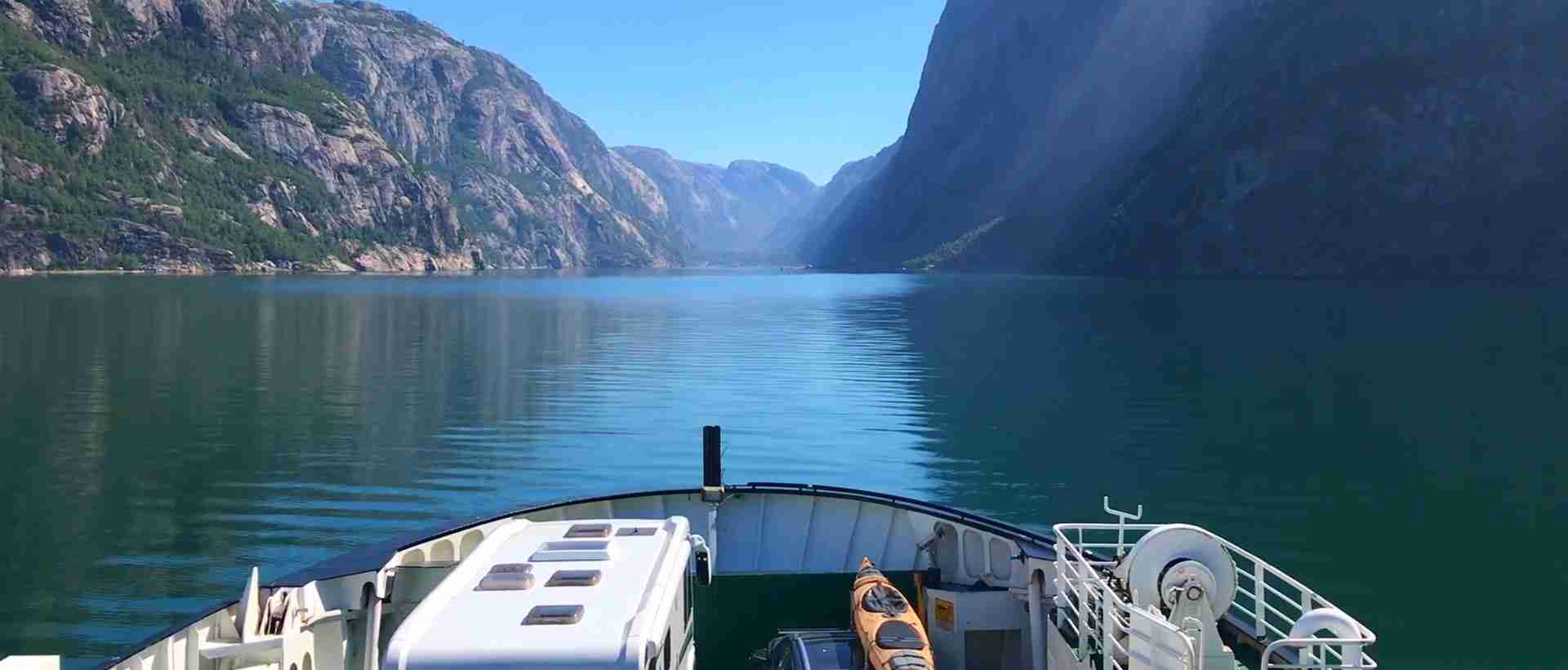
Norway Budget Guide 2026: Complete Cost Breakdown
Norway ranks among Europe’s most expensive destinations, but smart planning transforms this Nordic wonderland into an achievable travel dream. Understanding the true costs—from accommodation and meals to transportation and activities—empowers you to budget accurately and maximize every krone spent. This comprehensive breakdown reveals exactly what you’ll pay across Norway’s cities, fjords, and northern reaches in 2026.
Key Takeaways
- Daily budget ranges: Budget travelers can explore Norway for NOK 970-1,250 ($100-130) per day, mid-range travelers need NOK 1,850-2,460 ($190-255) daily, while luxury experiences cost NOK 3,000+ ($310+) per person
- Accommodation costs 2026: Hotels average NOK 1,725 ($178) per night for double rooms with breakfast, hostels offer dorm beds from NOK 270-340 ($28-35), and budget cabins start around NOK 700 ($72) per night
- Food expenses: Restaurant meals range NOK 190-350 ($20-36) for budget dining and NOK 250+ ($26+) for mid-range restaurants, while grocery shopping costs NOK 112-195 ($12-20) daily for self-catering
- Transportation savings: Public transport tickets cost NOK 40-50 ($4-5) per ride, the scenic Bergen Railway runs NOK 1,000 ($103) one-way, and early booking plus regional passes provide significant discounts
- Peak vs off-season pricing: Summer (June-August) brings hotel rates NOK 1,100-3,000 ($113-309) while shoulder seasons (April-May, September-October) offer 30-40% savings on accommodation
- Free natural attractions: Norway’s fjords, mountains, national parks, scenic routes, and hiking trails are completely free to access and represent the country’s greatest treasures
People Also Ask About Norway Budget 2026
How much does Norway cost per day in 2026?
Norway daily costs in 2026 vary significantly by travel style. Budget backpackers spending NOK 970-1,250 ($100-130) per day stay in hostels, cook most meals, and use public transportation extensively. Mid-range travelers allocating NOK 1,850-2,460 ($190-255) daily enjoy 3-star hotels, regular restaurant meals, and occasional tours. Luxury travelers spending NOK 3,000+ ($310+) per day access premium hotels, fine dining, and private excursions. These estimates exclude major tour packages but include accommodation, food, local transport, and moderate sightseeing. A one-week trip for two people averages NOK 17,900 ($1,850) total, or approximately NOK 1,280 ($132) per person daily when sharing accommodation costs.
What’s the average hotel price in Norway for 2026?
Norwegian hotels in 2026 average NOK 1,725 ($178) per night for double rooms including breakfast. Prices fluctuate dramatically by location and season—Oslo and Bergen charge NOK 2,000-3,000 ($206-309) during summer peak, while smaller towns like Trondheim and Stavanger offer NOK 800-1,500 ($82-155) per night. Fjord destinations like Flåm, Geiranger, and Lofoten command premium rates NOK 2,500-4,000 ($258-412) in high season but drop 40-50% during spring and autumn. Budget alternatives include hostels with dorm beds NOK 270-340 ($28-35) per night, camping cabins from NOK 700 ($72), and apartments NOK 1,200-2,000 ($124-206) for multi-night stays. Booking 3-4 months ahead secures best rates, and weekend deals in major cities can reduce costs by 25-30%.
Is Norway more expensive than other Western European countries in 2026?
Norway sits in the middle range of Western European pricing in 2026—more expensive than Spain or Portugal but comparable to Switzerland and Iceland for overall travel costs. The key difference lies in distribution: while restaurant meals and alcohol cost significantly more than most of Europe, accommodation rates align closely with other Northern European cities. Norway’s grocery prices mirror those in Germany and the Netherlands, making self-catering a viable budget strategy. The real value emerges from free access to natural attractions—fjords, mountains, and national parks—which constitute Norway’s primary draw. Unlike destinations where major sights require expensive admission, Norway’s spectacular landscapes cost nothing to experience, potentially making it more affordable overall than cities where paid attractions dominate itineraries.
What are the best money-saving strategies for Norway travel in 2026?
The most effective budget strategies for Norway 2026 combine timing, accommodation choice, and food planning. Travel during shoulder seasons (April-May or September-October) reduces accommodation costs by 30-40% while maintaining good weather and fewer crowds. Stay in hostels or rent apartments for self-catering, as grocery prices remain reasonable—a week of groceries costs NOK 600-1,000 ($62-103) versus NOK 3,000+ ($309+) for restaurant meals. Purchase regional travel passes like Bergen’s 24-hour card or Oslo Pass for unlimited public transport and attraction discounts. Book trains and ferries 2-3 months ahead for early-bird rates. Prioritize free attractions including Vigeland Sculpture Park, hiking trails, scenic viewpoints, and city parks. Buy beer and wine from grocery stores (NOK 35-50 per bottle) rather than bars (NOK 100-140), and shop at discount chains like REMA 1000, Kiwi, and First Price for groceries.
Bookable tours via Viator · live prices
Extended multi-day tours – 5+ days
Featured Norway Multi-Day Tour Packages
5 days
Norway in a Nutshell (Oslo to Bergen via Flam)
- ✓ Comprehensive Norway tour
- ✓ Expert local guides included
- ✓ All accommodation arranged
- ✓ Transportation provided
9 days
Best of Norway
- ✓ Comprehensive Norway tour
- ✓ Expert local guides included
- ✓ All accommodation arranged
- ✓ Transportation provided
7 days
The beautiful Norway End Oslo
- ✓ Comprehensive Norway tour
- ✓ Expert local guides included
- ✓ All accommodation arranged
- ✓ Transportation provided
8 days
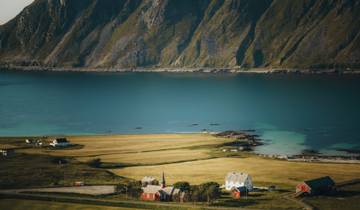
Trip Through the Lofoten Islands
- ✓ Booking needs min. 2 travelers
Multi-day tour packages powered by TourRadar. Prices and availability subject to change.
Featured Norway Multi-Day Tour Packages
5 days
Norway in a Nutshell (Oslo to Bergen via Flam)
- ✓ Comprehensive Norway tour
- ✓ Expert local guides included
- ✓ All accommodation arranged
- ✓ Transportation provided
9 days
Best of Norway
- ✓ Comprehensive Norway tour
- ✓ Expert local guides included
- ✓ All accommodation arranged
- ✓ Transportation provided
7 days
The beautiful Norway End Oslo
- ✓ Comprehensive Norway tour
- ✓ Expert local guides included
- ✓ All accommodation arranged
- ✓ Transportation provided
8 days
Trip Through the Lofoten Islands
- ✓ Booking needs min. 2 travelers
Multi-day tour packages powered by TourRadar. Prices and availability subject to change.
Introduction to Norway Travel Costs 2026
Norway’s reputation as an expensive destination carries truth but requires nuance for travelers planning 2026 visits. While certain categories—particularly restaurant dining and alcohol—command premium prices, strategic choices across accommodation, food sourcing, and activity selection make Norway surprisingly accessible. The Norwegian krone (NOK) exchange rate fluctuates around 9.70 NOK to 1 USD, meaning that even small pricing differences compound across multi-day trips. Understanding Norway’s cost structure reveals where to splurge and where to save.
The key to budget-friendly Norway travel lies in leveraging the country’s greatest asset: its natural beauty comes free. Unlike many European destinations where major attractions require expensive admission tickets, Norway’s fjords, mountains, waterfalls, and hiking trails remain open without charge. This fundamental advantage means travelers can experience Norway’s primary draws—Geirangerfjord, Preikestolen (Pulpit Rock), Trolltunga, and countless scenic viewpoints—without spending a krone beyond transportation costs.
Norwegian pricing follows clear seasonal patterns. Summer months (June-August) bring peak rates as tourists flood the country during midnight sun season and optimal weather. Hotels in Bergen, Tromsø, and Lofoten can double or triple their winter rates, while popular restaurants and tours operate at maximum capacity pricing. Conversely, shoulder seasons (April-May and September-October) offer 30-40% discounts on accommodation while maintaining reasonable weather and reduced crowds. Winter (November-March) brings the lowest accommodation prices but challenges travelers with limited daylight, closed attractions, and weather uncertainties.
Geographic variation significantly impacts costs. Major cities like Oslo and Bergen maintain consistently high prices year-round, with Oslo ranking among Europe’s most expensive capitals. Smaller towns like Ålesund, Stavanger, and Trondheim offer better value while still providing excellent amenities. Remote fjord destinations follow a different pattern—places like Flåm, Geiranger, and Lofoten charge premium rates during the brief summer season when accessibility peaks, but many services close entirely during winter months.
Food represents the most variable expense category. Restaurant dining consistently ranks as Norway’s costliest aspect, with budget meals starting NOK 190 ($20) and mid-range dinners reaching NOK 250-400 ($26-41) per person without drinks. However, Norwegian grocery prices align closely with Western European averages, making self-catering a powerful budget tool. Discount supermarket chains like REMA 1000, Kiwi, Coop Extra, and Bunnpris offer competitive pricing on staples, while local bakeries provide filling pastries and sandwiches for NOK 30-60 ($3-6).
Transportation costs benefit from Norway’s excellent public infrastructure. The extensive network of trains, buses, ferries, and trams connects virtually every corner of the country, with advance booking yielding significant savings. The Norwegian State Railways (Vy) operates scenic routes like the Bergen Railway and Flåm Railway, with tickets ranging NOK 200-1,000 ($21-103) depending on distance and booking timing. Regional travel passes offer unlimited rides for 24-hour or 7-day periods, often paying for themselves after just a few trips.
This guide provides detailed, verified pricing across all major expense categories for 2026, enabling accurate budget planning regardless of travel style. From shoestring backpackers to luxury seekers, understanding Norway’s cost structure transforms this magnificent destination from intimidating to achievable.
Understanding Norwegian Currency and Pricing Structure 2026
Norway operates on the Norwegian krone (NOK), with February 2026 exchange rates averaging approximately 9.70 NOK to 1 USD, 10.70 NOK to 1 EUR, and 12.80 NOK to 1 GBP. Exchange rates fluctuate, making currency conversion apps essential for real-time budgeting. Major banks, ATMs, and exchange bureaus throughout Norway handle international cards, though smaller establishments in remote areas may prefer cash.
Credit and debit cards reign as Norway’s primary payment method, accepted virtually everywhere from Oslo metro stations to remote mountain huts. Visa and Mastercard work universally, while American Express sees limited acceptance. Contactless payments and mobile payment apps like Vipps (Norwegian standard) have become ubiquitous. Carrying NOK 500-1,000 ($52-103) cash covers emergencies and the rare cash-only scenario.
Norwegian pricing operates on clear value-added tax (VAT) principles, with most goods and services including 25% VAT in displayed prices. Restaurants charge 15% VAT, while basic groceries carry no VAT. Tourist Tax Refund schemes allow non-EU visitors to reclaim VAT on purchases exceeding NOK 315 ($32) from participating retailers, processed at airports during departure.
Tipping culture differs markedly from American norms. Service charges are included in restaurant bills, making tips optional rather than expected. Norwegians round up bills or add 5-10% for exceptional service, but 15-20% American-style tips are considered excessive. Taxi drivers appreciate rounding up to the nearest NOK 10, while hotel porters receive NOK 10-20 ($1-2) per bag if service is provided.
Several pricing quirks shape Norwegian costs. Alcohol faces stringent government regulation through Vinmonopolet, the state-controlled liquor monopoly, making wine and spirits expensive—bottle prices start NOK 120-200 ($12-21) at monopoly stores versus NOK 100-140 ($10-14) per glass in bars. Tobacco products carry hefty taxes, with cigarette packs costing NOK 120-200 ($12-21). Gasoline runs NOK 21-25 ($2.20-2.60) per liter (roughly $8.30-9.80 per gallon), making car rentals economical only when splitting costs among multiple travelers.
Accommodation Costs Across Norway 2026
Norwegian accommodation spans budget hostels to luxury Arctic hotels, with pricing influenced by location, season, and amenities. Understanding options across the spectrum enables strategic booking aligned with individual budgets and preferences.
Hotels and Guesthouses
Hotels average NOK 1,725 ($178) per night for double rooms with breakfast included. This national average masks significant regional variation. Oslo hotels range NOK 1,200-3,500 ($124-361) depending on location and star rating, with centrally located 3-4 star properties like Thon Hotels and Clarion charging NOK 1,500-2,200 ($155-227) per night. Bergen follows similar patterns, with harbor-area hotels commanding premium rates NOK 1,800-2,800 ($186-289).
Smaller cities offer better value. Trondheim, Stavanger, and Ålesund feature quality hotels NOK 800-1,500 ($82-155) per night, often including generous breakfast buffets that eliminate lunch costs. Tromsø, despite its remote Arctic location, charges NOK 1,100-2,000 ($113-206) for 3-star properties, with premium Northern Lights hotels reaching NOK 2,500+ ($258+).
Fjord destinations follow feast-or-famine pricing. Flåm, Geiranger, and Sogndal command NOK 2,500-4,000 ($258-412) per night during June-August peak season, when demand far exceeds supply. The same properties drop to NOK 1,200-1,800 ($124-186) during May and September shoulder seasons. Many fjord hotels close entirely October-April.
Weekend deals in major cities provide unexpected savings. Oslo and Bergen hotels targeting business travelers offer Friday-Sunday discounts of 25-40%, bringing premium properties into mid-range budgets. Booking platforms like Booking.com and Hotels.com frequently feature these special rates, with advance booking essential during summer months.
Hostels and Budget Accommodation
Norwegian hostels deliver excellent value for budget-conscious travelers, with dorm beds costing NOK 270-340 ($28-35) per night in major cities. Oslo’s Anker Hostel and Bergen’s Marken Gjestehus offer clean, social environments with well-equipped kitchens that enable meal preparation. Private rooms in hostels run NOK 600-900 ($62-93) per night, providing budget alternative to hotels while maintaining privacy.
Hostel quality in Norway consistently exceeds global averages. Modern facilities, regular cleaning, and thoughtful amenities characterize most properties. Kitchen access represents the critical budget tool—preparing breakfast and packed lunches saves NOK 200-400 ($21-41) daily compared to restaurant dining. Social atmospheres facilitate travel partner connections for car rental cost-sharing or group tour bookings.
Limited hostel availability outside major cities requires advance planning. While Oslo, Bergen, Trondheim, and Tromsø offer multiple hostels, smaller towns and fjord regions provide few options. Alternative budget accommodation includes guesthouses (pensjonat) charging NOK 600-1,000 ($62-103) for basic rooms, and farmstays offering cultural immersion at NOK 700-1,200 ($72-124) per night.
Cabins and Camping
Camping cabins represent Norway’s budget accommodation secret. Basic cabins at campsites start around NOK 700 ($72) per night, sleeping 4-6 people and providing kitchen facilities. Upgraded cabins with private bathrooms cost NOK 1,000-1,500 ($103-155). When splitting costs among groups or families, cabin accommodation delivers unbeatable value—NOK 140-175 ($14-18) per person nightly in basic cabins.
Norwegian camping culture embraces comfort. Even basic cabins include beds with mattresses, heating, cooking equipment, and often spectacular natural settings. Many campsite operators provide access to communal bathrooms, laundry facilities, and sometimes pools or saunas. Locations range from fjordside properties to mountain valleys, placing travelers directly in Norway’s stunning landscapes.
Tent camping maximizes budget efficiency. Organized campsites charge NOK 150-300 ($15-31) per tent per night, with access to facilities. Norway’s “allemannsretten” (freedom to roam) law permits wild camping on uncultivated land at least 150 meters from buildings, enabling free accommodation for prepared backpackers. Responsible wild camping requires leaving no trace and respecting private property boundaries.
Apartments and Vacation Rentals
Apartment rentals through Airbnb, VRBO, and local agencies suit multi-night stays and groups. Oslo apartments range NOK 1,000-2,500 ($103-258) per night depending on location and size, with Bergen following similar patterns. Full kitchens enable grocery shopping and meal preparation, dramatically reducing daily food costs.
Longer stays justify higher upfront costs. Weekly apartment rentals often include discounts of 15-25% compared to nightly rates. Cleaning fees (typically NOK 500-1,000 or $52-103) spread across multiple nights become negligible, while laundry facilities eliminate service costs. Families and groups splitting four-bedroom apartments can achieve per-person costs below hostel rates.
Rural and fjord region apartments offer exceptional value outside peak season. Properties in Ålesund, Stavanger, and smaller towns charge NOK 800-1,500 ($82-155) per night for modern apartments sleeping 4-6 people. Lofoten Islands cabins and apartments run NOK 1,500-2,500 ($155-258) nightly during summer but drop to NOK 800-1,200 ($82-124) in May-June and September.
Food and Dining Expenses 2026
Food costs constitute Norway’s most flexible budget category, where strategic choices generate savings of 60-70% compared to default restaurant dining.
Restaurant Dining
Norwegian restaurants operate on premium pricing models. Budget-oriented establishments—casual cafés, pizzerias, and fast-food chains—charge NOK 190-350 ($20-36) for main courses. This category includes burger joints, kebab shops, and simple cafés serving basic meals. Drinks add NOK 35-60 ($4-6) for soft drinks, NOK 100-140 ($10-14) for beer.
Mid-range restaurants demand NOK 250-400 ($26-41) per main course. Traditional Norwegian restaurants serving dishes like reindeer, salmon, and lamb typically fall in this range. Three-course dinners at quality establishments cost NOK 600-1,000 ($62-103) per person excluding drinks. Wine by the glass runs NOK 100-150 ($10-15), with bottles starting NOK 400 ($41).
Fine dining in Oslo, Bergen, and Tromsø reaches NOK 800-1,500 ($82-155) per person for tasting menus. Michelin-recognized restaurants and innovative Nordic cuisine specialists command these premium rates. Wine pairings add NOK 600-1,200 ($62-124). While exceptional, fine dining consumes daily budgets quickly—a single dinner can equal three days of grocery shopping.
Coffee culture permeates Norwegian life, with specialty cafés charging NOK 35-65 ($4-7) for cappuccinos. Quality exceeds American chains, with Nordic roasting techniques producing excellent coffee. Bakeries (baker) offer better value—NOK 30-50 ($3-5) covers pastries, cinnamon buns, or sandwiches that serve as quick breakfast or lunch.
Grocery Shopping and Self-Catering
Norwegian supermarkets enable daily food costs of NOK 112-195 ($12-20) for self-catering travelers. Discount chains—REMA 1000, Kiwi, Coop Extra, and Bunnpris—offer competitive pricing on staples. Weekly grocery budgets of NOK 600-1,000 ($62-103) per person cover three meals daily with reasonable variety.
Staple pricing examples for 2026: one liter of milk costs NOK 20-25 ($2-2.60), bread runs NOK 25-40 ($2.60-4), pasta packages cost NOK 15-30 ($1.50-3), and rice sells for NOK 20-35 ($2-3.60). Fresh vegetables show seasonal variation—tomatoes NOK 30-50 ($3-5) per kg, potatoes NOK 15-25 ($1.50-2.60) per kg, onions NOK 20-30 ($2-3) per kg.
Protein costs reflect Norway’s high food standards. Chicken breasts run NOK 120-180 ($12-18) per kg, ground beef costs NOK 100-150 ($10-15) per kg, salmon fillets command NOK 180-250 ($18-26) per kg. Eggs provide excellent value at NOK 30-45 ($3-5) for a dozen. Norwegian cheese, while premium quality, costs NOK 80-150 ($8-15) per kg for standard varieties.
Prepared foods from grocery stores offer middle-ground savings. Hot dogs (pølse) from convenience stores cost NOK 30-40 ($3-4), grab-and-go sandwiches run NOK 50-80 ($5-8), and salad boxes cost NOK 60-90 ($6-9). While more expensive than home cooking, these options undercut restaurant prices by 60-70%.
Alcohol purchasing follows strict regulations. Vinmonopolet, the state-run liquor monopoly, sells wine starting NOK 120-150 ($12-15) per bottle for basic selections, with quality wines costing NOK 200-400 ($21-41). Beer (maximum 4.7% alcohol) can be purchased at grocery stores for NOK 35-50 ($4-5) per 0.5L bottle—dramatically cheaper than bar prices of NOK 100-140 ($10-14) per serving. Wine and spirits are unavailable at grocery stores.
Budget Meal Strategies
Maximizing food budgets requires combining grocery shopping with selective restaurant meals. The optimal pattern: grocery breakfast (yogurt, bread, fruit) for NOK 30-50 ($3-5), packed lunch from morning grocery shopping for NOK 50-80 ($5-8), and either home-cooked dinner or one budget restaurant meal daily for NOK 150-250 ($15-26). This approach costs NOK 230-380 ($24-39) daily versus NOK 600-1,000 ($62-103) for three restaurant meals.
Hotel breakfast buffets justify slightly higher accommodation costs. Scandinavian breakfast spreads include breads, cheeses, meats, fish, cereals, fruits, and hot dishes. Eating heartily at breakfast and packing leftover items (bread, fruit) for midday snacks reduces lunch expenses to simple supplements.
Picnicking leverages Norway’s natural beauty while saving money. Fjord viewpoints, park benches, and hiking trails provide spectacular dining venues. Norwegian grocery stores sell complete picnic supplies—bread, cheese, cured meats, vegetables, and drinks—for NOK 100-150 ($10-15) total, serving 2-3 people.
Transportation Costs Throughout Norway 2026
Norwegian public transportation combines efficiency, coverage, and reasonable pricing when booked strategically. Understanding options and advance booking techniques maximizes value.
Urban Public Transport
City public transport tickets cost NOK 40-50 ($4-5) for single rides on buses, trams, and metro systems. Oslo’s Ruter network charges NOK 40 per ride within Zone 1 (central city), with 24-hour passes costing NOK 125 ($13) and 7-day passes NOK 300 ($31). Bergen’s Skyss system follows similar pricing at NOK 40-45 ($4-5) per ride, with day passes NOK 100 ($10).
Mobile ticketing apps (Ruter for Oslo, Skyss for Bergen, AtB for Trondheim) enable purchase and validation via smartphones, eliminating paper ticket hassles. These apps also calculate optimal routes and provide real-time schedules. Most Norwegian cities offer generous transfer windows—Oslo allows 60-90 minutes for connections on single tickets.
Tourist passes bundle transport with attraction admission. Oslo Pass costs NOK 445-995 ($46-103) for 24-72 hours, including public transport plus free entry to 30+ museums and attractions. Bergen Card runs NOK 330-510 ($34-53) for 24-72 hours with similar benefits. These passes pay for themselves when visiting 3-4 major sights plus using transport extensively.
Trains and Long-Distance Rail
Norwegian State Railways (Vy) operates spectacular scenic routes. The Bergen Railway connecting Oslo and Bergen costs approximately NOK 1,000 ($103) one way for standard adult tickets when booked close to departure. Advance purchase (2-3 months ahead) reduces this to NOK 200-400 ($21-41) for non-refundable Minipris tickets—the same route, 60-80% cheaper.
Popular routes and approximate standard fares for 2026: Oslo-Trondheim NOK 900-1,200 ($93-124), Oslo-Stavanger NOK 800-1,100 ($82-113), Oslo-Kristiansand NOK 600-900 ($62-93). Minipris advance fares reduce these by 50-70% when available. Book through vy.no or the Vy app, with English-language options.
The Flåm Railway, one of the world’s most scenic train journeys, costs NOK 510 ($53) one-way for the 20km mountain descent from Myrdal to Flåm. This tourist-oriented route rarely offers discounts but delivers spectacular value through dramatic gorges, waterfalls, and mountain scenery. Combined “Norway in a Nutshell” packages bundle multiple trains and ferries for NOK 1,700-2,500 ($175-258).
Interrail passes cover Norwegian trains for consecutive-day or flexible-day options. A 4-day-in-1-month pass costs approximately NOK 2,500 ($258), potentially cost-effective for travelers making 3+ long-distance journeys. Passes include seat reservations where required (typically NOK 50-90 or $5-9 per journey).
Buses and Regional Transport
Long-distance buses operated by Nor-Way Bussekspress, Vy Bus4You, and regional companies connect cities at lower costs than trains. Oslo-Bergen by bus costs NOK 300-600 ($31-62) compared to NOK 1,000 ($103) by train, with journey times 2-3 hours longer. Routes through spectacular scenery transform the extra time into sightseeing opportunity.
Regional buses serve areas without rail connections, including Lofoten Islands, Nordland, and Finnmark. Fares run NOK 100-300 ($10-31) for typical 2-3 hour journeys, with advance online booking offering modest discounts. Local route timetables coordinate with ferry services, enabling seamless multi-modal travel.
Ferries and Coastal Travel
Norwegian fjords require ferry crossings for many routes. Car ferries charge NOK 50-200 ($5-21) for foot passengers depending on distance, with vehicles adding NOK 200-800 ($21-82). Reservation isn’t typically required for foot passengers, but car spaces book solid during summer months. Major routes like Flåm-Gudvangen on Nærøyfjord cost NOK 350-500 ($36-52) per person.
Hurtigruten coastal steamer operates daily Bergen-Kirkenes voyages serving both tourists and locals. Port-to-port segments range NOK 500-2,000 ($52-206) depending on distance and season. While expensive compared to buses, Hurtigruten delivers moving hotel accommodation with restaurant access and unmatched coastal scenery.
Car Rentals and Fuel Costs
Car rentals cost NOK 400-900 ($41-93) per day for economy vehicles during summer, with weekly rates offering 20-30% discounts. Rental includes basic insurance, but additional coverage (collision damage waiver, theft protection) adds NOK 150-300 ($15-31) daily. Major international companies (Hertz, Avis, Europcar) operate from airports and city centers.
Gasoline runs NOK 21-25 ($2.20-2.60) per liter in 2026, translating to approximately NOK 170-200 ($17.50-21) per tank for economy cars. A week of moderate driving (1,500-2,000km) consumes NOK 1,500-2,500 ($155-258) in fuel. Toll roads (AutoPASS system) charge NOK 20-200 ($2-21) per crossing, automatically billed to rental companies who add processing fees. Major city tunnels cost NOK 100-140 ($10-14).
Car rentals make economic sense for groups of 3-4 travelers splitting costs, or when accessing remote areas poorly served by public transport. Solo travelers and couples generally find public transport more economical, especially given Norway’s excellent rail and bus networks.
Activities and Attraction Costs 2026
Norwegian activities range from free natural wonders to premium guided experiences. Understanding this spectrum enables balanced budgets that capture Norway’s essence without overspending.
Free and Low-Cost Activities
Norway’s greatest attractions cost nothing. Fjords, mountains, waterfalls, and hiking trails remain free to access. Geirangerfjord viewpoints, Trolltunga hiking trail, Preikestolen (Pulpit Rock), and countless scenic routes provide world-class experiences at zero cost beyond transportation.
Oslo’s Vigeland Sculpture Park, featuring 200+ sculptures by Gustav Vigeland, offers free admission daily. Bergen’s Bryggen Wharf can be explored independently without cost, though museum entry runs NOK 120-150 ($12-15). Ålesund’s Art Nouveau architecture rewards walking tours, with the 418-step climb to Aksla viewpoint providing spectacular panoramas at no charge.
National parks across Norway—Jotunheimen, Hardangervidda, Rondane—permit free hiking, camping (following allemannsretten rules), and wildlife observation. Visitor centers typically charge nominal fees NOK 50-100 ($5-10) for exhibitions, while trails remain free. This accessibility distinguishes Norway from many destinations where major natural sites impose entrance fees.
Museums and Cultural Attractions
Oslo’s major museums charge NOK 120-180 ($12-18) for adult admission. Viking Ship Museum costs NOK 150 ($15), Norwegian Museum of Cultural History runs NOK 160 ($16), and Munch Museum charges NOK 150-180 ($15-18). The National Museum (reopened 2022) costs NOK 160 ($16) for general admission. Many museums offer free entry for children under 18.
Bergen museums follow similar pricing. KODE Art Museums charge NOK 120-150 ($12-15), Bryggens Museum costs NOK 100 ($10), and Hanseatic Museum runs NOK 120 ($12). Tromsø’s Polar Museum and Northern Lights Cathedral charge NOK 100-120 ($10-12). Combined city passes often include multiple museums at discounted rates.
Stave churches typically charge NOK 80-120 ($8-12) entrance fees. These medieval wooden churches constitute unique Norwegian heritage—only 28 survive nationwide. Borgund Stave Church (one of the best preserved) costs NOK 120 ($12), while Urnes Stave Church (UNESCO World Heritage Site) charges NOK 100 ($10).
Guided Tours and Excursions
Fjord cruises represent Norway’s signature tourist activity. Sognefjord cruises cost NOK 400-800 ($41-82) for 2-3 hour trips, while full-day Geirangerfjord tours run NOK 800-1,500 ($82-155). The Norway in a Nutshell route combining trains, buses, and ferries costs NOK 1,700-2,500 ($175-258) depending on season and starting point.
Northern Lights tours from Tromsø charge NOK 1,000-1,500 ($103-155) for evening excursions with expert guides and photography assistance. Success isn’t guaranteed—aurora visibility depends on solar activity and weather—but reputable operators offer return trips if conditions prevent sightings. Summer midnight sun tours cost NOK 800-1,200 ($82-124).
Hiking and adventure tours vary widely. Guided Trolltunga hikes cost NOK 1,800-2,500 ($186-258) for full-day experiences with safety equipment and guides. Pulpit Rock guided hikes run NOK 800-1,200 ($82-124). Kayaking tours on fjords charge NOK 600-1,200 ($62-124) for half-day excursions. White-water rafting experiences cost NOK 800-1,500 ($82-155).
Walking tours in major cities range from free (tip-based) options to paid tours NOK 150-300 ($15-31) per person. Oslo and Bergen both offer excellent free walking tours lasting 2-3 hours, with guides working for tips. Specialized tours (food tours, Viking history, architecture) command premium rates NOK 500-1,000 ($52-103).
Sample Budget Breakdowns for Norway 2026
Understanding complete daily costs across travel styles enables accurate trip planning and prevents budget overruns.
Budget Backpacker (NOK 970-1,250 / $100-130 per day)
Accommodation NOK 300-340 ($31-35) – Hostel dorm bed or camping
Food NOK 230-380 ($24-39) – Grocery shopping, self-prepared meals
Transport NOK 125-200 ($13-21) – Day passes in cities, advance train tickets
Activities NOK 200-330 ($21-34) – Free hiking, occasional museum, one budget tour weekly
Miscellaneous NOK 115-200 ($12-21) – Coffee, snacks, laundry
Total daily cost NOK 970-1,250 per person (excluding accommodation at NOK 300-340, when cited separately). This budget requires consistent discipline—cooking most meals, choosing free activities, walking extensively, and selecting budget accommodation exclusively. Weekly total: NOK 6,790-8,750 ($700-903) per person.
Mid-Range Traveler (NOK 1,850-2,460 / $190-255 per day)
Accommodation NOK 860-1,200 ($89-124) – 3-star hotel share, private hostel room, or apartment
Food NOK 400-650 ($41-67) – Mix of grocery meals and budget restaurants
Transport NOK 200-350 ($21-36) – Public transport, some taxis, standard train tickets
Activities NOK 300-500 ($31-52) – Museums, one guided tour weekly, mix of free and paid
Miscellaneous NOK 150-260 ($15-27) – Cafés, souvenirs, occasional beer
Total daily cost NOK 1,910-2,960 per person (excluding accommodation at NOK 860-1,200). This budget allows comfortable travel—hotel breakfast buffets, one restaurant meal daily, regular museum visits, and occasional tours. Weekly total: NOK 12,970-17,220 ($1,339-1,778) per person.
Luxury Traveler (NOK 3,000+ / $310+ per day)
Accommodation NOK 1,725-3,000 ($178-309) – 4-5 star hotels, boutique properties
Food NOK 800-1,500 ($82-155) – Restaurant meals, fine dining 2-3 times weekly
Transport NOK 300-600 ($31-62) – Taxis, car rentals, first-class train tickets
Activities NOK 500-1,000 ($52-103) – Premium tours, helicopter flights, exclusive experiences
Miscellaneous NOK 175-400 ($18-41) – Shopping, premium services, drinks
Total daily cost NOK 3,500-6,500+ per person (excluding accommodation at NOK 1,725-3,000). Luxury budgets enable stress-free travel—staying in prime locations, dining without price concerns, taking taxis freely, and booking premium tours without hesitation. Weekly total: NOK 24,500-45,500+ ($2,530-4,696+) per person.
One-Week Norway Trip Budget Examples 2026
Budget Trip (Oslo-Bergen):
Accommodation 7 nights NOK 2,100-2,380 ($217-245) – Hostels
Food 7 days NOK 1,610-2,660 ($166-274) – Groceries, minimal restaurants
Transport NOK 875-1,400 ($90-144) – Oslo Pass, advance train Oslo-Bergen, local buses
Activities NOK 1,400-2,310 ($144-238) – Free hiking, 2-3 museums, one fjord cruise
Miscellaneous NOK 805-1,400 ($83-144)
Total week: NOK 6,790-10,150 ($700-1,047) per person
Mid-Range Trip (Oslo-Flåm-Bergen-Tromsø):
Accommodation 7 nights NOK 6,020-8,400 ($621-867) – Mix of hotels and private rooms
Food 7 days NOK 2,800-4,550 ($289-469) – Hotel breakfasts, lunch groceries, restaurant dinners
Transport NOK 3,500-5,250 ($361-542) – Trains, ferries, Norway in a Nutshell, domestic flight
Activities NOK 2,100-3,500 ($217-361) – Multiple museums, fjord cruises, Northern Lights tour
Miscellaneous NOK 1,050-1,820 ($108-188)
Total week: NOK 15,470-23,520 ($1,596-2,427) per person
Luxury Trip (Comprehensive Norway):
Accommodation 7 nights NOK 12,075-21,000 ($1,246-2,167) – Premium hotels, fjord resorts
Food 7 days NOK 5,600-10,500 ($578-1,084) – Fine dining, quality restaurants
Transport NOK 4,200-7,000 ($433-722) – Car rental, first-class trains, helicopter transfer
Activities NOK 3,500-7,000 ($361-722) – Premium tours, exclusive experiences
Miscellaneous NOK 1,225-2,800 ($126-289)
Total week: NOK 26,600-48,300 ($2,744-4,984) per person
Money-Saving Strategies and Practical Tips 2026
Strategic planning reduces Norway costs by 40-60% without sacrificing experiences. These proven techniques maximize value while maintaining trip quality.
Timing and Seasonality
Shoulder season travel (April-May and September-October) delivers optimal cost-benefit ratios. Accommodation prices drop 30-40% compared to peak summer, while weather remains reasonable and most attractions stay open. May offers extended daylight without peak crowds, while September provides autumn colors and stable weather. Booking shoulder season reduces week-long trip costs by NOK 3,000-6,000 ($309-619) per person.
Winter travel (November-March) suits budget-conscious travelers willing to accept shorter days and weather uncertainty. Hotel rates plummet to yearly lows, and restaurant competition increases. Northern Lights viewing opportunities peak during winter darkness, when Tromsø hotels cost 40-50% less than summer rates. However, many fjord attractions close, and mountain roads become impassable.
Advance Booking Benefits
Book trains 60-90 days ahead to access Minipris fares—standard NOK 1,000 ($103) Oslo-Bergen tickets drop to NOK 200-300 ($21-31) when booked early. Accommodation booking 3-4 months ahead provides 20-30% savings versus last-minute rates, particularly for peak-season fjord hotels where availability evaporates quickly.
Early tour reservations lock in lower prices before seasonal increases. Northern Lights tours, fjord cruises, and popular hiking guide services raise prices as availability decreases. Booking December-March for summer tours saves NOK 200-500 ($21-52) per person on typical excursions.
Self-Catering and Accommodation Strategy
Choose accommodation with kitchen access—hostels, apartments, or cabins. Preparing 2-3 meals daily saves NOK 400-800 ($41-82) compared to restaurant dining. A family of four reduces food costs by NOK 2,800-5,600 ($289-578) weekly through self-catering.
Shop at discount chains (REMA 1000, Kiwi, Coop Extra, First Price) rather than convenience stores. Identical products cost 20-40% less at discount supermarkets. Buy generic store brands for staples—First Price and Eldorado products match quality at half the price of premium brands.
Transportation Optimization
Purchase city passes when planning multiple museum visits plus extensive transport use. Oslo Pass saves money when visiting 3+ attractions plus using metro/buses throughout the day. Calculate break-even point: NOK 445 for 24-hour Oslo Pass versus NOK 160 average museum admission × 3 plus NOK 125 transport pass.
Share rental cars among 3-4 travelers to reduce per-person costs below public transport rates. A weekly rental costing NOK 4,500 ($464) plus NOK 2,000 ($206) fuel equals NOK 1,625 ($168) per person for four travelers—competitive with train tickets while enabling fjord exploration at individual pace.
Free Activity Prioritization
Structure itineraries around free attractions: hiking Trolltunga, exploring Geirangerfjord viewpoints, walking Bergen’s Bryggen, climbing Oslo’s Ekebergparken. These experiences constitute Norway’s highlights while costing nothing beyond transportation. One guided tour weekly supplements free activities without budget strain.
Download offline maps and hiking trail guides to eliminate paid tour requirements. AllTrails, Maps.me, and UT.no provide detailed Norwegian trail maps and navigation. Self-guided exploration of Pulpit Rock, Flåm valley trails, and city walking routes saves NOK 500-1,200 ($52-124) compared to guided alternatives.
Alcohol and Beverage Savings
Purchase beer from grocery stores (NOK 35-50 per 0.5L) rather than bars (NOK 100-140). Buy wine at Vinmonopolet for hotel/apartment consumption instead of ordering at restaurants where markups reach 200-300%. A bottle of wine costing NOK 150 ($15) at Vinmonopolet sells for NOK 400-600 ($41-62) at restaurants.
Drink tap water freely—Norwegian tap water ranks among the world’s purest and cleanest. Carrying refillable bottles eliminates bottled water purchases while reducing plastic waste. Coffee from grocery stores costs NOK 5-10 ($0.50-1) per cup versus NOK 35-65 ($4-7) at cafés.
Regional Cost Variations Across Norway 2026
Norwegian pricing differs substantially by region, with strategic destination selection affecting overall budgets significantly.
Oslo and Eastern Norway
Oslo maintains Norway’s highest average prices across accommodation, dining, and services. Hotels average NOK 1,500-2,500 ($155-258) in central areas, restaurants charge premium rates, and even grocery stores run 10-15% higher than smaller cities. However, Oslo’s excellent public transport and numerous free attractions (Vigeland Park, Ekebergparken, harbor walks) partially offset high costs.
Eastern Norway beyond Oslo—Lillehammer, Hamar, Kongsberg—offers better value with hotel rates NOK 900-1,400 ($93-144) and restaurant meals 20-30% cheaper than capital prices. These cities provide access to mountain recreation and cultural attractions without Oslo’s premium pricing.
Bergen and Western Fjords
Bergen’s tourism economy drives prices approaching Oslo levels during summer. Accommodation averages NOK 1,400-2,400 ($144-248), with harbor-area properties commanding premiums. Restaurants cater heavily to tourists, charging accordingly. Grocery stores and public transport cost similarly to Oslo.
Fjord destinations—Flåm, Geiranger, Sogndal—show extreme seasonal variation. June-August rates reach NOK 2,500-4,000 ($258-412) per night for basic hotels as demand overwhelms limited supply. The same properties charge NOK 1,000-1,500 ($103-155) during May and September when crowds dissipate. Budget travelers should avoid peak fjord season or camp/use hostels where available.
Central Norway and Trøndelag
Trondheim delivers excellent value as Norway’s third-largest city. Hotels average NOK 1,000-1,600 ($103-165), restaurants charge moderate prices, and attractions cost 15-25% less than Oslo equivalents. The region combines urban amenities with access to central Norwegian highlands and coastal areas.
Røros, Kristiansund, and Ålesund in central/coastal Norway offer budget-friendly bases for exploring mining heritage, coastal culture, and Art Nouveau architecture. Accommodation runs NOK 800-1,400 ($82-144), with abundant self-catering options and reasonable restaurant pricing.
Northern Norway and Arctic Regions
Tromsø’s Arctic location creates unique pricing patterns. Summer (midnight sun season) and winter (Northern Lights season) both command premium rates NOK 1,500-2,500 ($155-258) for hotels, while shoulder seasons drop to NOK 900-1,400 ($93-144). Restaurant prices match or exceed Bergen levels, but grocery stores offer same discount chains as southern Norway.
Northern Norway beyond Tromsø—Alta, Hammerfest, Kirkenes—shows modest pricing despite remote locations. Competition remains limited, but smaller tourist volumes prevent runaway costs. Budget NOK 1,000-1,600 ($103-165) for hotels, with summer wild camping providing free accommodation in spectacular Arctic landscapes.
Lofoten Islands
Lofoten exhibits Norway’s most dramatic seasonal pricing swings. Summer peak (June-August) brings NOK 2,000-3,500 ($206-361) hotel rates and restaurant prices approaching Oslo levels. Traditional fishermen’s cabins (rorbuer) cost NOK 1,500-2,500 ($155-258) nightly. Groceries match mainland prices, as supplies ship from Bodø.
May and September transform Lofoten economics. Accommodation drops to NOK 1,000-1,500 ($103-155), restaurants reduce prices 20-30%, and availability increases substantially. Weather remains good, midnight sun persists into late June, and tourism pressure eases enough for better experiences at fraction of peak costs.
Frequently Asked Questions
How much money should I budget for a 2-week Norway trip in 2026?
A two-week Norway trip requires NOK 13,580-20,300 ($1,400-2,095) for budget travelers staying in hostels and cooking most meals, NOK 25,900-47,040 ($2,673-4,855) for mid-range travelers using hotels and dining out regularly, or NOK 49,000+ ($5,057+) for luxury travelers seeking premium accommodations and experiences. These estimates cover accommodation, food, local transport, and activities but exclude international flights. Costs vary based on destinations visited—focusing on fjord regions during peak summer increases expenses by 30-40% compared to city-focused itineraries or shoulder-season travel.
What’s the cheapest month to visit Norway in 2026?
November through March offers Norway’s lowest prices—accommodation costs 40-60% less than summer peak, with Oslo hotels dropping from NOK 2,000+ ($206+) to NOK 900-1,200 ($93-124) and restaurant competition increasing. However, winter travel involves significant tradeoffs: limited daylight hours (Oslo sees 6 hours daylight in December), many fjord attractions closed, challenging weather, and reduced transportation schedules. For optimal value balancing costs and experience, visit May or September—shoulder seasons delivering 30-40% savings versus summer while maintaining reasonable weather, long days, and open attractions. April and October present intermediate pricing but higher weather uncertainty.
Is it cheaper to rent a car or use public transportation in Norway for 2026?
Public transportation costs less for solo travelers and couples sticking to major routes. A week of trains and buses connecting Oslo, Bergen, and Tromsø costs NOK 2,000-3,500 ($206-361) per person with advance Minipris bookings. Car rentals become economical for groups of 3-4 travelers splitting costs—weekly rental NOK 2,800-6,300 ($289-650) plus fuel NOK 1,500-2,500 ($155-258) totals NOK 4,300-8,800 ($444-908), or NOK 1,075-2,200 ($111-227) per person for four travelers. Cars enable flexible fjord exploration and access to remote areas poorly served by public transport. Add toll road costs NOK 500-1,500 ($52-155) weekly depending on routes. Calculate based on group size and itinerary—urban/main route trips favor public transport, while fjord/remote area exploration benefits from car flexibility despite higher costs.
Do I need to tip in Norway restaurants and for services in 2026?
Tipping in Norway differs fundamentally from American practices. Service charges are included in all restaurant bills, making tips optional rather than expected. Norwegians round up bills or add 5-10% for exceptional service, but 15-20% tips are considered excessive and may confuse servers. For taxi rides, round up to nearest NOK 10 or add NOK 20-30 ($2-3) for luggage assistance. Hotel porters receive NOK 10-20 ($1-2) per bag if they provide service (many Norwegian hotels operate self-service). Tour guides appreciate NOK 50-100 ($5-10) per person for exceptional half-day tours, NOK 100-200 ($10-21) for full-day experiences. Bar tabs can be rounded up by NOK 10-20 ($1-2). The key principle: tipping rewards extraordinary service rather than subsidizing wages—Norwegian service workers earn fair wages through employer payments rather than customer tips.
How expensive is food in Norway compared to other European countries for 2026?
Norwegian restaurant dining ranks among Europe’s most expensive—budget meals costing NOK 190-350 ($20-36) exceed typical prices in Spain, Italy, or France by 50-100%. Mid-range restaurant dinners NOK 250-400 ($26-41) compare to similarly priced Switzerland and Iceland. However, Norwegian grocery prices align closely with Germany, Netherlands, and UK—self-catering travelers find food costs comparable to Western Europe overall. The dramatic restaurant-to-grocery price gap creates opportunity: restaurant-focused travelers spending NOK 600-1,000 ($62-103) daily on meals can reduce costs to NOK 150-250 ($15-26) through grocery shopping and self-preparation—a 60-75% reduction. Discount supermarket chains (REMA 1000, Kiwi, First Price) offer quality products at competitive European prices, making Norway’s expensive reputation largely tied to dining out rather than overall food costs.
What are the must-have items to bring to save money in Norway?
Essential money-saving items for Norway 2026 include refillable water bottles (tap water is excellent and free), reusable coffee cups for hostel/apartment brewing (café coffee costs NOK 35-65 or $4-7), portable utensils and containers for packed lunches from grocery stores, lightweight cooking equipment if camping or using hostel kitchens, and quality rain gear to avoid emergency weather gear purchases at Norwegian premium prices. Download offline maps (Maps.me, UT.no) before arrival to enable self-guided exploration without paid tours or data charges. Bring travel adapter for charging devices (Norway uses European Type C/F plugs). Pack sufficient toiletries—Norwegian pharmacies charge premium rates for basic items. Consider bringing favorite snacks or specialty foods unavailable or expensive in Norway. Lightweight backpack enables grocery shopping and day trip supplies without needing taxis for carrying purchases. These items collectively save NOK 500-1,500 ($52-155) weekly through eliminated purchases and reduced service dependence.
Are credit cards widely accepted in Norway or do I need cash in 2026?
Norway operates as one of the world’s most cashless societies—credit and debit cards are accepted virtually everywhere from Oslo metro stations to remote mountain huts. Visa and Mastercard work universally, American Express sees limited acceptance. Contactless payments and mobile apps (including Apple Pay, Google Pay, and Norwegian Vipps) function at most terminals. Carry NOK 500-1,000 ($52-103) cash for rare emergencies and occasional cash-only scenarios (some small farmers’ markets, rural parking meters, donation boxes at unmanned mountain huts). Major banks and ATMs throughout Norway handle international cards with modest fees (typically NOK 30-50 or $3-5 per withdrawal). Many Norwegian establishments now refuse cash entirely, displaying “cashless only” signs. Digital payment dominance means travelers needn’t stress about cash planning—cards handle 95%+ of transactions seamlessly.
How much does it cost to see the Northern Lights in Norway for 2026?
Northern Lights viewing costs range from free (independent viewing) to NOK 1,000-1,500 ($103-155) for guided tours from Tromsø. The aurora borealis appears naturally in northern Norway October-March when conditions align—no payment required to see it. However, guided tours significantly increase success odds by transporting participants away from light pollution, monitoring aurora forecasts, and providing photography guidance. Reputable Tromsø operators charge NOK 1,000-1,500 ($103-155) for 4-6 hour evening tours including thermal clothing, hot drinks, and professional guides. Some operators offer repeat trips if aurora doesn’t appear. DIY viewing requires transportation to dark locations outside cities—rental car costs NOK 400-900 ($41-93) daily, or public buses NOK 40-80 ($4-8) to suburbs with darker skies. Accommodation in Tromsø averages NOK 1,100-2,000 ($113-206) per night during Northern Lights season. Budget 3-5 nights to maximize aurora viewing odds given weather variability.
What’s included in Norwegian hotel breakfast and is it worth paying extra for?
Norwegian hotel breakfasts deliver exceptional value through extensive buffets included in most room rates. Typical spreads include fresh breads and pastries, multiple cheese varieties, cured meats and fish, cereals, yogurt, fruits, hot dishes (eggs, bacon, sausages), coffee, tea, and juices. Quality exceeds typical continental breakfast—Norwegian smoked salmon, local cheeses, and freshly baked goods would cost NOK 150-250 ($15-26) at restaurants. Hotels charging separately for breakfast typically price it NOK 120-180 ($12-18) per person—worthwhile when replacing lunch through substantial morning eating. Travelers on tight budgets might skip hotel breakfast if grocery prices are significantly lower, but most Norwegian hotels automatically include breakfast, making it excellent value. Strategic breakfast eating (consuming enough to skip lunch, discreetly packing fruit/bread for later) maximizes this benefit. When comparing accommodation, calculate whether cheaper options without breakfast actually save money after purchasing morning meals elsewhere.
How can families reduce costs when traveling with children in Norway for 2026?
Family Norway travel costs decrease through strategic accommodation and activity choices. Rent apartments with full kitchens rather than hotels—4-bedroom apartments costing NOK 1,500-2,500 ($155-258) nightly sleep families for less than hotel room rates while enabling meal preparation saving NOK 500-1,000 ($52-103) daily on restaurant meals. Most Norwegian museums offer free admission for children under 18, dramatically reducing family culture costs. Public transport provides family day passes 20-30% cheaper than individual tickets. Prioritize free outdoor activities (fjord viewpoints, beach visits, playground exploration, hiking) over paid attractions—children often enjoy natural play more than museums anyway. Pack snacks and picnic supplies from grocery stores for day trips rather than purchasing expensive convenience food. Time visits during shoulder seasons (May, September) when family-friendly attractions remain open but accommodation costs 30-40% less than peak summer. Consider camping in cabins NOK 1,000-1,500 ($103-155) nightly for 4-6 people versus hotel rooms NOK 1,500-2,000 ($155-206) per room for families needing multiple rooms.