
Norway Travel Tips 2026: Essential Planning & Practical Advice
Planning a trip to Norway in 2026 requires understanding unique aspects of Scandinavian travel—from managing higher costs to navigating seasonal weather variations and making the most of Norway’s spectacular natural landscapes. This comprehensive guide provides practical tips, money-saving strategies, and essential planning advice to help you prepare effectively for your Norwegian adventure while avoiding common pitfalls that catch unprepared travelers.
Key Takeaways
- Norway Has Become More Affordable in 2026: The Norwegian krone’s weakness against major currencies makes Norway 20-25% cheaper for US, UK, and EU visitors compared to peak pricing in 2019
- ETIAS Authorization Required from Q4 2026: Visa-exempt travelers including US, UK, and Canadian citizens need online ETIAS travel authorization (€20, valid 3 years) starting late 2026
- Cashless Society Operates Everywhere: Bring credit/debit cards rather than cash—Norway accepts cards universally from major hotels to small kiosks and public vending machines
- Pack for Four Seasons Regardless of Visit Date: Weather changes rapidly across Norway’s diverse geography, requiring waterproof layers, warm clothing, and sun protection even during summer 2026
- Book Accommodation 6-12 Weeks Ahead: Summer peak season (mid-June through August) brings 30-50% higher accommodation rates and limited availability requiring advance reservations
- Free Natural Attractions Dominate Experiences: Norway’s national parks, hiking trails, scenic viewpoints, and coastal landscapes cost nothing to visit, offering spectacular experiences without entrance fees
People Also Ask About Norway Travel Tips 2026
What Should I Know Before Visiting Norway in 2026?
Before visiting Norway in 2026, understand that costs are high by European standards but manageable with strategic planning. Average daily expenses range NOK 2,500-3,500 ($250-350) per person for mid-range travel including accommodation, meals, transport, and activities. However, Norway’s natural attractions—fjords, mountains, hiking trails, and coastal scenery—are free to enjoy, providing incredible value beyond museum admission fees or guided tours.
Norway’s weather varies dramatically by season and region. Summer temperatures (June-August) range 10-20°C with long daylight hours perfect for outdoor activities, while winter brings snow, limited daylight, and temperatures often below freezing. Coastal Bergen receives rain year-round, averaging 20-25 rainy days monthly, making waterproof clothing essential regardless of season. Pack layers and prepare for rapid weather changes, particularly when traveling between coastal and mountain areas.
The Norwegian culture values nature conservation, personal space, and efficiency. Norwegians are friendly but reserved compared to southern European cultures—don’t expect extensive small talk with strangers, though they’re helpful when asked direct questions. Punctuality matters for public transport, tours, and restaurant reservations. Respect quiet hours in hotels and residential areas, and follow Leave No Trace principles when hiking or camping in Norway’s accessible wilderness areas.
Is Norway Expensive to Visit in 2026?
Norway remains expensive compared to many European destinations, but costs have decreased for international visitors as the Norwegian krone weakened significantly in 2024-2025. Travelers with US dollars, euros, or British pounds receive approximately 20-25% more value in 2026 than they would have during Norway’s peak currency strength in the late 2010s. This favorable exchange rate partially offsets Norway’s high baseline costs for accommodation, dining, and activities.
Accommodation represents the largest expense, with mid-range hotel rooms averaging NOK 1,725 ($172) per night in 2026. Budget hostels charge NOK 500-700 ($50-70) for dorm beds, while luxury hotels exceed NOK 3,000 ($300) nightly. Restaurant meals cost NOK 190-350 ($19-35) for budget to mid-range lunches, with dinners reaching NOK 300-600 ($30-60) per person including drinks. However, grocery store meals, free natural attractions, and efficient public transport help control overall costs when planned strategically.
Compared to other Scandinavian countries, Norway’s prices align with Denmark and Sweden but exceed Finland and Iceland. Southern European destinations like Spain, Portugal, or Greece cost 40-60% less than Norway for similar experiences. However, Norway’s unique fjord landscapes, midnight sun phenomenon, northern lights opportunities, and pristine wilderness justify higher costs for many travelers seeking experiences unavailable elsewhere in Europe.
What’s the Best Time to Visit Norway in 2026?
The best time to visit Norway depends on your priorities and interests. Summer months (mid-June through August) offer the warmest weather, longest daylight hours (midnight sun above Arctic Circle), and best hiking conditions, making this peak season for Norwegian tourism. However, summer brings highest accommodation prices, crowded popular attractions, and fully booked tours requiring advance reservations. Temperatures range 15-25°C in southern Norway, cooler in northern regions and coastal areas.
Shoulder seasons—late May through early June and September—provide excellent alternatives with fewer crowds, lower accommodation rates (20-30% cheaper than July-August), and still-pleasant weather for outdoor activities. May showcases spring flowers and waterfalls at maximum flow from snowmelt, while September offers autumn colors and crisp clear days ideal for photography. Temperatures range 8-16°C with more variable weather requiring flexible planning.
Winter (November-March) attracts visitors seeking northern lights, skiing, and Arctic experiences. Northern Norway (Tromsø, Lofoten Islands) offers optimal aurora viewing November-February with polar night providing darkness necessary for displays. Ski resorts operate December-April with peak conditions January-March. Winter accommodation rates drop significantly (30-50% below summer), though limited daylight hours (4-6 hours in southern Norway, complete darkness above Arctic Circle December-January) restrict sightseeing time. Temperatures range -10 to +5°C, colder in interior mountains and northern regions.
Do I Need a Visa to Visit Norway in 2026?
Citizens of the United States, United Kingdom, Canada, Australia, New Zealand, Japan, and most other Western countries do not need a visa for tourism visits to Norway up to 90 days within any 180-day period in 2026. Norway participates in the Schengen Agreement, meaning your 90-day limit applies across all 27 Schengen countries collectively, not 90 days per country. Track your cumulative Schengen time carefully if visiting multiple European destinations during your trip.
Starting in the fourth quarter of 2026, visa-exempt travelers will need to obtain ETIAS (European Travel Information and Authorization System) authorization before entering Norway or other Schengen countries. This online pre-travel screening costs €20, remains valid for three years or until passport expiration (whichever comes first), and takes minutes to complete through the official ETIAS portal at europa.eu. Apply at least 2-4 weeks before travel, though most applications receive approval within hours. The system strengthens border security while maintaining visa-free access for approved travelers.
Norway also implemented the Entry/Exit System (EES) in October 2025, replacing passport stamps with biometric registration. On your first Schengen entry, border officials photograph your face and scan your fingerprints, creating a digital record linked to your passport. Subsequent entries use biometric verification for faster processing. This system tracks 90-day stay limits automatically, helping prevent overstays while streamlining border crossings for compliant travelers.
Extended multi-day tours – 5+ days
Featured Norway Multi-Day Tour Packages
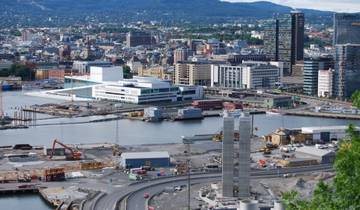
5 days
Norway in a Nutshell (Oslo to Bergen via Flam)
- ✓ Comprehensive Norway tour
- ✓ Expert local guides included
- ✓ All accommodation arranged
- ✓ Transportation provided
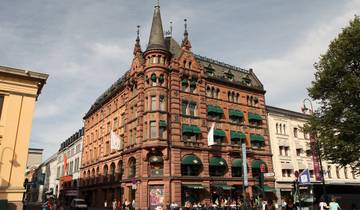
9 days
Best of Norway
- ✓ Comprehensive Norway tour
- ✓ Expert local guides included
- ✓ All accommodation arranged
- ✓ Transportation provided
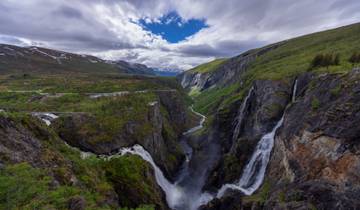
7 days
The beautiful Norway End Oslo
- ✓ Comprehensive Norway tour
- ✓ Expert local guides included
- ✓ All accommodation arranged
- ✓ Transportation provided
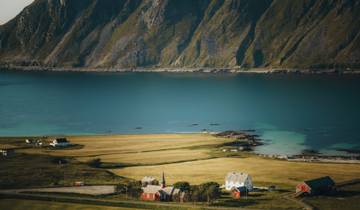
8 days
Trip Through the Lofoten Islands
- ✓ Booking needs min. 2 travelers
Multi-day tour packages powered by TourRadar. Prices and availability subject to change.
Introduction: Mastering Norway Travel Planning for 2026
Norway presents unique planning challenges and opportunities that distinguish it from more conventional European destinations. The country’s spectacular natural landscapes—deep fjords carved by ancient glaciers, dramatic mountain ranges, pristine wilderness areas, and coastal archipelagos—require different preparation than typical city-focused European trips. Weather variability, higher costs, seasonal daylight extremes, and geographical distances between attractions demand thorough advance planning to maximize your Norwegian experience while managing budgets and logistics effectively.
Understanding Norway’s cultural context helps travelers navigate local customs and expectations. Norwegian society values environmental conservation, personal space, work-life balance, and social equality, reflected in everything from recycling practices to interpersonal interactions. The concept of “friluftsliv” (outdoor life) permeates Norwegian culture, encouraging nature connection through hiking, skiing, and outdoor recreation regardless of weather. This cultural emphasis means Norwegians consider outdoor activities normal parts of daily life rather than special tourist experiences, explaining why many spectacular natural sites lack entrance fees or extensive tourist infrastructure.
Norway’s infrastructure combines efficient public transportation with limited coverage in remote areas. Major cities (Oslo, Bergen, Trondheim, Stavanger) offer excellent public transit, while rural fjord regions and northern Norway require rental cars, organized tours, or patience with infrequent bus schedules. The country’s extensive ferry network connects coastal communities and islands, operating year-round despite challenging weather. Understanding these transportation patterns helps you plan realistic daily itineraries that account for travel time between attractions.
The Norwegian krone’s favorable exchange rate in 2026 provides international visitors with better value than Norway offered during the 2010s peak pricing period. However, Norway still ranks among Europe’s more expensive destinations, requiring budget awareness and strategic spending choices. This guide provides practical tips for managing costs without sacrificing quality experiences, balancing splurges on unique Norwegian activities (fjord cruises, northern lights tours) with savings on accommodation, meals, and free natural attractions.
Seasonal considerations profoundly affect Norwegian travel planning. Summer’s midnight sun enables extended sightseeing days but brings crowds and peak prices, while winter’s northern lights and ski seasons offer unique experiences with reduced daylight and colder temperatures. Understanding these seasonal tradeoffs helps you choose optimal travel timing based on your interests, budget constraints, and weather tolerance. This comprehensive guide addresses planning considerations across all seasons, allowing you to prepare effectively for Norway travel during any 2026 period.
Entry Requirements and Documentation for 2026
Visa-Free Travel and Schengen Rules
Norway’s membership in the Schengen Agreement allows visa-free travel for citizens of over 60 countries including the United States, United Kingdom, Canada, Australia, New Zealand, Japan, South Korea, Singapore, and most Latin American and Asian developed nations. Visa-exempt visitors can stay in Norway and other Schengen countries for up to 90 days within any 180-day period without applying for visas. This 90-day limit applies cumulatively across all 27 Schengen countries—time spent in France, Italy, or Spain counts toward your Norway allowance.
Calculate Schengen stay limits using the “rolling 180-day” principle: on any given day, count backward 180 days and ensure your total Schengen time doesn’t exceed 90 days within that window. Online Schengen calculators help track compliance if visiting multiple European countries during extended trips. Overstaying Schengen limits results in entry bans, fines, or deportation—Norwegian border officials enforce these limits strictly using the new Entry/Exit System (EES) database that automatically tracks all entries and exits.
Your passport must remain valid for at least three months beyond your planned departure date from the Schengen Area. Airlines check passport validity before boarding, denying boarding to passengers with insufficient validity regardless of visa-free status. Additionally, passports should have at least two blank pages for entry stamps, though the new EES system reduces reliance on physical stamps. Apply for passport renewals 6-9 months before expiration to avoid last-minute complications if your current passport approaches expiry.
ETIAS Authorization Requirements Starting Q4 2026
The European Travel Information and Authorization System (ETIAS) launches in the fourth quarter of 2026, requiring visa-exempt travelers to obtain online authorization before entering Norway or other Schengen countries. This pre-travel screening system applies to citizens of countries with visa-waiver agreements, including the United States, United Kingdom, Canada, Australia, and approximately 60 other nations. ETIAS is not a visa but an online authorization similar to the United States’ ESTA system for European visitors.
The ETIAS application costs €20 for adults aged 18-70, with free authorization for applicants under 18 or over 70 years old. Complete the online application through the official ETIAS portal at europa.eu (avoid third-party services charging higher fees for the same process). The form requires basic biographical information, passport details, travel plans, employment history, and security/health questions regarding criminal records, travel to conflict zones, and previous visa refusals. Most applications receive instant approval, though some require additional review taking up to 30 days.
Apply for ETIAS at least 2-4 weeks before your Norway departure to allow time for potential processing delays. Once approved, your ETIAS authorization remains valid for three years or until passport expiration, whichever occurs first. The authorization links electronically to your passport, requiring no physical documents—airlines and border officials verify ETIAS status automatically when scanning passports. One ETIAS covers unlimited entries to Norway and all Schengen countries during its validity period, useful for travelers making multiple European trips.
ETIAS denials can be appealed, though grounds for refusal typically involve security concerns, criminal history, previous immigration violations, or providing false information on the application. If ETIAS is denied, you must apply for a traditional Schengen visa through Norwegian embassies or consulates, a more complex and time-consuming process. Answer ETIAS questions honestly and accurately to avoid delays or denials that complicate travel plans.
Entry/Exit System (EES) Biometric Registration
The Entry/Exit System (EES) launched in October 2025, replacing traditional passport stamping at Schengen borders with biometric registration and digital record-keeping. Non-EU/EEA/Swiss citizens entering Norway (or any Schengen country) for the first time after EES implementation undergo biometric registration: facial photograph and fingerprint scanning. This process takes 2-5 minutes at automated kiosks or staffed border control desks, creating a digital entry record linked to your passport.
Subsequent Schengen entries use biometric verification—scan your passport and fingerprints at automated gates for faster processing without interviewing border officers. The EES system automatically tracks your 90-day stay allowance, flagging potential overstays and helping border officials identify travelers exceeding permitted durations. This digital tracking benefits compliant travelers by eliminating stamp confusion and providing accurate records of Schengen time used.
Children under 12 are exempt from fingerprinting but still receive facial photographs. Travelers with privacy concerns should know that EES data is stored securely and shared only among Schengen border authorities, not with third-party organizations. The system aims to improve border security, reduce processing times, and prevent irregular migration while maintaining relatively smooth entry procedures for tourists and business travelers complying with Schengen rules.
Travel Insurance Recommendations
While Norway doesn’t legally require travel insurance for visa-free visitors, comprehensive coverage is highly recommended due to high healthcare costs for non-EU citizens. Norway’s healthcare system provides excellent quality but charges substantial fees for uninsured foreign patients—a simple doctor’s visit costs NOK 800-1,200 ($80-120), emergency room treatment NOK 3,000-5,000 ($300-500), and hospital stays can exceed NOK 10,000-20,000 ($1,000-2,000) daily before surgery or intensive care costs.
Choose travel insurance policies providing minimum €30,000 medical coverage to meet unofficial Schengen insurance standards, though €50,000-100,000 coverage provides better protection for serious incidents requiring evacuation or extended treatment. Ensure policies cover emergency medical expenses, medical evacuation, repatriation of remains, trip cancellation, baggage loss, and 24-hour emergency assistance. Adventure travelers planning hiking, skiing, or other active pursuits should verify coverage includes these activities—many basic policies exclude “extreme sports” requiring additional premiums or specialized coverage.
Purchase travel insurance soon after booking your trip to maximize trip cancellation benefits, which typically cover non-refundable flights and accommodation if you must cancel due to illness, family emergencies, or other covered reasons. Review policy exclusions carefully—pre-existing medical conditions, adventure sports, or travel to specific regions may require additional coverage or premium increases. Compare policies through aggregator websites but purchase directly from reputable insurers to avoid confusion about coverage terms and claims processes.
Money Management and Budget Planning for 2026
Understanding Norwegian Currency and Exchange Rates
The Norwegian krone (NOK, currency code) serves as Norway’s official currency, with coins in denominations of 1, 5, 10, and 20 kroner, and banknotes in 50, 100, 200, 500, and 1000 kroner values. As of early 2026, approximate exchange rates sit around NOK 10 per US dollar, NOK 11.78 per euro, and NOK 12.85 per British pound, though rates fluctuate daily based on forex markets. The krone’s relative weakness compared to 2010s levels makes Norway more affordable for international visitors in 2026 than it was during peak pricing years.
Monitor exchange rates 2-3 months before your trip to identify favorable timing for currency exchange or advance bookings. If rates deteriorate between booking and travel, consider pre-paying major expenses (hotels, tours) when rates are favorable to lock in costs. However, avoid excessive currency speculation—focus on strategic planning rather than obsessing over minor rate fluctuations that may shift before your departure date.
Norway operates as a nearly cashless society where card payments dominate all transactions. Physical currency is rarely necessary except for occasional farm stands, vintage shops, or small rural businesses—even these increasingly accept card payments through mobile payment terminals. Most travelers complete entire Norway trips using only credit or debit cards, withdrawing no cash whatsoever. This cashless culture provides convenience while reducing theft risks and currency exchange headaches.
Payment Methods and Card Strategy
Credit and debit cards (Visa, Mastercard) work universally across Norway, from major hotels to small kiosks, public transport ticket machines, and vending machines. American Express sees limited acceptance outside high-end hotels and restaurants—bring Visa or Mastercard as primary payment methods. Contactless payment via cards or mobile wallets (Apple Pay, Google Pay) is standard and often preferred for transactions under NOK 500, providing fast convenient payment without PIN entry.
Notify your bank and credit card issuers before traveling to Norway to prevent fraud blocks on foreign transactions. Unexpected international charges often trigger automatic security holds that leave you without payment access until resolved through customer service calls—avoid this hassle by providing advance travel notifications through online banking portals or customer service. Most banks allow setting travel notices for specific date ranges and countries.
Check your cards’ foreign transaction fees before departure—many cards charge 2-3% fees on international purchases, adding significant costs over a multi-day trip. Travel-focused credit cards typically waive foreign transaction fees, saving NOK 200-500 ($20-50) on a week-long Norway trip compared to cards with standard fees. Additionally, some travel cards provide travel insurance, purchase protection, or rewards points valuable for future trips, offering benefits beyond just fee savings.
ATMs are widely available in cities and towns for cash withdrawals if needed, dispensing Norwegian kroner at competitive exchange rates (usually better than airport or hotel currency exchange). However, ATM withdrawals incur fees from both the Norwegian ATM operator (NOK 30-50) and potentially your home bank (typically 1-3% of withdrawal amount plus flat fees). Minimize ATM fees by making one or two larger withdrawals rather than multiple small ones, though carrying excessive cash increases theft risks.
Daily Budget Expectations for Different Travel Styles
Budget Backpacker (NOK 1,000-1,500 per day / $100-150): Hostel dorm beds NOK 500-700, grocery store meals NOK 300-500, free natural attractions, public transport NOK 100-200, occasional budget restaurant meal NOK 150-250. This budget requires cooking most meals, choosing free activities, and traveling slowly to minimize transport costs. Feasible for solo travelers or couples willing to share dorm rooms and make strategic compromises on comfort.
Mid-Range Comfort (NOK 2,500-3,500 per day / $250-350): Mid-range hotel or guesthouse NOK 1,500-2,200, mix of restaurant and grocery meals NOK 800-1,200, paid attractions and activities NOK 400-800, public transport and occasional taxis NOK 300-500. This budget allows comfortable accommodation with private bathrooms, regular restaurant dining, city cards for museum entry, and some guided tours or activities without constant cost monitoring.
Luxury Experience (NOK 4,500+ per day / $450+): Upscale hotels NOK 3,000-5,000, restaurant meals and fine dining NOK 1,200-2,000, guided tours and premium activities NOK 800-1,500, rental car or private transport NOK 700-1,200. This budget provides high-end accommodation, stress-free dining at quality restaurants, comprehensive guided experiences, and private transportation for maximum flexibility and comfort.
These budget ranges exclude international flights and represent per-person daily spending including accommodation, meals, local transport, and activities. Costs increase during peak season (mid-June through August) when accommodation rates rise 30-50%, and decrease during shoulder season (May, September) or winter when lower demand reduces prices. Adjust budgets based on specific destinations—Oslo and Bergen cost more than smaller towns, while northern Norway (Tromsø, Lofoten) has limited budget accommodation increasing baseline costs.
Money-Saving Strategies for 2026 Travel
Book major components 6-12 weeks in advance to secure early-bird discounts on trains (Vy offers “Minipris” fares saving 30-60%), accommodation, and tours. Last-minute bookings during peak season cost significantly more with limited availability, while advance planning locks in lower rates and preferred options. However, shoulder season (May, September) and winter offer more flexibility for spontaneous travel without massive price penalties.
Grocery shopping reduces food costs dramatically compared to restaurant dining. Norwegian supermarkets (Rema 1000, Kiwi, Coop) sell fresh bread, cheese, cold cuts, prepared salads, fruit, and beverages at reasonable prices—assemble picnic lunches for NOK 60-100 versus restaurant lunches costing NOK 190-350. Choose accommodation with kitchen facilities (hostels, apartments, cabins) to prepare breakfast and dinner, saving NOK 400-800 daily on meals versus eating all restaurant meals.
Take advantage of Norway’s free natural attractions—national parks, hiking trails, fjord viewpoints, coastal walks, and public beaches cost nothing to visit. These experiences represent Norway’s greatest assets and provide spectacular scenery without entrance fees. Similarly, many sculpture parks, fortress grounds, and waterfront areas offer free access, allowing cultural experiences on minimal budgets. Paid attractions (museums, guided tours) enhance understanding but aren’t essential for enjoying Norway’s natural beauty.
Purchase city cards (Oslo Pass, Bergen Card) when planning extensive museum visits and public transport use. These cards provide free or discounted entry to major attractions plus unlimited public transport, typically paying for themselves if visiting 2-3 paid museums and taking multiple transit rides daily. Calculate planned activities before purchasing to ensure the card saves money versus paying individual admission fees—sometimes à la carte ticketing costs less for selective museum visiting.
Travel during shoulder season (May, early June, September) for 20-40% lower accommodation rates compared to peak July-August prices, fewer crowds at popular attractions, and similar weather conditions for outdoor activities. Airlines, hotels, and tour operators reduce prices during lower-demand periods, making shoulder season excellent value for budget-conscious travelers. Winter offers even deeper discounts (40-60% below summer) in southern Norway, though shorter daylight hours and colder temperatures may not suit all travelers.
Weather and Packing Essentials for 2026
Understanding Norway’s Climate Variations
Norway’s climate varies dramatically from south to north and coast to inland mountain areas. Southern coastal regions (Bergen, Stavanger) experience mild maritime climates with temperatures rarely dropping below freezing in winter or exceeding 22°C in summer, but receiving substantial rainfall year-round—Bergen averages 20-25 rainy days monthly regardless of season. Oslo and eastern Norway have more continental climates with colder winters, warmer summers, and less precipitation than western coastal areas.
Northern Norway above the Arctic Circle experiences extreme seasonal variation: midnight sun (24-hour daylight) late May through July allowing extended outdoor activities, polar night (24-hour darkness) late November through mid-January creating darkness necessary for northern lights viewing. Temperatures in Tromsø and Lofoten Islands range -5 to +15°C in summer, -15 to 0°C in winter, moderated by the Gulf Stream preventing extreme cold despite high latitude.
Mountain areas throughout Norway bring unpredictable weather regardless of season. Temperatures drop approximately 6°C per 1,000 meters elevation gain, meaning mountain passes remain cool or cold even during summer lowland heat waves. The Bergen Railway crosses Hardangervidda plateau at 1,222 meters where snow can fall any month, requiring warm clothing for train journeys even in July. Weather changes rapidly in mountains—clear morning conditions can deteriorate to fog, wind, and rain within hours.
Summer Packing (June-August 2026)
Summer temperatures range 12-22°C in most tourist areas, with southern Norway occasionally reaching 25-28°C during heat waves while northern regions and mountains stay cooler. Pack layered clothing allowing adaptation to changing conditions: short-sleeve shirts for warm afternoons, long-sleeve shirts or light sweaters for cool evenings or cloudy days, and warm fleece or down jacket for ferries, mountain areas, or evening activities.
Waterproof rain jacket and waterproof pants (or rain trousers) prove essential for Norwegian summers, particularly in coastal Bergen where rain occurs 20-25 days monthly even in July-August. Choose breathable waterproof materials (Gore-Tex or equivalent) rather than cheap plastic ponchos that trap moisture during active hiking. Waterproof gear transforms potentially miserable rainy days into comfortable exploration opportunities, crucial for maintaining enjoyment despite variable weather.
Comfortable walking shoes with good grip and ankle support handle varied terrain from city cobblestones to mountain trails. Break in new shoes before your trip to avoid blisters during extensive daily walking. Bring lightweight sandals or casual shoes for evening wear, reducing luggage weight while providing alternatives to hiking shoes. Consider waterproof hiking boots for serious mountain hiking or muddy trail conditions, though lightweight trail runners work well for casual day hikes on maintained paths.
Sun protection surprises many summer visitors—Norway’s high latitude creates low-angle sun and reflections off water or snow that cause severe sunburn despite moderate temperatures. Pack high-SPF sunscreen (30+), sunglasses with UV protection, and a brimmed hat for extended outdoor activities. The midnight sun provides spectacular extended daylight but increases UV exposure during all-day hikes or fjord cruises. Lip balm with SPF prevents painful chapped lips in sun and wind.
Winter Packing (November-March 2026)
Winter temperatures range 0 to -10°C in southern Norway, -10 to -25°C in northern Norway and mountain areas. Layer thermal base layers, insulating mid-layers (fleece or down), and waterproof windproof outer shells for warmth flexibility. Quality winter jacket with hood, insulated pants, warm gloves, wool or synthetic socks, and insulated waterproof boots handle Norwegian winter conditions comfortably, allowing outdoor activities despite cold temperatures.
Northern lights tours often involve standing outdoors for 1-3 hours in sub-zero temperatures waiting for auroral displays—inadequate clothing ruins these experiences. Bring insulated winter boots rated for temperatures below -20°C, thick gloves or mittens (mittens provide better warmth), neck gaiter or scarf, and wool or fleece hat covering ears. Hand and toe warmers provide additional warmth insurance for extremely cold nights or extended outdoor activities.
Winter daylight hours are severely limited in Norway, with southern regions receiving 6-7 hours of daylight in December-January and northern regions experiencing polar night (complete darkness) for weeks. Pack headlamp or flashlight for safe navigation during dark morning and evening hours. Reflective clothing or accessories improve visibility to drivers when walking along roads during darkness, important for safety in areas without sidewalks.
Shoulder Season Packing (May, September 2026)
Spring (May) and autumn (September) temperatures range 8-16°C with more variable conditions requiring versatile clothing. Pack similar layers to summer but with warmer options: bring both short and long-sleeve shirts, medium-weight fleece or sweater, waterproof rain gear, and light gloves or hat for cool mornings. Weather can shift from sunny and pleasant to cold and rainy within single days, making layered flexible wardrobes essential.
May brings melting snow at higher elevations, meaning mountain trails may be muddy, wet, or partially snow-covered. Waterproof hiking boots with good ankle support handle these conditions better than lightweight trail shoes. September features drier conditions generally but shorter days and cooler temperatures requiring warm layers for evening activities. Both months see fewer tourists than summer while offering excellent wildlife viewing (spring) or fall colors (September).
Universal Packing Items for All Seasons
Daypack (20-30 liter capacity) carries essentials during day trips: water bottle, snacks, extra layers, rain gear, camera, phone charger, and first aid supplies. Choose comfortable pack with padded shoulder straps and waist belt for longer hiking excursions. Many travelers use their daypack as carry-on luggage for flights, reducing checked baggage fees while keeping valuables accessible.
Reusable water bottle (insulated for winter) saves money and reduces plastic waste—Norway’s tap water is excellent quality and safe to drink everywhere. Refill bottles at accommodations, restaurants, and public water fountains instead of purchasing expensive bottled water (NOK 25-35 per bottle in stores, NOK 40-60 at tourist sites).
Power adapter for European Type C/F outlets (two round pins) charges electronics throughout Norway. Consider adapter with multiple USB ports to charge phone, camera, and other devices simultaneously without multiple adapters. Norway’s electrical system operates at 230V, 50Hz—check that your devices support this voltage or bring appropriate transformers.
Prescription medications in original labeled containers last your entire trip with extras for delays. Norway requires prescriptions for many over-the-counter medications available elsewhere, making advance supplies important if you regularly use specific products. Basic first aid supplies (bandages, pain relievers, antihistamines, anti-diarrheal medication) handle minor issues without searching for pharmacies in unfamiliar cities.
Transportation and Getting Around Norway 2026
Domestic Flights Within Norway
Norwegian, SAS, and Widerøe operate extensive domestic flight networks connecting major cities and northern Norway destinations. Flights between Oslo-Bergen (1 hour), Oslo-Tromsø (2 hours), or Oslo-Stavanger (1 hour) cost NOK 500-1,500 depending on booking timing and flexibility. Book 6-12 weeks ahead for lowest fares, with “LowFare” or equivalent discount tickets offering significant savings versus flexible last-minute bookings.
Domestic flights make sense for long-distance travel where trains or buses require 6+ hours—flying Oslo to Tromsø saves 20+ hours compared to bus/train combinations while often costing similar or less than multi-segment ground transport. However, short-haul flights (Oslo-Bergen) compete poorly with trains on total travel time when considering airport commute, security, boarding, and baggage claim—the Bergen Railway takes 6.5 hours city center to city center versus 4-5 hours total for flying when including airport procedures.
Norwegian domestic flights allow one carry-on bag included in base fares, with checked baggage costing NOK 350-550 per bag each way. Pack light for domestic flights to avoid baggage fees, or pay fees if carrying skiing, hiking, or camping equipment requiring checked bags. Widerøe serves smaller regional airports with smaller aircraft, sometimes operating propeller planes rather than jets—these flights provide spectacular aerial views of fjords and mountains worth experiencing as sightseeing opportunities.
Train Travel Throughout Norway
Vy (formerly NSB) operates Norway’s national railway network connecting Oslo with Bergen, Stavanger, Trondheim, and regional destinations. The Bergen Railway (Bergensbanen) ranks among the world’s most scenic train journeys, crossing Hardangervidda mountain plateau with spectacular views included in your transportation. Other scenic routes include the Dovre Railway (Oslo-Trondheim), Rauma Railway (Dombås-Åndalsnes), and Nordland Railway (Trondheim-Bodø, Norway’s northernmost railway).
Book train tickets through vy.no or the Vy app, with “Minipris” discount fares offering savings of 50-70% versus standard flexible tickets when booked 1-3 months ahead. Minipris tickets are non-refundable and tied to specific departures, while standard tickets allow changes and cancellations with fees. Choose Minipris for firm travel plans with advance booking ability, standard tickets when flexibility matters more than cost savings.
Norwegian trains feature comfortable seats, power outlets, luggage storage, and café cars selling sandwiches, snacks, and beverages (expect high prices—bring your own food for savings). First-class upgrades (NSB Komfort) provide larger seats and complimentary beverages for NOK 100-200 surcharge, worthwhile for very long journeys but unnecessary for most tourist routes. Trains operate year-round with reliable schedules, though winter weather occasionally causes delays at high-elevation sections.
Bus and Coach Services
Long-distance buses connect destinations without rail service and often cost less than trains for similar routes, though journey times are longer and scenic views less spectacular than rail alternatives. Vy Express and NOR-WAY Bussekspress operate extensive networks throughout Norway, with advance booking providing discount fares similar to Minipris train tickets. Buses feature reclining seats, WiFi, power outlets, and luggage storage, offering reasonable comfort for multi-hour journeys.
Regional and local buses serve rural areas, fjord communities, and mountain regions without train access. Schedules vary from hourly service on popular routes to 1-2 buses daily in remote areas—plan carefully when relying on local buses to avoid being stranded overnight in small towns. The Entur app (entur.no) integrates all Norwegian public transport operators, allowing journey planning and ticket purchases across trains, buses, ferries, and urban transit systems.
Bus travel costs approximately 30-50% less than trains for equivalent distances, making buses excellent budget options. However, buses typically take 1.5-2x longer than trains due to indirect routing, multiple stops, and lower speeds on winding roads. Evaluate time versus cost tradeoffs based on your schedule flexibility and budget constraints—sometimes saving NOK 200-300 justifies adding 2-3 hours to travel time, other times speed and comfort warrant higher train fares.
Ferry and Coastal Shipping
Ferries form essential transportation links along Norway’s extensive coastline and across fjords. Short car ferries (NOK 40-150 per person, NOK 200-600 per vehicle) operate on 5-30 minute crossings between mainland and islands or across fjord narrows. These ferries run frequently (every 30-60 minutes on busy routes) without reservations required—drive on, pay aboard or at automated ticket machines, and continue your journey.
The Hurtigruten coastal ferry operates daily departures connecting Bergen with Kirkenes (North Cape) over 7-day voyages, calling at 34 ports along Norway’s dramatic coastline. Originally postal ships serving remote coastal communities, Hurtigruten now combines working maritime service with tourist cruise experiences. Point-to-point segments (Bergen-Trondheim, Trondheim-Tromsø) provide transportation alternatives to flights or buses while offering spectacular coastal scenery and comfortable cabins. Prices vary widely based on season, cabin class, and advance booking, ranging from NOK 1,500-8,000 per person for overnight segments.
Fjord cruise ferries operate scenic routes like Flåm-Gudvangen (Nærøyfjord), Geiranger-Hellesylt (Geirangerfjord), and various Sognefjord branches. These tourist-oriented cruises cost NOK 400-1,200 per person for 1-3 hour journeys, featuring spectacular cliff faces, waterfalls, and narrow fjord passages impossible to view from land. Book fjord cruises 2-4 weeks ahead during summer peak season to guarantee availability and secure best pricing.
Rental Cars and Driving in Norway
Rental cars provide maximum flexibility for exploring rural fjord regions, mountain areas, and northern Norway where public transport is limited. Major international rental companies (Hertz, Avis, Budget, Sixt) operate at airports and cities throughout Norway, with compact cars costing NOK 500-1,000 per day including basic insurance during peak season, less during winter. Book rental cars 4-8 weeks ahead for best availability and pricing, particularly for summer fjord touring when demand is highest.
Norwegian driving regulations are strict with severe penalties for violations. Speed limits are 50 km/h in urban areas, 80 km/h on rural roads, 90-100 km/h on highways, rigorously enforced by automated cameras throughout the country. Speeding fines start at NOK 1,000-2,000 for minor violations, escalating rapidly for serious excesses. Drive carefully, observe posted limits, and use cruise control on highways to avoid expensive traffic fines that arrive weeks after your trip when rental companies charge your credit card.
Fuel costs NOK 21-25 per liter ($8-9.50 per gallon) for gasoline, slightly less for diesel in 2026. This represents some of Europe’s highest fuel prices, significantly increasing rental car costs versus public transport. However, the freedom to stop at viewpoints, explore remote areas, and avoid bus schedule constraints often justifies fuel expenses for travelers with time to explore beyond main tourist routes.
Norwegian roads are excellent quality but challenging in mountain and fjord regions, featuring steep grades, tight switchbacks, one-lane tunnels, and dramatic cliff-edge routes without guardrails. Winter driving requires winter tires (legally mandated November through April, rental cars have these installed automatically) and experience with snow and ice conditions. Summer brings tourist traffic congestion on popular scenic routes and limited parking at major viewpoints—arrive early morning or late afternoon to avoid peak crowds.
Accommodation Strategies for 2026
Hotels and Guesthouses
Norwegian hotels range from international chains (Scandic, Radisson, Thon Hotels) offering consistent quality and locations throughout major cities, to independent boutique properties with local character and unique design. Mid-range hotels cost NOK 1,500-2,200 per night for standard double rooms with private bathrooms, breakfast often included in Nordic tradition. Budget hotel chains (Citybox, Comfort Express) provide basic clean rooms for NOK 900-1,400, sacrificing breakfast and amenities for lower pricing.
Book hotels 6-12 weeks ahead for summer travel (mid-June through August) when prices rise 30-50% above shoulder season rates and availability becomes limited in popular destinations. Bergen particularly suffers capacity constraints due to cruise ship arrivals—book Bergen accommodation early or risk paying premium rates for remaining rooms. Winter and shoulder season allow more booking flexibility with better negotiating leverage if contacting hotels directly.
Traditional Norwegian hotels often include substantial breakfast buffets with bread, cheese, cold cuts, smoked fish, yogurt, fruit, eggs, and pastries—take advantage of hearty breakfasts to fuel morning activities and reduce lunch costs. Some hotels offer packed lunch options for hiking or touring, providing sandwiches and snacks for small additional fees (NOK 80-150) versus purchasing meals at tourist sites.
Hostels and Budget Accommodation
Hostels provide Norway’s most affordable accommodation, with dorm beds costing NOK 500-700 per night in major cities, slightly less in smaller towns. Modern hostels often feature private rooms (NOK 900-1,400) offering budget hotel alternatives with shared bathroom facilities but private sleeping spaces. Norwegian hostels maintain high cleanliness standards with secure lockers, shared kitchens for meal preparation, common areas for socializing, and often spectacular locations near natural attractions.
HI (Hostelling International) operates numerous hostels throughout Norway with membership discounts available for frequent hostel users. Independent hostels offer similar quality without membership requirements, competing on location, facilities, and pricing. Book hostels 4-8 weeks ahead during summer peak season when beds sell out in popular destinations, particularly in Bergen, Lofoten Islands, and northern Norway locations.
Shared kitchens represent hostel’s greatest budget advantage, allowing meal preparation at fraction of restaurant costs. Purchase groceries at nearby supermarkets and prepare breakfast, packed lunches, and dinners in hostel kitchens, saving NOK 400-800 daily on food versus restaurant dining. Fellow travelers often share ingredients or cooking, creating social experiences while reducing costs through communal meal preparation.
Cabins, Hytter, and Camping
Traditional Norwegian cabins (hytter) provide authentic accommodation experiences ranging from basic mountain huts without electricity or running water (NOK 400-700 per night) to fully-equipped modern cabins with kitchens, bathrooms, and comfortable furnishings (NOK 1,200-2,500). Camping sites throughout Norway offer cabin rentals alongside tent and RV spaces, combining cabin comfort with camping affordability and natural settings.
Book cabins well ahead for summer and holiday periods when Norwegian families reserve favorite hytter months in advance. However, shoulder season and winter offer good last-minute availability outside school holidays. Many cabin accommodations require bringing your own bedding and towels or paying rental fees (NOK 100-200), while others provide full linens included in rates—verify what’s included when booking to avoid surprises.
Camping in Norway benefits from “allemannsretten” (right to roam) allowing wild camping on uncultivated land more than 150 meters from buildings for up to two nights without permission. This legal right provides free accommodation for tent campers willing to carry camping gear and follow Leave No Trace principles. Established campgrounds charge NOK 200-350 per night for tent spaces with facilities (showers, toilets, water, electricity), offering comfort and convenience over wild camping.
Apartments and Vacation Rentals
Airbnb, VRBO, and Norwegian rental platforms offer apartments and vacation homes suitable for families or groups wanting kitchen facilities, multiple bedrooms, and living space. Apartments in Oslo or Bergen cost NOK 1,200-2,500 per night for 2-bedroom units sleeping 4 people, often cheaper per-person than hotel rooms when split among families or friend groups. Vacation homes in fjord regions or mountain areas provide self-catering accommodation with spectacular locations justifying higher nightly rates (NOK 2,000-4,000).
Apartments shine for stays of 3+ nights when kitchen access enables grocery shopping and meal preparation, substantially reducing food costs compared to restaurant dining every meal. Additionally, washing machines in many rental apartments allow laundry during longer trips, reducing clothing packed while maintaining fresh wardrobe. Book vacation rentals 8-12 weeks ahead for summer peak season, comparing total costs (nightly rate plus cleaning fees and service charges) against hotel alternatives before committing.
Frequently Asked Questions
What’s the cheapest way to travel around Norway in 2026?
Long-distance buses operated by Vy Express and NOR-WAY Bussekspress cost 30-50% less than trains for similar routes, though journey times are longer. Book advance “Minipris” bus fares through vy.no or bus company websites for maximum savings. Within cities, walking costs nothing and provides excellent exploration opportunities—Oslo and Bergen’s compact centers make most attractions accessible on foot. When public transport is necessary, purchase day passes (Oslo 24-hour ticket NOK 120, Bergen Card NOK 420-780) providing unlimited rides for less than multiple single tickets.
How much does food cost in Norway in 2026?
Restaurant meals cost NOK 190-350 for budget to mid-range lunch plates, NOK 300-600 for dinners including beverages. Fast food (pizza, kebabs) runs NOK 120-200 per meal. However, grocery stores offer substantial savings: bread NOK 25-40, cheese NOK 50-80 per 250g, sandwich materials for lunch NOK 60-100, prepared ready-meals NOK 80-150. Cook your own meals to reduce daily food costs from NOK 800-1,200 (restaurants) to NOK 300-500 (groceries), saving NOK 3,500-4,900 ($350-490) over a week-long trip.
Is Norway safe for solo travelers in 2026?
Norway ranks among the world’s safest countries with extremely low violent crime rates, minimal terrorism risk, and helpful friendly population. Solo travelers face no significant safety concerns beyond normal precautions applicable anywhere: secure valuables, remain aware of surroundings in crowded areas, avoid excessive alcohol consumption, and trust your instincts. Women traveling alone report feeling very safe throughout Norway at all hours. Remote hiking requires proper preparation and letting someone know your route, but presents minimal human-related dangers.
Do Norwegians speak English well?
Yes, Norwegians have excellent English proficiency, particularly those under 50 years old. English is taught from early grades in Norwegian schools, and most Norwegians speak fluently enough for comfortable tourist interactions. All tourist services, hotels, restaurants, and transportation operate with English-speaking staff, making language barriers minimal for English speakers. Older residents in rural areas may have more limited English but remain helpful and patient with visitors. Learning basic Norwegian phrases shows respect but isn’t necessary for successful travel.
What’s the drinking age and alcohol situation in Norway 2026?
The legal drinking age is 18 for beer and wine, 20 for spirits. Norway regulates alcohol sales through state-run Vinmonopolet stores selling wine and spirits, with limited hours (typically 10 AM-6 PM weekdays, closing 3 PM Saturdays, closed Sundays and holidays). Regular grocery stores sell only beer up to 4.7% alcohol, ceasing sales at 8 PM weekdays, 6 PM Saturdays, never on Sundays. Restaurant and bar prices are high (beer NOK 100-140, wine NOK 120-180 per glass), encouraging many travelers to purchase from Vinmonopolet for accommodation consumption.
Can I see the midnight sun in 2026, and where?
Yes, the midnight sun occurs above the Arctic Circle (approximately 66.5°N latitude) from late May through mid-July, with exact dates varying by latitude. Tromsø experiences midnight sun May 20-July 22, while North Cape (Norway’s northernmost accessible point) sees 24-hour daylight May 14-July 29. Southern Norway including Oslo and Bergen never experiences true midnight sun but has very long summer days with twilight replacing full darkness June-July. Visit northern Norway (Tromsø, Lofoten Islands, North Cape) during late May through July 2026 for midnight sun experiences.
What should I know about Norway’s tipping culture?
Tipping is optional as service charges are included in prices. Norwegians rarely tip, though rounding up bills or leaving 5-10% for exceptional restaurant service is appreciated. Hotel porters might receive NOK 20-50 per bag, tour guides NOK 50-100 per person for outstanding service, but these are discretionary gestures rather than obligations. Never feel pressured to tip for adequate service—Norwegian wages are sufficient without tip supplements, unlike North American service industry conventions where tips form substantial income.
Are credit cards really accepted everywhere in Norway?
Yes, Norway operates as a nearly cashless society where cards are accepted universally—from major hotels and restaurants to small kiosks, public vending machines, and even some street vendors. Contactless payment is standard and preferred for transactions under NOK 500. Many Norwegians complete entire weeks without using cash. Some older rural establishments or farm stands may prefer cash, but these represent rare exceptions. Bring credit/debit cards with chip and PIN technology as primary payment methods, carrying minimal cash (NOK 500-1,000) for emergencies only.
What’s the best way to see Norway’s fjords in 2026?
The “Norway in a Nutshell” round-trip tour from Oslo or Bergen combines trains, buses, and ferries to showcase Sognefjord, Nærøyfjord (UNESCO-listed), and surrounding mountain scenery in one comprehensive day trip. This organized excursion costs NOK 1,800-2,400 but handles logistics while maximizing scenic viewing. Alternatively, independent travelers can book individual legs (Bergen Railway, Flåm Railway, Nærøyfjord cruise, local buses) for similar experiences with more flexibility and potentially lower total costs. Rental cars provide maximum freedom to explore multiple fjords at your own pace, stopping at viewpoints and small villages missed by organized tours.
How do I prepare for Norway’s variable weather in 2026?
Pack layered clothing allowing adaptation to changing conditions: moisture-wicking base layers, insulating mid-layers (fleece or down), waterproof windproof outer shell. Bring waterproof rain jacket and pants regardless of season—Bergen receives rain year-round, and mountain weather changes rapidly even during summer. Include warm layers (fleece, warm socks, hat, gloves) even for summer trips, as temperatures drop significantly on ferries, in mountains, or during evening activities. Quality waterproof gear transforms potentially miserable rainy experiences into comfortable exploration regardless of conditions.