Norway 3-Day Itinerary 2026: First-Time Visitor Guide
Visiting Norway in 2026 offers first-time travelers the opportunity to experience dramatic fjords, vibrant cities, and stunning natural landscapes within a perfectly planned three-day journey. This comprehensive itinerary balances Oslo’s urban attractions with Bergen’s coastal charm and includes UNESCO-listed fjords, making the most of your limited time while keeping logistics manageable and costs transparent.
Key Takeaways
- Three Days Covers Two Cities: Split your time between Oslo (1.5 days) and Bergen (1.5 days) for a balanced introduction to Norway’s urban culture and natural beauty
- Budget NOK 2,500-3,500 Daily: Expect NOK 2,500-3,500 ($250-350) per person daily excluding accommodation, covering transport, meals, and major attractions in 2026
- Book Bergen Card in Advance: The 48-hour Bergen Card (NOK 540 for adults in 2026) provides free public transport and museum entry, saving money on your second day
- Oslo-Bergen Train is Essential: The 6.5-hour Bergen Railway journey between cities doubles as a scenic attraction, showcasing Norway’s mountain landscapes
- Pre-book Fjord Excursions: Reserve fjord cruise tickets 2-4 weeks ahead for better rates and guaranteed availability during 2026 peak season (June-August)
- Pack for Variable Weather: Even summer 2026 brings temperatures of 10-18°C with frequent rain, particularly in Bergen—bring layered waterproof clothing
People Also Ask About Norway 3-Day Itinerary 2026
Is 3 Days Enough to See Norway in 2026?
Three days provides sufficient time to experience Norway’s highlights for first-time visitors in 2026, focusing on two major cities and one fjord excursion. This timeframe allows you to explore Oslo’s museums and waterfront, experience Bergen’s historic Bryggen wharf, and take a memorable fjord cruise without feeling rushed. While Norway deserves longer exploration, a well-planned 3-day itinerary covers the essential experiences that define Norwegian culture and landscapes.
The key is strategic planning: fly into Oslo, spend 1.5 days exploring the capital, take the scenic Bergen Railway on day two, then dedicate 1.5 days to Bergen and fjord excursions before departing. This routing minimizes backtracking and maximizes sightseeing time while maintaining a comfortable pace suitable for first-time visitors.
What’s the Best Route for a 3-Day Norway Trip in 2026?
The optimal 3-day route follows Oslo → Bergen via the Bergen Railway, providing both transportation and spectacular scenery. Fly into Oslo Airport Gardermoen, spend day one and the morning of day two exploring the capital, then take the afternoon Bergen Railway (departing around 2-3 PM) to reach Bergen by evening. Dedicate day three to Bergen’s historic center and a fjord cruise, then fly home from Bergen Airport Flesland or return to Oslo if international flights require it.
This west-to-east routing works equally well in reverse (Bergen → Oslo), but starting in Oslo allows you to acclimate to Norwegian culture and costs in the capital before experiencing the more relaxed coastal atmosphere of Bergen. The Bergen Railway journey becomes a highlight rather than dead travel time, showcasing mountains, plateaus, and valleys that define Norway’s interior.
How Much Does a 3-Day Norway Trip Cost in 2026?
A 3-day Norway trip costs approximately NOK 7,500-10,500 ($750-1,050) per person excluding accommodation and international flights in 2026. This budget includes domestic transportation (Oslo-Bergen train NOK 500-900, local transport NOK 300), meals (NOK 600-1,000 daily), attractions and activities (NOK 800-1,200), and incidentals. Accommodation adds NOK 1,500-5,200 depending on your choice of hostels (NOK 500-700 per night) versus mid-range hotels (NOK 1,725 per night average).
Budget travelers choosing hostels, grocery store meals, and free attractions can manage on NOK 2,500 ($250) daily, while comfort-focused visitors preferring mid-range hotels and restaurants should budget NOK 3,500-4,500 ($350-450) per day. The Bergen Card (NOK 540 for 48 hours in 2026) helps reduce costs by providing free public transport and museum entry.
What Should I Pack for Norway in 2026?
Pack for changeable weather regardless of season, as Norway’s climate varies significantly between coastal and inland areas in 2026. Essential items include waterproof jacket and pants (Bergen receives rain year-round), comfortable walking shoes with good grip, layered clothing (temperatures range 5-20°C even in summer), sunglasses and sunscreen for long summer daylight hours, and a daypack for excursions. Even July and August bring cool evenings requiring sweaters or fleeces.
Additional recommended items: reusable water bottle (tap water is excellent and free), power adapter (Norway uses European Type C/F plugs), prescription medications in original containers, and a portable phone charger. If visiting May-September 2026, pack insect repellent for mosquitoes in fjord and mountain areas. Download offline maps before arrival as cellular data can be expensive for international visitors.
Extended multi-day tours – 5+ days
Featured Norway Multi-Day Tour Packages
5 days
Norway in a Nutshell (Oslo to Bergen via Flam)
- ✓ Comprehensive Norway tour
- ✓ Expert local guides included
- ✓ All accommodation arranged
- ✓ Transportation provided
9 days
Best of Norway
- ✓ Comprehensive Norway tour
- ✓ Expert local guides included
- ✓ All accommodation arranged
- ✓ Transportation provided
7 days
The beautiful Norway End Oslo
- ✓ Comprehensive Norway tour
- ✓ Expert local guides included
- ✓ All accommodation arranged
- ✓ Transportation provided
8 days
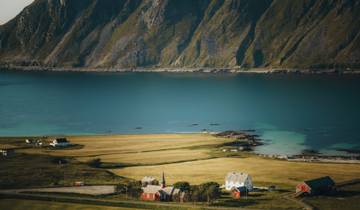
Trip Through the Lofoten Islands
- ✓ Booking needs min. 2 travelers
Multi-day tour packages powered by TourRadar. Prices and availability subject to change.
Introduction: Planning Your First Norway Adventure in 2026
Norway captivates first-time visitors with landscapes that seem pulled from fairy tales: deep fjords carved by ancient glaciers, colorful wooden houses lining historic waterfronts, and mountains rising dramatically from coastal waters. For travelers with limited time in 2026, a carefully planned three-day itinerary provides an authentic introduction to Norwegian culture, natural beauty, and urban sophistication without overwhelming your schedule or budget.
This itinerary balances Norway’s two most accessible cities—Oslo’s cosmopolitan energy and world-class museums, Bergen’s maritime heritage and gateway to fjord country—with practical logistics that maximize sightseeing while minimizing transit time. The routing takes advantage of Norway’s efficient rail network, turning necessary transportation into one of your trip’s highlights via the spectacular Bergen Railway, often called one of the world’s most beautiful train journeys.
Understanding Norway’s costs upfront helps set realistic expectations for 2026 travel. While Norway ranks among Europe’s more expensive destinations, strategic planning reduces expenses without sacrificing quality experiences. Advance booking, city cards, self-catering options, and free natural attractions all contribute to manageable budgets. The Norwegian krone reached historically favorable exchange rates in 2024-2025, making 2026 an opportune time for international visitors, particularly those traveling with US dollars, euros, or British pounds.
Weather plays a significant role in Norwegian travel planning. Summer months (June-August) offer the longest daylight hours, warmest temperatures (10-20°C), and best hiking conditions, but also bring peak crowds and highest accommodation prices. Late spring (May) and early autumn (September) provide excellent alternatives with fewer tourists, lower rates, and still-pleasant weather, though shorter days and cooler temperatures require appropriate clothing. This guide accommodates year-round travel while highlighting seasonal considerations for 2026 visits.
The itinerary assumes arrival and departure from major international airports—Oslo Gardermoen (OSL) or Bergen Flesland (BGO)—with flexibility for those booking multi-city flights or combining Norway with other Scandinavian destinations. Each day includes realistic timing, verified 2026 pricing, transportation details, and alternative options to customize the experience based on your interests, energy levels, and budget constraints.
Essential Pre-Trip Planning for Norway 2026
Entry Requirements and Documentation for 2026
Citizens of the United States, United Kingdom, Canada, Australia, and most other Western countries do not need a visa to visit Norway for tourism stays up to 90 days within any 180-day period in 2026. Norway participates in the Schengen Agreement, meaning entry stamps apply to your entire Schengen stay, not just Norway. Ensure your passport remains valid for at least three months beyond your planned departure date from the Schengen Area.
Starting in late 2026 (fourth quarter), travelers from visa-exempt countries will need to obtain ETIAS (European Travel Information and Authorization System) authorization before arrival. This online pre-travel screening costs €20, remains valid for three years or until passport expiration, and applies to all Schengen countries including Norway. The application takes minutes to complete online, though approval can take up to 30 days in rare cases requiring additional review. Apply through the official ETIAS portal at europa.eu well before your departure date.
The Entry/Exit System (EES) launched in October 2025, replacing traditional passport stamping with biometric registration at Schengen borders. On your first entry, border officials will photograph your face and scan your fingerprints, creating a digital record linked to your passport. Subsequent crossings use biometric verification for faster processing. Children under 12 are exempt from fingerprinting but still receive facial photos. The process adds 2-5 minutes to border crossing times at Oslo or Bergen airports.
Travel insurance is highly recommended though not legally required for Norway visits in 2026. Comprehensive coverage should include medical expenses (Norway’s healthcare costs are substantial for non-EU visitors), trip cancellation, baggage loss, and emergency evacuation. Policies meeting Schengen insurance standards typically provide minimum €30,000 medical coverage, which proves valuable if unexpected illness or injury occurs during your trip.
Currency, Payment Methods, and Money Management 2026
The Norwegian krone (NOK) serves as Norway’s official currency, with approximate exchange rates of NOK 10 per US dollar and NOK 11.78 per euro as of early 2026 (rates fluctuate). The krone’s relative weakness compared to historical levels makes Norway more affordable for international visitors in 2026 than it was during the 2010s, particularly for those paying with dollars, euros, or pounds.
Norway operates as a nearly cashless society, with card payments accepted everywhere from major hotels to small kiosks and public transport. Credit and debit cards (Visa and Mastercard) work universally, while American Express sees limited acceptance. Contactless payment via cards or mobile wallets (Apple Pay, Google Pay) is standard, often preferred for transactions under NOK 500. ATMs are widely available in Oslo and Bergen for cash withdrawals, though you’ll rarely need physical currency except for occasional farm stands or vintage shops.
Notify your bank before traveling to Norway to prevent fraud blocks on foreign transactions. Most Norwegian merchants add no surcharge for card payments, making cards more cost-effective than currency exchange. Check your card’s foreign transaction fees—cards without such fees (typically 2-3%) save money over a 3-day trip. Consider a travel-focused credit card that waives foreign transaction fees and provides travel insurance or purchase protection as added benefits.
Tipping in Norway differs significantly from North American conventions. Service charges are included in restaurant bills, hotel rates, and taxi fares, making tipping optional rather than expected. Rounding up taxi fares or leaving small change for exceptional restaurant service (5-10%) is appreciated but not obligatory. Hotel porters and room service might receive NOK 20-50 for assistance, while tour guides appreciate NOK 50-100 per person for excellent service, though again, this is discretionary.
Booking Strategy and Advance Reservations for 2026
Book major components 6-12 weeks before your 2026 Norway trip for the best combination of availability and pricing. The Bergen Railway, fjord cruises, and popular museums can sell out during peak season (mid-June through August), while shoulder season (May, September) offers more flexibility for last-minute bookings. Accommodation prices fluctuate significantly by season, with summer rates often 30-50% higher than winter in tourist areas.
Priority advance bookings include Bergen Railway tickets (vy.no), which offer discounted “Minipris” fares when booked early versus standard flexible fares, fjord cruise tickets through official operators, and accommodation in Bergen (limited rooms due to cruise ship arrivals). Oslo hotels have greater capacity and flexibility, though booking 4-6 weeks ahead still secures better rates and preferred locations near public transport hubs.
Consider purchasing the Bergen Card (48-hour version, NOK 540 for adults in 2026) before arrival through the official Visit Bergen website. The card activates upon first use, providing flexibility while guaranteeing availability. Similarly, if planning specific museum visits in Oslo—such as the Viking Ship Museum or National Museum—check online for timed entry requirements or special exhibitions requiring advance tickets.
Restaurant reservations prove unnecessary for most casual dining in 2026, as Norway’s food culture emphasizes informal cafes and takeaway options. However, if targeting a specific upscale restaurant or dining during peak evening hours (6-8 PM) on weekends, booking 2-3 days ahead ensures tables, particularly in Bergen’s smaller historic center where restaurant capacity is limited.
Day 1: Oslo Arrival and Capital Exploration
Morning: Arrival and City Center Orientation
Arrive at Oslo Airport Gardermoen (OSL), located 47 kilometers north of the city center. The Airport Express Train (Flytoget) provides the fastest connection to Oslo Central Station, running every 10-20 minutes with a journey time of 19-22 minutes. Tickets cost NOK 220 for adults when purchased in advance online or via the Flytoget app (check official site for current 2026 rates). The alternative regional train operated by Vy costs NOK 118 and takes 23-28 minutes, offering excellent value for budget-conscious travelers.
Airport buses (Flybussen) run to various Oslo locations including the central bus terminal and major hotels, taking 40-50 minutes depending on traffic. Fares average NOK 200-250. Taxis from the airport cost NOK 700-900 to central Oslo, justified only when traveling as a group of 3-4 people splitting costs or arriving with excessive luggage. The Flytoget or Vy train options provide the most efficient balance of speed, cost, and convenience for first-time visitors.
Check into your Oslo accommodation, dropping luggage before beginning sightseeing. Budget travelers gravitate toward hostels in the Grünerløkka or city center areas (NOK 500-700 per night for dorm beds), while mid-range hotels near Oslo Central Station or waterfront districts cost NOK 1,500-2,200 per night. Storing luggage at your accommodation before check-in time (typically 3 PM) is standard practice, allowing immediate exploration.
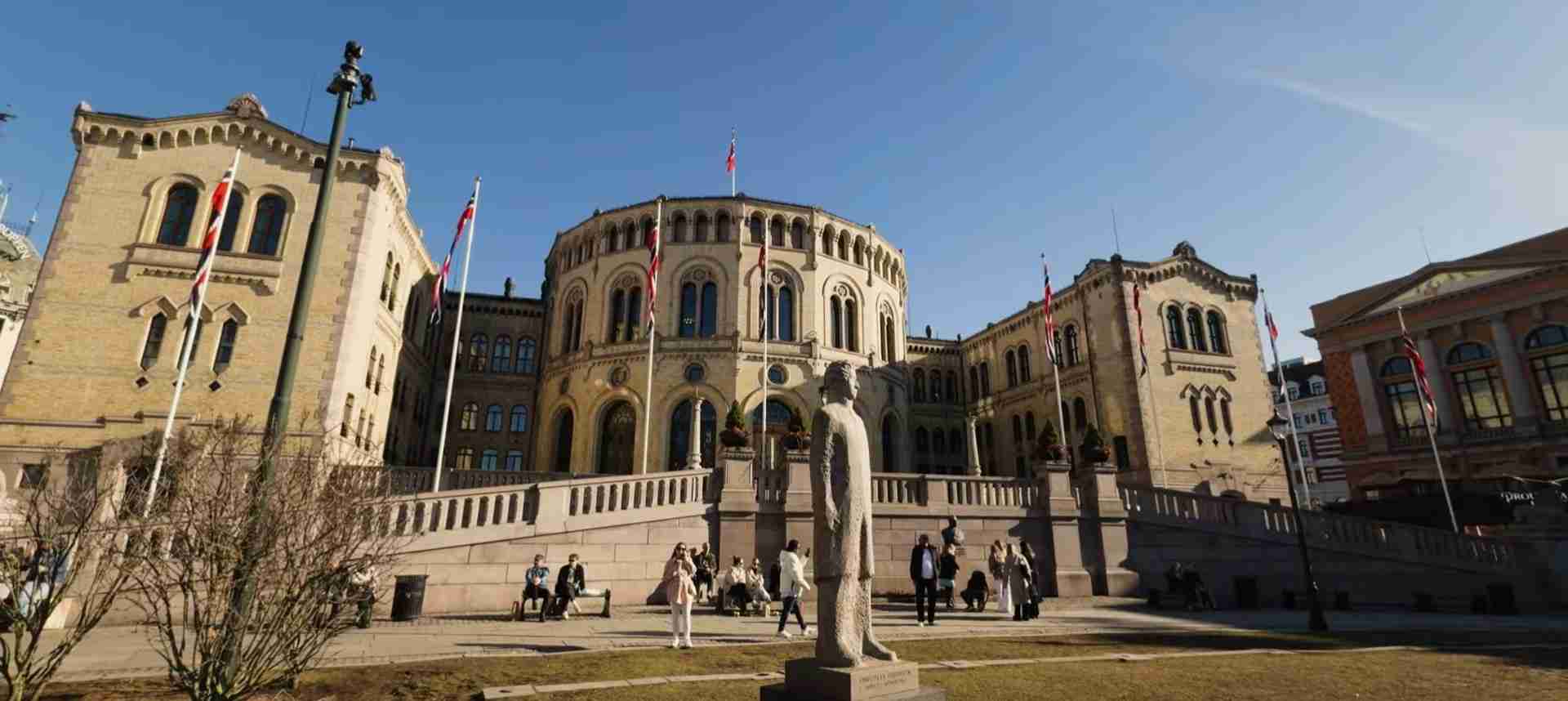
Walk from your accommodation toward Karl Johans gate, Oslo’s main pedestrian street connecting the Royal Palace with Oslo Central Station. This broad avenue showcases Oslo’s blend of historic and modern architecture, lined with shops, cafes, and street performers in summer months. Stop at the Parliament building (Stortinget) for photos and continue toward the National Theatre, Oslo’s cultural heart since 1899.
Late Morning: Oslo Harbor and Akershus Fortress
Head southeast toward Oslo’s waterfront, a 10-15 minute walk from Karl Johans gate, passing the contemporary Oslo Opera House. This striking white marble building invites visitors to walk on its sloped roof for panoramic harbor views—admission to the roof is free, making it an excellent budget-friendly activity. The Opera House opens daily, typically from 10 AM, with roof access weather-permitting.
Continue to Akershus Fortress, a medieval castle and fortress complex dating from 1299. The fortress grounds are free to explore, offering impressive views across Oslofjord and the working harbor. The Akershus Castle interior requires a paid ticket (NOK 120 for adults in 2026, check official site for current rates), providing access to the Royal Mausoleum, castle halls, and exhibitions about Oslo’s history. Opening hours are typically 10 AM to 4 PM, with extended summer hours until 6 PM.
The fortress area includes several free attractions: the Armed Forces Museum (covering Norwegian military history from Viking times to present), the Norwegian Resistance Museum (documenting World War II occupation), and scenic walking paths along the fortress walls. Budget 1.5-2 hours to explore the fortress complex thoroughly, combining historical education with harbor views.
Lunch: Oslo Dining Options
Oslo offers dining at all price points, from food halls to upscale restaurants. Budget lunch options (NOK 100-150) include Vippa, Oslo’s waterfront food hall featuring diverse international cuisines with harbor views, or Oslo Street Food in Torggata offering Asian-inspired dishes and local specialties. Supermarkets like Rema 1000 or Kiwi provide prepared sandwiches and salads for NOK 60-90, ideal for picnic lunches in parks or at harbor viewpoints.
Mid-range cafes and casual restaurants charge NOK 190-350 for lunch plates, typically including traditional Norwegian dishes like fish soup, open-faced sandwiches (smørbrød), or meat stews. Coffee shops are ubiquitous, with cappuccinos costing NOK 35-65. Tim Wendelboe or Fuglen represent Oslo’s specialty coffee culture, while chains like Espresso House offer reliable quality at slightly lower prices.
After lunch, grab snacks and water for the afternoon. Supermarkets sell bottled water for NOK 15-25, though Norway’s tap water is excellent and free—refill bottles at public fountains or your accommodation. Grocery store snacks (fruit, nuts, chocolate) cost less than cafe prices and provide energy for afternoon walking.
Afternoon: Bygdøy Peninsula Museums
Take ferry 30 from Rådhusbrygge (City Hall pier) to the Bygdøy peninsula, home to Oslo’s premier maritime and cultural museums. The ferry operates May through September, taking 10-15 minutes to Bygdøy with departures every 30-40 minutes. Ferry tickets cost NOK 60 each way (check Ruter app for current 2026 fares). In off-season (October-April), take bus 30 from Jernbanetorget, which runs year-round but takes 20-25 minutes.
The Viking Ship Museum displays three remarkably preserved Viking ships from the 9th century, excavated from burial mounds in the Oslo region. Note that the museum closed for renovation in 2024 and is scheduled to reopen in 2026—verify current status before visiting. When open, admission costs approximately NOK 150-180 for adults (check official website for current 2026 rates). The museum requires 45-60 minutes to tour properly, with excellent English explanations of Viking seafaring, burial customs, and daily life.
The Norwegian Museum of Cultural History (Norsk Folkemuseum) sits adjacent to the Viking Ship Museum, featuring an impressive open-air collection of 160 historic buildings from across Norway, including a stunning 13th-century stave church. Admission costs NOK 180 for adults in 2026. Budget 2-3 hours to explore the museum’s extensive grounds, indoor exhibitions, and seasonal demonstrations of traditional crafts and customs.
Alternative museum options on Bygdøy include the Fram Museum (NOK 150, showcasing polar exploration ships), the Kon-Tiki Museum (NOK 150, featuring Thor Heyerdahl’s famous raft expeditions), and the Norwegian Maritime Museum (NOK 150, covering Norway’s seafaring history). Choose 1-2 museums based on your interests rather than attempting all in one afternoon—museum fatigue diminishes enjoyment when rushing through multiple exhibitions.
Evening: Oslo Waterfront and Dinner
Return to central Oslo by ferry or bus by 5-6 PM, allowing time to refresh at your accommodation before dinner. Summer evenings in Oslo remain bright until 10-11 PM (late May through July), providing extended daylight for exploration. Walk along the Aker Brygge waterfront, Oslo’s renovated wharf district now filled with restaurants, bars, and modern apartment complexes overlooking the harbor and fjord islands.
Dinner options range from budget-friendly to upscale. Budget travelers can purchase ingredients at grocery stores (open until 8-10 PM in city center locations) and prepare simple meals if their accommodation has kitchen facilities, spending NOK 100-150 for dinner groceries. Takeaway pizza costs NOK 120-180 for a large pie, while kebab shops charge NOK 150-200 for substantial plates.
Sit-down restaurant dining costs NOK 250-400 per person for main courses, with full dinners including drinks totaling NOK 400-600. Seafood restaurants along Aker Brygge specialize in Norwegian fish and shellfish, though prices reflect waterfront locations. For authentic Norwegian cuisine at moderate prices, seek out traditional restaurants in Grünerløkka or surrounding residential neighborhoods where locals eat regularly.
End your evening with a walk through Grünerløkka, Oslo’s trendiest neighborhood filled with vintage shops, cafes, and a young creative crowd. The area comes alive after 8 PM, though it maintains a relaxed atmosphere compared to louder entertainment districts. Return to your accommodation by 10-11 PM to rest before tomorrow’s early departure for Bergen.
Day 2: Oslo Morning and Bergen Railway Journey
Morning: Vigeland Sculpture Park and Final Oslo Sights
Wake early for a final morning in Oslo before your afternoon train departure. Vigeland Park (Vigelandsparken) opens 24 hours and requires no admission fee, making it Oslo’s most accessible major attraction. Take tram 12 from the city center to Vigeland Park station (NOK 40 single ticket), arriving by 9-10 AM to enjoy the park before crowds increase.
The park contains over 200 bronze, granite, and iron sculptures by Gustav Vigeland, exploring human life cycles, emotions, and relationships through striking figurative works. The monumental Monolith—a 14-meter tower of intertwined human figures carved from a single block of granite—dominates the park’s central plateau. Budget 1-1.5 hours to walk the park’s main axis, photographing sculptures and enjoying Oslo’s green spaces before departing.
If time permits before your train departure, visit the National Museum of Norway (opened in 2022 near Oslo harbor), Norway’s largest art museum combining previously separate collections into one impressive building. Admission costs NOK 180 for adults. The museum displays Edvard Munch’s “The Scream,” Norway’s most famous painting, plus works by other Nordic and international artists. Timed entry tickets are recommended for 2026 visits—book online in advance.
Alternative morning activities include walking Oslo’s waterfront neighborhoods, browsing the Mathallen food hall for gourmet Norwegian products, or shopping along Karl Johans gate and surrounding pedestrian streets. Return to your accommodation by 11:30 AM-noon to collect luggage and prepare for your Bergen train departure.
Afternoon: The Bergen Railway Experience
Depart Oslo Central Station on the Bergen Railway (Bergensbanen) between 2-3 PM, arriving in Bergen by 8:30-9:30 PM. The journey takes 6 hours 36 minutes (some departures) to 7 hours (others), covering 496 kilometers through some of Norway’s most spectacular mountain scenery. Book tickets through Vy.no, Norway’s national rail operator, with advance “Minipris” fares starting around NOK 349-499 versus standard flexible fares of NOK 799-999 (prices vary by date and availability in 2026).
The train climbs from Oslo’s lowlands to the Hardangervidda plateau at 1,222 meters above sea level—Europe’s largest mountain plateau—before descending through dramatic valleys toward Bergen. Highlights include the Finse station at 1,222 meters (Norway’s highest mainline railway station), pristine mountain lakes, vast expanses of tundra, and countless waterfalls cascading down rocky slopes. The scenery shifts from farmland to forest to barren mountain landscapes to lush coastal valleys as the train crosses Norway’s mountainous spine.
Sit on the train’s right side (when traveling Oslo to Bergen) for the best views during the mountain sections, though scenery on both sides merits attention. The train features comfortable seats, power outlets, luggage storage, and a café car selling sandwiches (NOK 80-120), snacks, and beverages. Pack your own food and drinks to save money—supermarkets near Oslo Central Station sell lunch items at much lower prices than the café car.
The journey operates year-round with multiple daily departures, though winter services can experience delays due to heavy snow at high elevations. Summer months provide the longest daylight for viewing scenery, while winter journeys showcase snow-covered landscapes illuminated by low-angle sun and occasional northern lights. Many travelers consider this train journey the highlight of their Norway trip, combining necessary transportation with world-class scenic viewing.
Evening: Bergen Arrival and Accommodation
Arrive at Bergen Station between 8:30-9:30 PM (depending on departure time). Bergen’s compact city center sits within easy walking distance of the station—most central accommodations are 5-15 minutes on foot with luggage. Bergen’s light rail (Bybanen) connects the station with some accommodation areas, though the system is limited compared to Oslo’s public transport network.
Bergen accommodation ranges from budget hostels (NOK 500-700 per night) in the Marken area near the station to mid-range hotels (NOK 1,500-2,200) near Bryggen or the harbor. Late arrival limits evening activities, but Bergen’s compact historic center allows a brief walk around Bryggen wharf to get your bearings before dinner.
Dinner options remain open until 10-11 PM in central Bergen. The Fish Market (Fisketorget) operates stalls selling fresh seafood and prepared dishes, though prices are tourist-oriented. Nearby restaurant streets around Vågsbunnen and Engen offer better value for sit-down meals. Alternatively, grab takeaway pizza or kebabs (NOK 150-200) near the station or Bryggen area, eating at your accommodation to save money after a long travel day.
Rest well in preparation for tomorrow’s active day exploring Bergen and the fjords. Bergen receives significantly more rain than Oslo—check weather forecasts and ensure waterproof clothing is accessible for tomorrow’s outdoor activities.
Day 3: Bergen and Fjord Exploration
Morning: Historic Bryggen and City Center
Start your Bergen day early (8-9 AM) to maximize sightseeing before afternoon fjord excursions. Activate your Bergen Card if purchased in advance—the 48-hour card (NOK 540 for adults in 2026) provides free local bus and light rail travel plus free entry to most Bergen museums. Without the card, pay per attraction and use the Ruter app or ticket machines for public transport (single ride NOK 40-45).
Walk to Bryggen, Bergen’s UNESCO World Heritage wharf district, featuring colorful wooden buildings dating from the Hanseatic League period (14th-16th centuries). These narrow structures, built after fires destroyed earlier versions, house shops, restaurants, and museums within their distinctive architecture. Bryggen itself is free to explore—walk the waterfront, photograph the iconic facades, and venture into the narrow alleyways (smug) between buildings to discover courtyards and historic preservation efforts.
The Hanseatic Museum occupies one of Bryggen’s best-preserved buildings, displaying living and working conditions of German merchants who dominated Bergen’s trade for centuries. Admission costs approximately NOK 120-150 (free with Bergen Card). Budget 45-60 minutes for the museum, which includes furnished rooms, trade goods displays, and explanations of the Hanseatic League’s influence on Bergen’s development.
Visit the Fish Market (Fisketorget) near Bryggen, operating since the 1200s as Bergen’s seafood trading center. The modern market combines tourist stalls selling prepared seafood meals with actual fish vendors supplying local restaurants and residents. Prices for prepared dishes (fish soups, shrimp plates, smoked salmon) range from NOK 150-350, often higher than restaurant equivalents. The market provides excellent photo opportunities and seafood samples, though many locals shop at Mathallen Bergen or grocery stores for better value.
Late Morning: Mount Fløyen Funicular and Panoramic Views
Take the Fløibanen funicular railway from the Vetrlidsallmenningen station (5-minute walk from Bryggen) to Mount Fløyen’s summit at 320 meters elevation. The funicular operates year-round, departing every 15-30 minutes from early morning through evening. Round-trip tickets cost NOK 140 for adults (discounted with Bergen Card, verify current 2026 benefits). The 6-minute journey climbs steeply through Bergen’s hillside neighborhoods, providing expanding views as you ascend.
The Mount Fløyen summit offers spectacular panoramic views across Bergen’s seven mountains, the harbor, and surrounding fjords and islands. Free activities at the summit include hiking trails (ranging from 30 minutes to several hours), photography viewpoints, a children’s playground, and the Fløyen Folkerestaurant serving traditional Norwegian dishes (mains NOK 200-350) with floor-to-ceiling windows maximizing views.
Consider hiking down rather than taking the funicular both ways—the descent takes 40-50 minutes via marked trails through forest and residential areas, saving NOK 70 on the return ticket while experiencing Bergen’s hillside character. The trail is well-maintained though steep in sections, requiring reasonable fitness and proper footwear. Rainy conditions make the trail slippery—assess weather before committing to the descent walk.
Lunch: Bergen Dining Options
Return to central Bergen for lunch around noon-1 PM. Budget options include Peppes Pizza or other takeaway chains (NOK 120-180 for large pizzas), Kiwi or Rema 1000 supermarkets for sandwich materials (NOK 60-100 for groceries), or the Bergen street food vendors offering Asian-inspired dishes and local favorites (NOK 120-180 per plate).
Mid-range lunch restaurants charge NOK 190-350 for mains, with traditional fish soup (fiskesuppe) at NOK 180-250 representing good value and authentic Norwegian cuisine. Cafes around Torgallmenningen square and Lille Lungegårdsvannet lake serve lunch plates, pastries, and coffee (cappuccino NOK 35-65) with indoor or outdoor seating depending on weather.
Afternoon: Fjord Cruise Experience
Book an afternoon fjord cruise departing Bergen around 1-2 PM, returning by 5-6 PM. The most popular option is the “Norway in a Nutshell” day tour or the Mostraumen fjord cruise, both offering stunning scenery within a half-day timeframe suitable for your 3-day itinerary. The Mostraumen cruise costs approximately NOK 600-700 per adult (check official operators for current 2026 rates), departing from Bergen’s harbor and touring the narrow Mostraumen strait plus surrounding fjord landscapes.
Alternative fjord options include RIB boat tours (rigid inflatable boats) providing faster-paced adventure experiences at NOK 900-1,200 per person, or the more extensive “Norway in a Nutshell” round-trip from Bergen costing NOK 1,800-2,400 depending on season and booking timing. The Nutshell tour includes train and boat segments but requires 10-12 hours, making it too time-consuming for a 3-day itinerary unless you sacrifice other Bergen sightseeing.
The fjord cruise passes dramatic cliff faces, cascading waterfalls, narrow passages between rock walls, and remote settlements accessible only by boat. Guides provide commentary about geology, history, and local life. Dress warmly even in summer—wind and spray on the water make conditions cooler than land temperatures. Bring waterproof clothing and secure cameras against moisture.
If weather prevents fjord cruises (high winds or rough seas occasionally force cancellations), alternative afternoon activities include the Bergen Aquarium (NOK 300-350 admission, check Bergen Card benefits), riding the Ulriken cable car to Bergen’s highest mountain (NOK 200-250 round trip), or visiting additional museums like KODE Art Museums (four buildings displaying art and design, free with Bergen Card).
Evening: Bergen Farewell and Departure Planning
Return from your fjord cruise around 5-6 PM, leaving time for final Bergen exploration or dinner before departure. If flying home from Bergen Airport, arrange transportation—the light rail (Bybanen) connects the city center with the airport in 45-50 minutes for NOK 40-45 per person. Taxis cost NOK 400-500, justified for groups or travelers with heavy luggage.
If returning to Oslo for international flights, evening trains depart Bergen around 7-8 PM, arriving Oslo by 1-2 AM. This overnight option saves one night’s accommodation but arrives very late. Alternatively, stay a third night in Bergen, departing early morning (6-7 AM train arriving Oslo 12-1 PM) for afternoon international flights. Most travelers find the morning departure more manageable despite the extra accommodation cost.
Final Bergen dinner options include restaurants near Bryggen or your accommodation, with traditional Norwegian seafood restaurants charging NOK 300-500 per person for full dinners including drinks. Budget travelers can grab pizza, kebabs, or grocery store meals (NOK 100-200) before packing for tomorrow’s departure. Grocery stores close 8-10 PM in central Bergen, while restaurants serve until 10-11 PM.
Reflect on three days of Norwegian experiences: Oslo’s museums and urban culture, the spectacular Bergen Railway crossing Norway’s mountain spine, Bergen’s maritime history and UNESCO-listed Bryggen, and fjord landscapes that define Norway’s natural identity. This concentrated itinerary provides authentic Norwegian experiences while managing costs, logistics, and time constraints effectively for first-time visitors in 2026.
Alternative 3-Day Itinerary Options for 2026
Oslo-Focused Deep Dive
Travelers preferring comprehensive city exploration over multiple destinations can spend all three days in Oslo, eliminating train travel and accommodation changes. This approach allows visits to more museums (National Museum, Munch Museum, Norwegian Museum of Cultural History, Viking Ship Museum), day trips to nearby attractions (Bygdøy peninsula, Vigeland Park, Oslofjord islands via ferry), and deeper engagement with Oslo’s neighborhoods, food scene, and cultural offerings.
Costs decrease slightly with this option as you avoid Bergen Railway tickets (NOK 500-900 saved per person) and book accommodation in one location for three nights (often cheaper than two separate bookings). Oslo offers more budget accommodation options than Bergen, with numerous hostels and guesthouses in the NOK 500-800 per night range. However, you miss experiencing Norway’s fjord landscapes and maritime culture, significant omissions for first-time visitors seeking iconic Norwegian scenery.
Bergen-Focused Fjord Immersion
Alternatively, fly directly to Bergen and spend three days exploring the city plus extensive fjord excursions. This approach maximizes time in fjord country with options for full-day “Norway in a Nutshell” tours, overnight stays in fjord villages like Flåm or Balestrand, and multiple fjord cruise experiences. Bergen’s proximity to Hardangerfjord, Sognefjord, and smaller tributary fjords provides diverse landscape options within short travel distances.
The Bergen-focused itinerary suits travelers prioritizing natural scenery over urban cultural attractions, though you miss Oslo’s world-class museums and capital city atmosphere. Costs remain similar to the Oslo-Bergen combination, though multiple fjord tours increase activity expenses (NOK 2,000-3,500 for comprehensive fjord touring versus NOK 600-900 for a single afternoon cruise).
Tromsø Northern Lights Alternative (Winter 2026)
Winter visitors (November-March 2026) might consider substituting Tromsø for Bergen, focusing on Arctic experiences and northern lights viewing instead of fjords. Fly from Oslo to Tromsø (2-hour flight), spend two nights pursuing northern lights tours (NOK 900-1,500 per person), visiting Arctic museums, and experiencing polar landscapes. This itinerary works best November-February when auroral activity peaks and polar night provides darkness for viewing.
Tromsø is significantly more expensive than Bergen for accommodation (NOK 1,800-2,800 per night mid-range) and activities, while northern lights viewing requires good weather luck—clouds prevent viewing approximately 60% of winter nights. The unique Arctic experience and potential for aurora viewing justify higher costs for visitors specifically seeking northern lights, though Bergen’s fjord landscapes remain accessible year-round regardless of weather.
Budget Breakdown for 3-Day Norway Trip 2026
Sample Budget: Mid-Range Comfort Traveler
Accommodation (3 nights): NOK 5,200 total (NOK 1,725 per night average for mid-range hotel with breakfast)
Day 1 Oslo costs: Airport transfer NOK 220, lunch NOK 200, Akershus Fortress NOK 120, Bygdøy ferry NOK 120 return, Viking Ship Museum NOK 180, dinner NOK 350, snacks and coffee NOK 100. Day total: NOK 1,290 per person.
Day 2 Oslo to Bergen costs: Morning tram NOK 40, Vigeland Park free, lunch NOK 200, Bergen Railway NOK 650 (advance booking), train café snacks NOK 120, Bergen dinner NOK 280. Day total: NOK 1,290 per person.
Day 3 Bergen costs: Bergen Card 48-hour NOK 540, Fløibanen funicular included with card, lunch NOK 220, Mostraumen fjord cruise NOK 650, dinner NOK 320, coffee and snacks NOK 80. Day total: NOK 1,810 per person.
Total 3-day expenses: NOK 9,590 ($960) per person including accommodation, NOK 4,390 ($440) excluding accommodation.
Sample Budget: Budget Backpacker
Accommodation (3 nights): NOK 1,800 total (NOK 600 per night hostel dorm bed)
Day 1 Oslo costs: Airport transfer Vy train NOK 118, grocery lunch NOK 80, Akershus Fortress free (grounds only), Bygdøy ferry NOK 120 return, Vigeland Park free, grocery dinner NOK 120, water and snacks NOK 60. Day total: NOK 498 per person.
Day 2 Oslo to Bergen costs: Morning bus NOK 40, packed lunch from grocery NOK 90, Bergen Railway Minipris NOK 399, packed snacks NOK 80, Bergen takeaway dinner NOK 150. Day total: NOK 759 per person.
Day 3 Bergen costs: Bryggen free, Fish Market browsing free, Mount Fløyen hike up and down free, packed lunch NOK 100, fjord cruise NOK 650, grocery dinner NOK 130, snacks NOK 70. Day total: NOK 950 per person.
Total 3-day expenses: NOK 4,007 ($400) per person including accommodation, NOK 2,207 ($220) excluding accommodation.
The difference between budget and mid-range travel in Norway primarily involves accommodation choice, dining decisions (grocery versus restaurant meals), and attraction selections (free parks and fortress grounds versus paid museums). Both approaches provide authentic Norwegian experiences, with budget strategies requiring more planning but offering substantial savings without sacrificing core experiences like fjord cruises or train journeys.
Practical Tips for First-Time Visitors 2026
Weather and Clothing Considerations
Norway’s weather varies dramatically by season and region in 2026. Summer temperatures (June-August) range 12-22°C in Oslo and Bergen, though coastal areas stay cooler with frequent rain—Bergen averages 20-25 rainy days per month year-round. Pack waterproof jacket and pants even for summer visits, plus layers that can be added or removed as conditions change. Proper rain gear transforms potentially miserable experiences into comfortable exploration regardless of weather.
Shoulder seasons (May, September) bring temperatures of 8-16°C with more variable conditions. Spring arrives late in Norway, with snow remaining at higher elevations through May. Autumn offers beautiful fall colors but shorter days and cooler evenings requiring sweaters or fleeces. Winter (November-March) is cold (0 to -10°C in cities, colder in mountains) with limited daylight, though proper winter clothing and warm layers make cold weather exploration entirely feasible.
Language and Communication
Norwegian is Norway’s official language, though English proficiency is extremely high among Norwegians under 60 years old. All tourist services, hotels, restaurants, and transportation operate with English-speaking staff, making language barriers minimal for English speakers. Younger Norwegians often speak English fluently, while older residents in rural areas may have more limited English skills but remain helpful and patient with visitors.
Learning basic Norwegian phrases (hello: hei, thank you: takk, excuse me: unnskyld) shows respect and is appreciated by locals, though extensive language study isn’t necessary for 3-day tourist visits. Menus, museum displays, and public transportation announcements are typically bilingual (Norwegian and English), with major attractions providing comprehensive English information.
Safety and Health Considerations
Norway ranks among the world’s safest countries for travelers, with low violent crime rates and minimal risk from terrorism or civil unrest. Petty theft (pickpocketing, bag snatching) occurs in crowded tourist areas like Oslo Central Station, Bergen Fish Market, or popular viewpoints, though far less frequently than in many European capitals. Use common sense securing valuables, avoid displaying expensive electronics unnecessarily, and remain aware of surroundings in crowded spaces.
Norway’s healthcare system provides excellent medical care, though costs are substantial for non-EU visitors without travel insurance. A simple doctor’s visit costs NOK 800-1,200, while emergency room treatment or hospitalization can reach thousands of dollars. Purchase comprehensive travel insurance before departure, ensuring coverage includes medical expenses, emergency evacuation, and repatriation if serious illness or injury occurs.
Tap water throughout Norway is safe to drink and tastes excellent—avoid wasting money on bottled water. Norway’s pristine natural environment provides reliable clean water even in mountain streams, though stick to municipal supplies in cities. Pharmacies (apotek) are widely available in Oslo and Bergen for over-the-counter medications, though prescription drugs require Norwegian prescriptions—bring sufficient supplies of any regular medications from home.
Connectivity and Technology
Norway has excellent mobile network coverage in cities and along major transportation routes, though remote mountain areas may have limited or no cellular service. Check your mobile carrier’s international roaming rates before departure—data roaming can be expensive (€10-15 per day for limited data). Alternative options include purchasing a local Norwegian SIM card (available at airports, convenience stores, and mobile shops for NOK 200-400 including data) or using WiFi at hotels, cafes, and public spaces.
Most accommodations, restaurants, and cafes offer free WiFi, with acceptable speeds for messaging, email, and social media. Download offline maps (Google Maps allows downloading city and route maps) before arrival to navigate without data connection. Translation apps with offline dictionaries provide backup communication tools if language barriers arise in unexpected situations.
Environmental Respect and Sustainable Tourism
Norway takes environmental conservation seriously, with strong cultural emphasis on nature preservation and sustainable practices. Follow Leave No Trace principles when hiking or visiting natural areas: pack out all trash, stay on marked trails, respect wildlife from safe distances, and avoid disturbing fragile ecosystems. Norway’s “Right to Roam” (allemannsretten) allows public access to most natural areas, but this freedom comes with responsibility to respect private property and environmental protection.
Support sustainable tourism by choosing tour operators with environmental certifications, using public transportation over taxis when practical, minimizing food waste, and purchasing from local businesses rather than international chains. Norway’s tourism industry increasingly emphasizes sustainability, with many operators offering carbon-neutral tours or supporting conservation projects through portion of ticket sales.
Frequently Asked Questions
Do I need to book the Bergen Railway in advance for 2026?
Yes, booking the Bergen Railway 6-12 weeks before travel secures the best fares and guarantees seats during peak season (June-August). The Norwegian rail operator Vy offers “Minipris” discount fares starting around NOK 349-499 when booked early, versus NOK 799-999 for standard flexible fares purchased close to departure. Summer trains can sell out completely on popular travel days, making advance booking essential for schedule certainty and cost savings. Book through vy.no or the Vy app, selecting your preferred departure time and seat location.
Is the Bergen Card worth buying in 2026?
The Bergen Card (NOK 540 for 48 hours in 2026) provides excellent value if you plan to visit museums and use public transport extensively. The card includes free entry to most Bergen museums (Hanseatic Museum, Bergen Aquarium, KODE Art Museums), free city buses and light rail, and discounts on fjord tours and attractions. Calculate your planned activities—if visiting 2-3 paid museums (NOK 120-180 each), taking multiple bus rides (NOK 40-45 each), and receiving fjord tour discounts, the card typically pays for itself while simplifying payments and planning.
How much Norwegian krone should I exchange before arriving?
Exchange minimal cash before arrival or skip pre-exchange entirely. Norway operates almost entirely on card payments, with credit and debit cards accepted everywhere from major hotels to small kiosks, public transport, and vending machines. ATMs at Oslo and Bergen airports dispense Norwegian kroner at competitive exchange rates if you need cash for rare situations. Carrying NOK 500-1,000 (about $50-100) covers emergencies, though you’ll likely spend most of it on cards. Exchange rates at hotels and currency exchange booths are poor—use ATMs or cards instead.
What’s the best way to get from Bergen back to Oslo for flights?
Options include overnight train (departing Bergen 7-8 PM, arriving Oslo 1-2 AM, saves accommodation but very late arrival), morning train (departing 6-7 AM, arriving noon-1 PM, better for afternoon flights), or direct flight Bergen-Oslo (1 hour, NOK 500-1,200 depending on booking timing and airline). Evaluate based on your international flight timing—if flying home from Oslo in early afternoon, the morning train works well. If your international flight departs evening or next day, the overnight train saves hotel costs but is tiring. Direct flights make sense when time-pressed or prices are competitive with train fares.
Can I see the Northern Lights on a 3-day Norway trip in 2026?
Not on the Oslo-Bergen itinerary described, as neither city lies far enough north for reliable northern lights viewing. Oslo and Bergen both sit below the Arctic Circle, experiencing auroral displays only during exceptionally strong solar activity—rare and unpredictable. Northern lights require locations above the Arctic Circle (Tromsø, Lofoten Islands, North Cape) visited during winter months (November-March) when sufficient darkness allows viewing. A 3-day trip focused on Tromsø in winter provides northern lights opportunities, though success depends on weather, solar activity, and luck.
Are Norway’s fjords accessible year-round or only in summer?
Fjord cruises operate year-round from Bergen, though summer months (May-September) offer the most frequent departures, longest hours, and best weather for viewing scenery. Winter fjord tours (November-March) run reduced schedules with fewer daily departures, and weather can prevent sailings during storms or high winds. However, winter fjord visits showcase dramatic lighting, snow-covered mountains, and fewer tourists, offering different but equally compelling experiences. Verify specific tour operator schedules for your 2026 travel dates, as some smaller operators cease operations entirely during low season.
How strict are Norway’s alcohol regulations for travelers?
Norway tightly regulates alcohol sales through the state-run Vinmonopolet stores, which sell wine and spirits (beer above 4.7% alcohol). Regular grocery stores sell only lower-alcohol beer. Vinmonopolet stores have limited hours (typically 10 AM-6 PM weekdays, closing 3 PM Saturdays, closed Sundays and holidays), requiring planning if you want alcohol for accommodation consumption. Restaurant and bar prices are high (beer NOK 100-140, wine NOK 120-180 per glass), encouraging many budget travelers to purchase from grocery stores or Vinmonopolet for accommodation consumption. The legal drinking age is 18 for beer and wine, 20 for spirits.
What are Norway’s tipping customs in 2026?
Tipping is optional in Norway as service charges are included in restaurant bills, hotel rates, and taxi fares. Locals rarely tip, though rounding up bills or leaving 5-10% for exceptional restaurant service is appreciated but not expected. Hotel porters might receive NOK 20-50 for luggage assistance, tour guides NOK 50-100 per person for excellent service, but these amounts remain discretionary. Never feel obligated to tip if service was adequate—Norwegian wages are sufficient without tip supplements, unlike North American service industry norms.
Should I rent a car for a 3-day Norway trip?
No, car rental is unnecessary and impractical for the Oslo-Bergen itinerary. Both cities have excellent public transport, and the Bergen Railway provides the best route between them while showcasing scenery that highway driving cannot match. Car rental costs (NOK 500-1,000 per day plus NOK 21-25 per liter for fuel) far exceed train and bus expenses, while Oslo and Bergen both charge for parking (NOK 40-60 per hour in city centers) and impose strict traffic regulations with high fines. Reserve car rentals for trips to rural fjord areas or extended Norway explorations lasting 5+ days.
What’s the wifi and data situation in Norway for 2026?
Norway has excellent internet infrastructure with widespread free WiFi at hotels, cafes, restaurants, and many public spaces. Mobile data coverage is reliable in cities and along major routes, though mountain and remote areas may have limited service. International roaming data can be expensive—check your carrier’s rates before arrival. Consider purchasing a local Norwegian SIM card at airports or mobile shops (NOK 200-400 including data allowance) for reliable connectivity throughout your trip. Download offline maps before arrival as backup for areas without cellular service.