
Norway Best Tours 2026: Fjord Cruises & Walking Tours
Norway’s dramatic landscapes reveal themselves most powerfully through guided experiences that combine expert knowledge with strategic access to the country’s most stunning locations. From fjord cruises navigating UNESCO-protected waterways to walking tours uncovering Viking heritage and Arctic culture, Norway’s tour industry delivers world-class experiences across all budget levels. This comprehensive guide identifies the best operators, routes, and booking strategies for unforgettable 2026 Norwegian adventures.
Key Takeaways
- Fjord cruise essentials 2026: Major operators including Hurtigruten, Cunard, MSC Cruises, and Holland America offer routes through Geirangerfjord, Sognefjord, and Nærøyfjord from NOK 400-2,500 ($41-258) for day cruises, with multi-day voyages starting NOK 3,000+ ($309+)
- Norway in a Nutshell: This iconic combination of trains, buses, and fjord cruises costs NOK 1,700-2,500 ($175-258) and ranks as Norway’s most popular single-day tour, connecting Oslo or Bergen through spectacular Sognefjord and Nærøyfjord scenery
- Walking tour options: Free tip-based walking tours operate in Oslo, Bergen, and Trondheim covering 2-3 hours of city highlights, while specialized paid tours cost NOK 150-800 ($15-82) for themed experiences including food tours, Viking history, and architecture
- Best booking timing 2026: Book fjord cruises and popular tours 2-3 months ahead for summer (June-August) to secure availability and lower prices, while shoulder season (May, September) offers spontaneous booking flexibility with 20-30% discounts
- Northern Lights tours: Tromsø-based aurora tours cost NOK 1,000-1,500 ($103-155) for evening excursions October-March, with reputable operators offering repeat trips if weather prevents sightings on initial tour date
- Adventure tour pricing: Guided hikes to Trolltunga, Pulpit Rock, and Preikestolen range NOK 800-2,500 ($82-258) including safety equipment and expert guides, while fjord kayaking costs NOK 600-1,200 ($62-124) for half-day experiences
People Also Ask About Norway Tours 2026
What’s the best fjord cruise in Norway for 2026?
The UNESCO-listed Nærøyfjord and Aurlandsfjord cruise from Flåm to Gudvangen represents Norway’s most spectacular fjord cruise, passing through narrow waterways flanked by 1,000-meter cliffs, cascading waterfalls, and remote mountain farms. This 2-hour cruise costs NOK 350-500 ($36-52) and forms the centerpiece of the popular Norway in a Nutshell route. Alternative top-tier options include Geirangerfjord cruises showcasing the Seven Sisters waterfall and Bridal Veil waterfall for NOK 400-800 ($41-82), and Sognefjord tours exploring Norway’s longest and deepest fjord. Hurtigruten’s coastal voyages deliver multi-day fjord immersion combining Trollfjord, Hjørundfjord, and Hardangerfjord for NOK 3,000-8,000+ ($309-826+) depending on itinerary length. Summer months (June-August) provide optimal weather and midnight sun experiences, while May and September offer fewer crowds and better wildlife viewing including sea eagles and seals at 20-30% lower prices.
How much does the Norway in a Nutshell tour cost in 2026?
Norway in a Nutshell costs NOK 1,700-2,500 ($175-258) per person depending on starting point, season, and booking class. The standard Oslo-Bergen route costs approximately NOK 2,200 ($227) including Bergen Railway, Flåm Railway, Nærøyfjord cruise, and bus transfers. Bergen-Bergen roundtrip versions cost NOK 1,700-1,900 ($175-196), while premium options with reserved seating and guaranteed window seats reach NOK 2,500 ($258). Book directly through Fjord Tours or Norwegian rail operator Vy for best rates, with 10-15% discounts available when purchasing 2-3 months ahead. The tour operates year-round with reduced winter schedules November-March. Self-booking individual segments saves NOK 300-500 ($31-52) but requires coordination across multiple operators and timetables. Most travelers find packaged convenience worth the modest premium, as Norway in a Nutshell handles all transfers and provides guaranteed connections eliminating missed connection risks.
Are walking tours in Oslo and Bergen free in 2026?
Free walking tours operate in both Oslo and Bergen through tip-based models where guides work for gratuity rather than fixed fees. Oslo offers daily 2-3 hour tours covering Karl Johans Gate, Royal Palace, Opera House, and Akershus Fortress, departing multiple times daily from central meeting points. Bergen’s free tours explore Bryggen UNESCO wharf, fish market, and Fløyen funicular area with similar frequency. These tours provide excellent introductions to Norwegian history and culture, with most participants tipping NOK 50-150 ($5-15) per person based on satisfaction. Advance booking through platforms like Guru Walk or Free Tour ensures spots, as popular summer tours fill quickly. Paid walking tours costing NOK 150-300 ($15-31) offer deeper specialization—food tours, Viking history deep-dives, and architecture tours—while private tours run NOK 500-800 ($52-82) per person for customized experiences. Free tours work perfectly for budget travelers and first-day city orientation, while specialized paid tours suit travelers seeking expert knowledge on specific topics.
What are the best Northern Lights tour operators in Tromsø for 2026?
Top-rated Tromsø Northern Lights operators for 2026 include Arctic Experience (consistently high reviews, small groups 8-12 people, NOK 1,200 or $124), Tromsø Arctic Reindeer (combination aurora viewing plus Sami culture, NOK 1,500 or $155), and Northern Lights Husky (aurora hunting with husky sledding, NOK 1,800 or $186). These operators provide thermal clothing, hot drinks, and professional photography guidance while transporting participants to optimal viewing locations away from city light pollution. Tours typically run 4-6 hours departing 7-9 PM, monitoring real-time aurora forecasts to position groups under active displays. Reputable operators offer repeat trips without additional charge if weather prevents initial viewing, though success cannot be guaranteed due to natural phenomenon variability. Book tours for first available evening after Tromsø arrival to allow multiple attempt opportunities during your stay—October-November and February-March provide best combination of darkness hours and relatively stable weather, while December-January offer longest dark periods but colder temperatures and more variable conditions.
Extended multi-day tours – 5+ days
Featured Norway Multi-Day Tour Packages
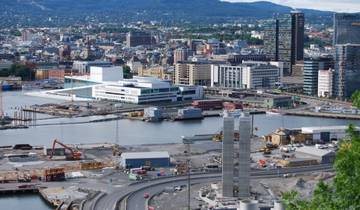
5 days
Norway in a Nutshell (Oslo to Bergen via Flam)
- ✓ Comprehensive Norway tour
- ✓ Expert local guides included
- ✓ All accommodation arranged
- ✓ Transportation provided
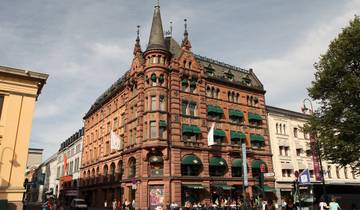
9 days
Best of Norway
- ✓ Comprehensive Norway tour
- ✓ Expert local guides included
- ✓ All accommodation arranged
- ✓ Transportation provided
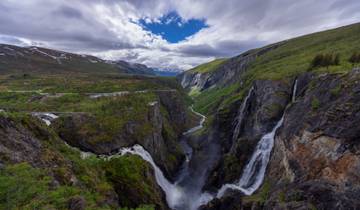
7 days
The beautiful Norway End Oslo
- ✓ Comprehensive Norway tour
- ✓ Expert local guides included
- ✓ All accommodation arranged
- ✓ Transportation provided
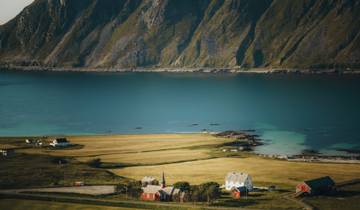
8 days
Trip Through the Lofoten Islands
- ✓ Booking needs min. 2 travelers
Multi-day tour packages powered by TourRadar. Prices and availability subject to change.
Introduction to Norway’s Tour Landscape 2026
Norway’s natural beauty reaches its fullest expression through experiences that combine expert guidance, strategic timing, and access to locations difficult or impossible to reach independently. While independent travel certainly succeeds in Norway—the country’s excellent infrastructure and English proficiency support self-guided exploration—guided tours unlock dimensions that solo travelers miss. Expert naturalists spot wildlife tourists overlook, local historians reveal stories behind Viking-age ruins, and experienced boat captains navigate into narrow fjords too technical for casual sailors.
The Norwegian tour industry operates on quality-over-quantity principles reflecting broader Scandinavian values. Small group sizes (typically 8-15 participants), highly trained guides, and sustainable tourism practices characterize reputable operators. This approach contrasts sharply with mass-market tours common in Southern Europe, where 50-person bus groups rush through predetermined photo stops. Norwegian tours prioritize authentic experiences—participants might spend an hour photographing a single waterfall, listen to Sami elders explain traditional reindeer herding, or wait patiently for whales to surface—rather than checking boxes on crowded itineraries.
Geography shapes Norwegian tour offerings fundamentally. The country’s dramatic fjords, carved by glaciers over millennia, create waterways accessible only by boat. Walking tours navigate compact historic city centers where medieval buildings and modern architecture coexist. Arctic regions require specialized knowledge of weather patterns, wildlife behavior, and safety protocols. This environmental diversity generates tour categories ranging from leisurely harbor cruises to challenging mountain expeditions, each demanding specific expertise and equipment.
Seasonal variation defines Norwegian tourism more dramatically than most destinations. Summer midnight sun season (May-August) brings continuous daylight enabling extended tours and optimal wildlife activity. Autumn (September-October) delivers spectacular colors and Northern Lights emergence. Winter (November-March) focuses on aurora viewing, winter sports, and Arctic experiences but challenges participants with extreme cold and limited daylight. Spring (April-May) showcases waterfalls at maximum flow from snowmelt while maintaining manageable weather.
Tour pricing reflects Norway’s premium service standards and operational costs. Fjord cruises ranging NOK 400-2,500 ($41-258) for day trips cover fuel, professional crews, safety equipment, and often catering. Walking tours from free tip-based options to NOK 800 ($82) specialized experiences span knowledge levels from general orientation to PhD-level expertise. Adventure tours commanding NOK 1,000-2,500 ($103-258) include specialized safety gear, certified guides, insurance, and often remote location access requiring significant logistics.
This guide evaluates Norway’s best tours across categories, identifies top operators, explains booking strategies, and provides realistic cost expectations for 2026 travelers. Whether seeking UNESCO fjord cruises, Viking heritage walks, or Northern Lights adventures, understanding tour options transforms Norwegian visits from good to extraordinary.
Fjord Cruises: Norway’s Signature Tour Experience 2026
Norwegian fjords rank among the world’s most spectacular natural formations, with two—Geirangerfjord and Nærøyfjord—holding UNESCO World Heritage status. Experiencing these waterways by boat provides perspectives impossible from shore, revealing cliff-face waterfalls, hidden valleys, and dramatic scale that define Norwegian landscapes.
Norway in a Nutshell: The Classic Fjord Experience
Norway in a Nutshell operates as the country’s most popular single-day tour, combining three of Norway’s most scenic journeys: Bergen Railway, Flåm Railway, and Nærøyfjord cruise. The experience typically begins in Oslo or Bergen, travels via train to Myrdal mountain station, descends the famous Flåm Railway through 20 tunnels and past Kjosfoss waterfall, boards a fjord cruise through UNESCO-listed Nærøyfjord and Aurlandsfjord, then completes via bus and train to final destination.
Standard pricing for 2026 runs NOK 1,700-2,500 ($175-258) depending on route and starting point. Oslo-Bergen versions cost approximately NOK 2,200 ($227), while Bergen roundtrip options run NOK 1,700-1,900 ($175-196). Premium tickets with reserved seating and guaranteed window spots reach NOK 2,500 ($258). These prices include all transportation—no hidden fees or surprise charges. Book through Fjord Tours (official operator) or Vy (Norwegian railways) for authentic tickets and best prices.
The tour operates year-round with varying schedules. Summer (June-August) offers maximum departures and extended hours capitalizing on 18+ hour daylight. Shoulder seasons (May, September) provide similar experiences with fewer crowds and 15-20% discounts. Winter (November-March) operates reduced schedules but delivers snow-covered landscapes and dramatically lower prices—sometimes NOK 1,200-1,500 ($124-155) for the complete route.
Timing matters significantly for Norway in a Nutshell. Departing Oslo early morning (typically 7:25 AM train) allows daylight enjoyment of all segments, arriving Bergen late evening. Reverse Bergen-Oslo routing enables more relaxed morning departure. Multi-day versions breaking the journey with overnight stops in Flåm or Voss provide deeper fjord exploration without rushed connections. Consider adding NOK 500-800 ($52-82) for Flåm accommodation to transform the day trip into leisurely two-day experience.
Geirangerfjord Cruises
Geirangerfjord competes with Nærøyfjord as Norway’s most famous fjord, distinguished by the Seven Sisters waterfall (seven separate streams cascading 250 meters), Bridal Veil waterfall, and the Suitor waterfall across the fjord. The 15-kilometer fjord stretches between steep mountains reaching 1,600 meters, creating one of Earth’s most dramatic natural amphitheaters.
Day cruises from Geiranger village cost NOK 400-800 ($41-82) for 2-3 hour tours. Standard routes depart multiple times daily June-August, navigating the full fjord length to Hellesylt or making shorter loops past major waterfalls. Audio guides available in 10+ languages explain geological formation, local history, and abandoned mountain farms clinging to impossibly steep slopes. Photography opportunities abound—the slow boat pace and frequent stops enable excellent waterfall shots impossible from shore viewpoints.
Combination tours linking Geirangerfjord with Trollstigen mountain road cost NOK 1,200-1,800 ($124-186) and rank among Norway’s most spectacular day trips. These tours typically start Ålesund or Andalsnes, drive the dramatic Trollstigen with its 11 hairpin turns and 1,000-meter climb, cruise Geirangerfjord, then return via alternative mountain routes. Full-day experiences (8-10 hours) require advance booking during summer as capacity fills 2-3 months ahead.
Sognefjord and Nærøyfjord Tours
Sognefjord—Norway’s longest and deepest fjord at 204 kilometers length and 1,308 meters maximum depth—branches into numerous arms including UNESCO-protected Nærøyfjord. The main Sognefjord cruise routes operate between Flåm, Balestrand, and Bergen, with journey times ranging 3-8 hours depending on section.
Flåm-Gudvangen Nærøyfjord cruise costs NOK 350-500 ($36-52) for the 2-hour journey through Europe’s narrowest fjord (250 meters wide at tightest point). Sheer cliffs rising 1,000+ meters create cathedral-like atmosphere enhanced by numerous waterfalls—some permanent, others appearing only during heavy rain or spring snowmelt. This route forms Norway in a Nutshell’s centerpiece but can be booked independently for travelers creating custom itineraries.
Premium Sognefjord cruises offered by operators like Fjord Tours and Fjord1 Travel provide restaurant service, outdoor viewing decks, and expert commentary. Full-day Sognefjord tours cost NOK 800-1,500 ($82-155) departing Bergen or Flåm with stops in historic villages like Balestrand and Vik. These longer cruises appeal to travelers prioritizing relaxed fjord immersion over quick sightseeing.
Hurtigruten Coastal Voyage
Hurtigruten operates as both public transportation and cruise experience, connecting Bergen and Kirkenes (2,400 kilometers) via daily coastal sailings calling at 34 ports. Unlike conventional cruises, Hurtigruten ships serve as working vessels delivering mail, cargo, and passengers to remote coastal communities while providing tourists with unmatched Norwegian coastal access.
Full 12-day Bergen-Kirkenes-Bergen roundtrips cost NOK 15,000-35,000 ($1,547-3,611) per person depending on cabin category and season. Summer commands premium pricing, while March-April and September-October offer 30-40% discounts. Port-to-port segments range NOK 500-2,000 ($52-206) for single-day voyages—practical for experiencing Hurtigruten without committing to full cruises. Popular segments include Bergen-Ålesund (1 day, NOK 800-1,200 or $82-124) and Tromsø-Honningsvåg/North Cape (2 days, NOK 1,500-2,200 or $155-227).
Hurtigruten distinguishes itself through authentic Norwegian character. Ships are smaller than typical cruise vessels (300-600 passengers), enabling navigation into narrow fjords like Trollfjord (100 meters wide, 1,100-meter cliff walls) and Hjørundfjord (largely unknown to tourists). Onboard experts share Norse legends, Sami culture, and local community insights unavailable on conventional cruises. The working vessel nature creates unique atmospheres—passengers share spaces with locals traveling for daily transport, generating authentic cultural exchange.
Booking Hurtigruten requires 3-6 month advance planning for summer voyages, particularly premium cabins. Early booking discounts reach 25% off standard fares. Consider inside cabins for budget savings (NOK 10,000-18,000 or $1,032-1,857 for roundtrips) versus suites (NOK 25,000-40,000 or $2,580-4,128)—Norwegian coastal scenery rewards deck time more than cabin luxury.
Lysefjord and Pulpit Rock Cruises
Lysefjord near Stavanger features sheer cliffs including the famous Pulpit Rock (Preikestolen)—a flat-topped cliff 604 meters above the fjord serving as one of Norway’s most photographed natural landmarks. Fjord cruises provide upward perspectives of hikers on Pulpit Rock, create dramatic photos impossible from shore, and access Kjeragbolten (boulder wedged between cliffs 1,000 meters above the fjord).
Standard Lysefjord cruises from Stavanger cost NOK 500-800 ($52-82) for 3-4 hour tours passing Pulpit Rock, Kjerag, and Hengjanefossen waterfall. Combination tours linking cruise with Pulpit Rock hike cost NOK 1,200-1,800 ($124-186) and rank among Western Norway’s best day trips. These start Stavanger early morning, cruise to trailhead, allow 4-5 hours for the moderately challenging 8-kilometer roundtrip hike (500-meter elevation gain), then return via evening cruise.
International Cruise Lines: Cunard, MSC, Holland America
Major international cruise lines operate Norwegian fjord itineraries combining multiple ports over 7-14 days. These cruises appeal to travelers seeking comprehensive Norway experiences including cities (Oslo, Bergen, Tromsø), multiple fjords (Geirangerfjord, Sognefjord, Hardangerfjord), and extensive shipboard amenities.
Cunard’s Queen Anne offers 7-12 day Norwegian fjord cruises departing Southampton or Hamburg, with prices starting approximately $2,500-6,000 per person for inside cabins, $4,500-10,000 for balconies. MSC Cruises and Holland America operate similar itineraries at slightly lower price points ($2,000-5,500 inside cabins). These cruises include accommodation, most meals, and transportation between ports but charge separately for shore excursions (typically $100-300 per tour).
International cruises suit travelers prioritizing comfort, formal dining, and comprehensive itineraries over authentic Norwegian immersion. Ships carry 2,000-3,000 passengers—dramatically larger than Hurtigruten’s 300-600—creating resort atmospheres rather than local transport experiences. Budget 2-3 shore excursions weekly at $100-300 each, plus beverage packages ($50-100 daily), and specialty dining surcharges for comprehensive cost assessment.
City Walking Tours: Oslo, Bergen, and Beyond 2026
Norwegian cities blend medieval heritage, modern architecture, and vibrant culture into compact walkable centers ideal for exploration on foot. Walking tours provide historical context, local insights, and orientation that independent wandering cannot match.
Oslo Walking Tours
Oslo’s free walking tours depart daily from City Hall (Rådhuset) covering 2-3 hours of central highlights. Routes typically include Karl Johans gate (main street), Royal Palace and gardens, Oslo Opera House, Akershus Fortress, and harbor areas. Guides provide Norwegian history from Viking origins through modern welfare state, explaining constitutional monarchy, oil wealth management, and social democratic traditions. Most participants tip NOK 50-150 ($5-15) based on satisfaction—these tours work for budget travelers and first-day orientation.
Specialized Oslo tours cost NOK 200-500 ($21-52) depending on focus and duration. Viking heritage tours (NOK 300-400 or $31-41) explore Vikingskipshuset museum ships, Old Town medieval ruins, and Viking burial mounds with expert archaeological guides. Food tours (NOK 500-800 or $52-82) sample Norwegian specialties including brown cheese, cured meats, seafood, and craft beer across 5-7 stops. Architecture tours (NOK 200-300 or $21-31) examine Oslo’s dramatic building boom—Opera House, Barcode Project, and Munch Museum—with professional architecture guides.
Private Oslo walking tours run NOK 500-800 ($52-82) per person for customized 3-4 hour experiences. These suit families seeking flexible pacing, photography enthusiasts wanting extended photo stops, or history buffs diving deep into specific topics (Nazi occupation, Edvard Munch, Ibsen’s Oslo). Book through Oslo Guidebureau or individual certified guides for quality assurance.
Bergen Walking Tours
Bergen’s UNESCO-listed Bryggen wharf forms the centerpiece of city walking tours. Free daily tours departing Torget (fish market) cover 2-3 hours exploring Bryggen’s colorful Hanseatic buildings (dating to 14th century), Bergen Cathedral, Fløyen funicular base, and harbor areas. Guides explain Bergen’s pivotal role in medieval trade, Hanseatic League influence, and transformation from trading capital to modern city. Tips typically range NOK 50-150 ($5-15) for these excellent introductory tours.
Specialized Bergen tours focus on specific aspects of city heritage. Food tours (NOK 600-900 or $62-93) sample local specialties including fresh seafood, Bergen fish soup, skillingsbolle (cinnamon buns), and Norwegian craft beer across fish market, traditional restaurants, and artisan producers. Historical tours (NOK 250-400 or $26-41) explore Bryggen Museum, Hanseatic Museum, and preserved medieval structures with professional historians. Art tours (NOK 300-500 or $31-52) visit KODE Art Museums showcasing Edvard Munch paintings, Norwegian landscape artists, and contemporary works.
The Bergen Bryggen walking tour by Nordic Freedom Tours operates free daily with knowledgeable guides explaining 900 years of history across Bryggen’s narrow passages and historic buildings. This tip-based tour (booking required through freetourbergen.com) consistently receives excellent reviews for guide expertise and engaging storytelling. Duration runs 90-120 minutes covering essential Bergen highlights.
Trondheim, Tromsø, and Regional Cities
Trondheim’s walking tours explore Norway’s medieval capital and ecclesiastical center. Routes include Nidaros Cathedral (Norway’s most important religious building), Old Town Bridge, Kristiansten Fortress, and Archbishop’s Palace. Free tours operate summer months with historical emphasis on Viking kingdoms, Norwegian unification, and Lutheran reformation. Specialized tours cost NOK 200-400 ($21-41) for architecture, food, or extended historical deep-dives.
Tromsø walking tours emphasize Arctic heritage and Northern Lights culture. Free tours cover compact city center including Arctic Cathedral, Polar Museum, and harbor areas in 2 hours. Guides explain Sami indigenous culture, polar exploration history, and Arctic research conducted at Tromsø universities. Arctic food tours (NOK 700-1,000 or $72-103) sample reindeer, king crab, cloudberries, and Arctic char while explaining how extreme climate shapes Norwegian Arctic cuisine.
Ålesund’s Art Nouveau architecture creates distinctive walking tour experiences. The city, rebuilt 1904-1907 after devastating fire, showcases unified Jugendstil architecture rare in Norway. Free walking tours (2 hours) examine architectural details, climb 418 steps to Aksla viewpoint for panoramic photos, and explain reconstruction history. Architecture enthusiasts appreciate specialized tours (NOK 250-400 or $26-41) led by local architects detailing Art Nouveau influences and restoration techniques.
Self-Guided Walking Tours and Audio Guides
Self-guided walking tours via mobile apps offer budget alternatives to live guides while maintaining informational depth. Apps like VoiceMap, Rick Steves Audio Europe, and GPSmyCity provide GPS-triggered commentary for Oslo, Bergen, Trondheim, and other Norwegian cities at NOK 50-150 ($5-15) per tour—one-time purchases usable repeatedly.
These apps suit independent travelers who prefer self-paced exploration, allowing unlimited photo stops, spontaneous café breaks, and personalized timing. Content quality varies—Rick Steves provides solid general overviews, while VoiceMap features local storytellers with deep historical knowledge. Download tours before arriving in Norway to avoid data charges and ensure offline functionality.
Paper maps and self-guided walking route brochures available free from tourist information centers provide basic alternatives. Oslo, Bergen, and most Norwegian cities publish excellent walking maps highlighting historical sites, viewpoints, and cultural attractions. These work well combined with smartphone research for detailed information on specific buildings or monuments.
Northern Lights Tours from Tromsø 2026
Tromsø, positioned 350 kilometers north of the Arctic Circle, operates as Northern Europe’s Northern Lights capital. The city’s combination of clear skies (relative to coastal locations), northern magnetic latitude, and accessible dark locations create optimal aurora viewing conditions October-March.
Aurora Chase Tours
Standard Northern Lights chase tours cost NOK 1,000-1,500 ($103-155) for 4-6 hour evening experiences. These tours typically depart Tromsø 7-9 PM, transport participants 50-150 kilometers to locations with clear skies away from light pollution, provide hot drinks and simple meals, and include professional photography guidance. Thermal clothing (boots, snowsuits, gloves) is usually provided for comfort in -10 to -25°C temperatures common during aurora season.
Top-rated Tromsø operators for 2026 include Arctic Experience (small groups 8-12 people, expert guides, NOK 1,200 or $124), Tromsø Arctic Reindeer (aurora viewing plus Sami culture, NOK 1,500 or $155), and Northern Lights Husky (combination aurora hunting with husky sledding, NOK 1,800 or $186). These operators monitor real-time aurora forecasts, weather patterns, and cloud cover to position groups under active displays. Success rates reach 80-90% over 3-4 nights of attempts under optimal conditions (October-November, February-March).
Reputable operators offer guarantees—if aurora doesn’t appear due to clouds or low activity, participants receive free repeat tours on subsequent evenings. Read terms carefully as guarantees vary: some cover weather-related cancellations while excluding low aurora activity, others provide full refunds versus repeat opportunities. Book tours for first available evening after Tromsø arrival to allow multiple attempt opportunities during your stay.
Specialized Northern Lights Experiences
Premium Northern Lights tours combine aurora viewing with additional Arctic experiences. Photography-focused tours (NOK 1,500-2,000 or $155-206) provide professional camera guidance, tripod use, and instruction on capturing aurora images—participants learn exposure settings, composition techniques, and post-processing basics while viewing displays.
Arctic camp experiences (NOK 2,000-3,000 or $206-309) position participants in remote wilderness camps with minimal light pollution. These tours include traditional Sami lavvu (tent) accommodation, campfire cooking, cultural performances, and extended aurora waiting periods allowing optimal photography opportunities. Multi-day packages combining Northern Lights hunting with daytime activities (dog sledding, snowmobiling, ice fishing) cost NOK 5,000-10,000+ ($516-1,032+) for 2-3 day Arctic immersions.
Boat-based Northern Lights tours (NOK 1,200-1,800 or $124-186) cruise Tromsø fjords while searching for aurora, offering unique fjord-reflected aurora photography impossible from land. These tours include warm boat cabins for cold weather respite, hot meals, and professional guides. Marine Northern Lights tours operate weather-permitting—rough seas cancel departures for safety.
DIY Northern Lights Viewing
Independent aurora hunting reduces costs to transportation and warm clothing. Rent cars (NOK 400-900 or $41-93 daily) to reach dark-sky locations 30-60 minutes from Tromsø. Popular spots include Kvaløya island viewpoints, Ersfjorden valley, and coastal areas with north-facing horizons. Download aurora forecast apps (Norwegian Meteorological Institute provides excellent free forecasts) to monitor Kp-index activity levels and cloud cover predictions.
Public buses serve some dark-sky locations—Route 42 to Kvaløysletta costs NOK 45 ($5) and reaches reasonable viewing areas within 30 minutes. However, last buses return early evening (6-7 PM), limiting viewing windows. Taxis to remote locations cost NOK 500-800 ($52-82) each way—groups of 3-4 travelers splitting costs approach tour pricing while maintaining independence.
DIY viewing requires preparation: warm layered clothing rated to -25°C, thermos with hot drinks, headlamp with red light mode (preserves night vision), camera tripod for long exposures, and contingency plans for weather changes. Respect private property, avoid trespassing on farmland, and maintain safety distances from roads. Norwegian weather changes rapidly—monitor forecasts continuously and abort viewing attempts during dangerous conditions.
Adventure Tours and Outdoor Experiences 2026
Norway’s dramatic landscapes enable adventure tours ranging from accessible hiking to technical climbing and glacier trekking. Professional guides provide safety equipment, route knowledge, and cultural context that transform physical challenges into meaningful experiences.
Trolltunga Guided Hikes
Trolltunga (Troll’s Tongue)—a horizontal rock formation jutting 700 meters above Ringedalsvatnet lake—ranks among Norway’s most iconic hiking destinations. The challenging 28-kilometer roundtrip with 900-meter elevation gain requires 10-12 hours completing, demanding fitness and proper equipment.
Guided Trolltunga hikes cost NOK 1,800-2,500 ($186-258) for full-day experiences including certified mountain guides, safety equipment (harnesses for exposed sections), packed lunches, and insurance coverage. Tours typically depart Odda or Tyssedal 6-7 AM, hike to Trolltunga with photo stops, allow 30-60 minutes at summit for photography and rest, then return by evening (6-7 PM). Group sizes limit to 8-12 participants maintaining safety ratios.
Guided tours provide critical advantages over independent hiking: guides monitor weather changes and abort hikes if conditions deteriorate (exposure deaths occur during sudden storms), navigate challenging route sections including boulder fields and steep scree, and provide encouragement during difficult stretches. The trail operates June-September only—snow coverage prevents access outside this window. Book 2-3 months ahead for July-August peak season when tours sell out weeks in advance.
Pulpit Rock (Preikestolen) Guided Tours
Pulpit Rock’s moderate difficulty (8-kilometer roundtrip, 500-meter elevation gain, 4-5 hours) makes it accessible to reasonably fit hikers. However, guided tours (NOK 800-1,200 or $82-124) add value through geological explanation, photography guidance, and transportation from Stavanger.
Tours typically include Stavanger pickup, ferry crossing to Tau, bus to trailhead, guided hike with multiple viewpoint stops, 45-60 minutes at Pulpit Rock summit, and return transport. Extended versions (NOK 1,500-2,000 or $155-206) combine Pulpit Rock with Lysefjord cruise, creating comprehensive day experiences showcasing both upward and downward fjord perspectives. Morning departures (7-8 AM) avoid afternoon crowds that overwhelm the summit platform June-August.
Glacier Hiking and Ice Climbing
Norwegian glaciers including Jostedalsbreen (Europe’s largest mainland glacier), Folgefonna, and Hardangerjøkulen offer guided hiking and climbing experiences. Glacier walking costs NOK 800-1,500 ($82-155) for half-day introductory tours teaching crampon use, rope techniques, and safe glacier travel. Full-day glacier hikes exploring ice caves, crevasses, and advanced terrain run NOK 1,500-2,500 ($155-258).
Ice climbing courses (NOK 2,000-3,500 or $206-361) provide instruction in climbing frozen waterfalls and glacier walls using ice axes, crampons, and rope systems. These specialized tours require no previous climbing experience but demand good fitness and comfort with heights. Professional guides provide all technical equipment—participants need only warm layers, waterproof shells, and hiking boots.
Glacier tours operate May-September when ice conditions stabilize and access remains manageable. July-August provide warmest temperatures and easiest conditions for beginners. Book through certified operators like Jostedal Breførarlag, Folgefonni Breførarlag, or professional mountain guide services—glacier travel without proper training and equipment proves extremely dangerous due to hidden crevasses and changing ice conditions.
Fjord Kayaking
Kayaking Norwegian fjords costs NOK 600-1,200 ($62-124) for half-day tours, NOK 1,200-2,000 ($124-206) for full-day experiences. Popular locations include Geirangerfjord, Nærøyfjord, Lofoten Islands, and Hardangerfjord. Tours provide stable double kayaks (no previous experience required), safety equipment, waterproof bags, and guides explaining local ecology and geography.
Half-day tours (4-5 hours) paddle 8-12 kilometers exploring fjord arms, approaching waterfalls, and observing marine wildlife including seals, porpoises, and sea eagles. Full-day tours (7-8 hours) extend range to 15-20 kilometers, often including remote beach landings for lunch and swimming (water temperatures reach 15-18°C in summer). Sunset kayaking tours (NOK 800-1,200 or $82-124) capitalize on extended Nordic summer evenings, paddling during golden hour light ideal for photography.
White-Water Rafting
Norwegian rivers fed by glacial melt create exciting rafting opportunities June-September. Popular rivers include Sjoa (Grade II-IV rapids), Voss area rivers (multiple difficulty levels), and Dagali rivers in central Norway. Half-day rafting costs NOK 800-1,200 ($82-124) covering 2-3 hours on water with instruction, safety briefing, and equipment provision.
Full-day rafting experiences (NOK 1,500-2,200 or $155-227) combine multiple river sections, riverside lunches, and extended water time totaling 5-6 hours paddling. Family-friendly beginner rapids suit children 8+ years, while advanced rapids challenge experienced rafters seeking adrenaline. All participants receive wetsuits, helmets, life jackets, and paddles—no previous rafting experience necessary for beginner/intermediate routes.
Specialized Tours and Unique Experiences 2026
Food and Culinary Tours
Norwegian food tours showcase traditional and modern Nordic cuisine across multiple venues. Oslo food tours (NOK 600-1,000 or $62-103) sample brown cheese, cured meats, fish soup, Norwegian waffles, and craft beer across 5-7 stops lasting 3-4 hours. Bergen seafood tours (NOK 700-1,100 or $72-113) focus on fish market specialties, fresh shrimp, whale meat (controversial but traditional), and local fish preparations.
Specialized culinary experiences include foraging tours (NOK 800-1,500 or $82-155) teaching identification and preparation of wild mushrooms, berries, and coastal herbs with professional foragers. Farm visits (NOK 600-1,200 or $62-124) explore traditional Norwegian agriculture, cheese production, and seasonal food preservation. Multi-day culinary tours (NOK 5,000-12,000 or $516-1,238) combine cooking classes, restaurant dining, market visits, and food producer meetings creating comprehensive Nordic food immersions.
Wildlife Watching
Norwegian wildlife tours target species ranging from sea eagles to whales. Lofoten sea eagle safaris (NOK 800-1,200 or $82-124) cruise coastal waters where eagles dive for fish, offering photography opportunities at close range. Whale watching tours from Tromsø and Andenes (NOK 1,200-2,000 or $124-206) pursue orcas, humpback whales, and sperm whales during winter herring migrations (November-January).
Musk ox safaris in Dovrefjell National Park (NOK 1,500-2,500 or $155-258) track Europe’s largest land mammals with expert guides explaining conservation efforts and prehistoric species survival. Reindeer encounters through Sami experiences (NOK 800-1,500 or $82-155) combine wildlife observation with indigenous culture education, often including traditional lavvu accommodation and Sami storytelling.
Photography Tours
Photography-focused tours cost NOK 1,500-3,500 ($155-361) for full-day experiences with professional photographer guides. These tours target optimal lighting conditions (golden hour, blue hour), position participants at dramatic viewpoints, and provide technical instruction on landscape photography, long exposures, and composition. Lofoten photography tours showcase fishing villages, mountain backdrops, and Arctic light conditions.
Northern Lights photography workshops (NOK 2,000-3,000 or $206-309) teach aurora capture techniques including long exposures, focus methods, and foreground composition. Multi-day photography tours (NOK 8,000-20,000 or $826-2,064 for 3-5 days) combine multiple locations, varied subjects (fjords, mountains, cities, wildlife), and intensive instruction creating portfolio-quality imagery.
Tour Booking Strategies and Money-Saving Tips 2026
Optimal Booking Timeline
Book popular summer tours (June-August) 2-3 months ahead to secure availability and access early-bird discounts of 10-20%. Norway in a Nutshell, Trolltunga hikes, and Geirangerfjord cruises sell out 4-6 weeks before peak season departure dates. Northern Lights tours allow more spontaneous booking given October-March extended season and multiple operators.
Shoulder season tours (May, September) enable flexible booking—reserve 2-4 weeks ahead for guaranteed spots while maintaining spontaneity. Last-minute deals occasionally appear on booking platforms but risk disappointment during weather-perfect days when tours fill quickly. Winter tours benefit from advance booking securing preferred dates while allowing cancelation if aurora forecasts predict poor conditions.
Direct Booking versus Third-Party Platforms
Book directly through tour operators (Fjord Tours, Hurtigruten, individual guide services) to avoid third-party markups of 15-25%. Operators often provide direct-booking discounts, flexible change policies, and direct communication for itinerary customization. Third-party platforms (Viator, GetYourGuide) offer convenience through consolidated booking and reviews but charge commission fees passed to travelers.
Exception: Package deals combining multiple tours sometimes price lower through aggregators leveraging bulk purchasing. Compare direct operator pricing against platform packages, factoring cancellation policies and customer support quality. Read reviews carefully—platforms aggregate experiences across multiple years and guide changes, potentially misrepresenting current quality.
Group Size and Private Tours
Small group tours (8-12 participants) cost 20-40% more than large group equivalents but deliver superior experiences through personalized attention, flexible pacing, and easier photography opportunities. Private tours for 2-4 people typically charge per-group rates NOK 3,000-8,000 ($309-826) making them economical when splitting costs.
Calculate private tour value: NOK 6,000 private Bergen walking tour for four people equals NOK 1,500 per person versus NOK 300 per person for group tours. The private tour provides customized routing, flexible timing, and family-appropriate pacing justifying premium pricing for specific situations (young children, mobility limitations, deep specialized interests).
Combination Tours and Multi-Day Packages
Multi-day packages bundling accommodation, tours, and transportation typically save 15-25% compared to booking components separately. Norway in a Nutshell extended packages including hotel nights cost NOK 3,500-6,000 ($361-619) for 2-3 days versus NOK 4,500-8,000 ($464-826) booking independently. Arctic experience packages combining Northern Lights, dog sledding, and snowmobiling save NOK 1,000-2,000 ($103-206) over individual tour bookings.
Evaluate package value by calculating component costs separately, factoring hidden value like guaranteed tour connections, included meals, and transfer logistics. Some packages save money but compromise quality through rushed itineraries or suboptimal timing—prioritize quality over marginal savings.
Seasonal Pricing Patterns
Tour prices fluctuate 40-60% between peak summer and shoulder/winter seasons. Geirangerfjord cruises costing NOK 800 ($82) in July drop to NOK 500 ($52) in May or September. Northern Lights tours maintain stable pricing October-March but occasionally offer early-season discounts (October-November) when demand builds gradually.
Weather-dependent tours risk cancellation outside peak seasons—balance savings against reliability needs. June-August provide highest completion rates for glacier hikes, fjord cruises, and mountain tours but command premium pricing. May and September deliver 70-80% completion rates (weather permitting) at significantly reduced costs.
Frequently Asked Questions
Do I need to book Norway tours in advance for 2026 or can I book on arrival?
Summer tours (June-August) require 2-3 months advance booking for popular experiences including Norway in a Nutshell, Trolltunga hikes, Geirangerfjord cruises, and Hurtigruten segments. These tours sell out completely 4-6 weeks before departure during peak season. Arriving without reservations risks missing signature experiences or paying premium last-minute rates. Shoulder season (May, September) allows 2-4 weeks advance booking maintaining good availability while enabling some spontaneity. Winter Northern Lights tours permit flexible booking given extended October-March season and multiple operators, though specific popular dates around holidays fill 1-2 months ahead. Free walking tours accept walk-up participants but benefit from online reservations ensuring spots during busy periods. Best strategy: book signature multi-day experiences and expensive tours 2-3 months ahead, leave shorter city tours and weather-dependent activities flexible for on-arrival decisions based on conditions.
Are Northern Lights tours worth the cost or should I try viewing independently?
Northern Lights tours costing NOK 1,000-1,500 ($103-155) justify expense for travelers prioritizing success and convenience. Guides monitor real-time aurora forecasts, position groups under active displays away from light pollution, and provide thermal clothing enabling comfortable 4-6 hour outdoor waits in -10 to -25°C temperatures. Success rates reach 80-90% over 3-4 tour attempts versus 40-50% for independent efforts lacking specialized knowledge. Tours include photography guidance teaching camera settings and composition techniques for capturing aurora images. Independent viewing saves money but requires rental car ($41-93 daily) for dark-sky location access, warm clothing rated to extreme cold, aurora forecast expertise, and willingness to spend multiple cold evenings searching without guarantees. Travelers staying 4+ nights in Tromsø can combine one guided tour (learning locations and techniques) with independent attempts on subsequent evenings, balancing cost and success probability.
What’s included in typical Norwegian tour prices for 2026?
Norwegian tour prices generally include core experience components: transportation to/from starting points, professional guide services, necessary safety equipment (life jackets for boat tours, crampons for glacier hikes, thermal clothing for winter experiences), basic refreshments (hot drinks, simple snacks), and insurance coverage. Norway in a Nutshell includes all trains, buses, and ferry segments with no hidden fees. Walking tours include guide expertise and sometimes museum admission. Adventure tours provide specialized equipment—kayaking tours supply kayaks, paddles, waterproof bags, and safety gear. Tour prices typically exclude substantial meals (lunches, dinners), gratuities for guides (optional but appreciated at NOK 50-150 or $5-15 per person), personal photography equipment, and souvenirs. Read descriptions carefully as some operators charge separately for premium services (reserved seating, private cabins, photographic services). International cruise line tours often exclude shore excursions charging $100-300 separately for guided port activities.
Which is better value for money: Hurtigruten or international cruise lines for fjord cruises?
Hurtigruten delivers better value for travelers prioritizing authentic Norwegian experiences, smaller ships accessing narrow fjords, and cultural immersion with local passengers. Full roundtrip voyages cost NOK 15,000-35,000 ($1,547-3,611) including accommodation, most meals, and transportation along entire coast—comparable to international cruise base fares but with authentic working vessel character. Port-to-port segments enable budget sampling NOK 500-2,000 ($52-206) for single-day voyages. International lines (Cunard, MSC, Holland America) charge $2,000-6,000 base fares plus shore excursion costs ($100-300 per port), beverage packages ($50-100 daily), and specialty dining surcharges, potentially doubling total costs. However, international cruises provide resort amenities (multiple restaurants, entertainment, pools, casinos) appealing to travelers seeking comprehensive vacation packages. Hurtigruten suits independent travelers, photography enthusiasts, and those valuing authenticity over luxury. International cruises benefit travelers preferring inclusive resort experiences, formal dining, and comprehensive port coverage without transport logistics.
Can I do Norway in a Nutshell independently cheaper than the official package?
Self-booking Norway in a Nutshell components saves NOK 300-500 ($31-52) versus official NOK 1,700-2,500 ($175-258) packages but requires coordination across multiple operators and timetables. Purchasing Bergen Railway Minipris advance tickets (NOK 200-300 or $21-31 versus NOK 600+ standard), booking Flåm Railway directly (NOK 510 or $53), arranging Nærøyfjord ferry independently (NOK 350-500 or $36-52), and coordinating bus transfers (NOK 150-250 or $15-26) totals approximately NOK 1,200-1,600 ($124-165) saving NOK 400-900 ($41-93). However, self-booking requires researching timetables across Norwegian rail (Vy), Fjord1 ferries, and local bus operators, accepting missed connection risks if delays occur, and managing separate tickets for each segment. Official packages guarantee connections—if train delays cause missed ferry, operators arrange alternative transport at no charge. Self-booking makes sense for budget-focused travelers comfortable with logistics complexity and Norwegian transport systems. First-time visitors typically find package convenience worth modest premium given coordination simplification and guaranteed connections.
Are food tours in Norway worth the cost in 2026?
Norwegian food tours costing NOK 600-1,100 ($62-113) provide excellent value for travelers interested in culinary culture and local food sourcing. Three-hour tours typically sample 5-7 different foods (traditional cheeses, cured meats, fresh seafood, Norwegian waffles, craft beer) totaling NOK 400-600 ($41-62) in ingredient cost alone. Added value comes from guide expertise explaining food traditions, sustainable fishing practices, and modern Nordic cuisine evolution—information difficult to obtain through independent restaurant visits. Tours access specialized producers and markets tourists often miss, such as Bergen’s fish auction, Oslo artisan cheese makers, and traditional bakeries. Food tours work especially well early in trips, providing recommendations for subsequent independent dining. Calculate value: NOK 800 food tour sampling six items versus NOK 150-250 per item ordering at restaurants (NOK 900-1,500 total) plus lacking cultural context. Budget travelers can skip food tours, grocery shop, and prepare traditional dishes using online recipes, but miss cultural immersion and expert guidance.
What’s the best time of year for fjord cruises in 2026?
Late May through September offers optimal fjord cruise conditions combining favorable weather, operational reliability, and reasonable pricing. June-August provides warmest temperatures (15-20°C), longest daylight (18+ hours), fullest waterfall flows from snowmelt, and maximum cruise frequency but commands highest prices (NOK 600-1,000 or $62-103 for typical cruises). May and September deliver 70-80% completion rates (weather permitting) at 20-30% lower costs (NOK 400-700 or $41-72), fewer crowds enabling better photography, and autumn colors (September) or spring freshness (May). April and October present intermediate options with 60-70% completion rates and lowest pricing (NOK 300-500 or $31-52) but higher cancellation risks from storms and reduced schedules. Winter (November-March) sees most fjord cruise operations suspended except Hurtigruten’s year-round coastal voyages—dramatic snow-covered landscapes but limited daylight and weather uncertainty. Travelers prioritizing reliability choose June-August, value-seekers prefer May or September balancing conditions and costs.
How physically demanding are Norwegian hiking tours and do I need special fitness?
Norwegian hiking tours span difficulty from accessible walks to technical mountaineering requiring fitness assessments before booking. Pulpit Rock (Preikestolen) rated moderate requires reasonable fitness for 8-kilometer roundtrip with 500-meter elevation gain over 4-5 hours—comparable to climbing 50 floors of stairs. Most participants complete this hike without special training beyond regular walking. Trolltunga rated challenging demands good fitness for 28-kilometer roundtrip with 900-meter elevation, typically requiring 10-12 hours—equivalent to running a half-marathon distance over mountainous terrain. Recommended preparation includes 3+ months of regular hiking with weighted pack, building to 15+ kilometer distances with elevation gain. Glacier hikes rated moderate-to-challenging require comfortable walking 8-15 kilometers on uneven terrain while managing crampon use and rope safety. Tour operators provide fitness guidelines honestly—respect these ratings as Norwegian weather and remote locations create genuine risks when participants lack appropriate fitness. Most operators offer shorter alternatives and some refund policies if participants cannot complete full routes safely.
Can I join Northern Lights tours if I don’t speak Norwegian or English?
Most Norwegian tour operators conduct tours exclusively in English and Norwegian, with some larger operators offering additional languages (German, Spanish, French) during peak season. Northern Lights tours from Tromsø operate primarily in English given international tourist demographics, though guides typically speak Norwegian with local participants. Some operators provide multilingual guides by request when booking 2-3 months ahead and paying modest surcharges (NOK 200-400 or $21-41). Chinese-language tours have increased availability given growing Asian tourism to Norway. Independent travel apps and translation technology enable non-English speakers to participate in primarily English tours—aurora viewing relies heavily on visual experience rather than verbal explanation. However, safety briefings, weather updates, and emergency instructions require language comprehension. When booking, specify language requirements clearly and confirm guide language capabilities. Some operators decline non-English/Norwegian speakers due to safety communication concerns during winter Arctic conditions where clear instruction proves critical.
Are Norwegian tour operators reliable with refunds if weather cancels tours in 2026?
Reputable Norwegian tour operators maintain professional refund policies following clear weather-related cancellation procedures. Most operators offer full refunds or rescheduling when canceling tours due to dangerous weather conditions (storms, high winds, extreme cold threatening participant safety). Northern Lights tours vary—some guarantee repeat attempts if aurora doesn’t appear due to weather (clouds), others refund only operator-initiated cancellations while excluding low aurora activity. Read cancellation policies carefully before booking, noting distinctions between operator cancellations (full refunds) versus participant cancellations (varying policies). Book tours with established operators like Fjord Tours, Hurtigruten, and certified mountain guide services maintaining clear policies published on websites. Customer-initiated cancellations typically follow sliding scales: 100% refund canceling 7+ days ahead, 50% refund 3-6 days ahead, no refund within 48 hours. Travel insurance covering tour cancellations costs NOK 150-400 ($15-41) and protects against illness, injury, or emergency situations preventing participation. Review trip insurance policies specifically for adventure activity coverage as standard policies may exclude glacier hiking, kayaking, or winter sports.