
Norway Travel Guide 2026: Ultimate Planning Resource
Norway offers dramatic fjords, northern lights, midnight sun, and eight UNESCO World Heritage Sites across landscapes stretching from coastal fishing villages to Arctic wilderness. Planning your 2026 Norwegian adventure requires understanding seasonal variations, budget considerations, and the country’s unique geography that spans from 57° to 78° latitude. This comprehensive guide provides everything you need to experience Norway’s natural wonders and cultural treasures.
Key Takeaways for Norway Travel 2026
- Budget Planning: Daily costs range from $53 (budget travelers) to $311 (luxury), with average hotel rooms at NOK 1,725 ($164) including breakfast, making advance booking and shoulder season travel essential for savings
- Seasonal Considerations: Summer (June-August) offers midnight sun and warmest weather but higher prices and crowds, while winter (December-February) provides northern lights viewing and snow activities with lower accommodation costs
- UNESCO Heritage: Norway hosts 8 World Heritage Sites including Bryggen in Bergen, Geirangerfjord and Nærøyfjord, Urnes Stave Church, Rock Art of Alta, and Røros Mining Town
- Transportation Strategy: Book trains and buses at least 7 days advance for up to 50% savings; Oslo-Bergen train costs NOK 290 ($27) advance vs. NOK 600+ ($56) last-minute
- Peak Season Timing: Summer peaks vary by region – southern Norway and fjords busiest June-August, northern Norway (Tromsø) peaks October-March for northern lights, affecting prices significantly
- Free Natural Access: Norway’s “right to roam” (allemannsretten) provides free access to mountains, fjords, and scenic routes, making outdoor activities the most budget-friendly experiences
People Also Ask About Norway Travel 2026
How much does a week in Norway cost in 2026?
A one-week trip to Norway costs approximately $916 per person for budget travelers, $1,833 for mid-range travelers, and $3,665 for luxury experiences. Budget travelers spending $53 daily stay in hostels (NOK 250-300 per night), cook their own meals, use public transportation, and focus on free outdoor activities. Mid-range travelers at $127 daily choose budget hotels (NOK 1,725 average), eat at local restaurants (NOK 190-350 per meal), and include some paid tours. These costs cover accommodation, food, transportation, and basic sightseeing but exclude international flights. Traveling during shoulder seasons (May, September) reduces accommodation costs by 30-40% compared to July peak season.
What is the best month to visit Norway in 2026?
June through August offers the best overall conditions for first-time visitors, with temperatures averaging 54-64°F (12-18°C), midnight sun north of the Arctic Circle, all attractions and roads open, and optimal fjord viewing with powerful waterfalls from glacial melt. However, this peak season brings higher prices and crowds. September provides excellent value with autumn colors, fewer tourists, mild weather, and 30-40% lower accommodation rates. For northern lights, February-March combines clear skies, snow-covered landscapes, and extended daylight compared to dark December-January. May offers spring blooms, flowing waterfalls, and shoulder season pricing before summer crowds arrive.
Is Norway expensive for tourists in 2026?
Norway ranks among Europe’s most expensive destinations, but costs have become more manageable with the weakened Norwegian krone making it 20-30% cheaper than previous years for international visitors. A coffee costs NOK 35-65 ($3-6), beer in grocery stores NOK 35-50 ($3-5), restaurant meals NOK 190-350 ($18-33) for budget options and NOK 250+ ($24+) for mid-range. However, strategic planning significantly reduces expenses: staying in hostels or cabins with kitchens for self-catering saves 50-60% on food costs, booking transportation and accommodation weeks in advance cuts costs by 30-50%, and prioritizing free outdoor activities (hiking, fjord viewing, scenic drives) provides premium experiences at no cost. Traveling during shoulder seasons (May, September-October) offers 30-40% savings on accommodation.
Do I need to book Norway attractions in advance for 2026?
Summer travel (June-August) requires advance booking for accommodation 2-3 months ahead, popular tours like Geirangerfjord cruises and Norway in a Nutshell 4-6 weeks ahead, and train tickets especially Bergen-Oslo and Flåm Railway at least 7 days for best prices. Northern lights tours in Tromsø (October-March peak) book out 4-8 weeks ahead. However, many of Norway’s top attractions require no booking: hiking trails, scenic viewpoints, fjord roads, and national parks operate on first-come basis. Museums and city attractions typically accept same-day visitors except during July peak. Renting cars offers most flexibility but requires 2-4 weeks advance booking for summer, with prices NOK 470-900 ($44-85) daily for weekly rentals.
Extended multi-day tours – 5+ days
Featured Norway Multi-Day Tour Packages
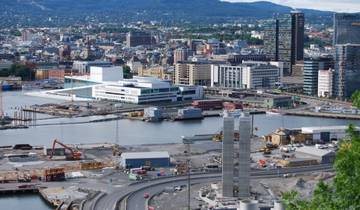
5 days
Norway in a Nutshell (Oslo to Bergen via Flam)
- ✓ Comprehensive Norway tour
- ✓ Expert local guides included
- ✓ All accommodation arranged
- ✓ Transportation provided
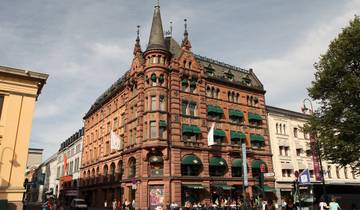
9 days
Best of Norway
- ✓ Comprehensive Norway tour
- ✓ Expert local guides included
- ✓ All accommodation arranged
- ✓ Transportation provided
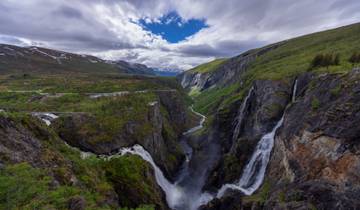
7 days
The beautiful Norway End Oslo
- ✓ Comprehensive Norway tour
- ✓ Expert local guides included
- ✓ All accommodation arranged
- ✓ Transportation provided
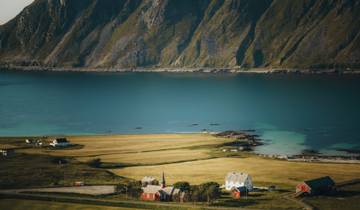
8 days
Trip Through the Lofoten Islands
- ✓ Booking needs min. 2 travelers
Multi-day tour packages powered by TourRadar. Prices and availability subject to change.
Introduction: Planning Your Norway Adventure 2026
Norway’s dramatic geography creates one of the world’s most diverse travel destinations, where Arctic wilderness meets UNESCO World Heritage Sites, midnight sun contrasts with northern lights, and centuries-old stave churches stand beside modern cities. The country stretches 1,752 kilometers from Kristiansand in the south to Nordkapp beyond the Arctic Circle, creating vastly different experiences depending on location and season. Understanding this geographic and seasonal diversity forms the foundation for successful 2026 planning.
The 2026 travel landscape in Norway benefits from favorable currency exchange rates, expanded transportation infrastructure, and recovered tourism services following recent global disruptions. However, the country’s reputation as expensive destination requires strategic planning – advance bookings, shoulder season travel, and balancing paid attractions with Norway’s abundant free natural experiences. This guide provides comprehensive 2026-specific information including verified pricing, seasonal considerations, transportation options, and detailed itineraries for different travel styles and budgets.
Norway’s eight UNESCO World Heritage Sites anchor cultural exploration: Bryggen’s Hanseatic architecture in Bergen, the spectacular Geirangerfjord and Nærøyfjord, medieval Urnes Stave Church, Alta’s 4,200-year-old rock art, Røros mining town, Vegaøyan archipelago, the Struve Geodetic Arc, and Rjukan-Notodden industrial heritage. Beyond UNESCO sites, Norway offers world-class experiences from hiking Preikestolen and Trolltunga to chasing northern lights in Tromsø, experiencing midnight sun in Lofoten, and exploring vibrant cities like Oslo, Bergen, and Trondheim.
Understanding Norway’s Geography and Regions 2026
Norway’s unique elongated shape spans 13° of latitude, creating distinct regional characteristics that dramatically affect travel planning. Southern Norway around Oslo and Kristiansand experiences continental climate with warm summers and cold winters, making it ideal for city breaks and coastal exploration year-round. Fjord Norway along the west coast from Stavanger to Ålesund contains the country’s most iconic landscapes – the UNESCO-listed Geirangerfjord and Nærøyfjord, Sognefjord (Norway’s longest at 205 km), and Hardangerfjord known for fruit orchards and waterfalls.
Central Norway around Trondheim combines coastal and inland characteristics, featuring the historic Nidaros Cathedral, excellent skiing around Lillehammer, and access to both fjords and mountains. Northern Norway above the Arctic Circle offers entirely different experiences: Lofoten’s dramatic peaks rising from the sea, Tromsø’s northern lights viewing from October-March, and Alta’s midnight sun lasting over two months in summer. The northernmost regions including Nordkapp and Svalbard provide Arctic wilderness experiences impossible elsewhere in Europe.
Each region follows different seasonal patterns affecting accessibility and pricing. Fjord Norway essentially closes October-April, with many hotels, attractions, and even roads shuttered until late spring. Northern Norway operates inversely – Tromsø’s peak season runs October-March for northern lights, while summer brings midnight sun tourism. Understanding these regional variations prevents disappointment and enables strategic planning to match your interests with optimal timing and locations.
Budget Planning for Norway 2026
Budget travelers can experience Norway on $53 daily by staying in hostels, cooking meals, using public transportation, and focusing on free outdoor activities. Hostels charge NOK 250-300 ($23-28) for dorm beds in major cities, with highly-rated options including Cochs Pensjonat Oslo (NOK 600/$56 for private doubles), City Hostel Bergen (NOK 290/$27 dorms), and Tromsø CoCo Apartments (NOK 270/$25 dorms). Grocery shopping at Rema 1000, Kiwi, or Coop saves dramatically over restaurants – pasta, vegetables, and basic provisions cost similar to other European countries, with meal preparation averaging NOK 80-120 ($8-11) per person daily versus NOK 190-350 ($18-33) for budget restaurant meals.
Mid-range travelers spending $127 daily balance budget hotels, local restaurants, and mix of paid tours with free activities. Average hotel costs of NOK 1,725 ($164) per night include breakfast, significantly reducing daily food costs (check official booking platforms for current rates as prices vary by season and location). Lunch at local cafes costs NOK 150-200 ($14-19), dinner at mid-range restaurants NOK 250-400 ($24-38), with traditional dishes like fish soup, meatballs, and reindeer stew offering best value. Major cities offer tourism cards providing free public transportation and museum entry: Oslo Pass costs NOK 590 ($56) for 24 hours, Bergen Card NOK 340 ($32) for 24 hours.
Luxury travelers at $311+ daily access premium hotels (NOK 2,500-4,000/$238-381 nightly), fine dining experiences (NOK 800-1,500/$76-143 per person), and high-end tours like helicopter glacier viewing or private fjord charters. However, even luxury travelers benefit from Norway’s free natural attractions – hiking to Trolltunga, driving Atlantic Ocean Road, and experiencing midnight sun or northern lights cost nothing beyond transportation to reach them.
Sample Daily Budget Breakdowns 2026
Budget Day (NOK 560/$53): Hostel dorm NOK 270, self-prepared breakfast NOK 40, packed lunch NOK 60, self-prepared dinner NOK 100, local bus/metro NOK 80, free hiking/sightseeing NOK 0, coffee NOK 40. Total NOK 590 ($56) excluding accommodation already mentioned.
Mid-Range Day (NOK 1,340/$127): Budget hotel NOK 860 (half of double room), hotel breakfast included, café lunch NOK 180, restaurant dinner NOK 300, local transport day pass NOK 100, museum entry NOK 150, coffee and snack NOK 80. Total NOK 1,670 ($158) per person.
Luxury Day (NOK 3,280/$311): Premium hotel NOK 2,000 (half of double), upscale restaurant lunch NOK 400, fine dining dinner NOK 900, private transport/rental car NOK 600, guided tour NOK 1,200, drinks and extras NOK 400. Total NOK 5,500 ($523) per person.
Transportation Planning and Costs 2026
Norway’s extensive public transportation network combines trains, buses, ferries, and domestic flights, with advance booking critical for significant savings. Train travel offers the most scenic routes: Oslo-Bergen (7 hours) costs as little as NOK 290 ($27) booked weeks ahead versus NOK 600+ ($56) last-minute, traversing spectacular mountain scenery across the Hardangervidda plateau. Oslo-Trondheim (7 hours) runs from NOK 360 ($34) advance booking, while shorter routes like Oslo-Lillehammer (2.5 hours) cost NOK 200-400 ($19-38). Book through Vy (Norwegian State Railways) for best prices and flexibility.
Bus services operated by Vy Buss, Nor-Way Bussekspress, and FlixBus connect cities where trains don’t reach, though journey times increase significantly. Oslo-Stavanger costs NOK 115-450 ($11-43) depending on booking time, taking 8 hours versus 5.5 hours by train. Oslo-Trondheim bus costs around NOK 780 ($74) for the 9-hour journey. Buses serve essential fjord region transportation where train infrastructure doesn’t exist, with routes like Geiranger-Ålesund providing access to remote UNESCO sites.
Car rental provides maximum flexibility for fjord exploration and remote regions, with costs NOK 470-900 ($44-85) daily for weekly rentals through Hertz, Avis, or local companies. Automatic transmissions cost NOK 100-200 ($9-19) more daily than standard manual vehicles. Fuel costs NOK 21-25 ($2-2.40) per liter, making a full tank approximately NOK 1,000-1,400 ($95-133). Road tolls add costs: Oslo-Bergen via E16 includes multiple toll stations totaling NOK 400-600 ($38-57). Ferry crossings in fjord regions cost NOK 200-500 ($19-48) per vehicle depending on route length.
Domestic flights make sense for long distances, especially to northern Norway. Oslo-Tromsø with Norwegian Air or SAS costs from NOK 500 ($48) one-way booked early, flying in 2 hours versus 24+ hours by train/bus. Oslo-Bodø, gateway to Lofoten, runs NOK 400-700 ($38-67) advance booking. Regional flights connect smaller destinations, though weather delays occur frequently in winter.
Best Time to Visit Norway 2026: Seasonal Planning
Summer (June-August) delivers optimal conditions for first-time visitors and outdoor enthusiasts, with average temperatures 54-64°F (12-18°C), extended daylight (midnight sun north of Arctic Circle), all roads and attractions open, and powerful waterfalls from glacial melt. June offers longest days and blooming wildflowers, July sees warmest temperatures and busiest conditions, August brings berry season and first autumn colors. However, summer accommodation costs peak 40-60% higher than shoulder seasons, popular sites become crowded, and some tourist hubs like Bergen and Geiranger see cruise ship crowds daily.
September-October shoulder season provides exceptional value for 2026 travel. Autumn colors transform landscapes into vibrant reds, oranges, and yellows, especially dramatic in mountain regions. Accommodation costs drop 30-40% from summer peaks, crowds thin significantly after school returns, and weather remains mild in southern and central regions (though increasing rain). Northern regions cool quickly – Tromsø averages 35°F (2°C) in October, marking the start of prime northern lights season. However, some fjord region hotels and attractions begin closing mid-October.
Winter (December-February) transforms Norway into winter wonderland ideal for northern lights, skiing, and snow activities. Tromsø’s northern lights season peaks with 24-hour darkness providing maximum viewing opportunities, though cloudy weather affects success rates. Ski season operates November-April across numerous resorts, with Lillehammer, Trysil, and Hemsedal offering world-class facilities. January-February sees coldest temperatures but clearest skies and best snow conditions. Winter accommodation in southern Norway costs 40-50% less than summer, though northern Norway (Tromsø, Alta, Lofoten) remains expensive during aurora season.
Spring (March-May) brings gradual warming, melting snow creating powerful waterfalls, and spring blooms transforming landscapes. May offers best weather with lowest rainfall and temperatures reaching 53°F (12°C) around Oslo, while mountains retain snow for spring skiing. Easter weekend (March 30-April 1, 2026) marks traditional ski season finale with festive atmosphere but crowded resorts. Spring provides excellent value with shoulder season pricing and increasingly pleasant conditions, though fjord region roads and attractions don’t fully open until late May.
Norway’s UNESCO World Heritage Sites 2026
Norway’s eight UNESCO World Heritage Sites showcase diverse cultural and natural heritage spanning prehistoric art to industrial revolution achievements. Bryggen in Bergen, inscribed in 1979, features colorful wooden buildings dating to the Hanseatic League’s 14th-century trading operations. The preserved medieval wharf district survived multiple fires (most recently 1955) with buildings reconstructed using traditional methods. Walking Bryggen’s narrow alleyways reveals timber construction techniques, traditional crafts workshops, and the Hanseatic Museum explaining the German merchants’ 400-year dominance of Norwegian trade. Entry to Bryggen alleyways is free, with museum visits costing NOK 150 ($14) for adults.
Geirangerfjord and Nærøyfjord, UNESCO-listed in 2005, represent archetypal fjord landscapes with dramatic cliffs rising 1,400 meters from sapphire waters extending 500 meters deep. Geirangerfjord’s iconic Seven Sisters and Bridal Veil waterfalls cascade from sheer rock faces, while Nærøyfjord’s narrow passages create intimate fjord experiences. Access via Norway in a Nutshell tour (NOK 1,995/$190 check official Fjord Tours website for current rates) combines Bergen-Flåm railway, Nærøyfjord cruise, and scenic mountain railway. Independent travelers reach Geiranger via bus from Ålesund (NOK 300/$28) or by car on dramatic Trollstigen road (open May-October).
Urnes Stave Church, Norway’s oldest surviving stave church from approximately 1130 CE, blends Viking-era artistry with Christian architecture. Intricate wood carvings depict intertwined animals and Norse mythology motifs, demonstrating continuity between pagan and Christian traditions. Located on Lustrafjord’s eastern shore, access requires combining car/bus to Solvorn with 25-minute ferry crossing (NOK 150/$14 return). Guided tours operate May-September, costing NOK 120 ($11) for adults. The church’s remote location preserves its historical atmosphere, making guided interpretation valuable for understanding architectural and cultural significance.
Alta’s Rock Art, dating 4,200-500 BCE, comprises over 6,000 carvings across 45 sites near the Arctic Circle, providing exceptional insight into prehistoric hunter-gatherer life. Motifs include reindeer, whales, boats, humans engaged in hunting, fishing, rituals, and ceremonies. The Alta Museum (NOK 140/$13 entry) features boardwalk trails through main carving sites with interpretive signage. Red ochre paint highlights carvings, similar to original prehistoric coloring. Visit June-August for midnight sun viewing of carvings, or February-March combining aurora viewing with winter landscape backdrop.
Norway’s Major Cities and Urban Experiences 2026
Oslo combines modern Scandinavian design with Viking history, medieval fortresses, and world-class museums across a compact walkable city center. The National Museum (opens 2026 season in April) houses Norway’s largest art collection including Munch’s The Scream (NOK 200/$19 entry check official site for current pricing). Vigeland Sculpture Park features 200+ bronze and granite sculptures by Gustav Vigeland in beautifully landscaped setting with free admission. The Oslo Opera House allows visitors to walk on its sloping roof for panoramic fjord views at no charge. Oslo Pass (NOK 590/$56 for 24 hours) provides free entry to 30+ museums and attractions plus unlimited public transportation.
Bergen, Norway’s second city and gateway to the fjords, combines UNESCO-listed Bryggen wharf with surrounding mountains accessed by Fløibanen funicular (NOK 165/$16 return). The Fish Market offers fresh seafood, local specialties, and tourist atmosphere, while Torget area provides authentic dining at lower prices. Mount Fløyen and Mount Ulriken provide hiking access directly from city center, with well-maintained trails suitable for various fitness levels. Bergen experiences Norway’s highest rainfall (250+ days yearly), making waterproof clothing essential year-round. The city serves as starting point for Norway in a Nutshell tours and Bergen Railway to Oslo.
Tromsø, “Gateway to the Arctic,” offers northern lights viewing, midnight sun experiences, and Arctic culture 350 kilometers north of the Arctic Circle. Northern lights season (September-March) sees tours ranging NOK 1,000-2,000 ($95-190) for basic bus tours to NOK 4,000+ ($380+) for snowmobile or boat expeditions. The Arctic Cathedral’s distinctive architecture and midnight sun concerts (June-July) create memorable experiences. Polaria Arctic museum (NOK 180/$17) explains Arctic ecosystems and climate change impacts. Summer midnight sun tours (June-July) cost NOK 800-1,200 ($76-114), while winter activities include dog sledding (NOK 1,800-2,500/$171-238) and reindeer sledding with Sami cultural experiences (NOK 1,200-1,800/$114-171).
Fjord Region Exploration 2026
Norway’s fjord region concentrated along the west coast represents the country’s most iconic landscapes, with over 1,700 named fjords carved by glaciers during the last ice age 2.5 million years ago. Sognefjord, the “King of Fjords,” stretches 205 kilometers inland, making it Norway’s longest and world’s second-longest fjord reaching depths of 1,308 meters. Access via Bergen or Flåm, with the famous Flåm Railway descending from mountain plateau to sea level through 20 tunnels and past multiple waterfalls. The railway operates year-round, costing NOK 490 ($47) one-way (check official Flamsbana.no for current prices and timetables).
Hardangerfjord, the “Queen of Fjords,” features fruit orchards, the dramatic Vøringsfossen waterfall (182-meter free fall), and the Hardangervidda mountain plateau. The region offers excellent cycling on Rallarvegen bike route, hiking to Trolltunga (10-12 hours round trip, June-September only), and kayaking through narrow fjord arms. Accommodation ranges from camping (NOK 200-400/$19-38 nightly) to traditional fjord-side hotels (NOK 1,200-2,500/$114-238). Local ferries connect small communities, with routes like Jondal-Tørvikbygd costing NOK 150-300 ($14-28) per vehicle.
Geirangerfjord and Nærøyfjord, UNESCO-listed for exceptional natural beauty, operate primarily as summer destinations (May-September) when cruise ships, tour buses, and independent travelers converge. Geiranger village accommodates cruise passengers and road-trippers, with hotels booking out months ahead for July-August. The Geiranger-Trollstigen scenic route (open May-October) provides breathtaking mountain driving through hairpin bends and past waterfalls. Dalsnibba viewpoint (NOK 220/$21 road toll) reaches 1,476 meters elevation for panoramic Geirangerfjord views. Winter road closures isolate the region completely, with only skeleton tourism infrastructure operating.
Northern Norway and Arctic Experiences 2026
Lofoten Islands combine dramatic Alpine peaks rising directly from the sea with traditional fishing villages, white sand beaches, and excellent hiking across an archipelago 150 kilometers north of the Arctic Circle. Summer (May-August) provides 24-hour daylight enabling midnight hiking and photography, while winter offers northern lights viewing against snow-covered mountains. Reinebringen hike delivers Lofoten’s most photographed viewpoint after steep 1.5-hour climb. Accommodation in traditional rorbuer (fishermen’s cabins) costs NOK 1,200-2,500 ($114-238) nightly for groups, providing authentic atmosphere with modern amenities.
Access to Lofoten combines flights to Bodø (then 3.5-hour ferry) or Evenes Airport on Lofoten, plus extended drives from Tromsø (6 hours) or Narvik (3 hours). The E10 highway traverses Lofoten’s main islands via dramatic bridges, with numerous hiking trailheads, fishing villages, and viewpoints along the route. Popular activities include sea kayaking (NOK 800-1,200/$76-114 for guided tours), fishing trips (NOK 1,500-2,500/$143-238), and Viking museum visits at Lofotr (NOK 180/$17 entry). Winter cod fishing season (January-April) sees working fishing villages filled with traditional drying racks.
Nordkapp (North Cape) represents continental Europe’s northernmost point at 71°10’21” north latitude, though technically Knivskjellodden extends slightly farther north. The Nordkapp plateau and visitor center (NOK 305/$29 entry check nordkapp.no for current rates) provides Arctic Ocean views, midnight sun experiences (May-July), and exhibitions on Arctic exploration. Reaching Nordkapp requires driving or taking buses from Alta or Hammerfest (both 2-3 hours), with the final section through Nordkapptunnelen (NOK 180/$17 tunnel toll). Accommodation in nearby Honningsvåg ranges from camping to hotel rooms (NOK 800-2,000/$76-190).
Outdoor Activities and Adventure Planning 2026
Norway’s “right to roam” (allemannsretten) legal principle grants public access to uncultivated land regardless of ownership, enabling wild camping, hiking, and nature enjoyment across the country. This makes outdoor activities Norway’s most budget-friendly experiences, with world-class hiking, cycling, and wilderness access completely free. Popular hikes include Preikestolen (Pulpit Rock) near Stavanger – 4-hour round trip to 604-meter cliff over Lysefjord, accessible April-October with free parking requiring pre-booking in summer. Trolltunga (Troll’s Tongue) demands 10-12 hours round trip with 900-meter elevation gain, suitable only for fit hikers June-September.
Kjeragbolten, a boulder wedged between two cliff faces 1,000 meters above Lysefjord, requires 6-8 hours hiking with steep sections using chains. Access via Lysebotn road or ferry from Stavanger, with parking NOK 250 ($24). Romsdalseggen ridge hike near Åndalsnes provides spectacular mountain views in 5-7 hours, rated among Europe’s finest day hikes. These iconic hikes require proper equipment (hiking boots, layers, rain gear, food, water) and weather awareness – conditions change rapidly in mountain environments.
Water-based activities leverage Norway’s extensive coastline and numerous fjords. Sea kayaking in Lofoten, Geirangerfjord, or Oslo Fjord costs NOK 800-1,200 ($76-114) for guided half-day tours, providing unique fjord perspectives and wildlife viewing opportunities. White-water rafting on rivers near Voss operates May-September with trips NOK 800-1,400 ($76-133) depending on difficulty level and duration. Fishing requires inland fishing licenses (NOK 150-300/$14-28 daily) for rivers and lakes, while sea fishing remains free, with boat rentals costing NOK 600-1,200 ($57-114) daily.
Norwegian Culture and Traditions 2026
Norwegian culture balances modern Scandinavian design with ancient Nordic traditions, outdoor lifestyle emphasis, and regional variations across the country’s distinct geographic regions. Traditional wooden stave churches, of which 28 survive from original 2,000, demonstrate medieval craftsmanship blending Christian and Viking-era artistic elements. Beyond UNESCO-listed Urnes, notable examples include Borgund (NOK 120/$11 entry), Heddal (Norway’s largest), and Lom. These architectural treasures typically open May-September with guided tours explaining construction techniques and historical context.
Sami culture represents Europe’s only indigenous people, with populations across northern Norway, Sweden, Finland, and Russia’s Kola Peninsula. The Sami Parliament in Karasjok and Sami museums in Kautokeino provide cultural education about traditional reindeer herding, distinctive clothing and handicrafts (duodji), and joik vocal music traditions. Visitors can experience Sami culture through reindeer feeding, traditional lavvu (tent) meals, and cultural performances, with tour packages costing NOK 1,200-2,000 ($114-190) including transportation from Tromsø or Alta.
Norwegian cuisine traditionally centered on preserved foods (salted, dried, fermented) enabling survival through harsh winters, creating distinctive flavors modern restaurants now celebrate. Traditional dishes worth experiencing include: brunost (sweet brown cheese), rakfisk (fermented trout), lutefisk (dried cod treated with lye), fårikål (lamb and cabbage stew, Norway’s national dish), and kjøttkaker (meatballs in gravy). Modern Nordic cuisine movement transforms traditional ingredients into refined dining experiences, with restaurants in Oslo, Bergen, and Trondheim offering tasting menus (NOK 800-1,500/$76-143 per person) showcasing local seasonal produce, wild game, and coastal seafood.
Practical Information for Norway 2026
Norway operates efficiently with excellent infrastructure, though some practical considerations affect travel planning. Currency is Norwegian krone (NOK), with current exchange rates approximately NOK 10.5 to USD 1, making Norway 20-30% cheaper than peak periods. Credit cards are accepted universally, even for small purchases, with many establishments preferring cards to cash. ATMs are widely available in cities and towns, typically charging foreign transaction fees of 2-4% plus home bank fees.
Language presents minimal barriers as English proficiency rates exceed 90% among Norwegians under 60, with tourism industry workers speaking excellent English. However, learning basic Norwegian phrases enhances interactions: “takk” (thank you), “unnskyld” (excuse me), “hvor er…” (where is…). Written Norwegian appears on signs and menus, though major tourist areas provide English translations. Regional languages include Sami languages in the north, with cultural centers offering translation for indigenous heritage sites.
Safety in Norway ranks among world’s highest, with minimal violent crime and well-maintained infrastructure. However, outdoor activities carry inherent risks requiring proper preparation: weather changes rapidly in mountains, requiring layers and waterproof clothing year-round; marked hiking trails still traverse exposed terrain with fall risks; winter driving demands winter tires (mandatory November-April) and experience with icy conditions. Emergency number 112 connects to police, ambulance, and fire services. Travel insurance covering outdoor activities and potential evacuation costs proves essential given Norway’s remote terrain and high medical costs for non-EU visitors.
Tipping in Norway differs from US practices: restaurant bills include service charges, with additional tips (5-10%) appreciated for exceptional service but not expected. Taxi drivers receive small tips rounding to nearest NOK 50-100. Hotels don’t expect porter or housekeeping tips, though NOK 50-100 acknowledges exceptional assistance. Bar staff and café workers receive tips only for table service, not counter service.
Sample Norway Itineraries 2026
One Week: Oslo and Fjord Highlights
Day 1-2: Oslo exploration including Vigeland Park, National Museum, Akershus Fortress, Oslo Opera House. Purchase Oslo Pass for museum access and transport. Accommodation NOK 1,500-2,000 ($143-190), meals NOK 400-600 ($38-57), transport included in pass. Daily total approximately NOK 2,000-2,800 ($190-266) per person excluding accommodation.
Day 3: Bergen Railway to Bergen (7 hours), arriving afternoon to explore Bryggen and ride Fløibanen funicular for sunset views. Accommodation NOK 1,200-1,800 ($114-171), meals NOK 350-500 ($33-48), activities NOK 165 ($16). Daily total approximately NOK 1,715-2,465 ($163-235) per person excluding accommodation.
Day 4-5: Norway in a Nutshell tour or independent Flåm Railway, Nærøyfjord cruise, and return via Voss. Option to overnight in Flåm for fjord atmosphere. Tour package NOK 1,995 ($190) or independent segments totaling similar costs. Accommodation in Flåm NOK 1,800-2,500 ($171-238), meals NOK 400-600 ($38-57). Daily total approximately NOK 2,400-3,300 ($228-314) per person excluding accommodation.
Day 6: Return to Bergen, visit Fish Market, optional Mount Ulriken cable car or city museums. Bergen Card provides attraction access. Accommodation NOK 1,200-1,800 ($114-171), meals NOK 350-500 ($33-48), activities NOK 200-400 ($19-38). Daily total approximately NOK 1,750-2,700 ($167-257) per person excluding accommodation.
Day 7: Morning in Bergen before afternoon flight or return to Oslo. Visit areas missed earlier or shop for Norwegian souvenirs including woolens, trolls, and local foods. Meals NOK 300-400 ($28-38), final activities NOK 100-200 ($9-19). Total approximately NOK 400-600 ($38-57).
Two Weeks: Comprehensive Norway Experience
Week 1: Oslo (2 nights), Bergen (2 nights), Flåm/Sognefjord area (1 night), Geiranger (1 night), Ålesund (1 night). This route covers southern and fjord regions using combination of train, bus, and car rental. Daily costs range NOK 1,500-3,000 ($143-285) per person for mid-range travel excluding accommodation.
Week 2: Trondheim (2 nights) for Nidaros Cathedral and medieval city, then north to Bodø for Lofoten ferry (2-3 nights) experiencing Arctic landscapes. Continue to Tromsø (2 nights) for northern culture and optional northern lights tours if visiting September-March. Return flight to Oslo. This northern extension adds significantly to costs due to longer distances and higher northern Norway prices – budget NOK 2,000-3,500 ($190-333) daily including transport and activities.
Frequently Asked Questions About Norway 2026
What is the cheapest month to visit Norway in 2026?
January and April typically offer the lowest prices for Norway travel. January sees lowest hotel rates as it falls between Christmas/New Year peak and February-March northern lights season, with accommodation costs 40-50% below summer prices. However, January brings extremely short days and harsh weather making it suitable only for winter sports enthusiasts or aurora hunters. April provides better value balancing weather and costs – southern Norway begins spring thaw, days extend significantly, and ski season continues in mountains. Shoulder season travel in May or September-early October delivers best value-to-experience ratio, with pleasant weather, fewer crowds, and 30-40% savings on summer peak prices while maintaining accessibility to attractions.
How many days do you need in Norway 2026?
Minimum one week allows meaningful Norway experience covering Oslo and major fjord highlights via Norway in a Nutshell tour. Two weeks enables comfortable pace exploring Oslo, Bergen, fjord region, and either Trondheim or northern Norway, allowing time for hiking, cultural experiences, and spontaneous discoveries. Three weeks provides comprehensive coverage including southern coast, central regions, and extended northern Norway exploration from Lofoten to Nordkapp. First-time visitors should prioritize one region thoroughly rather than attempting entire country – fjord region alone warrants 5-7 days minimum. Budget 2-3 days per major destination (Oslo, Bergen, Tromsø) and full day for each significant outdoor activity (major hikes, fjord cruises, scenic drives).
Is Norway cheaper in winter or summer for 2026 travel?
Southern and central Norway costs significantly less in winter, with accommodation prices 40-50% below summer rates and fewer tourist crowds. Oslo, Bergen, and Trondheim remain accessible year-round with full services, making January-March excellent value for city breaks and winter activities. However, northern Norway (Tromsø, Lofoten, Alta) experiences inverse seasonal pricing – October-March peak season for northern lights viewing brings summer-level or higher prices. Additionally, winter travel limits fjord region access as many hotels, attractions, and roads close October-April. Best overall value combines shoulder seasons: May before summer peak or September after summer crowds depart, offering 30-40% accommodation savings with better weather and full attraction accessibility than winter.
What should I pack for Norway in 2026?
Layer system proves essential year-round: base layer (merino wool or synthetic), insulating mid-layer (fleece), waterproof outer shell. Waterproof jacket and pants are mandatory regardless of season as Norway’s weather changes rapidly and rainfall occurs frequently. Good hiking boots with ankle support for trails, comfortable walking shoes for cities. Summer (June-August) requires sun protection despite mild temperatures – sunglasses, hat, sunscreen – plus light insulated jacket for evenings and mountains. Winter (November-March) demands thermal base layers, insulated jacket, warm hat, gloves, and waterproof winter boots. Shoulder seasons (April-May, September-October) need full range of layers from t-shirts to winter jacket as temperatures vary significantly. Daypack for hiking, reusable water bottle, headlamp for winter travel or northern regions.
Do I need a car to travel around Norway in 2026?
Car rental provides maximum flexibility for fjord exploration and remote regions but isn’t essential. Norway’s train and bus networks connect major cities and tourist destinations efficiently, with routes like Oslo-Bergen Railway and Norway in a Nutshell tours accessible without personal vehicle. Cars become valuable for: exploring multiple fjord areas independently, accessing remote hiking trailheads, visiting scattered attractions like stave churches, traveling with groups to split costs (rental plus fuel averages NOK 700-1,200/$67-114 daily). Cars aren’t needed for: city breaks in Oslo, Bergen, Trondheim; structured tours; Lofoten exploration using local buses; Tromsø experiences. Consider hybrid approach: trains and buses for major routing, short-term car rental (2-4 days) specifically for fjord region exploration, maximizing both scenic train journeys and fjord flexibility.
Is tap water safe to drink in Norway 2026?
Yes, Norwegian tap water ranks among world’s cleanest and safest, sourced from mountain springs and rivers with minimal treatment needed. Drink freely from taps throughout the country, refilling water bottles to avoid purchasing bottled water (NOK 30-40/$3-4 per bottle). Many public spaces provide water fountains. This free, high-quality water access significantly reduces travel costs – carrying reusable bottle saves NOK 60-120 ($6-11) daily per person compared to purchasing bottled water. Even in remote mountain huts and basic accommodations, tap water meets same high standards. Exception: some campgrounds or very remote cabins may use well water with “not for drinking” signs posted if water isn’t treated to drinking standards.
What’s the best base for exploring Norwegian fjords in 2026?
Bergen serves as ideal fjord region base, offering direct train connections to Oslo, gateway access to Sognefjord and Hardangerfjord, starting point for Norway in a Nutshell tours, and excellent day trip options. Accommodation variety ranges from hostels to luxury hotels, restaurants span budget to fine dining, and the city itself provides UNESCO Bryggen, mountain funiculars, and cultural attractions for non-fjord days. Bergen’s drawback is high rainfall (250+ days annually). Alternative bases include: Flåm for immersive fjord atmosphere and hiking access but limited facilities; Ålesund for Art Nouveau architecture plus access to Geirangerfjord and Hjørundfjord; Voss for outdoor activities hub with rafting, skiing, and moderate prices. Multi-base approach works well: Bergen 2-3 nights for arrival and city exploration, Flåm 1-2 nights for fjord immersion, Geiranger 1 night for UNESCO fjord experience.
When can you see northern lights in Norway 2026?
Northern lights viewing season runs September through March, requiring darkness that only occurs outside summer’s midnight sun period. Optimal months are February-March and September-October, balancing dark skies with relatively clear weather compared to December-January cloudy periods. Late February and March offer advantages: longer daylight hours for daytime activities, clearer skies than mid-winter, less extreme cold, and snow-covered landscapes providing light reflection enhancing aurora visibility. September-October provide autumn colors and milder weather but shorter viewing windows as darkness arrives later. Peak viewing locations include Tromsø (350 km north of Arctic Circle), Alta, Nordkapp, and Lofoten, all offering tours NOK 1,000-2,500 ($95-238) with experienced guides monitoring aurora forecasts and accessing optimal viewing locations away from light pollution.
How much does food cost in Norway 2026?
Grocery shopping costs similar to other Western European countries: bread NOK 25-40 ($2-4), milk NOK 20-25 per liter ($2), pasta NOK 20-35 ($2-3), vegetables NOK 15-40 per kg ($1-4), chicken breast NOK 150-200 per kg ($14-19). Self-catering reduces costs to NOK 80-150 ($8-14) per person daily. Restaurant meals cost significantly more: budget restaurants NOK 190-350 ($18-33), mid-range restaurants NOK 250-450 ($24-43), fine dining NOK 800-1,500+ ($76-143+). Coffee shop cappuccino NOK 35-65 ($3-6), convenience store sandwich NOK 60-90 ($6-9). Beer in grocery stores NOK 35-50 ($3-5), in bars/restaurants NOK 100-140 ($9-13). Maximum savings come from: shopping at budget chains (Rema 1000, Kiwi), utilizing hotel breakfasts fully, preparing lunches and some dinners, limiting restaurant meals to 2-3 per week rather than daily.
What currency does Norway use and should I exchange money in 2026?
Norway uses Norwegian krone (NOK) with current exchange rates approximately NOK 10.5 = $1 USD, making the krone weaker than recent years and Norway 20-30% cheaper for international visitors. However, Norway operates as near-cashless society with credit/debit cards accepted everywhere including small cafes, public transportation, and market stalls. Many establishments prefer cards over cash. Optimal strategy: use credit card for all purchases (choose one with no foreign transaction fees), withdraw minimal cash from ATMs only for rare cash-only situations. ATM fees typically NOK 40-60 ($4-6) per withdrawal plus 2-4% foreign transaction fee from home bank. Exchanging currency at airports or exchange offices yields poor rates and high fees. Contactless payment (tap to pay) works universally for amounts under NOK 500 ($48), making transactions seamless for transportation and small purchases.