
Nikko Day Trip from Tokyo: Complete Guide 2026
A day trip to Nikko from Tokyo delivers Japan’s most spectacular UNESCO World Heritage shrine complex just two hours from the capital. The “Shrines and Temples of Nikko,” inscribed in 1999 and comprising 103 buildings including Toshogu Shrine’s gold-leafed magnificence, offers accessible cultural immersion that combines Edo-period artistry, mountain spirituality, and practical day-trip logistics perfectly suited for travelers based in Tokyo.
Key Takeaways
- Transportation in 2026: Tobu Railway from Asakusa Station provides the most economical option at ¥1,400 one-way by express train (2.5 hours) or ¥3,050 by limited express (1 hour 50 minutes); the Nikko Pass World Heritage Area (¥3,000 for two days) includes round-trip train plus unlimited local buses
- Shrine Admission Costs 2026: Toshogu Shrine ¥1,300, Futarasan Shrine ¥300, Taiyuin Temple ¥550; combined World Heritage Pass ¥2,100 saves money when visiting multiple sites (check official sites for current rates)
- Optimal Timing 2026: Depart Tokyo 7:00-8:00 AM to arrive Nikko 9:00-10:00 AM, allowing 6-7 hours at the shrines before returning to Tokyo by 7:00-8:00 PM; early departure maximizes sightseeing time and avoids afternoon tour bus crowds
- UNESCO Site Coverage: Realistic day-trip itinerary covers Toshogu Shrine (2-3 hours), Futarasan Shrine (45 minutes), and Taiyuin Temple (1 hour) with walking distances of 10-15 minutes between sites within the compact World Heritage area
- Budget Planning 2026: Budget travelers spend ¥5,200-6,400 total (transportation ¥2,800, admissions ¥1,300-2,100, meals ¥1,100-1,400); mid-range travelers spend ¥7,500-10,000 including limited express trains, combined admission pass, and restaurant dining
- Best Seasons 2026: Autumn foliage peaks late October-early November creating spectacular mountain colors; spring offers cherry blossoms late April-early May; summer provides cool mountain escape from Tokyo heat; winter delivers peaceful crowds but shorter hours and cold temperatures
People Also Ask About Nikko Day Trip 2026
How much does a Nikko day trip cost from Tokyo in 2026?
A Nikko day trip from Tokyo in 2026 costs ¥5,200-10,000 depending on transportation choices and spending preferences. Budget travelers using express trains (¥1,400 one-way, ¥2,800 round-trip), visiting only Toshogu Shrine (¥1,300), and eating casual meals (¥1,100-1,400) spend approximately ¥5,200-6,400 total. Mid-range travelers taking limited express trains (¥3,050 one-way, ¥6,100 round-trip or using Nikko Pass at ¥3,000), purchasing the combined World Heritage Pass (¥2,100) for multiple shrines, and dining at restaurants (¥2,000-3,000) spend ¥7,500-10,000. The Nikko Pass World Heritage Area represents the best value at ¥3,000 for two days, including round-trip train transportation and unlimited bus rides in Nikko, essentially providing the same cost as express train tickets alone while adding bus access. Additional optional expenses include Shinkyo Bridge crossing (¥300), Lake Chuzenji bus excursion (¥1,200 one-way), Kegon Falls viewing platform (¥570), and souvenir purchases. Food costs typically run ¥800-1,200 for lunch and ¥300-600 for snacks, with yuba (tofu skin) set meals ranging ¥1,500-3,000 at restaurants near the shrines.
Can you really see Nikko’s UNESCO sites in one day in 2026?
Yes, you can comprehensively experience Nikko’s UNESCO World Heritage sites in a single day trip from Tokyo in 2026, though it requires early departure and focused itinerary planning. The “Shrines and Temples of Nikko” World Heritage area, while containing 103 buildings across three complexes, occupies a compact 2-kilometer area northwest of the stations that can be efficiently explored on foot. A well-planned day trip departing Tokyo at 7:00-8:00 AM allows arrival in Nikko by 9:00-10:00 AM, providing 6-7 solid hours before needing to return around 4:00-5:00 PM for Tokyo arrival by 7:00-8:00 PM. This timeframe comfortably accommodates Toshogu Shrine exploration (2-3 hours including the famous Yomeimon Gate, three wise monkeys, Ieyasu’s tomb, and ornate buildings), Futarasan Shrine (45 minutes for the main sanctuary and grounds), Taiyuin Temple (1 hour for the mausoleum complex), lunch (1 hour), and walking time between sites (30 minutes total). Most day trippers prioritize these three main shrines within the World Heritage area, which represent the essential cultural experience. Visitors wanting to add Rinnoji Temple’s Sanbutsudo Hall, Lake Chuzenji, or Kegon Falls should either extend to an overnight trip or accept they’ll only see selected sites rather than everything. The compact geography and excellent local bus system (covered by Nikko Pass) make day-trip logistics straightforward even for first-time visitors.
Which is better for Nikko in 2026: JR Pass or Tobu Railway?
Tobu Railway represents the superior choice for Nikko day trips in 2026 for travelers without a Japan Rail Pass, offering better value, convenience, and purpose-designed tourist services compared to the JR route. Tobu’s advantages include direct trains from Asakusa Station to Tobu-Nikko Station without transfers, whereas JR requires changing from the Tohoku Shinkansen at Utsunomiya to the Nikko Line. Cost comparison strongly favors Tobu: express trains cost ¥1,400 one-way (¥2,800 round-trip) versus JR’s ¥5,680 one-way with reserved Shinkansen seating, making Tobu less than half the JR price. The Nikko Pass World Heritage Area (¥3,000 for two days) available exclusively for international travelers through Tobu includes round-trip train tickets plus unlimited bus access in Nikko’s shrine area, representing exceptional value roughly equivalent to round-trip train cost alone. Limited express Spacia trains (additional ¥1,450-2,140 supplement) reduce travel time to 1 hour 50 minutes while maintaining cost advantages over JR. Tobu’s Asakusa Station location in eastern Tokyo also provides convenient access from popular tourist areas like Ueno, Akihabara, and Tokyo Skytree. JR becomes preferable only for travelers holding active Japan Rail Passes, which fully cover the Shinkansen plus Nikko Line route. The JR Tokyo Wide Pass (¥10,180 for three days) covers Nikko and makes sense for travelers visiting multiple destinations over several days. Without a JR Pass, Tobu Railway delivers faster, cheaper, more convenient Nikko access with tourist-friendly services specifically designed for the shrine visits that constitute most travelers’ primary purpose.
What time should I leave Tokyo for Nikko to avoid crowds in 2026?
Departing Tokyo between 7:00-8:00 AM provides optimal crowd avoidance in Nikko during 2026, allowing arrival at the shrines by 9:00-10:00 AM before tour buses and late-morning travelers flood the World Heritage area. Toshogu Shrine opens at 8:00 AM April-October and 9:00 AM November-March, meaning very early arrivals at 8:30-9:00 AM experience the shrine complex with minimal crowds, ideal photography conditions, and peaceful atmosphere. The first Tobu limited express trains depart Asakusa around 6:00-7:00 AM, reaching Nikko by 7:50-8:50 AM; express trains depart even earlier but require 2.5 hours travel time. Tour buses from Tokyo typically arrive 10:00-11:00 AM and concentrate heavily at Toshogu Shrine between 11:00 AM-2:00 PM, creating congestion at popular spots like Yomeimon Gate and the three wise monkeys carving. Early arrivals explore Toshogu during the quiet morning period, then proceed to Futarasan Shrine and Taiyuin Temple while tour groups remain concentrated at Toshogu. Alternatively, strategic late-afternoon visiting (after 3:00 PM) encounters fewer crowds as tour buses depart, though this timing compresses available sightseeing hours and risks missing sites that close at 4:00-5:00 PM. Weekday visits encounter significantly lighter crowds than weekends and Japanese holidays throughout the year. The peak autumn foliage season (late October-early November) experiences maximum crowding regardless of arrival time; during this period, consider visiting on weekdays and arriving even earlier (aim for 8:00 AM shrine arrival). Spring cherry blossom season (late April-early May) also sees elevated visitor numbers but less extreme than autumn. Summer and winter offer the quietest visiting conditions, with winter particularly peaceful due to cold weather deterring casual tourists.
Extended multi-day tours – 5+ days
Featured Tokyo Multi-Day Tour Packages
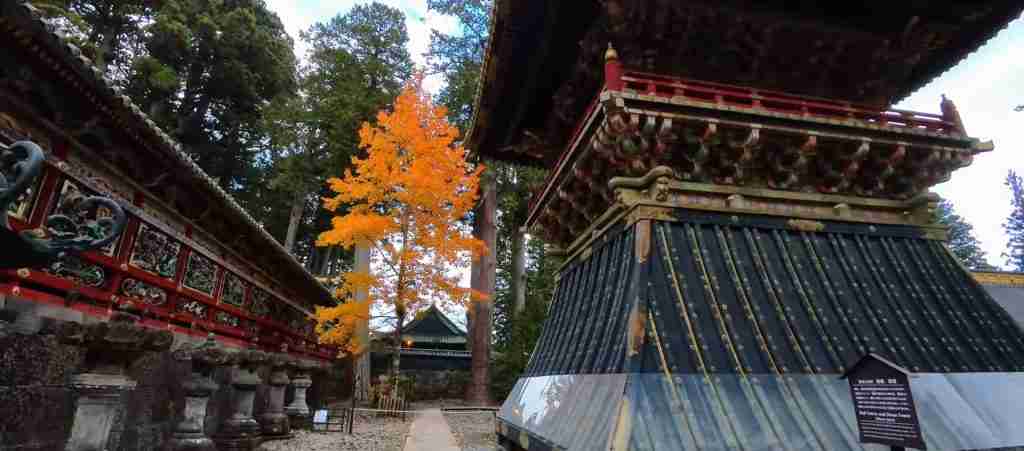
3 days
Tokyo 3-Day Discovery Tour
- ✓ Comprehensive Tokyo experience
- ✓ Expert local guides included
- ✓ All accommodation included
- ✓ Transportation provided
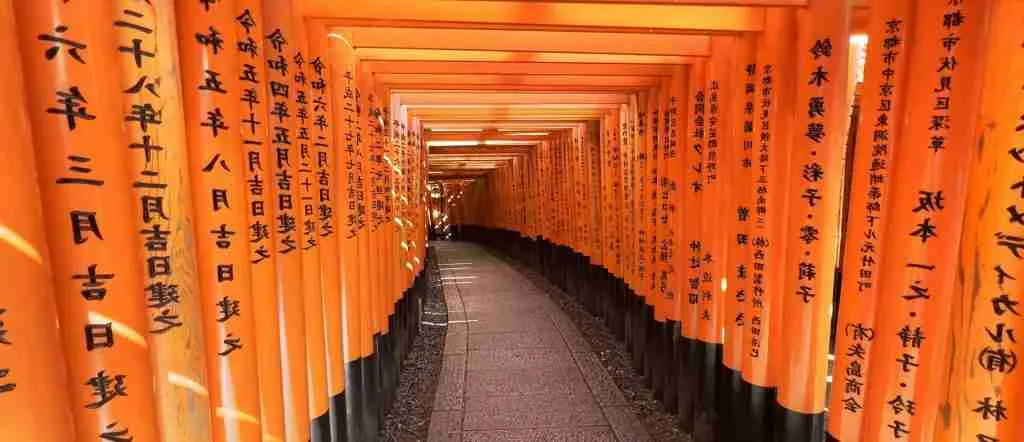
5 days
Tokyo 5-Day Highlights Experience
- ✓ Comprehensive Tokyo experience
- ✓ Expert local guides included
- ✓ All accommodation included
- ✓ Transportation provided
7 days
Tokyo 7-Day Cultural Journey
- ✓ Comprehensive Tokyo experience
- ✓ Expert local guides included
- ✓ All accommodation included
- ✓ Transportation provided

10 days
Tokyo 10-Day Complete Adventure
- ✓ Comprehensive Tokyo experience
- ✓ Expert local guides included
- ✓ All accommodation included
- ✓ Transportation provided
Multi-day tour packages powered by TourRadar. Prices and availability subject to change.
Introduction: Planning Your Nikko Day Trip 2026
Nikko’s UNESCO World Heritage shrine complex occupies a unique position in Japan’s cultural tourism landscape: sufficiently grand and historically significant to merit dedicated international travel, yet conveniently accessible as a day trip from Tokyo. The “Shrines and Temples of Nikko,” inscribed on the World Heritage List in December 1999, encompasses 103 buildings distributed across three religious complexes (Toshogu Shrine, Futarasan Shrine, and Rinnoji Temple) nestled within sacred mountain forests 125 kilometers north of Tokyo. This combination of elaborate Edo-period architecture, spiritual atmosphere, and practical accessibility makes Nikko the most popular day-trip destination from Tokyo among international travelers seeking authentic cultural experiences without sacrificing the convenience of Tokyo-based accommodation.
Planning an effective Nikko day trip for 2026 requires balancing multiple factors: transportation logistics and scheduling, shrine admission costs and visiting sequences, seasonal weather and crowd considerations, and realistic time allocation across the compact but content-rich World Heritage area. Unlike many day-trip destinations that offer single highlights, Nikko presents multiple significant sites within walking distance, allowing travelers to construct personalized itineraries emphasizing either comprehensive coverage or focused deep exploration of fewer sites. Understanding the practical mechanics of train options, admission passes, local transportation, and site logistics transforms a potentially overwhelming UNESCO complex into a manageable, rewarding day-trip experience.
The 2026 visiting season brings both continuity and evolution to Nikko tourism. Core infrastructure remains stable: Tobu Railway’s direct trains from Asakusa Station continue providing primary access, the World Heritage shrines maintain their essential character and layout, and the local bus system circulates efficiently through the shrine area. However, pricing adjustments, online reservation systems for crowded periods, and evolving visitor management strategies reflect ongoing adaptations to international tourism recovery following pandemic disruptions. The Nikko Pass pricing increased significantly in 2025 (the All Area Pass nearly doubled from ¥5,000 to ¥8,000), affecting budget calculations and pass value assessments for 2026 travelers. These changes demand updated planning guidance that reflects current costs and optimal strategies rather than outdated information.
This comprehensive guide addresses the complete planning spectrum for Nikko day trips in 2026, from macro-level decisions about whether a day trip versus overnight stay suits your travel style, through mid-level logistics of transportation and admission passes, to micro-level tactical advice about shrine visiting sequences and time management. The guidance prioritizes practical, actionable information grounded in current 2026 conditions, enabling travelers to execute confident, efficient day trips that maximize cultural engagement while minimizing logistical friction and unnecessary expenses.
Transportation from Tokyo to Nikko 2026: Train Options and Costs
Transportation between Tokyo and Nikko directly impacts both budget and available sightseeing time, making train selection one of the most consequential planning decisions for day-trip success. Two railway companies serve Nikko from Tokyo: Tobu Railway operates dedicated tourist services from Asakusa, while Japan Railways (JR) provides Shinkansen connections through Utsunomiya. Understanding each option’s costs, travel times, departure locations, and integration with passes enables informed decisions matching individual priorities and circumstances.
Tobu Railway Options 2026: Best Value for Most Travelers
Tobu Railway from Asakusa Station to Tobu-Nikko Station represents the optimal choice for the majority of Tokyo-based travelers without Japan Rail Passes. Tobu’s direct service eliminates transfers, delivers competitive pricing, and offers purpose-designed tourist passes that bundle transportation with local Nikko access. Three service tiers accommodate different budget and comfort preferences.
Express and local trains provide the most economical option at ¥1,400 one-way (¥2,800 round-trip). These trains require 2.5-3 hours travel time and typically necessitate 1-3 transfers at intermediate stations along the route. Departure frequency averages 2-3 trains per hour during daytime periods, providing reasonable scheduling flexibility. Express trains utilize standard commuter seating without reserved seats or premium amenities, appropriate for budget-conscious travelers accepting longer journey times. The morning schedule offers express train departures from Asakusa starting around 6:00-6:30 AM, allowing early Nikko arrivals around 8:30-9:00 AM that capture optimal morning shrine conditions before crowds arrive.
Limited express trains constitute Tobu’s mid-tier option, balancing speed, comfort, and cost. The standard limited express requires ¥3,050 one-way (¥6,100 round-trip), completing the journey in 1 hour 50 minutes without transfers. Reserved seating guarantees seats throughout the journey, important during busy seasons when standing on 2.5-hour express trains becomes uncomfortable. Limited express trains depart hourly throughout the day, with morning services beginning around 7:00 AM. The time savings versus express trains (approximately 40 minutes) provides an extra hour for shrine exploration or more relaxed schedules, valuable for day trips where time constraints already compress available sightseeing hours.
The Spacia X represents Tobu’s premium limited express service, launched in 2023 and featuring modern, stylish train cars with enhanced comfort. Standard Spacia X seating costs approximately ¥3,300-3,500 one-way, maintaining similar travel times to regular limited express but upgrading amenities. Premium seating options include box seats for couples, compartment rooms for small groups, and even cockpit lounge seating offering front-window views. These premium options range ¥4,000-10,000+ per person depending on seat type and date, appealing to travelers treating the journey itself as part of the experience. Spacia X trains operate roughly once per hour and require advance reservations through the Tobu website or Klook platform.
Departure logistics for Tobu trains center on Asakusa Station, located in eastern Tokyo and accessible via the Ginza and Asakusa subway lines. The Tobu Asakusa Station occupies a separate building from the Tokyo Metro stations, requiring brief walks through connecting passages. Travelers should allow 10-15 minutes for station navigation, particularly when arriving at Asakusa Station for the first time. The station features tourist information centers near the ticket gates offering English-language assistance, Nikko Pass sales, and sightseeing information.
Nikko Pass World Heritage Area 2026: Best Value Transportation Package
The Nikko Pass World Heritage Area, available exclusively to international tourists visiting Japan, delivers exceptional value for day-trip travelers by bundling round-trip train transportation with unlimited local bus access in Nikko. Priced at ¥3,000 for two consecutive days, the pass essentially costs the same as round-trip express train tickets (¥2,800) while adding unlimited bus rides worth ¥1,200+ for typical day-trip transportation patterns.
The pass covers one round-trip journey on Tobu Railway between Asakusa Station and Tobu-Nikko Station using express or local trains. Travelers wanting limited express service must pay the supplement (¥1,450-2,140 one-way) at Tobu stations or through online booking. Within Nikko, the pass provides unlimited rides on World Heritage sightseeing loop buses connecting the station with the shrine area, plus Tobu bus routes between Nikko Station and the World Heritage sites. This local transportation coverage eliminates per-ride bus fares that otherwise total ¥600-1,200 for typical day-trip routing.
Pass validity spans two consecutive days, designed for overnight travelers but equally valuable for day-trippers who receive two-day benefits while using only one day. This structure provides flexibility: travelers uncertain about exact return timing can change plans without purchasing new tickets. The pass does not cover attractions beyond the World Heritage area such as Lake Chuzenji or Kegon Falls; travelers adding these destinations need separate bus tickets (¥1,200 one-way to Lake Chuzenji).
International tourists purchase the Nikko Pass through three channels: online via Tobu Top Tours website or Klook platform (with physical pass pickup at Asakusa Station), at the Tobu Tourist Information Center at Asakusa Station, or at select Tokyo hotels partnering with Tobu. Online purchase enables pre-trip planning and guaranteed pass availability during busy seasons. The pass requirement of valid foreign passport presented at time of pickup ensures eligibility verification. Japanese nationals accompanying foreign travelers can also purchase passes, facilitating mixed-nationality group travel.
JR Route via Utsunomiya 2026: For JR Pass Holders Only
The Japan Railways route to Nikko serves travelers holding active Japan Rail Passes but represents poor value for travelers paying full fares. From Tokyo or Ueno stations, travelers take the JR Tohoku Shinkansen three stops to Utsunomiya (approximately 50 minutes), then transfer to the JR Nikko Line for the 45-minute journey to JR Nikko Station. Total travel time runs approximately 1 hour 45 minutes with good connections, competitive with Tobu limited express but requiring careful transfer timing.
The cost structure makes JR unsuitable for non-pass holders: ¥5,680 one-way with reserved Shinkansen seating (¥11,360 round-trip), more than double Tobu limited express prices. This premium pricing buys no meaningful advantage—travel time remains similar, no enhanced comfort justifies the cost, and JR Nikko Station sits slightly farther from the shrine area than Tobu-Nikko Station. The high cost reflects Shinkansen premium pricing rather than providing superior Nikko-specific value.
JR Pass holders access this route completely free, making it their obvious choice. The standard Japan Rail Pass (7-day pass at ¥29,650 for ordinary class) covers unlimited JR trains including the Tohoku Shinkansen and Nikko Line. The JR Tokyo Wide Pass (¥10,180 for three consecutive days) also covers Nikko fully while providing access to other destinations like Karuizawa, Izu Peninsula, and Gala Yuzawa ski resort within the three-day validity period. Travelers visiting Nikko as part of multi-destination regional travel within three days benefit from Tokyo Wide Pass value.
A hybrid JR-Tobu route exists where trains depart Shinjuku Station using both JR and Tobu tracks, but Japan Rail Pass does not cover the Tobu portion, requiring partial fare payment that eliminates any cost advantage. This route creates confusion without benefit and should be avoided.
Daily Schedule Planning for Nikko Day Trip 2026
Effective schedule construction balances departure timing, travel duration, shrine operating hours, and desired Tokyo return timing. The optimal departure window falls between 6:30-8:00 AM from Tokyo, enabling 9:00-10:00 AM shrine arrivals that maximize sightseeing hours while avoiding mid-day tour bus crowds. This schedule provides 6-7 hours in Nikko before returning to Tokyo by early evening.
Sample express train schedule: Depart Asakusa 6:30-7:00 AM → Arrive Tobu-Nikko 9:00-9:30 AM → Shrines 9:30 AM-4:00 PM → Depart Tobu-Nikko 4:30-5:00 PM → Arrive Asakusa 7:00-7:30 PM. This conservative timing accounts for travel contingencies and allows relaxed shrine exploration without rushing. Travelers prioritizing cost savings accept the 2.5-hour express train travel time by departing Tokyo earlier (6:00-6:30 AM) to maintain adequate Nikko sightseeing time.
Sample limited express schedule: Depart Asakusa 7:30-8:00 AM → Arrive Tobu-Nikko 9:20-10:00 AM → Shrines 10:00 AM-4:30 PM → Depart Tobu-Nikko 5:00-5:30 PM → Arrive Asakusa 6:50-7:20 PM. The faster limited express permits slightly later departures while maintaining similar total sightseeing time, appealing to travelers preferring an extra hour of sleep or morning flexibility in Tokyo.
Seasonal considerations affect shrine operating hours. Toshogu Shrine opens 8:00 AM-5:00 PM (April-October) and 9:00 AM-4:00 PM (November-March), with last admission 30 minutes before closing. Winter visiting requires adjusted schedules accommodating earlier closing times. Very early arrivals during summer can access shrines when they open at 8:00 AM, experiencing exceptional crowd-free conditions and morning light quality ideal for photography.
Return flexibility depends on train frequency. Tobu limited express trains depart Nikko approximately hourly throughout the afternoon and evening, providing reasonable scheduling options if plans change. Express trains operate more frequently (every 30-60 minutes), allowing last-minute schedule adjustments. Travelers using Nikko Pass enjoy maximum flexibility since the pass covers any express train without requiring specific reservations or fare supplements.
Understanding Nikko’s UNESCO World Heritage Sites
The “Shrines and Temples of Nikko” UNESCO World Heritage Site encompasses 103 buildings distributed across three religious complexes within a compact mountain-forest setting. This section establishes essential context about the site’s historical significance, architectural characteristics, and practical organization that informs effective visiting strategies.
UNESCO Inscription and Historical Significance
UNESCO inscribed the “Shrines and Temples of Nikko” on the World Heritage List in December 1999 under criteria (i), (iv), and (vi), recognizing the site’s outstanding architectural and artistic achievement, perfect illustration of Edo-period religious architecture, and association with Japan’s political and spiritual history. The 50.8-hectare property includes 9 National Treasures of Japan and 94 Important Cultural Properties, representing one of Japan’s most comprehensive preserved collections of Edo-period religious architecture.
The site’s significance centers on Tokugawa Ieyasu (1543-1616), the shogun who unified Japan after centuries of civil war and established the Tokugawa Shogunate that ruled for 250 years. Ieyasu’s remains were enshrined at Toshogu in 1617 following his death, transforming Nikko from a centuries-old Buddhist mountain retreat into a pilgrimage destination symbolizing Tokugawa power. The third shogun Tokugawa Iemitsu conducted massive renovations in 1636, commissioning the lavish architectural complex visitors see today. These renovations employed 127,000 craftsmen over 18 months, creating buildings decorated with extensive gold leaf, intricate wood carvings, and vibrant colors that departed dramatically from earlier Japanese architectural restraint.
The architectural style, known as Gongen-zukuri, fuses Shinto shrine and Buddhist temple design elements reflecting the syncretic religious practices common before the Meiji Restoration’s forced separation of Shinto and Buddhism. This fusion creates unique buildings that transcend simple shrine or temple classifications, representing a distinctive historical moment in Japanese religious architecture. The buildings’ extravagant decoration served political purposes: demonstrating Tokugawa wealth and power to potential rivals, establishing Ieyasu’s deified status, and creating a pilgrimage site that reinforced Tokugawa legitimacy throughout the Edo period.
The Three World Heritage Complexes: Toshogu, Futarasan, Rinnoji
Toshogu Shrine forms the UNESCO site’s centerpiece and most visited component. The complex contains 42 buildings including the famous Yomeimon Gate (frequently called Japan’s most beautiful gate), the Sacred Stable featuring the “see no evil, hear no evil, speak no evil” monkey carvings, the five-story pagoda, elaborate halls with gold-leaf decoration and colorful carvings, and Ieyasu’s tomb approached through a forest path. The buildings demonstrate peak Edo-period craftsmanship with details like dragon carvings that required multiple artisan specialties, colored roof tiles manufactured using complex techniques, and lacquerwork that has survived nearly 400 years. Toshogu’s scale and complexity reward 2-3 hours minimum exploration time.
Futarasan Shrine predates Toshogu by centuries, founded by the Buddhist monk Shodo Shonin in 782 and dedicated to the deities of Nikko’s three sacred mountains. The shrine represents mountain worship traditions that existed before Tokugawa patronage transformed Nikko. Twenty-three buildings within Futarasan Shrine grounds achieved Important Cultural Property designation. The shrine’s aesthetic contrasts with Toshogu’s elaborate decoration, featuring simpler architecture that emphasizes natural materials and forest setting. Futarasan Shrine requires approximately 30-45 minutes for comprehensive exploration. The famous Shinkyo Bridge (“Sacred Bridge”) spanning the Daiya River belongs to Futarasan Shrine and marks the traditional entrance to Nikko’s sacred mountain area.
Rinnoji Temple, also founded by Shodo Shonin in the 8th century, comprises 38 buildings including the Sanbutsudo Hall housing three large gilded Buddha statues (each over 8 meters tall), Taiyuin Temple (the mausoleum of third shogun Tokugawa Iemitsu featuring architecture rivaling Toshogu though slightly smaller scale), and Shoyoen Garden blending Japanese landscape design principles with mountain backdrop. Rinnoji represents the Buddhist component of Nikko’s religious complex, though historical Shinto-Buddhist syncretism means clear distinctions didn’t exist until the Meiji period. Taiyuin Temple, while less famous than Toshogu, delivers similarly spectacular architecture with somewhat smaller crowds, making it a worthwhile addition for travelers with adequate time.
Shrine Admission and Combined Passes 2026
Individual shrine admissions require separate payments at each location, with costs varying by site and age. Understanding admission structure and combined pass options enables budget optimization and efficient ticketing logistics.
Individual Admission Prices 2026
Toshogu Shrine charges ¥1,300 for adults and ¥450 for children (elementary through high school students), covering the main shrine complex including Yomeimon Gate, Sacred Stable, main halls, and Ieyasu’s tomb. An upgraded ticket including the Art Museum (Shinkyusha) costs ¥2,100. Entry tickets are purchased at vending machines or manned ticket counters at the shrine entrance. Credit cards are accepted at some locations, though cash remains advisable for all shrine transactions. Toshogu represents the essential minimum admission for Nikko visitors, as skipping it means missing the site’s primary cultural and architectural highlight.
Futarasan Shrine charges ¥300 for adults for admission to the main sanctuary grounds. The basic shrine area is accessible without fees, but the inner sanctuary containing the most significant buildings requires the admission ticket. Children enter free. This modest fee makes Futarasan Shrine an excellent value addition to Nikko itineraries, particularly given its proximity to Toshogu (10-minute walk).
Taiyuin Temple at Rinnoji charges ¥550 for adults and ¥250 for children. The temple’s elaborate mausoleum complex, while smaller than Toshogu, features comparable architectural quality and decoration with significantly fewer crowds. The peaceful atmosphere and spectacular buildings justify the admission cost for travelers with sufficient time.
Rinnoji’s Sanbutsudo Hall charges ¥400 for adults and ¥200 for children, covering the main temple building with its three large Buddha statues. Shoyoen Garden (when open) requires separate admission of ¥300 for adults. Note that Sanbutsudo has undergone renovations in recent years, with occasional closures or limited viewing—check current status before visiting.
Shinkyo Bridge crossing costs ¥300 for adults, though viewing the bridge from the banks is free and provides the iconic photographic perspective most travelers seek. Many visitors photograph the bridge without paying for crossing access.
World Heritage Combined Pass 2026: Optimal Value Strategy
The World Heritage Combined Pass, sold at Rinnoji Temple, costs ¥2,100 and covers admission to Toshogu Shrine (¥1,300), Futarasan Shrine (¥300), and Taiyuin Temple (¥550). The combined price saves ¥50 compared to individual tickets (¥2,150 total), a modest savings but the pass’s primary value lies in convenience—single ticket purchase eliminates multiple queuing and payment transactions at each site. Purchase the combined pass at the Rinnoji Temple ticket office near the base of the hill before ascending to the other shrines.
The strategic purchasing location at Rinnoji enables logical visiting sequences. Travelers arriving at Tobu-Nikko Station take the bus or walk to the shrine area, naturally passing Rinnoji Temple first. Purchasing the combined pass there, they can then proceed uphill to Toshogu, Futarasan, and Taiyuin in sequence without backtracking for additional ticket purchases. This routing saves time and eliminates the cognitive load of managing multiple transactions while navigating unfamiliar locations.
Alternative admission strategies depend on available time and priorities. Travelers with limited time (4-5 hours in Nikko) focusing exclusively on Toshogu and Futarasan can skip the combined pass, purchasing individual Toshogu (¥1,300) and Futarasan (¥300) tickets for ¥1,600 total. This approach provides ¥500 savings compared to the combined pass while omitting Taiyuin, which requires an additional hour. Travelers visiting only Toshogu Shrine (the absolute minimum UNESCO experience) pay ¥1,300 and can complete their visit in 2-3 hours, though this rushed approach misses Nikko’s full character.
Navigating Nikko’s Shrine Area 2026: Walking Routes and Local Buses
The UNESCO World Heritage shrines cluster within a compact 2-kilometer area northwest of Tobu-Nikko and JR Nikko stations, accessible via walking routes or local bus service. Understanding geography and transportation options enables efficient routing that minimizes backtracking and maximizes sightseeing time.
Walking from Stations to Shrine Area 2026
The walking route from Tobu-Nikko Station to Toshogu Shrine covers approximately 2 kilometers and requires 25-35 minutes, depending on pace. The route proceeds northwest along Route 119, passing through Nikko’s modest downtown area with restaurants, shops, and the tourist information center, then ascends gradually into the forest zone where the shrines are located. The walk is entirely paved but includes a steady uphill grade gaining approximately 100 meters elevation from station to shrine level.
Walking routes offer several advantages: cost savings (eliminating ¥310 bus fares each direction), flexibility to explore shops and restaurants along the route, and the experience of gradual transition from town to sacred mountain forest that bus riding eliminates. The route provides clear wayfinding through signage in Japanese and English indicating “World Heritage” and shrine names. First-time visitors following signs successfully navigate the route without prior knowledge or maps.
However, walking’s time cost becomes significant for day-trippers with compressed schedules. The 30-minute walk each direction consumes one hour total that could alternatively contribute to shrine exploration. Morning arrival fatigue from early Tokyo departures and multiple hours of subsequent walking through shrines makes the uphill walk feel longer than the distance suggests. Afternoon return walks downhill proceed faster and easier but still require 25 minutes when travelers may feel exhausted from full-day sightseeing.
Hybrid approaches combine walking and bus service. Common strategies include taking the bus uphill to the shrines in the morning (conserving energy for shrine exploration), then walking downhill to the station in the afternoon (enjoying the easier descent while exploring shops). The Nikko Pass World Heritage Area covers unlimited bus rides, eliminating cost considerations and making bus usage purely a time-versus-experience choice.
World Heritage Sightseeing Loop Bus 2026
The World Heritage Sightseeing Loop Bus (Sekai Isan Meguri Bus) operates circular routes connecting Tobu-Nikko Station, JR Nikko Station, and the shrine area with stops near Shinkyo Bridge, Rinnoji Temple, and Toshogu Shrine. Buses run every 10-20 minutes during daytime hours, providing frequent service that accommodates flexible scheduling. Individual rides cost ¥310, paid when boarding via exact-change cash payment or IC cards like Suica and Pasmo. The Nikko Pass fully covers these buses, allowing unlimited rides throughout the day.
The bus journey from stations to Toshogu Shrine area requires approximately 7-10 minutes depending on traffic and specific destination stop. Multiple stops serve the shrine area: “Shinkyo Bridge” stop provides access to the bridge and marks the entrance to the World Heritage area; “Shodo Shonin Mae” stop (named for Nikko’s founder) sits near Rinnoji Temple at the lower elevation of the shrine complex; “Omotesando” (Main Approach) or “Nishi-sando” (Western Approach) stops serve Toshogu Shrine’s entrance areas directly. Travelers unfamiliar with stop names should inform the bus driver of their destination (“Toshogu Shrine” or “Nikko shrines”) to receive guidance on appropriate stops.
Bus stop signage in the shrine area displays schedules and route maps in Japanese and English. Return buses to the stations operate with similar frequency throughout the afternoon and early evening, typically until 5:00-6:00 PM depending on season. The last bus timing requires attention—travelers who miss final buses face taxi necessity (approximately ¥1,500-2,000 from shrines to station) or long walks with closed shops offering no distractions.
Optimal Visiting Sequence 2026: Rinnoji First Strategy
The recommended visiting sequence begins at Rinnoji Temple (lower elevation), proceeds uphill to Toshogu Shrine (main visit), continues to Futarasan Shrine and Taiyuin Temple, then returns to the station. This routing follows natural uphill progression, avoids backtracking, and sequences sites by increasing elevation. Purchasing the combined admission pass at Rinnoji at the start streamlines subsequent entries.
The sequence proceeds: Bus or walk from station → Shinkyo Bridge (5-10 minutes viewing and photos) → Rinnoji Temple (purchase combined pass, 20-30 minutes if visiting Sanbutsudo Hall, or proceed directly with pass to next sites) → Walk uphill 10 minutes → Toshogu Shrine (2-3 hours comprehensive exploration) → Walk 10 minutes → Futarasan Shrine (30-45 minutes) → Walk 5 minutes → Taiyuin Temple (45-60 minutes) → Return to station via bus or downhill walk. This sequence totals 4.5-6 hours including all sites and inter-site walking, fitting comfortably within typical day-trip schedules.
Alternative sequences prioritize Toshogu first, proceeding directly from the station to Toshogu for immediate engagement with the primary attraction. This approach ensures sufficient time at Toshogu regardless of subsequent scheduling issues and captures Toshogu during morning hours before maximum crowding. However, it requires backtracking to Rinnoji for combined pass purchase (unless skipping the pass) and works against the natural uphill-to-downhill progression. Travelers using this sequence should purchase individual Toshogu admission first, explore thoroughly, then decide whether remaining time justifies Futarasan and Taiyuin additions.
Toshogu Shrine 2026: Comprehensive Visiting Guide
Toshogu Shrine represents the UNESCO site’s centerpiece and consumes the largest portion of typical visiting schedules. Effective exploration balances comprehensive site coverage with efficient routing and highlight prioritization.
Key Architectural Highlights at Toshogu 2026
The Sacred Stable (Shinkyusha) houses the shrine’s sacred white horse and features the famous three wise monkeys carving (“see no evil, hear no evil, speak no evil”) on the stable’s exterior. This carving has become one of Japan’s most recognizable cultural symbols, photographed extensively by visitors. The stable structure demonstrates Japanese architectural techniques applied to functional buildings while the monkey carvings represent Koshin-Shinko folk beliefs about proper moral conduct.
The Five-Story Pagoda stands at the shrine entrance and represents the first major structure visitors encounter. Originally built in 1650, rebuilt after fire in 1818, the 36-meter-tall pagoda employs traditional shinbashira (suspended central pillar) construction that absorbs earthquake forces, explaining its survival through centuries of seismic activity. The pagoda’s red lacquer, gold accents, and carved details preview Toshogu’s overall aesthetic character.
Yomeimon Gate (Twilight Gate) represents Toshogu’s architectural and artistic pinnacle. The gate features over 500 intricate carvings depicting children, dragons, phoenixes, lions, and Chinese legends, finished with gold leaf and colors. The gate’s name derives from the legend that visitors could study its details from morning until twilight without exhausting interesting elements. The 2013-2017 restoration refreshed the gate’s vibrant colors and gold leaf, though some observers debate whether the renewed brightness strays too far from patinated age aesthetics. Viewing Yomeimon without crowds requires either very early morning arrival or accepting crane-neck views over other visitors’ heads during busy periods.
The Main Hall (Honden) and Hall of Worship (Haiden), connected by the intermediate chamber (Ainoma), form the shrine’s spiritual center where Tokugawa Ieyasu’s spirit is enshrined. The interior features gold-leaf altar decorations, painted ceiling panels, and lacquerwork demonstrating peak Edo-period artistic achievement. Interior photography is prohibited, requiring visitors to appreciate these spaces through direct observation rather than camera mediation. The main hall’s architecture employs the Gongen-zukuri style that influenced subsequent shrine construction throughout Japan.
The approach to Ieyasu’s tomb proceeds through a dramatic cedar forest path ascending beyond the main hall area. The tomb itself, located on elevated ground, features a bronze urn containing Ieyasu’s remains atop a stone pedestal, surrounded by stone lanterns and approached through multiple gates. The forest setting creates powerful atmospheric experience particularly during early morning hours when filtered sunlight illuminates the path. The tomb area typically experiences lighter crowds than the lower shrine complex as many visitors skip this section, making it a valuable destination for travelers seeking quieter contemplation.
Time Allocation and Visit Duration 2026
Comprehensive Toshogu exploration requires 2-3 hours minimum including all major buildings, gardens, the tomb, and adequate photography time. Rushed visitors covering only essential highlights (Yomeimon Gate, Sacred Stable, main hall) can complete circuits in 1.5-2 hours but sacrifice detailed observation and peaceful appreciation. The extensive grounds, multiple buildings, and intricate decorative details reward slower pacing that many first-time visitors underestimate.
Photography significantly extends visit duration. The shrine’s elaborate decorations invite detailed photography that can easily consume 30-60 minutes beyond basic visit time. Morning visits provide superior natural lighting conditions particularly for Yomeimon Gate and exterior architectural photography. Crowds interfere with photography more than with general viewing since obtaining clear shots of popular spots like the three wise monkeys requires patience waiting for crowd gaps.
Audio guides rent for ¥1,000 (including ¥500 refundable deposit) and provide English-language narration for 29 buildings within Toshogu Shrine. The guides explain architectural elements, historical context, and cultural significance that remains opaque without guidance. Audio guide usage extends visit duration by approximately 30-45 minutes but substantially enhances understanding particularly for visitors with limited Japanese religious architecture background. The guides operate on a numbered-point system where visitors input location numbers to hear relevant narration.
Day Trip Itinerary Planning 2026: Three Schedule Options
Effective Nikko day-trip itineraries balance transportation timing, shrine visiting duration, meal scheduling, and return travel within a realistic 10-12 hour Tokyo departure-to-return window. These three itineraries represent different priority emphases and time availability.
Comprehensive UNESCO Circuit Itinerary 2026
This itinerary maximizes World Heritage site coverage within a single day trip, requiring early departure and full commitment to shrine visiting over shopping or leisure activities.
Schedule: Depart Asakusa 7:00 AM (limited express) → Arrive Tobu-Nikko 8:50 AM → Bus to Rinnoji Temple 9:00 AM → Purchase combined pass and optional Sanbutsudo visit 9:15 AM-9:45 AM → Walk to Toshogu Shrine → Toshogu exploration 10:00 AM-12:30 PM → Lunch break at shrine-area restaurant 12:30 PM-1:30 PM → Futarasan Shrine 1:45 PM-2:30 PM → Taiyuin Temple 2:45 PM-3:45 PM → Bus to Shinkyo Bridge → Photos 4:00 PM-4:15 PM → Bus to station 4:30 PM → Depart Tobu-Nikko 5:00 PM → Arrive Asakusa 6:50 PM.
Costs: Limited express train ¥6,100 round-trip (or Nikko Pass ¥3,000 plus ¥2,900 limited express supplements), combined admission pass ¥2,100, lunch ¥1,500-2,000, local buses covered by Nikko Pass or ¥620 individual rides. Total: ¥9,700-11,200 including all transportation and admissions.
This schedule provides comprehensive coverage of all major World Heritage buildings with adequate time at each location. The 2.5-hour Toshogu allocation allows thorough exploration including Ieyasu’s tomb. Early departure enables morning shrine arrival before tour bus crowds peak. The itinerary proves physically demanding with extensive walking (approximately 5-6 kilometers total including shrine interiors) and requires sustained attention across 6+ hours of cultural sites.
Toshogu-Focused Relaxed Itinerary 2026
This itinerary prioritizes Toshogu Shrine with adequate time for detailed exploration, photography, and relaxed pacing while adding selected additional sites as time permits.
Schedule: Depart Asakusa 8:00 AM (limited express) → Arrive Tobu-Nikko 9:50 AM → Walk to shrine area via shops and cafes 10:00-10:30 AM → Shinkyo Bridge photos 10:30-10:45 AM → Toshogu Shrine 11:00 AM-2:00 PM (including audio guide rental) → Lunch at upscale shrine restaurant 2:00-3:00 PM → Futarasan Shrine 3:15-4:00 PM → Shopping at shrine-area shops 4:00-4:30 PM → Walk to station exploring downtown 4:30-5:00 PM → Depart Tobu-Nikko 5:30 PM → Arrive Asakusa 7:20 PM.
Costs: Limited express ¥6,100, Toshogu admission ¥1,300, Futarasan admission ¥300, audio guide ¥1,000, upscale lunch ¥2,500-3,500, shopping ¥2,000-5,000 optional. Total: ¥11,200-17,200 depending on shopping and meal choices.
This relaxed approach reduces physical demands while maintaining quality engagement with Toshogu’s primary attractions. The 3-hour Toshogu allocation with audio guide enables comprehensive understanding and photography without rushing. Later departure timing avoids extremely early morning wake-ups while still providing adequate sightseeing hours. Walking rather than busing creates better integration of the town’s commercial areas into the day-trip experience. This itinerary suits travelers prioritizing depth over breadth and comfortable pacing over maximum site coverage.
Budget Express Train Itinerary 2026
This itinerary minimizes costs through express train travel, limited admissions, and casual dining while maintaining satisfactory World Heritage experience.
Schedule: Depart Asakusa 6:30 AM (express train) → Arrive Tobu-Nikko 9:00 AM → Bus to shrines (covered by Nikko Pass) 9:00-9:15 AM → Toshogu Shrine 9:30 AM-12:00 PM → Convenience store lunch at shrine grounds 12:00-12:30 PM → Futarasan Shrine 12:45-1:30 PM → Shinkyo Bridge viewing 1:30-1:45 PM → Browse shrine shops without purchasing 1:45-2:15 PM → Bus to station 2:30 PM → Station area shops and early dinner at casual restaurant 2:45-4:00 PM → Depart Tobu-Nikko 4:30 PM (express train) → Arrive Asakusa 7:00 PM.
Costs: Nikko Pass ¥3,000 (covering round-trip express trains plus buses), Toshogu admission ¥1,300, Futarasan admission ¥300, convenience store lunch ¥600-800, station-area dinner ¥1,000-1,500. Total: ¥6,200-6,900.
This budget-optimized approach achieves substantial cost savings (approximately ¥3,000-5,000 versus comprehensive itinerary) while maintaining core World Heritage experience. The Nikko Pass provides transportation at minimal cost beyond standard express train pricing. Limiting admissions to essential Toshogu plus economical Futarasan delivers satisfactory UNESCO engagement. Casual meals from convenience stores and local restaurants control food expenses without sacrificing quality. The longer express train journey (each direction) consumes more time but the very early departure maintains adequate shrine hours. Early return (mid-afternoon departure) allows full evening availability in Tokyo for additional activities or rest.
Food and Dining in Nikko 2026: Local Specialties and Restaurant Options
Nikko’s dining scene centers on yuba (tofu skin), a local specialty produced from soy milk’s surface film during tofu production. Yuba features in multiple preparations including sashimi style (fresh sheets served raw with soy sauce), fried, simmered in soups, and wrapped around ingredients. High-quality yuba exhibits delicate texture and subtle flavor that exemplifies Japanese culinary refinement.
Restaurant Options Near World Heritage Sites 2026
Traditional Japanese restaurants near Toshogu Shrine offer yuba-centered set meals ranging ¥1,500-3,000. Typical sets include multiple yuba preparations, rice, miso soup, pickles, and side dishes presented on individual serving dishes demonstrating kaiseki-style attention to presentation. Meiji no Yakata, a Western-style restaurant in a historic building, provides alternative European cuisine at similar prices for travelers seeking breaks from Japanese food. Reservation-free walk-in policies suit spontaneous day-trip scheduling, though wait times during peak lunch hours (12:00-1:30 PM) can reach 30-60 minutes.
Casual options include soba noodle shops serving hot and cold buckwheat noodles (¥800-1,200), curry restaurants offering Japanese-style curry rice (¥900-1,400), and small cafes providing light meals, coffee, and desserts. These establishments typically feature faster service and lower prices than traditional restaurants, valuable for time-conscious day-trippers. Conveyor belt sushi restaurants and chain family restaurants cluster near the stations rather than shrine areas, appropriate for pre-departure meals but requiring station returns during midday shrine visits.
Convenience stores (7-Eleven, Lawson, FamilyMart) near the stations provide excellent budget options: bento boxes (¥500-700), onigiri rice balls (¥120-150), sandwiches (¥200-300), and hot items like nikuman steamed buns. Convenience store food maintains reliable quality and allows quick purchasing without restaurant waiting. The shrine area includes few garbage bins, so convenience store dining requires planning for wrapper disposal or consumption at shop seating areas.
Timing Meal Breaks in Day-Trip Schedules 2026
Strategic meal timing avoids peak restaurant crowding and optimizes sightseeing flow. Lunch scheduled 11:30 AM-12:00 PM or 1:30 PM-2:00 PM (outside standard 12:00-1:30 PM peak) encounters shorter waits and better table availability. Early lunch before noon enables afternoon shrine visits when tour bus crowds thin, while late lunch follows major shrine exploration allowing meal breaks to coincide with natural energy dips.
Bringing portable snacks (purchased from Tokyo convenience stores before departure) sustains energy during long shrine exploration without requiring dedicated meal breaks. Energy bars, nuts, small chocolates, and fruit provide convenient calorie sources carried in small bags. Water bottles remain essential, particularly during summer heat—vending machines throughout shrine areas sell drinks ¥120-150 per bottle.
Seasonal Considerations and Best Times to Visit Nikko 2026
Seasonal variation dramatically affects Nikko’s visitor experience through weather conditions, foliage/flower displays, crowd levels, and shrine operating hours. Strategic season selection optimizes conditions matching individual preferences.
Autumn Foliage Season 2026: Late October Through Early November
Autumn represents Nikko’s peak tourist season when brilliant red, orange, and yellow foliage transforms mountain forests into spectacular natural displays. The fall color typically peaks late October through early November with exact timing varying by elevation and temperature patterns. Lower-elevation shrine areas peak first, followed by higher Lake Chuzenji area approximately one week later. This extended season allows strategic timing—visiting shrines during early peak (late October) experiences excellent color while Lake Chuzenji visits during November optimize higher-elevation viewing.
Autumn crowds reach annual maximums with domestic and international tourists concentrating heavily during peak weekends. Weekend conditions become genuinely uncomfortable with packed buses, long shrine entrance lines, and congested viewing of popular spots like Yomeimon Gate. Weekday autumn visits encounter moderate crowds (still elevated above off-season but manageable) and provide substantially better experiences. Very early morning arrivals (targeting 8:00 AM shrine entrance during Toshogu’s extended summer/fall hours) capture magical morning light on colorful foliage with minimal crowds.
Weather during autumn remains generally pleasant with comfortable temperatures (10-20°C daytime), low precipitation, and clear skies. Light jacket or sweater provides adequate warmth during daytime, with warmer layers advisable for early morning or evening. The mountain location creates temperature variations approximately 5°C cooler than Tokyo, requiring slightly warmer clothing than Tokyo conditions suggest.
Spring Season 2026: Cherry Blossoms and Fresh Green
Spring brings cherry blossom season late April through early May, approximately one week later than Tokyo’s blooming due to elevation and northern latitude. Cherry trees throughout shrine grounds and approach paths create pink-white displays framing architectural sites, though Nikko’s cherries prove less spectacular than famous hanami spots like Tokyo or Kyoto. The season combines pleasant temperatures (10-20°C), moderate crowds (elevated but below autumn levels), and fresh green foliage emerging on deciduous trees.
Spring visiting advantages include comfortable hiking weather, reduced crowds versus autumn, and the psychological appeal of renewal and beginning inherent to spring. The season lacks autumn’s dramatic color but substitutes gentler aesthetic qualities appropriate to shrine contexts. Practical advantages include shrine extended hours (8:00 AM opening) providing early access and longer days enabling extended afternoon sightseeing without darkness concerns.
Summer Season 2026: Mountain Escape and Green Forest
Summer offers Nikko as pleasant mountain escape from Tokyo’s oppressive heat and humidity. Nikko’s elevation creates temperatures approximately 5-8°C cooler than Tokyo, though still warm (25-30°C daytime highs) during peak summer. The cooler relative conditions attract domestic tourists escaping lowland heat, particularly during Obon holiday (mid-August) when Tokyo residents travel extensively. Avoiding Obon week prevents elevated crowds while maintaining summer’s pleasant mountain atmosphere.
Summer’s deep green forest creates lush, cooling atmosphere contrasting with autumn’s bright colors and winter’s bare branches. The green emphasizes shrine architecture’s colors and gold leaf through contrasting background. Summer also enables potential Lake Chuzenji additions with comfortable lake area temperatures and open hiking trails to waterfalls and mountain viewpoints.
Rainy season (tsuyu) spans approximately early June through mid-July with increased precipitation and cloudy conditions. Waterproof gear becomes essential, though rainfall patterns typically involve heavy periods interspersed with breaks rather than continuous all-day rain. Post-rainy-season summer (late July-August) features clearest weather and most reliable sunshine, optimal for photography and comfortable outdoor exploration.
Winter Season 2026: Peaceful Crowds and Snow Atmosphere
Winter delivers Nikko’s quietest visiting conditions with minimal crowds, peaceful shrine exploration, and occasional snow creating atmospheric scenes. Cold temperatures (0-10°C daytime, below freezing mornings) require warm winter clothing including heavy jackets, gloves, scarves, and appropriate footwear for potential icy conditions. Shrine operating hours shorten substantially (9:00 AM-4:00 PM for Toshogu), compressing available sightseeing time and requiring adjusted day-trip schedules.
Winter advantages beyond crowd avoidance include distinct aesthetic qualities—bare tree branches emphasize shrine architecture’s lines and forms, occasional snow provides beautiful white contrast against red-lacquer and gold buildings, and clear winter air creates sharp photography conditions. The season particularly suits contemplative travelers prioritizing peaceful shrine atmosphere over comprehensive site coverage, as cold and limited hours naturally restrict itinerary ambitions.
Ice and snow create cautious walking conditions on shrine paths and steps. Appropriate footwear with good traction becomes essential for safety. The shrine complexes maintain pathways but don’t provide heated indoor spaces for warming, requiring continuous movement to maintain comfortable body temperature during extended outdoor visits.
Practical Day Trip Tips and Common Mistakes 2026
Effective Nikko day trips require attention to practical details that separate smooth experiences from frustrated, time-wasted ones. These tactical recommendations address common planning oversights and execution challenges.
Pre-Trip Preparation Essentials 2026
Purchase the Nikko Pass online before travel day eliminates queuing at Asakusa Station tourist information centers during early morning departure rushes. Online purchase through Klook or Tobu Top Tours enables advance preparation while physical pass pickup at Asakusa requires only brief counter transactions without payment processing delays. Passport presentation remains mandatory at pickup time.
Limited express train reservations during busy seasons (autumn foliage weekends, Golden Week, Obon) should be secured in advance through Tobu’s website or Klook. Sold-out limited express trains during peak periods force travelers onto slower express trains or delayed departures that compress sightseeing time. Making reservations one week in advance for peak season weekend visits ensures preferred departure times.
Weather checking before departure enables appropriate clothing preparation. Mountain weather sometimes differs substantially from Tokyo conditions with cooler temperatures and different precipitation patterns. Checking Nikko-specific forecasts rather than assuming Tokyo weather translates directly prevents inadequate clothing preparations that compromise comfort during long outdoor sightseeing days.
On-Site Time Management Strategies 2026
Arrival before 9:00 AM optimizes crowd avoidance and maximizes available sightseeing hours. The difference between 9:00 AM and 10:30 AM arrival proves substantial—early visitors explore Toshogu with minimal crowds while late arrivals encounter peak congestion. One hour earlier departure from Tokyo translates to significantly better shrine experiences.
Purchasing combined admission passes at Rinnoji before ascending to Toshogu eliminates backtracking and duplicated uphill walks. First-time visitors frequently proceed directly to Toshogu (the most famous site), then discover combined pass advantages and must return downhill to Rinnoji for purchase. Following recommended routing (Rinnoji → Toshogu → Futarasan → Taiyuin) naturally sequences pass purchase at the beginning.
Allocating sufficient time at Toshogu prevents the common mistake of underestimating this complex site’s scale. Many first-time visitors budget 60-90 minutes, find themselves rushing through extensive grounds and buildings, then regret inadequate time for proper appreciation. Blocking 2.5-3 hours for Toshogu enables relaxed exploration, photography, audio guide usage, and occasional breaks without anxiety about schedule compression.
Common Transportation Mistakes to Avoid 2026
Taking JR trains without holding Japan Rail Passes wastes money dramatically. First-time visitors sometimes assume JR represents the “official” or superior route and pay ¥11,360 for inferior service compared to ¥3,000 Tobu Nikko Pass. Verify rail pass ownership before selecting JR routes—without passes, Tobu delivers categorically better value.
Missing return train times creates unnecessary stress and potential expense. The last Tobu limited express trains depart Nikko approximately 6:00-7:00 PM depending on season, while express trains continue later but require longer return journeys. Travelers who ignore return scheduling and miss final trains face expensive taxi rides (¥20,000+ to Tokyo) or unplanned overnight stays. Checking return train schedules upon Nikko arrival enables relaxed afternoon planning while maintaining awareness of departure timing constraints.
Attempting Lake Chuzenji additions to already full shrine itineraries overcommits limited day-trip time. Lake Chuzenji sits 30 minutes by bus from the shrine area (¥1,200 one-way), requiring minimum 2 hours round-trip transportation plus lake area time. Adding Lake Chuzenji to comprehensive shrine itineraries creates rushed, unsatisfying experiences at both locations. Lake Chuzenji merits dedicated time or overnight stays rather than day-trip afterthoughts.
Photography Tips and Etiquette 2026
Morning light provides superior photography conditions particularly for Yomeimon Gate and architectural details with gold leaf. Afternoon sun creates harsh shadows and glare that compromise photo quality, while morning’s angled light reveals textures and colors effectively. Early shrine arrival delivers both photography and crowd-avoidance benefits simultaneously.
Interior photography restrictions apply throughout shrine buildings. Signs indicate photo-prohibited areas (typically main halls and inner sanctuaries), enforced by staff who politely request camera storage. Exterior photography remains unrestricted but courtesy dictates avoiding intrusive photography that blocks other visitors’ movement or view, particularly during crowded periods at popular spots like the three wise monkeys.
Tripod usage requires sensitivity to crowd levels. During busy periods, tripods block paths and create hazards for other visitors, making them impractical and discourteous. Handheld photography with image stabilization or fast shutter speeds produces satisfactory results without equipment that attracts negative attention from staff and fellow visitors.
Frequently Asked Questions
Is the Nikko Pass worth buying for a day trip in 2026?
The Nikko Pass World Heritage Area represents excellent value for nearly all day-trip travelers in 2026. At ¥3,000 for two days, the pass costs roughly the same as round-trip express train tickets (¥2,800) while including unlimited local bus service in Nikko’s World Heritage area. Typical day-trip bus usage (station to shrines round-trip plus any intra-shrine transfers) totals ¥620-1,240 without the pass, meaning the pass provides these rides essentially free while maintaining price parity with train-only costs. The convenience of unlimited bus access without per-ride payments or ticket purchases adds value beyond pure cost calculations. The pass does not cover limited express train supplements (¥1,450-2,140 each way), which travelers wanting faster trains pay separately. Alternative transportation purchases would be round-trip express train tickets plus individual bus fares totaling ¥3,420-4,040, making the pass’s ¥3,000 cost a clear savings of ¥420-1,040. The pass becomes less valuable only for travelers walking exclusively between station and shrines without using buses, but even these travelers benefit from the flexibility to use buses if energy levels flag or weather turns poor. Purchase the pass unless you’re absolutely certain you’ll walk all routes.
Can I use my Japan Rail Pass for Nikko in 2026?
Yes, Japan Rail Pass holders can use their passes for Nikko via the JR route, but this option makes sense only if you already hold an active pass for other travel purposes. The JR route requires taking the Tohoku Shinkansen from Tokyo or Ueno Station to Utsunomiya, then transferring to the JR Nikko Line to JR Nikko Station. Without a JR Pass, this route costs approximately ¥5,680 one-way (¥11,360 round-trip), making it extremely poor value compared to Tobu Railway’s ¥1,400 express trains or ¥3,000 Nikko Pass. Travel time remains similar to Tobu limited express (approximately 2 hours), providing no speed advantage to justify the price premium. JR Nikko Station sits slightly farther from the shrines than Tobu-Nikko Station, offering no location benefits. If you hold a nationwide Japan Rail Pass or JR East regional pass (Tokyo Wide Pass, Tohoku Area Pass) that covers Nikko, definitely use the JR route as it’s completely free under your pass. If you’re considering purchasing a JR Pass specifically to include Nikko, calculate whether your overall itinerary justifies pass cost—Nikko alone never justifies JR Pass purchase. Note that some JR-Tobu hybrid services departing Shinjuku are NOT fully covered by Japan Rail Pass, requiring partial payments that eliminate any cost advantage.
How crowded is Nikko during autumn foliage season in 2026?
Nikko experiences its most intense crowding during autumn foliage peak season (late October through early November), particularly on weekends and Japanese national holidays. Weekend conditions during peak color become genuinely uncomfortable with packed trains requiring standing despite reserved seating on limited express, buses at maximum capacity requiring waits for multiple departures, shrine entrance queues of 30-60 minutes, and congested circulation around popular features like Yomeimon Gate and the Sacred Stable where hundreds of people simultaneously compete for photographs. Toshogu Shrine receives thousands of daily visitors during peak autumn weekends, transforming the normally peaceful sacred site into a crowded tourist attraction. However, weekday autumn visiting encounters substantially better conditions—elevated crowds compared to off-season but manageable with reasonable queue times and adequate movement space through shrine grounds. Very early morning arrivals (targeting 8:00-8:30 AM shrine entrance) on autumn weekdays provide the optimal autumn experience with spectacular foliage, excellent morning light for photography, and moderate crowds rather than overwhelming masses. If your travel dates are flexible, strongly prioritize weekday autumn visits and avoid Saturday-Sunday and holiday periods entirely. If weekend visits are unavoidable, mentally prepare for crowds, allocate extra time for queuing and slow movement, and accept that the experience will emphasize foliage viewing over contemplative shrine atmosphere.
What should I wear for a Nikko day trip in winter 2026?
Winter Nikko day trips require warm layered clothing appropriate for cold mountain conditions: heavy winter jacket or coat (insulated or down-filled), base layers under pants (thermal leggings), warm sweater or fleece mid-layer, gloves, scarf, warm hat covering ears, and winter boots with good traction for potentially icy conditions. Temperatures during winter months (December-February) range 0-10°C during daytime with below-freezing temperatures in early morning and evening. Nikko’s mountain elevation makes it approximately 5-8°C cooler than Tokyo, so Tokyo winter clothing often proves inadequate for comfortable Nikko visiting. The shrine complex requires extensive outdoor walking with minimal heated indoor spaces for warming breaks, meaning you’ll spend 4-6 hours continuously outdoors in cold conditions. Layering proves more effective than single heavy garments—multiple thinner layers trap air for better insulation while allowing temperature adjustment by removing layers if you warm during active walking. Waterproof or water-resistant outer layers protect against occasional snow or freezing rain. Pay particular attention to footwear—icy steps and paths throughout shrine areas create slip hazards that regular sneakers or fashion boots cannot handle safely. Winter hiking boots or shoes with aggressive tread patterns prevent dangerous falls. Hand warmers and thermal socks provide additional comfort for extended cold exposure. Underestimating winter cold creates genuinely unpleasant experiences that overshadow shrine visiting—if choosing between bringing too-warm versus too-light clothing, always err toward warmer preparation.
Can I visit Lake Chuzenji and Kegon Falls on the same day as the shrines in 2026?
Adding Lake Chuzenji and Kegon Falls to shrine visits within a single day trip from Tokyo is theoretically possible but practically challenging and generally not recommended for first-time visitors seeking quality experiences rather than checklist coverage. Lake Chuzenji sits approximately 30 minutes by bus from the shrine area (¥1,200 one-way, NOT covered by World Heritage Pass), requiring minimum 1 hour round-trip bus time plus 1-2 hours at the lake area for Kegon Falls viewing, brief lakeside walking, and perhaps lunch. This adds 2-3 hours to already full shrine itineraries, creating 8-9 hour Nikko stays that require extremely early Tokyo departures (6:00 AM) and late returns (8:00-9:00 PM) for adequate time at both locations. The compressed schedule forces rushed shrine visits or abbreviated lake time that diminishes appreciation of both. Strategic approaches include: (1) Visiting only Toshogu plus Lake Chuzenji while skipping other shrines, allocating 2 hours Toshogu plus 2 hours Lake Chuzenji—this provides satisfactory coverage of each location without overwhelming time pressure. (2) Choosing spring/summer/autumn when extended daylight and comfortable weather make long days pleasant rather than exhausting. (3) Accepting that you’ll see highlights rather than comprehensive site coverage at either location. Most travelers find that dedicating full day-trip time exclusively to World Heritage shrines provides more satisfying experiences than attempting geographical coverage that prevents proper engagement with any single location. If Lake Chuzenji strongly appeals, consider Nikko overnight stays that enable morning shrine visits plus afternoon lake excursions without time pressure.
Are Nikko’s shrines accessible for visitors with mobility limitations in 2026?
Nikko’s UNESCO shrines present significant accessibility challenges for wheelchair users and visitors with serious mobility limitations, though partial access remains possible with planning and assistance. Toshogu Shrine features extensive stone steps, steep inclines, and uneven surfaces throughout the complex, with key buildings (including Yomeimon Gate and the main hall) accessible only via stairs. However, the Sacred Stable and three wise monkeys, five-story pagoda, and some outer areas can be accessed without stair climbing. Wheelchair users can view these ground-level features with assistance navigating gravel paths and minor inclines. Futarasan Shrine and Taiyuin Temple similarly feature stairs and elevation changes limiting accessibility. The walk from stations to shrine areas involves steady uphill grades over 2 kilometers that prove challenging for visitors with reduced stamina. Local buses accommodate wheelchair users in theory, though boarding assistance may be limited and availability depends on specific bus model. Some accessible bathrooms exist near major sites. Visitors with mobility concerns should: (1) Consider taxi usage (approximately ¥1,500-2,000 station to shrines) rather than walking or buses for reduced physical demands. (2) Limit visits to lower ground-level areas of Toshogu accepting inability to access upper buildings—the three wise monkeys, pagoda, and outer structures still provide worthwhile cultural exposure. (3) Travel with able-bodied companions who can provide physical assistance navigating challenging terrain. (4) Contact shrine offices in advance to inquire about specific accessibility arrangements or assistance services. While Nikko cannot match modern accessible facilities, thoughtful planning enables partial experiences for mobility-limited visitors who understand site limitations and adjust expectations accordingly.
What’s the best time to visit Nikko to avoid crowds in 2026?
Winter months (December-February, excluding year-end holidays) offer the quietest Nikko visiting conditions with minimal crowds allowing peaceful shrine exploration and excellent photography conditions without tourist obstruction. Summer (June-July-August) provides moderate crowds substantially lighter than autumn but elevated above winter, with particularly quiet conditions during rainy season (early June-mid July) when weather deters casual tourists but breaks in rainfall enable comfortable visiting for prepared travelers. Spring (March-early April and late May-early June) outside cherry blossom peak week delivers pleasant weather with moderate crowds. The optimal overall timing considering both low crowds and good weather falls late November (after autumn peak ends) and early December when fall foliage has finished, winter weather hasn’t become severe, and year-end travel hasn’t begun—this narrow window combines autumn’s comfortable weather with winter’s peaceful crowds. Within any season, weekday visits encounter substantially lighter crowds than weekends, with Tuesday-Thursday representing the quietest weekdays as Monday draws residual weekend travelers and Friday attracts early-weekend arrivals. Time of day dramatically impacts crowd experiences: arriving 8:00-9:00 AM captures shrines before tour buses arrive (typically 10:00-11:00 AM), while afternoon visits after 3:00 PM encounter diminishing crowds as tour groups depart. Absolutely avoid: autumn foliage weekends (late October-early November), Golden Week (late April-early May), Obon holiday (mid-August), and New Year period (December 29-January 4) when crowds reach overwhelming levels.
Do I need to book anything in advance for a Nikko day trip in 2026?
Advance booking requirements depend on travel dates and preferences but most day-trippers can visit Nikko spontaneously without reservations. Train reservations: Regular express trains require no reservations or advance purchases—tickets are available at stations on travel day. Limited express trains require seat reservations but typically offer same-day availability except during extreme peak periods (autumn foliage weekends, major holidays). Travelers wanting specific limited express departure times during busy seasons should book 1-2 weeks ahead through Tobu website or Klook. Spacia X premium trains require advance booking and sell out during popular times. Nikko Pass: Available at Asakusa Station tourist center without advance purchase, though online pre-purchase through Klook or Tobu Top Tours saves queuing time during morning rushes. Shrine admissions: No advance bookings required or available—all admissions sold at site entrances on arrival. Some online platforms offer shrine ticket packages purchasable in advance with voucher exchange required at entry. Restaurants: Casual restaurants and noodle shops accept walk-ins without reservations. Upscale restaurants during autumn weekends may have waits, but reservations aren’t standard practice. General guidance: Book limited express trains if traveling autumn weekends or wanting specific departure times; otherwise advance booking is optional convenience rather than necessity. The flexibility to visit Nikko spontaneously represents one advantage of its proximity to Tokyo compared to destinations requiring weeks-ahead planning.
How much Japanese language ability do I need for a Nikko day trip in 2026?
Nikko day trips are highly manageable for non-Japanese speakers with zero Japanese language ability, though basic phrases improve comfort and local interactions. English signage throughout Tobu trains, stations, buses, and shrine areas enables navigation without Japanese reading ability—train platforms, bus stops, and shrine entrance signs include English. Tourist information centers at Asakusa and Tobu-Nikko stations staff English speakers who assist with directions, passes, and general inquiries. Shrine audio guides rent in English plus other languages, providing comprehensive site information without Japanese comprehension. Ticket vending machines at train stations and shrines include English-language options. Restaurant menus in tourist areas frequently include English or photographs enabling food ordering without language. However, bus drivers rarely speak English, making destination communication potentially challenging—writing destination names in Japanese (available from tourist center handouts) or showing shrine photographs from guidebooks facilitates communication. Basic Japanese phrases prove helpful: “Sumimasen” (excuse me), “Arigato gozaimasu” (thank you), “Toshogu Shrine wa doko desu ka” (Where is Toshogu Shrine), and “Eigo ga dekimasu ka” (Do you speak English). Numbers 1-10 aid in money transactions, though cash register displays and calculator showing compensate for number unfamiliarity. Smartphone translation apps provide backup communication for unexpected situations. The substantial international tourism Nikko receives has trained businesses and services to accommodate non-Japanese speakers through visual communication, patience, and problem-solving. Complete linguistic independence requires more Japanese, but functional day-trip navigation remains accessible to monolingual English speakers.
Should I do Nikko as a day trip or stay overnight in 2026?
The day trip versus overnight decision depends on personal travel style, available time, budget considerations, and desired geographic coverage. Day trips from Tokyo work excellently for travelers who: (1) Base themselves in Tokyo for lodging, meals, and evening activities rather than quiet mountain towns. (2) Want efficient use of time visiting Nikko’s World Heritage shrines without night/morning time in transit-adjacent locations. (3) Seek to minimize total travel costs since Tokyo accommodation may already be paid while Nikko overnight adds ¥8,000-20,000 additional lodging expense. (4) Feel comfortable with early departures and 10-12 hour travel days. (5) Focus exclusively on the core UNESCO shrines without Lake Chuzenji, Kegon Falls, or nature exploration. Overnight stays suit travelers who: (1) Prefer relaxed schedules without early morning pressure or compressed afternoon timing. (2) Want to experience Nikko’s evening atmosphere and traditional ryokan with kaiseki meals and onsen baths. (3) Plan to visit both shrines AND Lake Chuzenji area thoroughly over 1.5-2 days. (4) Seek to avoid peak-hour train crowding by traveling during off-peak times. (5) Value deeper connection to places rather than efficient site-hopping. Neither approach is objectively superior—both deliver satisfying Nikko experiences for different traveler priorities. First-time visitors uncertain about overnight value should attempt day trips initially, which provide good UNESCO site coverage while maintaining Tokyo base convenience. If the day trip leaves you wanting more time or different pace, future visits can incorporate overnights. Nikko’s proximity to Tokyo (2 hours) makes return visits practical, unlike distant destinations where single visits demand maximum coverage through overnight stays.