
Hiroshima Travel Guide 2026: Beyond the Peace Memorial
Hiroshima seamlessly weaves profound historical significance with vibrant modern Japanese culture, offering travelers far more than its iconic Peace Memorial. This comprehensive 2026 planning guide reveals the city’s UNESCO World Heritage Sites, hidden neighborhood gems, culinary traditions, and practical strategies for experiencing one of Japan’s most meaningful destinations.
Key Takeaways for Hiroshima 2026
- Two UNESCO Sites: Hiroshima hosts the Peace Memorial (Atomic Bomb Dome) inscribed in 1996 and nearby Itsukushima Shrine on Miyajima Island, both accessible on a single day trip
- Budget Range 2026: Daily costs range $55-277 depending on travel style, with mid-range travelers averaging $127-129 per day including accommodation, meals, and activities
- Beyond the Dome: Hiroshima Castle, Shukkeien Garden, and the Ota River delta neighborhoods offer compelling cultural experiences away from Peace Memorial Park crowds
- Culinary Identity: Hiroshima-style okonomiyaki and oyster cultivation define local gastronomy, with techniques and flavors distinct from other Japanese regions
- Strategic Timing 2026: March-May cherry blossom season and September-November autumn colors provide ideal weather, while November-February offers fewer crowds and better hotel rates
People Also Ask About Hiroshima Travel 2026
How many days do you need in Hiroshima in 2026?
Three days provides comprehensive coverage of Hiroshima’s main attractions in 2026. Day one covers Peace Memorial Park, the Atomic Bomb Dome, and Peace Memorial Museum (allow 4-5 hours). Day two explores Miyajima Island and Itsukushima Shrine via 45-minute ferry from Miyajimaguchi. Day three visits Hiroshima Castle, Shukkeien Garden, and neighborhood exploration in Nagarekawa or Hondori shopping districts. Travelers on tighter schedules can see the Peace Memorial and Miyajima in two days, though this pace limits neighborhood discovery and culinary experiences.
What is the best way to get around Hiroshima in 2026?
Hiroshima’s streetcar (tram) network provides the most efficient urban transportation in 2026, costing ¥220 ($1.40) per ride with routes connecting Hiroshima Station, Peace Memorial Park, Miyajimaguchi ferry terminal, and major hotel districts. The streetcar system operates eight lines covering the entire city center. For Miyajima Island access, take streetcar Line 2 to Miyajimaguchi Station (45 minutes from city center), then board the JR Ferry or Miyajima Ferry (10-minute crossing, ¥180 one-way). Hiroshima’s compact downtown enables extensive walking between Peace Park, Hiroshima Castle (2.5km), and entertainment districts.
Is Hiroshima expensive to visit in 2026?
Hiroshima costs significantly less than Tokyo or Kyoto in 2026, ranking as moderately priced among Japanese cities. Budget travelers spend $55 daily (¥7,912) staying in hostels at $18-24 nightly, eating at local restaurants for $6-8 per meal, and using public transport. Mid-range visitors average $127-129 daily with business hotels at $76-139 nightly and mid-range dining at $20-30 for three-course meals. Luxury travelers require $277 daily for high-end hotels at $111+ nightly and premium dining. Major costs include accommodation (largest expense category), Peace Memorial Museum entry at ¥200, and Miyajima ferry-shrine combination tickets around ¥500.
What should I eat in Hiroshima in 2026?
Hiroshima-style okonomiyaki dominates local cuisine in 2026, distinguished from Osaka-style by layered construction rather than mixed batter. The Hiroshima version spreads thin batter like a crepe, layers shredded cabbage and protein, places this over fried yakisoba noodles, tops with a fried egg, and finishes with sweet-savory sauce. Expect to pay ¥900-1,500 ($6-10) at specialized okonomiyaki restaurants concentrated in Hondori district. Hiroshima’s oyster industry, Japan’s largest producer for 450 years, offers grilled, fried, raw, and hot-pot preparations year-round, though peak season runs November-March. Local restaurants serve oyster sets for ¥1,200-2,000 ($8-14).
Extended multi-day tours – 5+ days
Featured Hiroshima Multi-Day Tour Packages
3 days
Hiroshima 3-Day Discovery Tour
- ✓ Comprehensive Hiroshima experience
- ✓ Expert local guides included
- ✓ All accommodation included
- ✓ Transportation provided
5 days
Hiroshima 5-Day Highlights Experience
- ✓ Comprehensive Hiroshima experience
- ✓ Expert local guides included
- ✓ All accommodation included
- ✓ Transportation provided
7 days
Hiroshima 7-Day Cultural Journey
- ✓ Comprehensive Hiroshima experience
- ✓ Expert local guides included
- ✓ All accommodation included
- ✓ Transportation provided
10 days
Hiroshima 10-Day Complete Adventure
- ✓ Comprehensive Hiroshima experience
- ✓ Expert local guides included
- ✓ All accommodation included
- ✓ Transportation provided
Multi-day tour packages powered by TourRadar. Prices and availability subject to change.
Introduction: Hiroshima’s Dual Identity in 2026
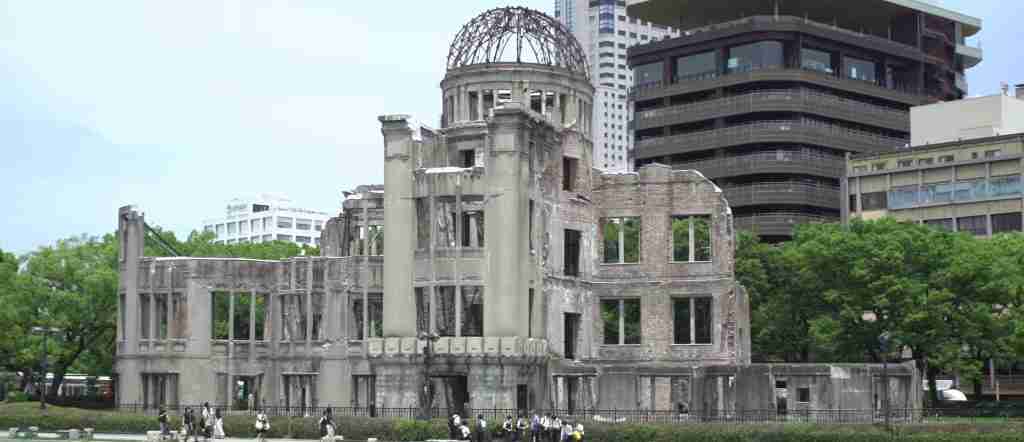
Hiroshima presents a paradox that defines modern Japan: a city rebuilt from total destruction into a thriving metropolis while maintaining unwavering dedication to peace advocacy and historical memory. On August 6, 1945, the world’s first atomic bomb detonated 600 meters above the Former Hiroshima Prefectural Industrial Promotion Hall, killing upwards of 146,000 people and obliterating the city center. Today, the skeletal dome of that building—preserved exactly as it appeared after the blast—stands as UNESCO World Heritage Site and the visual centerpiece of Peace Memorial Park.
Yet Hiroshima in 2026 extends far beyond its memorial function. The reconstructed city of 1.2 million residents thrives as Chugoku region’s commercial and cultural capital, positioned on seven river channels creating a picturesque water city atmosphere. The Seto Inland Sea coastline provides access to Miyajima Island, home to Itsukushima Shrine’s iconic floating torii gate and Hiroshima’s second UNESCO inscription. The city’s culinary identity revolves around distinctive okonomiyaki preparation methods and oyster cultivation techniques refined over centuries.
Understanding Hiroshima requires engaging both dimensions: the solemn historical sites demanding contemplation and respect, and the vibrant urban neighborhoods showcasing contemporary Japanese life. This guide provides practical planning strategies for 2026 visitors to experience both aspects while navigating logistics, costs, and cultural expectations.
Hiroshima’s geography spans the Ota River delta where seven distributary channels create distinct neighborhoods connected by 70+ bridges. Peace Memorial Park occupies former commercial district land in the Naka Ward, near the hypocenter. Hiroshima Station anchors the eastern district with bullet train connections, while the Hondori covered shopping arcade defines the entertainment core. The reconstructed Hiroshima Castle sits 2.5km northeast of Peace Park, surrounded by extensive grounds and Shukkeien Garden.
Travelers in 2026 face advantageous conditions: enhanced English signage throughout tourist areas, expanded streetcar coverage to Miyajimaguchi ferry terminal, and renovated accommodation options across all price ranges. However, peak seasons (Golden Week in late April-early May and Obon in mid-August) create significant crowding and price increases requiring advance booking three to four months prior.
Understanding Hiroshima’s Two UNESCO World Heritage Sites
Hiroshima Prefecture contains two UNESCO World Heritage inscriptions representing vastly different historical periods and cultural values, both accessible to visitors in 2026 through efficient public transportation connections.
Hiroshima Peace Memorial (Atomic Bomb Dome) – Inscribed 1996
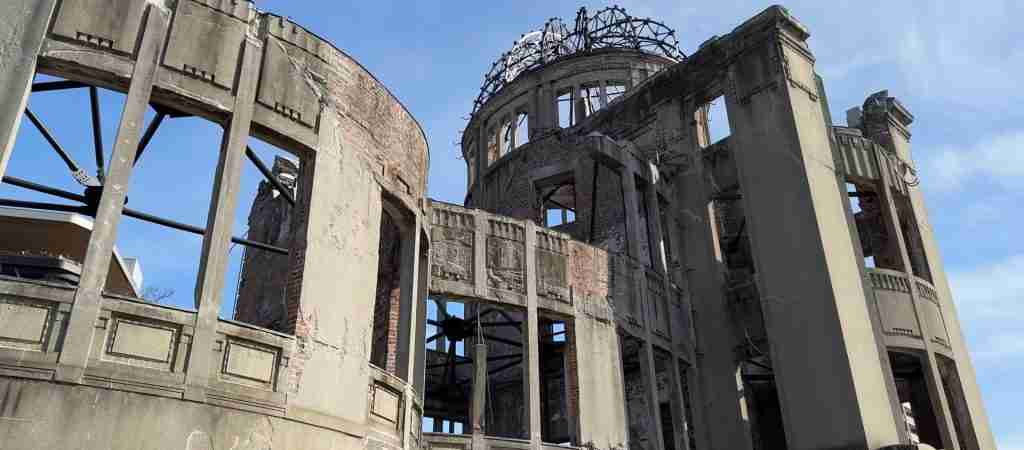
The Atomic Bomb Dome, officially designated Hiroshima Peace Memorial, received UNESCO recognition in 1996 as the only structure remaining near the hypocenter of humanity’s first atomic weapon deployment. Originally constructed in 1915 as the Hiroshima Prefectural Industrial Promotion Hall, Czech architect Jan Letzel designed the building with distinctive European-influenced architecture including a central elliptical dome.
At 8:15 AM on August 6, 1945, the “Little Boy” atomic bomb detonated 600 meters above Shima Hospital, approximately 160 meters southeast of the Promotion Hall. The near-vertical blast direction preserved the building’s structural frame while destroying interior contents and exterior walls. Every person inside died instantly. The building’s survival amid total surrounding destruction created an inadvertent memorial to the bombing’s devastation.
Post-war debates centered on whether to demolish or preserve the ruin. Hiroshima City Council adopted a preservation resolution in 1966, designating the structure as a National Historic Site in 1995. UNESCO inscription followed in December 1996, recognizing the site’s “outstanding universal value” as testament to nuclear weapons’ destructive capacity and symbol of global peace advocacy.
The dome stands at the northern edge of Peace Memorial Park, visible from across Motoyasu River. Visitors cannot enter the structure itself—the skeletal frame remains exactly as it appeared after the bombing, with no interior access. Viewing positions along the river embankment and within Peace Memorial Park provide close perspectives. The site operates as an outdoor memorial with no entry fees or operating hours, accessible 24 hours daily throughout 2026.
Preservation efforts continue year-round maintaining the structure’s 1945 condition. Large-scale reinforcement work occurs approximately every 10 years, with the most recent major intervention completed in 2016. Daily monitoring ensures structural stability while preventing further deterioration.
Itsukushima Shrine on Miyajima Island – Inscribed 1996
Itsukushima Shrine achieved UNESCO World Heritage status in 1996 alongside the Peace Memorial, representing Japan’s 12th-century architectural and spiritual heritage. Located on Miyajima Island in the Seto Inland Sea 45 minutes from central Hiroshima, the shrine complex demonstrates Shinto architectural principles and relationship between sacred natural landscape and built structures.
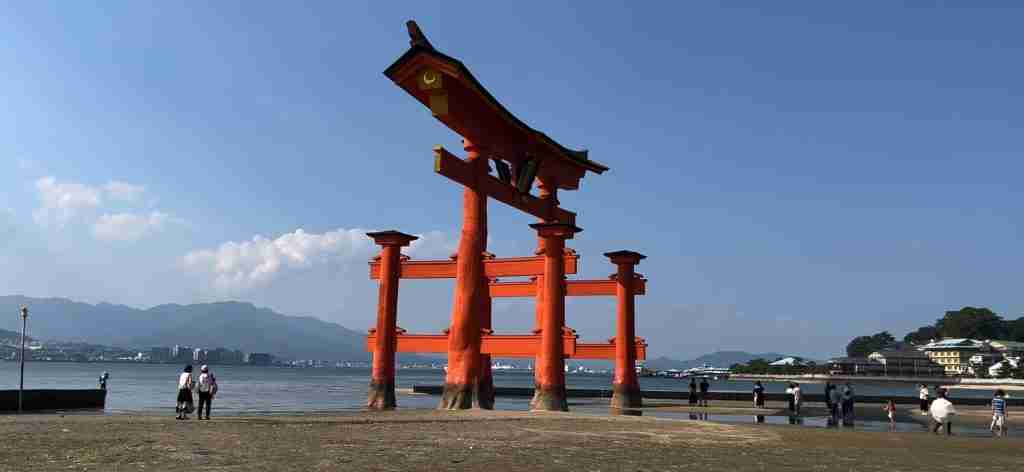
Historical records indicate shrine establishment in 593 CE, though the current architectural configuration dates to 1168 when Taira no Kiyomori, Japan’s most powerful leader of that era, financed major reconstruction. The design places vermillion-lacquered buildings on pilings above tidal flats, creating the visual effect of structures floating on water during high tide. The famous O-torii (Great Gate) stands 16 meters tall in the bay 200 meters offshore, marking the sacred boundary between mundane and divine realms.
Tidal variations dramatically alter the shrine’s appearance throughout each day. High tide (occurring twice daily) surrounds structures with water, enabling ceremonial boat approaches and creating reflection effects. Low tide exposes the sandy bottom, allowing visitors to walk beneath shrine corridors and approach the O-torii base. Checking tide schedules before visiting enhances the experience—many photographers specifically time visits for high tide’s reflection opportunities or low tide’s unique access.
The shrine complex includes the main sanctuary (honden), worship hall (haiden), prayer hall (heiden), purification hall, and extensive corridors connecting structures over the water. Interior spaces display calligraphy, paintings, and cultural artifacts spanning centuries. Entry fees for the shrine buildings cost ¥300 per person in 2026, with additional fees for the treasure house.
Miyajima Island extends beyond Itsukushima Shrine. Mt. Misen, the island’s highest peak at 535 meters, offers hiking trails and ropeway access (¥2,000 round-trip). The island maintains populations of semi-tame deer considered sacred messengers, freely roaming streets and shrine grounds. Traditional shopping streets near the ferry terminal sell local specialties including momiji manju (maple leaf-shaped cakes) and wooden rice scoops.
Access from Hiroshima requires combining streetcar and ferry transportation. From downtown, take streetcar Line 2 to Miyajimaguchi Station (45 minutes, ¥280). Transfer to JR Ferry or Miyajima Ferry for the 10-minute crossing to the island (¥180 one-way). Ferry services operate frequently from 6:00 AM to 10:00 PM daily. Japan Rail Pass holders can use JR Ferry at no additional cost. Total travel time from Hiroshima Station to Itsukushima Shrine approaches 90 minutes each direction.
Peace Memorial Park and Museum Visiting Strategies 2026
Peace Memorial Park occupies 122,100 square meters of former commercial district transformed into commemorative landscape following the bombing. The park contains multiple monuments, the Peace Memorial Museum, and the Atomic Bomb Dome, requiring 4-5 hours for comprehensive exploration in 2026.
Peace Memorial Museum Entry and Exhibits 2026
The Hiroshima Peace Memorial Museum underwent complete renovation completing in 2019, modernizing exhibits while maintaining focus on victim testimonies and bombing aftermath documentation. Museum entry costs ¥200 for adults (check official website for current rates) in 2026, with audio guides available for ¥400. Operating hours run 8:30 AM to 6:00 PM (March-November) and 8:30 AM to 5:00 PM (December-February), with extended hours to 7:00 PM during August.
The museum divides into East Building and Main Building connected by underground passage. East Building presents historical context including Hiroshima’s pre-war development, Pacific War progression, and events leading to atomic weapons deployment. Exhibits explain the Manhattan Project, Hiroshima’s selection as target, and the bombing’s technical aspects without graphic content in opening sections.
Main Building houses the most impactful exhibits: personal belongings of victims, photographs documenting immediate aftermath, testimonies from survivors (hibakusha), and preserved artifacts showing blast and heat effects on various materials. A section addresses radiation effects and long-term health consequences affecting survivors for decades. The museum presents material objectively while maintaining emotional impact through individual stories rather than political commentary.
Visitor management strategies for 2026 include arriving when doors open at 8:30 AM to avoid tour group crowds that peak 10:00 AM-2:00 PM. August 6 (bombing anniversary) draws enormous crowds making museum access difficult—consider visiting other days. Photography policies prohibit flash photography and restrict certain exhibit areas; observe posted signage. Average visit duration spans 90-120 minutes for thorough exploration.
The museum’s basement auditorium hosts testimonial talks by atomic bomb survivors, scheduled at specific times (check daily schedule at entrance). These 30-45 minute presentations, often translated into English, provide firsthand perspectives unavailable through exhibits alone. Attendance requires no additional fee beyond museum entry.
Major Monuments Within Peace Memorial Park 2026
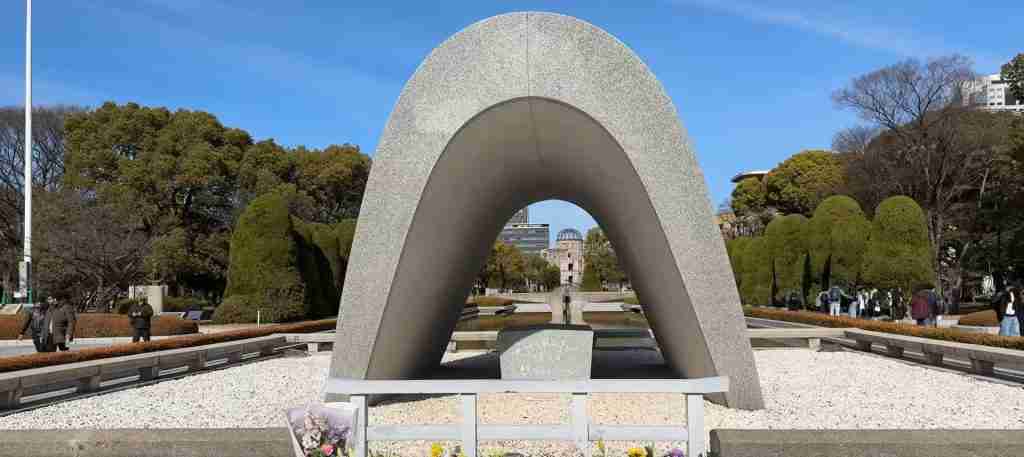
Beyond the museum and Atomic Bomb Dome, Peace Memorial Park contains numerous monuments requiring 2-3 hours for complete circuit. The Cenotaph for Atomic Bomb Victims stands centrally positioned with the Peace Flame burning in front and the Atomic Bomb Dome visible through the arch. The cenotaph contains registry books listing all known victims’ names—over 330,000 individuals as of 2024, with additions each August 6 as additional deaths from delayed radiation effects are documented.
The Children’s Peace Monument commemorates Sadako Sasaki and all children who died from bombing effects. Sadako, exposed to radiation at age two, developed leukemia ten years later and folded paper cranes while hospitalized, inspired by the legend promising fulfillment of wishes to those completing 1,000 cranes. She died at age twelve in 1955. The monument now receives millions of paper cranes annually from schools worldwide, displayed in cases surrounding the statue.
The Atomic Bomb Memorial Mound contains ashes of approximately 70,000 unidentified victims or those whose families perished, preventing identification. The Peace Bell, cast in 1964, features a world map without national borders symbolizing global unity. Visitors may ring the bell. The Flame of Peace burns continuously, pledged to remain lit until all nuclear weapons worldwide are eliminated.
Additional monuments honor Korean victims (approximately 20,000 died, many forced laborers), mobilized students, teachers and students from specific schools, and various other victim groups. The park’s design intentionally creates contemplative spaces between monuments, with lawn areas, trees, and river views enabling reflection.
Walking the complete park circuit requires following the riverbank path from the Atomic Bomb Dome south through the monument area, crossing Peace Bridge at the southern end, then returning north along the western bank. This 2.5km loop passes all major monuments and provides multiple Dome viewing angles. Benches throughout the park enable rest stops.
Hiroshima Beyond Peace Memorial: Castle, Gardens, and Neighborhoods 2026
Hiroshima’s non-memorial attractions showcase the city’s historical depth and contemporary character, providing essential balance to Peace Park’s somber atmosphere.
Hiroshima Castle Reconstruction and Grounds 2026
Hiroshima Castle originally constructed in 1590 by feudal lord Mori Terumoto established the city’s founding. The five-story tenshu (main keep) represented typical Japanese castle architecture of the period. The atomic bomb completely destroyed the castle, leaving only stone foundation walls. Reconstruction completed in 1958 using concrete rather than traditional wood, creating a museum rather than authentic historical structure.
The castle keep houses exhibits spanning Hiroshima’s feudal history, samurai culture, and castle construction techniques across five floors. Admission costs ¥370 for adults in 2026 (check official website for current rates). Operating hours run 9:00 AM to 6:00 PM (March-November) and 9:00 AM to 5:00 PM (December-February). The top floor observation deck provides 360-degree city views including Peace Memorial Park to the southwest.
Castle grounds encompass extensive park area with remaining stone walls, moats, and several reconstructed gates and turrets. The grounds contain numerous large trees making the area pleasant for walking particularly during cherry blossom season (late March-early April) when the park becomes prime hanami (flower viewing) location. The moat supports populations of carp and turtles visible from footbridges.
Three reconstructed castle structures supplement the main keep: Ninomaru (second bailey) with traditional architecture and tea ceremony room, Taiko-yagura (drum turret), and connecting corridors. These structures charge no separate admission beyond castle keep entry.
Access from Peace Memorial Park requires 2.5km walk northeast (35 minutes) or short streetcar ride on Line 1 or 2 to Kamiyacho-nishi Station plus 15-minute walk. Alternatively, take Loop Bus from Hiroshima Station directly to castle entrance. Visitors combining castle and Peace Park typically allocate morning to Peace Memorial Museum when freshest mentally, then visit the castle in afternoon providing emotional relief from memorial intensity.
Shukkeien Garden Traditional Landscape 2026
Shukkeien Garden demonstrates kaiyushiki (circuit style) Japanese garden design perfected during the Edo period. Originally constructed in 1620 for Asano feudal lord family, the garden compresses valleys, mountains, and forests into miniaturized landscape around central pond. The atomic bomb completely destroyed the garden; current landscape represents reconstruction based on historical records and pre-war photographs.
The garden pathway circles the central pond passing teahouses, bridges, islands, stone lanterns, and carefully positioned trees creating constantly changing view perspectives. Design principles include shakkei (borrowed scenery) incorporating distant mountains into garden composition and careful attention to seasonal interest ensuring year-round aesthetic value. Cherry trees bloom late March-early April, azaleas in April-May, irises in June, and maple trees display autumn colors November-December.
Entry fees cost ¥260 for adults in 2026 (check official website for current rates). Operating hours run 9:00 AM to 6:00 PM (April-September) and 9:00 AM to 5:00 PM (October-March). Traditional teahouses within the garden serve matcha tea and wagashi (Japanese sweets) for ¥500 additional charge. Garden circuit requires 45-60 minutes at contemplative pace.
The garden’s location adjacent to Hiroshima Station (15-minute walk east) makes it ideal first or final activity when arriving or departing by Shinkansen. Combining Shukkeien visit with Hiroshima Castle creates efficient day of non-memorial attractions—both sites lie within 1.5km of each other in the city’s northeastern quadrant.
Downtown Districts and Local Life 2026
Hiroshima’s downtown commercial core concentrates around Hondori, a 570-meter covered shopping arcade running east-west between Peace Boulevard and Aioi-dori. The arcade contains approximately 200 shops ranging from international brands to local boutiques, plus restaurants, cafes, and entertainment venues. The covered structure makes shopping comfortable during Hiroshima’s rainy season (June-July). Hondori connects to numerous side streets hosting smaller shops and specialist stores.
Nagarekawa entertainment district immediately southeast of Hondori contains Hiroshima’s highest concentration of restaurants, izakaya (drinking establishments), and nightlife venues. The area’s narrow lanes preserve some pre-war urban fabric feeling unlike the wider post-war reconstruction streets. Nagarekawa specializes in Hiroshima-style okonomiyaki restaurants—at least 20 establishments operate within three-block radius, many occupying second-floor locations with street-level signs directing customers upstairs.
Kamiyacho district northwest of Peace Memorial Park functions as upscale shopping and dining area, featuring department stores and boutiques targeting higher-income demographics. The Shareo underground shopping center beneath Peace Boulevard offers climate-controlled shopping and dining connecting multiple streetcar stations.
For local life observation, explore residential neighborhoods along streetcar lines. The areas around Yokogawa Station (western Hiroshima) and Ushita (northern sectors) contain traditional shopping streets, public bathhouses (sento), and local restaurants rarely frequented by tourists. These neighborhoods provide authentic glimpses of everyday Hiroshima life beyond tourism infrastructure.
Hiroshima Culinary Scene 2026: Okonomiyaki and Oysters
Hiroshima’s food identity centers on two specialties requiring specific local knowledge to experience authentically in 2026.
Hiroshima-Style Okonomiyaki Technique and Best Locations 2026
Hiroshima-style okonomiyaki differs fundamentally from Osaka-style in preparation method and ingredient layering. Osaka-style mixes all ingredients into batter before cooking. Hiroshima-style builds layers: thin crepe-like batter spread on griddle, topped with massive portion of shredded cabbage, protein (pork belly, seafood, or cheese), bean sprouts, then flipped. While this cooks, yakisoba or udon noodles fry separately, the cabbage mixture placed atop noodles, then crowned with fried egg. Final assembly includes generous application of sweet-savory sauce (similar to Worcestershire but thicker), optional mayonnaise, aonori (seaweed flakes), and bonito flakes.
The finished product stands approximately 8cm tall, served on the griddle to maintain temperature throughout eating. Proper technique uses flat metal spatulas to cut portions, never regular utensils which cannot penetrate the layered structure. Prices range ¥900-1,500 ($6-10) at specialized restaurants depending on protein choices and size options.
Okonomiyaki-mura (Okonomiyaki Village) in Shintenchi district concentrates 24 okonomiyaki restaurants across three floors of a single building, each stall operated by different families maintaining individual recipes and techniques. Despite touristy appearance, Okonomiyaki-mura attracts significant local patronage, particularly for lunch. Stalls open different hours—most operate 11:00 AM to 10:00 PM but verify before visiting. The building’s location near Hatchobori streetcar stop (Lines 1, 2, 6) provides easy access.
Hassho, Mitchan, and Nagata-ya represent established okonomiyaki chains with multiple locations citywide maintaining consistent quality. These restaurants offer English menus and accept international credit cards. For more traditional experience, explore Nagarekawa district’s second-floor okonomiyaki restaurants where chefs prepare orders at counter griddles enabling observation of complete cooking process. These smaller establishments rarely provide English menus—pointing at neighboring diners’ orders effectively communicates preferences.
Etiquette points: wait for food to cool slightly rather than eating immediately off the hot griddle. Use provided metal spatulas to cut portions—never chopsticks which bend. Sauce comes applied—requesting additional sauce suggests the chef’s balance was inadequate, though most restaurants won’t take offense. Paying occurs at table rather than register for most independent restaurants.
Hiroshima Oyster Cultivation and Seasonal Availability 2026
Hiroshima Prefecture produces approximately 60% of Japan’s cultivated oysters, with 450-year tradition perfecting growing techniques in Seto Inland Sea’s protected waters. The region’s oysters grow larger and develop more complex flavor than most other Japanese production areas due to specific water temperature, salinity, and nutrient availability in coastal zones.
Peak oyster season runs November through March when cold water temperatures enhance flavor and texture. However, restaurants serve oysters year-round in Hiroshima using refrigerated stocks and different preparation methods. Raw oysters (nama-gaki) typically appear only during peak season. Grilled oysters (kaki no kogane-yaki) involve shells placed directly on charcoal grills. Fried oysters (kaki furai) use panko breading. Oyster hot pot (kaki no dotenabe) cooks oysters with vegetables in miso-flavored broth.
Prices vary significantly by preparation and season. Expect ¥200-400 per raw oyster during peak season, or ¥1,200-2,000 for oyster set meals including multiple preparation styles. Kaki-sen (Oyster Boat), a floating restaurant moored in Hiroshima Port, specializes in all-you-can-eat oyster courses ¥3,000-4,000 including grilled and fried preparations, though quality doesn’t match specialized restaurants.
Top oyster restaurants include Kanawa (operating since 1950s with traditional architecture), Kakitei (upscale presentations near Peace Park), and various establishments along Enko River. Many restaurants close Mondays or Tuesdays—verify operating days before visiting. Reservations recommended for weekend dinners during November-March peak season.
For oyster farm experiences, several Seto Inland Sea island operators offer combination boat tours and oyster tasting sessions, typically costing ¥5,000-8,000 including transportation from Hiroshima Port. These tours operate November-March only and require advance booking through tourist information centers or hotel concierge services.
Additional Local Specialties Worth Seeking 2026
Beyond okonomiyaki and oysters, Hiroshima produces several specialty foods. Momiji manju, maple leaf-shaped cakes filled with red bean paste, custard, chocolate, or cheese, originated on Miyajima Island as omiyage (souvenir sweets). Fresh versions taste superior to packaged ones—purchase from bakeries rather than tourist shops. Tsukemen, chilled noodles served with separate spicy dipping sauce, developed in Hiroshima in 1950s and differs from Tokyo tsukemen through spicier, thicker sauce.
Hiroshima lemons, grown on Seto Inland Sea islands, carry reputation as Japan’s finest citrus. Restaurants incorporate local lemons into various dishes and cocktails. Lemon products including honey, jam, and liqueur make popular souvenirs.
Accommodation Strategies Hiroshima 2026
Hiroshima’s accommodation options span all budget ranges with prices significantly below Tokyo or Kyoto rates, though peak season availability requires advance booking in 2026.
Budget Accommodation Hiroshima (¥2,700-5,500 / $18-36 per night) 2026
Hostels provide the most economical lodging in Hiroshima, with dormitory beds costing ¥2,700-3,600 ($18-24) per night at properties including J-Hoppers Hiroshima Guesthouse, Guest House Roku, Hostel Mallika, and Akicafe Inn. These hostels cluster near Peace Memorial Park or Hiroshima Station, offering shared dormitories, communal kitchens, common areas, and basic amenities. Most provide bicycle rentals (¥500-800 daily) enabling economical city exploration. Hostel guests skew younger (20s-30s) creating social atmosphere, though private rooms accommodate those seeking more quiet.
Capsule hotels represent uniquely Japanese budget option, with individual sleeping pods rather than shared dormitories. First Cabin Hiroshima and Capsule Hotel Cube Hiroshima charge ¥3,500-4,500 ($23-30) per night including access to large communal baths and basic breakfast. Capsule hotels maintain quiet rules and separate male-female floors. Sleeping spaces measure approximately 2m x 1m x 1m—comfortable for sleeping but not for extended time.
Budget business hotels including Toyoko Inn, Dormy Inn, and Super Hotel operate multiple Hiroshima locations with room rates ¥5,000-7,000 ($34-47) for basic private rooms with en-suite bathroom, TV, and basic amenities. These chains target business travelers but welcome tourists. Rooms measure small by Western standards (12-15 square meters) but provide cleanliness, convenient locations, and reliable quality. Many include basic breakfast buffet. Book directly through hotel websites rather than third-party platforms for lowest rates.
Mid-Range Business and Tourist Hotels (¥8,000-15,000 / $53-100 per night) 2026
Mid-range properties provide larger rooms, better locations, and enhanced amenities. ANA Crowne Plaza Hiroshima, positioned 5-minute walk from Peace Memorial Park, charges ¥12,000-18,000 ($80-120) nightly for superior rooms with views. The property includes fitness center, multiple restaurants, and English-speaking staff. Hotel Granvia Hiroshima, connected directly to Hiroshima Station, offers similar pricing with advantage of immediate Shinkansen access—ideal for travelers with early departures.
Mitsui Garden Hotel Hiroshima balances value and location near Peace Park at ¥9,000-13,000 ($60-87) per night. The property features contemporary design, communal bath, and complimentary coffee. Candeo Hotels Hiroshima Hatchobori (¥10,000-14,000 / $67-93 nightly) adds rooftop spa with city views and location near Hondori shopping district.
For traditional Japanese lodging, several ryokan operate in Hiroshima, though most cluster around Miyajimaguchi for Itsukushima Shrine access rather than downtown. These properties charge ¥15,000-25,000 ($100-167) per person including elaborate kaiseki dinner and breakfast. Ryokan require observing specific etiquette including wearing provided yukata robes to meals, bathing in communal facilities, and sleeping on futon mattresses spread on tatami floors.
Luxury and Upscale Options (¥18,000+ / $120+ per night) 2026
Sheraton Grand Hiroshima Hotel dominates the luxury category, occupying the upper floors of a high-rise near Hiroshima Station. Rates start ¥25,000 ($167) for standard rooms, reaching ¥60,000+ ($400+) for suites with panoramic views. Amenities include executive lounge, multiple restaurants, indoor pool, and full concierge services. The hotel’s Sky Pool and bar on the 20th floor provide evening entertainment.
Oriental Hotel Hiroshima near Peace Park offers boutique luxury at ¥20,000-35,000 ($133-233) nightly with emphasis on design, intimate service, and French-influenced dining. Rooms feature city or river views with high-end amenities.
For unique experience, Miyajima Island properties including Iwaso Ryokan (operating since 1854) and Kinsuikan provide traditional luxury with forest settings near Itsukushima Shrine. These charge ¥30,000-80,000 ($200-533) per person including meals, offering authentic ryokan experience unavailable in urban hotels. Staying on Miyajima enables sunrise shrine visits before day-tripper crowds arrive and evening exploration after ferries cease.
Booking Strategies and Seasonal Pricing 2026
Peak seasons multiply hotel rates significantly. Golden Week (late April-early May) and Obon (mid-August) can double standard rates with limited availability. Book three to four months in advance for these periods. August 6 (atomic bombing anniversary) draws enormous crowds—hotel availability within 5km of Peace Park essentially disappears, with remaining properties charging premium rates.
Off-peak months (November-February excluding New Year’s) offer best value with rates 20-30% below peak season. Weather remains mild enough for comfortable sightseeing, with advantage of fewer crowds at major sites. November provides ideal balance of pleasant weather, autumn colors, and lower accommodation costs.
Compare multiple booking platforms: hotels often offer lowest rates through direct websites, while platforms like Booking.com and Agoda sometimes provide flash sales or loyalty discounts. Japanese domestic platforms including Jalan and Rakuten Travel occasionally offer better rates for properties targeting domestic market, though interfaces require Japanese language navigation.
Location hierarchy for accommodation: Peace Memorial Park vicinity provides walking access to main memorial sites but less dining variety. Hiroshima Station area offers convenience for luggage handling and Shinkansen connections. Hondori district location centers nightlife, shopping, and restaurant options. Each area connects efficiently via streetcar—prioritize personal preferences over transit concerns.
Transportation Guide Hiroshima 2026
Hiroshima’s transportation combines efficient streetcar network, walkable downtown core, and strategic connections to surrounding attractions in 2026.
Streetcar System Routes and Fares 2026
Hiroshima operates eight streetcar lines covering 35km of track connecting major districts, tourist sites, and Miyajimaguchi ferry terminal. The system represents Japan’s most extensive surviving urban tram network. Flat fare costs ¥220 ($1.40) per ride regardless of distance, paid when exiting at rear door. Exact change required or use IC cards (Suica, Pasmo, Icoca) which work interchangeably on streetcars and JR trains.
Key routes for tourists: Line 2 connects Hiroshima Station to Peace Memorial Park (Genbaku Dome-mae stop) continuing to Miyajimaguchi ferry terminal—this single line accesses most major attractions. Lines 1 and 3 serve Hiroshima Station to downtown corridors. Line 6 runs north-south through city center connecting residential districts.
Streetcars operate approximately 6:00 AM to 11:00 PM daily with 6-12 minute headways depending on route and time. During peak commute hours (7:30-9:00 AM and 5:00-7:00 PM) streetcars fill to capacity—avoid these periods when traveling with luggage. Purchase one-day unlimited ride passes (¥700 for adults) at Hiroshima Station tourist information center or major hotels if planning four or more rides daily.
Streetcar etiquette: enter through rear door and exit front door. Push the stop button or touch sensors one stop before destination. Don’t block the aisle with luggage. Priority seating near doors reserved for elderly, disabled, and pregnant passengers—vacate if these groups board. Some older streetcar models lack air conditioning—expect warmth during summer months.
Accessing Miyajima Island Ferry Services 2026
Reaching Itsukushima Shrine requires combining streetcar and ferry transportation. From downtown Hiroshima, take streetcar Line 2 to Miyajimaguchi Station terminal (45 minutes, ¥280). Exit and follow signs 3-minute walk to ferry terminal. Two companies operate competing services: JR Ferry and Miyajima Ferry, both charging ¥180 one-way (¥360 round-trip) for the 10-minute crossing. Ferries depart every 15 minutes from 6:00 AM to 10:00 PM daily.
JR Ferry offers advantage for Japan Rail Pass holders—the ferry counts as JR service requiring no additional payment beyond the pass. JR Ferry also routes closer to the O-torii during high tide providing better photo opportunities. Regular ticket passengers pay identical fares on both companies—choose based on departure timing rather than company.
Purchase tickets from vending machines in ferry terminal or board directly paying at destination (exact change required). Return ferries depart from Miyajima pier on same frequent schedule—no advance booking needed. Last ferries leave Miyajima around 10:00 PM though timing varies seasonally. Verify return schedule upon arrival to avoid stranding.
Hiroshima Station JR Connections 2026
Hiroshima Station serves as Sanyo Shinkansen (bullet train) stop connecting Tokyo (4 hours, ¥19,000 one-way), Osaka (90 minutes, ¥10,500), and Fukuoka (60 minutes, ¥9,000). All Sanyo Shinkansen services stop at Hiroshima including Nozomi, Hikari, and Sakura trains. Japan Rail Pass does not cover Nozomi trains—pass holders must use Hikari or Sakura services adding 20-30 minutes to journey times.
Local JR lines radiate from Hiroshima Station: Sanyo Main Line west to Iwakuni (45 minutes) and east to Mihara (30 minutes), Kure Line south to Kure city (45 minutes), and Geibi Line northeast into mountain districts. These local lines use different platforms from Shinkansen—follow signs carefully when transferring. Japan Rail Pass covers all these services.
Hiroshima Station building contains extensive shopping and dining on multiple levels. Coin lockers charge ¥300-600 depending on size, located near both north and south exits. Tourist information center near south exit operates 9:00 AM to 5:30 PM daily providing English maps, accommodation booking assistance, and day trip information.
Walking Distances and Bicycle Options 2026
Hiroshima’s compact downtown enables extensive walking. Peace Memorial Park to Hiroshima Station measures 3.5km (45-minute walk), Peace Park to Hiroshima Castle 2.5km (35 minutes), Peace Park to Hondori shopping district 1.2km (15 minutes). The city’s flat terrain makes walking comfortable, though summer heat (June-August with temperatures 30-35°C) challenges afternoon walking—plan morning or evening exploration during these months.
Bicycle rental provides alternative to streetcars and walking. Multiple shops near Hiroshima Station and Peace Park rent bicycles ¥1,000-1,500 ($7-10) per day. Hiroshima’s wide streets and dedicated bike lanes support safe cycling. However, many tourist sites prohibit bringing bicycles into grounds—verify parking availability before cycling to destinations. Most hostels and some mid-range hotels offer free bicycle use to guests.
The city’s shared bicycle system (PiPPA) operates docking stations at major intersections allowing one-way trips, though the system primarily serves commuters rather than tourists. Registration requires Japanese address and credit card.
Day Trips from Hiroshima 2026
Hiroshima’s location provides access to several worthwhile destinations within 90 minutes, expanding itinerary possibilities beyond city limits in 2026.
Onomichi Temple Walk and Canal Town 2026
Onomichi, 60km east of Hiroshima, preserves Edo-period urban fabric on hillside overlooking Seto Inland Sea. The town’s Temple Walk (Tera-meguri) connects 25 Buddhist temples along 2.5km mountain path offering sea views and traditional architecture away from modern development. Main temples include Senkoji (accessed via ropeway from waterfront), Jodoji with three-story pagoda, and Saikokuji notable for Kamakura-period buildings.
Access via JR Sanyo Line from Hiroshima Station (60 minutes, ¥1,520 one-way, covered by Japan Rail Pass). Onomichi Station sits adjacent to historic district and ferry terminal. The complete temple walk requires 3-4 hours including breaks. Cat-themed businesses and numerous cat residents have generated “Cat Town” reputation attractive to specific tourists.
Onomichi also serves as western terminus for Shimanami Kaido, 70km cycling route crossing seven islands via suspension bridges to Shikoku Island. Multi-day cycling tours available or shorter segments as day trips. Bicycle rental shops cluster near Onomichi Station.
Iwakuni and Kintai-kyo Bridge 2026
Iwakuni, 40km west of Hiroshima in Yamaguchi Prefecture, centers on Kintai-kyo Bridge, a five-arch wooden structure over Nishiki River originally constructed in 1673. The current bridge represents complete reconstruction completed in 2004 maintaining traditional techniques and design. Bridge crossing costs ¥310 per person. Combination tickets (¥970) include bridge, ropeway to Iwakuni Castle, and castle entry.
Iwakuni Castle, positioned on mountaintop reached via cable car (7 minutes, ¥560 round-trip or included in combination ticket), provides Seto Inland Sea views. The castle represents reconstruction—original destroyed in 1615 by Tokugawa shogunate decree. The mountaintop park contains remnants of original stone walls.
Access via JR Sanyo Line from Hiroshima Station (50 minutes to Iwakuni Station, ¥970 one-way, covered by Japan Rail Pass). From Iwakuni Station, local bus runs to Kintai-kyo area (20 minutes, ¥300). Alternatively, use Shin-Iwakuni Shinkansen station (15 minutes from Hiroshima, ¥3,000 one-way without JR Pass) plus taxi to bridge (10 minutes, ¥2,000). Full day trip with castle and surroundings requires 5-6 hours.
Okunoshima (Rabbit Island) 2026
Okunoshima Island in the Seto Inland Sea hosts population of semi-wild rabbits (approximately 1,000 individuals) that freely roam the small island. Originally introduced for testing purposes during WWII when the island housed poison gas production facilities, the rabbit population multiplied after war’s end creating unusual wildlife encounter opportunity. Visitors may feed rabbits with vegetables brought from mainland (pellets sold on island).
The island also contains Poison Gas Museum documenting the facility’s history—Japan produced chemical weapons here from 1929-1945, though the program remains lesser-known aspect of wartime history. Museum entry costs ¥150. Hiking trails circle the island (4km, 90 minutes) passing ruined factory buildings.
Access requires train to Tadanoumi Station (90 minutes from Hiroshima via JR Kure Line, ¥1,520 one-way, covered by Japan Rail Pass), then ferry to island (15 minutes, ¥620 round-trip). Ferries run hourly with reduced schedule on weekends. No accommodation exists on island—plan as day trip with 3-4 hours island time. Bring own food and drinks as limited options exist beyond one small cafe.
Cultural Etiquette and Practical Considerations 2026
Navigating Hiroshima requires understanding specific Japanese cultural expectations and practical limitations that differ from Western norms in 2026.
Peace Memorial Park Behavior Expectations 2026
Peace Memorial Park maintains solemn atmosphere requiring respectful behavior. Avoid loud conversations, running, or treating monuments as photo props. Many visitors leave personal messages, flowers, or paper cranes at monuments—these represent genuine memorials, not decorations. Do not touch or disturb them. The Peace Flame burns continuously symbolizing commitment to nuclear disarmament—approaching closely for selfies demonstrates poor judgment.
August 6 marks the bombing anniversary with official ceremony attended by dignitaries including the Prime Minister. Approximately 50,000 people gather in Peace Park from 7:00 AM onward. If visiting on this date, arrive very early for ceremony seating or view from surrounding areas. The Peace Bell tolls at 8:15 AM (exact moment of detonation) followed by citywide moment of silence. Businesses pause, streetcars stop, and residents observe silence regardless of location—visitors should participate.
Dress modestly when visiting Peace Park—avoid clothing with overtly political, military, or nationalist messaging. Tank tops, short shorts, and beachwear appear disrespectful in this context though technically permitted. Photography is allowed throughout the park including the Atomic Bomb Dome exterior. However, photographing other visitors in emotional distress violates privacy and human decency.
Dining and Restaurant Etiquette 2026
Japanese dining customs apply throughout Hiroshima restaurants. Upon entering, wait for staff to seat you rather than choosing tables independently—self-seating is not customary. Remove shoes when entering tatami mat areas (floor seating). Most restaurants provide lockers or shelves for footwear.
Wet towels (oshibori) presented at beginning of meals serve for hand cleaning only, not face wiping. Return used towels to table rather than plate. Chopstick etiquette prohibits standing them vertically in rice (resembles funeral offerings), passing food chopstick-to-chopstick (resembles funeral bone-passing ritual), or pointing with chopsticks.
Tipping does not exist in Japanese culture and causes confusion or offense. Stated prices include all charges—additional payment beyond bill total appears mistaken or insulting. Payment typically occurs at cash register near entrance rather than at table. Some traditional restaurants require calling staff with door button or verbal “sumimasen” (excuse me) rather than waiting for periodic table checks common in Western service.
Many smaller restaurants and izakaya prohibit photography, particularly in establishments where other diners sit nearby. Always ask permission before photographing food. Restaurants appreciate customers finishing everything served—leaving significant portions suggests the food was unsatisfactory. That said, forcing oneself to eat beyond comfort is not required—Japanese portions generally accommodate typical appetites.
Cash vs. Cashless Payment Reality 2026
Despite increasing digital payment adoption, cash remains essential in Hiroshima as of 2026. Major hotels, department stores, and chain restaurants accept international credit cards (Visa and Mastercard most reliable). However, many smaller restaurants, local shops, temples, shrines, and ticket machines require cash payment.
7-Eleven, Lawson, and FamilyMart convenience store ATMs accept international cards withdrawing Japanese Yen (¥10,000-100,000 limits per transaction). Withdrawal fees vary by card issuer but typically ¥216-432 per transaction. Plan to carry ¥30,000-50,000 cash for multi-day Hiroshima visits, replenishing at convenience store ATMs as needed.
Japan Post Bank ATMs (found in post offices) offer most reliable international card acceptance and lower fees, though operating hours limit to business days 9:00 AM-5:00 PM. Convenience store ATMs operate 24 hours but charge slightly higher fees.
English Language Reality and Communication 2026
English proficiency in Hiroshima remains limited outside major hotels and tourist information centers. Peace Memorial Museum provides comprehensive English exhibits and audio guides. However, most restaurants lack English menus, shop staff communicate primarily in Japanese, and many taxi drivers speak minimal English.
Translation apps like Google Translate’s camera function enable menu navigation and basic communication. Learning essential Japanese phrases enhances experience: “sumimasen” (excuse me/sorry), “arigato gozaimasu” (thank you), “kudasai” (please), “eigo o hanashimasuka?” (do you speak English?). Point to phrases rather than attempting pronunciation if uncertain—most Japanese appreciate effort even with limited execution.
Tourist information centers at Hiroshima Station and Peace Memorial Park provide English assistance 9:00 AM-5:30 PM daily. Staff can call restaurants for reservations, write destination names in Japanese for taxi drivers, and provide detailed neighborhood maps. Utilize these resources when planning complex arrangements.
Budget Planning Hiroshima 2026: Daily Cost Breakdowns
Understanding realistic daily expenses enables accurate budget planning for Hiroshima visits in 2026. These figures represent per-person costs excluding accommodation.
Budget Traveler Daily Costs 2026 (¥5,500-8,000 / $37-53)
Budget travel in Hiroshima focuses on hostels or capsule hotels for accommodation, convenience store or inexpensive restaurant meals, and free or low-cost attractions.
Typical budget day expenses: Peace Memorial Museum ¥200, streetcar day pass ¥700, lunch convenience store onigiri and drinks ¥800, dinner at cheap ramen or udon restaurant ¥900, snacks and beverages ¥600, okonomiyaki at Okonomiyaki-mura ¥1,200. Total ¥4,400 (approximately $30) daily excluding accommodation.
Budget accommodation adds ¥2,700-3,600 ($18-24) for hostel dormitory or ¥5,000-7,000 ($33-47) for budget business hotel private room. Combined daily costs reach ¥7,100-11,400 ($47-76) for comprehensive budget travel including lodging.
Money-saving strategies: purchase convenience store breakfast and lunch items rather than restaurant meals (saving ¥800-1,200 daily). Use hostel kitchen facilities for cooking. Walk instead of using streetcars for distances under 2km. Visit free attractions including outer Peace Memorial Park areas, Hiroshima Castle grounds (keep exterior only, skip ¥370 interior entry), riverfront paths. Schedule Miyajima Island visit on JR Ferry if holding Japan Rail Pass (saving ¥360 ferry fare).
Mid-Range Traveler Daily Costs 2026 (¥12,000-18,000 / $80-120)
Mid-range travel balances comfort with value, staying in business hotels or mid-range properties, dining at regular restaurants, and accessing all major paid attractions.
Typical mid-range day: Peace Memorial Museum ¥200, Hiroshima Castle ¥370, Shukkeien Garden ¥260, streetcar rides ¥660 (three trips), lunch at casual restaurant ¥1,500, coffee or tea break ¥600, dinner at mid-range restaurant ¥3,500, snacks and beverages ¥800, souvenirs or miscellaneous ¥1,500. Total ¥9,390 (approximately $63) daily excluding accommodation.
Mid-range accommodation costs ¥8,000-15,000 ($53-100) nightly. Combined daily expenditure totals ¥17,390-24,390 ($116-163) including lodging, meals, and activities.
Value optimization strategies: make lunch the main meal rather than dinner (identical restaurants charge ¥500-1,000 less for lunch sets). Purchase museum combination tickets when available. Use streetcar day passes only when planning five or more rides (break-even point is four rides at standard ¥220 fare). Book accommodation directly with hotels rather than third-party platforms for 10-15% lower rates.
Luxury Traveler Daily Costs 2026 (¥30,000-60,000+ / $200-400+)
Luxury travel in Hiroshima emphasizes upscale accommodation, high-end dining, private transportation, and guided experiences.
Typical luxury day: Peace Memorial Museum ¥200, private guide for Peace Park and museum (half-day) ¥25,000, lunch at upscale restaurant ¥5,000, Miyajima private charter boat and shrine visit ¥45,000 (per group, divided if traveling with others), dinner at premium restaurant or hotel dining ¥12,000, drinks at hotel bar ¥3,000. Total ¥90,200 (approximately $601) for comprehensive luxury experience, or ¥23,200 ($155) for luxury dining without private guides.
Luxury accommodation ranges ¥20,000-60,000+ ($133-400+) nightly at properties like Sheraton Grand Hiroshima, Oriental Hotel, or Miyajima island ryokan. Combined daily costs reach ¥43,200-83,200+ ($288-555+) depending on services utilized.
Luxury enhancements: private car and driver services cost ¥30,000-50,000 for full-day hire. Helicopter tours over Seto Inland Sea and Miyajima available from ¥60,000 per person. Exclusive kaiseki dining at high-end restaurants approaches ¥20,000-35,000 per person with premium sake pairings.
Seasonal Weather and Best Time to Visit Hiroshima 2026
Hiroshima’s climate varies significantly across seasons affecting comfort levels, crowd sizes, and activity accessibility in 2026.
Spring (March-May) Cherry Blossoms and Mild Weather 2026
Spring offers Hiroshima’s most popular travel period. Cherry blossoms typically bloom late March-early April, with specific timing varying ±5 days depending on annual weather patterns. Peace Memorial Park, Hiroshima Castle grounds, and Shukkei Garden provide prime hanami (flower viewing) locations. Peak bloom lasts only 7-10 days before petals fall—monitor Japan Meteorological Agency bloom forecasts if timing trips specifically for cherry blossoms.
Temperatures range 10-20°C (50-68°F) in March, rising to 15-25°C (59-77°F) by May. Rainfall increases through spring—April averages 10 rainy days, May 11 days. Pack light rain jacket and layers for variable conditions. This season sees moderate-to-heavy tourism, particularly during Golden Week (late April-early May when multiple Japanese national holidays cluster). Hotel rates increase 30-50% during Golden Week requiring advance booking.
Spring advantages: comfortable walking weather, cherry blossom beauty, Miyajima Island particularly photogenic with spring flowers. Spring disadvantages: higher accommodation costs, increased crowds at major sites, variable weather requiring flexible planning.
Summer (June-August) Hot Weather and Peak Tourism 2026
Summer presents challenging weather conditions. June marks rainy season (tsuyu) with frequent precipitation and high humidity—15-18 rainy days monthly. July-August temperatures reach 27-33°C (81-91°F) with oppressive humidity levels making midday outdoor activity uncomfortable. Air conditioning in museums, restaurants, and shops provides relief.
August 6 (atomic bombing anniversary) draws enormous crowds for memorial ceremony and related events. This single day creates the year’s highest tourism concentration—accommodation availability disappears within 5km of Peace Park, remaining properties charge 2-3x normal rates. Consider visiting Hiroshima before or after August 6 rather than on the anniversary unless specifically attending ceremony.
Summer advantages: extended daylight hours (sunrise 5:00 AM, sunset 7:30 PM enabling early morning and evening activities), festivals and outdoor events, peak season for Seto Inland Sea boat tours. Summer disadvantages: oppressive heat and humidity limiting comfortable exploration, heavy rainfall disrupting outdoor plans, significantly higher accommodation costs, largest crowds at all major attractions.
Autumn (September-November) Optimal Conditions 2026
Autumn provides arguably Hiroshima’s best visiting conditions. September retains summer warmth (23-30°C / 73-86°F) while humidity declines. October offers ideal temperatures 17-25°C (63-77°F) with minimal rainfall. November cools further (11-19°C / 52-66°F) bringing autumn foliage that peaks mid-to-late November in Hiroshima’s parks and gardens.
Autumn sees moderate tourism levels—significantly less crowded than spring while maintaining pleasant weather. Hotel rates return to mid-range after summer peaks. Miyajima Island’s maple trees display spectacular color transformations November, though weekends draw heavy domestic tourism for momiji (maple viewing).
Autumn advantages: comfortable temperatures for all-day walking, lower rainfall frequency, autumn color beauty, moderate tourism and accommodation rates, oyster season begins in November. Autumn disadvantages: occasional typhoons in September-October (monitor weather forecasts), shorter daylight hours after early November, some outdoor festivals conclude by September.
Winter (December-February) Off-Season Value 2026
Winter represents Hiroshima’s quietest tourism season with significant advantages for budget-conscious travelers. Temperatures range 5-12°C (41-54°F) requiring warm clothing but rarely experiencing snow in the city (mountains receive winter precipitation). Rainfall frequency decreases versus other seasons—December-February average 7-8 rainy days monthly.
Tourism drops significantly January-February enabling uncrowded Peace Memorial Museum visits and easier restaurant access without reservations. Hotel rates fall 20-40% below peak season—this period offers best accommodation value in annual cycle. However, some island attractions and boat tours reduce operating frequency or close entirely during winter.
Winter advantages: lowest accommodation costs, minimal crowds at all attractions, peak oyster season (November-March), clear weather for photography, ease of spontaneous planning without advance bookings. Winter disadvantages: cold temperatures requiring warm clothing, shorter daylight hours (sunrise 7:00 AM, sunset 5:30 PM), reduced ferry schedules to smaller islands, some restaurants on Miyajima close during slow winter months.
Photography Locations and Strategies Hiroshima 2026
Hiroshima offers diverse photographic subjects from powerful memorial architecture to serene natural landscapes, each requiring specific timing and approach in 2026.
Atomic Bomb Dome Photography Considerations 2026
The Atomic Bomb Dome photograph requires balancing documentation with sensitivity. Multiple viewing angles exist: from Peace Memorial Park looking north across Motoyasu River captures the dome with park context. The T-shaped Aioi Bridge (visible in aerial photos used to aim the atomic bomb) provides foreground element from southern approaches. East and west riverbank paths offer profile views showing the dome’s skeletal structure detail.
Best lighting occurs early morning (6:00-8:00 AM) when low sun illuminates the dome’s eastern face while casting long shadows emphasizing structural elements. Evening golden hour (5:00-7:00 PM summer, 4:00-5:30 PM winter) produces warm light on western faces. Overcast days actually enhance mood—dramatic clouds emphasize the site’s somber character without harsh shadows.
Avoid using the dome as backdrop for casual selfies or frivolous poses—such images demonstrate profound disrespect. Documentary-style photographs focusing on the structure itself or wider contextual views maintain appropriate tone. Long exposure techniques during blue hour (30 minutes after sunset) can create powerful images with illuminated dome against darkening sky, though tripod use requires positioning outside primary walking paths to avoid obstructing other visitors.
Itsukushima Shrine and O-torii Gate Timing 2026
Photographing Itsukushima Shrine requires understanding tidal cycles dramatically altering composition possibilities. High tide surrounds shrine buildings with water, enabling classic “floating shrine” images with reflections. Low tide exposes sandy bottom, allowing walks to the O-torii base and different perspective from beneath structures.
Tide schedules post prominently at ferry terminals and shrine entrances—review upon arrival and plan photography timing accordingly. Many photographers visit twice in single day capturing both high and low tide conditions. Morning high tide combined with sunrise (5:30-6:30 AM summer, 6:30-7:30 AM winter) produces the most ethereal conditions with gentle light and minimal crowds. Note the shrine’s eastern orientation—morning light illuminates the O-torii and main buildings beautifully.
The JR Ferry route passes closer to the O-torii during crossings, enabling photography from boat if traveling during photogenic light. Wide-angle lenses (16-35mm) capture shrine and torii together in single frame from shore. Telephoto lenses (70-200mm+) enable compression effects making the torii appear larger relative to Mt. Misen background.
Avoid flash photography inside shrine buildings (prohibited). Tripods allowed in exterior shrine areas but not on interior corridors where they block narrow passages. Weekend crowds make careful composition difficult—weekday mornings provide clearest conditions. Winter offers advantage of fewer tourists despite shorter daylight hours.
Hiroshima Castle and Garden Photography 2026
Hiroshima Castle photographs best during cherry blossom season (late March-early April) when hundreds of sakura trees in castle grounds bloom simultaneously. The reconstructed tenshu (main keep) lacks historical authenticity of original wooden castles but provides striking contrast against cherry blossoms in foreground. Northeast corner of inner moat offers classic composition with castle reflection when water remains calm.
For castle without crowds, visit immediately at 9:00 AM opening or late afternoon 90 minutes before closing. Midday sun creates harsh shadows on the white castle walls—overcast conditions or early morning/late afternoon light produces better results. Interior photography prohibited in some areas—observe posted signage.
Shukkeien Garden allows photography throughout grounds including from bridges crossing central pond. The garden’s circuit design requires visiting multiple viewpoints to capture diverse compositions. Autumn colors (November) and cherry blossoms (April) provide peak photogenic periods. Traditional tea houses make excellent focal points with natural framing from overhanging tree branches. Use polarizing filter to reduce reflections on pond surface when shooting water views.
Family Travel Hiroshima with Children 2026
Visiting Hiroshima with children requires balancing the Peace Memorial’s serious subject matter with age-appropriate activities and practical family logistics in 2026.
Peace Memorial Age Appropriateness and Preparation 2026
The Peace Memorial Museum contains graphic photographs of burn victims, melted objects, and detailed descriptions of suffering. Parents must determine children’s readiness for this content based on individual maturity levels, though general guidelines suggest ages 10+ for full museum exposure. Children under 10 may find the material traumatic or incomprehensible.
Prepare children before visiting through age-appropriate books or documentaries explaining WWII context and atomic bombing without excessive graphic detail. Emphasize the museum’s purpose as educational and memorial rather than entertainment. Consider visiting Peace Park and Atomic Bomb Dome exterior without museum entry for younger children—the outdoor memorial space conveys importance without museum’s intensive imagery.
Some families use staged approach: parents visit museum separately while other supervises children in Peace Park, then trade. This allows adults to experience exhibits fully while children avoid potentially disturbing content. The museum’s design enables partial visits—families can view the historical context sections (East Building) which contain less graphic content while skipping the most intense exhibits (Main Building).
After visiting memorial sites, balance with lighter activities. Miyajima Island’s semi-tame deer, ropeway ride to Mt. Misen, and beach areas provide child-friendly diversion from serious historical content. The island’s momiji manju shops often allow children to watch traditional sweet-making process.
Family-Friendly Hiroshima Activities 2026
Beyond the Peace Memorial, several Hiroshima attractions suit family visits. The Hiroshima City Transportation Museum (accessible via streetcar Line 5 to Chorakuji Station) features interactive exhibits about trains, buses, and streetcars including child-sized vehicle simulators. Entry costs ¥510 for adults, ¥250 for children. The facility operates 9:00 AM to 5:00 PM daily except Mondays.
Marine Parks in Port offer aquarium experiences featuring Seto Inland Sea marine life. Several parks provide touch pools enabling children to handle starfish and sea cucumbers. The Itsukushima Aquarium on Miyajima Island specifically features local species including oyster cultivation displays explaining Hiroshima’s fishing heritage.
Okonomiyaki cooking classes (offered by several operators bookable through hotels or tourist information centers) engage children in hands-on cultural experience. Classes typically cost ¥3,000-5,000 per person including meal, lasting 90-120 minutes. Children as young as 6-7 can participate with parent supervision.
Hiroshima’s riverbank parks provide green space for children to run and play after indoor activities. The parks along Motoyasu River near Peace Memorial Park include playgrounds and open lawns. Shukkeien Garden, while formal, allows children on paths—the carp in the central pond fascinate younger visitors.
Practical Family Logistics 2026
Nursing rooms (nyuji shitsu) equipped with diaper changing facilities, nursing chairs, and hot water for formula exist in department stores, major shopping centers, and some large public buildings. Peace Memorial Museum includes family bathroom facilities with changing tables. Convenience stores sell diapers, wipes, and baby supplies, though selection may differ from home brands.
Most Hiroshima restaurants welcome children, particularly casual establishments. Request child chairs (kodomo isu) upon arrival. Many restaurants offer children’s set meals (okosama ranchi) with smaller portions and mild flavors. However, very traditional or high-end establishments may discourage young children during evening service—verify policies when making reservations.
Strollers navigate Hiroshima’s flat downtown easily, though crowded streetcars during rush hours present challenges. Streetcar etiquette expects collapsed strollers during crowded periods, though enforcement is gentle. Escalators and stairs at Hiroshima Station require maneuvering—elevators exist but may require searching. Baby carriers or slings provide alternative in crowded environments.
Frequently Asked Questions About Visiting Hiroshima 2026
Do I need to book Hiroshima accommodations in advance for 2026?
Advance booking urgency depends on visit timing. Normal periods (outside Golden Week, Obon, New Year’s, and August 6 anniversary) allow booking 2-4 weeks prior with adequate selection across budget ranges. However, peak periods require 3-4 months advance booking—Golden Week (late April-early May) and Obon (mid-August) hotel availability depletes early, while August 6 (bombing anniversary) essentially eliminates downtown availability within 5km of Peace Park. November-February off-season permits spontaneous booking within days of arrival, often at discounted rates.
Can I visit both Hiroshima Peace Memorial and Miyajima Island in one day in 2026?
Yes, combining both sites in one day proves feasible but rushed. Allocate 4-5 hours for Peace Memorial Park and Museum in morning (arrive 8:30 AM when museum opens), then travel to Miyajima Island for afternoon (arriving 2:00-2:30 PM). This schedule provides 3-4 hours on Miyajima before return ferries, sufficient for Itsukushima Shrine, O-torii viewing, and main shopping street but inadequate for Mt. Misen hiking or extended exploration. Two-day division (full day Peace Memorial sites, full day Miyajima) enables more comprehensive experience without exhaustion.
Is Hiroshima safe for solo travelers in 2026?
Hiroshima maintains extremely low crime rates making solo travel exceptionally safe. Violent crime affecting tourists is virtually non-existent. Women traveling alone face minimal harassment or safety concerns beyond those present in any urban environment. Standard precautions apply: secure valuables, remain aware of surroundings, avoid excessive alcohol consumption in unfamiliar areas. Peace Memorial Park attracts few visitors late evening, though the area remains well-lit and safe. Solo travelers appreciate Hiroshima’s efficient public transport enabling independent exploration without requiring taxis or tours.
What is the Wi-Fi situation in Hiroshima 2026?
Free Wi-Fi access exists at major tourist sites including Peace Memorial Museum, Hiroshima Station, Itsukushima Shrine visitor areas, and large shopping centers. However, coverage remains spotty outside these zones—many local restaurants and smaller shops lack Wi-Fi. Portable Wi-Fi rental devices (¥600-900 daily, available at major airports and online with airport pickup) provide reliable connectivity throughout the city. Alternatively, tourist SIM cards with data plans (¥2,000-4,000 for 7-14 days) work in unlocked phones. The city offers free “Hiroshima Free Wi-Fi” network at designated hotspots requiring registration through mobile browser.
Are there luggage storage options in Hiroshima 2026?
Hiroshima Station provides extensive coin locker facilities in multiple locations throughout the building—small lockers (¥300), medium (¥500), and large (¥600-800) adequate for large suitcases. Lockers often fill to capacity during peak season and weekends, particularly 10:00 AM-2:00 PM. The station’s temporary luggage storage service (¥500 per piece) operates near south exit as backup when lockers fill. Some hotels offer luggage storage for guests even on checkout day—confirm availability during booking. Delivery services like Yamato Transport and Sagawa Express ship luggage between hotels or to/from airport (¥1,500-2,500 per piece) enabling travelers to tour unencumbered, though this requires advance planning for next-day delivery.
Can vegetarians and vegans find adequate food options in Hiroshima 2026?
Strict vegetarian and vegan dining proves challenging but possible in Hiroshima. Traditional Japanese cuisine heavily incorporates dashi (fish stock) even in seemingly vegetarian dishes. Hiroshima-style okonomiyaki typically includes bonito flakes and may use fish-based sauces, though some restaurants accommodate vegetarian requests using vegetable-only versions. Several Indian and Asian restaurants near Hiroshima Station offer explicit vegetarian and vegan menus. Health food stores and cafes in Naka-ku district increasingly cater to plant-based diets. HappyCow app identifies vegetarian-friendly establishments, though coverage remains limited compared to Tokyo or Kyoto. Learn “bejitarian” (vegetarian) and “bigun” (vegan) Japanese terms, though restaurant staff may not fully understand dietary restrictions requiring ingredient-by-ingredient clarification.
What souvenirs should I buy in Hiroshima 2026?
Momiji manju (maple leaf-shaped cakes) represent Hiroshima’s most iconic souvenir, originated on Miyajima Island. Multiple bakeries produce fresh versions with fillings including traditional red bean paste, custard, chocolate, cheese, and seasonal variations. Purchase from island bakeries rather than mainland tourist shops for superior freshness. Hiroshima-style okonomiyaki sauce bottles and dried ingredients enable recreation at home. Local sake from Saijo (nearby brewing district) offers quality beverage souvenirs. Miyajima’s famous rice scoops (shamoji) traditionally carved from wood symbolize domestic prosperity. Original peace-themed items from Peace Memorial Museum shop (paper cranes, books, educational materials) provide meaningful remembrances. Hiroshima Prefecture-produced lemon products (honey, jam, liqueur) utilize local citrus cultivation. Avoid purchasing products incorporating pearl oyster shells from Itsukushima Shrine’s sacred waters—the practice contributes to environmental degradation of protected areas.
How much Japanese language do I need to know for Hiroshima 2026?
Zero Japanese language knowledge proves sufficient for basic tourism in Hiroshima, though learning simple phrases significantly improves experience. Peace Memorial Museum provides comprehensive English exhibits and audio guides. Major hotels employ English-speaking staff. However, many restaurants lack English menus, shop employees speak minimal English, and taxi drivers rarely communicate beyond basic directions. Translation apps (Google Translate camera function) enable menu navigation and basic communication. Essential phrases include: “sumimasen” (excuse me/thank you), “arigato gozaimasu” (thank you very much), “eigo o hanashimasuka?” (do you speak English?), “kore onegaishimasu” (this please, when pointing). Tourist information centers provide English assistance and can write destination names in Japanese characters for taxi drivers. Most Japanese appreciate any attempt at their language even with imperfect pronunciation.
Should I purchase a JR Pass for a Hiroshima-focused trip in 2026?
JR Pass value depends on additional destinations beyond Hiroshima. For Hiroshima-only visits, the pass provides questionable value—local transportation uses streetcars rather than JR trains, and Miyajima ferry while JR-operated costs only ¥360 round-trip. However, if combining Hiroshima with Tokyo, Osaka, Kyoto, or other cities requiring Shinkansen travel, the 7-day JR Pass (¥50,000 approximately) becomes economical at two or more long-distance Shinkansen trips. Example: Tokyo-Hiroshima round-trip via Shinkansen costs ¥38,000 unreserved seats, making the JR Pass worthwhile. Calculate specific itinerary costs versus pass price. Note that JR Pass does not cover Nozomi Shinkansen trains—pass holders must use Hikari or Sakura services adding 20-30 minutes to journey times. Purchase passes before arriving in Japan as purchase within Japan costs approximately 30% more.
What should I do if visiting Hiroshima during rainy weather in 2026?
Rainy days shift focus toward indoor attractions. Peace Memorial Museum requires 90-120 minutes for thorough exploration regardless of weather. Hiroshima Castle interior contains five floors of exhibits requiring 60-90 minutes. Itsukushima Shrine’s covered corridors enable shrine complex visits even during rain, though Mt. Misen hiking becomes inadvisable in heavy precipitation. The Mazda Museum in nearby Fuchu (30 minutes from Hiroshima Station) offers automotive history exhibits and factory tours (reservation required, free admission). Shopping complexes including Shareo underground mall, Hondori covered arcade, and Hiroshima Station building provide extensive covered retail and dining. Multiple museums exist covering topics from transportation to children’s education to contemporary art. Day trips to Onomichi’s temple walk become impractical in rain—consider alternative plans like sake brewery tours in Saijo district (40 minutes from Hiroshima Station). Many hotels offer relaxation facilities including spas or hot springs providing comfortable ways to spend rainy afternoons.