
Nice Travel Guide 2027: French Riviera Planning Resource
Perched between the Alps and the Mediterranean, Nice rewards visitors with 300 days of sunshine a year, a vibrant Old Town, and a coastline so photogenic it launched an entire genre of travel fantasy. As the French Riviera’s most accessible major city, Nice pairs direct international flights and TGV rail connections with a compact center navigable without a car. This guide delivers everything you need to plan and budget a 2027 visit, from €1.70 tram tickets to gastronomic dinners along the Promenade des Anglais.
Key Takeaways
- Budget travelers sharing a private room spend €70-95 per person per day in Nice in 2027, covering a budget hotel, local restaurants, public transport, and free beaches — a 5-day stay costs approximately €350-475 per person before flights.
- Mid-range visitors staying in a 3-star hotel spend €130-190 per person per day (two sharing); a 5-day trip costs approximately €650-950 per person, excluding flights.
- Luxury travelers at a 4-5 star property spend €295-500 per person per day (two sharing); a week of high-end Nice costs approximately €2,065-3,500 per person.
- The Lignes d’Azur tram and bus network covers the entire city for €1.70 per trip, with a 1-day pass at €7 and a 7-day pass at €20; Tram Line 2 connects Nice Côte d’Azur Airport to the city center in about 30 minutes.
- The city’s 10 municipal museums — including the Matisse Museum in Cimiez — are covered by a €15 pass valid for 4 days; the Chagall Museum (a national museum) costs €10 separately and is not included.
- Spring (April-May) and early autumn (September-October) offer the best combination of warm weather, lower hotel rates, and manageable crowds; July and August are peak season with prices up to 50% higher than winter.
People Also Ask About Nice 2027
How much does a day in Nice cost per person in 2027?
Daily costs in Nice in 2027 depend significantly on accommodation style and dining choices. Budget travelers sharing a private room spend €70-95 per person daily, covering a budget hotel (split between two), meals at market stalls and local bistros, public transport using the €7 day pass or individual €1.70 tickets, and access to free attractions such as the beach and Castle Hill. Mid-range visitors spending on 3-star accommodation and restaurant dining should allow €130-190 per person per day (two sharing). Luxury travelers at premium Promenade des Anglais properties with gastronomic dining should expect €295-500 per person daily (two sharing). All figures assume two people sharing a hotel room. Solo travelers pay the full room rate rather than half, which raises all tiers by €30-80 per night. Prices peak in July and August and are substantially lower from November through March.
What is the best time to visit Nice in 2027?
May, June, and September are widely considered the most rewarding months to visit Nice. Temperatures are warm and pleasant (18-27°C/64-81°F), hotel rates are 20-40% below their July-August peak, and the city runs at a comfortable pace rather than summer capacity. April and October are also excellent value months with reliable sunshine. The Nice Carnival, one of the world’s largest, traditionally runs for two weeks in mid-February and draws large crowds to Place Masséna and the Promenade des Anglais; accommodation books up well in advance for that period. July and August bring the warmest sea temperatures (25-27°C/77-81°F) and a festive beach atmosphere, but hotel prices surge and the Promenade des Anglais becomes very crowded.
How do I get from Nice Airport to the city center in 2027?
Tram Line 2 connects both terminals of Nice Côte d’Azur Airport (NCE) to the city center in approximately 30 minutes; the single fare is €1.70 using a rechargeable Lignes d’Azur card (buy at tram-stop machines) and covers onward connections within 74 minutes. One important tip: avoid the airport’s own “Carte Aero” at €10 for a return ticket — instead, take the free shuttle to the Grands Arenas stop just outside the airport zone and buy standard tickets there at €1.70 each. A regulated taxi from the airport to the city center costs approximately €32-38 under the fixed zonal rates set by the French government, covering up to four passengers with luggage. Pre-booked private transfers start from around €56-77 per vehicle and offer meet-and-greet service in the arrivals hall.
How many days should I spend in Nice in 2027?
Three to four days gives enough time to cover Nice’s essential attractions — the Old Town (Vieux-Nice), Promenade des Anglais, Castle Hill, the Matisse Museum and Chagall Museum, and the best of the beach — at a relaxed pace. Visitors with five days can fold in one or two day trips along the coast (Monaco is 30 minutes by train; Cannes is 30-40 minutes). A week allows deeper exploration, including the hilltop villages above Nice such as Èze or Saint-Paul-de-Vence, and more time at the city’s smaller museums. For a first visit focused on the French Riviera rather than just Nice, a 7-10 day itinerary using Nice as a base provides excellent coverage of the coastline from Menton to Cannes.
Extended multi-day tours – 5+ days
Featured French Riviera Multi-Day Tour Packages
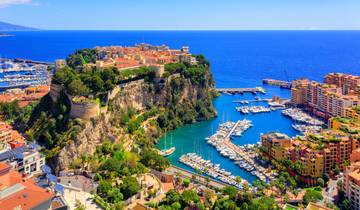
8 days
Stunning French Riviera
- ✓ Comprehensive French Riviera tour
- ✓ Expert local guides included
- ✓ All accommodation arranged
- ✓ Transportation provided
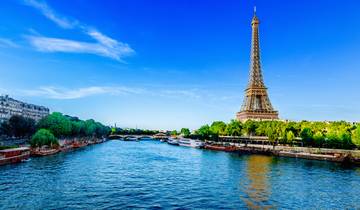
11 days
Paris & the French Riviera
- ✓ Comprehensive French Riviera tour
- ✓ Expert local guides included
- ✓ All accommodation arranged
- ✓ Transportation provided
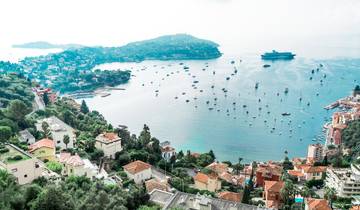
5 days
5 Day Nice and Monaco
- ✓ Comprehensive French Riviera tour
- ✓ Expert local guides included
- ✓ All accommodation arranged
- ✓ Transportation provided
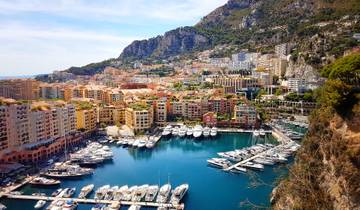
5 days
5 Days / 4 nights Full trip to the French Riviera from Nice, Côte d'Azur
- ✓ Comprehensive French Riviera tour
- ✓ Expert local guides included
- ✓ All accommodation arranged
- ✓ Transportation provided
Multi-day tour packages powered by TourRadar. Prices and availability subject to change.
Introduction: Nice in 2027 — The French Riviera’s Most Accessible City
Nice occupies a privileged position on the French Riviera that no other city on the Côte d’Azur fully replicates. It is large enough to offer international airports, a three-line tram network, and a genuine year-round cultural life, yet compact enough that the main attractions are clustered within walking distance of one another. The Old Town (Vieux-Nice) — a labyrinth of pastel baroque facades, street markets, and socca (chickpea crepe) stands — sits at one end of the bay; the Cimiez quarter with its Roman ruins and world-class museums occupies the hills above; and the Promenade des Anglais, the 7-kilometer seafront boulevard that defines Nice in the global imagination, connects them along the Mediterranean edge.
Nice’s character carries a strong Italian undertow, and not merely because it borders Liguria. The city was part of the Kingdom of Sardinia until 1860, when a referendum transferred it to France; traces of this history show in the cuisine, the architectural vocabulary, and the rhythms of daily life in the Old Town. The dialect historically spoken here — Niçard, a variety of Occitan — has faded from everyday use, but the city’s hybrid identity remains a point of local pride and a genuine cultural distinction from the French cities to the west.
For 2027 visitors, Nice’s practical advantages are considerable. The airport is one of France’s busiest and receives direct flights from North America, the UK, and most major European hubs. The TGV reaches Paris in under six hours, and the regional coastal train (TER) connecting Nice to Monaco, Cannes, and Menton is one of the most scenic train rides in Europe at remarkably low cost. Within the city, the Lignes d’Azur bus and tram network is modern, frequent, and inexpensive. Hotels range from beachfront palaces to budget guesthouses tucked behind the Old Town. And the beaches — pebble rather than sand, a point that surprises many first-time visitors — are largely free to use, which keeps the cost of a seaside day in Nice well below what equivalent coastlines in the region charge.
Getting to Nice in 2027: Flights, Trains, and Arrival
Flying to Nice Côte d’Azur Airport in 2027
Nice Côte d’Azur Airport (NCE) is France’s third busiest airport after Paris Charles de Gaulle and Paris Orly, handling over 14 million passengers a year. Its position on the seafront, just 7 kilometers west of the city center, means Tram Line 2 reaches the terminal in about 30 minutes without ever leaving the urban area. Two terminals handle different carrier types; the Tram Line 2 serves both, and a courtesy shuttle connects them.
Direct flights operate year-round from most major European capitals, with particularly strong schedules from London (Gatwick, Heathrow, Luton, and City), Amsterdam, Frankfurt, Brussels, Madrid, and Rome. Seasonal and charter services from North American gateways via hubs are common in summer. Budget carriers including easyJet and Ryanair maintain large operations at NCE, making Nice one of the more price-accessible major French Riviera entry points for European travelers (check official airline and booking platforms for current 2027 fares and schedules).
Arriving by Train in 2027
Nice-Ville station, the main rail hub, sits in the city center and is served by two main rail options. The TGV from Paris (Paris Gare de Lyon) covers the roughly 930 kilometers in 5 hours 40 minutes to just under 6 hours, with advance TGV fares available from around €30 and flexible full-price tickets significantly higher — check sncf-connect.com for current schedules and 2027 pricing. The regional TER coastal train links Nice to Monaco (approximately 20-25 minutes), Menton (35 minutes), Cannes (30-40 minutes), and Marseille (2.5-3 hours), providing highly affordable connections for day trips and wider exploration.
For visitors arriving by car, the A8 motorway (the Autoroute de la Côte d’Azur) connects Nice to Marseille in the west and crosses into Italy via the Ventimiglia border in the east. Parking in central Nice is expensive and often difficult in summer; most visitors staying in the center find it more cost-effective to park at an airport or outer-zone car park and use the tram.
Getting from Nice Airport to the City in 2027
Tram Line 2 remains the smartest choice for most independent travelers. Single tickets cost €1.70 using a rechargeable La Carte card purchased at tram-stop vending machines; the machines accept coins and credit cards. A critical money-saving tip: the airport sells its own “Carte Aero” at €10 for a return journey — avoid this and instead walk 200 meters to the Grands Arenas stop just outside the airport perimeter to buy standard tickets at the normal fare. The card itself costs €2 as a refundable deposit.
A regulated taxi from the airport to Nice city center costs approximately €32-38 under fixed government zonal rates confirmed for 2025 (check official rates at the taxi stand for any 2027 updates). This covers up to four passengers, making taxis competitive per person for groups traveling together with luggage. Pre-booked private transfers from reputable operators typically start from around €56-77 per vehicle for the standard car category, offering fixed pricing, flight tracking, and a driver waiting in arrivals — worth considering for late-night arrivals or those with heavy luggage.
Getting Around Nice in 2027: Transport Costs and Options
The Tram and Bus Network in 2027
The Lignes d’Azur network operates three tram lines and over 165 bus routes covering the entire Nice metropolitan area. For most visitors, Tram Line 1 (running north-south through the city center along Avenue Jean Médecin and Place Masséna, running 21 hours a day) and Tram Line 2 (running east-west from the airport to the port) handle the bulk of sightseeing movement. Trams run every 5-8 minutes during the day.
The unified fare structure as of July 2023 applies to both trams and buses: a single trip costs €1.70 using the rechargeable La Carte card and allows free transfers within 74 minutes in the same direction. A 1-day pass costs €7, a 2-day pass €13, and a 7-day pass €20 — all excellent value for visitors doing multiple journeys per day. Paper tickets no longer exist; the La Carte card costs a refundable €2 deposit and is loaded at tram-stop machines, tobacco shops, or via the Lignes d’Azur mobile app. Multiple passengers can share a single card by validating it once per person on boarding. For a visitor spending 5 nights and making an average of three trips a day, the 7-day pass at €20 is the most economical choice; for a shorter stay with lighter transit use, individual tickets at €1.70 each are often more practical.
Cycling, Scooters, and Taxis in Nice 2027
Nice operates a public bicycle-share scheme (Vélo Bleu) with stations across the city, offering short-term access for relatively low daily rates — check velobleu.org for current 2027 pricing and membership options. The Promenade des Anglais has a dedicated cycle path running its full 7-kilometer length, making it one of the most pleasant cycling corridors on the Riviera. Electric scooter rental services operate in the city center; all apply standard French traffic regulations requiring helmet use and prohibiting pavement riding.
Taxis in Nice operate on metered fares starting from around €2 per kilometer as confirmed by 2025 published rates, with a minimum fare applicable. For short hops in central Nice — say, from the train station to a hotel in the Old Town — expect €8-15 depending on time of day and traffic. Rideshare apps including Uber operate in Nice, typically running competitive rates to metered taxis. For day trips to hilltop villages not served by public transport, half-day taxi excursions can make economic sense when split between four people; negotiate the fare in advance.
Where to Stay in Nice in 2027: Accommodation Costs by Tier
Budget Accommodation in Nice 2027
Nice has a solid budget accommodation scene concentrated in the neighborhoods immediately north of the train station and in parts of Libération, away from the beachfront premium. Hostel dormitory beds in established properties such as Villa Saint-Exupéry Beach start from approximately €20-35 per person per night; private rooms in budget guesthouses and 2-star hotels run €60-80 per room per night in mid-season (April-June, September-October). In peak July-August, these same budget properties frequently push to €80-120 per room, so summer budget travelers benefit substantially from booking several weeks in advance.
Two budget-tier properties of note that appear in multiple visitor sources: Antares Hostel, with both dorms and private rooms north of the station, and Villa Saint-Exupéry Beach, with a Promenade des Anglais location unusual for its price category. Verify current rates and availability directly with properties, as boutique guesthouses often discount through their own websites below booking platform prices. Apartment rentals through platforms such as Airbnb can reduce per-night accommodation costs for groups of three or more sharing, particularly for stays of a week or longer.
Mid-Range Hotels in Nice 2027
The workhorse tier for visiting couples and small groups is Nice’s 3-star hotel category, where median room rates in June 2026 were approximately €142 per night based on monitored booking data, with a typical in-season range of €100-150 for a standard double. The best-value mid-range properties cluster just back from the Promenade des Anglais in the Les Baumettes and Gambetta neighborhoods, offering walking distance to the seafront without paying the direct sea-view premium. Old Town properties at this tier are limited but exist and command a slight premium for the location.
Apart-hotels — apartment-style properties with hotel services — are a particularly practical choice for Nice stays of a week or longer, as the ability to self-cater breakfast and the occasional lunch materially reduces daily food costs. Central apart-hotel rates typically fall in the €80-135 per night range. For 2027 bookings, the primary hotel platforms (Booking.com, Hotels.com) alongside direct booking with properties generally covers the market; Nice’s hotel supply is large and competitive enough that last-minute availability is rarely an emergency except during peak Carnival week in February and the Monaco Grand Prix weekend in May.
Luxury Hotels and the Promenade des Anglais in 2027
The Promenade des Anglais corridor is Nice’s luxury hotel heartland, anchored by the Hôtel Le Negresco — a Belle Époque palace that has defined the boulevard’s identity since 1913 and commands rates at the top of the market. Five-star properties along the seafront run from approximately €350 per night for an entry room to well over €600 for sea-view suites in peak season, based on 2026 average data showing 5-star Nice hotels at a median around €610 per night. Four-star properties with rooftop pools and Promenade addresses typically sit in the €200-300 range for a standard double in shoulder season.
The “sea premium” in Nice is significant and well-documented: the same room type commands roughly €60-120 per night more when oriented toward the Mediterranean rather than a courtyard. Travelers prioritizing luxury at lower cost should consider 4-star properties one or two streets back from the front — often retaining the walking distance to the beach while losing the direct sea view and the associated markup. For the Negresco experience or equivalent, reservations in summer typically need to be placed at least 2-3 months in advance.
Nice Neighborhoods Guide 2027: Where to Base Yourself
Old Town (Vieux-Nice) and the Port
Old Town is the most atmospheric neighborhood for first-time visitors and those who want to walk to everything. The narrow streets between Cours Saleya and the base of Castle Hill concentrate most of what is distinctive about Nice’s Baroque-Italian character: the pastel facades, the morning flower and vegetable market at Cours Saleya (Tuesday through Sunday; antiques on Monday mornings), the socca and pissaladière (Niçoise onion tart) snack culture, and a density of independent restaurants. Old Town accommodation is the most expensive in Nice per night (averaging roughly €150 in 2026 booking data), justified primarily by location. The port neighborhood immediately to the east of Old Town offers a somewhat quieter base with good restaurant choices and the same walkability.
City Center and Place Masséna
The area around Place Masséna and Avenue Jean Médecin is Nice’s commercial core, best characterized as convenient rather than charming. The main tram lines pass through, the train station is within easy walking distance, and prices for both hotels and restaurants run slightly below Old Town levels. This is the practical neighborhood for business travelers, those making Nice a touring base, and visitors who plan to use public transport heavily and want the transit connections. Several of the city’s major department stores, the central market at Liberation, and the most reliable range of budget and mid-range hotel options sit in this zone.
The Cimiez Quarter and Museum Hill
Cimiez, the residential hill quarter north of the city center, is quiet, residential, and home to two of Nice’s most significant museums — the Matisse Museum and the Chagall Museum — as well as the remains of the Roman city of Cemenelum (Cimiez Ruins, Gallo-Roman Ruins) and the Cimiez Gardens surrounding the Matisse Museum. Staying in Cimiez is a minority choice for short-stay visitors since it requires a bus or tram connection to reach the seafront, but the neighborhood has an unhurried quality that appeals to repeat visitors and those prioritizing the museums over the beach scene.
The Promenade des Anglais Corridor
Hotels directly on the Promenade des Anglais offer the obvious appeal of stepping directly from the lobby onto Nice’s defining boulevard. The corridor stretches west from the Jardin Albert Ier (Albert I Park) all the way to the airport, with the central section between the park and the Éclairage roundabout carrying the highest concentration of hotels and restaurants. The sea-view premium applies in full here; budget travelers will find better value one street back. The neighborhood’s restaurant scene includes some of Nice’s best brasseries and a high density of tourist-oriented places where quality varies significantly — local recommendation or recent review-checking pays off more here than in the Old Town.
Top Attractions and Museums in Nice 2027: Costs and Admission
Promenade des Anglais: Nice’s Defining Boulevard
The Promenade des Anglais is free to walk, cycle, and sit on — there is no charge for the 7-kilometer seafront promenade itself, and access to the public beach running alongside it is free. The name derives from the British community in Nice that funded its original construction in the early 19th century. The Promenade is most atmospheric at the far ends away from the hotel cluster: the section near the Vieux-Port to the east and the quieter western stretch near the Parc de la Colline du Château offer a better ratio of locals to tourist infrastructure. A cycle path runs the full length; Vélo Bleu bicycles are available at stations along the route. Early morning is the best time to walk the full length — runners, locals walking dogs, and the Mediterranean light on the water — before the tourist volume builds after 9 a.m.
Castle Hill (Colline du Château) and the Waterfall
Castle Hill, the rocky promontory rising 92 meters above the seafront at the east end of the Promenade des Anglais, is free to enter at all times. The hill takes its name from the medieval castle demolished by Louis XIV in 1706; the ruins are minimal, but the views from the summit over the bay of Nice, the port, and back along the Promenade des Anglais are exceptional. An artificial waterfall cascades down the hillside — one of Nice’s more unexpected attractions. Access is on foot via staircases from the Old Town or the port, or by elevator from the base of the hill on Tour Bellanda Street. The elevator costs approximately €1.50 each way (verify current rate on site). Ascending on foot and descending by elevator, or vice versa, is the most popular approach. The hill’s gardens are planted with umbrella pines, Mediterranean shrubs, and a handful of heritage olive trees.
Matisse Museum: The Cimiez Collection
The Matisse Museum occupies a restored 17th-century Genoese-style villa in the Cimiez Gardens and houses one of the world’s most significant collections of Henri Matisse’s work — nearly 600 pieces donated by the artist and his heirs to the City of Nice. Matisse lived in Nice from 1917 until his death in 1954, and the museum traces his entire development from the 1890s through the late cut-out gouache works. Paintings, drawings, sculptures, bronze reliefs, and an exceptional collection of the artist’s personal objects are displayed across the villa’s rooms. The museum is a municipal institution and is included in the €15 city museum pass (4 days, 10 municipal museums); individual admission applies for visitors not using the pass — verify the current single-ticket price on musee-matisse-nice.org. The museum is closed on Tuesdays. The surrounding Cimiez Gardens, shared with the adjacent Cimiez Ruins archaeological site, are free and particularly pleasant in the late afternoon.
Chagall Museum: Biblical Messages in Color
The Chagall Museum (officially the National Museum Marc Chagall — Musée National Marc Chagall) is a national rather than municipal institution, which means it sits outside the city’s €15 museum pass and requires a separate admission. Adult tickets cost €10, with a supplement of approximately €2 when a temporary exhibition is running alongside the permanent collection (verify current pricing at musees-nationaux-alpesmaritimes.fr before visiting). The museum closed on Tuesdays. The collection centers on Chagall’s “Biblical Message” cycle — 17 large canvases painted on Old Testament themes — housed in a purpose-built building that Chagall himself oversaw in the early 1970s, specifying the exact placement of each work. The auditorium features Chagall-designed stained-glass windows depicting the creation of the world. Unlike many artist museums that assemble works retrospectively, this one reflects the direct vision of its subject.
Museum of Modern and Contemporary Art (MAMAC)
MAMAC (Musée d’Art Moderne et d’Art Contemporain) is Nice’s leading modern art institution, focusing on work from 1960 onward with particular strength in the École de Nice (Yves Klein, Arman, Ben Vautier), American and European pop art, and new realism. The museum is housed in a distinctive building with a rooftop terrace offering city panoramas. MAMAC was closed for renovation as of early 2024; travelers should confirm its current operational status at mamac-nice.org before visiting, as the reopening timeline was not definitively confirmed at time of writing. When open, it is included in the €15 city museum pass.
The City Museum Pass and French Riviera Pass in 2027
The Pass Musées Ville de Nice costs €15 and provides 4 days (96 hours) of unlimited access to 10 municipal museums, including the Matisse Museum, the Palais Lascaris (a 17th-century baroque palace in Old Town, free separately), the Museum of Natural History, the Archaeology Museum at the Cimiez Ruins, and several more specialist collections. Children and teenagers under 18 enter free at all municipal museums regardless of pass status; students with valid ID also enter free. The pass represents compelling value for visitors spending three or more days in Nice who plan to visit two or more museums — the Matisse Museum alone would account for a significant fraction of the €15 if individually priced. The pass does not cover the Chagall Museum or the French Riviera Pass attractions beyond the city’s own institutions.
The French Riviera Pass (1 day €26, 2 days €38, 3 days €56, verified from current tourism board data) covers a wider range of attractions including Nice’s municipal museums and the Chagall Museum, as well as selected activities and transport options along the broader Côte d’Azur. For visitors planning to pack in multiple day trips to Monaco or Cannes alongside Nice’s museums within a compressed stay, the French Riviera Pass can deliver value; for visitors spending most of their time in Nice itself and doing their own transport, the €15 city museum pass combined with a separate Chagall ticket (€10) typically represents better value. Verify the French Riviera Pass’s current inclusions at frenchrivierapass.com, as participating attractions and covered services are updated periodically.
Dining in Nice 2027: Food Costs, Local Specialties, and Budget Strategies
Niçoise Cuisine: What to Eat
Nice has one of the most distinctive regional food identities in France, shaped by its Ligurian border and its long history as a Mediterranean trading city. The essential dishes for first-time visitors include socca — a thick chickpea-flour crepe cooked on large copper plates over wood fire, sold hot from market stalls and traditionally eaten standing up; pissaladière (Niçoise onion tart) — a flat bread topped with long-cooked onions, anchovy fillets, and black olives; salade niçoise — in its authentic form this contains raw vegetables (tomatoes, radishes, green beans, artichoke hearts), tuna, anchovies, hard-boiled eggs, and olives, with no potatoes or cooked green beans, a distinction locals feel strongly about; and pan bagnat (a round salade niçoise sandwich in a soft roll), the perfect portable lunch. Stockfish (air-dried cod) prepared in the local fashion is a less widely known but historically significant dish.
For wine, Bellet — a small AOC produced on the hills just outside Nice — is the local choice. The rosé, in particular, pairs well with the Riviera seafood and vegetable tradition. It is not widely exported, making it a genuinely local experience. A glass at a proper Old Town wine bar typically costs €5-10.
Eating on a Budget in Nice 2027
Cheap restaurant meals in Nice average approximately €18 per person for a main course at a basic bistro, based on current cost-of-living data. The key to eating well cheaply is using the market ecosystem rather than the restaurant strip. The Cours Saleya market (Tuesday through Sunday mornings) sells ready-to-eat socca, pissaladière, and fresh produce at stall prices well below restaurant equivalents; a socca portion runs €3-5 and a slice of pissaladière €3-4. The Monday antiques market on the same site means no food stalls that morning. The Marché du Libération in the northern city center is a neighborhood market with an excellent selection and tourist prices largely absent.
For full sit-down meals on a budget, the side streets behind Cours Saleya yield better value than the Cours itself, where terrace tables command a premium. Lunch deals (formule déjeuner) are a standard feature of French restaurant culture: a starter and main, or main and dessert, with a glass of wine, typically runs €15-22 at places that would charge considerably more for equivalent à la carte dinner service. Budget travelers who make lunch their main restaurant meal and assemble dinners from market provisions and takeaway socca can eat very well in Nice for €30-40 per person per day.
Mid-Range Dining in Nice 2027
A mid-range dinner for two at a Nice restaurant — a proper three-course meal with a carafe of regional wine — runs approximately €80-100 for the table based on current cost-of-living surveys, roughly €40-50 per person. Nice’s Old Town and the streets between Place Masséna and the seafront hold the highest concentration of mid-range options; the cooking ranges from traditional Niçoise to modern Mediterranean bistro cuisine influenced by the city’s Italian proximity. Local restaurant-finding platforms and recent reviews on platforms such as TripAdvisor and The Fork tend to be reliable for identifying currently strong mid-range options, since the restaurant landscape changes with some frequency. For the best value at upscale establishments, the weekday lunch formule remains the best mechanism: restaurants that charge €60-80 per head at dinner often offer the same kitchen’s output for €25-40 at lunchtime.
Fine Dining in Nice 2027
The Michelin-starred end of Nice’s restaurant scene is modest in number but strong in quality. The French Riviera’s most celebrated kitchens include Alain Ducasse’s operation at the Hôtel de Paris in Monaco (three stars; lunch from approximately €140 per head with beverages), but within Nice proper, several two-course and single-star restaurants represent the high-end option. Fine dining menus in Nice typically run €60-120 per person for a tasting menu, considerably more with wine pairing. Nice’s brasserie culture — the large, stylish establishments along the Promenade des Anglais serving seafood, grilled fish, and steak in theatrical settings — falls between mid-range and fine dining at €50-80 per person for a full dinner. These brasseries offer the full Riviera atmosphere at considerably less than the starred establishments.
Nice Budget Guide 2027: Complete Daily Cost Breakdowns by Tier
Budget Travelers in Nice 2027: €70-95 Per Person Daily
Budget travelers sharing a private double room in a budget hotel or guesthouse spend approximately €70-95 per person per day in Nice in 2027. The breakdown: hotel room €60-80 split between two people at €30-40 per person; meals using socca stalls and budget bistros at €30-42 per person (boulangerie breakfast or skip, market lunch €10-12, budget dinner €15-20); transport using 2-4 journeys on the tram/bus network at €5-7; and access to attractions largely through free options (beach, Castle Hill, Old Town walking, weekly free museum evenings) at €3-8. A 5-day stay on this budget runs approximately €350-475 per person before flights; a full week runs approximately €490-665. Travelers staying in hostel dorms (€20-35 per bed) can reduce accommodation costs further and bring the daily total to approximately €55-75 per person per day.
Mid-Range Visitors in Nice 2027: €130-190 Per Person Daily
Mid-range travelers sharing a 3-star hotel spend approximately €130-190 per person per day. The breakdown: hotel room €100-140 split between two at €50-70 per person; meals at café breakfast, a brasserie or bistro lunch, and a proper restaurant dinner running €60-85 per person; transport combining a day pass (€7) with the occasional taxi at €8-15; and attraction spending mixing the €15 museum pass (amortized across days), the €10 Chagall Museum, and free sights, at €12-22 per day. A 5-day trip at mid-range costs approximately €650-950 per person before flights; a full week runs approximately €910-1,330. A sample mid-range day: buy the €7 day pass, visit the Chagall Museum (€10), have lunch at a Cours Saleya terrace bistro (€30), spend the afternoon at the beach (free), and have dinner at a mid-range Old Town restaurant (€45). Hotel for that night at €120 (shared) adds €60 per person. Total day: approximately €152. This sits comfortably within the €130-190 range.
Luxury Visitors in Nice 2027: €295-500 Per Person Daily
Luxury travelers sharing a 4-5 star hotel on or near the Promenade des Anglais spend approximately €295-500 per person per day in Nice. The breakdown: hotel room €260-430 split between two at €130-215 per person; meals at hotel breakfast (or a high-end café), upscale lunch (€40-60), and a gastronomic dinner (€80-150) totaling €100-165 per person; private taxis and transfers for daily movement at €28-55; and attraction spending including the French Riviera Pass and guided tour add-ons at €35-65. A 5-day luxury stay in Nice runs approximately €1,475-2,500 per person before flights. A week at the luxury tier — a standard length for the Riviera season — runs approximately €2,065-3,500 per person, reflecting the significant variation between a 4-star property in shoulder season and a 5-star palace suite in August.
Sample 5-Day Nice Itinerary with Budget Breakdown 2027
Day 1: Arrival and Old Town Orientation. Take Tram Line 2 from the airport (€1.70 + €2 card deposit, one-time cost); explore Old Town at your own pace, have lunch at the Cours Saleya market (socca and salad, approximately €12), walk to Castle Hill via the eastern staircase (free), take the elevator down (€1.50), and have dinner in the Old Town streets behind Cours Saleya (€25-45 per person depending on tier). Day spend outside accommodation: approximately €40-60 per person.
Day 2: Museum Day — Cimiez. Take Bus 15 or 22 to Cimiez; buy the €15 city museum pass on arrival. Visit the Matisse Museum (1-1.5 hours, included in pass), walk through the Cimiez Gardens, and visit the adjacent Cimiez Ruins (included in pass). Lunch in the neighborhood or back in the center (€15-30 per person). Afternoon at the beach or further Old Town exploration. Day spend outside accommodation: approximately €35-55 per person.
Day 3: Chagall Museum and Promenade Walk. Visit the Chagall Museum in the morning (€10 admission; bus connections from city center). Picnic lunch from the Cours Saleya or Libération market (€8-15 per person). Walk the full length of the Promenade des Anglais in the afternoon (free). Optional: rent a Vélo Bleu bicycle for part of the seafront stretch. Evening dinner at a Promenade des Anglais brasserie (€35-70 per person). Day spend: approximately €53-95 per person.
Day 4: Day Trip to Monaco. Take the regional coastal TER train from Nice-Ville station to Monaco (approximately 20-25 minutes each way; check sncf-connect.com for current 2027 fares — historically among the cheapest train rides in France). Explore Monaco-Ville (the old town on the rock), the Prince’s Palace exterior and changing of the guard (free), and the exotic gardens. The Oceanographic Museum in Monaco costs approximately €19-21 per adult (verify at oceano.mc for 2027 pricing). Lunch in Monaco is significantly more expensive than Nice — budget €25-50 per person for a simple café meal. Dinner back in Nice (€25-45 per person). Day spend: approximately €70-120 per person.
Day 5: Cannes or Leisure Day and Departure. A morning TER train to Cannes (approximately 30-40 minutes; standard TER fares of €5-12 each way apply — check sncf-connect.com for 2027 pricing) allows a leisurely morning walk along the Croisette and the morning market at Forville before a return train to Nice. Alternatively, use the day for a final beach morning and last lunch in the Old Town before departure. Day spend: approximately €25-60 per person for the Cannes option, €10-25 for a leisure day.
Day Trips from Nice in 2027: Costs, Access, and Planning
Monaco Day Trip from Nice in 2027
Monaco is the most popular day trip from Nice and among the easiest to execute: the regional TER train from Nice-Ville station takes approximately 20-25 minutes and is among the cheapest train rides anywhere in France (check sncf-connect.com for current fares). Monaco-Ville, the old hilltop quarter, contains the Prince’s Palace (ceremonial changing of the guard daily at 11:55 a.m., free to watch from the square), the Cathedral of Our Lady of the Immaculate Conception where Grace Kelly is buried, and a series of viewpoints over the principality and harbor. Entry to Monaco itself is free; there are no border formalities for EU or Schengen travelers. The Oceanographic Museum is Monaco’s most significant paid attraction, a remarkable oceanographic and marine biology institution in a cliff-side Belle Époque building — verify 2027 admission at oceano.mc. The famous Casino de Monte-Carlo charges an entry fee to enter the gaming rooms (the outer vestibule is free); smart-casual dress code applies. Dining and shopping in Monaco are significantly more expensive than Nice; bring a picnic or budget accordingly.
Cannes Day Trip from Nice in 2027
Cannes, home to the world’s most famous film festival, is 30-40 minutes from Nice by TER regional train (standard fares of approximately €5-12 each way; verify at sncf-connect.com for 2027 pricing). The main visitor draws are the Boulevard de la Croisette seafront promenade, the famous Palais des Festivals et des Congrès (where the Film Festival takes place every May, though the building is otherwise largely closed to casual visitors), the Old Town quarter of Le Suquet on the hill above the port, and the Forville market. A compelling half-day option from Cannes is the boat crossing to the Lérins Islands — Île Sainte-Honorat (home to a working Cistercian monastery) and Île Sainte-Marguerite (where the Man in the Iron Mask was imprisoned, according to legend confirmed by documented historical record). Ferry crossings take approximately 15-20 minutes each way; check Trans Côte d’Azur or Riviera Lines for current 2027 schedules and fares. The Lérins Islands make the Cannes day trip considerably more substantial than just a film festival pilgrimage.
Èze Village and the Moyenne Corniche in 2027
Èze is a perched medieval village above the coast between Nice and Monaco, built on a rocky spike 427 meters above the sea. The approach from the coast (the Moyenne Corniche road) provides some of the most photographed scenery on the entire Riviera. Bus 82 from the Nice Promenade des Anglais serves Èze-Village at standard Lignes d’Azur fares (€1.70 per trip). The village charges no entry fee; the Exotic Garden within the village, planted on the peak among the ruins of the medieval castle, charges a small admission (verify current rate locally). Views from the garden’s summit stretch on clear days to Corsica. Èze is very crowded in summer mornings — an early start before 9:30 a.m. or arrival after 4 p.m. significantly improves the experience. The Fragonard perfumery operates a factory and boutique in the lower village with free entry and free guided tours of the perfume-making process.
Antibes and the Cape in 2027
Antibes, 25-30 minutes from Nice by train, combines a well-preserved medieval rampart town with the Picasso Museum (Musée Picasso) — housed in the Grimaldi Castle where Picasso worked for several months in 1946 and donated a collection of works. Verify current admission prices at antibesmusees.com. The morning market at Cours Masséna is one of the most photogenic on the Riviera. Cap d’Antibes, the pine-forested headland below the town, contains the public Sentier du Littoral coastal path running roughly 2 kilometers around the cape with exceptional sea views, entirely free to walk. TER trains from Nice-Ville run approximately every 20-30 minutes; current fares are in the same range as the Cannes route — verify at sncf-connect.com.
Seasonal Pricing in Nice 2027: When to Visit and What to Pay
Peak Summer — July and August 2027
July and August are Nice’s highest-priced months across all accommodation categories. Hotel rates in peak season run 40-60% above spring and autumn equivalents: a 3-star room that costs €100-120 in May can easily reach €160-200 in July. The beach is at its most festive and the sea temperature reaches 25-27°C (77-81°F), making it the most appealing swimming period. The Promenade des Anglais is at its most crowded, which some visitors love and others find claustrophobic. Booking accommodation 2-4 months in advance is standard practice for summer Nice; last-minute availability is possible but priced at a significant premium. Daily average temperatures in July and August peak around 29-31°C (84-88°F) with very low rainfall; evenings are warm and comfortable for outdoor dining.
Shoulder Season — Spring and Autumn 2027
May, June, September, and October represent Nice at its most rewarding in terms of cost-value balance. Hotel rates are 20-40% below peak. The sea in June is already 22-24°C (72-75°F) and swimmable; September extends that comfort with water temperatures holding at 23-25°C. Temperatures on land average 18-25°C (64-77°F) in May-June and 20-25°C (68-77°F) in September-October — warm enough for beach use, cool enough for comfortable museum visiting and walking. Crowds at major sights are manageable rather than overwhelming. April and October offer further price reductions and fewer tourists, with temperatures dropping to 14-18°C (57-64°F) — appropriate for sightseeing, less reliably warm for beach days, though a warm October can extend the beach season meaningfully. The Nice Carnival falls in mid-February (typically a two-week period ending around Mardi Gras — in 2027, Mardi Gras falls on February 16, placing the carnival approximately February 3-16); this brings a significant crowd and requires advance booking for that specific window.
Off-Season Nice — November Through March 2027
November through March is Nice’s most affordable period. Hotel prices drop 40-55% below their summer peak; a 3-star room available for €160 in August might cost €75-90 in January. The city does not close down — Nice retains a year-round population of over 340,000 and an active cultural life, including museum programs and indoor concerts — but the beach culture is dormant. Winter temperatures average 8-13°C (46-55°F) with January typically the coolest month. Sunshine remains frequent (Nice averages around 2,700 hours of sunshine annually, including winter months with 150+ hours), and the light on the Promenade des Anglais and in the Old Town in January and February is often described by resident photographers as the most beautiful of the year. This period is ideal for visitors whose primary interest is architecture, museums, cuisine, and the general character of the city rather than sea-swimming.
Hidden Costs and Money-Saving Tips for Nice in 2027
Tourist Tax (Taxe de Séjour) in Nice 2027
France charges a per-person, per-night tourist tax collected by your accommodation and paid to the municipality. Rates in Nice vary by hotel category: budget and 2-star properties typically charge €0.75-1.50 per person per night; 3-star properties approximately €1.50-2.50; 4-star and upscale properties €3-5. A regional departmental surcharge also applies in the Alpes-Maritimes, adding to these base figures. The total tourist tax for two people sharing a 3-star room for 5 nights adds approximately €15-25 to the bill — worth including in your overall budget calculation. Your accommodation will show the applicable rate on invoicing. Under-18s are exempt in most French municipalities including Nice. Verify the current applicable rates directly with your accommodation at the time of booking, as municipal schedules update annually.
A separate hidden cost worth flagging: private beach lounger rental. Nice’s public beaches are free to access and use, but the stretches fronted by beach concessions (around half the beach total) rent sun loungers and parasol sets for approximately €20-30 per person per day in peak season. Using the free public sections between the concessions is entirely practical and avoids this cost; the experience is somewhat more basic but the same Mediterranean water, the same pebbles, and the same views are on offer.
Money-Saving Strategies for Nice in 2027
The most effective budget strategy in Nice is exploiting the free-entry ecosystem. The public beaches, Promenade des Anglais, Castle Hill, Old Town streets, and the Cours Saleya market are all free. The €15 city museum pass (10 museums, 4 days) is among the best museum-per-euro ratios in France. Under-18s enter all city museums free without the pass. Students with valid ID enter free at city museums. Several Nice museums hold free open evenings — typically one per month in some institutions and a broader free night during the European Night of Museums in May and Heritage Weekend in September; check with the tourist office for the 2027 calendar.
For dining, the midday formule déjeuner strategy — using restaurant lunch deals rather than evening à la carte pricing — can save 30-50% at mid-range establishments. Supermarket chains (Carrefour, Monoprix) in the city center provide a cost-efficient option for breakfast provisions, picnic supplies, and evening snacks. Cooking if you have an apart-hotel kitchen, or assembling meals from the Cours Saleya and Libération markets, consistently beats restaurant costs for budget travelers. For transport, the 7-day pass at €20 saves money against daily passes (€7/day = €35 for five days) for stays of four or more days with regular transport use. Booking accommodation outside peak season — particularly the shoulder months of April, May, September, and October — delivers the highest cost reduction available to the independent traveler, often more significant than any transport or dining optimization.
Nice for Different Traveler Types in 2027
Solo Travelers in Nice 2027
Nice is a comfortable and sociable destination for solo travelers. The Old Town’s dense restaurant scene makes eating alone at a café terrace or wine bar natural rather than awkward. Hostel options including Villa Saint-Exupéry Beach provide opportunities to meet other travelers without compromising the quality of the base; the combination of Good dorm rates and a genuinely accessible city makes Nice one of the better solo budget destinations on the French Riviera. Solo travelers pay the full single-room rate rather than half a double, raising daily accommodation costs by €30-80 compared to those sharing; this effectively shifts the daily solo budget to approximately €100-130 (budget tier) and €180-260 (mid-range tier). The city’s walkability and the fact that most major attractions are either free or low-cost individual admissions means the solo traveler’s cost disadvantage is primarily in accommodation rather than in daily activity.
Families with Children in Nice 2027
Nice is well-suited to families. All 10 city museums offer free admission to under-18s. Castle Hill’s combination of waterfall, ruins, and panoramic views reliably engages children of various ages. The beach is free and the gentle entry of the Mediterranean (protected by the bay’s orientation) provides calm swimming conditions. Several of the city museums — the Matisse Museum in particular — offer family workshops and interactive programs for children; the Matisse Museum program is bookable via email and runs for ages four and up (check musee-matisse-nice.org for the 2027 program and reservation procedures). The Old Town’s socca and street food culture plays well with children who are often less interested in sit-down restaurant service. Family-rate apartment rentals provide kitchen facilities, which materially reduces food costs for multi-night stays. The Promenade des Anglais and the Cours Saleya, both traffic-free or pedestrian-priority, are comfortable for strollers and young children on foot.
Couples and Romantic Breaks in Nice 2027
Nice’s strongest romantic card is the Promenade des Anglais at dawn or dusk, the pebble beaches at golden hour, and the layered atmosphere of the Old Town in the evening. For couples, the shoulder-season combination of May or September — warm water, manageable crowds, and mid-range hotel rates running €100-150 per room rather than summer peaks — represents the optimal moment. A weekend break of 3 nights for two sharing a mid-range hotel costs approximately €520-790 total (accommodation €300-450 + meals, transport, and attractions €220-340), a reasonable investment for the French Riviera experience. The one-night dinner at a proper Nice brasserie along the Promenade — white tablecloths, plateau de fruits de mer, a regional rosé — is one of those ritual experiences that justifies the city’s romantic reputation. Book weekend tables at well-regarded brasseries a few days in advance.
Practical Tips for Nice in 2027
Language, Safety, and Essential Information
French is the official language and the working language of daily life in Nice. English is widely spoken in tourist-facing contexts — hotels, airport services, major museums, and most restaurants — but some knowledge of French, even at the most basic level (bonjour, merci, s’il vous plaît, l’addition), is noticed and appreciated. Italian is understood and sometimes used in the Old Town and along the eastern Riviera, reflecting the historical and geographic proximity to Liguria.
Nice is a large Mediterranean city with normal levels of petty crime for its tourist profile: pickpocketing in crowded markets, on the beach, and around Cours Saleya and Place Masséna is the most common issue and is preventable with standard precautions (front-pocket cards, zipped bags, not leaving phones and cameras unattended on beach towels). The Old Town and the Promenade des Anglais are well-patrolled and generally safe for evening walking. The area immediately around the main train station has historically had a higher concentration of opportunistic petty crime; exercise normal urban awareness there. Emergency services: 15 (SAMU, medical emergency), 17 (police), 18 (fire), 112 (EU universal emergency).
Connectivity, Currency, and Practical Logistics in Nice 2027
France uses the Euro (€) and Nice’s tourist-facing economy is fully card-compatible — major credit and debit cards are accepted in essentially all hotels, restaurants, and shops. Some small market stalls and socca vendors operate cash-only; carrying €30-50 in cash for market and street food spending is practical. ATMs are available throughout the city center and at the airport. Currency exchange offices exist in the city center but typically offer inferior rates to ATM withdrawals in Euros.
Mobile connectivity in France is excellent; most European carriers offer seamless roaming at no additional charge under current EU rules. Visitors from outside the EU should verify roaming charges with their provider and consider purchasing a local SIM (major operators: Orange, SFR, Bouygues Telecom) if staying more than a few days. Airport arrivals have SIM options available; the city center has several phone shops. Wi-Fi is available in most hotels and many cafés.
The Pharmacie Masséna and several other central pharmacies are open extended hours; French pharmacists provide a high level of general health advice and can recommend treatments for minor ailments without a prescription, which is a useful resource for common travel health issues.
Frequently Asked Questions About Nice 2027
Do I need to speak French to visit Nice in 2027?
No. English is spoken to a functional level in virtually all hotels, airport services, and major tourist attractions in Nice. Restaurant staff at most establishments catering to visitors — particularly along the Promenade des Anglais and in the Old Town — are accustomed to English-speaking customers. That said, making an effort with basic French courtesies (bonjour, merci, excusez-moi) is consistently rewarded with a warmer reception, which is true of France generally but particularly appreciated in a city like Nice where the volume of international tourism can create a degree of tourist fatigue. The Lignes d’Azur tram and bus network signage and announcements are in French, but the tram lines are simple and logical enough to navigate from a map without any French language skill.
Is Nice safe for tourists in 2027?
Nice is generally safe for tourists. The main risks are pickpocketing in crowded public spaces — particularly the Cours Saleya market, the beach, and the area around the train station — rather than violent crime. Standard precautions apply: keep valuables in front pockets or cross-body bags, do not leave belongings unattended on the beach, and be aware of your surroundings at busy tourist moments. The city center, Old Town, and Promenade des Anglais are actively patrolled by police and municipal security services. Visitors with specific concerns about safety for women traveling solo, LGBTQ+ travelers, or travelers with visible disabilities should note that Nice is a diverse, cosmopolitan city with a generally tolerant and urban character; the same street common sense that applies in any major European city applies here.
What is the tourist tax in Nice in 2027?
Nice applies the French taxe de séjour (tourist tax), charged per person per night and collected by your accommodation. Rates vary by property category: broadly €0.75-1.50 per person per night for budget and 2-star properties, €1.50-2.50 for 3-star hotels, and €3-5 or more for upscale properties, with an additional departmental surcharge. For two people sharing a 3-star room for 5 nights, the tourist tax adds approximately €15-25 to the total bill — a modest but real addition to budget planning. Under-18s are exempt. Confirm the exact applicable rate with your specific accommodation at booking time, as rates are set annually by the municipality and may be adjusted for 2027.
Can I visit Nice on a day trip in 2027?
Yes, but Nice rewards at least one or two overnight stays more than a day trip from the same cost base. From Monaco, Nice is 20-25 minutes by train — a compelling day trip in the reverse direction. From Marseille, the TER journey is 2.5-3 hours, making a day trip logistically possible but leaving only 4-5 hours in the city; a one-night stay transforms the experience. From Paris, Nice is 5 hours 40 minutes by TGV, too far for a comfortable day trip. Visitors using Nice as a day trip destination from cruise ships docked at Villefranche-sur-Mer (the common tender port for ships too large to dock directly) should allow approximately 20-30 minutes each way from Villefranche to the Old Town by bus or taxi and prioritize Castle Hill, Cours Saleya, and the Old Town streets, as the main attractions are concentrated enough to cover meaningfully in a half-day.
What should I pack for a trip to Nice in 2027?
Nice’s pebble beaches require water shoes rather than bare feet for comfortable entry; this is the single most frequently mentioned visitor preparation insight and the most overlooked. Lightweight but respectful clothing for museum visits (covered shoulders if possible, though this is rarely strictly enforced). A compact daypack for beach and sightseeing days — bags left on beach towels are a theft risk. Sunscreen SPF 50+ for summer and shoulder season; the Mediterranean sun is intense even with cloud. Comfortable walking shoes for the Old Town’s stone streets. A light jacket or cardigan for evenings, even in summer, as the Promenade des Anglais can be breezy after dark.
Is the French Riviera Pass worth buying in 2027?
The French Riviera Pass (1 day €26, 2 days €38, 3 days €56) is worth considering for visitors who want to combine Nice’s museums with the Chagall Museum and one or two off-city attractions within a compressed 1-3 day visit. For longer stays or visitors primarily focused on Nice’s city museums and free sights, the €15 municipal museum pass (4 days, 10 museums) plus a separate €10 Chagall Museum ticket (€25 total) typically represents better value. Check the current pass inclusions at frenchrivierapass.com before purchasing, as the set of covered attractions and services updates periodically, and the pass’s value is highly dependent on which specific inclusions overlap with your planned activities.
What are Nice’s best beaches in 2027?
All of Nice’s public beaches run along the same bay (Baie des Anges) and use the same pebble substrate — this is not a city of diverse hidden coves. The public sections between the private beach concessions provide the same Mediterranean access without the €20-30 per person daily lounger fee. Plage de Centenaire (at the eastern end near Castle Hill) and the public stretches near Quai des États-Unis are the most popular, with the cleanest facilities. Slightly further afield, Villefranche-sur-Mer (15 minutes by bus or train east of Nice) has a sand-and-pebble beach in a deeply sheltered bay and is generally less crowded than Nice’s own waterfront. Cap d’Antibes (reached from the Antibes day trip) has several small coves accessible via the coastal path with exceptional water clarity.
How do I get to Monaco from Nice in 2027?
The regional TER coastal train from Nice-Ville station is the standard route — approximately 20-25 minutes, frequent departures, and among the cheapest train journeys in France. Check sncf-connect.com for current 2027 schedules and fares. Bus 112 from Place Masséna also serves Monaco (approximately 45-50 minutes, standard Lignes d’Azur fare of €1.70), a longer journey but useful if you prefer a direct departure from the city center. Driving to Monaco in summer is possible but slow due to congestion on the coastal roads; there is no practical reason to drive rather than train unless carrying significant luggage. Taxi from Nice to Monaco is substantially more expensive than the train — approximately €70-90 per journey for a four-passenger vehicle — and only worthwhile for groups prioritizing door-to-door convenience over cost.
When is the Nice Carnival in 2027?
The Nice Carnival is one of the world’s largest carnival celebrations, typically running for two weeks in February and ending on or around Mardi Gras. In 2027, Mardi Gras falls on February 16, placing the carnival period approximately February 3-16, 2027 — confirm the official 2027 dates and parade schedule at nicecarnival.com when they are announced. The main events include the Carnival Parade (corsages) along the Promenade des Anglais with enormous satirical floats and costumed performers, and the Flower Battle (Bataille de Fleurs) in which participants throw mimosas, carnations, and other blooms at spectators from floats. Grandstand seating for the parades is ticketed (verify 2027 pricing at the official site); viewing from the sidelines is generally free but crowded. Accommodation during Carnival week books up well in advance and runs at premium rates; booking 3-4 months ahead is advisable for this period.
How much spending money should I budget per day for Nice in 2027?
As a practical summary for different spending styles: on a true budget (hostel dorm, market meals, free sights, public transport), allow €55-75 per person per day. Sharing a budget private hotel room and eating at bistros and markets, allow €70-95 per person per day. For comfortable mid-range travel with 3-star accommodation, proper restaurant meals, and the main museums, allow €130-190 per person per day. For a luxury trip with seafront hotels and gastronomic dining, allow €295-500 per person per day. These figures exclude international flights and travel insurance. Add the tourist tax (€1-5 per person per night depending on your hotel category) and, if relevant, the one-time cost of the Lignes d’Azur La Carte card (€2 refundable) and the city museum pass (€15 one-time). For a 5-day trip, the practical spending-money benchmarks are approximately €350-475 (budget), €650-950 (mid-range), and €1,475-2,500 (luxury) per person before flights.