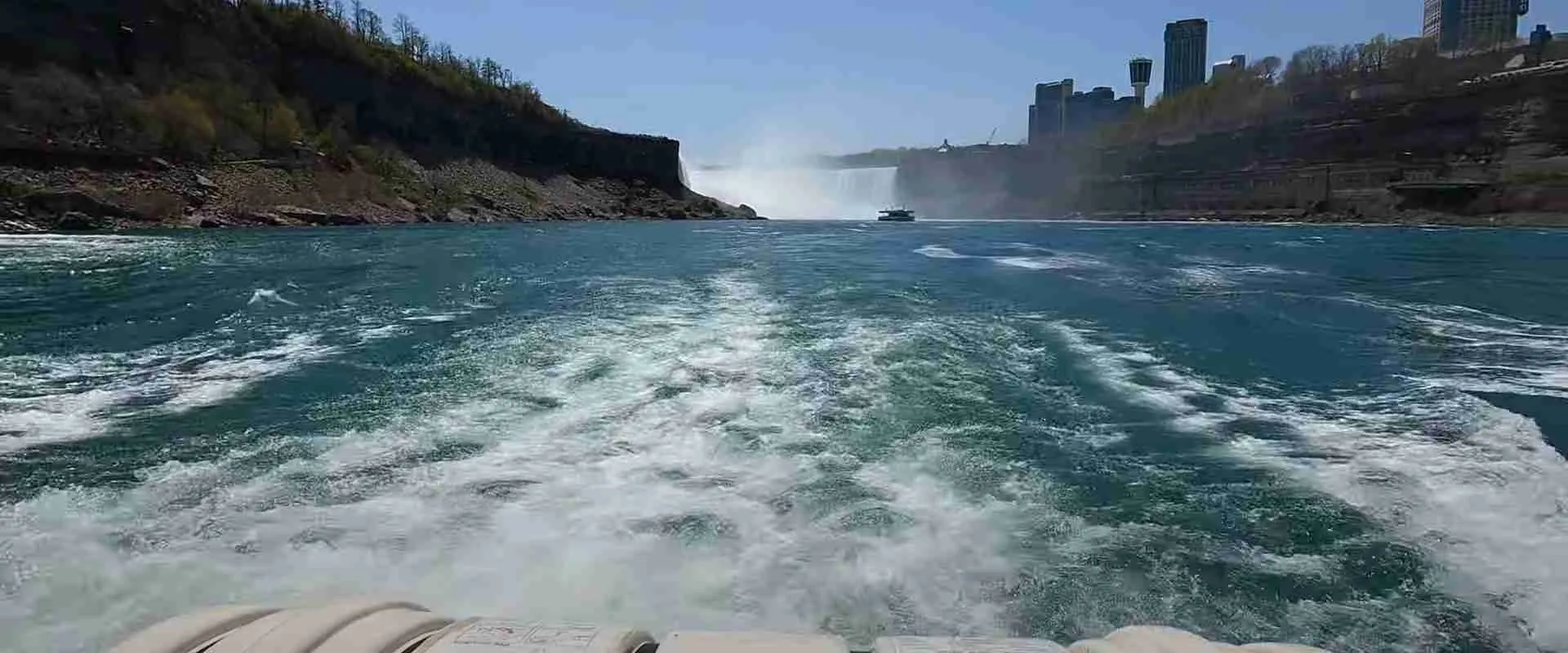
Niagara Falls Complete Guide 2026: Ultimate Planning Resource
Niagara Falls stands as one of North America’s most powerful natural wonders, where 750,000 gallons of water cascade over the falls every second during peak flow. The destination spans the international border between Ontario, Canada and New York, USA, offering two distinct perspectives of three magnificent waterfalls: Horseshoe Falls (the largest), American Falls, and Bridal Veil Falls. This comprehensive 2026 planning guide provides everything you need to organize an exceptional visit, from detailed cost breakdowns and timing strategies to transportation logistics and accommodation selection.
Key Takeaways
- Peak Season Pricing: Journey Behind the Falls costs $29.95 CAD for adults in 2026, with combined attraction passes offering significant savings at $65-75 CAD (check niagaraparks.com for current official rates as pricing may vary)
- Optimal Timing: Late May through early September provides the best weather and full attraction access, with June and September offering fewer crowds than peak July-August
- Cross-Border Planning: Both Canadian and American sides offer distinct experiences, with the Canadian side providing superior panoramic views and more attractions within walking distance
- Transportation Strategy: WEGO bus system on Canadian side costs $9.50 CAD for unlimited day pass, providing convenient access to all major attractions along the Niagara Parkway
- Advance Booking Benefits: Book accommodations 3-4 months ahead for summer visits to secure better rates and preferred locations, with rooms at $150-300 per night depending on proximity to falls
- Budget Optimization: A well-planned 2-day visit runs $400-600 per person including accommodation, attractions, meals, and transportation, with strategic timing and pass purchases reducing costs by 25-35%
Introduction: Planning Your Niagara Falls Experience in 2026
The Niagara Falls tourism infrastructure operates year-round with seasonal variations in services and pricing. Summer 2026 brings full operational capacity with extended hours, complete attraction access, and peak entertainment programming. The Canadian side, officially Niagara Falls, Ontario, concentrates most tourist amenities within a compact, walkable area along the Niagara Parkway. The American side in Niagara Falls, New York offers closer proximity to the falls themselves and access to unique viewpoints through Niagara Falls State Park.
Planning a Niagara Falls visit in 2026 requires strategic decisions about which side to base yourself, when to visit for optimal conditions, how to allocate your budget across attractions and amenities, and how to structure your itinerary for maximum experience value. This guide addresses each planning element with specific 2026 information, helping you make informed decisions that align with your travel style, budget parameters, and experience priorities.
People Also Ask About Niagara Falls 2026
How much does it cost to visit Niagara Falls in 2026?
A comprehensive Niagara Falls visit in 2026 costs $400-600 per person for a 2-day experience. Journey Behind the Falls costs $29.95 CAD for adults, Hornblower Niagara Cruises charges $37.25 CAD, and Skylon Tower observation deck runs $18.50 CAD (check official attraction websites for current rates as pricing may vary). Combined attraction passes reduce individual ticket costs by 20-30%, with the Adventure Pass bundling major attractions for $65-75 CAD. Accommodation ranges $150-300 per night depending on location and season, while meals average $50-80 per day per person. Transportation via WEGO bus costs $9.50 CAD for day pass, while Niagara Falls State Park on the American side charges $10 USD parking with free park entry.
When is the best time to visit Niagara Falls in 2026?
Late May through early September provides optimal conditions for Niagara Falls visits in 2026, with consistent warm weather, full attraction operations, and extended hours. June and September offer the sweet spot of pleasant weather and smaller crowds compared to peak July-August. Summer temperatures range 70-85°F (21-29°C) with occasional humidity. Spring (April-May) features moderate crowds and blooming gardens but cooler temperatures and some attraction closures. Fall (October-November) delivers spectacular foliage colors and significantly reduced crowds, though shorter days and cooler weather limit some outdoor experiences. Winter (December-March) creates dramatic ice formations and frozen mist, though many attractions operate on reduced schedules or close entirely.
Do you need advance bookings for Niagara Falls attractions in 2026?
Advance bookings secure preferred time slots and guarantee access during peak summer months, particularly for Hornblower Niagara Cruises and Journey Behind the Falls which sell out 2-3 weeks ahead for prime afternoon departures in July-August. Most attractions offer online booking with specific time slots, reducing wait times by 30-60 minutes compared to walk-up purchases. The Maid of the Mist on the American side similarly benefits from advance purchase, especially for midday sailings. Evening attractions like Falls Illumination and fireworks require no reservations, though arriving 30-45 minutes early ensures good viewing positions. Hotel reservations become critical 3-4 months ahead for summer weekends, when rooms within walking distance sell out completely.
What’s included in Niagara Falls attraction passes in 2026?
The Niagara Parks Adventure Pass bundles major Canadian-side attractions into one ticket at $65-75 CAD, including Journey Behind the Falls, Hornblower Niagara Cruises, White Water Walk, and Niagara’s Fury 4D experience. The pass saves $35-45 compared to individual ticket purchases and includes WEGO bus transportation. The package allows flexible timing across multiple days, letting visitors space out attractions based on weather and energy levels. Additional attractions like Butterfly Conservatory and Floral Clock are free to access. The American side offers the Niagara USA Discovery Pass bundling Maid of the Mist, Cave of the Winds, Aquarium, and other attractions for similar value. Multi-day passes provide the best value for visitors planning 2-3 days exploring both sides.
Extended multi-day tours – 5+ days
Featured Niagara Falls Multi-Day Tour Packages

3 days
Niagara Falls 3-Day Discovery Tour
- ✓ Comprehensive Niagara Falls experience
- ✓ Expert local guides included
- ✓ All accommodation included
- ✓ Transportation provided
5 days
Niagara Falls 5-Day Highlights Experience
- ✓ Comprehensive Niagara Falls experience
- ✓ Expert local guides included
- ✓ All accommodation included
- ✓ Transportation provided

7 days
Niagara Falls 7-Day Cultural Journey
- ✓ Comprehensive Niagara Falls experience
- ✓ Expert local guides included
- ✓ All accommodation included
- ✓ Transportation provided

10 days
Niagara Falls 10-Day Complete Adventure
- ✓ Comprehensive Niagara Falls experience
- ✓ Expert local guides included
- ✓ All accommodation included
- ✓ Transportation provided
Multi-day tour packages powered by TourRadar. Prices and availability subject to change.
Essential Planning Information 2026
Current Costs and Pricing Breakdown
Major Attractions – Canadian Side:
- Journey Behind the Falls: $29.95 CAD adults, $19.50 CAD children (6-12), free under 6
- Hornblower Niagara Cruises: $37.25 CAD adults, $24.50 CAD children (5-12), free under 5
- Skylon Tower Observation Deck: $18.50 CAD adults, $11.50 CAD children (4-12)
- White Water Walk: $16.50 CAD adults, $11.50 CAD children (6-12)
- Niagara’s Fury 4D: $16.50 CAD adults, $11.50 CAD children (6-12)
- Adventure Pass (all major attractions): $65-75 CAD adults, $45-55 CAD children
Check niagaraparks.com for current official rates as pricing may vary. After the initial purchase, the Adventure Pass provides unlimited WEGO bus access and admission to all included attractions with no time restrictions across multiple days.
Major Attractions – American Side:
- Maid of the Mist: $28.25 USD adults, $16.50 USD children (6-12)
- Cave of the Winds: $22 USD adults, $19 USD children (6-12)
- Niagara Falls State Park: Free entry, $10 USD parking
- Discovery Pass (multiple attractions): $55-65 USD adults, $40-50 USD children
Accommodation Pricing by Category:
- Budget motels (2-3 km from falls): $80-120 per night
- Mid-range hotels (1-2 km from falls): $150-250 per night
- Fallsview hotels (direct falls views): $250-450 per night
- Luxury properties (Niagara-on-the-Lake): $300-600 per night
Summer weekend rates run 30-50% higher than weekday pricing, while shoulder season (April-May, October-November) offers rates 40-60% below peak summer. The Canadian side concentrates most tourist accommodations, with American side options limited but generally 20-30% less expensive.
Dining Budget Ranges:
- Budget meals (fast food, casual): $12-20 per person
- Mid-range dining (sit-down restaurants): $25-45 per person
- Fallsview dining (premium restaurants): $50-85 per person
- Fine dining (special occasion): $100-150 per person
Table Rock Welcome Centre food court offers budget-friendly options at $15-25 per meal, while Skylon Tower revolving restaurant and Fallsview Casino dining provide premium experiences. The American side generally prices 15-25% lower than Canadian equivalent establishments.
Transportation Costs:
- WEGO bus day pass: $9.50 CAD (Canadian side)
- WEGO 2-day pass: $16.50 CAD
- Niagara Falls State Park trolley: $3 USD per ride or $10 USD day pass
- Taxi from Toronto airport: $140-180 CAD
- Rideshare from Toronto airport: $100-150 CAD
- Taxi between Canadian and American sides: $15-25
- Rental car: $45-75 per day plus $25-35 daily parking
Currency and Payment Considerations
The Canadian dollar typically trades at 0.72-0.75 USD, though exchange rates fluctuate. Most Canadian-side establishments accept US dollars but provide change in Canadian currency at unfavorable exchange rates. Credit cards offer the best exchange rates with 1-2% foreign transaction fees on most cards. ATMs dispense local currency at market rates plus $3-5 withdrawal fees. Mobile payment apps work on both sides of the border. Bring payment methods that work internationally and notify your bank of travel plans to avoid card blocks.
Best Time to Visit 2026
Seasonal Analysis for 2026
Peak Summer Season (July-August): Maximum water flow, full attraction operations, and extended hours create optimal experience conditions but generate largest crowds and highest prices. Temperatures range 75-85°F (24-29°C) with occasional humidity. Hornblower Niagara Cruises runs every 15 minutes from 9 AM-8 PM, Journey Behind the Falls operates continuously until 9 PM, and evening illumination extends to 11 PM-midnight. Hotel rates peak at $250-450 per night for fallsview properties, with advance booking essential 3-4 months ahead. Weekend crowds concentrate at major attractions from 11 AM-4 PM, with 60-90 minute wait times common for boat rides without advance tickets.
Shoulder Season (May-June, September): June combines warm weather (68-78°F/20-26°C) with manageable crowds and full attraction access. September delivers the best value with pleasant temperatures, reduced crowds by 40-50%, and hotel rates 30-40% below peak summer. Water flow remains strong, all attractions operate on full schedules, and wait times rarely exceed 30 minutes. September after Labor Day particularly shines for the combination of experience quality and cost savings. Both months offer excellent weather reliability with lower precipitation than summer months.
Spring Season (April-May): April brings unpredictable weather with temperatures ranging 45-65°F (7-18°C) and frequent rain. Some attractions operate on reduced schedules or remain closed until late April. May marks the shoulder season beginning with improving weather, blooming gardens, and increasing attraction hours. The Canadian Tulip Festival in early May adds color to Niagara Parks gardens. Hotel rates run 40-50% below summer peaks, and crowds remain light except holiday weekends. Pack layers and rain gear for variable conditions.
Fall Season (October-November): October showcases spectacular autumn foliage throughout Niagara Parks, with peak colors occurring mid-month. Temperatures range 50-65°F (10-18°C) with increasing rain probability. Most attractions continue operating through October with reduced hours, then begin closing or moving to winter schedules in November. The season offers excellent value with hotel rates at 50-60% below summer and minimal crowds. Evening illumination continues year-round, creating dramatic displays against fall colors.
Winter Season (December-March): Winter transforms Niagara Falls into a frozen wonderland with massive ice formations, frozen mist creating ice sculptures, and dramatically reduced crowds. The Festival of Lights (November-January) adds spectacular illumination displays throughout the area. Journey Behind the Falls and Hornblower Niagara Cruises close, though some winter-specific attractions operate. Hotel rates bottom out at 60-70% below summer peaks, creating exceptional value for those comfortable with cold weather. Temperatures range 20-35°F (-7 to 2°C) with wind chill creating feels-like temperatures 10-15 degrees lower.
Weather Patterns and Crowd Predictions
Summer months receive 3.5-4 inches of rainfall monthly, concentrated in afternoon thunderstorms that develop quickly and dissipate within 1-2 hours. Morning visits (8-11 AM) experience the best weather stability and smallest crowds. Mist from the falls creates constant spray zones near viewing platforms, requiring waterproof gear provided by boat cruise operators. The Canadian side faces west, receiving afternoon sun that creates optimal lighting for photography but increases temperatures by 5-10 degrees compared to shaded American side.
Holiday weekends (Memorial Day, Fourth of July, Labor Day, Canadian Thanksgiving) triple normal crowd levels, with parking lots filling by 10 AM and boat cruises booking solid for prime afternoon slots. Weekday visits during summer reduce crowds by 30-40% compared to weekends. The two-week period between Christmas and New Year brings winter season peak crowds for Festival of Lights viewing.
Water flow varies seasonally, with maximum volume occurring during spring snowmelt (April-June) at 202,000 cubic feet per second. Summer and fall maintain strong flow at 150,000-175,000 cubic feet per second. Winter flow reduces by 30-40% as ice formations divert some water flow and power generation increases overnight diversions. The difference remains imperceptible to casual visitors, with the falls maintaining impressive power year-round.
Accommodation Strategies 2026
Location Analysis and Selection
Fallsview District (Canadian Side): The prime location places you within 500-1000 meters of the falls with direct views from premium rooms. Clifton Hill entertainment district sits 400-600 meters away, providing restaurants, attractions, and nightlife within walking distance. WEGO bus stops provide easy access to all Niagara Parkway attractions. The area concentrates most tourist infrastructure, creating convenience but generating premium pricing. Expect significant pedestrian traffic and tourist-oriented atmosphere. Parking runs $25-35 per day at most properties.
Niagara Parkway (Canadian Side): Properties along the scenic parkway between the falls and Queenston offer quieter settings 2-4 kilometers from the falls. WEGO bus access provides convenient transportation to all attractions. The area delivers better value than Fallsview with rooms at 30-40% lower rates while maintaining quality accommodations. Botanical Gardens, Butterfly Conservatory, and wineries sit closer than falls area properties. The location suits travelers prioritizing value and peaceful settings over immediate falls proximity.
Niagara-on-the-Lake: This historic town 20 kilometers north offers charming boutique accommodations, excellent dining, and peaceful atmosphere far removed from tourist crowds. The area specializes in luxury bed-and-breakfasts and historic inns at $200-400 per night. Reaching the falls requires 25-30 minutes by car, making this location ideal for multi-day visits with rental vehicles. The town provides premium wine country experiences and sophisticated ambiance appealing to adults seeking refined surroundings.
American Side: Niagara Falls, New York offers more limited accommodation options concentrated near the state park. Properties run 20-30% less expensive than Canadian equivalents with similar quality levels. The area provides closer proximity to American side attractions and viewpoints but offers fewer dining and entertainment options within walking distance. Most visitors cross to the Canadian side for evening activities, requiring border crossings and creating logistical considerations.
Budget Accommodation Options
Budget properties 2-3 kilometers from the falls offer basic amenities at $80-120 per night during summer. The Lundy’s Lane area concentrates several chain motels providing clean, functional rooms with free parking, basic breakfast, and WEGO bus access. Properties include standard amenities like WiFi, air conditioning, and small fridges but lack premium features like fitness centers or pools. The location requires 10-15 minutes by bus to reach the falls area, with buses running every 20-30 minutes. These properties suit budget-conscious travelers prioritizing cost savings over location convenience.
Hostels provide the most economical option at $35-55 per person in shared dormitory rooms. The few options available sit 2-3 kilometers from the falls with basic facilities and communal spaces. Private hostel rooms cost $90-130 per night, offering similar pricing to budget motels with more social atmosphere and common areas for meeting other travelers.
Camping provides budget accommodation from April through October at several campgrounds 10-20 kilometers from the falls. Sites cost $45-65 per night for tents, $65-85 for RV hookups. The option requires vehicles for transportation but offers outdoor experiences and cost savings for extended stays. Several campgrounds operate WEGO bus service or provide shuttle connections to the falls area.
Mid-Range and Luxury Options
Mid-Range Properties ($150-250): These hotels sit 500-1500 meters from the falls providing comfortable accommodations with quality amenities. Properties feature outdoor pools, fitness centers, on-site restaurants, and free parking. Rooms include mini-fridges, microwaves, and modern furnishings with recently updated decor. The Hampton by Hilton, Holiday Inn, and Four Points by Sheraton represent this category, delivering reliable quality and service standards. Book directly with hotels for best available rates and loyalty program benefits.
Fallsview Hotels ($250-450): Premium properties in the Fallsview district offer direct views of the falls from rooms, though note that “fallsview” designation varies widely in actual view quality. Request specific floors and room numbers ensuring unobstructed falls views. Sheraton Fallsview, Hilton Niagara Falls/Fallsview, and Marriott Fallsview represent major chain properties with full-service amenities including multiple restaurants, pools, spas, and concierge services. The Niagara Falls Marriott on the Falls and Embassy Suites provide all-suite options with separate living areas.
Luxury Experiences ($300-600): Boutique properties in Niagara-on-the-Lake deliver intimate luxury experiences in historic settings. Properties like Pillar and Post, Prince of Wales, and Queen’s Landing combine Victorian architecture with modern luxury amenities including spas, fine dining, and personalized service. These properties suit romantic getaways and special occasions, with most targeting adult travelers. The Casino Niagara and Fallsview Casino properties provide gaming resort experiences with multiple dining options, entertainment, and spa facilities at premium rates.
Transportation Guide 2026
Getting to Niagara Falls
From Toronto (130 km): Multiple transportation options connect Toronto with Niagara Falls:
- Rental Car: The QEW highway provides direct access in 90-120 minutes depending on traffic. Avoid Friday afternoon and Sunday evening peak traffic when travel times extend 30-45 minutes. Rental cars cost $45-75 per day plus $25-35 daily parking in Niagara Falls. The flexibility enables exploring wine country and regional attractions independently.
- Coach Bus: Megabus and Greyhound operate multiple daily departures from Toronto to Niagara Falls at $20-35 one-way. The journey takes 2-2.5 hours with drop-off at Niagara Falls bus terminal, 1.5 kilometers from the falls area. WEGO bus provides connections to all tourist areas.
- GO Transit: Provincial transit operates GO Train to Burlington followed by GO Bus to Niagara Falls on summer weekends at $20-25 one-way. The journey takes 2.5-3 hours with the same bus terminal arrival as coach buses. Service operates weekends only from May through October.
- Tour Operators: Full-day tours from Toronto include round-trip transportation, attraction tickets, and guided experiences at $120-180 per person. Tours handle all logistics but operate on fixed schedules with limited free time. The option suits first-time visitors preferring organized experiences.
- Taxi/Rideshare: Direct service costs $140-180 CAD from Toronto, taking 90 minutes. The premium price suits groups of 3-4 splitting costs or travelers with significant luggage.
From Buffalo Airport (45 km): Buffalo Niagara International Airport provides the closest major airport to Niagara Falls. Rental cars cost $35-55 per day with 35-45 minute drive times. Taxis run $65-85 USD, while shuttles charge $35-45 per person. The American side location requires border crossing to reach the Canadian side, adding 15-30 minutes for customs clearance.
From Toronto Pearson Airport (140 km): Niagara Airbus operates hourly scheduled service at $75-85 CAD per person with 2-hour journey times. Taxis cost $140-180 CAD, rideshares run $100-150 CAD. Rental cars provide the most flexibility at $45-75 per day, though navigating from the airport adds complexity for international visitors unfamiliar with Canadian highways.
Local Transportation Options
WEGO Bus System (Canadian Side): The dedicated tourist bus network operates three color-coded routes connecting all major attractions along the Niagara Parkway:
- Green Line: Runs from Table Rock Centre to Queenston Heights with stops at all major attractions including Butterfly Conservatory, Floral Clock, and botanical gardens. Buses operate every 20-30 minutes from 9 AM to midnight during summer.
- Blue Line: Connects the falls area with hotels and attractions along Lundy’s Lane. Service runs every 30 minutes until 11 PM.
- Red Line: Links the transportation hub with Fallsview hotels and Clifton Hill area. Most frequent service at 15-20 minute intervals.
Day passes cost $9.50 CAD providing unlimited rides across all lines. Two-day passes at $16.50 CAD deliver better value for overnight visitors. Purchase passes at hotels, visitor centers, or directly from drivers. Buses feature wheelchair accessibility, bike racks, and low floors for easy boarding. The system operates year-round with reduced frequency November-March.
Niagara Falls State Park Trolley (American Side): The American side operates seasonal trolley service connecting parking areas with major viewpoints and attractions. Single rides cost $3 USD or $10 USD for day passes. Service operates May-October with 20-30 minute frequencies. Walking between American side attractions takes 15-25 minutes, making the trolley optional for mobile visitors.
Walking: The Canadian side concentrates major attractions within 2-3 kilometers along the Niagara Parkway. The Niagara River Recreation Trail provides continuous paved paths from the falls to Queenston, enabling walking or cycling between all attractions. The Fallsview district to Table Rock Centre spans 800 meters on level paved paths. Allow 10-15 minutes between most major Canadian side attractions when walking.
Bicycle Rentals: Several operators rent bikes at $25-35 per day including helmets. The Niagara River Recreation Trail offers 50+ kilometers of paved multi-use paths through Niagara Parks with minimal elevation changes. Cycling provides an excellent way to explore at your own pace while covering more distance than walking. E-bikes rent for $45-65 per day, making hillier sections easier.
Border Crossing Considerations
Crossing between American and Canadian sides requires valid passport or enhanced driver’s license for US and Canadian citizens. International visitors need passports with valid visa stamps for both countries. The Rainbow Bridge provides the main pedestrian and vehicle crossing point between the two sides, located 1.5 kilometers north of the falls.
Walking across costs $1 USD or CAD per person (exact change required), taking 10-15 minutes plus customs clearance time. Vehicle crossings run $4.75 USD with 5-10 minute crossing times plus customs. Wait times vary from 10 minutes during off-peak periods to 60+ minutes during summer weekends and holidays. Crossing to the American side in the morning and returning to Canada in the evening experiences lighter traffic than the reverse direction.
Bring documentation showing hotel reservations, attraction tickets, or tour confirmations to demonstrate tourist intent. Customs officers ask standard questions about visit purpose, duration, and accommodations. The process takes 2-5 minutes per crossing during normal periods. Have small bills ready for toll payment as change is not provided.
Money-Saving Strategies 2026
Attraction Pass Optimization
The Adventure Pass saves $35-45 compared to individual attraction purchases while bundling the four major Canadian side experiences. Buy the pass at Table Rock Welcome Centre before 10 AM to begin with Journey Behind the Falls during the lightest crowds, then space remaining attractions across the day or multiple days based on weather and energy levels. The pass includes unlimited WEGO bus access, adding $9.50 CAD daily value.
American side visitors benefit from similar savings with the Discovery Pass combining Maid of the Mist, Cave of the Winds, aquarium, and other attractions at $55-65 USD versus $75-85 USD buying separately. The pass suits travelers spending full days on the American side.
Skip expensive observation deck experiences like Skylon Tower ($18.50 CAD) by dining at the revolving restaurant where the modest dinner cost ($50-70 per person) includes observation access and provides better value than paying separately for views and off-site dining.
Timing and Seasonal Optimization
Visiting immediately after Labor Day (early September) delivers the best value combination: full attraction operations, warm weather, minimal crowds, and hotel rates 30-40% below peak summer. Book accommodations for Sunday-Thursday stays saving an additional 20-30% versus weekend rates.
Shoulder season months (May, June, September, October) reduce total trip costs by $150-250 per person compared to peak July-August through lower accommodation rates, easier attraction access without premium time slot pricing, and reduced dining pressure allowing budget-friendly options.
Winter visits (December-March) slash costs by 60-70% on accommodations and offer Festival of Lights viewing, though limited attraction access and cold weather suit only specific traveler preferences. The season works well for photographers and couples seeking romantic winter atmospheres.
Accommodation and Dining Tactics
Book hotels along the WEGO bus line 2-3 kilometers from the falls saving $80-120 per night while maintaining convenient access. Properties on Lundy’s Lane or along the Parkway deliver quality rooms at mid-range prices with free parking and included breakfast, reducing daily costs by $30-40 per person.
Prepare picnic lunches using grocery stores (Walmart and No Frills on Lundy’s Lane offer good selection) instead of eating at tourist area restaurants. Picnic tables throughout Niagara Parks provide scenic lunch spots. This strategy saves $25-40 per person daily compared to restaurant meals.
Evening dining in downtown Niagara Falls or St. Catharines (15 minutes by car) offers authentic local restaurants at 30-50% lower prices than Fallsview tourist establishments. Local favorites deliver better food quality and value than tourist-focused venues.
Hotel breakfast included rates offset higher base prices by $15-25 per person daily. Calculate total costs including meals when comparing properties. Many mid-range hotels include hot breakfast buffets worth $20-30 per person.
Transportation Savings
The WEGO 2-day pass at $16.50 CAD costs less than two single-day passes and provides unlimited access across multiple days. Purchase upon arrival and use for all local transportation, including hotel-to-falls connections.
Avoid rental cars if staying on the Canadian side within the WEGO service area. Daily rental ($45-75) plus parking ($25-35) totals $70-110 daily, exceeding WEGO costs by $60-100. Rental cars become worthwhile for wine country exploration or Niagara-on-the-Lake visits requiring 3+ hours of use.
Coach buses from Toronto ($20-35) cost less than half the price of rental cars for day trips, factoring gas and parking. The trade-off involves fixed schedules and 2+ hour each-way travel times.
Walking between Canadian side attractions eliminates transportation costs entirely. The distance from Fallsview hotels to Table Rock spans 800 meters, to Hornblower docks is 1.2 kilometers, and to Butterfly Conservatory extends 5 kilometers on paved recreation trails. Allow 10-60 minutes depending on destination.
Sample Itineraries 2026
One-Day Intensive Visit
8:00 AM – Arrival and Orientation: Arrive at Table Rock Welcome Centre as it opens. Purchase Adventure Pass ($65-75 CAD per person) and WEGO day pass ($9.50 CAD per person). Begin with Journey Behind the Falls before crowds build, spending 30-45 minutes exploring tunnels behind the falls.
9:30 AM – Hornblower Niagara Cruises: Walk 15 minutes to Hornblower docks (1.2 km) or take WEGO Green Line. Board early sailing to minimize wait times. The cruise lasts 20 minutes providing close-up views of all three falls from water level. Expect to get thoroughly soaked despite provided ponchos.
11:00 AM – Table Rock Views: Return to Table Rock Centre for panoramic views from the brink of Horseshoe Falls. Explore viewing platforms, take photos from multiple angles, and experience the power of 750,000 gallons per second cascading just meters away. Allow 45-60 minutes for thorough exploration.
12:30 PM – Lunch and White Water Walk: Have lunch at Table Rock food court ($15-25 per person) or picnic in Queen Victoria Park. Take WEGO Green Line to White Water Walk (3 km north) for elevated boardwalk views of Niagara River rapids and whirlpool. The walk requires 45-60 minutes including transportation.
2:30 PM – Niagara’s Fury 4D: Experience the 4D simulation of Niagara Falls formation at Table Rock Centre. The 30-minute presentation combines video, special effects, and educational content about falls creation through ice age processes.
3:30 PM – Floral Clock and Butterfly Conservatory: Take WEGO Green Line to Floral Clock (free, 10-minute stop for photos) then continue to Butterfly Conservatory. The conservatory houses 2000+ free-flying butterflies in climate-controlled rainforest environment. Allow 60 minutes for thorough visit.
5:30 PM – Return to Falls Area: Take WEGO back to Fallsview district. Rest at hotel or explore Clifton Hill entertainment attractions (additional costs).
7:00 PM – Dinner with Falls Views: Choose from various Fallsview restaurants. The Skylon Tower revolving restaurant provides both dining and observation access. Expect $50-85 per person depending on selections.
9:00 PM – Falls Illumination: Watch nightly illumination beginning at dusk (9:00-9:30 PM in summer). Rainbow-colored LED lights transform the falls into spectacular light display visible from multiple viewing areas. Table Rock provides the best views. Illumination continues for 4-6 hours depending on season.
Total Day Cost per Person: Adventure Pass $70 + transportation $10 + meals $45 + dinner $70 = $195 CAD plus accommodation if staying overnight.
Two-Day Comprehensive Experience
Day 1 – Canadian Side Exploration: Follow one-day itinerary above covering all major attractions on Canadian side. Add evening illumination viewing and Clifton Hill entertainment exploration if interested. Stay overnight in Fallsview hotel ($150-300) to wake with falls views.
Day 2 – American Side and Beyond:
9:00 AM – Cross to American Side: Walk across Rainbow Bridge ($1 USD) or drive across ($4.75). Allow 30-45 minutes for crossing and customs clearance during summer mornings.
10:00 AM – Cave of the Winds: Experience walkways at the base of Bridal Veil Falls, getting thoroughly soaked in mist and spray. The experience provides closest possible approach to falling water. Tickets cost $22 USD with provided ponchos and sandals.
11:30 AM – Maid of the Mist: Board the original Niagara Falls boat cruise (operating since 1846) for American side perspective. The cruise differs from Hornblower by approaching American Falls more closely and providing different angles of Horseshoe Falls. Tickets run $28.25 USD per person.
1:00 PM – State Park Exploration: Walk trails throughout Niagara Falls State Park visiting Prospect Point, Terrapin Point, and Three Sisters Islands. These viewpoints provide unique perspectives impossible from Canadian side, including straight-down views into the gorge. Allow 2-3 hours for complete exploration.
4:00 PM – Niagara-on-the-Lake: Drive 30 minutes to charming historic town for evening wine tasting and dinner. Several wineries offer tastings ($10-20) with beautiful vineyard settings. Town features boutique shopping, historic architecture, and peaceful atmosphere. Alternatively, explore Niagara wine country visiting 2-3 wineries along the Niagara Parkway.
7:00 PM – Dinner in Niagara-on-the-Lake: Excellent restaurants serve regionally-sourced cuisine at $40-70 per person for quality dinner experiences. The town offers far better dining value than Fallsview tourist restaurants.
Total Two-Day Cost per Person: Day 1 ($195) + Day 2 American attractions ($55) + accommodation ($150-300) + Day 2 meals and wine ($80) = $480-630 CAD per person for comprehensive experience.
Three-Day Relaxed Exploration
Spread the two-day itinerary across three days, adding wine country exploration, Niagara Glen nature hikes, Fort George historic site, and Whirlpool Aero Car rides. The relaxed pace allows deeper exploration of each attraction, flexibility for weather, and inclusion of lesser-known sites. Budget $150-200 per person per day covering attractions, meals, and activities beyond accommodation costs.
Booking and Reservations 2026
Official Booking Channels
Canadian Side Attractions: Niagara Parks operates all major Canadian attractions through unified booking at niagaraparks.com. The website offers individual tickets or Adventure Pass packages with guaranteed time slots. Book 1-2 weeks ahead for summer weekends, though weekday availability remains good even 2-3 days in advance. The website provides real-time availability, secure payment processing, and mobile ticket delivery.
American Side Attractions: Niagara USA manages American side experiences through niagarafallsstatepark.com. Individual attraction tickets and Discovery Pass bundles are available with similar advance booking recommendations. The website integrates with Maid of the Mist and Cave of the Winds operators for complete trip planning.
Accommodation Booking: Major booking platforms (Booking.com, Hotels.com, Expedia) provide comprehensive inventory with user reviews and competitive pricing. Filter by distance from falls, amenities, and guest ratings. Book 3-4 months ahead for summer weekends and holiday periods. Last-minute bookings (under 2 weeks) often find availability but at premium rates 20-40% higher. Direct hotel websites sometimes offer better rates or additional perks like free parking or breakfast upgrades.
Transportation Reservations: Niagara Airbus and coach services allow advance online booking with small discounts compared to on-site purchase. Book 1-2 weeks ahead during summer ensuring space on preferred departure times. WEGO bus passes require no advance purchase and are available on-site at multiple locations.
Tour Operator Recommendations
Several operators provide organized Niagara Falls experiences ranging from basic transportation and admission packages to comprehensive guided tours with wine country visits:
From Toronto Day Tours ($120-180 per person): These packages include round-trip coach transportation, Hornblower Niagara Cruises, Journey Behind the Falls, and guide commentary. Tours depart Toronto 8:00-9:00 AM, arrive Niagara Falls 10:30-11:30 AM, provide 4-5 hours free time, then return to Toronto by 7:00-8:00 PM. The structured format suits first-time visitors wanting hassle-free logistics.
Wine Country Tours ($150-250 per person): Half-day or full-day tours visit 3-5 wineries along the Niagara wine route with tastings, lunch, and transportation included. Tours handle designated driver responsibilities while providing insights into local wine production. Book wine tours separately from falls attractions as they consume 4-6 hours.
Helicopter Tours ($150-200 per person): Several operators offer helicopter flights over the falls providing spectacular aerial perspectives. Flights last 10-15 minutes covering both sides of the falls, the gorge, and surrounding area. The premium experience delivers unique photo opportunities and thrilling views impossible from ground level.
Private Guides: Local guides offer customized experiences at $200-400 for half-day private tours. This option suits travelers seeking personalized attention, flexible itineraries, and insider knowledge about lesser-known locations and optimal timing strategies.
Planning Your 2026 Visit
Pre-Trip Preparation Checklist
3-4 Months Before:
- Book accommodation for summer weekends and holiday periods
- Purchase flight tickets to Toronto or Buffalo if flying
- Research attractions and create preliminary itinerary
- Check passport validity (6 months minimum remaining)
- Consider travel insurance for trip protection
1-2 Weeks Before:
- Book Hornblower Niagara Cruises and Journey Behind the Falls time slots
- Reserve any dinner restaurants in Fallsview district
- Arrange transportation from Toronto or Buffalo
- Check weather forecasts and pack accordingly
- Download WEGO bus app and review routes
- Notify credit card companies of travel dates
- Print or save digital copies of all reservations
Day Before Departure:
- Check attraction operating hours for visit dates
- Verify hotel check-in requirements
- Pack waterproof phone cases and camera protection
- Bring layers for changeable weather
- Pack comfortable walking shoes (expect 5-10 km daily walking)
- Prepare small bills for tolls and tips
What to Pack
Essential Items:
- Valid passport (required for border crossing)
- Credit cards that work internationally
- Waterproof phone case or bag
- Sunscreen and sunglasses (summer visits)
- Reusable water bottle (refill stations throughout Niagara Parks)
- Small daypack for carrying purchases and supplies
- Power adapter if traveling from outside North America (120V standard)
Seasonal Additions:
- Summer: Light, quick-dry clothing, hat, swimsuit for hotel pools
- Spring/Fall: Rain jacket, layers for variable temperatures, light gloves
- Winter: Heavy coat, warm boots, gloves, hat, thermal layers
Photography Equipment:
- Weather-sealed camera or waterproof camera bag
- Lens cloth (mist creates constant moisture on lenses)
- Polarizing filter for reducing glare on water
- Tripod for long exposure shots (evening illumination)
- Extra batteries and memory cards
2026 Updates & Current Information
Niagara Parks continues upgrading visitor infrastructure throughout 2026 with improved accessibility features, enhanced digital services, and sustainable tourism initiatives. The WEGO bus system added electric vehicles to reduce emissions while maintaining service frequency and coverage. Table Rock Welcome Centre completed renovations improving crowd flow and visitor services.
Several attractions implemented timed entry systems reducing wait times and improving visitor experience management. Book preferred time slots in advance ensuring optimal scheduling and minimal queuing. Dynamic pricing remains possible during peak periods, so check official websites for current rates and availability.
The Canadian and American sides coordinate marketing and visitor services more closely in 2026, making cross-border experiences more seamless. Mobile apps from both Niagara Parks and Niagara USA provide real-time attraction information, wait times, and special event notifications.
COVID-19 precautions evolved into standard operational practices without significant visitor impact. Attractions maintain enhanced cleaning protocols and flexible cancellation policies. Check official websites for any travel restrictions or entry requirements that may apply during your visit dates.
Climate adaptation measures continue with improved stormwater management and trail maintenance throughout Niagara Parks. The commitment to sustainability includes renewable energy initiatives and waste reduction programs not impacting visitor experiences but supporting long-term environmental protection.
Frequently Asked Questions
Do I need a passport to visit both sides of Niagara Falls?
Yes, visiting both the Canadian and American sides requires valid passport or enhanced driver’s license for border crossing. US and Canadian citizens can use enhanced driver’s licenses, though passports remain the most universally accepted document. International visitors need passports with valid entry stamps for both countries. The Rainbow Bridge provides the pedestrian and vehicle crossing point between the two sides. Keep documents readily accessible for customs inspection both directions. Border agents ask standard questions about visit purpose, duration, and accommodations.
Can you swim in Niagara Falls or the river?
Swimming is prohibited and extremely dangerous throughout the Niagara River from Lake Erie to Lake Ontario. Powerful currents reach 25 mph in rapids sections, and the falls create deadly undertows and turbulence. Water temperatures remain cold year-round (45-65°F/7-18°C), creating hypothermia risks. Strict enforcement includes heavy fines and potential criminal charges. Several public beaches and pools operate in the broader Niagara region for swimming, but never in the river itself. Respect all posted warnings and barriers designed for visitor safety.
How long does it take to see Niagara Falls?
A comprehensive Canadian side visit requires 6-8 hours covering Journey Behind the Falls, Hornblower Niagara Cruises, viewing platforms, and nearby attractions. Add 4-6 hours for American side exploration including Cave of the Winds, Maid of the Mist, and state park trails. Most visitors spend 1-2 full days experiencing both sides thoroughly. Quick visits focusing only on viewing the falls from Canadian side platforms require 2-3 hours minimum. The destination rewards longer stays with wine country exploration, additional attractions, and multiple viewing times for different light conditions.
Is Niagara Falls worth visiting in winter?
Winter visits offer unique beauty with massive ice formations, frozen mist sculptures, and Festival of Lights displays, though major attractions close and cold weather challenges outdoor activities. Journey Behind the Falls and boat cruises don’t operate December-March. The falls themselves remain spectacular with partially frozen sections and dramatic ice buildups along the banks. Winter delivers exceptional value with hotel rates 60-70% below summer and minimal crowds. The season suits photographers, couples seeking romantic winter atmosphere, and budget travelers comfortable with 20-35°F temperatures and limited attraction access.
What is the best month to visit Niagara Falls?
June and September provide optimal conditions combining warm weather, full attraction operations, and manageable crowds. June offers late spring beauty with blooming gardens and temperatures 68-78°F. September delivers early autumn colors, reduced crowds by 40-50%, and hotel rates 30-40% below peak summer. Both months maintain strong water flow and extended daylight hours maximizing experience opportunities. July-August provide maximum water volume and longest days but generate largest crowds and highest prices. May and October offer good value for travelers prioritizing cost savings and solitude over guaranteed warm weather.
Can you walk between the Canadian and American sides?
Yes, the Rainbow Bridge provides pedestrian walkway crossing the Niagara River gorge between the two countries. Walking across costs $1 USD or CAD exact change (no change given) and takes 10-15 minutes plus customs clearance time. The bridge sits 1.5 kilometers north of the falls with sidewalks on both sides offering gorge views. Customs processing adds 5-30 minutes depending on crossing time and day. Bring valid passports or enhanced driver’s licenses for border entry both directions. The walk provides excellent photo opportunities of the gorge and river rapids.
Are the boat tours safe at Niagara Falls?
Yes, boat tours operate with excellent safety records spanning 175+ years of continuous operation. Hornblower Niagara Cruises and Maid of the Mist use purpose-built vessels designed specifically for Niagara Falls conditions with redundant safety systems and experienced captains. All passengers receive poncho rain gear and life jackets are available upon request. Tours operate only during safe weather and water conditions, with cancellations rare but possible during severe weather. The boats remain several hundred feet from the falls themselves, experiencing heavy mist but no actual danger from falling water. Follow crew instructions and secure loose items before boarding.
Do you get wet at Niagara Falls?
Yes, mist from the falls creates constant moisture around viewing platforms and boat tours guarantee thorough soaking. Journey Behind the Falls and boat cruises provide ponchos, though expect getting wet despite protection. Table Rock viewing platform experiences heavy mist during high winds. Bring waterproof phone cases and camera bags for electronics protection. Change of clothes helps after boat tours or behind-the-falls experiences. The moisture adds to the experience while creating practical considerations for electronic devices and clothing. Embrace getting wet as integral part of experiencing the falls’ power.
Is there free admission to Niagara Falls?
Yes, viewing the falls from public areas remains free on both Canadian and American sides. Queen Victoria Park on the Canadian side and Niagara Falls State Park on the American side provide free access to viewing platforms and trails along the river. Parking costs $10 USD on American side, while Canadian side offers limited free parking with most lots charging $15-25 daily. Attractions inside the parks (boat tours, Journey Behind the Falls, Cave of the Winds) require paid admission. The free viewing opportunities include some of the best perspectives of the falls, though paid attractions offer unique close-up experiences.
How much time do you need at Journey Behind the Falls?
Journey Behind the Falls requires 30-45 minutes including elevator descent, tunnel exploration, and viewing platform access. The attraction includes two observation portals cut into the rock face behind Horseshoe Falls and a viewing platform at the base of the falls. Lines add 15-30 minutes during peak summer afternoons, eliminated by booking timed entry or visiting before 10 AM. The experience combines education about falls geology with dramatic behind-the-scenes perspectives impossible from other locations. Most visitors find 45 minutes sufficient for thorough exploration without feeling rushed. The attraction connects directly to Table Rock Welcome Centre enabling easy coordination with other activities.