
Niagara Falls Hidden Gems Guide: Secret Spots & Lesser-Known Attractions
Niagara Falls’ fame creates paradox: millions visit the iconic waterfalls while overlooking remarkable attractions within miles of the main spectacle. The region contains geological wonders, historical sites, natural preserves, and cultural venues that receive fraction of the attention devoted to the falls themselves. These hidden gems offer authentic experiences, fewer crowds, and opportunities to understand Niagara’s complexity beyond its most famous feature.
Key Takeaways
- Devil’s Hole State Park offers dramatic gorge viewpoints and challenging trails descending 300 feet to river level, providing intimate wilderness experiences within minutes of main tourist areas
- Old Fort Erie delivers authentic War of 1812 history with reconstructed fortifications, costumed interpreters, and stunning river views across from Buffalo’s waterfront
- Whirlpool State Park features observation decks overlooking the Niagara Whirlpool where river currents create perpetual circular motion visible from elevated platforms
- Local wineries along the Niagara Wine Route offer intimate tasting experiences in family-owned vineyards producing world-class ice wines and table wines away from mass tourism
- The Power Vista observation deck provides free admission and comprehensive exhibits explaining hydroelectric generation while offering unique perspectives on water diversion systems
- Dufferin Islands parkland creates peaceful natural retreat with walking paths, wildlife viewing, and seasonal gardens just south of the main falls area
Introduction: Beyond the Main Attractions
This guide reveals locations that locals cherish and informed visitors discover—places where you encounter nature, history, and culture without navigating through dense tourist masses. Some hidden gems sit literally adjacent to major attractions yet remain overlooked. Others require short drives into the surrounding region. All reward the effort with memorable experiences that provide fuller appreciation of what makes Niagara special beyond its waterfalls.
People Also Ask About Niagara Falls Hidden Gems
What are the best uncrowded places to see Niagara Falls?
Prospect Point Park on the American side offers spectacular views with significantly fewer visitors than major Canadian viewpoints. The walking path along the upper Niagara River above the falls provides peaceful riverside strolls with falls views. Whirlpool State Park’s observation deck delivers dramatic gorge perspectives with minimal crowds. Old Scow viewpoint shows the stranded barge that has sat above the falls since 1918, visible from less-trafficked American side paths. Winter visits to any major viewpoint dramatically reduce crowd density while providing unique ice formation viewing.
Are there good hiking trails near Niagara Falls?
The Niagara Gorge Trail System includes over 4 miles of challenging paths descending the gorge walls to river level. Devil’s Hole State Park features the most dramatic section with stairs and steep trails dropping 300 feet. Whirlpool Rapids Trail follows the river through Class V rapids sections. Artpark State Park offers gentler trails with art installations. The Niagara River Recreation Trail extends 53 kilometers along the Canadian side from Fort Erie to Fort George, providing flat, paved routes perfect for cycling or walking with river views throughout.
What historical sites exist beyond the main tourist areas?
Old Fort Erie preserves War of 1812 history with reconstructed fortifications and living history programs. Fort George on the Canadian side at Niagara-on-the-Lake offers similar military heritage experiences. The Underground Railroad Heritage Center in Niagara Falls, New York documents the crucial role the falls played as freedom destination for escaping enslaved people. Laura Secord Homestead in Queenston honors the woman who warned British forces of American attack during the War of 1812. These sites provide historical depth often overshadowed by natural spectacle focus.
Where can you find quiet natural areas near the falls?
Dufferin Islands Nature Area offers peaceful woodlands, ponds, and walking paths minutes from major attractions. Niagara Glen Nature Reserve preserves old-growth forest and boulder fields at gorge bottom. Chippawa Creek area provides marshland habitat with excellent birdwatching. Queenston Heights Park combines natural areas with historical monuments and dramatic escarpment views. Navy Island, visible from shore, represents undeveloped wilderness maintaining ecological importance. These natural refuges provide contrast to developed tourism zones.
Extended multi-day tours – 5+ days
Featured Niagara Falls Multi-Day Tour Packages
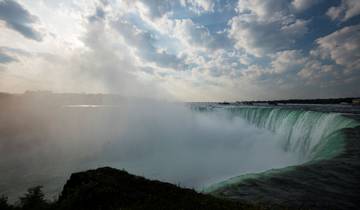
2 days
Niagara Falls and Outlet Shopping
- ✓ Comprehensive Niagara Falls tour
- ✓ Expert local guides included
- ✓ All accommodation arranged
- ✓ Transportation provided

5 days
Ultimate Niagara & East Coast Highlights – 5 days
- ✓ Comprehensive Niagara Falls tour
- ✓ Expert local guides included
- ✓ All accommodation arranged
- ✓ Transportation provided
7 days
Toronto, Niagara and Chicago (6 destinations)
- ✓ Comprehensive Niagara Falls tour
- ✓ Expert local guides included
- ✓ All accommodation arranged
- ✓ Transportation provided

6 days
Toronto to New York City and Nature Adventure – 6 days
- ✓ Comprehensive Niagara Falls tour
- ✓ Expert local guides included
- ✓ All accommodation arranged
- ✓ Transportation provided
Multi-day tour packages powered by TourRadar. Prices and availability subject to change.
Gorge and River Hidden Locations
Devil’s Hole State Park
Devil’s Hole State Park protects a dramatic section of the Niagara Gorge where vertical cliffs rise 300 feet above the river. The park’s main trail descends through old-growth forest via steep stone stairways and switchback paths to river level. This challenging route rewards hikers with intimate gorge floor experiences—standing beside rushing Class VI rapids with towering rock walls on both sides creates visceral sense of the river’s power invisible from above.
The park’s name derives from indigenous legends and colonial-era massacre site where French forces ambushed British supply wagons in 1763. Historical markers recount this violent encounter, adding cultural depth to natural beauty. Spring wildflowers carpet forest understory while fall colors transform the canopy. Winter ice formations on cliff faces create spectacular frozen waterfalls. The relative obscurity compared to main falls means encountering few other visitors even on summer weekends.
Bird enthusiasts find Devil’s Hole rewarding for raptor observations. The cliff faces host nesting birds of prey including peregrine falcons that hunt along the gorge. Spring and fall migration brings diverse species through the corridor. The mature forest provides habitat increasingly rare in the developed Niagara region. Photography opportunities include dramatic cliff perspectives, rushing water details, and seasonal landscape transformations.
Whirlpool State Park
The Niagara Whirlpool creates perpetual circular current where the river makes sharp turn in the gorge. Whirlpool State Park provides observation platforms overlooking this natural phenomenon from elevated positions on the gorge rim. The whirlpool spans 1,700 feet in diameter with depths exceeding 125 feet. Water volume and current speed create rotating motion visible from above as debris and foam collect in the center, spinning for hours.
The whirlpool formed approximately 4,200 years ago when the falls eroded backwards to intersect with an old riverbed, creating the abrupt bend that generates circular currents. Geological interpretation panels explain this formation process and the gorge’s continuing evolution. The observation areas offer unobstructed views without the dense crowds found at the main falls. Benches provide comfortable viewing for extended observation periods.
The adjacent Whirlpool Rapids present even more dramatic water power displays. Class V and VI rapids churn through narrow gorge sections, creating standing waves and powerful hydraulics. The Whirlpool Aero Car cable car suspended above the whirlpool provides alternative perspective, though the State Park viewpoints offer superior photography angles without admission fees. Sunset visits bathe the gorge in golden light while reducing visitor numbers further.
Niagara Glen Nature Reserve
Niagara Glen preserves pristine forest ecosystem at gorge bottom, accessible via challenging trails descending from the rim. This nature reserve protects ancient trees, rare plants, and geological features including massive boulders deposited during post-glacial rock falls. The microclimate at gorge bottom supports species uncommon in surrounding areas, making the glen botanical treasure.
Seven kilometers of trails wind through boulder fields, past rock crevices, and along river banks. Trail difficulty ranges from moderate to challenging with significant elevation changes and uneven terrain. The forest canopy creates cathedral-like atmosphere with filtered sunlight illuminating fern-covered forest floor. Spring ephemerals bloom before tree leafing, carpeting the forest floor with trilliums, bloodroot, and other wildflowers.
The glen’s isolation from main tourist areas preserves wilderness character increasingly rare near major attractions. Visitors encounter primarily serious hikers and nature enthusiasts rather than casual tourists. This creates opportunity for contemplative nature experiences—sitting beside the river surrounded by ancient forest, watching light filter through leaves, listening to water flowing over rocks—experiences impossible at the crowded main falls.
Queenston Heights Park
Queenston Heights Park combines natural beauty with historical significance, perched atop the Niagara Escarpment overlooking the river valley. Brock’s Monument, a 185-foot column honoring War of 1812 General Isaac Brock, dominates the landscape. Climbing the monument’s interior stairs rewards visitors with panoramic views across the escarpment, river valley, and into New York State. The expansive vista provides geographic context for understanding the Niagara region’s topography.
The park’s extensive grounds include formal gardens, natural areas, and walking paths. Flowering trees and shrubs create seasonal displays—cherry blossoms in spring, roses in summer, brilliant foliage in fall. The escarpment edge provides dramatic cliff views and opportunities to observe geological layers representing millions of years. Picnic areas attract local families while remaining largely unknown to international tourists focused on the falls.
Historical reenactments and interpretive programs occur seasonally, bringing War of 1812 history to life. The battle that killed General Brock occurred at this location, making the site historically significant beyond natural beauty. The combination of views, history, and landscaped grounds creates layered experience rewarding multiple visits across seasons. The peaceful atmosphere contrasts sharply with the commercial development around the main falls.
Wine Country and Agricultural Heritage
Niagara Bench Wineries
The Niagara Peninsula wine region extends along Lake Ontario’s southern shore, producing internationally acclaimed wines in intimate family-owned vineyards. The moderating influence of the lake creates microclimate suitable for cold-climate grape varieties and enables ice wine production. Dozens of small wineries offer tasting experiences far removed from mass tourism, allowing conversations with winemakers and exploration of vineyard landscapes.
Strewn Winery operates in a converted fruit packing facility, maintaining industrial heritage character while producing elegant wines. The rustic tasting room and vineyard views provide authentic agricultural experience. Trius Winery features sophisticated restaurant pairing locally-sourced cuisine with estate wines. Inniskillin, ice wine pioneer, offers educational tours explaining the specialized harvest and production techniques for this dessert wine style.
The wine route winds through agricultural landscape with vineyard rows marching across gentle slopes, interspersed with peach orchards and vegetable farms. Seasonal changes transform the scenery—spring bud break, summer green canopies, fall harvest activity, winter’s bare vines. Farm stands sell fresh produce directly from farmers. This agricultural character provides counterpoint to Niagara Falls tourism development, showing the region’s other economic and cultural dimensions.
Fruit Belt Farm Stands
The Niagara Fruit Belt produces exceptional peaches, cherries, apples, and berries, utilizing the lake-moderated climate and fertile soils. Family-run farm stands line rural roads, offering fresh-picked fruit at prices far below grocery stores. The direct farmer-to-consumer sales maintain agricultural traditions while providing visitors authentic local food experiences. Conversations with farm families reveal multi-generational agricultural heritage and deep knowledge of land cultivation.
U-pick operations invite visitors into fields to harvest their own fruit. The experience connects people directly to agricultural process—walking between rows, selecting ripe fruit, experiencing the physicality of harvest labor. Children especially benefit from understanding where food originates beyond supermarket displays. The seasonal nature of u-pick operations emphasizes agricultural rhythms—cherries in June, peaches in August, apples in September.
Niagara-on-the-Lake Village
Niagara-on-the-Lake, at the river’s Lake Ontario mouth, preserves 19th-century character with intact main street lined with heritage buildings housing boutique shops, restaurants, and theaters. The Shaw Festival, dedicated to George Bernard Shaw and contemporary playwrights, operates multiple theaters presenting professional productions from April through October. This cultural programming creates destination for theater enthusiasts separate from falls tourism.
The village’s compact walkable core enables leisurely exploration on foot or bicycle. Tree-lined residential streets feature immaculately maintained Victorian and Georgian houses. The riverfront promenade provides views across the river mouth to Fort Niagara on the American shore. Parks and green spaces maintain small-town atmosphere despite tourism appeal. The village feels worlds away from Niagara Falls’ neon-lit tourism strip despite being only 20 minutes distant.
Historical and Cultural Hidden Gems
Old Fort Erie
Old Fort Erie, at the Niagara River’s Lake Erie outlet, served as strategic military position through multiple conflicts. The reconstructed fortification presents War of 1812 history through costumed interpreters, military demonstrations, and preserved structures. The fort’s location offers spectacular views across the river to Buffalo’s waterfront, framing American shoreline in foreground of massive grain elevators and urban skyline.
Living history programs demonstrate military life including musket firing, artillery operation, and period craft activities. Visitors explore officers’ quarters, soldiers’ barracks, and defensive positions while learning about siege warfare that damaged the original fort. The interpretation balances military history with civilian experiences of frontier life. Special events including re-enactments and historical encampments occur throughout summer months.
The fort’s grounds include nature trails along riverfront and through adjacent woodlands. Bird watching opportunities abound with diverse species utilizing the river corridor. Picnic areas provide scenic lunch spots with water views. The combination of history, nature, and river vistas creates multifaceted attraction receiving fraction of the visitor numbers compared to the falls, despite offering equally rich experiences.
Lewiston Art District
Lewiston, a village north of Niagara Falls on the American side, developed vibrant arts community attracting galleries, studios, and performance venues. Center Street’s historic district contains art galleries showcasing regional artists, craft studios selling handmade goods, and restaurants emphasizing local ingredients. The walkable village maintains residential character while supporting arts economy.
Artpark State Park combines outdoor performance venue with sculpture installations and hiking trails. Summer concerts and theater productions occur in the amphitheater overlooking the Niagara Gorge. The park’s terraced design incorporates art into landscape with changing sculpture exhibitions throughout the grounds. This synthesis of culture and nature creates unique venue found in few other locations.
Laura Secord Homestead
Laura Secord’s former home in Queenston commemorates the woman who walked 20 miles through American-controlled territory to warn British forces of pending attack during the War of 1812. The preserved house contains period furnishings and interpretive displays explaining her courageous journey and the broader war context. Costumed guides present first-person narratives bringing history to life.
The homestead’s chocolate shop connection (Laura Secord chocolate company named in her honor) creates unexpected combination of historical site and confectionery sales. Gardens surrounding the house feature period-appropriate plantings. The Queenston location places the homestead near other historical sites including Brock’s Monument, enabling efficient historical tourism circuit. The relatively modest attraction receives dedicated history enthusiasts rather than general tourists.
Natural Science and Educational Attractions
Power Vista Educational Center
The New York Power Authority’s Niagara Power Vista provides comprehensive exhibits explaining hydroelectric generation and the engineering achievements that harness falls’ power. Interactive displays demonstrate turbine mechanics, water diversion systems, and electrical distribution networks. Observation decks overlook the Robert Moses Power Plant and provide views of water intake structures. Admission remains free, making this exceptional educational resource accessible to all.
The center’s positioning adjacent to the power plant enables viewing actual infrastructure rather than merely reading about it. The massive scale becomes apparent—turbines generating megawatts, water tunnels carrying river volumes, transmission lines distributing electricity across regions. This direct observation reinforces educational content, helping visitors grasp the magnitude of energy production. The exhibits balance technical information with accessible explanations suitable for diverse knowledge levels.
Aquarium of Niagara
The Aquarium of Niagara focuses on Great Lakes aquatic ecosystems and marine conservation. Exhibits featuring native fish species, sea lions, penguins, and sharks provide educational programming emphasizing environmental stewardship. The modest facility cannot compete with major metropolitan aquariums in scale but offers intimate animal encounters and strong conservation messaging.
Educational programs target school groups and families, teaching about watershed health, invasive species threats, and habitat preservation. The aquarium’s location near the river creates thematic coherence—learning about aquatic life while located beside one of North America’s great rivers. Daily shows including sea lion demonstrations and feeding sessions provide entertainment alongside education. The aquarium represents local institution serving regional community rather than international tourist draw.
Niagara Falls Underground Railroad Heritage Center
This heritage center documents Niagara Falls’ crucial role as Underground Railroad terminus where freedom seekers crossed into Canada. Interpretive exhibits, artifacts, and first-person narratives recount individual stories of escape, the network of safe houses and conductors, and the profound significance of crossing the river into free territory. The emotional power of these histories provides essential context for understanding American and Canadian experiences.
The center’s location near actual crossing sites where people reached freedom adds geographical significance to historical narratives. Walking tours visit relevant locations including churches that sheltered freedom seekers, river crossing points, and Canadian settlement areas where formerly enslaved people built new lives. This place-based history creates powerful connection between past events and present landscapes.
Seasonal Hidden Gems
Winter Ice Bridge and Formations
Winter transforms the falls region with ice formations that create temporary spectacular features. Ice bridges occasionally form at the falls’ base when frigid temperatures freeze river surface. While walking on ice bridges is now prohibited following deadly collapses, viewing these formations from observation platforms presents remarkable natural phenomena. Massive ice mountains build from freezing mist, creating fantastic sculptures that gleam in winter sunlight.
The reduced tourist numbers during winter months enable peaceful viewing experiences impossible during summer peak. The bare trees and snow coverage create stark landscape emphasizing the falls’ power. Frozen vegetation encased in ice sparkles along pathways. The challenge of winter weather keeps casual tourists away, leaving serious nature enthusiasts to appreciate winter’s unique beauty. Warm clothing and ice cleats for walking enable comfortable winter exploration.
Spring Migration Bird Watching
The Niagara River corridor serves as major bird migration route with tremendous species diversity passing through spring and fall. The river provides navigation landmark for traveling birds while adjacent woodlands and wetlands offer feeding and resting habitat. Serious birders record over 300 species annually in the Niagara region. Spring migration from late March through May brings warblers, waterfowl, raptors, and shorebirds in waves.
Specific locations attract concentrations including the Niagara River Bar where river meets Lake Ontario. This mixing of water creates upwellings bringing nutrients and fish to surface, attracting gulls, terns, and diving ducks. The gorge cliffs host nesting raptors including peregrine falcons. Woodlots throughout the region function as migrant traps where tired birds rest and feed. The seasonal nature means many visitors miss this wildlife spectacle that rivals any Niagara attraction for natural drama.
Fall Foliage Viewing
Autumn transforms the region with spectacular fall colors. The mixed forests containing maple, oak, ash, and other deciduous species create vibrant displays. Peak foliage occurs mid-to-late October when hillsides blaze with reds, oranges, and yellows. The Niagara Parkway drive from Fort Erie to Niagara-on-the-Lake provides continuously scenic route through peak colors. Less-traveled rural roads offer equally beautiful displays without traffic.
The gorge views gain additional dimension when fall colors frame the rushing water and rock walls. Photography opportunities expand as seasonal colors provide natural framing elements and compositional interest beyond the water itself. The cooler temperatures and reduced summer crowds make fall ideal season for hiking gorge trails and exploring natural areas. Harvest season farmers markets add agricultural dimension to fall visits with fresh apples, pumpkins, and late-season produce.
Off-the-Beaten-Path Viewpoints
Dufferin Islands Nature Area
Dufferin Islands, minutes south of Horseshoe Falls, provides peaceful natural retreat largely bypassed by tourists focused on the main attraction. Connected walkways wind through wooded islands, across bridges, and along waterways. The area functions as intimate park with benches for resting, paths for strolling, and water features creating tranquil soundscapes. During winter, elaborate light displays transform the area into illuminated winter wonderland for the Festival of Lights.
Wildlife thrives in this protected area despite proximity to heavy development. Ducks and geese populate the ponds. Songbirds nest in mature trees. Turtles sun on logs. The nature area demonstrates how preserved green space maintains ecological function within urban context. Photography opportunities include intimate landscape compositions, wildlife portraits, and seasonal nature studies. The area receives primarily local visitors seeking respite from urban intensity.
Rainbow Bridge Pedestrian Walkway
Walking across Rainbow Bridge provides unique binational experience and perspective on the falls from mid-river position. The pedestrian walkway runs alongside vehicle traffic, enabling international border crossing on foot. From bridge midpoint, views encompass both American and Canadian falls with observation towers and tourism development visible on both sides. The elevation provides overview perspective impossible from ground level.
The experience of walking between nations creates memorable moment beyond typical border crossings via vehicle. Observation platforms at bridge midpoint enable photographs from unique position. The walk takes approximately 15-20 minutes at leisurely pace. Crossing requires valid identification documents but enables experiencing both sides without vehicle hassles. The bridge itself represents engineering achievement and international cooperation, themes worth contemplating alongside natural spectacle.
Three Sisters Islands
Three Sisters Islands, accessible from Goat Island on the American side, extend into the upper Niagara River above the falls. Bridges connect these small islands, creating walking circuit through natural areas with river rushing around them. The positioning provides intimate contact with moving water—standing on island edges with river flowing past on all sides creates visceral awareness of water volume and velocity heading toward the precipice.
The islands maintain natural character with minimal development. Trails wind through woodlands where fallen trees and understory vegetation create wildlife habitat. The relative obscurity compared to main viewing areas means encountering solitude rare at Niagara Falls. Photographers discover numerous composition opportunities with water, trees, and distant falls visible. The islands represent hidden gem despite location within main falls complex, overlooked by tourists focused on viewpoint platforms.
Local Favorite Restaurants and Cafes
Queenston Quarry Dining
The Niagara region’s local dining scene operates largely separate from tourist-oriented restaurants. Village restaurants in Lewiston, Queenston, and Niagara-on-the-Lake cater primarily to residents, offering authentic cuisine without tourist-trap pricing or quality compromises. These establishments emphasize regional ingredients, seasonal menus, and hospitality born from serving repeat local customers rather than one-time tourists.
Farm-to-table restaurants showcase Niagara’s agricultural bounty with menus featuring local wines, fresh produce, and Ontario-raised meats. Chef-owned establishments bring culinary creativity without pretension. Family-run Italian, Greek, and Eastern European restaurants maintain multi-generational recipes and hospitality traditions. The diverse ethnic dining reflects immigration history, providing culinary tourism opportunities distinct from natural attractions.
Coffee Culture
Independent coffee shops provide gathering spaces for locals and welcoming rest stops for informed visitors. These cafes feature locally-roasted beans, homemade baked goods, and atmosphere encouraging lingering. The contrast with chain coffee outlets found in tourist zones is pronounced—personal service, community bulletin boards announcing local events, regular customers greeted by name. These spaces reveal community life beyond tourism economy.
Practical Tips for Discovering Hidden Gems
Transportation Considerations
Many hidden gems require personal vehicle for access. The gorge trail system has multiple access points spread along several miles. Wine country exploration demands driving between vineyards. Public transportation serves main tourist areas but not dispersed attractions. Rental car or personal vehicle enables flexible itinerary including lesser-known sites. Bicycle rental provides alternative for Niagara Parkway route on Canadian side, though distances prove substantial for casual cyclists.
Timing Strategies
Visit hidden gems early morning or late afternoon when main attractions experience peak crowds. Many sites close earlier than main tourist venues—verify operating hours to avoid wasted trips. Weekday visits to popular local spots reduce competition with weekend warrior visitors. Shoulder seasons (May and September) provide optimal combination of favorable weather and reduced crowds. Winter visits to any location guarantee solitude but require cold weather tolerance.
Information Sources
Local visitor centers provide maps and brochures covering broader region beyond main falls. Staff frequently offer insights into current conditions and lesser-known sites. Regional tourism websites include comprehensive attraction listings beyond major venues. Hiking guidebooks detail trail systems with difficulty ratings and access information. Local newspapers list community events and seasonal programming. Social media groups focused on Niagara outdoor recreation share current conditions and discoveries.
FAQ Section
Are the hidden gems suitable for families with young children?
Many hidden gems welcome families with appropriate selection. Dufferin Islands offers easy walking suitable for all ages. Power Vista provides educational entertainment appealing to curious minds. Winery visits work when facilities include outdoor spaces for children to explore safely. However, gorge trails with significant elevation changes and exposed edges may not suit young children or families uncomfortable with challenging terrain. Research specific sites to match family capabilities and interests.
Do hidden gems require admission fees?
Admission requirements vary widely. State and provincial parks charge vehicle entry fees ranging from free to $10-15. Old Fort Erie and other historical sites require admission. Wineries generally offer free tasting room access with purchases expected but not mandatory. Power Vista provides free admission. Many natural areas and viewpoints remain completely free. The diversity of experiences includes options for various budgets.
Can I visit multiple hidden gems in one day?
Strategic planning enables visiting several locations in single day. The gorge trail system includes multiple access points allowing abbreviated hikes at several locations. Wine country wineries cluster along specific routes enabling multiple stops. Historical sites near Queenston (Brock’s Monument, Laura Secord Homestead, Queenston Heights Park) sit within small area. However, rushing between locations defeats the purpose—hidden gems reward leisurely exploration and contemplation rather than checklist tourism.
Are these locations accessible during winter?
Winter access varies by location. State and provincial parks remain open year-round though facilities may close. Trail conditions become challenging with ice and snow—traction devices like Yaktrax enable winter hiking. Many wineries reduce hours or close January-March. Historical sites often operate reduced schedules or close entirely. Winter offers unique experiences including ice formations and solitude but requires additional preparation and flexibility.
How do I find truly local restaurants away from tourist areas?
Research restaurant reviews on platforms focusing on local rather than tourist audiences. Ask accommodation hosts for recommendations with specific request for local favorites rather than tourist restaurants. Drive through residential neighborhoods identifying restaurants where parking lots contain primarily local license plates. Seek recommendations from staff at hidden gem attractions—they typically live locally and know authentic dining. Avoid any restaurant with aggressive street marketing or multilingual signs displaying flags.
What is the best season for exploring hidden gems?
Fall (September-October) offers optimal conditions with pleasant weather, spectacular foliage, reduced crowds, and full access to all attractions. Spring (May-June) provides excellent conditions with blooming landscapes though weather can be variable. Summer offers longest daylight hours and warmest temperatures but brings crowds to previously quiet locations. Winter provides ultimate solitude but challenges with weather and limited operating hours. Personal preferences and tolerance for weather conditions determine ideal season.
Are the hiking trails difficult?
Niagara gorge trails range from easy riverside paths to strenuous climbs involving hundreds of feet of elevation change. Devil’s Hole and Whirlpool Rapids trails include challenging sections with steep stairs, uneven terrain, and sustained climbs. However, alternatives exist for all fitness levels. Niagara River Recreation Trail provides flat, paved routes. Queenston Heights Park offers easy walking on groomed paths. Research specific trail descriptions matching personal capabilities to appropriate routes.
Can I photograph at all hidden gem locations?
Photography is permitted at nearly all locations with standard exceptions. Some wineries request permission before extensive photography of operations. Military re-enactors at historical sites typically welcome photography with courtesy request. Tripods may require permission at some locations. Commercial photography often requires permits and fees distinct from personal photography. Drone usage faces significant restrictions throughout the Niagara region due to airspace regulations.
How much time should I allocate for visiting hidden gems?
Time requirements vary dramatically. Quick viewpoint stops require 30 minutes. Moderate hikes need 1-2 hours. Thorough exploration of places like Old Fort Erie or extensive wine country visits demand half-day allocations. A dedicated hidden gems itinerary could fill 3-4 days with leisurely exploration. The depth of experience increases with time invested—rushing between locations captures surface experiences while extended visits enable genuine appreciation and understanding.
Are these locations wheelchair accessible?
Accessibility varies significantly. Paved trails and observation areas generally accommodate wheelchairs and mobility devices. Dufferin Islands paths, sections of Niagara River Recreation Trail, and Power Vista offer excellent accessibility. Historical sites like Old Fort Erie provide partial accessibility to main areas though some sections remain inaccessible due to historic construction. Gorge trails with stairs and uneven terrain present significant barriers. Wine country accessibility varies by facility—many newer tasting rooms meet accessibility standards while historic buildings may have limitations. Research specific locations before visiting.