Niagara Falls Canadian Side Guide 2026: Best Attractions & Experiences
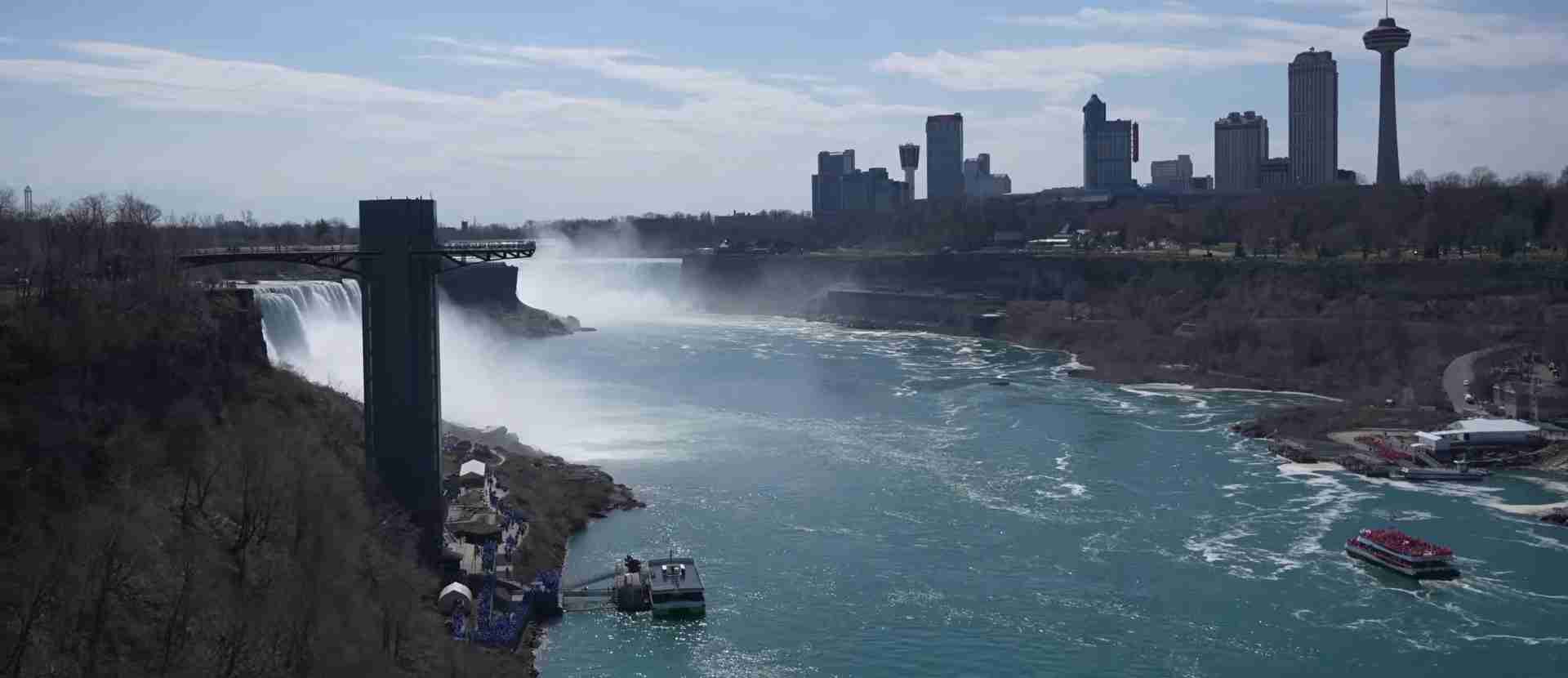
The Canadian side of Niagara Falls delivers the most dramatic waterfall views in North America, positioning visitors directly across from the thundering Horseshoe Falls where 2,800 cubic meters of water crashes down every second. The Niagara Parkway creates a continuous public viewing corridor along the falls and Niagara River, connecting world-class attractions from boat tours plunging into the mist to observation decks 775 feet above the gorge. This comprehensive 2026 guide covers the essential attractions, optimal visiting strategies, and practical planning information for experiencing the Canadian side’s unmatched access to one of the world’s most powerful natural wonders.
Key Takeaways for Niagara Falls Canadian Side 2026
- Superior Falls Viewing: The Canadian side faces directly toward the massive Horseshoe Falls, delivering head-on views impossible from the American side. Queen Victoria Park provides free panoramic access along the entire fallsline, with observation platforms extending to within meters of the brink.
- Attraction Pricing 2026: Major attractions cost $28-43 per adult, with the Wonder Pass bundling six attractions plus transportation for $129. Niagara City Cruises boat tours cost $43 for adults in 2026, check niagaraparks.com for current official rates as pricing may vary, while Journey Behind the Falls charges $28 and Skylon Tower observation deck $18.
- Seasonal Operations: Peak season runs May through October when boat tours operate and all attractions maintain extended hours. Winter visits offer smaller crowds and illuminated falls viewing but miss the essential boat cruise experience, replaced by indoor attractions November through April.
- Strategic Visit Timing 2026: Weekday mornings before 10 AM and late afternoons after 5 PM minimize crowds at major attractions. The nightly illumination transforms the falls after dusk year-round, with fireworks displays at 10 PM nightly from Victoria Day weekend through Canadian Thanksgiving weekend.
- Transportation & Parking: The WEGO bus system connects all major attractions and hotels along two routes converging at Table Rock Welcome Centre. Parking costs $36 per day at Niagara Parks lots, with limited street parking available in surrounding neighborhoods at lower rates.
- Optimal Itinerary Structure: Begin with the boat cruise when crowds are lightest, continue to Journey Behind the Falls while at Table Rock, explore attractions along the Parkway via WEGO bus, and return for evening illumination viewing. This flow maximizes efficiency while avoiding backtracking between distant attractions.
People Also Ask About Niagara Falls Canadian Side 2026
What are the must-do attractions on the Canadian side of Niagara Falls in 2026?
The three essential Canadian side attractions create a complete waterfall experience from different perspectives. Niagara City Cruises boat tours bring visitors within 50 meters of the Horseshoe Falls base, delivering the most visceral encounter with the falls’ power as 2,800 cubic meters per second cascade overhead. The 20-minute cruise costs $43 for adults in 2026 and operates May through November with departures every 15-30 minutes during peak season. Journey Behind the Falls provides the opposite perspective, descending 125 feet through bedrock to tunnels and observation decks directly behind the falling water where mist envelops visitors and vibrations from millions of tons of water reverberate through the rock. This costs $28 for adults and requires 45-60 minutes. Skylon Tower observation deck completes the trilogy with aerial views 775 feet above the gorge, revealing the entire waterfall complex, Niagara River, and surrounding landscape in a single panorama for $18 adults. These three attractions deliver complementary perspectives unavailable on the American side.
How much does it cost to visit Niagara Falls Canadian attractions in 2026?
Individual attraction prices range from $18 to $43 per adult, totaling approximately $90 for the three essential experiences. The Niagara Parks Wonder Pass bundles six major attractions plus three days of WEGO transportation for $129, saving approximately $50 versus individual tickets for visitors planning multiple attractions. This pass includes Journey Behind the Falls, Niagara Takes Flight flying theater, Niagara Parks Power Station with tunnel tour, Butterfly Conservatory, unlimited Falls Incline Railway access, and WEGO bus transportation valid for three consecutive days. Smaller Adventure Pass options start at $69 for three attractions plus two days WEGO access. The boat cruise requires separate purchase at $43 adults regardless of which pass you hold. Queen Victoria Park along the fallsline costs nothing, providing world-class views without admission fees. Budget-conscious visitors can experience the Canadian side’s signature views spending only the boat cruise fee plus parking.
What is the best time to visit Niagara Falls Canadian side in 2026?
Late May through early June and September through mid-October deliver optimal conditions combining pleasant weather, full attraction operations, and reduced crowds compared to peak summer. These shoulder periods maintain warm temperatures suitable for outdoor exploration, boat tours operate on regular schedules, and major attractions remain open with extended hours while avoiding July-August crowds that create 60-90 minute wait times at popular attractions. September specifically offers comfortable temperatures, vibrant autumn foliage in surrounding parks, and the advantage of families returning to school reducing visitor volume. Winter visits from November through April eliminate the boat cruise and significantly reduce the experiential impact despite beautiful ice formations on the falls themselves. Spring thaw in April and early May creates maximum water flow but unpredictable weather. Summer weekends and holidays draw the largest crowds but guarantee full operations and evening fireworks displays every night through the season. Weekday visits any season reduce crowds by 30-40 percent compared to weekends.
How long should I plan to spend on the Canadian side of Niagara Falls in 2026?
A comprehensive Canadian side visit requires 6-8 hours covering the boat cruise, Journey Behind the Falls, several Parkway attractions, and evening illumination viewing. Begin around 9 AM to experience the boat cruise before major crowds, allowing 90 minutes for queuing, the cruise itself, and post-cruise exploration at Table Rock. Journey Behind the Falls requires 60 minutes including tunnel exploration and observation deck time. White Water Walk, Whirlpool Aero Car, and Butterfly Conservatory each add 45-60 minutes, typically visited via WEGO bus in the afternoon. Skylon Tower observation deck adds 45 minutes for elevator rides and panoramic viewing. Dinner at a fallsview restaurant occupies 90-120 minutes, positioning you for the nightly illumination beginning at dusk and fireworks at 10 PM during summer season. This full-day itinerary captures the essential Canadian side experiences while maintaining reasonable pacing. Visitors with limited time should prioritize the boat cruise plus one additional attraction, requiring 3-4 hours minimum. Multi-day visitors can add Niagara-on-the-Lake wine country excursions, Niagara Parks Power Station tours, and explore Clifton Hill entertainment district without rushing the primary waterfall attractions.
Extended multi-day tours – 5+ days
Featured Niagara Falls Multi-Day Tour Packages
2 days
Niagara Falls and Outlet Shopping
- ✓ Comprehensive Niagara Falls tour
- ✓ Expert local guides included
- ✓ All accommodation arranged
- ✓ Transportation provided

5 days
Ultimate Niagara & East Coast Highlights – 5 days
- ✓ Comprehensive Niagara Falls tour
- ✓ Expert local guides included
- ✓ All accommodation arranged
- ✓ Transportation provided
7 days
Toronto, Niagara and Chicago (6 destinations)
- ✓ Comprehensive Niagara Falls tour
- ✓ Expert local guides included
- ✓ All accommodation arranged
- ✓ Transportation provided

6 days
Toronto to New York City and Nature Adventure – 6 days
- ✓ Comprehensive Niagara Falls tour
- ✓ Expert local guides included
- ✓ All accommodation arranged
- ✓ Transportation provided
Multi-day tour packages powered by TourRadar. Prices and availability subject to change.
Introduction to Niagara Falls Canadian Side Experiences 2026
The Canadian side of Niagara Falls dominates waterfall tourism through superior geography, extensive public parkland, and purpose-built attractions leveraging proximity to the 167-foot-tall Horseshoe Falls. While the American side offers significant appeal, the fundamental difference lies in orientation: the Canadian vantage points face directly toward the falls rather than alongside them, creating the iconic postcard perspectives that define Niagara Falls imagery. This positioning stems from the falls’ northward-facing curve, which directs the visual drama toward Canadian territory while the American shore experiences primarily edge-on views.
Niagara Parks Commission manages 56 kilometers of continuous parkland along the Niagara River from Lake Ontario to Lake Erie, including Queen Victoria Park which frames the horseshoe with manicured gardens, viewing platforms, and pedestrian promenades connecting attractions in a seamless public corridor. This contrasts sharply with the more fragmented American development pattern, where private properties interrupt public access between viewing areas. The Canadian infrastructure advantage extends to attraction quality and diversity, with the Niagara City Cruises boat tours approaching closer to the falls than their American counterparts, Journey Behind the Falls accessing tunnels unavailable on the American side, and multiple observation towers providing aerial perspectives of the entire waterfall complex.
Planning a Canadian side visit in 2026 requires understanding seasonal operations, strategic timing for crowd avoidance, and efficient attraction sequencing to maximize the limited hours available at most attractions. The boat cruise operates May through November only, making winter visits fundamentally incomplete despite beautiful ice formations. Summer weekends see exponentially larger crowds than weekday visits, with wait times exceeding 90 minutes at major attractions during July-August peak periods. The WEGO transportation system simplifies logistics but requires understanding two separate routes that converge at Table Rock Welcome Centre, the primary visitor hub at the brink of Horseshoe Falls.
The Canadian experience divides into several distinct zones. Table Rock area concentrates the highest visitor density with Journey Behind the Falls, boat cruise departure, and immediate fallsline access in a compact walkable area. Queen Victoria Park extends southward along the falls and upper rapids, providing landscaped gardens and continuous public viewing without attractions. The Parkway corridor north toward Queenston spreads additional attractions across several kilometers including White Water Walk, Whirlpool Aero Car, Butterfly Conservatory, and Botanical Gardens, requiring WEGO bus or vehicle to reach. Clifton Hill entertainment district rises from the fallsline toward Fallsview Casino Resort area, concentrating hotels, restaurants, and commercial attractions in a dense tourist zone distinct from the natural parkland character of the waterfront.
This guide organizes information around practical visitor needs rather than alphabetical listings, beginning with essential attractions requiring advance planning and timing considerations, progressing through optional experiences that add depth to a visit, then covering practical logistics including transportation, dining, accommodation, and seasonal variations affecting operations and experience quality. The goal remains helping visitors maximize their limited time while avoiding common mistakes that diminish the Canadian side’s exceptional access to one of Earth’s most powerful waterfalls.
Niagara City Cruises Boat Tours 2026
Niagara City Cruises operates Canada’s only boat tours to the base of Niagara Falls, providing the most dramatic close-encounter attraction on either side of the border. The company assumed operations in 2014 after Maid of the Mist relocated exclusively to American side operations, introducing larger 700-passenger catamarans and distinctive red ponchos that replaced the previous operation’s blue rain gear. The 20-minute Voyage to the Falls tour departs from the base of Clifton Hill in Queen Victoria Park, navigating past American Falls and Bridal Veil Falls before positioning directly in front of Horseshoe Falls where the boat approaches within approximately 50 meters of the cascade’s base.
The boat tour operates May through November with exact dates varying by weather conditions and ice formation in the Niagara River. Peak season operations from June through August include departures every 15-30 minutes from 9 AM until after sunset, with extended hours accommodating the Falls Fireworks Cruise that replaces daytime tours for evening viewing of the illuminated falls and fireworks displays. Spring and autumn schedules reduce frequency with 30-45 minute intervals between departures and earlier closing times. Winter months suspend all boat operations as ice makes navigation impossible, with no substitute experience providing equivalent falls proximity.
Adult tickets cost $43 in 2026, with children ages 3-12 charged $28 and children under 3 admitted free. Tickets can be purchased online through niagaraparks.com or at the ticket plaza adjacent to the boarding area, though online purchase provides no actual time-slot reservation despite offering timed ticketing. All departures operate first-come-first-served regardless of ticket type, meaning online purchasers still join the same queue as walk-up customers. The advantage of advance purchase lies primarily in skipping the ticket purchase line rather than boarding priority.
Queue times vary dramatically by day and time. Summer weekends regularly produce 60-90 minute waits from queue entry to boarding, while weekday mornings before 10 AM typically require only 15-30 minutes. The longest waits occur 11 AM-3 PM on weekends and holidays when day-trip visitors from Toronto converge with American side tourists crossing the Rainbow Bridge. Late afternoon arrivals after 5 PM see substantially reduced crowds as tour groups depart and day-trippers begin returning home. The queue moves continuously as boats arrive and depart every 15-30 minutes, preventing the perception of stagnation common at attractions with longer boarding intervals.
The boarding process begins with elevator or ramp descent to the lower dock area where passengers queue by sections. Crew members distribute complimentary red ponchos before boarding, though these provide upper body coverage only with legs and feet exposed to significant spray. The ponchos are recyclable and collected after the tour for reprocessing. Passengers may keep them as souvenirs if preferred. Waterproof clothing underneath the poncho protects electronics and valuables better than poncho alone, particularly during close approaches to Horseshoe Falls where spray becomes intense. Camera equipment requires waterproof housing or protection, as standard devices suffer damage from sustained exposure to heavy mist.
The catamaran design provides multiple viewing levels including enclosed lower decks with windows and open upper decks exposed to elements. Most passengers choose upper deck positioning for unobstructed views and full immersion in the experience, accepting thorough soaking as integral to the encounter. The boat proceeds slowly past American Falls on the right side, providing close views of the 180-foot-wide Bridal Veil Falls separated from the main American Falls by Luna Island. Commentary explains geological formation, historical daredevil attempts, and engineering controlling water flow through the falls.
The climax occurs as the boat positions in front of Horseshoe Falls approximately 50 meters from the base where 90 percent of Niagara’s total water volume plunges 167 feet into the river. The roar becomes overwhelming, spray obscures vision, and the sheer power of millions of gallons per minute creates visceral impact impossible to convey through description or video. The boat maintains this position for several minutes allowing passengers to photograph and absorb the experience before turning back toward the dock. Total cruise duration runs 20 minutes including approach, positioning, and return.
The Falls Fireworks Cruise operates during summer season at 9:30 PM, providing 40-minute tours emphasizing illumination viewing and fireworks displays that occur nightly at 10 PM from Victoria Day weekend through Canadian Thanksgiving. This evening cruise approaches less closely to the falls themselves but positions for optimal fireworks viewing over the water. The experience differs significantly from daytime tours, with illumination creating dramatic color changes across the falls’ face and fireworks providing spectacle unavailable during day tours. Evening tours cost identical pricing to daytime departures but require separate tickets as capacity remains limited compared to continuous daytime operations.
Photography proves challenging during the boat tour due to constant motion, spray, and bright backlighting when facing the falls. Wide-angle lenses capture the falls’ full width while telephoto lenses frame specific sections with greater detail. Waterproof or weather-sealed cameras withstand conditions better than standard equipment, with lens cloths essential for wiping spray between shots. Video performs well for capturing the overall experience including boat movement and passenger reactions, though audio quality suffers from overwhelming water roar. Smartphone cameras produce acceptable results if protected from direct spray, with waterproof cases recommended for peace of mind.
Accessibility accommodations include wheelchair-accessible boarding via elevator to the dock level, designated boarding areas for mobility-impaired passengers, and enclosed lower deck viewing areas protecting from weather. Service animals are permitted on board with advance notice. The boats feature accessible restrooms on lower decks. Passengers with mobility limitations should inform crew members during boarding for positioning assistance and safety considerations.
Weather impacts the boat tour experience significantly. Rain adds minimal additional moisture beyond the falls spray itself, with ponchos protecting adequately. Wind creates more challenging conditions particularly on upper decks where strong gusts combine with spray to create uncomfortable cold even in summer. Fog reduces visibility but adds atmospheric drama to the experience. Lightning or severe weather suspends operations until conditions improve, with ticket refunds or rebooking offered for weather cancellations. Temperature matters less than wind and spray combination, with autumn tours in comfortable air temperatures producing surprising chill from sustained spray exposure.
Journey Behind the Falls Experience 2026
Journey Behind the Falls descends 125 feet through bedrock to tunnels extending 46 meters behind Horseshoe Falls, providing the inverse perspective to the boat tour by positioning visitors behind the falling water curtain. The attraction entrance occupies the first floor of Table Rock Welcome Centre directly at the brink of Horseshoe Falls, offering convenient access after the boat cruise or before continuing to other Parkway attractions. The experience combines tunnel exploration with observation deck positioning at the falls’ base, requiring 45-60 minutes for complete exploration without rushing.
Admission costs $28 for adults and $19 for children ages 3-12 in 2026, with children under 3 admitted free. The attraction operates year-round with daily hours extending from 9 AM to 5 PM during winter and 8:30 AM to 6 PM or later during summer peak season. Online tickets provide timed entry windows rather than specific time slots, allowing arrival anytime within the selected one-hour period. Anytime tickets remain available for visitors preferring flexible timing without reservation commitments. Purchase at Table Rock Welcome Centre ticket windows incurs no online convenience fees but requires waiting during busy periods.
The experience begins with elevator descent through bedrock, arriving at tunnel level where historical exhibits explain the attraction’s 1832 origins as the “Sheet of Falling Water” attraction and subsequent evolution through multiple tunnel configurations. The current tunnels date to 1944 when concrete reinforcement replaced unstable earthen passages, with electric lighting and improved ventilation transforming visitor safety and comfort. The exhibits occupy a refreshed queuing area featuring timeline displays from falls formation through Indigenous inhabitants to modern tourism development.
Two parallel tunnels extend behind the falls, measuring approximately 7 feet tall and 8 feet wide with concrete walls and lighting guiding visitors toward the viewing portals. The tunnels maintain cool temperatures year-round, typically 10-15 degrees Celsius regardless of surface conditions, with humidity approaching 100 percent from constant water vapor. The atmosphere feels cave-like despite artificial construction, with vibrations from the falling water permeating the bedrock and creating physical sensation of the falls’ power before visual contact.
Three viewing portals cut directly through the rock face open behind the falling water curtain. The portals measure several feet wide and tall, providing framed views through the water as it plunges past at 65 kilometers per hour. The vision phenomenon proves otherworldly, with water appearing as translucent green curtain moving at impossible speed while mist obscures detail beyond a few meters. The roar becomes overwhelming, requiring raised voices for conversation. The portals allow extended viewing though heavy mist penetrates the openings, coating everything within several feet. Waterproof protection for electronics and valuables proves essential.
The upper observation deck extends from the tunnel level at the foot of the falls, positioned at approximately the same height as the boat cruise’s closest approach but from shore rather than water. This outdoor platform delivers direct exposure to falls spray, with mist so thick that visibility reduces to 10-20 meters during high-flow periods. Complimentary recyclable ponchos protect visitors though saturation remains inevitable on exposed areas. The observation deck provides unobstructed views upward toward the falling water and across toward the boat cruise vessels approaching the falls base, creating perspective on scale impossible to gauge from the boat itself.
A lower observation deck descended from the upper level positions even closer to the water surface, though accessibility and exposure vary by water level and season. During peak flow periods or high river levels, this lower deck may close for safety, with the upper deck providing sole access. The lower position delivers more intimate encounter with the water’s power but eliminates the upward perspective available from the higher deck. Most visitors spend 10-15 minutes on the observation decks photographing and absorbing the sensory experience before returning to the tunnel system.
Photography in the tunnels succeeds with minimal equipment requirements, as stable footing and controlled lighting allow handheld shooting. The viewing portals present more challenge due to constant water movement, spray, and extreme brightness differences between tunnel interior and exterior. Video captures the experience effectively, particularly for documenting the overwhelming sound impossible to convey through still images. The observation decks require weather-resistant equipment, as spray quickly coats lenses and camera bodies with moisture. Lens cloths see constant use wiping condensation between shots.
The tunnel temperature and humidity prove uncomfortable for visitors dressed for summer weather above ground. Light jackets or sweaters provide appreciated warmth in the 10-15 degree Celsius environment, with the provided ponchos offering minimal insulation. The observation decks add wind chill to the equation, particularly during autumn and spring when air temperatures drop below comfortable levels. Winter visits find the tunnel system warmer than surface conditions, with heavy ice formations on the falls creating dramatic visual backdrop though reducing water flow through conservation requirements.
Accessibility features include elevator access eliminating stairs, smooth tunnel surfaces suitable for wheelchairs and mobility aids, and viewing portals at heights accessible from seated positions. The upper observation deck provides wheelchair access via ramp, though the lower deck involves stairs limiting access for some visitors. Crowds in the tunnels remain manageable except during peak summer weekends when queuing extends through the tunnel system itself, creating congestion in the relatively confined spaces.
Observation Towers and Aerial Views 2026
Multiple observation towers along the Canadian side provide aerial perspectives impossible to achieve from ground level, with Skylon Tower dominating both height and visitor volume. These elevated vantage points reveal the waterfall complex’s geographical context, demonstrating how the Horseshoe Falls, American Falls, and Bridal Veil Falls relate to the Niagara River gorge, surrounding parkland, and urban development extending toward Toronto and Buffalo skylines visible on clear days.
Skylon Tower rises 520 feet from its base, reaching 775 feet above the Niagara Gorge to deliver the region’s most comprehensive aerial views. The tower’s location approximately 800 meters from Horseshoe Falls positions guests for optimal angle capturing all three waterfalls, the river’s curve through the gorge, and Rainbow Bridge connecting Canada and United States. The distinctive exterior yellow elevators called “Yellow Bugs” ascend the tower’s exterior in 52 seconds, providing dramatic views during the rapid climb and descent.
Observation deck admission costs $18 for adults ages 13 and older, $9 for children ages 4-12, with children under 4 admitted free in 2026. The ticket includes access to both indoor and outdoor observation decks offering 360-degree panoramic viewing. The indoor deck provides climate-controlled environment with large windows, interpretive displays identifying visible landmarks, and gift shop selling souvenirs and refreshments. The outdoor deck wraps completely around the tower perimeter, allowing unobstructed views in all directions without window reflections or glass interference.
The observation decks operate year-round with seasonal hours extending from 8 AM to midnight during summer peak season and 9 AM to 10 PM during winter months. Weather impacts outdoor deck accessibility, with high winds or severe conditions closing the exterior platform while maintaining indoor viewing. Day-night passes cost $22 adults and $11 children, permitting two visits on the same calendar day for viewing the falls during daylight and returning after dark for illumination and fireworks displays.
Visitors dining at either of Skylon Tower’s restaurants receive complimentary observation deck access with their meal reservation. The Revolving Dining Room rotates 360 degrees hourly while serving lunch and dinner, completing one full rotation during typical meal duration and ensuring every table experiences complete panoramic viewing. Early dinner seatings at 4:30 PM and 5:00 PM offer lower menu pricing while providing identical views and rotation. The Summit Suite Buffet operates seasonally May through October, delivering more casual dining with comparable views at buffet pricing. Both restaurants require advance reservations during summer weekends and holidays.
The aerial perspective reveals waterfall mechanics invisible from ground level. The Horseshoe Falls’ 670-meter curved crest line appears clearly from above, demonstrating how the falls arc toward Canadian territory in a near-semicircle that directs visual drama toward observers on the Canadian side. The American Falls’ relatively straight 260-meter width contrasts with the Horseshoe’s curve, with Bridal Veil Falls visible as distinct cascade separated by Luna Island. The Niagara River’s color transition from deep green upstream to white turbulence at the falls base to calm emerald downstream illustrates power dissipation through the plunge pool.
Daytime viewing emphasizes natural features including forest coverage in surrounding parks, orderly vineyard rows in the wine region visible to the south, and urban development patterns spreading from the falls into the broader Niagara Peninsula. Lake Ontario appears as blue horizon line to the north on clear days, with Toronto’s skyline occasionally visible 130 kilometers distant when atmospheric conditions permit. Buffalo’s downtown rises on the American side, demonstrating the binational character of the falls region.
Evening illumination transforms the viewing experience as colored lights project onto the falls beginning at dusk year-round. The illumination changes colors every few minutes, cycling through spectrum including white, red, blue, green, and purple while emphasizing the falls’ scale through dramatic lighting angles. Fireworks displays launch nightly at 10 PM from Victoria Day weekend through Canadian Thanksgiving, providing unique overhead perspective impossible from ground-level viewing areas. The combination of illumination and fireworks creates the tower’s most popular viewing period, with observation decks reaching capacity during summer weekends.
Photography from Skylon Tower benefits from stable platform, distance from spray eliminating moisture concerns, and variety of angles impossible to achieve elsewhere. Wide-angle lenses capture the entire waterfall complex in single frames, while telephoto compression brings distant falls features closer. Tripods are not permitted on crowded observation decks but handheld shooting succeeds with modern image stabilization. Night photography captures illumination colors without long exposures, though fireworks require faster shutter speeds freezing explosion patterns. Video panning across the panorama documents the view’s comprehensive scope.
The tower features additional attractions on lower levels including the Daredevil Museum displaying actual barrels used by individuals attempting falls descents, the Skylon Family Fun Centre arcade, and shops selling Canadian souvenirs. These additions extend visit duration beyond simple observation deck viewing, particularly valuable during poor weather limiting outdoor exploration. The tower’s central location makes it convenient stopping point before or after other attractions, with WEGO buses stopping directly outside and parking available in adjacent lots.
White Water Walk and Niagara River Rapids 2026
White Water Walk descends into the Niagara Gorge 4 kilometers downstream from the falls, providing boardwalk access along the Niagara River’s Class VI whitewater rapids where the compressed river channel creates some of the world’s most violent navigable water conditions. The attraction operates seasonally April through November, offering perspectives on post-falls river behavior impossible to observe from the falls viewing area. The experience requires 45-60 minutes including elevator descent, boardwalk exploration, and interpretive displays.
Access begins at the clifftop welcome center where elevators descend 70 meters through bedrock to the boardwalk level. The descent provides views through glass panels in the elevator shaft, revealing geological layers in the gorge walls and demonstrating the elevation difference between the modern river level and the original falls location before thousands of years of erosion moved the cataract upstream. The boardwalk extends 305 meters along the eastern gorge wall at river level, constructed to withstand the powerful hydraulic forces generated by rapids compressing the river’s flow.
The Niagara River narrows to approximately 80 meters width in the gorge compared to 1,200 meters above the falls, concentrating water flow and creating sustained Class VI rapids rated unnavigable by commercial rafting standards. The water level rises and falls dramatically over short distances as waves rebound off gorge walls and hydraulic features create standing waves reaching 6 meters high. The boardwalk positioning at river level allows observation of water’s power without the distance that moderates perception from clifftop viewpoints, with spray occasionally reaching the walkway during high-flow periods.
Interpretive panels along the boardwalk explain geological formation of the Niagara Gorge through erosion, the falls’ historical retreat rate of approximately 1 meter annually, and engineering modifications controlling water flow through the hydroelectric diversions that reduce river volume during nighttime hours when electricity demand drops. The panels describe attempts at navigating the rapids including successful passages by specialized jet boats and historical tragedies involving vessels swept into the gorge from upstream positions.
The rapids viewing experience differs fundamentally from waterfall observation, emphasizing sustained power rather than vertical drama. The water moves at 30-40 kilometers per hour through the gorge, creating continuous roar competing with the falls themselves despite distance separation. The rapids never cease, contrasting with the falls’ appearance of relatively static cascade despite constant flow. The hydraulics demonstrate physics of fluid dynamics, with water compression through narrowed channel creating uplift forces that launch waves skyward and generate whirlpools in eddy zones along channel edges.
The boardwalk includes rest platforms with benches allowing extended viewing, though the noise level makes conversation difficult even in these quieter zones. The gorge walls rise nearly vertically on both sides, with American territory visible across the river and geological strata exposed in cliff faces revealing millions of years of sedimentary deposition. The rock layers tilt slightly downward toward Lake Ontario, demonstrating the geological basin structure that created ideal conditions for waterfall formation when post-glacial lakes drained through this corridor.
The experience maintains accessibility through elevator access eliminating stairs, though the boardwalk itself involves some elevation changes and uneven surfaces that may challenge certain mobility devices. The walk extends several hundred meters requiring reasonable physical capability to traverse, with rest areas providing stopping points. No waterproof clothing is required as spray remains minimal except during extraordinary high-water events.
White Water Walk combines naturally with Whirlpool Aero Car attraction located several kilometers further downstream, both accessible via WEGO Green Line buses that connect Table Rock area with northern Parkway attractions. The combined visit requires 2-3 hours including transportation, allowing comfortable exploration without rushing.
Whirlpool Aero Car and Gorge Features 2026
The Whirlpool Aero Car cable car operates 3,500 feet across the Niagara Gorge where the river makes sharp right-angle turn creating the Niagara Whirlpool, a permanent circular current pattern visible from the antique cable car suspended above. The attraction provides unique perspective on river behavior beyond the falls, demonstrating how geological constraints and water volume create specialized hydraulic features. The cable car operates seasonally April through November with 10-minute rides departing every few minutes based on passenger demand.
The Aero Car dates to 1916, making it one of North America’s oldest continuously operating aerial tramways. The car travels between two points on the Canadian shore despite crossing international airspace, with the river’s angle bending the boundary line such that the cable car crosses Canada-United States border four times during each crossing. The historical significance and engineering achievement add context beyond simple transportation, with interpretive displays explaining the original construction challenges and ongoing maintenance requirements keeping the century-old system operational.
The cable car accommodates 35 passengers on each crossing, operating continuously during open hours with minimal wait times except during peak summer weekends. The ride begins at the southern terminal where boarding follows brief safety instruction about remaining seated and avoiding sudden movements that might destabilize the suspended car. The crossing takes approximately 10 minutes including pauses at each end for passenger exchange, with the forward and return journeys providing identical views from different angles.
The Niagara Whirlpool forms where the river encounters resistance from the gorge’s right-angle turn, creating circular current pattern that traps floating debris and generates permanent counterclockwise rotation. The whirlpool measures approximately 120 meters in diameter with depth exceeding 38 meters, though the surface manifestation varies dramatically based on water volume and river level. During high-flow periods the whirlpool appears as distinct circular depression with vigorous rotation, while lower flows create less dramatic surface effects though the underlying current patterns persist.
The gorge walls rise 75 meters from the river surface to the clifftop, with the Aero Car suspended approximately 70 meters above the water providing near-clifftop elevation. The aerial perspective reveals rapids upstream and downstream from the whirlpool, with the river’s turquoise color particularly vivid from this elevated angle. The gorge width narrows to approximately 80 meters at the whirlpool location, with dense forest coverage on both Canadian and American sides demonstrating the wild character of the river corridor beyond the developed falls area.
Photography from the Aero Car succeeds despite motion and window reflections. The windows remain fixed, preventing opening for unobstructed shots, but modern anti-reflective glass minimizes interference. Zoom lenses capture whirlpool detail while wide angles encompass the gorge’s full drama. The car’s gentle swaying adds motion blur consideration though modern image stabilization compensates effectively. Video documentation works well for capturing the crossing experience including other passengers’ reactions and the changing perspective as the car traverses the gorge.
The Whirlpool Aero Car location approximately 6 kilometers from Table Rock requires vehicle or WEGO bus transportation, with the Green Line providing direct service connecting all northern Parkway attractions. The surrounding area includes hiking trails along the gorge rim, picnic facilities in Thompson Point Park, and the Whirlpool Rapids Bridge visible downstream. Visitors combining Aero Car with White Water Walk create efficient northern attractions circuit, though this requires dedicating substantial time to transportation between Table Rock hub and these outlying locations.
Butterfly Conservatory and Natural Attractions 2026
The Butterfly Conservatory maintains climate-controlled rainforest environment housing over 2,000 tropical butterflies representing 45 species in free-flight greenhouse setting. The facility operates year-round, providing indoor nature experience particularly valuable during winter months when outdoor activities face weather limitations. The conservatory requires 45-60 minutes for leisurely exploration including the main butterfly room, emergence window viewing area, and educational displays explaining butterfly lifecycle and conservation.
Admission costs $25 for adults and $17 for children ages 3-12 in 2026, with the facility operating daily 9 AM to 5 PM winter months and 9 AM to 6 PM or later during summer season. The conservatory closes temporarily each January and February for annual maintenance, with the Floral Showhouse serving as substitute during closure periods for pass holders. The tropical climate inside maintains 26-30 degrees Celsius with high humidity year-round, creating authentic rainforest conditions that support the butterflies but may feel uncomfortable for visitors dressed for Canadian weather outside.
The main conservatory occupies 1,100 square meter greenhouse with paths winding through lush vegetation, waterfalls, ponds, and thousands of flowering plants that provide nectar sources for resident butterflies. The butterflies fly freely throughout the space, frequently landing on visitors and creating intimate wildlife encounters impossible in outdoor settings. Species include dramatic Blue Morpho butterflies with metallic blue wings spanning 15 centimeters, Giant Owl butterflies featuring prominent eyespots for predator deterrence, and Malachite butterflies displaying distinctive green and black patterns.
The emergence window provides viewing of chrysalises in various stages of metamorphosis, with newly emerged butterflies preparing for first flight. This educational component demonstrates the complete lifecycle from egg through caterpillar stages to chrysalis formation and final butterfly emergence. Knowledgeable staff explain the process and answer questions, with emergence typically occurring morning hours making early visits more likely to witness actual butterfly emergence events.
Photography in the conservatory benefits from natural lighting filtering through greenhouse panels, though the humid environment requires lens fog management and the free-flying butterflies demand quick reactions capturing fleeting poses. Macro lenses or telephoto zooms allow frame-filling butterfly portraits without disturbing subjects, while wide angles capture the lush environment. Flash photography is prohibited to avoid stressing the butterflies, requiring higher ISO settings or wider apertures to maintain adequate shutter speeds for moving subjects.
The conservatory location approximately 10 kilometers from Table Rock requires WEGO Green Line transportation or private vehicle access, with the facility adjacent to the Niagara Parks School of Horticulture and Botanical Gardens. The Botanical Gardens occupy 40 hectares with free admission, featuring specialty gardens including rose gardens, rhododendron collection, and herb gardens that complement the conservatory visit. The combined visit creates botanical-focused itinerary appealing to nature enthusiasts and families with children interested in wildlife encounters.
The Butterfly Conservatory operates as integral component of the Wonder Pass and larger Adventure Passes, making it economical addition for visitors purchasing multi-attraction tickets. The indoor climate-controlled environment provides valuable alternative during poor weather, with the facility maintaining full operations regardless of rain, wind, or temperature extremes affecting outdoor attractions.
Clifton Hill Entertainment District 2026
Clifton Hill rises from the Niagara Parkway near the boat tour dock, creating concentrated entertainment district spanning four blocks packed with themed attractions, restaurants, and novelty museums. The district operates year-round with extended hours during summer season, providing commercial entertainment complementing the natural waterfall attractions. The character differs dramatically from the parkland elegance along the waterfront, emphasizing family entertainment through wax museums, haunted houses, mini-golf, arcades, and carnival-style attractions.
The Niagara SkyWheel anchors the base of Clifton Hill adjacent to the Parkway, operating 175-foot-tall observation wheel with enclosed climate-controlled gondolas providing 8-12 minute rides with falls views distinct from tower perspectives. The wheel costs approximately $15-18 per person and operates year-round weather permitting, with evening rides providing illuminated views of both the wheel itself and the nearby falls. The Clifton Hill Fun Pass bundles six attractions including SkyWheel, Movieland Wax Museum, Wizards Golf or Dinosaur Mini-Golf, Ghost Blasters dark ride, and additional attractions for approximately $60 versus $90 purchasing individually.
Ripley’s Believe It or Not Museum occupies purpose-built structure designed as falling building facade, displaying curiosities and oddities across multiple floors of exhibits. Louis Tussaud’s Waxworks features celebrity and historical figure reproductions, while the Movieland Wax Museum emphasizes film characters. The Guinness World Records Museum documents extreme achievements, and numerous haunted attractions including Nightmares Fear Factory, Dracula’s Castle, and Frankenstein’s Castle provide horror-themed entertainment. These museums charge $15-25 per person with combination passes offering modest savings.
Mini-golf facilities dominate Clifton Hill with multiple themed courses including Dinosaur Adventure Golf featuring full-scale dinosaur reproductions, Wizards Golf incorporating fantasy castle theming, and glow-in-the-dark indoor courses. The courses cost $12-15 per person and operate extended hours accommodating visitors finishing waterfall attractions before seeking evening entertainment. Arcade facilities concentrate around the base of Clifton Hill near the Parkway, with Great Canadian Midway featuring hundreds of games and redemption prizes.
Restaurant options on Clifton Hill emphasize casual dining with numerous chain franchises including Boston Pizza, Hard Rock Cafe, and Kelsey’s alongside independent operations offering diverse cuisines. The concentration creates convenient dining hub within walking distance of major hotels and waterfall viewing areas, though prices reflect tourist area premiums and quality varies considerably. The district includes several dessert-focused establishments selling fudge, candy, and ice cream alongside standard restaurant offerings.
The Fallsview Casino Resort stands at Clifton Hill’s summit, offering gaming, entertainment, and upscale dining distinct from the family-oriented attractions on the hill itself. The casino requires separate visit and appeals to different demographic than the carnival atmosphere lower on the hill. The Fallsview Indoor Waterpark connects via covered walkway from several hotels, providing year-round water recreation featuring water slides, wave pool, and children’s play areas at approximately $55-70 per person depending on season and advance purchase timing.
Clifton Hill’s character divides opinion among visitors, with families appreciating the concentration of entertainment keeping children engaged while others find the commercial intensity detracting from the natural beauty driving waterfall tourism. The district serves practical purpose providing evening activities after waterfall viewing, particularly during periods when weather limits outdoor exploration or winter months when boat tours and some natural attractions cease operations. Strategic visitors sample selective attractions rather than attempting comprehensive coverage, focusing budget on waterfall experiences while using Clifton Hill for specific interests or weather contingencies.
Dining Options Along the Canadian Side 2026
Dining on the Canadian side ranges from budget-friendly casual outlets to premium fallsview restaurants where meals include observation deck experiences. The Table Rock Welcome Centre houses Table Rock House Restaurant operated by Niagara Parks, delivering fallsview dining at moderate prices without high-end formality. The restaurant serves lunch and dinner year-round, with menu emphasizing regional Canadian specialties including Niagara wine pairings, locally sourced ingredients, and classic comfort foods. Entrees cost $20-35 with the location’s direct fallsview positioning eliminating need for separate observation deck admission.
Skylon Tower’s Revolving Dining Room provides the most distinctive dining experience, rotating 360 degrees hourly while serving lunch from 11:30 AM to 3:00 PM and dinner beginning at 4:30 PM. The rotation ensures every table receives complete panoramic viewing during typical meal duration, with early dinner seatings at 4:30 PM and 5:00 PM offering lower pricing while maintaining identical views and service. Dinner entrees cost $40-70 with observation deck access included, making the combined experience competitive with separate dining and tower admission. Reservations prove essential during summer weekends and holidays, with walk-in availability limited to off-peak periods.
The Summit Suite Buffet operates seasonally in Skylon Tower from May through October, offering more casual dining with all-you-can-eat format at $35-45 per person depending on meal period. The buffet emphasizes Canadian cuisine with stations featuring carved meats, pasta, salads, and desserts while maintaining the fallsview positioning and included observation deck access. The format suits families and groups with diverse preferences, though the quality and ambiance remain modest compared to the Revolving Dining Room’s white-tablecloth service.
Queen Victoria Place Restaurant overlooks Queen Victoria Park and the falls from ground-level positioning, delivering fallsview dining without elevation premium. The restaurant operates year-round serving lunch and dinner, with patio seating available during warm months. Entrees cost $22-38 with emphasis on Canadian regional ingredients and wine list featuring Niagara Peninsula vintners. The location at the base of Clifton Hill creates convenient stopping point during waterfall exploration, though advance reservations prove wise during peak season as walk-in availability becomes limited.
Fallsview Casino Resort houses multiple dining options ranging from casual food court vendors to upscale steakhouse and Italian restaurants. The Fallsview Buffet operates continuously throughout day and evening, offering international cuisine stations at $40-55 per person depending on meal period. The Grand Buffet provides similar format with slightly elevated pricing and more extensive seafood options. These casino restaurants require entering the gaming floor but maintain separate non-smoking dining areas and welcome non-gaming visitors.
The Keg Steakhouse + Bar operates multiple locations including prominent fallsview positioning near Fallsview Casino, serving dinner nightly with entrees $35-65 emphasizing Alberta beef and fresh seafood. The fallsview location charges modest premium reflecting view positioning, with the location several blocks removed from immediate falls area but maintaining sight lines to Horseshoe Falls. Reservations prove essential during summer evenings as the restaurant accommodates tourists seeking quality dining without casino atmosphere.
Clifton Hill concentrates casual dining options including Boston Pizza, Hard Rock Cafe, Kelsey’s, Burger King, Wendy’s, and numerous pizza outlets and sub shops. These franchises deliver predictable quality at moderate prices, with meals costing $12-25 per person depending on selection and location. The concentration creates convenient dining hub within walking distance of most hotels and attractions, though prices reflect tourist district premiums compared to equivalent restaurants in non-tourist areas.
Local independent restaurants scattered through residential areas several blocks from the main tourist corridor offer better value and authenticity than tourist district outlets. Elements on the Falls provides fine dining with fallsview positioning and creative contemporary cuisine at premium pricing. AG Inspired Cuisine serves upscale tasting menus emphasizing seasonal ingredients. These establishments require reservations particularly during peak season and appeal to diners prioritizing culinary experience over convenience.
Tim Hortons locations throughout Niagara Falls provide quintessentially Canadian quick service for coffee, donuts, sandwiches, and breakfast items at budget prices. The chain maintains multiple locations including outlets near major attractions, with 24-hour operations at some sites accommodating early morning visitors and late evening snacking. A Tim Hortons meal costs $5-10 per person and provides authentic Canadian experience alongside practical fueling for attraction touring.
Accommodation Strategies Canadian Side 2026
Hotels on the Canadian side cluster in several distinct zones with pricing reflecting proximity to attractions and view quality. Fallsview properties directly overlooking Horseshoe Falls command premium rates but eliminate transportation needs and deliver room views of illumination and fireworks. Mid-range hotels along Fallsview Boulevard and Lundy’s Lane provide 10-15 minute walks or short WEGO bus rides to attractions at substantially lower cost. Budget options concentrate in residential areas requiring longer transportation but offering significant savings for budget-conscious travelers.
Fallsview Casino Resort towers over the gorge with guest rooms offering unobstructed waterfall views from upper floors. The property houses multiple restaurants, indoor pool, casino gaming, and direct covered walkway to Fallsview Indoor Waterpark. Rooms cost $250-450 per night during peak summer season with lower rates during winter months. The location approximately 1 kilometer from Table Rock requires 15-minute walk or short WEGO ride but delivers premium accommodation quality and amenities appealing to visitors prioritizing comfort over immediate falls proximity.
The Sheraton on the Falls and Marriott Fallsview anchor the Fallsview Boulevard hotel corridor directly across from Fallsview Casino. These properties deliver fallsview rooms at $200-350 per night depending on season and room category, with standard rooms lacking falls views priced lower. The hotels maintain 5-10 minute walks to Table Rock and boat tour, with WEGO bus stops directly outside eliminating transportation concerns for attractions further along the Parkway. Indoor pool facilities, restaurants, and parking add value though daily parking charges $20-30.
Embassy Suites by Hilton Niagara Falls Fallsview provides all-suite accommodations with separate living areas, two double beds, and complimentary breakfast. Rates cost $180-320 per night with fallsview suites commanding premium but standard rooms offering value for families appreciating extra space. The made-to-order breakfast included in rates adds $25-30 value per day, making total cost competitive with similar hotels charging for breakfast separately. The location on Fallsview Boulevard positions guests 10-minute walk from major attractions.
Mid-range properties along Lundy’s Lane several kilometers from the falls deliver significantly lower rates at sacrifice of walkability to attractions. Best Western Plus Cairn Croft Hotel, Holiday Inn Express, and Comfort Inn charge $120-200 per night and maintain quality standards with indoor pools, parking, and continental breakfast. These properties require WEGO bus or vehicle for attraction access but suit travelers comfortable with 10-15 minute transportation to falls area. The Lundy’s Lane corridor also houses numerous restaurants and services absent from the concentrated tourist district.
Budget properties including Super 8, Travelodge, and independent motels operate near Lundy’s Lane and in surrounding neighborhoods at $80-140 per night. Quality varies considerably requiring careful review research, with some properties maintaining acceptable standards while others show significant age and deferred maintenance. Budget travelers willing to accept basic accommodation save $100-200 per night compared to fallsview properties, allocating savings toward attractions and dining. These properties require vehicle or WEGO bus for falls access, with most providing free parking offsetting the paid parking charges at premium hotels.
Vacation rental properties listed through Airbnb and VRBO operate throughout Niagara Falls, offering apartments and houses at pricing competitive with mid-range hotels. Entire apartment rentals cost $150-300 per night and provide kitchen facilities valuable for families preparing meals rather than dining exclusively at restaurants. The scattered locations require research regarding proximity to attractions and WEGO bus routes, with some rentals delivering walkable access while others necessitate vehicle transportation. The properties suit longer stays and groups requiring multiple bedrooms more efficiently accommodated in rental housing than hotel rooms.
Booking timing significantly impacts accommodation costs, with advance reservations 3-6 months ahead securing lower rates than last-minute bookings during peak summer season. Hotel rates fluctuate dramatically based on demand, with identical rooms costing $200 on weeknights but $400 on summer weekends. Winter rates drop 40-50 percent below summer pricing, creating value opportunities for visitors comfortable with cold weather touring despite boat tour closure. Booking directly through hotel websites sometimes provides better rates than third-party platforms, particularly when hotels offer package deals bundling attraction tickets or dining credits.
Transportation and Parking Canadian Side 2026
The WEGO bus system operated by Niagara Parks provides hop-on-hop-off transportation connecting all major attractions along the Parkway with hotels and the main bus terminal. Two color-coded routes serve different areas: the Green Line runs from Table Rock Welcome Centre north through White Water Walk, Whirlpool Aero Car, Butterfly Conservatory, and Niagara-on-the-Lake, while the Blue Line connects Table Rock with hotels along Lundy’s Lane and Falls Avenue. Both lines converge at Table Rock creating central hub for transfers and attraction access.
WEGO operates late March through early December with buses departing every 20-30 minutes on both routes during peak season and reduced frequency during shoulder periods. The system costs $9.50 per person for all-day unlimited rides when purchased individually, though most attraction passes include two or three days of WEGO access eliminating separate purchase. Children ages 5 and under ride free while children 6-12 receive reduced fares. Single-ride options remain unavailable requiring day pass purchase regardless of planned usage.
The buses feature wheelchair accessibility, air conditioning, and large windows for viewing surroundings during transit. Recorded announcements identify approaching stops though first-time visitors benefit from studying route maps available at hotels and welcome centres before boarding. Drivers provide limited assistance with navigation questions but maintain schedules requiring quick boarding and minimal delays. Peak period crowding fills buses to capacity particularly during afternoon hours when visitors finish Table Rock attractions and transfer to outlying locations.
Parking costs $36 per day at Niagara Parks operated lots including Falls Parking (Lot A) adjacent to Table Rock Welcome Centre and additional lots at Rapidsview Parking and other locations along the Parkway. The daily rate applies regardless of stay duration, with no hourly options creating poor value for visitors planning brief stops. Payment requires credit card at automated kiosks, with cash not accepted at most locations. The daily pass permits parking at any Niagara Parks lot throughout the day, allowing visitors to drive between attractions rather than relying on WEGO buses though this approach contradicts the system’s park-once philosophy.
Street parking exists on residential streets several blocks from the main tourist corridor, with time-limited spaces offering free or metered parking at substantially lower cost than official lots. These spaces fill quickly during summer weekends and holidays, with enforcement actively ticketing vehicles exceeding posted time limits. The residential parking creates approximately 10-15 minute walks to Table Rock area, manageable for visitors comfortable walking but challenging with young children or mobility limitations. Hotel parking for fallsview properties costs $20-30 per day additional to room rates, with mid-range hotels along Lundy’s Lane typically including free parking in their rates.
Taxi and rideshare services including Uber and Lyft operate throughout Niagara Falls providing point-to-point transportation at premium cost compared to WEGO. The ride from Fallsview hotels to Table Rock costs approximately $8-12 while trips to outlying attractions like Butterfly Conservatory run $15-20. These services suit travelers preferring direct transportation over bus schedules or managing evening returns from restaurants without waiting for buses. The availability varies with peak demand periods sometimes creating longer wait times and surge pricing increasing costs substantially.
Bicycle rentals provide alternative transportation for visitors comfortable cycling along the Parkway’s dedicated recreation path extending the full length between Fort Erie and Niagara-on-the-Lake. Rental shops near major hotels charge $15-25 per day for standard bicycles and $40-60 for electric-assist models reducing effort on gradual climbs. The flat terrain and separated path create comfortable cycling for most fitness levels, with the approximately 10-kilometer round trip between Table Rock and Butterfly Conservatory achievable in 60-90 minutes including stops at attractions. This approach works best during moderate weather as summer heat and humidity increase exertion significantly.
Seasonal Planning Considerations 2026
Peak season spans late May through early September when all attractions operate on full schedules, boat tours run continuously, and weather supports comfortable outdoor exploration. This period brings maximum crowds particularly during July-August when families vacation and summer weather attracts visitors from throughout North America. Weekend crowds during summer exceed weekday volume by 40-50 percent, with holiday weekends including Victoria Day, Canada Day, and Labour Day producing the year’s heaviest attendance. The trade-off for crowds comes in comprehensive operations, extended hours, nightly illumination, and guaranteed fireworks displays weather permitting.
June and September provide shoulder season advantages combining full attraction operations with reduced crowds and more moderate temperatures. June maintains pleasant weather typically 20-25 degrees Celsius with lower humidity than July-August, while September delivers ideal conditions with autumn foliage beginning to color surrounding forests and comfortable temperatures without peak summer heat. Both months see families occupied with school schedules reducing visitor volume, creating optimal windows for travelers seeking balance between operational capacity and manageable crowds.
October operates on reduced schedules as attractions prepare for seasonal closures but maintains boat tour operations through month’s end depending on weather. The autumn foliage reaches peak color mid-October, creating photogenic backdrop for waterfall viewing distinct from summer’s green coverage. Temperatures drop to 10-15 degrees Celsius requiring layers and potentially disrupting outdoor plans during cold rain events. The month appeals to photographers seeking dramatic autumn color combinations with waterfall mist and to travelers comfortable with cooler conditions in exchange for significantly smaller crowds.
November through April comprises off-season when boat tours suspend operations and outdoor attraction access becomes limited by ice, snow, and freezing temperatures. The falls themselves maintain impressive beauty with ice formations creating dramatic frozen effects along shorelines and spray zones, though the inability to approach via boat cruise significantly diminishes experiential impact. Journey Behind the Falls operates year-round providing indoor experience at the falls base, while observation towers, Butterfly Conservatory, and several other attractions maintain operations appealing to cold-weather visitors.
Winter illumination continues nightly throughout December-February creating photogenic evening viewing particularly when snow and ice surround the illuminated falls. The Winter Festival of Lights transforms Queen Victoria Park with millions of decorative lights creating holiday atmosphere extending through January. Accommodation rates drop 40-50 percent below summer pricing, creating value opportunities for budget travelers willing to accept limited attraction operations and cold weather constraints. The surrounding wine region maintains winter appeal with ice wine season January-March, providing indoor tourism alternatives to outdoor waterfall activities.
Spring thaw in April and early May creates maximum water volume as snowmelt from upstream watershed increases river flow substantially above summer levels regulated for hydroelectric generation. The increased flow creates more dramatic waterfall appearance with spray reaching greater distances and roar intensifying, though unpredictable weather including rain and snow limits outdoor comfort. Attractions begin reopening mid-April with staggered schedules gradually expanding toward full operations by late May. This transitional period offers trade-offs between enhanced natural drama and operational limitations plus variable weather.
Photography Tips Canadian Side 2026
Photographing Niagara Falls from the Canadian side benefits from optimal positioning facing the Horseshoe Falls directly rather than the edge-on angles limiting American side perspectives. Queen Victoria Park provides continuous access along the fallsline with multiple vantage points capturing different compositional opportunities, from wide shots encompassing the falls’ full width to telephoto compressions emphasizing falling water texture. The key challenge involves managing dynamic range between bright sky, dark mist, and mid-tone rock, requiring exposure bracketing or graduated filters balancing these extreme contrasts.
Morning light illuminates the falls most favorably with sun rising behind photographers and casting direct light onto the Canadian Horseshoe Falls face. The optimal window runs 8-10 AM during summer when sun angle remains low enough for modeling yet high enough for adequate illumination. Early timing also minimizes crowds creating cleaner compositions without excessive tourist presence. The trade-off requires arriving before boat tour opening and some attractions beginning operations, limiting photographic opportunities to viewing areas rather than active participation.
Afternoon and evening light positions sun behind the falls creating backlighting that produces dramatic rim lighting on mist clouds but underexposes the water and rock faces. This lighting works better for silhouette approaches and atmospheric mood shots than detailed waterfall documentation. The illumination beginning at dusk transforms photographic opportunities completely, with colored lights allowing creative interpretation impossible during daylight. Long exposures capturing light trails from illumination color changes require tripods and neutral density filters creating smooth water blur contrasting with steady artificial lighting.
Wide-angle lenses in the 16-35mm range capture the falls’ horizontal spread, particularly important for Horseshoe Falls where the 670-meter curved crestline dominates the composition. These focal lengths work well from Table Rock Welcome Centre terraces and viewing platforms throughout Queen Victoria Park. Standard zooms 24-70mm provide versatility for both wide environmental shots and moderate telephoto compression bringing distant details closer. Telephoto lenses 70-200mm or longer compress perspective emphasizing falling water sheets and isolating specific falls sections from cluttered surroundings.
Tripods enhance image quality through longer exposures smoothing water movement and reducing ISO requirements in lower light, but crowds and regulations limit deployment in many high-traffic areas. Table Rock Welcome Centre platforms prohibit tripods during busy periods when space constraints create safety concerns. Quieter locations along Queen Victoria Park permit tripod use though photographers must remain alert to pedestrian traffic. Monopods provide stability compromise where tripods prove impractical, supporting camera weight during longer shooting sessions while occupying minimal space.
Waterproof protection becomes essential near the boat cruise dock, Journey Behind the Falls observation decks, and anywhere mist reaches viewing platforms. Camera rain covers or waterproof housings protect equipment during extended exposure to spray conditions. Lens cloths see constant use wiping condensation from front elements between shots. Sealed weather-resistant cameras and lenses withstand moisture better than standard equipment though no consumer camera survives sustained direct spray without protection. Smartphones require waterproof cases for boat cruise photography as spray intensity destroys unprotected devices.
Drone photography faces strict regulations throughout Niagara Parks with aerial filming prohibited without special permits rarely granted to recreational users. The restrictions stem from helicopter tour operations, crowd safety concerns, and wildlife protection regulations. Violators face significant fines and equipment confiscation. Aerial perspectives remain accessible only through helicopter tours or the various observation towers providing elevated vantage points without regulatory complications.
The illumination creates unique photographic opportunities requiring different technical approaches than daylight shooting. The colored lights change every few minutes cycling through spectrum, demanding photographers shoot continuously during preferred colors. Tripods become essential for exposures typically running 1-4 seconds at base ISO, with longer exposures creating excessive water blur though shorter exposures produce underexposed images. The rapidly changing light conditions challenge metering systems, with manual exposure control providing more consistent results than automatic modes struggling with shifting color temperatures and intensity levels.
Weather Patterns and What to Wear 2026
Niagara Falls weather varies dramatically by season requiring different clothing strategies for comfortable outdoor exploration. Summer temperatures June through August typically range 25-30 degrees Celsius during daytime with occasional heat waves pushing past 35 degrees creating uncomfortable humidity levels. Light breathable clothing including shorts, t-shirts, and comfortable walking shoes suits these conditions, though the boat cruise and observation decks generate surprising chill despite warm air temperatures. The spray saturation plus wind exposure creates evaporative cooling requiring light windbreaker or sweatshirt even during summer heat.
Spring and autumn temperatures span 10-20 degrees Celsius with substantial day-to-night variation requiring layered clothing allowing addition or removal as temperatures fluctuate. Light jackets or fleece layers provide adequate warmth during moderate conditions, with waterproof shells valuable protection against frequent precipitation. These transitional seasons produce unpredictable weather including sunny morning conditions deteriorating to rain by afternoon, demanding prepared visitors carry rain gear and extra layers. The wind exposure along the Parkway intensifies chill particularly at elevated observation points where wind speed increases substantially compared to street level.
Winter conditions December through March bring temperatures ranging from -5 to 5 degrees Celsius with wind chill substantially lowering perceived temperature particularly near the water where wind funnels through the gorge unobstructed. Heavy winter jackets, insulated pants or long underwear, warm boots rated for winter conditions, gloves, and winter hats become essential for extended outdoor viewing. The observation decks and parkland areas offer limited shelter from wind and cold, with indoor warming breaks at welcome centres necessary during extended photography sessions or family outings with children sensitive to cold exposure.
Rain gear proves valuable year-round but particularly during spring and autumn when precipitation frequency peaks. The boat cruise provides complimentary ponchos but these protect upper body only, with waterproof pants or rain shells recommended for visitors uncomfortable with lower body saturation. Journey Behind the Falls observation decks generate similar spray conditions requiring waterproof protection. Standard umbrellas provide limited utility in windy conditions typical near the waterfall where updrafts and horizontal spray render them ineffective and potentially hazardous in crowds.
Footwear requires balance between comfort for extensive walking and water resistance for spray exposure. Waterproof hiking boots or shoes with good traction suit diverse conditions encountered during comprehensive attraction touring, from paved pathways in Queen Victoria Park to wet observation decks at Journey Behind the Falls. Sandals and flip-flops prove inadequate for spray conditions and create slipping hazards on wet surfaces. Winter visits demand insulated waterproof boots rated for snow and ice with aggressive tread patterns maintaining traction on icy pathways common throughout the Parkway during cold months.
Sun protection becomes critical during summer despite proximity to water, with the open exposure along the Parkway providing minimal shade during midday hours. Sunscreen, sunglasses, and hats prevent sunburn and eye strain from prolonged outdoor exposure. The waterfall mist creates illusion of coolness masking intense UV radiation, with many visitors discovering severe sunburn only after returning to accommodations. Reapplication after spray exposure maintains protection as water washes away sunscreen requiring frequent renewal throughout the day.
Visiting with Children Canadian Side 2026
The Canadian side accommodates families through diverse attractions suiting different age groups, though the extensive walking and potential wait times challenge families with very young children requiring frequent breaks. Successful family visits require strategic pacing avoiding the exhausting marathon approach attempting comprehensive coverage in single day. The boat cruise provides highlight suitable for all ages though the noise, spray, and crowds potentially overwhelm sensitive children, with parents needing judgment about individual tolerance levels.
Stroller accessibility varies by location with paved paths throughout Queen Victoria Park providing easy rolling surfaces but some attractions including Journey Behind the Falls prohibiting strollers inside the tunnels and observation areas. The welcome centres and major attractions provide stroller parking areas, requiring parents carry young children through attraction interiors. WEGO buses accommodate strollers through wheelchair access areas though crowded buses during peak periods make boarding challenging with gear. The Parkway pathways include numerous rest areas with benches allowing breaks without abandoning prime viewing positions.
The Butterfly Conservatory appeals specifically to children through interactive wildlife encounters impossible at other attractions, with butterflies frequently landing on young visitors creating memorable experiences. The facility maintains appropriate scale for children’s attention spans, requiring 45-60 minutes preventing overstimulation common at larger museums. The tropical climate provides warm environment during cold weather, making the conservatory valuable rainy day or winter alternative when outdoor activities face weather constraints.
Clifton Hill entertainment district concentrates children-oriented attractions including mini-golf, wax museums, and arcades distinct from the natural waterfall focus. These commercial attractions provide afternoon or evening entertainment after completing morning waterfall viewing, particularly valuable for children requiring activity variety beyond extended nature observation. The district operates year-round with indoor attractions maintaining consistent experiences regardless of weather.
Dining with children requires balancing budget concerns with convenience and menu appeal. The numerous chain restaurants along Clifton Hill provide familiar options and children’s menus at moderate prices, while higher-end fallsview restaurants welcome families but charge premium pricing making extended meals expensive for larger groups. Fast food outlets and Tim Hortons locations scattered throughout the area provide quick economical options suiting families prioritizing time and budget over culinary experience.
Safety considerations include maintaining close supervision near observation railings and water edges, with the powerful currents and drop hazards creating genuine danger requiring vigilance. The crowds during peak season create separation risks in congested areas, with designated meeting spots and child identification important for family groups. The spray conditions at boat cruise and observation decks require protecting children’s belongings particularly electronics vulnerable to water damage.
Accommodation selection impacts family comfort significantly, with suite hotels providing separate sleeping areas and kitchen facilities unavailable in standard hotel rooms. The extra space and meal preparation capability enhance family experience particularly for longer stays, though these properties typically cost more than standard rooms offsetting some savings from reduced restaurant meals. The pool facilities common at mid-range hotels provide evening entertainment allowing children to burn energy after structured attraction touring.
Accessibility Information Canadian Side 2026
The Canadian side maintains strong accessibility standards throughout major attractions and public spaces, with Niagara Parks Commission prioritizing universal access in recent renovations and new construction. Queen Victoria Park features paved level pathways extending along the fallsline, providing wheelchair users and mobility-impaired visitors equivalent access to prime viewing locations without steps or obstacles. The pathways include frequent rest areas with benches accommodating visitors requiring frequent breaks during extended walking.
Journey Behind the Falls achieves accessibility through elevator descent eliminating stairs, smooth level tunnels suitable for wheelchairs, and viewing portals at heights accessible from seated positions. The upper observation deck includes wheelchair-accessible ramp access, though the lower deck involves stairs creating barriers for some visitors. The tunnel system maintains climate control and level surfaces simplifying navigation compared to many historical attractions retrofitted for accessibility.
Niagara City Cruises boats provide wheelchair-accessible boarding via elevator descent to dock level, with designated boarding areas for mobility-impaired passengers and accessible restrooms on lower enclosed decks. The boats feature multiple deck levels including enclosed spaces protecting from spray and weather, allowing visitors with various mobility limitations to participate in the essential waterfall encounter. Service animals receive accommodation with advance notice to ensure proper positioning and safety.
Skylon Tower observation decks achieve accessibility through elevator transport to viewing levels, with the indoor deck fully wheelchair accessible providing panoramic views without navigation challenges. The outdoor deck involves some uneven surfaces and narrower passages complicating wheelchair navigation, though the indoor deck provides equivalent viewing perspectives. The tower’s restaurants maintain accessibility with level access dining rooms and accessible restrooms.
WEGO buses feature wheelchair lifts and designated accessible seating areas, with drivers trained to assist passengers with mobility challenges during boarding and disembarking. The system allows service animals and accommodates various assistive devices though space limitations during crowded periods sometimes require waiting for less occupied buses. The bus stops throughout the system maintain level boarding areas and clear signage though some outlying stops lack shelters creating weather exposure during waits.
Parking for visitors with disability permits includes designated accessible spaces at all major Niagara Parks lots adjacent to attractions, with paved level pathways connecting parking to attraction entrances. The proximity parking reduces walking distances substantially compared to standard parking areas sometimes located several hundred meters from attraction entries. The accessible spaces remain clearly marked and enforced though peak season demand sometimes creates availability challenges requiring patience arriving during crowded periods.
Sensory considerations affect visitors with autism spectrum disorders or sensory processing challenges, with the waterfall’s overwhelming noise, spray, and crowd density creating potentially difficult environment. The boat cruise particularly concentrates these sensory inputs in confined space with limited escape options once underway, requiring careful assessment of individual tolerance before committing to the experience. Journey Behind the Falls tunnels provide somewhat more controlled environment with ability to retreat if overstimulation occurs.
Niagara Parks maintains accessibility information on their website including detailed descriptions of accessibility features at each attraction, downloadable accessibility guide, and contact information for specific accommodation requests. The Table Rock Welcome Centre houses visitor services desk staffed with personnel trained in accessibility accommodation and familiar with available services throughout the park system. Advance contact allows arrangement of specific accommodations and realistic planning based on individual accessibility needs.
Budget Planning and Money-Saving Strategies 2026
Strategic attraction selection and pass purchases substantially impact total visit costs, with the Wonder Pass bundling six attractions plus transportation for $129 delivering approximately $50 savings versus individual tickets for visitors planning comprehensive tours. The pass includes Journey Behind the Falls, Niagara Takes Flight, Power Station, Butterfly Conservatory, unlimited WEGO access, and other benefits but requires separate boat cruise purchase at $43. Budget-conscious visitors choosing the classic combination of boat cruise, Journey Behind the Falls, and Skylon Tower spend approximately $90 in attraction fees, adding parking at $36 and meals for daily total approaching $150-180 per person before accommodation.
Accommodation represents the largest expense variable with fallsview properties charging $250-450 per night while mid-range hotels along Lundy’s Lane cost $120-200 for comparable room quality without waterfall views. Strategic location selection balances convenience against cost, with properties 2-3 kilometers from falls requiring WEGO bus or vehicle transportation but delivering $100-200 daily savings for multi-night stays. The WEGO day pass at $10 per person provides all-day unlimited transportation making outlying accommodation practical despite distance from attractions.
Dining costs escalate quickly at tourist district restaurants, with fallsview dining charging premium pricing for location and mid-range restaurants on Clifton Hill maintaining elevated prices reflecting captive tourist market. Strategic meal planning combining quick breakfast at Tim Hortons for $5-8, packed lunches from grocery stores for $10-15, and dinner at mid-range restaurants for $20-30 per person controls costs substantially below the $60-80 daily total from eating exclusively at tourist restaurants. Grocery stores including major chains operate several blocks from the main tourist corridor, with vehicle access simplifying provisioning though WEGO bus routes service some locations.
Free experiences deliver significant value without admission fees, with Queen Victoria Park providing unlimited waterfall viewing along the entire fallsline, nightly illumination creating dramatic evening displays without charge, and public viewing platforms at Table Rock offering perspectives rivaling paid observation towers. These free opportunities occupy 2-3 hours providing substantial tourism value without impacting attraction budgets. The illumination particularly represents exceptional value as world-class light show accessible without admission fees.
Off-season visiting generates dramatic savings through reduced accommodation rates, with identical hotel rooms costing 40-50 percent less during November-April compared to peak summer. The trade-off involves boat tour closure and limited attraction operations plus cold weather constraints, making this strategy suitable only for visitors comfortable with winter touring limitations. The Winter Festival of Lights provides compensation through holiday atmosphere and millions of decorative lights transforming Queen Victoria Park into seasonal display.
Advance booking secures lower rates for both accommodation and attractions, with hotel reservations 3-6 months ahead typically costing 20-30 percent less than last-minute bookings during peak season. Attraction tickets purchased online provide modest discounts compared to gate prices, with the convenience of guaranteed access offsetting minimal savings. Package deals combining hotel stays with attraction tickets sometimes deliver value though careful comparison against separate purchases confirms actual savings rather than clever marketing creating illusion of deals.
Weekday visits reduce both accommodation costs and crowd-related wait times, with hotels charging substantially less Tuesday-Thursday compared to Friday-Sunday rates. The reduced crowds translate to shorter waits at attractions, accomplishing more experiences in limited time without premium weekend pricing. Shoulder season weekdays in May-June or September-October combine optimal weather, full operations, and best pricing outside winter months.
Day Trips from Toronto and Buffalo 2026
Toronto sits 130 kilometers from Niagara Falls with drive time approximately 90 minutes via Queen Elizabeth Way, making day trips practical for visitors based in Ontario’s largest city. Organized tour operators offer full-day excursions departing Toronto hotels morning hours and returning evening, typically including transportation, attraction admissions, and guide services for $70-160 per person depending on inclusions. These tours eliminate driving and parking concerns while providing structured itineraries covering major attractions, though the group pace and fixed schedules reduce flexibility compared to independent visits.
Self-drive day trips from Toronto provide maximum flexibility allowing custom itineraries and timing adjustments based on interest and energy levels. The drive follows the QEW southwest through increasingly rural landscape, with highway traffic flowing smoothly except during Friday evening and Sunday afternoon weekend traffic creating congestion. Early morning departures arriving Niagara Falls by 9 AM maximize attraction time, allowing boat cruise before crowds, Journey Behind the Falls exploration, and several hours of additional touring before evening return. The compressed timeline necessitates focused attraction selection rather than attempting comprehensive coverage, with realistic itineraries targeting 3-4 major experiences.
Buffalo’s proximity 40 kilometers from Niagara Falls creates shorter drive times around 30-40 minutes via Interstate 190 and connecting routes to Rainbow Bridge border crossing. The international crossing adds complexity through passport requirements and potential border wait times particularly during peak season weekends when queues extend 30-60 minutes. NEXUS trusted traveler program members access dedicated lanes substantially reducing crossing times. Day-trippers from Buffalo benefit from afternoon and evening timing after morning American side exploration, experiencing illumination and fireworks before returning across border during lighter traffic periods.
Public transportation options from Toronto include GO Transit and VIA Rail serving nearby Niagara Falls station, though the station location 3 kilometers from Table Rock requires taxi or rideshare completing the connection. The train journey takes approximately 2 hours with limited daily schedules constraining departure and return timing. Bus services including Greyhound and Megabus offer more frequent schedules with comparable travel times at lower cost than rail options, departing from Toronto’s Union Station or other terminals and arriving at Niagara Falls bus terminal near the tourist district.
Organized tours from Toronto typically include boat cruise, Journey Behind the Falls, and Skylon Tower in basic packages, with upgraded options adding helicopter flights, wine country visits, or Niagara-on-the-Lake exploration. The all-inclusive nature simplifies planning and budgeting, with single price covering transportation and major attraction admissions. The group size varies from small vans carrying 12-15 passengers to full coaches with 40-50 guests, with smaller groups providing more intimate experience and flexibility adjusting itineraries. Tour quality varies substantially by operator requiring careful review research before booking.
Multi-day visits from Toronto or Buffalo eliminate day trip time constraints allowing leisurely pacing and comprehensive attraction coverage. The overnight stay transforms the experience from rushed touring to relaxed exploration, with evening illumination viewing and morning photography taking advantage of optimal light without pressure returning to base cities. Two-day itineraries comfortably accommodate all major Canadian side attractions plus Niagara-on-the-Lake wine touring or American side exploration, while three-day visits add Buffalo cultural attractions, Niagara wine region depth, or extended gorge area activities.
Wine Country and Niagara-on-the-Lake 2026
The Niagara Peninsula wine region extends along the southern Lake Ontario shore, producing internationally recognized cool-climate wines particularly Riesling, Chardonnay, and distinctive ice wine harvested from frozen grapes during January-February. The region houses over 100 wineries ranging from boutique family operations to large commercial estates, with many offering tours, tastings, and restaurants showcasing food-wine pairings. Niagara-on-the-Lake anchors the region’s eastern extent approximately 25 kilometers from Niagara Falls, providing historic town character and winery concentration within compact touring area.
WEGO Green Line extends from Table Rock through the wine country to Niagara-on-the-Lake, providing public transportation eliminating drinking-and-driving concerns during winery touring. The bus service operates seasonally May through October with reduced frequency compared to urban routes, requiring flexible scheduling accommodating 30-45 minute waits between departures. Organized wine tours departing from Niagara Falls hotels provide comprehensive day experiences visiting 3-4 wineries with guided tastings, lunch, and education about regional viticulture. These tours cost $80-140 per person including transportation and tastings but excluding wine purchases.
Niagara-on-the-Lake maintains preserved 19th century character through heritage designation protecting Victorian architecture and small-town atmosphere distinct from Niagara Falls’ development intensity. The main street concentrates shops, galleries, restaurants, and historical buildings within walkable core spanning approximately 500 meters. The Shaw Festival operates April through November presenting classic and contemporary theater in three venues, with matinee and evening performances requiring advance tickets particularly during summer peak season. The town beaches along Lake Ontario provide pleasant walking and picnicking though water temperatures remain cold even during summer.
Notable wineries within Niagara-on-the-Lake area include Peller Estates featuring restaurant and expansive tasting room, Jackson-Triggs winery offering tours explaining production processes, Trius Winery providing upscale dining alongside tastings, and numerous smaller producers emphasizing intimate experiences. Tasting room fees typically cost $10-20 per person refundable with wine purchases, with reserve tastings of premium wines commanding higher fees. The wineries operate year-round with summer seeing peak visitation and winter focused on ice wine season celebrating the region’s signature product.
Cycling wine country roads provides popular alternative to vehicle touring, with relatively flat terrain and light traffic creating comfortable riding conditions. Bicycle rental operations in Niagara-on-the-Lake charge $40-60 per day for standard bicycles and $70-100 for electric-assist models reducing effort during longer rides. Self-guided cycling tours allow custom itineraries visiting preferred wineries at individual pace, though the distances between properties and multiple tastings create challenges maintaining responsible consumption levels while operating bicycles. Organized cycling tours with support vehicles transport participants between wineries eliminating this concern while maintaining outdoor active character.
Fort George National Historic Site preserves military installation dating to War of 1812, providing guided tours demonstrating period military life, musket firing demonstrations, and interpretation of Canadian-American conflict history. The fort operates May through October with admission charged separately from wine country activities. The site occupies approximately 2 hours combining well with Niagara-on-the-Lake town exploration and winery visits for comprehensive day trip from Niagara Falls.
Strategic integration of wine country into Niagara Falls itineraries requires dedicating full day to the area rather than attempting abbreviated visits, with morning departure from falls area, midday winery touring and lunch, afternoon Niagara-on-the-Lake exploration, and late afternoon return providing satisfying experience without excessive rushing. The alternative involves overnight accommodation in Niagara-on-the-Lake extending visit to multi-day wine focus distinct from waterfall-centric tourism.
Frequently Asked Questions About Niagara Falls Canadian Side 2026
Do I need a passport to visit the Canadian side of Niagara Falls?
United States citizens require valid passport or enhanced driver’s license for entry into Canada at the Rainbow Bridge or other border crossings. Standard driver’s licenses do not satisfy entry requirements. Canadian citizens need government-issued photo ID when returning from American side. International visitors require passports with appropriate Canadian visas if applicable to their nationality. The border crossing typically processes quickly though summer weekends create queues extending wait times to 30-60 minutes. NEXUS trusted traveler program members access expedited lanes substantially reducing crossing times.
Can I see both the American and Canadian sides in one day?
Visiting both sides in single day proves feasible though rushing diminishes experience quality on each side. The Rainbow Bridge pedestrian walkway permits walking between countries in 10-15 minutes, with passport control at both ends requiring processing time. Strategic visitors dedicate morning to Canadian boat cruise and Journey Behind the Falls, cross after lunch to American side for Cave of the Winds and Maid of the Mist alternative perspective, and return to Canadian side for evening illumination viewing. This compressed itinerary requires starting early, moving efficiently between attractions, and accepting limited depth at each location. Two-day visits allow comfortable exploration of both countries without excessive rushing.
What is the best Canadian side hotel location for first-time visitors in 2026?
Fallsview Boulevard hotels optimize convenience positioning guests 5-10 minute walk from Table Rock and boat cruise while delivering room views of Horseshoe Falls from upper floors. Properties including Sheraton on the Falls, Marriott Fallsview, and Hilton Niagara Falls Fallsview provide the classic tourist experience combining immediate attraction access with evening illumination viewing from private balconies. The premium pricing reflects this positioning, with rooms costing $200-350 per night depending on view quality and season. Budget-conscious visitors staying along Lundy’s Lane sacrifice walkability requiring WEGO bus or vehicle transportation but save $100-200 per night, allocating funds toward attractions and dining instead of accommodation.
How much time should I allocate for the boat cruise in 2026?
The boat cruise itself requires only 20 minutes, but realistic planning allocates 60-90 minutes total including walking to the ticket plaza, queuing for boarding, the cruise experience, and post-cruise time at the dock area. Summer weekend waits extend to 60-90 minutes from queue entry to boarding, while weekday mornings before 10 AM typically involve 15-30 minute waits. The queues move continuously as boats depart every 15-30 minutes preventing stagnation, with the waiting experience part of the overall adventure rather than dead time. Visitors purchasing tickets online still join the same boarding queue as walk-up customers, with advance purchase eliminating only the ticket purchase line.
Are Canadian side attractions open year-round?
Major indoor attractions including Journey Behind the Falls, Skylon Tower, and Butterfly Conservatory operate daily year-round with seasonal hour adjustments. The boat cruise operates May through November only, with winter ice conditions making water navigation impossible. White Water Walk and Whirlpool Aero Car maintain similar seasonal schedules closing during cold months. Queen Victoria Park provides 24-hour access to fallsline viewing year-round, with illumination continuing nightly throughout winter. The winter season reduces attraction variety substantially but maintains essential waterfall viewing and several indoor experiences, with accommodation rates dropping 40-50 percent creating value opportunities for cold-weather tourists.
What currency should I bring and where can I exchange money?
Canadian dollars serve as official currency, with U.S. dollars accepted at many tourist establishments though exchange rates favor using Canadian currency. ATMs throughout the tourist district dispense Canadian dollars, with major banks offering better exchange rates than currency exchange kiosks in hotels and tourist areas. Credit cards work universally throughout Canada with Visa and Mastercard accepted everywhere, while American Express sees broader acceptance than in many international destinations. The credit card approach simplifies transactions and typically provides competitive exchange rates without carrying large cash amounts, though some small vendors prefer cash and parking meters require Canadian coins.
Is the Canadian side safe for tourists at night?
The Canadian side maintains strong safety record with low crime rates in tourist areas, with Niagara Parks Commission and local police maintaining visible presence throughout peak season. The Fallsview Boulevard and Clifton Hill areas concentrate pedestrian activity creating natural surveillance and safety through numbers. Queen Victoria Park along the fallsline includes lighting and regular patrols continuing through evening illumination periods. Standard urban precautions apply including remaining in well-lit areas, maintaining awareness of surroundings, and securing valuables. The border city character adds complexity with some visitors uncomfortable due to unfamiliarity rather than actual elevated risk, with crime statistics showing safer environment than many comparable tourist destinations.
What food restrictions or considerations apply in Canada?
Canada prohibits importing most fresh fruits, vegetables, meats, and dairy products across the border, with restrictions primarily affecting visitors planning picnics or carrying snacks from American accommodations. Commercially packaged foods generally pass without issue though border agents maintain discretion. Restaurants throughout Niagara Falls accommodate dietary restrictions including vegetarian, vegan, gluten-free, and allergy concerns, with major chains and upscale establishments maintaining detailed allergen information. The diverse dining options include international cuisines serving halal, kosher, and culturally specific dietary requirements though advance research identifies appropriate establishments as specialized options remain limited compared to major metropolitan areas.
Can I drink the tap water in Niagara Falls Canada?
Canadian tap water meets rigorous quality standards and remains safe for drinking throughout Niagara Falls, with municipal water sourced from Lake Ontario upstream from industrial areas. Restaurants serve tap water freely without charge following Canadian norms, with bottled water available but unnecessary for health reasons. The water quality frequently exceeds bottled water standards, with many visitors preferring taste of Canadian tap water to American municipal supplies. Hotels provide drinking glasses and ice machines using municipal water, with no health concerns warranting bottled water purchase beyond personal preference.
What happens if weather disrupts my planned activities?
Rain affects outdoor comfort but rarely closes attractions, with boat tours operating in rain conditions and observation areas remaining accessible though less pleasant. Heavy rain creates dramatic visual effects with mist and spray intensifying waterfall atmosphere, producing memorable photographs distinct from sunny-day images. Lightning or severe weather suspends boat tour operations until conditions improve, with ticket refunds or rebooking offered for weather cancellations. Indoor alternatives including Journey Behind the Falls, Butterfly Conservatory, Skylon Tower restaurants, and Clifton Hill attractions provide rainy day contingencies maintaining tourism value despite poor weather. Winter ice and snow close some attractions but create photogenic conditions at remaining sites, with winter illumination against snow and ice producing distinctive visual character worth experiencing.