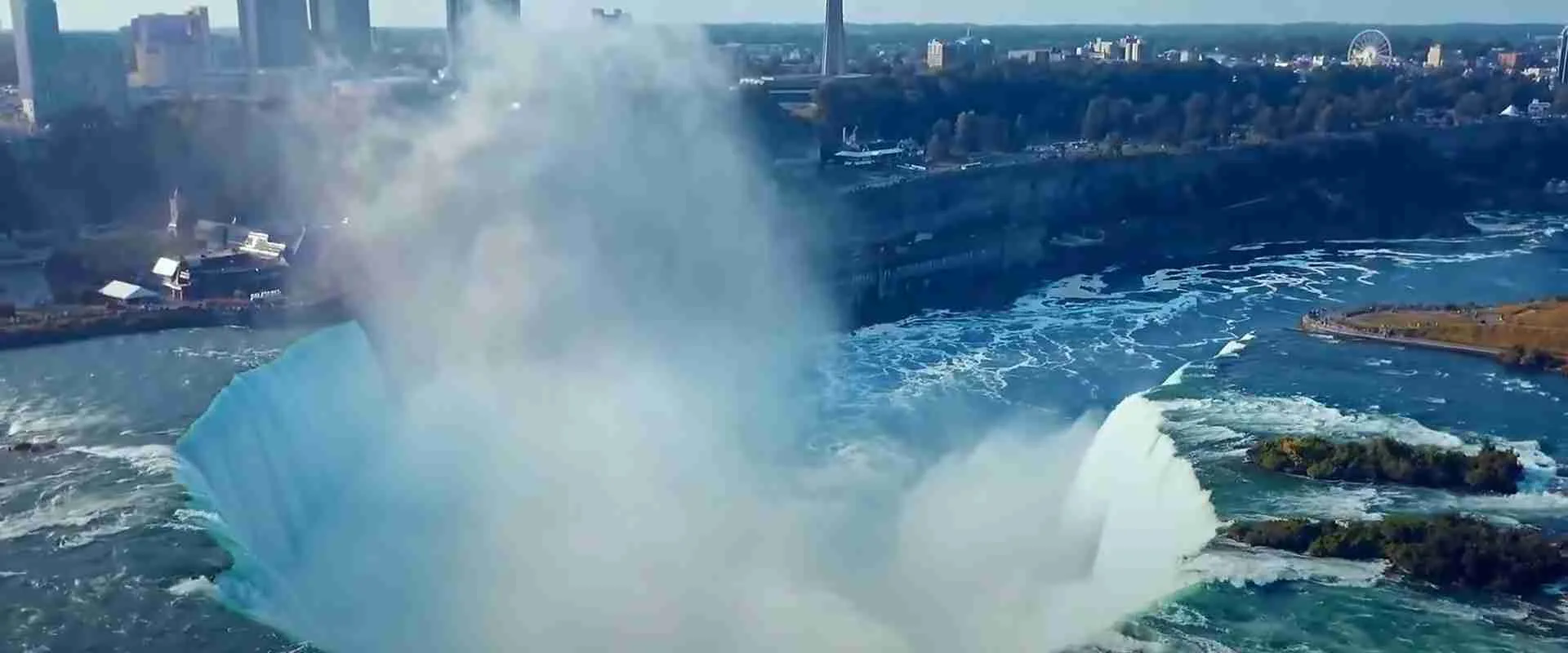
Niagara Falls Art Collections Guide: Museums, Galleries & Cultural Treasures
Niagara Falls has inspired artists for centuries, serving as subject for paintings, photographs, sculptures, and installations that attempt to capture its power, beauty, and cultural resonance. From indigenous pictographs predating European contact through Hudson River School romanticism to contemporary conceptual art, creative responses to the falls reveal evolving relationships between humans and nature. The region’s art collections document this artistic dialogue while celebrating broader cultural heritage through diverse media and traditions.
Key Takeaways
- The Hudson River School painters created iconic 19th-century landscape works depicting Niagara Falls as sublime natural spectacle, establishing visual language that shaped how generations perceive the falls
- The Niagara Falls History Museum houses extensive regional art collections including indigenous artifacts, historical paintings, and contemporary works exploring the falls’ cultural significance
- Public art installations throughout both cities transform urban spaces with sculptures, murals, and site-specific works connecting contemporary artistic practice to the falls’ enduring inspiration
- Indigenous art collections preserve and present Haudenosaunee artistic traditions including beadwork, basket weaving, sculpture, and contemporary Native American artistic expressions
- Regional galleries in Lewiston, Niagara-on-the-Lake, and both downtown cores showcase living artists whose work engages with Niagara themes through diverse media and perspectives
- The Castellani Art Museum at Niagara University presents rotating exhibitions featuring regional, national, and international artists alongside permanent collections of American modernist works
Introduction: Art and the Cataract
Understanding Niagara through art provides alternative perspective to direct observation. Artists interpret rather than merely record, revealing subjective responses that range from reverence to critique. The falls appear simultaneously as sublime natural wonder, industrial resource, tourist commodity, and environmental concern across different artistic movements and individual visions. Exploring these artistic interpretations enriches appreciation of how the falls function as cultural symbol beyond physical reality.
People Also Ask About Niagara Falls Art
What famous artists painted Niagara Falls?
Frederic Edwin Church created perhaps the most famous Niagara Falls painting in 1857, a massive canvas capturing the Horseshoe Falls’ breadth and power that toured internationally to enormous acclaim. John Trumbull, Thomas Cole, Albert Bierstadt, and George Inness—all prominent Hudson River School painters—produced significant Niagara works. British painter William Morris Hunt, Canadian artists Homer Watson and Lucius O’Brien, and numerous lesser-known artists contributed to the substantial body of 19th-century Niagara paintings. These romantic landscape works established visual conventions still influencing how people perceive and photograph the falls today.
Where can you see Hudson River School paintings of Niagara Falls?
The Albright-Knox Art Gallery in Buffalo houses several significant Hudson River School Niagara paintings including works by Church and Bierstadt. The Castellani Art Museum at Niagara University displays rotating exhibitions including 19th-century landscape paintings. Major metropolitan museums including the Metropolitan Museum of Art, Smithsonian American Art Museum, and National Gallery of Canada hold important Niagara paintings in their permanent collections. The Niagara Falls Public Library maintains a collection of historical images and reproductions. Regional historical societies preserve paintings by local and regional artists who documented the falls across different eras.
What role does indigenous art play in Niagara cultural collections?
Indigenous art represents the longest continuous artistic tradition connected to Niagara Falls, spanning thousands of years from prehistoric pictographs through contemporary Native American artistic practice. The Seneca Iroquois National Museum preserves extensive collections of Haudenosaunee artistic traditions including intricate beadwork, quillwork, basketry, pottery, and ceremonial objects. Contemporary indigenous artists address themes of cultural survival, land connection, and environmental stewardship through various media. These collections challenge the dominance of European artistic perspectives on Niagara while preserving cultural knowledge embedded in traditional artistic practices.
Are there contemporary art galleries in Niagara Falls?
Contemporary art galleries operate in both Niagara Falls cities and surrounding communities. The Niagara Falls Art Gallery on the Canadian side presents rotating exhibitions of regional and national contemporary artists. Lewiston’s Center Street galleries showcase living artists working in diverse media. Niagara-on-the-Lake contains multiple galleries emphasizing Canadian contemporary art. These venues present painting, sculpture, photography, fiber arts, ceramics, and mixed media works engaging with regional themes while connecting to broader contemporary art movements. The gallery scene serves local art communities while providing cultural programming beyond the tourism industry’s commercial focus.
Extended multi-day tours – 5+ days
Featured Niagara Falls Multi-Day Tour Packages
3 days
Niagara Falls 3-Day Discovery Tour
- ✓ Comprehensive Niagara Falls experience
- ✓ Expert local guides included
- ✓ All accommodation included
- ✓ Transportation provided

5 days
Niagara Falls 5-Day Highlights Experience
- ✓ Comprehensive Niagara Falls experience
- ✓ Expert local guides included
- ✓ All accommodation included
- ✓ Transportation provided
7 days
Niagara Falls 7-Day Cultural Journey
- ✓ Comprehensive Niagara Falls experience
- ✓ Expert local guides included
- ✓ All accommodation included
- ✓ Transportation provided

10 days
Niagara Falls 10-Day Complete Adventure
- ✓ Comprehensive Niagara Falls experience
- ✓ Expert local guides included
- ✓ All accommodation included
- ✓ Transportation provided
Multi-day tour packages powered by TourRadar. Prices and availability subject to change.
Hudson River School and 19th-Century Landscape Painting
Frederic Edwin Church’s Masterwork
Frederic Edwin Church’s 1857 painting “Niagara Falls” revolutionized landscape painting through its unprecedented scale, technical virtuosity, and dramatic composition. The canvas measures 42 by 90 inches, creating immersive vista that places viewers at the precipice edge looking across the Horseshoe Falls. Church eliminated foreground and sky elements, focusing entirely on the water’s horizontal sweep and vertical plunge. This radical cropping creates sense of standing amid the cataract rather than observing from safe distance.
Church’s meticulous technique captures mist’s translucency, water’s varied textures from glassy approach flow to turbulent free fall, and the subtle color variations within white foam. He visited the falls multiple times, creating detailed oil sketches documenting light conditions, water patterns, and atmospheric effects. The final painting synthesizes these studies into idealized vision that transcends specific moment while maintaining geological accuracy and optical truth.
The painting’s exhibition history demonstrates 19th-century landscape painting’s cultural power. Church first displayed it in New York with special viewing chamber creating intimate encounter. The work then toured American cities and Britain, drawing enormous crowds paying admission fees. Reproductions circulated widely through prints, establishing Church’s compositional choices as definitive Niagara image. The painting now resides in the National Gallery of Art’s permanent collection, though reproductions appear throughout Niagara region.
Thomas Cole and the Sublime
Thomas Cole, founder of the Hudson River School, painted Niagara multiple times, exploring romantic themes of nature’s sublimity and human insignificance before natural power. His 1830 “Distant View of Niagara Falls” presents the falls as part of broader wilderness landscape, embedding them within forested terrain rather than isolating them as singular spectacle. This compositional choice reflects Cole’s philosophical interest in nature as moral teacher and spiritual refuge from industrial civilization.
Cole’s technique emphasizes atmospheric effects through glazing that creates luminous skies and depth through aerial perspective. His Niagara works show less interest in geological precision than in evoking emotional responses—awe, reverence, contemplation. Tiny human figures in foregrounds establish scale while suggesting philosophical themes about humanity’s relationship with nature. Cole’s romantic vision influenced subsequent generations of landscape painters who similarly emphasized emotional and spiritual dimensions over mere documentation.
Albert Bierstadt’s Western Comparison
Albert Bierstadt, known primarily for dramatic Western mountain landscapes, painted Niagara Falls in 1869, bringing techniques developed depicting Rocky Mountain grandeur to Eastern subject matter. His “Niagara Falls” employs characteristic dramatic lighting with strong contrasts between illuminated water and darker surrounding elements. The theatrical quality reflects Bierstadt’s German training and romantic sensibility that emphasized nature’s spectacular drama.
Bierstadt’s composition includes more context than Church’s focused view, showing observation platforms, surrounding landscape, and atmospheric effects. This broader perspective creates narrative element—viewers become aware of others observing the falls, introducing human presence Church eliminated. The painting reflects evolving relationship with Niagara as developed tourist destination rather than pristine wilderness. Bierstadt’s work demonstrates how artistic interpretation adapts to changing cultural contexts while maintaining romantic landscape traditions.
Artistic Legacy and Influence
The Hudson River School’s Niagara paintings established visual conventions persisting in photography and popular imagery. The focus on water’s motion, emphasis on scale through compositional choices, and attention to light effects appear consistently across media. These paintings also influenced tourism development—the viewpoints artists chose became standard tourist perspectives, shaping built infrastructure around artistic precedents. The romantic vision of sublime natural power continues informing how people expect to experience the falls, creating tension when commercial development obscures these idealized views.
Indigenous Art and Cultural Heritage
Haudenosaunee Traditional Arts
Haudenosaunee artistic traditions predate European contact by millennia, encompassing functional objects of extraordinary beauty alongside ceremonial and decorative works. Beadwork demonstrates sophisticated geometric patterns and floral designs applied to clothing, bags, and ceremonial regalia. The intricate work requires extraordinary skill, patience, and aesthetic judgment. Each piece embodies cultural knowledge passed through generations, with designs carrying symbolic meanings connecting to clan systems, natural world, and spiritual beliefs.
Basket weaving represents another highly developed tradition utilizing black ash splints, sweetgrass, and other natural materials. Functional baskets for storage and carrying combine utility with elegant form. Decorative baskets feature complex patterns achieved through dyed splints woven in intricate designs. The revival of traditional basket making in recent decades represents cultural preservation efforts maintaining knowledge that nearly disappeared during periods of cultural suppression. Contemporary practitioners teach traditional techniques while innovating new forms.
Cornhusk doll making demonstrates artistic tradition transformed across centuries. Originally created without facial features (a cultural prohibition based on creation stories), these dolls served educational and ceremonial functions. Contemporary artisans continue this tradition while some innovate with new materials and forms. The dolls represent tangible connection to ancestral knowledge and ongoing cultural vitality. Collections of traditional and contemporary cornhusk dolls appear in museums including the Seneca Iroquois National Museum.
Contemporary Indigenous Art
Contemporary Native American artists engage with traditional forms while addressing present-day concerns through various media. Painters, sculptors, photographers, and installation artists draw from Haudenosaunee heritage while participating in broader contemporary art conversations. Themes include cultural survival, environmental protection, land rights, and identity negotiation between traditional and modern worlds. These artists challenge stereotypical representations while asserting continuing indigenous presence and cultural dynamism.
Notable contemporary indigenous artists from the Niagara region include those working with traditional media in innovative ways and those employing contemporary forms to explore indigenous themes. Some combine traditional materials like cornhusk or sweetgrass with contemporary sculptural approaches. Others use painting, photography, or video to document cultural practices or create conceptual works engaging with colonial histories. These diverse approaches demonstrate indigenous artistic traditions’ vitality and ongoing evolution.
Seneca Iroquois National Museum
The Seneca Iroquois National Museum in Salamanca, New York preserves and presents Seneca cultural heritage including extensive art collections. The museum houses traditional objects spanning centuries alongside contemporary artwork by Seneca and other Haudenosaunee artists. Exhibits contextualize artistic traditions within broader cultural practices, explaining ceremonial uses, social functions, and spiritual meanings. This cultural context differentiates the collection from Western art museums that often decontextualize indigenous objects as aesthetic artifacts.
Educational programming includes traditional arts workshops teaching beadwork, basket weaving, and other skills to community members and visitors. These programs maintain cultural transmission while adapting to contemporary contexts. The museum functions as community cultural center rather than solely tourist attraction, serving important role in cultural preservation and revitalization. Visiting provides opportunities to purchase directly from indigenous artists, supporting living traditions while acquiring authentic art.
Public Art and Outdoor Installations
Sculpture Gardens and Parks
Public sculpture installations throughout the Niagara region create outdoor galleries accessible without admission fees. Artpark State Park features changing sculpture exhibitions with works positioned throughout terraced landscape overlooking the gorge. Large-scale contemporary sculptures interact with natural setting, creating dialogues between artistic intervention and landscape. These installations range from abstract forms to figurative works, from welded metal to carved stone, representing diverse artistic approaches and materials.
Queen Victoria Park on the Canadian side includes sculptural elements integrated into landscape design. Monuments honoring historical figures, decorative fountains, and contemporary installations punctuate the manicured gardens. These works serve multiple functions—commemorative, decorative, and artistic. The integration of art into public space creates environments where aesthetic encounter happens incidentally during other activities rather than requiring dedicated museum visits.
Murals and Street Art
Urban murals transform building facades into large-scale artworks addressing community themes, historical narratives, and aesthetic beautification. Downtown areas in both cities feature murals depicting historical scenes, cultural celebrations, and contemporary social themes. Some murals result from organized arts programs commissioning professional artists, while others emerge from grassroots community initiatives. The street art scene brings contemporary artistic practice into public view, challenging distinctions between fine art and popular expression.
Mural projects often involve community participation in design and execution, creating shared ownership of artistic outcomes. Youth programs teach mural techniques while engaging young people in community improvement. The resulting works reflect community identities and aspirations while providing opportunities for artistic expression beyond traditional venues. This democratization of art challenges elitist conceptions while maintaining craft standards and artistic quality.
Site-Specific Installations
Site-specific works respond to particular locations’ characteristics, histories, or meanings. These installations may be permanent or temporary, ranging from subtle interventions to dramatic transformations. Artists create works engaging with the falls’ power, tourism culture, industrial heritage, or environmental concerns. The site-specific approach distinguishes these works from gallery art that exists independent of location, instead emphasizing relationship between artwork, place, and audience.
Examples include sound installations using water sounds, light projections on rock faces, or sculptural works positioned to frame views. Some works address environmental themes through materials or subject matter, connecting artistic practice to ecological consciousness. Others engage critically with tourism industry or cultural history. These diverse approaches demonstrate contemporary art’s expanded definition and public art’s potential for cultural dialogue beyond traditional museum contexts.
Photography as Art Form
Early Photographic Documentation
Photography’s invention in the mid-1800s coincided with Niagara Falls’ emergence as major tourist destination, creating extensive photographic documentation from photography’s earliest decades. Pioneering photographers including George Barker, William England, and George Curtis produced stereoscopic views, large-format prints, and album cards distributed internationally. These early photographs balanced documentary and artistic intentions—recording the falls’ appearance while employing composition, lighting, and printing techniques pursuing aesthetic effects.
Early photographic technology challenged photographers attempting to capture moving water. Long exposure times required by early processes rendered water as blurred white masses, quite different from human visual perception but creating distinctive aesthetic. Photographers developed techniques managing exposure to balance water motion with sufficient detail in surrounding elements. These technical negotiations between equipment limitations and desired outcomes shaped photographic approaches still influencing contemporary practice.
20th-Century Pictorialism
Pictorialist photographers in early 20th century treated photography as fine art medium equal to painting. Niagara Falls attracted pictorialist photographers pursuing atmospheric effects, tonal gradations, and emotional impact over documentary accuracy. Soft-focus techniques, manipulated printing, and careful composition created dreamlike images emphasizing mood and beauty. This artistic approach contrasted with straight photography’s documentary clarity, demonstrating photography’s versatility as expressive medium.
Contemporary Art Photography
Contemporary photographers continue finding artistic inspiration in Niagara Falls while bringing diverse conceptual approaches. Some pursue dramatic long-exposure techniques creating ethereal water effects. Others employ documentary styles examining tourism culture, environmental impacts, or social dimensions. Conceptual photographers use the falls metaphorically, exploring themes of power, nature’s commodification, or North American mythology. This diversity demonstrates the falls’ continuing relevance as artistic subject across evolving photographic practices.
Digital technology expanded photographic possibilities while raising questions about authenticity and manipulation. Photographers debate appropriate digital intervention levels—from minimal processing maintaining documentary function to extensive manipulation creating imaginative visions. These debates reflect broader art world conversations about photography’s relationship to reality and artistic interpretation’s legitimate scope. Niagara photography participates in these ongoing dialogues while maintaining connection to place-specific subject matter.
Regional Museums and Cultural Institutions
Niagara Falls History Museum
The Niagara Falls History Museum on the Canadian side houses diverse collections documenting regional history through art, artifacts, photographs, and documents. Art holdings include historical paintings, contemporary works by regional artists, and rotating exhibitions exploring various themes. The collection emphasizes connections between art and historical understanding, showing how artistic representations shape cultural memory and identity. Permanent exhibits trace the falls’ representation across media and eras.
Educational programming connects art to broader historical contexts. Guided tours explain how paintings reflect contemporary attitudes toward nature, technology, and national identity. Workshops teach traditional crafts and artistic techniques. The museum functions as community cultural center hosting exhibitions, lectures, and events beyond static displays. This active programming creates living institution engaging diverse audiences with cultural heritage through multiple approaches.
Castellani Art Museum
The Castellani Art Museum at Niagara University presents university-caliber exhibitions featuring regional, national, and international artists. The permanent collection emphasizes American modernist painting and sculpture with particular strength in abstract expressionism and color field painting. Rotating exhibitions address diverse themes from historical surveys to contemporary emerging artists. The museum provides cultural programming serving university community and broader public, offering free admission and educational resources.
The museum’s location on university campus creates educational mission centering student learning while maintaining professional exhibition standards. Student engagement programs include docent training, curatorial internships, and collaborative projects with academic departments. This integration of art museum into educational environment demonstrates art’s role in liberal education and critical thinking development. Public programs including lectures, workshops, and family activities extend this educational mission beyond university community.
Niagara Artists Centre
The Niagara Artists Centre operates as artist-run center presenting experimental and contemporary art often challenging conventional gallery practice. Member artists exhibit work, organize programs, and collectively manage the institution. This cooperative model enables artistic risk-taking and community building among regional artists. Exhibitions feature diverse media including installation, performance, video, and conceptual work alongside traditional forms. The alternative space provides venue for emerging artists and experimental practices underserved by commercial galleries.
Commercial Galleries and Art Market
Lewiston Gallery District
Lewiston’s Center Street developed as arts district with multiple galleries, artist studios, and craft shops concentrated in walkable historic village setting. Galleries emphasize regional artists working in diverse styles and media. The intimate scale enables personal interactions between artists, gallery owners, and viewers. This creates art market based on relationships and local patronage rather than anonymous transactions. Gallery exhibitions change regularly, providing reasons for repeat visits and maintaining fresh programming.
The district benefits from Artpark State Park’s summer programming attracting arts-interested audiences who explore village galleries before or after performances. This cultural synergy supports multiple venues through shared audience development. Gallery openings and special events create social occasions where community gathers around art appreciation. The district demonstrates how concentrated cultural programming creates vibrant arts economy supporting artists while enriching community cultural life.
Niagara-on-the-Lake Galleries
Niagara-on-the-Lake’s galleries emphasize Canadian contemporary art in historic village context. The galleries range from fine art focusing on established artists to craft galleries featuring ceramics, jewelry, and fiber arts. The village’s upscale tourism demographic supports higher-end art market than the falls’ more mass-market tourism. This enables galleries to represent serious artists producing museum-quality work while maintaining commercial viability through sales.
Many galleries represent exclusively Canadian artists, providing venue for national artistic trends less visible in American-dominated international art market. The galleries introduce visitors to Canadian artistic traditions while supporting living artists. The combination of tourist traffic and local patronage creates sustainable market for contemporary art. This model demonstrates how tourism economies can support authentic cultural programming beyond commercial kitsch when properly positioned and managed.
Festival Programming and Special Events
Lewiston Art Festival
The annual Lewiston Art Festival transforms the village into outdoor exhibition featuring hundreds of juried artists selling work directly to public. The festival attracts regional and national artists working in diverse media from traditional painting and sculpture to contemporary installation and digital art. The quality jury process ensures high artistic standards while the outdoor setting creates accessible, casual browsing atmosphere. The festival generates significant economic activity while providing cultural programming drawing tens of thousands of visitors.
Artpark Summer Programming
Artpark State Park’s summer season includes visual arts programming alongside performing arts. Exhibitions in park galleries and outdoor sculpture installations provide ongoing visual arts presence. Artist residency programs bring artists to create site-specific works. Educational workshops teach artistic techniques to participants of all ages. This multidisciplinary programming creates cultural destination offering diverse arts experiences beyond single-venue exhibitions. The park setting enhances artistic experiences through natural beauty and outdoor access.
Studio Tours and Open Houses
Regional studio tour programs invite public into working artists’ studios, demystifying creative process while enabling direct artist-collector relationships. Visitors see works in progress, discuss techniques and concepts with artists, and purchase directly without gallery intermediaries. These tours build connections between artists and communities while providing income supporting artistic practice. The informal settings encourage conversations and questions impossible in formal gallery environments. Studio tours represent art world democratization making artistic practice visible and accessible.
Art Education and Community Engagement
Community Arts Centers
Community arts centers provide instruction, studio space, and exhibition opportunities for amateur and emerging artists. These grassroots institutions democratize arts access, offering classes for all ages and skill levels. The centers serve important social functions creating gathering spaces around shared creative interests. Exhibition programs showcase student work and emerging artists, providing stepping stones toward professional careers. The centers’ educational missions prioritize participation and skill development over commercial success or critical acclaim.
School Programs and Youth Engagement
Museum education programs connect students with art collections through guided tours, hands-on activities, and artist demonstrations. These initiatives build cultural literacy and creative skills while exposing young people to career possibilities in arts fields. School partnerships bring museum resources into classrooms through traveling exhibitions and teaching artist residencies. Youth programs address educational inequities, providing arts experiences that family economics might otherwise prevent. This commitment to youth engagement invests in cultural participation’s future while serving immediate educational needs.
FAQ Section
Where can I see original Hudson River School paintings of Niagara Falls?
The Albright-Knox Art Gallery in Buffalo houses several significant Hudson River School Niagara paintings. The National Gallery of Art in Washington DC owns Frederic Edwin Church’s masterwork “Niagara Falls.” Major museums including the Metropolitan Museum of Art, Smithsonian American Art Museum, and others hold important Niagara paintings in permanent collections. The Castellani Art Museum at Niagara University occasionally displays 19th-century landscape paintings. Reproductions appear in local museums and cultural centers, though viewing originals requires visiting major metropolitan museums.
Are there opportunities to purchase original art in Niagara Falls?
Multiple galleries in Lewiston, Niagara-on-the-Lake, and both downtown cores sell original contemporary art directly from artists and galleries. Studio tours provide opportunities to purchase directly from artists. Festival art shows including the Lewiston Art Festival offer direct artist sales. Prices range from affordable prints and small works to significant investments in major pieces. Supporting living artists through purchases sustains regional arts economy while providing collectors with authentic, quality artwork. Many galleries ship purchases or arrange international delivery for travelers.
How can I learn about indigenous art traditions?
The Seneca Iroquois National Museum provides comprehensive indigenous art education through exhibits and programming. Educational workshops teach traditional techniques including beadwork and basket weaving. Cultural festivals feature indigenous artists demonstrating and selling work. Museum gift shops sell authentic indigenous-made art with cultural explanations. Books and online resources provide additional learning opportunities. Respectful engagement means learning from indigenous voices rather than appropriating designs or techniques. Purchasing from indigenous artists supports cultural preservation while compensating creators fairly.
Do art museums in Niagara Falls charge admission?
Admission policies vary by institution. The Castellani Art Museum offers free admission. Other museums charge modest fees supporting operations and programming. Many museums offer free or discounted admission days, student rates, and family pricing. Outdoor public art installations are freely accessible. Galleries generally don’t charge admission, earning revenue through sales. The diversity of free and low-cost options ensures art access regardless of budget. Check individual institution websites for current admission policies and special programs.
Can I photograph artwork in museums and galleries?
Photography policies vary by venue. Many museums permit non-flash photography for personal use while prohibiting commercial photography without permission. Some exhibitions restrict photography to protect artist copyrights or preserve sensitive materials. Galleries generally allow photography though some request permission. Always check posted policies and ask staff when uncertain. Respect restrictions protecting artworks and artists’ intellectual property. Social media sharing should credit artists and institutions appropriately.
Are there art programs for children and families?
Museums and community arts centers offer extensive youth programming including workshops, summer camps, and family activity days. Many programs encourage hands-on creativity through art-making activities. Family-friendly exhibitions include interactive elements engaging young visitors. Free activity guides help families explore collections independently. School vacation programs provide structured activities when schools close. These initiatives prioritize accessibility and engagement, welcoming families regardless of prior arts experience or knowledge.
How does contemporary art address Niagara Falls themes?
Contemporary artists engage with the falls through diverse approaches including environmental critique, tourism culture analysis, border and identity themes, and formal explorations of water, power, and landscape. Some artists work site-specifically, creating installations responding to particular locations. Others use the falls metaphorically in broader conceptual projects. Photography, video, sculpture, painting, and installation all serve as media for contemporary artistic engagement with Niagara themes. This diversity reflects contemporary art’s pluralism and the falls’ continuing relevance as cultural symbol.
Where can I find information about current exhibitions?
Museum and gallery websites provide current exhibition information including artist statements, images, and related programming. Regional arts newspapers and alternative weeklies publish comprehensive cultural listings. Social media accounts from individual venues announce openings and special events. Regional tourism websites compile cultural calendars. Gallery districts maintain collective websites promoting member venues. This information network enables planning visits around specific exhibitions or discovering current programming upon arrival.
Can visitors meet artists or attend exhibition openings?
Gallery openings and museum exhibition receptions provide opportunities to meet artists and engage with art communities. These events are generally free and open to public, though some benefit events require tickets. Studio tours enable direct artist interactions in working environments. Artist talks and panel discussions occur regularly in museums and galleries. Festival programming includes artist demonstrations and conversations. These public engagement opportunities demystify artistic practice while building connections between artists and audiences. Check venue calendars for upcoming events during your visit.
What artistic movements or styles dominate regional collections?
Regional collections emphasize 19th-century American landscape painting, particularly Hudson River School romanticism. 20th-century holdings include American modernism, particularly abstract expressionism and regional realism. Contemporary collections show stylistic diversity reflecting art world pluralism. Indigenous collections preserve traditional forms while showcasing contemporary Native American artistic practices. This range demonstrates how regional collections balance local significance with participation in broader art historical narratives. The diversity ensures multiple entry points for visitors with varying interests and knowledge levels.