
Niagara Falls Cultural Significance Guide
Niagara Falls transcends its physical reality as cascading water to function as cultural symbol, spiritual site, artistic inspiration, political boundary, economic resource, and environmental touchstone. The falls have shaped cultural consciousness across multiple societies and historical periods, acquiring layers of meaning that inform contemporary understanding and appreciation. This cultural significance extends from indigenous spiritual traditions predating European contact through colonial encounters, industrial development, conservation movements, and modern tourism, creating a complex tapestry of human relationships with spectacular natural phenomena.
Key Takeaways
- Indigenous peoples maintained spiritual and cultural connections to Niagara Falls for thousands of years, considering the thundering waters sacred manifestations of powerful spiritual forces
- The honeymoon tradition established at Niagara in the early 19th century created lasting cultural associations between the falls and romantic love, persisting across generations
- Niagara Falls sparked the first major North American conservation movement, establishing precedents for public parks and environmental protection still influential today
- The falls symbolize successful international cooperation, with U.S.-Canadian partnership managing shared natural resources serving as a model for binational collaboration worldwide
- Daredevil stunts over the falls created a unique cultural phenomenon reflecting human desires to conquer nature, though creating ongoing debates about appropriate human-nature relationships
- Niagara Falls influenced artistic, literary, and philosophical movements, embodying concepts of the sublime and shaping cultural understandings of natural beauty and power
Introduction: Understanding Niagara Falls’ Cultural Dimensions
Understanding Niagara Falls’ cultural importance requires examining how different communities interpret and value this natural wonder. Indigenous peoples developed spiritual frameworks situating the falls within cosmological systems and sacred landscapes. European colonizers viewed them through lenses of territorial control, economic potential, and aesthetic appreciation. Industrial developers saw hydroelectric opportunities transforming natural power into human prosperity. Conservationists perceived threats requiring protective action. Modern visitors experience romance, adventure, beauty, and national identity. Each perspective reflects particular cultural values and historical contexts, collectively creating Niagara’s multifaceted cultural significance.
This guide explores the diverse cultural dimensions of Niagara Falls, analyzing indigenous heritage, symbolic meanings, artistic representations, social traditions, conservation values, and contemporary significance. By examining these various cultural frameworks, we gain deeper appreciation for how natural wonders function within human consciousness—not merely as geological features but as sites where cultures construct meaning, negotiate values, express identity, and confront fundamental questions about humanity’s relationship with nature.
People Also Ask About Niagara Falls Cultural Significance
Why Are Niagara Falls Sacred to Indigenous Peoples?
The Haudenosaunee Confederacy and other indigenous peoples consider Niagara Falls sacred due to millennia of spiritual traditions connecting the thundering waters to powerful supernatural forces. The falls represent manifestations of manitou—spiritual beings inhabiting natural features—whose presence demanded respect through proper ceremonies and offerings. The tremendous power, perpetual thunder, and ever-present mist created sensory experiences interpreted as divine communications. Indigenous spiritual leaders conducted rituals at the falls seeking blessings for healing, successful hunts, safe travel, and community protection.
Specific legends encode spiritual significance. The Seneca nation tells of Lelawala, sacrificed to Thunder Being dwelling beneath the falls, who revealed serpents threatening her people. He-No, the Thunder Spirit, resided in caves behind the falls and protected indigenous communities. These narratives situated the falls within moral and spiritual frameworks teaching proper behavior, explaining natural phenomena, and maintaining cultural identity across generations. The falls functioned as sacred geography where earthly and spiritual realms intersected, requiring reverent approach and ceremonial acknowledgment of supernatural powers residing there.
How Did Niagara Falls Become a Honeymoon Destination?
Niagara Falls became North America’s premier honeymoon destination through convergence of improved transportation, Romantic movement aesthetics, high-profile visitors, and deliberate marketing. The Erie Canal’s completion in 1825 made the falls accessible to wealthy Eastern seaboard residents, transforming what required weeks of difficult travel into comfortable multi-day journeys. Romantic sensibilities emphasized sublime natural beauty, emotional responses to dramatic landscapes, and appreciation for nature’s power—qualities perfectly embodied by Niagara’s thundering spectacle. When prominent couples including Napoleon’s brother Jérôme and Elizabeth Patterson began honeymooning at Niagara in the early 19th century, social emulation created patterns followed by others.
Hotel operators recognized economic opportunities and marketed Niagara specifically to newlyweds, emphasizing romantic associations and natural beauty. Travel writers reinforced these connections through articles describing Niagara as ideal for romantic couples. The tradition became self-perpetuating—couples visited because others did, establishing cultural expectations transmitted across generations. Literary and artistic representations further cemented associations between Niagara and romance. Despite changing travel patterns diversifying honeymoon destinations, Niagara’s romantic reputation persists in cultural memory, maintaining the falls’ identity as symbolic site for beginning married life.
What Role Did Niagara Falls Play in the Conservation Movement?
Niagara Falls catalyzed one of North America’s first major conservation movements when concerned citizens organized to counter commercial exploitation threatening aesthetic degradation. By the 1860s, private landowners controlled most viewing areas, erecting fences, charging admission, and creating cluttered commercial development obscuring natural beauty. Landscape architect Frederick Law Olmsted led advocacy arguing that natural wonders belonged to all people and required protection from private exploitation. The successful campaigns establishing public parks on both American and Canadian sides demonstrated that citizen movements could overcome commercial interests through effective advocacy and legislative action.
The Niagara conservation movement influenced broader environmental protection efforts. The coordinated American-Canadian establishment of Niagara Reservation (1885) and Queen Victoria Park (1888) provided models for managing shared natural resources transcending political boundaries. The success inspired subsequent campaigns creating national and state parks throughout North America. Lessons learned at Niagara—including the integration of professional landscape design, democratic access principles, and the necessity of government intervention protecting natural resources—shaped conservation philosophies still influential today. The movement established precedents affirming that some natural places deserve protection prioritizing public access and aesthetic preservation over commercial development.
How Do the Falls Symbolize U.S.-Canadian Relations?
Niagara Falls symbolizes peaceful U.S.-Canadian relations and successful binational cooperation managing shared resources. The international boundary runs through the Niagara River, dividing the falls between two nations yet requiring coordinated management. The Boundary Waters Treaty (1909) established institutional frameworks for managing shared water resources, creating the International Joint Commission to mediate disputes and coordinate policies. Subsequent agreements regulating hydroelectric development, water quality, and aesthetic preservation demonstrated that nations could balance competing interests—power generation, industrial use, tourism, environmental protection—through negotiation and compromise.
The Rainbow Bridge physically and symbolically connects the nations, with its name referencing natural phenomena while representing human partnership. Ceremonies at mid-span position dignitaries between countries, reinforcing messages of cooperation. Joint management of parks, coordinated tourism promotion, and shared commitment to falls preservation demonstrate ongoing collaboration. These cooperative traditions extend beyond Niagara to broader U.S.-Canadian relationships characterized by the world’s longest undefended border and extensive economic and cultural integration. Niagara Falls functions as tangible manifestation of this peaceful partnership, representing possibilities for international cooperation managing shared natural heritage.
Extended multi-day tours – 5+ days
Featured Niagara Falls Multi-Day Tour Packages
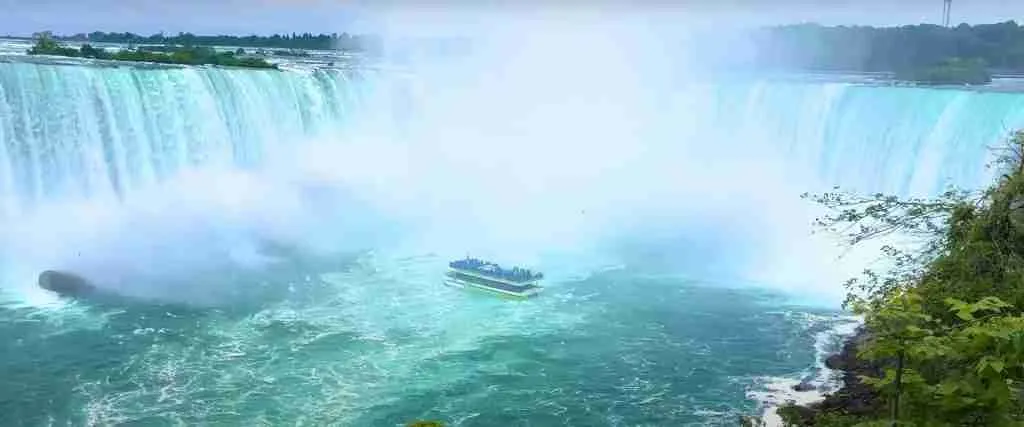
3 days
Niagara Falls 3-Day Discovery Tour
- ✓ Comprehensive Niagara Falls experience
- ✓ Expert local guides included
- ✓ All accommodation included
- ✓ Transportation provided
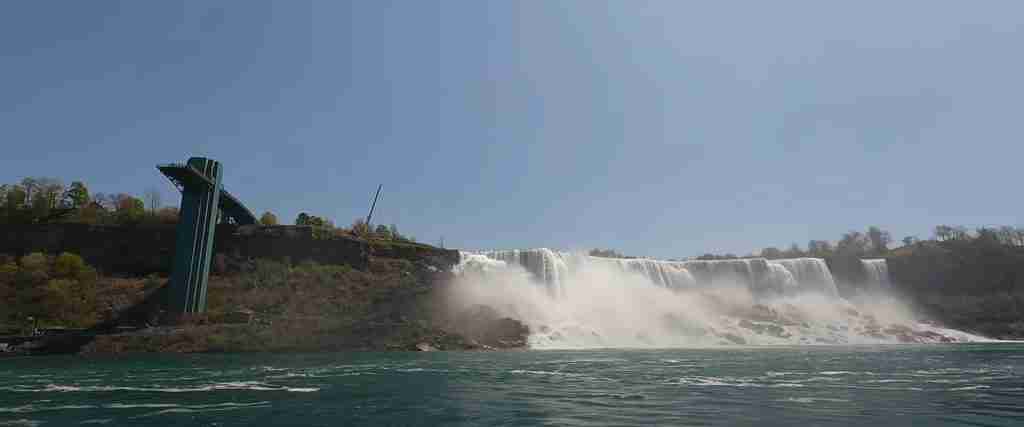
5 days
Niagara Falls 5-Day Highlights Experience
- ✓ Comprehensive Niagara Falls experience
- ✓ Expert local guides included
- ✓ All accommodation included
- ✓ Transportation provided
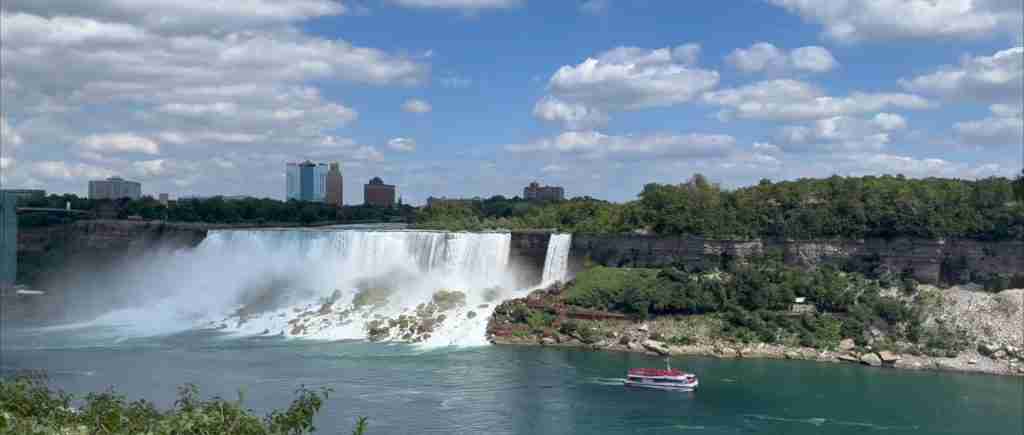
7 days
Niagara Falls 7-Day Cultural Journey
- ✓ Comprehensive Niagara Falls experience
- ✓ Expert local guides included
- ✓ All accommodation included
- ✓ Transportation provided
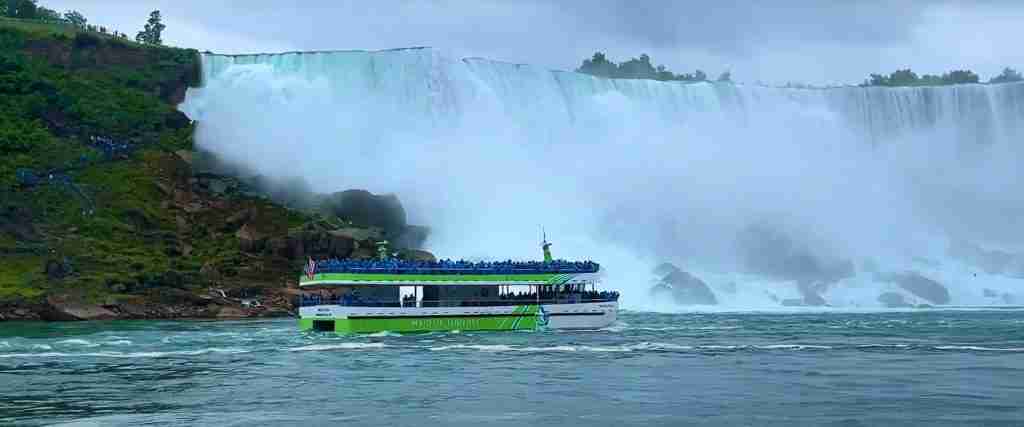
10 days
Niagara Falls 10-Day Complete Adventure
- ✓ Comprehensive Niagara Falls experience
- ✓ Expert local guides included
- ✓ All accommodation included
- ✓ Transportation provided
Multi-day tour packages powered by TourRadar. Prices and availability subject to change.
Indigenous Cultural Heritage and Spiritual Significance
Archaeological evidence places indigenous peoples in the Niagara region for at least 11,000 years, establishing sustained cultural connections to the landscape as the falls formed and evolved. Paleo-Indian cultures witnessed the cataract’s geological development, experiencing the falls as they receded through the gorge. These earliest inhabitants incorporated Niagara into cultural knowledge systems, developing understandings of the landscape’s dangers, resources, and spiritual significance. Oral traditions transmitted across generations preserved this accumulated knowledge, creating continuity between ancient experiences and historical period indigenous communities.
The Neutral Nation, controlling the Niagara region when Europeans arrived, maintained complex spiritual relationships with the falls. Iroquoian cosmology situated natural features within sacred landscapes where supernatural forces manifested. The falls’ tremendous power, perpetual thunder, and rising mist created sensory experiences interpreted as divine presence requiring respectful approach. Spiritual leaders conducted ceremonies at the falls, making offerings to honor the spirits and seek their favor. These practices reflected sophisticated understanding of reciprocal relationships between human communities and natural powers—relationships requiring constant maintenance through proper rituals and respectful behavior.
Specific legends convey moral teachings while explaining the falls’ origins and characteristics. The story of Lelawala describes a maiden sent over the falls in a canoe as sacrifice to Thunder Being dwelling beneath the waters. He-No caught her, revealing the great serpent poisoning the village’s water supply. When her people killed the serpent, its body blocked the river, creating the falls. This narrative encodes multiple cultural meanings: the power of sacrifice for community benefit, reciprocal relationships between humans and spirits, explanations for natural formations, and moral frameworks valuing community welfare over individual preservation. Such legends functioned as cultural transmission mechanisms, teaching values while explaining landscapes.
The portage route around the falls held economic and strategic significance, functioning as crucial link in Great Lakes transportation networks. Indigenous peoples developed efficient portage systems including established trails, campsites, and supply caches enabling movement between Lake Erie and Lake Ontario. Control over this route granted political and economic advantages, making Niagara important in inter-tribal relationships and trade networks. European colonizers recognized this significance, competing for control over the portage and seeking indigenous allies. The falls’ cultural importance thus extended beyond spiritual meanings to encompass practical economic and political dimensions within indigenous societies.
European colonization devastated indigenous communities and disrupted cultural connections to Niagara. Military conflicts, treaty dispossession, disease epidemics, and forced relocations removed most indigenous peoples from traditional territories. Christian missionaries attempted suppressing traditional spiritual practices, though indigenous communities often maintained beliefs alongside or syncretized with Christianity. By the 19th century, dominant narratives about Niagara marginalized or romanticized indigenous heritage, often treating native peoples as vanished primitives rather than contemporary communities maintaining living cultural connections to the falls.
Contemporary indigenous communities assert ongoing relationships with Niagara Falls, advocating for recognition of historical injustices and meaningful participation in management decisions. The Haudenosaunee Confederacy maintains that treaties were violated and land rights improperly extinguished. Cultural leaders conduct traditional ceremonies when possible, asserting spiritual connections despite centuries of displacement. Advocacy efforts seek greater indigenous voice in interpreting Niagara’s history, ensuring that millennia of indigenous heritage receives appropriate recognition alongside European and American historical narratives. These contemporary movements reflect broader struggles for indigenous rights, cultural preservation, and decolonization throughout North America.
The Honeymoon Capital: Romance and Social Tradition
The designation of Niagara Falls as “Honeymoon Capital” emerged during the early 19th century through convergence of transportation improvements, Romantic aesthetic sensibilities, social emulation patterns, and deliberate commercial promotion. The completion of the Erie Canal in 1825 transformed Niagara from remote frontier location to accessible destination reachable in comfortable multi-day journey from population centers. Improved roads, steamboat services, and eventually railroads further enhanced accessibility, making the falls attainable for middle and upper-class couples seeking memorable wedding trips.
Romantic movement aesthetics—emphasizing sublime natural beauty, emotional responses to dramatic landscapes, and appreciation for nature’s power—found perfect expression in Niagara’s thundering spectacle. The falls embodied Edmund Burke’s concept of the sublime: natural phenomena inspiring awe through power and grandeur exceeding human scale. Experiencing such sublimity with one’s spouse created shared emotional encounters reinforcing romantic bonds. Travel literature of the period repeatedly emphasized Niagara’s appropriateness for lovers, describing how the falls’ magnificence elevated human emotions and created unforgettable shared experiences.
High-profile visitors established social precedents that middle-class couples emulated. When Jérôme Bonaparte (Napoleon’s brother) honeymooned at Niagara with American bride Elizabeth Patterson in 1803, their visit received publicity establishing patterns of fashionable behavior. Throughout the 19th century, prominent couples including European nobility, wealthy industrialists, and cultural celebrities visited Niagara on wedding trips. These elite precedents influenced broader social classes aspiring to emulate fashionable behavior, creating cascading adoption of the honeymoon tradition across socioeconomic strata.
Hotel operators and tourism promoters actively marketed Niagara as ideal honeymoon destination. Advertisements emphasized romantic associations, natural beauty, and social cachet. Hotels developed special packages for newlyweds including romantic dinners, carriage rides to scenic viewpoints, and privacy accommodations. This deliberate commercial promotion created self-reinforcing patterns—as more couples honeymooned at Niagara, the destination became increasingly synonymous with newlywed travel, which in turn attracted more couples seeking to participate in established social traditions.
Literary and artistic representations reinforced cultural associations between Niagara and romance. Nathaniel Hawthorne incorporated Niagara honeymoon settings in several stories, exploring themes of love, mortality, and nature’s sublime power. Countless poems, paintings, and later films featured romantic couples at the falls, cementing symbolic connections. Jokes, cartoons, and popular culture references often depicted newlyweds at Niagara, indicating how thoroughly the association penetrated cultural consciousness. These representations both reflected and reinforced the honeymoon tradition, creating cultural feedback loops sustaining the pattern across generations.
The honeymoon tradition persisted despite changing travel patterns and competing destinations. By the mid-20th century, automobile travel, air transportation, and destination marketing diversified honeymoon choices. Tropical beaches, European tours, and domestic resorts attracted newlyweds with alternatives to Niagara. Yet the falls maintained special place in cultural imagination, with “Niagara Falls honeymoon” remaining recognizable cultural reference even among couples choosing other destinations. This persistence demonstrates how deeply cultural associations can embed within collective consciousness, maintaining symbolic significance even as actual behavioral patterns shift.
Contemporary honeymoon patterns reflect globalization and diversified preferences, yet Niagara remains viable destination for some couples—particularly those valuing traditional experience, natural beauty over tropical beaches, or convenient proximity from Northeastern population centers. The falls’ romantic reputation functions as cultural heritage itself, representing continuity with historical traditions in an era emphasizing individualized, unique experiences. Marketing now balances traditional romantic associations with broader positioning as adventure destination, family attraction, and cultural heritage site, acknowledging that Niagara’s appeal extends beyond honeymooning couples to diverse visitor demographics.
Niagara Falls in Artistic and Literary Imagination
Niagara Falls occupied central position in 19th-century American and Canadian artistic consciousness, serving as archetypal sublime landscape inspiring painters, poets, novelists, and travel writers. The falls embodied Romantic aesthetic principles emphasizing nature’s power to evoke powerful emotional responses transcending everyday experience. Artists developed visual vocabularies depicting Niagara’s grandeur—towering mist, thundering water, tiny human figures dwarfed by natural forces—creating conventions that shaped how audiences perceived and understood the falls long before personal visits became possible.
Frederic Edwin Church’s monumental painting “Niagara” (1857) represented the culmination of 19th-century artistic engagement with the falls. Church combined meticulous observational detail with dramatic compositional choices, positioning viewers as though suspended in space directly before the cataract. The painting’s extraordinary scale—seven feet wide—created immersive experience reinforcing sublime effects. Church exhibited “Niagara” in major cities where thousands paid admission to view this masterwork, effectively commercializing sublime experience while demonstrating art’s power to create virtual tourism. The painting achieved extraordinary influence, shaping public imagination of Niagara while establishing Church as preeminent American landscape painter of his generation.
Literary treatments ranged from travel narratives and scientific descriptions to poetry and fiction incorporating Niagara imagery. Charles Dickens devoted memorable passages in “American Notes” (1842) to the falls, praising natural grandeur while critiquing commercial vulgarity surrounding them. His descriptions influenced British readers’ perceptions while contributing to growing awareness of threats requiring protective action. Walt Whitman composed poems celebrating the falls’ democratic accessibility and natural magnificence, incorporating Niagara into American cultural identity narratives. These literary engagements constructed Niagara as cultural symbol representing American character, natural superiority, and democratic values.
Indigenous legends provided source material for Euro-American artists and writers, though often filtered through romanticizing perspectives that obscured authentic indigenous voices. The Maid of the Mist legend—describing maiden sacrificed to river spirits—appeared in countless artistic and literary adaptations throughout the 19th and 20th centuries. These treatments reflected contemporary interest in indigenous cultures while often perpetuating stereotypes about “vanishing Indians” or “noble savages.” Contemporary scholarship increasingly critiques these appropriations, advocating for centering authentic indigenous perspectives rather than Euro-American romantic fantasies about indigenous cultures.
Twentieth-century artistic engagements diversified as modernist movements explored abstraction, multiple perspectives, and subjective experience. Photographers including Ansel Adams captured Niagara’s power through dramatic black-and-white imagery emphasizing form, light, and texture. Filmmakers utilized the falls as dramatic settings for narratives ranging from film noir to superhero adventures. Pop artists incorporated Niagara imagery into works exploring American popular culture and mass tourism. These varied approaches reflected changing artistic sensibilities while maintaining Niagara’s cultural presence across diverse media and aesthetic movements.
Contemporary artists continue engaging with Niagara Falls through diverse media and conceptual frameworks. Environmental artists address ecological concerns and human-nature relationships. Indigenous artists reclaim cultural narratives and assert contemporary presence. Photographers explore the falls through ever-evolving technical and aesthetic approaches. Public artists create installations enhancing visitor experiences. This ongoing artistic engagement demonstrates Niagara’s enduring power to inspire creative response, functioning as both subject and symbol within cultural consciousness. The accumulated artistic representations across centuries create cultural palimpsest—layers of meaning and interpretation enriching contemporary understanding while occasionally obscuring earlier perspectives requiring scholarly recovery.
Sublime Nature and Philosophical Significance
Niagara Falls functioned as exemplary instance of sublime nature in 19th-century aesthetic philosophy, embodying Edmund Burke’s and Immanuel Kant’s theories about how natural phenomena inspire awe through overwhelming power and scale. The sublime differed from mere beauty—while beautiful objects pleased through harmonious proportions and agreeable features, sublime experiences provoked mixed emotions combining terror, awe, and exhilaration in face of power exceeding human control. Niagara perfectly illustrated these theoretical concepts, providing tangible example philosophers could reference when elaborating abstract aesthetic theories.
The sublime experience at Niagara involved specific sensory elements creating powerful psychological effects. The deafening thunder overwhelmed auditory senses, preventing normal conversation and isolating visitors within private experience of natural power. The visible power—millions of gallons plunging over cliffs every minute—exceeded comprehension, creating cognitive dissonance between observed reality and mental capacity to process such scale. The mist rising from the gorge created ethereal visual effects while drenching visitors in tactile reminder of nature’s inescapable presence. Combined, these sensory assaults created overwhelming experience transcending everyday consciousness.
Experiencing the sublime at Niagara provoked philosophical reflections about humanity’s relationship with nature. Visitors confronted nature’s indifference to human concerns—the falls thundered on regardless of human presence, unaffected by observation or appreciation. This confrontation challenged Enlightenment confidence in human rationality and control, revealing limits to human power over natural forces. Yet simultaneously, the ability to appreciate sublime beauty distinguished human consciousness, demonstrating intellectual and spiritual capacities transcending mere physical existence. These paradoxical responses—humility before nature’s power combined with pride in aesthetic sensitivity—characterized sublime experience.
The sublime at Niagara contributed to emerging environmental consciousness, helping develop cultural frameworks valuing nature beyond utilitarian resource extraction. If nature could inspire profound aesthetic and spiritual experiences, then preserving natural beauty became legitimate goal rather than sentimental extravagance. The sublime provided philosophical justification for conservation movements, arguing that natural wonders possessed intrinsic value deserving protection. This aesthetic environmentalism influenced park establishment and early conservation efforts, establishing precedents that nature preservation served important cultural functions beyond economic considerations.
Romantic philosophers and poets elaborated sublime experience into comprehensive worldviews emphasizing emotional life, spiritual connection with nature, and critique of industrial society. Niagara served as touchstone in these philosophical systems, representing authentic natural experience contrasted with artificial urban environments. Visiting the falls became quasi-spiritual pilgrimage, seeking authentic encounters with sublime nature offering redemption from corrupting industrial modernity. These romantic frameworks shaped cultural attitudes toward nature, wilderness, and human relationship with environment, influencing conservation movements, national park philosophy, and outdoor recreation cultures persisting into contemporary period.
Contemporary philosophical engagement with Niagara addresses questions earlier periods ignored or inadequately considered. Environmental philosophy examines whether hydroelectric development and mass tourism fundamentally alter sublime experience or whether modified nature can still provoke authentic aesthetic responses. Indigenous philosophy challenges Euro-American sublime aesthetics, offering alternative frameworks rooted in reciprocal relationships rather than distant contemplation. Feminist philosophy critiques masculine-coded sublime experiences emphasizing conquest and domination over nature. These diverse philosophical approaches enrich understanding while acknowledging that cultural interpretations of natural phenomena reflect particular social positions and historical contexts rather than universal truths.
Conservation Movement and Environmental Values
The Free Niagara movement of the 1870s-1880s represented pioneering conservation advocacy establishing precedents still influential in environmental protection. Reformers including Frederick Law Olmsted, Frederic Edwin Church, and numerous civic leaders organized public campaigns opposing private control of falls viewpoints. Their arguments combined aesthetic concerns—commercial development degraded natural beauty—with democratic principles asserting that natural wonders belonged to all citizens rather than private interests. The successful campaigns establishing public parks demonstrated that organized citizens could influence government policy protecting natural resources from exploitation.
The conservation arguments developed at Niagara established frameworks applied to subsequent environmental protection efforts throughout North America. Advocates articulated principles that certain natural places possessed value transcending economic considerations, deserving preservation for public benefit and future generations. They developed strategies for building public support through publications, exhibitions, and celebrity endorsements. They demonstrated that professional expertise—particularly landscape architecture—could guide preservation efforts beyond simple prohibition toward active management enhancing natural beauty and public access. These innovations influenced campaigns establishing Yellowstone, Yosemite, and other national parks, creating conservation movement infrastructure and ideological frameworks.
Frederick Law Olmsted’s landscape design philosophy shaped Niagara park development and broader conservation approaches. Olmsted advocated naturalistic design maintaining and enhancing existing landscape character rather than imposing geometric formal gardens. He emphasized democratic access enabling all social classes to experience natural beauty, countering private estates and exclusive developments. His designs incorporated subtle improvements—paths, viewpoints, selective plantings—that facilitated visitor experience while maintaining natural aesthetics. These principles influenced national park landscape management for generations, establishing expectations that conservation should provide access while preserving essential natural character.
The binational coordination between American and Canadian park establishment demonstrated international cooperation possibilities managing shared natural resources. The synchronized creation of Niagara Reservation (1885) and Queen Victoria Park (1888) represented unprecedented international environmental cooperation, with both nations coordinating policies and sharing design approaches. This cooperation continued through subsequent agreements regulating hydroelectric development, water quality, and tourism management. The institutional frameworks—particularly the International Joint Commission established by the Boundary Waters Treaty (1909)—provided models for managing other shared environmental resources, demonstrating that nations could negotiate compromise balancing competing interests.
Environmental challenges persisted despite park establishment, creating ongoing conservation struggles adapting to changing threats. Industrial pollution from chemical plants degraded water quality through the 20th century, culminating in Love Canal scandal revealing toxic waste contamination. Air quality suffered from industrial emissions and automotive traffic. Excessive water diversion for hydroelectric generation diminished falls’ visual spectacle. Each challenge prompted conservation responses—pollution controls, emission standards, international agreements limiting water diversion—demonstrating that environmental protection requires constant vigilance rather than one-time preservation victories.
Contemporary conservation at Niagara addresses climate change impacts, sustainable tourism management, ecosystem restoration, and reconciliation with indigenous communities. Changing precipitation patterns affect water flows, requiring adaptive management strategies. Tourism infrastructure must balance access with environmental impacts. Restoration projects attempt recovering degraded ecosystems and native species populations. Indigenous consultation recognizes rights and knowledge systems excluded from earlier conservation efforts. These evolving conservation practices reflect growing environmental sophistication while acknowledging that earlier preservation efforts, however pioneering, incorporated biases and limitations requiring correction through more inclusive, scientifically informed, and culturally sensitive approaches.
Daredevil Culture and Human-Nature Relationships
The daredevil tradition at Niagara Falls represents peculiar cultural phenomenon revealing attitudes about nature, risk, fame, and human desires to conquer natural forces. Beginning with Annie Edson Taylor’s barrel plunge in 1901, numerous individuals attempted death-defying stunts over or across the falls, creating spectacles attracting massive crowds and media attention. These stunts reflected cultural fascinations with individual courage, technological mastery over nature, celebrity-seeking, and frontier mythology emphasizing human triumph over wilderness. The tradition continues sporadically despite legal prohibitions, indicating enduring cultural resonance.
The stunts represented attempts at conquering nature through individual courage and ingenuity, embodying frontier mythology about human superiority over natural forces. Daredevils constructed elaborate narratives positioning their stunts as heroic achievements proving human capability to overcome nature’s power. Publicity emphasized bravery, preparation, and technological innovation—specially designed barrels, sophisticated calculations, physical training—framing stunts as rational attempts at managing natural risks rather than irrational thrill-seeking. These narratives tapped into American cultural themes valorizing individual achievement, risk-taking, and conquest of wilderness perceived as obstacles to civilization.
The motivation for daredevil attempts combined fame-seeking with economic aspirations, though most participants achieved neither lasting celebrity nor financial success. Annie Edson Taylor hoped her plunge would generate lecture tour income supporting her old age, but died in poverty despite temporary fame. Bobby Leach parlayed his 1911 survival into modest lecture career, though he eventually died from complications after slipping on orange peel—surviving Niagara only to succumb to mundane accident illustrating life’s ironies. Most daredevils found that fame proved fleeting and monetizing stunts remained difficult, challenging assumptions that risk-taking automatically converts into economic reward.
The daredevil tradition generated controversy about appropriate human-nature relationships and responsible behavior toward natural wonders. Critics argued that stunts disrespected Niagara’s dignity, treating sacred natural site as mere backdrop for self-aggrandizing spectacle. The stunts required expensive rescue operations when participants died or survived badly injured, imposing costs on communities. Legal prohibitions reflected official positions that stunts encouraged dangerous behavior while contributing nothing valuable to society. Yet public fascination persisted, suggesting cultural appetites for vicarious risk experience and admiration for individuals challenging natural forces regardless of social disapproval.
Gender dynamics complicated daredevil culture, with Annie Edson Taylor’s pioneering plunge and subsequent female daredevils challenging assumptions about feminine capability and appropriate female behavior. Taylor’s success at age 63 confounded expectations about elderly women while asserting female capacity for courage and risk-taking. Subsequent female daredevils similarly transgressed gender norms, claiming traditionally masculine privileges of adventure and physical prowess. However, media coverage often emphasized sensational aspects while undermining female agency through patronizing commentary, revealing tensions between ostensible celebration and underlying gender prejudice.
Contemporary perspectives on daredevil tradition reflect changing values about risk, nature, and media spectacle. While historical stunts retain fascination as cultural curiosities, attitudes have shifted toward emphasizing environmental respect, public safety, and questioning whether individual glory-seeking justifies potential harms. The tradition persists as cultural memory and occasional illegal attempt, maintaining place in Niagara mythology while sparking discussions about appropriate behavior toward natural wonders. Museums exhibit daredevil artifacts and stories, acknowledging this aspect of Niagara heritage while discouraging imitation—treating historical stunts as cultural phenomena worth understanding rather than celebrating or encouraging.
Contemporary Cultural Significance and Global Meaning
Niagara Falls maintains profound cultural significance in contemporary society despite—or perhaps because of—its familiarity and iconic status. The falls function as instantly recognizable symbol appearing in global media, corporate branding, and cultural references. This ubiquity reflects sustained cultural importance transcending physical geography, with “Niagara Falls” signifying concepts and values beyond the actual waterfalls. Understanding contemporary cultural significance requires examining how the falls continue shaping identity, values, and collective imagination in diverse global contexts.
For Canadian and American national identities, Niagara Falls represents shared natural heritage while symbolizing peaceful international relationship. The falls appear in national discourse as sources of pride, tourist attractions generating economic benefits, and examples of environmental cooperation. The successful binational management provides narrative celebrating pragmatic problem-solving over ideological conflict, appealing to both nations’ self-images as reasonable, democratic societies capable of managing shared resources through negotiation rather than military confrontation. This symbolic function extends beyond North America, with Niagara often cited internationally as model for cooperative resource management.
The falls continue inspiring artistic and cultural production across diverse media. Contemporary photographers explore new aesthetic approaches enabled by digital technology. Filmmakers utilize the falls as dramatic settings for narratives ranging from tourism promotion to action spectacles. Musicians reference Niagara in lyrics conveying various meanings from romantic love to natural power. Video games incorporate virtual Niagara, allowing interactive engagement with digitally rendered versions. This ongoing cultural production maintains the falls’ visibility while adapting representations to contemporary aesthetic sensibilities and media technologies, ensuring relevance across changing cultural landscapes.
Indigenous cultural revival movements increasingly assert native perspectives and rights regarding Niagara Falls, challenging dominant narratives marginalizing indigenous heritage. Haudenosaunee activists advocate for treaty rights recognition, land return, and meaningful participation in management decisions. Cultural educators develop programs interpreting indigenous history and relationships with the falls, countering historical erasure. Artists create works asserting indigenous presence and perspectives. These efforts reflect broader decolonization movements throughout North America, demanding that indigenous peoples’ millennia of connection to places like Niagara receive recognition equal to or surpassing several centuries of Euro-American engagement.
Environmental significance extends beyond local conservation to global climate change contexts. Niagara’s hydroelectric facilities generate clean renewable energy, providing model for transitioning from fossil fuels. The falls serve as educational site where millions learn about water cycles, erosion processes, and environmental management. Ongoing restoration projects demonstrate ecological recovery possibilities. These environmental functions position Niagara within contemporary concerns about sustainability, renewable energy, and climate change mitigation. The falls represent proof that natural power can serve human needs while maintaining beauty and ecosystem health, offering hope for reconciling development with environmental protection.
Niagara Falls functions as democratic public space where diverse populations interact, creating shared cultural experiences transcending social divisions. The commitment to free public access—established by pioneering park creation—persists, ensuring that millions can experience sublime natural beauty regardless of economic status. This democratic accessibility distinguishes Niagara from private attractions or exclusive destinations, reinforcing values that certain experiences should be available to all. The falls thus function not merely as tourist attraction but as civic space embodying principles about public goods, shared heritage, and democratic equality—values increasingly contested in privatizing, economically stratified contemporary societies.
FAQ: Niagara Falls Cultural Significance
What Indigenous legends exist about Niagara Falls?
The Haudenosaunee maintain numerous legends about Niagara Falls spanning thousands of years of cultural tradition. The most well-known describes Lelawala, a maiden sacrificed to Thunder Being dwelling beneath the falls, who revealed the serpent poisoning her village’s water. He-No, the Thunder Spirit, resided in caves behind the falls and protected indigenous peoples. These narratives encoded spiritual teachings about reciprocal relationships between humans and supernatural forces, explained natural features, and conveyed moral frameworks valuing community welfare. The legends remain culturally significant to indigenous communities maintaining spiritual connections to the falls despite centuries of displacement from traditional territories.
Why do people call Niagara Falls the “Honeymoon Capital”?
Niagara Falls earned the nickname “Honeymoon Capital” through 19th-century tradition of newlywed couples visiting on wedding trips. This custom began when improved transportation made the falls accessible, high-profile couples established social precedents, Romantic aesthetics emphasized sublime natural beauty as appropriate for lovers, and hotel operators deliberately marketed Niagara to honeymooners. The tradition became self-reinforcing as more couples participated in established social custom. Literary and artistic representations further cemented associations between Niagara and romance. Though modern couples choose diverse honeymoon destinations, Niagara’s romantic reputation persists as cultural heritage, maintaining symbolic significance even as actual behavioral patterns have diversified.
How did Niagara Falls influence the conservation movement?
Niagara Falls sparked one of North America’s first major conservation movements when reformers organized to counter commercial exploitation degrading the falls’ aesthetic quality. The successful campaigns establishing public parks on both American and Canadian sides demonstrated that organized citizens could influence government policy protecting natural resources. The movement developed arguments that natural wonders possessed value beyond economic considerations and deserved preservation for public benefit. Lessons learned at Niagara—including professional landscape design integration, democratic access principles, and international cooperation—influenced subsequent campaigns establishing national and state parks throughout North America. The Niagara conservation success provided models and precedents shaping environmental protection movements continuing today.
What does Niagara Falls symbolize for U.S.-Canadian relations?
Niagara Falls symbolizes successful U.S.-Canadian cooperation and peaceful international relationship. The international boundary divides the falls, requiring coordinated management between nations. Historical cooperation includes synchronized park establishment (1885 and 1888), the Boundary Waters Treaty (1909) creating the International Joint Commission, and numerous agreements regulating hydroelectric development, water quality, and tourism. The Rainbow Bridge physically connects the nations while symbolically representing partnership. This successful collaboration demonstrates that countries can balance competing interests through negotiation, providing model for international cooperation managing shared natural resources. The falls represent the peaceful relationship characterizing the world’s longest undefended border and extensive U.S.-Canadian economic and cultural integration.
How did artists portray Niagara Falls historically?
Artists portrayed Niagara Falls as exemplary sublime landscape emphasizing nature’s overwhelming power and beauty. Nineteenth-century painters including Frederic Edwin Church created dramatic compositions showing towering mist, thundering water, and tiny human figures dwarfed by natural forces. Church’s monumental “Niagara” (1857) represented the culmination of this aesthetic, combining meticulous detail with immersive scale creating virtual sublime experience. Literary treatments ranged from travel narratives to poetry incorporating Niagara into American cultural identity narratives. Twentieth-century artists explored diverse approaches including photographic documentation, modernist abstraction, and film noir settings. These varied representations shaped public perception while reflecting changing artistic movements and cultural values.
What philosophical significance did Niagara Falls have?
Niagara Falls exemplified sublime nature in 19th-century aesthetic philosophy, embodying theories about how natural phenomena inspire awe through overwhelming power exceeding human scale. Philosophers referenced Niagara when elaborating concepts of the sublime—experiences combining terror, awe, and exhilaration in face of uncontrollable natural forces. Experiencing the sublime provoked reflections about humanity’s relationship with nature, revealing limits to human control while demonstrating aesthetic sensitivity distinguishing human consciousness. The sublime at Niagara contributed to environmental consciousness by providing philosophical justification for conservation, arguing that nature possessed intrinsic aesthetic and spiritual value beyond utilitarian resource extraction. These philosophical frameworks influenced conservation movements, park establishment, and outdoor recreation cultures persisting today.
How does daredevil culture reflect attitudes toward nature?
Daredevil stunts at Niagara Falls reflect cultural attitudes emphasizing human conquest of nature, individual courage, frontier mythology, and fame-seeking. Participants constructed narratives positioning stunts as heroic achievements proving human capability to overcome nature’s power through courage and technological innovation. These stunts tapped into American cultural themes valorizing individual achievement and wilderness conquest. However, the tradition generated controversy about appropriate human-nature relationships, with critics arguing that stunts disrespected natural dignity and encouraged dangerous behavior. Contemporary perspectives increasingly emphasize environmental respect over glory-seeking, treating historical stunts as cultural curiosities worth understanding rather than celebrating. The tradition reveals tensions between desires to conquer nature and emerging values emphasizing environmental respect.
What role does Niagara Falls play in contemporary culture?
Niagara Falls maintains significant contemporary cultural roles as recognizable symbol, shared heritage site, tourist destination, environmental model, and public space embodying democratic values. The falls appear in global media and cultural references, functioning as instantly recognizable symbol conveying various meanings. For Canadian and American national identities, Niagara represents shared natural heritage and successful international cooperation. The falls continue inspiring artistic production across diverse media while serving as educational site where millions learn about natural processes and environmental management. Indigenous cultural revival increasingly asserts native perspectives and rights. The commitment to public access reinforces democratic values that sublime natural experiences should be available to all, making Niagara civic space transcending mere tourist attraction.
How do indigenous communities relate to Niagara Falls today?
Contemporary indigenous communities maintain spiritual and cultural connections to Niagara Falls while advocating for recognition of historical injustices and meaningful participation in management decisions. The Haudenosaunee Confederacy asserts ongoing relationships with the falls despite centuries of displacement, conducting traditional ceremonies when possible and asserting treaty rights. Cultural educators develop programs interpreting indigenous history and perspectives, countering historical erasure from dominant narratives. Artists create works asserting indigenous presence and contemporary cultural vitality. Advocacy efforts seek greater indigenous voice in management decisions, land rights recognition, and environmental protection policies. These activities reflect broader decolonization movements demanding that indigenous peoples’ millennia of connection receive recognition equal to or surpassing several centuries of Euro-American engagement.
Why did Frederick Law Olmsted advocate for Niagara Falls preservation?
Frederick Law Olmsted advocated for Niagara Falls preservation based on beliefs that natural wonders belonged to all people and required protection from private exploitation. Olmsted argued that sublime natural beauty provided important public benefits—spiritual renewal, aesthetic education, democratic leisure opportunities—that justified government intervention protecting landscapes from commercial degradation. His landscape design philosophy emphasized naturalistic approaches maintaining existing character while facilitating public access through subtle improvements. Olmsted’s arguments combined aesthetic concerns about beauty preservation with democratic principles asserting that all citizens deserved access to exceptional natural places regardless of wealth. His Niagara advocacy contributed to successful park establishment campaigns while influencing broader conservation movements and national park philosophy throughout North America.
Conclusion: Niagara Falls as Living Cultural Heritage
Niagara Falls transcends physical reality as natural feature to function as multifaceted cultural symbol, spiritual site, artistic inspiration, political boundary, economic resource, and environmental touchstone. The accumulated layers of meaning—indigenous spiritual traditions, colonial encounters, industrial development, conservation movements, romantic associations, artistic representations, philosophical reflections—create rich cultural heritage informing contemporary understanding and appreciation. This complexity resists simple categorization, requiring nuanced engagement acknowledging diverse perspectives and evolving interpretations across historical periods and cultural communities.
The cultural significance of Niagara Falls demonstrates how natural wonders function within human consciousness—not merely as geological features but as sites where cultures construct meaning, negotiate values, express identity, and confront fundamental questions about humanity’s relationship with nature. Each generation reinterprets Niagara through its particular concerns and values, adding new layers while sometimes obscuring earlier meanings. Contemporary appreciation benefits from understanding this historical depth, recognizing that current experiences build upon centuries of cultural engagement shaping how we perceive, value, and interact with spectacular natural phenomena.
Future cultural significance will depend on continued stewardship honoring diverse values and perspectives. Indigenous rights recognition, environmental protection, sustainable tourism, democratic access, artistic inspiration, and international cooperation all contribute to maintaining Niagara’s cultural vitality. As societies confront climate change, social inequality, and questions about appropriate human-nature relationships, Niagara Falls offers historical examples of struggles, achievements, and ongoing negotiations relevant to contemporary challenges. This living cultural heritage—continuously evolving while maintaining connections to deep historical roots—ensures that Niagara Falls remains significant far beyond its impressive physical spectacle.