
Best Day Trips from Niagara Falls 2026: Complete Excursion Guide
Niagara Falls anchors one of North America’s most accessible tourism regions, positioning visitors within easy reach of cosmopolitan cities, acclaimed wine country, and distinctive cultural destinations. This guide maps the essential excursions from the Falls, providing the transportation logistics, costs, and itinerary planning you need for confident 2026 travel decisions across both sides of the border.
Key Takeaways
- Toronto Access 2026: Canada’s largest city lies 130 kilometers from Niagara Falls with GO Train service at $21 CAD each way (kids 12 and under ride free), bus options from $9 CAD, and driving times of 1.5-2 hours depending on traffic
- Wine Country Proximity 2026: Niagara-on-the-Lake wine region sits 25 minutes from the Falls with 35+ wineries, half-day wine tours ranging $70-120 CAD per person, and the historic Shaw Festival running April through October
- Cross-Border Day Trips 2026: Buffalo, New York provides American-side access 30 minutes from Niagara Falls (23 miles), requiring valid passport or enhanced driver’s license for border crossings, with combo tours covering both countries at $150-220 per person
- Transportation Planning 2026: Rental cars cost $40-100 CAD daily in the Niagara region, while organized day tours with transportation range $70-200 per person depending on destinations and inclusions, eliminating navigation and parking concerns
- Multi-Destination Strategy 2026: Hamilton’s waterfall circuit, St. Catharines’ canal system, and Port Dalhousie’s lakefront all sit within 45 minutes of Niagara Falls, enabling two-destination combinations in single day trips for travelers with rental vehicles
- Seasonal Timing 2026: Summer (June-August) offers full attraction access and wine tour experiences but brings peak pricing and crowds, while spring (April-May) and fall (September-October) provide better value with 20-30% lower accommodation rates and easier restaurant reservations
People Also Ask About Niagara Falls Day Trips 2026
What is the best day trip from Niagara Falls in 2026?
Toronto ranks as the most popular day trip from Niagara Falls in 2026, offering world-class museums, the CN Tower, diverse neighborhoods, and waterfront attractions within a 1.5-2 hour journey. The city provides the greatest variety of experiences in a single destination—from the Royal Ontario Museum and Art Gallery of Ontario to the Entertainment District and Distillery District—making it ideal for travelers seeking urban culture beyond the natural wonder of the Falls. GO Train service departing from Niagara Falls station operates multiple times daily with adult fares at $21 CAD each way, while children 12 and under travel free. Alternative transportation includes intercity buses from $9 CAD and rental cars for approximately $40-100 CAD daily. Full-day organized tours from Niagara Falls to Toronto typically cost $70-160 per person including round-trip transportation.
How much does a wine tour cost in Niagara-on-the-Lake in 2026?
Niagara-on-the-Lake wine tours in 2026 range $70-180 CAD per person for half-day experiences and $120-250 CAD for full-day excursions (check operator websites for current rates as pricing may vary seasonally). Standard half-day group tours visit three wineries with complimentary tastings at each stop, departing around 10:00 AM and returning by 2:30-3:00 PM, priced at $70-120 CAD. Full-day tours typically include four to five wineries, a lunch stop (meal not included in tour price), and extended time in downtown Niagara-on-the-Lake, costing $120-180 CAD. Private wine tours with customizable itineraries command premium pricing at $200-250 CAD per person for groups of 2-4 participants. Individual winery tastings purchased independently cost $15-35 per person for standard flights of 3-4 wines, while premium experiences like ice wine cellars or food pairings range $35-65 per person.
Can you visit Toronto and Niagara-on-the-Lake in one day from Niagara Falls in 2026?
Combining Toronto and Niagara-on-the-Lake in a single day trip from Niagara Falls creates an excessively rushed itinerary that sacrifices meaningful experience at both destinations in 2026. Toronto sits 130 kilometers north of Niagara Falls requiring 1.5-2 hours travel each direction, while Niagara-on-the-Lake lies 25 minutes northeast—placing the two destinations on opposite trajectories from your Falls base. A realistic Toronto visit requires 6-8 hours minimum to justify the travel time: 3-4 hours round-trip transit plus 4-5 hours exploring key attractions. Niagara-on-the-Lake wine tours occupy 4-6 hours for half-day experiences. The mathematics simply don’t support quality time at both locations within standard daylight hours. Travelers with multiple days in the Niagara Falls area should dedicate separate days to each destination—Toronto for one full day, Niagara-on-the-Lake wine country for another—to experience either location properly rather than spending the majority of a combined day in vehicles accomplishing little beyond transportation fatigue.
Do I need a passport for day trips from Niagara Falls in 2026?
Passport requirements for day trips from Niagara Falls in 2026 depend entirely on whether your excursions cross the Canada-US border. Trips remaining entirely within Canada (Toronto, Niagara-on-the-Lake, Hamilton, St. Catharines) require no passport for Canadian citizens or permanent residents, though visitors from other countries must maintain valid status in Canada. Day trips to Buffalo, New York or other US destinations mandate either a valid passport book, passport card, NEXUS card, or enhanced driver’s license for all travelers regardless of age—standard driver’s licenses do not suffice for border crossings. US citizens visiting the Canadian side of Niagara Falls and planning US-side excursions need these same documents for re-entry to the United States. Children under 16 may cross land borders with just a birth certificate when traveling with parents, but passports simplify the process. Some tour operators offer combo experiences visiting both Canadian and American attractions in single-day itineraries—these specifically require proper travel documents even though you depart and return to the same country.
Extended multi-day tours – 5+ days
Featured Niagara Falls Multi-Day Tour Packages

3 days
Niagara Falls 3-Day Discovery Tour
- ✓ Comprehensive Niagara Falls experience
- ✓ Expert local guides included
- ✓ All accommodation included
- ✓ Transportation provided
5 days
Niagara Falls 5-Day Highlights Experience
- ✓ Comprehensive Niagara Falls experience
- ✓ Expert local guides included
- ✓ All accommodation included
- ✓ Transportation provided
7 days
Niagara Falls 7-Day Cultural Journey
- ✓ Comprehensive Niagara Falls experience
- ✓ Expert local guides included
- ✓ All accommodation included
- ✓ Transportation provided

10 days
Niagara Falls 10-Day Complete Adventure
- ✓ Comprehensive Niagara Falls experience
- ✓ Expert local guides included
- ✓ All accommodation included
- ✓ Transportation provided
Multi-day tour packages powered by TourRadar. Prices and availability subject to change.
Introduction
Niagara Falls functions as far more than an isolated natural attraction—it serves as the geographic anchor for a 150-kilometer tourism corridor spanning two countries, four wine regions, multiple historic towns, and North America’s fourth-largest metropolitan area. This positioning transforms a Falls-based vacation from a one-destination experience into a strategic base for exploring dramatically different landscapes and cultural offerings within 30 minutes to two hours travel radius.
The 2026 travel landscape around Niagara Falls presents both expanded opportunities and logistical considerations requiring advance planning. Cross-border movement between Canada and the United States demands proper documentation regardless of your citizenship. Toronto’s emergence as a primary global city creates compelling reasons for urban exploration beyond the Falls themselves. The Niagara wine region’s international recognition drives advance reservations at top estates during peak season. Understanding transportation options, realistic timing, border crossing procedures, and seasonal variations separates successful multi-destination itineraries from frustrating days spent primarily in transit.
This guide addresses day trip planning from both Canadian and American sides of Niagara Falls, recognizing that your accommodation location influences which destinations make practical sense. The 130-kilometer journey to Toronto from the Canadian side contrasts sharply with Buffalo’s 23-mile proximity to the American side. Similarly, Niagara-on-the-Lake’s wine country sits conveniently accessible from Canadian Falls hotels but requires border crossing plus additional driving from American-side accommodations. These geographic realities shape realistic daily itineraries.
The following sections detail specific destinations reachable within day-trip parameters from Niagara Falls, complete with transportation costs, travel times, border crossing requirements, and recommended itineraries for 2026. Each destination receives treatment as a self-contained planning unit—you won’t need to cross-reference multiple sections to understand costs, logistics, or optimal experiences for any single location. This structure supports both comprehensive reading for broad trip planning and targeted consultation when you’ve already selected your priority destinations.
Toronto Day Trips from Niagara Falls 2026
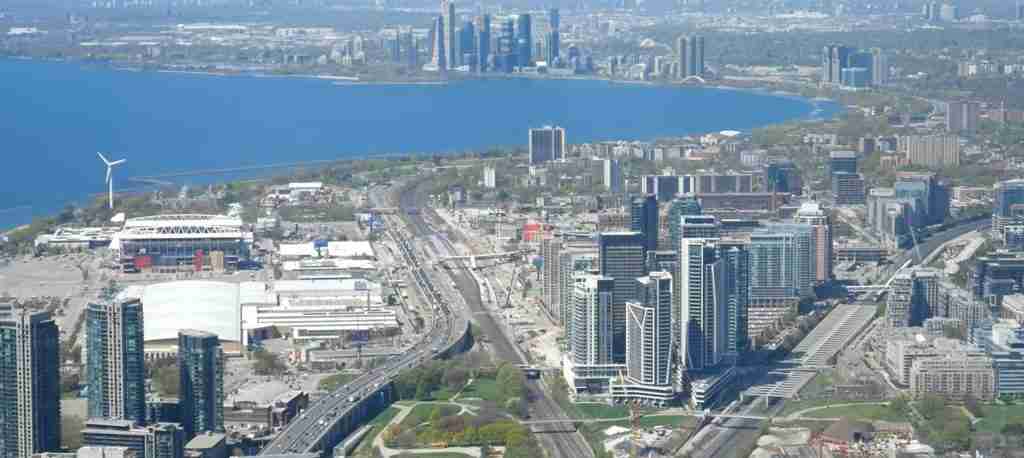
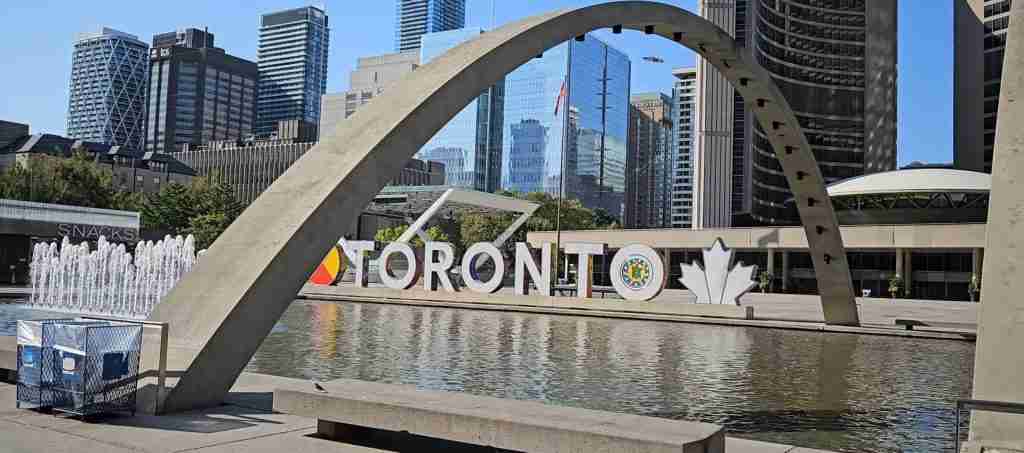
Toronto stands 130 kilometers north of Niagara Falls along the Queen Elizabeth Way, positioning Canada’s largest city within practical day-trip distance for travelers seeking urban experiences beyond natural wonders. This metropolis of 3 million residents (6 million in the Greater Toronto Area) delivers world-class museums, distinctive neighborhoods, waterfront attractions, and dining scenes that rival any North American city—all accessible via multiple transportation options from the Falls.
Transportation Options Toronto 2026
GO Train service from Niagara Falls GO Station to Toronto Union Station operates multiple departures daily with adult fares at $21 CAD each way in 2026. Children 12 and under ride free when accompanied by a fare-paying adult, significantly reducing costs for families. The journey requires approximately 2 hours including one transfer at Aldershot or Burlington GO Station depending on schedule. Trains provide spacious seating, power outlets, and WiFi connectivity, allowing productive or relaxing travel time. Weekend and holiday GO Transit passes offer unlimited travel for $10 CAD per person, though these require purchase online in advance and apply only to Saturday, Sunday, and holiday Monday travel.
Intercity bus service between Niagara Falls and Toronto Union Station presents the most economical option in 2026. Megabus Canada operates multiple daily departures with one-way fares ranging $9-55 CAD depending on booking timing and demand. FlixBus provides similar service at comparable pricing. Journey time averages 1 hour 35 minutes for direct services, though some routes include intermediate stops extending travel to 2 hours. Bus terminals at both ends connect directly to local transit systems—Toronto’s TTC subway network from Union Station provides easy access throughout the city.
Rental car costs for Toronto day trips range $40-100 CAD per day depending on vehicle class and rental company. The Queen Elizabeth Way provides straightforward highway routing directly into downtown Toronto with normal travel times of 1.5 hours, though Greater Toronto Area traffic can extend this to 2-3 hours during weekday rush periods (7:00-9:30 AM southbound, 4:00-7:00 PM northbound). Downtown Toronto parking presents the primary challenge—commercial lots charge $20-40 CAD for full-day parking, while street parking proves nearly impossible to secure. The rental car option makes most sense for travelers planning multiple stops outside central Toronto or coordinating Toronto visits with other regional destinations like Hamilton or Niagara-on-the-Lake.
Organized full-day tours from Niagara Falls to Toronto operate at $70-160 CAD per person in 2026, handling all transportation logistics while providing guided commentary and strategic routing to maximize limited sightseeing time. These tours typically depart Niagara Falls at 8:00-9:00 AM, spend 5-6 hours in Toronto with stops at CN Tower, Casa Loma, Harbourfront, and Distillery District, returning to Niagara Falls by 6:00-7:00 PM. The all-inclusive approach eliminates navigation stress and parking costs but constrains flexibility—you follow the tour’s predetermined schedule and itinerary rather than pursuing individual interests.
Essential Toronto Attractions Reachable in Day Trips 2026
CN Tower remains Toronto’s defining landmark at 553 meters height, offering observation decks with panoramic city and Lake Ontario views. General admission costs $44 CAD for adults in 2026 (check cn tower official site for current rates as pricing may vary). The EdgeWalk experience—a hands-free walk around the tower’s exterior circumference at 356 meters height—costs $225 CAD per person. Tower visits require 1-1.5 hours including admission queues and deck time, making this an efficient first or last stop in a Toronto day trip.
Royal Ontario Museum (ROM) houses 6 million artifacts spanning natural history, world cultures, and art across 40 galleries. The Michael Lee-Chin Crystal architectural addition creates one of Toronto’s most photographed structures. Adult admission costs $26 CAD in 2026. Comprehensive ROM exploration requires 2-3 hours minimum—day trippers should target 3-4 specific galleries aligned with personal interests rather than attempting the entire collection.
Art Gallery of Ontario displays 95,000 works from Canadian, Indigenous, European, and contemporary collections in a Frank Gehry-redesigned building. Adult admission costs $25 CAD. The AGO merits 2-3 hours for visitors interested in visual arts, with the Canadian and Indigenous galleries providing content unavailable elsewhere.
Distillery District occupies 13 acres of Victorian-era industrial buildings transformed into pedestrian-only courtyards housing galleries, boutiques, restaurants, and craft beverage producers. This historic district operates as a free-admission outdoor attraction with individual businesses setting their own hours. The area requires 1-2 hours for casual exploration, more if combining gallery visits with dining. Distillery District lies 2 kilometers east of Union Station, accessible via streetcar or 25-minute walk.
St. Lawrence Market functions as Toronto’s premier food market with over 120 vendors offering fresh produce, prepared foods, baked goods, and specialty items. The Saturday farmers market brings additional regional producers. Market admission is free with purchases at individual vendor stalls. Plan 1-1.5 hours for thorough browsing and lunch acquisition. St. Lawrence Market sits adjacent to the Distillery District, enabling efficient coupling of both attractions.
Harbourfront Centre provides year-round cultural programming, public art installations, and waterfront promenades along Lake Ontario. Summer months feature outdoor concerts and festivals. The area offers free admission with various paid activities available. Budget 1 hour for waterfront strolling or longer if attending specific events.
Sample Toronto Day Trip Itinerary 2026
Departure from Niagara Falls at 8:00 AM via GO Train arrives Toronto Union Station approximately 10:00 AM. Direct walk to St. Lawrence Market (5 minutes from Union Station) for 90-minute market exploration and lunch. Short walk or streetcar to Distillery District for 90-minute afternoon browsing through heritage courtyards and galleries. Return to Union Station area for late-afternoon CN Tower visit with sunset observation deck experience. Evening departure at 6:00-7:00 PM returns to Niagara Falls by 8:00-9:00 PM. This itinerary covers three distinct Toronto experiences—culinary market culture, historic industrial architecture, and iconic modern landmark—within a single day trip without excessive rushing or transit time waste.
Alternative focus on museums: Depart Niagara Falls 8:00 AM, arrive Toronto 10:00 AM. ROM from 10:30 AM-1:00 PM. Lunch in Yorkville neighborhood adjacent to ROM. AGO from 2:00-4:30 PM. Return to Union Station for 5:30-6:30 PM train departure. This museum-focused day provides substantive time at both institutions rather than superficial visits.
Niagara-on-the-Lake Wine Country Day Trips 2026
Niagara-on-the-Lake establishes itself as Canada’s premier wine tourism destination with 35+ wineries concentrated in a compact 20-by-15 kilometer region northeast of Niagara Falls. This area produces internationally recognized ice wines alongside varietal offerings from cool-climate grapes. The historic town itself—repeatedly designated “prettiest town in Canada”—features 19th-century architecture, theater offerings, and refined dining experiences complementing the wine-tasting focus.
Geographic Orientation and Access 2026
Niagara-on-the-Lake town center sits 25 minutes from Niagara Falls via Niagara Parkway, a scenic riverside route designated by Winston Churchill as “the prettiest Sunday drive in the world.” Major wineries cluster along three primary routes: Niagara Stone Road (Highway 55), Line 2 (Concession 2), and Line 3 (Concession 3). This concentration enables visiting 3-5 wineries without excessive driving between locations—most estates sit 5-10 minutes apart once you’ve reached the primary wine district.
Driving remains the most flexible transportation method for independent wine country exploration in 2026. Rental cars cost $40-100 CAD daily in the Niagara region. However, alcohol consumption during winery visits creates obvious concerns about driving afterward. Ontario maintains a legal blood alcohol limit of 0.05% (0.08% for criminal charges) with police conducting random roadside checks particularly along wine country routes. The designated driver solution works for groups but constrains one person’s tasting participation.
Organized wine tours eliminate the drinking-and-driving dilemma while providing knowledgeable guides, pre-arranged winery relationships often yielding better experiences than walk-in visits, and strategic routing maximizing tasting time versus transit time. Tour costs and formats receive detailed treatment in the following section.
Wine Tour Options and Costs 2026
Half-day group wine tours operate approximately 10:00 AM-2:30 PM, visiting three wineries with complimentary tastings included at each stop (check operator websites for current rates as pricing may vary). Tours cost $70-120 CAD per person in 2026. Typical itineraries include one large estate winery, one boutique family operation, and one specialty producer (ice wine focused or organic/biodynamic). Most tours provide hotel pickup from Niagara Falls accommodations, eliminating the need for your own vehicle. Group sizes typically range 10-24 participants traveling by passenger van or small bus.
Full-day wine tours extend the experience from 10:00 AM-5:00 PM, covering four to five wineries plus leisure time in downtown Niagara-on-the-Lake for lunch and exploration. These tours cost $120-180 CAD per person. The additional wineries allow exposure to broader varietal ranges and different production philosophies—large commercial estates versus small artisanal producers, traditional European styles versus New World approaches. Lunch stops occur at either winery restaurants or in-town establishments, with meals not included in tour pricing. Expect lunch costs of $20-40 CAD per person for casual dining, $40-70 for upscale winery restaurants.
Private wine tours for groups of 2-6 participants command premium pricing at $200-250 CAD per person but deliver completely customized itineraries. You select which wineries to visit based on varietal interests, price points, or architectural preferences. Private tours also accommodate specific timing requirements—earlier starts, extended visits at particular estates, or integration with other regional activities like cycling the wine route or visiting Fort George National Historic Site.
Bicycle wine tours combine active recreation with tasting experiences along relatively flat terrain in the Niagara-on-the-Lake wine district. Half-day cycling tours cost $90-140 CAD per person including bicycle rental, helmet, guide services, and visits to 2-3 wineries. Full-day options extend to 4-5 wineries at $140-200 CAD per person. These tours appeal to active travelers and those seeking outdoor experiences beyond sedentary wine consumption.
Notable Niagara-on-the-Lake Wineries 2026
Inniskillin Niagara pioneered the Canadian ice wine category in 1984 and maintains status as the region’s most recognized international brand. The estate offers multiple tasting experiences ranging from standard flights at $15-20 per person to premium ice wine focused sessions at $35-45 per person. The property features a restored 1920s barn housing the wine shop and tasting bar, with vineyard views and outdoor seating areas. Winter visitors can experience the Tunnel of Lights installation with fire pits and ice wine s’mores November through February.
Peller Estates positions itself as a premium dining destination alongside wine production, featuring The Restaurant at Peller Estates with five-course tasting menus paired with estate wines. The 10Below Ice Lounge provides a unique igloo-style environment for ice wine sampling. Winery tours cost $35 per person in 2026, including behind-the-scenes access to production facilities and cellars plus a guided tasting of selected wines. The property also operates Riverbend Inn & Vineyard, allowing overnight stays within the wine country landscape.
Trius Winery (part of the Andrew Peller family of estates) focuses on red wine programs unusual in cool-climate Niagara, producing notable Cabernet Franc and Cabernet Sauvignon alongside ice wines and sparkling offerings. The contemporary tasting room and outdoor patio provide vineyard views. Standard tastings cost $15-20 per person.
Jackson-Triggs operates one of the region’s largest wineries with an amphitheater hosting summer concert series. The estate offers comprehensive tours explaining commercial-scale production methods and barrel cellars. Standard tastings run $10-15 per person, with reserve and ice wine experiences at higher price points.
Smaller boutique producers like Kacaba Vineyards, Caroline Cellars, and Palatine Hills provide more intimate tasting room environments with direct interaction with winemaking families or principals. Tastings at these estates typically cost $15-25 per person with complimentary tastings occasionally available during slower periods.
Downtown Niagara-on-the-Lake Beyond Wineries 2026
Queen Street establishes the commercial and cultural heart of Niagara-on-the-Lake town, featuring heritage buildings housing boutiques, galleries, cafes, and restaurants along a pedestrian-friendly corridor extending six blocks from the waterfront. The street provides pleasant strolling environment with Victorian-era architecture, seasonal flower displays, and absence of chain retailers—independent merchants dominate the commercial mix.
Shaw Festival presents the theatrical works of George Bernard Shaw plus contemporary playwrights in a repertory format from April through October each season. The festival operates three theaters in Niagara-on-the-Lake with ticket prices ranging $50-140 depending on production, seat location, and performance timing. Matinee performances enable day-trippers to combine theater with morning wine tastings or afternoon exploration.
Fort George National Historic Site preserves a British military fortification from the War of 1812, offering guided tours, costumed interpretation, and military demonstrations during summer months. Admission costs $12 CAD for adults in 2026. The site provides historical context for the Niagara region beyond its current tourism identity, requiring 1-1.5 hours for basic exploration or 2-3 hours for visitors with particular interest in military history.
Sample Niagara-on-the-Lake Day Trip Itinerary 2026
Depart Niagara Falls at 9:30 AM for 25-minute drive to first winery (Inniskillin or Peller Estates) arriving 10:00 AM. First tasting session 10:00-10:45 AM. Drive to second winery (boutique producer) for 11:15 AM-12:00 PM tasting. Downtown Niagara-on-the-Lake arrival 12:15 PM for lunch at Queen Street restaurant (1 hour). Afternoon stroll along Queen Street browsing galleries and shops 1:30-2:30 PM. Optional Fort George visit 2:45-4:00 PM or additional winery stop. Return to Niagara Falls 4:30-5:00 PM. This itinerary balances wine focus with town exploration and historical education.
Organized tour alternative: Half-day wine tour departure 10:00 AM from Niagara Falls hotel, visiting three pre-selected wineries with guide-led tastings, returning 2:30-3:00 PM. This provides maximum wine exposure with minimum logistics management—tour operator handles all driving, winery relationships, and timing coordination.
Buffalo Day Trips from Niagara Falls 2026
Buffalo, New York sits 23 miles south of Niagara Falls across the international border, offering American travelers convenient base-city access and providing Canadian visitors with distinct US urban culture within 30-minute driving distance. This city of 275,000 (1.1 million metro area) delivers architectural significance, art museums, sports venues, and culinary traditions—particularly chicken wings originating here—creating legitimate day-trip appeal beyond mere geographic proximity.
Border Crossing Requirements and Process 2026
All travelers crossing the Canada-US border require valid passport books, passport cards, NEXUS cards, or enhanced driver’s licenses regardless of citizenship or age in 2026. Standard driver’s licenses do not satisfy border crossing requirements. Children under 16 may cross land borders with certified birth certificates when traveling with parents, though passports simplify the verification process. The four primary bridges connecting Niagara Falls area with Buffalo each operate 24-hour customs facilities with varying wait times depending on time of day and traffic volume.
Peace Bridge connects Fort Erie, Ontario directly with Buffalo, New York and handles the highest commercial truck traffic among the four crossings. Wait times at Peace Bridge customs typically range 15-45 minutes during daytime hours, extending to 60+ minutes during peak travel periods (Friday afternoons, Sunday evenings, US/Canadian holiday weekends). The Peace Bridge route provides fastest access to downtown Buffalo destinations.
Rainbow Bridge crosses directly from Niagara Falls, Ontario to Niagara Falls, New York adjacent to the waterfalls tourist zones. This crossing experiences heaviest pedestrian and tourist vehicle traffic. Customs wait times average 20-40 minutes during midday hours, increasing to 60-90 minutes during peak summer afternoons. Rainbow Bridge positions travelers nearest to Niagara Falls State Park on the American side but requires additional 20-25 minutes driving to reach downtown Buffalo.
Whirlpool Rapids Bridge and Lewiston-Queenston Bridge serve as NEXUS dedicated lanes with standard traffic lanes also available. Wait times at these crossings typically run shorter than Peace Bridge or Rainbow Bridge—10-30 minutes during normal periods—but both require longer driving distances to reach downtown Buffalo destinations.
Border crossing procedures require all vehicle occupants to present identification documents to customs officers, answer questions about trip purpose and duration, and potentially undergo vehicle or luggage inspection. Officers may request additional documentation including return travel proof for non-citizens. The process typically takes 2-5 minutes per vehicle for routine crossings without complications.
Downtown Buffalo Attractions 2026
Albright-Knox Art Gallery (recently expanded and rebranded as Buffalo AKG Art Museum) houses significant modern and contemporary art collections including works by Picasso, Matisse, Pollock, and Warhol. The $160 million expansion completed in 2023 added substantial gallery space and campus improvements. Adult admission costs $20 in 2026 (check official site for current rates as pricing may vary). Comprehensive museum visits require 2-3 hours. The museum sits in Delaware Park approximately 10 minutes drive from downtown Buffalo.
Frank Lloyd Wright’s Martin House Complex represents one of Wright’s finest Prairie School residential designs, completed in 1905 for Darwin D. Martin. The restoration showcases Wright’s integrated approach to architecture, landscape, and decorative arts. Guided tours cost $20-35 per person depending on tour length and areas accessed in 2026. Standard tours run 90 minutes—architecture enthusiasts may allocate 2-3 hours for comprehensive experiences. The complex sits in Buffalo’s Parkside neighborhood, 10-15 minutes from downtown.
Canalside development along Buffalo’s Inner Harbor transformed 21 acres of underutilized waterfront into year-round recreation space featuring ice skating (winter), kayaking (summer), concerts, food vendors, and historical interpretation of Erie Canal significance. The area provides free public access with individual activity charges. Canalside works well as 1-2 hour exploration or lunch destination, particularly during warmer months when outdoor spaces operate fully.
Buffalo City Hall exemplifies Art Deco civic architecture with a 378-foot tower dominating the downtown skyline. Free observation deck access provides panoramic city views. Self-guided building tours take 30-45 minutes. City Hall sits in the heart of downtown Buffalo adjacent to Niagara Square.
Theater District encompasses Shea’s Performing Arts Center (1926 theater palace presenting Broadway touring shows) and several smaller venues. Shea’s offers architectural tours on select dates for $10-15 per person in 2026. Catching an evening performance transforms a day trip into an evening excursion—matinee shows enable earlier returns to Niagara Falls.
Buffalo Culinary Experiences 2026
Buffalo wings originated at Anchor Bar in 1964, establishing the city’s signature culinary contribution to American food culture. Anchor Bar continues operating at its original Delaware Avenue location plus several franchise sites. Wing orders typically cost $12-18 for a dozen pieces. The experience holds more nostalgic than gastronomic value—locals identify numerous superior wing establishments—but the originator status attracts tourists seeking authentic Buffalo wing history.
Beef on weck sandwiches represent Buffalo’s second distinctive food specialty—roast beef on kummelweck rolls (caraway seed and coarse salt topped). Charlie the Butcher, Schwabl’s, and Bar-Bill Tavern serve notable versions at $10-15 per sandwich. These regional specialties don’t travel well—consuming them in Buffalo provides authentic experience unavailable in other markets.
West Side Bazaar incubates immigrant-owned food businesses in a shared marketplace environment, featuring cuisines from Burma, Somalia, Ethiopia, Iraq, and other refugee communities resettled in Buffalo. The bazaar operates Thursday through Saturday with lunch options at $8-15 per entree. This venue demonstrates Buffalo’s evolution as a refugee resettlement city while providing exceptional ethnic food access.
Sample Buffalo Day Trip Itinerary 2026
Depart Niagara Falls 9:00 AM for border crossing and drive to downtown Buffalo arriving 10:00 AM. Frank Lloyd Wright Martin House tour 10:30 AM-12:00 PM. Lunch at West Side Bazaar or downtown establishment 12:30-1:30 PM. Afternoon visit to Buffalo AKG Art Museum 2:00-4:00 PM. Optional Canalside stroll 4:15-5:00 PM. Return drive to Niagara Falls departing 5:15 PM, arriving approximately 6:00 PM accounting for border crossing. This itinerary emphasizes Buffalo’s architectural and cultural strengths while sampling regional culinary traditions.
Sports-focused alternative: Buffalo Bills NFL game day trips require advance ticket purchases ($75-300+ per seat depending on opponent and seat location) plus transportation coordination for 1:00 PM or 4:25 PM kickoffs. Highmark Stadium sits in Orchard Park suburb 15 minutes south of downtown Buffalo. Game day traffic adds substantial time to all transit—depart Niagara Falls 3-4 hours before kickoff for afternoon games, return journey after night games often extends to 90+ minutes due to parking lot congestion.
St. Catharines and Port Dalhousie Day Trips 2026
St. Catharines serves as the Niagara region’s commercial hub, housing 140,000 residents and functioning as the largest city in the Niagara peninsula. While lacking the tourist infrastructure of Niagara Falls or the historic charm of Niagara-on-the-Lake, St. Catharines delivers authentic local life, the Welland Canal engineering marvel, and the Lake Ontario shoreline community of Port Dalhousie.
Welland Canal and Lock Viewing 2026
Welland Canal enables ocean-going vessels to navigate between Lake Ontario and Lake Erie, bypassing Niagara Falls and the river’s 99-meter elevation difference through eight locks. This engineering achievement moves approximately 40 million tonnes of cargo annually. Lock 3 viewing complex in St. Catharines provides the most accessible public observation point with elevated platforms, interpretive signage, and visitor center. Admission to lock viewing areas is free.
Ship traffic operates 24 hours daily during the navigation season (typically late March through December). The visitor center maintains current schedules of approaching vessels online and via information kiosks. Watching a vessel transit through the lock requires 30-60 minutes depending on whether you arrive before or during the locking process. The experience provides engineering and maritime education particularly engaging for children or technology-interested adults.
The Welland Canal Trail offers 42 kilometers of paved recreational pathway following the canal route from Port Colborne to Port Dalhousie. Section walking or cycling between locks provides outdoor activity complementing the industrial-engineering focus. Bicycle rentals in St. Catharines typically cost $25-40 per day.
Port Dalhousie Historic Waterfront 2026
Port Dalhousie occupies the Lake Ontario terminus of the Welland Canal, five kilometers north of central St. Catharines. This waterfront community preserves 19th-century commercial buildings along Main Street while offering beach access, harbor views, and year-round residents creating authentic neighborhood character rather than tourist-district artificiality.
Lakeside Park Carousel operates as one of Ontario’s few remaining hand-carved wooden carousels, dating to 1903. The restored carousel functions during summer months with nominal admission charges. The surrounding park provides beach access, picnic facilities, and harbor promenade. These free-admission public spaces suit families with children and travelers seeking low-key outdoor settings.
Main Street Port Dalhousie features independent restaurants, cafes, and shops in heritage buildings. The district operates year-round with reduced winter hours. Dining options range from casual pub fare ($12-20 per entree) to upscale seafood restaurants ($25-45 per entree). The waterfront patio dining in summer creates pleasant atmosphere for extended lunches or early dinners.
St. Catharines Museum and Arts Centre 2026
St. Catharines Museum interprets local history from Indigenous settlement through industrial development and Welland Canal construction to present suburban growth. The museum occupies a historic property with exhibition galleries, decorative arts collections, and outdoor heritage structures. Adult admission costs $8 CAD in 2026. Comprehensive visits require 1-1.5 hours. The museum sits adjacent to Montebello Park in the city’s historic center.
Sample St. Catharines Day Trip Itinerary 2026
Depart Niagara Falls 10:00 AM for 30-minute drive to St. Catharines. Lock 3 arrival 10:30 AM—check ship schedule to time visit with vessel transit through lock system (11:00 AM-12:00 PM typical). Lunch at downtown St. Catharines restaurant 12:30-1:30 PM. St. Catharines Museum visit 2:00-3:15 PM. Drive to Port Dalhousie 3:30 PM for waterfront stroll and carousel visit 3:45-5:00 PM. Return to Niagara Falls 5:30 PM. This itinerary combines engineering education (canal and locks), local history immersion (museum), and waterfront recreation (Port Dalhousie) in a relaxed single-day format without tourist-zone intensity.
Hamilton Waterfall and Conservation Area Day Trips 2026
Hamilton positions itself as “Waterfall Capital of the World” with over 100 waterfalls within city limits and immediate surroundings, though most measure under 10 meters height. The concentration stems from the Niagara Escarpment passing directly through Hamilton, creating numerous streams plunging over the cliff edge. This natural feature, combined with accessible conservation areas and Bruce Trail sections, creates outdoor-focused day trip opportunities 45 minutes from Niagara Falls.
Premier Hamilton Waterfalls 2026
Webster’s Falls drops 22 meters over a wide horseshoe-shaped escarpment edge in Spencer Gorge Conservation Area. The waterfall sits within 15-minute walk from parking areas via maintained trails. Conservation area admission costs $6 per vehicle on weekdays, $9 on weekends and holidays in 2026. The area provides picnic facilities, multiple hiking trail options, and access to Tew’s Falls (see below). Webster’s Falls ranks among Ontario’s most photographed waterfalls due to accessibility combined with scenic volume.
Tew’s Falls shares Spencer Gorge Conservation Area with Webster’s Falls, dropping 41 meters as Hamilton’s tallest waterfall. A viewing platform provides direct observation point accessed via moderate hiking trail from Webster’s Falls area parking (approximately 2 kilometers). The combined Webster’s-Tew’s circuit requires 1.5-2 hours walking at casual pace, longer with extended photography stops.
Albion Falls drops 19 meters in Buttermilk Falls Conservation Area, featuring a distinctive cascade formation over layered rock. This waterfall sits within Red Hill Valley parklands on Hamilton’s east side, accessible via short walk from parking area. Park admission is free. The area provides picnic grounds and trail connections to additional smaller waterfalls in the Red Hill Creek system.
Devil’s Punchbowl presents a 37-meter waterfall flowing into a large plunge pool that has eroded into a bowl-shaped gorge formation. The viewing area at Stoney Creek Conservation Area provides overlook access plus descent trails to the gorge floor for closer observation. Conservation area admission costs $6 per vehicle weekdays, $9 weekends. Devil’s Punchbowl combines waterfall viewing with geological education—the erosion processes creating the punchbowl formation demonstrate escarpment development over millennia.
Royal Botanical Gardens Hamilton 2026
Royal Botanical Gardens encompasses 2,400 acres of cultivated gardens, nature sanctuaries, and natural lands along Hamilton’s western waterfront extending into neighboring Burlington. The complex operates as Canada’s largest botanical garden, featuring specialized collections including rock garden (largest in North America), rose gardens, Mediterranean garden, and extensive woodland trails. Adult admission costs $20 CAD in 2026 (check official site for current rates as pricing may vary). Comprehensive garden exploration requires 2-4 hours depending on seasonal bloom conditions and walking ambitions.
The rock garden presents the highlight collection, particularly spectacular during spring (April-May) when alpine and woodland wildflowers peak. The iris collection blooms June-July, rose gardens peak July-August. Fall foliage in woodland areas creates October color displays. Winter visits offer reduced admission and greenhouse conservatory access.
Dundurn Castle Historic Site 2026
Dundurn Castle represents one of Canada’s finest Italianate-style mansions, completed in 1835 for Sir Allan Napier MacNab. The restored 40-room residence interprets 1850s upper-class life through period furnishings and costumed interpretation. Guided tours cost $15 CAD for adults in 2026. Tours run 60 minutes covering main floor reception rooms, family quarters, and servant areas. The property sits on Hamilton’s waterfront with grounds providing harbor views and picnic areas. Dundurn Castle works well as cultural component in Hamilton day trips focused primarily on outdoor activities.
Sample Hamilton Day Trip Itinerary 2026
Depart Niagara Falls 9:00 AM for 45-minute drive to Spencer Gorge Conservation Area arriving 9:45 AM. Webster’s Falls and Tew’s Falls hiking circuit 10:00 AM-12:00 PM. Lunch at Dundas village restaurants (adjacent to Spencer Gorge) 12:15-1:15 PM. Afternoon visit to Royal Botanical Gardens 1:45-4:00 PM, focusing on rock garden and current seasonal features. Return drive to Niagara Falls departing 4:15 PM, arriving 5:00 PM. This itinerary balances active hiking with cultivated garden appreciation, showcasing Hamilton’s escarpment geology and horticultural significance.
Waterfall-focused alternative: Visit 4-5 different Hamilton waterfalls (Webster’s, Tew’s, Albion, Devil’s Punchbowl, plus 1-2 smaller cascades) throughout the day, dedicating 45-90 minutes at each location. This approach prioritizes waterfall photography and natural feature collection over broader cultural or garden experiences.
Multi-Day Trip Combinations and Regional Passes 2026
Travelers spending 3+ nights in the Niagara Falls area gain flexibility to combine multiple day trip destinations, creating comprehensive regional exploration rather than focusing on a single location beyond the Falls. Strategic pairing of destinations based on geography and interest themes maximizes experience variety while minimizing duplicate driving.
Efficient Day Trip Pairing Strategies 2026
Toronto and Hamilton combination: These destinations sit along the same corridor north from Niagara Falls. Visiting both in a two-day sequence (Toronto one day, Hamilton the next) eliminates backtracking. Alternatively, Hamilton’s position as a midpoint between Niagara Falls and Toronto enables combined same-day visits for travelers prioritizing specific Toronto attractions over comprehensive city exploration—depart Niagara Falls early, spend morning in Hamilton conservation areas, continue to Toronto for afternoon museum visits, return to Niagara Falls evening. This ambitious itinerary works best with rental car providing schedule flexibility.
Niagara-on-the-Lake and St. Catharines combination: Both destinations lie northeast of Niagara Falls in close proximity to each other. Morning wine touring in Niagara-on-the-Lake followed by afternoon Welland Canal observation and Port Dalhousie waterfront in St. Catharines creates varied single-day experience. The 20-minute drive between locations enables efficient transition without excessive transit time.
Buffalo and Niagara Falls State Park (American side) combination: For Canadian visitors crossing to Buffalo, the route passes directly through Niagara Falls, New York. Combining both locations in single day trip maximizes border crossing value—one customs process enables experiences on American side of Falls plus Buffalo urban attractions. Depart Canadian side morning, spend 2-3 hours at American Falls attractions (Cave of the Winds, Maid of the Mist when operating May-November), continue to Buffalo for afternoon cultural attractions, return to Canadian side evening. This requires full day (8-10 hours) to accomplish without excessive rushing.
Niagara Parks Commission WEGO System 2026
WEGO bus system operates along the Canadian Niagara Parkway connecting Niagara Falls attractions with Queenston Heights, Niagara-on-the-Lake, and points between. Service runs every 20 minutes during peak season (May-October), less frequently off-season. Day passes cost $9 CAD for adults in 2026. The system provides car-free access to Butterfly Conservatory, Floral Clock, Whirlpool Aero Car, Niagara Glen Nature Reserve, and other parkway attractions, eliminating parking hassles at popular summer destinations. WEGO serves as practical transportation option for travelers combining Niagara Falls area attractions with wine country visits—take WEGO to Niagara-on-the-Lake, join wine tour departing from town, return via WEGO.
Multi-Day Trip Accommodation Considerations 2026
Travelers planning multiple day trips from Niagara Falls face accommodation location decisions between Canadian side (superior Falls views, more accommodation options, easier wine country access) and American side (lower room rates, simpler access to Buffalo and US destinations without border crossing). Canadian side hotels in Fallsview district range $150-400 per night depending on season and room category. American side Niagara Falls hotels typically run $80-180 per night. The rate differential can influence multi-day budget calculations—three nights American side with one border crossing for Buffalo day trip versus three nights Canadian side with superior dining and attraction access.
St. Catharines and Niagara-on-the-Lake offer alternative accommodation bases for travelers prioritizing wine country over Falls proximity. Niagara-on-the-Lake hotels and B&Bs command premium rates ($200-500+ per night) but position guests within walking distance of multiple wineries and historic town attractions. St. Catharines hotels provide more economical options ($100-180 per night) with 15-minute drive access to both Niagara Falls and wine country.
Seasonal Considerations for Day Trips 2026
Seasonal variations dramatically affect day trip experiences, costs, and logistics from Niagara Falls throughout the calendar year. Understanding these patterns enables strategic travel planning aligned with personal priorities—peak experience access versus value pricing, outdoor activity availability versus weather comfort, attraction operating schedules versus crowd avoidance.
Summer Season Day Trips (June-August 2026)
Summer delivers full attraction accessibility across all day trip destinations from Niagara Falls. Boat tours operate at the Falls themselves and in Toronto Harbor. Wine country tours run maximum schedules with all wineries maintaining extended hours. Conservation areas and outdoor attractions function without weather limitations. This comprehensive access comes with corresponding challenges—accommodation rates peak 40-60% above off-season pricing, restaurant reservations become necessary at quality establishments, and popular attractions experience substantial crowds particularly during US and Canadian holiday weekends.
Summer weather averages 25-28°C (77-82°F) in the Niagara region with occasional heatwaves pushing temperatures above 30°C. These conditions favor outdoor activities but create uncomfortable situations for intensive urban walking in Toronto or Buffalo. Early morning starts for day trips provide cooler temperatures and crowd avoidance—departing Niagara Falls by 8:00 AM positions you at destination attractions before peak visitor arrivals.
Shaw Festival in Niagara-on-the-Lake presents full summer season programming with matinee and evening performances enabling theater-wine tour combinations. Toronto festivals and waterfront events concentrate in summer months, adding cultural programming beyond permanent attractions. Hamilton conservation areas experience heaviest usage during summer weekends—midweek visits provide more solitary waterfall experiences.
Fall Season Day Trips (September-October 2026)
Fall establishes itself as the optimal season for day trips from Niagara Falls, delivering moderate weather, reduced crowds, and the grape harvest period in wine country. Temperatures range 15-22°C (59-72°F) through September and October with comfortable conditions for outdoor activities and urban exploration. Accommodation rates drop 20-30% below summer peaks immediately after Labour Day weekend, while most attractions maintain full operating hours through October.
Niagara-on-the-Lake wine country experiences harvest season in September and early October, with many wineries offering crush pad tours showing grape processing and fermentation initiation. Fall foliage peaks late September through mid-October, transforming Niagara Parkway drives and Hamilton conservation area hikes into spectacular color displays. The timing requires slight luck—early cold snaps can accelerate leaf drop, warm autumns can delay peak color into late October.
Toronto festivals continue into early September. Hamilton’s Royal Botanical Gardens presents fall color in woodland areas and late-season perennial gardens. Waterfall flow in Hamilton conservation areas often increases with fall rain patterns, enhancing viewing experiences. Some attractions begin reducing operating hours or days in October—confirm schedules before planning day trips after Canadian Thanksgiving (mid-October).
Winter Season Day Trips (November-February 2026)
Winter day trips from Niagara Falls require accepting significant limitations on outdoor activity access while gaining advantages in pricing and crowd avoidance. Many wineries reduce hours or close entirely November through March, though largest estates maintain year-round operations. Boat tours at Niagara Falls cease operation in November. Hamilton waterfalls can freeze spectacularly but trail access becomes hazardous with ice conditions—only well-maintained conservation areas with treated pathways remain safely accessible.
Toronto winter activities center on indoor attractions—museums, galleries, theaters, shopping districts. The underground PATH system connects downtown buildings across 30 kilometers of climate-controlled corridors, enabling extensive downtown exploration without outdoor exposure. Buffalo’s winter weather mirrors Toronto with lake-effect snow adding transportation unpredictability.
Accommodation rates drop 30-50% below summer pricing during winter months. Restaurants across all destinations operate with reduced crowds, eliminating reservation requirements except at highest-demand establishments. Some wine country properties create winter-specific experiences—ice wine tastings in snow-covered vineyards, heated outdoor lounges with fire features, pairing dinners emphasizing local winter ingredients.
Winter driving from Niagara Falls requires snow tire equipped vehicles (mandatory in Quebec, strongly recommended elsewhere in Canada and New York) and comfort navigating winter road conditions. Highway closures due to snow squalls occur occasionally on routes to Toronto and Buffalo. Always check weather forecasts and road conditions before departing for winter day trips.
Spring Season Day Trips (March-May 2026)
Spring presents transitional conditions across the Niagara region with March often functioning as winter extension while May approaches summer activity levels. April through May offers expanding attraction accessibility, emerging gardens and conservation area wildflowers, and moderate pricing before summer peaks. Accommodation costs run 15-25% below summer rates.
Niagara-on-the-Lake wineries resume full operations by April with tasting rooms reopening and vineyard work visible—pruning, tying, early growth management. Shaw Festival begins its season in April with expanding show rotation through May and June. Toronto’s Royal Ontario Museum and Art Gallery of Ontario present blockbuster exhibitions timed for spring openings. Hamilton’s Royal Botanical Gardens rock garden reaches peak bloom April-May, establishing spring as the premier season for garden visits.
Waterfall flow peaks during spring snowmelt and rain, creating dramatic viewing conditions at Hamilton conservation areas. Some trails remain muddy or closed due to spring conditions—check conservation area status before visiting. The Niagara Parkway drive and WEGO bus service typically begin full season operations in early May.
Weather unpredictability characterizes spring in the Niagara region. April temperatures range 5-15°C with mix of rain, occasional snow, and emerging warm days. May improves to 12-22°C with reduced precipitation. Pack layered clothing and rain protection for spring day trips regardless of morning weather forecast.
Transportation Cost Summary and Comparison 2026
Understanding full transportation costs for day trips from Niagara Falls requires comparing multiple factors beyond base fares—time investment, flexibility, convenience, parking charges, and border crossing implications. The following analysis breaks down real costs for each major destination and transport method.
Toronto Transportation Cost Analysis 2026
GO Train ($21 CAD each way, $42 round-trip per adult, children free) provides the most economical option for families with kids 12 and under. A family of four (two adults, two children) pays $84 total for round-trip transportation. The 2-hour journey each direction consumes 4 hours of day trip time but eliminates driving stress and parking costs. Weekend GO Transit passes at $10 per person reduce per-person costs for Saturday, Sunday, or holiday Monday travel.
Intercity bus ($9-55 CAD each way depending on booking timing) delivers lowest costs for solo travelers or couples. A couple booking advance Megabus tickets at $18 round-trip each spends $36 total—less than half the GO Train cost—with 1.5-hour journey time saving 30 minutes each direction versus train. Last-minute or holiday weekend bus fares can exceed GO Train pricing, eliminating the cost advantage.
Rental car ($40-100 CAD daily) plus fuel ($15-20 for round-trip) and Toronto parking ($20-40) totals $75-160 for the day. This cost typically exceeds GO Train pricing for 1-2 person travel but becomes competitive for 3-4 person groups when compared to individual train fares. The car provides maximum schedule flexibility and enables stops between Niagara Falls and Toronto (Hamilton waterfalls, roadside attractions) impossible with fixed-schedule transit.
Organized tours ($70-160 CAD per person) appear expensive compared to independent transit until you factor in the value of guide expertise, strategic attraction timing, and complete logistics management. A couple selecting organized tour at $140 each pays $280 versus $84 for GO Train—but gains curated itinerary, commentary, and zero planning burden. The premium pays for convenience rather than basic transportation.
Niagara-on-the-Lake Transportation Cost Analysis 2026
Independent driving (25 minutes from Niagara Falls) costs only fuel ($5-8 round-trip) but creates the designated driver dilemma for wine tasting. The person abstaining from alcohol consumption misses the primary activity. Taxi or rideshare services from Niagara Falls to Niagara-on-the-Lake cost $40-60 each way, totaling $80-120 round-trip—viable for couples or small groups splitting fare but expensive for solo travelers.
Organized wine tours ($70-180 CAD per person for half-day, $120-250 for full-day) cost substantially more than independent transportation but eliminate drinking-driving concerns while adding guide expertise, pre-arranged winery visits often yielding better experiences, and strategic routing. The mid-range $120 per person full-day tour seems expensive until you calculate independent costs: rental car $60 plus fuel $8 plus winery tasting fees $45-60 (three wineries at $15-20 each) totals $113-128 before lunch—within $10 of organized tour pricing while missing the guide component entirely.
WEGO bus system ($9 day pass) provides car-free access between Niagara Falls and Niagara-on-the-Lake for travelers combining wine country with Niagara Parkway attractions. This option works for visitors staying multiple days who want some wine country exposure without dedicating full days to wine tours—ride WEGO to town, visit 1-2 walkable wineries, explore downtown, return via WEGO.
Buffalo Transportation Cost Analysis 2026
Driving from Canadian-side Niagara Falls to Buffalo with your own vehicle costs fuel $12 round-trip, Peace Bridge toll $4, and Buffalo parking $8-20 (depending on location), totaling $24-36 for operational expenses. Border crossing time (typically 20-40 minutes) and navigation in unfamiliar US city create stress factors independent transit eliminates. Travelers requiring rental car face additional $60 daily charge bringing total transportation to $84-96 before attraction admissions.
Organized Buffalo tours from Niagara Falls cost $70-150 per person depending on itinerary comprehensiveness. For solo travelers or couples, this option delivers significant value—$140 for a couple on organized tour versus $24-36 for independent driving with own vehicle (or $168-192 if renting car). The tour includes guide services, strategic attraction timing, and complete border crossing management. Groups of 3-4 with rental vehicles find independent driving more economical when splitting costs.
Multi-Destination Regional Passes 2026
GO Transit weekend day passes ($10 CAD per person for unlimited Saturday, Sunday, or holiday Monday travel) create exceptional value for travelers planning multiple destinations via GO Train. Two days of GO Transit travel with weekend passes cost $20 per person versus standard fares totaling $60-85 depending on destinations (Toronto round-trip $42, Hamilton and other regional destinations $30-45 round-trip). The pass requires online advance purchase and applies only to weekend/holiday travel.
WEGO day pass ($9 CAD) covers unlimited bus travel along Niagara Parkway, enabling visits to multiple attractions in single day: Niagara Falls, Butterfly Conservatory, Floral Clock, Niagara-on-the-Lake, Queenston Heights Park. The pass eliminates parking hassles at popular summer locations while costing less than single-day parking at Niagara Falls would charge.
Border Crossing and Documentation Details 2026
Cross-border day trips from Niagara Falls require understanding documentation requirements, customs procedures, duty-free allowances, and common issues that delay or prevent border crossings. This section clarifies these elements for smooth international travel in 2026.
Acceptable Identification Documents 2026
US and Canadian citizens crossing the land border between the two countries must present one of the following documents: valid passport book, passport card (land/sea travel only, not valid for air travel), NEXUS card, or enhanced driver’s license. Standard driver’s licenses do not meet border crossing requirements regardless of state or province issue. The enhanced driver’s license option applies only to residents of Michigan, Minnesota, New York, Vermont, Washington, British Columbia, Manitoba, Ontario, and Quebec—other jurisdictions don’t issue enhanced licenses.
Citizens of other countries require valid passports plus appropriate visas or Electronic Travel Authorizations depending on citizenship. Visitors must maintain valid status in the country they’re visiting—Canadians visiting the US require valid ESTA or visa if applicable, Americans visiting Canada require eTA or visa if applicable. Green card holders (US permanent residents) and Canadian permanent residents must carry their permanent resident cards when crossing borders.
Children under 16 may cross land borders with just certified birth certificates when traveling with parents. However, children 16-18 require full passport or other acceptable adult documentation. Parents traveling with children should carry custody documents or notarized permission letters from non-traveling parents to avoid questions about parental authority—border officers sometimes request these, particularly for solo parents traveling with children.
Customs Declaration and Duty-Free Limits 2026
Travelers crossing borders must declare all goods acquired in the country being departed. Personal effects and items for personal use typically pass duty-free, but purchased goods face duty thresholds. Canadians returning from US day trips (absent less than 24 hours) receive no duty-free allowance—all purchases incur applicable duties and taxes. The practical implication: casual day-trippers purchasing small personal items rarely face actual charges due to processing time exceeding value, but large purchases will incur duties.
Americans returning from Canadian day trips face similar 24-hour exemption restrictions. However, US customs officers typically exercise discretion for small purchases during day trips. Wine and alcohol face specific quantity restrictions—most US states limit personal importation to 1 liter per person without tax regardless of duty-free status, though officers may allow 2-3 bottles if you state they’re personal consumption.
Prohibited items include fresh fruits, vegetables, meats, and dairy products transported across borders due to agricultural restrictions. That fresh Ontario peach purchased at a farm stand cannot legally enter the US. Similarly, that Florida orange cannot enter Canada. Both countries maintain extensive lists of prohibited and restricted items—when uncertain, declare the item and let customs officers determine admissibility.
Common Border Crossing Issues 2026
The most frequent problem causing entry denial: criminal records. DUI convictions, even decades old, can render travelers inadmissible to Canada. Americans with criminal histories should research Canadian admissibility requirements before attempting crossing—rehabilitation certificates or temporary resident permits may enable entry but require advance application. The border crossing checkpoint is not the place to discover inadmissibility.
Overstaying previous visits creates problems during subsequent entries. Travelers who exceeded their authorized stay in either country may face extended questioning or entry denial. Always maintain clear records of entry and exit dates from previous trips.
Incomplete or inconsistent answers to officer questions raise red flags. Border officers ask about trip purpose, duration, accommodation location, and travel companions to verify admissibility and assess truthfulness. Vague answers (“just visiting”) or contradictions between group members’ statements can trigger secondary inspection. Provide clear, direct, consistent answers—”We’re staying at the Hilton Fallsview, visiting Niagara Falls attractions today, returning to our hotel tonight.”
Rental car documentation must clearly authorize cross-border use. Not all rental agreements permit border crossing—verify authorization before attempting to cross. Rental agencies charge supplemental fees ($15-30 per day) for cross-border coverage. Crossing without proper authorization violates rental agreements and creates insurance coverage gaps.
Day Trip Planning Tools and Resources 2026
Successful day trip execution from Niagara Falls requires access to current information about operating hours, transportation schedules, border wait times, and weather conditions. The following resources provide essential planning information.
Transportation Schedule Resources 2026
GO Transit (gotransit.com) publishes complete schedules for train and bus service throughout Ontario including Niagara Falls routes. The website and mobile app provide real-time service updates, delay notifications, and trip planning tools calculating connections between multiple routes. Schedules typically change three times yearly—confirm current schedule rather than relying on outdated information.
VIA Rail (viarail.ca) operates passenger train service between Toronto and Niagara Falls once daily. The website provides booking access and current schedules, though GO Transit offers more frequent service at lower cost for this route.
Megabus and FlixBus (ca.megabus.com, flixbus.com) operate intercity bus service with online booking and dynamic pricing—earlier bookings generally secure lower fares. Both companies publish schedules approximately 60 days in advance.
Border Crossing Wait Time Monitoring 2026
Canada Border Services Agency (cbsa.gc.ca) operates border wait time website showing current delays at all Niagara region crossings updated every 30 minutes. The data enables strategic crossing time selection—shifting departure by 1-2 hours can reduce wait times from 60+ minutes to under 20 minutes during peak periods.
US Customs and Border Protection (cbp.gov/bwt) provides equivalent border wait information for travelers entering the United States. The website covers all four Niagara bridges plus Fort Erie-Peace Bridge crossing.
Mobile apps like BorderLineup and CanadaWait aggregate border wait times from official sources with user-submitted updates providing ground-level intelligence beyond government data refresh cycles.
Weather and Road Condition Resources 2026
Environment Canada (weather.gc.ca) provides official Canadian weather forecasts including Niagara region locations. The website publishes hourly forecasts, severe weather warnings, and seasonal outlooks useful for multi-day planning.
National Weather Service (weather.gov) delivers equivalent US weather information for Buffalo and Niagara Falls, New York area.
Ontario 511 (511on.ca) publishes current highway conditions, construction zones, and winter road status for all provincial highways including QEW between Toronto and Niagara Falls. The service operates via website, mobile app, and toll-free phone number (511).
New York State Department of Transportation (511ny.org) provides similar road condition information for New York highways including routes between Niagara Falls and Buffalo.
Attraction Operating Hours and Current Status 2026
Individual attraction websites remain the authoritative source for current hours, admission prices, and special closures. Many attractions modify schedules seasonally—summer hours differ substantially from winter operations. Always verify current information within 24-48 hours of planned visits rather than relying on guidebook information or previous visit memories.
Niagara Parks (niagaraparks.com) operates the WEGO bus system plus numerous Canadian-side attractions. The website publishes comprehensive attraction hours, special event schedules, and WEGO service information.
Niagara Falls State Park (niagarafallsstatepark.com) provides American-side attraction information including Maid of the Mist and Cave of the Winds seasonal operations.
Day Trip Cost Budgeting Examples 2026
The following budget examples demonstrate realistic daily costs for different day trip scenarios from Niagara Falls in 2026, helping travelers establish appropriate financial expectations.
Toronto Day Trip Budget Breakdown 2026
GO Train round-trip transportation $42 per adult, breakfast at Niagara Falls hotel before departure, St. Lawrence Market lunch $15, afternoon snack $8, CN Tower admission $44, Royal Ontario Museum admission $26. Total approximately $135 per person for the day including transportation, meals, and two major attractions. Couples following this itinerary spend approximately $270 total. Families with two children under 12 pay $84 GO Train transportation (kids free), $60 lunches and snacks (four people), $88 CN Tower admission (two adults), $52 ROM admission (two adults), totaling approximately $284 for family of four—substantial savings versus two-adult cost due to children’s free train travel and attraction admission rates.
Niagara-on-the-Lake Wine Tour Budget Breakdown 2026
Half-day organized wine tour $100 per person, lunch at downtown Niagara-on-the-Lake restaurant $30 (not included in tour), wine purchases at visited wineries $40-80 optional (most participants purchase bottles to take home). Total approximately $170-210 per person. Couples spend approximately $340-420 for half-day wine country experience including lunch and modest wine purchases. This pricing assumes group tour format—private tours command $200-250 per person baseline before lunch and purchases.
Buffalo Cultural Day Trip Budget Breakdown 2026
Rental car $60 daily, fuel $12 round-trip, Peace Bridge toll $4, Buffalo parking $15, Frank Lloyd Wright Martin House tour $30, Albright-Knox Art Museum admission $20, lunch at West Side Bazaar $12, dinner at Anchor Bar $25. Total approximately $178 for single person. For couples sharing rental car: shared transportation costs $91 divided by two equals $46 per person, plus individual costs $87 (tour, museum, meals), totaling approximately $133 per person or $266 for the couple. This scenario demonstrates rental car value for couples—shared vehicle and parking costs produce lower per-person transportation expenses than organized tours at $70-150 per person while maintaining schedule flexibility.
Hamilton Waterfall and Gardens Day Trip Budget Breakdown 2026
Rental car $60 daily, fuel $10 round-trip, Spencer Gorge Conservation Area admission $9, Royal Botanical Gardens admission $20, lunch at Dundas village $18, Dundurn Castle tour $15 optional. Total approximately $132 for single person. For couples sharing rental car: shared transportation costs $70 divided by two equals $35 per person, plus individual costs $62 (admissions and lunch), totaling approximately $97 per person or $194 for the couple. This budget assumes full-day itinerary covering multiple conservation areas and the botanical gardens—travelers focusing solely on waterfalls without gardens can reduce costs by $20-25 per person.
Frequently Asked Questions About Day Trips from Niagara Falls 2026
How many day trips can you reasonably do from Niagara Falls in 2026?
Travelers staying 5-7 nights at Niagara Falls can comfortably execute 2-3 day trips while maintaining adequate time to explore the Falls attractions themselves and avoiding exhausting travel schedules. A balanced week-long itinerary might include one full day at Niagara Falls attractions (boat tour, Journey Behind the Falls, Niagara Parks attractions), one Toronto day trip, one Niagara-on-the-Lake wine country day, one relaxed day with spa, shopping, or local dining without scheduled excursions, and optional additional day trips to Hamilton or Buffalo depending on interests. Attempting 4-5 day trips in a week-long stay transforms vacation into grueling logistics exercise with minimal time actually experiencing destinations—you’ll spend more hours in vehicles than at attractions. Remember that day trips consume 8-12 hours door-to-door including transit time—a “day trip” isn’t a morning excursion but rather a full daylight commitment.
What is the most scenic drive from Niagara Falls for day trips in 2026?
Niagara Parkway from Niagara Falls to Niagara-on-the-Lake ranks as the region’s most scenic drive, following the Niagara River gorge through manicured parklands with frequent viewing points, historic sites, and attraction stops along the 25-kilometer route. Winston Churchill designated this drive “the prettiest Sunday drive in the world” during a 1940s visit—the characterization remains accurate today. The parkway passes Whirlpool Rapids viewing areas, Niagara Glen Nature Reserve, Botanical Gardens, Floral Clock, and multiple river overlooks before arriving at Niagara-on-the-Lake. Budget 45-60 minutes for the drive with photo stops versus 25 minutes via direct highway routing. The parkway operates as one-way southbound from Niagara-on-the-Lake back to the Falls, creating a scenic loop option. Spring through fall provides optimal conditions—winter ice and snow can make the parkway less picturesque though still passable.
Can you visit both sides of Niagara Falls in a day trip from Toronto in 2026?
Organized day tours from Toronto to Niagara Falls typically visit only the Canadian side due to time constraints and border crossing complexities. The 130-kilometer journey from Toronto to Niagara Falls consumes 1.5-2 hours each direction. Most tours allocate 4-5 hours at the Falls for boat tours, Journey Behind the Falls, lunch, and viewing platforms. Adding American side visits requires border crossing (20-60 minutes depending on wait times), driving to American attractions, border recrossing to Canada, then return journey to Toronto—this schedule extends total trip duration to 12+ hours with reduced time at any single location. Independent travelers with rental cars could theoretically add American side to Toronto-Niagara Falls day trip, but the combination creates exhausting schedule with minimal quality time at attractions. The smarter approach: dedicate one day to Toronto-to-Falls excursion focusing on Canadian side, plan separate trip when you can base yourself in Niagara Falls area for multiple days enabling both sides plus wine country and other regional attractions.
Are day trips from Niagara Falls worth it with young children in 2026?
Day trip viability with children depends entirely on their ages, temperaments, and your family’s tolerance for vehicle time. Children under 5 typically struggle with the 4-6 hours daily vehicle time required for destinations like Toronto or Buffalo—boredom and restlessness create miserable experiences for everyone. Niagara-on-the-Lake wine tours obviously don’t suit families with children regardless of age. Better options for families: focus on Niagara Parks attractions along the Parkway (Butterfly Conservatory, White Water Walk, Whirlpool Aero Car, Adventure Pass attractions) accessible via WEGO bus system in 20-30 minute segments rather than committing to 2-hour journeys. The Safari Niagara wildlife park sits 20 minutes from Niagara Falls offering animal encounters appealing to children. Marineland theme park (when operating) provides full-day entertainment without travel burdens. Clifton Hill attractions deliver arcade games, wax museums, and Niagara SkyWheel—these kid-targeted offerings keep families near accommodation base rather than spending hours in transit. Families with older children (10+) capable of appreciating museums, historical sites, and extended vehicle time can successfully execute Toronto or Buffalo day trips, particularly if interests align with destination offerings—CN Tower and Toronto sports venues appeal to many pre-teens and teenagers, Frank Lloyd Wright architecture and Buffalo art museums suit academically inclined older children.
What is the best day trip from Niagara Falls for photographers in 2026?
Hamilton waterfall circuit delivers the most concentrated photography opportunities in single day trip from Niagara Falls, combining dramatic waterfall landscapes, escarpment geology, autumn color (September-October), and varied compositions at 4-6 different locations. Spencer Gorge Conservation Area provides Webster’s Falls and Tew’s Falls—two distinctly different cascades within 2-kilometer walk. Devil’s Punchbowl offers unique bowl-shaped gorge formation. Albion Falls presents layered cascade formation. Tiffany Falls adds limestone cliff backdrop. Each location requires 45-90 minutes for serious photography—testing different viewpoints, waiting for light changes, capturing long exposures. Full-day commitment enables visiting all locations without rushing. Spring snowmelt (April-May) creates maximum water flow, autumn provides color framing (late September-October), winter can freeze falls into spectacular ice formations (requires careful trail navigation). Alternative photography-focused day trip: Niagara Parkway from Falls to Niagara-on-the-Lake captures river gorge, whirlpool rapids, Niagara Glen, botanical gardens, floral clock, and Queenston Heights viewpoints plus historic Niagara-on-the-Lake architecture—this scenic drive route delivers variety beyond single-subject focus of waterfall circuit.
How far in advance should you book day trip tours from Niagara Falls in 2026?
Summer season day trip tours (June-August) require 2-4 weeks advance booking for guaranteed availability, particularly for weekend departures and specialty experiences like wine tours or Toronto combo packages. Popular Saturday wine tours in July and August frequently sell out 3-4 weeks ahead. Last-minute bookings (2-3 days before) sometimes secure spots on less-popular tours or due to cancellations, but this approach risks missing preferred dates entirely. Spring and fall shoulder seasons (April-May, September-October) offer more flexible booking—1-2 weeks advance reservation typically secures space on most tours. Winter season (November-March) provides easiest booking with some tours accepting same-day reservations, though this flexibility stems from reduced tour frequency as many operators cut winter schedules due to lower demand. The booking timing question also applies to independent travel components: GO Train reservations aren’t required (purchase at station), but weekend GO Transit passes require online advance purchase. Intercity buses between Niagara Falls and Toronto/Buffalo operate on dynamic pricing—earlier booking consistently delivers lower fares, sometimes 50% below last-minute purchases. The general principle: book sooner for summer travel, booking flexibility increases outside peak season.
What day trip offers the best value from Niagara Falls in 2026?
GO Transit weekend day pass to Toronto delivers exceptional value at $10 per person in 2026 for unlimited Saturday, Sunday, or holiday Monday travel, enabling round-trip Toronto access for one-quarter the cost of regular GO Train fares. This requires traveling on specific days (weekends/holidays only) and purchasing passes online in advance, but those constraints are minor compared to the $32 savings per person versus standard $42 round-trip fare. The pass works particularly well for families—parents pay $20 total for transportation while children 12 and under ride free regardless of pass or standard fare, resulting in family of four reaching Toronto for $20 compared to $84 on standard GO Train tickets. Once in Toronto, the city offers extensive free attractions—Harbourfront promenades, St. Lawrence Market browsing (shopping costs money but entry is free), PATH underground walkway system, various parks and public spaces—plus reasonably priced admissions at museums ($20-26 per adult). A family could execute full Toronto day trip with GO weekend pass plus modest attraction admissions and meals for approximately $150-200 total, delivering world-class city experience at budget-conscious pricing unmatched by other day trip options from Niagara Falls.
Can you do a spontaneous last-minute day trip from Niagara Falls in 2026?
Independent day trips using personal vehicle or public transportation accommodate completely spontaneous decisions—wake up, check weather, drive to Hamilton waterfalls or catch the next GO Train to Toronto. This flexibility represents one advantage of independent travel over organized tours. Rental car reservations technically aren’t required though summer weekends sometimes see rental agencies sell out their available fleet—calling ahead or using car rental apps to verify availability prevents wasted trips to rental offices. GO Train operates on fixed schedule requiring no advance reservation—purchase tickets at station or via mobile app before boarding. Intercity buses similarly accept walk-up passengers when seats remain available, though online booking typically secures better fares. The limitation appears when attractions require advance tickets: CN Tower, Royal Ontario Museum, Niagara-on-the-Lake wineries with specific tour times, and Shaw Festival theater performances all benefit from advance booking, though many accommodate walk-up visitors during non-peak periods. Organized day trip tours from Niagara Falls generally require advance booking—tour operators need minimum participant numbers and don’t maintain fleets of empty buses waiting for spontaneous travelers. However, some tour companies accept last-minute bookings when existing tours have available seats. The verdict: spontaneous day trips work well for independent travelers comfortable with public transit or rental cars and flexible about specific attractions, but organized tours demand planning ahead.
What is the worst day of the week for day trips from Niagara Falls in 2026?
Saturday creates the most challenging day trip conditions from Niagara Falls throughout the 2026 season, combining maximum tourist crowds at all destinations with longest border crossing wait times and highest traffic congestion on connecting highways. Toronto attractions experience heaviest weekend attendance—ROM, AGO, and CN Tower all see substantial Saturday crowds versus midweek visits. Niagara-on-the-Lake wine country reaches capacity during summer Saturdays with tasting rooms at popular wineries becoming uncomfortably crowded. Hamilton conservation areas fill parking lots by mid-morning summer weekends. Border crossings to Buffalo face 60-90+ minute delays during Saturday afternoons as Canadian and American tourists cross in both directions. Highway traffic between Niagara Falls and Toronto intensifies during Saturday daylight hours. Restaurant reservations become essential rather than optional during Saturday peak dining times. The compounding effect of these factors transforms Saturday day trips into frustrating experiences characterized by waiting—waiting in traffic, waiting at border, waiting for attraction admission, waiting for restaurant tables. Travelers with scheduling flexibility should pursue day trips Tuesday through Thursday when crowds diminish substantially, traffic flows smoothly, and attractions operate without excessive congestion. Sunday ranks as second-worst day for crowds though better than Saturday. Monday through Friday deliver optimal experiences particularly at cultural attractions and wine country where weekday visits feel almost private compared to weekend mob scenes.
How do day trips from Canadian vs American side of Niagara Falls differ in 2026?
Your accommodation location—Canadian side versus American side of Niagara Falls—fundamentally shapes practical day trip options due to geography and border crossing logistics. Canadian side hotels provide straightforward access to Toronto (130 kilometers north via direct QEW highway), Niagara-on-the-Lake wine country (25 minutes northeast), Hamilton (45 minutes west), and St. Catharines (30 minutes west)—all without border crossing complications. Buffalo day trips from Canadian side require one border crossing each direction adding 40-120 minutes to journey depending on wait times. American side hotels reverse this equation: Buffalo sits 23 miles south with no border crossing, while Toronto, wine country, and other Canadian destinations all require border crossing plus the basic drive time. The practical implication means Canadian-side visitors should prioritize Toronto and wine country day trips while treating Buffalo as bonus if time and interest permit, whereas American-side visitors should focus on Buffalo and US destinations while accepting that Canadian day trips involve more complicated logistics. Another key difference: Canadian side Niagara Falls offers superior accommodation options, dining quality, and immediate Falls views, but American side delivers 30-40% lower hotel rates—this cost differential influences multi-day budgets substantially. Travelers staying 5-7 nights might choose American side accommodation to reduce lodging costs by $300-500+ over the week, accepting the trade-off of inferior immediate area while gaining easy Buffalo access.