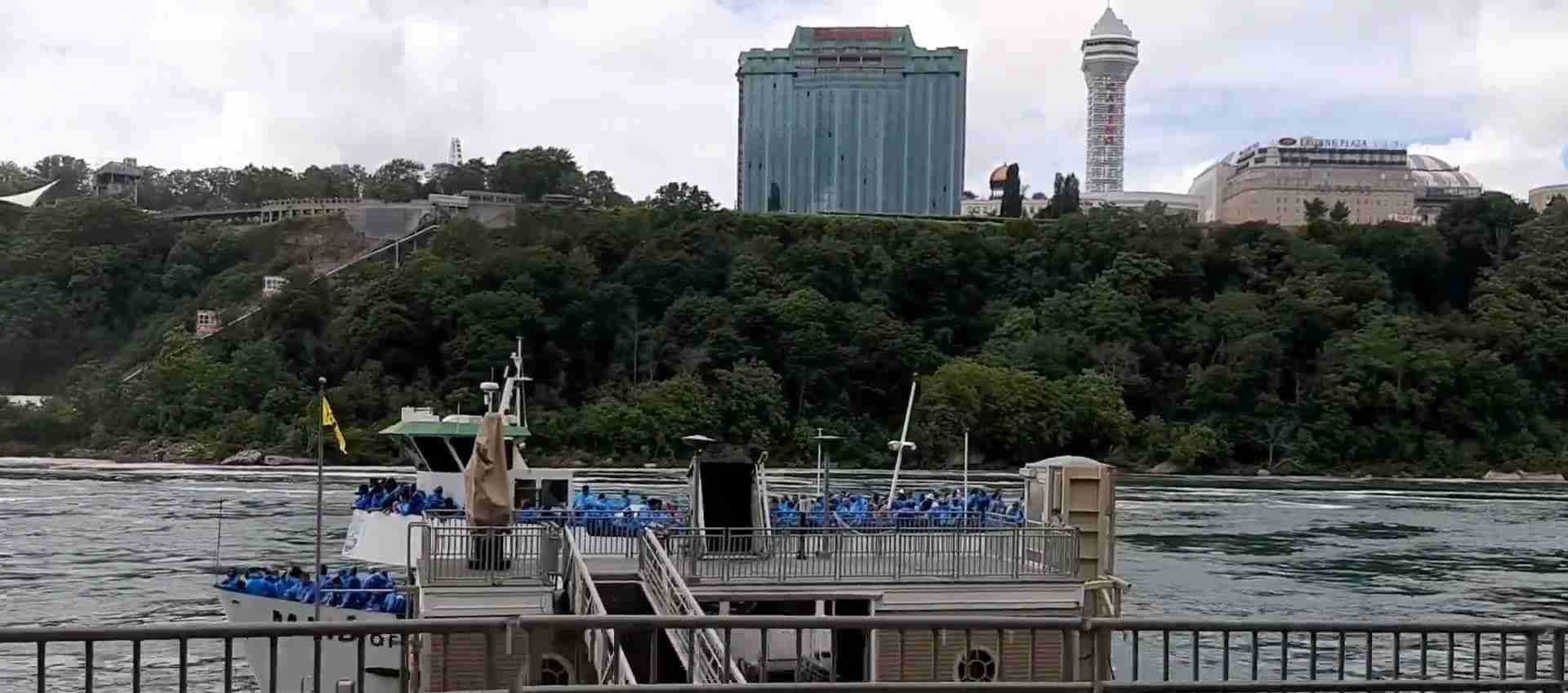
Niagara Falls 2026: American Falls vs. Canadian Side Complete Comparison
Niagara Falls straddles the United States-Canada border, creating two distinct visitor experiences separated by the Niagara River. The American side centers on Niagara Falls State Park in New York with direct access to the American Falls and Bridal Veil Falls, while the Canadian side in Ontario offers panoramic views of the massive Horseshoe Falls. Each side delivers unique perspectives, attractions, and value propositions for the 30 million annual visitors who witness this natural wonder’s thundering power.
Key Takeaways About Visiting Niagara Falls in 2026
- Viewing Perspective Advantage 2026: The Canadian side provides superior panoramic views of the Horseshoe Falls from head-on, while the American side positions visitors alongside the American Falls and Bridal Veil Falls for immersive close-proximity experiences including the Hurricane Deck at Cave of the Winds where visitors stand 20 feet from crashing water
- Cost Comparison 2026: American side attractions cost 20-30% less with Cave of the Winds at $23 and Maid of the Mist at $30 versus Canadian side Journey Behind the Falls at $28 CAD and Voyage to the Falls at $37 CAD, plus free park entry and $10 parking versus $35 CAD parking on the Canadian side
- Infrastructure and Amenities 2026: The Canadian side concentrates hotels, restaurants, casinos, and entertainment along Clifton Hill creating a developed tourist district, while the American side maintains a natural park setting with fewer commercial establishments and authentic wilderness character within America’s oldest state park
- Best Value Strategy 2026: Visit both sides in a single day by parking on the American side for $10, exploring free viewpoints and Cave of the Winds, then walking across Rainbow Bridge for $1 pedestrian toll to experience Canadian viewing platforms and Journey Behind the Falls, creating essential signature experiences for approximately $60-70 per person including parking share, border crossing, and two walk-behind attractions
- Optimal Visit Duration 2026: Dedicate 3-4 hours to each side for thorough exploration including signature attractions, viewing platforms, and photography opportunities, with most first-time visitors spending 8-10 hours total across both sides to maximize the experience without feeling rushed
- Border Crossing Practicalities 2026: U.S. and Canadian citizens need valid passports or enhanced driver’s licenses, international visitors require appropriate visas, crossing takes 10-30 minutes depending on traffic with shortest wait times on weekday mornings outside peak summer months
People Also Ask About Niagara Falls American vs. Canadian Side 2026
Which Side of Niagara Falls is Better for First-Time Visitors in 2026?
The Canadian side delivers superior viewing angles for first-time visitors in 2026, offering head-on panoramic perspectives of the Horseshoe Falls that showcase the waterfall’s 170-foot height and 2,600-foot width. The American side positions visitors alongside rather than facing the American Falls and Bridal Veil Falls. First-time visitors benefit most from starting on the Canadian side at Table Rock Welcome Centre where the viewing platforms place you directly opposite the Horseshoe Falls’ curved brink, then crossing to the American side for the immersive Cave of the Winds experience that brings you within 20 feet of Bridal Veil Falls on the Hurricane Deck. This sequence maximizes visual impact by beginning with the grand panorama and concluding with intimate proximity.
How Much Does it Cost to Visit Both Sides of Niagara Falls in 2026?
Visiting both sides of Niagara Falls in 2026 costs $60-130 per person for signature attractions including Cave of the Winds on the American side at $23, Journey Behind the Falls on the Canadian side at $28 CAD, boat tours at $30-37, parking $10-35, and Rainbow Bridge pedestrian toll at $1. Budget visitors accessing only free viewing platforms spend $11-36 for parking and border crossing. Mid-range visitors including both boat tours and walk-behind experiences invest $115-140 per person for all four signature attractions plus parking and bridge toll. Comprehensive visits adding observation towers, helicopter tours, and dining reach $200-350 per person across both sides in a single day.
Do You Need a Passport to Visit Both Sides of Niagara Falls in 2026?
U.S. and Canadian citizens crossing between the American and Canadian sides of Niagara Falls in 2026 need valid passports, passport cards, or enhanced driver’s licenses that meet Western Hemisphere Travel Initiative requirements. International visitors require passports with valid U.S. and Canadian visas or visa exemptions based on country of citizenship. Enhanced driver’s licenses issued by New York, Michigan, Minnesota, Vermont, and Washington states satisfy land border crossing requirements for U.S. citizens. Standard driver’s licenses without enhanced features do not permit international border crossing. All visitors regardless of citizenship face secondary inspection if documentation appears questionable.
Can You Walk Between the American and Canadian Sides of Niagara Falls in 2026?
Pedestrians walk between the American and Canadian sides of Niagara Falls via Rainbow Bridge in 2026, a 15-20 minute walk covering 1,450 feet with dedicated pedestrian walkways separated from vehicle traffic. The pedestrian toll costs $1 USD or CAD paid at bridge entrance turnstiles accepting cash only. Walking provides the most economical and convenient crossing method, eliminating vehicle wait times that range from 10-60 minutes during peak periods. The bridge remains open 24 hours daily with reduced crossing hours for customs facilities overnight. Winter months bring ice and wind requiring appropriate cold-weather clothing for safe bridge crossing.
Extended multi-day tours – 5+ days
Featured Niagara Falls Multi-Day Tour Packages
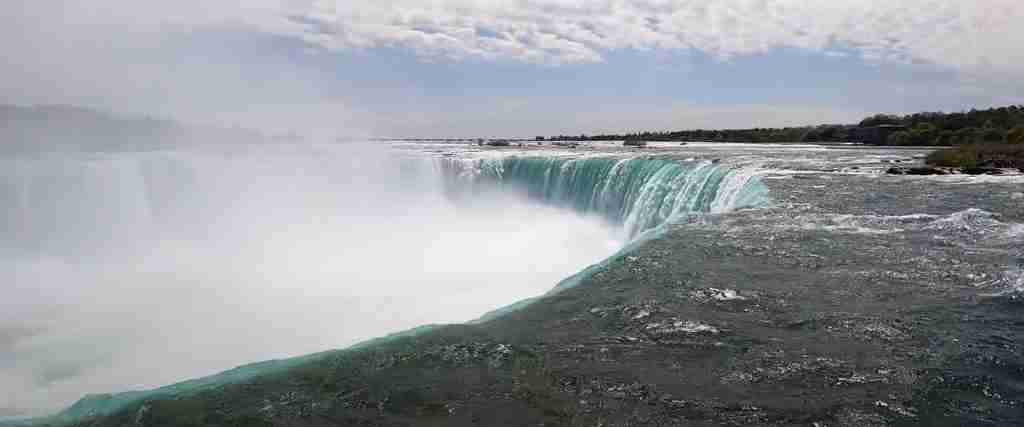
3 days
Niagara Falls 3-Day Discovery Tour
- ✓ Comprehensive Niagara Falls experience
- ✓ Expert local guides included
- ✓ All accommodation included
- ✓ Transportation provided
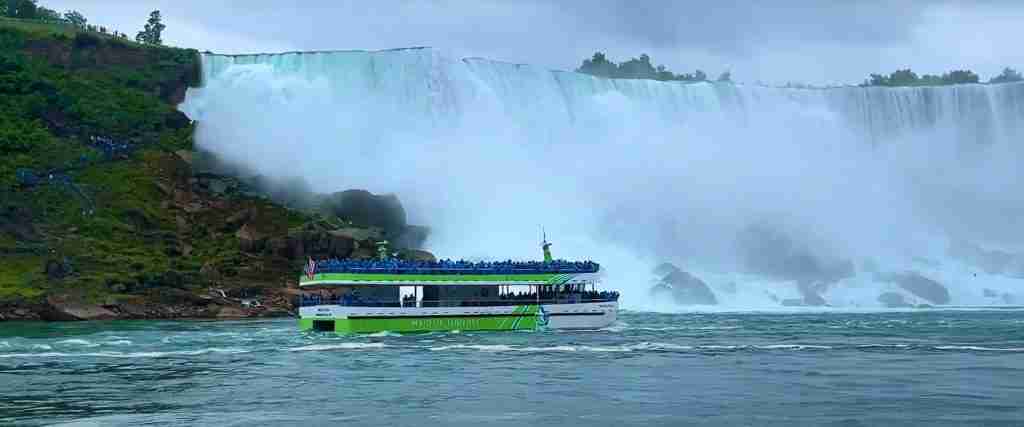
5 days
Niagara Falls 5-Day Highlights Experience
- ✓ Comprehensive Niagara Falls experience
- ✓ Expert local guides included
- ✓ All accommodation included
- ✓ Transportation provided
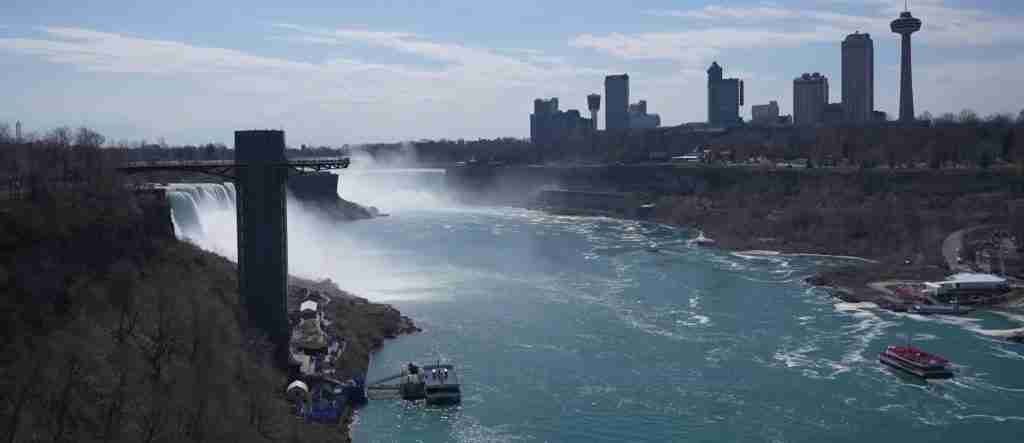
7 days
Niagara Falls 7-Day Cultural Journey
- ✓ Comprehensive Niagara Falls experience
- ✓ Expert local guides included
- ✓ All accommodation included
- ✓ Transportation provided
10 days
Niagara Falls 10-Day Complete Adventure
- ✓ Comprehensive Niagara Falls experience
- ✓ Expert local guides included
- ✓ All accommodation included
- ✓ Transportation provided
Multi-day tour packages powered by TourRadar. Prices and availability subject to change.
Introduction: Understanding Niagara Falls’ Two-Nation Experience in 2026
Niagara Falls presents a unique geographical and political reality where one of the world’s most powerful waterfalls straddles an international border, creating fundamentally different visitor experiences on opposite sides of the Niagara River. The falls consist of three distinct waterfalls: the massive Horseshoe Falls sitting primarily on the Canadian side, and the American Falls and Bridal Veil Falls located entirely on the United States side. This natural division produces divergent perspectives, infrastructure philosophies, and visitor experiences that require understanding for optimal trip planning in 2026.
The American side, anchored by Niagara Falls State Park established in 1885 as America’s oldest state park, prioritizes natural preservation and authentic wilderness experience. The 400-acre park maintains extensive free-access viewing platforms, forested walking paths, and minimal commercial development within park boundaries. This approach creates an immersive natural environment where the falls dominate the landscape without competition from hotels, casinos, or entertainment complexes. The American perspective positions visitors alongside the American Falls and Bridal Veil Falls rather than directly opposite them, offering intimate proximity experiences including the signature Cave of the Winds attraction that places visitors 20 feet from crashing water on wooden walkways extending into the Niagara Gorge.
The Canadian side, managed by Niagara Parks Commission, balances natural wonder preservation with concentrated tourism development. The Table Rock Welcome Centre and surrounding Fallsview district create a high-density tourist zone featuring luxury hotels with waterfall-view rooms, Fallsview Casino Resort, the entertainment hub of Clifton Hill, and extensive dining and shopping infrastructure. This development strategy delivers convenience and comprehensive amenities within walking distance of viewing platforms. The Canadian perspective offers head-on panoramic views of the Horseshoe Falls from elevated positions, showcasing the waterfall’s curved 2,600-foot brink and 750,000 gallons per second flow during peak discharge. The viewing angle advantage explains why most iconic Niagara Falls photographs originate from Canadian territory.
Cost structures diverge significantly between the two sides in 2026. The American side provides free park entry with $10 parking, free viewing from multiple platforms including Prospect Point Observation Tower, Terrapin Point, and Luna Island, and lower-priced attractions with Cave of the Winds at $23 and Maid of the Mist boat tours at $30. The Canadian side charges $35 CAD for parking, with Journey Behind the Falls at $28 CAD and Voyage to the Falls boat tours at $37 CAD. However, the Canadian Wonder Pass bundling five major attractions for $65-75 CAD delivers value for visitors planning multiple Canadian experiences. Accommodation follows similar patterns with American side hotels averaging 20-30% less expensive than equivalent Canadian properties, though Canadian options provide superior walkability to restaurants and entertainment.
Border crossing between sides requires valid travel documents and involves customs clearance, but the process remains straightforward for tourists with proper documentation. Pedestrians cross Rainbow Bridge for $1 toll with 10-30 minute customs processing, while vehicles pay $4.75 toll with variable wait times ranging from 15 minutes during off-peak hours to over one hour during summer weekends. Most visitors allocate 3-4 hours per side for thorough exploration, with full-day cross-border visits becoming the optimal strategy for experiencing both perspectives and maximizing value through side-specific attractions.
The decision between visiting one or both sides depends on time availability, budget constraints, and priorities regarding viewing angles versus attraction variety. Single-side visits work for tight schedules or budget-conscious travelers, with the Canadian side generally recommended for time-limited first visits due to superior panoramic viewing. Multi-day visitors benefit from experiencing both sides, accessing unique attractions unavailable across the border while understanding how each nation’s different approach to natural wonder management creates complementary rather than redundant experiences. This comprehensive comparison provides the detailed information necessary for making informed decisions about navigating Niagara Falls’ unique two-nation geography in 2026.
Viewing Perspectives and Photography Opportunities American vs. Canadian Side 2026
The viewing perspective advantage represents the most significant difference between American and Canadian experiences at Niagara Falls in 2026. The Canadian side delivers head-on panoramic views of the Horseshoe Falls’ curved 2,600-foot brink from elevated platforms at Table Rock Welcome Centre, positioning photographers and observers directly opposite the waterfall’s face where the full 170-foot drop becomes visible in a single frame. This perspective captures the Horseshoe Falls’ distinctive curved shape, the complete volume of water cascading over the brink, and the rising mist plume extending hundreds of feet above the gorge. The elevated viewing position 50-75 feet above river level provides the sight lines necessary for encompassing the waterfall’s massive scale without obstruction.
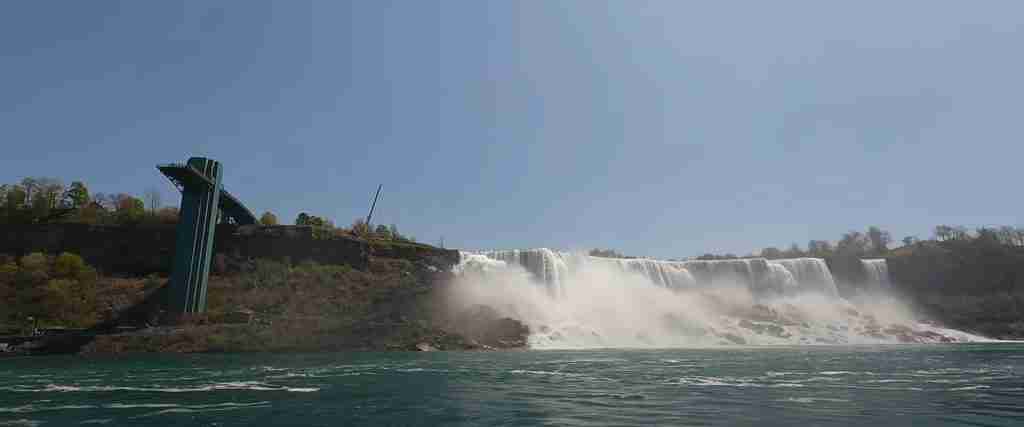
The American side positions visitors alongside rather than opposite the American Falls and Bridal Veil Falls, creating an edge-on perspective that emphasizes height and power over width. Prospect Point Observation Tower, Terrapin Point, and Luna Island viewing platforms place observers at roughly the same elevation as the waterfall brink, looking along the falls’ edge toward Canada rather than directly at their face. This viewing angle sacrifices the panoramic width visible from Canada but delivers immediacy and proximity impossible from the Canadian platforms. Standing at Terrapin Point with the Horseshoe Falls 50 feet away creates visceral connection to the water volume and sound that distant Canadian viewing cannot replicate.
Photography requirements differ substantially between perspectives. Canadian platforms excel for wide-angle waterfall portraits capturing the entire Horseshoe Falls in a single frame with the Maid of the Mist boats providing scale reference. Morning light from 8 AM to 11 AM illuminates the falls from the east, creating optimal conditions for Canadian photographers. Late afternoon from 4 PM to sunset brings challenging backlighting requiring exposure compensation or HDR techniques. The elevated viewing position necessitates telephoto lenses in the 70-200mm range for isolating mist patterns, rainbow detail, or boat tours against the waterfall backdrop. Wide-angle lenses from 16-35mm capture the full panorama including surrounding landscape and tourist infrastructure.
American platforms favor vertical compositions emphasizing waterfall height and the relationship between brink and gorge bottom 170 feet below. Early morning and late afternoon side-lighting brings texture and depth to the American Falls’ rocky facade. Luna Island positioning between Bridal Veil Falls and American Falls creates unique split-perspective opportunities with waterfalls flanking both sides of the photographer. The proximity advantage enables detail photography of water structure, rock formations, and seasonal variations including dramatic winter ice formations that build massive cones at the base of both falls. Wide-angle lenses from 16-35mm work effectively for environmental portraits including falls and surrounding park landscape.
Free viewing access differs between sides. The American side provides extensive free viewing from Prospect Point Observation Tower, Terrapin Point on Goat Island, Luna Island, Three Sisters Islands, and Niagara Scenic Overlook along Niagara Gorge. These locations require only park entry and $10 parking, delivering comprehensive American Falls viewing and long-distance Horseshoe Falls perspectives without additional cost. The Canadian side offers free viewing from Table Rock Centre plaza and Queen Victoria Park pathways, though the premium viewing platforms at Journey Behind the Falls, Skylon Tower, and observation wheel require paid admission.
Seasonal considerations affect viewing quality on both sides. Summer months from June through August bring maximum water flow over the falls at 750,000 gallons per second, creating impressive volume displays and extensive mist clouds that can obscure visibility during midday peak flow periods. Winter reduces flow to 100,000 gallons per second as hydroelectric diversion increases, but spectacular ice formations compensate with massive ice cones building at the American Falls base and intricate ice crystals coating vegetation and railings. Spring and fall shoulder seasons deliver moderate flow with fewer crowds, clearer visibility, and excellent lighting conditions for photography.
The viewing angle difference explains why virtually all iconic Niagara Falls imagery originates from Canadian territory. The head-on perspective showcasing the Horseshoe Falls’ curved brink, complete water curtain, and rising mist plume creates the definitive Niagara Falls image recognized globally. American perspectives deliver unique but less broadly representative views emphasizing proximity and immersion over panoramic scale. First-time visitors prioritizing photography and classic waterfall views benefit from the Canadian perspective, while those valuing intimate nature connection and less-crowded viewing favor the American approach.
Signature Attractions Comparison American vs. Canadian Side 2026
Cave of the Winds on the American side represents Niagara Falls’ most immersive close-proximity experience in 2026, delivering access to the Hurricane Deck wooden platform positioned 20 feet from Bridal Veil Falls’ crashing water. Visitors descend 175 feet via elevator through Niagara Gorge bedrock to reach walkways extending into the gorge at the American Falls and Bridal Veil Falls base. The Hurricane Deck places visitors directly below Bridal Veil Falls where winds reach 68 mph from water displacement and spray soaks visitors despite provided ponchos. The experience delivers visceral understanding of waterfall power impossible from distant observation platforms. Adult admission costs $23 and children ages 6-12 pay $19 (check niagarafallsstatepark.com for current official rates as pricing may vary). Tickets include souvenir sandals and recyclable ponchos, with average visit duration of 45 minutes to 1.5 hours.
Journey Behind the Falls on the Canadian side provides the complementary behind-the-curtain perspective, utilizing tunnels carved 130 years ago through bedrock behind the Horseshoe Falls. Visitors descend 125 feet via elevator to access two tunnels extending 151 feet behind the waterfall, with viewing portals cut through rock providing direct views of water cascading past the opening. The observation deck at the tunnel terminus positions visitors at the Horseshoe Falls base where 2,800 cubic meters of water crash down every second. The experience emphasizes sound and vibration over visual spectacle, with the roaring water creating overwhelming acoustic immersion. Adult admission costs $28 CAD and children ages 3-12 pay $18.50 CAD (check niagaraparks.com for current official rates as pricing may vary). The average visit lasts 30-45 minutes with provided ponchos protecting against mist.
The fundamental difference between Cave of the Winds and Journey Behind the Falls shapes visitor expectations. Cave of the Winds delivers maximum water exposure with visitors standing in tropical storm conditions below Bridal Veil Falls, emphasizing physical immersion and getting thoroughly wet despite rain gear. Journey Behind the Falls prioritizes the unique behind-the-waterfall perspective with less intense water exposure, focusing on the unusual viewpoint of looking at the Horseshoe Falls’ backside through rock portals. Visitors seeking maximum water interaction and dramatic photographs favor Cave of the Winds, while those valuing novelty and underground tunnel exploration prefer Journey Behind the Falls. Most comprehensive visitors include both attractions for complete understanding of the falls from multiple positions.
Maid of the Mist boat tours operate from the American side in 2026, departing from Prospect Point at the base of Prospect Point Observation Tower. The all-electric boats approach all three waterfalls in sequence: American Falls, Bridal Veil Falls, and finally the Horseshoe Falls where boats navigate into the mist curtain at the waterfall base. Adult tickets cost $30 and children pay reduced rates. The 20-minute journey provides water-level perspective impossible from land viewing platforms, with boats approaching within 100 feet of the Horseshoe Falls during peak approach. Recyclable ponchos protect against spray, though passengers in forward positions get significantly wet. The boat tour operates from late April through early November depending on ice conditions.
Voyage to the Falls operates from the Canadian side, offering identical waterfall approach from a different launch point at the base of Clifton Hill. The Canadian boat tour follows the same route as Maid of the Mist, approaching all three waterfalls with maximum proximity to the Horseshoe Falls. Adult tickets cost $37 CAD with the 20-minute journey including poncho provision. The Canadian and American boat tours deliver virtually identical experiences from slightly different perspectives, with most visitors selecting based on convenience and which side they’re exploring rather than experience quality differences. The Canadian boat provides marginally better Horseshoe Falls head-on viewing during the final approach, while the American boat offers superior American Falls proximity during the journey’s first segment.
Niagara Falls State Park on the American side provides extensive free attractions beyond paid experiences. Prospect Point Observation Tower offers panoramic viewing without admission fees, accessing the upper observation deck for American Falls and Horseshoe Falls perspectives. Goat Island pedestrian and bicycle paths extend throughout the 70-acre island separating American Falls and Horseshoe Falls, with Terrapin Point providing the closest free access to Horseshoe Falls anywhere at Niagara Falls. Luna Island sits between Bridal Veil Falls and American Falls, creating unique dual-waterfall perspectives. Three Sisters Islands extend into the upper Niagara River above the falls, offering rushing water photography and nature observation. These free areas require only park entry and $10 parking, delivering substantial value for budget-conscious visitors.
The Canadian side concentrates additional paid attractions in the Clifton Hill entertainment district and Niagara Parks system. Skylon Tower’s observation deck sits 775 feet above the falls, providing aerial perspectives of the entire Niagara region including Lake Ontario visibility on clear days. Tickets cost $18-25 with revolving restaurant access available. Niagara SkyWheel offers leisurely 15-minute rotations on the 175-foot Ferris wheel with enclosed climate-controlled gondolas. The Butterfly Conservatory houses 2,000 tropical butterflies in a temperature-controlled environment, providing family-friendly experiences beyond waterfall viewing. The Niagara Parks Power Station museum details the hydroelectric development that transformed Niagara Falls into a power generation site while exploring Nikola Tesla’s role in electrical engineering history.
Cost Analysis and Value Comparison American vs. Canadian Side 2026
Daily visit costs differ substantially between American and Canadian sides of Niagara Falls in 2026, with the American side delivering 20-30% savings across most categories. American side parking costs $10 at Niagara Falls State Park with all-day access to multiple lots including the main lot at Prospect Point and Goat Island parking facilities. Canadian side parking ranges from $35 CAD for daily passes at Falls Parking Lot A near Table Rock Welcome Centre, with hourly options at $5-7 CAD per hour during peak season. The parking cost differential alone saves $15-20 for visitors accessing both sides from an American base.
Attraction costs favor the American side with Cave of the Winds at $23 compared to Journey Behind the Falls at $28 CAD. Maid of the Mist at $30 costs less than Voyage to the Falls at $37 CAD, though currency exchange rates fluctuate these relative values. The American side’s free viewing platforms provide extensive waterfall access without additional costs beyond parking, while the Canadian side’s premium viewing platforms at Journey Behind the Falls require paid admission for optimal perspectives. Budget visitors can experience the American side comprehensively for $33 per person including parking and Cave of the Winds admission, while comparable Canadian access requires $63 CAD including parking and Journey Behind the Falls.
The Canadian Wonder Pass bundles five attractions for $65-75 CAD including Journey Behind the Falls, Niagara’s Fury 4D Falls Experience, White Water Walk, Butterfly Conservatory, and two days of unlimited WEGO transportation. This package delivers value for visitors planning multiple Canadian attractions, saving $35-45 compared to individual ticket purchases totaling $100-120 CAD. The American side lacks comparable bundled passes, though the Discovery Pass combines Cave of the Winds, Maid of the Mist, Aquarium of Niagara, Niagara Gorge Discovery Center, and trolley access at reduced total cost compared to individual purchases.
Border crossing costs add minimal expense with Rainbow Bridge pedestrian toll at $1 USD or CAD paid in cash at turnstiles. Vehicle crossings cost $4.75 USD paid at toll booths on the American side before entering Canada, with no additional toll returning to the United States. Currency exchange fees add 2-4% to purchases made in non-native currency through credit card foreign transaction fees or unfavorable exchange rates at tourist establishments. Visitors minimize these costs by using credit cards with no foreign transaction fees or withdrawing local currency from ATMs at bank exchange rates.
Accommodation costs reflect the 20-30% American advantage with comparable quality properties. American side budget motels range $80-120 per night compared to Canadian budget properties at $100-150 CAD. Mid-range American hotels cost $120-200 versus Canadian equivalents at $150-280 CAD. Premium Fallsview hotels with waterfall-view rooms command $250-450 per night on the Canadian side with no direct American equivalent due to viewing angle limitations. American side accommodation provides value for budget-conscious visitors, while Canadian Fallsview hotels deliver unique room-with-a-view experiences justifying premium pricing for special occasions.
Dining costs align with accommodation patterns. American side restaurants in downtown Niagara Falls, New York, charge $12-20 for casual dining lunch, $20-35 for dinner entrees. Canadian side Clifton Hill and Fallsview district restaurants range $15-25 CAD for lunch, $25-45 CAD for dinner with higher prices at Fallsview casino and hotel restaurants. Fast food and chain restaurants maintain consistent pricing across borders. Grocery stores and picnic provisions offer substantial savings on both sides, with Tops Friendly Markets on the American side and Sobeys on the Canadian side providing full-service grocery shopping for self-catered meals at 40-60% savings compared to restaurant dining.
Single-day comprehensive visits require strategic allocation between sides. Parking on the American side for $10 and walking across Rainbow Bridge for $1 eliminates Canadian parking fees. Purchasing Cave of the Winds on the American side and Journey Behind the Falls on the Canadian side creates the optimal signature attraction combination. Selecting boat tours based on convenience rather than price differences delivers equivalent experiences. Utilizing free viewing platforms on both sides maximizes value while providing comprehensive perspectives. This approach creates a full-day Niagara Falls experience for approximately $115-140 per person including parking share, border crossing, and all four signature attractions on both sides.
Infrastructure and Amenities American vs. Canadian Side 2026
Infrastructure philosophies differ fundamentally between American and Canadian approaches to Niagara Falls tourism development in 2026. The American side maintains Niagara Falls State Park as a natural preserve with minimal commercial development within park boundaries, following the original 1885 vision of protecting wilderness character while providing public access. The 400-acre park contains viewing platforms, walking paths, landscaped gardens, and educational facilities, but no hotels, casinos, or entertainment complexes within park limits. Commercial development concentrates in downtown Niagara Falls, New York, approximately 0.5-1 mile from park entrances, creating physical separation between natural wonder and tourist services.
The Canadian side integrates commercial development directly adjacent to viewing platforms, with the Fallsview district creating a high-density tourism zone within walking distance of Table Rock Welcome Centre. Marriott on the Falls, Hilton Niagara Falls Fallsview, and Embassy Suites sit 100-300 meters from the Horseshoe Falls brink, offering room balconies with direct waterfall views. Fallsview Casino Resort anchors the district with 24-hour gaming, restaurants, and entertainment venues. Clifton Hill extends south from the falls creating a dedicated entertainment street featuring attractions, restaurants, hotels, and retail establishments targeting tourist traffic. This concentrated development delivers convenience and variety within a compact walkable area.
Walking accessibility varies significantly between sides. The Canadian side creates fully walkable tourism infrastructure from Table Rock north to Clifton Hill, south to Queen Victoria Park, and inland to Fallsview hotels and dining. Sidewalks, pedestrian crossings, and traffic signals facilitate safe movement without vehicles. Most Canadian hotels, restaurants, attractions, and viewing platforms exist within 0.5-1 kilometer walking distance, making car-free visits practical for multi-day stays. The Niagara Parks WEGO bus system provides hop-on hop-off transportation connecting all major Niagara Parks attractions for $8 CAD daily passes included in Wonder Pass purchases.
The American side requires vehicles or ride-sharing services for accessing downtown Niagara Falls restaurants and hotels from the state park. Limited walkability between park and city creates practical barriers for visitors staying in downtown hotels attempting to access the falls on foot, though the 1-mile distance remains manageable for determined walkers. Within Niagara Falls State Park itself, walking paths and pedestrian bridges create excellent connectivity between viewing platforms, Goat Island, Three Sisters Islands, and Cave of the Winds. The Niagara Scenic Trolley provides in-park transportation during peak season, though service frequency and reliability vary by time period.
Dining variety heavily favors the Canadian side with over 100 restaurants within walking distance of the falls ranging from fast food to fine dining. Clifton Hill concentrates casual dining chains, themed restaurants, and international cuisine options. Fallsview hotels house upscale restaurants with waterfall views from dining rooms. The Entertainment District along Victoria Avenue adds breweries, pubs, and nightlife venues. This density creates choices for every budget and preference without requiring transportation. The American side offers limited dining within Niagara Falls State Park itself, with Top of the Falls Restaurant providing the sole in-park table service option. Downtown Niagara Falls, New York, contains approximately 20-30 restaurants requiring vehicle transportation from the park, with less variety and density compared to Canadian options.
Shopping experiences reflect infrastructure differences. The Canadian side features extensive souvenir shops, brand name retail, and specialized boutiques throughout Clifton Hill and Fallsview district. Table Rock Welcome Centre houses a comprehensive Niagara Parks retail store selling Canadian-specific merchandise, maple products, and premium gifts. The OH Canada Eh? Dinner Show combines entertainment with Canadian cultural experience. The American side maintains smaller gift shops within Niagara Falls State Park facilities, with limited variety focusing on state park merchandise and basic souvenirs. Larger retail requires travel to Fashion Outlets of Niagara USA approximately 5 miles from the state park, offering designer outlet shopping unrelated to waterfall tourism.
Accommodation density creates different planning considerations. Canadian side hotels total over 30 properties within walking distance of the falls, ranging from budget motels on Lundy’s Lane to luxury Fallsview towers. This variety enables last-minute bookings during shoulder seasons and provides options for every budget without compromising location. American side hotels concentrate in downtown Niagara Falls, New York, with approximately 15-20 properties, fewer choices within each price tier, and greater advance booking necessity during peak summer months. Both sides offer campground and RV park options 5-10 miles from the falls for budget travelers with vehicles.
Safety and maintenance standards differ between American and Canadian infrastructure. Niagara Falls State Park maintains excellent path conditions, railings, and viewing platform safety features through New York State Parks funding and maintenance programs. The park feels secure with regular police presence and family-oriented atmosphere. Canadian infrastructure around Table Rock and Clifton Hill maintains similarly high standards through Niagara Parks Commission oversight. The difference emerges in surrounding communities, where downtown Niagara Falls, New York, presents urban challenges including visible poverty and property deterioration in areas away from the immediate tourist zone, while Niagara Falls, Ontario, maintains consistent presentation throughout tourist areas with commercial development masking residential neighborhoods.
Border Crossing and Documentation Requirements 2026
Border crossing between the American and Canadian sides of Niagara Falls requires valid travel documentation meeting Western Hemisphere Travel Initiative standards implemented after 2001. U.S. citizens need valid U.S. passports, U.S. passport cards valid for land border crossings only, or enhanced driver’s licenses issued by New York, Michigan, Minnesota, Vermont, and Washington states. Standard driver’s licenses without enhanced designation do not satisfy border crossing requirements. Canadian citizens require valid Canadian passports or enhanced driver’s licenses meeting WHTI standards. Both nations accept passport cards for land crossings but require full passport books for air travel.
International visitors from countries requiring visas for U.S. or Canadian entry must possess valid visas for both nations before attempting border crossing. Single-entry visas allow only one border crossing per visa, requiring careful planning for travelers intending to cross between American and Canadian sides. Multiple-entry visas enable unlimited crossings during visa validity periods. Visa Waiver Program participants eligible for ESTA authorization for United States travel still require valid Canadian Electronic Travel Authorization or temporary resident visas for Canadian entry. The presence of one nation’s authorization does not imply automatic second nation approval.
Rainbow Bridge provides the primary pedestrian crossing point between Niagara Falls, New York, and Niagara Falls, Ontario. The bridge spans 1,450 feet with dedicated pedestrian walkways separated from vehicle traffic, requiring 15-20 minute walks from center to center. Pedestrians pay $1 USD or CAD toll at turnstiles on each side, accepting cash only with no credit card or electronic payment options. The bridge remains open 24 hours daily, though customs facilities operate reduced hours overnight from 12 AM to 8 AM with longer processing times during these periods. Winter conditions bring ice, snow, and high winds making bridge crossing uncomfortable without appropriate cold-weather clothing.
Customs clearance at both U.S. Customs and Border Protection and Canada Border Services Agency facilities involves questioning about travel purposes, intended duration, accommodation plans, and declaration of goods. Officers may request proof of hotel reservations, return travel arrangements, or financial means to support the visit. U.S. entry typically asks about citizenship, trip purpose, duration of Canadian stay, and purchased items. Canadian entry additionally inquires about alcohol and tobacco quantities, commercial goods, and firearms possession. Both nations prohibit certain food items, plants, weapons, and excessive currency amounts without declaration. Duty-free allowances permit limited alcohol and tobacco imports after minimum time abroad, though Niagara Falls day-trippers rarely qualify for these exemptions.
Wait times for pedestrian crossing vary from 10 minutes during off-peak weekday mornings to 60 minutes during summer weekend afternoons. Vehicle crossing times range more dramatically from 15 minutes at 6 AM weekdays to over 2 hours on summer holiday weekends. The Canada Border Services Agency and U.S. Customs and Border Protection publish real-time wait time estimates via mobile apps and websites, enabling strategic crossing timing. Generally, weekday mornings before 10 AM and weekday afternoons 1 PM-4 PM offer shortest waits. Summer weekends from 11 AM-6 PM present longest delays. Walking eliminates vehicle wait times entirely, making pedestrian crossing the optimal strategy for day visitors planning to experience both sides.
Secondary inspection occurs when primary officers identify questions requiring additional investigation. Common triggers include mismatched travel plans between stated intentions and actual appearance, insufficient documentation, previous immigration violations, criminal records, or behavioral indicators suggesting deception. Secondary inspection areas involve detailed questioning, luggage examination, vehicle searches for automotive crossings, and potential denial of entry. Travelers with criminal records including DUI convictions face elevated denial risk for Canadian entry regardless of how long ago convictions occurred. U.S. entry denials occur less frequently but still affect travelers with serious criminal histories or immigration violations.
Children crossing without both parents require notarized consent letters from absent parents authorizing the child’s international travel. Single parents should carry custody documentation and divorce decrees establishing sole custody. Border officers routinely question children traveling with only one parent about the absent parent’s location and awareness of the trip, implementing these procedures to prevent international parental abduction. Families should prepare these documents before departure rather than attempting explanations at the border without supporting paperwork.
The crossing experience itself remains straightforward for properly documented tourists with clear travel plans. Officers process most leisure visitors in 2-5 minutes with basic questions about trip purpose, duration, accommodation, and employment. Providing concise accurate answers without volunteering excessive information facilitates smooth processing. Travelers should state factual plans without embellishment: “We’re visiting Niagara Falls for the day” or “We’re staying two nights at [hotel name].” Attempting humor, discussing border security policies, or questioning officer authority creates delays and elevated scrutiny. Cooperation and factual responses enable efficient processing for the vast majority of legitimate tourists visiting both sides of Niagara Falls.
Seasonal Variations and Optimal Timing American vs. Canadian Side 2026
Summer months from June through August deliver peak visitation to both American and Canadian sides of Niagara Falls in 2026, with daily crowds reaching 100,000+ visitors during July weekends and holiday periods. Maximum water flow over the falls during summer months reaches 750,000 gallons per second from 6 AM through 8 PM when hydroelectric diversion reduces to minimum levels, creating impressive volume displays and extensive mist clouds rising hundreds of feet above the gorge. This peak flow period delivers the classic powerful Niagara Falls experience but brings midday visibility challenges when heavy mist obscures viewing from both sides during sustained high-flow hours.
Summer advantages include full attraction operations with Cave of the Winds, boat tours, and all viewing platforms accessible daily from early morning through evening. Weather averages 70-80°F with occasional heat waves reaching 85-95°F creating comfortable viewing conditions. Extended daylight from 5:30 AM sunrise through 9 PM sunset enables full-day visits without time pressure. Nightly illumination of the falls begins at 9-10 PM depending on sunset timing, with synchronized light shows transforming the falls through color sequences visible from both sides. Summer disadvantages include peak pricing for hotels with Canadian Fallsview properties reaching $300-450 per night, parking lot capacity issues requiring overflow lot usage, and attraction wait times extending to 60-90 minutes at Cave of the Winds and boat tours during afternoon peak periods.
Winter months from December through February transform Niagara Falls into a frozen wonderland with spectacular ice formations compensating for reduced water flow. Hydroelectric diversion increases during winter to 90% of total Niagara River flow, reducing falls discharge to 100,000 gallons per second and creating significantly diminished water curtains visible primarily at the American Falls and Bridal Veil Falls. The Horseshoe Falls maintains stronger flow but displays noticeably reduced volume compared to summer months. Ice formations build at the American Falls base creating cones reaching 50-80 feet in height, while Bridal Veil Falls often freezes partially with intricate ice crystals coating vegetation and railings surrounding viewing platforms.
Winter visitation drops to 10,000-15,000 daily visitors, eliminating crowds and wait times at all attractions while creating peaceful viewing experiences impossible during summer. Hotel rates decline 40-60% with Canadian Fallsview properties available at $120-200 per night and American side hotels at $60-100 per night. Parking lots rarely reach capacity. Cave of the Winds closes for the season with the Hurricane Deck dismantled in late October to prevent ice damage, though the World Changed Here Pavilion museum portion remains accessible. Boat tours cease operations from early November through late April depending on ice conditions. Winter challenges include bitter cold with temperatures averaging 20-30°F and wind chill often dropping below 0°F, making extended outdoor viewing uncomfortable without proper winter gear including insulated jackets, gloves, hats, and weatherproof footwear.
Shoulder seasons in April-May and September-October deliver optimal conditions balancing weather comfort, moderate crowds, reduced pricing, and full attraction operations. April brings spring warmth with temperatures rising to 50-60°F, though full boat tour and attraction operations may not begin until late April depending on ice clearance timing. May achieves ideal conditions with 60-70°F temperatures, moderate water flow transitioning from winter to summer volumes, all attractions operational, and visitation at 30-40% of peak summer levels. September replicates May conditions with comfortable 65-75°F weather, full water flow continuing through Labor Day weekend before gradual reduction, autumn color beginning in surrounding forests, and significantly reduced crowds as children return to school.
Early morning visits from 8 AM to 11 AM deliver the best conditions year-round regardless of season. Crowds remain minimal until 11 AM when tour bus arrivals and local visitors increase volumes substantially. Morning light illuminates the falls from the east creating optimal photography conditions for Canadian side perspectives. Cave of the Winds wait times stay under 15 minutes compared to 60-90 minute afternoon waits. Parking availability remains excellent with prime spaces at Prospect Point and Table Rock. Morning mist conditions stay moderate with clearer visibility before afternoon heat builds convective activity raising moisture levels. Early visitors complete signature attractions before lunch, using afternoon hours for free viewing platforms, walking trails, and Goat Island exploration without time pressure from attraction queues.
Weather patterns affect both sides equally given the immediate proximity across the Niagara River. Summer thunderstorms developing from Great Lakes moisture create afternoon and evening precipitation averaging 2-3 times weekly during July and August. These storms bring brief intense rainfall lasting 30-60 minutes followed by clearing conditions. Lightning danger closes outdoor attractions including Cave of the Winds, boat tours, and exposed viewing platforms during active electrical activity. Winter lake-effect snow from Lake Erie and Lake Ontario creates heavy snowfall periods with accumulations reaching 12-24 inches during major events, occasionally closing attractions and reducing visibility to near-zero during active snowfall. Spring and fall maintain more stable weather patterns with extended clear periods interrupted by frontal systems bringing 1-2 day precipitation events weekly.
The falls freeze partially during extreme cold events when temperatures drop below 0°F for sustained periods combining with reduced water flow during winter hydroelectric diversion. Ice formations build at waterfall bases, along viewing platform railings, and throughout Niagara Gorge creating spectacular displays photographed extensively by winter visitors. The falls never freeze completely despite popular misconceptions, maintaining liquid water flow throughout winter at reduced volumes. The Maid of the Mist turnaround point below the Horseshoe Falls occasionally freezes solid creating temporary ice bridges spanning the Niagara River, though hydroelectric plant warm water discharge prevents extended ice bridge duration compared to pre-1950 conditions when ice bridges lasted weeks.
Transportation and Parking American vs. Canadian Side 2026
Parking availability and costs create significant differences between American and Canadian Niagara Falls experiences in 2026. Niagara Falls State Park charges $10 for all-day parking valid across multiple lots including the main Prospect Point lot, Goat Island facilities, and outlying areas. The flat daily rate enables visitors to move vehicles between lots without additional charges, though re-entry to the same lot receives validation eliminating multiple payments. Lot capacity totals approximately 2,500 spaces across all state park facilities, reaching capacity by 11 AM during summer weekends and requiring overflow lot usage 1-2 miles from primary viewing areas with shuttle service provided.
Canadian parking at Falls Parking Lot A adjacent to Table Rock Welcome Centre costs $35 CAD for daily passes purchased at automated pay stations accepting credit cards. Hourly parking runs $5-7 CAD per hour during peak season, making multi-hour visits more economical with daily passes. Additional lots along the Niagara Parkway offer similar pricing with walkability to viewing platforms ranging from immediate access at Table Rock to 0.5-kilometer walks from more distant facilities. Total Canadian parking capacity exceeds 3,000 spaces, though prime Table Rock lots fill by 10 AM summer weekends requiring use of more distant alternatives. The WEGO bus system connects all Niagara Parks parking lots to primary attractions, reducing walking requirements for visitors using outlying facilities.
The strategic parking approach for comprehensive two-side visits involves parking on the American side for $10 at Prospect Point or Goat Island lots, exploring American attractions and free viewing platforms, then walking across Rainbow Bridge for $1 pedestrian toll to access the Canadian side. This strategy eliminates $35 CAD Canadian parking charges and positions vehicles for convenient American side departure at day’s end. The 15-20 minute bridge walk creates transition time between sides while providing unique mid-river perspectives of the upper Niagara River rapids approaching the falls. Visitors reverse this strategy by parking on the Canadian side when staying at Niagara Falls, Ontario, hotels with evening return plans, using the same Rainbow Bridge pedestrian crossing to access American attractions without vehicle movement.
Public transportation between the two sides remains limited with no direct cross-border bus services connecting American and Canadian viewing areas. Local transit systems operate independently on each side with transfers requiring walking across Rainbow Bridge between American NFTA Metro buses and Canadian Niagara Transit routes. The lack of coordinated cross-border transit makes personal vehicles or pedestrian crossing the practical options for experiencing both sides. Regional transit from Buffalo, New York via NFTA bus routes reaches Niagara Falls, New York, with 60-90 minute journey times. GO Transit from Toronto provides limited direct bus service to Niagara Falls, Ontario, during summer months with 2-hour journey times, though most Toronto visitors use organized tours or personal vehicles.
Ride-sharing services including Uber and Lyft operate on both sides of Niagara Falls with cross-border service available through driver cooperation. American side ride requests typically receive responses within 5-10 minutes during daytime hours, while Canadian side service maintains similar availability. International ride-sharing between countries requires drivers willing to cross borders, reducing driver pool and extending wait times compared to same-side requests. Cross-border ride-sharing incurs border crossing tolls, wait time charges during customs processing, and premium pricing reflecting driver inconvenience. Most visitors using ride-sharing services find same-side transportation more practical, walking across Rainbow Bridge independently to avoid cross-border vehicle complications.
Bicycle access provides an alternative transportation option with Niagara Falls State Park maintaining paved paths throughout Goat Island, Three Sisters Islands, and connecting areas. The Niagara Scenic Trail extends 3 miles from downtown Niagara Falls, New York, through the state park to Devil’s Hole State Park downstream, creating extended cycling opportunities beyond immediate waterfall viewing. Canadian Niagara Parkway features dedicated bicycle lanes extending 56 kilometers from Niagara-on-the-Lake through Niagara Falls to Fort Erie, offering scenic cycling with waterfall views, historic sites, and natural areas. Rainbow Bridge permits bicycle crossing for the same $1 pedestrian toll, enabling cyclists to experience both sides without parking requirements. Bicycle rental facilities operate on both sides during summer months with hourly and daily rates available.
Helicopter tour companies operate from both sides offering aerial perspectives of the falls. American side operators based at Niagara Falls International Airport provide tours ranging from 8-minute basic flights at $75-95 per person to 20-minute extended tours at $150-180 covering extended Niagara River geography. Canadian operators launch from sites near Clifton Hill with similar pricing structures. Helicopter tours deliver unique overhead perspectives impossible from ground viewing platforms, creating spectacular photography opportunities and comprehensive understanding of Niagara Falls’ position within the larger Niagara River gorge system. The brief flight duration concentrates experience into intense 8-20 minute periods with most tour time devoted to actual waterfall viewing rather than transit to viewing areas.
Accessibility transportation accommodates visitors with mobility limitations through both sides’ infrastructure. Niagara Falls State Park provides accessible parking near all major viewing platforms with paved level pathways throughout viewing areas. Accessible restrooms, elevators to Cave of the Winds and Prospect Point Observation Tower, and ADA-compliant walkways enable comprehensive waterfall access. Canadian Niagara Parks maintains equivalent accessibility standards with level pathways from accessible parking to Table Rock viewing platforms, elevator access to Journey Behind the Falls, and ADA-compliant facilities throughout the parks system. Both sides’ boat tours accommodate wheelchair users with accessible loading procedures and designated viewing areas, though the intense water spray affects all passengers equally regardless of mobility status.
Accommodation Location Strategies American vs. Canadian Side 2026
Canadian Fallsview hotels deliver the signature waterfall-view room experience impossible on the American side due to viewing angle constraints. Premium properties including Marriott Fallsview Hotel & Spa, Hilton Niagara Falls Fallsview, and Sheraton on the Falls position towers 100-300 meters from the Horseshoe Falls brink, with upper floor rooms offering direct waterfall views from private balconies. Room categories specify “Fallsview” guaranteeing waterfall visibility versus “City View” rooms in the same hotels facing away from the falls at reduced rates. Fallsview room premiums add $100-200 per night above city view alternatives, commanding $250-450 nightly during peak summer season versus $150-250 for city view rooms in identical hotels.
The Fallsview room experience justifies premium pricing for special occasions, honeymoons, anniversaries, or once-in-a-lifetime visits where room-with-a-view romance outweighs budget considerations. Watching the falls illuminated nightly from private balconies, waking to waterfall views, and observing seasonal changes in water flow and ice formation from climate-controlled comfort creates unique experiences unavailable at any other waterfall destination globally. Photography enthusiasts capture falls imagery at all hours without leaving accommodations, documenting sunrise light, midday rainbows, sunset golden hour, and nightly illumination sequences from optimal elevated positions.
Canadian Fallsview hotel walkability advantages complement the view premium. Direct connections to Fallsview Casino Resort, restaurants, and entertainment create car-free stays within climate-controlled indoor corridors. Clifton Hill attractions, Table Rock Welcome Centre, and Niagara Parks viewing platforms sit 5-10 minute walks from Fallsview hotels without crossing busy streets. This pedestrian infrastructure enables spontaneous falls viewing throughout multi-day stays, returning to rooms between viewing sessions without vehicle movement. Evening illumination viewing becomes effortless with simple elevator rides from Fallsview rooms to street level, enabling easy participation in nightly light shows before returning to accommodations.
American side hotels sacrifice waterfall views for substantial cost savings. Downtown Niagara Falls, New York properties including Hampton Inn Niagara Falls, Comfort Inn The Pointe, and Red Coach Inn charge $80-140 per night during peak summer versus $250-450 for comparable-quality Canadian Fallsview properties. The 30-50% American price advantage creates budget opportunities for cost-conscious travelers prioritizing attractions and experiences over room amenities. American hotels position guests 0.5-1 mile from state park entrances requiring 15-20 minute walks or brief vehicle drives to reach viewing areas. This separation between accommodations and falls reduces spontaneous viewing while increasing reliance on transportation.
American side accommodation value attracts families, budget travelers, and visitors allocating more resources toward attractions than lodging. The price differential enables multi-day stays with higher attraction budgets, purchasing comprehensive experience packages including helicopter tours, extended boat tours, and both Cave of the Winds and Journey Behind the Falls without exceeding vacation budgets. American hotels generally offer larger rooms, free parking, and included breakfast buffets compensating for lack of waterfall views and walkability with traditional hotel value propositions familiar to American travelers.
Niagara-on-the-Lake provides a luxury alternative 15 kilometers downstream from the falls, combining historic charm, wine country access, and upscale dining with quieter atmosphere compared to immediate falls area bustle. Properties including Prince of Wales Hotel, Queen’s Landing, and boutique inns charge $200-400 per night while delivering elegant colonial architecture, fine dining, and sophisticated ambiance. The 15-20 minute drive to Niagara Falls viewing areas makes Niagara-on-the-Lake practical for visitors balancing waterfall tourism with wine tasting, cycling, theater, and gourmet dining interests beyond pure falls focus.
Budget accommodation on both sides concentrates 3-5 kilometers from viewing areas where property costs decline and mid-century motels provide basic lodging at $60-90 per night. American side Lundy’s Lane and Canadian side Morrison Street feature these budget properties with free parking, basic amenities, and minimal service. The distance from falls requires vehicles for all viewing sessions and eliminates spontaneous falls access, but the savings fund attraction tickets, dining upgrades, and extended stays for multi-day visits. Budget properties appeal to travelers prioritizing experiences over accommodations, viewing hotel rooms as sleeping quarters rather than destination experiences.
Camping and RV facilities exist 5-15 kilometers from falls on both sides, offering budget alternatives to hotel lodging. Niagara Falls KOA on Grand Island provides full-service camping with hookups, amenities, and shuttle service to American side attractions during peak season. Four Mile Creek State Park near Niagara-on-the-Lake offers waterfront camping with basic facilities. These camping options reduce accommodation costs to $40-70 per night for sites with hookups, though the peripheral location and lack of climate control limit appeal to dedicated camping enthusiasts comfortable with the trade-offs camping imposes.
Dining and Entertainment Options American vs. Canadian Side 2026
Restaurant density and variety heavily favor the Canadian side with over 100 dining establishments within walking distance of the falls ranging from fast food to white-tablecloth fine dining. Clifton Hill concentrates casual dining chains including Boston Pizza, Kelsey’s, Rainforest Cafe, and international options spanning Italian, Chinese, Mexican, and steakhouse cuisines. Lunch prices range $15-25 CAD for entrees with dinner running $25-45 CAD before beverages and gratuities. The Entertainment District along Victoria Avenue adds breweries, gastropubs, and nightlife venues operating until 2 AM serving elevated pub fare and craft beverages. This density creates choices for every meal without repeating restaurants during multi-day stays, accommodating dietary restrictions and diverse group preferences.
Fallsview hotel restaurants elevate dining experiences with panoramic waterfall views from climate-controlled dining rooms. Elements on the Falls at the Sheraton, Watermark Restaurant at Hilton Niagara Falls Fallsview, and Massimo’s Italian Fallsview Restaurant combine upscale cuisine with floor-to-ceiling windows overlooking the illuminated falls. Dinner reservations at these venues require advance booking during peak season with entrees running $35-65 CAD and recommended wine pairings adding $40-80 per person. The combination of fine dining and waterfall views creates romantic dinner experiences justifying premium pricing for special occasions, with window tables commanding highest demand and earliest booking requirements.
Fallsview Casino buffet represents the Canadian side’s signature value dining experience at $35-45 CAD per person depending on meal period. The 170-dish buffet spans international stations including Asian, Italian, seafood, carving stations, and desserts with all-you-can-eat format attracting budget-conscious families and visitors prioritizing quantity and variety. Evening buffet service extends past normal restaurant hours enabling late dining after nightly falls illumination viewing. The casino’s sports bar, quick-service outlets, and table-service restaurants add options within the connected Fallsview hotel and casino complex, creating self-contained dining infrastructure without outdoor navigation.
American side dining concentrates in downtown Niagara Falls, New York, approximately 1 mile from state park viewing areas. The power plant district along Buffalo Avenue features approximately 20-30 restaurants including Italian trattorias, American grills, and ethnic options. Lunch averages $12-20 for entrees with dinner running $20-35 before beverages. Top of the Falls Restaurant within Niagara Falls State Park provides the sole in-park table service dining, operating seasonally with American fare and limited waterfall views from the dining room. The restaurant’s convenient location enables mid-visit meal breaks without leaving the park, though food quality and value receive mixed reviews from visitors comparing options to downtown establishments.
Fast food and chain restaurants exist on both sides at consistent pricing with American side McDonald’s, Subway, and Tim Hortons clustered near state park entrances charging typical nationwide prices. Canadian side chains along Clifton Hill maintain similar pricing in CAD, making cost comparisons currency-dependent based on exchange rates. Quick-service dining enables budget meals at $8-12 per person compared to $25-40 for table service, creating substantial daily savings for families and budget travelers prioritizing attractions over dining experiences.
Grocery stores provide maximum dining savings with prepared food sections, deli sandwiches, and picnic provisions at 40-60% savings compared to restaurant meals. Tops Friendly Markets on the American side and Sobeys on the Canadian side sit 2-3 miles from viewing areas requiring vehicle access but enabling self-catered meals. Niagara Falls State Park permits picnicking throughout designated areas including tables near Top of the Falls Restaurant, Goat Island sites, and Three Sisters Islands locations. Preparing bag lunches reduces daily dining costs from $40-60 per person for restaurant meals to $10-15 for grocery provisions, creating significant multi-day savings funding additional attractions and experiences.
Entertainment beyond dining differentiates the two sides dramatically. Canadian Clifton Hill creates a dedicated entertainment district featuring Niagara SkyWheel Ferris wheel, Ripley’s Believe It or Not Museum, wax museums, haunted houses, arcade complexes, and themed attractions targeting families and teenagers. This concentration delivers evening activity options after waterfall viewing concludes, extending visit duration and creating multi-generational appeal. Fallsview Casino Resort anchors Canadian nightlife with 24-hour gaming, live entertainment in multiple venues, nightclubs, and bars attracting adult visitors. The casino’s concert hall hosts touring musicians and comedians, creating Las Vegas-style entertainment options unique to the Canadian side.
American side entertainment remains limited with modest offerings in downtown Niagara Falls, New York. The Seneca Niagara Resort & Casino provides gaming, restaurants, and entertainment venues comparable to Canadian competition but requires 1-2 mile travel from state park areas. Old Falls Street entertainment district attempts to create pedestrian activity with restaurants and bars, though the scale and vitality cannot match Canadian Clifton Hill development. The American side generally functions as daytime waterfall viewing destination with evening activity returning to Canadian side or Buffalo, New York, 20 miles south where more extensive dining and entertainment options exist.
Photography Strategies and Equipment American vs. Canadian Side 2026
Photography planning begins with understanding how viewing angles affect composition opportunities on American and Canadian sides. Canadian platforms deliver the classic postcard perspective with head-on Horseshoe Falls compositions filling the frame with the curved brink, complete water curtain, and mist plume. This perspective requires wide-angle lenses from 16-35mm for environmental compositions including surrounding landscape and tourist infrastructure, or telephoto lenses from 70-200mm for isolating waterfall detail, mist patterns, and boat tours against the falls. The elevated viewing position 50-75 feet above river level enables clean compositions without foreground obstruction, though railings and crowds create framing challenges requiring strategic positioning.
American platforms favor vertical compositions emphasizing the 170-foot waterfall height and the relationship between brink and gorge bottom. Edge-on perspectives from Prospect Point, Luna Island, and Terrapin Point create unique compositions impossible from Canadian territory, though these angles sacrifice the grand panoramic width that makes Horseshoe Falls instantly recognizable. Telephoto lenses from 70-200mm compress American Falls’ rocky facade detail while wide-angle lenses from 16-35mm establish environmental context including Goat Island forests and viewing platform infrastructure.
Lighting conditions vary throughout the day affecting both sides differently. Morning light from 8 AM to 11 AM illuminates the falls from the east, creating optimal conditions for Canadian photographers shooting westward toward the Horseshoe Falls. The low morning sun angle brings texture and dimension to the water curtain while illuminating mist spray from behind, creating luminous backlit effects. Morning conditions challenge American photographers shooting eastward into direct sunlight, requiring exposure compensation, graduated neutral density filters, or HDR processing to balance bright sky against darker waterfall detail.
Late afternoon from 4 PM to sunset reverses lighting advantages with American photographers gaining optimal side-lighting emphasizing American Falls texture while Canadian photographers face challenging backlight conditions. The setting sun behind the Horseshoe Falls from Canadian viewing platforms creates dramatic silhouette opportunities but complicates standard waterfall photography requiring high dynamic range processing. Golden hour 30 minutes before sunset through 30 minutes after sunset delivers warm color temperatures enhancing both sides’ imagery, with alpenglow effects coloring mist clouds pink and orange during clear evenings.
Overcast conditions provide soft even lighting eliminating harsh shadows and bright highlights, creating ideal technical conditions for waterfall photography on both sides. Clouds act as natural diffusers softening sunlight while maintaining adequate illumination for handheld photography. Overcast conditions extend photographable hours throughout the day compared to sunny conditions where harsh midday light between 11 AM and 3 PM creates contrast challenges. The tradeoff involves less dramatic lighting compared to golden hour conditions, producing technically excellent but less artistically compelling images suitable for documentation rather than portfolio work.
Long exposure photography transforms Niagara Falls into silky smooth water ribbons using neutral density filters blocking 3-10 stops of light. Exposures from 1-30 seconds blur individual water drops into continuous curtains while maintaining sharp rocks and surrounding landscape. This technique works equally well from both sides, though the technique benefits from tripod use prohibited at certain prime viewing locations including Cave of the Winds Hurricane Deck and some Table Rock platforms during peak crowds. Photographers should scout locations identifying tripod-permitted areas during reconnaissance visits before committing to specific shooting plans.
Night photography capitalizes on nightly falls illumination using colored spotlights transforming the waterfalls through rainbow sequences. Canadian viewing platforms provide optimal positions for illumination photography with unobstructed head-on views of lit Horseshoe Falls. Exposures from 1-4 seconds at ISO 400-800 and f/5.6-8 apertures capture illuminated falls detail while maintaining manageable shutter speeds for handheld shooting. Tripods improve sharpness though handheld shooting remains viable using image stabilization and higher ISO settings. The illumination schedule runs 9-11 PM depending on season, cycling through color sequences every 15-20 minutes enabling photographers to capture multiple lighting scenarios during extended shooting sessions.
Rainbow photography requires understanding how water droplet refraction creates the phenomenon visible at Niagara Falls throughout daylight hours when sun angles exceed 42 degrees above the horizon. Primary rainbows form on the side opposite the sun with red on the outside arc and violet on the inside, appearing at 42-degree angles from the antisolar point directly opposite the sun. Photographers position themselves with the sun behind them shooting toward falls mist spray to maximize rainbow visibility. Morning rainbows appear for Canadian photographers, afternoon rainbows for American photographers. Polarizing filters enhance rainbow saturation and contrast by reducing reflected glare from water droplets, though over-polarization at specific filter angles eliminates rainbows entirely requiring careful polarizer rotation while monitoring live view screens.
Winter ice photography creates unique opportunities unavailable during other seasons. Ice formations building at American Falls base reach 50-80 feet in height, providing dramatic foregrounds for waterfall compositions. Bridal Veil Falls partially freezes with intricate ice crystal details coating railings, trees, and viewing platforms. Telephoto lenses from 70-200mm isolate ice detail against flowing water, emphasizing the contrast between frozen and liquid phases. Macro lenses capture ice crystal details on nearby vegetation and infrastructure. Winter photography requires weatherproofing cameras and lenses against moisture from condensation when moving equipment between warm indoor areas and subfreezing outdoor conditions.
Family Visits with Children American vs. Canadian Side 2026
Family-friendly infrastructure and attractions differ significantly between American and Canadian sides, with the Canadian side delivering superior entertainment variety and child-focused activities beyond waterfall viewing. Clifton Hill creates a dedicated family entertainment district concentrating attractions within 0.3-kilometer walking distance including Niagara SkyWheel, Ripley’s Believe It or Not Museum, Movieland Wax Museum, arcade complexes, and interactive museums. This density enables families to visit multiple attractions in a single afternoon without vehicle movement, keeping children engaged during extended visits beyond the 1-2 hours most children maintain interest in waterfall viewing.
The Niagara SkyWheel provides family-friendly 15-minute rides in climate-controlled gondolas with waterfall views from 175 feet in elevation. Children ages 3-12 pay reduced rates while children under 3 ride free with paying adults. The enclosed gondolas accommodate strollers and provide safe viewing environments for young children unable to navigate open viewing platforms with safety railings. The 12-minute rotation speed creates gentle motion avoiding the intensity and height anxiety some children experience with faster carnival rides. Family gondolas hold up to 8 passengers enabling multi-generational groups to ride together without separation.
Clifton Hill arcades, mini-golf courses, and themed attractions create backup activities for weather delays when rain suspends outdoor waterfall viewing. Dinosaur Adventure Golf, Wizards Golf, and Frankenstein’s Haunted House operate year-round in climate-controlled environments, providing 45-90 minute activity durations suitable for children ages 5-15. The arcade complexes including Galaxy Golf and Great Canadian Midway feature modern video games, prize redemption games, and competitive activities engaging teenagers who lose interest in passive waterfall viewing after brief exposures. This entertainment variety transforms Niagara Falls into multi-day family destinations rather than single-day waterfall-focused visits.
The Butterfly Conservatory located 8 kilometers north of the falls houses 2,000 tropical butterflies in temperature-controlled habitats. Children interact with butterflies landing on clothing and hands while learning about metamorphosis, tropical ecosystems, and conservation through interpretive exhibits. The 45-minute to 1-hour visit provides educational content supplementing waterfall viewing, creating curriculum-connected field trip opportunities for homeschooling families and vacation learning experiences. Adult admission costs $25 CAD with reduced children’s rates, though the Butterfly Conservatory inclusion in Wonder Pass packages eliminates marginal costs when purchasing comprehensive attraction bundles.
American side family attractions concentrate within Niagara Falls State Park’s natural environment rather than entertainment complexes. Cave of the Winds delivers hands-on experiential learning about waterfall power, geological processes, and natural forces in ways textbooks cannot replicate. The Hurricane Deck experience creates lasting memories for children who later recall standing 20 feet from crashing water rather than passive viewing from distant platforms. The souvenir sandals and ponchos become physical mementos triggering memory formation and family storytelling after returning home. Age restrictions do not exist for Cave of the Winds, though parents must carry infants and ensure young children maintain appropriate behavior on wet walkways.
Aquarium of Niagara located adjacent to the state park features over 120 species including penguins, sea lions, sharks, and California sea lions in indoor exhibits functioning year-round regardless of weather. Penguin feeding shows at scheduled times throughout the day create interactive educational experiences holding children’s attention for 30-45 minute durations. Sea lion demonstrations combine entertainment with marine mammal education. The aquarium provides climate-controlled refuge during summer heat or winter cold, enabling families to break from outdoor waterfall viewing while maintaining educational momentum.
Goat Island walking paths and Three Sisters Islands provide safe natural environments for children’s running, exploration, and outdoor play impossible in developed Clifton Hill areas. Parents appreciate the car-free pedestrian zones eliminating vehicle traffic concerns while children engage with nature through forest paths, river views, and open meadows. Picnic tables throughout Goat Island enable family meals with provisions from American side grocery stores, creating budget-friendly dining while capitalizing on pleasant outdoor settings. The combination of structured attractions and unstructured nature play creates balanced family experiences addressing diverse age ranges and activity preferences.
Stroller and wheelchair accessibility varies between sides with both providing ADA-compliant pathways but different challenges for families with young children. The American side maintains paved level paths throughout state park viewing areas with elevator access to Cave of the Winds and Prospect Point Observation Tower. Parents push strollers throughout Goat Island, access all viewing platforms, and utilize family restrooms at multiple locations. The Canadian side’s Table Rock viewing platforms accommodate strollers via level paved access, though Journey Behind the Falls prohibits strollers in tunnels requiring parents to use baby carriers or leave strollers at the entrance. Fallsview hotel indoor corridors eliminate outdoor exposure during inclement weather, benefiting families with infants and toddlers.
Child dining preferences favor the Canadian side with more recognizable chain restaurants including Boston Pizza, Kelsey’s, and international fast food options children readily accept. American side downtown dining requires vehicle transportation to access family-friendly chains comparable to Canadian Clifton Hill concentration. Both sides offer grocery stores enabling parents to purchase familiar snack foods and meal components for picky eaters resistant to new cuisines during vacation dining.
Day Budget Planning American vs. Canadian Side 2026
Budget-tier daily costs for experiencing both American and Canadian sides of Niagara Falls reach $115-145 per person in 2026 assuming two sharing budget accommodation. Budget accommodations on the American side cost $80-120 per night yielding $40-60 per person when split between two travelers. Meals through grocery provisions and fast-food restaurants run $25-35 per person daily. American side parking costs $10 per vehicle divided between two passengers contributing $5 per person. Rainbow Bridge pedestrian crossing adds $1 per person. Single signature attraction on each side including Cave of the Winds at $23 and Journey Behind the Falls at $28 CAD totals approximately $43 USD when converting Canadian prices. Complete budget daily costs per person include accommodation $40-60, meals $25-35, parking share $5, bridge toll $1, and attractions $43, totaling approximately $115-145 per person daily.
Mid-range daily costs climb to $225-315 per person assuming two sharing mid-range hotel accommodation. Mid-range hotels on either side cost $150-250 per night, contributing $75-125 per person for accommodation when divided between two travelers. Full-service restaurant meals total $55-80 per person daily with breakfast at $12-18, lunch at $18-25, and dinner at $25-37. Adding both Cave of the Winds at $23, Journey Behind the Falls at $28 CAD, Maid of the Mist at $30, and Voyage to the Falls at $37 CAD creates total attraction costs of approximately $100 USD including all four signature experiences after currency conversion. Mid-range visitors invest in comprehensive Niagara Falls experiences including parking share $5, bridge toll $1, accommodation $75-125, meals $55-80, and attractions $100, reaching approximately $235-310 per person daily.
Luxury daily costs exceed $480-700 per person assuming two sharing luxury hotel accommodation with waterfall views. Canadian Fallsview hotel rooms command $300-500 per night, contributing $150-250 per person for accommodation when divided between two travelers. Upscale dining at Fallsview hotel restaurants and quality casual dining total $90-130 per person daily. Adding helicopter tours at $150-180 per person, comprehensive attraction passes at $100-120, and premium experiences including wine country tours or spa services at $80-150 push daily totals to $480-700 base range with higher spending reaching $800+ for genuine luxury experiences. Luxury visitors prioritize convenience, exclusivity, and premium experiences over budget considerations.
Frequently Asked Questions About American vs. Canadian Niagara Falls 2026
Which side of Niagara Falls has better views?
The Canadian side provides superior panoramic views of the Horseshoe Falls from head-on elevated positions at Table Rock Welcome Centre, showcasing the waterfall’s full 2,600-foot curved brink and 170-foot height in a single composition. The American side offers edge-on perspectives from positions alongside the American Falls and Bridal Veil Falls, emphasizing proximity and immersion over panoramic width. Most visitors and photographers rank Canadian viewing angles as objectively superior for capturing Niagara Falls’ iconic appearance, though American positions deliver unique intimate perspectives unavailable from Canada. First-time visitors seeking classic waterfall imagery should prioritize Canadian viewing platforms, while return visitors appreciating alternative perspectives benefit from American edge-on angles.
Is Cave of the Winds better than Journey Behind the Falls?
Cave of the Winds delivers maximum water exposure and physical immersion, positioning visitors 20 feet from Bridal Veil Falls on the Hurricane Deck where tropical storm conditions soak participants despite ponchos. Journey Behind the Falls emphasizes the unique behind-the-waterfall perspective through tunnels carved into bedrock with viewing portals providing direct looks at water cascading past openings. Cave of the Winds suits visitors seeking adventurous hands-on experiences willing to get thoroughly wet, while Journey Behind the Falls appeals to those preferring novelty viewing angles with moderate water exposure. Both attractions merit inclusion in comprehensive visits, delivering complementary perspectives rather than redundant experiences. Forced to choose only one, most visitors select Cave of the Winds for more dramatic and memorable physical experiences.
How much time should I spend on each side of Niagara Falls?
Allocate 3-4 hours to each side for thorough exploration including signature attractions, viewing platforms, and photography sessions. American side visits include Cave of the Winds at 60-90 minutes with wait times, boat tours at 30-45 minutes including queuing, and free viewing platform exploration throughout Goat Island and Prospect Point requiring 60-90 minutes. Canadian side visits encompass Journey Behind the Falls at 45-60 minutes, Canadian boat tours at 30-45 minutes, and Table Rock viewing platform time totaling 60-90 minutes. First-time visitors spending entire days at Niagara Falls should allocate 8-10 hours total covering both sides comprehensively, with 4-5 hours per side enabling relaxed pacing without rushing. Single-side visits work for time-limited travelers allocating half-day schedules, with the Canadian side generally recommended for abbreviated visits due to superior panoramic viewing.
Do I need a car to visit both sides of Niagara Falls?
Personal vehicles provide optimal flexibility for comprehensive visits accessing both sides, though car-free alternatives exist through organized tours, ride-sharing services, and strategic pedestrian crossing. Visitors staying on the Canadian side in Clifton Hill or Fallsview hotels manage car-free experiences using the WEGO bus system for Canadian attractions and walking across Rainbow Bridge to access American side attractions. American side visitors without vehicles require ride-sharing services or organized tours to access downtown hotels from the state park given limited public transit and 1-mile separation between areas. The most practical car-free approach involves staying at Canadian hotels with walking access to attractions, then pedestrian crossing to the American side for signature experiences before returning to Canadian accommodations. Personal vehicles enable greatest flexibility for visiting wine country, Niagara-on-the-Lake, outlet shopping, and destinations beyond immediate falls area.
Can I see Niagara Falls completely for free?
American side provides extensive free viewing from multiple platforms throughout Niagara Falls State Park including Prospect Point Observation Tower, Terrapin Point, Luna Island, and Three Sisters Islands. Free access requires only park entry and $10 parking, delivering comprehensive American Falls and Bridal Veil Falls perspectives plus distant Horseshoe Falls views. Canadian side offers free viewing from Table Rock Welcome Centre plaza and Queen Victoria Park pathways, though premium perspectives from Journey Behind the Falls require paid admission. Budget visitors accessing both sides comprehensively spend $11-12 for American parking and Rainbow Bridge crossing toll, enabling complete free viewing platform access on both sides without signature attraction costs. Free viewing satisfies casual visitors and photography enthusiasts willing to forgo immersive experiences like Cave of the Winds and boat tours, though most visitors conclude signature paid attractions justify costs through unique perspectives and memorable experiences unavailable from free platforms.
Is Niagara Falls better during day or night?
Daytime visits from sunrise through sunset provide natural waterfall viewing in full color with visible water detail, rainbow formation, and surrounding landscape context. Night visits after 9 PM during illumination periods transform the falls through colored spotlights creating dramatic artificial lighting effects visible from both sides. Daytime visits excel for photography, nature observation, and comprehensive understanding of geological features and water dynamics. Nighttime visits deliver romantic atmosphere, unique color displays, and crowds reduced from peak daytime volumes. Comprehensive visitors experience both daytime and nighttime conditions during multi-day stays, capitalizing on each period’s advantages. Single-day visitors should prioritize daytime for authentic natural experiences, saving nighttime illumination for return visits or evening extensions when schedule flexibility permits.
Which side of Niagara Falls is better for solo travelers?
Solo travelers benefit from the Canadian side’s comprehensive walkability and evening entertainment options in Clifton Hill and Fallsview Casino, eliminating single-traveler vehicle requirements and creating social opportunities through casino gaming, nightlife venues, and organized tours. The Canadian side’s higher hotel costs affect solo travelers more significantly than couples sharing accommodation, though the walkability benefits and evening activity options compensate for increased lodging expenses. American side isolation between state park and downtown hotels creates challenges for solo travelers without vehicles, requiring ride-sharing services or taxis for restaurant access and evening activities. Solo travelers prioritizing budget over convenience favor American side pricing advantages and quiet natural park environments, while those valuing social opportunities and comprehensive walkability prefer Canadian infrastructure and entertainment density.
Are there differences in crowd levels between American and Canadian sides?
The Canadian side attracts higher visitation volumes due to superior viewing angles and concentrated tourist infrastructure, with Table Rock Welcome Centre and Clifton Hill experiencing peak crowds from 11 AM through 6 PM during summer months. The American side maintains moderately lower crowd density through more dispersed viewing platforms across Goat Island and Prospect Point areas, though Cave of the Winds wait times during peak summer afternoons reach 60-90 minutes comparable to Canadian attraction queues. Early morning visits before 10 AM deliver minimal crowds on both sides, enabling optimal viewing and photography conditions before tour bus arrivals and local visitor increases. Winter months reduce crowds dramatically on both sides to 10-15% of summer levels, eliminating wait times and creating peaceful viewing experiences impossible during peak season. Visitors seeking solitude should target shoulder season months of April-May or September-October with reduced visitation while maintaining full attraction operations and comfortable weather conditions.
What’s included in the Canadian Wonder Pass?
The Canadian Wonder Pass bundles Journey Behind the Falls, Niagara’s Fury 4D Falls Experience, White Water Walk, Niagara Parks Power Station, Butterfly Conservatory, two days unlimited Falls Incline Railway, two days unlimited WEGO transportation, access to four historic heritage sites, and exclusive pass-holder coupons for $65-75 CAD per adult. This package saves $35-45 compared to individual ticket purchases totaling $100-120 CAD, delivering 40-50% cost reduction while enabling comprehensive Canadian side exploration. The pass works optimally for multi-day visits utilizing all included attractions over 2-3 days, though single-day visitors accessing only Journey Behind the Falls and one additional attraction save money through individual ticket purchases rather than bundled packages. Children ages 3-12 receive reduced Wonder Pass rates with children under 3 entering all Niagara Parks attractions free regardless of pass purchase.
Can I bring food into Niagara Falls State Park and Canadian viewing areas?
Niagara Falls State Park permits outside food and beverages throughout park areas with designated picnic tables on Goat Island, Three Sisters Islands, and near Top of the Falls Restaurant. Visitors bring coolers, pack lunches, and grocery store provisions without restriction, creating budget-friendly meal options and accommodating dietary restrictions or picky eaters. Canadian Niagara Parks maintains similar policies allowing outside food throughout Queen Victoria Park and viewing areas, though specific attractions including Journey Behind the Falls prohibit food in tunnels requiring consumption before entry or storage in vehicles during attraction visits. Both sides prohibit glass containers, alcoholic beverages, and barbecue grills throughout public areas, though soft-sided coolers, thermoses, and prepared meals from grocery stores or restaurants face no restrictions. Budget-conscious families and groups reduce daily food costs by 40-60% through self-catered meals compared to restaurant dining, applying savings toward additional attractions and experiences.