New York City Budget Guide 2026: Complete Cost Breakdown
New York City stands as one of the world’s most expensive destinations, yet strategic planning transforms the Big Apple into an achievable dream for travelers across all budget levels. Understanding the city’s cost structure—from Manhattan’s premium hotels averaging $283 nightly to Brooklyn’s budget alternatives, from subway fares at $3 per ride to weekly caps that save frequent travelers money—empowers visitors to experience iconic landmarks, world-class dining, and unforgettable Broadway shows without financial stress.
Key Takeaways About NYC Costs 2026
- Budget Travelers 2026: Expect $80-130 per person daily staying in hostel dormitories, eating street food and casual meals, using public transit exclusively, and prioritizing free attractions alongside occasional museum visits
- Mid-Range Comfort 2026: Plan for $235-385 per person daily assuming two sharing hotel accommodation, dining at casual and mid-range restaurants, mixing subway with occasional taxis, and visiting major paid attractions
- Luxury Experience 2026: Budget $545-970 per person daily for two sharing luxury hotels, fine dining experiences, private transportation, Broadway premium seats, and VIP tour experiences
- Weekly Trip Costs 2026: A week in NYC ranges from approximately $560-910 for budget travelers, $1,645-2,695 for mid-range comfort, and $3,815-6,790 for luxury experiences per person
- Transit Savings 2026: The MTA’s rolling fare cap means subway and bus riders pay maximum $35 weekly regardless of rides after the 12th trip, making unlimited travel accessible without prepaying for weekly passes
- Seasonal Price Variations 2026: Hotel rates fluctuate dramatically from winter lows around $180-280 to summer peaks at $300-450 for mid-range properties, with September reaching record highs averaging $417 per night
People Also Ask About New York City Costs 2026
How Much Does a Day in New York City Cost in 2026?
Daily costs in New York City 2026 range from $80-130 per person for budget travelers to $235-385 for mid-range comfort and $545-970 for luxury experiences. Budget travelers staying in hostel dormitories spend $35-55 nightly per person, eat street food and casual meals for $30-48 daily, use the subway exclusively for $5-8 in transit, and focus on free attractions with occasional museum visits adding $8-20. Mid-range travelers sharing hotel accommodation allocate $125-200 per person for lodging, $67-108 for three meals at casual and mid-range restaurants, $12-25 for mixed subway and taxi transportation, and $30-50 for major attractions. Luxury visitors sharing premium hotels invest $250-450 per person nightly, $175-300 for fine dining experiences, $40-70 for private transportation, and $80-150 for Broadway shows and VIP tours. These figures assume two people sharing hotel accommodation with rates divided equally between travelers.
What Are the Biggest Hidden Costs in NYC 2026?
Hotel taxes add 14.75% plus a mandatory $3.50 facility fee per room nightly, increasing a $300 room to approximately $348 after taxes. Restaurant bills expand by roughly 30% beyond menu prices when accounting for 8.875% sales tax and standard 20% gratuity, turning a $50 meal into $65. Many restaurants now add 3-5% service or wellness fees not included in listed prices. Broadway tickets carry facility fees of $5-15 per ticket beyond the face price. Airport transfers via taxi include tolls, with JFK to Manhattan costing $70 flat fare plus tolls, tips, and potential congestion pricing charges. Luggage storage facilities charge $10-15 per bag daily. ATM fees for out-of-network withdrawals reach $3-5 per transaction. Tourist traps in Times Square and near major landmarks charge premium prices—a bottle of water costing $3-5 versus $1.50 at neighborhood delis.
How Much Money Should I Budget for a Week in NYC 2026?
A week-long New York City trip in 2026 requires approximately $560-910 per person for budget travel, $1,645-2,695 for mid-range comfort, or $3,815-6,790 for luxury experiences. Budget travelers allocate $245-385 for hostel dormitories seven nights, $210-336 for meals, $35-56 for unlimited weekly transit using the fare cap, and $56-140 for attractions. Mid-range travelers budget $875-1,400 for hotel accommodation per person when sharing, $469-756 for restaurant dining, $84-175 for mixed transportation, and $210-350 for attractions and entertainment. Luxury visitors plan $1,750-3,150 for premium hotel accommodation per person sharing, $1,225-2,100 for fine dining, $280-490 for private transportation, and $560-1,050 for Broadway shows and exclusive experiences. Additional contingency of 10-15% recommended for unexpected expenses, shopping, and spontaneous activities.
When Are NYC Hotels Cheapest in 2026?
New York City hotels reach lowest rates during January through early March excluding major holidays, with mid-range properties averaging $180-280 per night compared to summer peaks of $300-450. February offers particularly strong value during NYC Hotel Week when participating properties provide special discounts. Late November through mid-December before Christmas week presents another affordable window. September commands highest rates averaging $417 per night due to Fashion Week, UN General Assembly, and peak convention season. Summer months June through August see elevated prices from tourist season. Booking Tuesday through Thursday nights saves 15-25% versus Friday and Saturday. Last-minute booking within 7-10 days before arrival sometimes yields deals as hotels discount unsold inventory, though this strategy risks limited availability during peak periods and major events.
Extended multi-day tours – 5+ days
Featured New York City Multi-Day Tour Packages

3 days
New York City 3-Day Discovery Tour
- ✓ Comprehensive New York City experience
- ✓ Expert local guides included
- ✓ All accommodation included
- ✓ Transportation provided

5 days
New York City 5-Day Highlights Experience
- ✓ Comprehensive New York City experience
- ✓ Expert local guides included
- ✓ All accommodation included
- ✓ Transportation provided

7 days
New York City 7-Day Cultural Journey
- ✓ Comprehensive New York City experience
- ✓ Expert local guides included
- ✓ All accommodation included
- ✓ Transportation provided

10 days
New York City 10-Day Complete Adventure
- ✓ Comprehensive New York City experience
- ✓ Expert local guides included
- ✓ All accommodation included
- ✓ Transportation provided
Multi-day tour packages powered by TourRadar. Prices and availability subject to change.
Introduction: Understanding New York City’s Cost Structure 2026
New York City’s reputation as an expensive destination stems from legitimate factors: Manhattan hotel rates that averaged $283 nightly in mid-2025 and climbed to record $417 in September, the nation’s most extensive public transit system with 3 million daily riders, and a dining scene spanning $3 dollar pizza slices to $390 per person tasting menus at Per Se. Yet this financial complexity creates opportunities for strategic travelers who understand the city’s cost architecture.
The 2023 short-term rental regulations eliminated most Airbnb inventory, reducing listings from 38,500 to just 3,000 legally operating units within one year. This shift pushed visitors toward hotels, driving 7% annual rate increases. The Metropolitan Transportation Authority’s January 2026 fare adjustments raised base subway and local bus fares from $2.90 to $3.00, with express buses reaching $7.25, but simultaneously introduced permanent rolling fare caps that benefit frequent riders by limiting weekly costs to $35 regardless of trips after the 12th ride.
New York’s five boroughs present distinct price landscapes. Manhattan commands premium rates across accommodation, dining, and entertainment, with neighborhoods like Midtown, Times Square, and the Financial District representing peak pricing. Brooklyn’s Williamsburg and Park Slope offer mid-range alternatives with easier access to affordable dining. Queens neighborhoods like Astoria and Long Island City provide budget-friendly bases with subway connections under 30 minutes to Manhattan. The Bronx and Staten Island deliver rock-bottom accommodation costs but require longer commutes.
Seasonal pricing variations dramatically affect travel budgets. Winter months January through March see mid-range hotel rates drop to $180-280 nightly. Spring April through May brings moderate pricing around $250-350. Summer June through August reaches $300-450 with tourist season peaks. Fall September through November hits maximum rates averaging $417 in September before declining slightly in November. Holiday periods Christmas, New Year’s, and Thanksgiving command super-premium pricing regardless of season.
The city’s 68 million projected visitors in 2026 represent a three million increase from previous years, intensifying demand across all price categories. Understanding this competitive landscape empowers travelers to make informed decisions about timing, neighborhood selection, and spending priorities that align budget constraints with New York experience goals.
Accommodation Costs New York City 2026
Accommodation represents the largest single expense category for NYC visitors, with choices ranging from $35 hostel dormitories to $900 luxury suites nightly. Strategic selection based on neighborhood, timing, and property type creates opportunities for substantial savings without sacrificing location quality or safety.
Budget Accommodation NYC 2026 ($35-75 Per Person Nightly)
Hostel dormitories provide the most economical accommodation option in New York City, with beds in shared rooms ranging $35-55 nightly in Manhattan locations and $25-40 in Brooklyn and Queens properties. HI NYC Hostel on Amsterdam Avenue offers beds from $45 with kitchen access, common areas, and organized social activities. The Local NYC in Long Island City provides dormitories starting $38 with rooftop terrace and subway access reaching Midtown in 15 minutes. Jazz on the Park Hostel near Central Park charges $48-55 for beds in 4-8 person rooms with continental breakfast included.
Budget hotels and guesthouses occupy the $60-95 nightly range for private rooms. The Jane Hotel in Greenwich Village features tiny cabin-style rooms from $85 sharing bathroom facilities, with historic charm and prime West Village location. Pod 51 and Pod Times Square offer micro-rooms of 75-100 square feet starting $95 with modern design, private bathrooms, and central locations. Americana Inn near Times Square lists rooms from $142 but requires advance booking to secure lowest rates, with basic amenities and shared bathrooms in cheapest tier.
Brooklyn and Queens budget options include Kixby Hotel in Midtown starting $125 with favorable guest reviews and Herald Square location. Club Quarters Hotel World Trade Center offers compact rooms from $110 nightly in Lower Manhattan with breakfast access. Outer borough properties like Best Western Queens Court Hotel in Elmhurst provide private rooms $75-95 nightly with free parking and subway access via E, F, M, R lines.
Budget travelers booking hostels or budget hotels should expect $35-75 per person nightly, with Manhattan properties commanding premium over Brooklyn and Queens alternatives. Seasonal variation affects even budget categories, with winter rates dropping 20-30% below summer peaks.
Mid-Range Hotels NYC 2026 ($160-350 Per Night)
Mid-range hotels in Manhattan typically charge $250-400 per night for standard rooms, translating to $125-200 per person when two travelers share. The New Yorker Hotel by Lotte near Penn Station offers classic rooms $180-280 nightly with Art Deco style, family-friendly amenities, and central Midtown location convenient to subway lines. citizenM New York Bowery in SoHo features modern design from $220 nightly with 24-hour food service, rooftop bar, and proximity to downtown attractions.
Times Square area properties command slight premiums for location proximity. YOTEL New York Times Square provides innovative micro-rooms with smart design starting $200 nightly, featuring business center, rooftop terrace, and steps from Broadway theaters. Margaritaville Resort Times Square offers rooms from $215 including resort amenities like rooftop pool, multiple dining options, and complimentary Flamingo cocktails, though mandatory resort fees add costs.
Downtown Manhattan neighborhoods offer slightly better value. ArtHouse Hotel New York City in Lower Manhattan provides boutique accommodations $180-240 nightly near Financial District with easy access to Brooklyn Bridge, Battery Park, and Statue of Liberty ferries. City Club Hotel near Tribeca offers mid-range rooms $190-280 with classic New York character and walkable access to Lower Manhattan attractions.
Brooklyn mid-range hotels present 15-25% savings versus comparable Manhattan properties. Williamsburg hotels charge $160-250 nightly for rooms matching Manhattan mid-range quality, with L train access reaching Union Square in 20 minutes. Park Slope properties near Prospect Park offer $180-240 nightly with residential neighborhood atmosphere and F, G, R train connections.
Neighborhood pricing analysis reveals significant variations. Midtown/Times Square commands $250-400 nightly for mid-range. Financial District and Lower Manhattan range $200-350. Upper West Side and Upper East Side residential areas charge $220-340. East Village and Lower East Side span $190-300. Brooklyn neighborhoods deliver $160-280 for equivalent quality.
Mid-range travelers should budget $250-400 per room nightly in Manhattan, equating to $125-200 per person when sharing. Brooklyn alternatives reduce costs to $160-280 per room or $80-140 per person sharing while maintaining quality and reasonable transit access.
Luxury Hotels NYC 2026 ($400-900+ Per Night)
Luxury hotels in New York City occupy the $500-900+ nightly range, with historic landmarks and modern ultra-luxury properties exceeding $1,000 per night. The Plaza Hotel on Fifth Avenue facing Central Park offers French-inspired rooms starting $650 nightly, with some suites reaching $2,000-5,000. The St. Regis New York in Midtown provides opulent rooms from $750 with butler service, Waterford crystal chandeliers, and legendary King Cole Bar.
Modern luxury options include The Four Seasons New York on Billionaire’s Row starting $700 nightly with floor-to-ceiling windows, marble bathrooms, and breathtaking city views. The Langham New York Fifth Avenue features spacious family rooms and suites from $600 nightly in prime Midtown location. Luxury travelers sharing premium accommodation allocate $250-450 per person nightly when splitting room costs.
Boutique luxury properties in downtown neighborhoods sometimes offer relative value. SoHo and Tribeca boutique hotels charge $500-700 nightly for luxury-tier rooms with distinctive design and neighborhood character. Brooklyn luxury options like 1 Hotel Brooklyn Bridge command $450-650 nightly with sustainable design, rooftop pool, and spectacular Manhattan skyline views from Brooklyn waterfront.
Seasonal luxury pricing shows less dramatic variation than budget and mid-range categories, with winter discounts around 15-20% and summer premiums limited to 20-25% above baseline rates. However, special events like Fashion Week, UN General Assembly, and major conventions can drive luxury rates 40-60% above normal.
Seasonal Hotel Price Variations 2026
Hotel pricing in New York City fluctuates dramatically by season, with identical mid-range rooms varying from $180 winter lows to $450 summer peaks and $417 September highs. Understanding these patterns enables strategic timing decisions that reduce accommodation costs 30-50% simply through date selection.
January through early March represents the lowest-price period, with mid-range hotels averaging $180-280 nightly. February features NYC Hotel Week when participating properties offer special discounts, with booking opening November 18 for stays January 2 through February 12, 2026. Cold weather and post-holiday travel lull create buyer-favorable conditions. Budget hotels drop to $60-85 nightly and luxury properties discount to $400-550.
Late March through May sees moderate pricing around $250-350 for mid-range as spring weather attracts visitors. Cherry blossom season in late April and early May drives slight premiums. Budget category rises to $75-95 and luxury maintains $600-750 baseline.
Summer June through August commands peak pricing with mid-range averaging $300-450 nightly. Tourist season, favorable weather, and family vacation timing create maximum demand. Budget accommodation reaches $85-110 and luxury properties charge $700-900+ regularly. Booking three months advance captures better rates before properties adjust pricing upward.
September hits absolute peak rates averaging $417 per night for mid-range due to Fashion Week, UN General Assembly, New York Fashion Week, and convention season concentration. Budget category climbs to $95-125 and luxury exceeds $900 frequently. October through mid-November sees gradual decline to $280-380 mid-range as fall foliage season ends.
Late November through mid-December offers another value window at $200-320 mid-range before Christmas week super-premium pricing. Thanksgiving week itself commands peak rates. Christmas and New Year’s periods from December 20 through January 2 see maximum annual rates across all categories, with mid-range reaching $400-550, budget $110-140, and luxury $1,000+.
Day-of-week variations add another pricing layer. Friday and Saturday nights cost 15-25% more than Tuesday through Thursday regardless of season. Sunday through Thursday business travel creates steady but moderate demand allowing better negotiation.
Food and Dining Costs NYC 2026
New York City’s dining landscape spans the broadest price spectrum of any American city, from $1.50 pizza slices to $390 nine-course tasting menus at Per Se. Strategic meal planning across breakfast, lunch, and dinner creates opportunities to experience world-class cuisine while maintaining budget discipline.
Budget Dining Strategies 2026 ($30-48 Per Person Daily)
Budget travelers eating exclusively at street vendors, delis, and casual spots allocate $30-48 daily for three meals. Breakfast options include bodega bacon-egg-cheese sandwiches $5-8, bagels with cream cheese $3-6, and basic coffee with pastry $4-7. Skipping sit-down breakfast and grabbing bodega provisions saves $3-5 daily.
Lunch represents the prime budget-saving opportunity through New York’s exceptional street food and takeaway culture. Halal carts serving chicken and rice platters provide filling meals $8-13, with famous spots like Halal Guys offering substantial portions. Dollar pizza slices range $1.50-3 for basic cheese, with quality slices like Joe’s Pizza in Greenwich Village charging $3. Bodegas and delis sell premade sandwiches $7-10, make-your-own salads $8-14, and hot food bars charging by weight $6-10 per pound.
Chinese and Thai restaurants in Chinatown, Sunset Park Brooklyn, and Flushing Queens offer lunch specials $7-12 with generous portions. Mexican tacos cost $3-5 each with burritos $9-10. Vietnamese banh mi sandwiches range $9-12 in Lower East Side and Brooklyn neighborhoods. Pizza by the slice from non-tourist spots charges $2-4 with whole pies $18-28 for classic cheese.
Dinner budget options include ethnic restaurants with mains $12-18, pizza spots with personal pies $14-18, and chain restaurants with entrees $10-15. Trader Joe’s and Whole Foods hot bars provide takeout dinners $8-14. Food carts offering falafel, dumplings, and regional specialties serve dinners $8-15.
Budget grocery shopping at Trader Joe’s, Whole Foods, or local markets enables self-catering for breakfast and snacks, reducing daily food costs to $25-35 with one restaurant meal. Supermarket breakfast items include yogurt $4-6, fruit $5-8 for several days, bagels $5 per six, and coffee supplies $8-12 weekly.
Neighborhood selection dramatically affects budget dining access. Midtown and Times Square charge tourist premiums with mediocre $15-20 meals common. East Village, Lower East Side, Chinatown, Williamsburg Brooklyn, and Astoria Queens offer authentic ethnic cuisine at $8-15 per meal. Jackson Heights Queens presents extraordinary international food diversity with meals $6-12.
Mid-Range Restaurant Dining 2026 ($67-108 Per Person Daily)
Mid-range travelers mixing casual restaurants, mid-tier dining, and occasional upscale meals budget $67-108 daily for three meals. Breakfast at sit-down diners and cafes costs $12-18 including eggs, toast, coffee. Chelsea and West Village brunch spots charge $18-28 for substantial meals with coffee and juice.
Lunch at casual restaurants ranges $20-35 per person before tax and tip. Italian trattorias serve pasta $18-26 and mains $22-32. Sushi restaurants offer lunch specials $20-30 with quality fish and multiple pieces. American bistros charge $18-28 for burgers, salads, and sandwiches. Adding beverage and tip brings lunch totals to $25-40 per person.
Dinner at mid-range establishments costs $35-55 per person for entrees before drinks, tax, and tip. Neighborhood Italian restaurants charge mains $24-38. Steakhouses offer entrees $38-55 with sides additional. Contemporary American restaurants list mains $28-42. Asian fusion restaurants range $26-38 per entree. Adding appetizer $12-18, dessert $10-14, two drinks $16-28, plus tax and tip brings dinner totals to $50-80 per person.
Wine and cocktails significantly impact mid-range dining budgets. House wine by glass costs $12-18, with bottles starting $40-65. Craft cocktails range $18-25 at standard bars and restaurants, reaching $22-35 at trendy or upscale venues. Beer costs $8-12 per pint. Two drinks per dinner adds $25-40 per person.
Prix fixe lunch menus at upscale restaurants provide exceptional value for mid-range budgets. Many high-end establishments offering $198-268 tasting menus at dinner serve three-course prix fixe lunches $45-75, providing fine dining experiences at 60-70% discount. Examples include Jean-Georges lunch at $45 versus $268 dinner tasting menu.
Mid-range diners balancing quality and cost typically eat breakfast at cafes or prepare at hotel $12-18, lunch at casual restaurants $20-35, and dinner at mid-range establishments $35-55, totaling $67-108 daily before alcohol. Adding wine or cocktails increases daily dining budgets to $90-140 per person.
Fine Dining and Special Occasion Meals 2026 ($150-300+ Per Person)
Fine dining experiences in New York City range $150-300+ per person for multi-course tasting menus before wine pairings, with Michelin-starred restaurants leading price peaks. Per Se offers nine-course tasting menu $390 per person, with wine pairing adding $250-400. Jean-Georges presents six-course menu $268 per person. Le Bernardin serves four-course menu $198. Daniel offers four-course experience $188.
Wine pairings at fine dining establishments add $125-400 per person depending on selections and restaurant tier. Premium wine lists at top restaurants start bottles $100-200 for entry selections, with celebrated producers reaching $500-2,000+. Cocktail programs at upscale venues charge $22-35 per drink.
Celebrity chef restaurants occupy the $100-200 per person range for a la carte dining. Momofuku Ko, Carbone, and other high-profile spots charge entrees $45-85 with appetizers $20-35 and desserts $15-22. Full meal with wine totals $120-180 per person before tax and tip.
Adding tax at 8.875% and standard 20% gratuity increases fine dining bills by approximately 29%, transforming $200 pre-tax meal to $258 final cost. Some restaurants add service fees or wellness surcharges 3-5% beyond tax and tip. Total fine dining experience with wine pairings reaches $300-600 per person at top establishments.
Luxury travelers allocating $175-300 daily for dining typically enjoy upscale breakfast $25-40, quality lunch $50-80, and fine dinner $100-180, experiencing the city’s celebrated culinary scene without nightly tasting menus. Special occasion meals at Michelin-starred restaurants require dedicated budget allocation beyond daily dining averages.
Tipping and Hidden Food Costs 2026
Restaurant bills in New York City expand approximately 30% beyond menu prices through taxes, gratuity, and fees. Sales tax of 8.875% applies to all food and beverage purchases. Standard gratuity of 20% on pre-tax total represents expected compensation for servers, with 18% minimum for adequate service and 22-25% for exceptional experiences. Calculating total cost requires menu price × 1.089 for tax × 1.20 for tip, or simply adding 30% to menu prices as estimation shortcut.
Automatic gratuity of 18-22% applies to parties of six or eight or more depending on restaurant policy, clearly stated on menus. This mandatory gratuity ensures fair server compensation for large group service but surprises diners expecting to control tip amounts. Verify large party policies when making reservations.
Service charges and wellness fees appearing on bills represent recent additions to restaurant economics, typically 3-5% of pre-tax total. These fees support employee healthcare, paid leave, or operational costs beyond food pricing. Service charges are NOT gratuity and do not substitute for tipping servers. A $100 pre-tax meal with 4% service fee and 20% tip totals $100 + $4 service + $8.88 tax + $20 tip = $132.88, representing 33% increase over menu prices.
Delivery and takeout platform fees add substantial costs when ordering through apps. DoorDash, Uber Eats, and Grubhub charge service fees $3-8, small order fees $2-4 on purchases under $12-15, and delivery fees $2-6 depending on distance and demand. Suggested delivery driver tips start at 15% with 20% recommended. A $30 restaurant order becomes $30 + $5 service + $4 delivery + $6 tip + $2.66 tax = $47.66, increasing costs 59%. Direct restaurant pickup eliminates platform fees while supporting establishments directly.
Tourist area price premiums affect Times Square, Rockefeller Center, and major landmark vicinity restaurants charging 25-50% more than identical quality establishments three blocks away. A $20 burger in East Village costs $28-32 in Times Square. Bottled water selling $1.50 at neighborhood delis reaches $3-5 near tourist attractions. Walking two or three blocks from major landmarks reveals substantial savings.
Transportation Costs and Strategies NYC 2026
New York City’s transportation network combines the nation’s most extensive subway system with buses, taxis, rideshares, ferries, and commuter rail options spanning $3 per subway ride to $70+ airport transfers. Understanding fare structures, weekly caps, and strategic mode selection optimizes mobility costs while maintaining efficiency.
MTA Subway and Bus Fares 2026
The Metropolitan Transportation Authority raised base fares effective January 4, 2026, with subway and local bus rides costing $3.00 per trip using OMNY tap-to-pay or OMNY cards. Express buses charge $7.25 per ride. Reduced fares for seniors, people with disabilities, and Medicare recipients cost $1.50 for subway and local buses, $3.60 for express buses, available 24 hours daily including peak periods.
The rolling seven-day fare cap represents the most significant value for visitors, automatically limiting costs to $35 per week regardless of trips after the 12th ride. Travelers using subway or buses twice daily hit the 12-trip threshold by day six, riding free thereafter through day seven. This automatic unlimited benefit requires no prepayment or special cards—simply continue using the same credit card, smartphone, or OMNY card for all trips to track toward the cap.
Express bus riders receive a second rolling cap limiting seven-day spending to $67 for unlimited travel combining express buses, local buses, and subway. Commuters from outer boroughs using express buses daily benefit significantly from this cap.
Single Ride tickets cost $3.50 purchased at vending machines, representing 17% premium over tap-to-pay $3.00 base fare. These tickets expire at 4 AM the following day after purchase. MetroCard sales ended December 31, 2025, though existing cards with value remain accepted into 2026 with final acceptance date to be announced. OMNY cards cost $2 and last up to five years, available at subway station vending machines and 2,700 retail locations citywide.
Free transfers between subway and bus, or bus to bus, apply within two hours of initial payment using the same payment method. Transferring from subway or local bus to express bus charges the fare difference $4.25. Out-of-system transfers at specific stations like Lexington Avenue 59th Street to 63rd Street allow free subway-to-subway transfers by tapping at designated points.
Taxi and Rideshare Costs 2026
Yellow taxi cabs use metered fares starting $3.50 plus $0.70 per one-fifth mile or per minute stopped or slow traffic, with typical Manhattan rides 10-20 blocks costing $12-22 before tip. Cross-town trips and longer distances range $20-40. Evening surcharge $1.00 applies 8 PM to 6 AM weekdays. Weekend surcharge $0.50 applies 4 PM Saturday through 8 AM Monday. New York State Congestion Surcharge adds $2.75 for trips below 96th Street in Manhattan, $0.75 for trips above 96th Street and outside Manhattan.
Rideshare services Uber and Lyft price dynamically based on demand, distance, and time of day. Standard UberX and Lyft rides for 1-4 passengers cost $15-30 for typical Manhattan trips 1-2 miles, with surge pricing during rush hours, rain, and high-demand periods increasing costs 1.5-3× baseline rates. Booking XL vehicles for 5-6 passengers adds 40-60% to standard fares. Tipping rideshare drivers 15-20% represents standard practice.
Airport transfers via taxi cost flat $70 from JFK to Manhattan plus tolls, tips, and congestion surcharge, totaling approximately $90-100. LaGuardia Airport taxis use metered fares averaging $35-50 to Midtown plus tolls and tips, totaling $50-70. Newark Airport taxis charge metered fare plus $20 Newark surcharge and tolls, totaling $75-95 to Manhattan.
Rideshare airport transfers vary widely by demand timing. JFK to Manhattan via UberX ranges $50-90 depending on surge pricing. LaGuardia to Manhattan costs $40-70. Newark to Manhattan reaches $60-90. Early morning or late night trips often avoid surge pricing, reducing costs 30-40% versus afternoon or evening periods.
Comparison analysis for typical traveler usage shows subway dominance for budget efficiency. Two daily subway rides for five days using weekly cap structure costs $30 (hitting cap after 12 rides), averaging $6 daily. Equivalent taxi rides would cost $100-160 for ten trips. Mixing subway for routine travel with occasional taxis for convenience, late nights, or heavy luggage creates balanced approach costing $40-60 weekly.
Airport Transfer Options and Costs 2026
John F. Kennedy International Airport connections to Manhattan offer multiple price points from $3 subway to $90+ private car service. AirTrain JFK connects airport terminals to subway and Long Island Rail Road, costing $8.50 for AirTrain access plus $3 subway fare to Manhattan, totaling $11.50 and requiring 60-75 minutes travel time including walking and waiting. E, J, and A subway lines from Jamaica and Howard Beach AirTrain stations reach Midtown Manhattan.
Express buses from JFK to Grand Central, Port Authority, and other Manhattan locations charge $19-22 one-way with 60-90 minute travel times depending on traffic. Shared shuttle vans cost $25-35 per person to Manhattan hotels with multiple passenger stops extending total journey time to 90-120 minutes.
LaGuardia Airport lacks direct subway connection, with M60 Select Bus Service providing most economical option at $3 connecting to subway at 125th Street stations, requiring 60-90 minutes to Midtown. Express bus services cost $16-19 to Manhattan. Shared shuttles charge $20-28 per person.
Newark Liberty International Airport offers NJ Transit train service connecting to Penn Station Manhattan for $15.25 including AirTrain access to Newark Airport Railroad Station and train to New York, requiring approximately 45-60 minutes total travel time. Express buses cost $17-20 to Manhattan locations.
Budget travelers prioritize public transit options, allocating $12-16 for airport transfers and accepting extended travel times. Mid-range travelers balance time efficiency with cost through express buses $17-22 or occasional taxi splits with other travelers. Luxury visitors use private car services or rideshares $60-100 per direction, valuing comfort and time savings over cost considerations.
Transportation Budgets by Traveler Type 2026
Budget travelers using public transit exclusively allocate $5-8 daily for transportation, hitting the $35 weekly cap by day six and riding unlimited thereafter. Seven days of subway travel costs maximum $35, averaging $5 daily. Adding one or two strategic taxi rides for late nights or heavy shopping totals $40-55 weekly. Airport transfers via public transit add $12-16 each direction.
Mid-range travelers mixing subway for routine travel with taxis for convenience, efficiency, or comfort budget $12-25 daily. Subway pass hitting $35 weekly cap provides base mobility, with supplemental taxis $30-60 weekly for 3-5 rides. Seven days transportation totals $65-100 including public transit and selective taxi use. Airport transfers via express bus or split taxi add $35-50 each direction.
Luxury travelers prioritizing comfort and time efficiency use taxis and rideshares liberally, allocating $40-70 daily for transportation. Private car services for airport transfers, taxis or rideshares for all cross-town and longer trips, and occasional subway for short hops total $280-490 weekly. Airport transfers via private car add $80-120 each direction.
Attraction and Activity Costs NYC 2026
New York City attractions span free world-class museums and parks to $79 observation deck tickets and $400 Broadway premium seats. Strategic selection across free sites, paid landmarks, discount passes, and entertainment options enables rich cultural experiences across all budget levels.
Major Paid Attractions 2026
Observation decks command New York’s highest individual attraction prices. Empire State Building standard admission to 86th floor observatory costs $44-49 for adults, with 102nd floor combo tickets reaching $79. One World Observatory charges $48-55 for standard admission with skip-the-line options adding premiums. Top of the Rock at Rockefeller Center costs $45-50 for three-level observation decks. Edge at Hudson Yards outdoor sky deck charges $42-48. Summit One Vanderbilt immersive experience costs $45-52.
Statue of Liberty and Ellis Island ferry access costs $27-30 for basic ferry ticket allowing island access but not monument interior. Pedestal access tickets cost $27, crown access $31, all requiring advance reservation. Circle Line sightseeing cruises range $40-55 for standard harbor tours.
Museums with admission fees include Museum of Modern Art MoMA $30, Solomon R. Guggenheim Museum $30, Whitney Museum $30, and Intrepid Sea Air Space Museum $36. Many museums offer suggested donation rather than mandatory admission, including American Museum of Natural History suggesting $28 adults but accepting any contribution amount. Metropolitan Museum of Art operates on suggested admission $30 for out-of-state visitors, with New York State residents and tri-state area students paying what they wish.
9/11 Memorial Museum charges $33 general admission with timed entry reservations. Madame Tussauds wax museum costs $45-55 depending on booking timing. Museum of Ice Cream charges $39-45 for interactive dessert experience.
Attraction pass comparison reveals potential savings for visitors planning multiple paid sites. New York CityPASS costs $133 covering five attractions including Empire State Building AM and PM visits, American Museum of Natural History, choice between Top of the Rock or Guggenheim, and choice between Circle Line cruise or 9/11 Memorial Museum. Individual ticket cost for these attractions totals approximately $230, representing $97 savings or 42% discount.
Go City New York Explorer Pass allows choosing 3-7 attractions from 90+ options, costing $109 for three attractions up to $259 for seven, saving 30-43% versus individual tickets. New York Sightseeing Flex Pass offers 2-12 attraction choices saving up to 65%. Go City The New York Pass provides unlimited entry to 100+ attractions within 3, 4, or 5 consecutive days, costing $154 for three days representing value for intensive sightseeing schedules hitting 4-5 attractions daily.
Broadway and Theater Tickets 2026
Broadway show tickets range from $79 rush tickets to $400+ premium seats, with standard orchestra seating averaging $150-250 for hit productions. Rear mezzanine and balcony seats cost $89-149, providing full show experience at reduced prices with sight lines acceptable for most productions. Side orchestra seats offer mid-range pricing $120-180 with angled views.
TKTS discount booth in Times Square, South Street Seaport, and Lincoln Center sells same-day and next-day tickets at 20-50% off regular prices for available shows. Lines form early with best selection arriving at opening. Day-of discounts average 30-40% for non-blockbuster productions, with occasional premium show availability.
Digital lotteries and rush policies at individual theaters offer $25-49 tickets for select performances, typically announced two days to morning-of show. Hamilton lottery offers $10 tickets for front row seats, though odds remain low with thousands entering. Many productions run lotteries through TodayTix and official show apps, with results announced 24 hours to 2-3 hours before performance.
Off-Broadway productions cost $40-89 for quality smaller-scale productions, offering professional theater experiences at fraction of Broadway prices. Theater District intimate venues present innovative work without tourist crowds or premium pricing.
Budget theater enthusiasts allocate $40-80 per show through lottery entries, TKTS discount tickets, and off-Broadway selections, seeing 2-3 productions weekly for $120-200 total. Mid-range visitors budget $120-180 per show for standard seats at popular productions, attending 1-2 shows per trip. Luxury theatergoers invest $200-400 per ticket for premium orchestra seats at blockbuster productions and multiple show attendance.
Free Attractions and Activities 2026
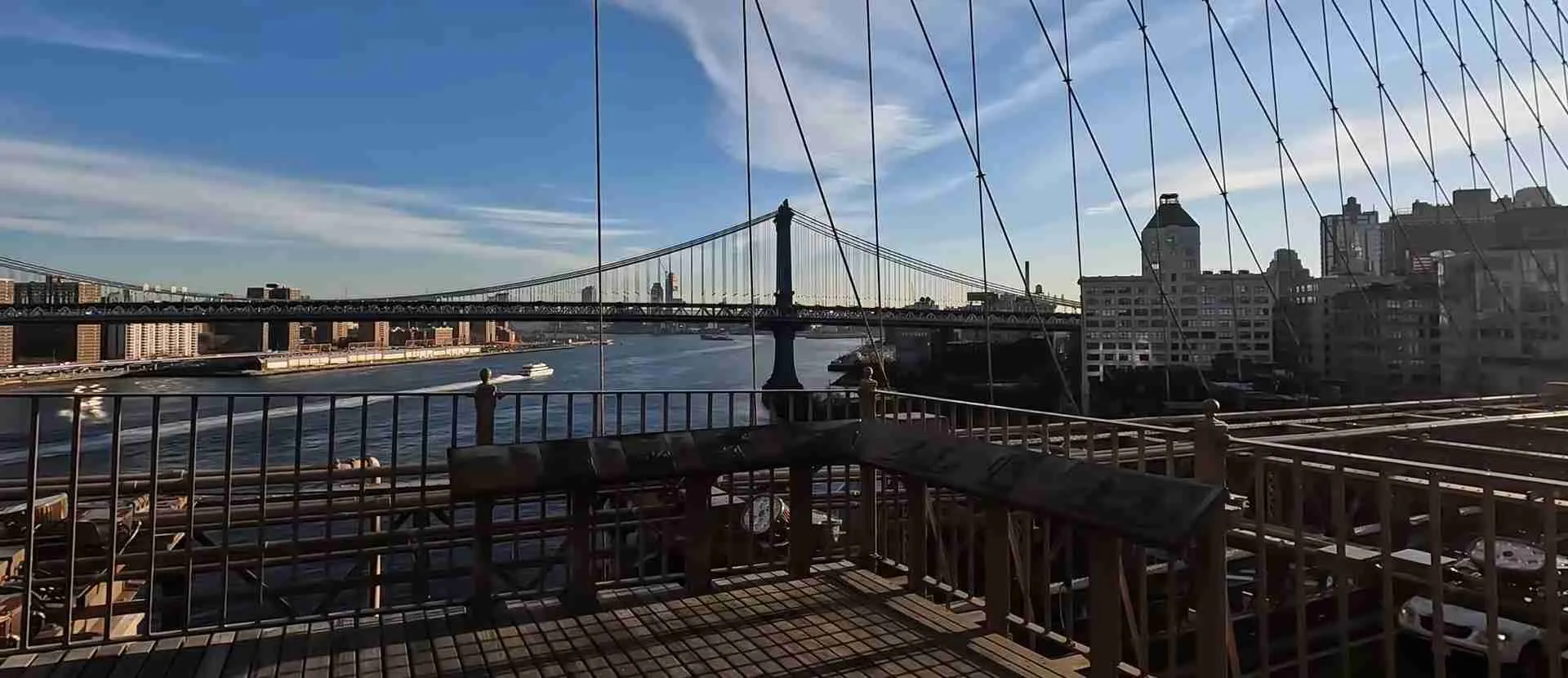
New York City offers extraordinary free attractions rivaling paid sites for quality and significance. Central Park’s 843 acres provide walking paths, Bethesda Terrace, Bow Bridge, Strawberry Fields, Conservatory Garden, and seasonal activities including free summer concerts completely free to access. Brooklyn Bridge walking path delivers iconic Manhattan skyline views during 30-40 minute crossing from Brooklyn to Manhattan or reverse.
Free museums include National September 11 Memorial outdoor plaza, Federal Hall National Memorial, Museum at Eldridge Street, and African Burial Ground National Monument. Several museums offer free or pay-what-you-wish hours including Brooklyn Museum free first Saturday monthly 5-11 PM, Museum of Modern Art MoMA free first Friday monthly 5:30-9 PM October through March, and Bronx Museum free admission always.
High Line elevated park from Gansevoort Street to 34th Street provides unique urban green space with Hudson River views, public art installations, and architectural perspectives free to all visitors. Battery Park offers Statue of Liberty views without ferry costs, along with waterfront promenades and historic Castle Clinton. Brooklyn Bridge Park spans 85 acres of waterfront with Jane’s Carousel, Pier playgrounds, and spectacular Manhattan skyline photography opportunities entirely free.
Grand Central Terminal’s architecture, whispering gallery, and celestial ceiling constellation provide free cultural experience in working transit hub. St. Patrick’s Cathedral offers free entry to Gothic Revival masterpiece. New York Public Library Main Branch features Rose Reading Room and regular free exhibitions. Times Square’s lights, energy, and street performers require no admission.
Neighborhood exploration of SoHo’s cast-iron architecture, Greenwich Village historic streets, Chinatown’s markets, and Williamsburg’s street art costs nothing beyond subway fare. Walking self-guided tours through Lower East Side, Harlem, and Financial District reveal urban history and architectural evolution free of charge.
Budget travelers prioritizing free attractions supplement with occasional $20-40 paid museums and activities, creating rich cultural experience for $8-20 daily average attraction costs. Mixing free sites with selective paid landmarks provides balanced exploration without excessive spending.
Complete Daily Budget Breakdowns 2026
Daily cost analysis across budget, mid-range, and luxury categories demonstrates specific spending allocations enabling travelers to plan realistic trip finances matching comfort expectations with available resources. Each tier reflects accommodation sharing assumptions, meal quality selections, transportation choices, and activity priorities.
Budget Traveler Daily Costs 2026 ($80-130 Per Person)
Budget travelers staying in hostel dormitories, eating street food and casual meals, using public transit exclusively, and prioritizing free attractions with selective paid sites allocate $80-130 per person daily. Accommodation in Manhattan hostel dormitory costs $35-55 per person nightly. Brooklyn and Queens dormitories reduce this to $25-40 per person, though transit time to Manhattan attractions increases 15-30 minutes.
Meals follow strict budget protocol with bodega breakfast $5-8, street food or slice pizza lunch $10-15, and casual dinner at ethnic restaurant or pizza spot $15-25, totaling $30-48 daily food costs. Grocery shopping for breakfast items and snacks reduces meal expenses to $25-40 daily with one restaurant meal.
Transportation uses subway and bus exclusively, hitting $35 weekly cap by day six and riding unlimited thereafter. Seven days transportation averages $5 daily. Emergency taxi for late night or heavy shopping adds occasional $15-20 cost to weekly budget.
Attractions focus on free sites including Central Park, Brooklyn Bridge, High Line, museum free hours, and neighborhood exploration, supplemented by occasional paid museum $20-30 or discounted attraction ticket. Budget daily average for attractions $8-20 allows 1-2 paid sites weekly alongside unlimited free activities.
Budget daily breakdown: Hostel $35-55 per person, meals $30-48, transport $5-8, attractions $8-20. Total approximately $80-130 per person daily. Weekly trip costs $560-910 per person for budget accommodations, meals, transit, and selective paid attractions. Airport transfers add $12-16 each direction via public transit.
Mid-Range Traveler Daily Costs 2026 ($235-385 Per Person)
Mid-range travelers sharing hotel accommodation, dining at casual and mid-range restaurants, mixing subway with occasional taxis, and visiting major paid attractions budget $235-385 per person daily. Hotel accommodation in Manhattan $250-400 per room divided between two travelers equals $125-200 per person nightly. Brooklyn hotels $160-280 per room reduce per-person costs to $80-140 when sharing.
Dining combines cafe breakfast $12-18, casual lunch $20-35, and mid-range dinner $35-55 before adding occasional upscale meal or cocktails. Daily food costs $67-108 provide quality restaurant experiences without nightly fine dining. Adding wine or cocktails increases daily dining to $90-140 per person.
Transportation mixes subway as primary mode hitting $35 weekly cap, supplemented by 3-5 weekly taxi rides for convenience or late nights costing $30-60 weekly. Daily transportation average $12-25 balances efficiency with comfort. Rideshares for rainy days, shopping returns to hotel, or group travel to outer borough attractions add flexibility.
Attractions include multiple paid landmarks using discount passes or individual tickets, Broadway shows at moderate seat prices, and museum admissions. Daily attraction budget $30-50 enables Empire State Building, Top of the Rock, museum visits, and occasional TKTS discount theater tickets. Weekly attraction spending $210-350 covers 4-5 major paid sites plus one Broadway show at standard pricing.
Mid-range daily breakdown: Hotel $125-200 per person sharing, meals $67-108, transport $12-25, attractions $30-50. Total approximately $235-385 per person daily assuming two sharing hotel accommodation. Weekly trip costs $1,645-2,695 per person for mid-range hotels, restaurant dining, mixed transportation, and major attractions. Airport express bus or split taxi adds $35-50 each direction.
Luxury Traveler Daily Costs 2026 ($545-970 Per Person)
Luxury travelers sharing premium hotels, fine dining regularly, using private transportation, and booking VIP experiences allocate $545-970 per person daily. Luxury hotel accommodation $500-900 per room divided between two travelers equals $250-450 per person nightly. Boutique luxury properties and suite upgrades increase nightly per-person costs to $350-600 when sharing.
Dining includes upscale breakfast $25-40, quality lunch $50-80, and fine dining dinner $100-180, with occasional Michelin-starred tasting menus reaching $200-300+ per person. Daily food costs $175-300 enable celebrated restaurant experiences and special occasion meals. Adding wine pairings and premium cocktails increases daily dining to $250-400 per person.
Transportation relies on taxis and rideshares for all trips, private car service for airport transfers, and occasional luxury options like helicopter tours or private yacht charters. Daily transportation $40-70 covers multiple taxi rides prioritizing convenience over cost. Weekly transportation $280-490 includes liberal taxi use and premium options.
Attractions emphasize VIP experiences including skip-the-line observation decks, private museum tours, premium Broadway orchestra seats $200-400, exclusive culinary experiences, and helicopter tours. Daily attraction budget $80-150 enables multiple premium activities and entertainment options. Weekly attraction spending $560-1,050 covers VIP landmark access, 2-3 Broadway shows with premium seats, exclusive dining experiences, and special activities.
Luxury daily breakdown: Hotel $250-450 per person sharing, meals $175-300, transport $40-70, attractions $80-150. Total approximately $545-970 per person daily assuming two sharing luxury accommodation. Weekly trip costs $3,815-6,790 per person for luxury hotels, fine dining, private transportation, and VIP experiences. Private car airport transfers add $80-120 each direction.
Sample Multi-Day Itineraries with Daily Costs 2026
Multi-day itinerary examples demonstrate realistic daily cost allocation across activities, meals, and transportation, illustrating how budget tiers function in practical trip planning. Each itinerary reflects authentic New York experiences at specified budget levels.
Budget 3-Day Itinerary: $240-390 Total Per Person
Day One focuses on Lower Manhattan landmarks. Morning Brooklyn Bridge walk followed by 9/11 Memorial outdoor plaza (free). Lunch at Chinatown $8-12. Afternoon Battery Park and Statue of Liberty views from shore (free), Financial District architecture exploration. Dinner at dollar slice pizza or street cart $10-15. Daily costs: Hostel $35-55, meals $20-35, subway $6 (2 rides), attractions $0. Day one total $61-96 per person.
Day Two explores Midtown and Central Park. Morning Central Park Bethesda Terrace and Bow Bridge (free). Lunch bodega sandwich $8-12. Afternoon Empire State Building 86th floor $44. Evening Times Square and Bryant Park (free). Dinner ethnic restaurant East Village $15-22. Daily costs: Hostel $35-55, meals $25-38, subway $6, attractions $44. Day two total $110-143 per person.
Day Three visits Brooklyn and museums. Morning High Line walk (free). Lunch halal cart $10-13. Afternoon Brooklyn Museum free admission or suggested donation, Brooklyn Bridge Park (free). Evening Williamsburg dinner and exploration $18-25. Daily costs: Hostel $35-55, meals $30-42, subway $6, attractions $10 donation. Day three total $81-113 per person.
Three-day budget itinerary total: Accommodation $105-165, meals $75-115, transport $18 (reaches $35 cap if additional trips), attractions $54-60. Grand total approximately $252-358 per person for three days plus airport transfers $12-16 each direction.
Mid-Range 5-Day Itinerary: $1,175-1,925 Total Per Person
Day One covers arrival and Lower Manhattan. Morning arrival and hotel check-in. Lunch South Street Seaport $25-35. Afternoon One World Observatory $48 and 9/11 Memorial Museum $33. Evening Tribeca dinner $45-65. Daily costs: Hotel $125-200 per person sharing, meals $75-108, subway $6, taxi to hotel $18, attractions $81. Day one total $305-413 per person.
Day Two explores Midtown landmarks. Breakfast cafe $12-18. Morning Top of the Rock $45, Rockefeller Center exploration. Lunch Midtown $28-40. Afternoon Grand Central Terminal, New York Public Library (free). Evening Broadway show TKTS ticket $90-140, dinner Theater District $40-60. Daily costs: Hotel $125-200, meals $82-125, transport $15, attractions $135-185. Day two total $357-525 per person.
Day Three focuses on museums and Upper East Side. Breakfast diner $15-22. Morning Metropolitan Museum of Art suggested $30. Lunch museum cafe $20-30. Afternoon Central Park exploration, Guggenheim Museum $30. Dinner Upper West Side $38-55. Daily costs: Hotel $125-200, meals $75-110, transport $12, attractions $60. Day three total $272-382 per person.
Day Four visits Brooklyn and cultural neighborhoods. Brunch Brooklyn $22-35. Morning Brooklyn Bridge walk, DUMBO neighborhood. Lunch Brooklyn $18-28. Afternoon Williamsburg exploration, vintage shopping. Evening East Village dinner and cocktails $55-85. Daily costs: Hotel $125-200, meals $95-148, transport $18 including taxi, attractions $0. Day four total $238-366 per person.
Day Five explores Chelsea, Greenwich Village, and departure preparation. Breakfast hotel area $12-18. Morning High Line, Chelsea Market, Whitney Museum $30. Lunch Greenwich Village $22-32. Afternoon Washington Square Park, SoHo shopping (free). Evening departure. Daily costs: Hotel $125-200, meals $40-58, transport $20 including taxi to airport, attractions $30. Day five total $215-308 per person.
Five-day mid-range itinerary total: Accommodation $625-1,000, meals $367-549, transport $71-89, attractions $306-366. Grand total approximately $1,369-2,004 per person for five days plus airport transfers $35-50 each direction.
Luxury 3-Day Itinerary: $1,635-2,910 Total Per Person
Day One arrival and upscale Manhattan introduction. Private car from airport $90. Lunch Per Se nine-course tasting menu with wine pairing $640 per person. Afternoon private shopping guide Fifth Avenue. Evening cocktails rooftop bar $60-90. Dinner omakase sushi $180-240. Daily costs: Hotel $350-550 per person sharing, meals $880-970, transport $110, attractions $150 private guide. Day one total $1,490-1,780 per person.
Day Two landmarks and exclusive experiences. Breakfast hotel restaurant $35-50. Morning helicopter tour Manhattan $250 per person. Lunch Eleven Madison Park $295 tasting menu. Afternoon private Empire State Building VIP tour $300 per person. Evening Broadway premium orchestra seats Hamilton $350-450, dinner Le Bernardin $240-320. Daily costs: Hotel $350-550, meals $575-670, transport $80, attractions $900-1,000. Day two total $1,905-2,300 per person.
Day Three culture and departure. Breakfast Balthazar $30-45. Morning private Metropolitan Museum tour $400 per person. Lunch Daniel $188. Afternoon final Fifth Avenue shopping. Private car to airport $90. Daily costs: Hotel $350-550, meals $220-235, transport $110, attractions $400. Day three total $1,080-1,295 per person.
Three-day luxury itinerary total: Accommodation $1,050-1,650, meals $1,675-1,875, transport $300, attractions $1,450-1,550. Grand total approximately $4,475-5,375 per person for three days including private airport transfers.
Seasonal Price Variations and Timing Strategies 2026
New York City costs fluctuate dramatically by season, day of week, and special events, with strategic timing decisions reducing total trip expenses 30-50% while maintaining identical experiences. Understanding cyclical pricing patterns empowers budget-conscious planning without sacrificing destination quality.
Monthly Price Analysis 2026
January through early March represents optimal value period with hotel rates 35-45% below summer peaks. Mid-range hotels averaging $180-280 nightly in January rise to $300-450 by July. Broadway shows offer better TKTS discount availability with fewer tourists competing. Restaurant reservations become easier to secure without advance booking. Cold weather limits some outdoor activities but enables ice skating in Central Park, Rockefeller Center, and Bryant Park.
February features NYC Hotel Week with special rates January 2 through February 12, providing 20-35% discounts at participating properties. Winter restaurant weeks offer prix fixe lunch and dinner menus at reduced prices. Museum crowds thin compared to summer, creating better viewing experiences. Budget daily costs in winter drop to $75-120, mid-range to $220-360, and luxury to $520-920 versus respective summer ranges.
March and April see gradual price increases as weather improves and spring break travelers arrive. Cherry blossom season late April drives short-term rate spikes. Hotel rates climb to $220-320 mid-range. Restaurant demand increases requiring advance reservations for popular spots. Daily costs rise to $75-125 budget, $225-370 mid-range, $530-950 luxury.
May through June brings peak spring rates before summer maximum. Graduation season and early summer events fill hotels. Mid-range rates reach $280-400. Broadway tickets become harder to find at discount. Daily costs: $78-128 budget, $230-380 mid-range, $540-965 luxury. Memorial Day weekend commands premium pricing across all categories.
July and August represent absolute peak tourist season with highest rates and crowds. Mid-range hotels average $300-450 nightly. Attraction lines extend significantly. Restaurant reservations required well in advance for quality establishments. Daily costs peak at $80-130 budget, $235-385 mid-range, $545-970 luxury. Central Park and waterfront activities offset indoor crowd challenges.
September hits yearly maximum rates averaging $417 per night mid-range due to Fashion Week, UN General Assembly, and convention concentration. Hotel availability becomes scarce without advance booking. Daily costs reach $85-135 budget, $240-395 mid-range, $555-985 luxury. October maintains elevated rates through autumn foliage season.
November provides brief value window late month after Thanksgiving. Mid-range rates drop to $200-320. Holiday decoration installation begins creating festive atmosphere without peak Christmas pricing. Daily costs reduce to $77-123 budget, $228-372 mid-range, $535-955 luxury.
December escalates to year’s second-highest rates Christmas week through New Year’s, with mid-range hotels reaching $400-550 and luxury exceeding $1,000 regularly. Early December offers moderate rates $240-340 mid-range before holiday spike. Rockefeller Center tree lighting, holiday markets, and ice skating create magical atmosphere justifying premium costs for many visitors.
Day-of-Week Pricing Strategies 2026
Weekend Friday-Saturday nights cost 15-25% more than weekday Tuesday-Thursday across all hotel categories regardless of season. Business travel creates steady weekday demand at moderate rates, while weekend leisure travelers drive prices upward. A mid-range hotel charging $250 Tuesday jumps to $300-315 Friday and Saturday.
Midweek visits optimize value while providing identical attraction access and cultural experiences. Museums operate identical hours Tuesday through Sunday with some Monday closures. Broadway shows run Tuesday through Sunday. Restaurants maintain full service all week. Only weekend-specific events like street fairs and some festivals require Saturday-Sunday presence.
Sunday through Thursday travel booking captures maximum savings through lower accommodation costs and reduced competition for restaurant reservations, Broadway tickets, and attraction entry times. Five-night Tuesday arrival through Saturday departure combines weekday value with weekend activities, saving $150-250 on accommodation versus Thursday arrival through Monday departure.
Special Event Impact on Costs 2026
New York Fashion Week in February and September drives 30-50% hotel rate increases in Midtown and surrounding neighborhoods. UN General Assembly late September fills hotels with delegations and media, reducing availability and elevating prices. New York Marathon first Sunday November creates accommodation scarcity in all boroughs. US Open tennis late August through early September increases Queens and Manhattan rates.
Major holidays including New Year’s Eve, Thanksgiving, Christmas, Fourth of July, and Memorial Day command super-premium pricing with mid-range hotels reaching $400-600 nightly versus $250-350 typical rates. New Year’s Eve hotel packages often require 3-4 night minimum stays with mandatory gala dinners adding $500-1,000 per person.
Convention season September through November and March through May fills midtown hotels with business travelers, reducing leisure inventory and increasing competition for available rooms. Checking convention calendars at Javits Center and major hotels before booking reveals potential conflicts affecting pricing and availability.
Money-Saving Strategies and Insider Tips 2026
Strategic approaches across accommodation booking, dining selection, transportation optimization, and attraction planning reduce New York City costs 30-50% without diminishing experience quality. Insider knowledge of timing, neighborhoods, and lesser-known options maximizes value per dollar spent.
Accommodation Savings Strategies 2026
Brooklyn and Queens hotel selection saves 20-35% versus Manhattan properties while maintaining subway access under 30 minutes to major attractions. Williamsburg L train reaches Union Square 20 minutes. Long Island City 7 and E trains arrive Midtown 15 minutes. Park Slope F and R trains access Manhattan 25 minutes. These neighborhoods offer superior dining value and local cultural experiences beyond hotel savings.
Booking timing significantly affects rates. Last-minute reservations 5-10 days before arrival sometimes capture deals as hotels discount unsold inventory, though this strategy risks limited availability during peak periods. Three-month advance booking generally secures better rates than one-month or same-week bookings. Tuesday and Wednesday booking days historically show better rates than weekend searches, though this pattern varies.
Hotel loyalty programs provide free nights, room upgrades, late checkout, and other benefits. Marriott Bonvoy, Hilton Honors, and IHG Rewards accumulate points toward free stays. Credit card hotel partnerships accelerate point earning. Status tiers unlock additional perks including complimentary breakfast saving $15-25 daily per person.
Alternative accommodations including university dormitories during summer break, extended stay hotels with kitchenettes enabling meal preparation, and guesthouse properties reduce costs below traditional hotels. Hosteling International locations offer private rooms $90-140 nightly versus dormitory rates, providing privacy at budget pricing.
Dining Savings Without Sacrificing Quality 2026
Lunch prix fixe menus at upscale restaurants provide fine dining experiences at 60-70% discount versus dinner pricing. Jean-Georges lunch $45 versus $268 dinner. Daniel lunch specials $55 versus $188 dinner tasting. Le Bernardin lunch $95 versus $198 dinner. Securing reservations 2-4 weeks advance ensures table availability.
Neighborhood selection dramatically impacts dining costs. East Village, Lower East Side, Chinatown, and Astoria Queens offer authentic ethnic cuisine $8-15 per meal versus $18-28 in Midtown and Times Square for comparable quality. Jackson Heights Queens presents extraordinary international diversity with meals $6-12. Sunset Park Brooklyn’s Chinatown serves exceptional dim sum and Cantonese dishes $8-18 per person.
Lunch as main meal strategy allocates larger budget to midday dining when restaurants offer better value, consuming lighter street food or deli dinner $10-18. This inverts typical American dining pattern while maximizing quality per dollar. Many New Yorkers follow this approach for business and budget reasons.
Happy hour specials 4-7 PM weekdays offer discounted drinks and complimentary or reduced-price appetizers. Craft cocktails drop from $22 to $12-15. Wine by glass reduces $12-18 to $8-12. Some establishments serve full meals during happy hour at significant discounts. Financial District, Lower Manhattan, and Midtown bars near offices provide best happy hour values targeting post-work crowds.
Grocery shopping at Trader Joe’s, Whole Foods hot bars, or local markets enables breakfast and snack preparation at fraction of restaurant costs. Bagels $5 per six, cream cheese $4, coffee supplies $8-12 weekly, yogurt $4-6, and fruit $5-8 covers breakfast for 3-4 days at $6-10 daily versus $12-18 cafe breakfast. Hotel room mini-fridges or hostel kitchen facilities support this strategy.
Free and Low-Cost Cultural Experiences 2026
Pay-what-you-wish museum hours eliminate or reduce admission costs at major institutions. Metropolitan Museum of Art allows New York State residents and tri-state students to pay any amount. Brooklyn Museum offers free admission first Saturday monthly 5-11 PM. MoMA provides free entry first Friday monthly 5:30-9 PM October through March. American Museum of Natural History accepts any donation amount though $28 suggested.
Free concerts and performances fill summer months. Central Park SummerStage presents free concerts, dance, and spoken word May through October. Bryant Park summer film festival screens classic movies Monday evenings June through August free admission. Shakespeare in the Park offers free tickets to professional productions at Delacorte Theater in Central Park, distributed via lottery and same-day in-person queues.
Walking tours explore neighborhoods through free self-guided routes or donation-based guided tours. Big Onion Walking Tours and Free Tours by Foot operate on gratuity basis, typically $10-20 per person appreciated. Self-guided walks following online maps cost nothing beyond time and subway fare to starting points. High Line, Brooklyn Bridge, Greenwich Village, and Harlem routes provide rich architectural and historical exploration.
Public libraries offer free cultural programs including author talks, film screenings, exhibitions, and educational workshops. New York Public Library main branch hosts regular events. Brooklyn Public Library and Queens Library branches provide neighborhood programming. Library cards available to visitors enable book borrowing and digital resource access.
Transportation Optimization Strategies 2026
Subway weekly cap exploitation benefits visitors staying 5-7 days. Riding subway twice daily hits 12-trip cap by day six, enabling unlimited free travel thereafter. Strategic itinerary planning concentrates long-distance trips later in week maximizes free ride period. A visitor arriving Tuesday riding 3 times daily through Monday pays $35 total versus $63 for individual fares.
Walking substitutes for short subway trips saves money while providing neighborhood immersion. Most Manhattan crosstown trips span 0.5-1 mile walking 10-20 minutes versus subway requiring descent to platform, waiting, riding, ascending stairs. North-south trips under 10 blocks similarly walk efficiently. Google Maps walking directions estimate time accurately.
Airport transfer timing optimization saves substantially. Early morning or late evening rideshare pricing avoids surge periods, reducing JFK to Manhattan costs from $80-90 afternoon surge to $50-60 at 6 AM or 11 PM. Public transit serves all three airports 24 hours providing ultimate budget option regardless of arrival time.
Citi Bike bikeshare offers transportation alternative for appropriate trips. Single rides $4.49 for 30 minutes provide efficient short-distance travel in bike-friendly neighborhoods. Day passes $20.49 allow unlimited 30-minute trips within 24 hours. Bike lanes connect many major corridors though inexperienced urban cyclists should assess comfort level carefully.
Hidden Costs and Additional Fees NYC 2026
New York City’s cost structure includes numerous fees, taxes, and surcharges beyond base prices that expand final expenses 20-35% across accommodation, dining, transportation, and entertainment categories. Understanding these mandatory and discretionary additions enables accurate budget planning without surprise charges depleting contingency funds.
Hotel Taxes and Mandatory Fees 2026
Hotel occupancy tax in New York City totals 14.75% of room rate plus mandatory $3.50 nightly facility fee per room. A $300 hotel room costs $300 × 1.1475 = $344.25 plus $3.50 = $347.75 total including taxes and fees. Seven nights at $300 nightly becomes $2,100 base + $309.75 tax + $24.50 fees = $2,434.25 total, representing $334.25 or 16% increase over advertised rate.
Resort fees at some hotels add $25-50 per room nightly for amenities like fitness center access, WiFi, and bottled water regardless of usage. These mandatory charges appear as separate line items rather than incorporated in nightly rates, surprising travelers who budget based on advertised prices. Verification of resort fee policy during booking prevents unexpected charges at checkout.
Early check-in and late checkout fees apply at many properties, charging $25-75 for guaranteed early access or extended stays beyond standard times. Standard check-in 3-4 PM and checkout 11 AM-12 PM create luggage storage needs for early arrivals or late departures. Most hotels offer complimentary luggage storage, though some charge $5-10 per bag.
Parking fees in Manhattan hotels range $45-85 per night with valet requirements at most properties. Self-parking garages near hotels charge $35-60 per 24 hours. Visitors renting cars for day trips should factor $45-85 nightly parking into vehicle rental economics, often making car rental impractical for city-based trips.
Restaurant Service Charges and Expectations 2026
Sales tax of 8.875% applies to all restaurant food and beverage purchases. A $100 pre-tax meal becomes $108.88 after tax. Standard gratuity of 20% on pre-tax amount adds another $20, bringing total to $128.88, representing 29% increase over menu prices. Quick estimation adds 30% to menu totals for accurate budget planning.
Automatic gratuity for large parties typically 18-22% applies to groups of six to eight or more depending on restaurant policy, clearly stated on menus. This mandatory tip ensures fair server compensation but removes discretion from diners. Parties splitting bills should verify whether gratuity already applied before adding additional tip, as double-tipping occasionally occurs through oversight.
Service charges and wellness fees appearing as separate line items represent restaurant operational cost recovery, typically 3-5% of pre-tax total. These fees support employee healthcare, paid leave, and other benefits. Service charges do NOT substitute for gratuity—servers do not receive these fees as compensation. Reading bills carefully ensures appropriate tipping beyond service charges.
Corkage fees at restaurants allowing wine bring-your-own range $25-50 per bottle. Some establishments prohibit outside wine entirely. Verification of corkage policy and fees before arriving with wine prevents awkward situations and unexpected charges.
Entertainment and Attraction Hidden Costs 2026
Broadway ticket facility fees add $5-15 per ticket beyond face price when purchasing through Ticketmaster or individual theater box offices. A $150 ticket costs $155-165 total. Purchasing directly at theater box offices same-day sometimes avoids online fees, though convenience and advance planning benefits often justify small surcharges.
Coat check fees at Broadway theaters and upscale restaurants charge $2-5 per item during cold weather months. Winter visitors carrying coats, scarves, and bags should budget $10-20 weekly for coat check services or plan outerwear logistics carefully. Some theaters provide complimentary coat check while others charge.
Attraction locker rentals for bags and coats at observation decks and museums cost $2-5 for small lockers, $5-10 for large. Empire State Building, One World Observatory, and major museums prohibit large bags and backpacks requiring storage. Day trip planning should account for locker fees when carrying luggage or shopping bags.
Photography restrictions at some museums and attractions prohibit tripods, selfie sticks, and flash photography without rental fees or special permits. Professional photography often requires advance permission and fees $50-200. Casual smartphone photography remains free and permitted at most locations with specific gallery restrictions noted.
Transportation Surcharges and Tolls 2026
Taxi and rideshare congestion surcharge adds $2.75 for trips below 96th Street in Manhattan, $0.75 for trips above 96th Street and outside Manhattan. This charge appears as separate line item on receipts. Evening surcharge $1.00 applies to taxis 8 PM to 6 AM weekdays, with weekend surcharge $0.50 from 4 PM Saturday through 8 AM Monday.
Bridge and tunnel tolls affect taxi rides between boroughs and to airports. Midtown Tunnel $10.17 E-ZPass connects Manhattan and Queens. Queens-Midtown Tunnel $10.17 E-ZPass for Queens-Manhattan travel. These tolls pass directly to passengers in taxis and rideshares. Verifying toll-free routes when possible reduces costs, though time efficiency sometimes justifies toll expenses.
Airport taxi trips include tolls in addition to base fares. JFK to Manhattan $70 flat fare plus tolls $10-15, tips 15-20%, and congestion surcharge $2.75 totals $95-110 final cost. LaGuardia metered fares $35-50 plus tolls, tips, and surcharges total $55-75. Rideshare pricing incorporates tolls but varies with surge pricing making final costs unpredictable without booking confirmation.
Budget Planning by Traveler Type 2026
Different traveler profiles require customized budget strategies reflecting specific needs, priorities, and constraints. Solo travelers, couples, families, and groups each face unique cost structures and optimization opportunities across accommodation sharing, attraction pricing, and transportation coordination.
Solo Traveler Budgets 2026
Solo travelers face accommodation premium paying full room rates without sharing, significantly impacting daily budgets. Hostel dormitory beds $35-55 provide most economical option maintaining social opportunities. Private hostel rooms $85-130 offer privacy at premium over dormitories but savings versus hotels. Hotel private rooms lacking sharing partner cost full $180-400 nightly for mid-range versus $90-200 per person when couples share.
Solo daily costs budget tier: Dormitory $35-55, meals $30-48, transport $5-8, attractions $8-20. Total $80-130 per person, identical to couples due to dormitory pricing structure. Solo daily costs mid-range tier: Private hotel room $180-400, meals $67-108, transport $12-25, attractions $30-50. Total approximately $290-580 per person, substantially higher than couples at $235-385 due to lack of room cost sharing.
Solo dining presents efficiency challenges with restaurant portions sized for sharing and prix fixe menus charging per person regardless of group size. Solo diners maximize value through counter seating at ramen shops, sushi bars, and Asian restaurants where individual service represents cultural norm. Lunch special pricing benefits solo travelers equally to couples.
Solo travelers optimize costs through hostel accommodation, strategic meal timing favoring lunch specials, aggressive free attraction exploitation, and group tour joining for social experiences and potential cost splitting. Meeting other travelers through hostel common areas, walking tours, and group activities creates informal cost-sharing opportunities for taxis, meals, and attractions.
Family Travel Budgets 2026
Families with children face distinct cost structure with accommodation requiring suites or multiple rooms, attraction pricing scaling by number of children, and dining expenses multiplying by family size. Family MTA fare allows children ages 5-17 to ride subway and buses for $1 when accompanied by fare-paying adult, providing significant transportation savings. Four family members riding twice daily saves $20 daily versus adult fares for all.
Family accommodation costs favor suite hotels with separate bedrooms, sofa beds, and kitchenettes enabling meal preparation. Embassy Suites, Homewood Suites, and similar properties offer two-room layouts $250-400 nightly accommodating family of four. Traditional hotel rooms require two rooms $360-800 nightly total for family of four, making suites economical choice.
Family daily costs budget tier for family of four: Suite hotel or two budget rooms $200-400, grocery-based meals with occasional restaurant dining $80-140 for four people, subway using family fare $8-15 daily, free attractions and playgrounds with occasional paid site $20-40. Family of four budget daily total approximately $310-595.
Family daily costs mid-range tier for family of four: Suite hotel $350-550, restaurant dining breakfast and lunch plus grocery dinner $180-280 for four, subway family fare plus occasional taxi $25-45, paid attractions and activities $80-140. Family of four mid-range daily total approximately $635-1,015.
Children’s museum admission costs $15-20 per child at institutions like Children’s Museum of Manhattan and Brooklyn Children’s Museum. Many general museums including Metropolitan Museum of Art, American Museum of Natural History, and MoMA offer free admission for children under 12-16 depending on institution policy. Central Park playgrounds, carousel, and Belvedere Castle provide free entertainment for young children.
Family money-saving strategies include grocery shopping for breakfast and snacks, picnic lunches in Central Park combining grocery provisions with scenic dining, free museum admission for children, subway family fare exploitation, and accommodation selection prioritizing suites with kitchenettes over traditional hotel rooms.
Senior Traveler Budgets 2026
Senior travelers ages 60-65+ benefit from reduced-fare transit, museum discounts, and early-bird restaurant specials reducing daily costs 15-25% versus standard adult pricing. MTA reduced fare for seniors and people with disabilities costs $1.50 for subway and local buses versus $3.00 standard fare, saving $1.50 per ride or $10.50 weekly for 14 rides.
Museum senior discounts provide $2-5 savings per admission at many institutions. Empire State Building offers senior rates $42 versus $44-49 standard. Broadway shows occasionally discount senior tickets $10-20 though policies vary by production. Restaurant early-bird specials 4:30-6:30 PM offer prix fixe menus $25-40 for three courses at establishments charging $40-65 regular dinner pricing.
Senior daily costs mid-range tier: Hotel $125-200 per person sharing, meals using early-bird specials $60-95, transport using reduced fare $6-12 (half of standard), attractions with senior discounts $25-45. Total approximately $215-350 per person daily, saving $20-35 versus standard mid-range through discount exploitation.
Senior travel optimization strategies emphasize advance planning for accessible accommodation near subway stations with elevator access, meal timing targeting early-bird specials and lunch pricing advantages, attraction selection favoring museums and cultural sites with senior discounts, and transportation using reduced-fare metro cards throughout stay. Walking-intensive days should alternate with lighter activity days managing energy levels sustainably.
Neighborhood-by-Neighborhood Cost Comparison 2026
New York City’s neighborhoods present dramatically different cost structures across accommodation, dining, and local character, with Manhattan commanding premium pricing while Brooklyn and Queens offer value alternatives maintaining easy access to major attractions through subway connections under 30 minutes. Understanding neighborhood pricing empowers strategic base selection optimizing budget and experience goals.
Manhattan Neighborhoods Cost Analysis 2026
Midtown and Times Square represent peak Manhattan pricing with mid-range hotels $300-450 nightly, casual dining $25-40 per meal, and tourist-oriented restaurants charging premium for mediocre quality. Proximity to Broadway theaters, Rockefeller Center, and transit hubs justifies premium for visitors prioritizing central location. However, dining value requires walking 3-5 blocks from tourist epicenters to neighborhood spots.
Upper West Side residential character provides slightly better hotel value $250-380 mid-range with superior neighborhood dining $18-35 per meal at local bistros and ethnic restaurants. Proximity to Central Park, American Museum of Natural History, and Lincoln Center appeals to cultural travelers. Subway access via 1, 2, 3 lines connects to Midtown 10-15 minutes.
Upper East Side offers similar residential pricing to Upper West Side with museum concentration including Metropolitan Museum, Guggenheim, and Neue Galerie. Hotels $240-360 mid-range, dining $20-38 casual range. Slightly more formal atmosphere with higher-end shopping and dining options. Subway 4, 5, 6 lines provide Midtown access 10-15 minutes.
Greenwich Village and West Village command premium for historic charm and dining quality. Hotels $280-420 mid-range, exceptional restaurant density $22-45 casual tier with renowned chefs and innovative cuisine. Nightlife concentration and architectural character justify costs for visitors prioritizing dining and entertainment. Subway A, C, E, 1, 2, 3 lines offer connectivity.
East Village and Lower East Side provide better Manhattan value with hotels $220-340 mid-range, diverse ethnic dining $12-28 per meal, and vibrant nightlife. Authentic character with immigrant history, music venues, and cocktail bar concentration. Subway L, F, M, 6 lines connect to Midtown 15-20 minutes.
Financial District and Lower Manhattan hotels target business travelers weekdays with weekend deals $200-320 mid-range. Dining skews toward lunch service for office workers with limited evening options. Proximity to 9/11 Memorial, Battery Park, and Brooklyn Bridge appeals to sightseers. Subway 1, 2, 3, 4, 5, A, C, E lines provide extensive connectivity.
SoHo and Tribeca occupy luxury tier with hotels $350-550 mid-range equivalent and dining $28-55 casual range. Shopping concentration, gallery scene, and architectural distinction in cast-iron buildings. Limited budget options though exceptional quality dining and design-focused businesses.
Brooklyn Neighborhoods Cost Analysis 2026
Williamsburg balances Brooklyn value with Manhattan proximity offering hotels $180-280 mid-range, 20-30% savings versus comparable Manhattan properties. Dining excellence spans $12-35 per meal with innovative restaurants, excellent coffee culture, and international cuisine. L train reaches Union Square 20 minutes, though weekend L train service disruptions occasionally complicate travel. Vibrant nightlife, music venues, and weekend markets.
Park Slope residential neighborhood near Prospect Park provides hotels $180-260 mid-range with family-friendly atmosphere and excellent restaurant scene $15-32 per meal. F and R train connectivity reaches Midtown 25-30 minutes. Proximity to Brooklyn Museum, Brooklyn Botanic Garden, and park green space appeals to families and culture-focused visitors.
DUMBO and Brooklyn Heights waterfront locations offer hotels $220-340 mid-range with spectacular Manhattan skyline views and Brooklyn Bridge access. Dining $18-38 casual range with upscale options. A, C, F, 2, 3 trains connect to Manhattan 10-15 minutes. Premium Brooklyn pricing reflecting exceptional location and views.
Sunset Park and Bay Ridge outer Brooklyn neighborhoods present maximum Brooklyn value with hotels $140-220 mid-range and exceptional Asian and Latin American dining $8-22 per meal. N, R, D trains reach Midtown 35-45 minutes. Longer commutes offset by significant savings and authentic multicultural experiences.
Queens Neighborhoods Cost Analysis 2026
Long Island City adjacent to Manhattan offers hotels $160-240 mid-range with 7, E, G, N, W train access reaching Midtown 10-20 minutes. Developing neighborhood with increasing restaurant options $14-28 casual range. Excellent Manhattan proximity at Queens pricing represents strong value proposition.
Astoria Greek and international community provides hotels $150-220 mid-range with exceptional dining diversity $10-25 per meal. N, W trains reach Times Square 25 minutes. Museum of the Moving Image and growing arts scene supplement food-focused appeal.
Flushing Chinatown delivers maximum accommodation and dining value with hotels $130-200 mid-range and authentic Asian cuisine $6-18 per meal. 7 train reaches Grand Central 35-40 minutes. Extraordinary food quality and value for visitors comfortable with longer commutes and non-English signage.
Jackson Heights represents New York’s most diverse neighborhood with hotels $120-180 mid-range and global cuisine spanning Indian, Tibetan, Colombian, Ecuadorian, Mexican at $7-16 per meal. E, F, M, R, 7 trains provide connectivity. Maximum dining value and cultural immersion trading location convenience.
Frequently Asked Questions NYC Budget 2026
Is $200 Per Day Enough for NYC 2026?
Two hundred dollars per person daily provides comfortable mid-range experience in New York City 2026 when two travelers share hotel accommodation. Hotel costs $250-400 per room divided equally equal $125-200 per person, meals at casual and mid-range restaurants total $67-108, transportation mixing subway with occasional taxis costs $12-25, and attractions budget $30-50 enables multiple paid sites and activities. Daily breakdown: $125-200 accommodation sharing + $67-108 dining + $12-25 transport + $30-50 attractions approximately equals $235-385 per person, placing $200 daily at lower end of mid-range comfort requiring budget awareness and strategic choices but absolutely viable. Solo travelers face challenges at $200 daily due to full hotel room costs without sharing, though hostel private rooms plus moderate dining and attractions fits budget.
How Much Spending Money Do I Need for 7 Days in New York 2026?
Seven days in New York City 2026 requires approximately $560-910 per person for budget travel, $1,645-2,695 for mid-range comfort, or $3,815-6,790 for luxury experiences excluding flights. Budget travelers staying in hostel dormitories allocate $245-385 for accommodation, $210-336 for street food and casual dining, $35-56 for subway transit hitting weekly fare cap, and $56-140 for occasional paid attractions alongside free sites. Mid-range travelers sharing hotel accommodation budget $875-1,400 for lodging per person, $469-756 for restaurant meals, $84-175 for mixed subway and taxi transportation, and $210-350 for attractions and Broadway shows. Luxury visitors plan $1,750-3,150 for premium hotel accommodation per person sharing, $1,225-2,100 for fine dining, $280-490 for private transportation, and $560-1,050 for VIP experiences. Adding airport transfers, shopping budgets, and 10-15% contingency increases total requirements. Credit cards provide spending flexibility and fraud protection superior to carrying large cash amounts.
What Are the Cheapest Months to Visit NYC 2026?
January through early March offers lowest New York City prices 2026 with mid-range hotel rates averaging $180-280 nightly, 35-45% below summer peaks of $300-450. February features NYC Hotel Week providing special rates January 2 through February 12 at participating properties. Late November through mid-December before Christmas week presents second value window at $200-320 mid-range. Cold weather January-March limits some outdoor activities but enables ice skating in Central Park, reduced museum crowds, better restaurant reservation availability, and superior Broadway TKTS discount access with fewer tourists competing. Budget daily costs in winter drop to $75-120 versus summer peaks $80-130, mid-range declines to $220-360 versus summer $235-385, and luxury reduces to $520-920 versus summer $545-970. Travelers comfortable with 25-45°F temperatures and occasional snow maximize value through winter visits. September represents most expensive month averaging $417 per night mid-range due to Fashion Week and UN General Assembly concentration.
How Can I Save Money on NYC Attractions 2026?
Attraction pass purchases save 30-65% versus individual tickets when visiting 3-5 paid sites. New York CityPASS costs $133 covering five attractions including Empire State Building, saving $97 or 42% versus individual purchases totaling $230. Go City Explorer Pass and Flex Pass options provide selection flexibility across 90-100 attractions saving similar percentages. Prioritizing free attractions including Central Park, Brooklyn Bridge, High Line, 9/11 Memorial outdoor plaza, and museum pay-what-you-wish hours eliminates admission costs entirely. Metropolitan Museum of Art allows New York State residents and tri-state students any donation amount. Brooklyn Museum offers free admission first Saturday monthly 5-11 PM. MoMA provides free entry first Friday monthly 5:30-9 PM October through March. Strategic free site selection supplemented by 1-2 paid landmarks weekly creates rich cultural experience for $8-20 daily attraction costs. TKTS discount booth sells same-day Broadway tickets 20-50% off enabling theater access at reduced prices. Advance research identifying free concerts, museum hours, walking tours, and neighborhood festivals maximizes value.
Is the Subway Safe in NYC 2026?
New York City subway system serves 3 million daily riders with overall safety record comparable to major world metro systems, though reasonable precautions enhance personal security. Daytime travel on main lines presents minimal safety concerns with heavy passenger volume and frequent service. Evening and late-night subway use requires heightened awareness particularly on outer borough lines and less-trafficked stations. Travelers should position near conductor car midpoint where staff presence deters problematic behavior, maintain awareness of surroundings without excessive phone distraction, keep belongings secure and visible, avoid empty cars during off-peak hours preferring cars with other passengers, and trust instincts moving to different car or exiting station if situations feel uncomfortable. Violent crime on subways remains statistically rare though harassment, pickpocketing, and aggressive panhandling occur occasionally. Women traveling alone late nights might prefer taxi or rideshare for additional security though subway remains viable option with proper precautions. Tourist-heavy lines including Times Square corridors, L train to Brooklyn, and 4/5/6 Lexington Avenue express maintain high passenger volume and security presence throughout evening hours.
Do I Need Cash in NYC 2026?
Credit cards dominate New York City transactions 2026 with most establishments accepting contactless payments, though modest cash allocation $100-200 provides backup for exceptions. OMNY tap-to-pay subway system accepts credit cards, smartphones, and wearable devices eliminating MetroCard requirements. Restaurants, hotels, attractions, museums, and retail overwhelmingly prefer cards with many locations declining cash entirely for health and efficiency reasons. However, specific situations require cash: street food vendors and carts often operate cash-only, dollar pizza slices sometimes lack card readers, tips for hotel housekeeping and bellhops use cash, some bodegas maintain $10 minimum for card purchases, coat check at theaters prefers cash, and emergency taxi rides occasionally claim broken card readers though this represents rare exception. ATM withdrawal strategy limits fees through larger infrequent transactions versus multiple small withdrawals. Credit cards offering no foreign transaction fees benefit international visitors avoiding 3% currency conversion charges. Notify credit card companies of travel dates preventing fraud alerts blocking legitimate NYC purchases.
When Should I Book Hotels for Best NYC Rates 2026?
Three-month advance booking generally secures optimal hotel rates balancing availability and pricing flexibility, with dynamic pricing algorithms adjusting rates based on demand forecasts. Booking Tuesday and Wednesday historically shows marginally better rates than weekend searches though patterns vary. Last-minute reservations 5-10 days before arrival sometimes capture deals as properties discount unsold inventory, though this strategy risks limited availability during peak seasons, special events, and weekends. Summer travel June-August benefits from spring booking securing lower rates before tourist season demand elevates pricing. Fall Fashion Week and UN General Assembly late September require 3-4 month advance booking due to exceptional demand and limited availability. Winter travel January-March allows shorter booking windows 4-8 weeks given lower demand and better availability. Hotel loyalty program members occasionally access exclusive advance booking rates and member-only sales providing advantages over public pricing. Rate monitoring tools and price tracking apps alert travelers to rate drops enabling reservation modifications or cancellations with rebooking at lower prices when policies allow.
What’s the Best Way to Get from JFK to Manhattan 2026?
Optimal JFK to Manhattan transportation depends on budget priorities, luggage volume, time sensitivity, and travel party size balancing $11.50 public transit to $90-100 taxi or rideshare options. AirTrain JFK connecting to subway provides most economical option at $8.50 AirTrain plus $3 subway fare totaling $11.50, requiring 60-75 minutes to Midtown including walking, waiting, and train time with E, J, or A lines from Jamaica or Howard Beach stations. This option suits budget travelers with light luggage comfortable navigating stairs and crowds. Express buses to Grand Central and other Manhattan locations charge $19-22 one-way with 60-90 minute journey times depending on traffic, balancing cost and convenience for moderate budgets. Taxi flat fare $70 plus tolls, tips, and congestion surcharge totals approximately $90-100 to Manhattan, providing door-to-door service in 45-75 minutes depending on traffic optimal for groups of 2-4 splitting costs or travelers with heavy luggage valuing convenience. Rideshare UberX and Lyft vary $50-90 depending on surge pricing with similar timing to taxis, checking app pricing before booking reveals current rates. Private car services $80-120 offer advance booking certainty and professional drivers. Groups of 3-4 travelers find taxi or rideshare splitting approaches $20-30 per person becoming cost-competitive with express bus while providing superior convenience.
How Much Should I Tip in NYC 2026?
Restaurant servers receive 20% gratuity on pre-tax bill as standard, with 18% representing minimum for adequate service and 22-25% for exceptional experiences. Automatic gratuity of 18-22% applies to parties of six or eight or more depending on establishment policy. Bartenders receive $1-2 per drink for beer or wine, $2-3 per cocktail, or 15-20% of bar tab total. Delivery drivers through apps earn 15-20% tips with $5 minimum for any delivery regardless of order size. Taxi and rideshare drivers receive 15-20% of metered fare with $2-3 minimum even for short rides. Hotel housekeeping staff deserve $3-5 per room per night left daily or as lump sum at checkout, placed in envelope marked housekeeping. Bellhops and doormen assisting with luggage receive $2-3 per bag with $5 minimum. Valet parking attendants get $3-5 when retrieving vehicle. Coat check staff earn $2-3 per item retrieved. Tour guides receive $10-20 per person for half-day tours, $20-40 for full-day experiences depending on group size and guide quality. Hair stylists and spa services command 20% tips. No tipping required at coffee shops or quick-service restaurants with counter ordering and self-bussing though tip jars accept optional contributions $1-2.
Can I Use MetroCard in 2026 or Do I Need OMNY?
MetroCard sales ended December 31, 2025, though existing cards with remaining value continue acceptance into 2026 with final date to be announced later in the year. New arrivals and visitors must use OMNY tap-to-pay system accepting contactless credit cards, debit cards, smartphones with Apple Pay or Google Pay, smartwatches, and OMNY cards available at subway station vending machines for $2. OMNY eliminates need for separate transit card purchases enabling direct fare payment using credit card or phone already carried. Weekly fare cap automatically applies when using same payment method for all trips, limiting costs to $35 after 12th ride within seven-day period providing unlimited travel benefit without prepayment. Single payment method consistency proves crucial for fare cap tracking—switching between credit card and smartphone prevents cap recognition. OMNY cards purchased at vending machines or 2,700 retail locations offer durable option lasting up to five years, recommended for visitors preferring dedicated transit payment separate from primary credit cards or those sharing payment method among family members. Travelers with existing MetroCards holding value can continue using until acceptance ends or transfer remaining balance to OMNY cards at customer service centers.