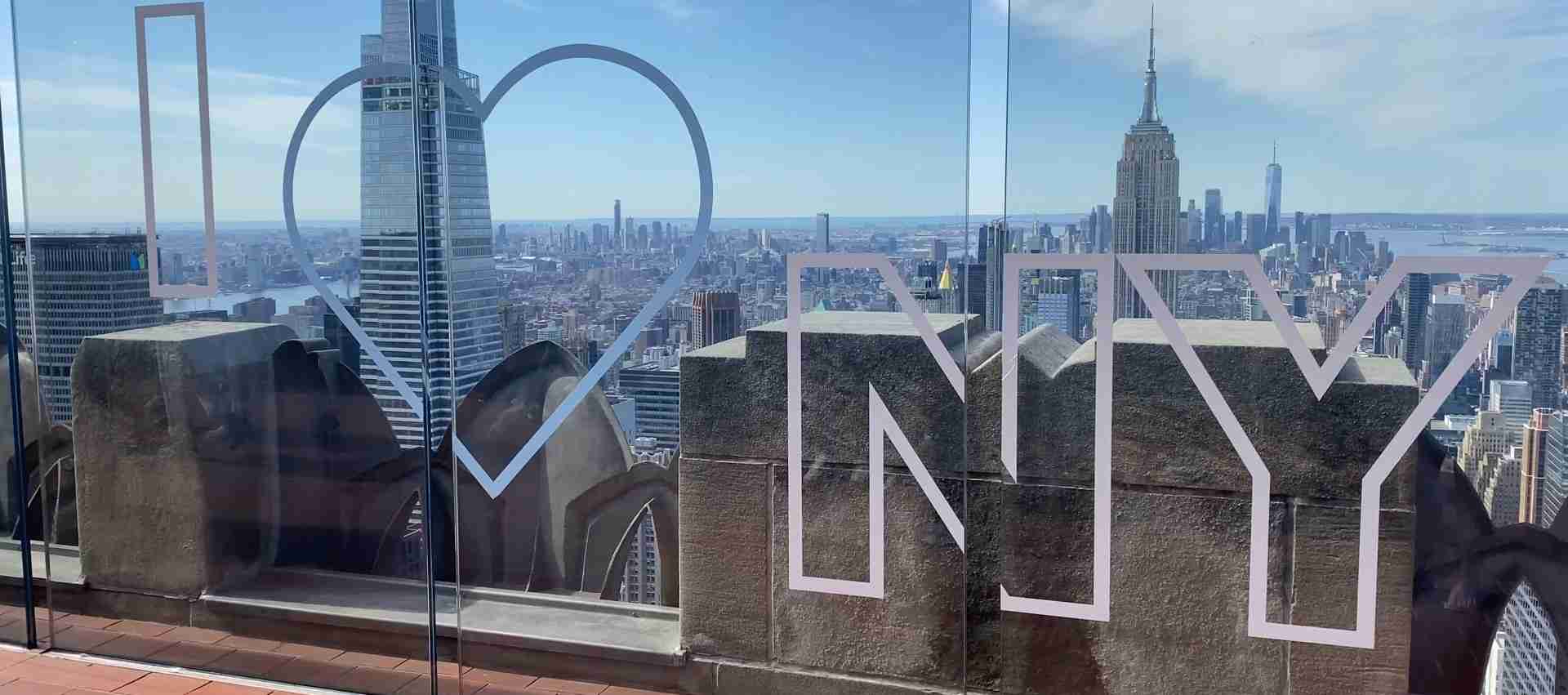
New York City Travel Guide 2026: Ultimate Planning Resource
New York City stands as America’s most dynamic metropolis, welcoming over 60 million visitors annually to its five boroughs of endless cultural riches, architectural marvels, and world-class dining. This comprehensive 2026 guide provides verified pricing, neighborhood strategies, and insider planning advice to help you navigate the city that never sleeps with confidence and maximize your New York experience.
Key Takeaways
- Transportation Efficiency 2026: The MTA subway system now charges $3 per ride following the January 2026 fare increase, with the permanent 7-day fare cap at $35 providing unlimited rides after 12 trips. The OMNY tap-and-ride system has replaced MetroCards for all fare payment, accepting contactless cards and smartphones at every station and bus.
- Budget Planning 2026: Expect $168-268 per person daily for mid-range comfort, assuming two sharing hotel accommodation ($150-250 nightly hotel divided by two equals $75-125 per person, plus $63-98 meals, $10-15 transport, $20-30 attractions). Budget travelers need $110-210 per person daily, while luxury visitors invest $520-875+ per person daily including premium accommodation, fine dining, and curated experiences.
- Peak Season Strategy 2026: Summer months bring ideal weather and peak hotel prices at $300-450 per night for mid-range properties, while fall offers exceptional value with September-November temperatures of 50-70°F and hotel rates 25-35% lower than summer peaks. Winter delivers the lowest accommodation costs at $180-280 per night, though holiday weeks command premium pricing.
- Neighborhood Selection: Midtown Manhattan provides walkable access to major attractions and Times Square energy with hotel rates from $200-400 nightly, while Brooklyn neighborhoods like Williamsburg and DUMBO offer authentic local experiences, waterfront parks, and accommodation 30-40% below Manhattan prices with easy subway access to all attractions.
- Attraction Planning 2026: Major observation decks require advance booking, with Empire State Building tickets from $44 and Top of the Rock from $40. The Statue of Liberty ferry costs $26 for basic access, with pedestal and crown tickets requiring 6-8 weeks advance reservation. Consider NYC attraction passes for visits including 4+ paid sights to save 40-50% versus individual tickets.
- Dining Value Strategy: Breakfast and lunch provide exceptional value across all price tiers, with quality lunches at $15-25 per person versus dinner at the same venues often doubling to $35-50. Food halls like Chelsea Market and Essex Market deliver diverse cuisines at $12-20 per meal, while neighborhood outer-borough restaurants offer authentic experiences at 40% below Manhattan tourist-area pricing.
People Also Ask About New York City Travel 2026
How much does a trip to New York City cost in 2026?
A week-long New York City trip for two people costs $2,710-3,920 in 2026 for mid-range travel. This includes hotel accommodation $1,050-1,750 (6 nights at $175-292 per night for both people sharing), meals $882-1,372 ($63-98 per person daily × 2 people × 7 days), transportation $70 (7-day fare cap at $35 per person × 2 people, covering unlimited subway and bus), and attractions $708-1,098 (major sights including observation decks, museums, Statue of Liberty, Broadway show). Budget travelers spend $1,860-3,010 total per couple, while luxury visitors invest $8,190-13,475+ for premium accommodation, fine dining, and exclusive experiences.
What is the best month to visit New York City in 2026?
September and October 2026 deliver ideal New York City conditions with comfortable 60-70°F temperatures, minimal rainfall averaging 3-4 inches monthly, autumn foliage in Central Park, and hotel prices 25-35% below summer peaks at $200-300 nightly for mid-range properties. May offers excellent spring weather and moderate crowds, though hotel rates rise for Memorial Day weekend. Avoid July-August if budget-conscious, as summer brings peak accommodation costs at $300-450 per night and maximum tourist crowds, particularly around July 4th week when prices surge 40% above seasonal averages.
Is the New York CityPASS worth buying in 2026?
The New York CityPASS saves 40% for visitors planning 5+ major attractions over 3-4 days, costing $144 for adults versus $240+ for individual tickets to Empire State Building ($44), American Museum of Natural History ($28), Top of the Rock OR Guggenheim ($40), Statue of Liberty ferry OR Circle Line cruise ($46), and 9/11 Memorial Museum ($33). The pass works best for first-time visitors hitting classic sights on a structured itinerary. Skip it if your interests lean toward Broadway, dining, neighborhood exploration, or spending full days at 1-2 museums rather than attraction-hopping.
How many days do you need in New York City in 2026?
First-time visitors need 5-7 days to experience New York City’s essential highlights without exhaustion. Three days covers major icons including Statue of Liberty, Empire State Building, Central Park, Times Square, and one world-class museum, but requires aggressive scheduling. Five days allows comfortable pacing for top attractions, multiple neighborhoods, a Broadway show, and dining diversity across Manhattan and Brooklyn. Seven days permits deeper neighborhood exploration, day trips to DUMBO or Coney Island, multiple museums, and the relaxed rhythm needed to appreciate the city’s authentic character beyond tourist corridors. Returning visitors often focus on single neighborhoods or themes over 3-4 days.
Extended multi-day tours – 5+ days
Featured New York City Multi-Day Tour Packages

3 days
New York City 3-Day Discovery Tour
- ✓ Comprehensive New York City experience
- ✓ Expert local guides included
- ✓ All accommodation included
- ✓ Transportation provided
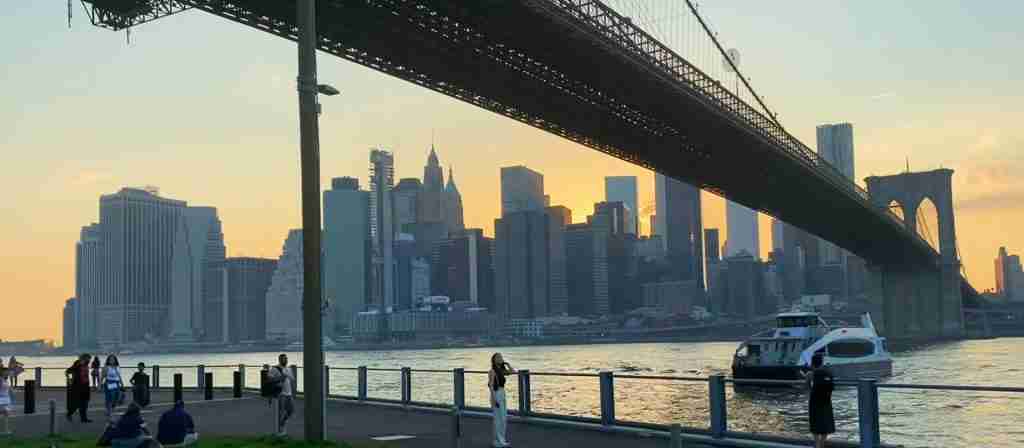
5 days
New York City 5-Day Highlights Experience
- ✓ Comprehensive New York City experience
- ✓ Expert local guides included
- ✓ All accommodation included
- ✓ Transportation provided
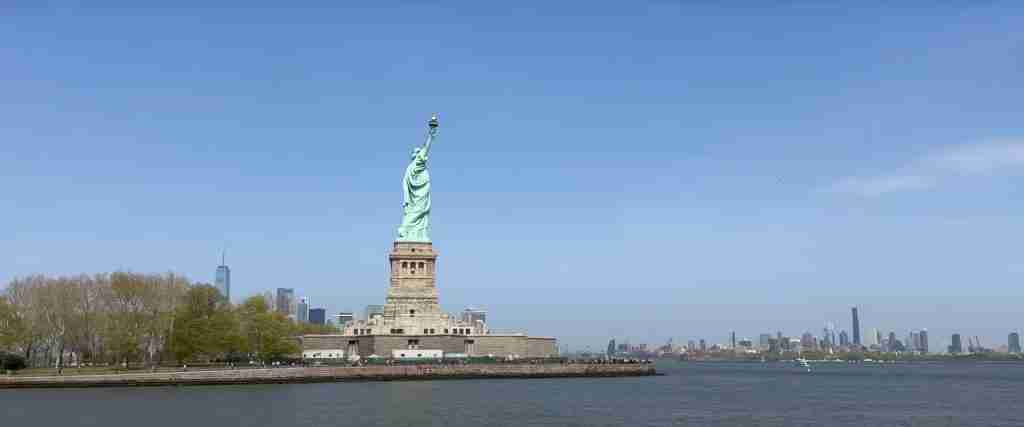
7 days
New York City 7-Day Cultural Journey
- ✓ Comprehensive New York City experience
- ✓ Expert local guides included
- ✓ All accommodation included
- ✓ Transportation provided

10 days
New York City 10-Day Complete Adventure
- ✓ Comprehensive New York City experience
- ✓ Expert local guides included
- ✓ All accommodation included
- ✓ Transportation provided
Multi-day tour packages powered by TourRadar. Prices and availability subject to change.
Introduction: Planning Your New York City Journey in 2026
New York City remains the world’s most compelling urban destination, where 8.3 million residents across five boroughs create an unmatched energy of cultural diversity, architectural ambition, and culinary innovation. The city’s 472 square miles contain more museums than any American city, over 28,000 restaurants representing every global cuisine, 500 art galleries, and landmarks recognized worldwide from the Statue of Liberty to Times Square’s neon brilliance. Whether experiencing the Metropolitan Museum’s 5,000 years of art, catching a Broadway premiere, ascending observation decks for skyline panoramas, or discovering authentic neighborhood enclaves from Chinatown to Harlem, New York delivers experiences impossible to replicate elsewhere.
Planning a 2026 New York City visit requires understanding the city’s transportation infrastructure, neighborhood character, seasonal pricing dynamics, and strategic approach to its overwhelming abundance of options. The January 2026 MTA fare increase to $3 per ride and permanent implementation of the OMNY tap-and-ride system have modernized transit access, while hotel prices continue climbing following the 2023 Airbnb restrictions, with mid-range Manhattan accommodation now averaging $284 per night and peak September rates reaching $417 nightly. These realities demand smart planning around seasonal timing, accommodation location, transportation strategies, and attraction prioritization to maximize value and minimize the logistical stress that can undermine first-time visitor experiences.
This guide provides comprehensive 2026 planning resources grounded in current verified pricing, neighborhood expertise, and practical strategies developed from the city’s evolving tourism landscape. You’ll learn which months deliver the best weather-to-cost ratios, how to navigate the subway system with confidence, where to find authentic dining experiences beyond tourist traps, which observation decks and museums justify their admission costs, and how to structure multi-day itineraries that balance iconic must-sees with the neighborhood exploration that reveals New York’s authentic character. The city rewards preparation—understanding its geography, mastering its transit system, and approaching its options with clear priorities transforms overwhelming possibility into unforgettable reality.
Understanding New York City’s Five Boroughs
New York City comprises five distinct boroughs, each with unique character, attractions, and visitor appeal. Manhattan, the 23-square-mile island, contains the concentrated tourism core where most visitors spend 80-90% of their time. Midtown Manhattan delivers the classic New York experience of Times Square, Broadway theaters, Rockefeller Center, and Museum of Modern Art, while Lower Manhattan offers Wall Street, the 9/11 Memorial, and Battery Park access to the Statue of Liberty. The Upper East Side houses Museum Mile along Fifth Avenue, including the Metropolitan Museum of Art and Guggenheim, while the Upper West Side provides Lincoln Center, the American Museum of Natural History, and Central Park’s western edge.
Brooklyn has emerged as a cultural destination in its own right, with the waterfront neighborhoods of DUMBO and Brooklyn Heights offering Manhattan skyline views, Brooklyn Bridge Park, and the historic promenade. Williamsburg attracts visitors with its street art, independent boutiques, rooftop bars, and farm-to-table restaurants, while Coney Island preserves classic American boardwalk culture with its 1920s amusement rides and Nathan’s Famous hot dogs. Brooklyn’s accommodation runs 30-40% below Manhattan prices at $150-220 per night for comparable quality, with the L train and A/C lines providing 15-25 minute subway access to Manhattan attractions.
Queens delivers authentic ethnic diversity with neighborhoods like Flushing’s Chinatown, Jackson Heights’ South Asian corridor, and Astoria’s Greek tavernas. The borough hosts Citi Field baseball stadium, the USTA Billie Jean King National Tennis Center, and MoMA PS1 contemporary art museum. The Bronx offers Yankee Stadium, the comprehensive Bronx Zoo, and the 250-acre New York Botanical Garden. Staten Island, accessed by the free Staten Island Ferry providing spectacular Statue of Liberty views, remains primarily residential but offers the Staten Island Zoo and Snug Harbor Cultural Center. Most visitors concentrate on Manhattan and Brooklyn, with selective forays to specific Bronx or Queens attractions matching particular interests.
Best Time to Visit New York City in 2026
September and October 2026 deliver New York City’s optimal visiting conditions, combining comfortable 60-70°F temperatures, minimal rainfall averaging 3-4 inches monthly, autumn foliage transforming Central Park, and hotel prices 25-35% below summer peaks. Mid-range Manhattan hotels average $200-300 per night during fall months versus $300-450 in summer, while attractions maintain regular hours without summer’s peak crowds. The New York Film Festival animates Lincoln Center in late September, while Halloween transforms Greenwich Village into a massive costume party on October 31st. Book accommodation 6-8 weeks ahead for September-October to secure favorable rates before autumn’s popularity drives prices upward.
May offers excellent spring conditions with 60-70°F weather, cherry blossoms blooming across Central Park and the Brooklyn Botanic Garden, and moderate tourist crowds. Hotel rates average $220-320 per night in May, positioned between winter lows and summer peaks, though Memorial Day weekend brings 30-40% price surges at popular properties. Spring rain averages 4 inches monthly, requiring flexible indoor alternatives for museum days. June marks rising temperatures to 75-80°F and increasing humidity, with hotel prices climbing toward summer peaks as schools release students for vacation.
Winter delivers New York City’s lowest accommodation costs at $180-280 per night for mid-range hotels from January through March, though holiday weeks command premium pricing. December hotel rates surge 40-60% above off-season for Christmas decorations, Rockefeller Center tree lighting, and New Year’s Eve celebrations, with rooms often exceeding $400 nightly. January-February temperatures of 30-40°F require substantial cold-weather clothing but provide uncrowded museum access, easy restaurant reservations, and discounted Broadway tickets. Winter visitors should plan indoor-heavy itineraries focusing on museums, theaters, shopping, and dining, with outdoor activities limited to brief Central Park walks and observation deck visits during rare sunny days.
July and August bring peak hotel costs at $300-450 per night and maximum crowds, with 80-85°F temperatures and high humidity making midday sightseeing uncomfortable. Summer provides longest daylight hours for extended exploration, free outdoor concerts and movies in Central Park, and open-air dining across the city. July 4th week brings the highest annual hotel prices, often exceeding $500 nightly for properties near fireworks viewing locations, with reservation requirements 3-4 months ahead. Budget-conscious travelers should avoid summer entirely unless specific events like US Open tennis justify premium costs and crowds.
New York City Neighborhoods: Where to Stay 2026
Midtown Manhattan provides the most convenient base for first-time visitors, offering walkable access to Times Square, Empire State Building, Rockefeller Center, Bryant Park, and Grand Central Terminal. Hotels cluster around 42nd-57th Streets between Fifth and Eighth Avenues, with mid-range options at $250-400 per night including major chains and boutique properties. The neighborhood pulses with constant energy—ideal for visitors seeking classic New York immersion but potentially overwhelming for those preferring quiet evenings. Subway access includes every major line, providing 10-20 minute rides to Lower Manhattan, Museum Mile, and Brooklyn.
The Upper West Side appeals to visitors prioritizing culture and park access, with proximity to Lincoln Center, American Museum of Natural History, Central Park’s western edge, and the Beacon Theatre. Accommodation runs $200-350 per night, slightly below Midtown rates, in a more residential atmosphere with excellent restaurants along Columbus and Amsterdam Avenues. The neighborhood suits families, museum enthusiasts, and travelers seeking authentic New York residential character while maintaining easy access to major attractions via the 1/2/3 and A/C/B/D subway lines.
Lower Manhattan attracts business travelers and visitors focused on Wall Street, the 9/11 Memorial, Battery Park, and convenient Statue of Liberty ferry access. Hotels average $220-380 per night, with many business-oriented properties offering weekend discounts 20-30% below weekday rates. The Financial District quiets substantially after business hours, with limited evening dining and entertainment compared to Midtown or Brooklyn. Choose this location for focused Lower Manhattan exploration or business purposes, not for comprehensive sightseeing convenience.
Brooklyn’s Williamsburg and DUMBO neighborhoods deliver authentic New York experiences with Manhattan skyline views, waterfront parks, independent restaurants, and boutique shopping at 30-40% below Manhattan hotel costs. Accommodation ranges $150-280 per night in renovated industrial buildings and converted warehouses offering character absent from chain hotels. The L train connects Williamsburg to Manhattan’s 14th Street in 10 minutes, while DUMBO provides stunning Manhattan Bridge views and easy F train access to Midtown. Brooklyn suits repeat visitors, younger travelers, and those prioritizing neighborhood authenticity over attraction proximity.
Chelsea and Greenwich Village offer mid-Manhattan locations with distinct character, combining art galleries, independent theaters, Washington Square Park, and exceptional dining. Hotels average $280-420 per night, positioned at the higher end of Manhattan pricing but providing sophisticated urban environments for visitors who’ve already experienced Times Square basics. The Meatpacking District extends Chelsea’s appeal with the High Line elevated park, Whitney Museum, and fashionable nightlife. These neighborhoods suit culture-focused visitors willing to pay premium rates for sophisticated surroundings and easy access to both Midtown and Lower Manhattan attractions.
Major Attractions and Landmarks 2026
The Statue of Liberty remains New York City’s most iconic monument, requiring ferry access from Battery Park in Manhattan or Liberty State Park in New Jersey. Reserve tickets cost $26 for adults in 2026, with pedestal access at $27 and crown access at $31, though base ferry tickets include both Liberty Island and Ellis Island with their respective museums. Check the official Statue City Cruises website for current rates, as pricing varies seasonally. Crown tickets sell out 3-4 months in advance and require climbing 162 narrow steps from the pedestal with no elevator option. Ferries depart every 20-30 minutes starting at 9:00 AM, with the visit requiring 4-6 hours for both islands. First ferry arrivals avoid the peak midday crowds that can extend security screening wait times to 45-60 minutes during summer months.
The Empire State Building offers two observation decks, with the iconic 86th-floor open-air terrace at 1,050 feet providing 360-degree city views for $44 adult admission (check the official website for current rates). The enclosed 102nd-floor observatory adds 200 feet of height for a combined ticket at $79, though most visitors find the 86th floor sufficient for the classic experience. Express Pass options starting at $89 bypass all queues, worthwhile on weekends and summer afternoons when standard wait times exceed 60 minutes. Sunset visits require booking 2-3 weeks ahead during peak season, while weekday mornings before 11 AM offer minimal crowds and shorter waits. The building opens daily year-round with hours varying seasonally, typically 10 AM-midnight in summer and 10 AM-10 PM in winter.
Top of the Rock at Rockefeller Center provides the alternative observation deck experience at 850 feet, offering unobstructed Empire State Building views absent from the Empire State Building itself. Tickets start at $40 for adults, with timed entry eliminating long queues. The three-level viewing experience includes indoor and outdoor observation areas on the 67th, 69th, and 70th floors. Book sunset time slots 3-4 weeks ahead during summer, or visit at opening time for clearer air quality and better photography conditions before afternoon haze develops. The Rock delivers superior Empire State Building photography and generally smaller crowds than its more famous competitor.
Central Park spans 843 acres from 59th Street to 110th Street, offering free access to meadows, lakes, playgrounds, and cultural landmarks. Essential stops include Bethesda Terrace with its iconic fountain, Bow Bridge providing classic skyline views, the Conservatory Garden’s formal plantings, and Belvedere Castle’s observation deck. The park requires 3-4 hours for comprehensive exploration, though visitors often return multiple times during extended stays for jogging, picnicking, or relaxing. Rent bikes at $15-20 for 2 hours to cover the park’s 6-mile length efficiently, or join free walking tours departing from the Dairy Visitor Center at 65th Street. Avoid the park after dark, as limited lighting and reduced foot traffic create safety concerns despite generally low crime rates.
The Metropolitan Museum of Art houses over 2 million works spanning 5,000 years of art history, requiring full-day visits for even superficial coverage. Admission costs $30 for adults (check the official website for current rates), with pay-what-you-wish options for New York State residents. Essential collections include Egyptian antiquities, European paintings on the second floor, the American Wing, and the Temple of Dendur. Arrive at opening time to experience the most popular galleries before crowds arrive, focusing on 2-3 collection areas rather than attempting comprehensive coverage. The museum’s recommended visit duration of 3-4 hours proves insufficient for serious art enthusiasts, who often return across multiple days. The rooftop sculpture garden operates May-October with Manhattan skyline views and cocktail service.
The 9/11 Memorial and Museum occupy the World Trade Center site, with twin reflecting pools marking the original tower footprints surrounded by bronze panels bearing victims’ names. Memorial access remains free and requires no reservation, though security screening causes 15-30 minute waits during peak hours. The museum charges $33 for adult admission (verify current pricing on the official website), presenting artifacts, survivor testimonies, and comprehensive September 11th documentation across a 110,000-square-foot underground space. The emotionally intense visit requires 2-3 hours, with audio guides providing essential context for understanding the exhibits’ historical significance. Reserve tickets online to guarantee entry and avoid sold-out time slots during summer weekends.
Museum Highlights Beyond the Met
The American Museum of Natural History anchors the Upper West Side with 45 permanent exhibition halls spanning dinosaur fossils, the Rose Center for Earth and Space, cultural anthropology displays, and the Butterfly Conservatory. Admission costs $28 for adults (check official pricing), with IMAX films and special exhibitions requiring additional fees. The museum’s vast scope demands 3-4 hours minimum, with families often spending full days exploring the dinosaur halls, the 94-foot blue whale model, and interactive science exhibits. The Hayden Planetarium within the Rose Center presents space shows throughout the day on a 87-foot dome, requiring separate tickets purchased with admission. Visit on weekday mornings to avoid the intense crowds of weekend afternoons, when popular dinosaur halls become nearly impassable with school groups and families.
The Museum of Modern Art (MoMA) in Midtown Manhattan presents the world’s finest collection of modern and contemporary art, including Van Gogh’s “Starry Night,” Picasso’s “Les Demoiselles d’Avignon,” and Warhol’s Campbell’s Soup Cans. Admission runs $30 for adults, with free Friday evenings from 4-8 PM creating massive crowds requiring 45-minute entry waits. The redesigned 6-story building allows chronological or thematic exploration across painting, sculpture, photography, film, and design collections. Plan 2-3 hours for comprehensive viewing, arriving at opening time to experience the most famous works before afternoon crowds limit close viewing. The sculpture garden provides peaceful respite with seasonal plantings and outdoor installations.
The Guggenheim Museum’s Frank Lloyd Wright-designed spiral building rivals its collection as the primary attraction, with the continuous ramp providing unique viewing perspectives for modern and contemporary art. Admission costs $30 for adults, with the compact museum requiring 90 minutes to 2 hours for full exploration. Temporary exhibitions often justify admission alone, with the Guggenheim mounting major retrospectives and thematic shows that draw international attention. The museum’s relatively small size compared to the Met or MoMA makes it manageable for visitors experiencing museum fatigue after multiple large institutions. Visit Tuesday-Friday mornings for the smallest crowds, as weekends bring hour-long entry waits during popular exhibitions.
The Whitney Museum of American Art occupies a Renzo Piano-designed building in the Meatpacking District, focusing exclusively on 20th and 21st-century American art. Admission runs $30 for adults, with Friday evenings 7-10 PM offering pay-what-you-wish pricing drawing significant crowds. The 8-story structure includes outdoor terraces on multiple floors providing High Line and Hudson River views alongside sculpture installations. The Whitney’s collection emphasizes contemporary artists often absent from older institutions, with rotating exhibitions presenting emerging voices and established masters. Budget 2-3 hours for thorough exploration, combining the visit with High Line walks and Meatpacking District dining for comprehensive neighborhood immersion.
Getting to New York City 2026
Three major airports serve New York City, with John F. Kennedy International Airport (JFK) in Queens handling most international traffic and many domestic flights. The AirTrain JFK connects airport terminals to the subway system, costing $9 plus $3 subway fare for total $12 access to Manhattan in 60-75 minutes via the E train to Midtown or A train to Lower Manhattan. Express bus services like NYC Airporter charge $19-24 for direct hotel delivery in 60-90 minutes depending on traffic and stops. Taxis to Manhattan run $70 flat rate plus tolls and tips, reaching Midtown in 45-60 minutes under normal traffic conditions. Ride-sharing services (Uber, Lyft) cost $60-90 to Manhattan, varying with surge pricing and pickup location.
LaGuardia Airport (LGA) in Queens serves primarily domestic flights, positioned closer to Manhattan than JFK but lacking direct rail connections. The M60 Select Bus Service provides the cheapest access at $3, connecting to the 4/5/6 subway at 125th Street for total Manhattan access in 60-90 minutes. Express buses cost $16-20 for 40-60 minute Midtown delivery under favorable traffic conditions. Taxis charge metered fares averaging $40-50 to Midtown, while ride-sharing runs $35-60 depending on demand and destination. LaGuardia renovation completed in 2025 improved terminal facilities but hasn’t resolved the airport’s fundamental traffic congestion affecting ground transportation reliability.
Newark Liberty International Airport (EWR) in New Jersey handles significant domestic and international traffic, with the AirTrain Newark connecting terminals to NJ Transit trains providing Penn Station Manhattan access in 45-60 minutes for $16 total. The advantage lies in arriving directly at Penn Station’s central location versus JFK’s outer Queens subway stations. Express buses charge $18-25 for 60-75 minute Midtown access, while taxis run $70-90 with tolls for 50-70 minute Manhattan delivery. Newark often offers lower airfares than JFK for identical routes, with the modest ground transportation cost difference offset by cheaper tickets. Compare total costs including ground transport when booking flights across all three airports.
Amtrak trains serve Penn Station in Midtown Manhattan from Boston (4 hours), Washington DC (3.5 hours), Philadelphia (1.5 hours), and points throughout the Northeast Corridor. The comfortable, reliable, city-center-to-city-center service eliminates airport security hassles and provides productive work time during travel. Advance booking 2-3 weeks ahead secures substantially lower fares than day-of tickets, with prices ranging $49-200+ depending on route, time, and class. Penn Station’s central Midtown location at 34th Street and Seventh Avenue provides immediate subway access to all Manhattan neighborhoods and easy hotel walking distance for many properties.
Navigating New York City’s Subway System 2026
The MTA subway operates 24 hours daily across 472 stations, providing the most efficient and economical New York City transportation. The January 2026 fare increase set single rides at $3, with the permanent 7-day fare cap at $35 providing unlimited travel after 12 trips within any rolling 7-day period. The OMNY tap-and-ride system has fully replaced MetroCards, accepting contactless credit cards, smartphones, and wearable devices at every turnstile and bus farebox. Tap the same payment method for all rides to ensure proper fare capping—mixing payment methods prevents the system from tracking your trip count toward the unlimited threshold.
Understanding the subway’s lettered and numbered routes requires minimal effort, with numbered trains (1, 2, 3, 4, 5, 6, 7) running north-south through Manhattan while lettered trains (A, C, E, B, D, F, M, N, Q, R, W) operate various diagonal and crosstown routes. Express trains skip local stops, with route maps clearly indicating local versus express service patterns. Download the MTA’s official app or use Google Maps for real-time departure information, service alerts, and route planning—both provide superior accuracy to posted subway maps regarding weekend service changes and construction rerouting. The subway reaches every major attraction except the Statue of Liberty, which requires the ferry from Battery Park accessible via the 1 train to South Ferry.
Peak crowding occurs weekday mornings 7:30-9:30 AM and evenings 5-7 PM, when commuter volume makes boarding difficult and comfortable riding impossible. Avoid rush hour when possible, or position yourself mid-platform for middle cars that typically experience less crowding than end cars near station exits. Late-night subway service operates with reduced frequency and occasional route modifications, with trains running every 20-30 minutes between midnight and 5 AM. Exercise normal urban awareness on late-night trains, boarding the conductor’s car in the middle of the train where a uniformed MTA employee provides presence and assistance if needed.
Weekend service modifications affect approximately one-third of all routes, with construction work requiring planned reroutes, station skips, and replacement bus service. Check the MTA website’s Weekend Service Notice or the MTA app Friday afternoon before weekend travel to learn which routes face disruptions. The system’s complexity initially overwhelms visitors, but confidence develops quickly after 2-3 successful trips. One week of daily subway use provides sufficient familiarity to navigate the entire system efficiently, transforming New York from overwhelming sprawl into a manageable network of accessible neighborhoods.
Alternative Transportation: Buses, Taxis, and Walking
MTA buses complement subway coverage with north-south and crosstown routes reaching destinations poorly served by the subway, particularly crosstown travel in Midtown and the Upper East Side where subway lines run primarily north-south. Bus fare matches subway pricing at $3, with OMNY fare capping including both buses and subways in the 12-ride limit. Select Bus Service (SBS) routes provide faster service through pre-boarding fare payment at sidewalk kiosks and limited stops, operating on major corridors like Second Avenue, Madison Avenue, and Bx12 in the Bronx. Real-time bus tracking through the MTA app or Google Maps displays exact arrival times within 2-3 minute accuracy, eliminating uncertainty of traditional bus stop waiting.
New York City’s 13,000 yellow taxis provide convenient point-to-point service, with metered fares starting at $3 plus $0.70 per one-fifth mile or 60 seconds of time stopped or slow traffic. Average Midtown to Lower Manhattan rides run $20-25, while crosstown Midtown trips cost $8-12. Tips of 15-20% follow standard practice, with credit card payment accepted in all medallion taxis. Street hailing works reliably in Manhattan below 96th Street during most hours, though finding available taxis during evening rush hour, rainy weather, or theater district curtain times (8-8:30 PM) proves challenging. Boro Taxis (green taxis) serve Upper Manhattan and the outer boroughs where yellow taxi coverage is sparse.
Ride-sharing services (Uber, Lyft) operate throughout the city with pricing typically matching or slightly exceeding yellow taxi costs during normal demand periods. Surge pricing during rush hours, bad weather, or special events can double or triple base rates, with $50 rides costing $100-150 during peak demand. The apps provide cost estimates before booking, allowing comparison with taxi fares or subway alternatives. Ride-sharing pickup locations at major venues like Madison Square Garden, Penn Station, and JFK Airport use designated zones requiring navigation through crowded areas to reach your driver. For destinations well-served by subway, the $3 transit fare versus $15-30 ride-sharing cost rarely justifies the modest time savings unless traveling with mobility challenges or excessive luggage.
Walking provides the most rewarding New York City transportation for distances under one mile, revealing street-level architecture, window displays, neighborhood character, and spontaneous discoveries impossible from subway or vehicle. Manhattan’s grid system simplifies navigation, with numbered streets running east-west and increasing northward while avenues run north-south and are numbered from east to west. Twenty north-south blocks equal approximately one mile, requiring 15-20 minutes at moderate pace, while crosstown blocks vary in length with about 8-10 blocks per mile on average. Comfortable walking shoes prove essential, as visitors typically cover 6-10 miles daily during active sightseeing. Download offline Google Maps before your trip to ensure navigation capability if cellular data proves unreliable in subway-adjacent areas or dense building corridors.
Accommodation Strategies and Costs 2026
New York City hotel costs have risen substantially following the 2023 Airbnb restrictions, with mid-range Manhattan properties averaging $284 per night in 2026 and peak September rates reaching $417 nightly. Budget accommodation in Manhattan starts at $150-220 per night for basic chain hotels in outer Midtown locations or older properties with minimal amenities. These budget options typically provide small rooms, shared bathrooms in some cases, and locations requiring 10-15 minute subway rides to major attractions. The Pod Hotels, Yotel, and similar micro-hotel concepts offer the lowest Manhattan rates through extremely compact rooms designed for sleep and shower only, with all activities conducted outside the hotel.
Mid-range hotels at $250-380 per night deliver comfortable standard rooms with private bathrooms, daily housekeeping, and prime Midtown or Upper West Side locations within walking distance of major attractions. Brands like Hampton Inn, Courtyard Marriott, Hilton Garden Inn, and similar business-oriented chains populate this tier, providing reliable quality and loyalty program points for frequent travelers. Boutique hotels like The Jane, Moxy, and 1 Hotel Brooklyn Bridge occupy the same price range while offering distinctive design, rooftop bars, and character absent from chain properties. Book mid-range hotels 6-8 weeks ahead for summer travel to secure better rates before demand drives prices upward, or wait until 2-3 weeks before off-season travel for last-minute discounts.
Luxury hotels starting at $450-650+ per night provide superior locations, spacious rooms, high-end amenities, concierge services, and prestigious addresses at properties like The Plaza, St. Regis, Four Seasons, and Mandarin Oriental. These hotels justify their rates for special occasions, business travel, or visitors prioritizing comfort and service over budget efficiency. Many luxury properties occupy landmark buildings with architectural significance, offering experiences impossible to replicate at modern chain hotels. Consider luxury hotels for 1-2 nights within a longer moderate-budget stay, experiencing signature New York properties without committing to week-long luxury pricing that can exceed $4,000 for seven nights.
Brooklyn accommodation delivers 30-40% cost savings versus Manhattan with hotels averaging $150-280 per night for comparable quality. Williamsburg and DUMBO provide the most visitor-friendly Brooklyn locations, offering industrial-chic renovated buildings, waterfront parks, independent restaurants, and easy L train or F train access to Manhattan in 10-15 minutes. The trade-off involves adding subway commute time to each Manhattan attraction visit, though the savings, authentic neighborhood atmosphere, and reduced tourist saturation often justify the modest inconvenience. Brooklyn suits repeat visitors already familiar with Manhattan’s major attractions, younger travelers seeking local experiences, and budget-conscious visitors willing to prioritize cost savings over Manhattan convenience.
Dining in New York City: From Street Food to Fine Dining 2026
New York City’s 28,000+ restaurants span every global cuisine and price tier, with extraordinary quality available at all levels. Street food provides exceptional value, with food carts offering halal chicken and rice platters for $10, tacos for $3-4, pretzels for $2, and hot dogs for $2-3. The famous halal carts on 53rd Street and Sixth Avenue serve generous portions sufficient for full meals at a fraction of restaurant costs. Food halls like Chelsea Market, Essex Market, Time Out Market, and Hudson Eats present diverse cuisines from multiple vendors at $12-20 per meal, combining quality with variety in casual settings. These halls suit groups with diverse preferences, allowing individual ordering while dining together.
Lunch provides superior value across all restaurant tiers, with prix fixe menus at upscale restaurants offering $28-40 multi-course meals versus $65-95 dinner service at identical establishments. Midtown’s business lunch culture ensures excellent options in the $15-25 range for quality sit-down service, while outer borough lunch spots in Queens, Brooklyn, and the Bronx deliver authentic ethnic cuisines at $10-18 per person. Dinner costs in tourist-heavy areas like Times Square, Little Italy, and South Street Seaport run 30-50% above similar quality in residential neighborhoods, with Italian restaurants in Greenwich Village or Brooklyn’s Carroll Gardens offering superior food and value compared to Little Italy’s tourist traps.
Mid-range dining in neighborhood restaurants costs $25-45 per person for dinner including drinks and tip, with exceptional options throughout Greenwich Village, the West Village, Upper West Side, and Brooklyn’s Park Slope, Williamsburg, and Brooklyn Heights. These restaurants represent New York’s authentic dining culture beyond tourist attractions, serving seasonal menus, craft cocktails, and locally-sourced ingredients in unpretentious settings. Reservations prove essential for popular spots, with booking 1-2 weeks ahead securing weekend tables. Apps like Resy and OpenTable dominate reservation systems, with some restaurants exclusively using one platform or the other.
Fine dining at $100-250+ per person occupies its own category, with Michelin-starred establishments delivering exceptional cuisine, wine pairings, and service. Restaurants like Eleven Madison Park, Le Bernardin, Per Se, and Jean-Georges require reservations 2-3 months ahead for prime dining times, with some operating lottery systems for ultra-competitive seats. Consider lunch service at fine dining restaurants for 40-50% cost reduction versus dinner while experiencing nearly identical cuisine and service. The city’s competitive restaurant culture means new outstanding restaurants open constantly, with neighborhood gems often delivering food quality rivaling Michelin stars at one-third the cost.
Broadway Shows and Entertainment 2026
Broadway theaters present over 40 productions nightly, with tickets ranging from $79 for rear balcony seats to $400+ for premium orchestra. Book popular shows like Hamilton, The Lion King, and Wicked 4-8 weeks ahead for weekend performances, as best seats sell out quickly. Tuesday-Thursday evenings and Wednesday matinees offer the easiest availability and sometimes discounted pricing, with many shows charging less for midweek performances than Friday-Sunday. The TKTS booth in Times Square sells same-day discounted tickets at 20-50% off for shows with unsold inventory, though the best productions rarely appear at TKTS and booth lines require 30-60 minute waits during peak hours.
Rush tickets and lottery systems provide the cheapest Broadway access, with many shows offering $40-50 front-row seats through digital lotteries entered via smartphone apps 2-3 days before performances. Hamilton, Book of Mormon, and other popular productions maintain lottery systems while rarely discounting through TKTS, making lotteries the primary budget option. Standing room tickets exist at some theaters for sold-out performances, though standing for 2.5-3 hours proves uncomfortable for most patrons. Broadway show budgets of $150-250 per person provide comfortable mid-orchestra seating at most productions, with premium seats for blockbuster shows costing $300-400+.
Off-Broadway theaters present innovative productions, revivals, and new works at lower costs than Broadway, with tickets averaging $40-80 for excellent seats. The Public Theater, Atlantic Theater Company, Second Stage, and Playwrights Horizons mount productions that often transfer to Broadway after successful Off-Broadway runs. These smaller theaters provide intimate viewing experiences and artistic risk-taking absent from commercial Broadway productions. Off-Broadway tickets remain available closer to show dates, with some productions offering pay-what-you-can performances or student discounts expanding budget access to quality theater.
Lincoln Center presents opera, ballet, symphony, and chamber music from the Metropolitan Opera, New York Philharmonic, New York City Ballet, and other companies. Ticket prices span $30 for upper balcony to $400+ for orchestra seats at the Metropolitan Opera, with rush tickets and standing room providing budget options at $25-50. Carnegie Hall maintains its reputation for classical music and special performances, with ticket prices similar to Lincoln Center. Jazz clubs in Greenwich Village like Blue Note, Village Vanguard, and Smalls charge $20-40 cover fees plus food and drink minimums, presenting world-class jazz in intimate settings where legendary musicians developed their craft.
Shopping Districts and Markets
Fifth Avenue from 49th to 59th Streets represents New York’s premier shopping corridor, with flagship stores including Saks Fifth Avenue, Tiffany & Co., Bergdorf Goodman, and international luxury brands occupying street-level spaces in Midtown skyscrapers. Window displays particularly during holiday seasons justify walking tours even for non-shoppers, with elaborate decorations and themed presentations. The Apple Store’s glass cube at Fifth Avenue and 59th Street operates 24 hours, serving as an architectural landmark beyond its retail function. Times Square’s retail consists primarily of tourist-oriented shops selling souvenirs, Broadway merchandise, and mass-market clothing, with M&M’s World and the Disney Store exemplifying the area’s family entertainment focus.
SoHo’s Cast Iron Historic District offers boutique shopping along cobblestone streets lined with 19th-century industrial buildings converted to retail spaces. Independent fashion designers, art galleries, home goods shops, and established brands like Prada and Balenciaga create diverse shopping mixing luxury with emerging designers. Weekend crowds can overwhelm the narrow streets, with weekday mornings providing the most pleasant browsing. SoHo’s shopping concentration extends to adjacent neighborhoods including NoLita and the Lower East Side, where vintage clothing stores, record shops, and artisan goods shops cater to younger shoppers seeking alternatives to corporate retail.
Brooklyn’s Williamsburg and DUMBO offer independent boutiques, artist studios, vintage shops, and design stores absent from Manhattan’s chain-dominated corridors. Artists & Fleas markets present curated vintage clothing, handmade jewelry, art, and local designer goods on weekends. Brooklyn Industries, Catbird jewelry, and numerous independent boutiques provide locally-designed fashion and goods. The neighborhood shopping experience emphasizes discovery and unique finds over branded luxury, with cafe breaks and street art viewing integrated into shopping excursions.
Chelsea Market occupies a renovated Nabisco factory building offering specialty food vendors, kitchen supply shops, wine merchants, and artisan goods across 800 feet of indoor market. The complex provides excellent lunch options and unique gift shopping, with many vendors offering samples and demonstrations. Union Square Greenmarket operates Monday, Wednesday, Friday, and Saturday year-round, presenting regional farmers selling produce, meats, cheese, baked goods, and flowers directly to consumers. The market attracts professional chefs and home cooks seeking seasonal ingredients, with peak selection occurring Saturday mornings when full vendor participation creates Manhattan’s most authentic farmers market experience.
Day Trip Options from New York City 2026
The Statue of Liberty and Ellis Island constitute New York City’s classic day trip, though technically within city limits on Liberty Island and Ellis Island in New York Harbor. The ferry journey from Battery Park costs $26 for basic access including both islands, with 4-6 hours needed for comprehensive exploration of the Statue of Liberty Museum, Ellis Island Immigration Museum, and outdoor monument viewing. Crown access requires advance reservation 6-8 weeks ahead and climbing 162 steps for interior statue views. First ferry departure at 9:00 AM provides optimal timing for completing both islands before afternoon crowds intensify security screening waits and museum congestion.
Coney Island beach and boardwalk offer classic American seaside culture accessible via the F, D, or N trains in 45-60 minutes from Midtown Manhattan. The historic 1927 Cyclone wooden roller coaster and Wonder Wheel provide vintage amusement rides, while Nathan’s Famous serves the hot dogs that established the brand in 1916. The boardwalk extends several miles along Atlantic Ocean beaches, with peak season June-August bringing massive crowds and full beach occupancy. Visit Tuesday-Thursday for smaller crowds than weekends, or during September’s warm weather after schools reopen. The New York Aquarium and Luna Park amusement area complete the full-day Coney Island experience combining beach, boardwalk, rides, and hot dogs in Brooklyn’s oceanfront playground.
The Bronx Zoo covers 265 acres with over 4,000 animals representing 650 species, requiring full-day visits for comprehensive coverage. General admission costs $40 for adults (verify current pricing), with Total Experience tickets adding Congo Gorilla Forest, Wild Asia Monorail, and other premium exhibits for $53. The zoo operates year-round with seasonal hours, though winter visits find many outdoor exhibits closed and animals less active during cold weather. Arrive at opening time to see animals during peak activity periods before afternoon heat drives them into shaded rest areas. The zoo’s scale demands strategic planning, focusing on key exhibits rather than attempting complete coverage—prioritize Congo Gorilla Forest, Tiger Mountain, Madagascar!, and Wild Asia for the most engaging animal encounters.
The New York Botanical Garden in the Bronx presents 250 acres of curated gardens, conservatory displays, and natural forest accessible via Metro-North Railroad from Grand Central Terminal. All-Garden Pass admission costs $35 for adults, with seasonal exhibitions like the Holiday Train Show and Orchid Show requiring separate tickets. Spring visits from April-May showcase cherry blossoms, tulips, and azaleas, while fall brings stunning foliage colors October-November. The Enid A. Haupt Conservatory houses tropical rainforest, desert, and seasonal displays under Victorian glasshouse architecture dating to 1902. Plan 3-4 hours for comprehensive garden exploration, combining with Bronx Zoo visits for full-day Bronx cultural experiences accessed efficiently via Metro-North trains.
Food Tours and Culinary Experiences
Food tours provide structured introduction to neighborhood dining cultures, combining tastings at 5-7 establishments with historical context and insider recommendations. Greenwich Village food tours cost $75-95 per person for 3-hour walking experiences including pizza, Italian pastries, artisanal cheese, chocolate, and specialty coffee. Chelsea Market and Meatpacking District tours focus on the area’s food hall vendors and High Line-adjacent restaurants, while Chinatown and Little Italy tours present dumplings, hand-pulled noodles, cannoli, and espresso across the neighboring ethnic enclaves. Brooklyn food tours in Williamsburg or DUMBO emphasize artisanal food makers, craft breweries, and farm-to-table restaurants defining Brooklyn’s culinary renaissance.
Cooking classes and culinary workshops offer hands-on experiences creating regional and international cuisines. The Institute of Culinary Education offers recreational classes for $95-150 teaching specific techniques like pasta making, knife skills, or regional cuisines. Pizza-making classes let participants create personal pizzas from scratch with instruction in traditional techniques and wood-fired oven baking. Asian cooking classes in Chinatown teach dumpling folding, wok cooking, and regional specialties with market tours preceding kitchen sessions. These experiences suit food-focused travelers seeking skills and recipes to recreate New York flavors at home.
Iconic food institutions deserve dedicated visits for their historical and cultural significance beyond culinary merit. Katz’s Delicatessen on the Lower East Side has served pastrami sandwiches since 1888, with $24 sandwiches containing a half-pound of hand-carved meat justifying the cost and inevitable lines. Russ & Daughters appetizing shop offers smoked fish, bagels, and spreads in settings unchanged since 1914, while Zabar’s Upper West Side grocery sells prepared foods, cheese, coffee, and housewares to generations of loyal customers. Peter Luger Steakhouse in Brooklyn requires reservations weeks ahead for its cash-only, no-nonsense service of dry-aged porterhouse steaks commanding premium prices but legendary reputation. These establishments provide authentic New York dining experiences connecting present visitors to the city’s culinary heritage.
Photography Locations and Viewpoints
The Brooklyn Bridge delivers New York City’s most iconic photography subject, with pedestrian walkway access from Brooklyn Bridge Park in Brooklyn or City Hall Park in Manhattan. The walkway’s wooden planks, Gothic stone towers, and suspension cables frame Manhattan and Brooklyn skyline views from the elevated span 127 feet above the East River. Sunrise photography from the Brooklyn side provides east-facing light illuminating Lower Manhattan’s skyscrapers, while sunset from Manhattan offers golden hour light on Brooklyn’s waterfront. Visit weekday mornings before 8 AM to photograph the bridge before pedestrian and bicycle traffic creates human obstacles in every frame. The bridge walk requires 30-45 minutes with photography stops, connecting to DUMBO’s waterfront parks for additional Manhattan skyline perspectives.
Top of the Rock observation deck provides superior Empire State Building photography impossible from the Empire State Building itself, with the Art Deco tower dominating Midtown skyline views from Rockefeller Center’s 70th floor. The deck’s design eliminates the chain-link fencing found at Empire State Building, allowing unobstructed photography through floor-to-ceiling glass in the enclosed area or from the outdoor terraces. Sunset visits combine natural golden hour light with the twilight blue hour as city lights activate, though these popular time slots require booking 3-4 weeks ahead. Morning visits before 11 AM provide clearer air quality for distant skyline details before atmospheric haze develops in afternoons.
DUMBO’s waterfront beneath the Manhattan Bridge creates the quintessential Brooklyn photo location, with the bridge framing the Empire State Building visible between its stone towers. Washington Street between Front and Water Streets positions the Manhattan Bridge perfectly aligned with the street grid, creating the postcard composition posted endlessly on social media. Arrive at sunrise for warm light on the bridge and empty streets, or during blue hour after sunset for bridge lights and long-exposure opportunities. Brooklyn Bridge Park’s piers extend into the East River for Lower Manhattan skyline views including One World Trade Center, with Pier 1’s waterfront promenade and Jane’s Carousel providing foreground interest for skyline compositions.
Central Park offers endless photography opportunities across 843 acres of landscapes, architecture, and seasonal changes. Bow Bridge provides the park’s most photographed spot, with the cast-iron bridge spanning the Lake and framing the Midtown skyline through autumn foliage or spring blossoms. Bethesda Terrace’s Angel of the Waters fountain beneath the arcade’s Minton tile ceiling creates formal architectural compositions enhanced by street performers and crowds adding human energy. The Mall’s American elm canopy forms a cathedral-like corridor ideal for portraits and seasonal foliage, while Conservatory Garden’s formal plantings provide intimate flower photography contrasting with the park’s natural landscapes. Belvedere Castle and Turtle Pond combine Gothic Revival architecture with wildlife and skyline backgrounds for varied compositions within single locations.
Family Travel with Children 2026
The American Museum of Natural History captivates children of all ages with dinosaur skeletons, the blue whale model, interactive exhibits, and the Hayden Planetarium. The museum’s Discovery Room provides hands-on experiences for children under 12, while the dinosaur halls satisfy dinosaur-obsessed children of any age. Budget 4-5 hours minimum for families with young children who’ll want extended time in favorite exhibits. The museum offers family audio guides and scavenger hunt activities maintaining engagement throughout the visit. Arrive at opening time to experience the most popular dinosaur halls before crowds make viewing difficult, particularly on rainy weekends when indoor attraction demand peaks.
Central Park playgrounds number 21 across the park’s 843 acres, with the Ancient Playground near the Metropolitan Museum themed around ancient Egypt with pyramid climbing structures and hieroglyphic designs. Heckscher Playground near Columbus Circle offers the park’s largest playground with water features, climbing equipment, and separate areas for different age groups. Central Park Zoo presents manageable scale for young children, with sea lion feedings, the Tisch Children’s Zoo petting area, and the Tropic Zone’s rainforest environment requiring 90 minutes to 2 hours for complete coverage. The zoo’s compact size prevents the overwhelming exhaustion of larger facilities while providing authentic animal encounters satisfying elementary-age children.
The Intrepid Sea, Air & Space Museum occupies the decommissioned aircraft carrier USS Intrepid on the Hudson River, presenting fighter jets, the space shuttle Enterprise, and submarine tours. Children fascinated by military aircraft, spacecraft, and naval history spend hours exploring the flight deck’s aircraft collection and the submarine’s cramped interior spaces. Admission costs $36 for adults and $28 for children (verify current rates), with submarine tours and special exhibitions sometimes requiring additional fees. The interactive simulators and flight experiences justify admission for aviation-interested families, while general museum admission provides 2-3 hours of aircraft and space shuttle viewing for casual visitors.
Coney Island combines beach, boardwalk, and Luna Park amusement rides for full-day family entertainment accessible via F, D, or N trains. The beach provides free ocean access, sandcastle building, and swimming during summer months, while the boardwalk offers $5 Nathan’s Famous hot dogs and $8-12 amusement rides. Luna Park operates classic carnival rides suitable for young children alongside modern thrill rides for teenagers, with all-day wristbands at $65 providing unlimited ride access. Visit Tuesday-Thursday for smaller crowds than weekends, and bring cash for food vendors and some ride operators who don’t accept cards. The combination of beach, food, and amusement rides entertains children across wide age ranges, making Coney Island New York’s most comprehensive family destination.
Safety and Practical Considerations
New York City maintains generally safe conditions for visitors exercising normal urban awareness, with major tourist areas experiencing constant foot traffic and police presence throughout day and evening hours. Times Square, Midtown, Museum Mile, and the Financial District present minimal safety concerns during regular hours, though crowded areas create pickpocketing opportunities requiring vigilance with bags, phones, and wallets. Avoid displaying expensive jewelry or electronics unnecessarily, keep bags zipped and held in front of you on crowded subways, and maintain awareness of surroundings rather than becoming absorbed in smartphones while walking.
Certain neighborhoods warrant extra caution or avoidance, particularly late at night. Parts of the Bronx, distant sections of Brooklyn, and specific areas in Queens lack tourist infrastructure and experience higher crime rates than Manhattan’s core. Stick to well-traveled routes in outer boroughs, use taxis or ride-sharing for late-night outer borough travel, and research specific neighborhood safety before venturing into unfamiliar areas. Central Park requires caution after dark, with limited lighting and reduced foot traffic creating isolated conditions despite overall low crime rates. Avoid the park entirely after 10 PM, or stick to well-lit paths near major entrances if evening park crossing proves necessary.
Subway safety concerns focus on late-night hours when reduced ridership creates isolated conditions on platforms and trains. Board the conductor’s car in the train’s middle during late-night travel, stay alert on platforms, and move away from platform edges where unfortunate accidents or rare criminal activity occurs. Express trains skip multiple stops, requiring attention to ensure you don’t pass your intended destination and find yourself in unfamiliar neighborhoods requiring backtracking. Download offline maps on your smartphone before the trip, as many subway platforms lack reliable cellular service for real-time navigation.
Tipping culture pervades New York service industries, with 15-20% standard for restaurant table service, $2-5 per bag for hotel bellhops, $2-5 daily for hotel housekeeping, $1-2 per drink for bartenders, and 15-20% for taxi and ride-sharing drivers. Restaurants automatically add 18-20% gratuity for parties of 6 or more, with separate tip lines on credit card receipts potentially creating double-tipping if you’re not careful to verify automatic gratuity inclusion. Some establishments now request 20-25% tips on payment terminals, though 18-20% remains acceptable standard service. Coffee shops and casual counter-service establishments increasingly display tip jars or payment screen tip options, though tipping isn’t obligatory for simple counter service where you’re not receiving table service.
New York City Budget Planning 2026
Budget travelers spending $110-210 per person daily can experience New York City comfortably through strategic choices prioritizing value without sacrificing quality. Hostels in Manhattan or Brooklyn charge $50-80 per person for dormitory beds, while budget hotels in outer boroughs or distant Manhattan locations run $90-120 per person assuming two sharing a room. Meals cost $8-12 for breakfast at diners or delis, $12-18 for lunch at food halls or ethnic restaurants, and $15-25 for dinner at outer borough neighborhood spots or chain restaurants, totaling $35-55 daily. Transportation requires 7-day unlimited pass at $35 divided across 7 days equals $5 daily. Free attractions including Central Park, Brooklyn Bridge, High Line, Times Square, Grand Central Terminal, and the Staten Island Ferry provide world-class experiences without admission costs, while one paid attraction daily at $20-30 completes the budget.
Mid-range travel at $168-268 per person daily delivers comfortable New York experiences balancing quality and value across accommodation, dining, and attractions. Hotels cost $150-250 per night with two sharing, equaling $75-125 per person nightly. Breakfast runs $10-15 at cafes, lunch costs $18-28 at neighborhood restaurants, and dinner averages $35-55 per person including drinks and tips, totaling $63-98 daily for meals. Transportation requires $10-15 daily combining subway unlimited pass and occasional taxis or ride-sharing. Attractions and entertainment at $20-30 daily cover major observation decks, museums, and occasional Broadway show costs amortized across the trip. This tier provides Manhattan mid-level hotel locations, quality neighborhood dining, and comfortable access to all major attractions without budget constraints limiting experiences.
Luxury travel exceeding $520-875+ per person daily creates premium New York experiences emphasizing comfort, convenience, and exclusive access. Hotels at landmark properties command $450-650+ nightly with two sharing, equaling $225-325+ per person. Dining focuses on upscale restaurants and Michelin-starred establishments, with breakfast at $20-30, lunch at $35-60, and dinner at $100-200+ per person including wine, totaling $155-290+ daily for meals. Transportation includes taxis and ride-sharing exclusively, avoiding subway entirely at $40-60 daily. Attractions and entertainment at $100-200+ daily cover Broadway orchestra seats, private museum tours, helicopter tours, and exclusive experiences. This budget tier suits special occasions, business travel, or visitors prioritizing comfort and time efficiency over cost management.
Sample 5-day trip costs for two people total $1,930-2,820 for budget travel, including hostel/budget hotel $450-600 (5 nights at $90-120 per person × 2 people, or $180-240 per room per night), meals $350-550 ($35-55 per person daily × 2 people × 5 days), transportation $70 (7-day fare cap at $35 per person × 2 people), and attractions $1,060-1,600 (5 days of free activities plus selective paid museums and one observation deck). Mid-range 5-day costs reach $4,130-5,880 per couple, including hotel $750-1,250 (5 nights at $150-250 per room), meals $630-980 ($63-98 per person daily × 2 people × 5 days), transportation $150, and attractions $2,600-3,500 (major paid attractions daily plus one Broadway show). Luxury 5-day expenses exceed $8,050-13,100+ per couple, including premium hotel $2,250-3,250 (5 nights at $450-650 per room), fine dining $1,550-2,900 ($155-290 per person daily × 2 people × 5 days), private transportation $400-600, and entertainment $3,850-6,350 including Broadway orchestra seats, helicopter tour, and exclusive experiences.
Free and Low-Cost Experiences
Central Park provides 843 acres of free access to meadows, playgrounds, gardens, and cultural landmarks. The park requires no admission, with free activities including Bethesda Terrace fountain, Bow Bridge, the Mall’s elm tree cathedral, Conservatory Garden, Belvedere Castle, and Sheep Meadow’s open lawns. Summer brings free SummerStage concerts featuring major artists, Shakespeare in the Park theater productions requiring same-day ticket lottery, and free New York Philharmonic concerts on the Great Lawn. The park’s year-round free programming includes ranger-led tours, bird-watching walks, and seasonal events creating world-class experiences without admission costs.
The High Line elevated park stretches 1.45 miles above Chelsea’s streets on a former freight rail line, providing free access to landscaped gardens, public art installations, and Hudson River views. The park operates daily year-round with seasonal hours, combining planted native species with preserved railroad elements creating unique urban wilderness. Chelsea Market food hall occupies the former Nabisco factory building below the High Line’s northern section, while the Whitney Museum anchors the southern terminus. Walk the entire length in 30-45 minutes for complete High Line experience, or visit specific sections for shorter park breaks during Chelsea neighborhood exploration.
Brooklyn Bridge pedestrian walkway delivers free Manhattan and Brooklyn skyline views from the elevated wooden walkway 127 feet above the East River. The bridge walk requires 30-45 minutes with photography stops, connecting Manhattan’s City Hall Park to Brooklyn’s DUMBO waterfront. Weekday mornings before 8 AM provide the best photography conditions with minimal pedestrian traffic and sunrise light on Lower Manhattan. Combine the bridge walk with free Brooklyn Bridge Park waterfront access, DUMBO’s Washington Street Manhattan Bridge views, and Jane’s Carousel photo opportunities for comprehensive free Brooklyn waterfront experiences.
Grand Central Terminal’s Beaux-Arts architecture justifies dedicated visits beyond transportation purposes, with the Main Concourse’s astronomical ceiling mural, marble staircases, and chandelier lighting creating cathedral-like grandeur. The Whispering Gallery outside the Oyster Bar restaurant demonstrates acoustic properties transmitting whispers between opposite corners through the vaulted ceiling. Free guided tours departing from the Main Concourse information booth at 12:30 PM daily provide architectural and historical context. The terminal’s free access allows unlimited photography and people-watching in one of New York’s most beautiful public spaces.
Seasonal Events and Festivals 2026
The Macy’s Thanksgiving Day Parade on November 27, 2026 draws millions of spectators lining Central Park West and Broadway for massive balloon floats, marching bands, and celebrity performers. Prime viewing locations along Central Park West from 59th-75th Streets require arrival 2-3 hours before the 9:00 AM start time for curb spots, with the parade ending at Macy’s Herald Square around noon. Hotels near the parade route command premium rates for Thanksgiving week, often 50-75% above normal November pricing. The parade balloon inflation on the Upper West Side streets Wednesday evening provides free viewing of balloon preparation without parade-day crowds.
The Rockefeller Center Christmas Tree lighting ceremony in early December 2026 attracts massive crowds for the ceremonial illumination of the 75-80 foot Norway Spruce decorated with thousands of lights. The official lighting ceremony requires ticket lottery entry for plaza access, though surrounding streets provide viewing with earlier arrival securing better positions. The tree remains lit through early January, creating the city’s most iconic holiday photo opportunity available throughout the season without ceremony crowds. The Rockefeller Center ice skating rink beneath the tree operates November-April, charging $25-35 per person for skating sessions (verify current rates).
New Year’s Eve in Times Square represents New York’s most famous celebration, with the ball drop at midnight drawing up to one million spectators to viewing corrals established throughout Times Square. Securing viewing positions requires arrival 8-12 hours before midnight, with no bathroom access once corrals close and extremely crowded conditions throughout the wait. Most New Yorkers avoid Times Square entirely on New Year’s Eve, choosing restaurant reservations, bar parties, or watching from home over the tourist-focused spectacle. Alternative celebrations include bar and club parties throughout the city, with cover charges ranging $100-500 per person depending on venue and included amenities.
The NYC Pride March in late June celebrates LGBTQ+ culture and activism, with the parade route running down Fifth Avenue from 25th Street to Greenwich Village. The march draws up to two million participants and spectators, with the celebration extending throughout Pride Month across multiple neighborhoods and venues. Pride Weekend brings major crowds to Chelsea, the West Village, and Hell’s Kitchen, with hotel rates increasing 30-40% above normal June pricing. The Stonewall Inn in Greenwich Village maintains year-round significance as the birthplace of the modern LGBTQ+ rights movement, though Pride Weekend brings peak crowds and celebrations to the historic bar.
Sustainable and Responsible Tourism
New York City’s comprehensive public transportation system provides the most sustainable visitor mobility option, with the MTA subway and bus network eliminating rental car needs for the vast majority of visitor itineraries. The subway’s 24-hour operation, 472 stations, and $3 fares make personal vehicles unnecessary and environmentally unjustifiable for tourist purposes. Walking Manhattan’s compact neighborhoods produces zero emissions while providing the most rewarding street-level experiences, with the average visitor covering 6-10 miles daily on foot through normal sightseeing. The combination of subway and walking meets 95% of visitor transportation needs, with taxis or ride-sharing reserved for specific situations like late-night travel, airport transfers, or mobility challenges.
Supporting local businesses over national chains provides more sustainable economic impacts, keeping tourism revenue within New York communities rather than extracting profits to corporate headquarters elsewhere. Neighborhood restaurants in Brooklyn, Queens, and the Bronx offer superior food quality and value compared to Times Square chain operations while supporting immigrant-owned family businesses central to New York’s cultural diversity. Independent bookstores like Strand, McNally Jackson, and Greenlight provide curated selections and author events absent from Amazon, while local coffee shops deliver superior quality and neighborhood character compared to Starbucks ubiquity.
Reducing food waste addresses New York’s most visible tourism sustainability challenge, with restaurant portions often exceeding reasonable serving sizes by 50-100%. Request half portions when available, share entrees between dining companions, or request take-away containers for excess food. Many restaurants now offer small plate menus facilitating portion control and variety without waste. Food halls and markets allow custom portion sizing, purchasing only what you’ll actually consume rather than ordering full restaurant portions requiring disposal of unconsumed food.
Respecting residential neighborhoods maintains quality of life for New York’s 8.3 million residents hosting visitors in their city. Keep noise levels moderate in residential areas particularly during evening and early morning hours, dispose of trash properly in provided receptacles, and respect private property boundaries. The Lower East Side, Williamsburg, and other neighborhood nightlife districts experience conflicts between entertainment venues and residential buildings, with visitors’ behavior significantly impacting local tolerance for tourism. Treating neighborhoods as communities rather than tourist attractions creates more sustainable long-term relationships between residents and the tourism industry supporting New York’s economy.
Frequently Asked Questions About Visiting New York City 2026
Do I need a car to visit New York City in 2026?
No, personal vehicles create unnecessary expense and inconvenience for New York City visits, with the comprehensive subway system, extensive bus network, and walkable neighborhoods providing superior mobility. Parking costs $40-70 daily at hotel garages, with Manhattan street parking extremely limited and subject to complex alternate-side regulations requiring frequent vehicle movement. Traffic congestion makes Manhattan driving slower than subway transit for most routes, while the stress of aggressive drivers, complex one-way street networks, and parking scarcity eliminates any convenience advantage. Use the $3 subway system and walking for 95% of transportation needs, reserving taxis or ride-sharing for specific situations like late-night travel or airport transfers. If visiting from surrounding areas, leave your car at your hotel or use park-and-ride facilities outside Manhattan rather than driving into the city.
Is it safe to use the New York City subway at night in 2026?
The subway operates safely for most riders during evening hours until approximately 11 PM on major lines serving tourist areas and residential neighborhoods, though late-night subway use after midnight requires additional caution. Crime rates on the subway remain low relative to ridership volume, with millions of daily trips occurring without incident. Board the conductor’s car in the train’s middle during late-night travel for the presence of a uniformed MTA employee, avoid isolated platforms by waiting near token booth areas or emergency help boxes, and stay alert rather than becoming absorbed in smartphones. Trust your instincts—if a situation or person makes you uncomfortable, move to another subway car at the next station or exit the system and use a taxi or ride-sharing. Weekday evenings see substantially higher ridership than late weekend nights, providing the safety of crowds and reducing isolation concerns.
What should I pack for a New York City trip in 2026?
Comfortable walking shoes prove essential above all other items, as visitors typically cover 6-10 miles daily on concrete sidewalks during active sightseeing. Break in shoes before the trip to avoid blisters, and bring a second pair for alternating days to reduce foot fatigue. Layered clothing adapts to New York’s temperature variations between air-conditioned interiors and outdoor heat in summer, or heated buildings and cold streets in winter. A small backpack or crossbody bag provides hands-free carrying while keeping valuables secure against pickpocketing in crowded areas—avoid large bags that create subway and attraction inconvenience. Refillable water bottle reduces costs and plastic waste, with free water fountains available in parks and many public buildings. Power bank for smartphone charging maintains navigation and photography capabilities throughout full-day sightseeing, while a compact umbrella handles New York’s unpredictable rain regardless of forecast.
Can I see all the major New York City attractions in 3 days?
Three days allows coverage of New York’s most iconic attractions through aggressive scheduling and willingness to experience highlights rather than comprehensive exploration. Day one covers Statue of Liberty ferry, Battery Park, Wall Street, and the 9/11 Memorial, with evening Times Square visit. Day two focuses on Midtown including Empire State Building or Top of the Rock, Rockefeller Center, Grand Central Terminal, and Bryant Park, ending with a Broadway show. Day three combines Central Park highlights, one major museum at the Metropolitan Museum of Art or American Museum of Natural History, and the High Line in Chelsea. This itinerary sacrifices depth for breadth, moving quickly between attractions without lingering and creating exhausting schedules requiring 10+ hours of active sightseeing daily. Five days provides more comfortable pacing allowing actual enjoyment rather than merely checking boxes on an attraction list.
What is the best way to get from JFK Airport to Manhattan in 2026?
The AirTrain to subway combination provides the most economical JFK to Manhattan access at $12 total, requiring 60-75 minutes for Midtown arrival via the E train or A train. Take the AirTrain from any terminal to Jamaica Station for the E train to Midtown (53rd Street-Lexington Avenue or 42nd Street-Port Authority), or to Howard Beach for the A train to Lower Manhattan (Fulton Street) and Midtown (42nd Street-Port Authority, 59th Street-Columbus Circle). The journey requires managing luggage on escalators, stairs, and crowded trains, proving challenging with heavy bags or during rush hours. Express bus services like NYC Airporter charge $24 for direct hotel delivery in 60-90 minutes depending on traffic, providing the best value-to-convenience ratio for travelers with moderate luggage. Taxis charge $70 flat rate plus tolls and tips to Manhattan, reaching Midtown in 45-60 minutes under normal traffic, while ride-sharing runs $60-90 with variable surge pricing. Choose subway for minimum cost, express bus for balanced value, or taxi for maximum convenience and speed.
How much should I tip in New York City restaurants in 2026?
Restaurant table service requires 18-20% tips calculated on the pre-tax bill total, with 18% representing acceptable standard service and 20% rewarding exceptional experiences. Many restaurants automatically add 18-20% gratuity for parties of 6 or more, with the automatic charge clearly noted on the bill—verify gratuity inclusion before adding additional tip on the credit card line to avoid double-tipping. Payment terminals increasingly suggest 20-25% tips on their screens, though 18-20% remains the established New York standard and higher percentages aren’t obligatory unless service genuinely exceeded expectations. Counter service at coffee shops, casual eateries, and food halls doesn’t require tipping beyond rounding up the bill or adding $1-2 for particularly helpful service, though payment screens now display tip options even for simple counter transactions. Bartenders receive $1-2 per drink or 15-20% on total bar tabs for table service.
Is the New York CityPASS or other attraction pass worth the cost in 2026?
The New York CityPASS at $144 for adults saves 40% versus individual tickets if you visit all five included attractions over the 9-day validity period, covering Empire State Building ($44), American Museum of Natural History ($28), Top of the Rock OR Guggenheim ($40), Statue of Liberty ferry OR Circle Line cruise ($46), and 9/11 Memorial Museum ($33). The pass delivers value for first-time visitors planning comprehensive sightseeing including observation decks, major museums, and Statue of Liberty access on a structured 3-4 day itinerary. Skip attraction passes if your interests focus on Broadway, dining, neighborhood exploration, or spending full days at 1-2 museums rather than hitting multiple paid attractions daily. Alternative passes like New York Pass and Explorer Pass offer different attraction combinations and pricing structures, though all require visiting 4+ major paid attractions within short timeframes to generate savings versus individual ticket purchases.
When do the NYC holiday decorations and Christmas markets open in 2026?
Rockefeller Center’s Christmas tree typically arrives and begins decoration in mid-November, with the official lighting ceremony occurring the Wednesday after Thanksgiving, approximately December 2, 2026. The tree remains lit through early January, providing New York’s most iconic holiday photo opportunity throughout the season. Holiday window displays at Saks Fifth Avenue, Macy’s, Bergdorf Goodman, and other Fifth Avenue department stores debut in late November around Thanksgiving week, with elaborate animated scenes and themed presentations justifying dedicated viewing even for non-shoppers. The Union Square Holiday Market and Bryant Park Winter Village open in late October or early November, operating through December 24th with European-style market stalls selling gifts, food, and seasonal items. Holiday decorations throughout the city peak from Thanksgiving through New Year’s, with early December visits providing full decoration access before the intense Christmas week crowds and premium hotel pricing.
What are the best Instagram photo locations in New York City 2026?
DUMBO’s Washington Street between Front and Water Streets delivers New York’s most photographed view, with the Manhattan Bridge perfectly framing the Empire State Building visible between the bridge’s stone towers. Brooklyn Bridge pedestrian walkway provides Manhattan and Brooklyn skyline views from the elevated wooden path, with the bridge’s Gothic stone towers and suspension cables creating foreground interest for skyline backgrounds. Top of the Rock observation deck captures the Empire State Building dominating Midtown skyline views, with the outdoor terraces allowing unobstructed photography impossible through chain-link fencing at competing observation decks. The Vessel at Hudson Yards presents Instagram-designed architecture with geometric staircases, though access was restricted following safety concerns—verify current status before planning visits. Times Square’s neon lights, Broadway theaters, and constant crowds create the quintessential New York energy, photographing best during blue hour after sunset when lights activate against twilight sky. Central Park’s Bow Bridge, Bethesda Fountain, and the Mall’s elm canopy provide natural settings contrasting with the city’s urban environments.
Do I need advance reservations for New York City restaurants in 2026?
Popular restaurants in Manhattan and Brooklyn require reservations 1-2 weeks ahead for weekend dinners, with some prestigious establishments accepting bookings 2-3 months in advance for prime dining times. Apps like Resy and OpenTable dominate the reservation system, with many restaurants exclusively using one platform or the other requiring both apps for comprehensive access. Michelin-starred restaurants, trendy new openings, and celebrity chef establishments often operate lottery systems for the most competitive tables, with reservations releasing at specific times requiring immediate booking when slots open. Midweek lunch and dinner reservations prove easier to secure than Friday-Sunday prime times, while neighborhood restaurants outside tourist corridors often accommodate walk-ins for parties of 2-4 people. Call restaurants directly if apps show no availability—they may hold tables for walk-ins or phone reservations not displayed on booking platforms. Have backup restaurant options prepared, as popular spots genuinely sell out weeks ahead during peak travel seasons.