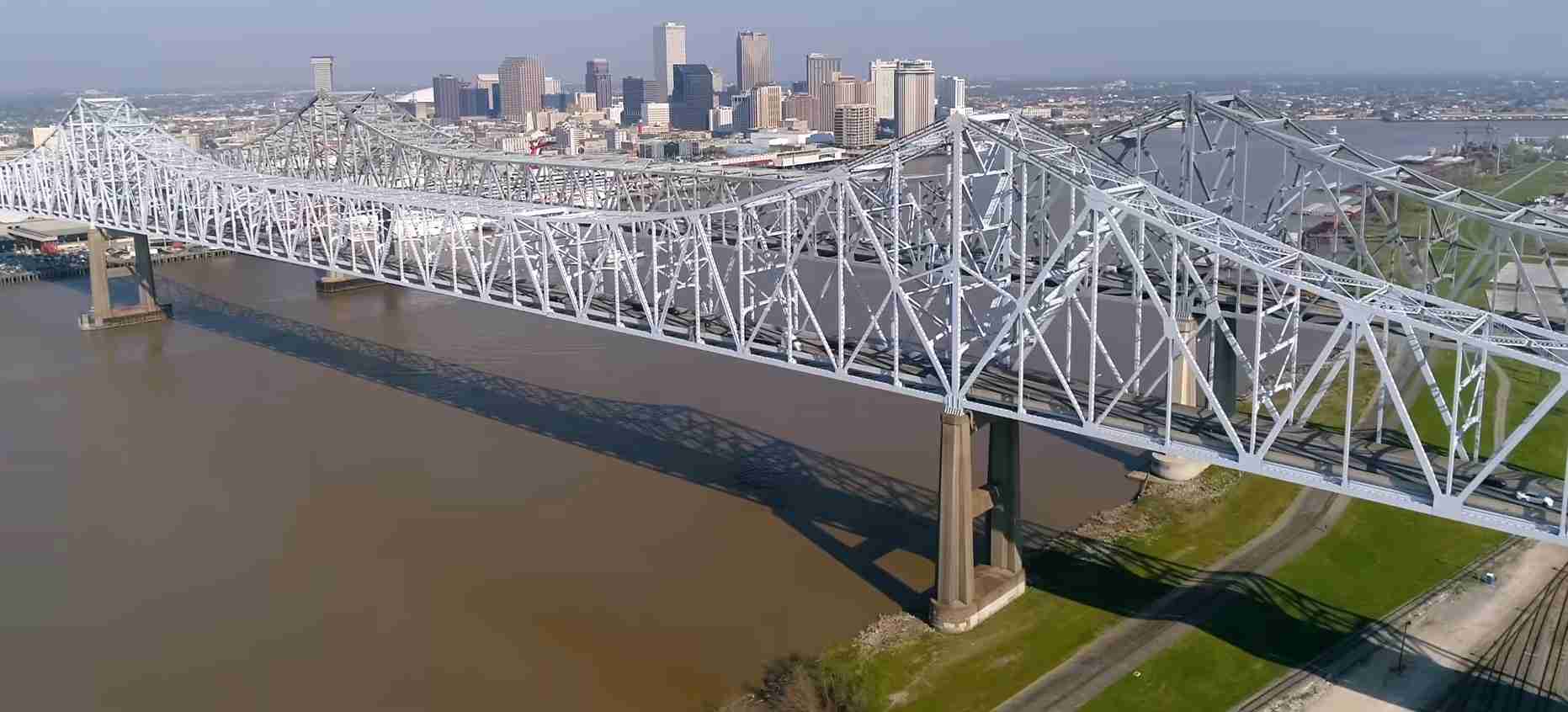
New Orleans Travel Guide 2026: Ultimate Planning Resource
New Orleans stands alone among American cities with its intoxicating blend of French, Spanish, African, and Caribbean cultures manifested through world-class cuisine, legendary jazz performances echoing through centuries-old streets, and celebrations that transform entire neighborhoods into jubilant festivals. Whether experiencing your first Mardi Gras, savoring beignets at dawn in the French Quarter, or exploring antebellum mansions along oak-shaded avenues, the Crescent City delivers experiences impossible to replicate anywhere else on Earth.
Key Takeaways for New Orleans 2026
- Budget-Friendly Exploration 2026: Budget travelers spend $80-155 per person daily (two sharing hostel or budget hotel) covering accommodation, three meals, public transportation on iconic streetcars, and select paid attractions. Weekly trips cost $560-1,085 per person with careful planning and use of free cultural experiences like second-line parades and Jackson Square performers.
- Mid-Range Comfort 2026: Mid-range visitors invest $175-315 per person daily (two sharing quality hotel) for comfortable lodging in prime neighborhoods, dining at renowned Creole and Cajun restaurants, convenient transportation mixing streetcars and rideshares, and comprehensive attraction access. Weekly costs range $1,225-2,205 per person for well-rounded New Orleans immersion.
- Luxury Experience 2026: Luxury travelers budget $375-650 per person daily (two sharing upscale hotel) for boutique French Quarter accommodations, fine dining at award-winning establishments, private transportation, VIP tour experiences, and premium cultural access. Weekly luxury trips cost $2,625-4,550 per person delivering exceptional service and exclusive experiences.
- Peak Season Timing 2026: Mardi Gras falls February 6-17 with parades concentrated February 11-17, Jazz Fest runs late April through early May, and French Quarter Fest occurs in April. Hotel rates surge during these festivals with rooms booking 6-12 months advance. Late summer and fall offer lower prices with excellent weather September through November.
- Essential Transportation 2026: RTA streetcars cost $1.25 per ride with Jazzy Passes available: 1-day $3, 3-day $9, 31-day $55. Four historic streetcar lines connect French Quarter, Garden District, City Park, and Riverfront. Most attractions concentrate within walkable French Quarter and nearby neighborhoods making car rental unnecessary for most visitors.
- Major 2026 Events: Rockin’ 1000 debuts in North America at Caesars Superdome January 31 with 1,000 musicians performing simultaneously. Sail 250 brings tall ships to Port of New Orleans May 28-June 1 celebrating America’s 250th anniversary. LIV Golf Louisiana at City Park runs June 26-28, and Bocuse d’Or Americas Selection returns July 2026 showcasing world-class culinary competition.
People Also Ask About New Orleans 2026
How Much Does New Orleans Cost Per Day in 2026?
New Orleans daily costs per person (two sharing accommodation) range $80-155 for budget travelers, $175-315 for mid-range comfort, and $375-650 for luxury experiences. Budget travelers stay in hostels at $30-60 per bed or budget hotels at $90-180 per room divided by two, eat at casual spots and po’boy shops for $40-60 daily total meals, use $3 day passes for unlimited streetcar rides, and select free attractions mixed with affordable paid sites. Mid-range visitors book quality hotels at $150-300 per room, dine at respected Creole restaurants for $70-110 daily total meals, combine streetcars with occasional rideshares for $6-12 transport, and enjoy comprehensive museum and tour access for $25-45 daily. Luxury travelers reserve boutique properties at $350-600 per room, experience fine dining at $130-225 daily total meals, use private transportation for $20-40, and access VIP experiences for $50-85 attractions budget.
What Is the Best Time to Visit New Orleans in 2026?
The best time to visit New Orleans in 2026 depends on your priorities. Mardi Gras season (February 6-17) delivers unparalleled cultural spectacle with elaborate parades, costume balls, and citywide celebrations, but hotel rates triple and rooms require 6-12 month advance booking. Jazz Fest (late April-early May) showcases legendary musicians and Louisiana cuisine in perfect spring weather with moderate crowds and hotel rates. September through November offers the best value with summer heat subsiding, hotel rates 40% below peak season, and excellent festival options including Southern Decadence (Labor Day weekend) and Voodoo Music + Arts Experience (Halloween weekend). December through early January provides mild winter weather, stunning Christmas displays, and lower accommodation costs ideal for architecture enthusiasts and food-focused travelers avoiding festival crowds.
Is New Orleans Safe for Tourists in 2026?
New Orleans maintains safe tourism zones in 2026 with appropriate precautions. The French Quarter, Garden District, Magazine Street corridor, Warehouse District, and Marigny neighborhoods patrolled heavily experience minimal tourist-directed crime. Stay within well-lit, populated areas especially after dark, use rideshares rather than walking isolated streets late night, keep valuables concealed, and remain aware of surroundings particularly on Bourbon Street where pickpocketing targets intoxicated visitors. Avoid venturing beyond tourist districts into unfamiliar neighborhoods without local guidance, especially areas away from streetcar lines and major corridors. Hotels provide neighborhood safety briefings, and concierges offer reliable transportation recommendations. Solo travelers should avoid isolated late-night walks and use verified rideshare services for evening returns. The city’s tourism infrastructure supports millions of annual visitors safely with common-sense awareness.
How Many Days Should I Spend in New Orleans in 2026?
Plan 4-6 days for comprehensive New Orleans exploration in 2026. First-time visitors need minimum 4 days covering French Quarter architecture and history, Garden District mansion tours, at least three signature Creole and Cajun restaurants, streetcar rides on historic St. Charles and Canal lines, essential museums including National WWII Museum and New Orleans Museum of Art, live music venues on Frenchmen Street, and a swamp tour or plantation excursion. Five to six days allows deeper neighborhood immersion including Magazine Street shopping, City Park exploration, multiple music venues across different genres, day trips to Oak Alley or Whitney Plantation, cemetery tours, cooking classes, and experiencing various dining styles from po’boy shops to fine dining establishments. Festival visitors should add 2-3 days to experience Mardi Gras parades, Jazz Fest performances, or French Quarter Fest comprehensively while maintaining time for non-festival attractions. Weekend trips (3 days) provide surface introduction but sacrifice depth for breadth.
Extended multi-day tours – 5+ days
Featured New Orleans Multi-Day Tour Packages
9 days
From Jazz to Country: America's Deep South
- ✓ Comprehensive New Orleans tour
- ✓ Expert local guides included
- ✓ All accommodation arranged
- ✓ Transportation provided
15 days
New Orleans and Surrounding Cities
- ✓ Booking needs min. 2 travelers

8 days
America's Music Cities Holiday featuring New Orleans, Memphis & Nashville (New Orleans, LA to Nashville, TN, 2026)
- ✓ Comprehensive New Orleans tour
- ✓ Expert local guides included
- ✓ All accommodation arranged
- ✓ Transportation provided

8 days
Sounds of the South New Orleans to Atlanta – 8 days
- ✓ Comprehensive New Orleans tour
- ✓ Expert local guides included
- ✓ All accommodation arranged
- ✓ Transportation provided
Multi-day tour packages powered by TourRadar. Prices and availability subject to change.
Introduction to New Orleans Travel 2026
New Orleans emerges in 2026 as a cultural powerhouse unlike any American destination, where three centuries of French colonial architecture meets contemporary creativity, where jazz musicians descended from the genre’s founders perform nightly in intimate clubs their ancestors inaugurated, and where culinary traditions perfected over generations continue innovating while honoring their Creole, Cajun, French, Spanish, and African roots. The city’s 2026 calendar pulses with landmark events: Rockin’ 1000’s North American debut bringing 1,000 musicians to Caesars Superdome January 31, Sail 250 welcoming tall ships for America’s 250th anniversary celebration May 28-June 1, LIV Golf’s Louisiana debut at historic City Park June 26-28, and Bocuse d’Or Americas Selection returning in July showcasing world-class culinary artistry.
The tourism infrastructure evolved significantly entering 2026. Norwegian Cruise Line’s new 5,000-passenger vessel debuted from Port of New Orleans in fall 2025, with Royal Caribbean replacing its current ship with a 50% larger vessel in 2026. Amtrak’s new Mardi Gras Service connects New Orleans to Mobile, Alabama via Mississippi Gulf Coast stops, providing affordable car-free regional exploration from Union Passenger Terminal steps from Caesars Superdome. The National WWII Museum broke ground on the Floyd Education and Collections Building on Magazine Street in April 2025, expanding the nation’s premier WWII institution. These developments complement timeless attractions: the 1835 St. Charles Streetcar (world’s oldest continuously operating streetcar line), Jackson Square’s 18th-century architecture, Preservation Hall’s nightly traditional jazz performances since 1961, and restaurant dynasties like Commander’s Palace, Brennan’s, and Antoine’s maintaining culinary excellence across multiple generations.
Understanding New Orleans’s neighborhood geography proves essential for efficient 2026 planning. The French Quarter (Vieux Carré) contains the densest concentration of historic architecture, live music venues, restaurants, and hotels within 13-block riverside rectangle bounded by Canal Street, Esplanade Avenue, Rampart Street, and the Mississippi River. Adjacent Marigny and Bywater neighborhoods offer local-favorite restaurants, Frenchmen Street’s renowned music clubs, and more affordable accommodations. The Garden District showcases antebellum mansions along oak-canopied streets accessible via St. Charles Streetcar, with Magazine Street’s six-mile corridor delivering shopping, dining, and art galleries. The Central Business District and Warehouse District house major hotels, the National WWII Museum, contemporary art galleries, and convention facilities. Tremé claims status as America’s oldest African American neighborhood with profound jazz and civil rights history. Mid-City encompasses City Park (1,300 acres larger than Central Park), New Orleans Museum of Art, and diverse dining along Esplanade Avenue.
The 2026 travel season presents unique timing opportunities. Mardi Gras’s second weekend coincides with Valentine’s and Presidents’ Day weekend (February 14-16), creating extended visitation window with seven consecutive parade days February 11-17 and Mardi Gras Day falling February 17. This alignment enables travelers to maximize three-day holiday weekend value while experiencing peak celebrations. Spring’s Jazz Fest and French Quarter Fest deliver perfect 70-75°F weather ideal for outdoor festival attendance and neighborhood exploration. Summer heat and humidity (85-95°F with high humidity) discourage some visitors but reward heat-tolerant travelers with dramatic hotel rate reductions and easier restaurant reservations at premier establishments. Fall provides optimal weather-value combination with September through November temperatures moderating to 65-80°F range, hotel rates remaining 30-40% below spring peaks, and excellent local festivals including Southern Decadence and Voodoo Fest attracting sophisticated audiences without overwhelming the city.
Cultural authenticity distinguishes New Orleans travel experiences in 2026. The city functions as a living museum where architectural styles evolved across three colonial powers (French 1718-1769, Spanish 1769-1803, American 1803-present) remain intact, where musical traditions from Congo Square’s 18th-century gatherings birthed jazz and continue through contemporary artists, and where family recipes preserved across seven generations define restaurant menus unchanged for decades. Visitors encounter working cultural ecosystems rather than manufactured tourist experiences: second-line parades where brass bands parade through neighborhoods every Sunday, neighborhood bars where regulars have occupied the same stools for forty years, restaurants where fourth-generation families prepare dishes their great-grandparents introduced, and music venues where the bandleader’s grandfather founded the establishment and grandson now performs.
This comprehensive 2026 guide addresses every planning dimension: detailed budget breakdowns across three spending tiers with verified daily and weekly costs; neighborhood-by-neighborhood accommodation recommendations spanning hostels to luxury boutiques; transportation strategies maximizing the historic streetcar system while knowing when rideshares prove more efficient; complete attraction guides prioritizing must-see experiences while revealing lesser-known treasures; comprehensive dining sections navigating everything from po’boy shops to James Beard Award-winning establishments; day trip options to plantations, swamps, and regional destinations; sample itineraries for 3-day, 5-day, and 7-day visits; festival planning for Mardi Gras, Jazz Fest, and year-round celebrations; practical advice on tipping, weather, safety, and local customs; and insider strategies for booking, timing, and experiencing New Orleans like knowledgeable locals rather than overwhelmed tourists. Whether planning your first New Orleans visit or returning for deeper exploration, this guide provides actionable intelligence for maximizing every aspect of your 2026 Crescent City experience.
Understanding New Orleans Costs in 2026
New Orleans delivers exceptional value compared to other major American cultural destinations, with visitor costs ranging from budget-conscious to luxury depending on accommodation choices, dining preferences, and activity selection. The city’s compact geography concentrates most attractions within walkable or short-streetcar-ride distances, minimizing transportation expenses while maximizing exploration efficiency. Free cultural experiences abound: Jackson Square street performers and artists, second-line brass band parades every Sunday, St. Louis Cathedral visits, French Quarter architecture walks, Lafayette Cemetery strolls, and live music at numerous venues charging no cover before evening hours. Understanding cost structures across accommodation, dining, transportation, and attractions enables strategic planning matching experiences to budgets.
Seasonal price variation significantly impacts total trip costs. Hotel rates triple during Mardi Gras (February 6-17) and Jazz Fest (late April-early May) compared to summer and fall baseline pricing, with many properties implementing 3-4 night minimum stays during peak festivals. Mid-range hotels averaging $150-200 nightly most of the year surge to $450-600 during Mardi Gras week, while budget options doubling from $90 to $180. Restaurant pricing remains relatively stable year-round with famous establishments like Commander’s Palace, Brennan’s, and Antoine’s maintaining consistent menus and pricing regardless of season. Transportation costs through RTA streetcars and buses stay fixed at $1.25 per ride and $3 daily Jazzy Passes throughout 2026. Attraction admission fees hold steady except specialty events and tours that may increase rates during festival periods.
Hidden costs require budget consideration beyond daily accommodation, meals, and attractions. Hotel parking in French Quarter and downtown properties runs $40-65 per night making car rental economically questionable for visitors staying within tourism districts where walking and streetcars suffice. Restaurant bills in Louisiana add 9.45% sales tax plus expected 20% gratuity, effectively adding 29.45% to menu prices. Many mid-range and upscale hotels charge $25-45 daily resort fees covering WiFi, fitness center access, and other amenities regardless of usage. Cocktails in French Quarter tourist bars cost $12-20 while neighborhood establishments outside Bourbon Street offer $6-10 drinks during happy hours. Live music venues on Frenchmen Street typically operate on donation/tip system with suggested $5-20 per set depending on venue size and artist prominence. These supplementary expenses add $40-80 daily to baseline budgets for travelers enjoying New Orleans’s nightlife and music scenes.
Accommodation Costs in New Orleans 2026
New Orleans accommodation spans hostels beds at $30-60 nightly to luxury boutique properties commanding $600+ per night, with most visitors finding excellent value in the $120-300 range delivering comfortable rooms, desirable locations, and quality amenities. French Quarter properties command premium pricing due to location within the city’s most atmospheric neighborhood, while properties in Marigny, Garden District, Mid-City, and Central Business District offer 20-30% savings with easy access to major attractions via short streetcar rides or rideshares. Understanding neighborhood characteristics and proximity to desired experiences enables strategic accommodation selection balancing location benefits against budget constraints.
Budget Accommodation in New Orleans 2026 ($30-90 Per Person)
Hostel dormitories provide the most economical lodging at $30-60 per bed. India House Backpackers Hostel in Mid-City occupies a converted mansion offering 8-bed dorms at $32-38, 4-bed dorms at $42-48, and private rooms at $80-95, with outdoor pool, shared kitchen, common areas, and social atmosphere attracting international travelers. Auberge NOLA Hostel in Marigny (walking distance to Frenchmen Street music venues) features modernized facilities with 6-bed dorms at $35-45 and private rooms at $85-110. HI New Orleans Hostel in Central Business District provides 4-bed and 6-bed options at $38-52 with included breakfast, located near streetcar lines and National WWII Museum. These properties offer basic but clean accommodations, social atmospheres connecting travelers, and significant savings enabling budget allocation toward dining and experiences.
Budget hotels deliver private rooms with bathrooms at $80-150 per night. Wyndham New Orleans French Quarter provides 3-star comfort at $90-135 nightly with central location blocks from Bourbon Street, included breakfast, rooftop pool, and parking at $40 daily. French Market Inn offers boutique character at $95-145 near Jackson Square with priority seating at downstairs restaurant, vintage jazz radios in rooms, and Creole architecture. Historic Streetcar Inn operates as family-run bed and breakfast in two 1897 Victorian townhouses near Magazine Street with rooms at $85-125 including breakfast and 10-minute streetcar ride to French Quarter. Quality Inn & Suites Downtown in Central Business District charges $75-115 with free parking, breakfast included, and convenient access to streetcar lines serving all major tourist districts. These properties balance affordability with private spaces and strategic locations enabling efficient exploration.
Mid-Range Accommodation in New Orleans 2026 ($150-300 Per Night)
Mid-range properties deliver superior locations, enhanced amenities, and distinctive character at $150-300 nightly. Hotel Monteleone in French Quarter anchors this category at $180-280 with historic 1886 landmark status, famous revolving Carousel Bar, rooftop pool, prime Royal Street location, and elegant rooms blending period details with modern comforts. Bourbon Orleans Hotel occupies former Orleans Ballroom and convent at $165-245 nightly featuring courtyard pool, prime Bourbon Street location, and rooms mixing historic architecture with contemporary amenities. The Old No. 77 Hotel & Chandlery in Warehouse District offers industrial-chic design at $155-225 with craft cocktail bar, farm-to-table restaurant, and location near National WWII Museum and French Quarter edge.
Garden District and Uptown mid-range options provide quieter alternatives to French Quarter bustle. Maison Saint Charles occupies 1890s buildings on St. Charles Avenue at $150-210 nightly with private balconies, period details, included breakfast, and streetcar stop directly outside property delivering 15-minute rides to French Quarter. Henry Howard Hotel in Garden District offers 18-room boutique property at $175-265 with heated outdoor pool, complimentary wine hour, sophisticated design, and Magazine Street shopping blocks away. Catahoula Hotel near French Quarter edge delivers contemporary design at $145-210 with rooftop terrace, craft cocktails, local art integration, and 5-minute walk to Bourbon Street.
Luxury Accommodation in New Orleans 2026 ($300-600+ Per Night)
Luxury properties deliver exceptional service, premium locations, and distinctive experiences at $300-600+ nightly. Four Seasons Hotel New Orleans in landmark 1967 modernist building along Mississippi River commands $420-650 with 341 rooms featuring floor-to-ceiling river views, Carrara marble bathrooms with soaking tubs, crescent-shaped rooftop pool, eight-room spa, award-winning Miss River restaurant by chef Alon Shaya, and Chandelier Bar showcasing custom 15,000-piece crystal chandelier. The Roosevelt New Orleans, A Waldorf Astoria Hotel, provides Beaux-Arts elegance at $350-550 with 504 rooms, Sazerac Bar (birthplace of the cocktail), rooftop pool, full-service spa, and prime Canal Street location.
Boutique luxury properties emphasize intimate scale and distinctive character. Hotel Peter and Paul in Marigny occupies converted 1860s church, rectory, convent, and schoolhouse at $380-580 with 71 rooms blending historic architecture and contemporary design, acclaimed restaurant, peaceful courtyards, and location near Frenchmen Street. Maison de la Luz in Central Business District delivers 67-room boutique experience at $340-520 with custom furnishings, vintage-modern aesthetic, acclaimed Bar Marilou, and residential neighborhood feel. Soniat House in French Quarter offers 31-room intimate property at $350-580 with antique-filled rooms, private courtyards, Egyptian cotton linens, and quiet Chartres Street location away from Bourbon Street chaos yet walking distance to all attractions.
Food and Dining Expenses in New Orleans 2026
New Orleans’s culinary reputation as America’s premier food city proves justified through extraordinary restaurant diversity spanning casual po’boy shops to James Beard Award-winning fine dining establishments, with Creole, Cajun, French, Italian, Vietnamese, and contemporary American cuisines all executed at exceptional levels. Daily dining costs range dramatically based on restaurant selection and meal composition, from $40-60 for three budget-conscious meals to $130-225 for upscale dining experiences. Understanding neighborhood dining scenes, meal timing strategies, and balancing splurge meals with casual options enables maximizing culinary experiences while controlling costs.
Budget Dining in New Orleans 2026 ($40-60 Daily Total)
Budget travelers eating three daily meals spend $40-60 total leveraging casual spots, po’boy shops, and ethnic restaurants delivering authentic New Orleans flavors at accessible prices. Breakfast at Café du Monde costs $8-12 for beignets (three powdered-sugar-covered French doughnuts) and café au lait, providing French Quarter’s most iconic morning experience. District Donuts in several locations serves creative doughnuts and kolaches at $3-5 each with excellent coffee. Ruby Slipper Cafe offers hearty breakfast plates with Southern twists at $10-16 including pain perdu (French toast), eggs Benedict variations, and biscuits with gravy.
Lunch from po’boy specialists delivers substantial meals at $12-18. Parkway Bakery & Tavern serves legendary roast beef and fried shrimp po’boys at $13-16 with debris (roast beef debris gravy) considered essential New Orleans experience. Domilise’s Po-Boys in Uptown operates since 1918 with hot roast beef and fried catfish po’boys at $12-15. Johnny’s Po-Boys downtown offers classic preparations at $11-14. Vietnamese restaurants in Mid-City deliver exceptional value with pho and banh mi at $10-14. Verti Marte in French Quarter provides late-night takeaway options with sandwiches and plates at $12-18 perfect for hotel dining.
Dinner at casual restaurants runs $20-30 per person. Coop’s Place in French Quarter serves jambalaya, red beans and rice, and fried chicken at $14-22 in dive bar atmosphere with no-nonsense service. Jacques-Imo’s Cafe in Carrollton delivers creative Creole dishes at $18-28 including blackened redfish and alligator sausage cheesecake. Mandina’s Restaurant in Mid-City family operation since 1932 offers turtle soup, trout meunière, and roast beef plates at $16-26. Mother’s Restaurant downtown specializes in debris po’boys and red beans at $14-20. These establishments provide authentic New Orleans cooking without upscale pricing, enabling budget-conscious visitors to experience genuine local flavors.
Mid-Range Dining in New Orleans 2026 ($70-110 Daily Total)
Mid-range dining allocates $70-110 daily across three meals mixing casual breakfast, quality lunch, and respected dinner establishments. Breakfast at Ruby Slipper, Brennan’s Pink Room (casual breakfast room at legendary restaurant) at $15-25, or Elizabeth’s in Bywater at $14-22 delivers elevated morning meals. Surrey’s Juice Bar offers organic breakfast plates at $12-18 with fresh juices.
Lunch at respected Creole restaurants runs $25-40. Court of Two Sisters in French Quarter serves daily jazz brunch buffet at $45 adults with unlimited champagne, live music, courtyard setting, and extensive Creole specialties. Mr. B’s Bistro downtown offers gumbo ya-ya, barbecue shrimp, and pasta jambalaya at $20-35 lunch entrees. Café Reconcile in Central City provides job training program supporting youth development with Southern lunch plates at $12-18. Café Degas in Mid-City delivers French bistro cuisine at $18-28 lunch with outdoor courtyard.
Dinner at quality restaurants costs $35-55 per person. Herbsaint in Warehouse District by chef Donald Link offers contemporary Louisiana cuisine at $28-42 entrees with charcuterie, oysters, and seasonal preparations. Cochon in Warehouse District specializes in Cajun dishes at $25-38 including wood-fired oysters, boudin, and pork preparations. Bayona in French Quarter by chef Susan Spicer delivers Mediterranean-influenced New Orleans cooking at $28-42. Dante’s Kitchen in Uptown provides seasonal Gulf Coast cuisine at $24-36. These restaurants balance respected culinary reputations with approachable pricing and excellent execution.
Fine Dining in New Orleans 2026 ($130-225+ Daily Total)
Fine dining experiences at New Orleans’s most celebrated restaurants allocate $70-120+ per person for dinner before wine, with legendary establishments requiring reservations weeks or months advance for optimal times. Commander’s Palace in Garden District maintains its status as New Orleans’s most iconic restaurant with contemporary Creole cuisine at $48-68 entrees, 25-cent martini lunch, elegant service, and tree-canopy setting. Reservations open 30 days advance and book immediately for weekend evenings. Brennan’s in French Quarter rebuilt after 2013 fire delivers breakfast, lunch, and dinner with flaming desserts and classic Creole preparations at $42-72 entrees.
Contemporary fine dining showcases evolving New Orleans cuisine. August by chef John Besh offers modern French-Creole tasting menus at $135 per person with wine pairings at $95 additional. Restaurant R’evolution in Royal Sonesta Hotel provides death-by-gumbo and foie gras-stuffed quail at $58-85 entrees with extensive wine list. Compère Lapin in Warehouse District by chef Nina Compton blends Caribbean and Italian influences at $38-58 entrees earning James Beard recognition. Peche Seafood Grill showcases Gulf seafood whole-fish preparations at $32-58. These establishments require dressy casual to business casual attire and represent New Orleans’s contemporary culinary excellence alongside historic institutions.
Transportation Costs and Strategies in New Orleans 2026
New Orleans’s compact tourist district and historic streetcar network enable efficient, economical navigation without car rental for most visitors. The Regional Transit Authority (RTA) operates four streetcar lines and extensive bus network connecting all major attractions, hotels, and neighborhoods at $1.25 per ride or $3 daily unlimited passes. Walking proves practical within French Quarter and between French Quarter and adjacent neighborhoods like Marigny and Warehouse District. Rideshares fill gaps for late-night returns, luggage transport, and destinations poorly served by public transit. Understanding when to use each transportation mode optimizes convenience while controlling costs.
RTA Streetcars and Public Transit 2026
RTA streetcars cost $1.25 per ride paid with exact change onboard (no change provided, excess printed as ticket credit for next ride) or via Le Pass smartphone app enabling advance purchase and mobile boarding. Jazzy Passes deliver unlimited rides: 1-day $3, 3-day $9, 5-day $15, 31-day $55, valid across all streetcars, buses, and ferries. Visitors staying 3+ days should purchase Jazzy Passes for unlimited riding freedom and significant savings over single rides. Download Le Pass app from Apple or Google Play stores for mobile ticket purchase, real-time vehicle tracking, trip planning, and digital pass activation eliminating exact change requirements.
The St. Charles Streetcar line (dark green cars) operates continuously since 1835 as world’s oldest streetcar line, running 6 miles from Canal Street through Central Business District and Garden District to Carrollton, passing Loyola and Tulane universities, Audubon Park, and dozens of antebellum mansions beneath live oak canopies. Frequency runs every 8-15 minutes during daytime with 30-40 minute journey end-to-end. This line provides access to Garden District mansion viewing, Magazine Street shopping corridor, and Audubon Park/Zoo.
Canal Street Streetcar lines (red cars) split into two routes: Canal-City Park travels 5.5 miles to City Park and New Orleans Museum of Art with 20-minute frequency, while Canal-Cemeteries terminates at historic “Cities of the Dead” with similar frequency. Both lines originate at Canal Street near French Quarter edge serving Mid-City restaurants, City Park attractions, and cemetery tours. Riverfront Streetcar line (red cars) operates along Mississippi River from French Market through Convention Center with stops at Aquarium, Riverwalk shopping, and Harrah’s Casino every 20-30 minutes. Rampart-Loyola line (bright green cars) connects Union Passenger Terminal through Tremé to Marigny-Bywater with access to Frenchmen Street music venues.
Rideshare Services and Taxis in New Orleans 2026
Uber and Lyft operate extensively throughout New Orleans with typical ride costs: French Quarter to Airport $35-45 (30-40 minutes depending on traffic), French Quarter to Garden District $8-12 (10-15 minutes), French Quarter to City Park $12-18 (15-20 minutes), Marigny to Magazine Street $10-14. Late-night rides Friday-Saturday and during festivals experience surge pricing potentially doubling base rates. Request rides from inside hotels or restaurants rather than street hailing for safety and efficiency. Allow 5-10 minutes pickup time during busy periods.
Traditional taxis operate with metered fares starting $3.50 plus $2 per mile plus $1 per additional passenger. Airport to French Quarter flat rate costs $36 for 1-2 passengers, $15 per person for 3+ passengers. Taxis accept credit cards but prefer cash and expect 15-20% gratuity. Hotels maintain taxi stands with immediate availability, while street hailing proves reliable in French Quarter and downtown during daytime but inconsistent in outer neighborhoods and late nights when rideshares offer superior availability.
Walking and Biking in New Orleans 2026
Walking serves as primary transportation within French Quarter’s 13-block core, with most attractions, restaurants, and bars accessible within 5-15 minute walks. French Quarter to Marigny (Frenchmen Street) requires 10-15 minute walk along Esplanade Avenue. French Quarter to Warehouse District spans 15-20 minutes along Canal Street or Magazine Street. Comfortable walking shoes prove essential given uneven French Quarter sidewalks, cobblestone sections, and humid conditions encouraging frequent stops for air-conditioned restaurant breaks.
Bike rentals from Blue Bikes bike-share program cost $8 for 24-hour access with 30-minute ride intervals or $15 for 3-day access, with stations throughout tourism districts. Longer recreational rides require $18 per day from traditional bike rental shops offering comfort bikes, cruisers, and road bikes. City Park, Mississippi River Trail, and Magazine Street corridor provide pleasant routes, while French Quarter’s narrow streets and heavy pedestrian traffic make biking challenging during peak hours. Helmets not legally required but strongly recommended given traffic conditions.
Major Attractions and Activity Costs in New Orleans 2026
New Orleans attractions span free outdoor experiences to comprehensive museum admissions, with costs ranging from zero for architectural walks and street performances to $30-50 for major museums and attraction passes. Strategic planning combining free cultural experiences with selective paid attractions enables rich exploration across all budget levels. Many of the city’s most authentic experiences including second-line parades, Jackson Square street performers, cemetery exteriors, and French Quarter architecture require no admission fees, while premier museums and experiences justify their costs through exceptional collections and presentations.
Free and Low-Cost Attractions in New Orleans 2026
Jackson Square serves as French Quarter’s central gathering space with free access to street performers, artists displaying works along iron fence, St. Louis Cathedral exterior viewing (interior visits free during open hours 6am-5pm daily), and historic Cabildo and Presbytère building exteriors. Spend 1-2 hours enjoying performers, watching artists work, browsing paintings and crafts, and photographing St. Louis Cathedral’s iconic facade. The square hosts spontaneous jazz performances, talented caricature artists, tarot card readers, and local musicians creating quintessential New Orleans atmosphere with no admission requirements.
French Quarter architecture walks deliver free cultural immersion spanning three centuries of colonial and American building styles. Self-guided walks along Royal Street showcase antique shops, art galleries, and ironwork balconies. Bourbon Street requires evening visit despite tourist-heavy reputation to experience neon-lit energy, street performers, and historic bars (drinks not required though venues appreciate patronage). Preservation Hall on St. Peter Street allows exterior viewing of 1961 traditional jazz institution with $20 admission for evening concerts ($45-50 VIP seating). Magazine Street’s six-mile corridor combines Victorian architecture, local shops, galleries, and restaurants with free walking requiring only time and stamina.
Second-line parades occur most Sundays year-round providing authentic New Orleans experiences completely free. Social Aid and Pleasure Clubs sponsor brass band parades through neighborhoods with routes published weekly online, typically running 1-3pm Sunday afternoons. Join parade participants following brass bands through streets, dancing, and experiencing genuine New Orleans tradition impossible to replicate elsewhere. No tourist production, just community celebration open to all respectful participants.
City Park spans 1,300 acres (larger than New York’s Central Park) with free access to outdoor sculptures, centuries-old oak trees, walking paths, Storyland playground ($5 admission), and botanical gardens. Visit New Orleans Museum of Art (admission $15 adults) or simply enjoy massive green space perfect for picnics and relaxation. Audubon Park in Uptown provides similar free green space with Mississippi River views, walking/jogging paths, and impressive live oak trees near Tulane and Loyola universities accessed via St. Charles Streetcar.
Museums and Cultural Attractions in New Orleans 2026
National WWII Museum ranks as nation’s premiere World War II institution with comprehensive exhibits, artifacts, aircraft, interactive displays, and 4D theater experiences. General admission costs $30 adults, $27 seniors, $18 students/military, free for WWII veterans, with Beyond All Boundaries 4D film at $5 additional. Plan 4-6 hours for thorough exploration of multiple pavilion buildings covering European Theater, Pacific Theater, Home Front, and D-Day operations. The museum expanded in 2025 with Floyd Education and Collections Building providing additional exhibition space and artifact storage. Location in Warehouse District enables combination with contemporary art galleries and restaurants within walking distance.
New Orleans Museum of Art (NOMA) in City Park houses 40,000-piece collection spanning 5,000 years including significant French, American, African, and contemporary works. Admission costs $15 adults, $12 seniors, $8 students, free children under 19, with free admission Thursdays for Louisiana residents. Sydney and Walda Besthoff Sculpture Garden behind museum provides free access to 90 sculptures among lagoons and Spanish moss-draped oaks creating serene outdoor gallery experience. Allocate 2-3 hours for museum visit plus 45-60 minutes sculpture garden exploration.
Mardi Gras World offers behind-scenes access to Kern Studios float-building warehouse with tour guides explaining elaborate float construction, costume displays, and parade history. Admission costs $22 adults, $14 children under 12, with tours operating 9:30am-4:30pm in 30-minute guided groups. Indoor facility perfect for rainy days, family-friendly with hands-on costume try-on opportunities. Located across river in Algiers Point requiring rideshare or free Canal Street ferry plus walk. Plan 90 minutes total including tour time.
Tours and Experiences in New Orleans 2026
Swamp tours deliver quintessential Louisiana experiences viewing alligators, cypress swamps, and bayou ecosystems with native guides explaining Cajun culture and wetland ecology. Half-day tours from Lafitte cost $60-75 per person including transportation from French Quarter, 90-minute airboat ride through swamps, and guaranteed alligator sightings. Full-day combination tours pairing Oak Alley Plantation and swamp experience run $145-165 with transportation, admission to mansion and grounds, and swamp boat ride. Jean Lafitte National Historical Park’s Barataria Preserve unit 30 minutes from downtown provides free boardwalk trails through swamps for self-guided exploration without admission fees.
Cemetery tours explore above-ground “Cities of the Dead” explaining unique burial practices, historic families, and famous interments. St. Louis Cemetery No. 1 (oldest, established 1789) requires guided tour only with authorized operators charging $20-30 per person for 60-minute walks covering voodoo queen Marie Laveau’s tomb, unique architecture, and preservation challenges. Lafayette Cemetery No. 1 in Garden District allows self-guided free exploration during open hours with Save Our Cemeteries volunteer-led tours at suggested $15 donation Mondays, Wednesdays, Fridays 10:30am. Metairie Cemetery permits self-driving tours viewing elaborate above-ground tombs and mausoleums free with respectful behavior.
Ghost and vampire tours operate nightly in French Quarter with varying quality and authenticity. Reputable operators like Haunted History Tours charge $25-30 for 90-minute walking tours visiting LaLaurie Mansion, St. Louis Cathedral, and other supposedly haunted sites with historical context beyond theatrical scares. Adults-only tours ($35-40) include more graphic historical content and bar stops. Tours depart 7pm-9pm from Jackson Square area requiring advance booking during peak seasons.
Sample Daily Budget Breakdowns for New Orleans 2026
Understanding complete daily costs across accommodation, meals, transportation, and activities enables accurate trip budgeting and appropriate expectation setting. The following breakdowns detail typical spending patterns for budget, mid-range, and luxury travelers sharing accommodation, with specific examples of where money goes throughout a New Orleans day.
Budget Traveler Daily Costs 2026 ($80-155 Per Person)
Budget travelers spending $80-155 per person daily (two sharing hostel or budget hotel) allocate funds strategically across essential categories while maximizing free cultural experiences. Accommodation in 4-bed hostel dormitory costs $35-50 per person or budget hotel room at $90-140 total divided by two equals $45-70 per person. Breakfast beignets and coffee at Café du Monde runs $9-12. Lunch po’boy from Parkway Bakery costs $14-17. Dinner at Coop’s Place or casual restaurant totals $18-28. Daily food expenses aggregate $41-57 per person.
Transportation using 1-day Jazzy Pass costs $3 for unlimited streetcar and bus rides covering French Quarter to Garden District to City Park. Walking handles most French Quarter exploration free. Activities combine free experiences like Jackson Square performers, French Quarter architecture walks, and second-line parade attendance ($0) with one paid attraction such as National WWII Museum at $30 or cemetery tour at $20. Total daily budget breakdown: accommodation $35-50, meals $41-57, transport $3-6, attractions $10-30, totaling $89-143 per person before adding small buffer for water, snacks, or unexpected expenses bringing range to $95-155 comfortably.
Mid-Range Traveler Daily Costs 2026 ($175-315 Per Person)
Mid-range travelers spending $175-315 per person daily (two sharing quality hotel) enjoy comfortable accommodations in desirable locations, respected restaurant dining, and comprehensive attraction access. Hotel room in French Quarter or Garden District at $160-280 nightly divided by two equals $80-140 per person accommodation cost. Breakfast at Ruby Slipper Cafe or hotel restaurant runs $14-20. Lunch at Court of Two Sisters jazz brunch costs $45 or mid-range Creole restaurant lunch $22-32. Dinner at Herbsaint, Cochon, or similar quality establishment totals $40-58. Daily food expenses aggregate $76-110 per person.
Transportation mixes 1-day Jazzy Pass at $3 with 1-2 rideshares for evening returns or distant destinations at $8-16 total. Activities include two paid attractions like National WWII Museum ($30) plus NOMA ($15) or swamp tour ($70) plus cemetery tour ($25), totaling $25-70 attraction spending. Additional costs for evening drinks or live music tips add $10-20. Total daily budget breakdown: accommodation $80-140, meals $76-110, transport $6-16, attractions $25-60, evening entertainment $10-25, totaling $197-351 with typical spending landing $210-290 range for balanced experience mixing quality dining, comfortable lodging, and comprehensive exploration.
Luxury Traveler Daily Costs 2026 ($375-650+ Per Person)
Luxury travelers spending $375-650+ per person daily (two sharing upscale hotel) prioritize exceptional service, premium locations, fine dining, and exclusive experiences. Boutique hotel or Four Seasons room at $380-620 nightly divided by two equals $190-310 per person. Breakfast at hotel restaurant or Brennan’s costs $25-40. Lunch at refined establishment like Café Degas or light fare $30-50. Dinner at Commander’s Palace, August, or equivalent fine dining totals $75-130 before wine. Daily food expenses aggregate $130-220 per person.
Transportation uses rideshares exclusively for convenience at $25-40 daily covering 4-6 trips between hotel, restaurants, and attractions. Activities select premium experiences: VIP swamp and plantation tour at $165, private cemetery tour at $50, or museum combination with special exhibitions at $50-75. Evening entertainment includes cocktails at renowned bars and live music at quality venues adding $30-50. Total daily budget breakdown: accommodation $190-310, meals $130-220, transport $25-40, premium activities $50-165, evening entertainment $30-50, totaling $425-785 with typical luxury spending around $475-625 for sophisticated New Orleans experience emphasizing quality over quantity.
Sample New Orleans Itineraries 2026
Structured itineraries maximize limited time while ensuring essential experiences, neighborhood diversity, and appropriate pacing avoiding exhaustion common when attempting too much. The following sample itineraries accommodate different visit lengths with budget, mid-range, and luxury variations sharing similar routing but adjusting accommodation, dining, and experience quality to match spending levels.
3-Day New Orleans Itinerary 2026 (First-Time Visitors)
Day 1 – French Quarter Immersion: Begin at Café du Monde for beignets and café au lait ($10). Walk Jackson Square observing street performers and artists (free), visit St. Louis Cathedral interior (free), and explore French Quarter architecture along Royal Street galleries and antique shops (free browsing). Lunch po’boy at Johnny’s ($14) or mid-range option Court of Two Sisters jazz brunch ($45). Afternoon walk Bourbon Street experiencing atmosphere, visit Preservation Hall for traditional jazz ($20-50), and explore French Market (free). Dinner at Coop’s Place ($22) or mid-range Bayona ($50) or luxury R’evolution ($75). Evening drinks on Frenchmen Street with live music ($15-30 total). Accommodation: budget hostel $35-55 per person, mid-range French Quarter hotel $85-125 per person, luxury boutique $190-280 per person. Day total approximately: budget $110-145, mid-range $245-320, luxury $445-585 per person.
Day 2 – History and Gardens: Breakfast at Ruby Slipper ($14) or Brennan’s ($35). Morning National WWII Museum requiring 4 hours ($30 admission). Lunch in Warehouse District at Cochon ($32) or quick option Verti Marte ($15). Afternoon St. Charles Streetcar to Garden District viewing mansions from car windows (free ride with Jazzy Pass) and Lafayette Cemetery walking tour (free or $15 guided). Magazine Street shopping and gallery browsing (free). Dinner at Jacques-Imo’s ($28) or mid-range Herbsaint ($48) or luxury Commander’s Palace ($75). Evening return to French Quarter or Marigny. Day total approximately: budget $95-130, mid-range $210-275, luxury $380-510 per person.
Day 3 – Swamps and Culture: Morning swamp tour with transportation from French Quarter viewing alligators and cypress swamps ($70 half-day or $150 plantation combination). Return early afternoon for late lunch at Parkway Bakery po’boys ($15) or Café Degas ($28) or luxury August ($65). Afternoon City Park and NOMA visit ($15 museum) with sculpture garden walk (free). Evening farewell dinner at Mother’s ($22) or mid-range Mr. B’s Bistro ($45) or luxury Compère Lapin ($68). Final night drinks and music venue hopping Frenchmen Street. Day total approximately: budget $125-165, mid-range $240-310, luxury $450-590 per person.
3-Day Trip Total (per person, two sharing accommodation): Budget travelers: $330-440, Mid-range travelers: $695-905, Luxury travelers: $1,275-1,685.
5-Day New Orleans Itinerary 2026 (Comprehensive Exploration)
Days 1-3: Follow 3-day itinerary above covering French Quarter, museums, Garden District, and swamp tour establishing foundational New Orleans knowledge.
Day 4 – Plantation and River Road: Full-day Oak Alley Plantation tour from French Quarter with transportation ($75-95 admission and transport, or $145-165 combination with swamp). Explore 1839 antebellum mansion, 300-year-old oak alley, grounds, and slavery exhibits. Alternative Whitney Plantation ($25 admission) focuses exclusively on enslaved experience with powerful memorial installations. Return late afternoon for casual dinner at District Donuts and Sliders ($18) or mid-range Dante’s Kitchen ($38) or luxury Brennan’s ($70). Evening relaxation at hotel or neighborhood bar exploration. Day total approximately: budget $105-135, mid-range $185-245, luxury $325-425 per person.
Day 5 – Neighborhood Exploration and Departure: Breakfast at Elizabeth’s in Bywater ($16) or Surrey’s ($20) or luxury hotel dining ($35). Morning Marigny and Bywater walk along Frenchmen Street viewing daytime galleries and shops (free). Tremé neighborhood exploration visiting Congo Square (birthplace of jazz, free) and Backstreet Cultural Museum ($10). Lunch at Mandina’s ($20) or Willie Mae’s Scotch House fried chicken ($18) or luxury Peche ($48). Afternoon final French Quarter shopping or relaxation. Early dinner before departure at Café Reconcile ($15) or mid-range Cochon Butcher ($22) or luxury Herbsaint ($48). Day total approximately: budget $70-95, mid-range $150-205, luxury $275-370 per person.
5-Day Trip Total (per person, two sharing accommodation): Budget travelers: $505-670, Mid-range travelers: $1,030-1,355, Luxury travelers: $1,875-2,480.
Seasonal Price Variations and Timing Strategies for 2026
Understanding New Orleans’s dramatic seasonal price fluctuations enables strategic trip timing maximizing value or securing desired festival experiences. Hotel rates vary 200-300% between peak festival periods and summer lulls, while restaurant and attraction pricing remains relatively stable year-round. Weather patterns, crowd levels, and festival schedules all influence optimal visit timing based on priorities balancing costs, experiences, and comfort.
Mardi Gras Season 2026 (February 6-17)
Mardi Gras 2026 offers unique extended celebration with second parade weekend coinciding with Valentine’s and Presidents’ Day weekend (February 14-16), creating seven consecutive parade days February 11-17 with Mardi Gras Day falling Tuesday February 17. Hotel rates triple typical winter pricing with mid-range properties averaging $150-200 nightly most of year surging to $450-600 during Mardi Gras week. Budget hotels doubling from $90 to $180-220. Luxury properties commanding $350-500 typical rates increase to $800-1,200. Most hotels implement 3-5 night minimum stays during peak parade days (February 13-17).
Book accommodations 8-12 months advance for Mardi Gras with many properties releasing inventory exactly 12 months prior. Neighborhoods within walking distance of parade routes (St. Charles Avenue, Canal Street, French Quarter edges) command highest premiums. Consider Mid-City, Marigny, or Bywater accommodations at 20-30% discounts still providing streetcar access to parade routes. Restaurants maintain normal pricing but implement reservations systems during Mardi Gras eliminating walk-in availability at popular establishments. Parade viewing free standing along routes arriving 2-3 hours early for prime curb positions, or private balcony rentals along parade routes cost $200-500 per person for multi-hour access with restrooms and refreshments.
Spring Festival Season 2026 (March-May)
French Quarter Festival (April 10-13, 2026) delivers exceptional value as free admission festival showcasing 300+ Louisiana musicians across 20+ stages throughout French Quarter, with hotel rates 30-40% below Mardi Gras peaks while weather perfects at 70-75°F averages. Mid-range hotels range $200-280 versus $450-600 Mardi Gras rates. Book 3-4 months advance for prime French Quarter locations. Festival features predominantly local Louisiana artists rather than national headliners creating authentic experience without tourist crowd overwhelming typical Jazz Fest.
New Orleans Jazz & Heritage Festival (April 24-27 and May 1-4, 2026) represents the city’s premiere music festival with daily lineups spanning jazz, blues, R&B, rock, gospel, Cajun, zydeco, and international acts across 12 stages at Fair Grounds Race Course. Daily admission costs $85-95 advance, $110-120 gate, with 2-weekend passes at $330-360. Hotel rates during Jazz Fest weeks increase 80-120% above typical spring pricing with mid-range properties at $240-350 nightly. Book hotels 4-6 months advance prioritizing Mid-City, Esplanade Ridge, or Tremé neighborhoods providing short streetcar or rideshare access to Fair Grounds while avoiding French Quarter price premiums.
Summer Value Season 2026 (June-August)
Summer months deliver lowest hotel rates and smallest crowds despite heat and humidity averaging 85-95°F with afternoon thunderstorms common. Mid-range hotels drop to $120-180 nightly representing 40-50% discounts versus spring rates. Luxury properties fall to $250-400 from $350-550 typical pricing. Restaurant reservations become unnecessary except Saturday evenings at most popular establishments. Attractions experience minimal wait times with National WWII Museum, aquarium, and other indoor sites providing air-conditioned refuge during peak afternoon heat.
Summer strategy emphasizes morning and evening activities avoiding midday heat. Begin days 8-9am for breakfast and morning museum visits or architecture walks before temperatures peak 11am-4pm. Afternoon hotel pool time, air-conditioned shopping, or museum continuation provides heat escape. Resume outdoor activities 5-6pm as temperatures moderate for evening dining, live music, and neighborhood exploration extending until late night when temperatures remain comfortable. Summer visitors tolerating heat and humidity realize substantial savings while enjoying authentic local experience with fewer tourists and relaxed service at all establishments.
Fall Optimal Season 2026 (September-November)
September through November provides ideal weather-value combination with temperatures moderating to 65-85°F range, humidity decreasing, hotel rates remaining 30-40% below spring peaks, and excellent festivals attracting sophisticated audiences. Southern Decadence (Labor Day weekend, August 28-September 1) draws LGBTQ+ travelers for music, dance parties, and celebrations concentrated in French Quarter and Marigny. Voodoo Music + Arts Experience (Halloween weekend, October 31-November 2) showcases national alternative and rock acts at City Park with camping options and multi-day passes.
Mid-range hotels during fall range $150-220 nightly outside festival weekends, increasing to $220-280 during Southern Decadence and Voodoo Fest. Restaurant availability excellent with reservations needed only weekend evenings at premier establishments. Outdoor activities become comfortable all day with morning and afternoon heat no longer prohibitive. Fall represents optimal timing for visitors prioritizing weather comfort, value pricing, and avoiding overwhelming spring festival crowds while maintaining access to quality local events and full restaurant/attraction operations.
Money-Saving Strategies for New Orleans 2026
Strategic planning and local knowledge enable significant cost reductions without sacrificing experience quality. New Orleans offers numerous opportunities for value-conscious travelers through timing flexibility, neighborhood selection, free cultural experiences, and smart dining choices mixing splurge meals with budget options.
Accommodation Savings Strategies 2026
Book accommodations in shoulder seasons (September-November, January-early February, June-August excluding specific festival weekends) realizing 30-50% savings versus spring peak rates. Mid-range French Quarter hotels at $280 during Jazz Fest drop to $150-180 in September. Consider neighborhoods outside French Quarter: Marigny provides 10-15 minute walk to French Quarter with 20% lower rates, Mid-City offers streetcar access with 25-30% discounts, Garden District/Uptown delivers quiet residential charm with 15-20% savings.
Compare hotel rates against vacation rental options for stays 4+ nights. Two-bedroom apartments in Marigny or Bywater rent $150-240 nightly with full kitchens enabling breakfast and lunch preparation saving $30-50 daily on meal costs. Weekly apartment rentals often discount to $900-1,400 total ($128-200 nightly average) versus $180-280 nightly hotel rates. Hostels eliminate accommodation costs entirely for solo budget travelers with 4-6 bed dorms at $35-50 freeing funds for dining and experiences.
Dining Cost Reduction Techniques 2026
Balance upscale dinners with budget lunches maximizing culinary experience value. Commander’s Palace offers 25-cent martini lunch Monday-Friday with $25-35 lunch entrees (versus $48-68 dinner) delivering legendary service and cuisine at 40% discount. Brennan’s lunch provides similar savings. Visit one premier restaurant for lunch daily saving $40-60 per person versus dinner while experiencing identical kitchens and comparable menus.
Leverage happy hour specials abundant throughout city. Kingfish on Chartres offers half-price appetizers and $2 off cocktails 3-6pm daily. Bar Tonique on Rampart provides creative cocktails at $6-8 during 5-7pm versus $12-15 regular pricing. Cochon Butcher serves sandwiches and small plates at $8-15 perfect for casual lunches versus $45-65 full dinners at adjacent Cochon restaurant. Plan one or two daily meals around happy hours and casual spots freeing budget for one special restaurant experience.
Breakfast from grocery stores or hotel breakfast inclusion saves $15-25 daily per person. Mid-City groceries like Rouses Market sell local pastries, coffee, fruit, and breakfast items at $8-12 total versus $18-28 restaurant breakfast. Hotels with included breakfast (common at properties $90-150 nightly) eliminate breakfast costs entirely. Lunch from po’boy shops, Vietnamese restaurants, or food trucks at $12-18 provides authentic local food at fraction of sit-down restaurant costs.
Transportation and Activity Savings 2026
Purchase 3-day Jazzy Pass at $9 for visitors staying 3-5 days versus single rides at $1.25 each. Twelve rides over three days breaks even, with typical tourist taking 20-30 streetcar and bus rides during three days. Walking handles most French Quarter exploration free, with streetcars serving longer distances to Garden District, City Park, and outlying neighborhoods. Avoid rideshares except late night returns or luggage transport saving $30-50 daily versus using Uber/Lyft for all transportation.
Prioritize free attractions maximizing cultural immersion without admission costs: Jackson Square performers, French Quarter architecture walks, second-line parades Sundays, Lafayette Cemetery, St. Louis Cathedral interior, Mississippi Riverfront, City Park grounds, Audubon Park, and neighborhood explorations. Combine one or two paid attractions daily (National WWII Museum, NOMA, cemetery tours) with multiple free experiences creating full days without $100+ daily attraction budgets. Reserve swamp tours and plantation visits for single special experience rather than booking multiple costly day trips.
Hidden Costs and Fees in New Orleans 2026
Understanding supplementary expenses beyond base accommodation, dining, and attraction costs prevents budget surprises and enables accurate trip planning. Louisiana’s 9.45% sales tax applies to most purchases, restaurants expect 20% gratuity, hotels add resort fees, and various service charges accumulate quickly without awareness.
Hotel Additional Charges 2026
Many mid-range and upscale hotels charge daily resort fees at $25-45 per night covering WiFi, fitness center access, pool access, and other amenities regardless of usage. Four Seasons charges $45 daily resort fee, boutique properties typically $25-35. These fees appear separate from quoted nightly rates and add $75-315 to weekly stays. Ask specifically about resort fees when booking and factor into accommodation comparisons. Budget hotels and hostels typically exclude resort fees maintaining advertised rates as total costs.
Valet parking in French Quarter and downtown hotels costs $40-65 nightly with in-and-out privileges varying by property. Self-parking where available runs $25-45 daily. Hotels outside tourism core offer free parking as standard amenity. Weekly parking fees add $175-455 to trip costs making car rental economically questionable for visitors staying within walking/streetcar accessible areas. Calculate total parking costs before driving to New Orleans versus flying and using public transit and rideshares exclusively.
Restaurant and Bar Charges 2026
Louisiana’s 9.45% sales tax applies to all restaurant bills, with New Orleans expecting 20% gratuity on pre-tax total creating 29.45% markup on menu prices. $100 menu meal totals $129.45 after tax and tip. Budget an additional 30% beyond menu prices when calculating restaurant costs. Some restaurants add automatic gratuity for parties of 6+ or during special events—review bills carefully avoiding double-tipping when automatic gratuity already included.
Cocktails on Bourbon Street and tourist-heavy French Quarter bars cost $12-20 with some establishments charging $15-18 for basic mixed drinks. Neighborhood bars outside French Quarter offer $6-10 drinks with happy hours at $4-7. Live music venues on Frenchmen Street operate tip-jar system with no cover charges but suggested $5-10 per set donations. Budget $30-60 for evening drinking and music venue hopping versus attempting comprehensive Bourbon Street bar crawl at $80-120 costs.
Service Tips and Gratuity Expectations 2026
Restaurant servers expect 20% gratuity on pre-tax bill with 15% considered minimum for adequate service. Exceptional service warrants 22-25%. Bartenders receive $1-2 per drink or 15-20% on tab. Hotel housekeeping receives $3-5 per night left daily in room. Valet parking attendants receive $3-5 upon car return. Tour guides expect $5-10 per person for group tours, $20-40 for private tours. Taxi and rideshare drivers receive 15-20% of fare. Street performers and musicians receive $1-5 for brief performances, $5-20 for extended watching. Budget an additional $15-30 daily for tips beyond restaurant gratuity.
Neighborhood Comparison Guide for New Orleans 2026
New Orleans neighborhoods offer distinct character, price points, and proximity to attractions, with strategic neighborhood selection significantly impacting overall trip experience and costs. Understanding each area’s advantages and limitations enables informed accommodation location decisions matching priorities and budgets.
French Quarter: Premium Location, Historic Atmosphere
French Quarter delivers unmatched location within walking distance of majority attractions, restaurants, bars, and cultural sites, with 24-hour energy, live music, and European architectural charm spanning three centuries. Hotels range $140-280 nightly for mid-range properties, $350-600 luxury boutiques. Dining options span every budget level from $12 po’boys to $100+ fine dining. Bourbon Street noise impacts sleep quality in properties facing main tourist corridors—request courtyard or side-street rooms for quieter nights.
Advantages: Zero transportation costs for most activities, immediate access to Jackson Square, Bourbon Street, Frenchmen Street walking distance, maximum time efficiency, authentic historic architecture, diverse restaurant concentration. Disadvantages: Highest accommodation costs, tourist crowds especially weekends and festivals, Bourbon Street noise and chaos, limited parking at $50-65 daily, more expensive restaurants than outer neighborhoods. Best for: First-time visitors, short stays (3-4 days), visitors without cars, travelers prioritizing location over budget.
Marigny and Bywater: Local Flavor, Music Scene
Marigny and Bywater border French Quarter to east providing local-favorite restaurants, Frenchmen Street live music venues, affordable accommodations, and residential neighborhood character. Hotels and vacation rentals cost 20-25% less than French Quarter at $110-220 mid-range nightly. Frenchmen Street surpasses Bourbon Street for authentic live music with local musicians performing in intimate venues charging minimal or no cover. Ten to fifteen minute walk to French Quarter, five minute walk to French Market.
Advantages: Lower accommodation costs, superior live music scene on Frenchmen Street, local restaurant favorites, residential neighborhood feel, easier parking, walkable to French Quarter, LGBTQ-friendly area, authentic rather than touristy atmosphere. Disadvantages: Requires walking 10-15 minutes or rideshare to French Quarter core, fewer hotel options than French Quarter, some blocks poorly lit requiring awareness at night, limited grocery shopping. Best for: Return visitors, music enthusiasts, budget-conscious travelers accepting short walks, LGBTQ travelers, visitors preferring local over tourist atmosphere.
Garden District and Uptown: Mansions and Residential Charm
Garden District showcases antebellum mansions, oak-lined streets, Magazine Street’s six-mile shopping and dining corridor, and quieter residential atmosphere away from French Quarter tourist intensity. Hotels and bed-and-breakfasts range $140-240 mid-range with properties occupying historic buildings. St. Charles Streetcar provides 15-20 minute ride to French Quarter and Canal Street. Magazine Street dining costs 15-20% less than French Quarter equivalents with equally high quality.
Advantages: Beautiful architecture and tree-shaded streets, quieter than French Quarter, Magazine Street shopping and dining, Lafayette Cemetery, lower dining costs, free street parking common, proximity to Audubon Park and Zoo, safe upscale neighborhoods. Disadvantages: Requires streetcar or rideshare to French Quarter adding 15-30 minutes transit time, limited late-night transportation requiring rideshares, fewer hotel options, dining requires research identifying quality spots. Best for: Architecture enthusiasts, visitors seeking quieter base, families with children, extended stays allowing neighborhood immersion, travelers with cars (easier parking).
Central Business District and Warehouse District: Museums and Conventions
Central Business District and Warehouse District concentrate major hotels, National WWII Museum, contemporary art galleries, convention facilities, and business infrastructure between Canal Street and Pontchartrain Expressway. Mid-range hotels range $130-220 outside convention periods with convention weeks increasing rates 40-60%. Walking distance to French Quarter, Canal Street, and Warehouse District restaurants. Streetcar access excellent with multiple lines intersecting.
Advantages: Hotel variety at competitive rates, National WWII Museum walking distance, Canal Street Streetcar access to entire system, convention center proximity for business travelers, contemporary restaurant scene in Warehouse District, safe well-lit streets, abundant parking garages. Disadvantages: Less atmospheric than historic neighborhoods, limited nightlife compared to French Quarter, convention crowds when major events occupy Morial Convention Center, more corporate feel than residential neighborhoods. Best for: Business travelers, museum enthusiasts, budget-conscious visitors accepting less atmospheric setting, convention attendees, visitors prioritizing hotel amenities over neighborhood character.
Mid-City: City Park and Neighborhood Authenticity
Mid-City encompasses City Park, New Orleans Museum of Art, Canal Street corridor, and diverse residential neighborhoods with local restaurants, affordable accommodations, and authentic neighborhood character. Hotels and vacation rentals range $90-180 mid-range with excellent value. Canal Streetcar provides direct 20-minute access to French Quarter and downtown. Esplanade Avenue corridor features excellent restaurants at neighborhood prices.
Advantages: Lower accommodation costs, City Park and NOMA proximity, authentic neighborhood restaurants, Canal Streetcar access, diverse dining including excellent Vietnamese and international cuisine, real New Orleans residential experience, parking easier and cheaper. Disadvantages: Requires 20-30 minute streetcar or rideshare to French Quarter, limited walking-distance entertainment, fewer tourist amenities, some areas require awareness and caution, less hotel infrastructure than tourism districts. Best for: Extended stays, budget travelers, visitors prioritizing authenticity over convenience, City Park and museum enthusiasts, travelers comfortable with public transit.
Traveling to New Orleans with Different Groups in 2026
New Orleans accommodates diverse traveler profiles from solo adventurers to families with young children, with strategic planning optimizing experiences for each group’s needs, interests, and comfort levels.
Solo Travel in New Orleans 2026
Solo travelers enjoy New Orleans’s welcoming social atmosphere with numerous opportunities for connecting with fellow travelers through hostel common areas, music venues, and bar scenes. Hostel dormitories at $35-55 nightly provide budget lodging plus built-in social connections through shared spaces and organized activities. India House Backpackers and Auberge NOLA hostels attract international crowds with regular social events, pub crawls, and shared experiences. Solo travelers preferring private spaces find single rooms at $90-140 in budget hotels or splurge for boutique properties at $180-280 nightly.
Safety considerations for solo travelers emphasize awareness without paranoia. Stay within well-lit populated areas especially after dark, use rideshares rather than walking isolated streets late night, keep valuables concealed, and trust instincts avoiding uncomfortable situations. French Quarter, Marigny, and Magazine Street corridor maintain heavy foot traffic and safety through numbers. Solo female travelers report comfortable experiences with standard urban precautions. Join group tours for plantation visits, swamp tours, and cemetery explorations providing shared experiences and enhanced safety through numbers.
Solo dining proves comfortable at New Orleans bars and casual restaurants with bar seating encouraging conversation. Sit at Cochon Butcher bar for sandwich and wine, perch at Coop’s Place bar for jambalaya and beer, claim spot at Café Degas bar for French bistro fare. Bartenders and fellow diners engage readily, and solo diners receive welcoming service without awkwardness common in some destinations. Lunch provides easiest solo dining experiences with dinner reservations at upscale restaurants sometimes challenging for single diners—call ahead requesting bar seating at restaurants like Herbsaint or Commander’s Palace accommodating solo guests graciously.
Family Travel with Children in New Orleans 2026
Families discover New Orleans’s family-friendly attractions beyond Bourbon Street reputation through excellent museums, parks, swamp tours, and child-appropriate dining. Audubon Zoo in Uptown showcases exotic animals with Louisiana swamp exhibit, kids’ play areas, and shaded walkways accessible via St. Charles Streetcar. Audubon Aquarium of the Americas features Gulf of Mexico marine life, penguin exhibit, and interactive touch tanks engaging children. City Park offers Storyland ($5 admission) with fairy tale sculptures and playground, pedal boats on lagoons, and massive oak trees perfect for picnics. Louisiana Children’s Museum in City Park provides interactive exhibits encouraging creative play and learning.
Family accommodations prioritize space and amenities. Suite hotels like Homewood Suites and Hampton Inn offer two-room configurations at $160-240 nightly with pull-out sofas, kitchenettes, and included breakfast reducing meal costs. Vacation rentals provide full apartments with separate bedrooms, kitchens enabling breakfast and lunch preparation, and washer/dryers useful for extended stays. Garden District and Mid-City neighborhoods offer quieter environments than French Quarter more conducive to family rest.
Dining with children embraces casual restaurants and early dinner timing. Café du Monde welcomes families with outdoor seating and simple beignet menu. Commander’s Palace offers 25-cent martini lunch (parents) alongside children’s menu. Parkway Bakery provides picnic table seating and generous portions. Coop’s Place tolerates children during early evening hours before late-night drinking crowds arrive. Plan dinners 5:30-6:30pm avoiding peak restaurant hours and ensuring children’s bedtimes. Many restaurants provide children’s menus with simplified options, though sophisticated young eaters enjoy sampling Creole and Cajun dishes.
Senior and Accessibility Travel in New Orleans 2026
Senior travelers appreciate New Orleans’s rich history, culinary excellence, and comfortable pace when planned strategically. RTA offers reduced fare at $0.40 per ride for seniors 65+ (versus $1.25 standard fare) with valid ID presentation. Jazzy Passes available at senior rates: 1-day $0.80, 3-day $2.40, 31-day $16.50 providing unlimited transportation at significant savings. Many museums and attractions offer senior discounts: National WWII Museum $27 (versus $30 standard), NOMA $12 (versus $15), and various tour operators provide 10-15% senior discounts.
Accessibility varies significantly across New Orleans due to historic infrastructure and age of buildings. All RTA buses and streetcars provide wheelchair accessibility with lifts or low-floor entry, though vintage St. Charles Streetcar cars present navigation challenges with narrow aisles and steep steps—newer red Canal Street cars offer superior accessibility. French Quarter’s uneven sidewalks, cobblestone sections, and historic building entries without ramps create mobility challenges. Many restaurants occupy centuries-old buildings with steps at entrances and narrow restroom access.
Modern hotels in Central Business District and contemporary Warehouse District properties provide full ADA accessibility with roll-in showers, wide doorways, and elevator access. Historic French Quarter hotels often lack elevators or provide minimal accessibility due to landmark building restrictions. National WWII Museum, NOMA, and major attractions offer wheelchair accessibility, accessible restrooms, and rental wheelchairs. Verify specific accommodation and attraction accessibility during booking, request ground floor or elevator access at restaurants, and plan routes accounting for uneven surfaces and limited curb cuts in historic districts.
Frequently Asked Questions About New Orleans Travel 2026
Do I Need a Car in New Orleans?
Car rental proves unnecessary and economically disadvantageous for most New Orleans visitors staying within tourism districts. French Quarter, Marigny, Garden District, and most major attractions concentrate within areas efficiently served by $1.25 streetcar rides, affordable rideshares, and walking. Parking costs $40-65 daily at French Quarter hotels, $25-45 at surface lots, with street parking limited to 2-hour meters strictly enforced. Traffic congestion on narrow French Quarter streets and limited parking near attractions create frustrations outweighing convenience. Rent cars only for day trips to plantations (Oak Alley, Whitney, Laura) or regional destinations (Lafayette, Baton Rouge, Mississippi Gulf Coast) where guided tours cost $70-165 per person making car rental cost-effective for groups of 3-4 splitting expenses. Airport transportation via Uber/Lyft costs $35-45 or Airport Express bus at $2 proves more economical than rental car costs plus parking fees.
What Should I Pack for New Orleans in Different Seasons?
Pack lightweight breathable clothing year-round with seasonal adjustments for temperature ranges. Summer (June-August) demands moisture-wicking fabrics, shorts, sundresses, wide-brimmed hats, and high-SPF sunscreen for 85-95°F heat with afternoon thunderstorms common—include light rain jacket or compact umbrella. Spring and fall (March-May, September-November) require layering with light sweaters or jackets for 65-80°F temperatures, long pants, comfortable walking shoes, and sun protection. Winter (December-February) needs light jacket or sweater for 45-65°F days with occasional cold fronts dropping to 35-45°F—pack one warm layer but avoid heavy winter coats unnecessary in mild climate.
Footwear prioritizes comfort over fashion with broken-in walking shoes essential for uneven French Quarter sidewalks, cobblestones, and extensive daily walking averaging 6-10 miles. Pack waterproof walking shoes or quick-drying sandals for afternoon rain showers. Dressy casual outfits appropriate for upscale restaurants: men need collared shirts and long pants (jacket optional except most formal establishments), women comfortable with sundresses, slacks, or skirts. Avoid athletic wear at fine dining restaurants. Include lightweight cardigan for over-air-conditioned restaurants and hotels. Daytime sightseeing comfort prioritizes over fashion in hot humid climate.
How Much Should I Budget for a Week in New Orleans?
Weekly New Orleans trips cost $560-1,085 per person for budget travelers sharing accommodation, $1,225-2,205 for mid-range comfort, and $2,625-4,550 for luxury experiences. Budget travelers allocate $80-155 daily covering hostel dormitory or budget hotel divided by two, three casual meals, streetcar transportation via Jazzy Pass, and selective paid attractions mixing free cultural experiences. Mid-range visitors spend $175-315 daily for quality hotel accommodation divided by two, respected restaurant dining, comprehensive attraction access, and occasional rideshare transportation. Luxury travelers invest $375-650 daily for boutique hotel divided by two, fine dining experiences, VIP tours, and private transportation.
Add 15-20% buffer for unexpected expenses, spontaneous experiences, and supplementary costs like evening drinks, live music tips, and souvenirs. Budget travelers should carry $650-1,300 total, mid-range visitors $1,450-2,650, luxury travelers $3,100-5,450 for week including all expenses. Festival periods (Mardi Gras, Jazz Fest) increase costs 50-100% primarily through hotel rate surges requiring adjusted budgets and advance planning. Use credit cards for major expenses earning travel rewards while maintaining cash for street performers, small vendors, and establishments preferring cash payment.
Is New Orleans Good for First-Time Visitors?
New Orleans excels as first-time destination providing concentrated attractions within compact geography, English-speaking environment, reliable tourism infrastructure, and cultural experiences unavailable elsewhere in United States. French Quarter’s walkable 13-block core contains majority of historic architecture, dining options, and cultural sites enabling efficient exploration without transportation complexities. Clear neighborhood delineations help visitors orient quickly with French Quarter, Garden District, and Warehouse District each offering distinct character and attractions. Friendly locals, established tourism services, abundant English-language information, and welcoming atmosphere accommodate inexperienced travelers comfortably.
First-time visitors should allocate 4-5 days minimum experiencing essential attractions: French Quarter architecture, Jackson Square, Bourbon Street atmosphere, Frenchmen Street live music, St. Charles Streetcar and Garden District, National WWII Museum, swamp tour, at least three significant Creole or Cajun meals, and cemetery tour. Follow structured itineraries initially establishing foundational knowledge before spontaneous exploration. Book one or two premier restaurant reservations advance (Commander’s Palace, Brennan’s) ensuring signature dining experiences while leaving flexibility for discovered gems. Join group tours for plantation visits and swamp excursions providing historical context and logistical convenience first-timers appreciate. Avoid attempting comprehensive coverage of all neighborhoods and attractions—selective depth exceeds superficial breadth for memorable experiences.
What Are the Best Restaurants I Must Try in 2026?
New Orleans’s legendary restaurant scene requires strategic selection given limited time and stomach capacity. For historic Creole institutions: Commander’s Palace delivers elevated contemporary Creole with impeccable service in Garden District, Brennan’s showcases breakfast and dinner classics including flaming desserts in French Quarter, Antoine’s (since 1840) serves traditional French-Creole in formal dining rooms, and Galatoire’s maintains Friday lunch tradition of multi-hour celebrations. Reserve Commander’s Palace and Brennan’s 2-4 weeks advance for weekend dinners, Antoine’s and Galatoire’s accept walk-ins with potential waits.
Contemporary excellence: August by John Besh offers modern French-Creole tasting menus, Herbsaint and Cochon (both Donald Link restaurants) showcase rustic Louisiana ingredients, Compère Lapin brings Caribbean influences via James Beard-recognized Nina Compton, and Peche Seafood Grill features whole-fish preparations at communal tables. Casual authentic must-try: Parkway Bakery for roast beef po’boys, Willie Mae’s Scotch House for fried chicken (arrive early avoiding lines), Casamento’s for oyster loaf, Domilise’s for classic po’boys, and Café du Monde for beignets (24-hour French Quarter location never closes). Prioritize three to four special restaurant experiences during typical 4-5 day visit mixing legendary institutions, contemporary innovators, and casual local favorites rather than attempting exhaustive coverage.
When Is the Cheapest Time to Visit New Orleans?
Summer months (June-August) and January through early February (excluding Mardi Gras) offer lowest hotel rates with mid-range properties dropping 40-50% below spring peak pricing. Mid-range hotels at $280 during Jazz Fest fall to $140-180 in July and August. Budget hotels declining from $180 Mardi Gras rates to $85-120 summer baseline. Luxury properties at $450-550 spring peaks decrease to $280-380 summer months. Restaurant pricing remains stable year-round with easier reservations and shorter waits during summer and winter. Attractions maintain consistent admission fees with minimal crowds enabling leisurely exploration.
Trade-off for lowest rates involves summer heat and humidity (85-95°F with high humidity and afternoon thunderstorms) requiring heat tolerance and afternoon indoor activity planning. Winter (December-early February) provides mild 45-65°F weather ideal for outdoor exploration without summer heat extremes, though occasional cold fronts drop temperatures requiring light jacket. September offers excellent value proposition with hotel rates 30% below spring while heat moderates and excellent fall festivals (Southern Decadence Labor Day weekend) attract quality visitors. Book summer and winter periods 4-8 weeks advance securing best rates while avoiding festival premium pricing requiring 6-12 month advance planning.
What COVID-19 Precautions Should I Take in 2026?
New Orleans tourism operations in 2026 have largely normalized with COVID-19 protocols relaxed across restaurants, hotels, and attractions following endemic disease management patterns. Most venues no longer require masks or vaccination proof, though individual businesses maintain discretionary policies—verify current requirements on establishment websites if concerned. Indoor crowded spaces like bars, music venues, and packed restaurants during peak hours present standard respiratory illness transmission risks similar to any urban destination.
Practical precautions: Carry hand sanitizer for use after public transportation, maintain personal comfort distance in extremely crowded situations, and avoid traveling while actively ill out of consideration for service workers and fellow visitors. Hotels maintain enhanced cleaning protocols established during pandemic with touchless check-in options available. Outdoor activities including second-line parades, Jackson Square, and architectural walks provide naturally ventilated environments minimizing respiratory concerns. Major attractions like National WWII Museum and NOMA maintain excellent ventilation in modern climate-controlled spaces. Restaurants and music venues operate at full capacity without restrictions—arrive early for popular spots avoiding densest crowds during peak 7-9pm dining hours if preferring less-crowded environments.
Are There Any Special Events Besides Mardi Gras and Jazz Fest?
New Orleans’s year-round festival calendar extends far beyond its two most famous celebrations. Rockin’ 1000 debuts in North America January 31, 2026 at Caesars Superdome with 1,000 musicians performing simultaneously in unprecedented musical event. Sail 250 welcomes tall ships from around the world May 28-June 1 celebrating America’s 250th anniversary with waterfront welcome parade, fireworks, ship tours, and family activities concentrated along Mississippi River. LIV Golf Louisiana arrives June 26-28 at City Park’s Bayou Oaks Golf Course bringing professional golf to New Orleans for first time with 54 players competing in no-cut format.
Bocuse d’Or Americas Selection returns July 2026 at Morial Convention Center showcasing world-class chefs and pastry artists from North and South America competing for slots at 2027 Grand Finale in Lyon, France. French Quarter Festival (April 10-13) presents 300+ Louisiana musicians across 20 stages completely free. Essence Festival (early July) celebrates African American culture with major music headliners, empowerment seminars, and cultural programming. Southern Decadence (Labor Day weekend) attracts LGBTQ+ visitors for dance parties, parades, and celebrations. Voodoo Music + Arts Experience (Halloween weekend) brings national alternative and rock acts to City Park. Locals celebrate second-line parades every Sunday year-round providing authentic brass band processions free to join. Check New Orleans & Company event calendar for comprehensive monthly listings.
How Do I Experience Authentic New Orleans Culture?
Authentic New Orleans culture thrives beyond Bourbon Street tourist corridor through strategic neighborhood selection and cultural participation. Attend Sunday second-line parades where Social Aid and Pleasure Clubs sponsor brass band processions through neighborhoods—routes published online weekly with parades typically running 1-3pm. Join respectfully following brass band, dancing with participants, and experiencing genuine community celebration unchanged for generations. Frenchmen Street in Marigny hosts local musicians in intimate venues (Spotted Cat, d.b.a., Blue Nile) charging minimal covers compared to tourist-oriented French Quarter establishments.
Dine at neighborhood restaurants where locals eat: Mandina’s in Mid-City, Jacques-Imo’s in Carrollton, Liuzza’s by the Track near Fair Grounds, and Magazine Street corridor restaurants serve locals daily versus tourists exclusively. Visit Tremé neighborhood exploring Congo Square birthplace of jazz, Backstreet Cultural Museum displaying Mardi Gras Indian suits and second-line artifacts, and St. Augustine Church (oldest African American Catholic parish). Shop at Crescent City Farmers Market (Tuesdays Uptown, Thursdays Mid-City, Saturdays downtown) meeting local farmers and food producers while sampling regional products.
Engage with culture through participation: Take cooking class at New Orleans School of Cooking ($32) learning Creole techniques, join Preservation Hall traditional jazz concert ($20-50) supporting musicians preserving authentic jazz traditions, walk cemeteries with Save Our Cemeteries volunteer guides learning burial customs and preservation efforts ($15 suggested donation). Avoid manufactured tourist experiences like plantation tours romanticizing antebellum period—instead visit Whitney Plantation ($25) exclusively focused on enslaved experience or attend educational programs addressing Louisiana’s complex history honestly. Authentic culture requires respect, curiosity, and willingness to venture beyond sanitized tourist bubbles into real neighborhoods where New Orleans residents live, work, and celebrate.
What Items Are Prohibited or Restricted in New Orleans?
New Orleans permits public alcohol consumption in specific circumstances with restrictions. Open containers allowed on streets and sidewalks but must be in plastic cups or containers—glass bottles prohibited outside establishments. Bars provide “go cups” enabling patrons to take drinks outside in plastic containers. No alcohol containers of any kind allowed in vehicles (open container laws strictly enforced). City Park, Audubon Park, and other public parks prohibit alcohol except during permitted special events. Louis Armstrong International Airport prohibits alcohol past security checkpoints.
Weapons regulations: Louisiana permits concealed carry with valid permit but many establishments post no-weapons signs prohibiting firearms on premises. Festivals and special events prohibit weapons in designated event areas. Knives with blades exceeding certain lengths subject to carry restrictions. Marijuana remains illegal for recreational use in Louisiana despite legal status in some states—possession prosecuted. CBD products legal but THC-containing products illegal without medical prescription. Street drug solicitations common in French Quarter tourist areas should be declined firmly given serious legal consequences and safety risks from unknown substances.
Smoking regulations prohibit tobacco use indoors at restaurants, bars (except cigar bars), hotels, and most public indoor spaces. Outdoor smoking permitted on streets, sidewalks, and outdoor dining areas unless establishment posts no-smoking policy. Vaping follows same restrictions as tobacco smoking. Some hotels maintain entirely non-smoking properties including guest rooms, lobbies, and outdoor areas—verify smoking policies when booking if relevant. Marijuana smoking illegal everywhere given recreational use prohibition throughout Louisiana.