Best Day Trips from New Orleans 2026: Complete Guide
New Orleans serves as an exceptional base for exploring Louisiana’s diverse landscape, from mysterious cypress swamps teeming with alligators to grand antebellum plantations that preserve complex histories, vibrant Cajun communities celebrating centuries-old traditions, and pristine Gulf Coast beaches stretching along Mississippi’s shoreline. Within a three-hour radius, travelers discover authentic Southern experiences that complement the city’s renowned French Quarter energy while revealing the broader cultural tapestry that defines America’s Deep South.
Key Takeaways
- Swamp Tours and Plantations Dominate Popular Excursions: Combination tours pairing Louisiana’s bayou ecosystems with historic River Road plantations cost $78-175 per person in 2026, offering the most efficient way to experience two signature Louisiana attractions in a single day trip
- Transportation Flexibility Expands Options: Rental cars cost $30-60 daily, providing independence for multi-stop itineraries reaching Cajun Country, Tabasco’s Avery Island factory, or Gulf Coast beaches, while organized tours with hotel pickup eliminate driving concerns for plantation and swamp destinations
- Louisiana’s Cultural Corridor Extends Beyond New Orleans: Baton Rouge (90 minutes), Lafayette (2 hours), and St. Francisville (2 hours) preserve distinct Louisiana identities, from the state capital’s political landmarks to Acadiana’s Cajun music venues and small-town antebellum architecture
- Seasonal Timing Affects Experiences: Late October through early May provides optimal weather for swamp tours and outdoor plantation exploration, while summer’s intense humidity and afternoon thunderstorms require morning departures and flexible schedules
- Distance Determines Feasibility: Most rewarding day trips cluster within 90-minute driving radius, though dedicated travelers push to Avery Island (2.5 hours each way) or Mississippi’s Gulf Islands National Seashore for unique experiences impossible closer to the city
- Combined Admission Packages Deliver Value: Single plantation visits cost $24-30 for self-drive admission, while organized tours bundling transportation, multiple sites, and guided interpretation range $59-80, justifying the premium for first-time visitors prioritizing comprehensive experiences over independent exploration
People Also Ask About New Orleans Day Trips 2026
What is the best day trip from New Orleans in 2026?
Swamp tours combined with Oak Alley Plantation represent the quintessential New Orleans day trip in 2026, capturing Louisiana’s dual identity through natural wilderness and antebellum history. Tours cost $78-145 including round-trip hotel transportation, attraction admission, and expert guides explaining both the bayou’s intricate ecosystem and the plantation’s complex slavery narrative. Morning departures allow comfortable return by early evening. This combination works exceptionally well because both attractions lie along the same western corridor from New Orleans, minimizing transit time while maximizing distinct experiences. The swamp portion typically features close alligator encounters, cypress forest navigation, and Cajun captain storytelling, while Oak Alley’s iconic 300-year-old oak canopy and restored slave quarters provide powerful historical context. Alternative excellent choices include Whitney Plantation for slavery-focused education, Lafayette for authentic Cajun culture immersion, or Baton Rouge for Louisiana State Capitol exploration and LSU campus atmosphere.
How far can you comfortably day trip from New Orleans in 2026?
Comfortable day trip radius from New Orleans extends approximately 90-120 minutes driving distance in 2026, though dedicated travelers successfully reach destinations 2.5 hours away like Avery Island’s Tabasco factory or Mississippi’s Gulf Islands National Seashore. The 90-minute threshold captures prime destinations: Baton Rouge sits 80 miles northwest, plantations cluster 40-75 miles along River Road, swamp tour operators position themselves 25-45 miles from downtown, and St. Francisville rests 120 miles north. Beyond two hours one-way, fatigue accumulates and exploration time diminishes significantly. Lafayette (135 miles, 2 hours) marks the practical western limit for same-day returns, while Gulf Coast beaches in Biloxi, Mississippi (90 miles, 90 minutes east) define the eastern boundary. Travelers prioritizing multiple activities within single days should target destinations under 75 minutes away, reserving longer drives for trips focused on singular experiences like Tabasco’s factory tour or Grand Isle’s barrier island beaches.
Are organized tours worth the cost for New Orleans day trips in 2026?
Organized tours justify their $59-175 price premium over self-drive options in 2026 when visitors value convenience, expert narration, and worry-free logistics above independent flexibility. Tours eliminate rental car costs ($30-60 daily), navigation challenges along confusing River Road plantation routes, parking coordination at multiple sites, and driving fatigue after long exploration days. The cost difference proves modest: self-driving to Oak Alley Plantation costs $30 admission plus $50 rental car plus $15 gas, totaling $95, while organized tours including hotel pickup, admission, and expert guides cost $78-80. Tours truly excel for plantation visits requiring historical context—guides at Whitney, Laura, and Oak Alley transform architecture viewing into powerful education about slavery, Creole culture, and antebellum economics that self-guided visits cannot replicate. Rental cars make sense for travelers visiting multiple destinations across several days, families requiring flexible schedules, or experienced Louisiana visitors seeking off-path discoveries. First-time visitors, solo travelers, and those prioritizing plantation education benefit most from organized tour structure.
What is the closest beach to New Orleans for day trips in 2026?
Grand Isle, Louisiana’s only inhabited barrier island, provides the closest authentic beach experience to New Orleans in 2026, located 100 miles south via Highway 1 through dramatic wetland landscapes, approximately 2 hours driving time. Grand Isle State Park offers 400 feet of public beach frontage, fishing pier access, and picnic facilities, while the broader seven-mile island delivers charter fishing operations, seafood restaurants serving fresh Gulf catches, and birding opportunities along crucial migratory routes. The drive itself becomes part of the experience, traversing raised highways through Barataria Basin marshes where fishing camps perch on stilts and oil infrastructure dots the horizon. Alternative beach options include Mississippi Gulf Coast destinations slightly farther east: Bay St. Louis (70 miles, 90 minutes), Gulfport (88 miles, 90 minutes), and Biloxi (93 miles, 90 minutes) provide longer beach stretches, casino entertainment, historic lighthouses, and developed waterfront infrastructure Grand Isle lacks. Ship Island, accessible via ferry from Gulfport, offers the region’s finest white sand beaches and Fort Massachusetts Civil War fortifications but requires 2+ hours transit plus ferry time, pushing practical day trip limits.
Extended multi-day tours – 5+ days
Featured New Orleans Multi-Day Tour Packages
9 days
From Jazz to Country: America's Deep South
- ✓ Comprehensive New Orleans tour
- ✓ Expert local guides included
- ✓ All accommodation arranged
- ✓ Transportation provided
15 days
New Orleans and Surrounding Cities
- ✓ Booking needs min. 2 travelers

8 days
America's Music Cities Holiday featuring New Orleans, Memphis & Nashville (New Orleans, LA to Nashville, TN, 2026)
- ✓ Comprehensive New Orleans tour
- ✓ Expert local guides included
- ✓ All accommodation arranged
- ✓ Transportation provided

8 days
Sounds of the South New Orleans to Atlanta – 8 days
- ✓ Comprehensive New Orleans tour
- ✓ Expert local guides included
- ✓ All accommodation arranged
- ✓ Transportation provided
Multi-day tour packages powered by TourRadar. Prices and availability subject to change.
Introduction: Louisiana’s Day Trip Treasures Beyond the French Quarter
New Orleans occupies a unique geographic position where Gulf Coast wetlands meet the Mississippi River’s final descent toward the sea, creating a 360-degree radius of extraordinary day trip opportunities unmatched by most American cities. Within 150 miles, travelers encounter pristine barrier island beaches washed by warm Gulf waters, vast cypress swamps harboring America’s largest reptiles, antebellum plantations preserving both architectural grandeur and slavery’s brutal realities, Cajun prairie communities maintaining 250-year-old French Acadian traditions, and the Mississippi River’s historic plantation corridor where sugar and cotton fortunes rose on enslaved labor.
The 2026 day trip landscape from New Orleans reflects Louisiana’s ongoing tourism evolution, with enhanced interpretation at plantation sites now centering enslaved people’s experiences rather than romanticizing plantation owners, improved swamp tour operations emphasizing ecological education alongside alligator encounters, and better infrastructure connecting New Orleans to regional destinations through reliable tour operators and clear highway signage. The state’s multi-city tourism initiative launched June 2026 has coordinated programming across New Orleans, Lafayette, Baton Rouge, Shreveport, and Franklin, creating synchronized festival calendars and shared transportation systems that benefit day trippers exploring beyond the Crescent City.
Understanding Louisiana’s cultural geography enhances day trip planning. The River Road plantation belt extending northwest along both Mississippi banks preserves concentrated antebellum architecture accessible within 90 minutes. Cajun Country radiates west from Lafayette, encompassing prairie towns, swamp villages, and dance halls where French linguistic traditions survive. The Mississippi Gulf Coast stretches east through three states, offering beach recreation impossible in New Orleans’ riverine setting. Baton Rouge blends state government functionality with LSU’s collegiate energy. Each direction from New Orleans reveals distinct Louisiana identities shaped by settlement patterns, economic foundations, and environmental adaptations.
Day trip feasibility depends primarily on distance tolerance and activity priorities. Destinations under 60 minutes away—including most swamp tours, several major plantations, and Lake Pontchartrain’s north shore towns—allow leisurely exploration with comfortable same-day returns. The 90-minute radius adds Baton Rouge, St. Francisville, and Gulf Coast beaches while still permitting 5-6 hours on-site. Pushing beyond two hours one-way, as required for Lafayette or Avery Island, demands early departures and streamlined itineraries focused on singular experiences rather than multiple stops.
Transportation choices fundamentally shape day trip experiences in 2026. Rental cars cost $30-60 daily, providing maximum flexibility for spontaneous detours, multiple destination combinations, and departure time control. Major rental companies operate from Louis Armstrong International Airport and downtown locations, with compact vehicles adequate for highway plantation routes while SUVs better handle unpaved swamp tour parking areas. Organized tours eliminate driving responsibilities but follow fixed schedules and predetermined routes, typically costing $59-175 depending on inclusions. Tour operators provide hotel pickup from French Quarter and downtown properties, air-conditioned coach transport, admission bundling, and expert guides transforming sightseeing into education.
Seasonal considerations significantly impact day trip quality throughout 2026. Louisiana’s subtropical climate creates distinct seasonal windows for outdoor activities. Late October through early May offers comfortable temperatures ranging 50-75 degrees, lower humidity, and minimal rainfall—ideal for plantation grounds exploration, swamp tour comfort, and beach visits. Summer months June through September bring oppressive heat frequently exceeding 95 degrees with 80% humidity, plus daily afternoon thunderstorms disrupting outdoor plans. Winter occasionally delivers freezing temperatures affecting alligator activity during swamp tours, though plantation interiors remain accessible year-round. Spring wildflowers peak March through April at plantation gardens and Jungle Gardens surrounding Tabasco’s Avery Island factory.
Cultural sensitivity proves essential when visiting Louisiana’s plantation sites in 2026. These properties preserve landscapes where enslaved African Americans endured systematic brutalization while building Southern wealth. Modern interpretation now centers enslaved people’s experiences through restored slave quarters, first-person narrative recordings, memorial installations, and unflinching acknowledgment of slavery’s violence. Visitors should approach plantation tours as serious historical education rather than romantic architecture appreciation, respecting the sacred nature of spaces where human trafficking, family separations, and forced labor occurred across generations. Photography etiquette requires reading posted guidelines at each site, with many prohibiting interior mansion photography while encouraging documentation of slavery interpretation exhibits and memorial spaces.
This comprehensive guide explores Louisiana’s premier day trip destinations radiating from New Orleans in 2026, organized by theme and distance to help travelers match excursions to available time, transportation preferences, and interest areas. Whether seeking natural wilderness encounters in primeval swamps, confronting America’s slavery legacy at thoughtfully interpreted plantations, dancing to live Cajun music in Lafayette honky-tonks, or relaxing on white sand Gulf beaches, the following sections provide detailed planning information for maximizing limited time beyond New Orleans’ famous boundaries.
Swamp Tours and Bayou Adventures 2026
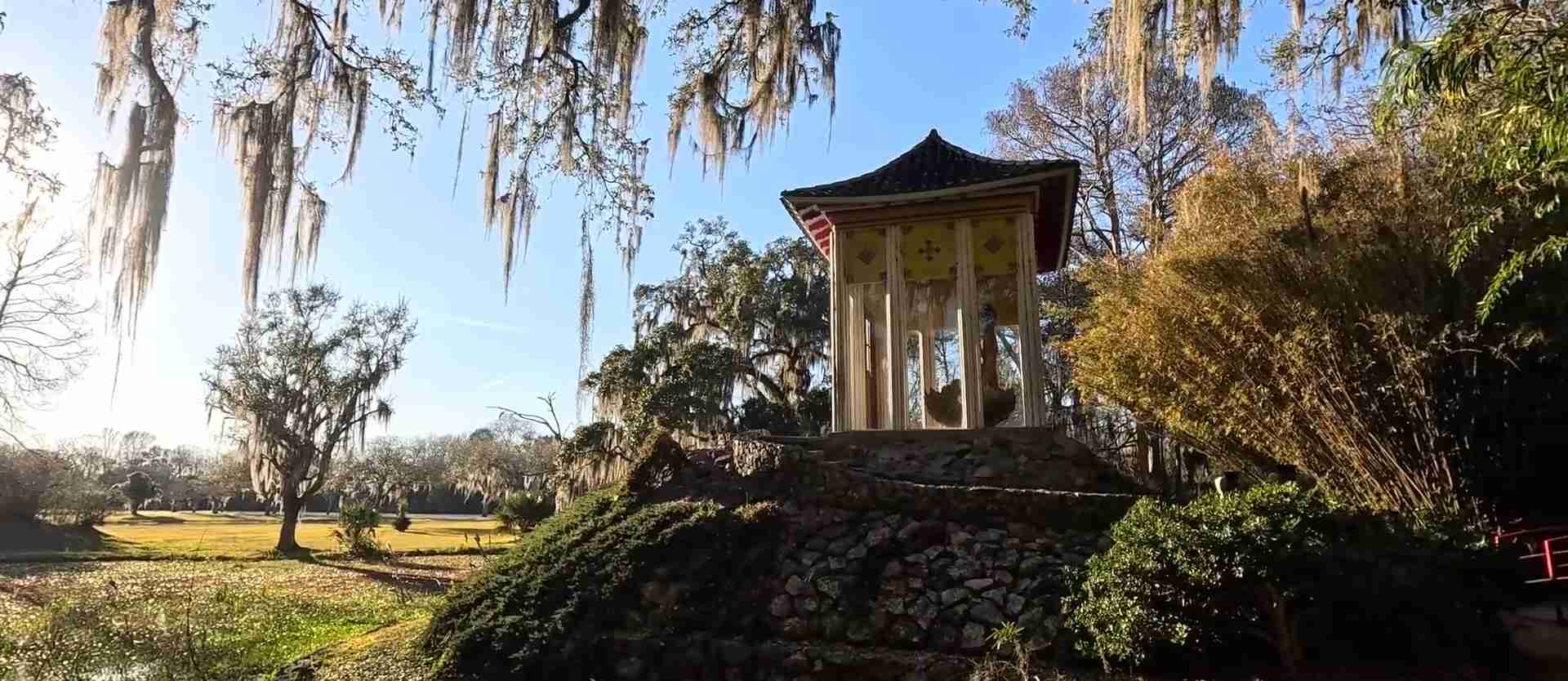
Louisiana’s wetland wilderness surrounding New Orleans represents North America’s most extensive coastal marsh system, encompassing 3 million acres of cypress swamps, freshwater marshes, and tidal bayous supporting extraordinary biodiversity. Swamp tours provide intimate access to these mysterious landscapes where Spanish moss drapes ancient cypress trees, American alligators bask on muddy banks, white egrets nest in rookeries, and Cajun guides share generations of swamp living knowledge. Multiple tour operators position themselves within 45 minutes of New Orleans, offering experiences ranging from high-speed airboat thrills to leisurely pontoon boat education, with pricing and quality varying significantly across providers.
Honey Island Swamp, located 45 minutes northeast of New Orleans near Slidell, ranks among Louisiana’s most pristine wetland ecosystems, encompassing 70,000 acres of permanently protected wilderness. The swamp earned its name from the honeybees that once swarmed on a small island within the basin. Honey Island tours emphasize ecological education and wildlife observation over sensationalist alligator feeding, appealing to nature enthusiasts and families seeking authentic wilderness experiences. Cajun Encounters operates highly-rated tours departing multiple times daily from New Orleans hotels, using custom-built boats accommodating 20-25 passengers. Captain Wade and other licensed guides narrate two-hour journeys explaining wetland formation, identifying native species including alligators, turtles, snakes, raccoons, nutria, and over 200 bird species, while sharing Cajun folkways and swamp living traditions. Tours cost $59-79 per adult in 2026 (check official sites for current rates as pricing may vary), including round-trip hotel transportation from French Quarter and downtown properties.
Jean Lafitte National Historical Park’s Barataria Preserve provides free swamp access just 30 minutes south of New Orleans, ideal for budget-conscious travelers or those preferring independent exploration. The preserve maintains 26,000 acres of bottomland hardwoods, cypress swamps, and freshwater marshes accessible via elevated boardwalks requiring no boat tours. The Bayou Coquille Trail extends 1.8 miles through pristine cypress-tupelo swamp where alligators, snakes, and wading birds appear regularly without guides or fees. Ring-levee Trail and Palmetto Trail add diverse habitat exploration. Visitors should arrive early morning or late afternoon for optimal wildlife activity, bring insect repellent during warm months, and exercise caution around alligators maintaining required 15-foot distances. The preserve’s visitor center offers ecological exhibits explaining wetland formation, hurricane impacts, and Native American settlement patterns. Free ranger-led programs occur weekends during peak seasons.
Manchac Swamp tours operated by Cajun Pride Swamp Tours distinguish themselves through privately-owned wildlife refuge guaranteeing exclusive access without competing tour boats disturbing wildlife or interrupting narration. Located 25 miles from New Orleans, Cajun Pride’s homegrown Cajun captains pilot custom pontoon boats through mysterious cypress forests explaining swamp ecology, Cajun culture, and local history including the ghost town of Frenier destroyed by 1915 hurricane. Tours depart daily at 9:30 AM, 12:00 PM, 2:15 PM, and seasonally at 4:15 PM, each lasting approximately 90 minutes. Individual swamp tours cost around $35-45 per person (check official sites for current rates), while combination packages pairing swamp exploration with Oak Alley or St. Joseph Plantation visits deliver better value at $78-95 total, eliminating separate transportation arrangements between attractions.
Airboat tours provide dramatically different swamp experiences compared to traditional pontoon boats, trading quiet wildlife observation for high-speed thrills across open marshes. Louisiana Tour Company and similar operators use powerful fan-propelled airboats reaching 35-40 mph, skimming across shallow waters inaccessible to conventional boats while generating dramatic noise and wind. Airboat tours excel for adventure seekers, photography enthusiasts wanting dynamic action shots, and visitors with limited time since higher speeds cover more territory quickly. However, airboats disturb wildlife more severely than quiet pontoon boats, reducing close animal encounters while emphasizing speed and spectacle. Airboat swamp tours cost $59-75 for 90-minute experiences in 2026, with combination packages adding plantation visits reaching $117-145.
Kayak tours through Louisiana swamps offer the most intimate wilderness immersion, providing silent paddling access to narrow channels where motorized boats cannot venture. Hidden Adventure Tours specializes in eco-friendly kayak excursions departing from launch points 45 minutes from New Orleans, with knowledgeable guides leading small groups (maximum 8-10 paddlers) through cypress forests and freshwater marshes while explaining wetland ecology and identifying wildlife without feeding or harassing animals. Kayak tours require moderate physical fitness for 2-3 hours paddling but reward participants with unparalleled proximity to alligators, turtles, snakes, and nesting birds undisturbed by engine noise. Tours cost approximately $75-95 per person including equipment, instruction, and guide expertise. Combination kayak-plantation packages adding Whitney Plantation visits cost around $175 for full-day experiences.
Booking swamp tours in 2026 requires comparing operator reputations through recent online reviews, understanding tour style differences between educational pontoon boats versus thrill-focused airboats, and confirming what’s included in quoted prices—particularly hotel pickup, which some operators charge separately. Peak season months March through May and September through November see highest demand, warranting advance reservations especially for weekend departures. Summer tours June through August face afternoon thunderstorm disruptions and intense heat reducing wildlife activity, though morning departures minimize both concerns. Winter months December through February occasionally experience cold snaps sending alligators into dormancy, reducing guaranteed sightings though other wildlife remains active.
Swamp tour safety in 2026 follows established protocols ensuring visitor protection despite proximity to dangerous wildlife. All licensed operators maintain comprehensive liability insurance, provide U.S. Coast Guard-approved life jackets, and employ captains certified in CPR and first aid. Alligator feeding, once common practice across Louisiana swamp tours, now faces increasing restrictions as wildlife agencies recognize how it habituates animals to human presence creating dangerous dependencies. Responsible operators emphasize observation over interaction, maintaining safe distances while explaining natural behaviors rather than artificially attracting animals with marshmallows or chicken. Visitors should follow captain instructions strictly, keep hands inside boats at all times, never attempt to touch wildlife regardless of apparent docility, and supervise children closely throughout tours.
Environmental education represents swamp tours’ most valuable contribution beyond entertainment in 2026, as Louisiana’s coastal wetlands face existential threats from sea level rise, hurricane damage, oil industry infrastructure, and sediment starvation caused by Mississippi River levees. Wetlands disappear at approximately 16 square miles annually, with projections suggesting much of southeastern Louisiana’s current marsh could convert to open ocean within 50 years absent massive restoration projects. Quality tour operators explain these dynamics, discuss billion-dollar restoration initiatives pumping Mississippi River sediment into degraded marshes, and connect visitors emotionally to landscapes requiring political will and funding to preserve for future generations.
Historic River Road Plantations 2026
The Great River Road corridor stretching northwest from New Orleans along both Mississippi River banks preserves America’s densest concentration of antebellum plantation architecture, with restored estates offering powerful windows into slavery’s economic foundations, architectural ambitions, and human consequences. Between 1830 and 1860, sugar and cotton fortunes transformed this agricultural corridor into what contemporaries called “the Gold Coast” for its concentrated wealth—all built through systematic enslavement of African Americans whose labor, expertise, and suffering enabled planter opulence. Modern 2026 interpretation increasingly centers enslaved people’s experiences rather than romanticizing mansion architecture, creating emotionally challenging but historically essential educational experiences.
Whitney Plantation stands alone among Louisiana sites as the only museum dedicated entirely to slavery’s history, operated by a nonprofit foundation committed to unflinching historical honesty rather than tourism revenue maximization. Located 35 miles west of New Orleans near Wallace, Whitney opened in 2014 after extensive restoration and interpretation development, incorporating first-person slave narratives recorded by 1930s Federal Writers’ Project, memorial sculptures honoring enslaved children, restored slave quarters demonstrating living conditions, and exhibits explaining slavery’s economic mechanics and violent enforcement. The self-guided audio tour experience lasts 90-120 minutes, allowing visitors to progress at personally comfortable paces through emotionally demanding content. Admission costs approximately $24-30 for adults in 2026 (check official sites for current rates), with organized tours from New Orleans including transportation and admission ranging $78-95. Whitney closes Tuesdays. The site’s wheelchair accessibility accommodates mobility-challenged visitors for most outdoor exhibits, though some historic structures present access limitations.
Oak Alley Plantation, located 60 miles upriver from New Orleans in Vacherie, captures public imagination through its iconic quarter-mile canopy of 28 massive live oak trees predating the 1839 Greek Revival mansion by over a century. The perfectly aligned 300-year-old oaks create Louisiana’s most photographed plantation approach, featured in countless films, commercials, and tourism promotions. Beyond stunning aesthetics, Oak Alley now balances mansion tours highlighting architectural details with serious slavery interpretation through restored slave quarters, exhibits documenting the 220 enslaved people who worked the sugar plantation, and guides addressing uncomfortable historical realities alongside decorative arts discussions. Guided mansion tours depart every 30 minutes, lasting approximately 45 minutes, followed by self-guided grounds exploration including the oak alley, slave quarters, blacksmith shop, and restaurant. Admission costs around $28 for adults in 2026 (check official sites for current rates). Oak Alley’s grounds remain accessible for photographs even without purchasing mansion tour tickets, though entry to the oak-lined path itself requires admission. Most organized tours from New Orleans feature Oak Alley due to its visual impact and name recognition, with combination swamp-plantation packages particularly popular.
Laura Plantation distinguishes itself through Creole cultural focus and authentic preservation philosophy maintaining the property’s working plantation functionality rather than transforming it into mansion museum. Laura’s 1805 main house served 180 years as actual family residence, with four generations of Creole women managing operations, maintaining detailed French-language records now providing extraordinary historical documentation. Guided tours lasting 75 minutes explain Creole versus American plantation systems, women’s management roles unusual for the period, and the West African origins of Br’er Rabbit folktales first recorded by researchers interviewing elderly formerly enslaved people at Laura during the 1870s. The property preserves original slave cabins rather than reconstructions, offering tangible connections to the 186 enslaved people forced to work Laura’s sugar fields. Laura admission costs approximately $28 for adults in 2026 (check official sites for current rates). The site’s literary significance adds unique appeal for visitors interested in African American folklore transmission and cultural persistence through storytelling traditions.
Destrehan Plantation claims distinction as the oldest documented plantation home in the Lower Mississippi Valley, constructed 1787-1790 in French colonial style later modified with Greek Revival galleries. Located just 25 minutes from downtown New Orleans and 10 minutes from Louis Armstrong International Airport, Destrehan offers convenient proximity impossible at upriver plantations. The site preserves important connections to the 1811 German Coast Uprising, the largest slave rebellion in U.S. history, when 200-500 enslaved people marched toward New Orleans before militia suppression. Destrehan’s exhibits explore this rebellion through archaeological evidence, historical documentation, and interpretive displays honoring resistance efforts. Guided mansion tours combine architectural history with uprising narrative and slavery interpretation. Admission costs around $24 in 2026 (check official sites for current rates). Destrehan represents the only plantation accessible via rideshare or taxi from New Orleans without private vehicle, expanding visit options for non-drivers unwilling to book organized tours.
St. Joseph Plantation provides working sugar farm experiences alongside historic mansion tours, as the property continues agricultural operations growing sugarcane and producing raw sugar through modern mechanization. Located near Vacherie adjacent to Oak Alley, St. Joseph’s guided tours explain sugar cultivation cycles, processing evolution from manual labor through steam-powered mills to contemporary harvesting, and the enslaved workforce that built Louisiana’s sugar industry. The property features restored slave cabins, sugar mill ruins, and agricultural equipment displays connecting historical operations to current farming. Combination swamp tour packages frequently pair St. Joseph with Cajun Pride Swamp Tours due to convenient proximity, offering easier logistics than Oak Alley combinations. St. Joseph admission runs approximately $24-28 in 2026 (check official sites for current rates).
Houmas House presents “Crown Jewel of River Road” grandeur through its stunning 1840 Greek Revival mansion, elaborate formal gardens, and upscale dining experiences. Located near Darrow, 58 miles from New Orleans, Houmas House emphasizes architectural beauty and decorative arts rather than centering slavery interpretation, though guides address enslaved labor during tours. The property’s 38 acres of manicured gardens, massive Doric columns, and restored outbuildings create visually spectacular settings for special events and weddings. Houmas House operates a fine-dining restaurant on-site, making it viable for combination lunch-tour experiences. Admission costs approximately $30-35 in 2026 (check official sites for current rates). Organized tours from New Orleans occasionally feature Houmas House paired with Destrehan Plantation for dual-property experiences.
Visiting multiple plantations in single days maximizes River Road exploration but requires careful logistics planning in 2026. Whitney, Laura, and Oak Alley cluster within 20 miles of each other, making three-plantation days feasible with early starts. However, the emotional weight of slavery-focused interpretation at Whitney combines poorly with rapid-fire mansion hopping—many visitors find one thoughtful plantation tour more valuable than surface-level visits to three properties. Self-drivers should allocate 2-3 hours per plantation including tour time, grounds exploration, and transit between sites. Organized multi-plantation tours handle logistics but follow fixed schedules limiting flexible pacing.
Plantation tour etiquette in 2026 requires sensitivity to sites’ sacred nature as landscapes of enslavement. Interior photography policies vary by property—Whitney prohibits mansion photography to maintain contemplative atmosphere, while Oak Alley allows limited photography without flash. Exterior photography remains generally permitted though visitors should avoid trivializing slavery interpretation through inappropriate selfies at memorial sites. Children are welcome at all plantations but parents should prepare age-appropriate explanations of slavery’s realities before tours, as graphic historical truths emerge during interpretation. Tour guides appreciate engaged questions demonstrating genuine interest in historical understanding rather than architectural voyeurism.
Baton Rouge: Louisiana’s Capital City 2026
Baton Rouge anchors Louisiana’s political, educational, and economic power 80 miles northwest of New Orleans, offering distinct cultural experiences beyond the Crescent City’s tourism-focused identity. As state capital since 1849 and home to Louisiana State University’s 34,000-student campus, Baton Rouge blends government functionality, collegiate energy, industrial might from massive petrochemical complexes, and Mississippi River shipping operations into a metropolitan area of 850,000 residents. The city’s 90-minute driving distance from New Orleans makes comfortable same-day exploration feasible, with attractions spanning political landmarks, LSU football pageantry, African American heritage sites, and riverside cultural districts.
The Louisiana State Capitol dominates Baton Rouge’s skyline as America’s tallest state capitol building, rising 450 feet across 34 floors in Art Deco splendor completed 1932. Governor Huey P. Long commissioned this monument during Depression-era politics, later dying from assassin bullets in its corridors during 1935. Free public tours explore the building’s Louisiana marble interiors, Memorial Hall honoring fallen soldiers, observation deck providing 360-degree views across the Mississippi River and downtown, and exhibits explaining Louisiana’s complex political history. The capitol grounds feature dramatic sculptures, formal gardens, and the grave of Huey Long himself, marked by imposing statue. Tours operate weekdays 9 AM to 4 PM, requiring government-issued ID for security screening. Adjacent Louisiana State Capitol Park offers walking paths and river views. No admission fees apply, though observation deck access occasionally closes for special events.
The Old State Capitol, Baton Rouge’s previous government seat from 1850 to 1932, now operates as political history museum exploring Louisiana’s tumultuous governance across two centuries. The Gothic Revival castle-like structure survived Civil War bombardment, 1862 Union occupation, and 1882 fire before restoration as museum space. Exhibits employ innovative technology including holographic presentations, interactive displays, and multimedia installations explaining Louisiana’s unique legal heritage under both Civil and Napoleonic law systems, political machines’ influence, segregation’s enforcement and civil rights struggles, and constitutional evolution. The building’s cast-iron spiral staircase ascending beneath stunning stained-glass dome represents architectural highlight. Admission runs approximately $10 for adults in 2026 (check official sites for current rates). The Old State Capitol’s dramatic riverside location overlooks the Mississippi from bluff perch, providing historical context for the river’s role shaping Louisiana settlement and commerce.
Louisiana State University’s campus sprawls across 650 acres incorporating diverse architecture from antebellum buildings through modern research facilities, with the university serving as Baton Rouge’s cultural and economic engine. Visitors explore campus highlights including Memorial Tower honoring LSU students killed in World Wars, Italian Renaissance-style quadrangle buildings, LSU Rural Life Museum preserving Louisiana folk architecture and agricultural heritage through relocated historic structures and artifact collections, and Mike the Tiger habitat housing LSU’s live mascot in nearly $4 million enclosure. The Rural Life Museum charges approximately $10 admission in 2026 (check official sites for current rates), showcasing comprehensive Louisiana material culture from 18th century through 1950s via furnished buildings, agricultural equipment, and craft demonstrations. Campus walking proves most rewarding during academic semesters when students animate spaces rather than summer emptiness.
LSU Tiger Stadium football games represent quintessential Southeastern Conference culture, with 102,000-seat “Death Valley” creating deafening atmosphere during night games when crowds reach frenzied intensity. Attending LSU home games requires advance ticket purchases through official athletics website or secondary markets, with prices ranging $75-300 depending on opponent quality and seat location. Game day in Baton Rouge begins hours before kickoff with elaborate tailgating throughout campus, where families set up tents, televisions, full meals, and endless hospitality welcoming even opposing fans to shared celebrations. Tiger Stadium tour opportunities exist during off-season months, providing behind-scenes access to locker rooms, field level, and press facilities. Football season runs September through November, with 7-8 home games scheduled each year. The experience encompasses far more than sport itself, delivering immersion into Southern football culture where team loyalty approaches religious devotion.
USS Kidd Veterans Museum preserves Fletcher-class destroyer DD-661 USS Kidd as floating museum docked on Mississippi River adjacent to downtown Baton Rouge. Commissioned 1943, USS Kidd served Pacific theater operations during World War II, Korea, and Cold War patrols before decommissioning 1964. The completely restored vessel allows visitors to explore crew quarters, engine rooms, bridge, gun mounts, and torpedo systems while learning naval history through exhibits and veteran docent tours. Adjacent museum building displays aircraft, military vehicles, uniforms, weapons, and comprehensive exhibits explaining Louisiana’s military contributions across American conflicts. Admission costs approximately $14 for adults in 2026 (check official sites for current rates). The museum’s educational programming serves school groups extensively while welcoming public visitors fascinated by naval engineering and World War II history.
Shaw Center for the Arts anchors downtown Baton Rouge’s cultural revival, combining LSU Museum of Art, contemporary performing arts theaters, rooftop restaurants with river views, and gallery spaces within dramatic modern architecture overlooking Mississippi River. LSU Museum of Art rotates exhibitions from its permanent collection emphasizing Louisiana artists, American landscape painting, and contemporary works, plus traveling exhibitions bringing national attention. Admission runs approximately $8-12 in 2026 (check official sites for current rates). The Manship Theatre hosts concerts, lectures, film screenings, and theatrical performances year-round. Shaw Center’s rooftop restaurant Tsunami provides upscale dining with dramatic river panoramas, ideal for evening meals after afternoon museum exploration.
Downtown Baton Rouge’s Third Street Historic District preserves blues heritage along several blocks where music venues, restaurants, and galleries occupy restored buildings. The district comes alive Thursday through Saturday evenings when live music pours from bars and clubs maintaining Baton Rouge’s electric blues traditions. Teddy’s Juke Joint and similar venues book regional and national blues acts performing for mixed-age, racially diverse crowds embodying Louisiana’s musical integration. Casual dress and moderate cover charges ($10-20) welcome music lovers prioritizing authentic experience over upscale polish.
Magnolia Mound Plantation provides historical counterpoint to grand River Road estates, preserving 1790s French Creole raised plantation house representing earlier, simpler Louisiana settlement patterns before antebellum opulence. The restored property includes furnished main house, kitchen building, pigeonnier, overseer’s house, and landscape interpretation explaining 18th-century Louisiana agriculture. Costumed docents conduct guided tours explaining French colonial architecture, Creole foodways, enslaved labor systems, and daily life rhythms. Admission costs approximately $10 in 2026 (check official sites for current rates). The site’s modest scale and intimate interpretation create valuable contrast to overwhelming mansion grandeur elsewhere.
Dining in Baton Rouge showcases Louisiana cuisine beyond New Orleans tourist districts, with local restaurants serving po’boys, boudin sausage, crawfish in season, plate lunches, and regional specialties at lower prices than French Quarter equivalents. Tony’s Seafood provides market-fresh seafood plus prepared meals and supplies for picnic lunches. Parrain’s Seafood Restaurant serves Cajun-Creole dishes in casual atmosphere. The Chimes restaurant offers extensive craft beer selection alongside Louisiana comfort food. Casual lunch costs $12-18 per person, dinner $20-35 excluding drinks.
Parking in downtown Baton Rouge proves generally easier and cheaper than New Orleans, with street meters, public garages, and attraction-specific lots providing ample options. State Capitol visitors park free in designated lots. Shaw Center operates parking garage with hourly rates. USS Kidd provides free parking adjacent to museum. Traffic congestion affects I-10 and major arterials during morning (7-9 AM) and evening (4-6:30 PM) rush hours, particularly around LSU campus when classes are in session.
Combining Baton Rouge with other day trip destinations creates full-day itineraries for ambitious travelers. Baton Rouge-plantation combinations work well since River Road plantations lie between New Orleans and the capital city, allowing Oak Alley or Laura visits en route. St. Francisville positions itself 30 miles north of Baton Rouge, making Baton Rouge-St. Francisville combinations feasible though rushed. Solo Baton Rouge visits allow leisurely museum exploration, LSU campus wandering, and evening blues club experiences without time pressure.
Lafayette and Cajun Country 2026
Lafayette stands as Acadiana’s cultural capital, preserving Cajun identity through French language persistence, traditional music venues, distinctive cuisine, and fierce pride in Acadian heritage dating to 1755 expulsion from Canada. Located 135 miles west of New Orleans along I-10, Lafayette requires two hours driving but rewards visitors with authentically different Louisiana experience far removed from New Orleans’ tourist infrastructure. The city of 130,000 anchors broader Acadiana region encompassing prairies, swamps, and small towns where Cajun French remains spoken by older generations, accordion-driven music fills dance halls nightly, and boudin sausage from gas station counters rivals fine dining for local devotion.
Acadian Cultural Center, operated by Jean Lafitte National Historical Park, provides essential historical context for understanding Cajun identity and the traumatic dispersal creating Louisiana’s French-speaking population. The museum explains the Acadian expulsion from Nova Scotia by British forces, the desperate migrations scattering 12,000 French Catholics across Atlantic colonies, and eventual settlement in Louisiana’s remote prairies and swamplands beginning 1765. Exhibits include documentary films, artifact displays, musical instrument demonstrations, and ranger-led programs explaining how displaced refugees adapted European farming to Louisiana environments, developed distinctive Cajun cuisine blending French techniques with local ingredients, and maintained language despite generations of suppression. Admission is free. The center operates Wednesday through Sunday with varying hours, warranting schedule confirmation before visits. Located in downtown Lafayette, the cultural center pairs naturally with historic district walking tours.
Vermilionville Historic Village recreates Acadian, Creole, and Native American Louisiana settlement from 1765 to 1890 through 19 restored and reconstructed buildings positioned along Bayou Vermilion. Costumed interpreters demonstrate traditional crafts including weaving, blacksmithing, woodworking, and cooking while explaining daily life patterns, architectural styles, and cultural blending creating unique Louisiana identity. Musicians perform Cajun and zydeco music daily, with weekend programming often featuring live bands encouraging visitor dancing. The village emphasizes living history over static museum displays, creating immersive experiences especially valuable for children and hands-on learners. La Cuisine de Maman restaurant on-site serves traditional Cajun dishes including gumbo, jambalaya, and boudin. Admission costs approximately $12 for adults in 2026 (check official sites for current rates). Vermilionville requires 2-3 hours for thorough exploration.
Blue Moon Saloon and Cajun music venues throughout Lafayette provide authentic experiences impossible in tourist-focused New Orleans. Blue Moon books regional and national acts performing Cajun, zydeco, swamp pop, and alternative music for diverse crowds in intimate club setting. The venue’s outdoor beer garden, weekly programming, and deliberately unpretentious atmosphere attract genuine music devotees rather than casual tourists. Cover charges range $10-25 depending on performers. Other essential venues include Randol’s, combining live Cajun music with restaurant service and weekend Cajun dance lessons welcoming beginners, and various dance halls in surrounding towns like Breaux Bridge (30 minutes from Lafayette) where weekend fais do-do dances continue centuries-old traditions. Experiencing live Cajun music in its home context, surrounded by locals who’ve danced to these rhythms since childhood, creates profound cultural immersion surpassing any packaged entertainment.
Lafayette’s dining scene showcases Cajun cuisine at its most authentic, with boudin sausage from convenience store hot cases, cracklin’ (fried pork skin) sold by the bag, and casual restaurants serving crawfish boils, gumbo, étouffée, and po’boys at prices shocking to visitors accustomed to New Orleans tourist markups. The Best Stop Supermarket in nearby Scott serves legendary boudin attracting pilgrims from across Louisiana. Johnson’s Boucanière provides smoked meats and plate lunches. Bon Temps Grill downtown delivers upscale Cajun-Creole in refined setting. Casual meals cost $10-18 per person, while crawfish boils during season (late winter through early spring) run $8-12 per pound for prepared crawfish or significantly less when purchased live for home boiling.
Breaux Bridge, “Crawfish Capital of the World,” sits 10 miles northeast of Lafayette along Bayou Teche, preserving small-town Cajun character through antique shops, galleries, restaurants, and the annual Breaux Bridge Crawfish Festival each May featuring live music, cultural events, and endless boiled crawfish. The town’s compact downtown rewards leisurely walking, with Café des Amis serving breakfast and weekend zydeco brunch, Poche’s Market selling legendary boudin and cracklin’, and Bayou Teche providing scenic backdrop. Visiting Breaux Bridge adds minimal driving time for Lafayette-bound travelers while delivering quintessential small-town Louisiana atmosphere.
Atchafalaya National Heritage Area encompasses 14 parishes preserving Cajun and Creole cultural landscapes across 2.5 million acres of swamps, prairies, and bayou communities. The heritage area concept emphasizes living culture rather than static preservation, supporting traditional boat building, fishing methods, musical traditions, and French language maintenance. Visitors explore heritage area through multiple entry points: Lafayette serves as cultural hub, St. Martinville preserves Acadian settlement history including Evangeline Oak memorializing Longfellow’s poem, and various bayou communities maintain centuries-old relationships with wetland environments. Heritage area interpretation centers provide orientation, though experiencing the region requires driving smaller highways, stopping at local restaurants and music venues, and engaging with communities maintaining traditions despite modernization pressures.
Lake Martin, located 20 miles east of Lafayette, provides Louisiana’s most accessible cypress swamp viewing without boat tours. A narrow gravel road traverses the lake’s edge, with pull-offs allowing alligator observation, bird photography, and cypress forest appreciation from vehicle safety. The area attracts photographers especially during spring when thousands of wading birds nest in cypress colonies creating dramatic rookery spectacles. Visiting Lake Martin costs nothing beyond fuel, making it ideal budget addition to Lafayette itineraries. Morning and late afternoon light provide optimal photography conditions.
Avery Island, home to Tabasco sauce production, lies 35 miles south of Lafayette through sugarcane fields and wetlands. The self-guided factory tour, Jungle Gardens exploration, and Restaurant 1868 dining create half-day experiences worth the detour. Admission costs approximately $16 adults in 2026 (check official sites for current rates), including factory tour with 10 interpretive stops explaining pepper cultivation through bottling, access to 170-acre Jungle Gardens featuring century-old live oaks and subtropical plant collections, and Bird City rookery hosting thousands of snowy egrets. The Tabasco Country Store sells exclusive sauces and merchandise unavailable elsewhere. Restaurant 1868 serves Cajun cuisine incorporating Tabasco products, with lunch entrees $12-20. Avery Island requires 2.5 hours from New Orleans, positioning it as either long day trip from the Crescent City or convenient addition to Lafayette explorations.
Lafayette accommodation options span budget motels to boutique hotels, with room rates $80-180 nightly depending on season and property. Overnight stays transform rushed day trips into leisurely cultural immersions, allowing evening music venue experiences, unhurried restaurant sampling, and exploration of surrounding Cajun prairie towns impossible with same-day New Orleans returns. However, determined travelers successfully complete New Orleans-Lafayette-New Orleans loops in single days by departing early morning, prioritizing 2-3 key attractions, and accepting limited exploration depth.
Prairie Acadian Cultural Center in Eunice (45 minutes north of Lafayette) provides complementary perspective to Lafayette’s Acadian Cultural Center, explaining how Cajun culture blended with cowboy traditions in Louisiana’s prairie regions creating distinct local character. Free admission. Eunice also hosts Saturday morning live Cajun music radio broadcasts at Liberty Center for Performing Arts, recorded before public audiences who dance and socialize while musicians perform traditional repertoire. Visiting Eunice requires full-day commitment when combined with Lafayette, though cultural enthusiasts find the extended immersion worthwhile.
St. Francisville and Plantation Country 2026
St. Francisville preserves small-town Louisiana charm 120 miles northwest of New Orleans and 25 miles north of Baton Rouge, with antebellum architecture, moss-draped oaks, and several historic estates creating romantic Southern atmosphere. The town’s compact historic district encompasses just several blocks along bluff overlooking Mississippi River, making walking exploration feasible despite Louisiana’s challenging climate. St. Francisville positions itself as base for exploring multiple West Feliciana Parish plantations less visited than River Road properties, offering quieter experiences with fewer crowds though requiring longer drives from New Orleans.
Rosedown Plantation preserves one of Louisiana’s most complete antebellum estates, with 1835 mansion, 28 acres of formal gardens designed by original owners, and numerous outbuildings creating comprehensive plantation complex. Unlike many properties where gardens deteriorated after original families departed, Rosedown’s successive owners maintained landscapes relatively intact, preserving sophisticated horticultural achievements rare in Louisiana’s challenging growing conditions. Guided mansion tours showcase original family furnishings, decorative arts, and architectural details while addressing enslaved labor systems supporting plantation operations. The gardens require separate exploration time beyond mansion tours, with azaleas, camellias, and roses creating seasonal color peaks. Admission costs approximately $12-15 in 2026 (check official sites for current rates). Rosedown operates as Louisiana State Historic Site, ensuring public access and interpretation quality.
Myrtles Plantation markets itself as “America’s Most Haunted Home,” attracting paranormal enthusiasts through mysterious legends surrounding the 1796 estate. Whether visitors believe supernatural claims or dismiss them as creative marketing, the property’s historic significance and architectural beauty justify visits beyond ghost hunting. The mansion showcases elaborate plasterwork, period furnishings, and French mirrors contributing to atmospheric appeal. Ghost tours operate evenings for paranormal seekers, while daytime historical tours focus on architecture and documented plantation history. The property operates as bed-and-breakfast inn, allowing overnight paranormal investigation opportunities for committed enthusiasts. Day tour admission runs approximately $12-15 in 2026 (check official sites for current rates). Myrtles sits just outside St. Francisville’s town center.
Audubon State Historic Site preserves Oakley Plantation where naturalist John James Audubon tutored plantation owner’s daughter during summer 1821 while creating 32 bird paintings for his epic “Birds of America” portfolio. The 1806 West Indies-style plantation house, extensive grounds, and interpretive exhibits explain both Audubon’s artistic process and the enslaved labor sustaining plantation operations. Nature trails through 100-acre park allow bird watching following Audubon’s footsteps, with species he documented still inhabiting area forests and wetlands. Admission costs approximately $5-8 in 2026 (check official sites for current rates). The site’s natural beauty and artistic heritage create unique combination appealing to nature enthusiasts and art historians alike.
Tunica Hills Wildlife Management Area, located west of St. Francisville, protects rare loess bluff forests where dramatic ravines, spring-fed streams, and diverse hardwood forests create hiking opportunities exceptional for generally flat Louisiana. The area’s unique geology supports plant and animal species found nowhere else in the state, with some ravines plunging 100 feet below surrounding terrain. Hiking trails ranging from easy to strenuous explore these environments, though summer heat and humidity limit comfortable hiking to morning hours. Admission is free to this public wildlife area. Visitors should bring water, wear appropriate footwear for uneven terrain, and exercise caution around wildlife including venomous snakes common to Louisiana forests.
Afton Villa Gardens, though the mansion burned in 1963 leaving only ruins, maintains 250 acres of stunning formal gardens showcasing azaleas, magnolias, camellias, and seasonal plantings. The property opens to public only during peak blooming season, typically March through May, when gardens reach spectacular color displays. Admission costs approximately $8-12 during open season in 2026 (check official sites for current rates). Photography enthusiasts particularly appreciate Afton Villa’s photogenic ruins draped in wisteria and surrounded by blooming gardens.
St. Francisville’s Royal Street downtown district features antique shops, cafes, galleries, and the West Feliciana Historical Society Museum explaining local history through artifacts, photographs, and documents. The Birdman Coffee & Books provides casual dining and local gathering space. Magnolia Café serves lunch and dinner featuring Louisiana cuisine. Downtown exploration requires only 30-45 minutes, making it easy add-on to plantation visits.
Combining St. Francisville with Baton Rouge creates logical day trip from New Orleans, as the towns lie 25 miles apart along same highway corridor. Visitors can tour Louisiana State Capitol and museum attractions in Baton Rouge morning, then drive to St. Francisville for afternoon plantation visits and garden exploration before returning to New Orleans. This combination requires early departure and efficient time management but packs diverse experiences into single day.
St. Francisville accommodations include historic inns and modern hotels, with room rates $90-200 nightly. Overnight stays allow relaxed exploration of multiple plantations, evening dining at local restaurants, and morning Tunica Hills hiking when temperatures remain tolerable. However, most New Orleans visitors complete St. Francisville as day trips given the 2-hour driving distance, prioritizing one or two plantations rather than attempting comprehensive coverage.
Gulf Coast Beaches and Coastal Towns 2026
The Mississippi Gulf Coast stretches 62 miles along Highway 90 from Louisiana border to Alabama, offering beach recreation, casino entertainment, seafood dining, and coastal town exploration impossible in New Orleans’ riverine setting. Three main cities—Bay St. Louis, Gulfport, and Biloxi—provide distinct experiences from laid-back beach community to resort development to historic port, with additional smaller towns adding variety. The coast sits 90-100 miles east of New Orleans via I-10, making it feasible though ambitious day trip destination requiring 3-4 hours round-trip driving plus beach time.
Grand Isle represents Louisiana’s only inhabited barrier island, positioned 100 miles south of New Orleans at Highway 1’s terminus after dramatic drive through Barataria Basin wetlands. The seven-mile island offers 400-foot public beach at Grand Isle State Park, charter fishing operations targeting speckled trout, redfish, and offshore species, birding opportunities along crucial migratory routes, and authentic fishing village atmosphere largely absent from developed Gulf Coast. Grand Isle beaches lack the white sand and clear water of Florida’s Panhandle, instead presenting muddy-brown Gulf waters influenced by Mississippi River sediment. However, the island’s isolation, fishing culture, and wetland drive create unique experiences for visitors prioritizing authenticity over resort amenities. Grand Isle State Park admission costs approximately $3 per person in 2026. Basic restaurants serve fresh-caught seafood at moderate prices. The island sustained severe Hurricane Ida damage in 2021, with rebuilding ongoing through 2026 though most facilities have reopened.
Bay St. Louis anchors Mississippi’s western Gulf Coast with artsy small-town character, historic Old Town district, and laid-back beach atmosphere. The town’s compact downtown features galleries, boutiques, restaurants, and bars within easy walking distance of harbor. Beaches extend along town’s southern edge, providing swimming, fishing pier access, and sunset viewing. Bay St. Louis recovered from Hurricane Katrina’s 2005 devastation to emerge as thriving arts community and weekend destination for New Orleans area residents. Dining options emphasize fresh Gulf seafood at casual prices, with The Blind Tiger, Hollywood Café, and Half Shell Oyster House serving local favorites. Beach parking is generally free along Highway 90. Bay St. Louis sits approximately 70 miles from New Orleans, achievable in 90 minutes via I-10 east to exit 13.
Gulfport represents Mississippi Gulf Coast’s largest city, providing broad beaches, extensive waterfront development, shopping districts, and ferry service to Ship Island. The Gulfport Beach stretches for miles along Highway 90, with white sand imported after Hurricane Katrina replacing natural beaches destroyed by storm surge. Jones Park offers playground equipment, picnic facilities, and the giant rocking chair landmark attracting countless photographs. Gulfport Premium Outlets provide tax-free shopping drawing Louisiana residents seeking bargains unavailable in their home state. The Mississippi Aquarium showcases Gulf Coast marine life through immersive exhibits including stingray touch pools, sea turtle rehabilitation facilities, and outdoor wetland habitats. Aquarium admission runs approximately $30 adults in 2026 (check official sites for current rates). Gulfport positions itself 88 miles from New Orleans, roughly 90 minutes driving time.
Ship Island ferry departures from Gulfport provide access to pristine barrier island beaches and Fort Massachusetts historic fortification. The ferry operates March through October with multiple daily departures, costing approximately $30-35 adults round-trip in 2026 (check official sites for current rates). The 12-mile voyage across Mississippi Sound takes about 60 minutes each direction, with ferries landing at Ship Island’s calm harbor. The island’s Gulf-side beaches feature white sand and clearer water than mainland alternatives, though jellyfish presence varies seasonally. Fort Massachusetts, constructed 1859-1866, served Union forces during Civil War occupation and remains accessible for self-guided exploration. The island provides restrooms, concessions, and rental beach umbrellas but no overnight facilities. Visitors should plan 4-6 hour minimum island stays making ferry costs worthwhile. Ship Island trips extend already-long day trip from New Orleans into marathon expeditions best suited for dedicated beach enthusiasts or multi-day coastal stays.
Biloxi blends casino resort development, historic neighborhoods, fishing industry heritage, and military history across Mississippi’s largest Gulf Coast city. The beachfront casino corridor offers 24-hour gambling, resort hotels, restaurants, and entertainment impossible in New Orleans’ French Quarter. Biloxi Lighthouse, constructed 1848, stands as iconic Gulf Coast landmark surviving hurricanes and serving as navigation beacon for 175 years. Maritime & Seafood Industry Museum explains Gulf Coast fishing traditions, boat building heritage, and Hurricane Katrina’s devastating impacts through exhibits, historic vessels, and educational programming. Museum admission costs approximately $8-10 in 2026 (check official sites for current rates). Beauvoir, Jefferson Davis’s retirement home and Presidential Library, preserves Confederate history through mansion tours, museum exhibits, and cemetery grounds. Admission runs approximately $12-15 in 2026 (check official sites for current rates). Biloxi sits 93 miles from New Orleans, approximately 90-minute drive.
Ocean Springs distinguishes itself through arts community vitality, Walter Anderson Museum celebrating local artist’s nature-inspired works, and charming downtown district along Front Beach. The Walter Anderson Museum houses comprehensive collection from reclusive artist who painted Gulf Coast flora, fauna, and landscapes with distinctive style blending modernism and natural observation. Museum admission costs approximately $10 in 2026 (check official sites for current rates). Ocean Springs’ downtown galleries, restaurants, and shops create pleasant walking district. The town positions itself as quieter, more sophisticated alternative to Biloxi’s casino energy or Gulfport’s commercial development.
Gulf Islands National Seashore preserves multiple barrier islands and mainland units protecting pristine coastal environments. The Davis Bayou Area in Ocean Springs provides hiking trails, boardwalks through coastal forest, and visitor center explaining barrier island ecology. Ship Island, mentioned earlier, represents the seashore’s most developed unit with ferry access and facilities. Horn Island and other wilderness islands require private boat access but reward adventurous visitors with utterly pristine beaches devoid of development. National seashore admission is free at most units, though Ship Island ferry costs apply.
Dining along Mississippi Gulf Coast emphasizes fresh seafood unavailable inland, with casual restaurants serving boiled shrimp, oysters on half-shell, blackened fish, and classic Southern sides at moderate prices. Mary Mahoney’s Old French House in Biloxi provides upscale dining in historic setting. Half Shell Oyster House operates multiple locations serving reliable seafood at reasonable prices. Local chains like Shaggy’s and Salute! cater to beach crowds with casual atmosphere and Gulf views. Expect $12-20 for casual lunches, $20-40 for sit-down dinners excluding drinks.
Coastal day trip logistics from New Orleans require realistic time assessment. The 90-minute drive each direction consumes three hours before any beach time begins, leaving perhaps 4-5 hours for actual coastal activities when planning same-day returns. Visitors should depart New Orleans by 8 AM to maximize beach hours, pack lunches to avoid restaurant time consumption, and accept that relaxed exploration demands overnight coastal stays rather than rushed day trips. Mississippi hotels range $100-250 nightly depending on season, property, and casino proximity, with summer weekends commanding premium rates.
Transportation and Logistics for Day Trips 2026
Successfully executing New Orleans day trips in 2026 requires understanding transportation options, route planning, parking logistics, and timing considerations that dramatically impact experience quality. Poor planning transforms potentially enriching excursions into stressful marathons, while thoughtful preparation maximizes limited day trip hours. The following sections detail practical transportation guidance for travelers navigating Louisiana’s diverse geography and infrastructure conditions.
Rental cars provide maximum flexibility for New Orleans day trips, costing $30-60 daily for compact through mid-size vehicles in 2026, with prices varying by season, company, and advance booking timing. Major rental companies—Enterprise, Hertz, Budget, Alamo, National—operate from Louis Armstrong International Airport and downtown locations, offering airport pickup immediately upon arrival or in-city pickup for visitors staying multiple days before beginning day trip explorations. Economy and compact cars handle plantation routes and coastal highways adequately, though potholes on rural roads occasionally challenge low-clearance vehicles. SUVs provide more comfortable rides for groups of 4-5 but cost $60-90 daily, justifiable when splitting costs among passengers. Rental car drivers must present valid licenses, major credit cards for deposits, and typically must be age 25+ to avoid young driver surcharges, though some companies rent to 21-24 age group with daily fees.
GPS navigation proves essential for New Orleans area driving given confusing River Road signage, unmarked plantation entrances, and easy-to-miss highway exits leading to swamp tour operators. Most rental cars include built-in navigation, while smartphones provide free alternatives through Google Maps or Waze apps. Rural Louisiana periodically experiences cellular dead zones interrupting navigation, though major routes maintain reliable coverage. Downloading offline maps before departures provides backup when connectivity fails. Travelers should input complete addresses rather than relying on attraction names, as GPS databases occasionally misidentify locations or route to administrative offices rather than visitor entrances.
Fuel costs factor into day trip budgets, with regular gasoline averaging $3.20-3.60 per gallon in Louisiana during 2026, considerably below national averages due to refinery concentration and lack of state gasoline taxes. Compact rental cars achieve 30-35 mpg, making typical day trips cost $15-25 in fuel. River Road plantation loops from New Orleans total approximately 120 miles round-trip, consuming $12-15 fuel. Lafayette round-trips span 270 miles requiring $25-30 fuel. Gulf Coast beach trips run 200 miles total costing $20-25 fuel. Smart travelers refuel before returning rental cars to avoid rental company fuel charges significantly exceeding pump prices.
Organized tour services eliminate driving concerns while adding structure, expertise, and social interaction to day trip experiences. Numerous companies operate from New Orleans offering plantation tours, swamp tours, and combination packages with hotel pickup from French Quarter and downtown properties. Tours typically cost $59-175 per person depending on inclusions, with basic swamp tours at lower range and full-day plantation-swamp combinations reaching upper pricing. Tour buses provide air-conditioned comfort, restrooms onboard for longer trips, and guides narrating during transit to enhance experience beyond mere transportation. Group sizes range from intimate 10-15 passenger vans to full 45-passenger coaches, with smaller groups commanding premium prices but allowing more personalized attention. Tour schedules follow fixed departure times and predetermined routes, eliminating spontaneity but ensuring reliable timing for visitors on tight schedules. Most companies require 24-hour advance booking though some accommodate walk-ups when space permits.
Comparing self-drive versus organized tour economics reveals modest cost differences for solo travelers and couples, while groups of 3-4 find rental cars significantly cheaper. Solo traveler choosing Oak Alley plantation visit: rental car $45 daily, fuel $12, admission $28, parking free, total $85 versus organized tour $78-80 including transportation and admission. For this scenario, the tour costs less while eliminating driving. However, family of four: rental car $45 split four ways equals $11 each, fuel $12 equals $3 each, admission $28 each equals $112 family total, grand total $126 family versus organized tour $78 × 4 = $312. The rental car saves $186 for the family while providing schedule flexibility. Solo travelers and couples should seriously consider organized tours; families and groups find rental cars more economical.
Parking at Louisiana attractions varies by site type and season. Plantations universally provide free on-site parking, though gravel lots occasionally flood after heavy rains requiring careful vehicle positioning. Swamp tour operators maintain parking areas adjacent to boat launches. Downtown Baton Rouge requires paid parking at meters ($1-2 hourly) or garage parking ($8-15 daily) near museums and capitol attractions. LSU campus offers visitor parking in designated lots with varying fees. Mississippi Gulf Coast provides free beach parking along Highway 90 though prime spots fill early summer weekends. Lafayette’s Acadian Cultural Center and Vermilionville include free parking. Avery Island charges minimal entrance fee for island access including parking. Travelers should carry quarters for parking meters and small bills for occasional parking lot attendants.
Highway conditions throughout Louisiana range from excellent Interstate maintenance to rough state highways plagued by potholes and limited shoulders. I-10 connecting New Orleans to Baton Rouge, Lafayette, and points west maintains good condition with three lanes each direction, though traffic congestion affects Baton Rouge approaches during rush hours and Lafayette segments during Friday afternoons. Highway 90 along Mississippi Gulf Coast provides scenic coastal driving with frequent stoplights through developed areas. River Road routes (Highway 18 on west bank, Highway 44 on east bank) feature narrow two-lane pavement, blind curves, heavy truck traffic serving industrial plants, and confusing intersections where GPS navigation proves essential. These routes require attentive driving and acceptance of slower speeds than Interstate travel.
Weather impacts day trip planning significantly throughout 2026 across Louisiana’s subtropical climate. Summer months June through August bring oppressive heat frequently exceeding 95 degrees with heat index over 105 degrees when humidity factors apply, plus daily afternoon thunderstorms typically arriving 2-5 PM. Summer day trips should target early morning departures to complete outdoor activities before midday heat peaks, with swamp tours especially miserable during afternoon heat. Winter months December through February occasionally deliver freezing temperatures and rain dampening outdoor plantation exploration, though mild 60-degree days remain common. Spring months March through May and fall months September through November provide optimal day trip weather with comfortable temperatures, lower humidity, and reduced rainfall though occasional severe weather including tornadoes affects region during spring. Hurricane season spans June through November with peak activity August through October, warranting weather monitoring before coastal day trips during these months.
Traffic patterns around New Orleans and major cities create predictable congestion requiring route timing awareness. Weekday morning rush hours 7-9 AM clog I-10 eastbound approaching New Orleans and westbound approaching Baton Rouge as commuters flood highways. Evening rush hours 4-6:30 PM reverse these patterns with heaviest traffic heading away from cities. Weekend traffic peaks Friday afternoons when New Orleans residents escape toward Gulf Coast beaches and Sunday afternoons during returns. Major events—LSU football games, festivals, Mardi Gras—create severe localized congestion. Smart day trippers depart New Orleans before 8 AM weekdays or 9 AM weekends to avoid outbound congestion, scheduling returns either mid-afternoon before rush hours begin or after 7 PM when traffic subsides.
Safety considerations for Louisiana driving include wildlife hazards on rural roads, frequent speed traps in small towns, and areas experiencing higher crime rates requiring vigilance. White-tailed deer crossings pose significant collision risks on River Road and rural highways, especially dawn and dusk when animals move most actively. Drivers should scan roadsides for movement and reduce speeds through wooded areas. Small town police departments along plantation routes and through rural communities aggressively enforce speed limits, with fines reaching $150-300 for exceeding posted limits by mere 5-10 mph. Visitors should observe speed limit signs carefully and slow to posted limits when entering towns regardless of how slow limits seem. Leaving valuables visible in parked cars at any Louisiana destination invites theft, with rental vehicles particularly targeted. Store cameras, bags, and electronics in trunks before arriving at destinations rather than transferring items while parked in public lots where thieves observe.
Seasonal Considerations for New Orleans Day Trips 2026
Louisiana’s subtropical climate creates distinct seasonal windows dramatically affecting day trip quality, attraction accessibility, and visitor comfort throughout 2026. Understanding these patterns allows strategic trip timing maximizing enjoyment while avoiding weather-driven misery or seasonal closures. The following analysis explores how each season shapes New Orleans day trip experiences across primary destination categories.
Spring season March through May provides Louisiana’s optimal day trip window in 2026, combining comfortable temperatures averaging 65-80 degrees, moderate humidity levels, blooming plantation gardens, peak azalea displays, and minimal rainfall compared to summer monsoons. Plantation oak alleys and formal gardens reach maximum beauty as azaleas, camellias, and wisteria bloom creating spectacular color displays especially late March through mid-April. Afton Villa Gardens near St. Francisville opens exclusively during this peak blooming period when ruins draped in wisteria create photographers’ paradise. Swamp tours encounter active alligators emerging from winter dormancy plus migrating bird species pausing along Gulf Coast flyways. Grand Isle hosts the annual Migratory Bird Festival celebrating spring arrivals with guided birding walks and educational programming. However, spring also brings severe weather risks including tornadoes affecting Louisiana during April-May when cold fronts clash with Gulf moisture creating volatile atmospheric conditions. Day trippers should monitor weather forecasts carefully and maintain flexible plans allowing postponement if severe thunderstorm or tornado warnings emerge.
Summer months June through August present Louisiana at its most challenging for outdoor exploration, with daily high temperatures regularly exceeding 95 degrees, heat index values over 105 degrees when humidity factors apply, and afternoon thunderstorms arriving with clockwork regularity 2-5 PM. Swamp tours become nearly unbearable during midday heat despite shade from cypress canopies, while plantation grounds exploration proves miserable when temperatures soar. Smart summer day trippers must depart New Orleans before 7 AM to complete primary outdoor activities before 11 AM heat intensifies, then retreat to air-conditioned museum interiors, restaurant lunch breaks, or abbreviated visits accepting reduced exploration time. Beach trips to Gulf Coast gain appeal during summer months when warm Gulf waters (83-87 degrees) provide swimming opportunities, though jellyfish presence peaks July-August occasionally closing beaches when blooms drift near shore. Hurricane season officially spans June through November with peak activity August through October, requiring coastal day trip participants to monitor National Hurricane Center forecasts and avoid travel when systems threaten Gulf Coast. Summer delivers bargain hotel rates and reduced attraction crowds as Louisiana tourism drops sharply, rewarding heat-tolerant visitors with nearly private plantation tours and empty swamp boats.
Fall season September through November gradually transitions from summer’s oppressive heat toward comfortable conditions, though September remains quite warm with frequent temperatures in low 90s and October sometimes delivering Indian summer heat waves. However, by late October through November, Louisiana weather achieves near-perfection with temperatures 60-75 degrees, low humidity, minimal rainfall, and stunning fall foliage though less dramatic than northern states. Cypress trees in swamps turn russet-gold creating beautiful autumn landscapes, while plantation oak alleys remain green given live oaks’ evergreen nature. LSU football season peaks during fall with September through November home games creating extraordinary Baton Rouge atmosphere, though securing tickets requires early purchase and navigating massive crowds. Hurricane season continues through November with October still presenting significant storm risks, requiring coastal travelers to maintain weather vigilance through month’s end. Fall represents Louisiana’s busiest tourism season alongside spring, with accommodation costs rising and attraction crowds expanding as comfortable weather attracts visitors escaping northern winters.
Winter months December through February bring Louisiana’s most unpredictable weather, swinging from pleasant 70-degree days perfect for outdoor exploration to freezing rain and occasional snow (rare but possible) disrupting travel plans. Average winter temperatures range 45-65 degrees with frequent rain dampening plantation visits and swamp tour appeal. However, winter delivers distinct advantages including lowest accommodation costs, minimal attraction crowds, and viable day trip execution on frequent mild winter days when temperatures reach comfortable levels. Alligators reduce activity during cold snaps, sometimes disappearing entirely from view when water temperatures drop below 55 degrees as reptiles enter semi-dormant states. However, on warmer winter days (60+ degrees), gators resume normal activity making sightings still probable. Mardi Gras season beginning early January and culminating with Fat Tuesday (date varies annually, falling February or early March) transforms New Orleans into citywide celebration, making day trip departures difficult as parade route street closures and massive crowds clog exits from city. Serious day trippers should avoid Mardi Gras week unless specifically planning parade attendance as primary activity.
Crawfish season spanning late December through early June creates unique culinary timing for Lafayette area visits, with peak availability March through May when Louisiana restaurants serve boiled crawfish by the pound at season-low prices. The Breaux Bridge Crawfish Festival occurring each May celebrates this crustacean with live music, cultural events, and endless crawfish boils. Visitors planning Cajun Country day trips during crawfish season should prioritize restaurant crawfish boil experiences impossible during off-season months when frozen imported crawfish substitute for fresh local catches.
Holiday closures affect various attractions throughout 2026, requiring schedule verification before day trips to avoid arriving at shuttered gates. Most plantations, museums, and cultural centers close major holidays including Thanksgiving, Christmas Eve, Christmas Day, New Year’s Eve, and New Year’s Day. Avery Island Tabasco factory observes these closures plus Easter Sunday, Fourth of July, and Labor Day. Some plantations maintain reduced winter hours November through February, opening later or closing earlier than summer schedules. Swamp tour operators generally maintain year-round daily departures though occasional weather cancellations occur during severe cold or dangerous thunderstorms. Checking individual attraction websites or calling directly before departures prevents wasted trips to closed facilities.
Crowds peak during spring break weeks March-April when families flood Louisiana attractions, Mardi Gras season when New Orleans tourism surges citywide, and fall weekends when comfortable weather draws maximum visitors. Plantation tours that accommodate 15-20 visitors comfortably become standing-room-only during peak weekends with hourly mansion tour departures selling out. Swamp tour boats fill to capacity requiring earlier arrival times to secure spaces. Midweek visits throughout most of year encounter lighter crowds allowing more relaxed exploration, easier parking, shorter lines, and increased guide attention during tours. Solo travelers and couples without school-age children should target midweek day trips October through early December and late January through early March for optimal crowd-free conditions.
Cost Breakdown for New Orleans Day Trips 2026
Day trip costs from New Orleans vary dramatically based on destination choices, transportation methods, dining decisions, and attraction admission priorities. Understanding component expenses allows realistic budgeting and helps travelers allocate limited funds toward most valued experiences. The following analysis provides detailed cost breakdowns across major day trip categories, comparing self-drive versus organized tour options and identifying money-saving strategies.
Plantation and swamp combination represents New Orleans’ most popular day trip, with costs ranging significantly between self-drive and tour options. Self-drive plantation-swamp day (couple): rental car $45 daily, fuel $15 round-trip to Oak Alley and Cajun Pride Swamp Tours, Oak Alley admission $28 per person ($56 couple), swamp tour $40 per person ($80 couple), lunch $30 couple at plantation restaurant, total approximately $226 for couple or $113 per person. Organized combination tour: $78-145 per person including round-trip hotel transportation, both attraction admissions, and expert guides, plus $30 couple for lunch stop, totaling $186-320 couple or $93-160 per person. The organized tour costs less for couples while eliminating driving stress and providing narrated interpretation enhancing understanding. Family of four self-drive: rental car $45, fuel $15, admission $112 family (4 × $28), swamp $160 family (4 × $40), lunch $55, totaling $387 family or $97 per person. Family organized tour: $78-145 per person × 4 equals $312-580 family, significantly more expensive than self-drive despite included transportation. Groups of 3-4 save substantially through rental cars while solo travelers and couples benefit from organized tour efficiency.
Baton Rouge day trip costs remain modest compared to plantation tours given free State Capitol access and reasonable museum admission. Self-drive couple: rental car $45, fuel $18 round-trip (160 miles), Louisiana State Capitol free, Old State Capitol Museum $10 each ($20 couple), USS Kidd Veterans Museum $14 each ($28 couple), lunch $30, total approximately $141 couple or $71 per person. Adding LSU campus exploration, Rural Life Museum ($10 each), or Shaw Center art museum ($12 each) increases costs modestly. Parking downtown adds $8-15 for all-day garage access. Baton Rouge lacks major organized day tours from New Orleans, requiring rental car or private tour arrangements. Budget-conscious travelers can execute Baton Rouge trips spending under $60 per person when prioritizing free State Capitol tour and limiting paid museum entries.
Lafayette and Cajun Country day trips require longer drives consuming more fuel while providing numerous free or low-cost cultural experiences balancing admission costs. Self-drive couple: rental car $45, fuel $28 round-trip (270 miles), Acadian Cultural Center free, Vermilionville Historic Village $12 each ($24 couple), lunch at boudin market $20, dinner with live music at Randol’s $60 couple including modest drinks, totaling approximately $177 couple or $89 per person. Avery Island Tabasco factory addition: fuel increase $12 (70 miles extra), admission $16 each ($32 couple), adding $44 to base Lafayette trip. Lafayette’s appeal centers on live music venues, authentic Cajun dining, and cultural immersion more than paid attractions, allowing budget travelers to experience region richly while spending modestly on admission fees.
Mississippi Gulf Coast beach trips emphasize fuel costs and dining given free beach access. Self-drive couple to Biloxi: rental car $45, fuel $25 round-trip (200 miles), beach parking free, lunch at seafood restaurant $35, optional casino gambling variable, optional Walter Anderson Museum in Ocean Springs $10 each ($20 couple), dinner $50, totaling approximately $175-200 couple or $88-100 per person excluding gambling. Ship Island ferry addition: $30-35 each round-trip ferry ($60-70 couple), extending trip to $235-270 couple or $118-135 per person. Gulf Coast day trips prove economically efficient for beach recreation seekers but require significant driving time reducing beach hours for same-day New Orleans returns.
Dining costs dramatically impact day trip budgets, with strategic choices saving $30-50 daily per couple. Plantation restaurants typically charge $12-18 for lunch entrees with beverages adding $3-5, making couples’ plantation lunches $30-45. Packing picnic lunches from New Orleans reduces costs to grocery prices under $15 while allowing flexibility for roadside park eating or plantation grounds picnicking where permitted. Most plantations prohibit food in historic buildings but allow picnicking on grounds. Casual Louisiana restaurants outside tourist zones serve plate lunches $10-15 and po’boys $8-12, providing authentic budget meals. Upscale restaurants in Lafayette or Baton Rouge charge $20-35 entrees making dinners $50-80 couple with drinks. Gas station boudin sausage, a Louisiana treasure, costs $6-10 per pound providing inexpensive authentic meals highlighting regional specialties.
Money-saving strategies for New Orleans day trips include: advance online booking for plantations occasionally offering $2-5 discounts versus gate prices; combination tour packages bundling multiple attractions at lower total cost than individual admissions; visiting during off-peak months when some attractions reduce admission; packing picnic lunches rather than restaurant meals; targeting free attractions like Jean Lafitte Barataria Preserve, State Capitol tours, Acadian Cultural Center, and Lake Martin; renting cars for multi-day periods rather than daily to reduce per-day rental costs; splitting rental car costs among couples traveling together; and prioritizing authentic local experiences over packaged tourism products when interests align.
Hidden costs occasionally surprise day trippers unprepared for toll roads (minimal in Louisiana compared to other states), parking fees in downtown Baton Rouge, fuel price variations between rural areas and Interstate highway exits, and restaurant automatic gratuity for groups. Credit cards avoid currency exchange concerns and provide rental car insurance coverage potentially eliminating expensive optional insurance from rental companies. Travelers should review credit card benefits before purchasing collision damage waivers, personal accident insurance, or supplemental liability coverage potentially duplicating existing protections.
Multi-Day Itinerary Suggestions 2026
Transforming New Orleans day trips into multi-day excursions allows deeper regional exploration, eliminates exhausting same-day returns, and creates opportunities for evening cultural experiences impossible when returning to New Orleans nightly. The following suggested itineraries provide frameworks for 2-4 day adventures radiating from New Orleans as base or incorporating overnight stays in regional destinations.
Two-Day River Road and Plantation Deep Dive: Day 1 departs New Orleans 8 AM for Whitney Plantation (90 minutes), spending 2.5 hours engaged with slavery-focused interpretation and memorial installations. Continue to Laura Plantation (15 minutes) for 1.5-hour guided Creole heritage tour. Lunch at Laura’s on-site café or drive 10 minutes to Oak Alley for Restaurant 1868 Cajun lunch. Afternoon explores Oak Alley’s grounds, mansion tour, and extensive oak alley photography. Overnight in Vacherie or return to New Orleans. Day 2 focuses on Baton Rouge’s attractions: Louisiana State Capitol tour, Old State Capitol Museum, USS Kidd, LSU campus exploration, and evening Third Street blues clubs. Return to New Orleans by 9 PM or overnight in Baton Rouge for relaxed schedule. This itinerary provides comprehensive plantation education across three premier sites plus Louisiana political history immersion without rushed timing.
Three-Day Cajun Country Immersion: Day 1 drives New Orleans to Lafayette (2 hours), arriving late morning for Acadian Cultural Center orientation, lunch at casual Cajun restaurant, afternoon Vermilionville Historic Village exploration, dinner with live Cajun music at Randol’s, and evening performance at Blue Moon Saloon. Overnight Lafayette. Day 2 explores surrounding communities: morning drive to Breaux Bridge for downtown walking and boudin sampling, continue to Lake Martin for alligator viewing and bird photography, lunch in Breaux Bridge, afternoon Avery Island Tabasco factory tour and Jungle Gardens exploration, return Lafayette for dinner and music venue. Overnight Lafayette. Day 3 morning visits Prairie Acadian Cultural Center in Eunice if Saturday to experience live radio broadcast, or explores Atchafalaya Basin swamp driving routes, before returning New Orleans with afternoon arrival. This itinerary delivers authentic Cajun culture immersion through music, cuisine, language, and landscapes impossible on rushed single-day visits.
Three-Day Gulf Coast Beach Escape: Day 1 departs New Orleans for Grand Isle (2 hours), spending afternoon beach time, fishing pier walking, and sunset watching before checking into Grand Isle hotel. Day 2 drives east to Mississippi Gulf Coast (90 minutes from Grand Isle), exploring Ocean Springs galleries and Walter Anderson Museum, lunch at Gulf-view restaurant, afternoon beach time in Biloxi or Gulfport, possible casino visit evening, overnight Gulf Coast hotel. Day 3 morning Ship Island ferry departure from Gulfport for beach day and Fort Massachusetts exploration, returning mainland late afternoon, drive to New Orleans arriving evening. This combines Louisiana’s authentic barrier island beach with Mississippi’s developed coastal infrastructure and historic island excursion.
Four-Day Louisiana Heritage Circuit: Day 1 plantation focus visiting Whitney and Oak Alley with overnight Baton Rouge. Day 2 explores Baton Rouge attractions, drives to St. Francisville (30 minutes) for afternoon Rosedown Plantation and Myrtles visits, overnight St. Francisville. Day 3 morning Tunica Hills hiking, afternoon drive to Lafayette (2 hours), evening music venue, overnight Lafayette. Day 4 Lafayette cultural sites and Avery Island before returning New Orleans. This ambitious itinerary covers diverse Louisiana experiences across four regions, requiring steady pacing and early daily departures but rewarding travelers with comprehensive state understanding.
Weekend Swamp and Beach Combination: Day 1 morning New Orleans to Honey Island Swamp tour (Cajun Encounters 9:30 AM departure returning 1 PM), drive to Grand Isle (2 hours from Slidell area), afternoon/evening beach time, overnight Grand Isle. Day 2 morning beach activities, midday checkout, leisurely drive back New Orleans via alternative routing through Barataria wetlands, arriving late afternoon. This balances Louisiana’s signature wetland ecosystems with beach recreation in relaxed two-day format requiring just one overnight stay.
Accommodation costs for overnight stays vary by location and season. Grand Isle offers limited lodging options with basic hotels $90-140 nightly. Lafayette hotels range $85-180 depending on property quality and football game schedules (LSU road games to Lafayette occasionally spike prices). Baton Rouge hotels cost $95-200 with LSU home football weekends commanding $200-300 premiums and requiring months-advance booking. St. Francisville historic inns charge $120-220 nightly. Mississippi Gulf Coast hotels span $100-250 depending on distance from casino corridor and beach proximity, with summer weekends significantly higher than winter midweek rates.
Multi-day trips allow dining at celebrated regional restaurants impossible when rushing same-day returns. Lafayette’s downtown restaurants serve authentic Cajun specialties beyond basic tourist fare. Baton Rouge’s Third Street district comes alive Thursday-Saturday evenings when blues clubs host live music and locals fill restaurants. Mississippi Gulf Coast offers casino buffets and upscale seafood houses justifying dinner reservations. Budgeting $40-70 couple for casual dinners and $80-120 for upscale experiences covers most regional dining.
Frequently Asked Questions About New Orleans Day Trips 2026
Should I rent a car or book organized tours for New Orleans day trips in 2026?
Rental cars provide better value for families and groups of three or more while offering schedule flexibility, whereas organized tours benefit solo travelers and couples through lower costs, included expert guides, and worry-free logistics. A family of four visiting Oak Alley Plantation and swamp tour spends approximately $387 with rental car versus $312-580 for organized tour, saving $0-193 while controlling departure times and allowing spontaneous detours. Conversely, solo travelers pay $113 self-drive versus $93-160 organized tour for identical experiences, justifying tour selection. Organized tours excel when historical context matters deeply—plantation guides at Whitney, Laura, and Oak Alley transform mansion viewing into powerful education about slavery, Creole culture, and antebellum economics impossible through self-guided visits. Rental cars work best for travelers visiting multiple destinations across several days, experienced Louisiana visitors seeking off-path discoveries, and families requiring flexible nap schedules or meal timing. The decision ultimately balances cost savings, schedule control preferences, and whether destinations’ educational value justifies expert guide investment.
What plantation should I visit if I can only choose one near New Orleans in 2026?
Whitney Plantation deserves priority as Louisiana’s only museum dedicated entirely to slavery’s history, offering emotionally powerful yet historically essential education through first-person slave narratives, memorial sculptures, restored slave quarters, and unflinching interpretation. Located 35 miles west of New Orleans, Whitney’s self-guided audio tour lasting 90-120 minutes allows personal pacing through challenging content while avoiding romanticized mansion tourism characterizing some competing sites. Admission costs approximately $24-30 in 2026. However, travelers seeking iconic photography and stunning architecture should choose Oak Alley Plantation instead, where the quarter-mile canopy of 300-year-old live oak trees creates Louisiana’s most photographed approach while guided mansion tours balance architectural appreciation with serious slavery interpretation. Oak Alley sits 60 miles upriver, costs around $28 admission, and delivers visually spectacular experiences complementing historical education. Laura Plantation represents the best choice for visitors interested in Creole cultural distinction from American plantation systems, women’s management roles, and Br’er Rabbit folklore origins through extraordinarily detailed historical documentation. Each plantation offers unique perspectives, making “best” subjective to visitor priorities—slavery education (Whitney), visual impact (Oak Alley), or Creole heritage (Laura).
Are swamp tours safe with alligators in 2026?
Louisiana swamp tours maintain excellent safety records when operated by licensed companies following established protocols, with serious injuries from alligators extraordinarily rare despite thousands of annual tours bringing visitors within feet of wild reptiles. All reputable operators provide U.S. Coast Guard-approved life jackets, employ captains certified in CPR and first aid, maintain comprehensive liability insurance, and pilot purpose-built boats designed for wetland navigation. Alligators generally exhibit predictable behaviors allowing experienced captains to approach closely while maintaining safe distances, as these reptiles evolved to ambush prey from concealed positions rather than attacking obvious threats like tour boats. However, visitors must follow captain instructions strictly, keeping hands inside boats at all times, never attempting to touch wildlife regardless of apparent docility, and supervising children closely. Responsible operators increasingly avoid feeding alligators with marshmallows or chicken, practices creating dangerous habituation where animals associate humans with food. Legitimate safety concerns include capsizing risks during severe weather, insect exposure requiring repellent application, and extreme heat during summer months causing dehydration—none involving alligator attacks. Travelers should verify operators hold proper licensing, read recent online reviews confirming safety standards, and avoid unlicensed guides offering suspiciously cheap tours from roadside locations.
When is the best time of year for New Orleans day trips in 2026?
Late October through early May provides optimal New Orleans day trip windows in 2026, combining comfortable temperatures averaging 50-75 degrees, moderate humidity, minimal rainfall, blooming plantation gardens during spring, and active wildlife during swamp tours without summer’s oppressive heat. March through April represents absolute peak season when azaleas, camellias, and wisteria bloom creating spectacular plantation garden displays, mild weather allows comfortable outdoor exploration, and wildlife activity peaks as alligators emerge from winter dormancy while migratory birds pause along Gulf Coast. However, this peak window brings maximum crowds at plantations, highest accommodation costs in regional towns, and spring severe weather risks including tornadoes. Late October through November delivers nearly identical weather benefits with stunning fall cypress colors in swamps, LSU football atmosphere in Baton Rouge, and significantly lighter crowds as shoulder season reduces tourism pressure. Summer months June through August prove miserable for outdoor activities given 95-degree heat with 105-degree heat index, daily afternoon thunderstorms, and hurricane threats along Gulf Coast, though early morning departures (before 7 AM) allow completing outdoor plantation and swamp activities before heat intensifies. Winter months December through February bring unpredictable weather swinging from pleasant 70-degree days to freezing rain, reduced alligator activity during cold snaps, but lowest accommodation costs and minimal crowds rewarding flexibility.
Can I visit plantations and do a swamp tour in the same day from New Orleans in 2026?
Visiting one plantation and completing one swamp tour in single day from New Orleans proves entirely feasible through organized combination tours costing $78-145 or self-drive itineraries requiring careful timing and realistic expectations. Organized combination packages handle logistics by coordinating morning plantation tours with afternoon swamp departures, providing round-trip hotel transportation, bundling both attraction admissions, and ensuring tight scheduling prevents time waste between locations. Cajun Pride Swamp Tours offers particularly efficient combinations pairing their private Manchac Swamp with Oak Alley or St. Joseph Plantation given close proximity requiring just 35-minute drives between attractions. Self-drivers can execute similar combinations by departing New Orleans 8 AM, reaching Oak Alley for 9:30 AM tour, completing mansion and grounds exploration by 12:30 PM, driving 40 minutes to Cajun Pride for 2:15 PM swamp departure, finishing swamp tour by 4 PM, and returning New Orleans by 6 PM. However, attempting multiple plantations plus swamp tour in single day creates exhausting marathon reducing each experience to rushed box-checking exercise. Quality visits require allowing 2-2.5 hours per plantation for tours and grounds exploration plus 2 hours for swamp tours including boat time and facility amenities. Realistic same-day combinations involve one plantation or two plantations without swamp tour, or one swamp tour plus one plantation maximum.
What should I wear and bring for Louisiana day trips in 2026?
Comfortable casual clothing suitable for subtropical heat and humidity dominates Louisiana day trip packing lists in 2026, with lightweight breathable fabrics, sun protection, insect repellent, and weather-appropriate layers ensuring comfort across diverse environments. Spring and fall day trips require layering options as mornings start cool (50-60 degrees) while afternoons warm significantly (75-85 degrees)—light jacket or sweater plus t-shirt and pants or capris work well with layers removed as temperatures rise. Summer demands lightest possible clothing including shorts, short sleeves, sun hats, and extensive sunscreen given intense sun exposure during plantation grounds exploration and swamp tour boat rides without shade. Closed-toe walking shoes prove essential for plantation tours where uneven ground, gravel paths, and occasional muddy areas challenge flip-flops or sandals, though sandals work fine for beach day trips. Swamp tours require insect repellent containing DEET to combat mosquitoes, small cameras or smartphones for alligator photography, sunglasses and sun hats for glare reduction on water, and modest cash for tipping boat captains ($5-10 per person customary). Plantation visits benefit from small notebooks for recording historical information, water bottles staying hydrated during warm weather grounds exploration, and cameras for architecture and garden photography (verify interior photography policies vary by property). Winter trips require warm jackets, rain gear, and umbrella given unpredictable weather. All seasons demand sunscreen application given Louisiana’s intense sun even on cloudy days.
How much driving time should I realistically plan for New Orleans day trips in 2026?
Day trip driving time from New Orleans ranges from 45 minutes for nearest swamp tours to 2.5 hours for furthest destinations like Avery Island, with most premier attractions clustering within the 60-90 minute sweet spot allowing comfortable round-trips while preserving adequate on-site exploration hours. Oak Alley Plantation sits 60 miles requiring 75-90 minutes via I-10 and River Road routing, Whitney Plantation positions 35 miles taking 50-60 minutes, Honey Island Swamp tours depart 40 miles away reaching in 60 minutes, Baton Rouge lies 80 miles distant achieving in 80-90 minutes, Lafayette requires 135 miles consuming 2 full hours, and Mississippi Gulf Coast beaches stretch 90-100 miles reached in 90-100 minutes. Smart trip planning targets single-direction driving under 90 minutes allowing 5-6 hours on-site before return journey, as longer drives consume limited day trip hours leaving insufficient exploration time. Lafayette and Avery Island pushing 2-2.5 hours each way demand very early departures (6-7 AM from New Orleans) to preserve meaningful destination time or consideration for overnight stays eliminating exhausting same-day marathon drives. Traffic congestion adds unpredictable time during weekday rush hours 7-9 AM and 4-6:30 PM around New Orleans and Baton Rouge, plus Friday afternoon beach traffic and Sunday evening return congestion from Gulf Coast. Building 30-minute buffer beyond GPS estimates prevents arrival stress when unexpected construction, accidents, or weather delays emerge.
Are New Orleans day trips suitable for children and families in 2026?
Louisiana day trips accommodate families exceptionally well through swamp tour wildlife encounters delighting children, plantation grounds offering space for energetic exploration between mansion tours, Baton Rouge museums featuring interactive exhibits, and beach destinations providing classic family recreation. Swamp tours captivate children aged 5+ through close alligator viewing, turtle sightings, bird identification, and Cajun captain storytelling, though very young children may struggle with 90-minute boat duration requiring them to remain seated. Most tour operators welcome families and provide life jackets for all ages. Plantation visits work best when parents prepare age-appropriate historical context before tours, as unvarnished slavery discussions can disturb young children lacking context for understanding systemic violence. Whitney Plantation’s powerful slavery interpretation suits mature teenagers and adults but may overwhelm children under 10. Oak Alley’s beautiful grounds and massive oak trees appeal to children even when mansion tour content exceeds their interest. Parents should verify plantation policies regarding stroller access to historic buildings and whether infant carriers are permitted during tours. Baton Rouge’s USS Kidd naval museum engages boys particularly through hands-on exhibits and ship exploration. Beach trips to Grand Isle or Mississippi Gulf Coast deliver classic family fun through swimming, sandcastles, and shoreline discovery. Lafayette’s Vermilionville living history village provides interactive experiences children enjoy. Families should realistically assess children’s attention spans and patience for extended car rides, packing snacks, tablets loaded with entertainment, and maintaining flexible schedules allowing breaks when children’s energy or interest wanes.
What are the most unique day trips from New Orleans that tourists often miss in 2026?
Avery Island’s Tabasco factory tour and Jungle Gardens deliver uniquely Louisiana experiences combining industrial heritage, nature preserve beauty, and culinary icon recognition that most New Orleans tourists overlook despite extraordinary appeal. The 2.5-hour drive from New Orleans discourages casual visitors, yet those making the journey discover self-guided factory tours explaining seed-to-sauce production processes, comprehensive sauce tastings at the Country Store, 170-acre subtropical Jungle Gardens featuring massive live oaks and Bird City snowy egret rookery, and Restaurant 1868 serving Cajun cuisine incorporating Tabasco products. Admission costs approximately $16 adults including both factory and gardens access. Lake Martin near Lafayette provides Louisiana’s most accessible cypress swamp viewing without boat tours, where narrow gravel roads traverse lake edges allowing alligator observation, photography, and Spanish moss-draped cypress appreciation from vehicle safety—completely free and stunning during spring bird rookery season. St. Francisville and its surrounding plantation country receive minimal attention compared to River Road properties, yet towns like this preserve authentic small-town Louisiana character, Rosedown Plantation offers comprehensive estate experiences with spectacular gardens, and Tunica Hills Wildlife Management Area provides dramatic ravine hiking impossible elsewhere in flat Louisiana. Atchafalaya Basin exploration via back highway driving routes reveals working bayou communities, fishing camps on stilts, and wetland vistas far from tourist infrastructure. Ocean Springs on Mississippi Gulf Coast attracts art enthusiasts through Walter Anderson Museum yet remains quieter than Biloxi’s casino corridor. These destinations require research initiative and driving commitment but reward curious travelers with experiences unavailable to visitors following standard plantation-swamp tour routines.
How do I experience Cajun culture authentically near New Orleans in 2026?
Authentic Cajun culture immersion requires traveling west to Lafayette and surrounding Acadiana communities where French linguistic heritage, traditional music venues, distinctive cuisine, and cultural pride remain vibrant rather than packaged for tourists. Lafayette positions itself 135 miles west requiring 2-hour drive but delivers genuine experiences impossible in tourist-focused New Orleans. Begin with Acadian Cultural Center explaining Acadian expulsion from Canada and Louisiana settlement before exploring Vermilionville Historic Village’s living history demonstrations of traditional crafts and architecture. Evening experiences prove most valuable: attend Blue Moon Saloon or Randol’s for live Cajun music performances where locals dance two-step and waltz patterns learned from grandparents, order authentic Cajun dishes like crawfish étouffée, boudin sausage, and seafood gumbo at casual restaurants frequented by locals rather than tourists, and listen for older residents conversing in Cajun French preserving endangered linguistic tradition. Visiting during Breaux Bridge Crawfish Festival (May), Festival International de Louisiane in Lafayette (April), or weekend fais do-do dances in surrounding communities connects visitors to cultural celebrations maintaining centuries-old traditions. Drive smaller highways like Highway 31 through prairie towns, stop at Best Stop Supermarket in Scott for legendary boudin from convenience store cases, explore Bayou Teche communities, and engage with locals explaining how Cajun identity survived generations of cultural suppression. Organized tours from New Orleans rarely penetrate beyond surface-level Lafayette highlights, making rental cars essential for travelers seeking authentic immersion. Overnight stays allow participation in evening music venues and weekend cultural events impossible during rushed day trips. The investment of time and driving rewards curious visitors with Louisiana’s most distinctive regional culture existing nowhere else in America.