New Orleans Budget Guide 2026: Complete Cost Breakdown
New Orleans delivers extraordinary cultural richness, world-class dining, and legendary music without requiring a luxury budget. This comprehensive cost breakdown reveals exactly what travelers spend across accommodation, dining, transportation, and attractions in 2026, with detailed strategies to experience the Crescent City’s magic at any price point.
Key Takeaways About New Orleans Budget 2026
- Budget-Conscious Travel: Spend $80-140 per person daily staying in hostels or budget hotels, eating po’boys and casual meals, using public transit extensively, and balancing free attractions with selective paid experiences. Weekly budget trips cost $560-980 per person.
- Mid-Range Comfort: Expect $205-320 per person daily for mid-range hotel accommodation (two sharing), sit-down restaurant meals, mixed public transit and rideshare, and regular museum and tour admissions. Weekly mid-range travel runs $1,435-2,240 per person.
- Luxury Experience: Luxury travelers invest $390-580 per person daily for boutique hotel stays (two sharing), fine dining at celebrated restaurants, private transportation, and premium tour experiences. Weekly luxury visits cost $2,730-4,060 per person.
- Seasonal Price Variation: Hotel rates fluctuate dramatically between Mardi Gras season (peak: late January through February, rates 200-300% higher) and summer months (August-September, rates 30-40% lower). Shoulder seasons (March-May, October-November) offer the sweet spot of moderate weather and reasonable prices.
- Transportation Economy: The historic streetcar system costs just $1.25 per ride, with unlimited 1-day Jazzy Passes at $3 making public transit extraordinarily affordable. Airport Express buses run $2 versus $35-45 rideshare fees, delivering immediate savings.
- Free Cultural Wealth: Jackson Square street performers, French Quarter architecture, Magazine Street galleries, City Park’s massive sculpture garden, and nightly live music in dozens of venues cost nothing, allowing budget travelers to experience authentic New Orleans culture without admission fees.
People Also Ask About New Orleans Budget 2026
How much does a day in New Orleans cost in 2026?
Daily costs in New Orleans range $80-140 per person for budget travelers sharing hostel dormitories or budget hotels, $205-320 per person for mid-range comfort with quality hotels and restaurant dining, and $390-580 per person for luxury accommodations and fine dining experiences. These per-person figures assume two people sharing hotel accommodation, with room rates divided by two before adding individual expenses like meals, transport, and attractions. Budget travelers minimize costs through streetcar transit, po’boy lunches, and free attractions. Mid-range visitors balance public transit with occasional rideshares, eat at local restaurants twice daily, and visit multiple paid museums. Luxury travelers prioritize boutique hotels, celebrated restaurants, private transportation, and premium tour experiences.
Is New Orleans expensive compared to other US cities in 2026?
New Orleans sits in the moderate range for US city costs, significantly cheaper than coastal destinations like San Francisco, New York, or Boston, but slightly more expensive than regional Southern cities. Hotel rates during regular seasons remain reasonable, with quality mid-range options available for $180-280 nightly compared to $300-400 in major coastal cities. Dining costs run below national averages for comparable quality, with excellent po’boys at $12-18 and full restaurant dinners at $25-45 per person. The city’s efficient streetcar system at $1.25 per ride costs far less than rideshare-dependent cities. Major spikes occur during Mardi Gras (late January-February) and Jazz Fest (late April-early May) when hotel rates triple and restaurant reservations become essential.
What time of year offers the best value for visiting New Orleans in 2026?
Late summer and early fall (August through September) deliver the lowest hotel rates at 30-40% below peak season, with quality mid-range hotels dropping to $120-180 nightly versus $250-350 during peak periods. December (excluding the week around New Year’s) and January (before Mardi Gras season begins) also offer strong value. Shoulder seasons of March through May and October through November provide the optimal balance of comfortable weather, moderate crowds, and reasonable pricing. Avoid late January through Mardi Gras (dates shift annually, 2026 Mardi Gras falls February 17), the week surrounding Jazz Fest (late April-early May 2026), and major holiday weekends when rates surge 200-300%.
Are multi-attraction passes worth buying in New Orleans in 2026?
The Good Times Pass (6 attractions from 25+ options) and Go City All-Inclusive Pass (unlimited attractions for 1-5 days) deliver savings when visiting four or more paid attractions. Individual major attractions cost $20-30 each (National WWII Museum $30, Audubon Zoo $25, steamboat cruises $35-45), making a 3-day Go City pass worthwhile for museum-focused itineraries. However, New Orleans offers substantial free cultural experiences including Jackson Square performances, French Quarter architecture, Magazine Street galleries, and City Park’s sculpture garden. Budget travelers focusing on free attractions, food, and music may find individual attraction tickets more economical than passes. Calculate your specific planned attractions against pass prices before purchasing.
Extended multi-day tours – 5+ days
Featured New Orleans Multi-Day Tour Packages
3 days
New Orleans 3-Day Discovery Tour
- ✓ Comprehensive New Orleans experience
- ✓ Expert local guides included
- ✓ All accommodation included
- ✓ Transportation provided

5 days
New Orleans 5-Day Highlights Experience
- ✓ Comprehensive New Orleans experience
- ✓ Expert local guides included
- ✓ All accommodation included
- ✓ Transportation provided

7 days
New Orleans 7-Day Cultural Journey
- ✓ Comprehensive New Orleans experience
- ✓ Expert local guides included
- ✓ All accommodation included
- ✓ Transportation provided

10 days
New Orleans 10-Day Complete Adventure
- ✓ Comprehensive New Orleans experience
- ✓ Expert local guides included
- ✓ All accommodation included
- ✓ Transportation provided
Multi-day tour packages powered by TourRadar. Prices and availability subject to change.
Introduction to New Orleans Travel Costs in 2026
New Orleans operates on a different rhythm than most American cities. Where other destinations charge premium prices for cultural authenticity, the Crescent City delivers its most treasured experiences through street performers in Jackson Square, free concerts spilling from Frenchmen Street clubs, architectural grandeur visible from any sidewalk, and po’boy shops serving the same recipes that fed dock workers a century ago. Understanding New Orleans costs requires recognizing this fundamental truth: the city’s greatest assets remain remarkably accessible regardless of budget.
The 2026 budget landscape in New Orleans reflects post-pandemic stabilization with seasonal fluctuation patterns returning to historical norms. Hotel rates span an enormous range based on timing and location, from $65 budget properties in Mid-City to $500 luxury boutiques in the French Quarter. Restaurant pricing similarly varies from $12 po’boys to $120 tasting menus, but unlike cities where budget options mean chain restaurants, New Orleans delivers authentic local cuisine at every price point. Transportation costs remain among the lowest of major US tourist destinations thanks to the historic streetcar system charging $1.25 per ride.
Seasonal timing dramatically impacts costs. Mardi Gras season (late January through mid-February 2026, culminating February 17) transforms the city into a premium-priced destination with hotel rates tripling and restaurant reservations requiring weeks of advance planning. Jazz Fest (April 23-26 and April 30-May 3 in 2026) creates similar demand surges. Between these peaks, travelers find exceptional value, particularly during the hot summer months (June-September) when hotel rates drop 30-40% and restaurant reservations become walk-in affairs.
This guide provides itemized costs across all budget tiers with specific 2026 pricing for accommodation, dining, transportation, and attractions. Each section operates as a standalone reference, allowing travelers to mix and match strategies based on their priorities. Budget breakdowns assume two travelers sharing hotel accommodation, with per-person costs calculated after dividing room rates. Solo travelers face higher accommodation costs unless choosing hostel dormitories, while groups of three or four can reduce per-person hotel expenses further by sharing larger rooms.
Understanding New Orleans Accommodation Costs in 2026
Accommodation represents the largest variable expense in New Orleans travel budgets, with nightly rates spanning from $25 hostel beds to $500 luxury suites. Location, timing, and property type create this wide range, but unlike coastal cities where budget options cluster in distant suburbs, New Orleans offers reasonable accommodation throughout its compact core neighborhoods.
Budget Accommodation in New Orleans ($25-95 Per Night)
Hostel dormitory beds in the French Quarter and Marigny cost $25-40 nightly at properties like India House Hostel and Auld Sweet Olive Bed & Breakfast. These provide basic bunks, shared bathrooms, communal kitchens, and social spaces attracting international backpackers and young travelers. Private hostel rooms with shared bathrooms run $55-75, offering more privacy while maintaining budget pricing.
Budget hotels and motels in Mid-City, Treme, and along Tulane Avenue offer private rooms with ensuite bathrooms for $65-95 nightly during regular seasons (check official booking sites for current rates as pricing varies seasonally). Properties like Super 8, Motel 6, and independent budget hotels provide basic clean rooms, parking, and proximity to streetcar lines. These properties often increase to $120-160 during Mardi Gras and major events but remain the most affordable private room options.
The Garden District and Magazine Street corridor occasionally yield budget guesthouse rooms at $75-90 during off-season months (August-September, December-January excluding holidays). These older properties offer character and walkability to restaurants and streetcar lines without French Quarter premium pricing.
Mid-Range Hotels in New Orleans ($180-280 Per Night)
Mid-range hotels throughout the French Quarter, Warehouse District, and Garden District cost $180-280 nightly for standard double rooms during regular seasons. National chains like Crowne Plaza, Courtyard Marriott, and Hilton Garden Inn deliver reliable quality with modern amenities, fitness centers, and convenient locations. Boutique properties in the Marigny and Lower Garden District offer similar pricing with more distinctive character.
The Warehouse District near the National WWII Museum hosts several mid-range properties at the lower end of this range ($180-220) while providing easy walking access to the French Quarter, streetcar lines, and restaurant clusters. French Quarter mid-range hotels run $220-280 during regular periods, with rates climbing to $350-450 during Mardi Gras and Jazz Fest.
Mid-range hotels typically include free WiFi, basic breakfast options or nearby cafe partnerships, and concierge services. Per-person costs for two travelers sharing these rooms run $90-140 nightly after dividing the room rate, forming the foundation of mid-range daily budgets.
Luxury Hotels and Boutique Properties in New Orleans ($350-500+ Per Night)
Luxury accommodations in New Orleans emphasize historical character and distinctive service over modern high-rise formats. The Hotel Monteleone, Windsor Court, Roosevelt Waldorf Astoria, and Ritz Carlton charge $350-500 during regular seasons for superior rooms with premium amenities, rooftop bars, full-service spas, and concierge attention. French Quarter boutique hotels like Maison Métier and Audubon Cottages offer intimate luxury at similar rates.
These properties deliver New Orleans-specific experiences rather than generic luxury. The Hotel Monteleone’s rotating carousel bar, the Roosevelt’s Blue Room jazz history, and historic courtyard pool settings create atmosphere unavailable in standard luxury chains. Rates surge to $600-800 during peak events (Mardi Gras, Jazz Fest, Sugar Bowl in January) when booking six months in advance becomes essential.
Luxury hotel per-person costs for two sharing run $175-250 nightly after dividing room rates, with single occupancy paying the full nightly rate. Many luxury properties add resort fees ($25-35 daily) or parking charges ($45-65 with valet), increasing actual daily costs beyond base room rates.
Neighborhood Price Comparison for New Orleans Hotels 2026
The French Quarter commands the highest hotel rates across all budget tiers due to walkable proximity to Jackson Square, Bourbon Street, and the Mississippi River. Identical quality mid-range rooms cost $220-280 in the French Quarter versus $180-220 in the Warehouse District just ten blocks away. Marigny and Bywater neighborhoods deliver French Quarter access via five-minute walks while charging $150-200 for comparable mid-range quality.
Mid-City and areas along Canal Street offer budget-friendly options ($95-140 for mid-range quality) with direct streetcar connections to major attractions. The Garden District and Uptown sacrifice French Quarter walking distance for lower nightly rates ($160-220 mid-range) plus elegant residential surroundings and streetcar access. These neighborhoods work particularly well for travelers prioritizing New Orleans’ architectural beauty and neighborhood character over Bourbon Street proximity.
Magazine Street corridor properties (Lower Garden District through Uptown) cost $140-200 for mid-range quality while positioning guests among the city’s best independent shops, galleries, and restaurants. The six-mile Magazine Street shopping district hosts dozens of cafes and bars, creating a complete New Orleans experience outside the French Quarter tourist core.
Seasonal Hotel Rate Patterns in New Orleans 2026
Mardi Gras season (late January-February 2026, peak on February 17) represents absolute peak pricing with mid-range hotels reaching $350-450 and luxury properties commanding $600-800 nightly. Hotels require minimum 3-night stays during Mardi Gras weekend with full prepayment and strict cancellation policies. Budget properties that normally charge $75 surge to $180-220 during this two-week peak.
Jazz Fest weekends (April 23-26 and April 30-May 3 in 2026) create the second major rate spike with mid-range hotels at $280-350 and luxury properties at $450-650. Sugar Bowl (early January) and New Year’s Eve generate similar but shorter-duration increases. Spring months outside Jazz Fest (March, early April, May) maintain moderate rates at standard pricing levels.
Summer heat (June-September) brings the year’s lowest hotel rates with mid-range properties dropping to $120-180 and luxury hotels offering $250-350 rates. August and September deliver maximum savings at 30-40% below spring prices. Air conditioning keeps interiors comfortable despite exterior heat, and afternoon thunderstorms cool temperatures for pleasant evening exploration. Fall months (October-November) see gradual rate increases back toward standard levels as weather moderates and festival season begins.
December splits between pre-Christmas bargain rates ($140-200 mid-range) and holiday week premium pricing ($280-350). Early January before Sugar Bowl offers excellent value at summer-level rates with pleasant winter weather.
New Orleans Dining and Food Costs in 2026
New Orleans food culture operates as democratic tradition rather than exclusive luxury. The same red beans and rice, gumbo, jambalaya, and po’boys that sustained dock workers, musicians, and service industry locals for generations remain available at authentic prices throughout the city. Understanding dining costs requires recognizing that even budget-focused eating delivers genuine New Orleans cuisine rather than generic fast food.
Budget Dining Strategy in New Orleans ($35-50 Per Person Daily)
Budget travelers eating three meals daily spend $35-50 per person combining strategic choices across breakfast, lunch, and dinner. Cafe breakfast of coffee and beignets at Cafe du Monde costs $8-10 (three beignets $4.50, cafe au lait $3.50). Grocery store breakfast from Rouse’s Market on Royal Street runs $5-8 for fruit, yogurt, and pastries eaten in Jackson Square or along the riverfront.
Po’boy lunches at legendary shops like Parkway Bakery, Johnny’s Po-Boys, or Domilise’s cost $12-18 for massive sandwiches easily splitting between two lighter appetites. Food courts in the French Market offer Vietnamese, Creole, and international options at $10-15 per plate. Slice pizza on Decatur Street runs $4-6 per massive slice, with two slices providing substantial lunch.
Budget dinners utilize happy hour specials at bars like Pal’s Lounge or Kingfish Kitchen ($6-10 food specials, 4-7 PM) or casual restaurants serving red beans and rice ($8-12), jambalaya ($12-15), or pasta dishes ($10-14). Verti Marte deli (24-hour, corner of Royal and St. Philip) offers takeout meals at $8-12 perfect for hotel room dining. Grocery store prepared food sections at Rouse’s or Whole Foods provide dinner options at $8-12 per person.
Daily budget meal breakdown: breakfast $8-12, lunch $15-22, dinner $20-30 creates the $35-50 per person range while maintaining authentic New Orleans cuisine rather than generic fast food. Adding occasional $5-8 afternoon refreshments (iced coffee, frozen daiquiri from drive-through stands, afternoon beignets) brings daily food costs to $40-55.
Mid-Range Restaurant Dining in New Orleans ($75-105 Per Person Daily)
Mid-range diners eating at sit-down restaurants for most meals spend $75-105 per person daily. Breakfast at neighborhood cafes like Ruby Slipper, Surrey’s, or Slim Goodies costs $12-18 per person for full plates of eggs Benedict, pain perdu (French toast), or shrimp and grits with coffee. Hotel breakfast buffets run $15-22 when included in room rates or purchased separately.
Lunch at casual Creole restaurants throughout the French Quarter and surrounding neighborhoods costs $25-35 per person including drinks. Gumbo, jambalaya, red beans, and fried seafood platters at restaurants like Coop’s Place, Acme Oyster House, or Felix’s deliver authentic cuisine in relaxed settings. Magazine Street restaurants offer similar quality at slightly lower prices ($20-28 per person for lunch).
Dinner reservations at established restaurants like Brennan’s, Commander’s Palace, Arnaud’s, or GW Fins range $40-60 per person for entrees, with additional $15-25 for appetizers and $8-12 for cocktails. Three-course meals at quality restaurants total $65-90 per person before adding 20% tips. Mid-range dinner strategy alternates between these celebrated restaurants and more casual options like casual Creole cafes ($30-45 per person for dinner).
Daily mid-range meal costs: breakfast $12-18, lunch $25-35, dinner $40-60 establish the $75-105 range. Adding afternoon coffee breaks, cocktails, or snacks brings daily dining expenses to $85-115 per person. Coolinary restaurant week (August typically) offers prix-fixe lunches at $28 and three-course dinners at $58, creating opportunities for upscale dining at mid-range prices.
Fine Dining and Luxury Restaurants in New Orleans ($140-210 Per Person Daily)
Luxury dining experiences in New Orleans emphasize celebrated restaurants, chef tasting menus, and cocktail culture. Breakfast at hotel restaurants or upscale brunch destinations like Brennan’s or Commander’s Palace weekend brunch costs $20-30 per person for elaborate presentations. Weekday breakfast at upscale cafes runs $18-25 per person.
Lunch at Galatoire’s, Antoine’s, or contemporary fine dining restaurants costs $40-60 per person for full meals with wine or cocktails. Tasting menus at lunch service (when available) run $60-80 per person. Business lunch atmosphere at these establishments provides less formal dress codes than dinner service while maintaining quality standards.
Dinner reservations at the city’s most celebrated restaurants represent New Orleans luxury dining. Commander’s Palace dinner runs $80-120 per person for multiple courses. Contemporary fine dining at Restaurant August, Herbsaint, or Compère Lapin costs $90-140 per person for tasting menus or a la carte selections with wine pairings. Adding cocktails at craft bars ($14-18 each) and after-dinner drinks increases dinner costs to $100-150 per person.
Daily luxury dining: breakfast $20-30, lunch $40-60, dinner $80-120 creates the $140-210 range. Afternoon cocktails at French Quarter bars, coffee at specialty roasters, and late-night snacks add $15-25 daily. Wine-focused dinners or cocktail-intensive evenings easily exceed $150 per person for dinner alone.
Hidden Food Costs and Practical Considerations for 2026
Louisiana sales tax at 9.45% in Orleans Parish (4.45% state plus 5% local) adds to all restaurant bills. Most restaurants include tax in their displayed prices, but verifying final bills prevents surprises. Tipping standards follow national norms at 20% for table service, 15% minimum for adequate service, and higher for exceptional attention.
Alcoholic beverages significantly impact dining costs. Cocktails range $10-14 at casual bars, $14-18 at craft cocktail establishments, and $18-22 at luxury hotel bars. Beer costs $5-8 for domestic drafts, $7-10 for craft options. Wine by the glass runs $9-14 at casual restaurants, $12-18 at fine dining establishments. Choosing restaurants with BYOB policies (rare but existing in some neighborhoods) or purchasing wine from retail shops for hotel room consumption reduces alcohol expenses dramatically.
Restaurant reservations during peak dining hours (7-9 PM) become essential at celebrated restaurants, especially Thursday through Saturday. Many restaurants accept walk-ins before 6 PM or after 9 PM with minimal waits. Lunch reservations at dinner-focused restaurants provide the same kitchen quality at lower prices with easier availability.
French Quarter restaurants charge premium prices for location convenience. Identical food quality exists in Marigny, Bywater, Mid-City, and Magazine Street corridors at 15-25% lower costs. Travelers willing to take 10-minute streetcar rides or short walks access exceptional dining at better value.
Transportation Costs and Strategies in New Orleans 2026
New Orleans compact geography and excellent public transit system make it one of America’s most affordable cities for tourist transportation. The historic streetcar network, supplemented by bus routes, delivers comprehensive coverage at minimal cost. Understanding transportation options and costs enables strategic planning that dramatically reduces daily expenses.
Public Transportation: Streetcars and Buses in New Orleans 2026
The Regional Transit Authority (RTA) operates New Orleans public transportation with unified fares across streetcars and buses. Single ride tickets cost $1.25 paid with exact change when boarding. The 1-day Jazzy Pass costs $3 for unlimited streetcar and bus rides, with 3-day passes at $9 and 31-day passes at $55. The Le Pass mobile app allows advance purchase and electronic ticket presentation, eliminating exact change requirements.
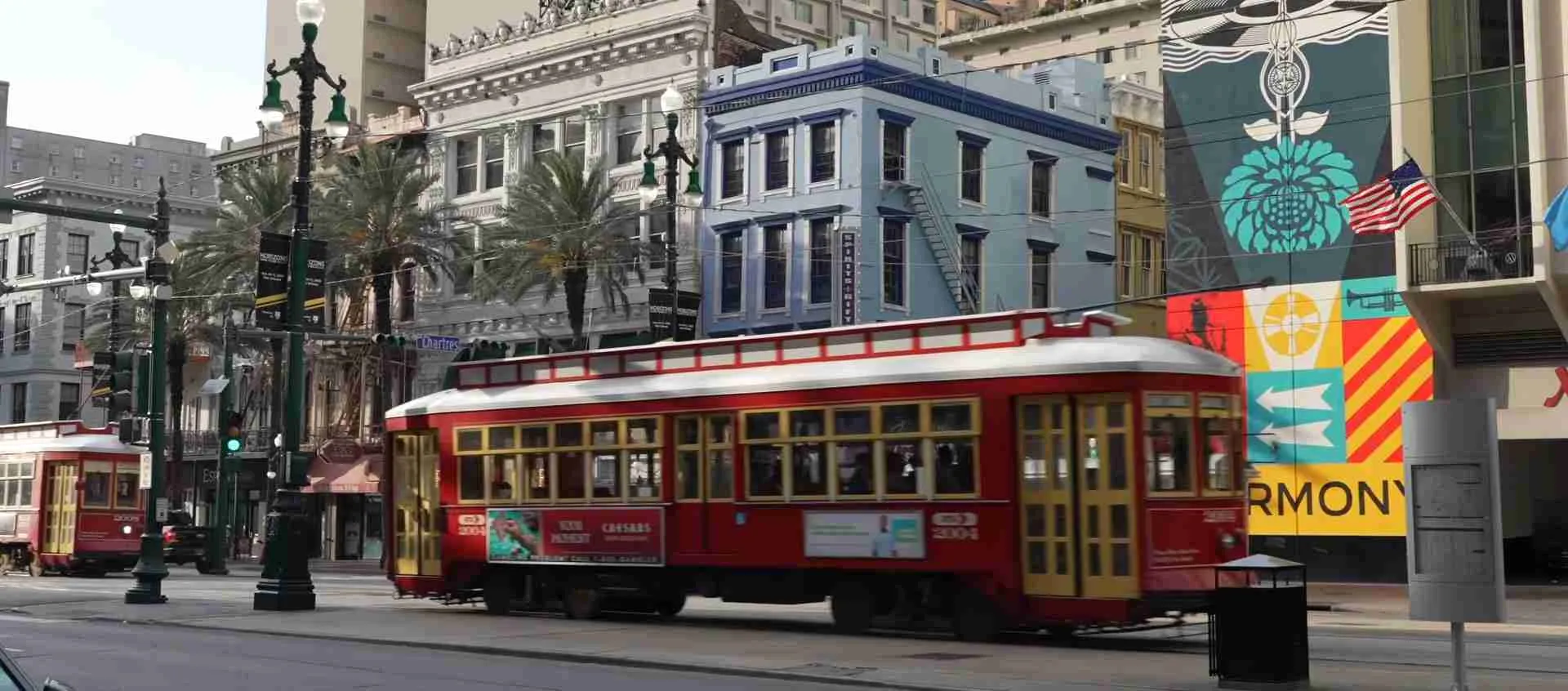
Four streetcar lines serve major tourist areas: St. Charles Avenue line (green cars) runs from Canal Street through the Garden District and Uptown; Canal Street line (red cars) serves Mid-City and City Park; Riverfront line (red cars) connects the French Quarter to the Convention Center; Rampart-Loyola line (red cars) provides French Quarter periphery and CBD access. Streetcars operate 5 AM to 2 AM daily with 10-15 minute frequencies during peak hours.
Bus routes supplement streetcar lines, connecting neighborhoods and providing airport access. The 202 Airport Express bus runs from Louis Armstrong International Airport to downtown New Orleans for $2 per ride (official RTA rate), operating every 70 minutes throughout the day. This represents enormous savings versus $35-45 rideshare fees or $33 shared shuttle vans from the airport.
Budget travelers using public transit exclusively spend $3-8 daily on transportation. Purchasing a 1-day Jazzy Pass on arrival days with multiple trips, then buying single $1.25 rides on days with minimal movement optimizes costs. Mid-range travelers mixing streetcars ($3 daily pass) with occasional rideshares for late-night returns or heavy shopping trips spend $8-15 daily. Luxury travelers using primarily rideshare services while occasionally taking scenic streetcar rides for experience spend $25-40 daily on transportation.
Rideshare Services: Uber and Lyft Costs in New Orleans 2026
Uber and Lyft operate throughout New Orleans with pricing similar to other mid-sized US cities. Short rides within the French Quarter or to adjacent neighborhoods (Marigny, Warehouse District) cost $8-12 during regular hours, increasing to $12-18 during surge pricing periods (Friday-Saturday nights, major events, rain). Medium-distance trips from the French Quarter to Mid-City, City Park, or Magazine Street Uptown areas run $15-22 regularly, $22-30 during surge periods.
Airport rides from Louis Armstrong International to French Quarter hotels cost $35-45 via rideshare, occasionally spiking to $50-60 during peak demand. Shared rideshare options reduce this to $25-30 per person but require additional waiting time for passenger matching. The $2 Airport Express bus delivers identical arrival results at a fraction of the cost, though with less convenience for travelers carrying substantial luggage.
Late-night safety considerations make rideshares valuable despite higher costs. The $12-18 rideshare from Frenchmen Street music clubs back to French Quarter hotels at 1-2 AM provides secure transport when streetcar service reduces frequency or when walking feels uncomfortable. Budget travelers can reduce these costs by traveling in groups of 3-4 and splitting single rideshare charges.
Rental Cars: When They Make Sense in New Orleans 2026
Rental cars generally add unnecessary expense in New Orleans due to parking challenges, insurance costs, and excellent public transit coverage. Compact car rentals cost $45-65 daily with required collision damage waiver insurance adding $20-30 daily. Gas expenses add $8-12 daily for typical city driving. Most importantly, French Quarter and downtown hotel parking costs $35-65 daily (valet required at most properties), with street parking extremely limited and requiring constant meter feeding at $2-4 per hour.
Rental cars make economic sense only for specific scenarios: plantation tours outside the city ($85-95 rental for a day versus $75-90 per person for commercial plantation tour shuttles, benefiting groups of 3-4); extended swamp tours to areas not served by tour company transportation; multi-day itineraries combining New Orleans with Baton Rouge, Lafayette, or Gulf Coast destinations. Daily all-in rental car costs run $90-120 including rental fee, insurance, gas, and parking when hotels charge for parking.
Travelers planning day trips to Oak Alley Plantation, Laura Plantation, or Myrtles Plantation save money by joining group tours ($65-85 per person with transportation) rather than renting cars unless traveling in groups of four or more. Swamp tour operators provide French Quarter hotel pickup and return for $25-35 per person, eliminating rental car needs for this popular activity.
Walking and Biking: Free Transportation Options in New Orleans 2026
New Orleans compact core neighborhoods encourage walking as primary transportation. The entire French Quarter spans roughly 1 mile by 0.5 miles, creating completely walkable dimensions from Jackson Square to either Esplanade Avenue or Canal Street boundaries. Adding Marigny and Warehouse District to walking range extends coverage to the major concentration of tourist attractions, restaurants, and nightlife venues.
Bike rental services including Blue Bikes share program offer hourly and daily rentals. Blue Bikes charges $2 for 30-minute trips or $8 for all-day passes, with stations throughout the French Quarter, Marigny, CBD, and Magazine Street corridor. Dedicated bike shops rent traditional bicycles for $25-35 daily or $80-100 weekly. New Orleans flat terrain makes cycling easy, though summer heat limits comfortable biking to morning and evening hours.
The Lafitte Greenway provides a protected 2.6-mile bicycle and pedestrian path connecting the French Quarter to City Park through Treme and Mid-City neighborhoods. This car-free route enables safe biking access to major destinations including the New Orleans Museum of Art, Bayou St. John, and Mid-City restaurant corridors. Walking and biking eliminate transportation costs entirely while providing intimate neighborhood exploration impossible from cars or even streetcars.
Attraction and Activity Costs in New Orleans 2026
New Orleans attractions divide between substantial free cultural experiences and paid museums, tours, and entertainment requiring advance budgeting. Understanding this division enables travelers to craft rich itineraries at any budget level while experiencing authentic New Orleans culture.
Free Attractions and Experiences in New Orleans 2026
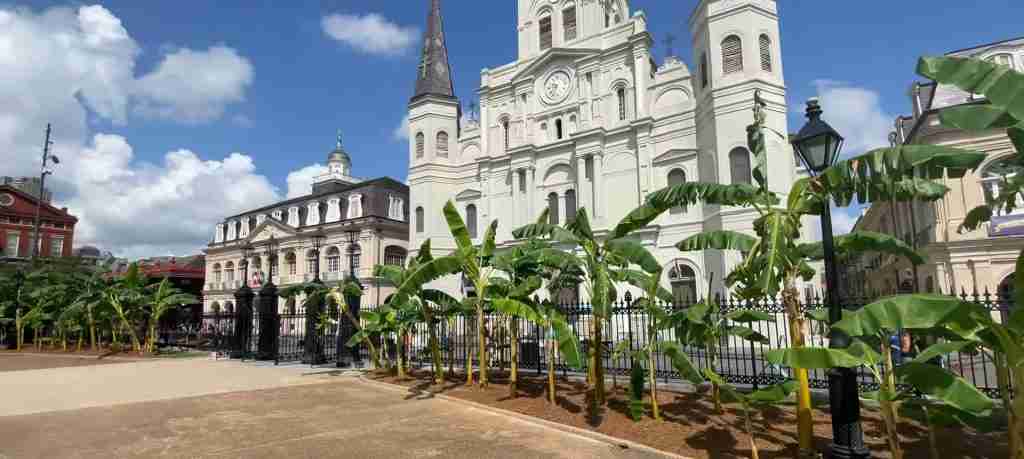
Jackson Square provides free entertainment daily from street performers, artists, musicians, and fortune tellers creating the city’s most iconic gathering space. The surrounding French Quarter architecture, iron balconies, and historic buildings cost nothing to admire during walking tours. St. Louis Cathedral allows free entry during specified hours, offering glimpses of New Orleans’ oldest Catholic cathedral.
City Park’s Sydney and Walda Besthoff Sculpture Garden displays 90+ sculptures in 11 acres of landscaped grounds with completely free admission daily from 10 AM to 6 PM. This collection includes works by renowned artists in beautiful natural settings, rivaling paid sculpture gardens in other cities. The broader 1,300-acre City Park offers free walking paths, massive live oak trees, and Bayou St. John waterfront access.
Music venues throughout the city charge no cover for afternoon and early evening performances. Frenchmen Street clubs typically operate cover-free until 8-9 PM, allowing budget travelers to experience authentic jazz, brass bands, and blues without admission fees (though drink purchase expectations exist). Magazine Street’s six-mile corridor of independent shops, galleries, and cafes costs nothing to explore while providing comprehensive views of New Orleans’ creative culture.
Free festival and event calendars fill most weekends and many weekdays. French Quarter Fest (early April), Satchmo SummerFest (late July-early August), Running of the Bulls (mid-July), and numerous neighborhood festivals provide free music stages, cultural demonstrations, and food vendor access throughout the year. The French Market operates daily with free browsing of crafts, souvenirs, and local products even if purchases occur.
Major Paid Attractions: Museums and Historic Sites in New Orleans 2026
The National WWII Museum charges $30 for standard adult admission to comprehensive exhibits across multiple buildings covering American involvement in World War II (check official website for current rates as pricing may vary). This museum ranks among the world’s premier WWII institutions with 4D film experiences, interactive displays, and restored aircraft. Audio guides cost additional $5-7. Budget 4-6 hours for thorough visits.
Audubon Zoo adult admission costs $25 with children ages 2-12 at $20 and seniors 65+ at $22. The zoo features Louisiana swamp exhibits, African savanna displays, and rare white alligators. Audubon Aquarium of the Americas charges similar rates ($27 adults, $22 children, $24 seniors) for Gulf of Mexico exhibits, penguin colonies, and interactive ray touch pools. Combination zoo and aquarium tickets reduce per-attraction costs for visitors planning both experiences.
Historic house museums charge $15-25 per adult. The Hermann-Grima House ($15), Gallier House ($22), and Beauregard-Keyes House ($18) preserve different eras of New Orleans domestic architecture with guided tours explaining Creole culture, architectural styles, and family histories. These intimate museums provide deep context for understanding the city’s unique cultural development through preserved interiors and documented family stories.
The New Orleans Museum of Art (NOMA) charges $15 for adults with discounted student ($8) and senior ($12) rates. Children through age 19 and military families enter free. The permanent collection includes works by Degas, Monet, and Picasso alongside extensive holdings of Southern art and contemporary pieces. Temporary exhibition admission sometimes costs extra beyond general entry fees.
Tours and Guided Experiences: Pricing in New Orleans 2026
Walking tours through the French Quarter cost $25-35 per person for 2-hour experiences covering architecture, history, or food themes. Ghost tours and vampire tours capitalize on New Orleans supernatural mythology at $30-40 per person for evening walks through supposedly haunted locations. Cemetery tours explaining above-ground burial traditions and notable historical figures cost $25-30 for 90-minute experiences in St. Louis Cemetery No. 1 or Lafayette Cemetery No. 1.
Swamp tours venture into bayou environments surrounding New Orleans to observe alligators, birds, and wetland ecology. Small-boat airboat tours providing faster, louder experiences cost $65-85 per person including hotel pickup and 1.5-2 hour swamp time. Larger pontoon boat tours with naturalist narration run $55-75 per person. Private swamp tours for groups cost $300-450 total, becoming economical for parties of 5-6 splitting costs.
Steamboat cruises on the Mississippi River aboard the Steamboat Natchez or Creole Queen cost $35-45 for daytime cruises with live jazz music and historical narration. Dinner cruises adding Creole buffet meals run $85-95 per person. These 2-hour experiences provide unique Mississippi River perspectives and traditional entertainment formats dating to the 1800s.
Food tours combining walking with restaurant tastings cost $65-85 per person for 3-hour experiences visiting 5-7 locations. These tours emphasize local cuisine education alongside actual meals, potentially replacing lunch or dinner in daily budgets. Cocktail history tours exploring the birthplace of numerous classic cocktails cost $55-75 per person including 3-4 drink samples and historical education.
Plantation tours to River Road historic estates cost $75-90 per person including round-trip transportation from French Quarter hotels, guided house tours, and grounds access at properties like Oak Alley or Laura Plantation. Self-drive options reduce costs to $25-35 per person for admission only, requiring rental car expenses but offering flexibility for visiting multiple plantations or combining with other Northshore activities.
Multi-Attraction Passes: Good Times Pass and Go City Options for 2026
The Good Times Pass allows selection of 6 attractions from 25+ participating venues including museums, boat tours, cooking classes, and walking tours. Pass pricing ranges $100-120 depending on purchase source and promotional periods. With individual major attractions costing $25-35 each, the pass delivers savings when visiting at least four included options. The 30-day activation window provides flexibility for multi-day itineraries.
Go City All-Inclusive Passes offer unlimited attraction entry for 1, 2, 3, or 5 consecutive days. Daily pass values depend on actual usage, with aggressive schedules visiting 4-5 attractions daily maximizing returns. These passes include premium experiences like National WWII Museum, swamp tours, steamboat cruises, and cooking demonstrations. Budget-conscious travelers focusing on free cultural experiences may find individual attraction tickets more economical than passes optimized for packed museum-focused itineraries.
Evaluating pass value requires honest assessment of planned activities. Travelers prioritizing music, food, and neighborhood exploration over museum visits save money buying individual tickets for 2-3 selected attractions rather than passes suggesting comprehensive museum coverage. Families with children benefiting from kid pricing at individual attractions should calculate actual family costs versus family pass rates before purchasing.
Mardi Gras and Jazz Fest: Special Event Costs in 2026
Mardi Gras parades are completely free public events with ideal viewing requiring only early arrival (2-3 hours before parade start) to claim curbside space along parade routes. Formal ball invitations and krewe membership involve private organizations and personal connections rather than public ticket sales. Street partying, viewing parades, and catching beads cost nothing beyond regular daily expenses, though restaurants and bars along parade routes often implement cover charges or require drink minimums during peak parade hours.
Jazz Fest general admission tickets cost $85-95 for single-day entry to the New Orleans Fairgrounds hosting multiple stages of music, food vendors, and crafts booths (check official Jazz Fest website for current pricing). Weekend passes covering both days of either April 23-26 or April 30-May 3 weekends in 2026 offer modest per-day savings. VIP hospitality tent packages providing shade, seating, and included food and drinks cost significantly more ($250-400 per day) but deliver comfort during potentially hot festival days.
Festival expenses extend beyond admission tickets. Food at Jazz Fest runs $12-18 per plate from vendor booths serving jambalaya, crawfish Monica, soft shell crab po’boys, and other New Orleans specialties. Beverage costs add $5-8 for water, $8-12 for beer, $10-14 for cocktails. Budget $50-75 per person daily for food and drinks inside the festival grounds beyond admission tickets. Bring empty reusable water bottles for free water fountain refills, substantially reducing beverage expenses during hot days.
Complete Daily Budget Breakdowns for New Orleans 2026
These comprehensive daily budgets combine accommodation, dining, transportation, and attraction costs into realistic per-person daily spending across three budget tiers. All figures assume two travelers sharing hotel accommodation, with room rates divided by two before calculating per-person totals.
Budget Travel: $80-140 Per Person Daily in New Orleans 2026
Budget travelers achieve full New Orleans experiences for $80-140 per person daily through strategic choices prioritizing authentic culture over convenience luxury. Accommodation in hostel dormitories or budget hotels costs $25-40 per bed (dormitory) or $33-48 per person (two sharing budget hotel room). Breakfast of coffee and pastries from groceries or Cafe du Monde runs $8-12. Lunch po’boys or food court meals cost $15-22. Dinner at casual restaurants or prepared food from markets totals $20-30. Daily 1-day Jazzy Pass provides unlimited transportation for $3, with occasional rideshares on heavy activity days adding $5 to create $3-8 transportation range. Attractions emphasize free options (Jackson Square, sculpture garden, French Quarter architecture, Frenchmen Street early evening music) with one or two paid museums or tours weekly at $20-30 each, averaging $0-20 daily across a week’s visit.
Weekly budget travel totals $560-980 per person covering seven nights accommodation, 21 meals, daily transportation, and selective paid attractions. This budget delivers authentic New Orleans experiences including local cuisine, live music, architectural exploration, and cultural immersion without requiring luxury accommodation or expensive tours. Strategic timing during summer low season (June-September) or winter bargain periods (December, early January) enhances value further through reduced hotel rates.
Mid-Range Comfort: $205-320 Per Person Daily in New Orleans 2026
Mid-range travelers enjoy quality hotel accommodation, regular restaurant dining, and balanced attraction access for $205-320 per person daily. Hotels in the French Quarter, Warehouse District, or Garden District charge $180-280 nightly with per-person costs at $90-140 after splitting room rates between two travelers. Breakfast at neighborhood cafes costs $12-18. Lunch at sit-down Creole restaurants totals $25-35. Dinner reservations at established restaurants range $40-60 per person. Transportation combines public transit 1-day Jazzy Passes ($3) with occasional rideshares creating $8-15 daily transport costs. Attraction budgets support museum admissions, walking tours, and occasional boat cruises or swamp tours at $30-50 daily.
Weekly mid-range travel costs $1,435-2,240 per person including seven nights quality accommodation, three restaurant meals daily, comprehensive transportation, and regular paid attraction access. This budget enables Commander’s Palace lunch, National WWII Museum admission, cemetery walking tours, steamboat jazz cruises, and other signature New Orleans experiences without financial stress. Mid-range budgets accommodate both cultural exploration and comfort priorities.
Luxury Experience: $390-580 Per Person Daily in New Orleans 2026
Luxury travelers investing $390-580 per person daily prioritize boutique hotels, celebrated restaurants, premium tours, and convenient transportation. Luxury hotels in the French Quarter or Garden District cost $350-500 nightly with per-person rates at $175-250 for two sharing. Upscale breakfast or brunch runs $20-30 per person. Fine dining lunch costs $40-60. Dinner at celebrated restaurants with wine totals $80-120 per person. Transportation emphasizes rideshares and private options at $25-40 daily. Premium attraction experiences including private swamp tours, VIP cooking classes, and exclusive access tours cost $50-80 daily.
Weekly luxury travel totals $2,730-4,060 per person covering seven nights boutique accommodation, fine dining throughout, premium transportation, and exclusive experiences. This budget supports dinner at August, cocktails at the Carousel Bar, private plantation tours, and concierge-level service. Luxury travelers experience New Orleans refined hospitality traditions alongside its vibrant street culture.
Sample Itinerary Budgets: Specific Day-by-Day Costs in 2026
Budget 3-Day Weekend: New Orleans on $345-480 Per Person
Friday arrival: Airport Express bus to downtown $2. Hostel dormitory bed $30. Lunch po’boy $15. Afternoon exploring Jackson Square and free French Quarter architecture. Dinner at casual Creole cafe $22. Evening Frenchmen Street music clubs (free entry before 8 PM, drinks $12). Day total approximately $90 per person.
Saturday: Hostel $30. Breakfast coffee and beignets at Cafe du Monde $10. 1-day Jazzy Pass $3. Streetcar to Garden District and Magazine Street browsing (free). Lunch on Magazine Street $18. Afternoon City Park and sculpture garden (free). Dinner prepared food from market $25. Evening return to Frenchmen Street $12 drinks. Day total approximately $100 per person.
Sunday: Hostel $30. Breakfast $10. Cemetery walking tour $28. Lunch in French Quarter $20. Afternoon National WWII Museum $30. Rideshare to airport $18 (split with travel companion equals $9 each). Day total approximately $125 per person.
Three-day weekend total approximately $315-330 per person including accommodation, meals, transportation, and selective attractions. Adding $30-50 contingency for additional drinks, snacks, or spontaneous activities creates realistic $345-380 weekend budget. This delivers comprehensive New Orleans experiences on genuine budget constraints.
Mid-Range 5-Day Experience: New Orleans at $1,135-1,725 Per Person
Day 1 (Thursday arrival): Airport Express bus $2. Hotel French Quarter $200 room ($100 per person sharing). Lunch casual restaurant $28. Afternoon French Quarter exploration (free). Dinner established restaurant $55. Live music Preservation Hall $45. Day total approximately $230 per person.
Day 2 (Friday): Hotel $100 per person. Breakfast cafe $15. 1-day Jazzy Pass $3. Swamp tour with pickup $75. Late lunch po’boy $18. Dinner Commander’s Palace $65. Evening cocktails Bourbon Street $20. Day total approximately $295 per person.
Day 3 (Saturday): Hotel $100 per person. Breakfast $15. National WWII Museum $30. Lunch $30. Streetcar to Garden District $3 pass. Cemetery tour $28. Dinner upscale Creole $50. Jazz club cover and drinks $25. Day total approximately $280 per person.
Day 4 (Sunday): Hotel $100 per person. Breakfast $15. Steamboat jazz brunch cruise $85. Afternoon Magazine Street (free browsing). Dinner casual $35. Early evening return for rest. Day total approximately $235 per person.
Day 5 (Monday departure): Hotel $100 per person. Breakfast $15. Morning Audubon Zoo $25. Lunch $25. Rideshare to airport $40 ($20 per person split). Day total approximately $185 per person.
Five-day trip total approximately $1,225 per person covering quality accommodation, regular restaurant dining, major attractions, and comprehensive experiences. This mid-range itinerary balances cultural immersion with comfort priorities.
Luxury 3-Day Weekend: New Orleans at $1,305-1,875 Per Person
Friday arrival: Private car airport transfer $75 ($38 per person split). Boutique hotel $400 room ($200 per person sharing). Late lunch fine dining $55. Afternoon hotel spa $120. Dinner at August $110. Cocktails at French 75 Bar $25. Day total approximately $550 per person.
Saturday: Hotel $200 per person. Breakfast hotel room service $28. Private plantation tour $180. Late lunch at plantation restaurant $45. Evening cocktails hotel rooftop $22. Dinner GW Fins $95. Live music at Snug Harbor with premium seating $65. Day total approximately $635 per person.
Sunday: Hotel $200 per person. Brunch Brennan’s $75. Private cooking class with chef $140. Late afternoon NOMA with private docent $85 (including admission). Rideshare to airport $40 ($20 per person split). Day total approximately $520 per person.
Three-day luxury weekend total approximately $1,705 per person including boutique accommodation, fine dining throughout, private experiences, and premium service. This delivers New Orleans hospitality traditions at highest levels.
Seasonal Price Variations Throughout 2026
New Orleans hotel rates and restaurant availability fluctuate more dramatically than most US cities due to major festival season concentrated in specific months. Understanding these patterns enables strategic booking that can reduce travel costs by 30-50% while maintaining identical experience quality during different seasons.
Peak Season Pricing: Mardi Gras, Jazz Fest, and Major Events 2026
Mardi Gras season encompasses approximately three weeks from early February through Fat Tuesday itself (February 17 in 2026). Mid-range hotels charging $200 during regular periods surge to $350-450 during Mardi Gras week, with luxury properties reaching $600-800. Restaurants implement reservation-only policies with advance booking (2-4 weeks) becoming essential even at casual establishments. Many restaurants add special prix-fixe Mardi Gras menus at premium pricing rather than regular menu options.
Jazz Fest weekends (April 23-26 and April 30-May 3 in 2026) create the year’s second major rate spike with similar but slightly smaller hotel increases. Mid-range properties reach $280-350 versus regular $200, while luxury hotels command $450-650 versus typical $400. Restaurant reservations require advance planning, though less extreme than Mardi Gras demands. Many visitors book Jazz Fest hotels 6-12 months in advance, creating limited last-minute availability.
Sugar Bowl (early January 2026), New Year’s Eve/Day, French Quarter Fest (early April), and Southern Decadence (Labor Day weekend) generate moderate rate increases of 25-40% above regular pricing. These shorter-duration events impact primarily weekend rates while midweek pricing remains closer to standard levels. College football playoff games at the Superdome (when scheduled in New Orleans) create concentrated demand spikes around game weekends.
Shoulder Season Value: March-May and October-November 2026
March offers post-Mardi Gras bargain rates in the first two weeks before gradual increases toward Easter and French Quarter Fest (early April). Hotel rates run 10-20% below peak spring levels with pleasant 65-75°F temperatures ideal for walking tours and outdoor activities. April outside Jazz Fest weekends maintains moderate pricing with spring festival season bringing free events and cultural programming.
May combines warm pre-summer weather (75-85°F) with off-peak hotel rates dropping 15-25% from Jazz Fest highs. Memorial Day weekend sees minor increases but remains well below winter peak pricing. Late May heat preview (occasionally reaching 90°F) deters some visitors, creating availability and value for heat-tolerant travelers.
October delivers optimal weather conditions (65-75°F, lower humidity) with hotel rates 20-30% below peak winter levels. Halloween and voodoo tourism create modest demand but nothing approaching major festival impacts. November continues pleasant weather with Thanksgiving week seeing minor increases while surrounding weeks offer excellent value at 30-40% below winter rates.
Summer Low Season: June-September Bargain Opportunities 2026
Summer heat (85-95°F with high humidity) drives the year’s lowest hotel rates, with mid-range properties dropping to $120-180 from typical $200 regular season pricing. Luxury hotels offer $250-350 rates versus $400-500 standard pricing, creating opportunities for travelers to upgrade accommodation tiers at sideways budget costs. Air conditioning makes interiors comfortable while afternoon thunderstorms provide regular temperature relief.
June maintains some spring season momentum with gradual rate decreases through the month. July bottoms out with the year’s absolute lowest rates during the hottest weather period. August hosts Satchmo SummerFest (free multi-day festival) and Coolinary restaurant promotion (prix-fixe lunch $28, dinner $58 at participating restaurants), adding value beyond base rate reductions. September begins gradual increases toward fall season but remains 25-35% below peak pricing.
Summer strategy emphasizes morning and evening activities, with midday breaks in air-conditioned museums, cafes, or hotel pools. Restaurants never require advance reservations outside special events. Many locals summer-travel themselves, creating authentic neighborhood atmosphere without tourist density. Free festivals and cultural events continue despite heat, with afternoon rain rarely disrupting evening entertainment.
Winter Value Periods: December and Early January 2026
Early December (first three weeks) offers exceptional value at summer-level hotel rates with comfortable 55-65°F weather ideal for walking and outdoor exploration. Christmas decorations throughout the French Quarter and surrounding neighborhoods create festive atmosphere. Restaurants operate normal schedules without reservation pressures outside Christmas week itself.
Christmas week (December 23-27) sees rate increases to regular season levels as holiday travelers arrive, though still well below Mardi Gras or Jazz Fest peaks. New Year’s week (December 28-January 3) reaches moderate peak status with mid-range hotels at $280-320, celebrations throughout the French Quarter, and advance restaurant reservations becoming advisable for December 31 dining.
Early January (January 4-20) before Mardi Gras season delivers the year’s best weather-value combination. Hotel rates drop to summer levels ($120-180 mid-range) while temperatures remain comfortable (50-65°F). Sugar Bowl (early January) creates a brief rate spike for the specific game weekend but surrounding weeks offer bargain pricing. This period provides ideal timing for visitors prioritizing value while avoiding extreme heat or peak season crowds.
Money-Saving Strategies for New Orleans Travel in 2026
Accommodation Savings Tactics for 2026
Booking 3-4 months in advance for regular seasons and 6-9 months for peak periods (Mardi Gras, Jazz Fest) captures best available rates before properties raise prices as dates approach. Hotel pricing algorithms increase rates as availability diminishes, with last-minute bookings paying premiums for remaining rooms. Exception: Last-minute hotel deals occasionally appear for unpredictable low-demand periods, but this strategy involves risk inappropriate for fixed-date travel plans.
Staying in Garden District, Marigny, or Mid-City neighborhoods rather than French Quarter saves 20-30% on comparable quality hotels while positioning within 10-minute streetcar rides of major attractions. Magazine Street corridor properties offer walkable access to six miles of shops and restaurants plus streetcar connections to the French Quarter, combining neighborhood authenticity with convenience.
Selecting hotels offering free breakfast includes reduces daily meal costs by $12-18 per person. Many mid-range chain hotels provide continental breakfast or hot breakfast buffets covering morning meals entirely. Some boutique hotels partner with nearby cafes for included breakfast, offering authentic New Orleans morning dining at no additional cost.
Weekday-focused trips avoiding Friday-Saturday nights reduce accommodation costs significantly even during regular seasons. Mid-range hotels charge $180-220 Monday-Thursday versus $220-280 Friday-Sunday for identical rooms. Structuring trips around Sunday-Thursday stays rather than Friday-Saturday arrivals saves 15-25% on total accommodation costs.
Dining Cost Reduction Without Sacrificing Quality in 2026
Lunch dining at dinner-focused restaurants delivers identical kitchen quality at 30-40% lower menu prices. Commander’s Palace lunch costs $35-45 per person for three courses versus $80-120 for dinner. Galatoire’s lunch provides the famous turtle soup and classic Creole entrees at fraction of dinner pricing. This strategy enables experiencing celebrated restaurants on mid-range budgets through strategic meal timing.
Happy hour promotions throughout the city offer food specials at $6-12 and reduced drink prices weekdays from 4-7 PM. Pal’s Lounge, Kingfish, Bar Tonique, and dozens of neighborhood bars feature discounted oysters, wings, sliders, and other substantial options replacing full dinner purchases. Combining happy hour food with one restaurant meal daily reduces dining costs while maintaining variety.
Po’boy strategy emphasizes this New Orleans signature at breakfast, lunch, or light dinner, with legendary shops charging $12-18 for massive sandwiches easily satisfying two light appetites when split. Parkway Bakery, Domilise’s, Johnny’s Po-Boys, and R&O’s deliver authentic tradition at prices unchanged in spirit from Depression-era origins. Building one daily meal around po’boys reduces food costs by 40-50% versus three restaurant meals.
BYOB restaurants (though rare in Louisiana’s licensed restaurant culture) and grocery store wine purchases for hotel consumption dramatically reduce alcohol expenses. Rouse’s Market on Royal Street sells wine at retail pricing, with bottles costing $10-20 providing multiple servings versus $9-14 per glass restaurant pricing. Enjoying wine in hotel rooms or during Jackson Square picnics cuts alcohol budgets substantially.
Coolinary restaurant promotion during August offers prix-fixe lunches at $28 and three-course dinners at $58 at dozens of participating restaurants that normally charge significantly higher prices. This month-long event enables upscale dining at mid-range costs, making August valuable for food-focused travelers despite summer heat.
Transportation Savings: Maximizing Public Transit in 2026
Purchasing 3-day Jazzy Passes ($9) for initial arrival days with multiple sightseeing trips, then using single $1.25 fares on subsequent days with limited movement, optimizes transit costs. Travelers using streetcars 3+ times daily benefit from 1-day passes ($3), while those making 1-2 trips save money with single fares. Strategic pass purchasing based on actual daily itineraries prevents paying for unlimited access on days requiring minimal transit.
Airport Express bus at $2 versus $35-45 rideshares represents immediate $33-43 per person savings multiplied by both arrival and departure trips. The bus operates adequate frequency (every 70 minutes) for flight schedule planning, with stops at Union Passenger Terminal and downtown hotels providing reasonable walking distances or connecting transit to final destinations. This single decision saves $66-86 per traveler round-trip.
Walking French Quarter, Marigny, and Warehouse District eliminates all transportation costs for concentrated sightseeing days. These neighborhoods host the majority of tourist attractions, restaurants, and entertainment venues within complete walkable distance. Streetcar trips become necessary only for Garden District, City Park, or Magazine Street Uptown destinations, reducing daily transit costs to $1.25-3 per person.
Group rideshare splitting for late-night returns or airport transfers divides costs among 3-4 travelers. A $40 airport rideshare costs $10 per person when shared by four versus $40 for solo travelers. Late-night Frenchmen Street to French Quarter rides at $15 total cost $5 per person for three sharing versus full $15 for individuals.
Attraction and Experience Budget Optimization for 2026
Free walking tours of French Quarter architecture, Jackson Square daily entertainment, City Park sculpture garden, and Magazine Street browsing provide rich cultural experiences without admission costs. Budget travelers can structure entire days around free activities, reserving paid attractions for selective highlights rather than comprehensive museum coverage.
Multi-attraction passes deliver value only when visiting 4+ included attractions. Travelers planning 2-3 museum visits save money buying individual tickets versus pass costs. Honest assessment of actual interest and energy levels prevents purchasing passes suggesting aggressive schedules that don’t match realistic travel pacing. Many visitors overestimate museum capacity during vacation time, making selective individual tickets more economical than underutilized passes.
Tuesday-Thursday museum visits avoid weekend crowds while accessing identical content. Some museums offer specific free admission hours (NOMA first Tuesday monthly for Louisiana residents, though this may change – verify current policies). Reduced visitor numbers midweek enhance experience quality regardless of admission costs.
Self-guided experiences replacing commercial tours save 50-70% while offering flexibility. Walking French Quarter or Garden District independently using free architecture apps or printed guides costs nothing versus $30-35 walking tours. Driving to plantations independently (when renting cars for other purposes) reduces per-person costs to $25-35 admission versus $75-90 tour packages including transport.
Hidden Costs and Fee Awareness for New Orleans 2026
Hotel Resort Fees, Parking, and Additional Charges in 2026
Hotel resort fees ranging $25-35 daily appear at many properties, particularly chains and luxury hotels, covering WiFi, fitness center access, and other amenities once included in base rates. These mandatory fees add $175-245 to weekly accommodation costs. Booking confirmation emails and hotel websites should disclose resort fees, though not always prominently. Travelers should verify total nightly rates including all mandatory fees when comparing properties.
Parking fees at French Quarter and downtown hotels range $35-65 daily depending on property category and parking type (valet versus self-park, where available). Many French Quarter hotels offer valet-only parking due to space constraints. Weekly parking adds $245-455 to total trip costs, making rental cars economically questionable for visitors staying in walkable neighborhoods. Properties in Mid-City, Garden District periphery, and other areas sometimes offer free parking, providing advantage for road-trip travelers.
Hotel early check-in or late checkout charges apply at many properties when requesting accommodation outside standard 3 PM check-in and 11 AM checkout times. Fees range $25-75 depending on actual room availability and hours requested. Storing luggage with hotel bell services provides free alternative for late-arrival or early-departure days requiring accommodation access without paying extra fees.
Restaurant Service Charges, Tips, and Automatic Gratuities in 2026
Automatic gratuities of 18-20% apply to parties of six or more at most restaurants. Servers sometimes add these charges without notification, requiring bill verification before adding additional tips. Solo diners and couples avoid automatic gratuities but should tip 20% for standard service, 15% minimum for adequate service, and higher for exceptional attention.
Service charges occasionally appear on bills at restaurants operating different tipping models, though this remains uncommon in New Orleans. When present, these charges replace traditional tips rather than supplementing them. Reviewing itemized bills prevents double-tipping on service charges meant as complete gratuity.
Drink minimums and cover charges at music venues range $5-15 per person depending on artist popularity and venue prestige. Preservation Hall charges $20-45 admission for hour-long traditional jazz sets in its intimate venue. Frenchmen Street clubs typically operate cover-free before 8-9 PM, shifting to $5-10 covers for late-night sets with popular bands. Budgeting $10-20 per person for music venue covers and drink minimums prevents surprise expenses when exploring nightlife.
Sales Tax, Tourism Taxes, and Final Bill Surprises in 2026
Louisiana state sales tax of 4.45% plus Orleans Parish local tax of 5% creates combined 9.45% sales tax on most purchases including restaurant meals, retail shopping, and some services. This tax applies to the pre-tip meal cost, though some systems calculate tax on post-tip totals. A $100 restaurant bill becomes $109.45 after tax, then $131.35 after adding 20% tip on the original $100 (though some diners tip on post-tax amounts, creating $132.65 totals).
Hotel occupancy taxes add 13% plus $1-3 per night flat fees to room rates in Orleans Parish. A $200 nightly hotel rate becomes $226 after occupancy tax plus potential $25-35 resort fees, creating $251-261 actual nightly cost versus advertised $200 rate. Always verify total costs including all taxes and fees when budgeting accommodation expenses.
Rental car taxes and fees include Louisiana state tax, airport facility charges, concession recovery fees, and vehicle license fees totaling 25-35% beyond base rental rates. A $50 daily rental becomes $62-68 after all taxes and fees, before adding required insurance. Airport rental locations typically charge higher fees than off-airport locations due to facility charges.
Baggage, Travel Insurance, and Transportation Hidden Fees in 2026
Airport baggage fees follow standard airline policies with most carriers charging $30-35 for first checked bag, $40-50 for second checked bag on domestic flights. Southwest Airlines maintains two free checked bags as competitive differentiation. Avoiding checked baggage through carry-on-only packing saves $60-70 round-trip per traveler.
Rideshare surge pricing during peak demand periods (Friday-Saturday nights, major events, rain) increases standard fares by 50-200% or more. An $8-12 normal ride becomes $15-25 during surge periods. Monitoring surge multipliers in apps and waiting 15-30 minutes often allows surges to dissipate, though this strategy fails during sustained high-demand periods like parade routes or Jazz Fest dismissal.
Travel insurance costs 4-10% of total trip costs depending on coverage levels, age, and trip length. A $2,000 trip generates $80-200 insurance costs covering trip cancellation, medical emergencies, and lost luggage. Evaluating trip financial risk against insurance costs helps determine value, with high-risk periods (hurricane season June-November, though September-October peak) and non-refundable bookings suggesting higher insurance value.
Budget Considerations for Different Traveler Types in 2026
Solo Traveler Budget Adjustments for New Orleans 2026
Solo travelers face higher per-person accommodation costs when booking private hotel rooms rather than splitting costs with companions. Mid-range hotel rooms at $200 nightly cost solo travelers the full amount versus $100 per person for couples sharing. Hostel dormitory beds ($25-40) eliminate this premium while providing social interaction with fellow travelers. Private hostel rooms with shared bathrooms ($55-75) offer middle ground between dormitory bunks and full hotel costs.
Dining solo at restaurants can feel isolating and generates higher per-meal costs when unable to split shared dishes and bottles of wine. Bar seating at restaurants provides more comfortable solo dining with opportunities to interact with bartenders and other diners. Many solo travelers appreciate po’boy meals, food court options, and takeaway dining enabling Jackson Square or riverfront picnics while people-watching.
Solo travelers benefit from easier last-minute reservation availability, single-seat concert tickets, and flexibility joining group tours without coordinating companion preferences. Walking tours, swamp tours, and other group activities provide built-in social interaction for travelers seeking company. Solo daily budgets run $125-240 per person including single-occupancy accommodation premiums.
Family Travel Budget Planning for New Orleans 2026
Family rooms or suites sleeping 4-5 people provide better value than booking multiple standard rooms. Many mid-range hotels offer family suites at $250-350 nightly versus $400-450 for two separate rooms, reducing per-person accommodation costs when splitting among parents and children. Airbnb and vacation rental apartments with kitchens enable breakfast and some meal preparation, cutting dining expenses significantly.
Children’s attraction pricing reduces family daily costs at museums and tours. Audubon Zoo charges $20 for children ages 2-12 versus $25 adults. Many museums offer family packages bundling adult and child admissions at modest savings. Children under specific ages (typically 2-5) receive free admission to most attractions. Free activities like City Park playgrounds, French Quarter street performers, and Audubon Park provide full-day entertainment at zero cost.
Family dining balances kids’ simpler preferences with adult desire for quality New Orleans cuisine. Many restaurants offer kids’ menus at $8-12 while adults order full entrees. Splitting adult portions among children works at casual restaurants, with servers typically accommodating reasonable requests. Family daily budgets run $280-520 total for two adults and two children, with per-person costs dropping substantially when calculated across all family members.
Senior Traveler Discounts and Considerations in 2026
Senior discounts (typically 65+) apply at most major attractions with savings of $2-5 per admission. National WWII Museum, Audubon facilities, and historic houses offer senior rates. AARP membership provides additional hotel discounts at participating chains, though independent hotels rarely offer senior reductions. Advance research of senior benefits at planned destinations maximizes available savings.
RTA public transportation charges seniors 65+ reduced fares of $0.40 per ride versus standard $1.25, with free transfers. This represents substantial transportation savings for seniors using streetcars extensively. Presenting valid ID proving age qualifies seniors for these reduced rates. Some attractions offer senior pricing for ages 60+ rather than 65+, varying by individual venue policies.
Senior travelers often prefer slower-paced itineraries with more rest breaks and fewer packed activity schedules. This naturally moderate approach reduces daily attraction costs while increasing appreciation for individual experiences. Accommodation in quieter Garden District or Marigny neighborhoods away from Bourbon Street noise provides better rest quality, supporting multiple-day exploration without fatigue.
Frequently Asked Questions About New Orleans Budget 2026
What is a realistic daily budget for New Orleans in 2026?
Realistic daily budgets range $80-140 per person for budget-conscious travelers sharing hostel or budget hotel accommodation, $205-320 per person for mid-range comfort with quality hotels and regular restaurant dining, and $390-580 per person for luxury experiences with boutique hotels and fine dining. These per-person figures assume two travelers sharing hotel rooms, with accommodation costs divided by two before adding individual expenses. Budget travelers emphasize streetcar transit, po’boy meals, and free cultural attractions. Mid-range visitors balance public transit with rideshares, dine at sit-down restaurants twice daily, and visit multiple paid museums. Luxury travelers prioritize celebrated restaurants, private transportation, and premium tour experiences. All budget levels experience authentic New Orleans culture, with differences appearing in accommodation comfort and dining venue prestige rather than access to the city’s essential character.
How much should I budget for a week in New Orleans in 2026?
Weekly budgets total $560-980 per person for budget travel including hostel or budget hotel accommodation, casual dining, public transit, and selective paid attractions. Mid-range weekly costs run $1,435-2,240 per person covering quality hotel rooms, regular restaurant meals, comprehensive transportation, and frequent museum and tour admissions. Luxury weekly travel costs $2,730-4,060 per person including boutique hotels, fine dining throughout, premium transportation, and exclusive experiences. These figures assume two travelers sharing hotel accommodation throughout with room rates divided by two. Solo travelers booking private hotel rooms add $350-700 weekly for single-occupancy accommodation premiums. Families with children reduce per-person costs when dividing family room expenses among multiple people and utilizing children’s attraction discounts.
When is the cheapest time to visit New Orleans in 2026?
Late summer and early fall (August-September) offer the year’s lowest hotel rates at 30-40% below peak season pricing, with quality mid-range hotels dropping to $120-180 nightly versus $250-350 during winter peaks. December (excluding Christmas week) and early January (before Mardi Gras season) provide similar bargain rates with more comfortable temperatures. These value periods feature identical cultural experiences, restaurant access, and attraction availability as expensive seasons but with dramatically reduced accommodation costs. Afternoon summer heat limits midday outdoor comfort but air-conditioned museums, cafes, and hotel pools provide refuge. Morning and evening temperatures remain pleasant for French Quarter walking tours and outdoor dining. August hosts Coolinary restaurant promotion with prix-fixe meals at significant discounts, adding extra value. Free festivals continue throughout summer including Satchmo SummerFest, providing entertainment without admission costs.
Are hotels cheaper in the French Quarter or in other New Orleans neighborhoods in 2026?
French Quarter hotels command premium pricing across all budget tiers, with mid-range properties charging $220-280 nightly versus $180-220 for comparable quality in Garden District, Warehouse District, or Marigny neighborhoods. Budget hotels in Mid-City and along Canal Street cost $95-140 for mid-range quality versus $160-200 for equivalent French Quarter locations. Luxury boutique hotels show smaller percentage differences but still charge $50-100 more in the French Quarter than similar-quality Garden District properties. Streetcar accessibility from adjacent neighborhoods maintains convenient French Quarter access while delivering 20-30% accommodation savings. Marigny and Bywater neighborhoods border the French Quarter with 5-10 minute walks to Jackson Square while offering 25-35% lower hotel rates than French Quarter addresses. Magazine Street corridor hotels position travelers among the city’s best shopping and dining while charging Garden District rates significantly below French Quarter premiums.
How expensive are restaurants in New Orleans compared to other cities in 2026?
New Orleans restaurant costs run below national averages for comparable quality cuisine, with excellent po’boys at $12-18 and full sit-down restaurant dinners at $25-45 per person compared to $35-60 for similar quality in coastal cities. Fine dining costs approach major city rates with tasting menus at $80-140 per person matching New York, San Francisco, and Chicago pricing for equivalent prestige restaurants. Casual dining delivers exceptional value with authentic local cuisine at neighborhood prices rather than tourist premiums. Mid-range restaurants charge $25-35 per person for lunch including drinks, significantly less than $40-50 typical of Boston, San Diego, or Seattle. The city’s democratic food culture makes celebrated cuisine accessible across income levels, with the same gumbo, jambalaya, and red beans recipes appearing at both $12 casual restaurants and $45 upscale establishments. Coolinary promotion during August offers three-course dinners at $58 from restaurants normally charging $80-120 for comparable meals.
Do I need a rental car in New Orleans in 2026?
Rental cars add unnecessary expense for travelers staying in French Quarter, Warehouse District, Garden District, or Marigny neighborhoods due to excellent streetcar coverage, walkable attraction concentration, and expensive hotel parking ($35-65 daily). The historic streetcar system costs $1.25 per ride or $3 for unlimited daily travel, reaching all major tourist destinations. French Quarter, Marigny, and Warehouse District attractions sit within complete walking distance. Rental cars make sense only for specific purposes: plantation tours with groups of 3-4 people splitting costs, extended swamp tour visits to areas lacking commercial tour transportation, or multi-day itineraries combining New Orleans with Baton Rouge, Lafayette, or Gulf Coast destinations. Daily all-in rental costs including car rental, insurance, gas, and hotel parking run $90-120, exceeding streetcar and occasional rideshare expenses at $8-25 daily for most tourist itineraries. Airport Express bus at $2 provides economical airport access versus rental car pickup fees and parking charges.
Are multi-attraction passes worth buying in New Orleans in 2026?
Multi-attraction passes deliver value when visiting four or more paid attractions during a trip. The Good Times Pass (6 attractions from 25+ options) costs $100-120 depending on purchase timing, with individual major attractions charging $20-30 each making the pass economical for museum-focused itineraries. Go City All-Inclusive Passes offering unlimited attractions for 1-5 consecutive days benefit aggressive schedules visiting 4-5 attractions daily. However, New Orleans offers substantial free cultural experiences including Jackson Square performances, French Quarter architecture, Magazine Street galleries, and City Park’s sculpture garden. Budget travelers focusing on free attractions, food, and music may find individual attraction tickets more economical than passes suggesting comprehensive museum coverage. Calculate actual planned attractions against pass prices before purchasing. Many visitors overestimate their museum capacity during vacation time, making selective individual tickets at $20-30 each more economical than underutilized passes costing $100-150.
What hidden costs should I expect in New Orleans in 2026?
Hotel resort fees at $25-35 daily plus parking charges at $35-65 nightly add $420-700 to weekly accommodation costs beyond base room rates. Louisiana sales tax at 9.45% increases restaurant bills, retail purchases, and some services. Hotel occupancy taxes add 13% plus $1-3 nightly flat fees to accommodation costs. Tipping expectations follow national standards at 20% for restaurant table service, $2-3 per drink at bars, and $1-2 per bag for hotel porters. Music venue cover charges range $5-15 per person for popular acts, with drink minimums common at jazz clubs. Automatic gratuities of 18-20% apply to parties of six or more at restaurants. Rideshare surge pricing during peak demand periods (Friday-Saturday nights, major events, rain) increases standard fares by 50-200%. Mardi Gras and Jazz Fest create dramatic rate spikes with hotel costs tripling and restaurant reservations requiring weeks of advance booking. These hidden costs can add 30-50% to baseline budgets without careful planning and fee awareness.
How can I experience New Orleans on a tight budget in 2026?
Budget travelers achieve rich New Orleans experiences for $80-140 per person daily through strategic choices emphasizing the city’s abundant free cultural offerings. Stay in hostel dormitories ($25-40) or budget hotels in Mid-City ($65-95 per room, split between two). Eat breakfast from grocery stores ($8-12), lunch po’boys from legendary shops ($12-18), and casual restaurant or prepared food dinners ($20-30). Purchase 1-day Jazzy Passes ($3) for streetcar travel on heavy activity days or pay single $1.25 fares for minimal movement days. Take the $2 Airport Express bus instead of $35-45 rideshares. Focus on free attractions: Jackson Square street performers, French Quarter architecture walking tours, City Park sculpture garden, Magazine Street browsing, and Frenchmen Street music clubs before 8 PM (free entry, purchase drinks). Add one paid museum weekly ($20-30 each) for selective highlights. Visit during summer low season (August-September) when hotel rates drop 30-40%. This approach delivers authentic New Orleans culture including local cuisine, live music, architectural grandeur, and neighborhood character without requiring luxury expenditure.
What percentage of my New Orleans budget should go to food versus accommodation in 2026?
Budget travelers allocate approximately 35-40% of daily costs to food ($35-50 of $80-140 total) and 25-35% to accommodation ($25-48 of total), with remaining amounts covering transportation and attractions. Mid-range travelers spend roughly 35-40% on food ($75-105 of $205-320 total) and 40-45% on accommodation ($90-140 of total). Luxury travelers dedicate 35-40% to dining ($140-210 of $390-580 total) and 40-45% to accommodation ($175-250 of total). These percentages remain relatively consistent across budget tiers, with higher absolute amounts rather than different allocation ratios. Food costs remain democratic in New Orleans with quality available at all price points, while accommodation represents the primary variable expense between budget tiers. Travelers prioritizing culinary experiences can invert these ratios by choosing budget accommodation and spending saved money on celebrated restaurant meals, creating personalized budget allocations matching individual priorities.