Netherlands Travel Guide 2026: Ultimate Planning Resource
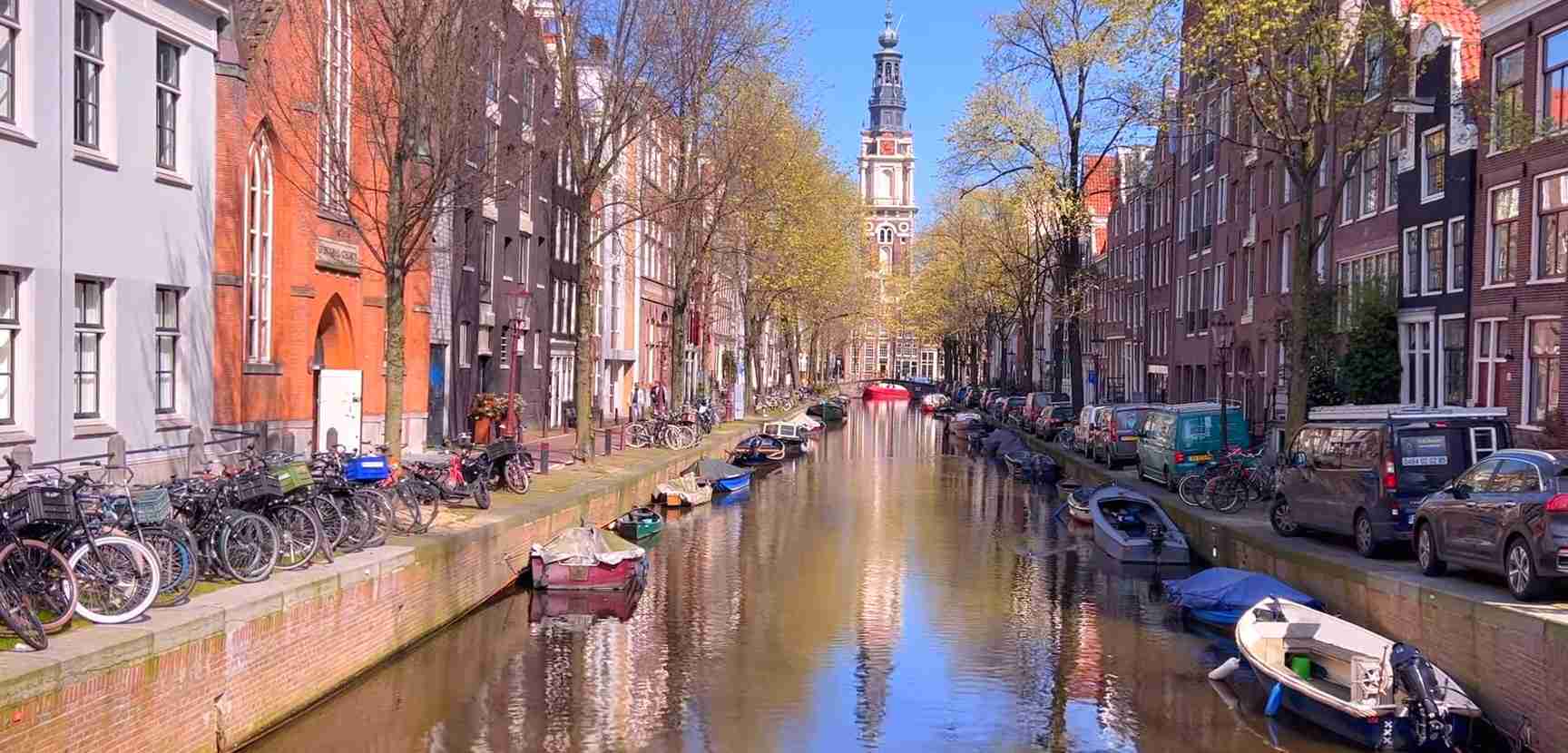
The Netherlands combines world-class museums, UNESCO World Heritage sites, innovative urban design, and picturesque countryside into one of Europe’s most rewarding destinations. From Amsterdam’s 17th-century canals to Kinderdijk’s windmills and the Wadden Sea’s natural wonders, this compact nation delivers diverse experiences within easy reach. This comprehensive guide helps you plan your 2026 Netherlands visit with practical information on regions, attractions, transportation, timing, and logistics.
Key Takeaways
- Geographic Efficiency: Netherlands’ compact size (under 200 kilometers north-south) enables multi-city exploration; Amsterdam to Maastricht takes just 2.5 hours by train
- UNESCO Heritage Richness: 13 UNESCO World Heritage Sites showcase Dutch water management innovation, architectural achievements, and natural wonders including Amsterdam’s canal ring and the Wadden Sea
- Public Transport Excellence: Trains connect major cities every 10-30 minutes, urban tram/metro/bus systems provide seamless navigation, and bicycle infrastructure supports 18 million bikes nationwide
- Seasonal Planning Impact: Peak season (June-August) requires 3-4 months advance booking for accommodation and popular museums; shoulder seasons (March-May, September-October) balance crowds and weather
- Regional Diversity: Amsterdam anchors cultural tourism, Rotterdam showcases modern architecture, Utrecht delivers medieval charm, The Hague combines politics with beaches, and Friesland offers rural authenticity
- 2026 Operational Updates: Train ticket prices increase 6.5% from January 1, Van Gogh Museum requires advance booking 5-6 weeks for summer, I amsterdam City Card no longer includes Van Gogh Museum entry
People Also Ask About Netherlands Travel 2026
What’s the best time to visit the Netherlands in 2026?
April through May offers optimal Netherlands visits combining tulip season (Keukenhof Gardens blooms mid-March through mid-May), mild weather (12-18°C), and manageable crowds with 2-3 week advance booking sufficient. September and early October provide excellent alternatives with comfortable temperatures (15-20°C), autumn colors, and fewer tourists than spring. Summer (June-August) delivers warmest weather (20-25°C) but requires 3-4 months advance planning and premium pricing. Winter (November-February) suits budget travelers and museum enthusiasts willing to accept 8-9 hour daylight and cold temperatures (2-8°C).
How many days do I need to visit the Netherlands in 2026?
First-time visitors need 7-10 days for comprehensive Netherlands experience: Amsterdam 3-4 days (museums, canal tours, neighborhoods), regional cities 2-3 days (Rotterdam, Utrecht, or The Hague), UNESCO sites 1-2 days (Kinderdijk, Zaanse Schans, or Giethoorn). Week-long trips cover Amsterdam thoroughly plus 1-2 regional destinations. Five days minimum for Amsterdam-focused visits including Haarlem or Utrecht day trips. Extended 2-week itineraries add Maastricht, Friesland, or Belgium border regions. Country’s efficient train system enables flexible daily adjustments.
Is Amsterdam the only city worth visiting in the Netherlands in 2026?
Amsterdam concentrates major museums and tourist infrastructure but regional cities deliver equally valuable experiences. Rotterdam offers cutting-edge architecture (Markthal, Cube Houses, Erasmus Bridge) and vibrant dining at 25-35% lower costs. Utrecht charms with medieval canals, Dom Tower, and central location for day trips. The Hague combines Mauritshuis museum with beach access and political institutions. Haarlem provides authentic canal-town atmosphere 15 minutes from Amsterdam. Maastricht showcases Belgian-influenced culture near southern borders. Multi-city itineraries provide richer Netherlands understanding than Amsterdam-only visits.
What are the must-see attractions in the Netherlands in 2026?
Essential experiences include Amsterdam’s canal ring (UNESCO site, free walking), Rijksmuseum (€22-23, Rembrandt’s Night Watch), Van Gogh Museum (€25, world’s largest Van Gogh collection), Anne Frank House (€16, advance booking required), Kinderdijk windmills (UNESCO site, €9.50 museum or free exterior viewing), Keukenhof Gardens (€21, April-May only), Wadden Sea (UNESCO natural site, mudflat walking), Zaanse Schans (free windmill village), Rotterdam’s modern architecture, and Utrecht’s Dom Tower (€12 climbing). Regional UNESCO sites including Defense Lines, Beemster Polder, and Rietveld Schröder House add cultural depth for extended visits.
Extended multi-day tours – 5+ days
Featured Netherlands Multi-Day Tour Packages
5 days
Around Amsterdam in 5 Days
- ✓ Comprehensive Netherlands tour
- ✓ Expert local guides included
- ✓ All accommodation arranged
- ✓ Transportation provided
6 days
6 Day Amsterdam and Beyond Self-Adventure
- ✓ Comprehensive Netherlands tour
- ✓ Expert local guides included
- ✓ All accommodation arranged
- ✓ Transportation provided
7 days
Best of Holland
- ✓ Comprehensive Netherlands tour
- ✓ Expert local guides included
- ✓ All accommodation arranged
- ✓ Transportation provided
5 days
5-Day Amsterdam Including Rotterdam and Giethoorn
- ✓ Comprehensive Netherlands tour
- ✓ Expert local guides included
- ✓ All accommodation arranged
- ✓ Transportation provided
Multi-day tour packages powered by TourRadar. Prices and availability subject to change.
Introduction
The Netherlands defies its small geographic footprint with outsized cultural influence, architectural innovation, and natural beauty. This nation of 17.5 million inhabitants transformed challenging geography (26% of land below sea level) into engineering triumph, creating a landscape of reclaimed polders, protective dikes, and iconic windmills that now serve as UNESCO World Heritage sites documenting human ingenuity.
Planning Netherlands travel in 2026 requires understanding seasonal dynamics, regional variations, and operational logistics that differ significantly from other European destinations. The country’s efficient public transport enables spontaneous exploration while advanced booking requirements for popular attractions demand strategic planning. Amsterdam’s global tourism draws millions annually, while equally compelling regional cities remain relatively undiscovered by international visitors.
This guide synthesizes practical 2026 information on transportation, accommodation, attractions, and timing to help travelers construct effective itineraries. The Netherlands rewards different travel styles from museum-focused cultural tourism to cycling-based rural exploration, food-centric culinary journeys to architecture-driven urban discovery. Understanding your priorities helps allocate limited time among competing options.
Dutch infrastructure supports independent travel exceptionally well. English proficiency reaches 90%+ in tourist areas, cashless payment systems work seamlessly with international cards, and digital resources provide real-time transport updates. However, some uniquely Dutch customs (pin-only payments, bike traffic rules, reservation requirements) require advance knowledge. This comprehensive guide addresses both broad planning questions and specific operational details for successful 2026 Netherlands visits.
Understanding the Netherlands: Geography and Regions 2026
The Netherlands occupies 41,865 square kilometers in northwestern Europe, bordered by Belgium (south), Germany (east), and the North Sea (west and north). Exceptional flatness (highest natural point just 322 meters) and extensive waterways define the landscape, with major rivers (Rhine, Meuse, Scheldt) flowing to North Sea deltas.
The country divides into twelve provinces, each offering distinct characteristics. North and South Holland provinces contain major cities (Amsterdam, Rotterdam, The Hague) and concentrate tourist infrastructure. Utrecht province anchors the geographic center with its namesake city serving as transport hub. Zeeland showcases beach towns and Delta Works engineering. Friesland maintains distinctive language and rural culture. Limburg extends southward with Belgian-influenced architecture and rolling hills (by Dutch standards).
Major Urban Regions
Randstad: Horseshoe-shaped urban area containing Amsterdam, Rotterdam, The Hague, and Utrecht houses 8+ million residents. Train connections link cities in 15-50 minutes, enabling multi-city exploration from single base. Represents economic and cultural center with densest concentration of museums, dining, and attractions.
Northern Netherlands: Provinces of Friesland, Groningen, and Drenthe offer rural landscapes, traditional villages, and outdoor activities. Wadden Sea UNESCO site provides nature experiences. Lower tourism development means authentic local culture and budget accommodation. Accessible via 2-3 hour trains from Amsterdam.
Eastern Netherlands: Gelderland and Overijssel provinces combine forest areas (Hoge Veluwe National Park), historic cities (Nijmegen, Deventer), and river landscapes. Giethoorn “Venice of the North” attracts day-trippers from Amsterdam (2 hours by car/bus).
Southern Netherlands: North Brabant and Limburg provinces border Belgium, influencing cuisine, architecture, and culture. Maastricht’s medieval center, ‘s-Hertogenbosch’s Gothic cathedral, and Eindhoven’s design scene offer alternatives to northern tourism circuit. Carnival celebrations (February-March) showcase regional traditions.
Geographic Considerations for Planning
Netherlands’ compact size eliminates long-distance travel requirements. Amsterdam to Maastricht (furthest major cities) takes 2.5 hours by train. Rotterdam sits 40 minutes from Amsterdam, Utrecht 30 minutes, The Hague 50 minutes. This efficiency enables day trips from central base or multi-city itineraries without lengthy transfers.
Flat terrain supports extensive cycling, with 35,000+ kilometers of dedicated bike paths. Cities design around bicycle transportation, making cycling practical for tourists comfortable with bike riding. E-bike rentals assist with headwinds and longer distances.
Water omnipresence shapes Dutch identity and tourism. Amsterdam’s canal ring, Rotterdam’s harbor, Kinderdijk’s water management, and Wadden Sea’s tidal flats all showcase relationships between Dutch people and water. Understanding this context enriches cultural appreciation.
Regional Destinations and Attractions 2026
Each Netherlands region offers distinct experiences and attractions. Strategic destination selection based on interests and available time optimizes visit quality.
Amsterdam: Cultural Capital
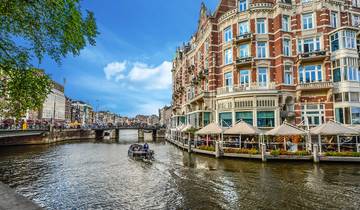
Amsterdam’s 17th-century canal ring (UNESCO World Heritage site since 2010) provides architectural backdrop for world-class museums, vibrant neighborhoods, and iconic Dutch culture. Three to four days minimum recommended for thorough exploration.
Major Museums: Rijksmuseum (€22-23) houses Dutch Golden Age masterpieces including Rembrandt’s Night Watch and Vermeer’s works. Van Gogh Museum (€25) displays world’s largest Van Gogh collection with 200+ paintings and drawings. Anne Frank House (€16) preserves hiding place and diary history, requiring 6-8 weeks advance booking for summer visits. Stedelijk Museum (€20) showcases modern and contemporary art. Amsterdam Museum (€17.50) explains city history.
Neighborhoods: Jordaan district charms with narrow streets, brown cafés, and boutique shops. De Pijp multicultural area centers on Albert Cuyp Market with street food and local culture. Oud-West residential neighborhood offers authentic daily life. Museum Quarter (Museumplein) concentrates major cultural institutions. Red Light District historical area attracts tourist curiosity alongside working windows.
Canal Experiences: Canal cruises (€15-25) provide water-level architecture views and historical context. Pedal boats offer self-guided exploration. Canal-side walking reveals gabled houses, houseboats, and bridge perspectives. Free walking along canals delivers same architectural appreciation without admission costs.
Additional Attractions: Vondelpark’s 120 acres provide green space and people-watching. Begijnhof courtyard showcases 14th-century houses. Bloemenmarkt floating flower market sells tulip bulbs and souvenirs. NEMO Science Museum (€17.50) engages children and families. A’DAM Lookout (€16.50) offers rooftop views and swing ride.
Rotterdam: Modern Architecture Hub
Rotterdam rebuilt after WWII destruction into Netherlands’ architecture laboratory. Bold contemporary design contrasts sharply with Amsterdam’s historic preservation. Two to three days recommended.
Architectural Icons: Markthal combines market hall with residential apartments in horseshoe structure featuring massive ceiling artwork. Cube Houses (Kijk-Kubus, €3 museum) tilt 45 degrees demonstrating Piet Blom’s innovative design. Erasmus Bridge “Swan” crosses harbor with distinctive asymmetric pylon. Centraal Station modern design showcases entrance point architecture. Van Nelle Factory (UNESCO site, €12.50 tour) represents functionalist industrial design.
Museums and Culture: Kunsthal Rotterdam (€15) presents rotating exhibitions across art, design, and culture. Maritime Museum (€15) documents harbor history and shipping heritage. Museum Boijmans Van Beuningen (currently closed for renovation, check 2026 status) houses Old Masters and contemporary art.
Urban Experiences: Oude Haven old harbor area offers waterfront dining. Witte de Withstraat concentrates galleries, cafés, and nightlife. Rotterdam harbor tours (€15-20) showcase Europe’s largest port operations. Fenix Food Factory artisan market provides local food scene.
Utrecht: Medieval Charm with Modern Energy
Utrecht combines 2,000-year history with thriving university culture. Central Netherlands location makes excellent multi-day base for regional exploration. Two days minimum recommended.
Key Attractions: Dom Tower (€12 climbing, 465 steps to 112-meter height) provides city panoramas and bell tower experience. Dom Church (free entry) showcases Gothic architecture. Canal wharves feature unique two-level structure with cellar restaurants and cafés. Centraal Museum (€15) displays Utrecht art and design including Rietveld furniture. Railway Museum (€17.50) appeals to train enthusiasts and families.
Neighborhoods: Oudegracht (Old Canal) central waterway lined with restaurants and shops. Lombok multicultural district offers authentic atmosphere. Wittevrouwen residential area features Art Nouveau architecture. University quarter brings student energy and budget dining.
UNESCO Site Access: Rietveld Schröder House (€15 guided tour, book weeks ahead) showcases De Stijl architecture movement. Located 10 minutes from city center by tram.
The Hague: Political Center and Beach Resort
The Hague (Den Haag) serves as Netherlands’ seat of government while offering North Sea beach access at Scheveningen. Two days recommended for combined city and coast experience.
Cultural Attractions: Mauritshuis (€17.50) houses Dutch Golden Age paintings including Vermeer’s Girl with a Pearl Earring. Gemeentemuseum (€15) displays Mondrian collection and design exhibitions. Escher Museum (€12.50) showcases graphic artist’s optical illusions. Peace Palace (€12.50 guided tour) represents international law institutions.
Beach and Seaside: Scheveningen beach resort (free access) provides North Sea swimming, pier attractions (€10), and seafood restaurants. Boulevard restaurants offer fresh fish dining. Sea Life Scheveningen (€19.50) presents marine exhibits. Summer beach clubs create lively atmosphere.
Political Tourism: Binnenhof parliamentary complex (guided tours €12.50 when available) shows Dutch governance center. Walking tours explain government district architecture and history.
Haarlem: Historic Gateway to Beaches
Haarlem delivers authentic canal-town experience 15 minutes from Amsterdam by train. Day trip or overnight stay alternative to Amsterdam premium pricing.
Attractions: Frans Hals Museum (€15) specializes in Dutch Golden Age painter’s works and Haarlem school paintings. Grote Markt central square features St. Bavo Church (€3.50) with historic organ Mozart once played. Corrie ten Boom House (donation-based) shares WWII hiding place story. Teylers Museum (€14) displays art, fossils, and scientific instruments in 18th-century building.
Beach Access: Bloemendaal aan Zee and Zandvoort beaches reach within 20-30 minutes by bus or bike, combining city and sea experiences.
Maastricht: Southern Character
Maastricht’s Limburg location near Belgian and German borders creates distinctive culture. Two to three days recommended for exploration including day trips to nearby countries.
Historic Center: Vrijthof square surrounded by medieval churches and cafés. Basilica of Saint Servatius (€8 treasury) contains Romanesque architecture. Sint-Pietersberg caves (€8.50 guided tour) show underground limestone mining. City walls and fortifications demonstrate defensive heritage.
Cultural Scene: Bonnefantenmuseum (€14) presents Old Masters and contemporary art. Natural History Museum (€10) appeals to families. André Rieu concerts (when scheduled) attract classical music fans.
Food and Wine: Limburg cuisine differs from northern Netherlands with Belgian and German influences. Wine region produces local vintages. Vlaai pastries represent regional specialty.
UNESCO World Heritage Sites 2026
The Netherlands counts 13 UNESCO World Heritage Sites (12 in Netherlands proper, 1 in Curaçao), with most showcasing innovative water management and architectural achievements. These sites provide cultural education beyond commercial attractions.
Amsterdam Canal Ring (Seventeenth-Century Canal Ring Area of Amsterdam inside the Singelgracht)
Inscribed 2010. Four main canals (Herengracht, Prinsengracht, Keizersgracht, Singel) form concentric semicircles around medieval center, creating 90+ kilometers of waterways and 1,500+ bridges. Represents 17th-century urban planning masterpiece combining residential, commercial, and water management functions. Free access for walking; canal cruises €15-25 for guided water-level perspective.
Kinderdijk-Elshout Windmills
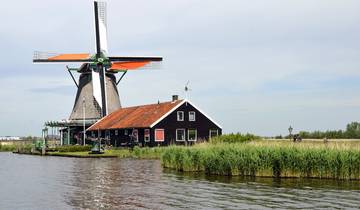
Inscribed 1997. Network of 19 windmills (built 1738-1740) in South Holland demonstrates Dutch water management technology. Windmills pumped water from low-lying polders into higher reservoirs, preventing flooding. Still operational and several inhabited by millers. Access via boat from Rotterdam (€15-20 including cruise) or direct bus/car. Museum entry €9.50; exterior viewing free.
Wadden Sea
Inscribed 2009 (extended 2014). Transnational site shared with Germany and Denmark covering world’s largest unbroken intertidal sand and mudflat system. Critical habitat for 10-12 million migratory birds annually plus seals, porpoises, and thousands of invertebrate species. Dutch portion accessible from Friesland coast. Mudflat walking (wadlopen) with licensed guides €25-35 provides unique experience walking on exposed seabed between islands. Free nature observation from coastal areas and nature centers.
Defense Line of Amsterdam / Dutch Water Defence Lines
Defense Line inscribed 1996, extended to include New Dutch Waterline in 2021. Combined 200-kilometer defensive network using controlled flooding to create barriers too shallow for boats but too deep for soldiers. Includes 102 forts, 2 castles, numerous sluices, dikes, and canals circling Amsterdam and extending to Muiden and Biesbosch National Park. Most elements freely accessible for exterior viewing; select forts offer interior tours €5-8.
Beemster Polder (Droogmakerij de Beemster)
Inscribed 1999. Reclaimed from lake in 1612 using 43 windmills, creating geometric landscape of canals, roads, and fields in perfect Renaissance-inspired grid. Located 30 kilometers north of Amsterdam. Free cycling or driving through polder roads and dikes. De Nachtegaal windmill (€4) provides historical context. Represents Dutch mastery of land reclamation.
Schokland and Surroundings
Inscribed 1995 (Netherlands’ first UNESCO site). Former island in Zuiderzee evacuated 1859 due to flooding dangers, now landlocked in reclaimed Noordoostpolder. Archaeological evidence spans 10,000+ years of habitation. Museum Schokland (€6.50) explains geological history and human adaptation. Church, lighthouse, and terp (raised mound) remain visible. Hour drive from Amsterdam.
Rietveld Schröder House
Inscribed 2000. Revolutionary 1924 house designed by Gerrit Rietveld embodying De Stijl movement principles. Features open-plan design, movable walls, and primary color scheme. Located Utrecht outskirts. Mandatory guided tours (€15) require advance booking weeks ahead due to small group sizes (10 people maximum). Represents architectural innovation in modernism.
Van Nellefabriek
Inscribed 2014. 1920s coffee, tea, and tobacco factory in Rotterdam demonstrating functionalist architecture with glass curtain walls, steel frames, and industrial design principles. Currently houses creative businesses. Guided tours (€12.50) explore architecture and history. Accessible by public transport from Rotterdam center.
D.F. Wouda Steam Pumping Station (Ir. D.F. Woudagemaal)
Inscribed 1998. World’s largest steam-powered pumping station still operational (since 1920) near Lemmer, Friesland. Pumps excess water from Friesland province at 4,000 cubic meters per minute capacity. Guided tours (€8) explain engineering and demonstrate machinery. Interactive museum appeals to engineering enthusiasts and families. 90-minute drive from Amsterdam.
Lower German Limes
Inscribed 2021. Transnational site with Germany documenting Roman Empire’s northern frontier along Rhine River. Archaeological remains include forts, watchtowers, and civilian settlements from 1st-5th centuries CE. Sites scattered across Netherlands including Utrecht, Nijmegen, and Leiden areas. Most remains integrated into modern landscape; small museums (€3-6) provide context. Free walking/cycling along former frontier.
Colonies of Benevolence
Inscribed 2021. Transnational site with Belgium representing 19th-century social experiment establishing agricultural colonies for urban poor, orphans, and vagrants. Three Dutch settlements (Frederiksoord, Wilhelminaoord, Veenhuizen in Drenthe province) plus Belgian Wortel. Museums (€7-10) explain social history. Free walking through historic buildings and landscapes. Two-hour drive from Amsterdam.
Royal Eise Eisinga Planetarium, Franeker
Inscribed 2023 (Netherlands’ newest UNESCO site). World’s oldest working planetarium (built 1774-1781) in wool comber’s living room ceiling. Demonstrates 18th-century astronomical knowledge through moving mechanical model of solar system. Museum (€10) explains construction and astronomical significance. Located Friesland, 90-minute drive from Amsterdam.
Historic Area of Willemstad, Curaçao
Inscribed 1997. Located Dutch Caribbean island of Curaçao. Colorful Dutch colonial architecture from 17th-19th centuries in vibrant Caribbean style. Handelskade waterfront and Punda/Otrobanda districts showcase UNESCO recognition. Requires separate Caribbean trip from Netherlands mainland.
Transportation and Getting Around 2026
Netherlands’ integrated public transport system enables efficient travel across country. Understanding options and ticketing maximizes convenience while controlling costs.
National Train Network
NS (Nederlandse Spoorwegen) operates comprehensive rail network connecting all major cities with departures every 10-30 minutes during daytime hours. Train travel represents most efficient Netherlands transport option.
Key Routes and Frequencies: Amsterdam-Rotterdam (40 minutes, 4-6 trains per hour), Amsterdam-Utrecht (30 minutes, 6-10 trains per hour), Amsterdam-The Hague (50 minutes, 4-6 trains per hour), Amsterdam-Maastricht (2.5 hours, 2-3 trains per hour with connections), Utrecht-Groningen (2 hours, 2-4 trains per hour).
Ticketing: Purchase tickets via NS app, website, or station machines. Mobile tickets avoid €1.60 paper ticket surcharge. Ticket prices increased 6.5% January 1, 2026. Example costs: Amsterdam-Rotterdam €11-15, Amsterdam-Utrecht €8-12, Amsterdam-The Hague €11-15. OV-chipkaart (rechargeable card) requires €7.50 card purchase plus minimum €20 credit for trains; practical for multi-week stays or frequent travelers.
Train Types: Intercity trains connect major cities with limited stops. Sprinter trains serve regional routes with all-station stops. First-class cars cost 50% premium over second class; weekend first-class pricing narrowed in 2026 to encourage usage. Reserved seating not required except international connections.
Urban Public Transport
Major cities operate integrated tram/bus/metro systems with unified ticketing. GVB serves Amsterdam, RET Rotterdam, Qbuzz The Hague, U-OV Utrecht. Systems use OV-chipkaart or contactless payment (OV-pay).
Amsterdam GVB: Extensive tram network (15+ lines) provides primary city transport. Metro serves Amsterdam Noord and outlying areas. Night buses replace trams/metro after midnight on weekends. Day pass pricing (2026): 1 day €10, 2 days €16, 3 days €21.50, 7 days €43. Purchase via GVB app for immediate use or at ticket machines/service points.
Rotterdam RET: Metro system extends to suburbs and airport. Trams serve city center. Day passes cost €7-9, cheaper than Amsterdam with similar functionality. Combined public transport and waterbus options for harbor areas.
Utrecht U-OV: Bus and tram network radiating from Centraal Station. Day passes €7-8. Compact city size makes walking practical alternative to transit for central areas.
OV-pay Contactless: Tap debit/credit cards at check-in/check-out points on all Netherlands public transport. Automatically charges journey cost (€1.16 boarding fee plus distance-based rate in 2026). Convenient for occasional use but day passes more economical for frequent daily travel.
Cycling Infrastructure and Rental
Netherlands’ 35,000+ kilometers of bike paths create world-class cycling infrastructure. Cities design around bicycle priority with dedicated lanes, traffic signals, and parking facilities.
Bike Rental Options: Tourist rental companies (MacBike, Donkey Republic, Bike City) charge €12-18 per day for standard bikes, €25-35 for e-bikes. Week-long rentals reduce daily rates 15-25%. NS OV-fiets station bikes cost €4.80 per 24 hours with OV-chipkaart registration.
Cycling Rules: Bikes use dedicated paths (fietspaden), not sidewalks. Hand signals required for turns. Bike lights mandatory after dark (rental bikes include). Lock bikes at designated racks with quality locks (included in rentals). Bike theft remains concern in Amsterdam and Rotterdam; use supervised parking when possible.
Safety Considerations: Watch for trams sharing bike lanes. Yield to bikes when crossing bike paths as pedestrian. Amsterdam bike traffic intensity intimidates newcomers; consider practicing in smaller cities (Utrecht, Haarlem) before tackling Amsterdam’s busy routes.
Car Rental and Driving
Car rental practical for rural Netherlands exploration (Friesland, Zeeland, National Parks) but unnecessary and counterproductive for cities. Daily rental costs €35-60 plus fuel at €1.90-2.20 per liter. Parking expensive and scarce in urban areas (€5-8 per hour, daily maximums €30-50 in Amsterdam).
When to Consider Car: Multi-day rural itineraries including Giethoorn, Wadden Sea coast, Hoge Veluwe National Park, or southern Limburg villages. Family travel with young children or mobility limitations. Flexibility for accessing smaller UNESCO sites (Schokland, Colonies of Benevolence). Border-region day trips to Belgium or Germany.
Driving Considerations: Narrow city streets, extensive one-way systems, and bike/pedestrian priority make urban driving challenging. Speed cameras strictly enforced with €100-300 fines. Right-hand traffic with priority-to-right at unmarked intersections. Highway speed limits 100-130 km/h depending on location and time.
Taxis and Ride-Sharing
Taxis expensive compared to public transport: €2.50 base fare plus €2-3 per kilometer. Amsterdam airport to center costs €45-55 versus €5.60 train ticket. Uber operates in major cities with similar pricing to licensed taxis. Practical for airport late-night arrivals, large luggage situations, or multi-person groups splitting costs.
Seasonal Planning and Weather 2026
Netherlands experiences temperate maritime climate with mild summers, cool winters, and year-round precipitation. Understanding seasonal patterns helps optimize visit timing.
Spring: March-May
Weather: Temperatures gradually warm from 8-12°C (March) to 15-20°C (May). Rainfall frequent but lighter than autumn/winter. Daylight increases from 12 to 16 hours across season.
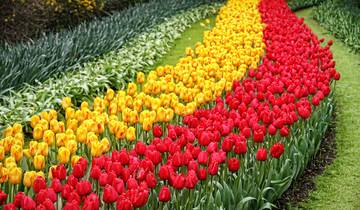
Highlights: Tulip season peaks mid-March through mid-May with Keukenhof Gardens (€21 admission) opening late March. Fields bloom across bulb-growing region between Haarlem and Leiden. King’s Day (April 27) creates nationwide orange-clad street celebrations, flea markets, and concerts, especially vibrant in Amsterdam.
Tourism Patterns: Shoulder season pricing 20-30% below summer peaks. April tulip season drives higher demand; book accommodation 6-8 weeks ahead. May combines pleasant weather with pre-summer crowds. Museums require 2-3 week advance booking versus 1-2 weeks in March.
Summer: June-August
Weather: Warmest period with temperatures 20-25°C, occasional heat waves reaching 28-32°C. Long daylight (16-17 hours in June) enables extended sightseeing. Rain still occurs; pack light jacket and umbrella.
Highlights: Outdoor festivals proliferate including Amsterdam Pride (early August), North Sea Jazz Festival Rotterdam (July), music festivals across country. Beach season at Scheveningen, Zandvoort, and Zeeland coast. Terraces and outdoor dining create vibrant atmosphere.
Tourism Challenges: Peak season crowds require 3-4 months advance booking for accommodation and popular museum time slots. Anne Frank House sells out 6-8 weeks ahead. Hotel rates peak (Amsterdam mid-range €180-350 nightly). Canal tour waiting times extend to 45-90 minutes. Restaurant reservations essential for dinner in popular areas.
Autumn: September-November
Weather: Temperatures cool from 18-22°C (September) to 8-12°C (November). Rainfall increases through season. Daylight decreases from 14 hours (September) to 9 hours (November). Early autumn delivers pleasant conditions; late autumn turns gray and wet.
Highlights: September provides summer weather without peak crowds. Autumn colors enhance parks and countryside October-November. Museums return to manageable visitor levels. Cultural season begins with concert halls, theaters, and opera programs.
Tourism Advantages: Shoulder season pricing throughout. September maintains good weather with 2-3 week advance booking sufficient. October-November deliver budget deals as winter approaches. Spontaneous travel becomes viable again after summer’s rigid advance requirements.
Winter: December-February
Weather: Cold temperatures 2-8°C with occasional freezing nights. Short daylight (8-9 hours December-January). Rain frequent; snow occasional but rarely accumulating. Gray skies dominate.
Highlights: Christmas markets (December) in major cities create festive atmosphere. Museum season thrives with immediate walk-up entry versus summer’s advance booking requirements. Brown café culture peaks with cozy interiors, traditional dishes, and local beer. Ice skating occurs in exceptional cold years when canals freeze.
Budget Benefits: January-February offer deepest savings with Amsterdam hotel rates dropping 40-50% versus summer (€100-180 mid-range versus €180-350). Flight deals and empty attractions reward cold-weather tolerance. Total trip costs decrease €300-600 weekly through accommodation and flight savings alone.
Practical Travel Information 2026
Successful Netherlands travel requires understanding operational details from payments to language, electricity to etiquette.
Money and Payments
Euro (€) serves as official currency. Netherlands operates largely cashless with many businesses accepting only cards (pin-only). Bring debit/credit cards with no foreign transaction fees. Some establishments add 2-3% credit card surcharges; debit cards generally fee-free.
ATMs widely available but non-Dutch bank cards incur €3-5 withdrawal fees. Minimize cash withdrawals by using cards for purchases. Decline dynamic currency conversion (DCC) at payment terminals to get bank exchange rates rather than merchant premiums.
Keep small cash amount (€50-100) for markets, public toilets (€0.50-1), and occasional cash-only vendors. However, trend continues toward completely cashless economy.
Language and Communication
Dutch serves as official language but English proficiency reaches 90%+ in tourist areas, service industries, and younger generations. Amsterdam, Rotterdam, Utrecht, and The Hague function almost entirely in English for tourist purposes. Rural areas and older residents may have limited English but basic communication generally succeeds.
Learning basic Dutch phrases (dank je/thank you, alstublieft/please, goedemorgen/good morning) demonstrates respect but isn’t necessary for practical travel. Menus, museum information, and transport announcements commonly offer English versions.
Electricity and Connectivity
Standard European 230V/50Hz electricity with Type C and Type F outlets (two round pins). North American devices require plug adapters and possibly voltage converters for non-universal voltage appliances.
Public WiFi abundant in hotels, cafés, museums, and many public spaces. Tourist SIM cards (Vodafone, T-Mobile, KPN) cost €15-25 for multi-gigabyte data packages. eSIM options (Airalo, Holafly) offer similar data at €10-20 for week-long Netherlands plans. Data useful for real-time transport information, restaurant bookings, and museum tickets despite WiFi availability.
Health and Safety
Netherlands ranks among Europe’s safest countries. Violent crime rare; petty theft (pickpocketing, bike theft) represents primary concern in tourist areas. Basic precautions suffice: secure valuables, watch bags in crowded areas, lock rented bikes properly.
European Health Insurance Card (EHIC) provides EU/EEA nationals with healthcare access. Non-EU visitors should carry travel insurance. Pharmacies (apotheek) handle minor health issues; hospitals provide emergency care. Tap water safe to drink throughout country.
Etiquette and Customs
Dutch directness differs from more reserved cultures. Straightforward communication valued over excessive politeness. Punctuality important for reservations and appointments. Queuing expected; line-cutting socially unacceptable.
Tipping optional but appreciated for good service: round up bills or add 5-10% at restaurants. Service charges included in posted prices. Taxi drivers appreciate €1-2 rounding up. Hotel porters €1-2 per bag.
Cycling infrastructure prioritizes bikes; pedestrians must yield when crossing bike paths. Watch for bikes before stepping off curbs or trams. Bell ringing indicates cyclists need clearance, not aggression.
Cannabis coffee shops operate legally in designated establishments. However, marijuana remains illegal for street purchase or public consumption outside licensed venues. Smoking/vaping prohibited in most public buildings, restaurants, and many outdoor areas.
Accommodation Strategies 2026
Strategic accommodation choices significantly impact trip costs and experiences. Understanding options and booking timing optimizes value.
Amsterdam Accommodation
Amsterdam hotels command premium pricing due to limited supply and high demand. Budget options cluster around Centraal Station and outer neighborhoods; mid-range properties concentrate in canal ring and museum quarter; luxury hotels occupy prime canal-front positions.
Booking Timeline: Summer visits require 3-4 months advance booking for best rates and property selection. Shoulder seasons (spring/autumn) need 6-8 weeks. Winter allows 3-4 weeks. Last-minute availability exists in winter but summer sells out completely.
Neighborhood Considerations: Grachtengordel (Canal Ring) provides walking access to attractions with highest room rates. Jordaan offers charm and restaurants with slightly better value. De Pijp and Oud-West residential areas reduce costs 15-20% while maintaining good tram connections. Amsterdam Noord across IJ river delivers budget options with free ferry access.
Regional City Value
Utrecht, Rotterdam, The Hague, and Haarlem offer 20-35% accommodation savings versus Amsterdam with equivalent or superior quality. Consider regional bases for multi-day stays with Amsterdam day trips, or split time between cities for varied experiences without Amsterdam premium pricing throughout.
Base Selection Factors: Utrecht’s central location enables day trips to Amsterdam (30 minutes), Rotterdam (35 minutes), The Hague (40 minutes), making excellent multi-city base. Rotterdam’s modern vibe attracts architecture enthusiasts while saving money. The Hague adds beach access to city culture. Haarlem provides canal-town atmosphere with easy Amsterdam access.
Vacation Rentals and Apartments
Apartments benefit groups or longer stays through kitchen access and space advantages. Amsterdam regulations limit short-term rentals in central areas, reducing availability and increasing prices. Regional cities offer more vacation rental options with fewer restrictions.
Calculate total costs including tourist tax (added per person per night) and cleaning fees before comparing to hotel rates. Groups of 3-4 people often find better value; solo travelers or couples may not save significantly.
Hostels for Budget Travelers
Quality hostels provide budget accommodation across major cities. Amsterdam hostels charge €25-50 per dormitory bed, €60-120 for private rooms. Regional cities cost €18-40 dormitories, €50-100 private rooms. ClinkNOORD, The Student Hotel, Generator Amsterdam, and King Kong Hostel offer good Amsterdam value with social atmospheres.
Food and Dining Experiences 2026
Dutch cuisine combines traditional recipes with colonial influences and modern culinary innovation. Understanding dining options enhances cultural immersion and budget management.
Traditional Dutch Food
Stamppot (mashed potato dishes with vegetables and sausage) represents quintessential comfort food (€15-18 in brown cafés). Bitterballen (deep-fried meatballs) serve as beer snacks (€8-12 portion). Stroopwafels (caramel-filled waffle cookies) available at markets (€3-4). Poffertjes (mini pancakes) topped with butter and powdered sugar satisfy sweet cravings (€6-8). Raw herring (haring) eaten whole or in sandwiches demonstrates acquired taste (€3-5). Cheese varieties from Gouda to Edam showcase dairy traditions (markets offer tastings).
Indonesian Heritage Cuisine
Colonial history introduced Indonesian food as Dutch staple. Rijsttafel (rice table) features 10-15 small dishes for €25-35 per person, providing excellent value and variety. Nasi goreng (fried rice) and satay (grilled meat skewers) represent familiar favorites (€10-15 takeaway, €15-25 restaurants). Quality Indonesian restaurants populate all major cities.
International and Modern Dutch
Multicultural population creates diverse dining options from Turkish kebabs (€8-12) to Surinamese roti (€10-15), Chinese/Thai/Vietnamese (€12-20), and Middle Eastern (€10-18). Modern Dutch restaurants elevate traditional ingredients with contemporary techniques (€25-45 mains).
Markets and Street Food
Albert Cuyp Market (Amsterdam), Markthal (Rotterdam), and local markets across cities offer street food experiences. Stroopwafels, Dutch pancakes (€6-9), fries with mayonnaise (€4-6), and international foods (€8-15) provide budget-friendly authentic tastes.
Brown Cafés and Beer Culture
Bruine kroegen (brown cafés) named for tobacco-stained walls serve traditional Dutch atmosphere with local beers (€4-6) and simple food (€12-20 meals). Heineken, Grolsch, and Bavaria represent mainstream brands while craft beer scene expands with microbreweries offering specialty brews (€6-9).
Museum and Cultural Planning 2026
Netherlands concentrates world-class museums requiring strategic planning for optimal experiences and value.
Amsterdam Museum Strategy
Major museums require advance booking 2-3 weeks ahead for summer, 1-2 weeks for winter. Anne Frank House demands 6-8 weeks summer booking due to limited capacity. Van Gogh Museum sells out 5-6 weeks ahead for peak season. Rijksmuseum generally available 2-3 weeks out but early booking ensures preferred times.
I amsterdam City Card (€65-90 for 1-5 days) includes most major museums except Van Gogh Museum (discontinued 2022) plus public transport. Calculate value based on planned visits: 3+ museums (€60-75 value) plus multi-day transport (€16-30 value) exceeds card cost at 48+ hour duration.
Visit sequence optimization: Start early (9:00 AM openings) at popular museums to avoid afternoon crowds. Allocate 2-3 hours for Rijksmuseum, 1.5-2 hours for Van Gogh Museum, 1 hour for Anne Frank House. Reserve energy-intensive museums (Rijksmuseum, Van Gogh) for fresh morning hours; afternoon suits smaller collections.
Regional Museum Excellence
Quality museums exist beyond Amsterdam with lower costs and fewer crowds. Mauritshuis (The Hague, €17.50) rivals Amsterdam museums with Vermeer and Rembrandt masterpieces in intimate setting. Frans Hals Museum (Haarlem, €15) showcases Dutch Golden Age. Kröller-Müller Museum (near Arnhem, €21) combines Van Gogh collection with sculpture garden in National Park setting.
Itinerary Suggestions 2026
These sample itineraries demonstrate efficient Netherlands exploration across different durations and interests.
First-Time Visit: 7 Days
Days 1-3: Amsterdam – Canal walking and neighborhoods (day 1), Rijksmuseum and Vondelpark (day 2), Van Gogh Museum and Anne Frank House (day 3). Evening canal cruise, brown café experiences, Albert Cuyp Market visit.
Day 4: Haarlem Day Trip – Frans Hals Museum, Grote Markt, optional Zandvoort beach. Return Amsterdam for evening.
Day 5: Utrecht – Travel to Utrecht (30 minutes), Dom Tower climb, canal exploration, Centraal Museum. Overnight Utrecht.
Day 6: Rotterdam – Travel to Rotterdam (35 minutes from Utrecht), Markthal, Cube Houses, harbor tour. Return Utrecht evening or overnight Rotterdam option.
Day 7: Kinderdijk or Keukenhof – Kinderdijk windmills via Rotterdam (April-May: substitute Keukenhof Gardens). Return Amsterdam for evening departure or final night.
Cultural Deep Dive: 10 Days
Days 1-4: Amsterdam – Comprehensive museum coverage (Rijksmuseum, Van Gogh, Anne Frank, Stedelijk, Amsterdam Museum), neighborhood exploration (Jordaan, De Pijp, Noord), canal experiences.
Day 5: Haarlem and Beach – Frans Hals Museum, Grote Kerk, beach time at Bloemendaal or Zandvoort.
Days 6-7: The Hague and Delft – Mauritshuis, Peace Palace, Scheveningen beach (day 6). Delft day trip with porcelain workshops and medieval center (day 7).
Days 8-9: Rotterdam and Utrecht – Rotterdam architecture and museums (day 8), Utrecht historic center and Rietveld Schröder House (day 9).
Day 10: Kinderdijk and Return – Morning windmill visit, afternoon return Amsterdam or departure.
UNESCO Heritage Focus: 7 Days
Days 1-2: Amsterdam – Canal ring exploration (UNESCO site), Rijksmuseum (canal ring context), canal cruise, neighborhoods.
Day 3: Kinderdijk – Full day windmills via Rotterdam, museum entry and walking/cycling around polders.
Day 4: Utrecht and Rietveld Schröder House – Guided tour Rietveld house (book ahead), Utrecht center exploration.
Day 5: Beemster Polder and Wadden Sea Introduction – Morning cycling Beemster Polder, afternoon travel toward Friesland.
Days 6-7: Wadden Sea and Northern Sites – Mudflat walking (wadlopen) guided tour, D.F. Wouda Steam Pumping Station, Royal Eise Eisinga Planetarium (newest UNESCO site). Return Amsterdam day 7 evening.
Frequently Asked Questions
Do I need to speak Dutch to visit the Netherlands in 2026?
English proficiency reaches 90%+ in tourist areas, service industries, and among younger generations, making Dutch language skills unnecessary for practical travel. Amsterdam, Rotterdam, Utrecht, and The Hague function almost entirely in English for tourist purposes. Menus, museum information, transport announcements, and hotel interactions routinely occur in English. Rural areas and older residents may have limited English, but basic communication generally succeeds through simplified English or gestures. Learning basic Dutch phrases (thank you, please, good morning) demonstrates respect but practical travel operates smoothly without Dutch language knowledge.
Is 3 days enough for the Netherlands in 2026?
Three days provides Amsterdam introduction but leaves little time for regional exploration or comprehensive cultural engagement. Realistic 3-day itinerary covers Amsterdam highlights (Rijksmuseum, Van Gogh Museum, canal experiences, 1-2 neighborhoods) with possible half-day trip to Haarlem or Zaanse Schans. Miss Rotterdam’s modern architecture, Utrecht’s medieval charm, UNESCO windmills at Kinderdijk, and The Hague’s museums/beach. Minimum 5 days recommended for Amsterdam plus one regional city; 7-10 days optimal for first-time comprehensive Netherlands experience including multiple cities and UNESCO sites. Three days better than nothing but recognize limitation on breadth of experiences possible.
Should I rent a car in the Netherlands in 2026?
Car rental unnecessary and counterproductive for cities due to excellent public transport, expensive parking (€5-8 per hour, €30-50 daily maximum in Amsterdam), narrow streets, and extensive bike/pedestrian priority zones. Train network connects all major cities in 15-60 minutes with frequent departures. Consider car only for rural multi-day itineraries including Giethoorn, Wadden Sea coast, Hoge Veluwe National Park, southern Limburg villages, or accessing smaller UNESCO sites like Schokland and Colonies of Benevolence. Rental costs €35-60 daily plus fuel at €1.90-2.20 per liter. Most visitors never need car; those exploring rural Netherlands benefit from 2-3 day rental while using trains for cities.
What’s the best base city for exploring the Netherlands in 2026?
Utrecht serves as optimal base for multi-city Netherlands exploration due to central geographic location and excellent train connections to Amsterdam (30 minutes), Rotterdam (35 minutes), The Hague (40 minutes), and Maastricht (2 hours). Accommodation costs 20-25% less than Amsterdam while offering equally charming canal atmosphere and medieval architecture. Day trips enable Amsterdam cultural experiences, Rotterdam architecture, The Hague museums/beach, and regional UNESCO sites all from single hotel. Amsterdam provides most tourist infrastructure and attractions but commands premium pricing. Rotterdam suits modern architecture enthusiasts. The Hague adds beach access. Choose based on priorities: Utrecht for multi-city efficiency and value, Amsterdam for cultural depth and convenience, Rotterdam for architecture and nightlife, The Hague for politics and coast.
How do I visit Kinderdijk windmills from Amsterdam in 2026?
Most efficient route combines train and boat: Take train from Amsterdam Centraal to Rotterdam Centraal (40 minutes, €11-15), then Waterbus line 202 to Kinderdijk (30 minutes, €4-6). Total journey 90 minutes each way. Alternative: train to Rotterdam, then bus 90 to Kinderdijk (45 minutes total from Rotterdam). Car rental allows flexible timing (60 kilometers, 60-minute drive) but parking costs €5-8. Organized tours from Amsterdam cost €45-65 including transport and guide. Independent visit via public transport more economical (€30-35 return plus €9.50 museum admission) and allows flexible schedule. Visit requires half-day minimum from Amsterdam; full day allows relaxed exploration and optional cycling around polders. Check Waterbus schedules as frequency varies by season.
When should I book Amsterdam museums for 2026?
Anne Frank House requires 6-8 weeks advance booking for summer visits (April-September), 3-4 weeks for winter due to limited hourly capacity. Van Gogh Museum needs 5-6 weeks summer booking, 2-3 weeks winter. Rijksmuseum generally available 2-3 weeks ahead but early booking ensures preferred morning time slots. Stedelijk Museum and Amsterdam Museum usually book 1-2 weeks out. Book immediately after confirming travel dates for summer visits; winter allows more flexibility. Tickets non-refundable but some museums allow date/time changes 48+ hours ahead. Without advance booking, summer visitors risk sold-out museums or inconvenient time slots 17:00-20:00. Winter walk-up entry sometimes possible but advance booking recommended to guarantee access.
Can I visit Belgium from the Netherlands easily in 2026?
Belgium border sits 90-120 minutes from Amsterdam by train with frequent connections to Brussels, Bruges, Ghent, and Antwerp. Maastricht (southern Netherlands) borders Belgium closely, reaching Liège in 45 minutes. No border controls (Schengen Area) make crossing seamless. Day trips practical from Amsterdam: Brussels (2 hours, €35-55 return), Bruges (3.5 hours, €40-65 return). Multi-day itineraries combining Netherlands and Belgium leverage geographic proximity. Consider overnight Brussels/Bruges during Netherlands trip or vice versa. Rotterdam and The Hague reach Belgian cities in 1.5-2 hours. Book international train tickets in advance for best rates via NS International or direct railway websites. Thalys and Eurostar high-speed trains connect Amsterdam-Brussels in under 2 hours (€35-80 depending on booking timing).
What should I pack for the Netherlands in 2026?
Netherlands weather unpredictability requires layered clothing regardless of season. Essential items: waterproof jacket and/or compact umbrella (rain occurs year-round), comfortable walking shoes (extensive walking on cobblestones and bike paths), layers for temperature fluctuations (15°C mornings can reach 25°C afternoons in summer), adapter for European outlets (Type C/F with two round pins). Summer additions: sunglasses, light jacket for evenings, sun protection. Winter additions: warm coat, scarf, gloves, warm layers for 2-8°C temperatures. Spring/autumn: medium jacket, mix of short and long sleeves. Netherlands’ flat terrain and extensive walking make comfortable shoes critical. Bike rental common but not essential; pack accordingly if planning significant cycling. Casual dress acceptable at most restaurants; few venues require formal attire. Bring reusable water bottle for refills at fountains/hotels.
How safe is Amsterdam for solo travelers in 2026?
Amsterdam ranks among Europe’s safest cities for solo travelers including women. Violent crime extremely rare; petty theft (pickpocketing, bag snatching) represents primary concern in tourist areas like Dam Square, Red Light District, and crowded tram stations. Take basic precautions: secure valuables, watch bags in crowds, avoid displaying expensive electronics conspicuously. Red Light District safe to walk through but maintain awareness in late evening. Public transport safe at all hours with good lighting and security presence. Solo dining, museum visits, and walking common and socially acceptable. Extensive English proficiency eliminates communication barriers. Emergency number 112 connects police, fire, ambulance. Tourist police presence in central areas provides visible security. Women traveling alone report feeling comfortable walking evenings, though standard awareness of surroundings applies. Bike theft only significant crime risk; use quality locks on rentals.
What makes the Netherlands different from other European countries for tourists in 2026?
Netherlands distinguishes itself through exceptional public transport efficiency, extensive English proficiency (eliminating language barriers), comprehensive cycling infrastructure (enabling alternative transportation), and cashless payment systems (cards-only establishments common). Cultural aspects include direct communication style (less formal politeness than Anglo cultures), pragmatic drug policy (legal cannabis coffee shops), and distinctive architecture (canal houses, windmills, modern Rotterdam). Geographic uniqueness includes land below sea level (26% of country), extensive water management infrastructure, and flat terrain throughout. Tourist behavior differs with cycling priority (bikes yield to pedestrians minimally; pedestrians must watch for bikes), less tipping culture (service included), and scheduled museum entries (advance booking essential). Netherlands offers concentrated cultural experiences (13 UNESCO sites in compact area) enabling efficient multi-site visits without long-distance travel typical in France, Germany, or Italy. Combination of historical preservation and modern innovation creates distinctive European destination.